Where Personal Training Is Headed: 10 Key Shifts for 2027
Gym memberships are growing, but are clients hiring personal trainers? Here is what the latest research says about hybrid coaching, GLP-1 support, AI workflows, and wearables and how independent trainers with 5–30 clients can use these for their advantage.
Personal training involves SO much more than what happens during a 60-minute appointment. Independent trainers are managing new ways to deliver coaching, broader client goals, and tools that speed up programming and admin work.
Overall fitness demand remains strong. The Health & Fitness Association (HFA) consumer report notes that 81 million Americans belonged to a fitness facility in 2025, up 5.2% from 2024. In the UK, the ukactive market report shows membership reached 12.2 million people, with 679 million facility visits in 2025, a 10% jump from the previous year.
If you run an independent personal trainer business, especially if you manage 5 to 25 clients, the real question is how these industry shifts affect the day-to-day service your clients receive and the hours you spend working.
Below are the 10 personal training trends worth understanding right now.
(Note: This article draws on personal training industry statistics and research available through October 2026. Because some 2026 reports rely on 2025 activity data or professional surveys, the specific dates and groups behind the numbers are noted in each section.)
Key Takeaways:
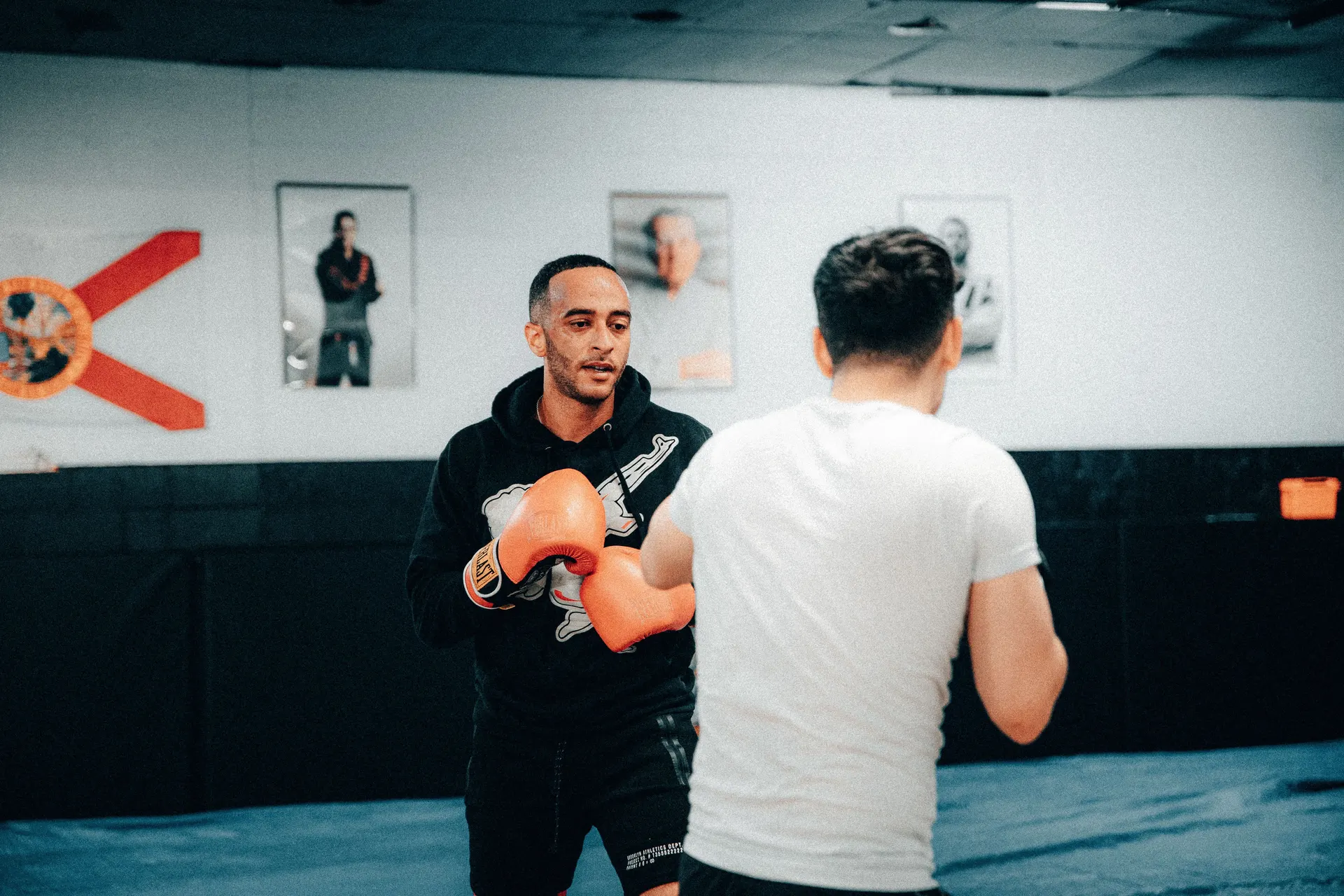
- Coaching extends beyond live appointments: With clients averaging 21 live sessions per year (down from 28 in 2019), 48% of surveyed coaches now use hybrid models that combine in-person training with remote support.
- Changing client profiles: Gym memberships for adults 65+ grew 8.6%, and 12% of US adults now use GLP-1 medications—making progressive strength training and clear scope-of-practice boundaries essential.
- Tech as an assistant, not a replacement: Wearable tech ranks #1 in ACSM's forecast, and 64% of coaches are exploring AI. The real value for trainers managing 5–25 clients is cutting routine admin time while keeping human judgment at the center of programming.
1. Hybrid Personal Training Models Are Becoming the Standard for Coaching Delivery
A hybrid personal training model combines in-person workouts with ongoing support between appointments. Depending on how you set up your business, that support might include workouts the client does on their own, video form checks, messaging, or weekly progress reviews.
In its 2026 industry report, ABC Trainerize found that 48% of surveyed coaches use hybrid fitness coaching as their main way of working with clients. Because that number comes from coaches who already pay for software, it does not represent every trainer worldwide. Even so, it shows how common blended coaching has become.
The main shift with in-person and online personal training is what happens when the client leaves the gym. For example, a client might train with you in person once a week, complete two workouts on their own, and get feedback from you before their next live appointment.
That setup only works when you set clear boundaries with personal training clients. People need to know what workouts to do, how to log their numbers, and when you will reply to their messages.
For a small practice, your weekly workload depends on those promises just as much as your total client headcount. Ten clients getting detailed feedback three times a week will take more of your time and energy than twenty clients who only show up for live appointments.

2. Flexible Personal Training Packages: Supporting Clients Who Buy Fewer Live Sessions
How many people want coaching and how many live appointments they actually buy are two different things.
HFA coaching participation research found that 23% of US gym members worked with a personal trainer in 2024, while 32% joined small-group training. However, average personal training session frequency was 21 sessions per year, compared with 28 sessions in 2019. While these numbers look at past behavior rather than a sudden drop in 2026, they highlight a clear buying habit.
Many people value your expertise but want fewer supervised sessions. A 1x-a-week personal training client might simply want a solid monthly workout plan, an occasional technique review, and help adjusting their routine when work or family life gets busy.
When you look at your business, counting active clients only tells half the story. You also have to factor in the time you spend writing programs, answering texts, and reviewing workouts. Offering flexible personal training packages lets you serve clients who want lighter session schedules, as long as you price that outside-the-gym work fairly and spell out exactly what is included.

3. Strength Training for Healthy Aging and Older Adults Remains a Top Priority
Building muscle matters at every age, and strength training for healthy aging is getting major attention in 2026.
In the ACSM Worldwide Fitness Trends 2026 survey (which polls exercise professionals rather than tracking consumer spending), three related categories made the top ten:
- Fitness programs for older adults: Ranked #2
- Traditional strength training: Ranked #7
- Functional fitness training: Ranked #10
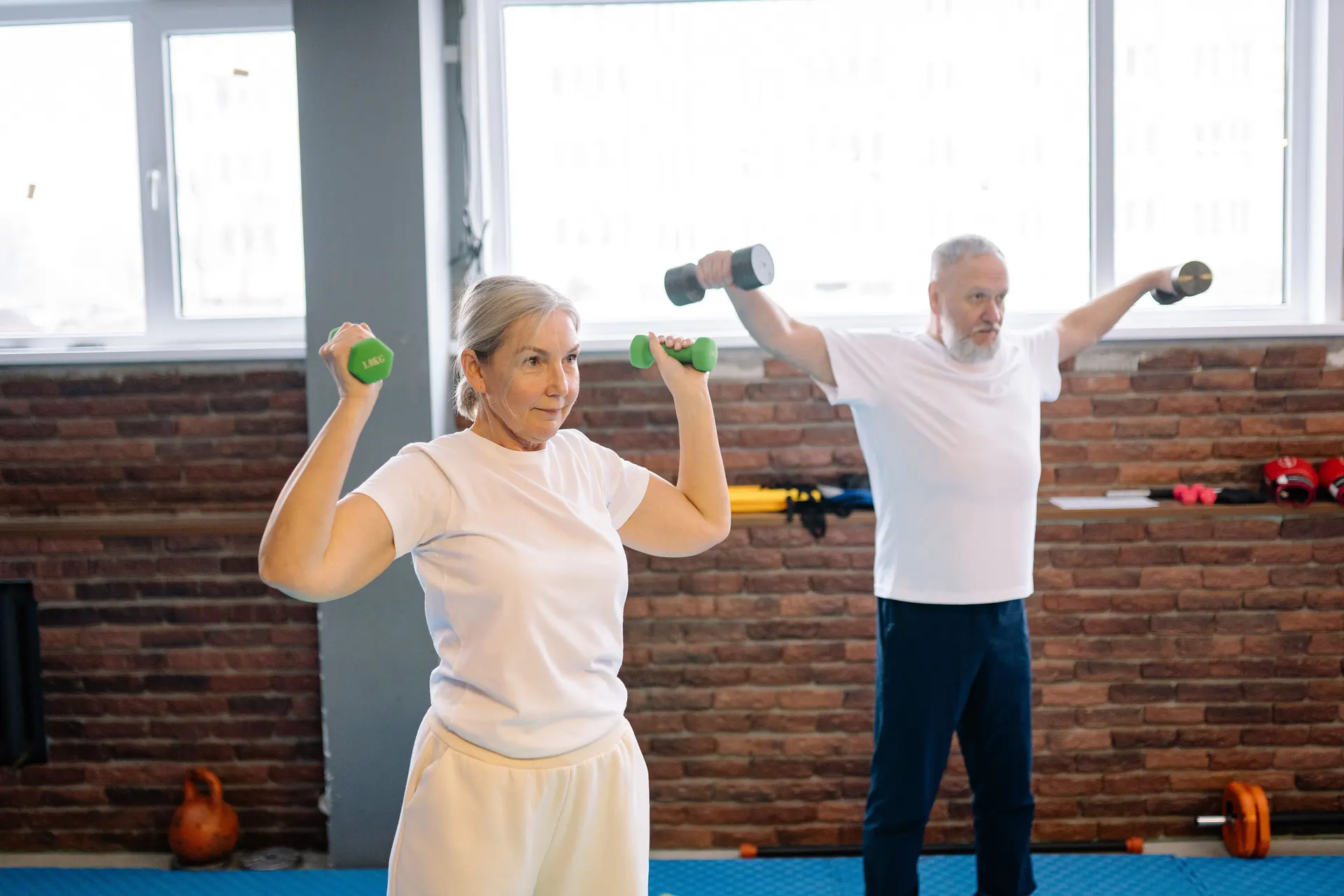
Gym floor numbers back this up. HFA consumer findings show that US gym memberships among adults aged 65 and older grew 8.6% in 2025, and free weights have been the fastest-growing equipment category since 2021.
Still, plenty of people have not started lifting. A January 2026 poll of over 4,000 adults by ukactive and Les Mills found that 32% of UK adults do zero muscle-strengthening activity.
That gap creates a clear opportunity for trainers offering personal training for adults over 65. Most older clients want practical results: carrying heavy groceries, playing sports without pain, keeping their balance, and living independently. Because older adults vary wildly in their health history and gym experience, good coaching always starts with an individual assessment rather than an age-based template.
4. Training Clients on GLP-1 Medications: Preserving Lean Mass Within Your Scope of Practice
Weight-loss medications have changed the conversations clients bring to the gym.
A KFF GLP-1 poll of 1,343 US adults in March 2026 found that 12% were currently taking a GLP-1 medication, and 18% had used one at some point for weight loss or a health condition. While those numbers cover the general public rather than gym members specifically, trainers are seeing this shift firsthand.
Exercise for weight management looks different when a client is on medication. A joint clinical advisory from four major medical and nutrition organizations recently stressed that adequate protein and strength training for GLP-1 clients are essential for preserving lean muscle mass while losing weight.
When you are training clients on GLP-1 medications, your focus often moves away from burning calories and toward keeping muscle, building strength, and managing daily energy levels.
Just as important is respecting your personal trainer scope of practice. Adjusting medication doses, managing side effects, and writing medical meal plans belong with doctors and registered dietitians. Your job is to provide safe, progressive strength work that fits how the client feels that day.

5. AI for Personal Trainers: Reducing Routine Admin Work Without Losing Human Judgment
Trainers are testing out AI for personal trainers to speed up program templates, client messages, social media posts, and back-office admin.
In the 2026 Trainerize survey summary, more than 64% of coaches said they were using or exploring AI. That phrasing is worth noting: poking around an AI tool is very different from relying on it every day to run your business.
A smaller October 2025 survey of 90 students and graduates from ISSA AI research adds useful context. While 71% of respondents said AI improved their workflow speed, only 17% saw clear improvements in actual client results.
Right now, the best use for AI is reducing personal trainer admin time. You can use it to clean up messy session notes, organize a rough workout outline, or draft a weekly check-in email.
The real test of personal trainer workflow efficiency is how long it takes you to finish the job accurately, including the time you spend fixing the AI's mistakes. Getting a rough workout draft in ten seconds does not mean the plan is safe for your client's bad shoulder. Your human judgment is still what keeps clients safe, understood, and progressing.
6. Wearable Technology and Data-Driven Coaching: Turning Recovery Scores into Decisions
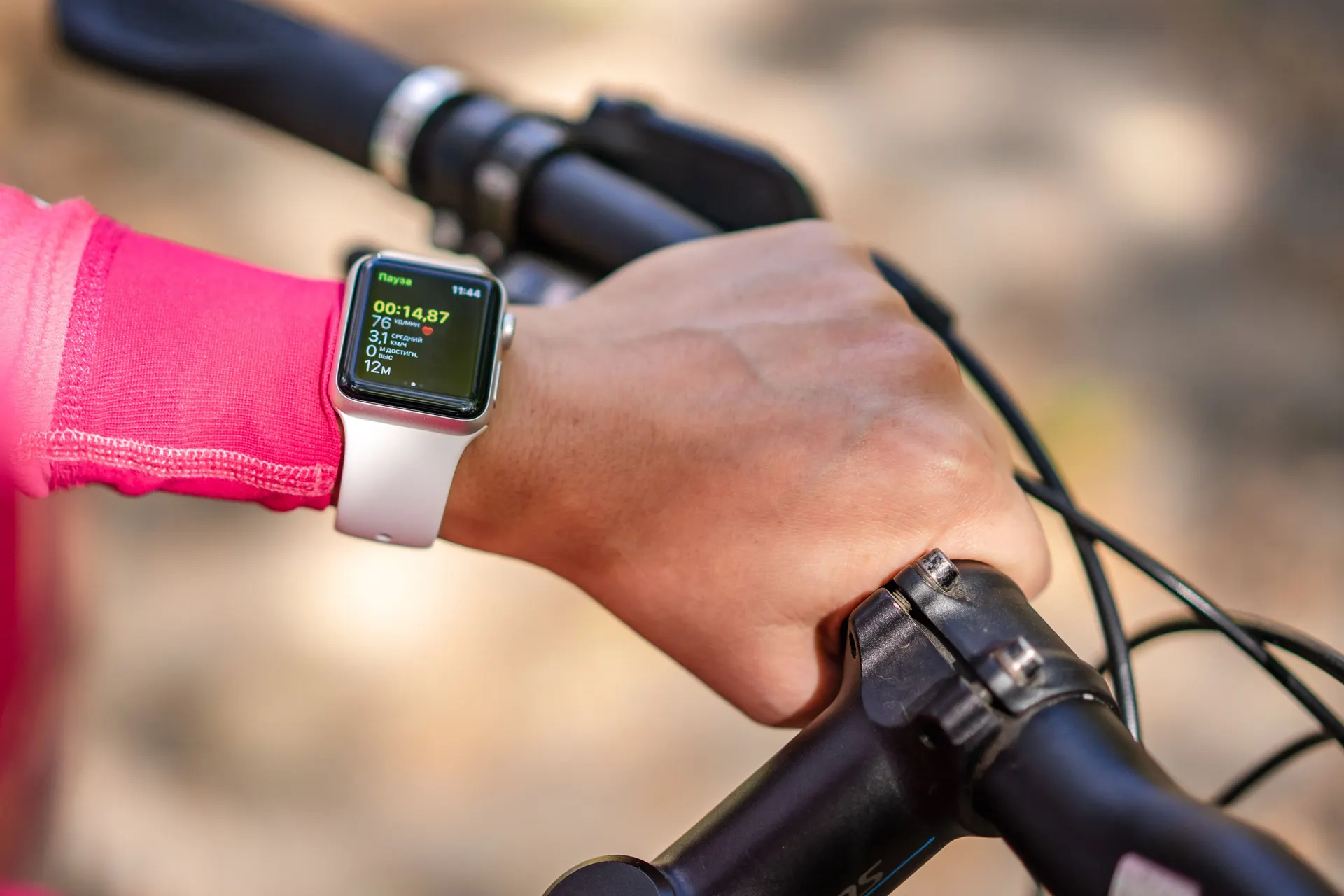
Wearable technology in personal training took the #1 spot in the ACSM 2026 forecast, while data-driven training technology ranked #8 (based on responses from roughly 2,000 clinicians, researchers, and coaches).
Because so many clients wear smartwatches and fitness rings, step counts, resting heart rates, sleep estimates, and readiness scores regularly show up in training sessions.
The challenge is knowing which numbers actually matter. You have probably had a client walk into the gym worried about a low recovery score on their watch, even though they feel great. You might also have clients who track months of sleep and heart rate numbers without changing a single daily habit.
Good coaching with wearable recovery scores connects the numbers to simple choices:
- Which one or two numbers are we actually tracking?
- How often do we look at them together?
- When do we let a watch reading change today's workout?
Device numbers have limits, and accuracy varies wildly from brand to brand. Treat tracker data as helpful background context, and weigh it against how the client actually feels and moves under the bar.
7. Small Group Personal Training and Community Events Offer Social Ways to Train
For many people, the gym is one of their main social outlets.
Alongside HFA's finding that 32% of gym members do small-group training, the Strava Year in Sport report (combining app data with a survey of 30,000 users) showed a massive jump in social workouts. New Strava clubs nearly quadrupled in 2025, and club-hosted events grew 1.5 times year over year.
While free run clubs do not equal paid personal training sales, they prove that people enjoy working out together.
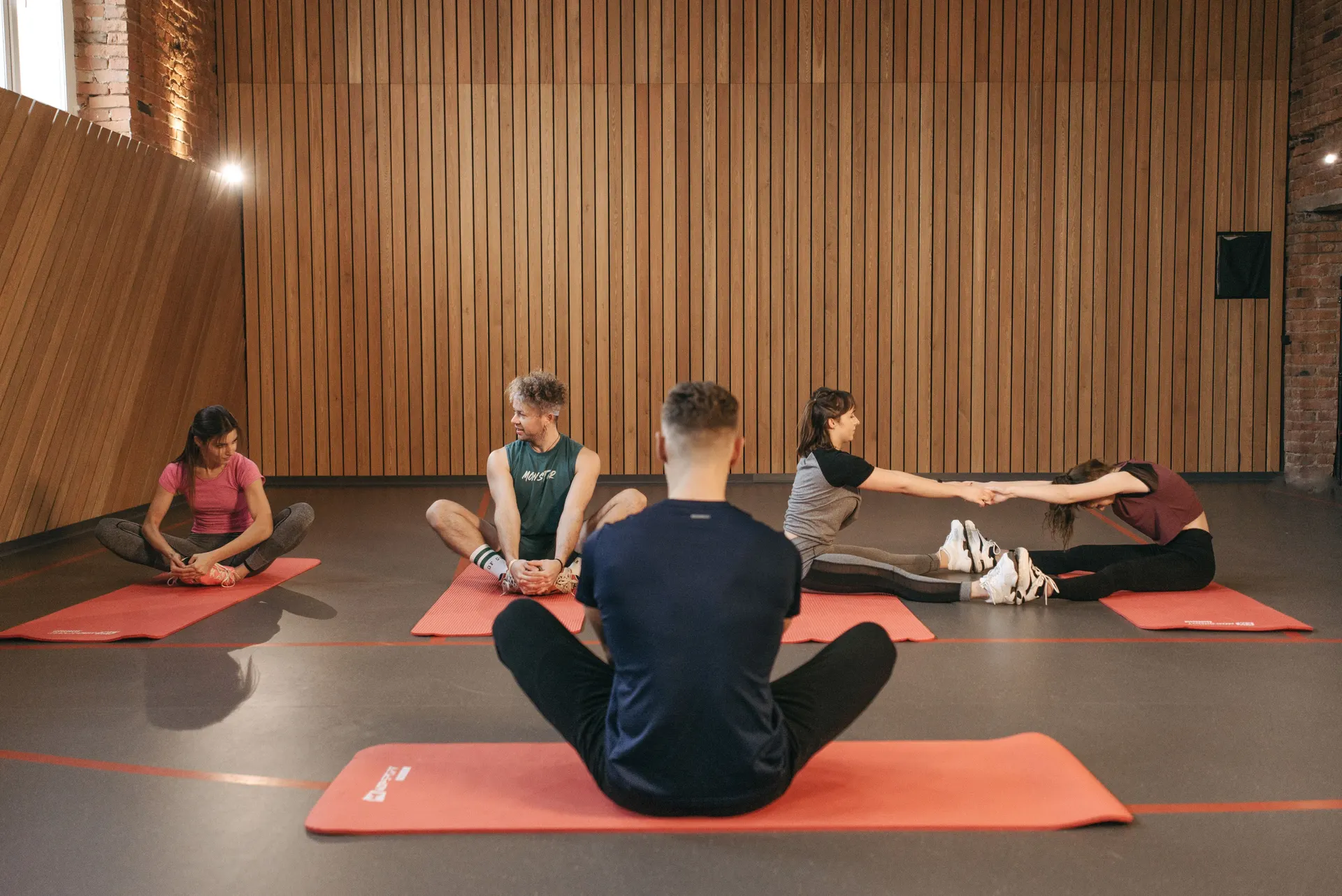
For an independent coach, tapping into social fitness trends might mean running a semi-private personal training model (training 2 to 4 people at once), hosting a monthly weekend conditioning workout, or organizing a gym hike.
The secret to good small group personal training is keeping the coaching personal. Four people can share a 60-minute slot while lifting different weights and doing different exercise variations. At the same time, remember that some clients hire you specifically for quiet, one-on-one privacy. Group options work best when they match how your specific clients want to show up.
8. Mobility, Low-Impact Training, and Evidence-Based Recovery Have Visible Demand
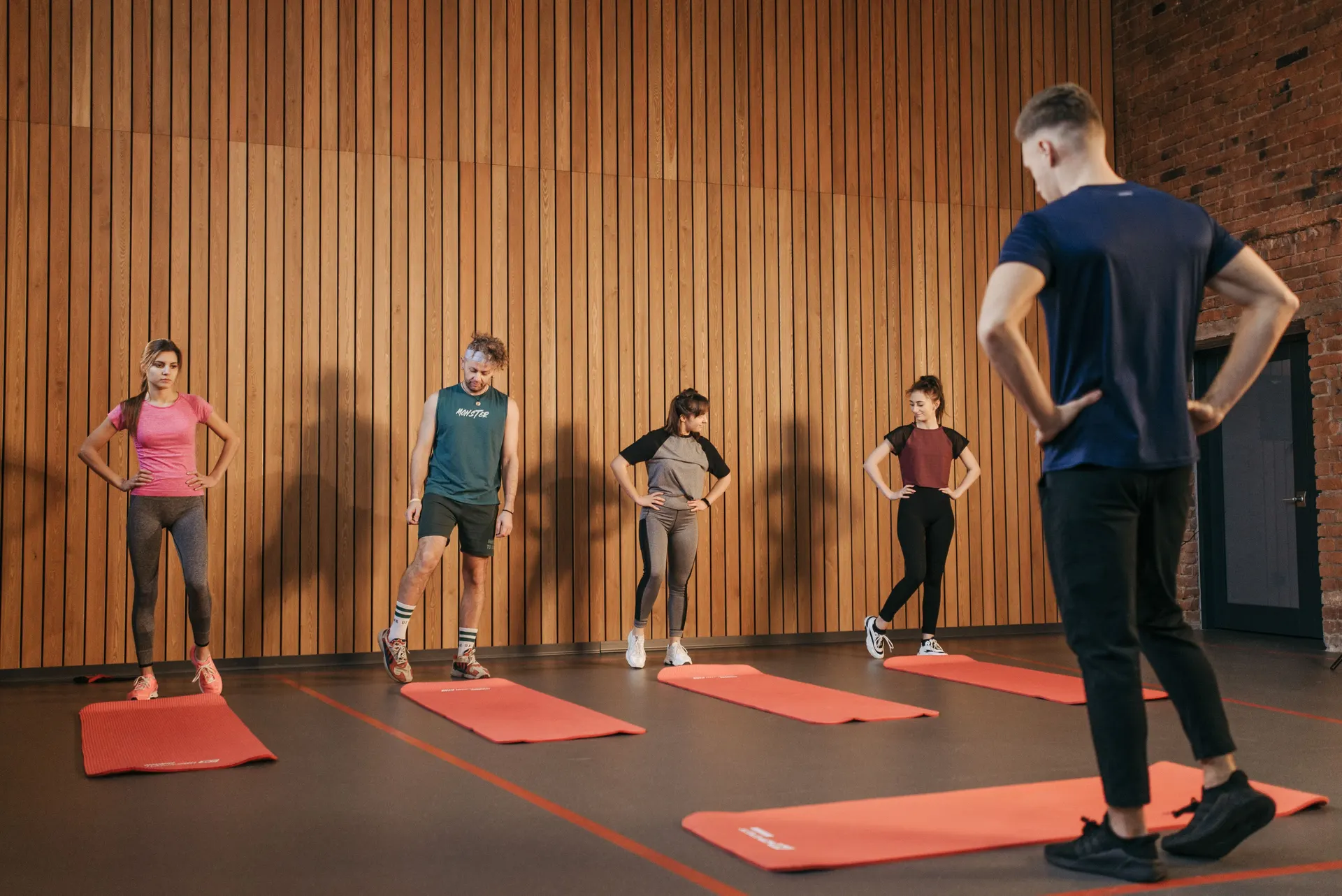
Heavy lifting works best when paired with mobility and recovery training and lower-impact movement options.
ACSM ranked balance, flow, and core strength #5 in its 2026 forecast. Meanwhile, the ClassPass booking report (tracking platform reservations from January to October 2025) showed big year-over-year booking jumps across several categories:
- Sports recovery: Up 155%
- Postnatal workouts: Up 77%
- Pilates: Up 66%
- Strength training: Up 27%
Because ClassPass numbers reflect what its specific app users book, they do not represent the entire fitness market. Still, they show strong interest in low-impact strength and mobility workouts.
In day-to-day coaching, this means having smart backup plans when a client is short on time, low on energy, or dealing with stiff joints. It also means taking an honest look at evidence-based sports recovery. Just because a recovery gadget or studio treatment is trending on social media does not mean it works better than good sleep, proper hydration, and smart workout pacing.
9. Exercise for Mental Health and Well-Being Is Broadening How Clients Define Progress
Looking good in the mirror still drives plenty of gym memberships, but clients are much more open about training for their mental health and everyday confidence.
Exercise for mental health and well-being climbed from #8 in ACSM's 2025 forecast to #6 in 2026. Similarly, HFA resolution research (a December 2025 survey of 2,000 adults) found that building strength, moving better, and supporting mental health were among the top fitness goals heading into 2026.
Because of this shift, tracking fitness progress beyond weight loss is an essential coaching skill. For many clients, non-scale victories in personal training, like sleeping through the night, sticking to a two-day-a-week routine for three months, or walking into the free-weight area without feeling intimidated, are the real reasons they keep paying you.
Make a point to ask about these goals during your intake sessions and check-ins. And just like with medical care, keep clear professional boundaries: supporting a client's daily mood through movement is completely different from diagnosing or treating a mental health condition.

10. Personal Trainer Specialization: From Menopause Fitness to Life-Stage Coaching
Coaching hits home when you understand the exact life stage or roadblock affecting your client's routine.
In its June 2026 NASM trends overview, the organization highlighted life-stage personal training, such as menopause and perimenopause fitness coaching, alongside recovery-focused programming and working with specific health populations.
Exploring personal trainer specialization niches can help a small practice stand out and attract the right people. You might focus on a specific group (like new moms or golfers over 50) or a specific problem (like rebuilding strength after physical therapy).
Still, a niche label never replaces individual coaching. Two women going through menopause can have completely different injury histories, schedules, and fitness goals. Before you rebrand your entire business around a specialty, make sure you have the right education, a genuine interest in the group, and enough local or online demand to support your income.
What These Trends Mean for Independent Trainers
Across all ten personal training trends in 2026, the core challenge is simple: delivering great coaching that fits your clients' real lives without letting your work hours spill into every evening and weekend.
When you manage 5 to 25 clients, learning how to manage your personal training workload comes down to looking at the whole job, not just the hours you stand on the gym floor. Writing programs, reviewing workout logs, answering messages, and adjusting plans all take real time.
Use new tools and trends selectively:
- Use AI and software only when they remove a specific bottleneck in your weekly routine.
- Offer hybrid or flexible packages when clients want ongoing guidance between less frequent live sessions, and set clear rules for communication.
- Lean into specialized coaching when it solves a real problem for the people in your market.
You do not need to chase every industry trend. Define the exact support you offer, make the next step easy for your client to follow, and track the progress that matters most to them.
Want early access to Traination?
Join the beta list to try new features early and help shape the app for coaches.