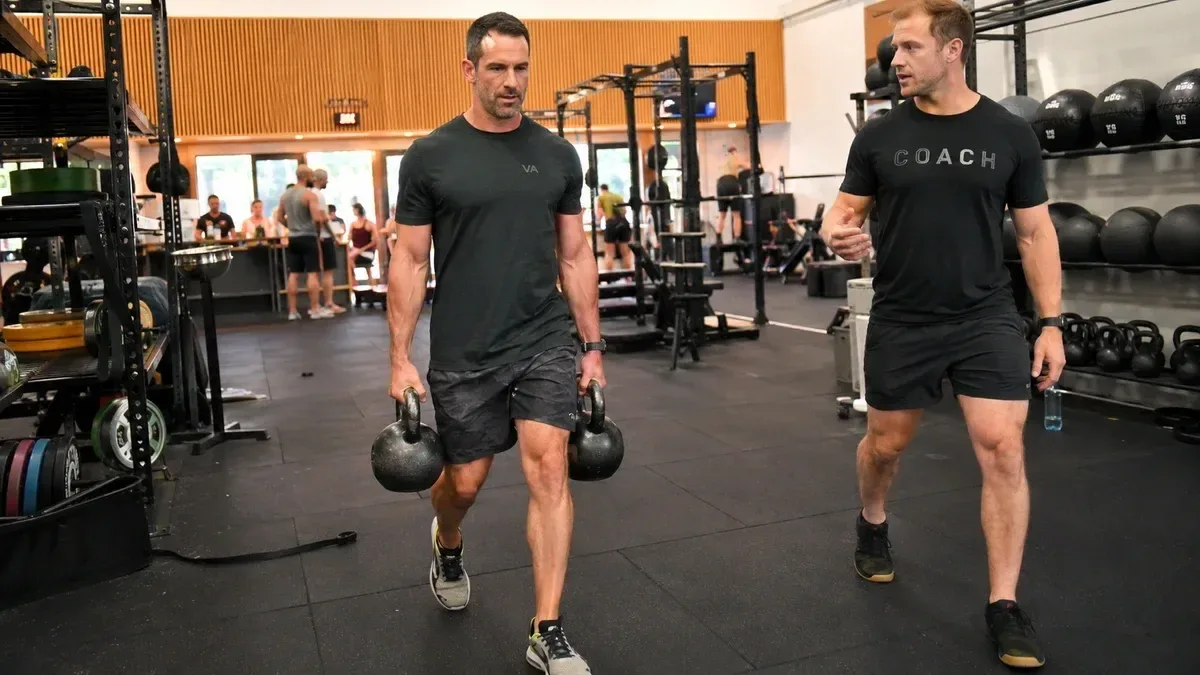
The Personal Trainer Is Becoming a Longevity Partner
Most clients are no longer training just to look better, they’re training to stay strong, mobile, and independent for decades to come. Here’s why personal trainers are becoming more than workout coaches, and what this shift means for the future of coaching.
Your clients may not want a six-pack anymore. They may want to stay capable at seventy.
For a long time, personal training was sold around visible transformation:
Lose weight. Build muscle. Look better. Feel better.
Those goals are not disappearing. But they are being joined by a bigger, more meaningful question:
What can I do now to stay strong, mobile, and independent later?
That shift is changing what clients expect from their trainers and what makes a trainer valuable.
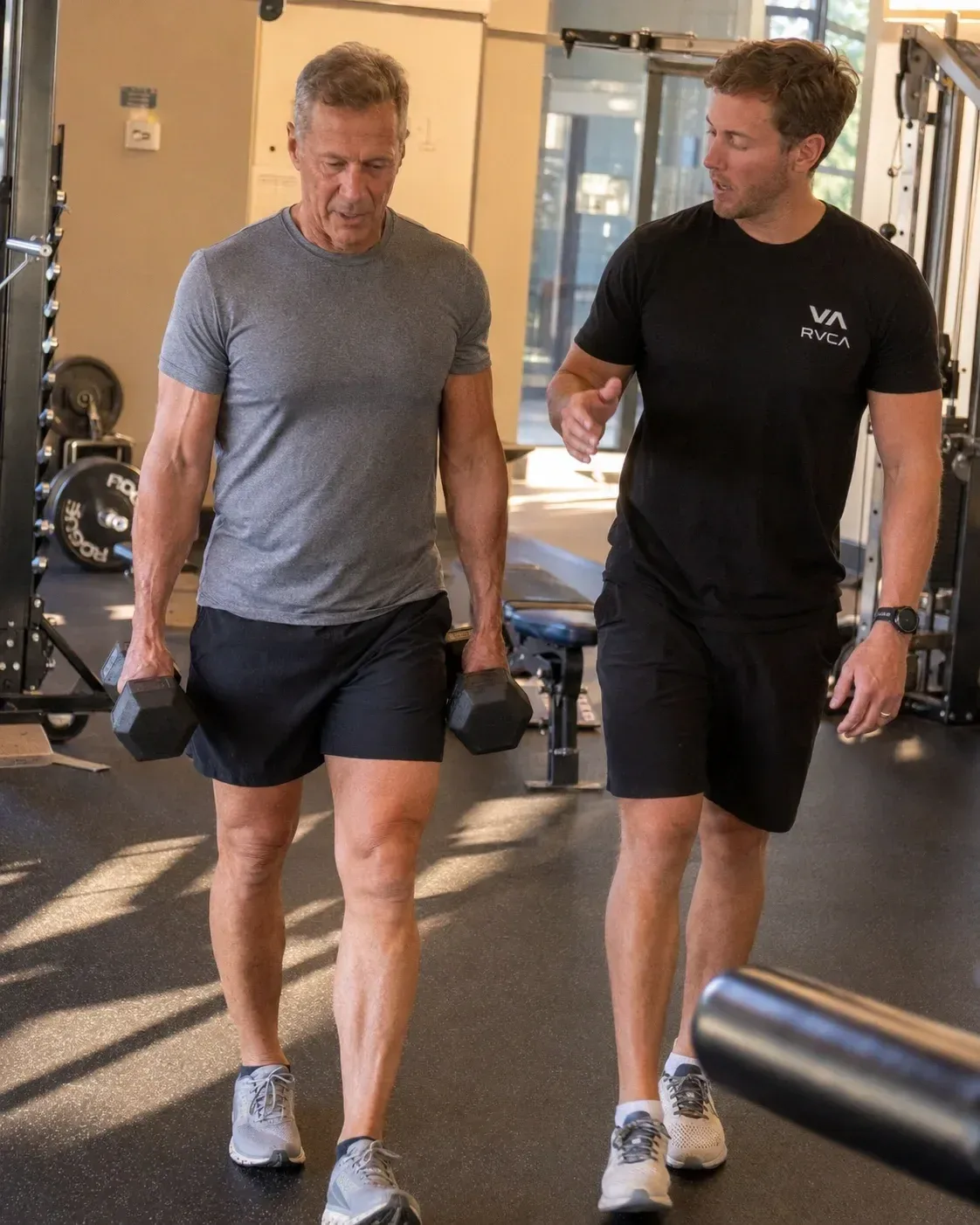
The longevity shift is already here
The 2026 State of the Personal Trainer Report from NASM surveyed 1,133 active personal trainers. Its clearest finding was that 88% of trainers said longevity and healthspan had become their clients’ top priority. The report also identified active aging and senior fitness as one of the industry’s strongest areas of projected growth. (NASM 2026 State of the Personal Trainer Report)
This does not mean every client has suddenly stopped caring about appearance.
It means appearance is no longer the entire conversation.
A client may still want to lose body fat or build visible muscle. But underneath that goal, they may also be thinking about:
keeping up with their children or grandchildren;
getting off the floor without struggling;
carrying groceries;
traveling without worrying about their body;
playing golf, tennis, or pickleball;
avoiding the slow loss of strength that makes everyday life harder;
staying independent for as long as possible.
The goal is becoming less about looking fit for a moment and more about remaining capable for life.
Healthspan is not the same as lifespan
Lifespan is how long someone lives.
Healthspan is how long they remain healthy, functional, and able to participate in the life they want.
That distinction matters because many clients are not simply trying to live longer. They are trying to avoid spending their later years feeling fragile, restricted, or dependent.
This is where strength training becomes more than a workout.
Strength supports the tasks people use every day. It helps people stand, climb stairs, carry objects, maintain balance, and move with more confidence. Mayo Clinic notes that strength training can support physical function, balance, quality of life, and independence as people age. (Mayo Clinic)
The most valuable training session may not be the one that produces the biggest pump.
It may be the one that helps someone feel more capable in their own life.
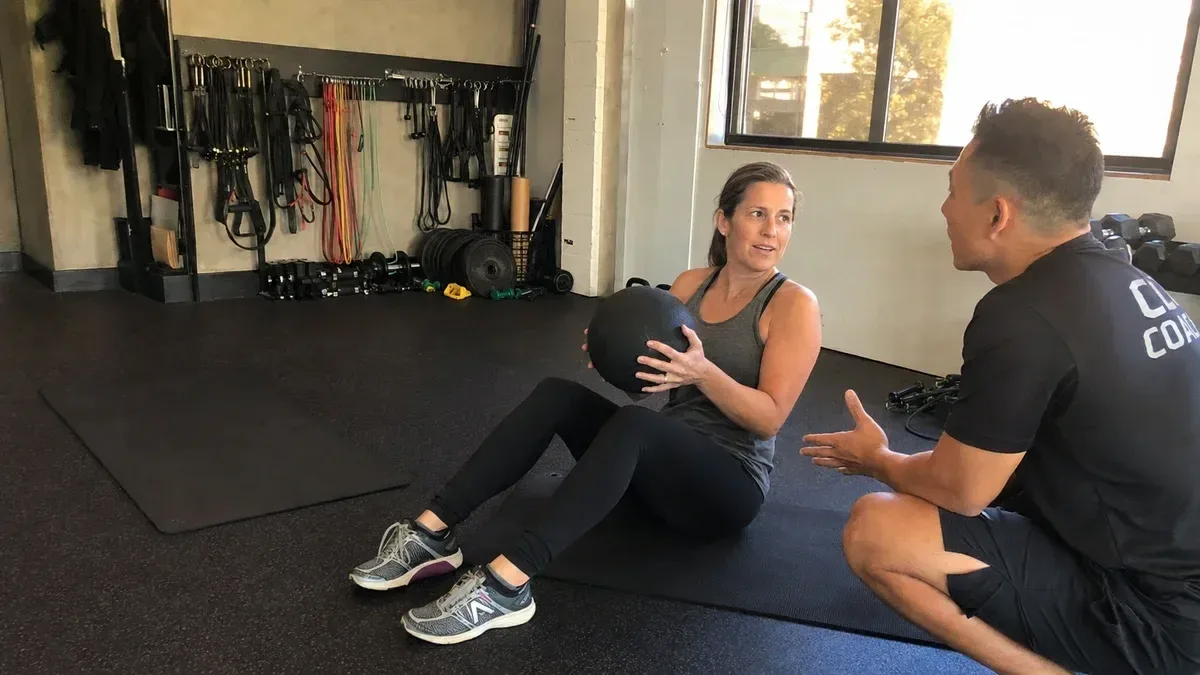
Trainers do not need to become doctors
The rise of longevity training does not mean personal trainers should start diagnosing disease, interpreting lab results, or making medical claims.
It means trainers should become better at owning the parts of health and performance that fall within their expertise.
That includes:
Strength
Helping clients build and maintain the strength required for daily movement, recreation, and long-term function.
Mobility
Helping people access the positions and ranges of motion they need to move comfortably and confidently.
Balance and coordination
Training stability, control, and body awareness, not only how much weight someone can lift.
Habits
Helping clients create routines around exercise, sleep, nutrition, walking, and recovery that they can actually sustain.
Consistency
Making the plan simple enough that the client keeps doing it when motivation drops.
Progress
Showing clients that progress is not limited to the scale or a before-and-after photo.
Referrals
Knowing when a concern belongs with a physician, physical therapist, registered dietitian, or other qualified healthcare professional.
The trainer’s role is not to become a replacement for the healthcare system.
It is to become a trusted partner who helps clients act on the areas they can influence.
The new client question
The old question was:
“How do I get in shape?”
The new question may sound more like:
“What should I be doing now if I want to stay strong and independent later?”
That question requires a different type of coaching conversation.
Instead of only asking whether a client lost weight this month, a trainer might also track:
Can they lift more than they could three months ago?
Can they get up from a chair more easily?
Can they walk farther without fatigue?
Is their balance improving?
Are they recovering better?
Are they more confident trying activities they used to avoid?
Are they consistently completing their workouts between sessions?
These outcomes are less dramatic than a transformation photo, but they may be more important to the client’s actual life.

Longevity training should feel practical
“Longevity” can easily become another vague fitness buzzword.
For clients, it should be translated into things they understand.
Instead of saying:
“We’re improving your healthspan.”
A trainer might say:
“We’re building the strength and control you’ll need to keep doing the things you enjoy as you get older.”
That could mean training movements such as:
squatting and standing;
pushing and pulling;
hinging;
carrying;
stepping;
rotating;
getting up and down from the floor;
walking at different speeds;
changing direction safely.
It also means progressing clients appropriately. Longevity training is not automatically gentle, easy, or limited to older adults. A 35-year-old may be training today so they can continue lifting, hiking, traveling, or playing sports decades from now.
The goal is not simply to avoid decline.
It is to build enough physical capacity that normal aging does not eliminate the life someone wants to live.
Progress tracking becomes more important
When the goal is long-term function, clients need help seeing progress that is not always obvious in the mirror.
That makes progress tracking and regular check-ins more valuable.
A trainer can use simple markers:
strength improvements;
repetitions completed with better control;
walking or conditioning capacity;
mobility milestones;
attendance and consistency;
reduced discomfort during everyday tasks;
improved confidence;
returning to activities the client had stopped doing.
The purpose is not to turn every client into a data project.
It is to make progress visible.
Clients are more likely to stay engaged when they can see that training is helping them become stronger, more capable, and more prepared for the future.
The business opportunity for trainers
This shift also creates a stronger reason for clients to continue working with a trainer.
A short-term aesthetic goal can feel complete once the client reaches a target weight or appearance.
Strength, mobility, independence, and healthy aging are continuous goals, each leading to another meaningful milestone:
A heavier carry, a deeper squat, a longer hike, a pain-free round of golf, more confidence on the stairs, or the ability to travel without worrying about physical limitations.
This approach allows trainers to build relationships focused on long-term outcomes rather than temporary campaigns. The trainer's role extends beyond preparing someone for summer; they are helping individuals remain ready for life.
The personal trainer’s next chapter
The future of personal training will not be defined only by better workouts.
It will be defined by better guidance.
Technology can generate exercises. Apps can count repetitions. Videos can demonstrate technique.
But clients still need someone who understands their goals, notices when they are struggling, adjusts the plan, explains what matters, and keeps them moving forward.
That is the opportunity in the healthspan shift.
Personal trainers don't need to pretend to be doctors; instead, they should focus on becoming better coaches for the entire journey. This includes helping clients build stronger muscles, improve their movement, establish more consistent habits, track clearer progress, and maintain their independence for a longer period.
The personal trainer is becoming a partner in helping clients stay capable for as long as possible.
Want early access to Traination?
Join the beta list to try new features early and help shape the app for coaches.