
The Trainer’s Guide to Gut Health for Fitness Performance
Learn how optimizing gut health for fitness performance can transform client results. This guide for personal trainers explores the science of the gut microbiome, the benefits of fermented foods for athletes, and actionable nutrition strategies to boost energy, improve nutrient absorption, and accelerate post-workout recovery.
As a personal trainer, your impact goes far beyond the exercise programs you design. You are a mentor, a strategist, and an ally in your clients' long-term wellness journeys. While fine-tuning protein intake and tracking macros are standard parts of the job, a critical piece of the performance puzzle happens deep within the digestive system. Understanding the link between gut health and personal trainers is essential for helping clients unlock new levels of fitness, energy, and vitality.
Emerging research reveals that the gut microbiome is a foundational pillar of physical performance, energy regulation, and recovery. By learning how to improve gut health through targeted nutrition strategies, you can complement your clients' exercise routines for significantly better fitness outcomes.
Why Gut Health for Fitness Performance Matters
The gut microbiome consists of trillions of microorganisms living in the digestive tract. The gut microbiome plays a pivotal role in athletic health and performance by influencing metabolism, immunity, gastrointestinal integrity, and recovery.
For athletes and fitness enthusiasts, focusing on gut health for fitness performance directly impacts training outcomes in three major ways:
- Nutrient Absorption: A healthy gut ensures that the vitamins, minerals, and macronutrients your clients consume are actually absorbed and utilized for energy and muscle repair.
- Energy Regulation: The microbiome influences metabolic pathways, affecting how efficiently the body produces and sustains energy during intense workouts.
- Faster Post-Workout Recovery: Exercise is a form of stress that causes temporary inflammation. Utilizing specific dietary strategies can support probiotics for exercise recovery, helping manage systemic inflammation so clients can train consistently.
The Benefits of Fermented Foods for Athletes and Active Clients
To optimize a client's microbiome, two powerful tools can be integrated into their nutritional habits: probiotics and fermented foods.
Probiotics: Nature’s Gut Guardians
Probiotics are live microorganisms that provide distinct health benefits when consumed in adequate amounts. For active individuals, probiotics help reinforce the gut barrier, reduce digestive discomfort during high-intensity training, and support overall immune defense.
Fermented Foods: Fueling Microbial Diversity
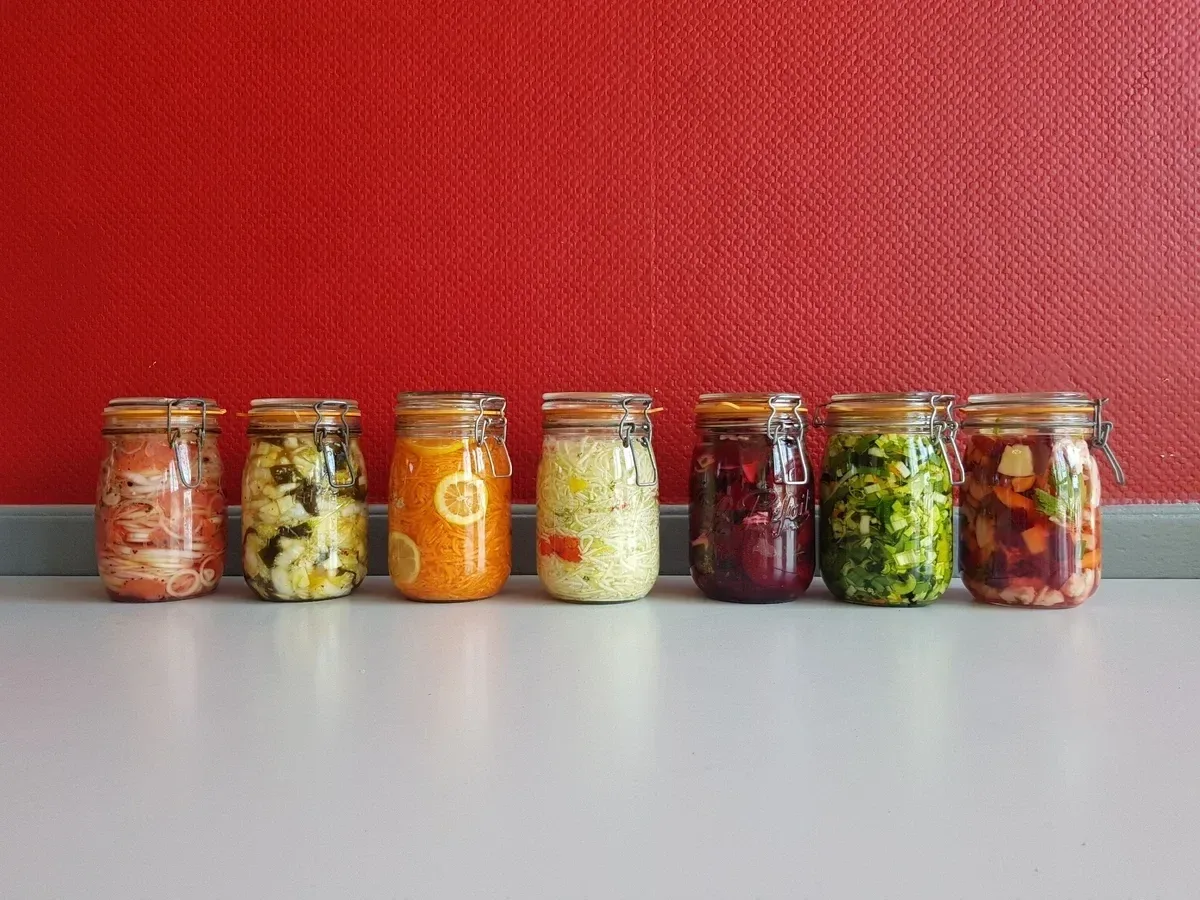
Fermentation is a natural process where beneficial bacteria break down carbohydrates, producing probiotics, enzymes, and B vitamins. Understanding the benefits of fermented foods for athletes allows coaches to recommend whole-food solutions that diversify gut bacteria, which is a key marker of a resilient metabolism.
| Source Type | Excellent Examples for Clients | Key Benefits |
|---|---|---|
| Dairy / Alternatives | Greek yogurt, Kefir | High in protein, calcium, and live cultures |
| Vegetables | Sauerkraut, Kimchi | Rich in fiber, vitamins A and C, digestive enzymes |
| Beverages & Plant Protein | Kombucha, Tempeh | Supports hydration and provides plant-based protein |
What the Science Says About Gut Health and Fitness
Recent sports nutrition studies highlight a direct link between a diverse microbiome and athletic success:
- Better Performance & Recovery: A study published in the Journal of Strength and Conditioning Research found that athletes with greater gut microbial diversity demonstrated superior exercise performance and faster recovery times.
- Immune System Support: Research in the British Journal of Nutrition showed that probiotic supplementation improved immune markers in athletes, reducing the risk of respiratory and gastrointestinal infections during heavy training phases.
- Overall Well-being: The International Journal of Sport Nutrition and Exercise Metabolism emphasized that regular consumption of fermented foods directly supports both gut health and overall systemic wellness in active populations.
Coaching Strategies for Personal Trainers
Because every client’s digestive system reacts differently, gut-health strategies should be tailored to individual needs. Here is how personal trainers can implement these insights into their coaching:
1. Assess Current Dietary Habits
Start by discussing your client's current digestive health. Look out for signs of sluggish recovery, frequent bloating, or low energy, which can sometimes point to an unbalanced microbiome.
2. Introduce Fermented Options Gradually
Sudden dietary changes can cause temporary bloating. Encourage clients to start small, such as adding a spoonful of kimchi to dinner or substituting a morning snack with Greek yogurt, and scale up as their tolerance builds.
3. Emphasize Prebiotic Fiber and Hydration
Probiotics need fuel to thrive. Encourage a diet rich in prebiotic fibers (found in oats, bananas, garlic, and onions) alongside consistent hydration to keep the digestive tract functioning optimally.

Fostering Sustainable Fitness Success
Achieving a fitness goal requires a holistic approach. When you bridge the gap between movement and internal health, you empower your clients to build sustainable habits that last a lifetime. Incorporating gut-health strategies into your coaching toolbelt allows you to offer a truly comprehensive service, driving better performance, faster recovery, and lasting vitality.
Want early access to Traination?
Join the beta list to try new features early and help shape the app for coaches.