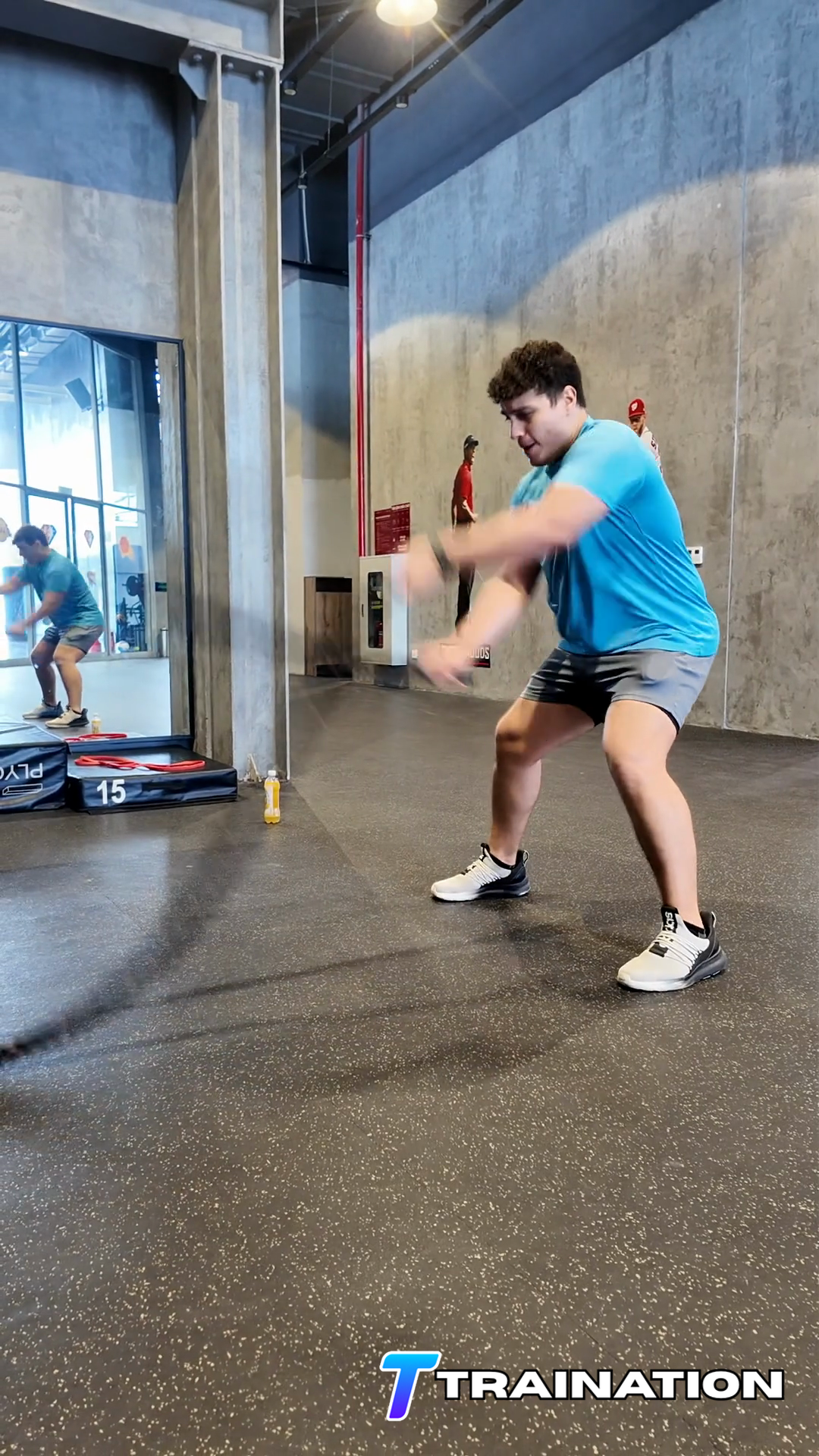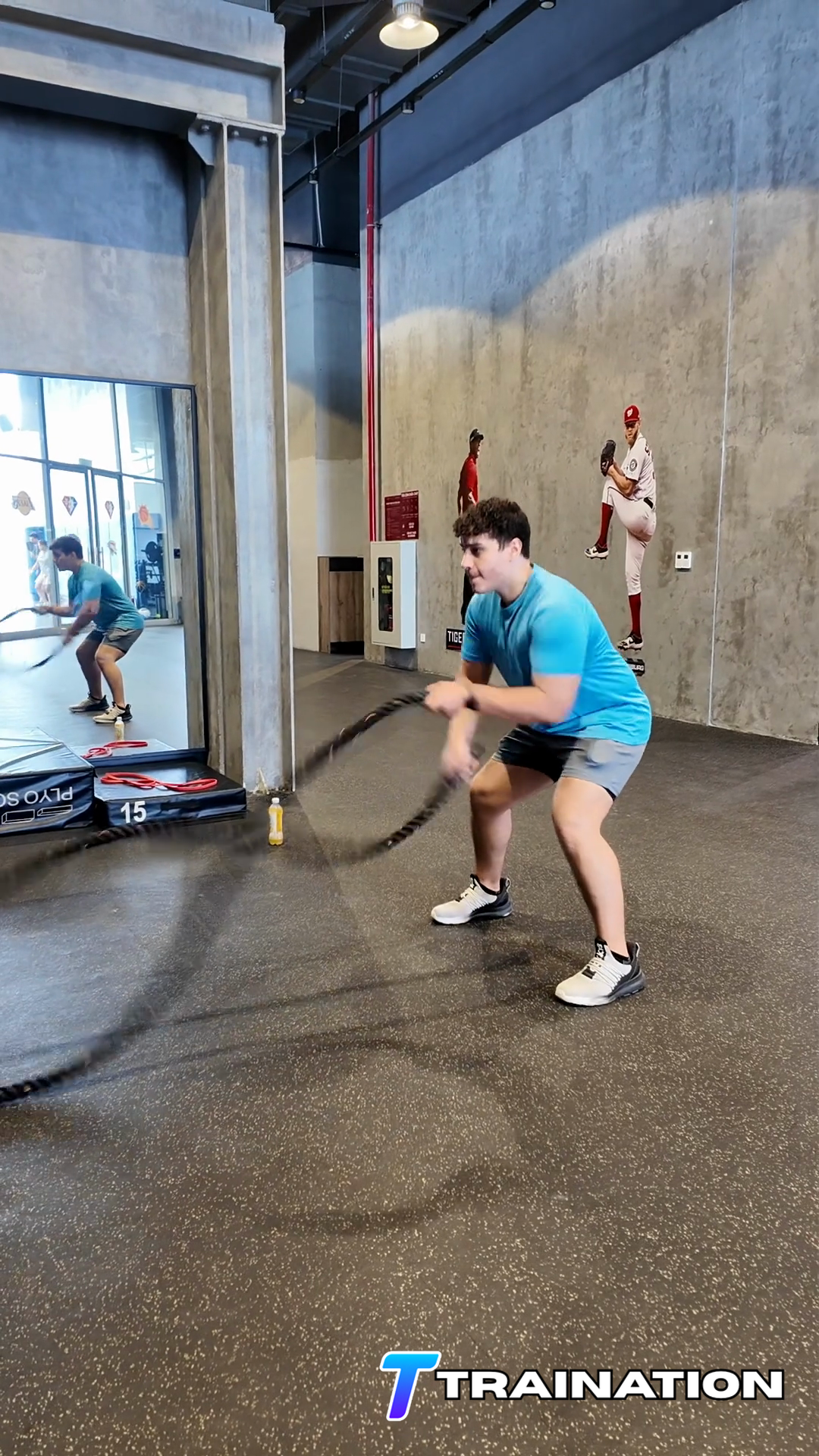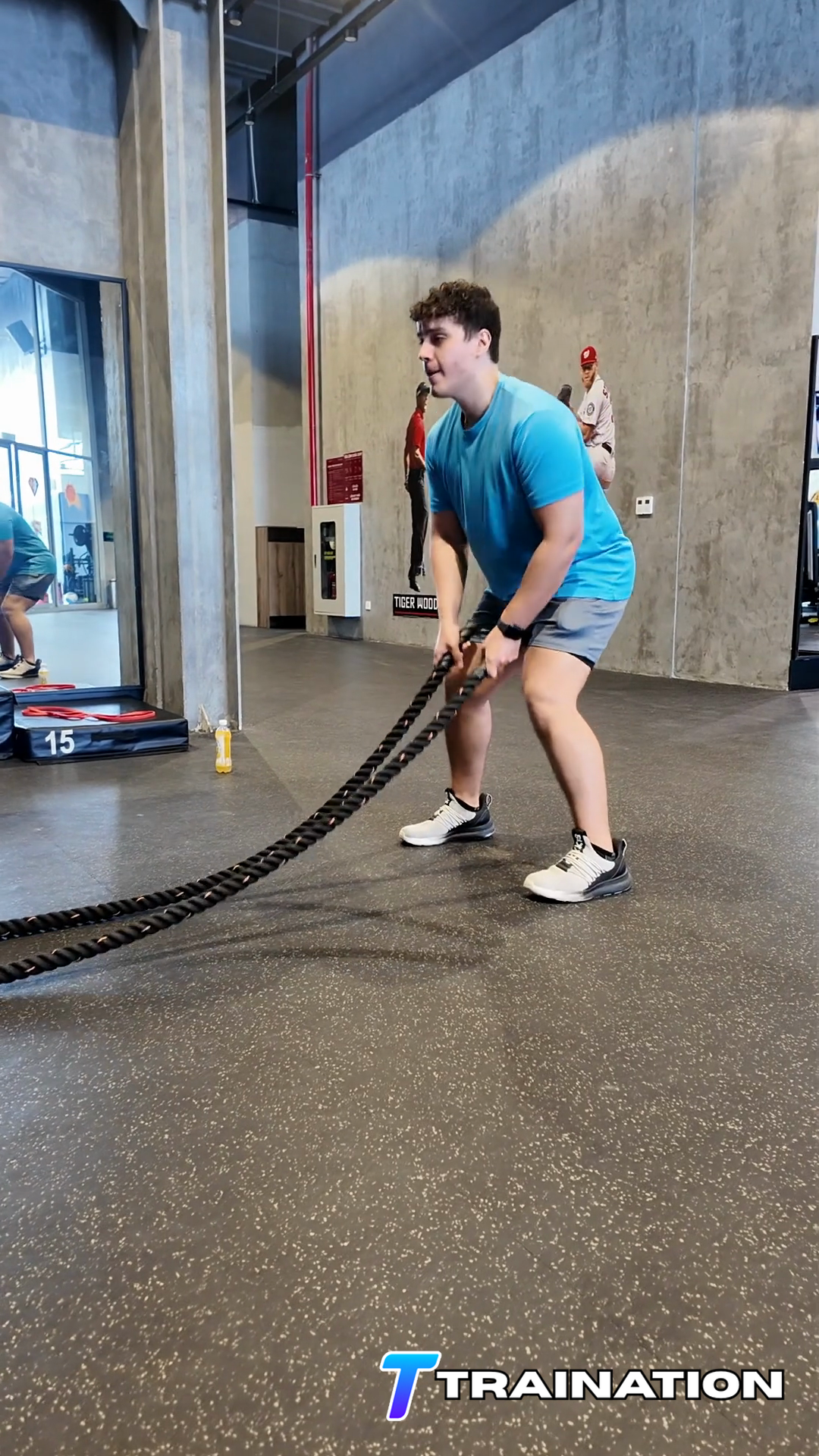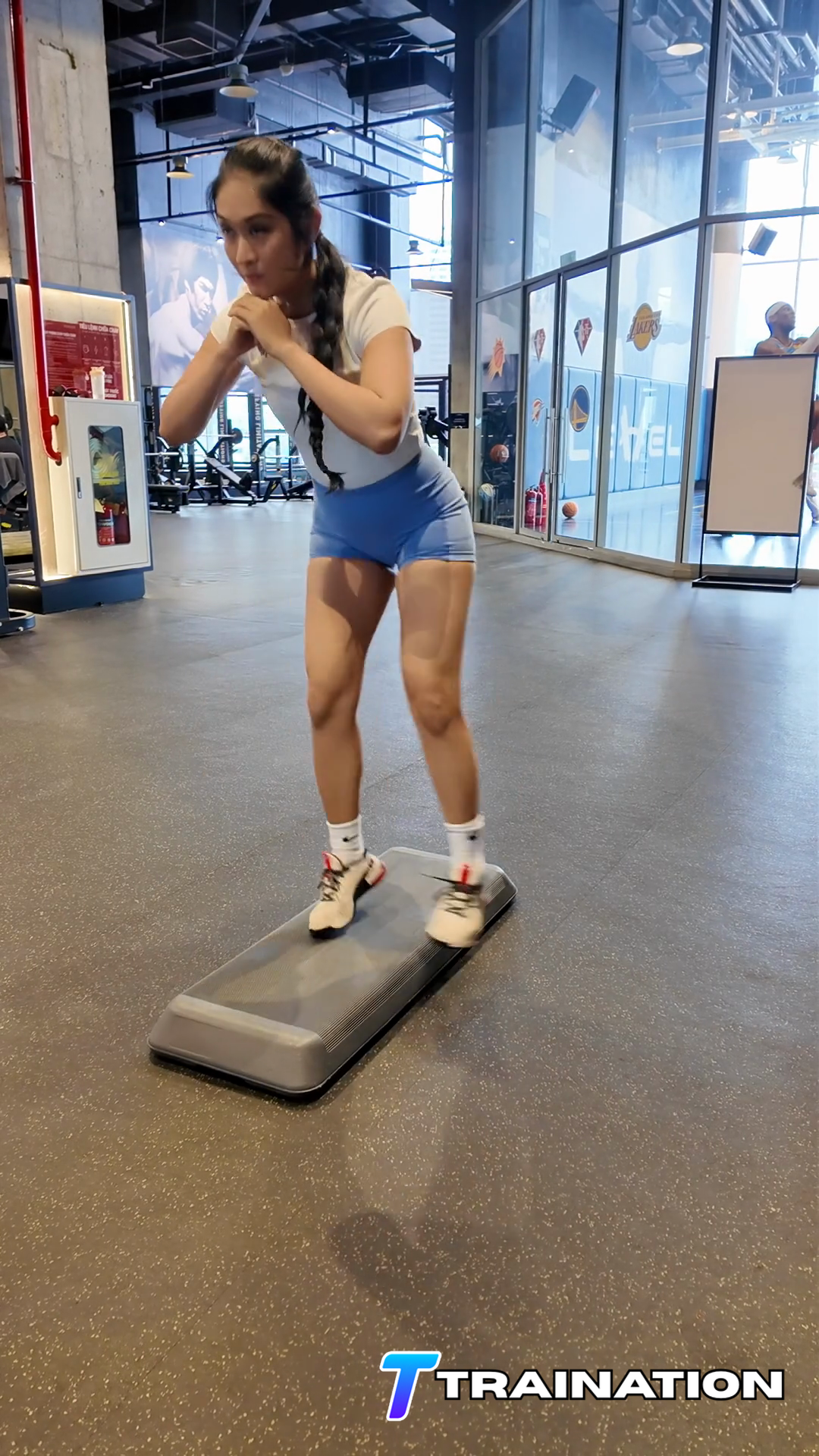
Continuing after speed drops
End the set when jump height drops or the landings become less steady.
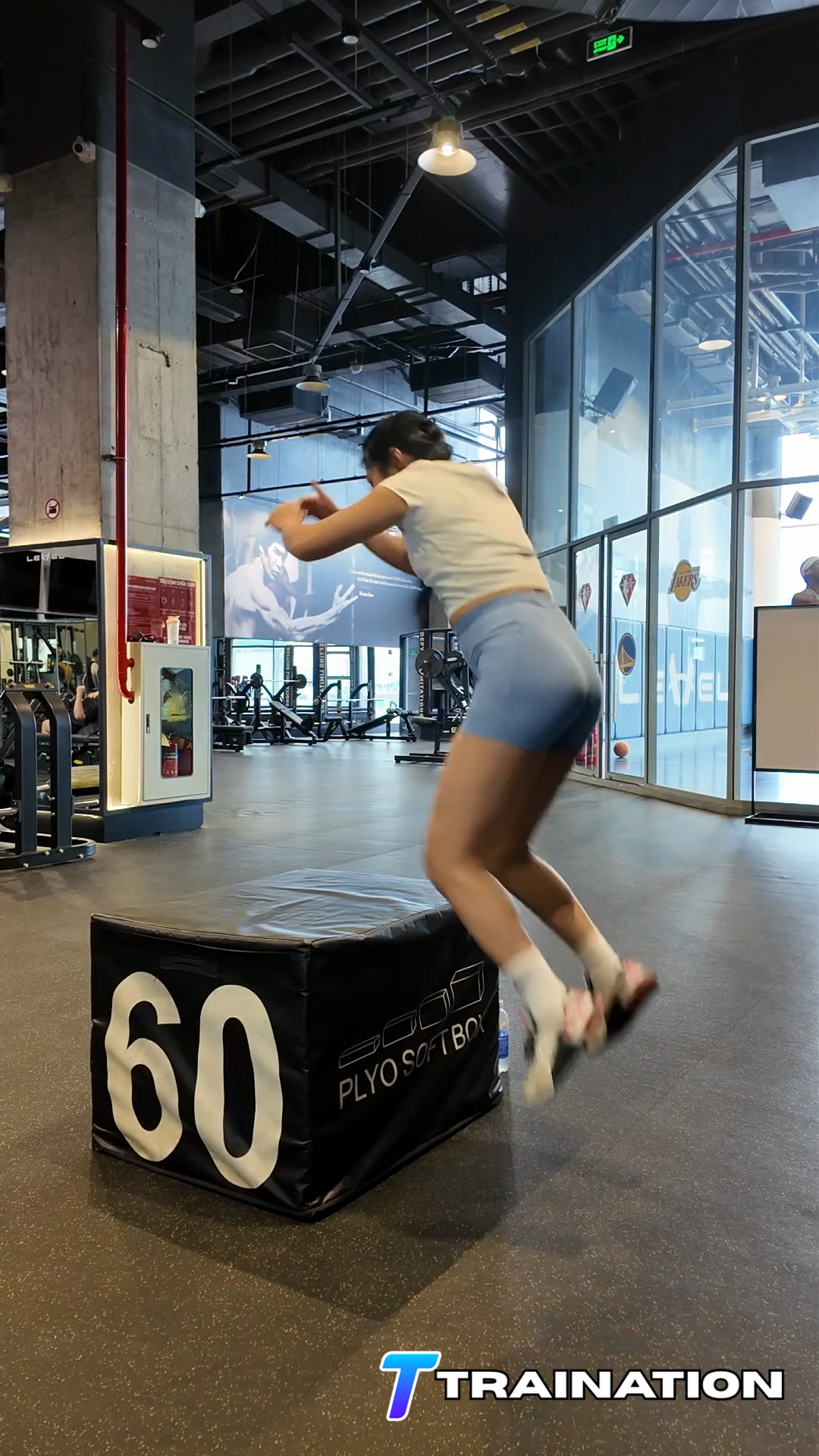
Box Jumps is an explosive movement that develops rapid force production through a coordinated full-body action.
Primary musclesQuadriceps, Gluteus maximus, Calves
Secondary musclesHamstrings, Hip adductors, Abdominals
Follow the sequence in order, paying attention to the starting position, movement path, and finish described in each step.
For Box Jumps, stand facing the stable box or step with the working foot path clear, knees softly bent, and enough open space for a controlled landing.
Brace before initiating the repetition, then drive forcefully through the floor and extend the hips to create speed.
Keep the arms connected to the body's motion rather than using them to compensate for a weak or late hip drive.
Land with your feet steady, knees slightly bent, and core tight.
Reset fully before the next repetition and end the set as soon as speed, landing quality, or timing drops.
End the set when jump height drops or the landings become less steady.
Re-establish foot pressure and brace before every explosive repetition.
Land with your feet steady and knees slightly bent. Do not lock your knees.
Choose a weight that lets every repetition stay fast and look the same.
Perform Box Jumps near the beginning of the workout, after the warm-up and before demanding strength or conditioning work.
Use one to three exposures per week with at least enough recovery to restore speed, landing quality, and coordination.
| Goal | Sets | Reps or time | Rest | Effort and execution |
|---|---|---|---|---|
| Technique | 3–5 | 2–4 | 60–120 sec | Light and crisp; reset every rep |
| Power | 3–5 | 2–6 | 2–3 min | Drive up fast and stop when speed drops |
Scale the movement
Practise the takeoff, hip hinge, catch, or landing without speed or weight.
Use a lower box, lighter weight, or smaller jump while keeping the movement fast and controlled.
Increase the height, weight, or difficulty only while every repetition stays fast and looks the same.
Pair with a related strength exercise only when fatigue and coaching context are managed appropriately.
Turn Box Jumps and the rest of your exercise library into repeatable client programs.
Explore the workout builder