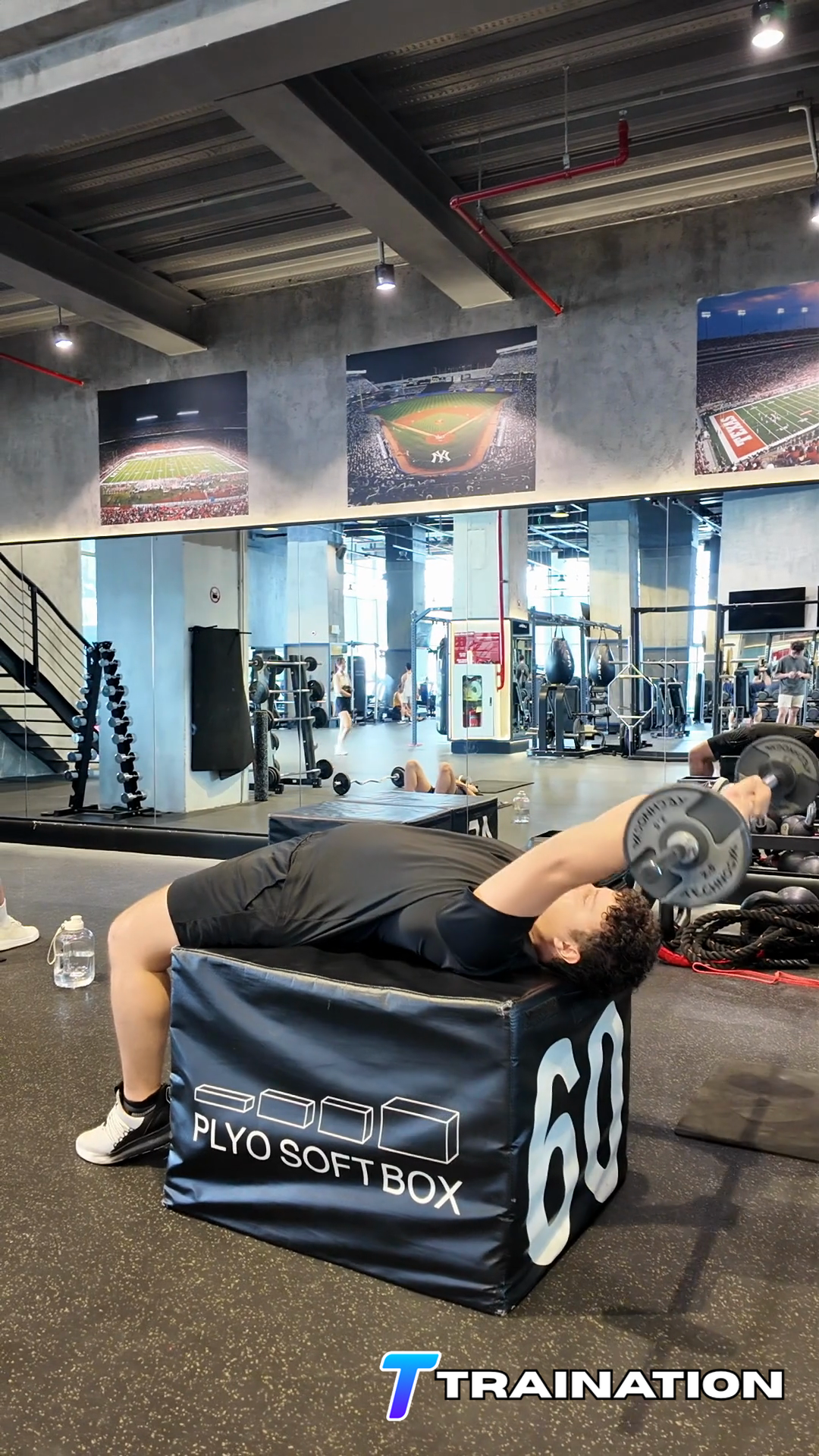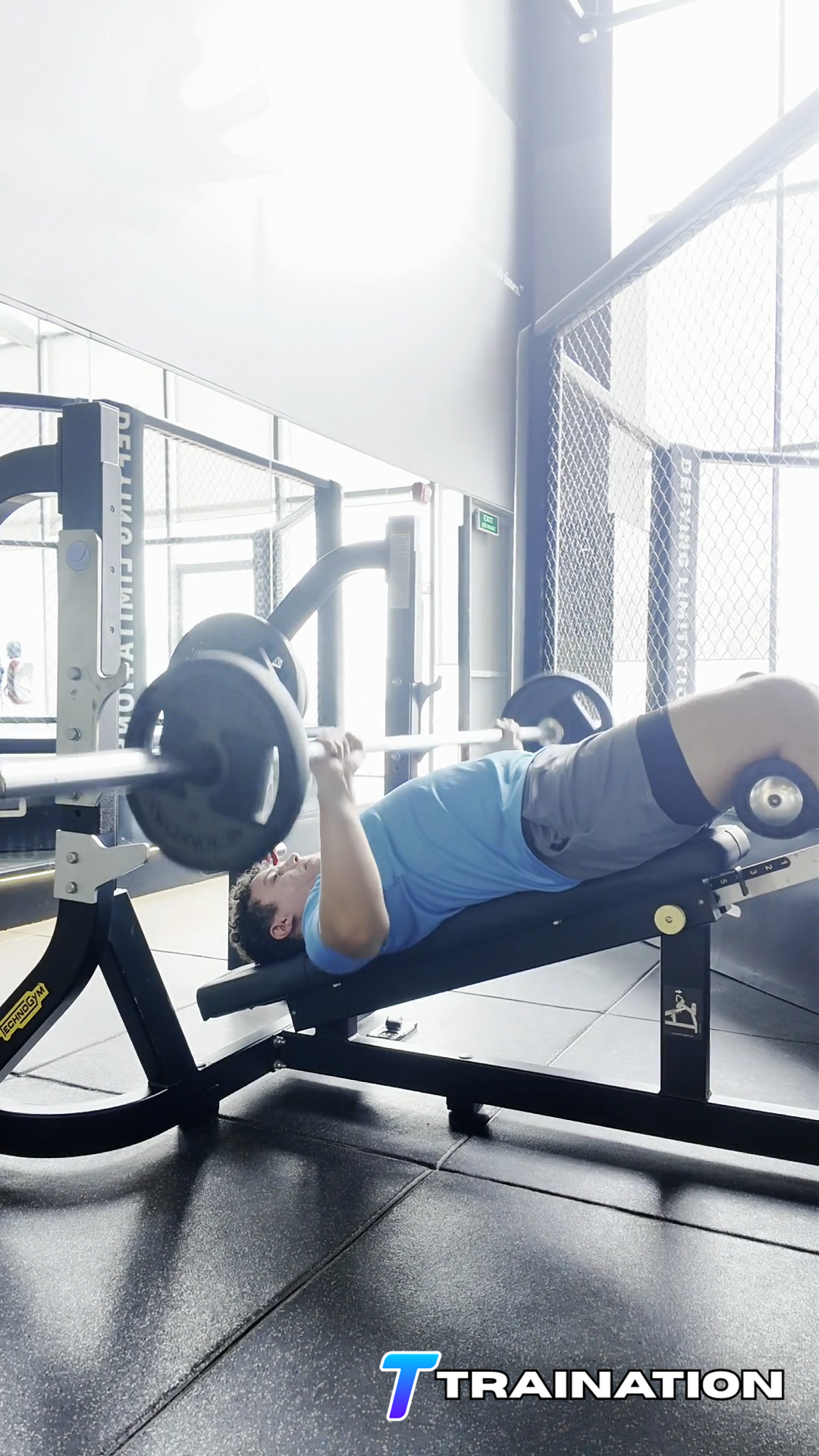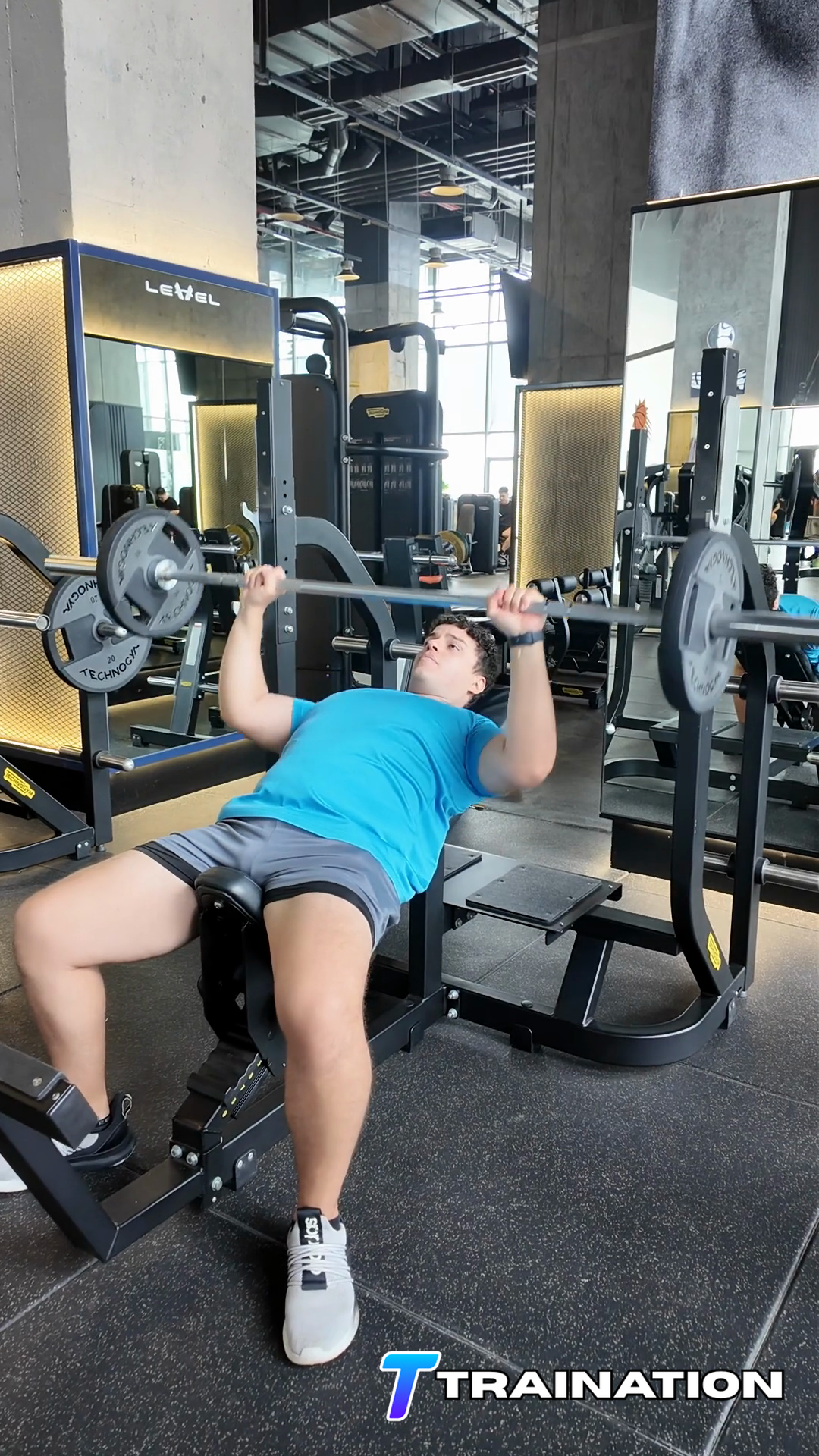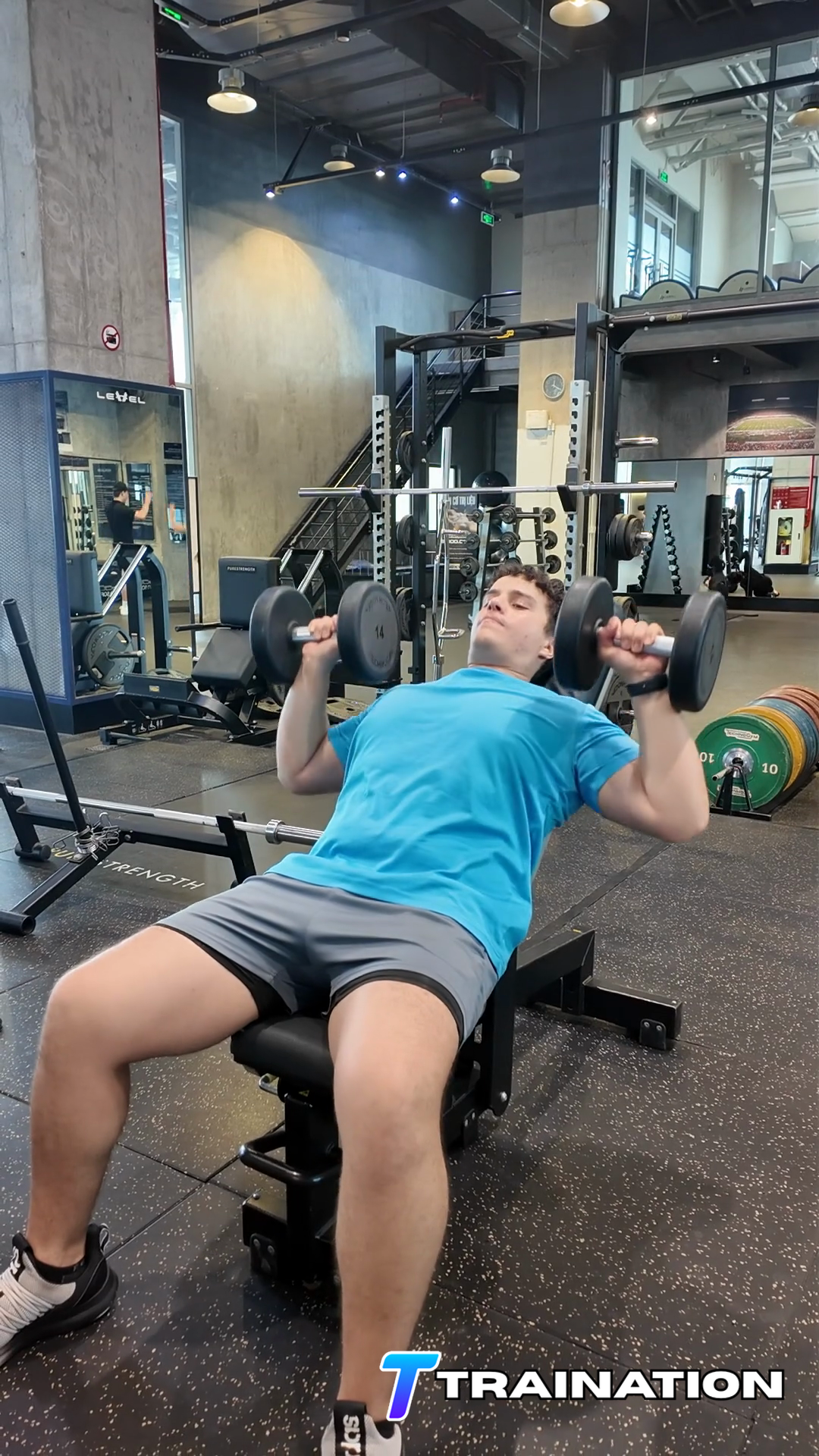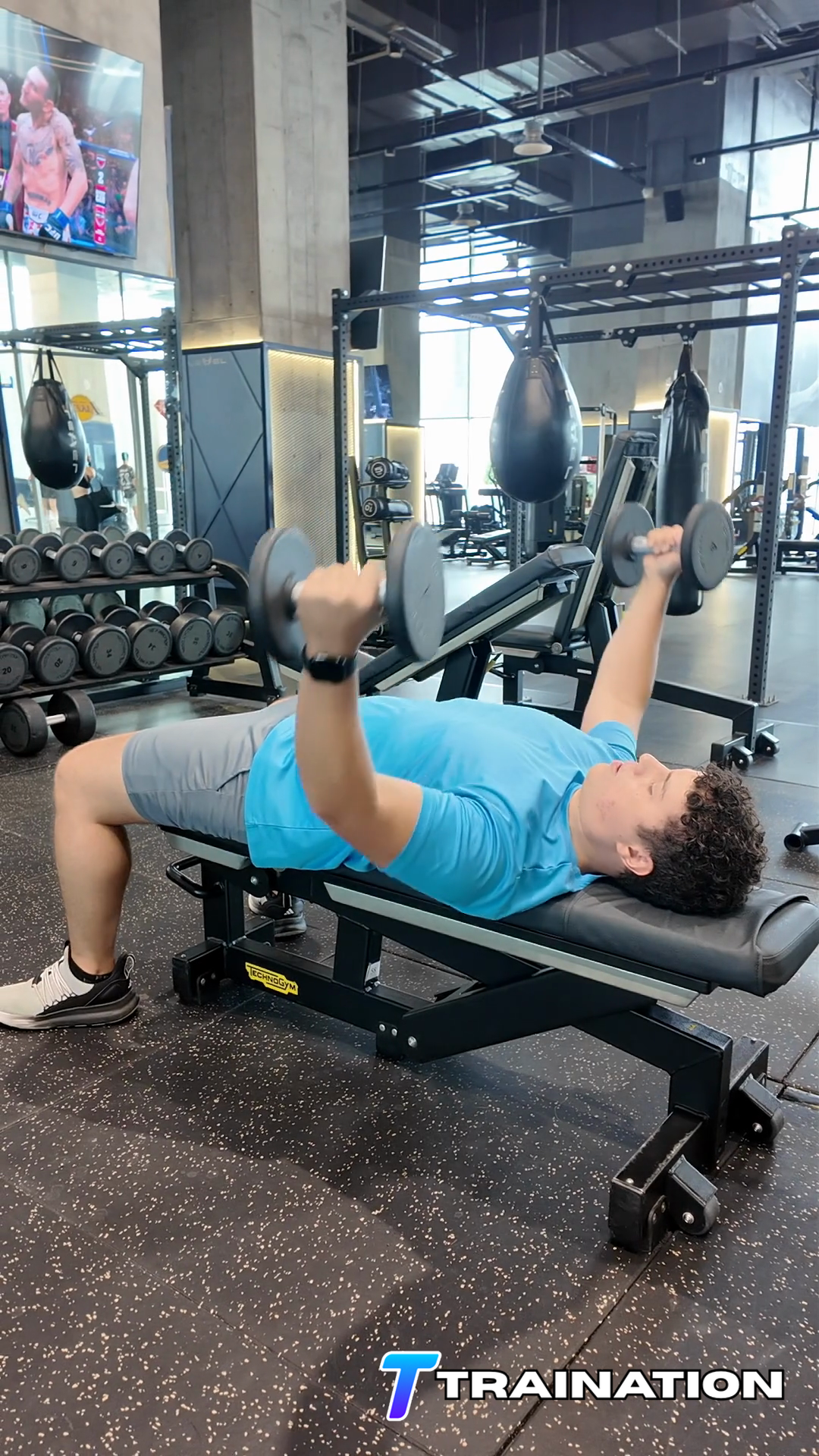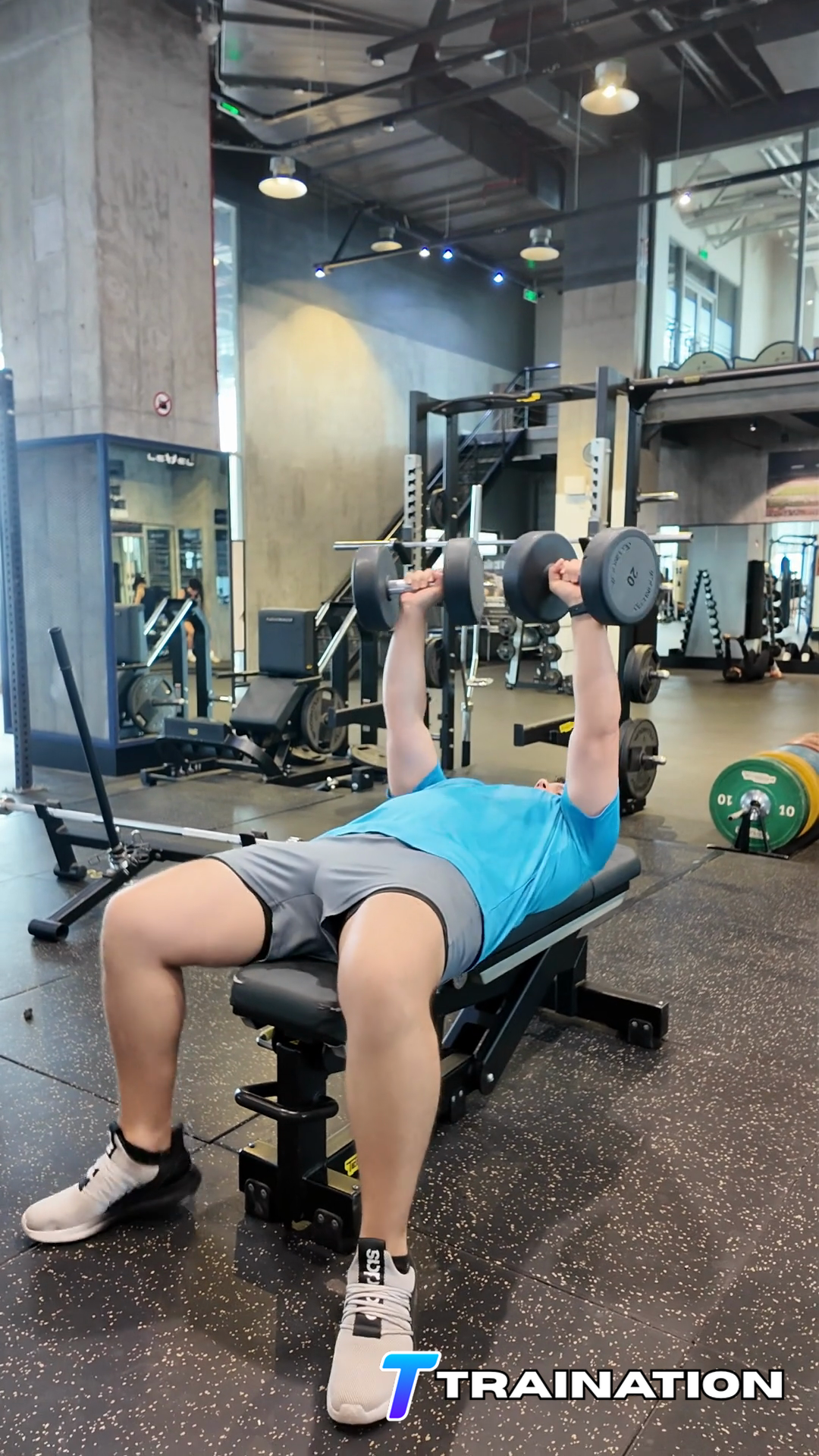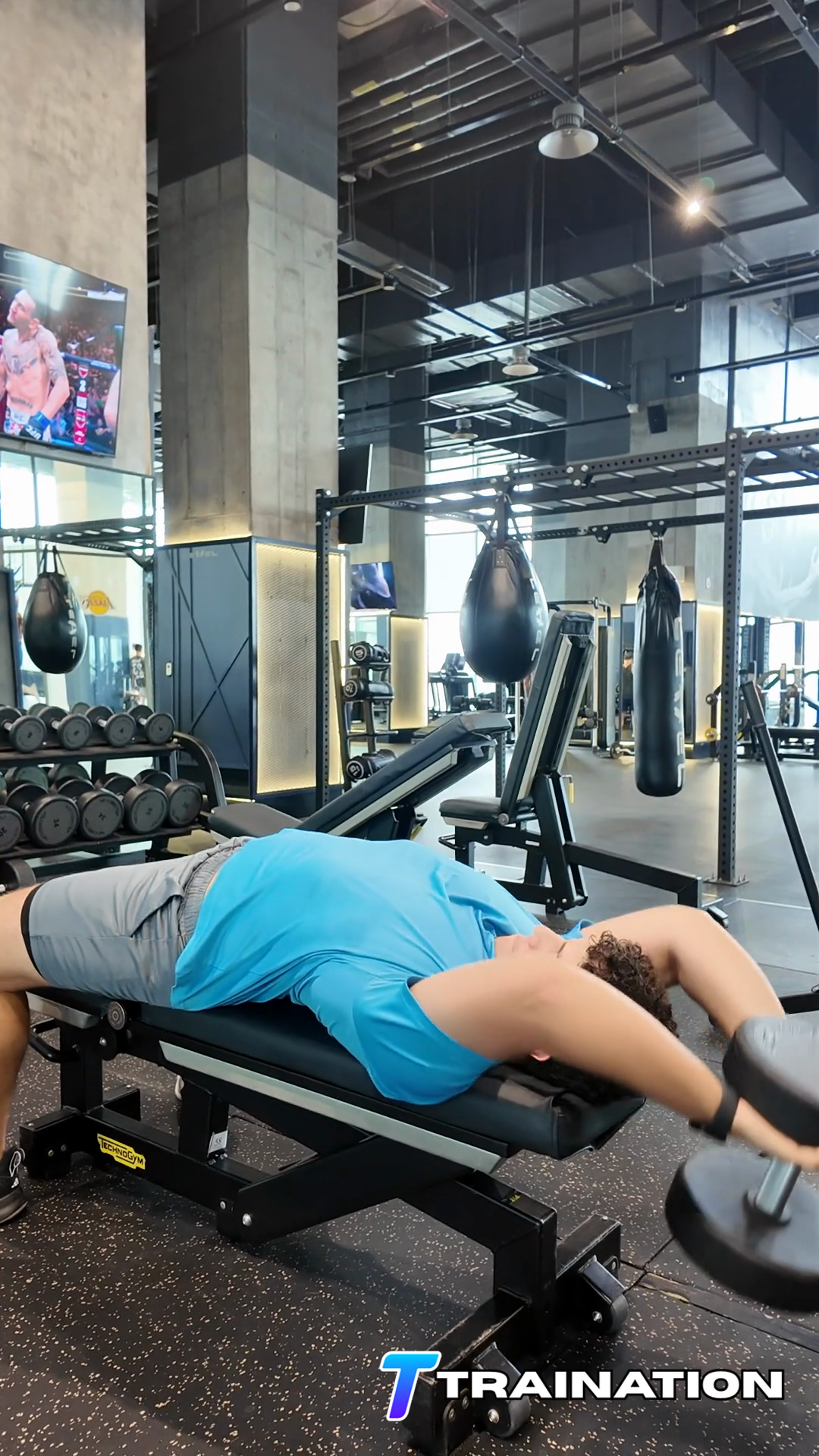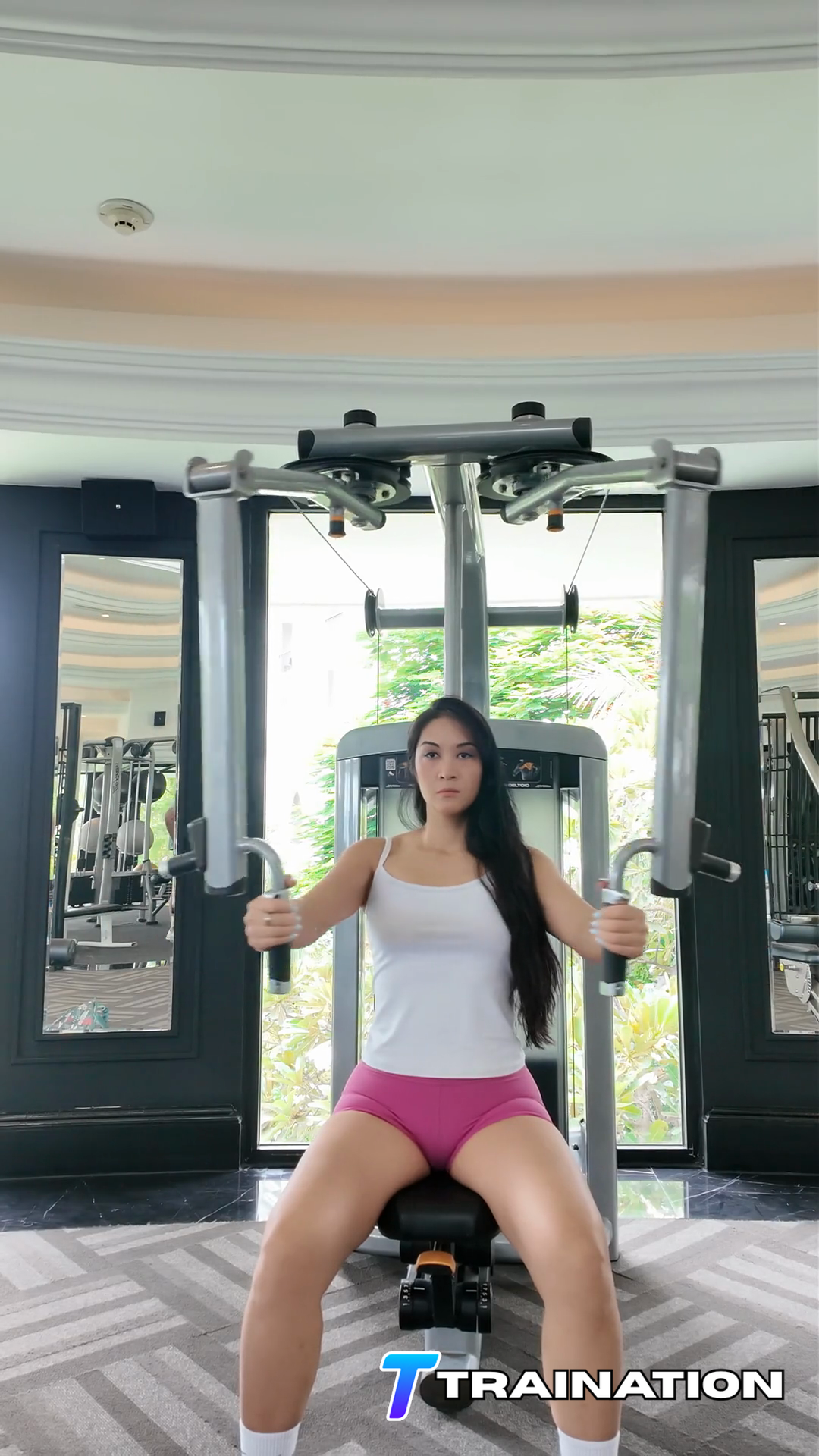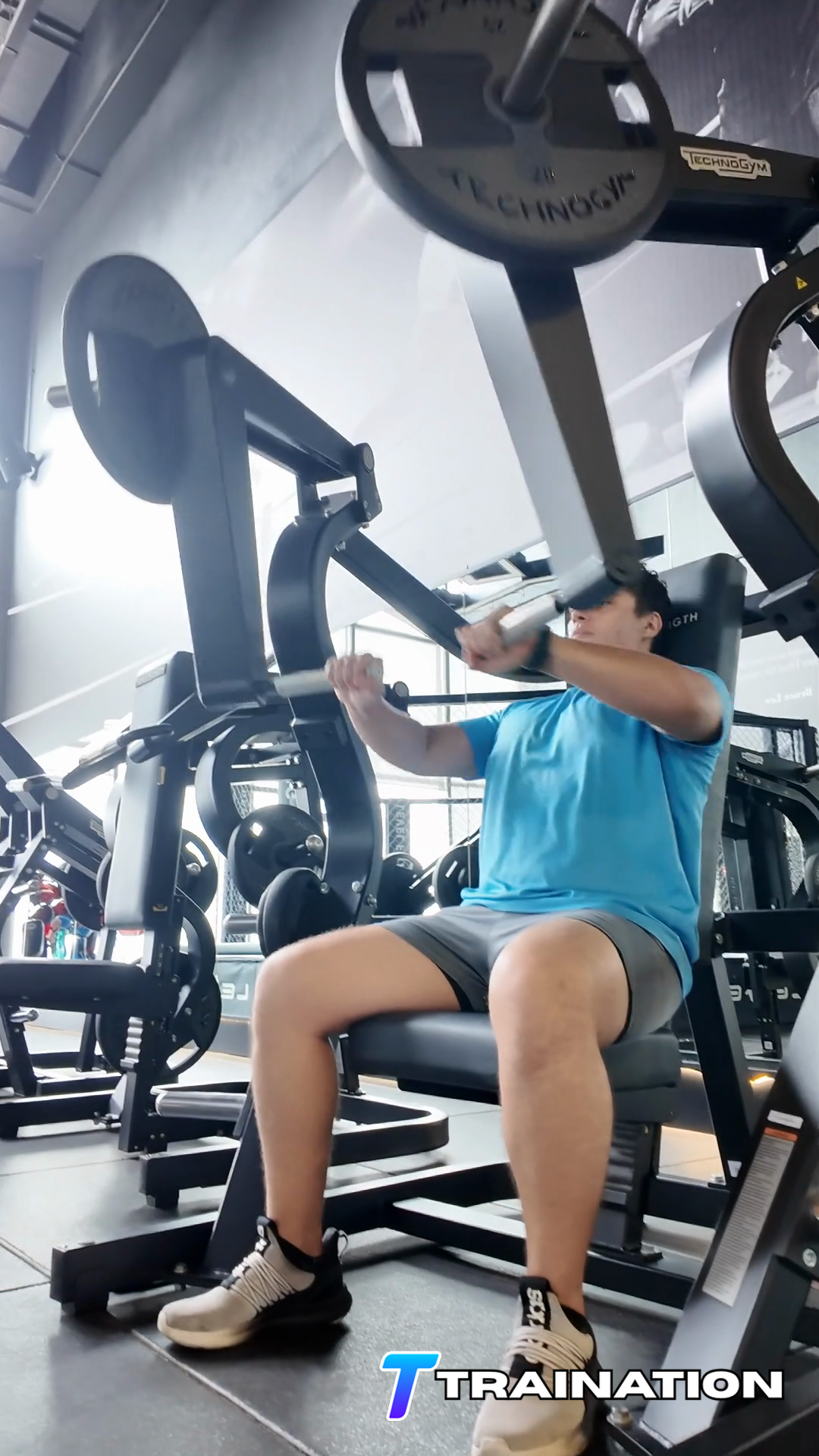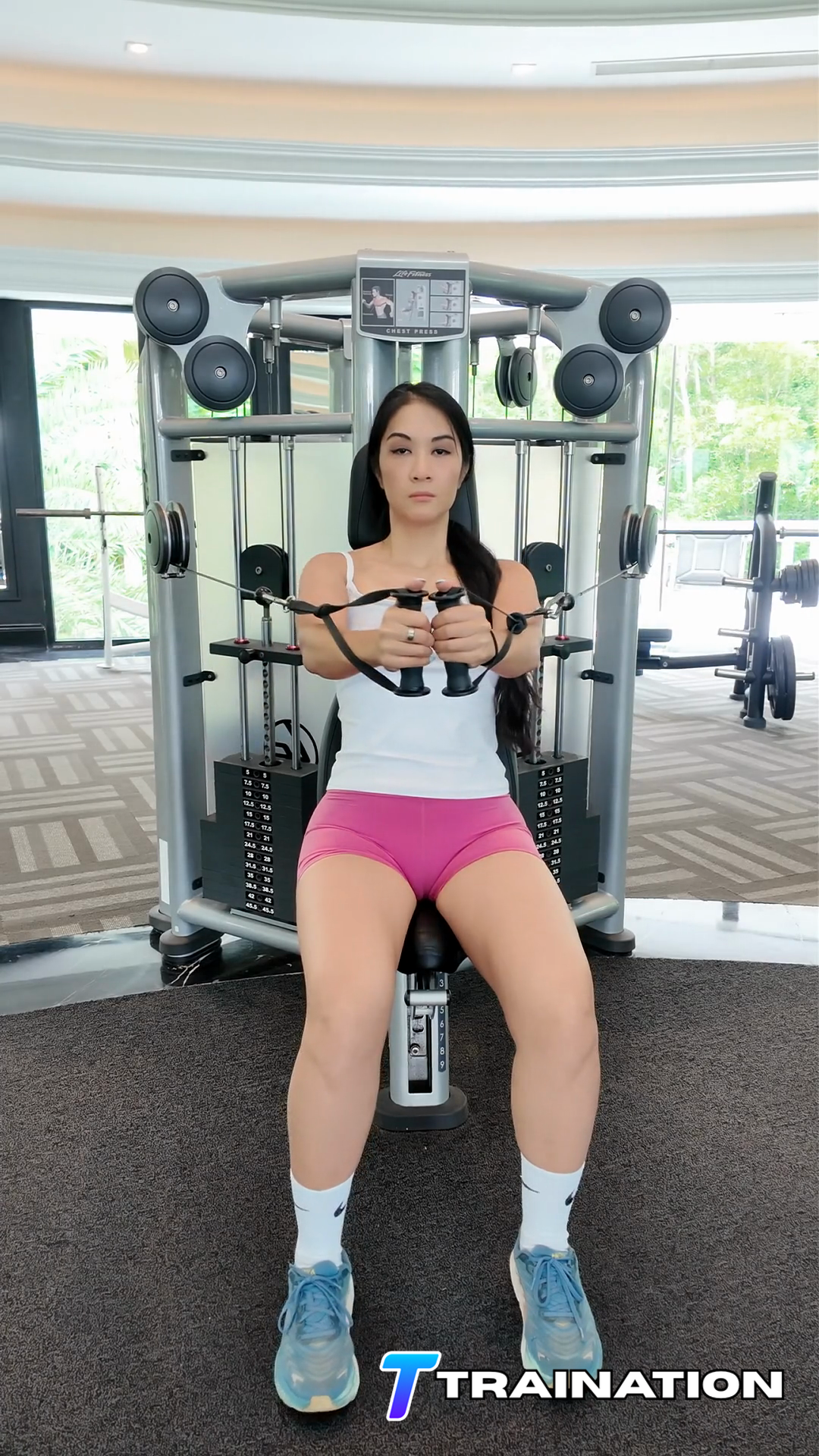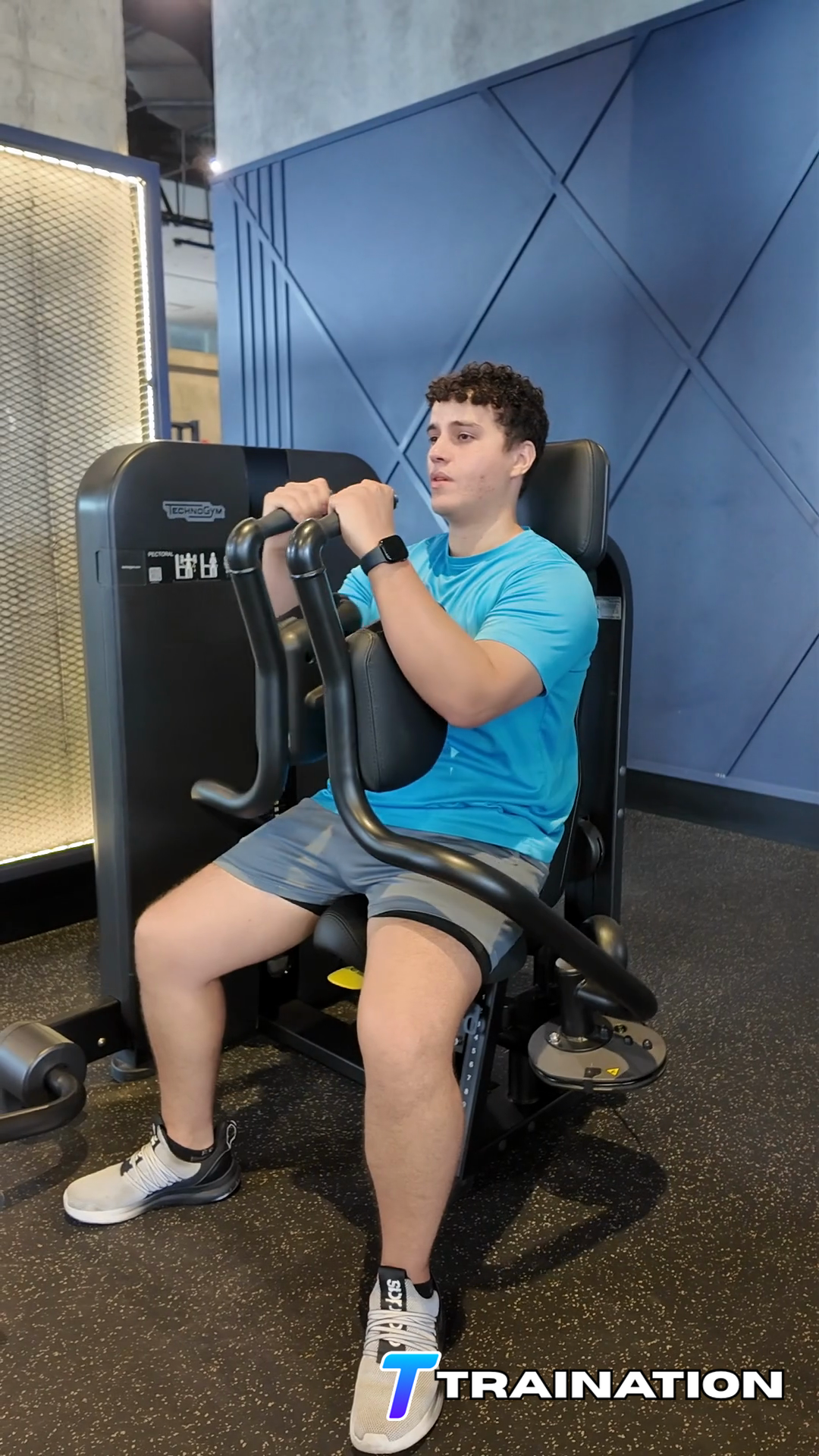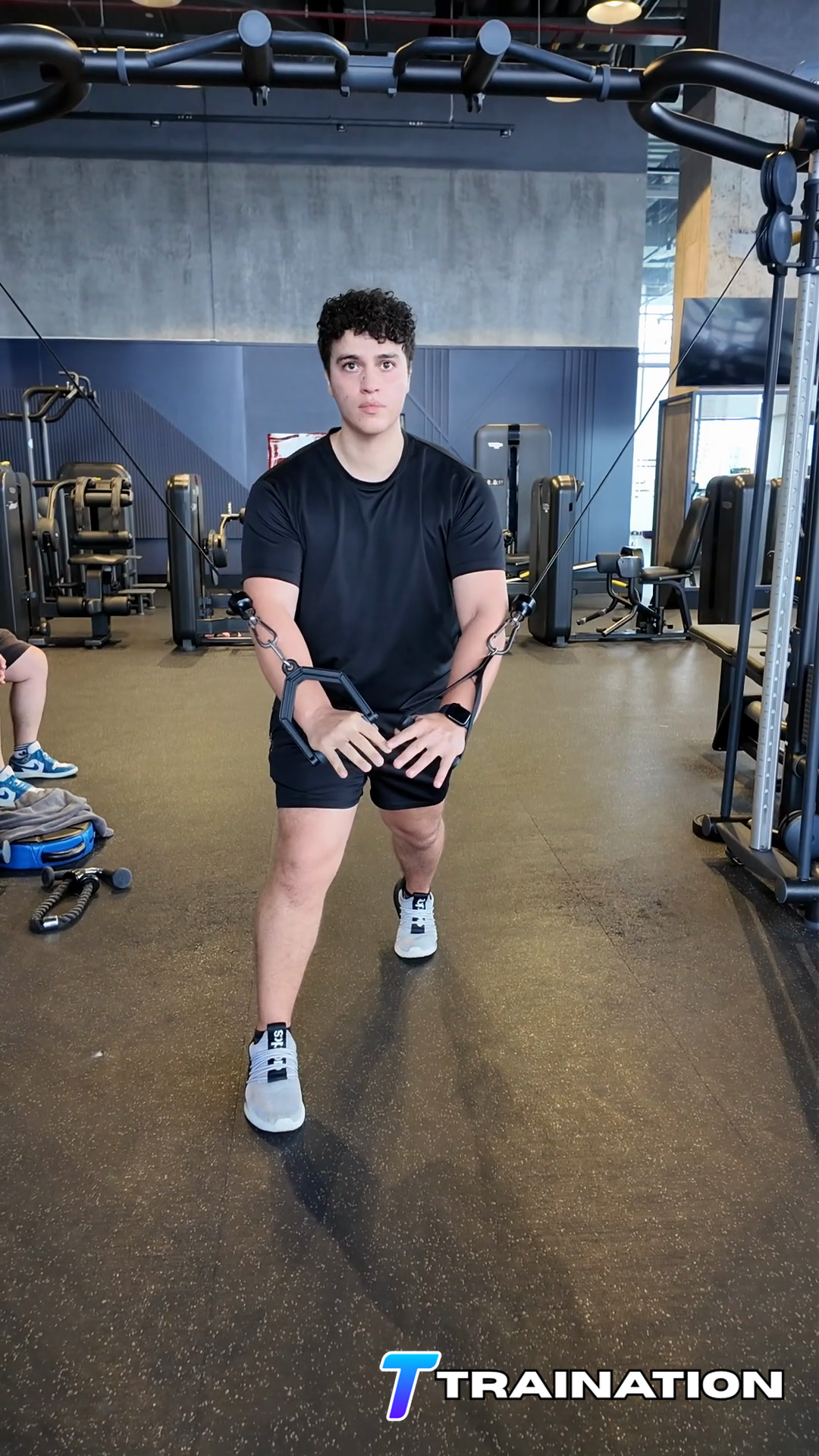
Turning the fly into a press
Keep a small, nearly fixed elbow bend rather than bending and straightening the elbows through each repetition.
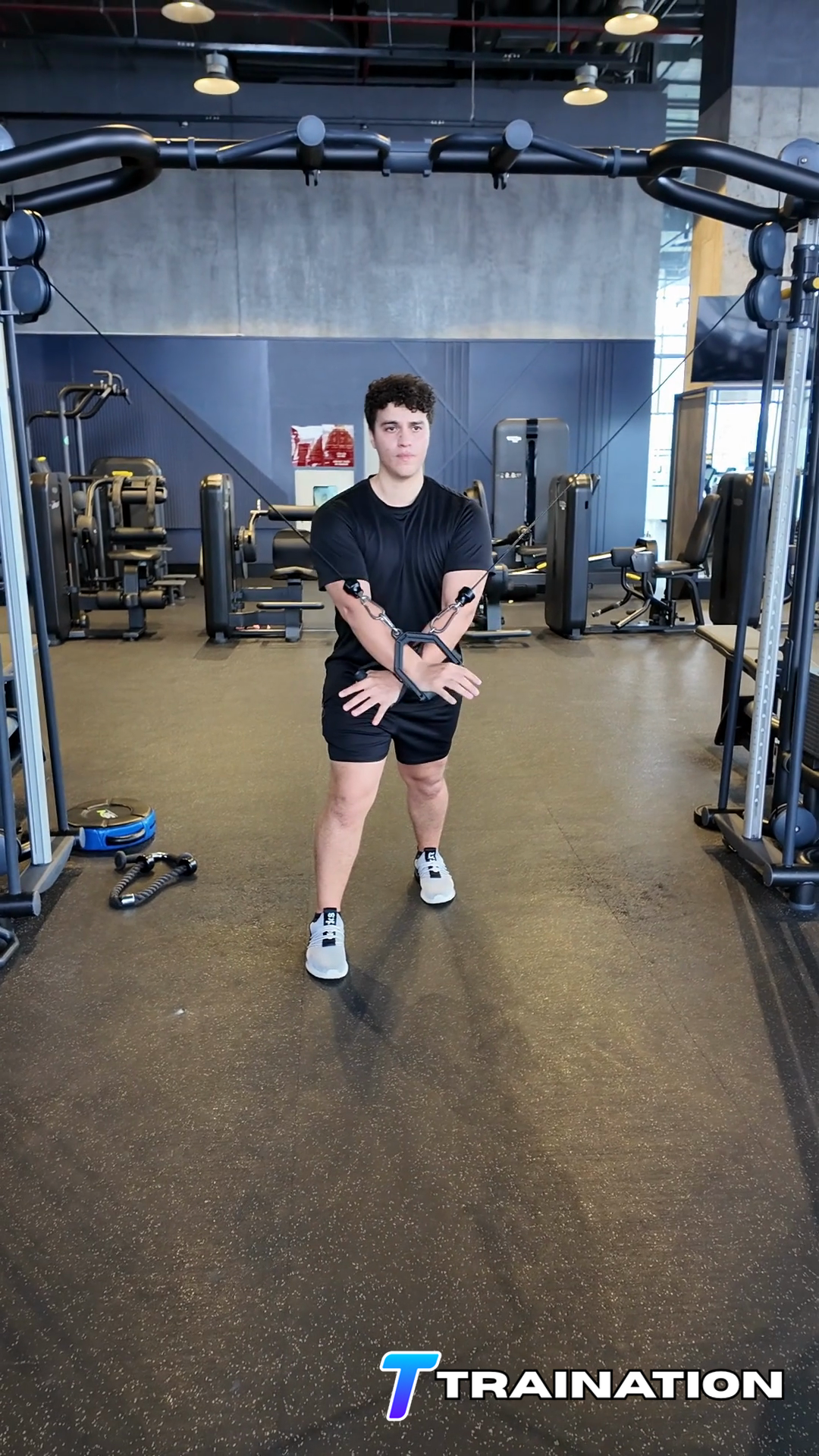
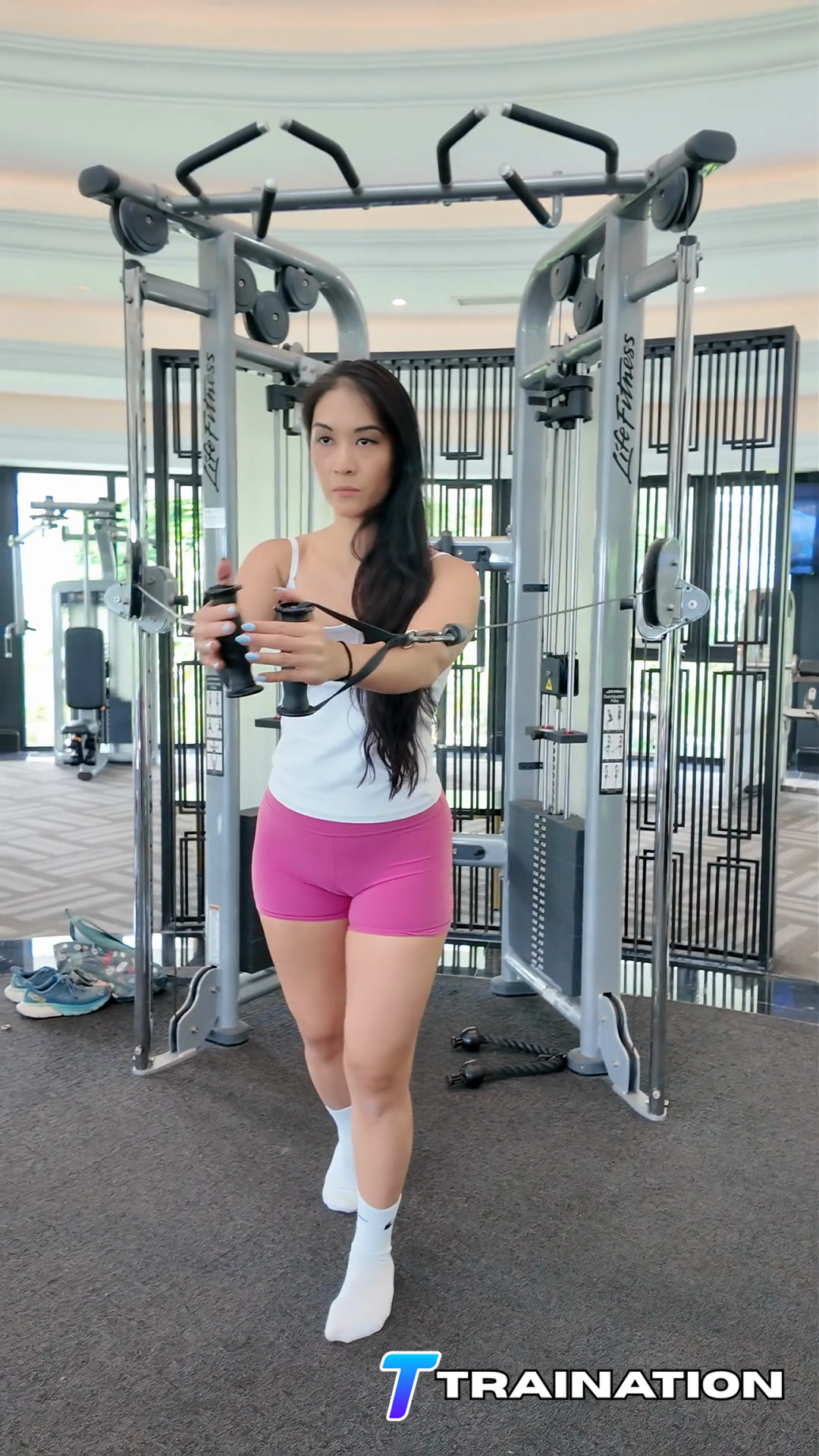
Cable Chest Fly targets the chest through a wide hugging motion while the elbow angle remains nearly fixed.
Primary musclesPectoralis major
Secondary musclesAnterior deltoids, Biceps brachii, Serratus anterior
Follow the sequence in order, paying attention to the starting position, movement path, and finish described in each step.
For Cable Chest Fly, sit or stand tall between the cables with both handles aligned to the chest and the arms open and softly bent.
Keep the wrists straight and fix the elbow angle before the arms begin to travel.
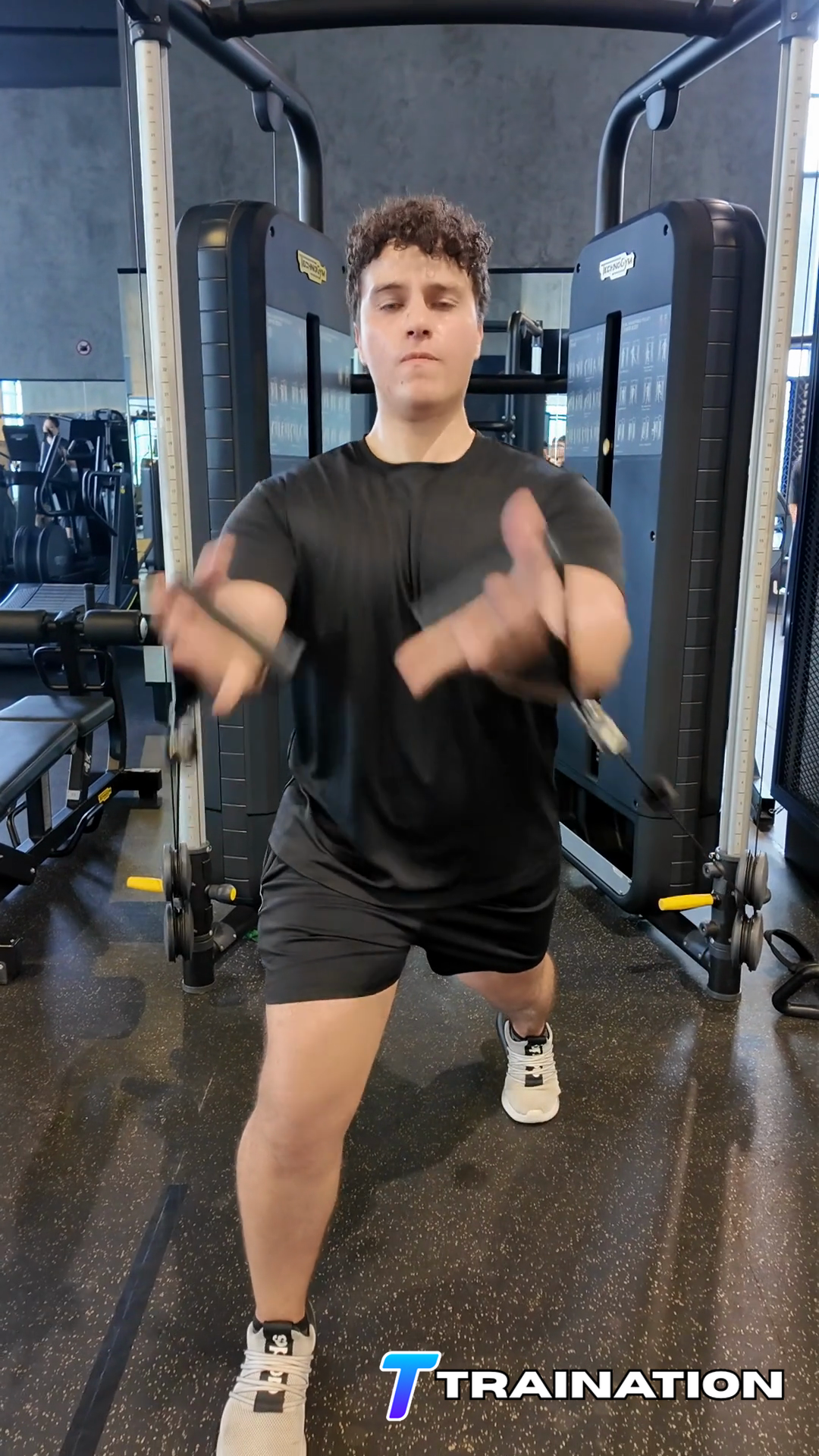
Sweep the upper arms forward in a wide hugging arc while keeping the elbow angle nearly fixed.
Finish when the hands or handles meet in front of the chest without the shoulders rolling forward.
Open the arms slowly to a comfortable chest stretch and keep the load under control.
Keep a small, nearly fixed elbow bend rather than bending and straightening the elbows through each repetition.
Stop at a comfortable chest stretch before the shoulders roll forward or the upper arms travel excessively behind the torso.
Keep the shoulders level and bring both arms through matching arcs.
Open the arms slowly and maintain control through the longest position.
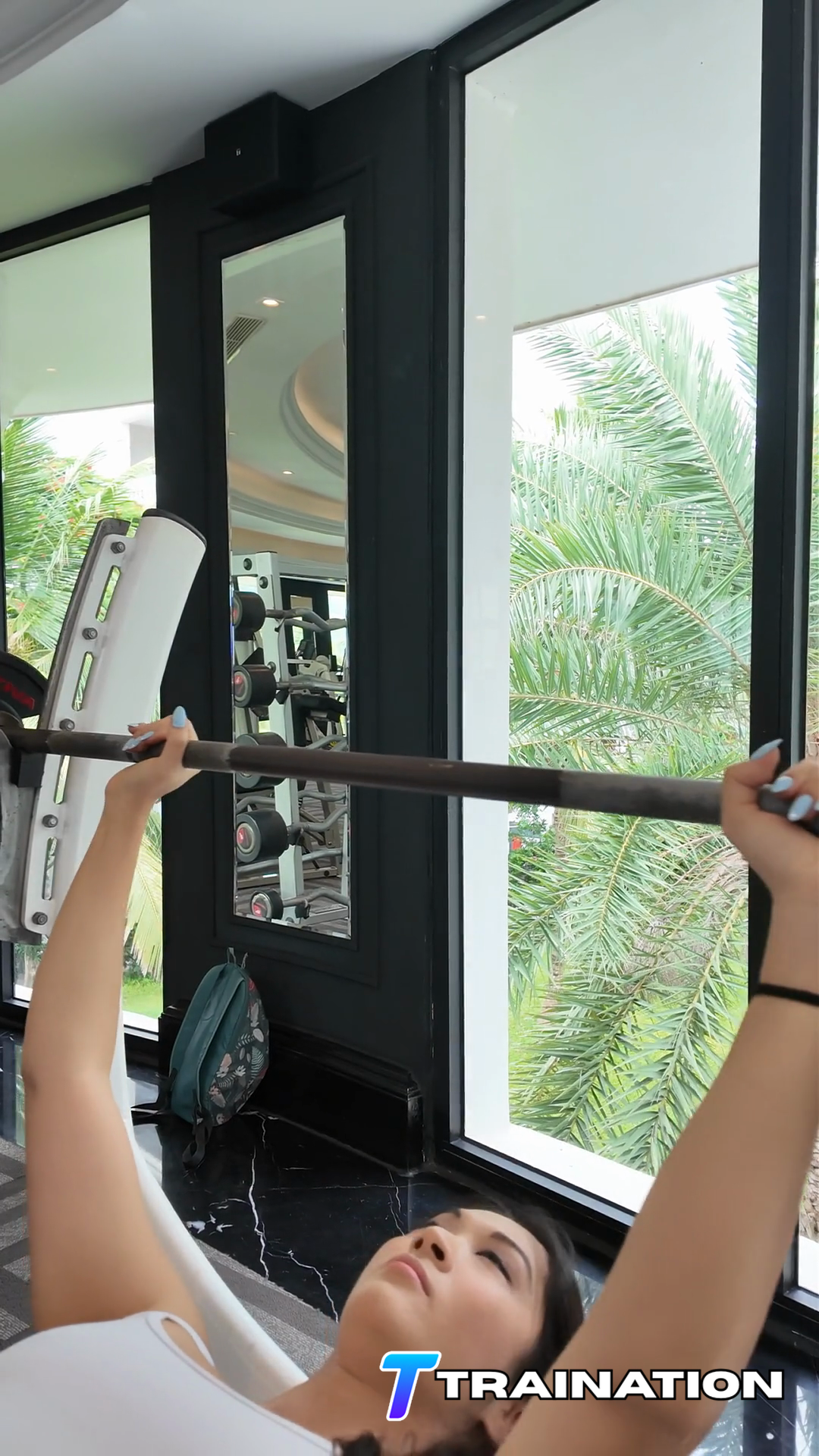
Place Cable Chest Fly after bench, incline, or machine presses so chest and shoulder fatigue does not limit the heavier pressing work.
Use one or two times per week and count the sets with other direct chest work.
| Goal | Sets | Reps or time | Rest | Effort and execution |
|---|---|---|---|---|
| Strength accessory | 2–4 | 6–10 | 75–150 sec | Leave 2–3 controlled reps in reserve |
| Muscle growth | 2–4 | 8–15 | 60–120 sec | Usually 1–3 clean reps in reserve |
Scale the movement
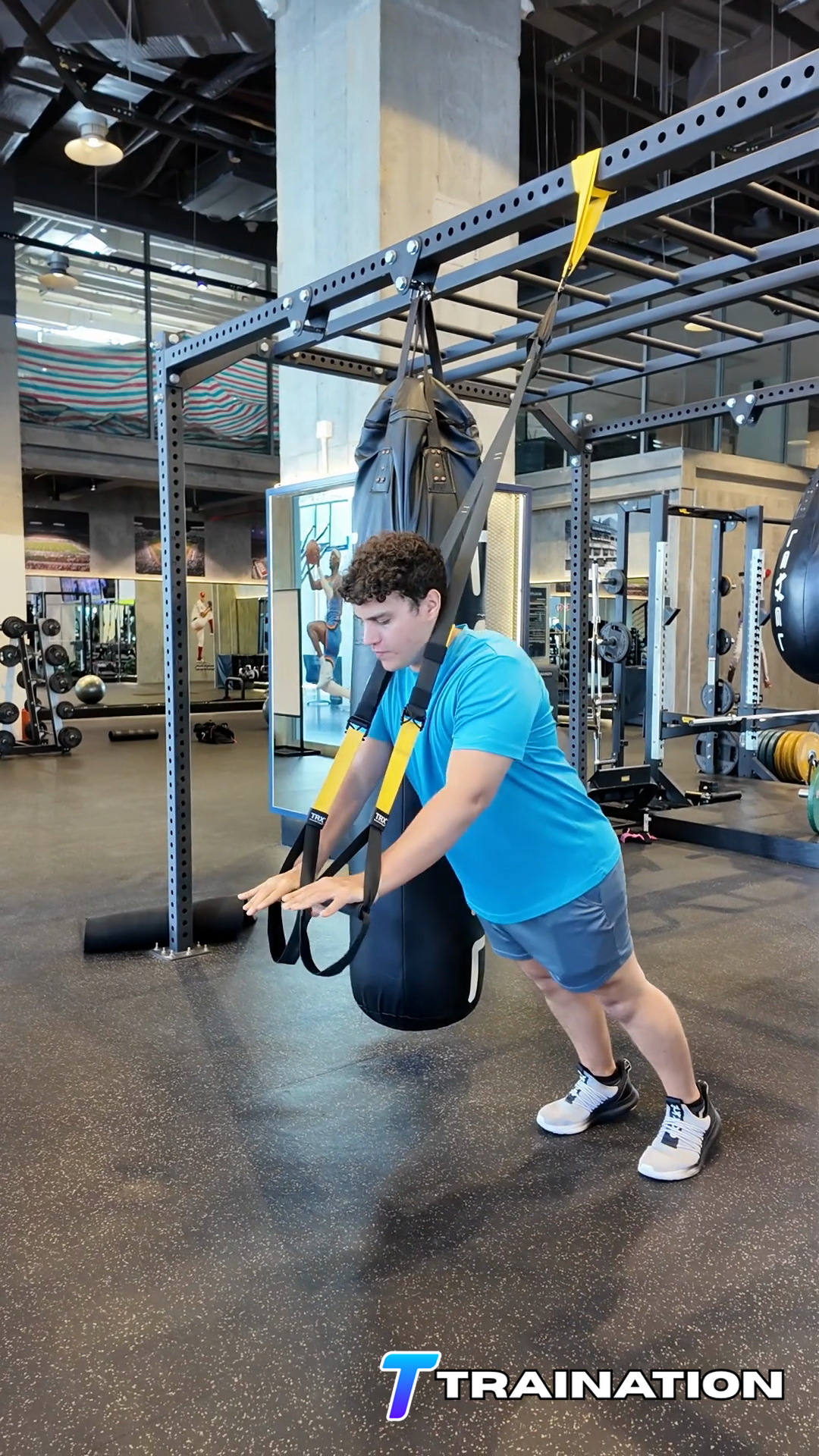
Hold a stable support or use an easier setup while learning the movement.
Use a shorter pain-free range and expand it only as control improves.
Slow the lowering phase without changing the start, finish, or joint alignment.
Add a brief pause at the hardest controlled position before increasing load.
Turn Cable Chest Fly and the rest of your exercise library into repeatable client programs.
Explore the workout builder