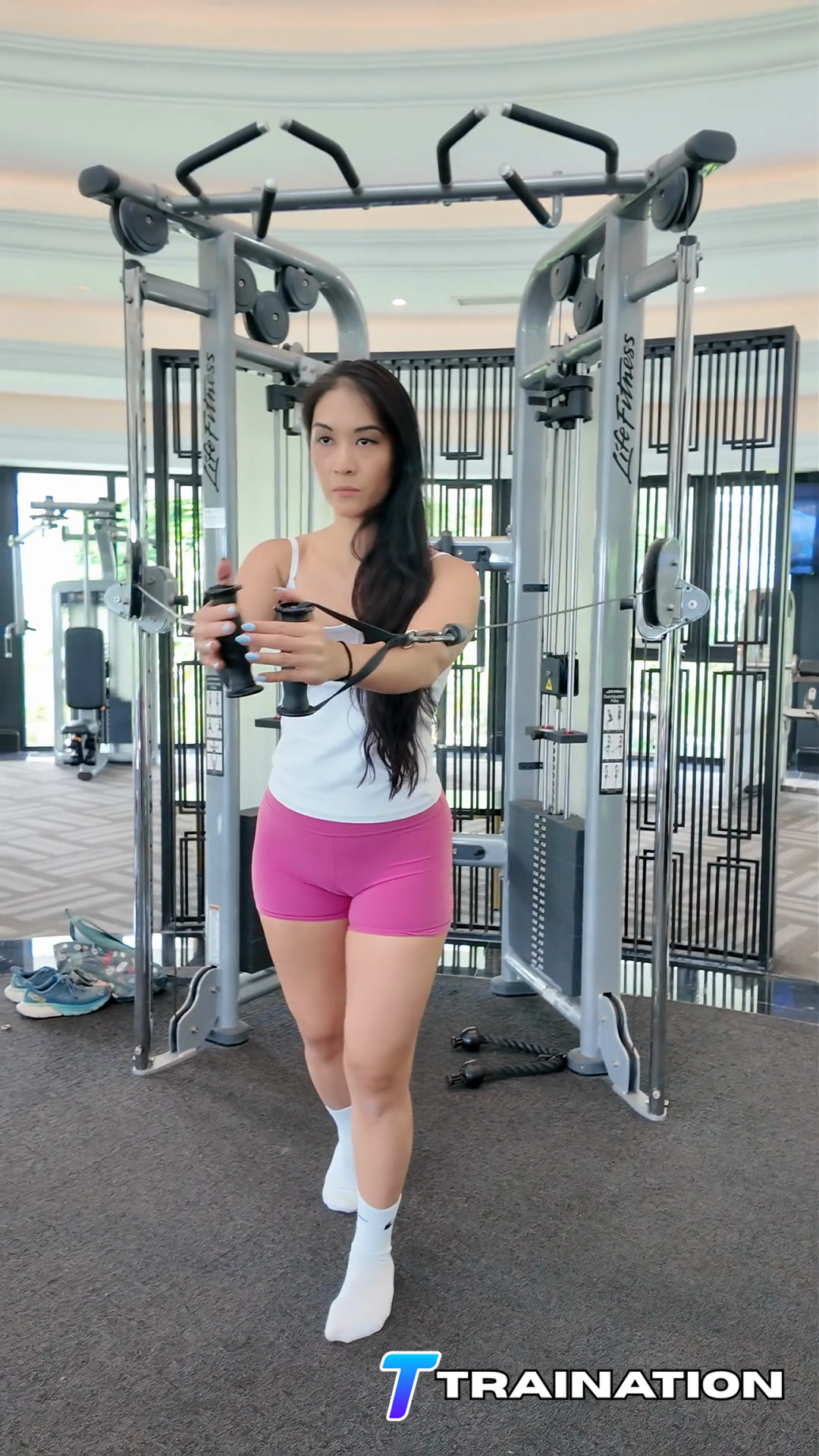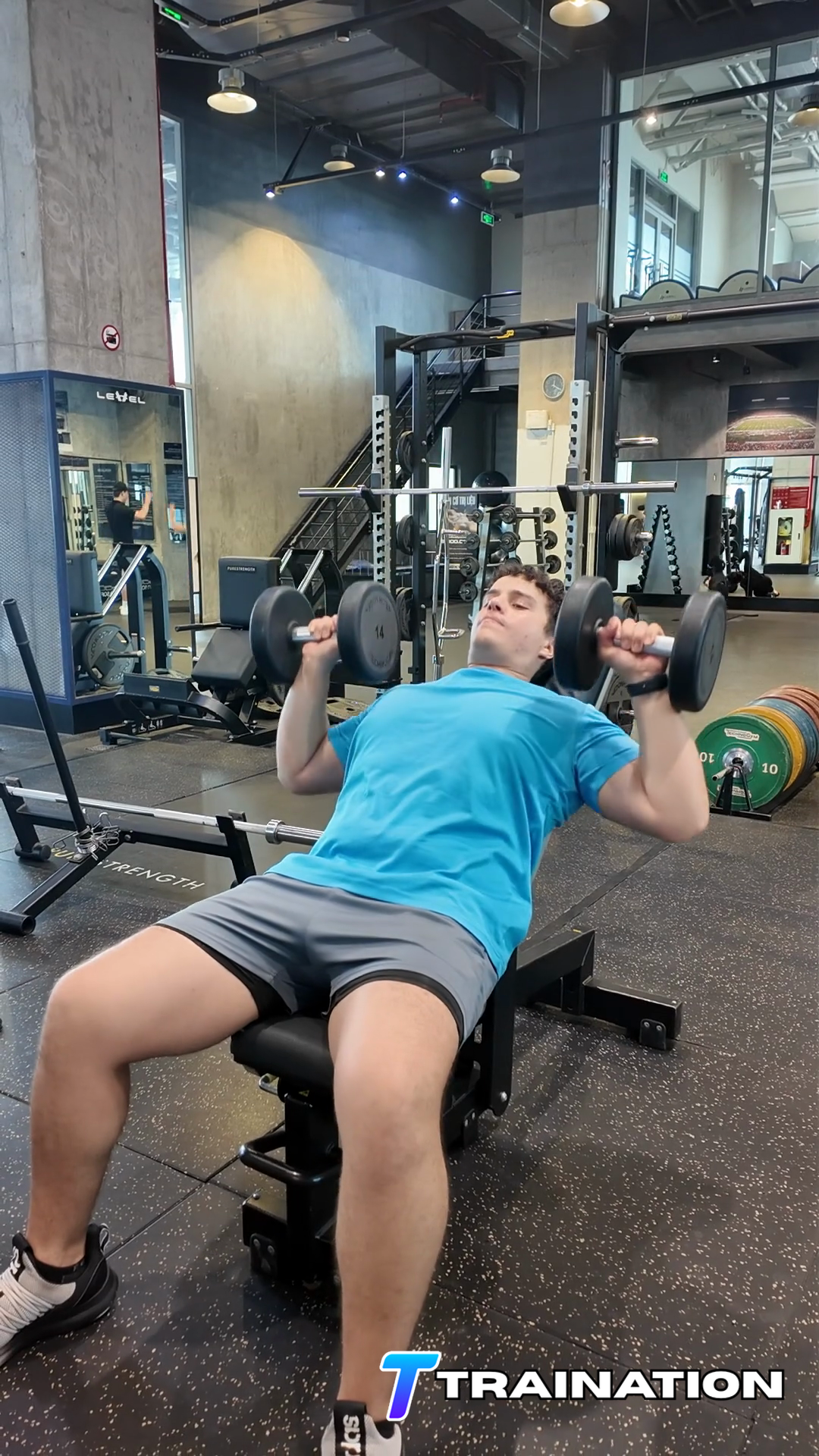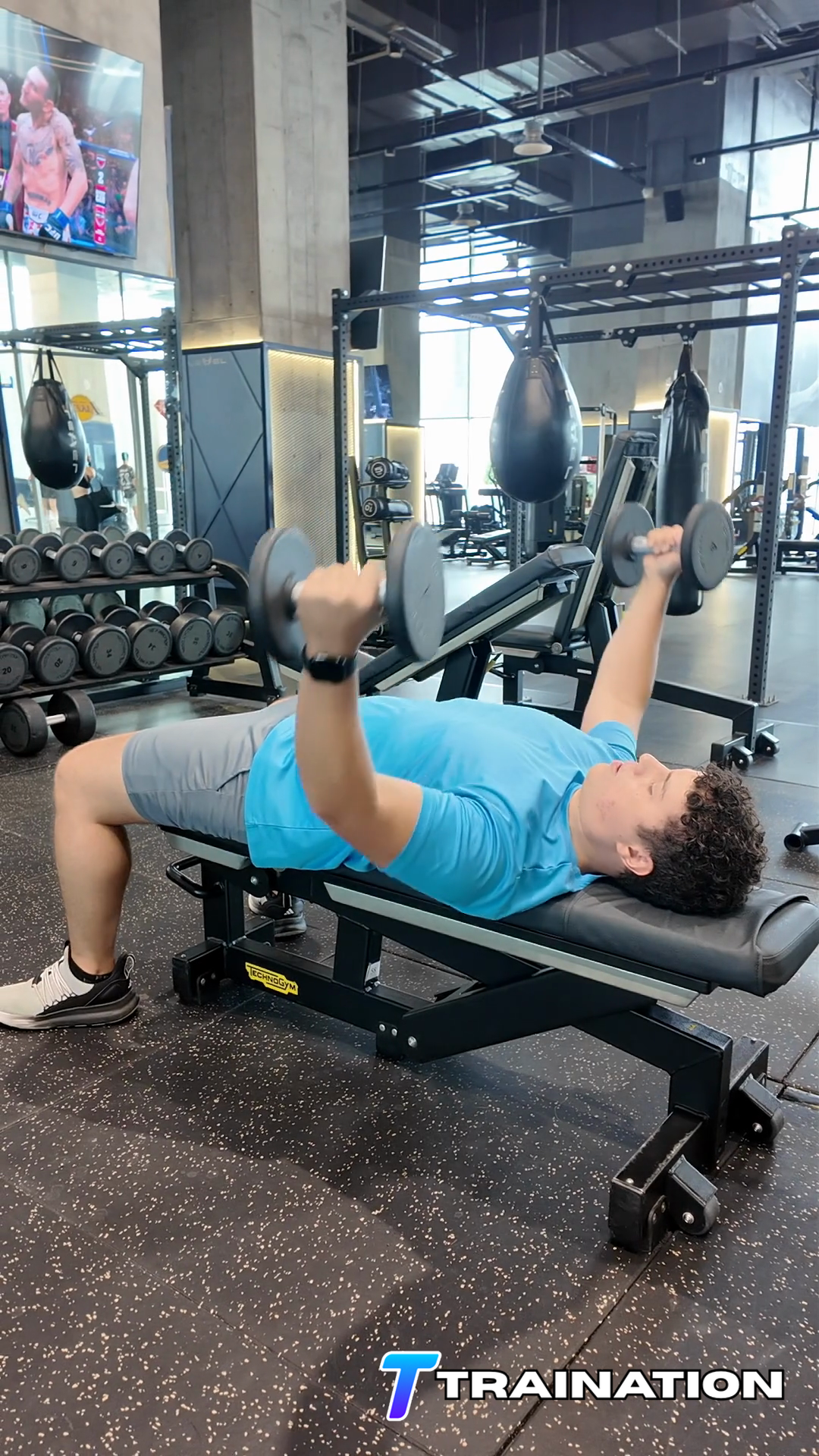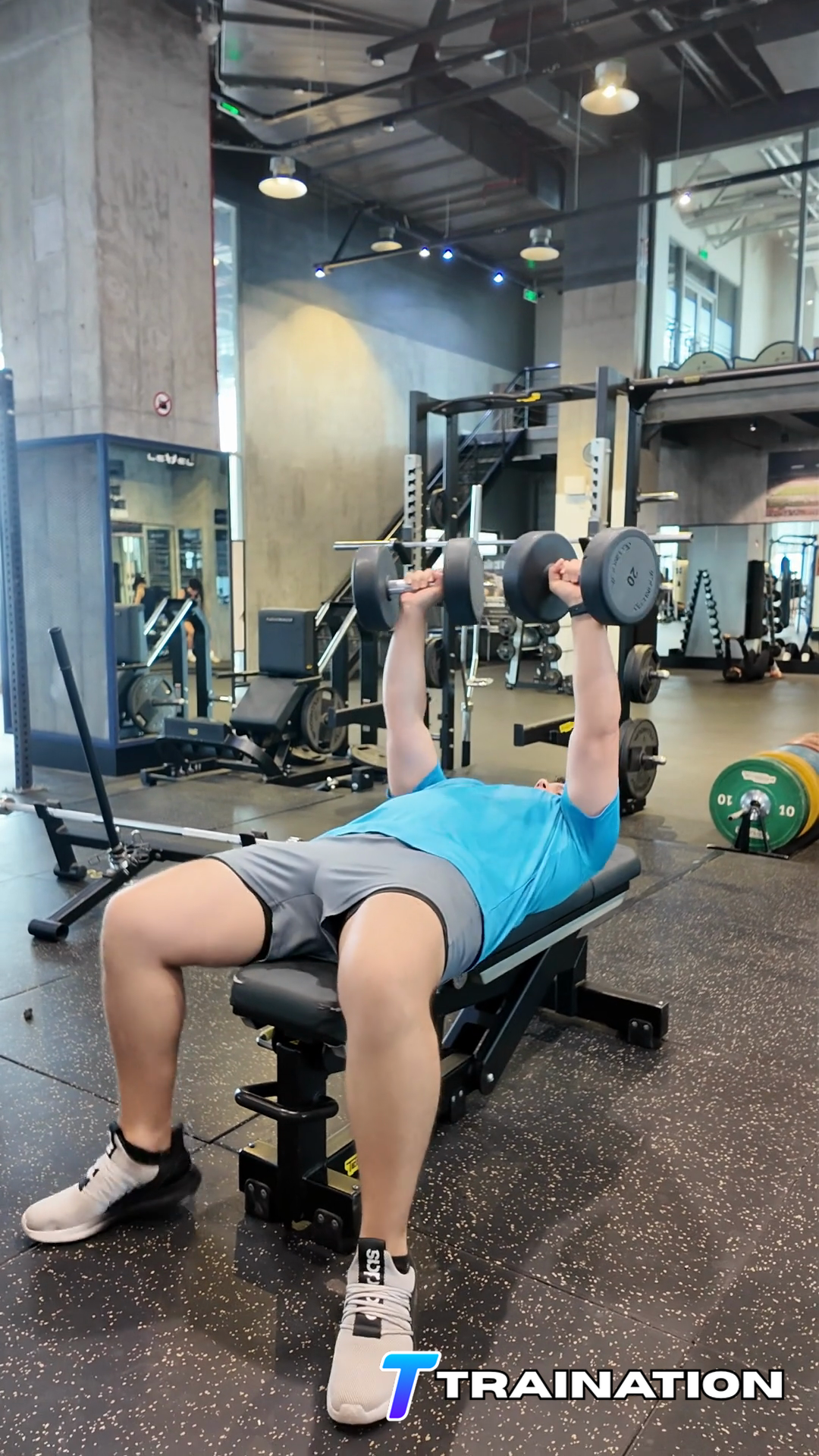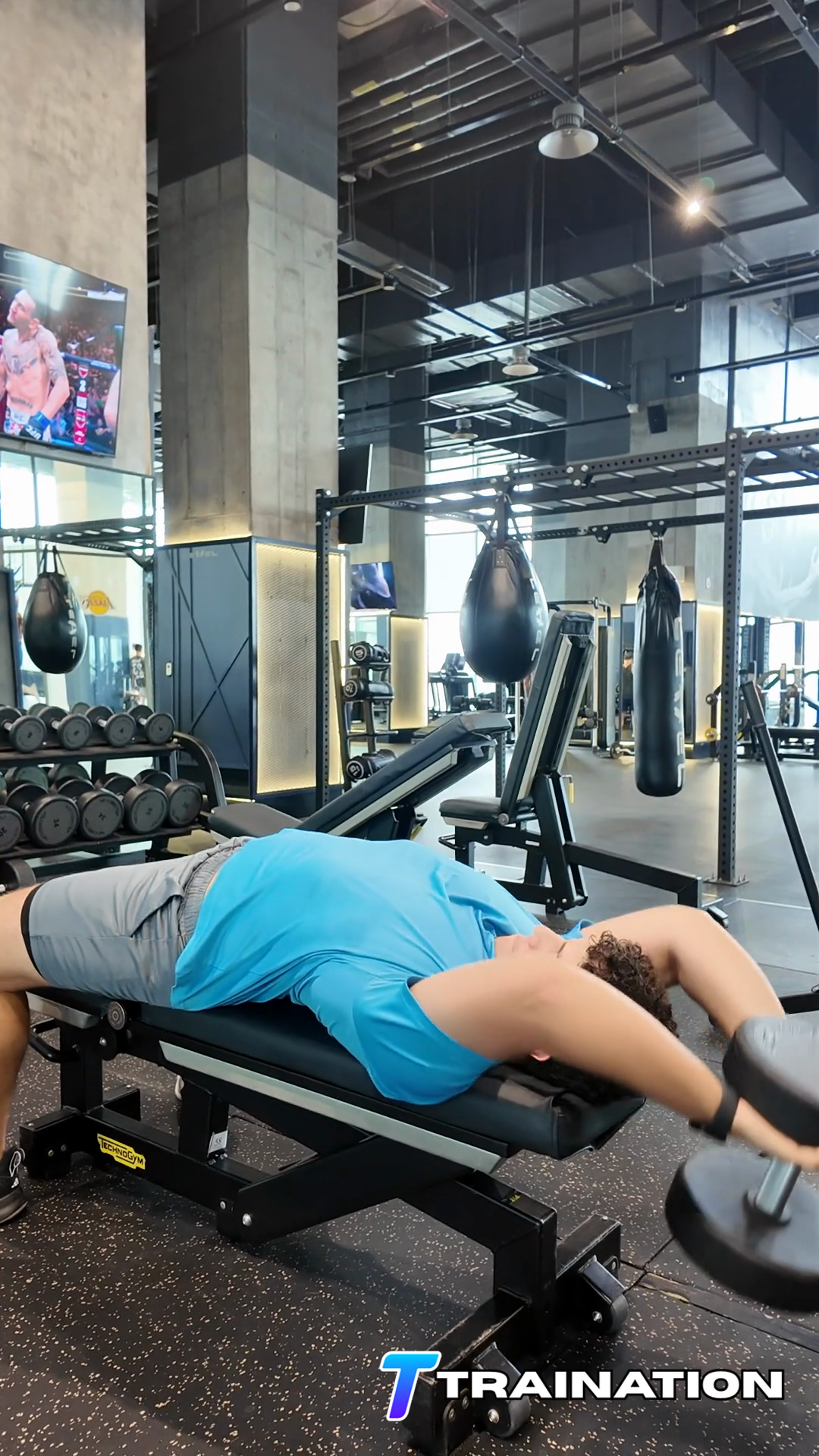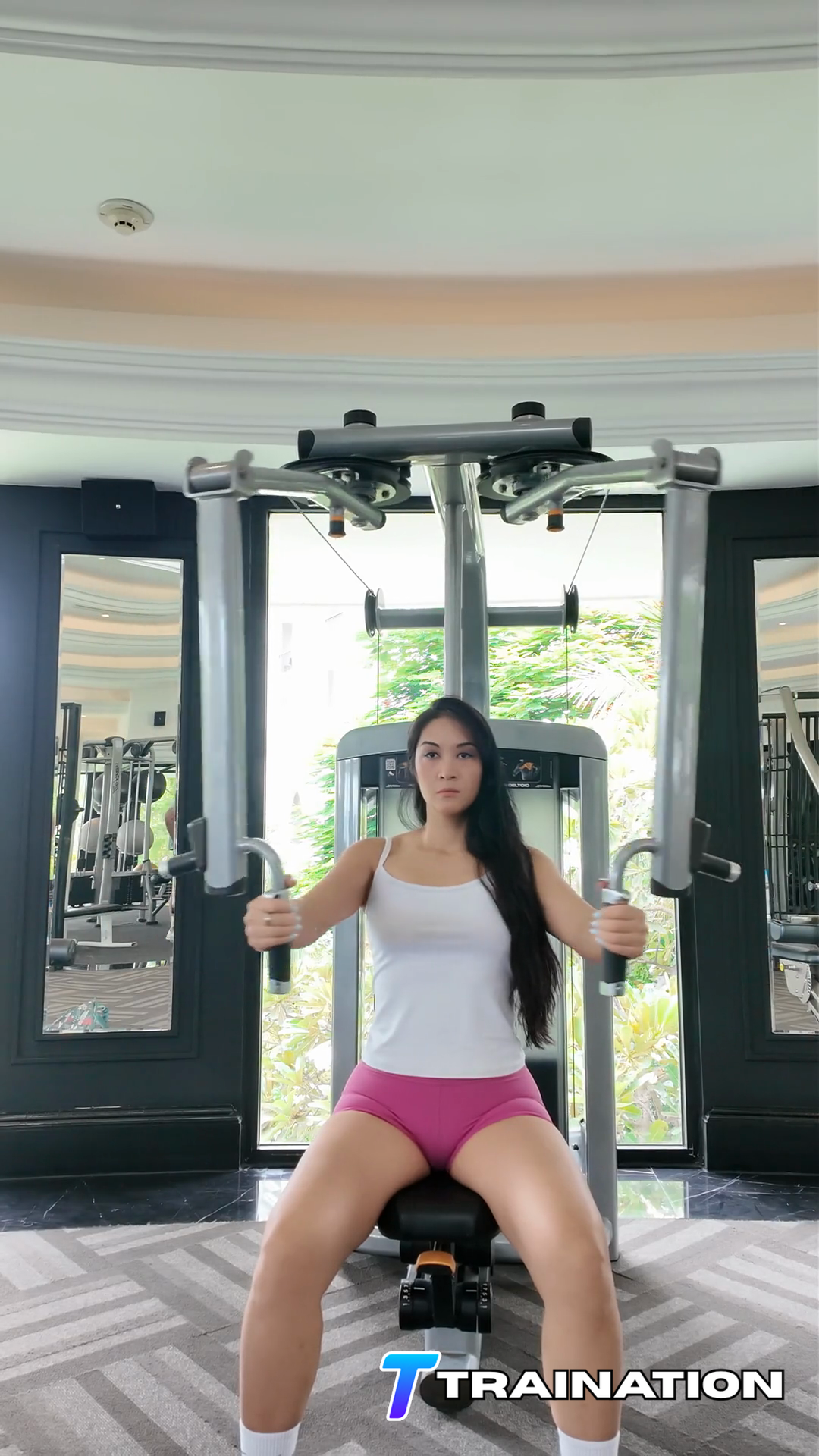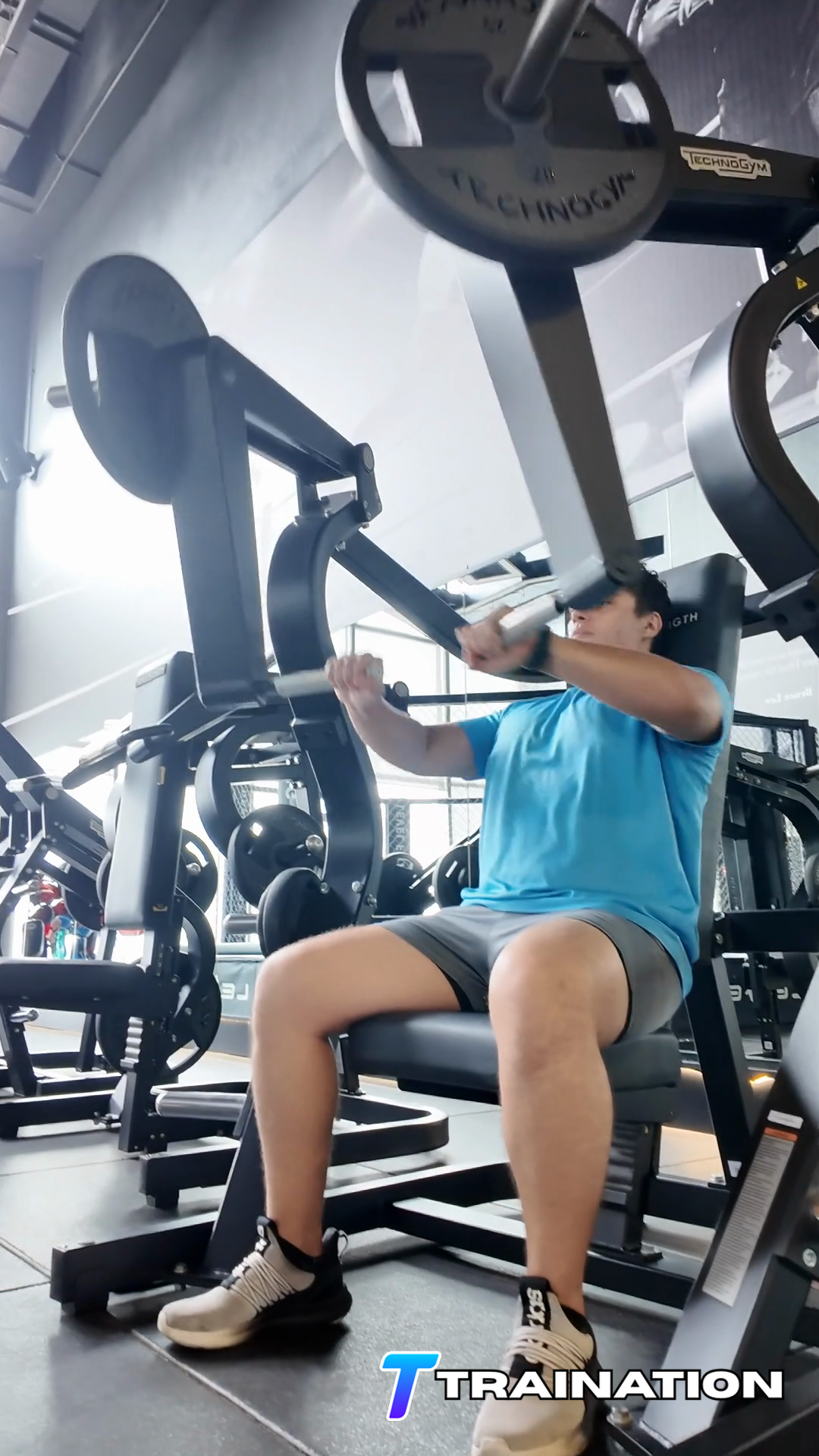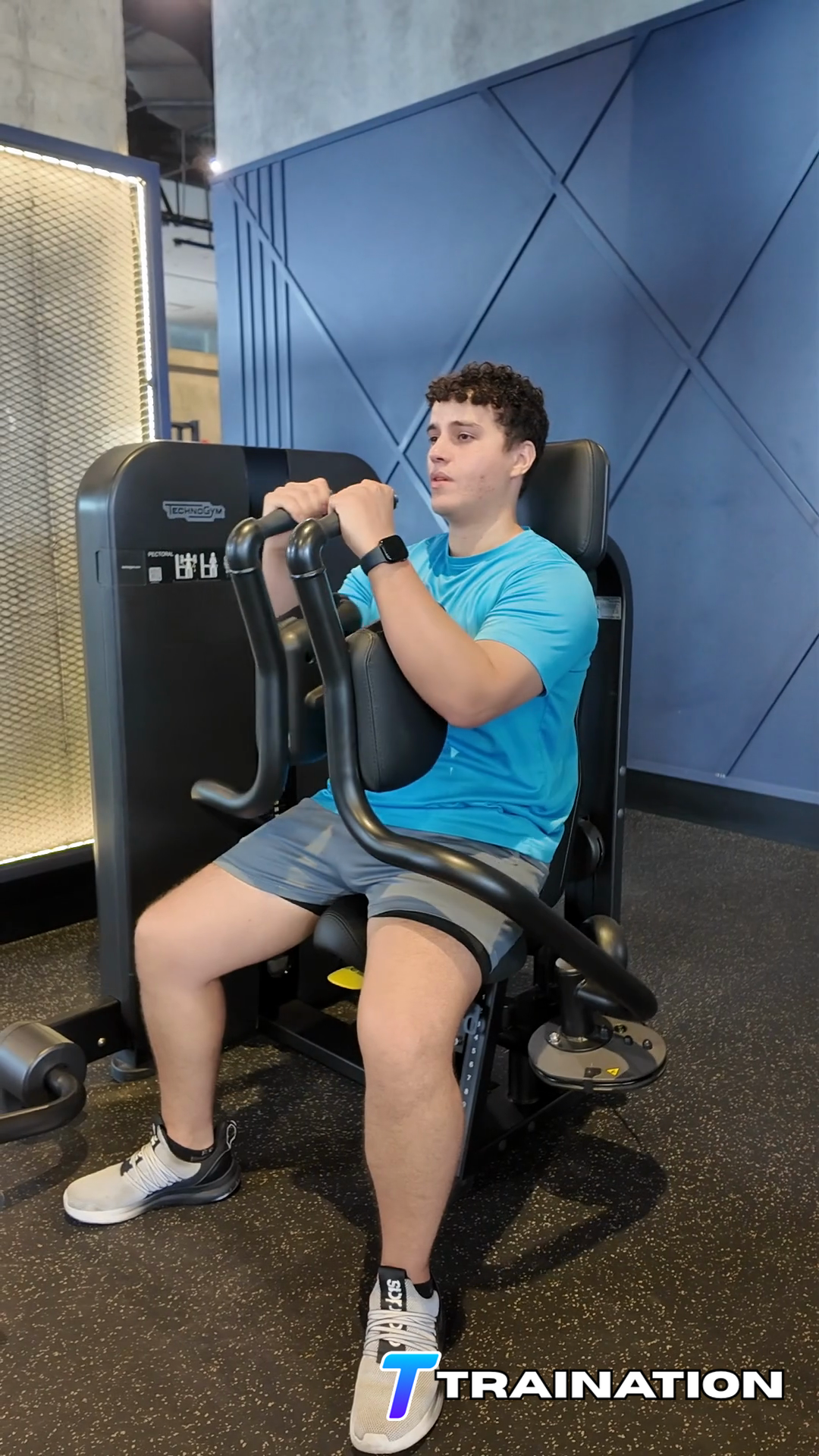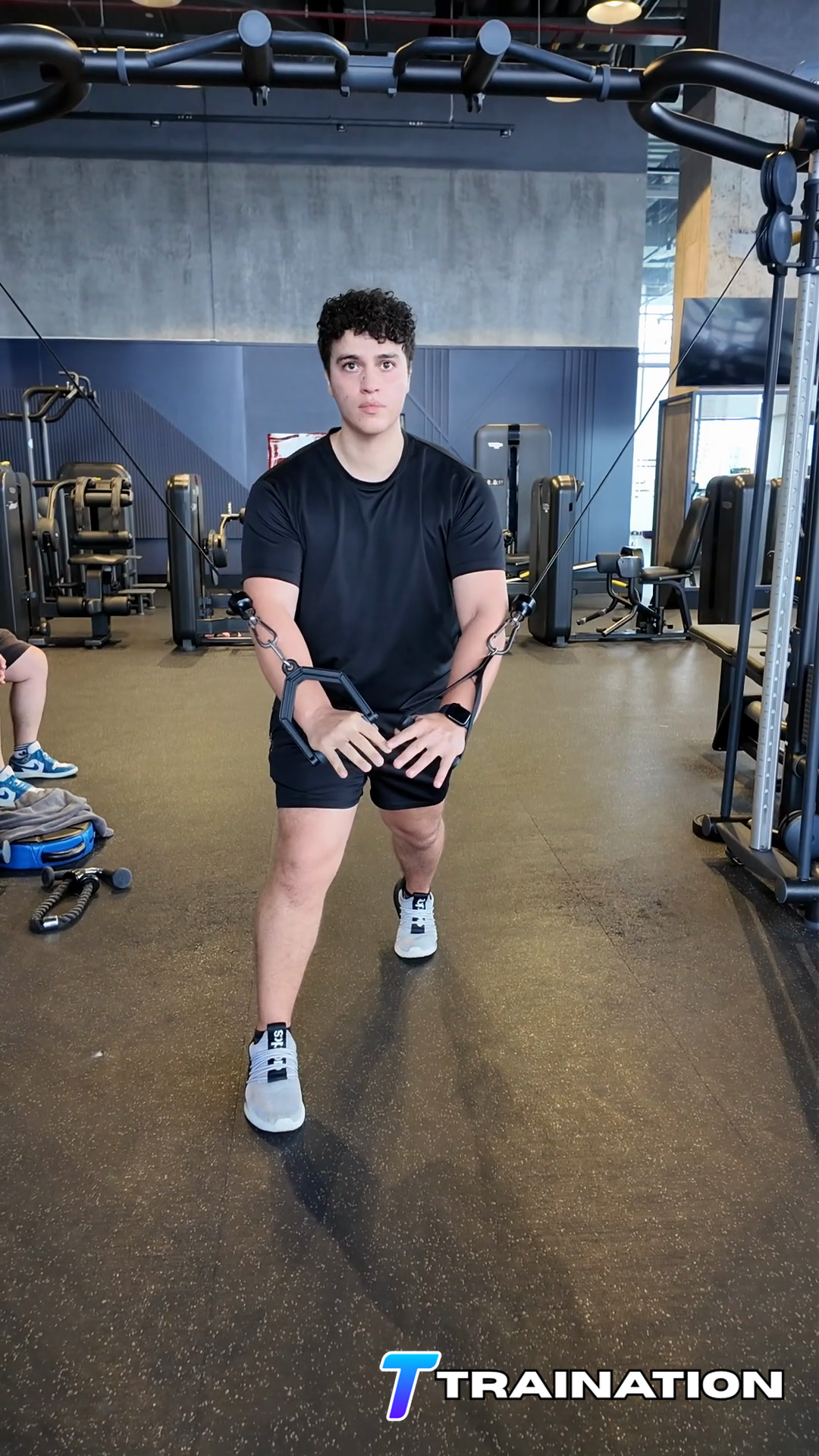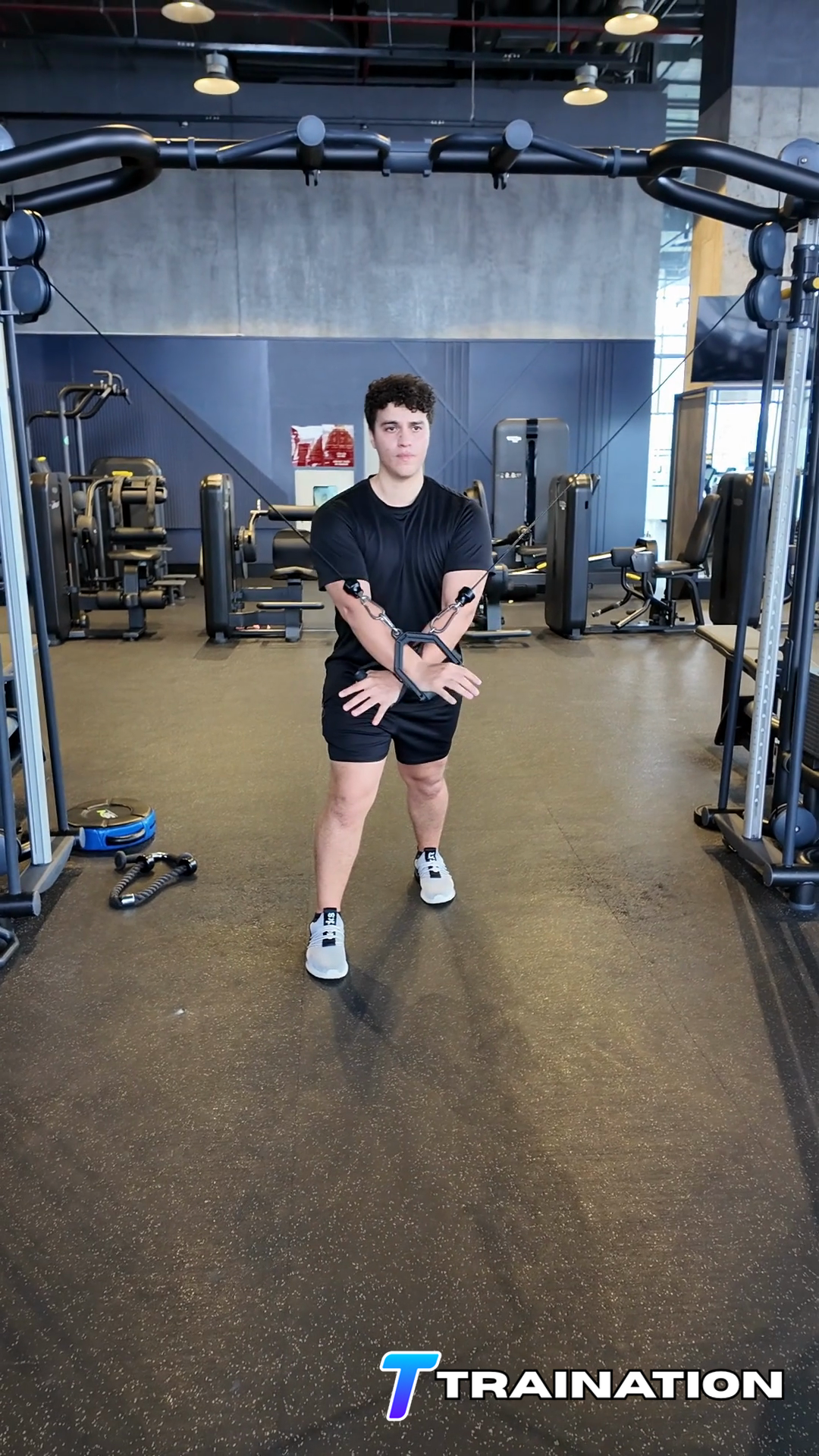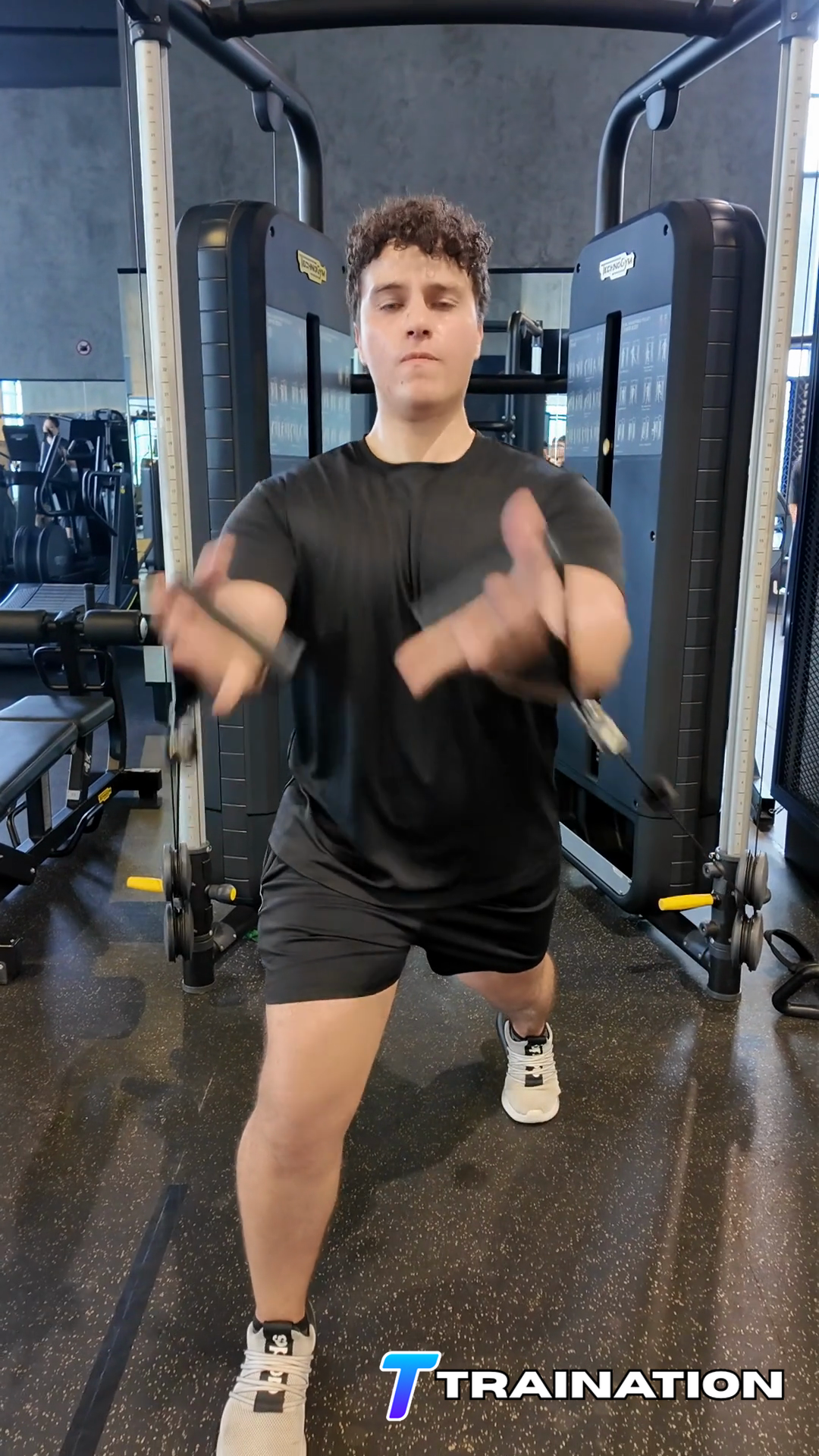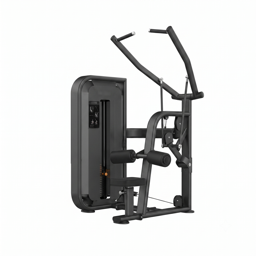
Standing Low To High Cable Fly

Standing Low To High Cable Fly targets the chest through a wide hugging motion while the elbow angle remains nearly fixed.

Primary muscle
Chest

Primary musclesPectoralis major

Secondary musclesAnterior deltoids, Biceps brachii, Serratus anterior

Equipment
Strength Machine
← Back to exercise database

Set up for Standing Low To High Cable Fly

Prepare the strength machine

  • Adjust the seat, back pad, and movement arm so the machine pivot aligns with the joint being trained.
  • Insert the weight pin fully and test the start/stop mechanism with a light load.

Position yourself for Standing Low To High Cable Fly

  • Set both pulleys for the intended high, middle, or low cable path, step into a split stance, and begin with the arms open and softly bent.
  • Fix a small bend in the elbows and confirm that the arms can open to a comfortable chest stretch without the shoulders rolling forward.

Choose and verify the starting level

  • Use a conservative load for the first set of Standing Low To High Cable Fly. You should be able to pause at the hardest position without changing the intended joint path.
  • Perform one slow rehearsal repetition and change the setup if the equipment shifts, the range causes pain, or the target position cannot be maintained.

How to perform Standing Low To High Cable Fly

Follow the sequence in order, paying attention to the starting position, movement path, and finish described in each step.

  1. For Standing Low To High Cable Fly, set the shoulders against the support or brace the standing position, then begin with the arms open and elbows softly bent.

  2. Keep the wrists straight and fix the elbow angle before the arms begin to travel.

  3. Sweep the upper arms forward in a wide hugging arc while keeping the elbow angle nearly fixed.

  4. Finish when the hands or handles meet in front of the chest without the shoulders rolling forward.

  5. Open the arms slowly to a comfortable chest stretch and keep the load under control.

Common Standing Low To High Cable Fly mistakes

These are the form changes most likely to move work away from the target muscles or make the repetition harder to control.

Turning the fly into a press

Keep a small, nearly fixed elbow bend rather than bending and straightening the elbows through each repetition.

Opening too far

Stop at a comfortable chest stretch before the shoulders roll forward or the upper arms travel excessively behind the torso.

Hands travelling at different heights

Keep the shoulders level and bring both arms through matching arcs.

Letting the stack pull back

Open the arms slowly and maintain control through the longest position.

When to modify or choose another exercise

  • Reduce the resistance, range, lever length, or balance demand if Standing Low To High Cable Fly cannot be completed without compensation.
  • Stop when the exercise produces sharp, catching, radiating, or increasing joint pain rather than the expected muscular effort.
  • Use a neutral grip, shorter range, or supported variation when the shoulder feels pinched; avoid working through pain or a recent restriction from a clinician.

How to use Standing Low To High Cable Fly in a training program

Use Standing Low To High Cable Fly as accessory work after larger compound exercises, or earlier only when its target action is the session's priority.

01

Where it fits in a session

Use Standing Low To High Cable Fly after larger compound movements, or earlier only when its target action is the workout's main priority.

02

How often to use it

Use one to three times per week and count the work alongside compound exercises that train the same muscles.

Starting rep ranges by goal

GoalSetsReps or timeRestEffort and execution
Strength accessory2–46–1075–150 secLeave 2–3 controlled reps in reserve
Muscle growth2–48–1560–120 secUsually 1–3 clean reps in reserve
Local endurance2–312–2045–90 secStop before range or joint position changes

How to progress it

Add controlled repetitions within the selected range before increasing resistance. For unilateral work, progress each side according to the weaker technically sound performance.

Pairing and sequencing

  • Superset with a non-competing accessory when both exercises can keep their intended joint paths.
  • Do not add isolation volume without counting the work already received from compound lifts.

Coach's notes

  • Program 2–4 sets of 8–15 controlled repetitions; 12–20 repetitions can also suit lighter isolation and rotator-cuff work.
  • Rest 45–90 seconds, extending the interval if fatigue changes joint position or the intended muscle action.
  • Add repetitions before load and count these sets toward the weekly volume already supplied by compound exercises.

Regressions and progressions for Standing Low To High Cable Fly

Start with an easier option

Supported Standing Low To High Cable Fly

Add external support or reduce the balance demand while learning the exact joint path.

Reduced-range Standing Low To High Cable Fly

Use a shorter pain-free range and expand it only as control improves.

Progress when form is repeatable

Tempo Standing Low To High Cable Fly

Slow the lowering phase without changing the start, finish, or joint alignment.

Paused Standing Low To High Cable Fly

Add a brief pause at the hardest controlled position before increasing load.

References
  1. Mayo ClinicChest Press with Dumbbells
  2. Mayo ClinicWeight Training: Do's and Don'ts of Proper Technique
  3. American College of Sports MedicineACSM Resistance Training Guidelines Update

Build client programs that drive retention and cut your weekly programming time in half.

Explore the workout builder →
Beta access

Become a Traination Beta User

Apply to become a beta user of the app for free in exchange for feedbacks and reviews. Your time is important! That's why we will reach out to you individually to make sure this is the right fit.