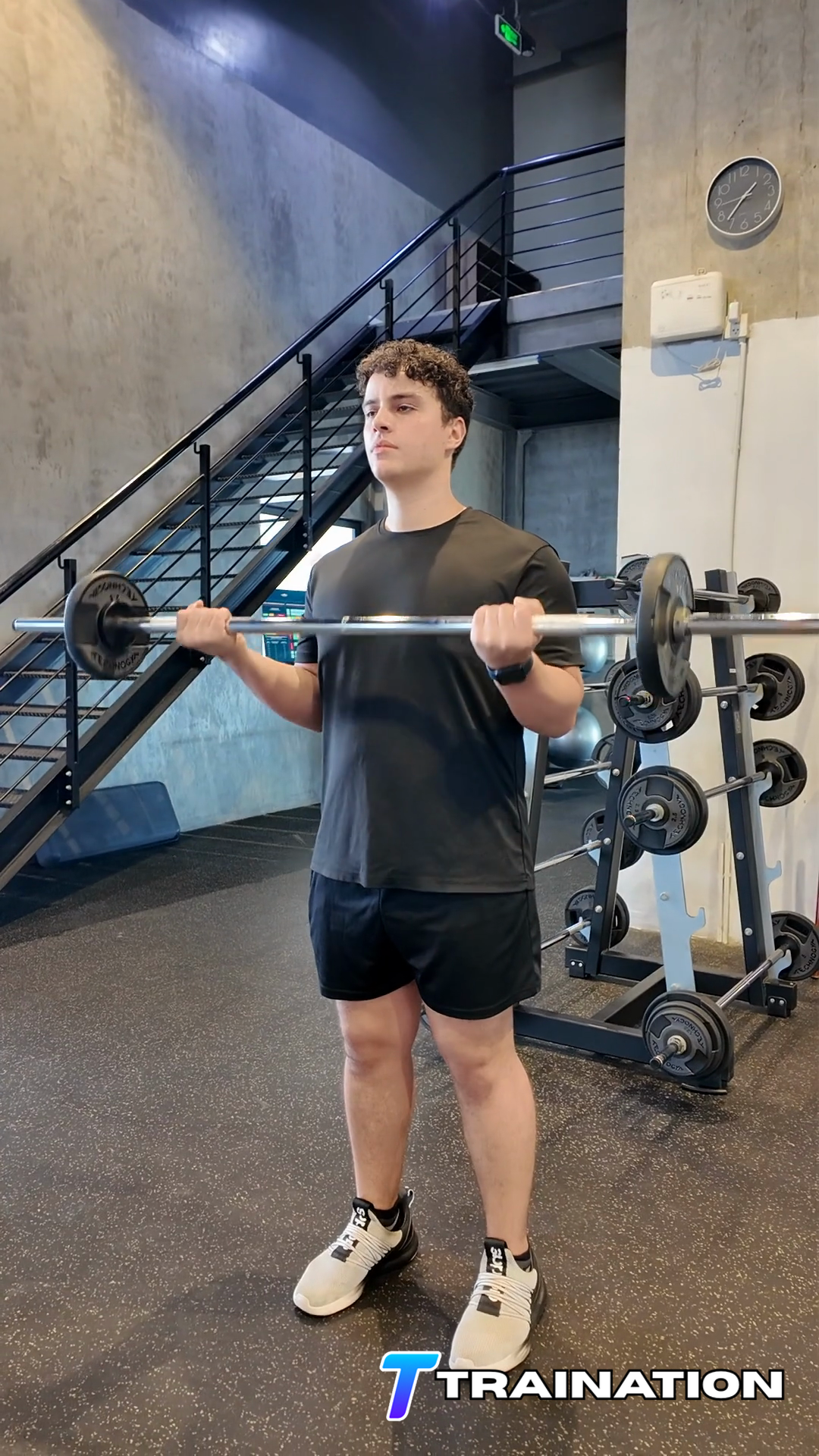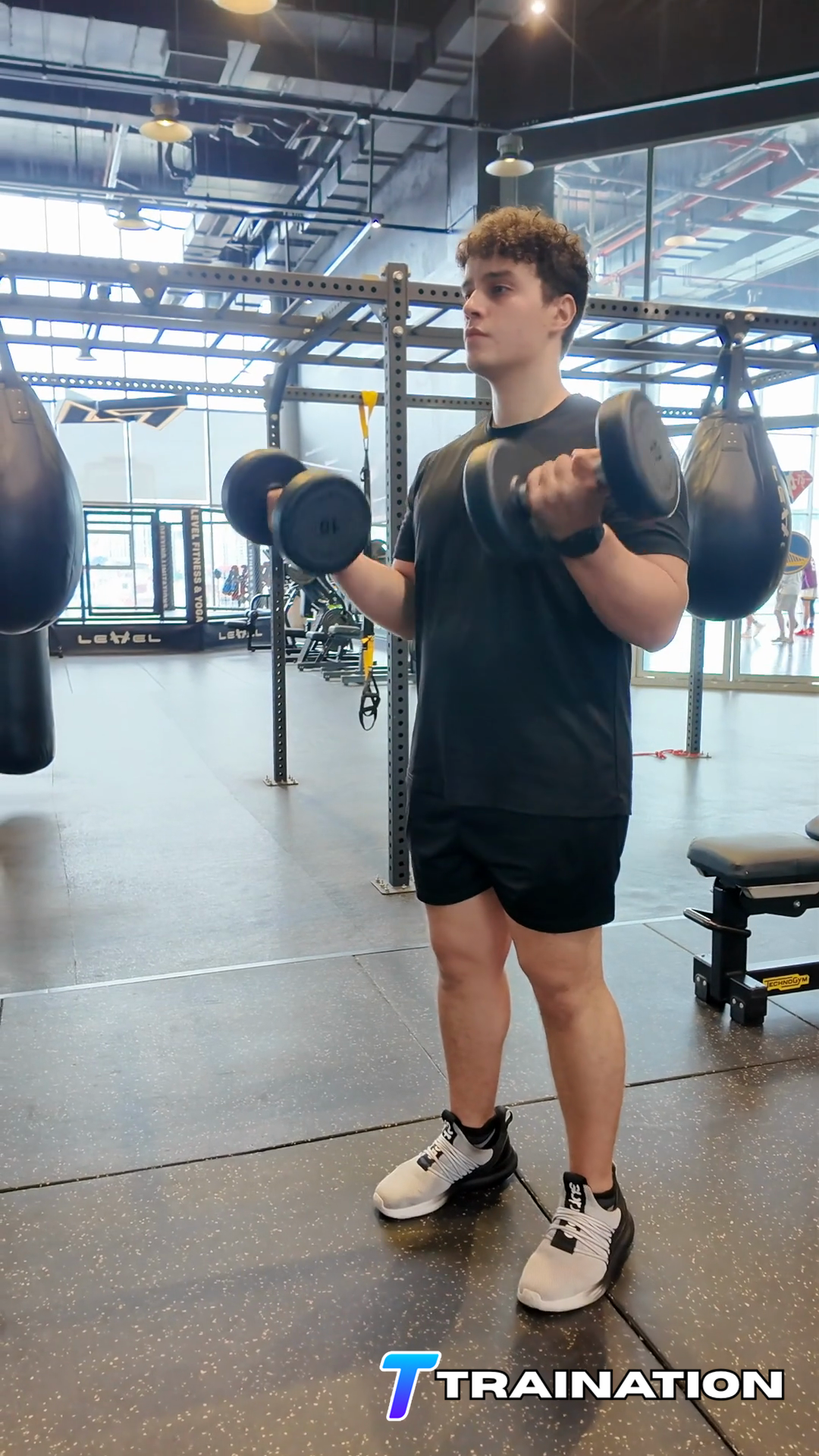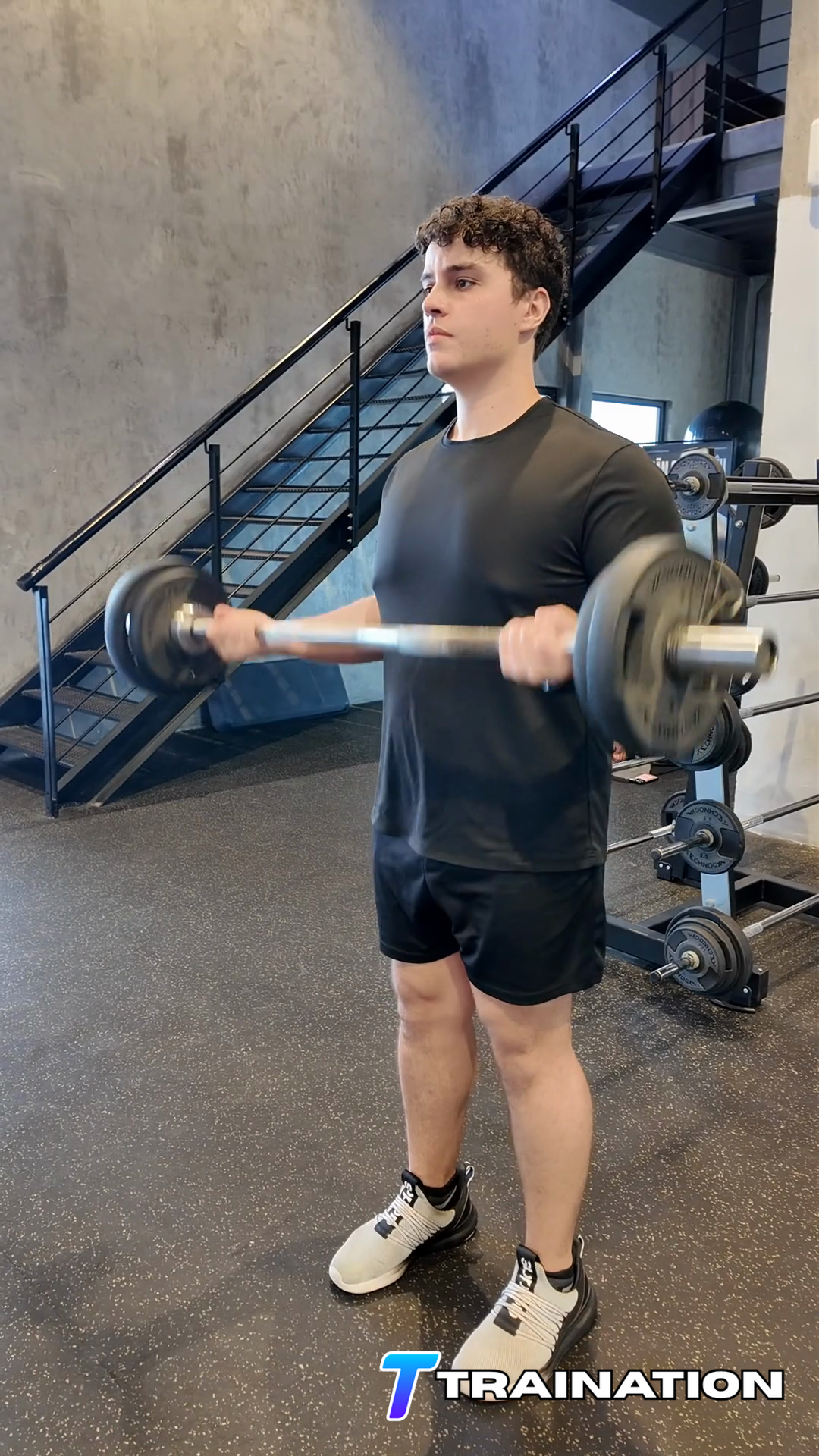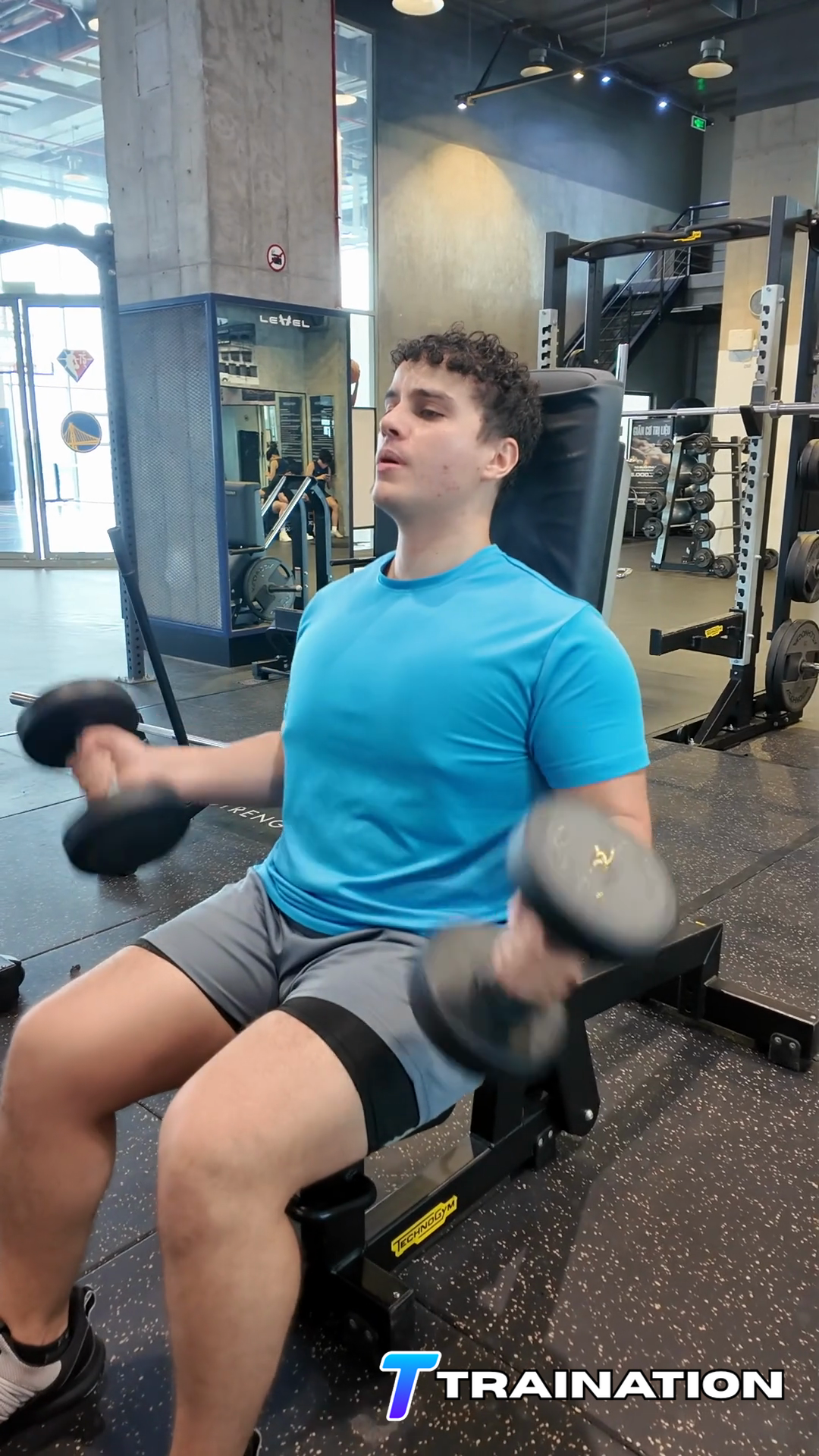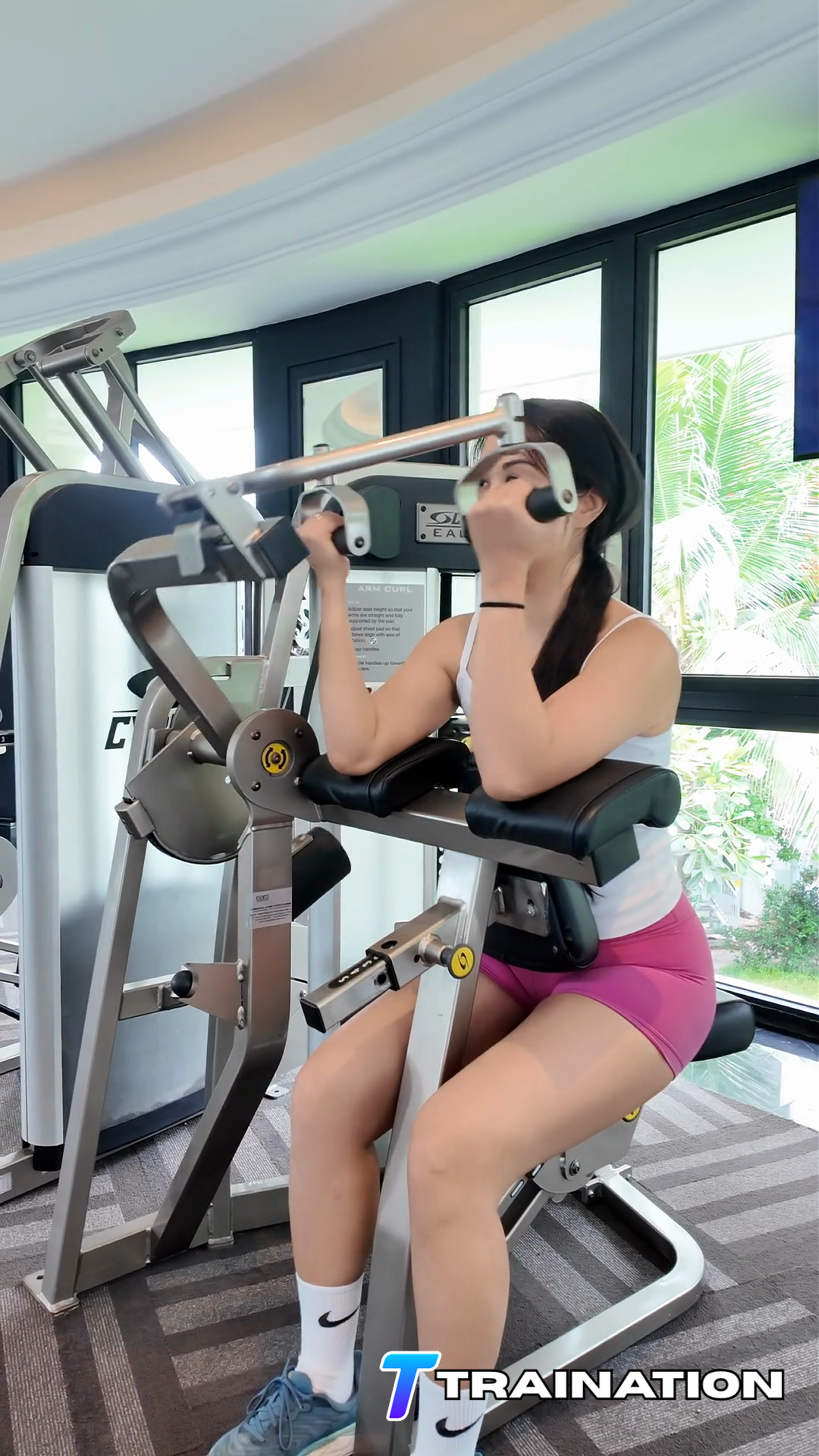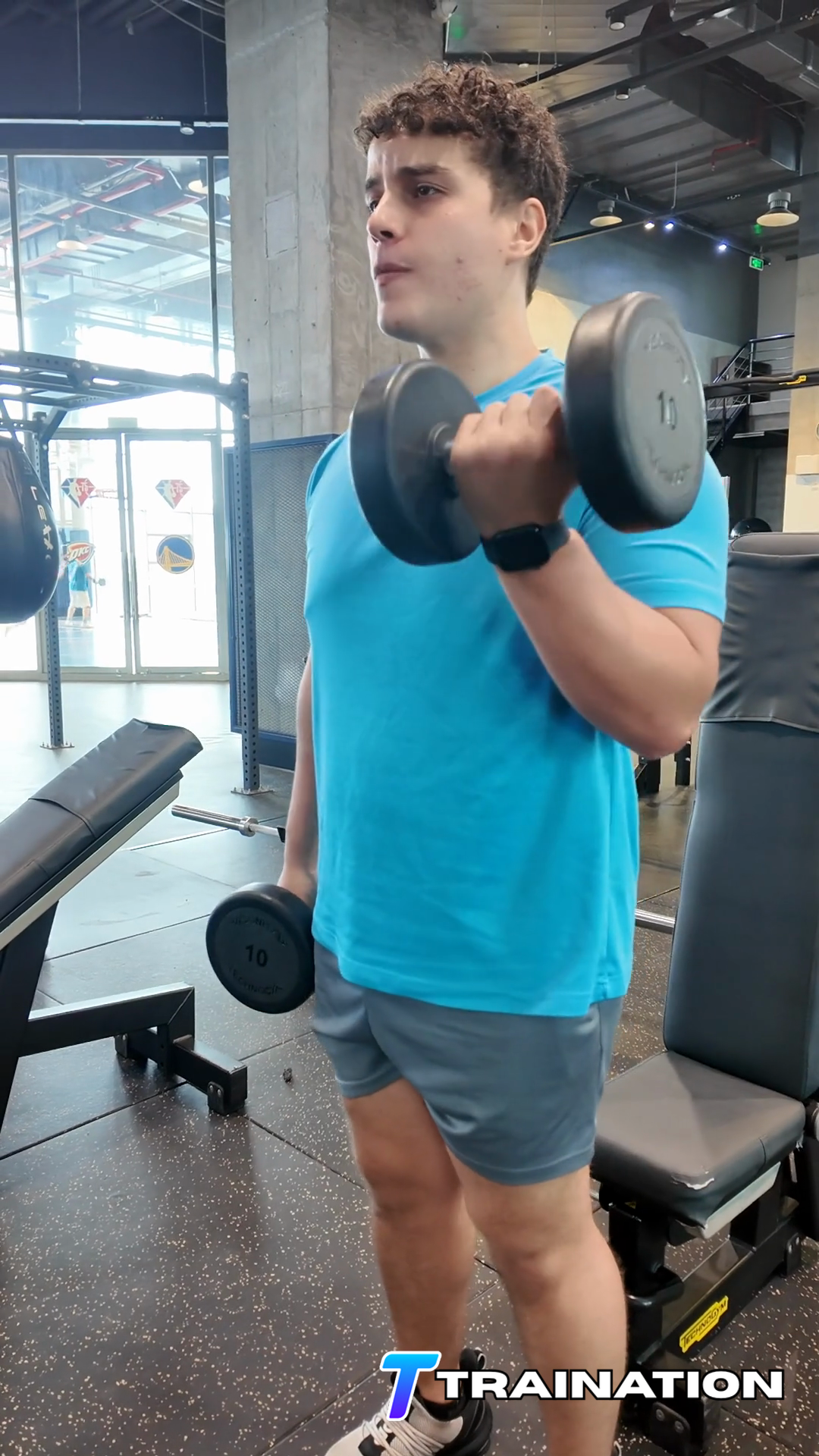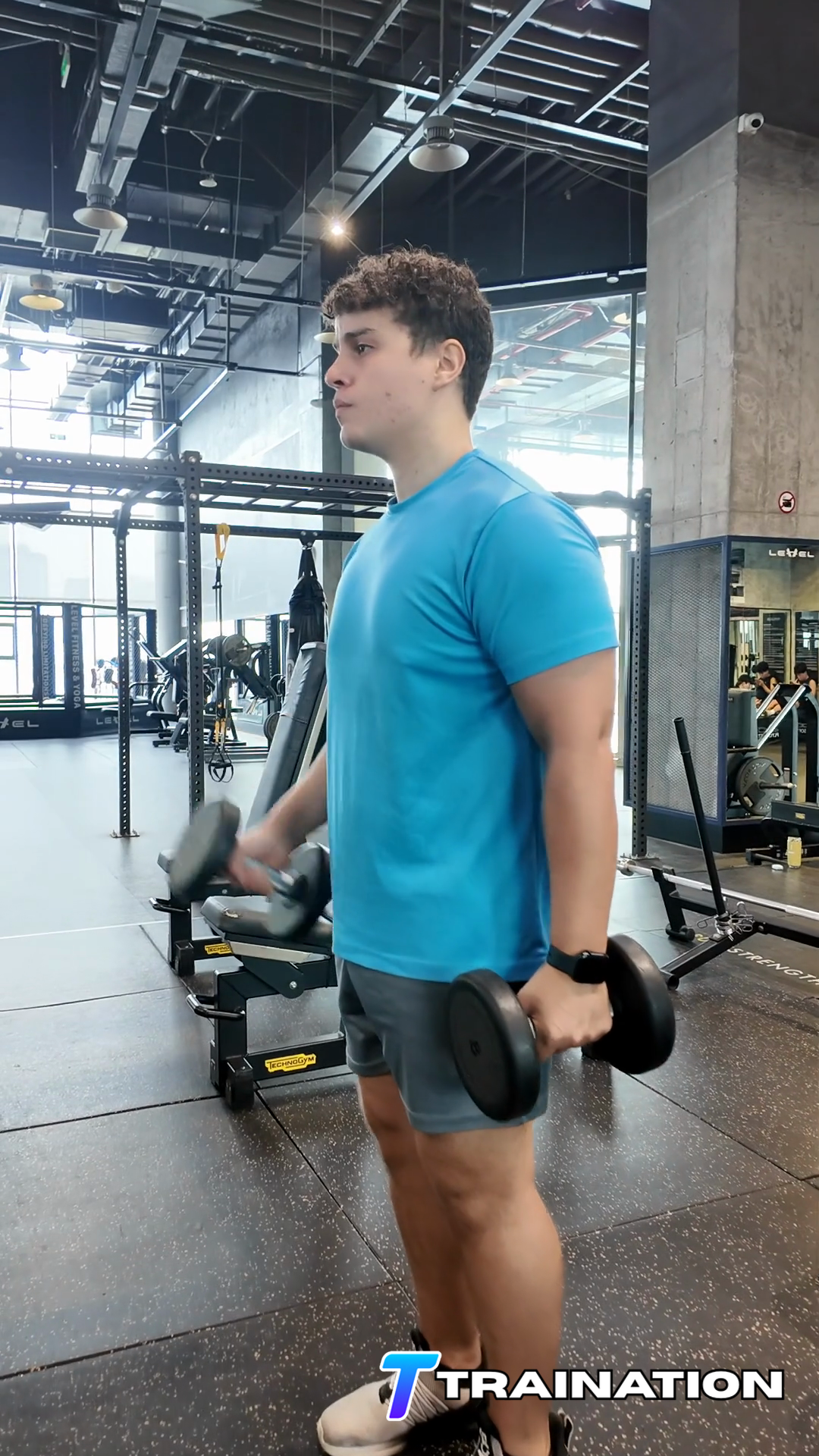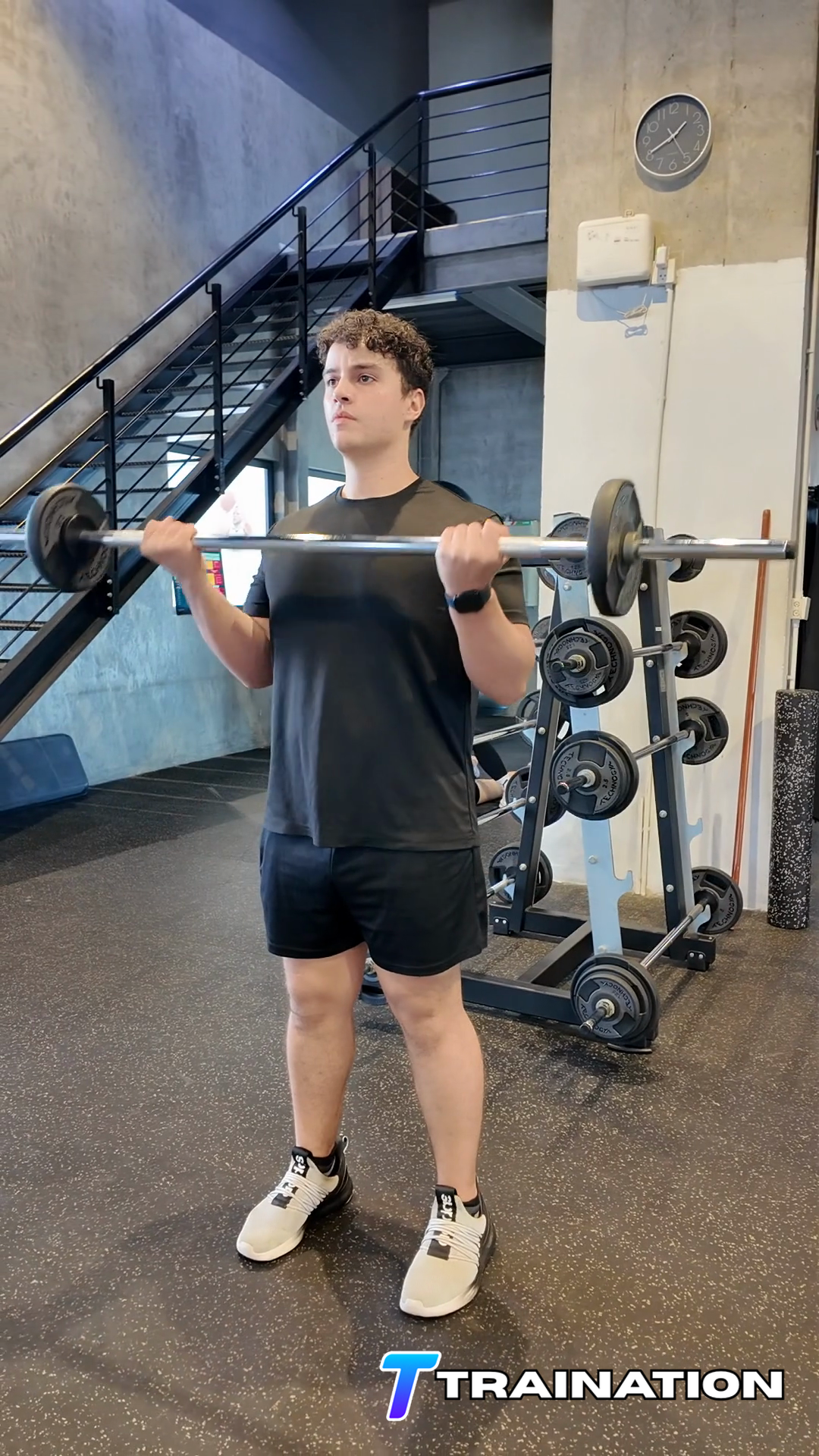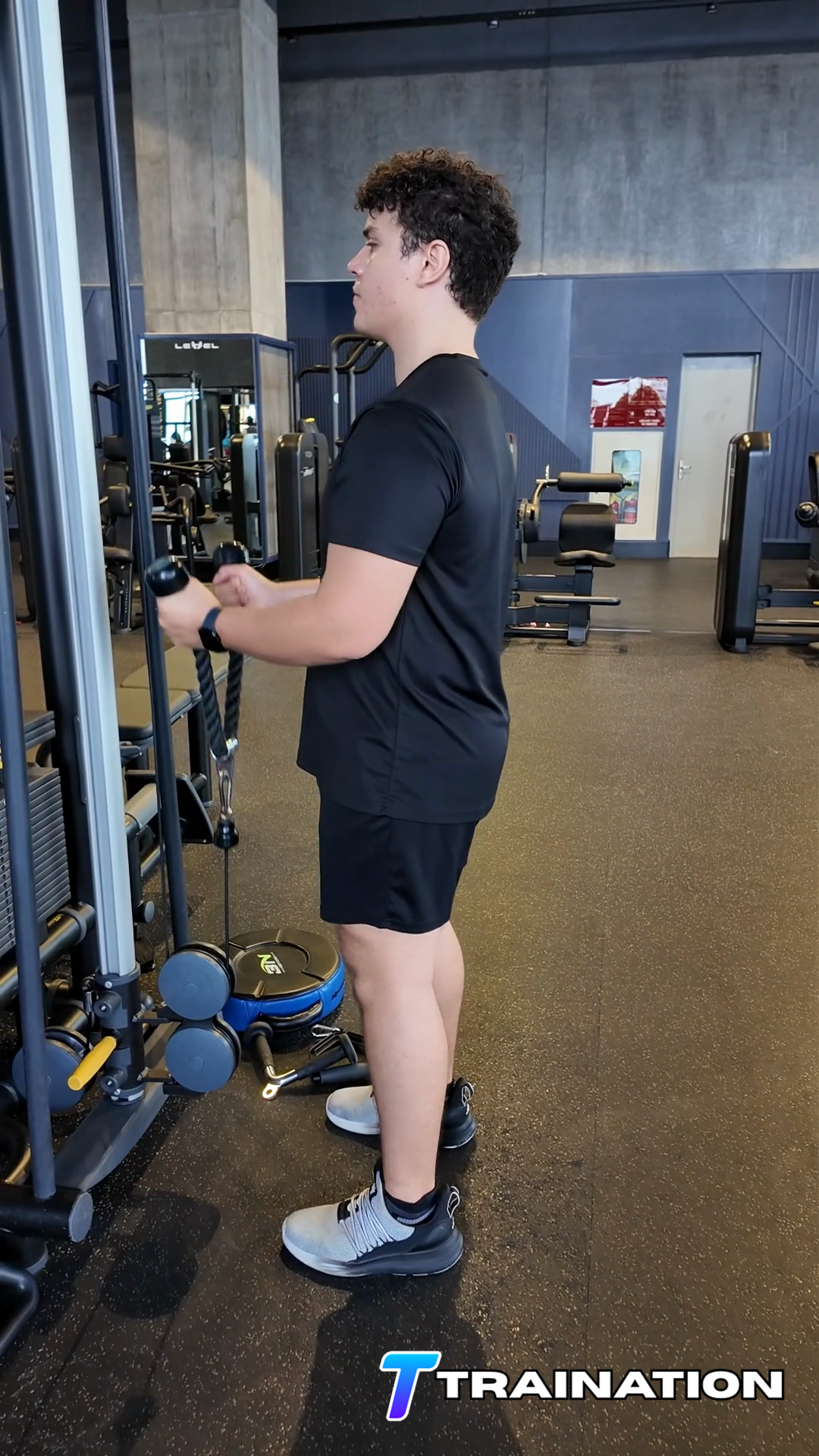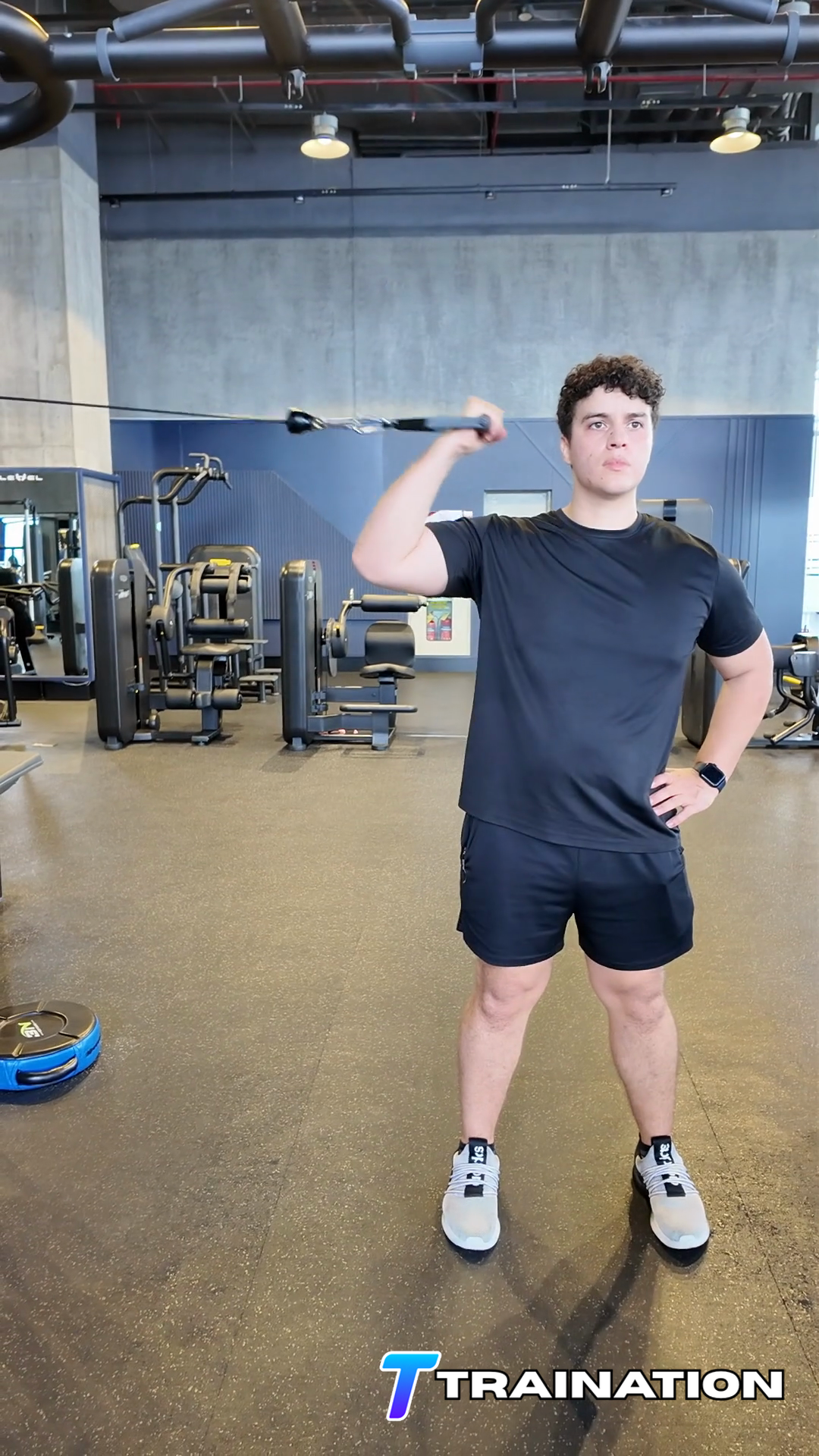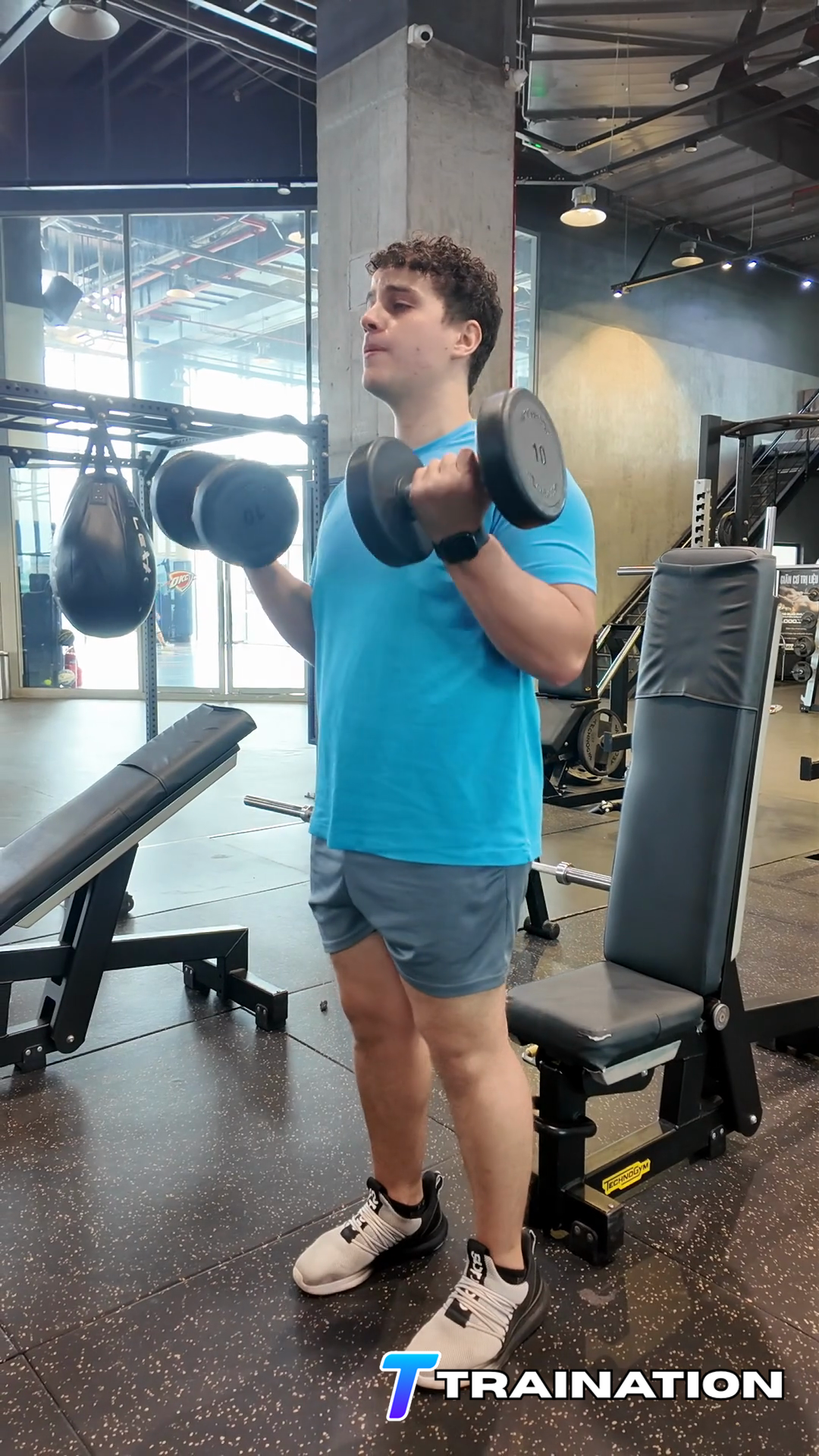
Swinging the torso
Keep the ribs over the pelvis and reduce the load if the curl needs a hip drive or backward lean.
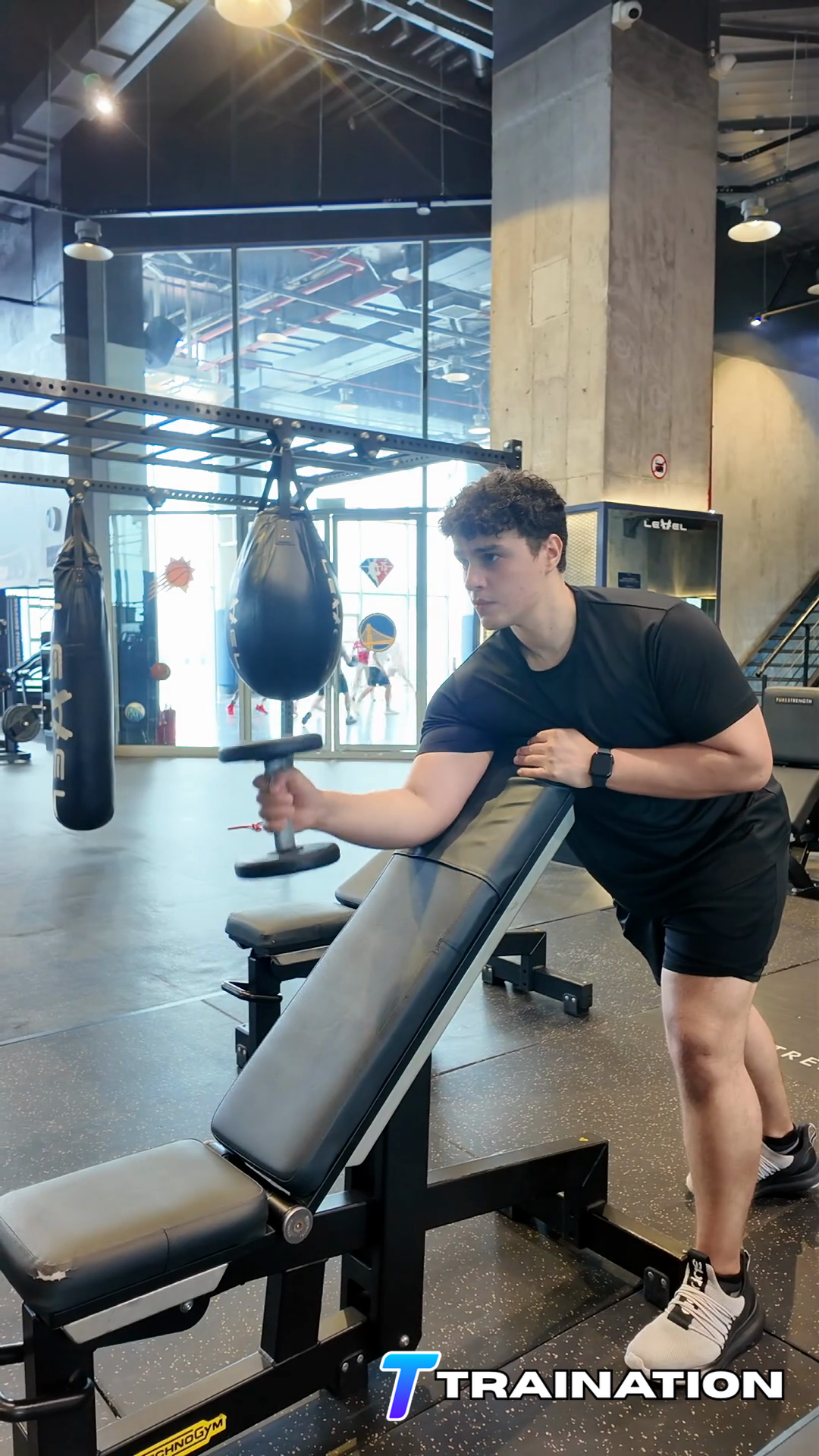
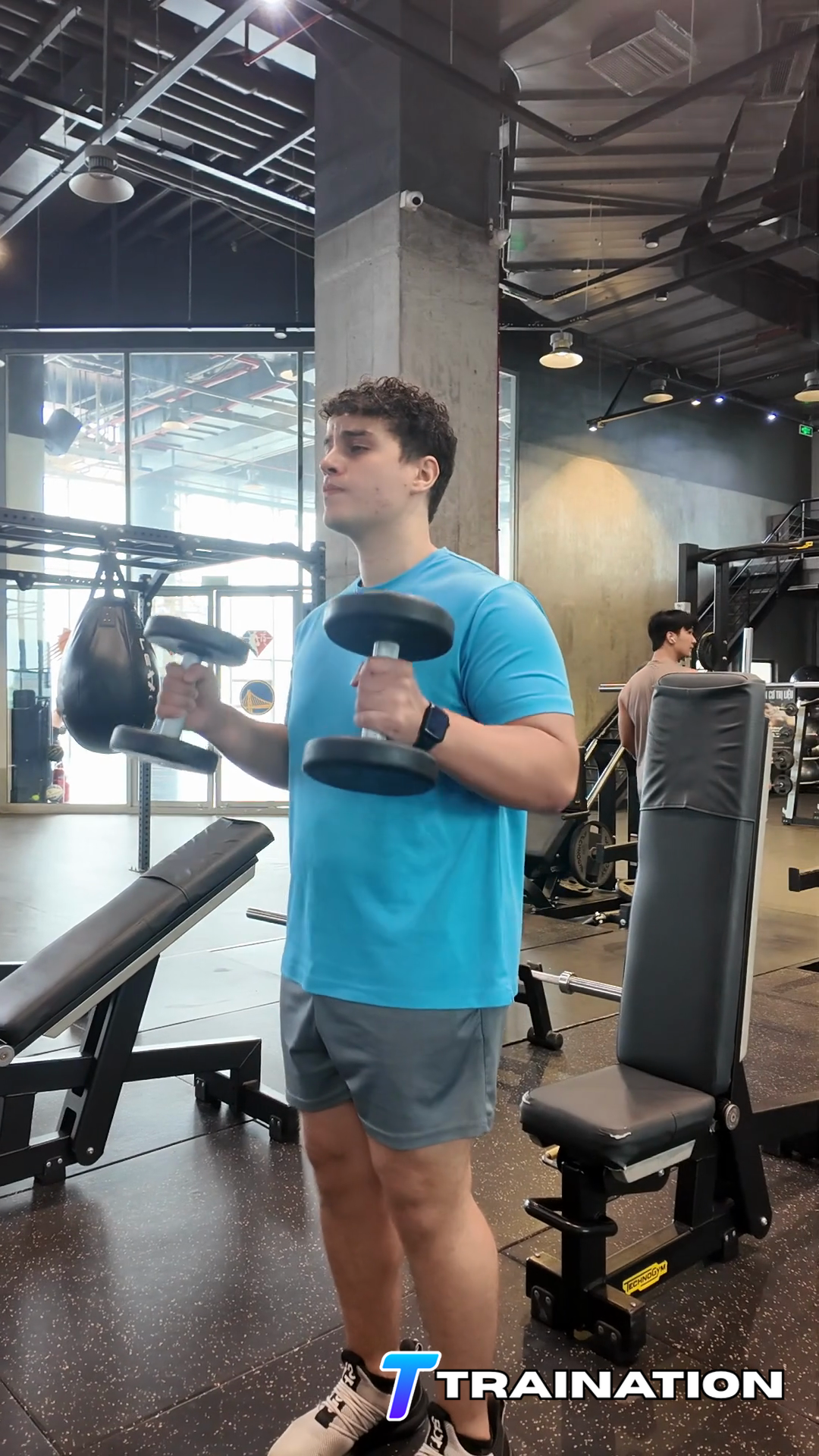
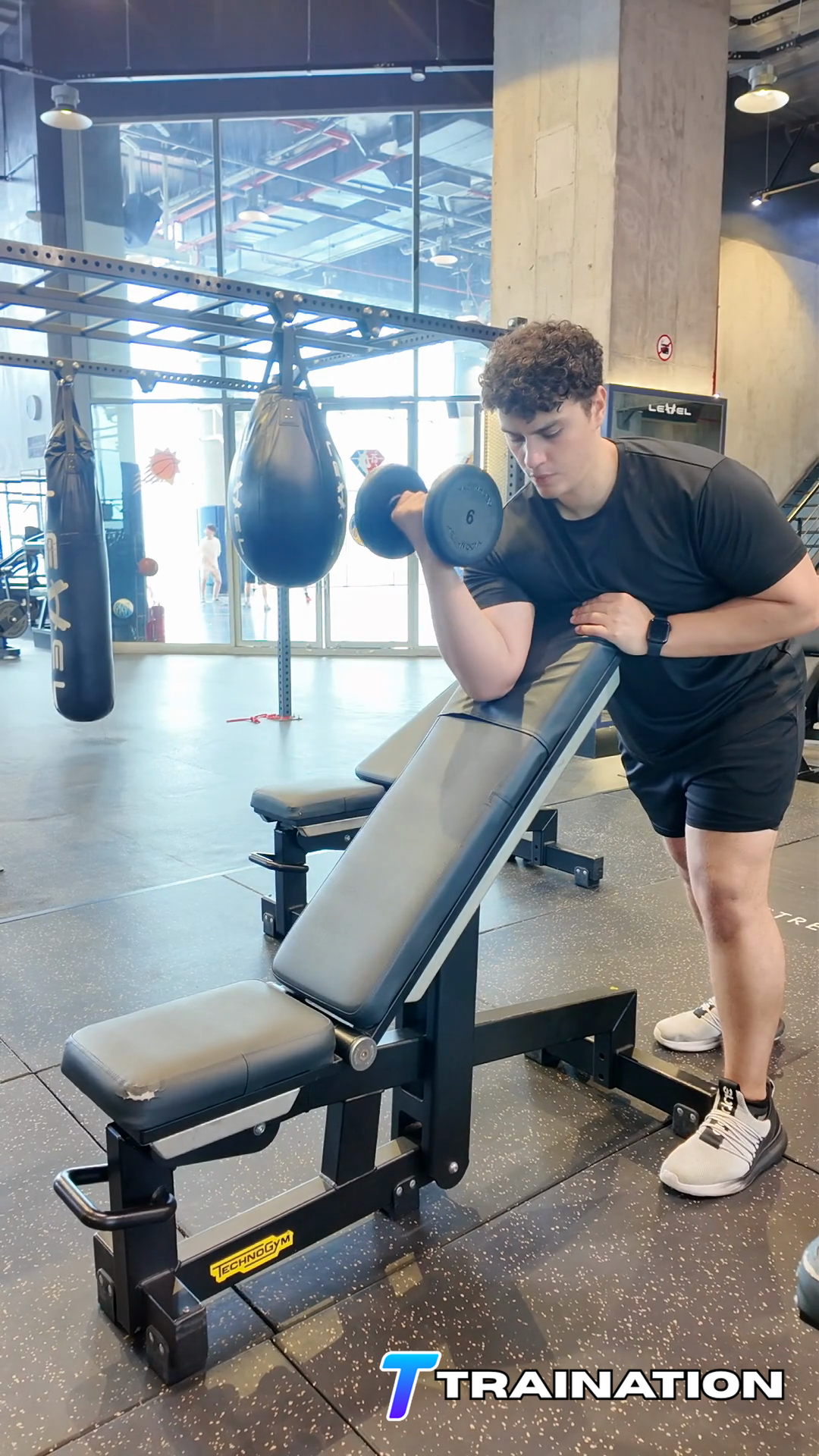
Dumbbell One Arm Preacher Curl trains the biceps and supporting elbow flexors through a controlled elbow-flexion path while the upper arm remains stable.
Primary musclesBiceps brachii
Secondary musclesBrachialis, Brachioradialis, Forearm flexors
Follow the sequence in order, paying attention to the starting position, movement path, and finish described in each step.
Take an underhand grip with the palms facing forward for Dumbbell One Arm Preacher Curl, with the wrists straight and upper arms close to the torso or support pad.
Brace the trunk and set the shoulders before the elbows begin to bend.
Bend the elbows to curl the load without leaning back, swinging, or letting the shoulders roll forward.
Pause near the top while the forearms remain aligned with the resistance.
Lower until the arms are long without losing shoulder position. Complete the planned repetitions evenly on both sides.
Keep the ribs over the pelvis and reduce the load if the curl needs a hip drive or backward lean.
Keep the upper arms close to the torso or pad instead of turning the top into a shoulder raise.
Hold the wrists straight so the forearms transfer force without unnecessary joint strain.
Lower the weight for two to three seconds instead of letting it pull the hands down.
Place Dumbbell One Arm Preacher Curl after rows, pulldowns, and pull-ups so biceps and grip fatigue do not limit compound pulling.
Use one to three times per week and count pulling sets that already train the elbow flexors.
| Goal | Sets | Reps or time | Rest | Effort and execution |
|---|---|---|---|---|
| Strength accessory | 2–4 | 6–10 per side | 75–150 sec | Leave 2–3 controlled reps in reserve |
| Muscle growth | 2–4 | 8–15 per side | 60–120 sec | Usually 1–3 clean reps in reserve |
Scale the movement
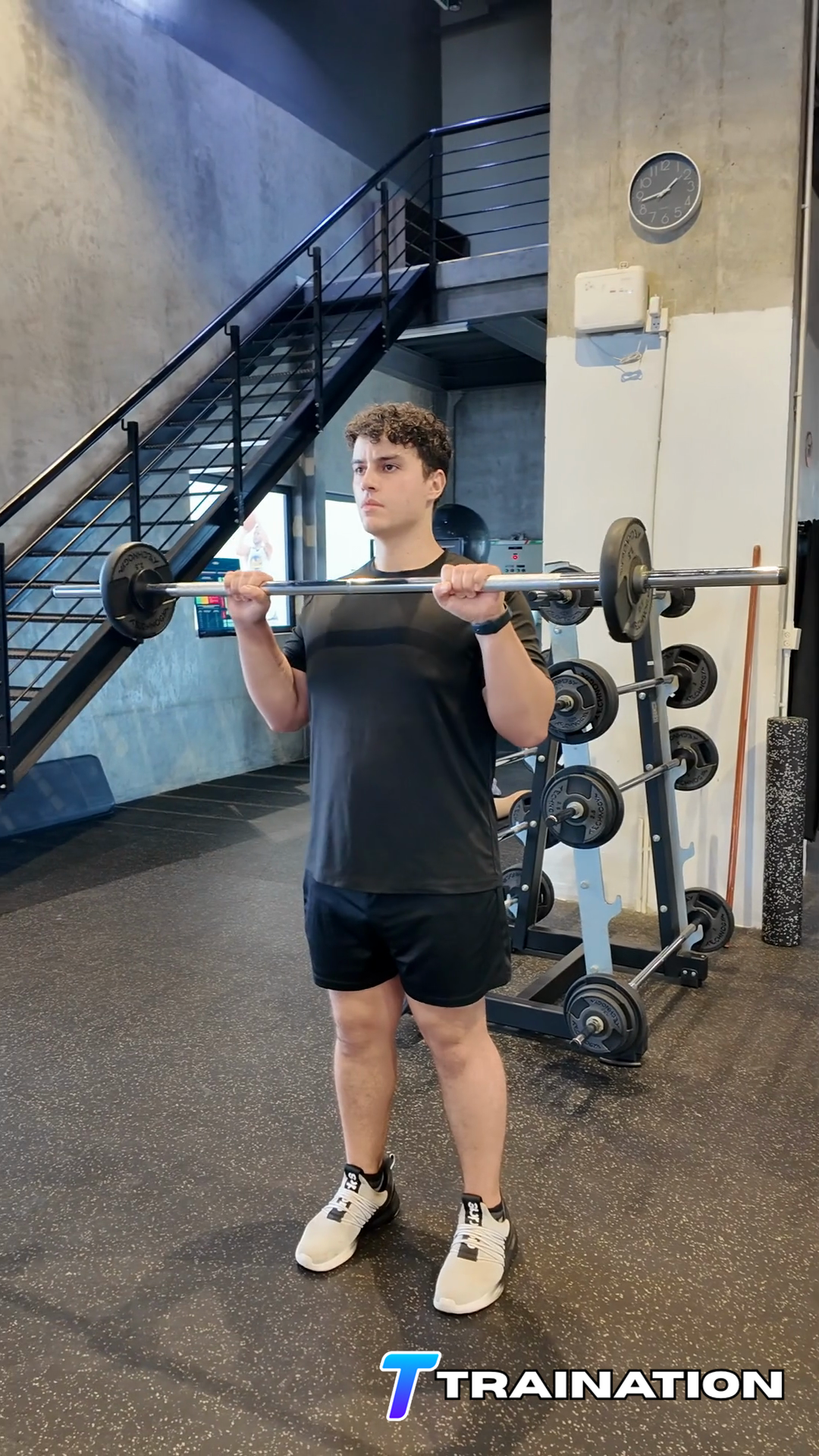
Use both arms with a light EZ bar to make the supported elbow path easier to match.
Stop short of full elbow extension until the supported range is comfortable.
Pause near the top without lifting the upper arm from the pad.
Lower over three to four seconds while the upper arm remains fully supported.
Turn Dumbbell One Arm Preacher Curl and the rest of your exercise library into repeatable client programs.
Explore the workout builder