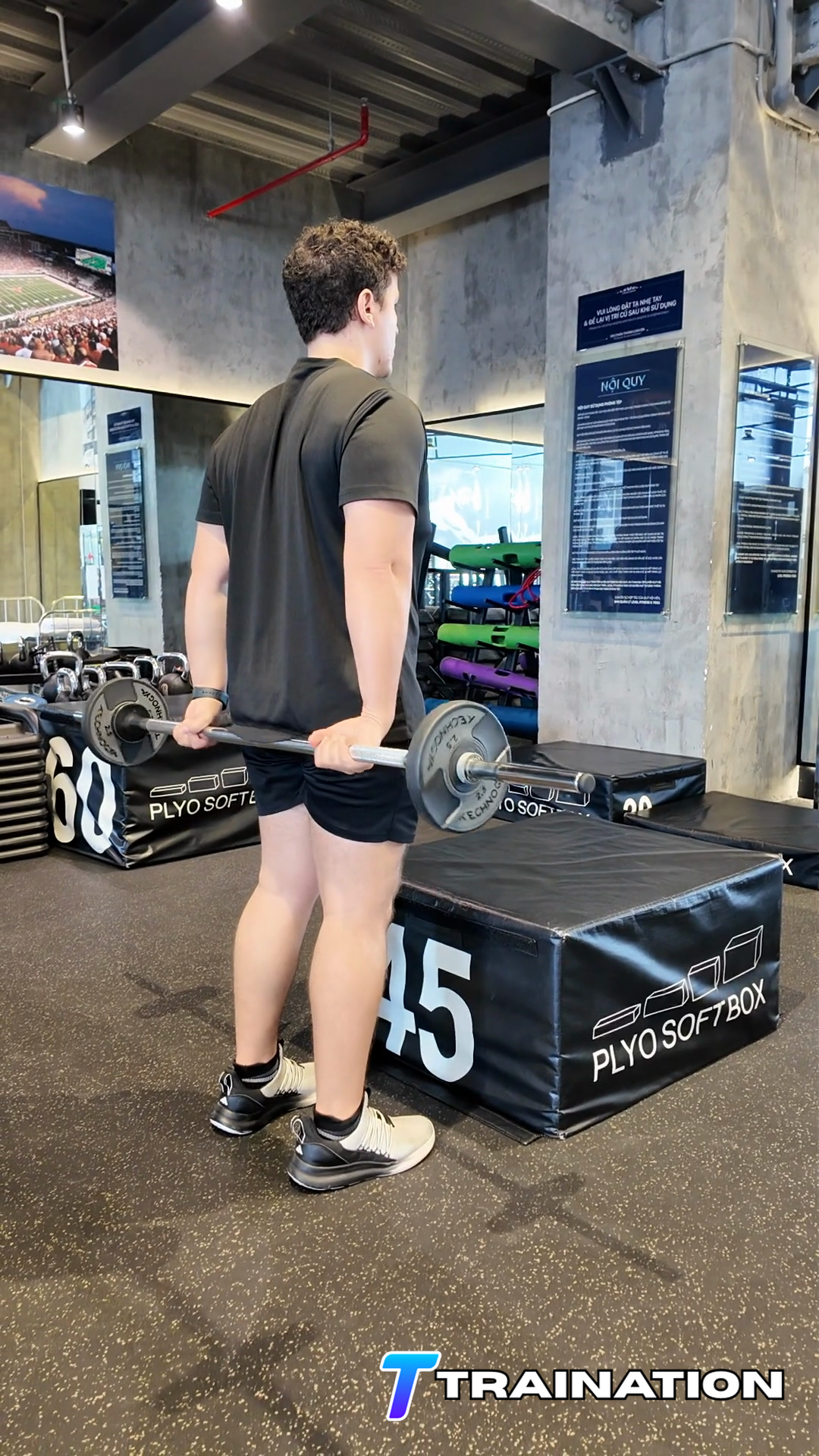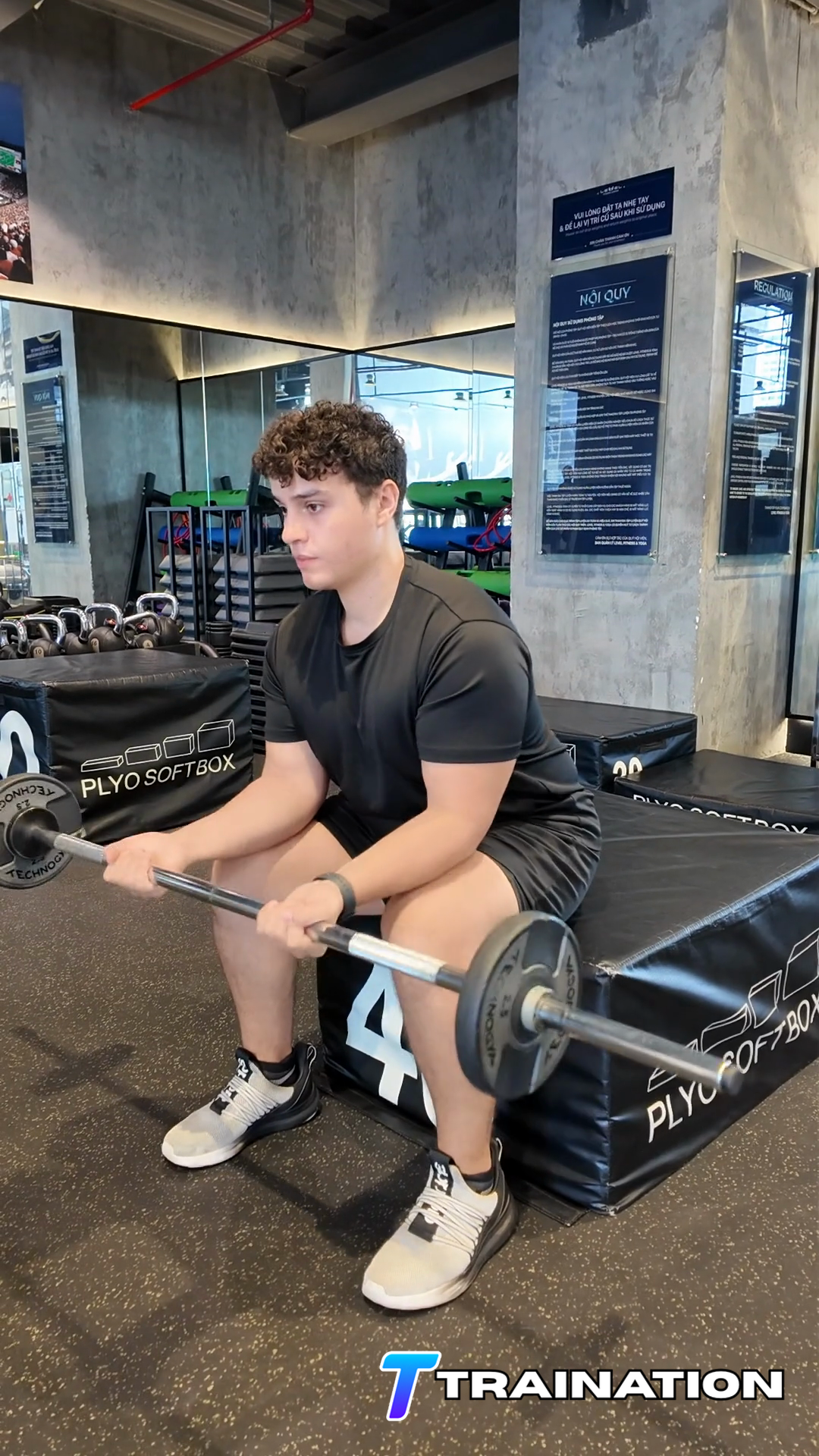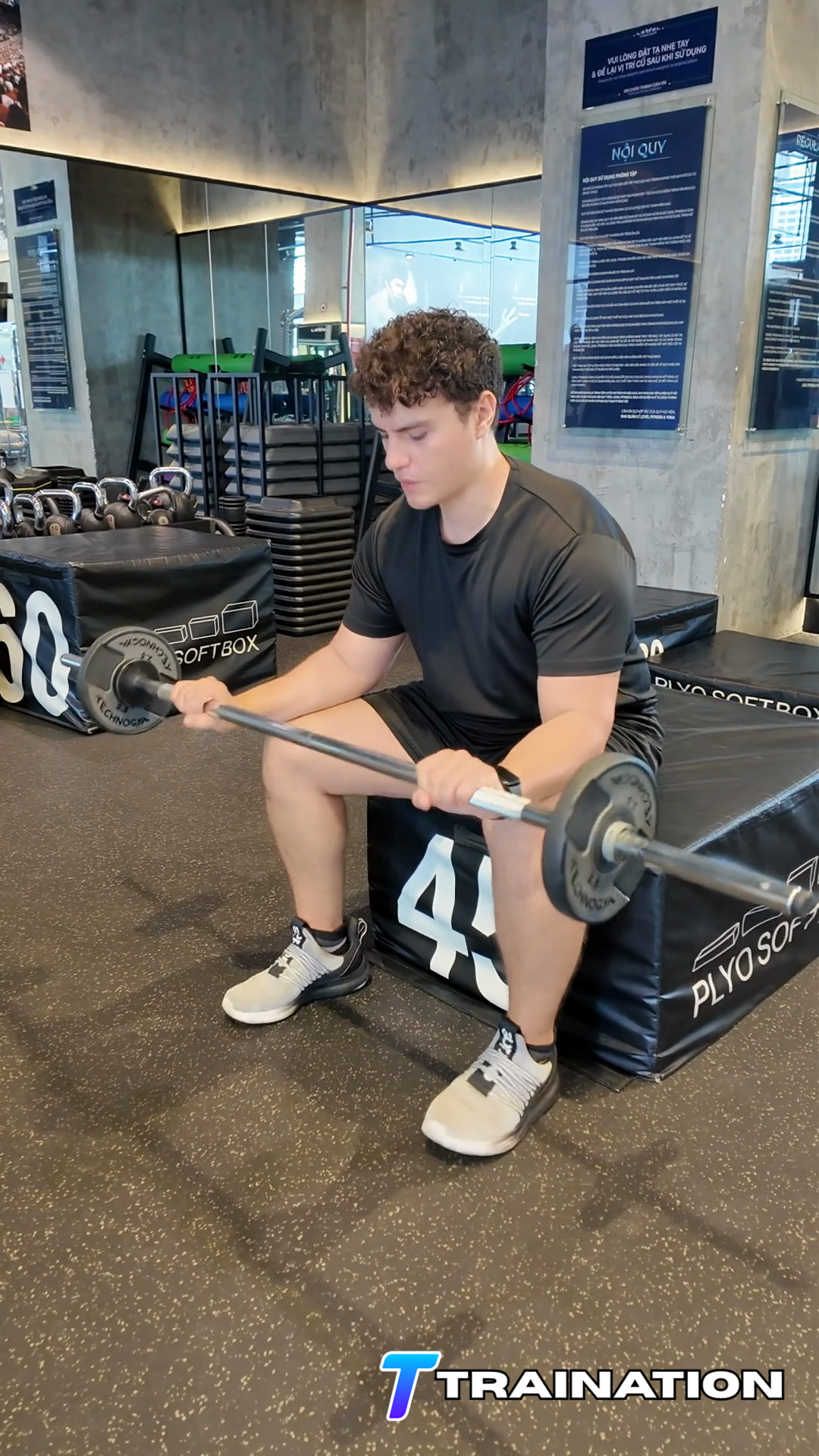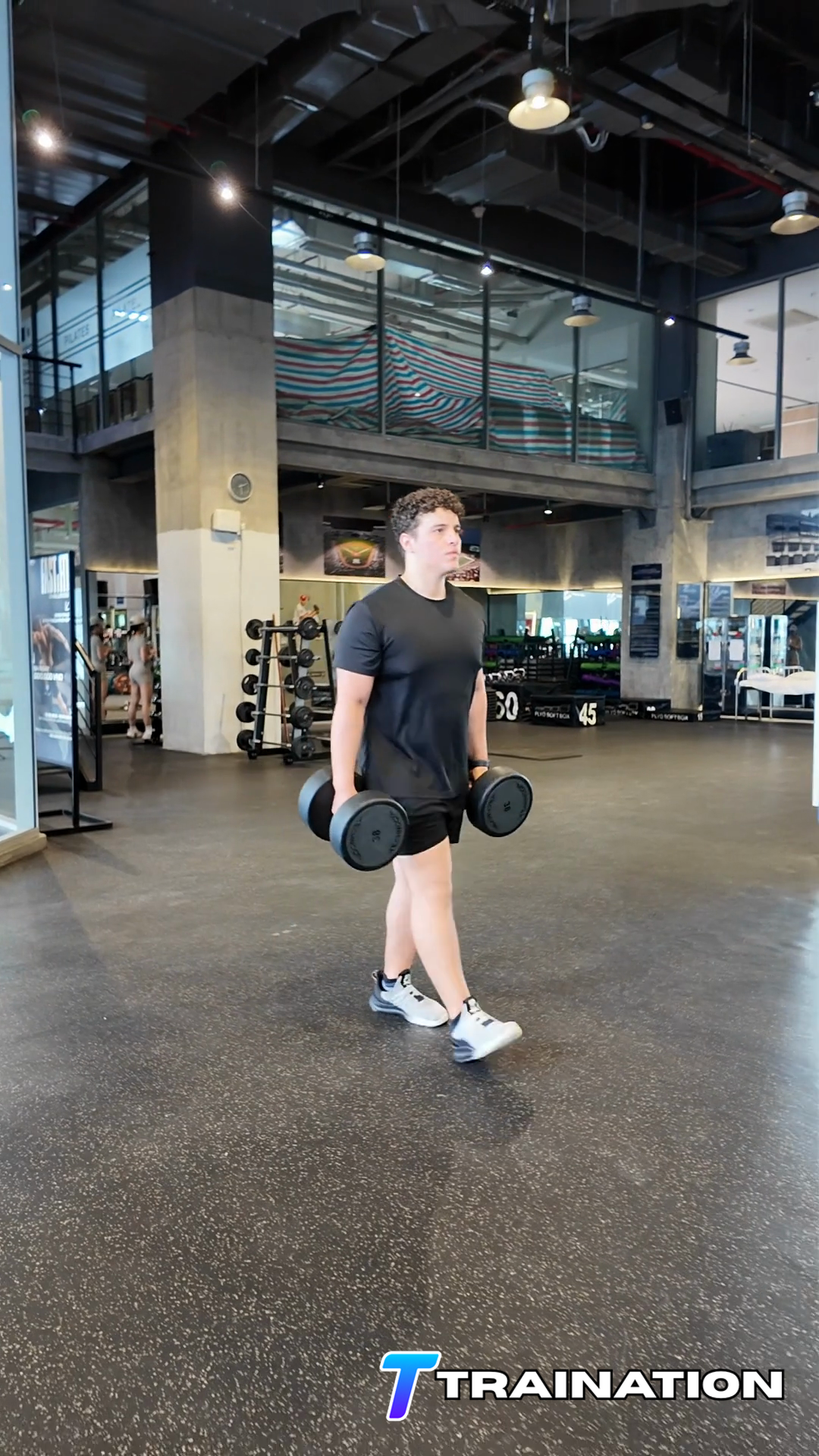
Forearms lifting
Keep the forearms supported so the movement stays at the wrist.
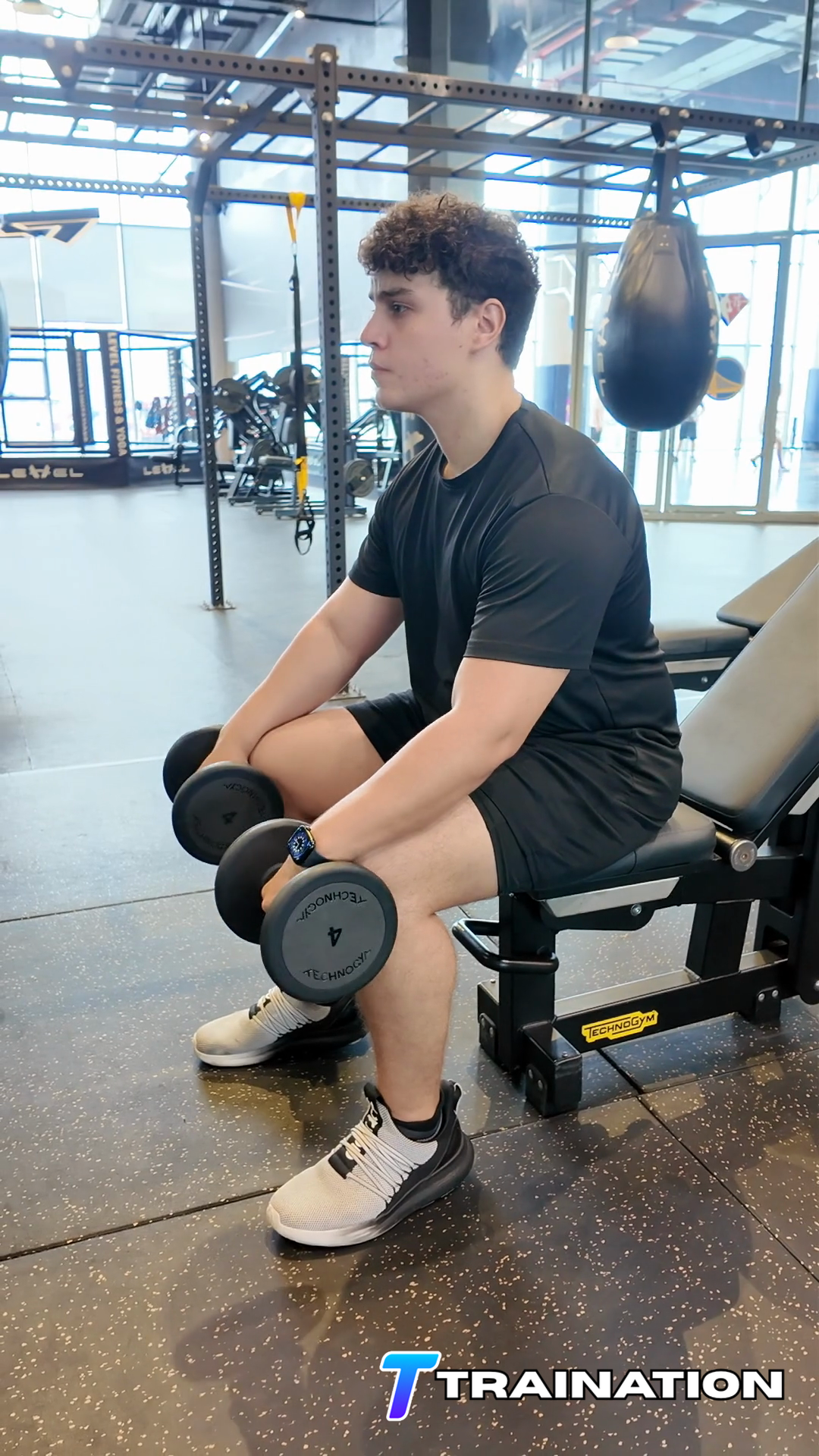
Dumbbell Wrist Curls strengthens the forearm muscles through focused wrist movement with the forearms supported or still.
Primary musclesWrist flexors
Secondary musclesFinger flexors, Brachioradialis
Follow the sequence in order, paying attention to the starting position, movement path, and finish described in each step.
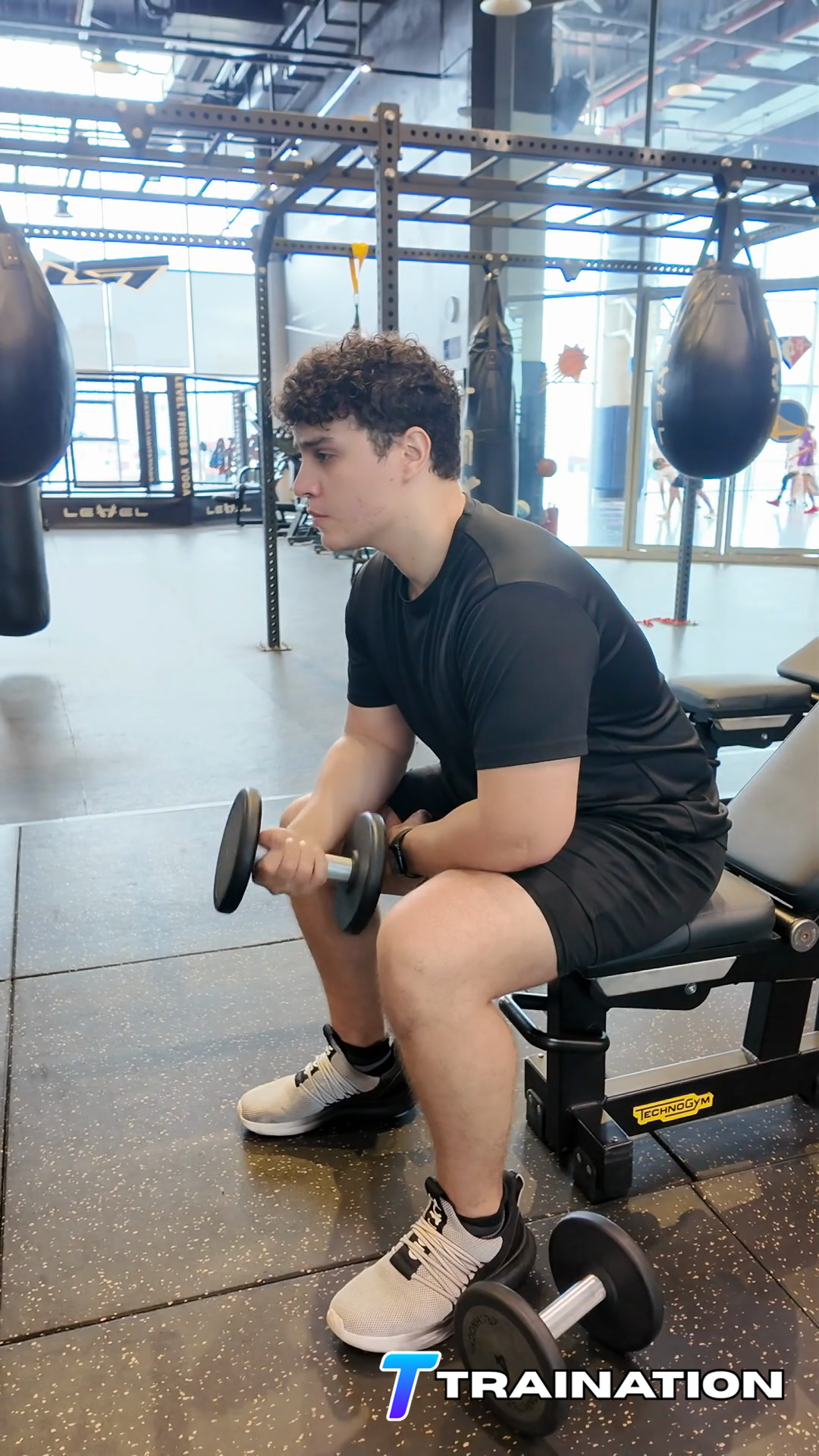
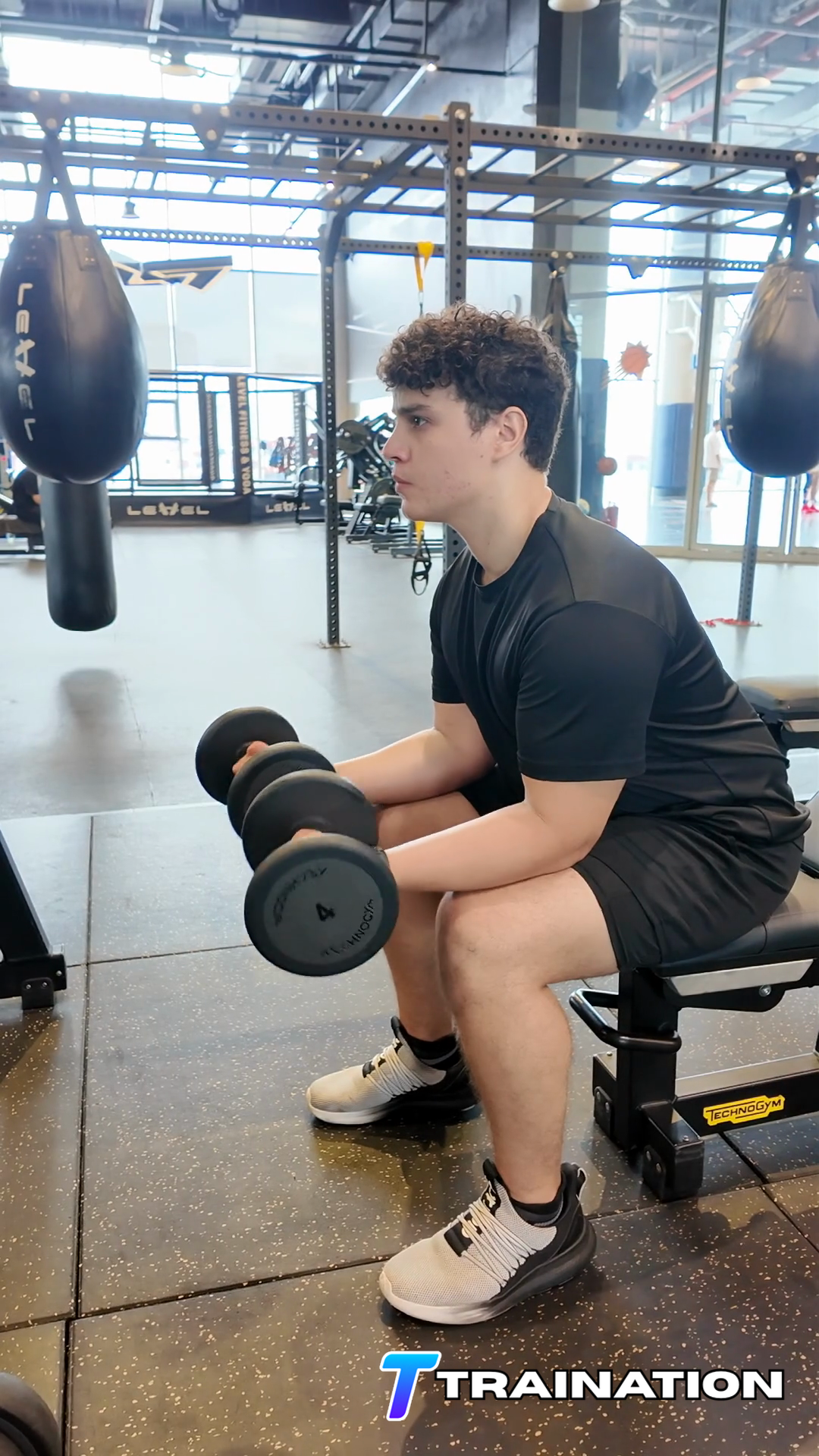
For Dumbbell Wrist Curls, support the forearms on the thighs or bench and let only the hands extend beyond the edge.
Use a palms-up grip and begin with the hands slightly below the forearms.
Curl the palms toward the forearms while the forearms and elbows remain planted.
Pause at the end of the small, controlled range without forcing the joint.
Lower the load slowly and stop if the sensation is joint pain rather than forearm effort.
Keep the forearms supported so the movement stays at the wrist.
Choose a light load that allows the full small wrist range without jerking.
Stop at a controlled muscular stretch and contraction rather than bending the wrist aggressively.
Use a slow return and keep every repetition separate.
Place Dumbbell Wrist Curls near the end of the session so forearm fatigue does not limit heavy pulling or loaded carries.
Use one to three times per week and reduce direct work when gripping volume is already high.
| Goal | Sets | Reps or time | Rest | Effort and execution |
|---|---|---|---|---|
| Strength accessory | 2–4 | 6–10 | 75–150 sec | Leave 2–3 controlled reps in reserve |
| Muscle growth | 2–4 | 10–20 | 60–120 sec | Usually 1–3 clean reps in reserve |
Scale the movement
Hold a stable support or use an easier setup while learning the movement.
Use a shorter pain-free range and expand it only as control improves.
Slow the lowering phase without changing the start, finish, or joint alignment.
Add a brief pause at the hardest controlled position before increasing load.
Turn Dumbbell Wrist Curls and the rest of your exercise library into repeatable client programs.
Explore the workout builder