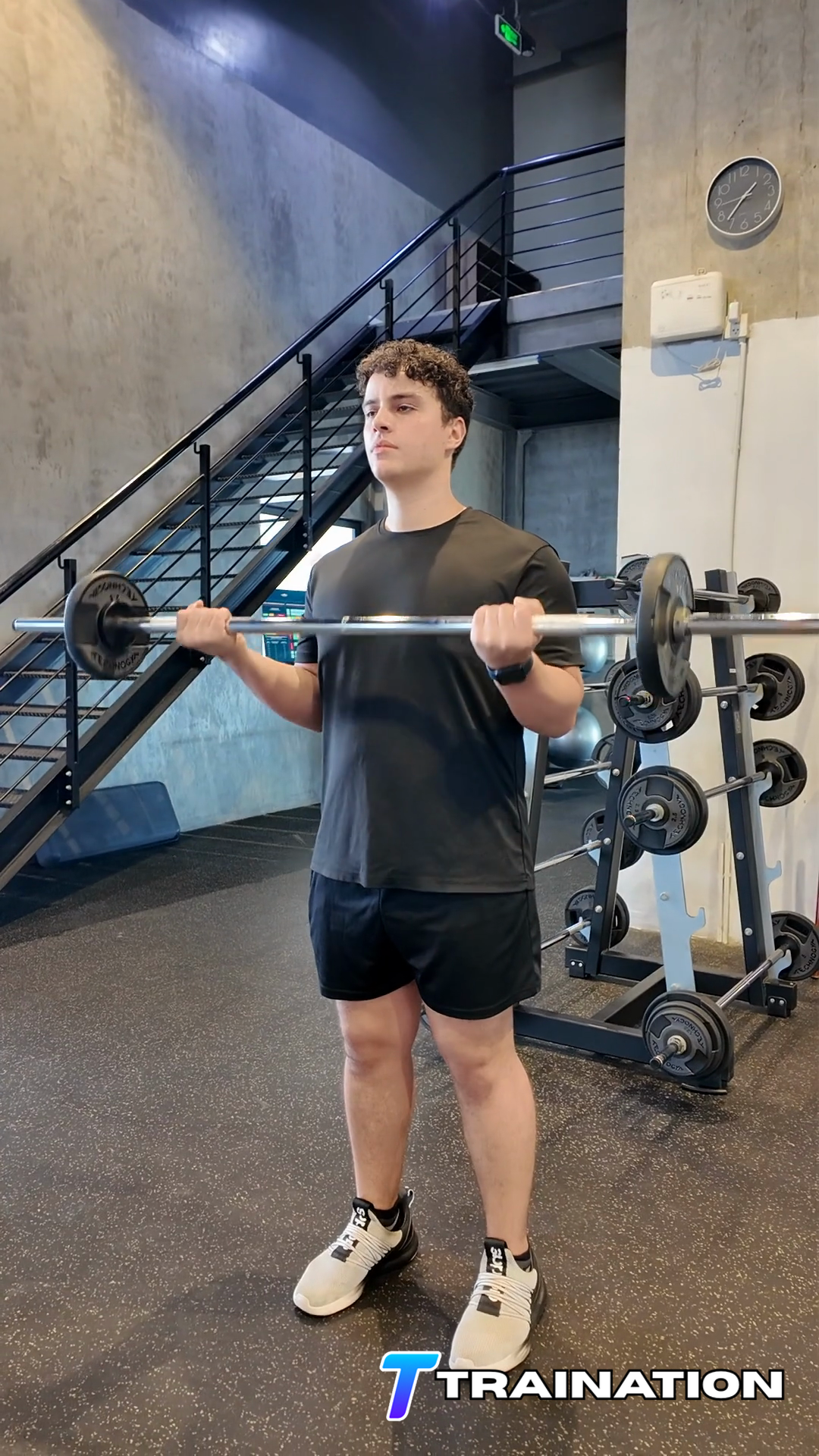
21s Curls
/
21s Curls trains the biceps and supporting elbow flexors through a controlled elbow-flexion path while the upper arm remains stable.
Find your perfect exercises by muscle groups and equipments, or simply browse through the exercise library. More exercises coming soon.
283 movements
/
21s Curls trains the biceps and supporting elbow flexors through a controlled elbow-flexion path while the upper arm remains stable.
/
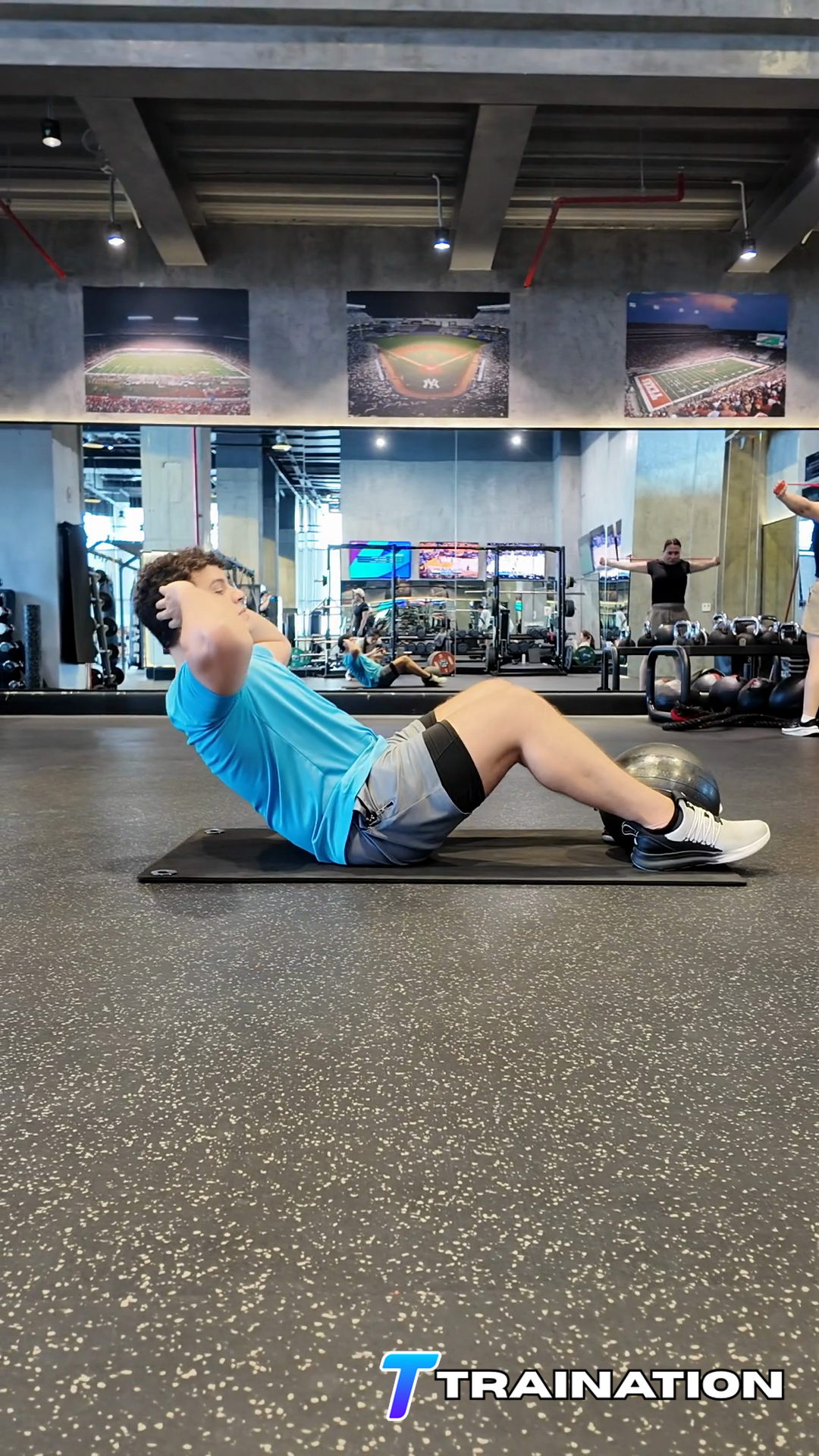
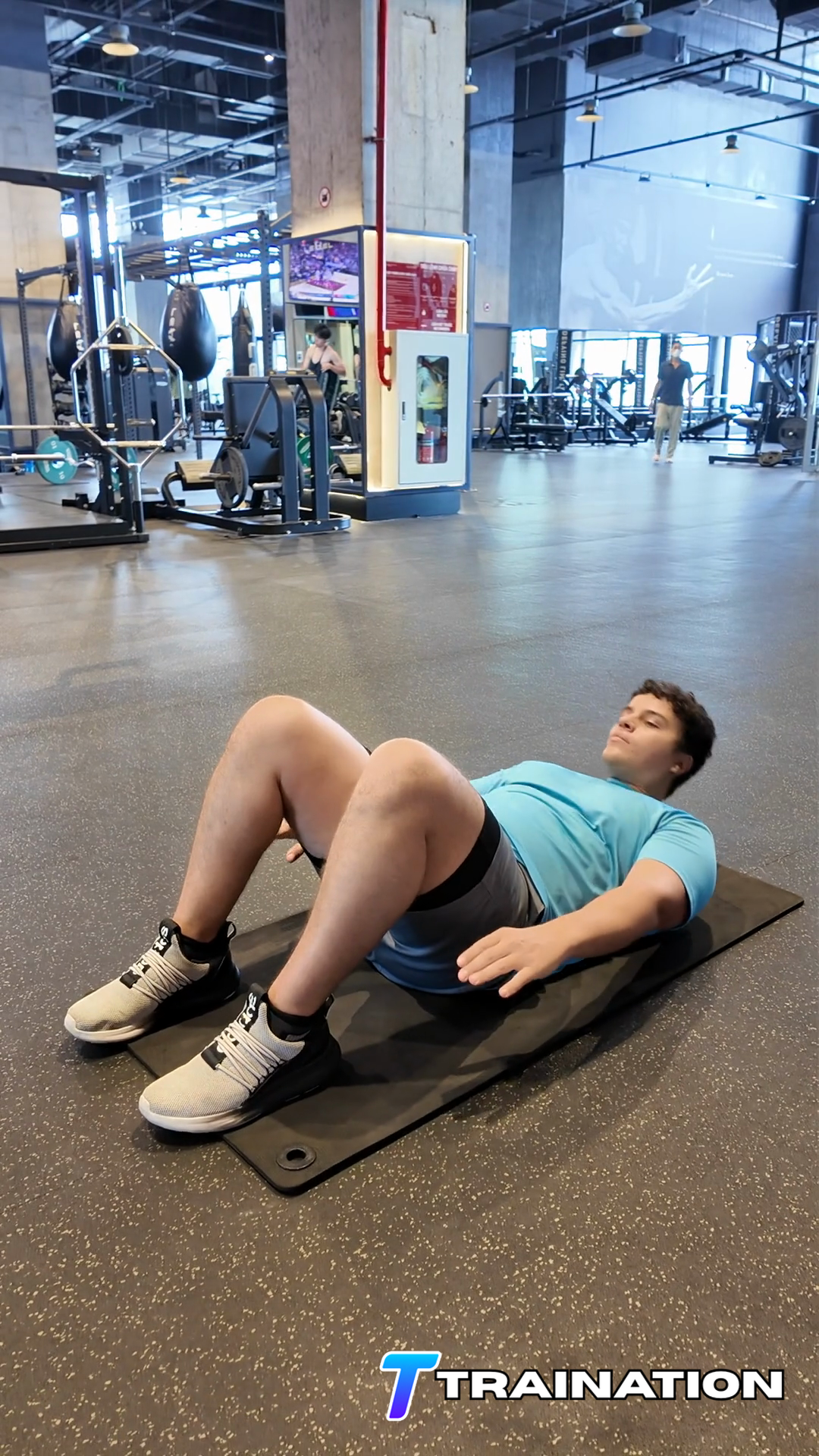
3/4 Sit-Up trains the abdominal muscles by bringing the rib cage and pelvis closer together through a controlled range.
/
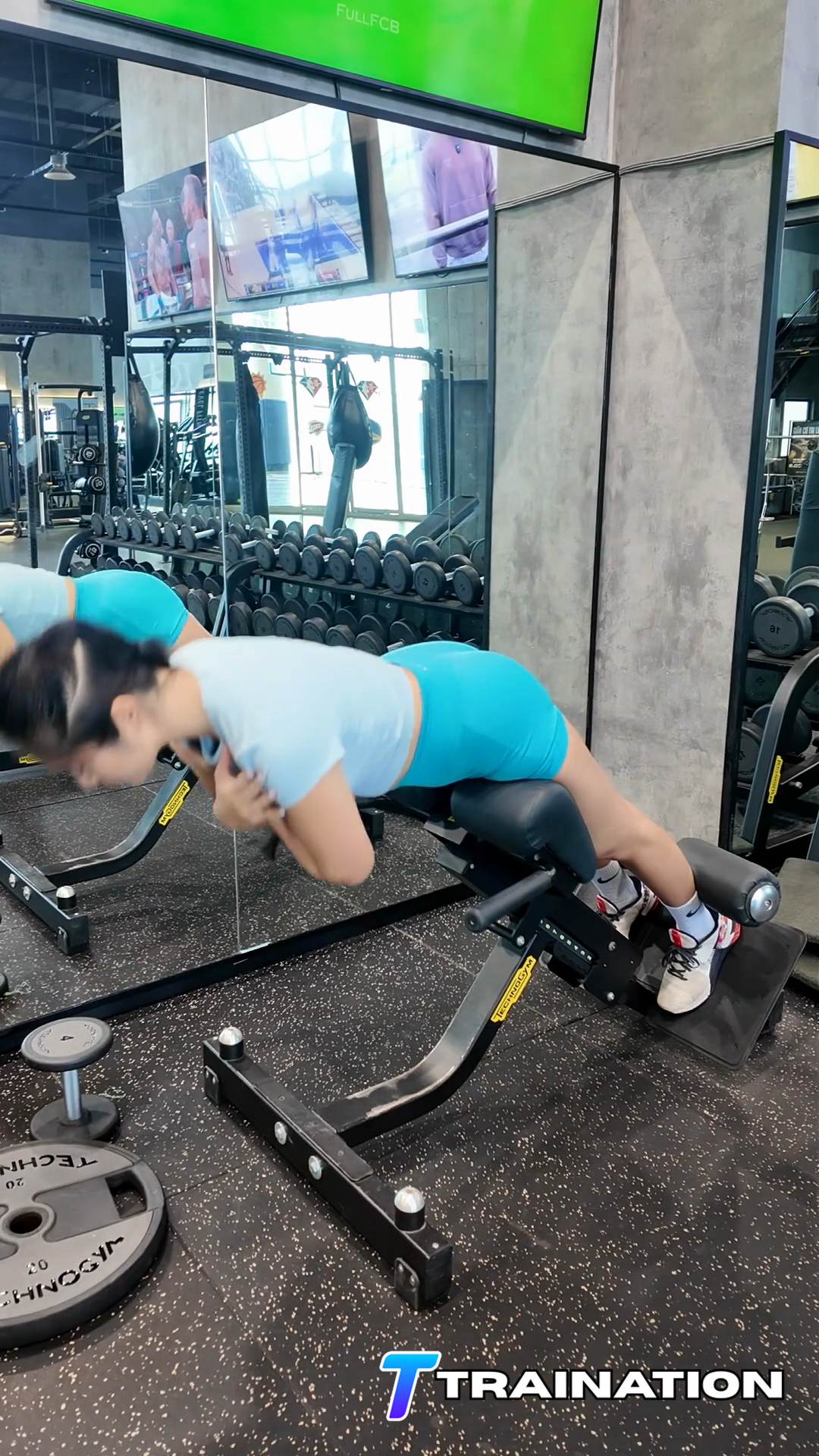
45 Degree Back Extension trains the glutes, hamstrings, and lower back by raising the torso on a supported station.
/
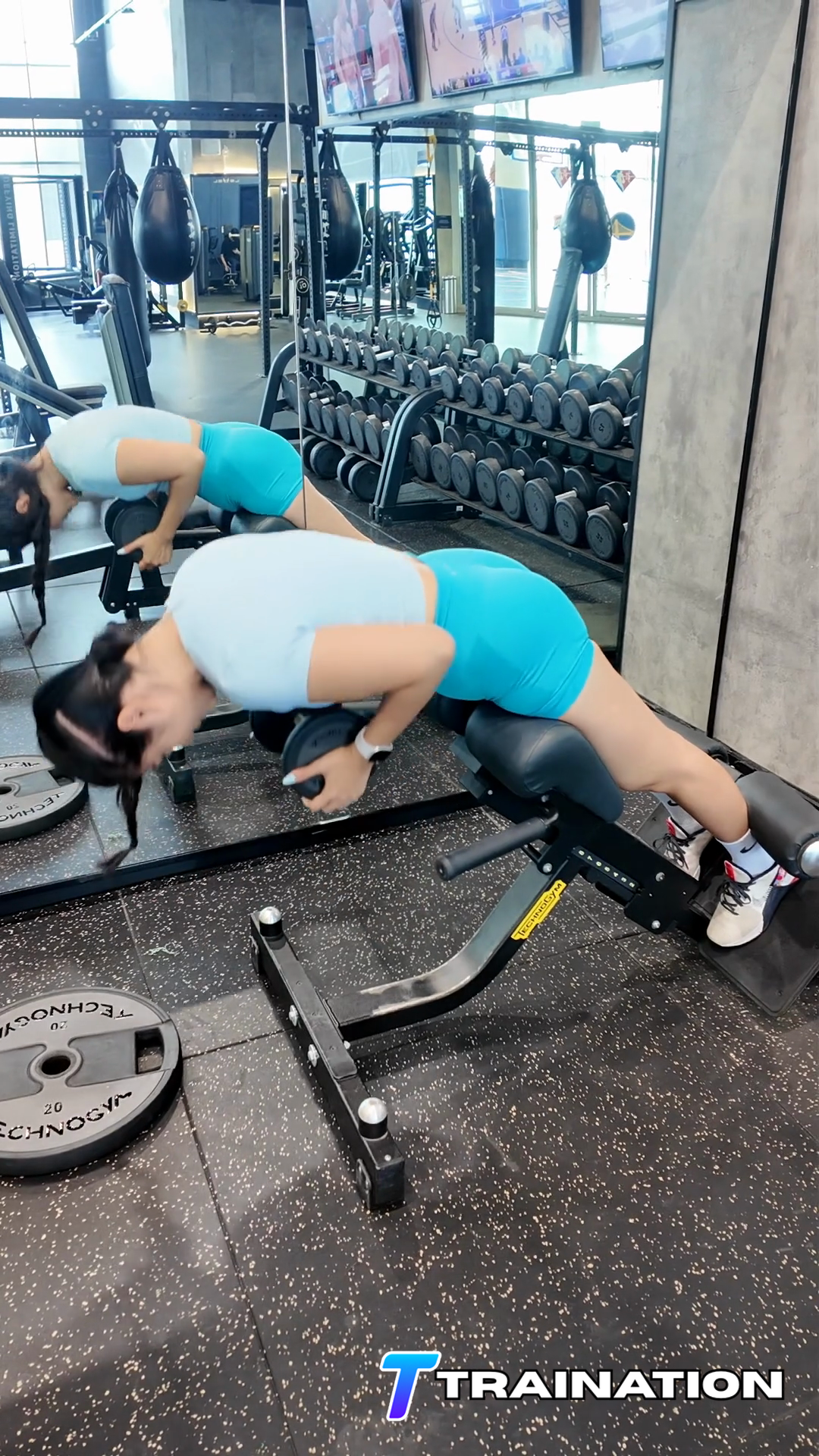
45 Degree Glute Focus Extension biases the glutes and hamstrings by combining a hip hinge with a tucked pelvis while limiting movement through the lower back.
/
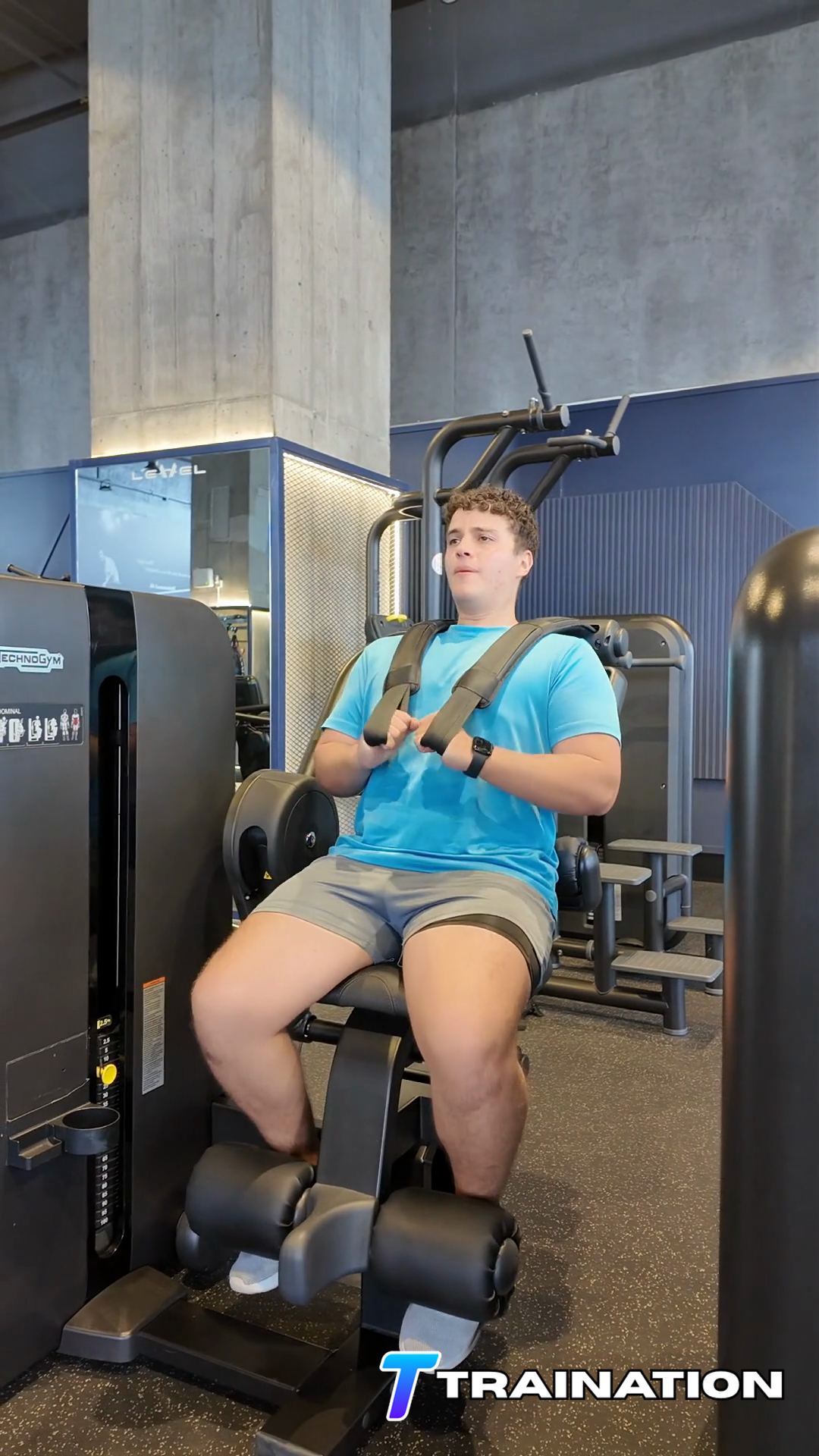
AB Crunch Machine trains the abdominal muscles by bringing the rib cage and pelvis closer together through a controlled range.
/
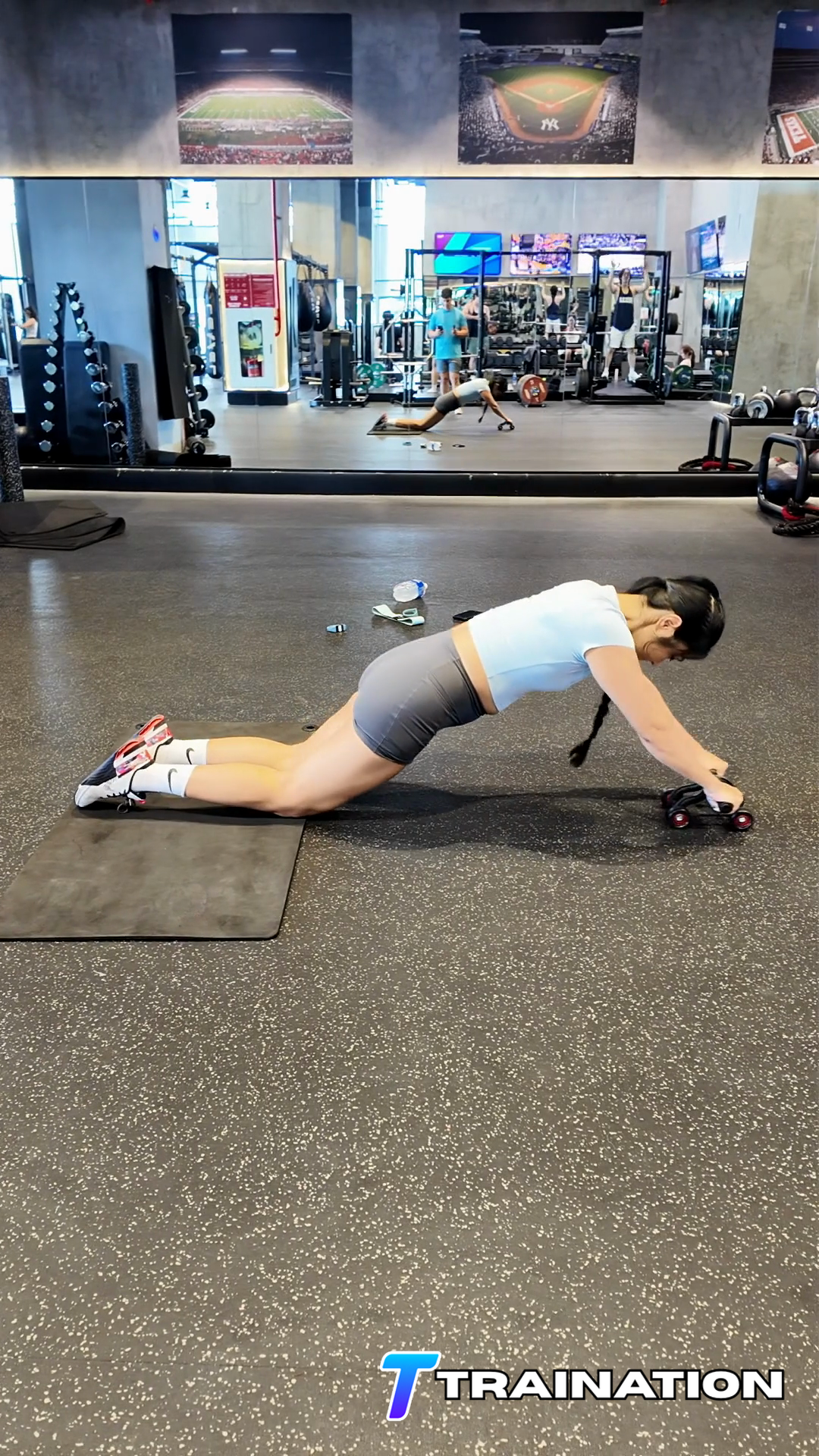
AB Rollouts trains the core as the body reaches forward while the abdominals stop the lower back from arching.
/
Alternate Heel Touches trains controlled trunk rotation or lateral flexion without using momentum.
/
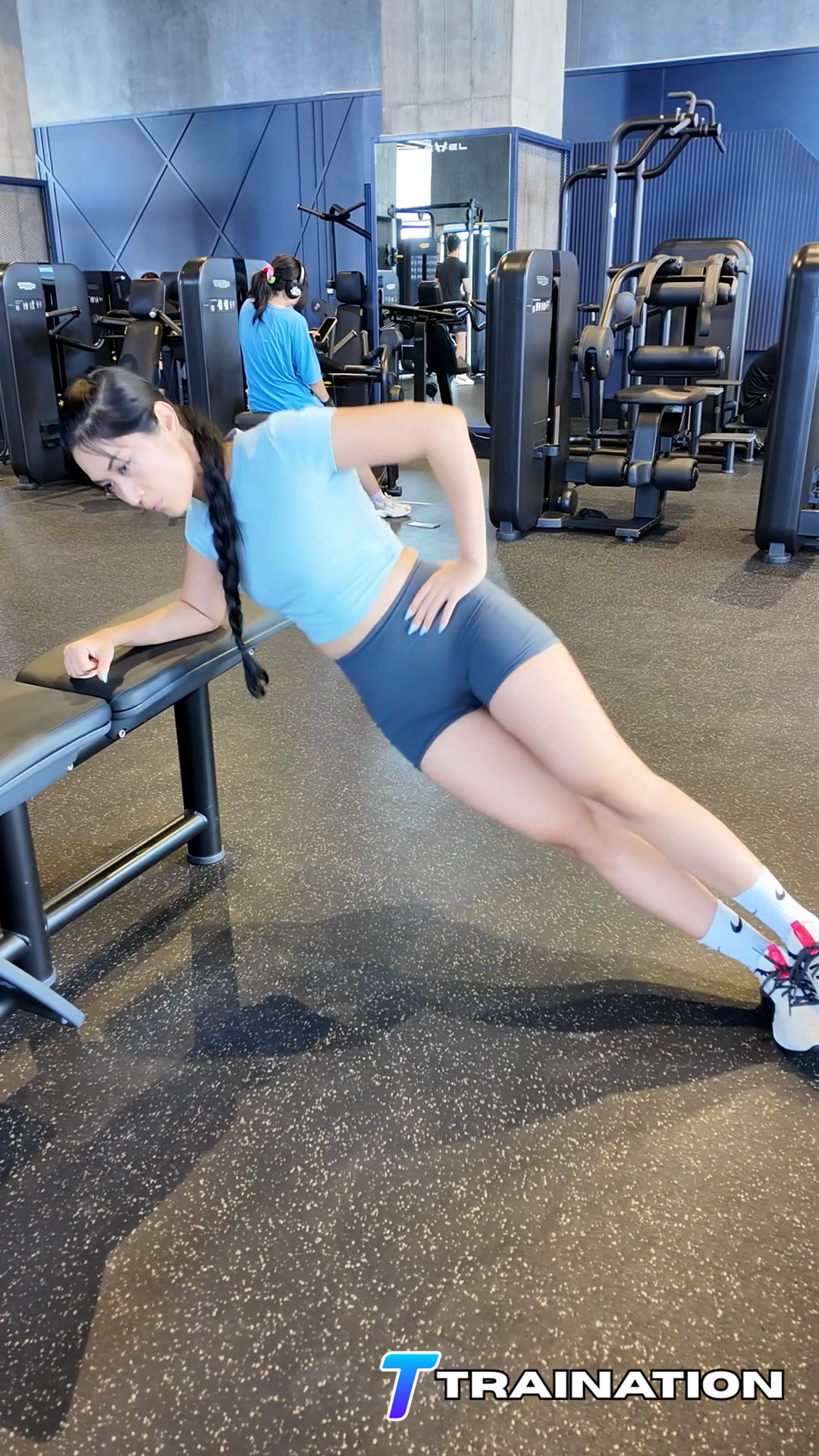
Angle Side Hip Raises trains the obliques by lowering and raising the hips through a controlled range while the body stays aligned in a supported side position.
/
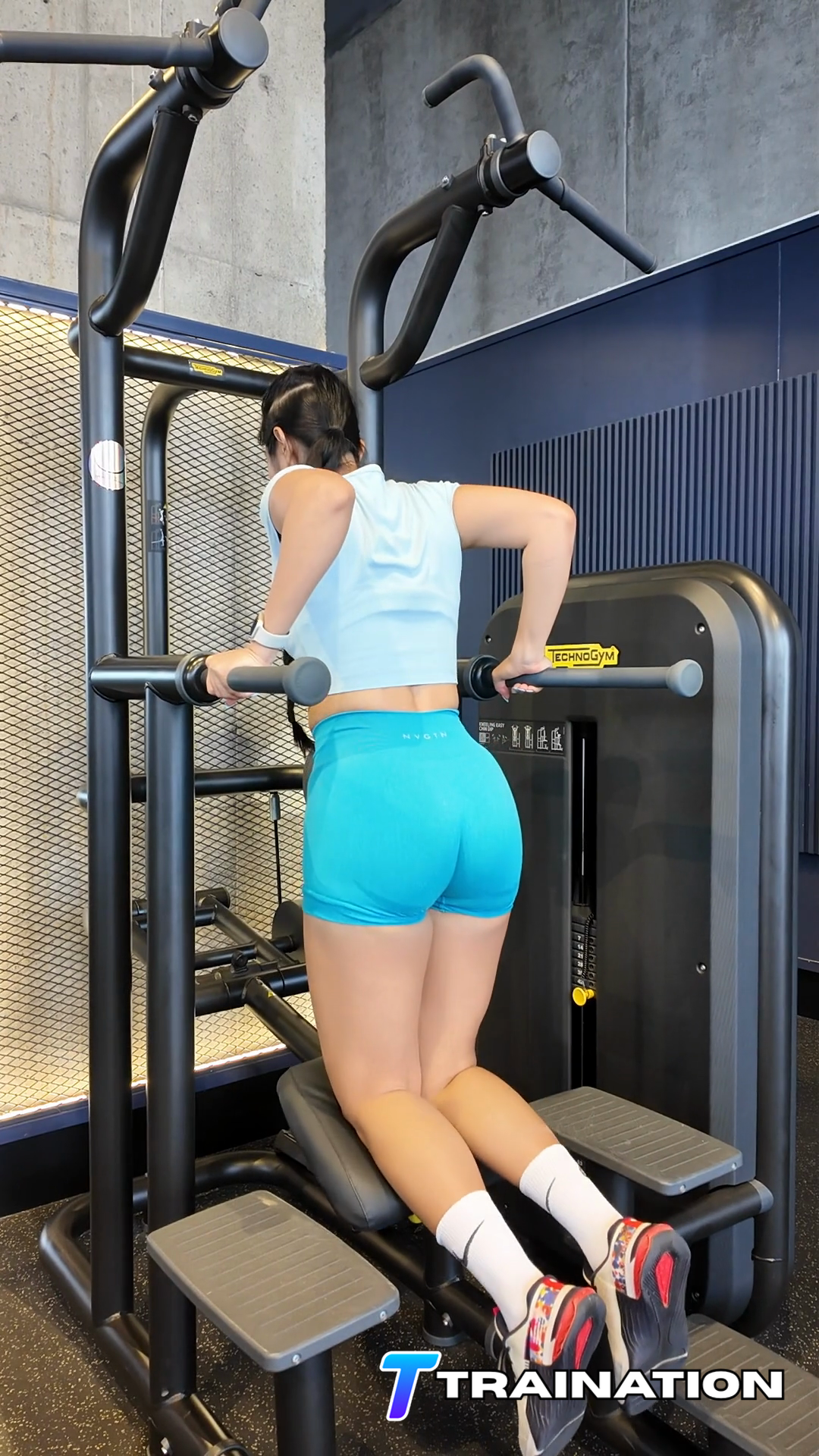
Assisted Dips trains the triceps, chest, and front shoulders by lowering and pressing the body between or in front of fixed supports.
/
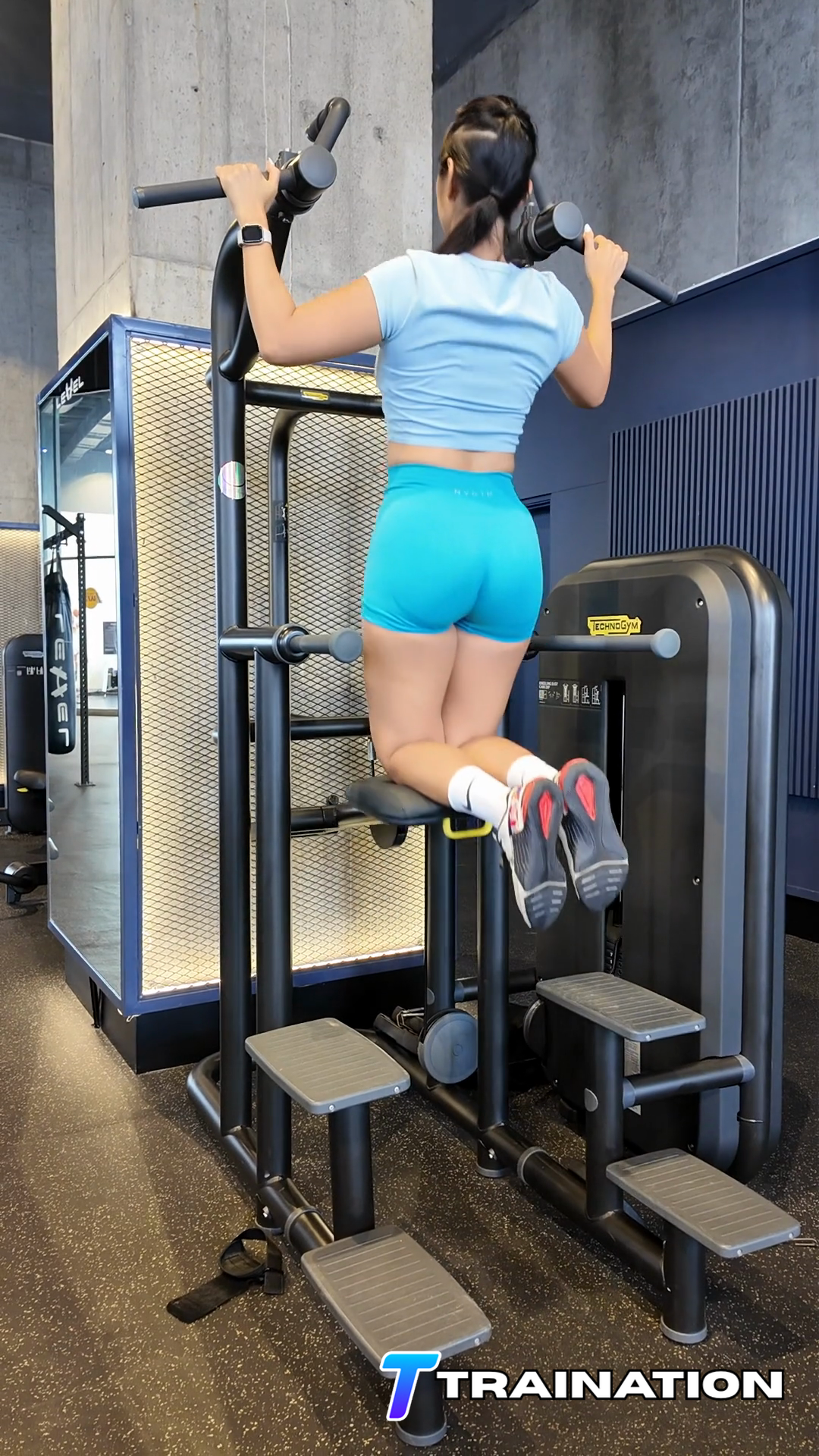
Assisted Pull-Up is a bodyweight vertical pull that develops the lats, upper back, arms, and grip strength.
/
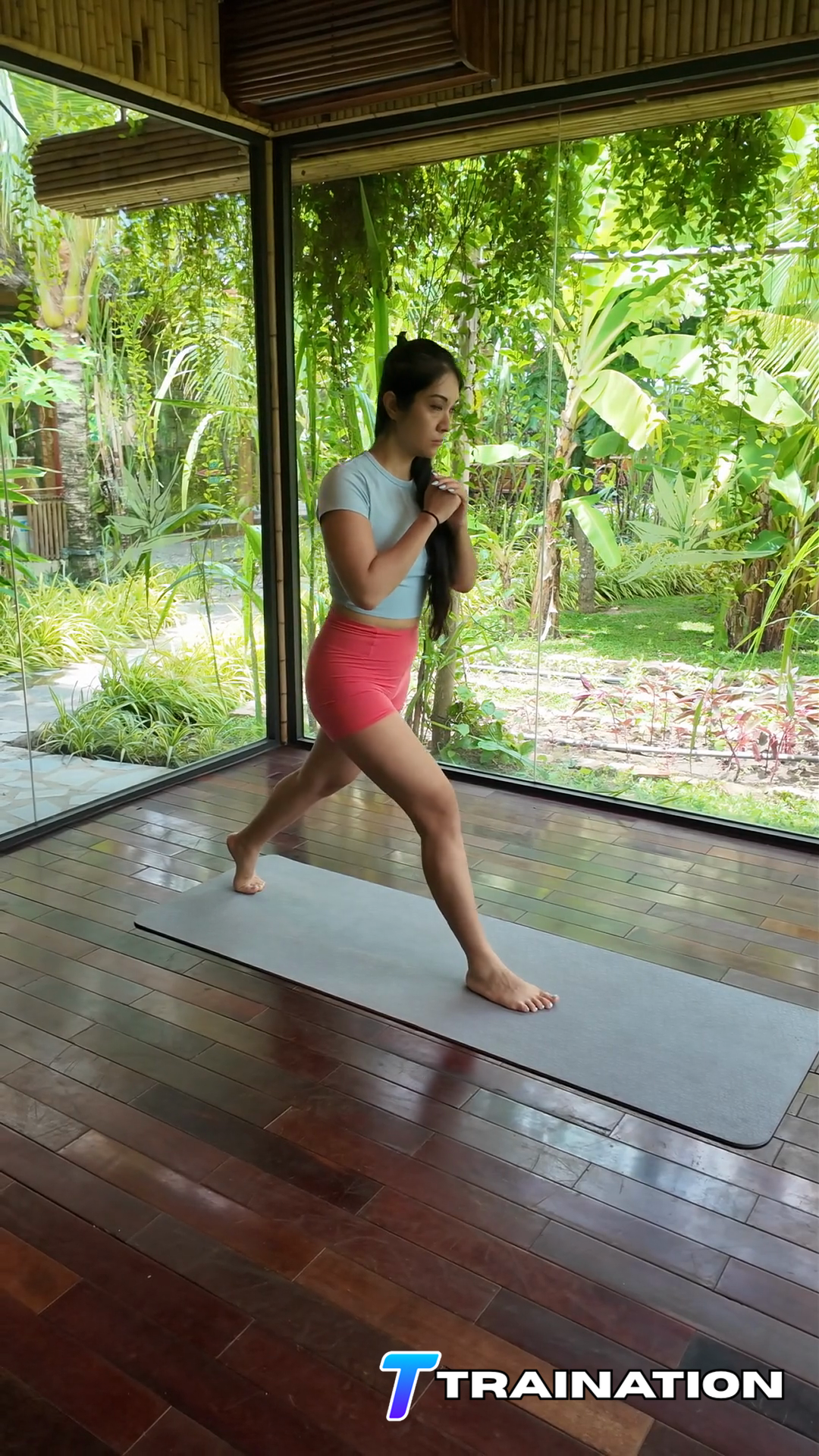
ATG Split Squat is a squat pattern that develops lower-body strength while the hips, knees, and ankles flex together.
/
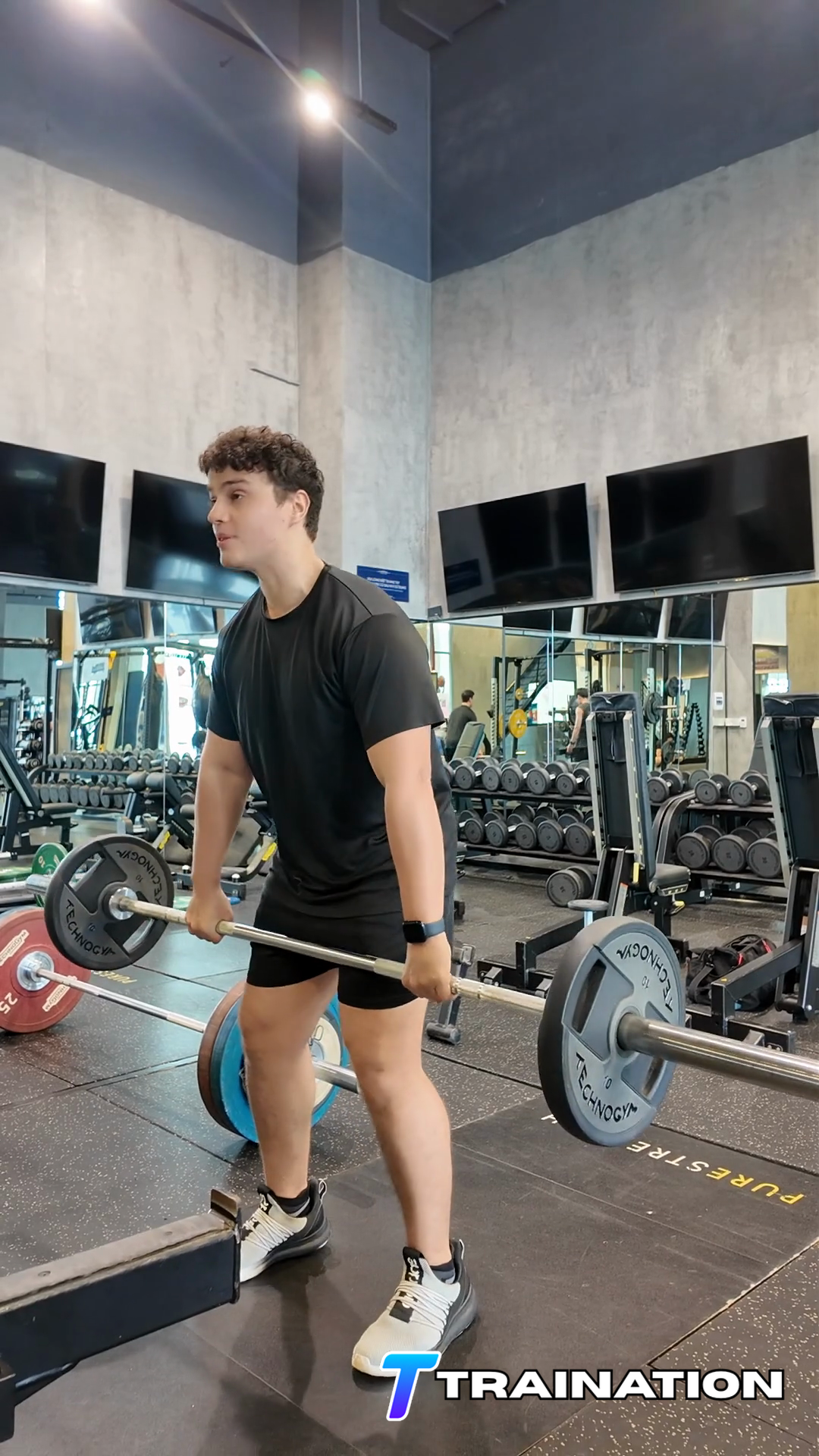
Barbell Clean is an explosive movement that develops rapid force production through a coordinated full-body action.
Train smarter
Reliable results come from good exercise selection, sensible workout programming, and consistent coaching. These practical training tips help personal trainers build clearer plans, improve exercise technique, and make client progress easier to track with Traination.
Good workout programming starts with a specific result. Choose a strength target, a muscle-building goal, a conditioning benchmark, or a movement skill, then give it a realistic timeline. Trainers can keep that goal visible in Traination so every session has a clear purpose.
Decide how often the client can train, which movement patterns each session needs, and how much weekly volume they can recover from. Once that structure is sound, use the Traination exercise library and workout builder to choose movements that fit the plan.
Squats, hinges, presses, rows, pull-ups, and loaded carries train several muscle groups at once. Place these strength training exercises early in the workout, then add isolation work where the client needs more volume or focused practice.
Progressive overload does not mean adding weight every session. More clean repetitions, better control, a longer range of motion, or an extra working set can all move a program forward. Record the change so the next workout starts from evidence instead of memory.
A heavier set is only useful when the client can control it. Use clear exercise instructions, stable setup cues, and repeatable technique standards. When form changes under fatigue, reduce the load or end the set rather than turning a strength exercise into a guessing game.
Strength sessions often need lower repetition ranges and longer rest. Hypertrophy training usually benefits from moderate-to-high reps performed close to technical failure. Conditioning work uses shorter rest for a different reason. The exercise matters, but the set, rep, and rest choices shape the result.
A useful warm-up raises body temperature and rehearses the movements in the session. Start with a few minutes of easy activity, address the joints that need attention, then perform lighter ramp-up sets of the first exercise. Skip drills that do not prepare the client for the work ahead.
Sleep, nutrition, stress, and training history affect how much work a client can handle. Leave enough time between hard sessions for the same muscle group, and adjust volume when recovery is poor. Sustainable client workout plans leave room for real life.
Log weight, repetitions, sets, effort, and useful coaching notes as the session happens. Consistent workout tracking makes progress visible and shows when an exercise has stalled. Traination keeps that history connected to the program instead of scattered across messages and spreadsheets.
Exercise variety can keep training productive, but constant changes make progress hard to measure. Keep effective movements long enough to build skill. Swap an exercise when equipment is unavailable, discomfort persists, progress stalls, or another variation better fits the client.
A strong personal training program reflects the client’s schedule, experience, preferences, injury history, and available equipment. Templates save time; coaching judgment makes them useful. Personalize the plan without making it needlessly complicated.
The best workout plan is one a client can follow on busy weeks as well as good ones. Give each session a clear order, simple instructions, and realistic duration. Traination helps personal trainers deliver organized workouts so clients know what to do before they enter the gym.
Turn the exercises in this library into clear, repeatable programs for every client.
Explore the workout builder