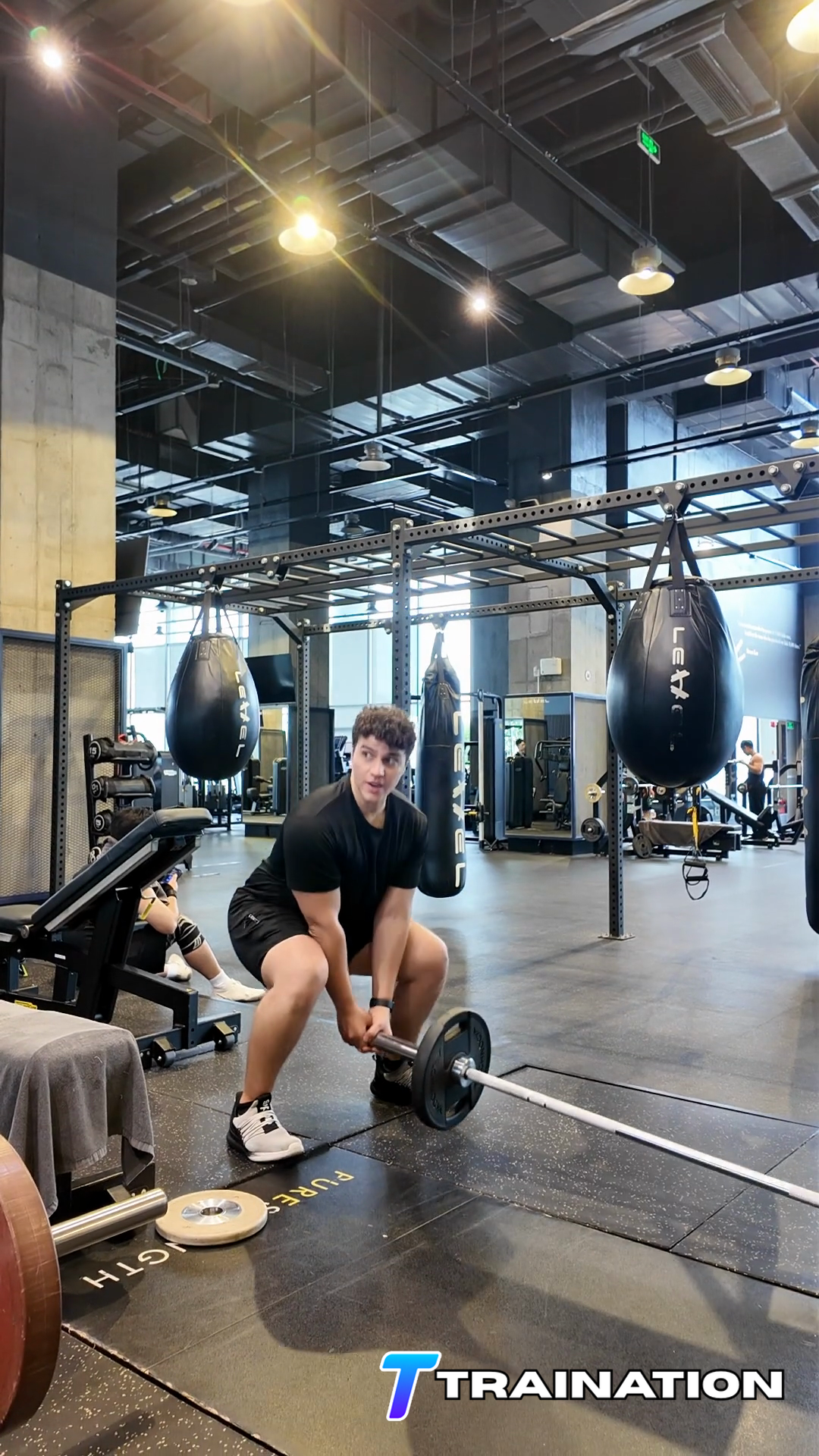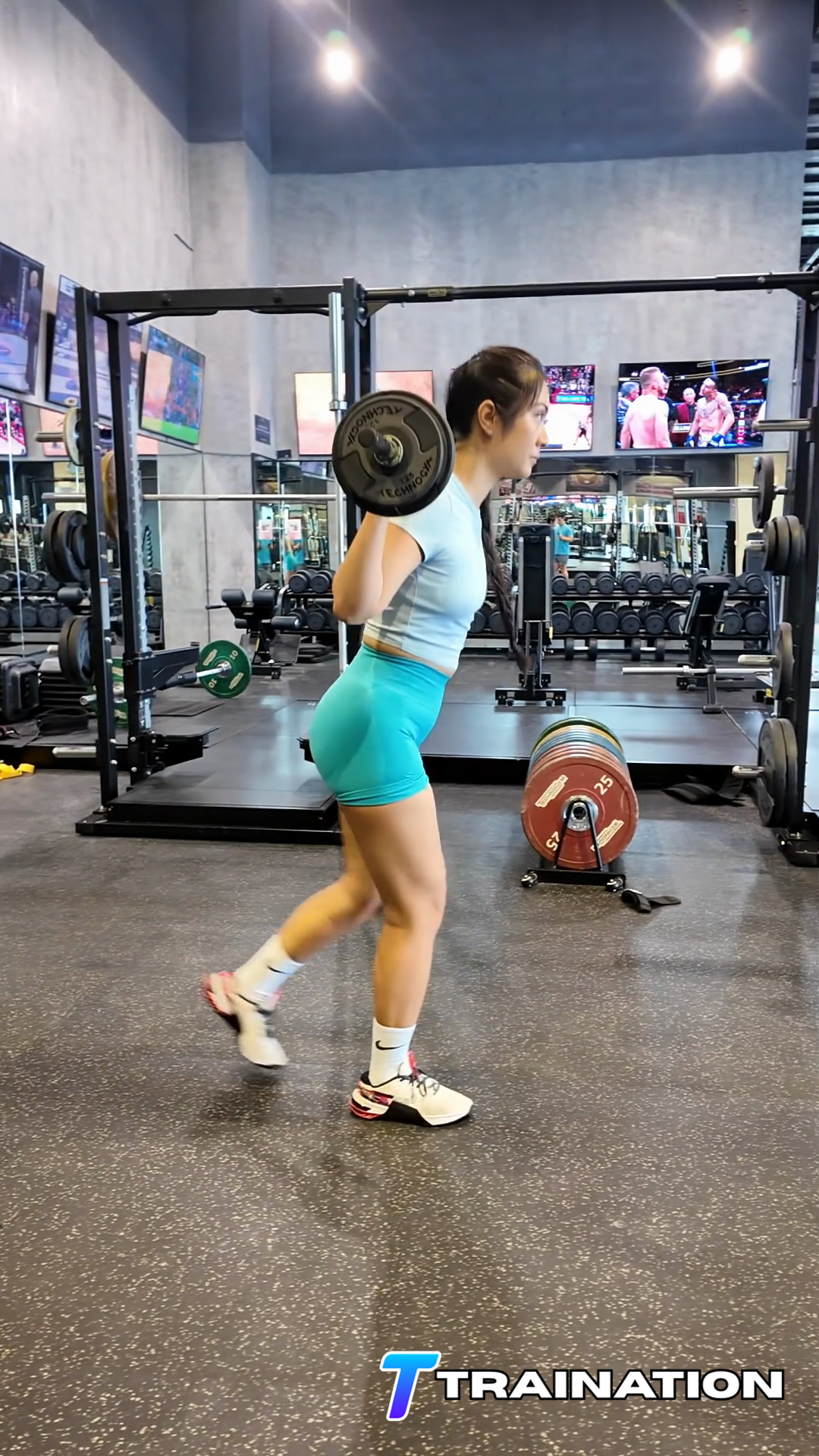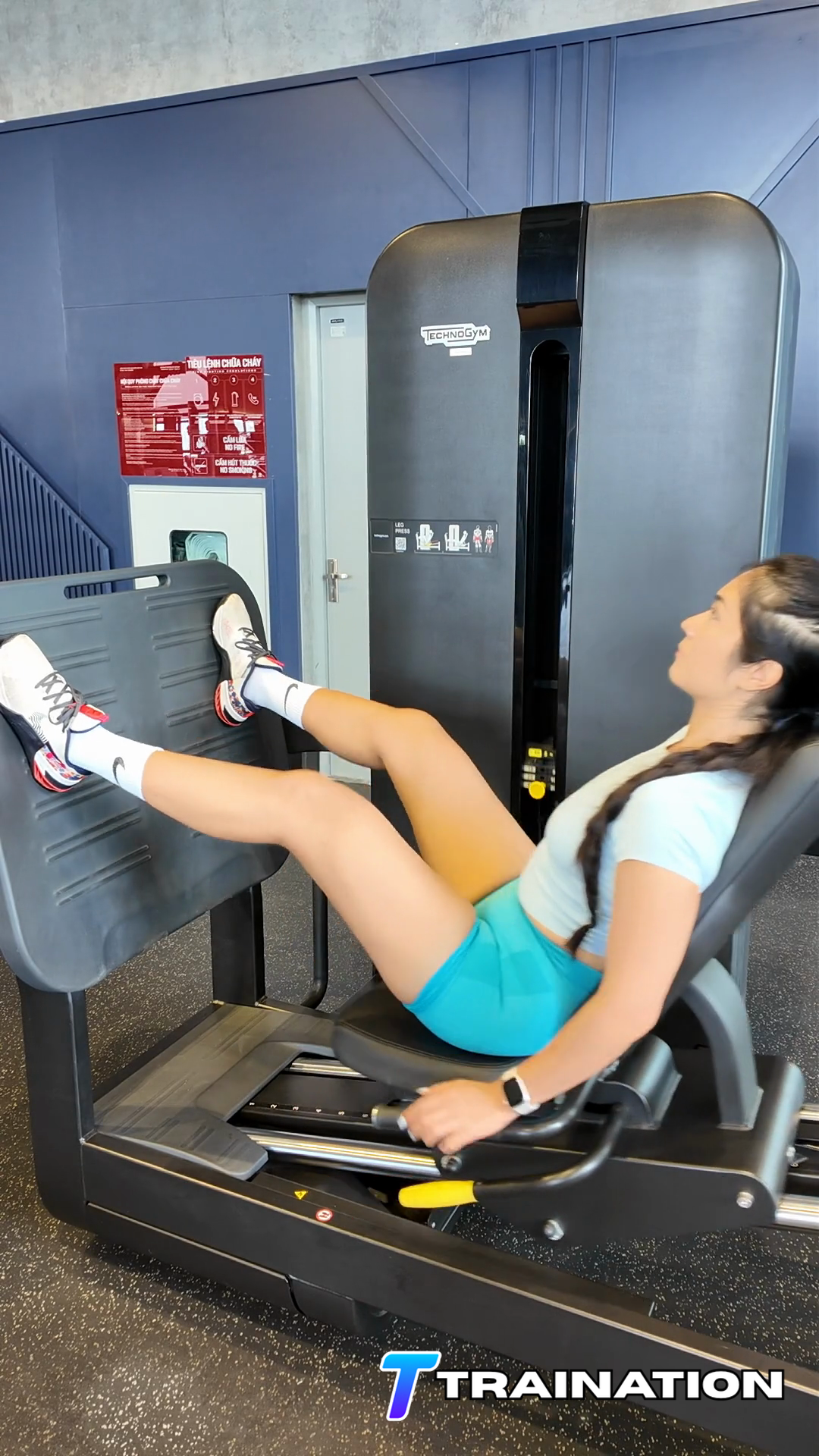
Barbell Clean

Barbell Clean is an explosive movement that develops rapid force production through a coordinated full-body action.

Primary muscle
Upper Legs

Primary musclesGluteus maximus, Quadriceps, Hamstrings

Secondary musclesTrapezius, Calves, Erector spinae, Forearms

Equipment
Barbell
← Back to exercise database

Set up for Barbell Clean

Prepare the barbell

  • Load both sides of the bar evenly, add collars, and clear loose plates from the lifting area.
  • When using a rack, set the hooks so the bar can be unracked without tiptoeing and position the safety arms just below the planned range.

Position yourself for Barbell Clean

  • Establish the named start position for Barbell Clean, secure the barbell, and rehearse the complete pain-free range before adding effort.
  • Rehearse the takeoff, receiving position, and safe finish separately before linking them at speed.

Choose and verify the starting level

  • Learn Barbell Clean with no load or a light load first. Add resistance only while every repetition stays fast and technically consistent.
  • Perform one slow rehearsal repetition and change the setup if the equipment shifts, the range causes pain, or the target position cannot be maintained.

How to perform Barbell Clean

Follow the sequence in order, paying attention to the starting position, movement path, and finish described in each step.

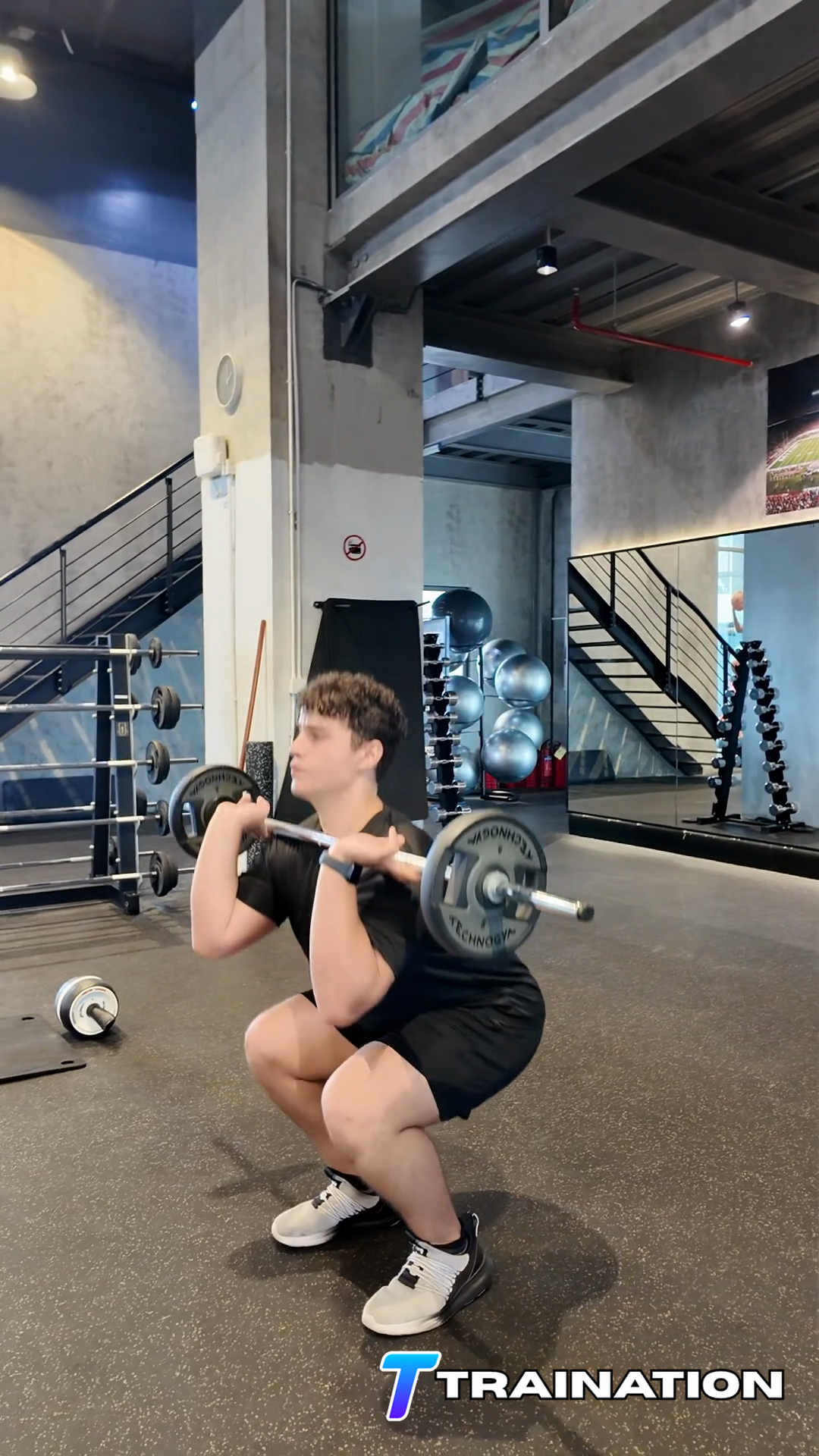
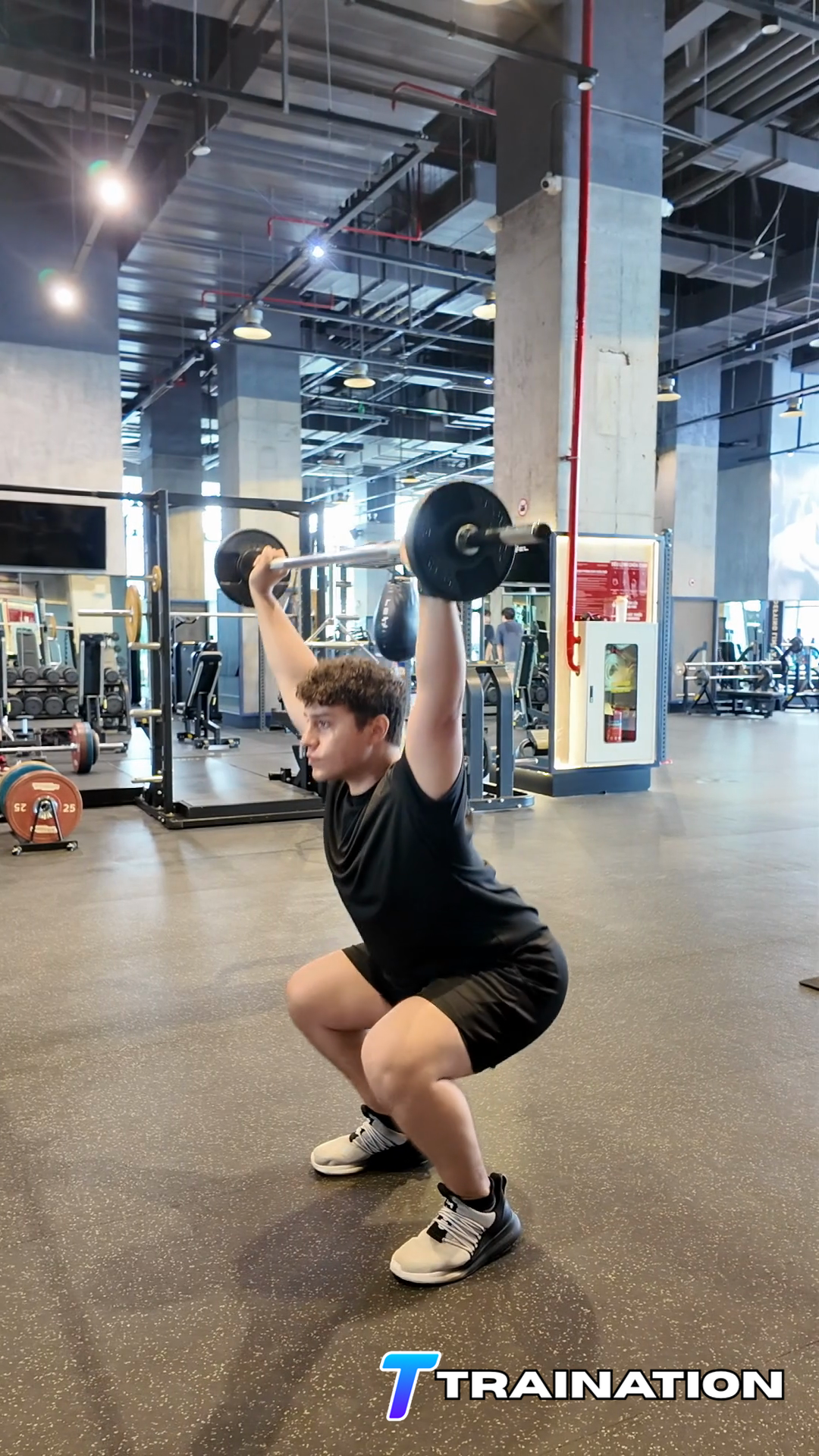
  1. Set a balanced start for Barbell Clean with pressure through the whole foot, the load close when applicable, and the intended landing area clear.

  2. Brace before initiating the repetition, then drive forcefully through the floor and extend the hips to create speed.

  3. Keep the arms connected to the body's motion rather than using them to compensate for a weak or late hip drive.

  4. Receive the body or load with soft knees, stable feet, and the trunk under control.

  5. Reset fully before the next repetition and end the set as soon as speed, landing quality, or timing drops.

Common Barbell Clean mistakes

These are the form changes most likely to move work away from the target muscles or make the repetition harder to control.

Continuing after speed drops

End the set when takeoff, bar speed, timing, or landing quality clearly declines.

Skipping the reset

Re-establish foot pressure and brace before every explosive repetition.

Landing stiffly

Receive with quiet feet, soft knees, and stable alignment rather than locked joints.

Using too much load

Choose resistance that allows fast, technically consistent movement.

When to modify or choose another exercise

  • Reduce the resistance, range, lever length, or balance demand if Barbell Clean cannot be completed without compensation.
  • Stop when the exercise produces sharp, catching, radiating, or increasing joint pain rather than the expected muscular effort.
  • Use a supported or unloaded version when foot pressure, balance, or trunk position cannot remain consistent; seek individualized guidance when pain persists after those changes.

How to use Barbell Clean in a training program

Place Barbell Clean near the start of the session, after the warm-up and before fatiguing strength work, so speed and coordination are still high.

01

Where it fits in a session

Perform Barbell Clean near the beginning of the workout, after the warm-up and before demanding strength or conditioning work.

02

How often to use it

Use one to three exposures per week with at least enough recovery to restore speed, landing quality, and coordination.

Starting rep ranges by goal

GoalSetsReps or timeRestEffort and execution
Technique3–52–460–120 secLight and crisp; reset every rep
Power3–52–62–3 minFast concentric action; stop when speed drops

How to progress it

Increase load, height, or complexity only after takeoff, bar path, receiving position, and landing remain consistent across every set.

Pairing and sequencing

  • Pair with a related strength movement only when the athlete understands contrast training and fatigue is monitored.
  • Avoid high-repetition sets that turn an explosive drill into slow conditioning.

Coach's notes

  • Program 3–5 sets of 2–6 crisp repetitions, resting 2–3 minutes when needed to preserve speed.
  • Use a technically manageable load; end the set as soon as repetition speed, landing quality, or timing declines.
  • Progress load only after the athlete repeats the same fast, controlled positions across every set.

Regressions and progressions for Barbell Clean

Start with an easier option

Landing or hinge drill

Practise the key takeoff, hinge, or receiving position without speed or load.

Low-intensity power variation

Use a lower box, lighter implement, or smaller jump while preserving intent and control.

Progress when form is repeatable

More demanding Barbell Clean

Increase height, load, or complexity only while every repetition remains fast and technically consistent.

Contrast pairing

Pair with a related strength exercise only when fatigue and coaching context are managed appropriately.

References
  1. American Council on ExerciseACE Exercise Library
  2. Mayo ClinicWeight Training: Do's and Don'ts of Proper Technique
  3. American College of Sports MedicineACSM Resistance Training Guidelines Update

Build client programs that drive retention and cut your weekly programming time in half.

Explore the workout builder →
Beta access

Become a Traination Beta User

Apply to become a beta user of the app for free in exchange for feedbacks and reviews. Your time is important! That's why we will reach out to you individually to make sure this is the right fit.