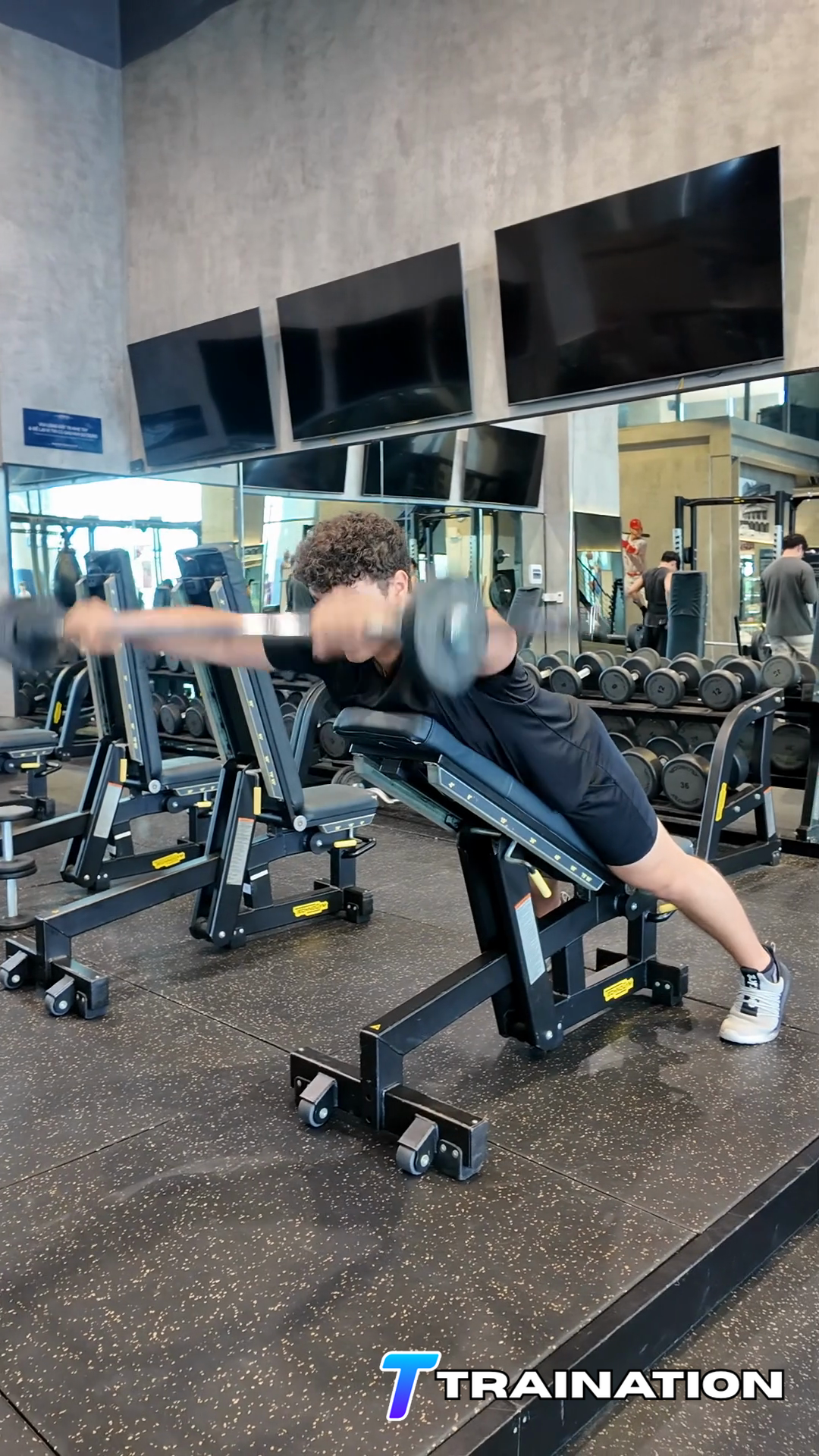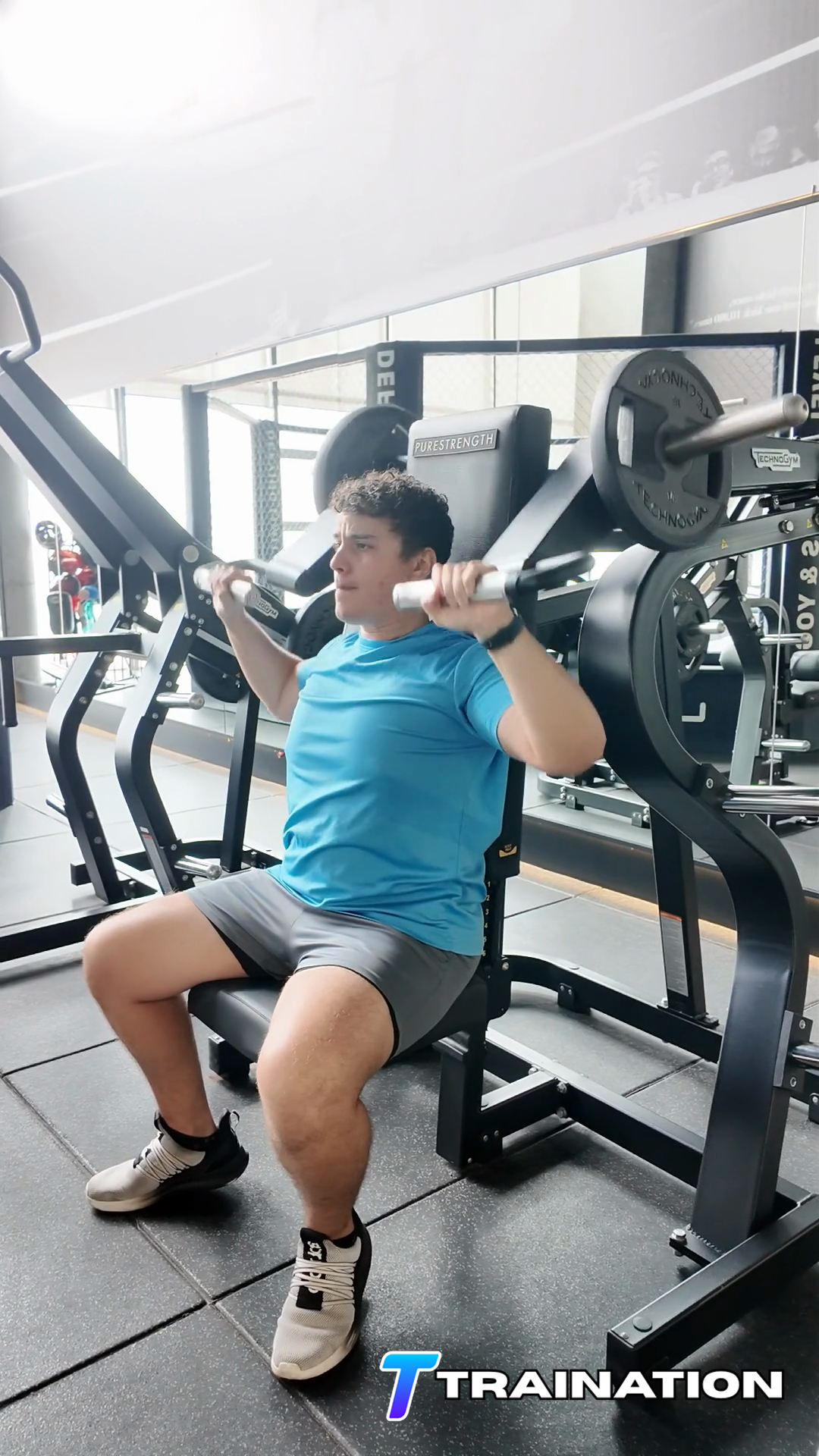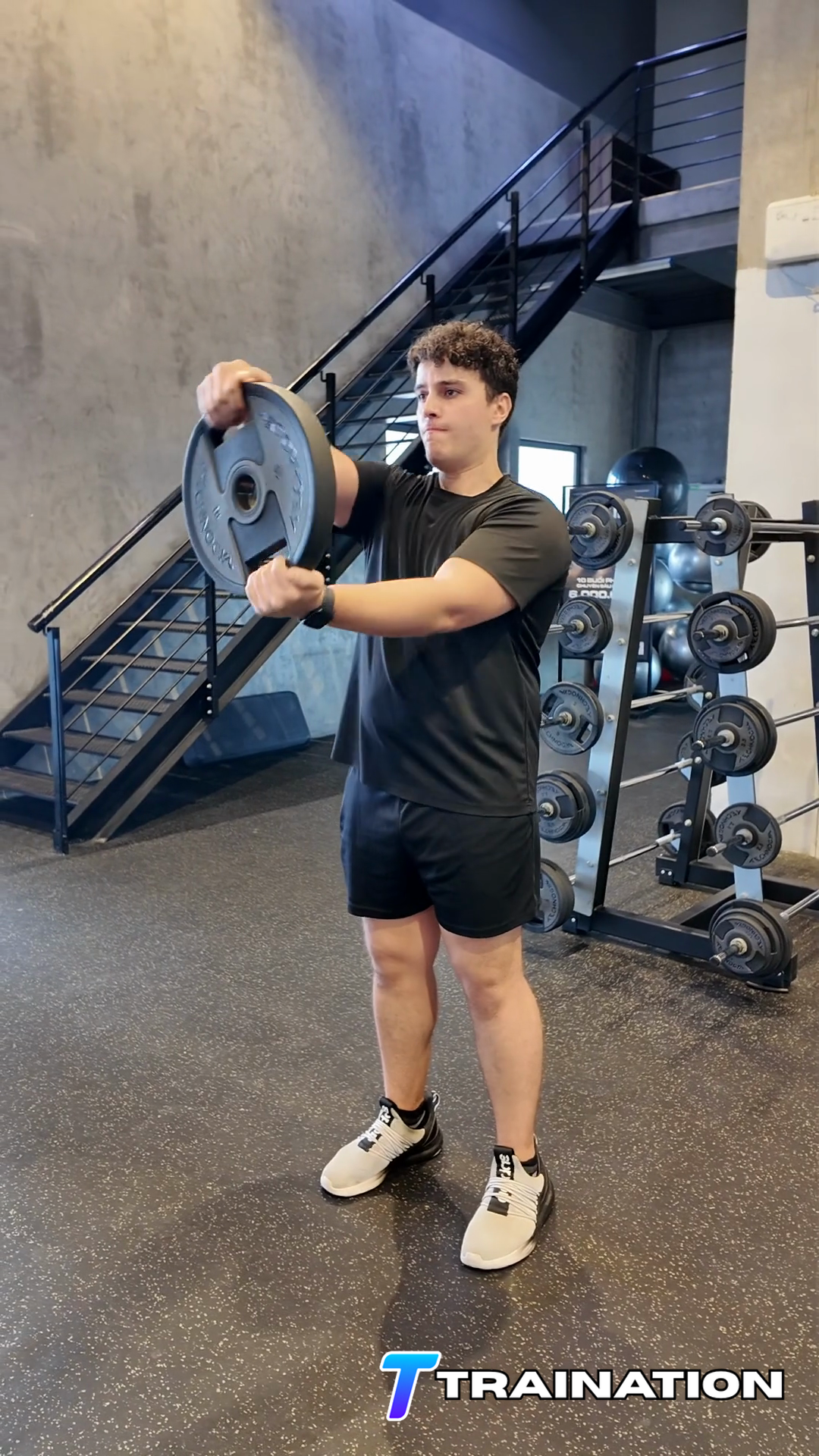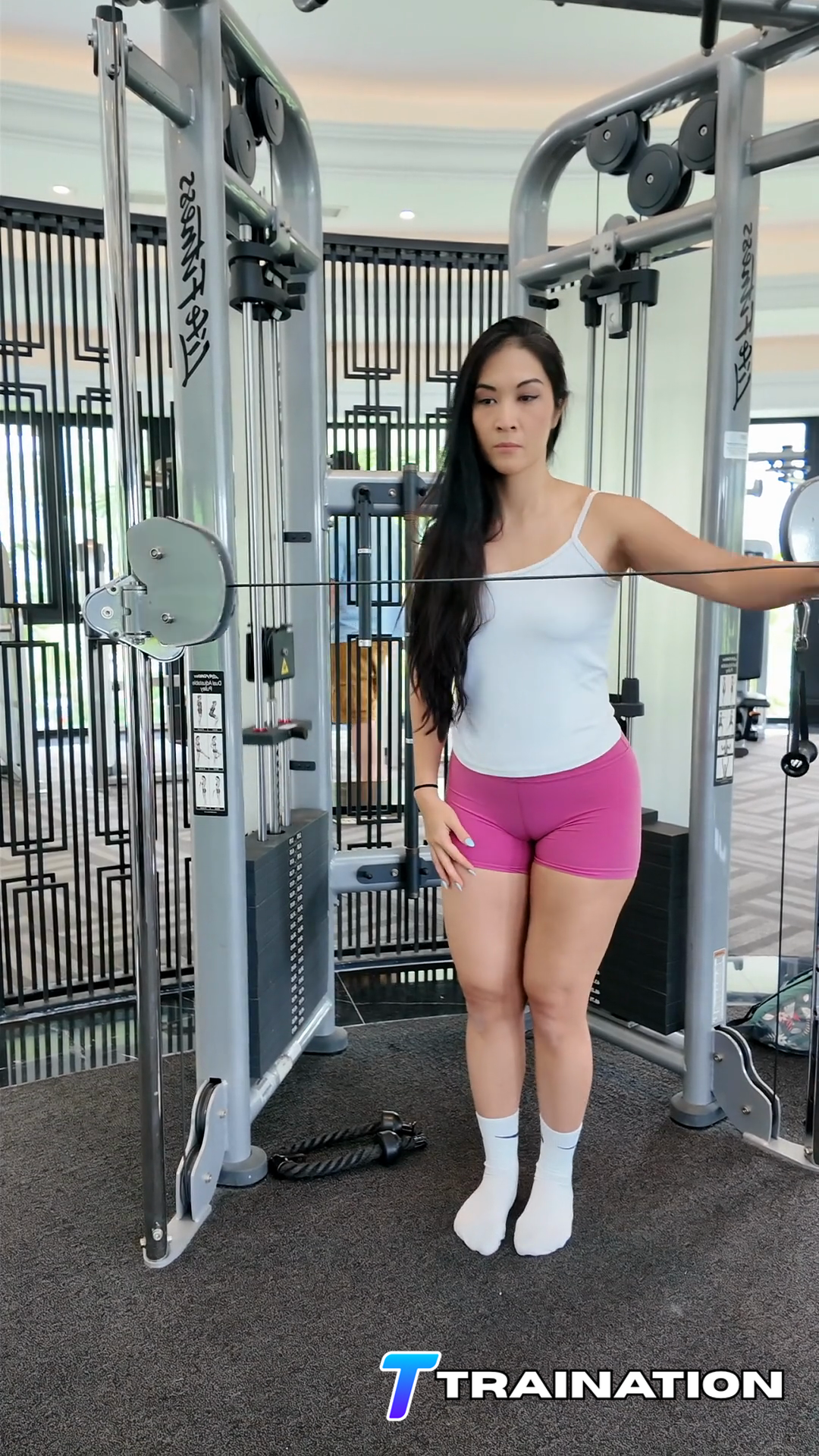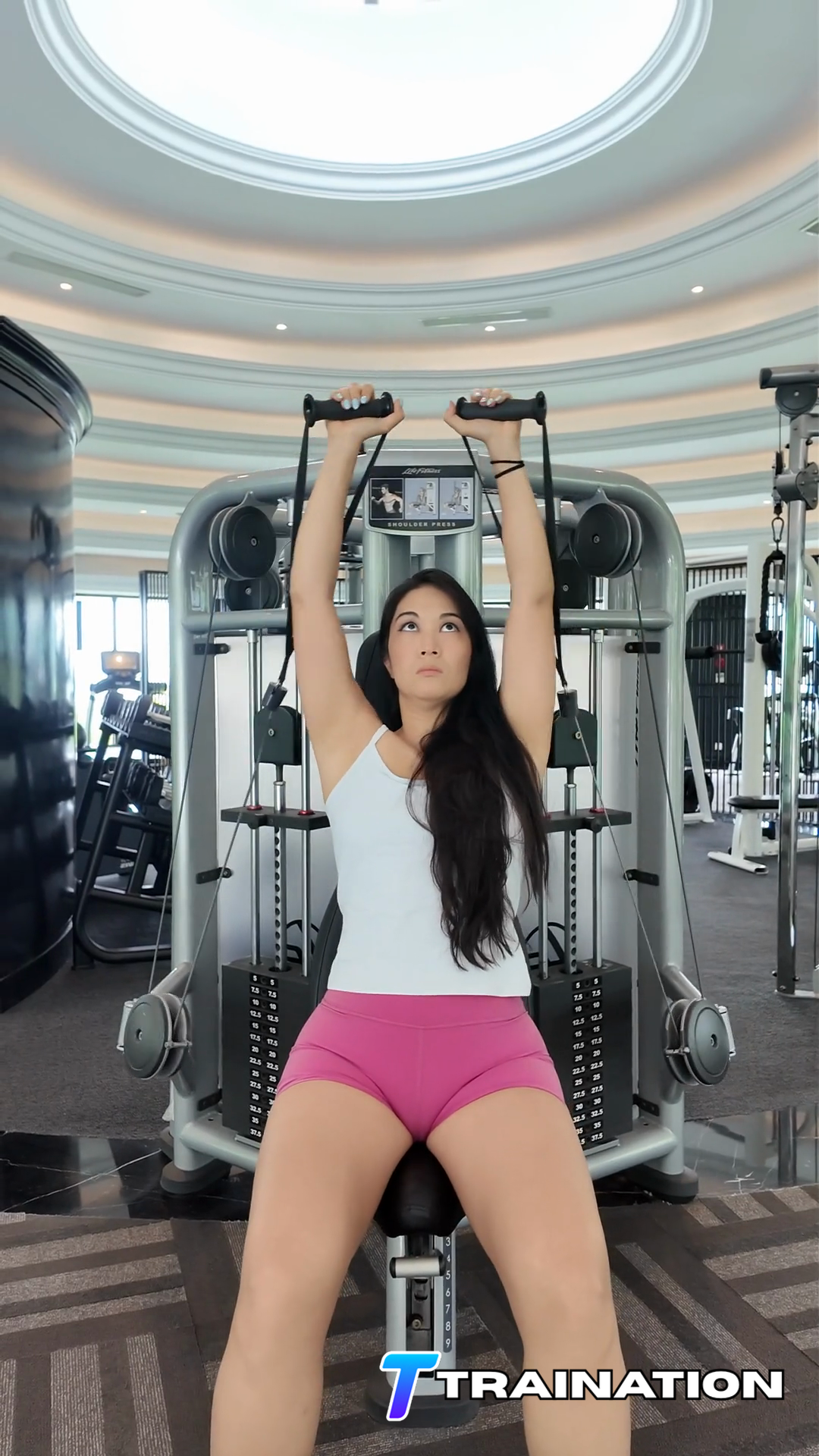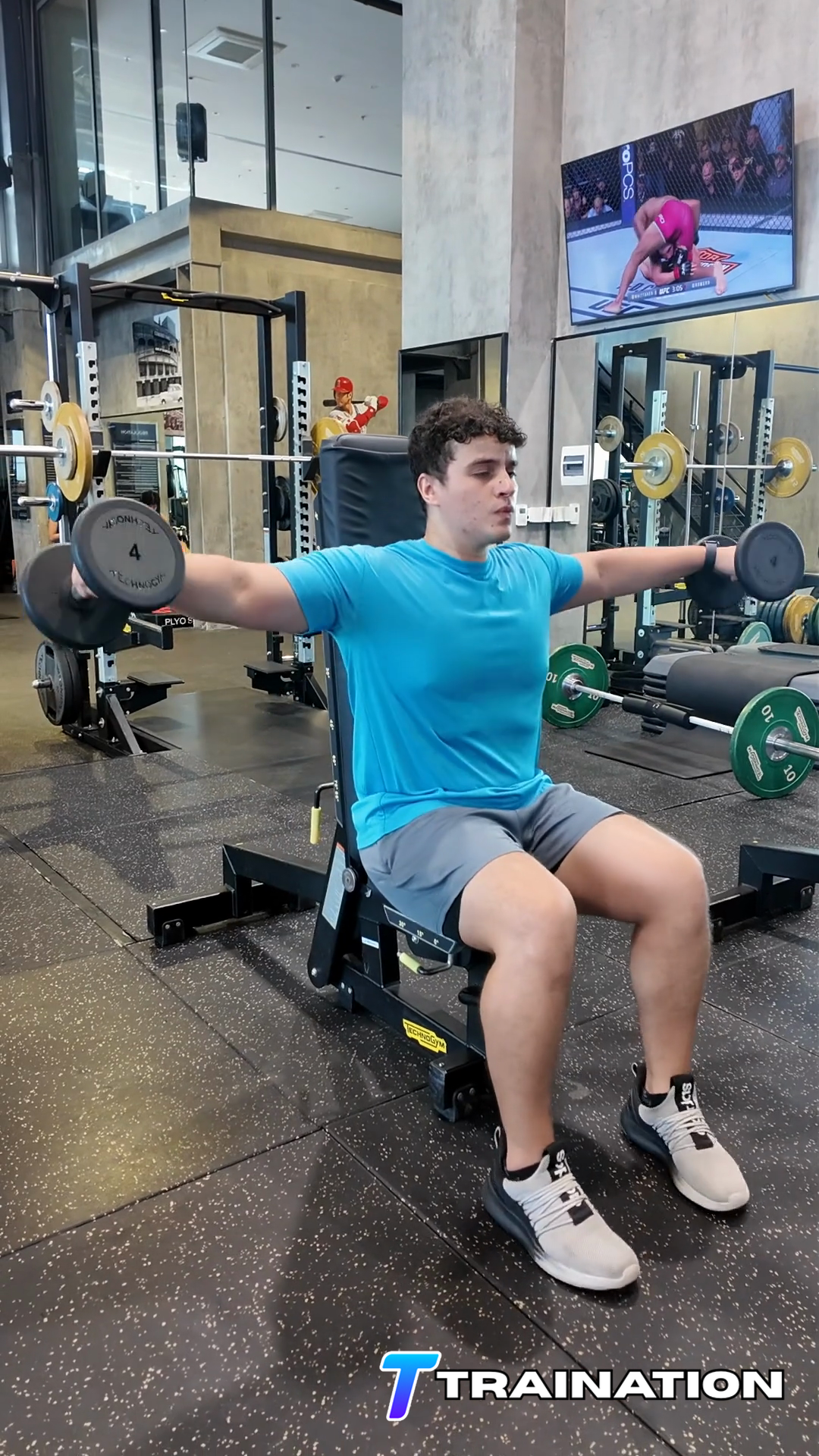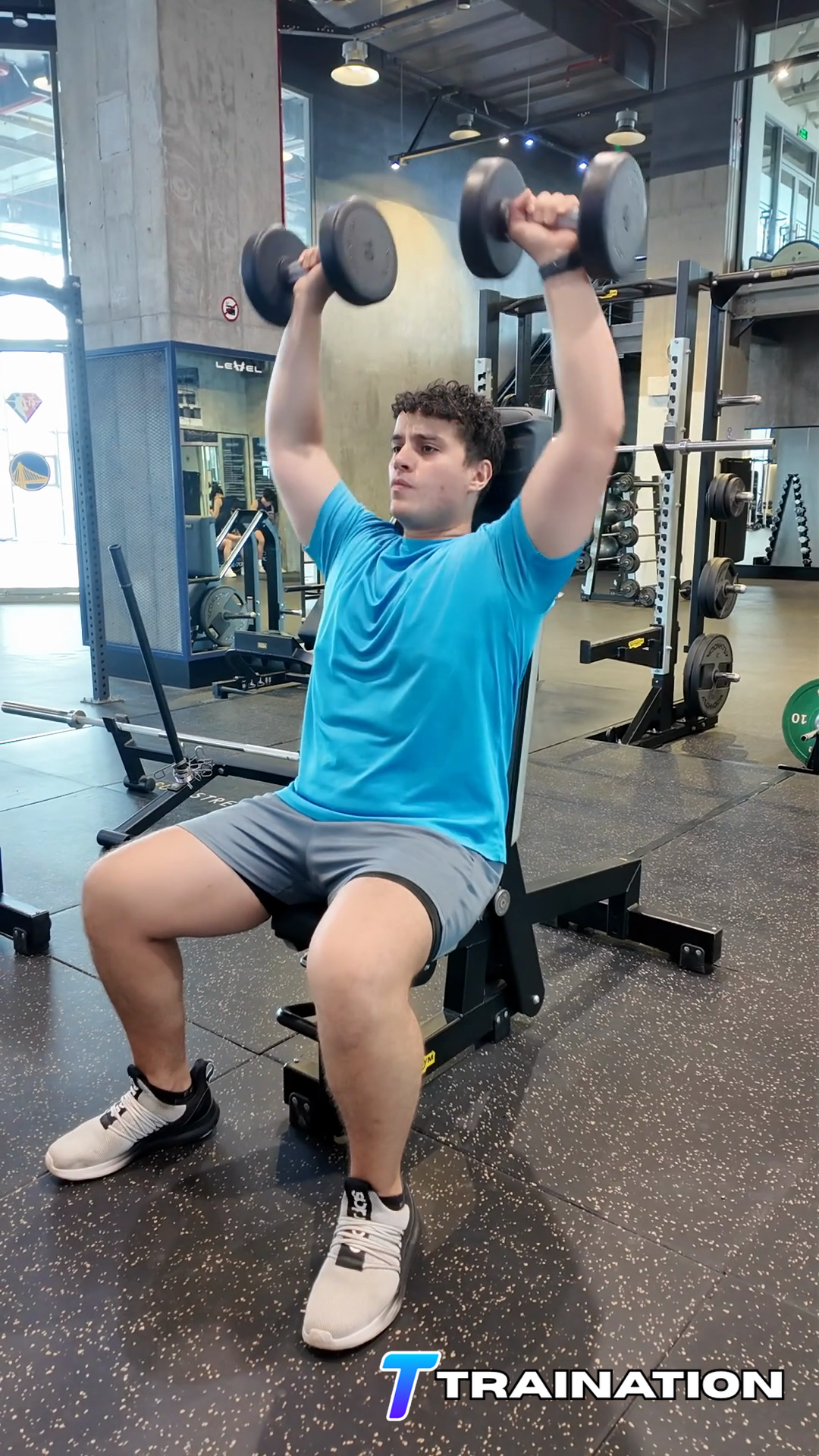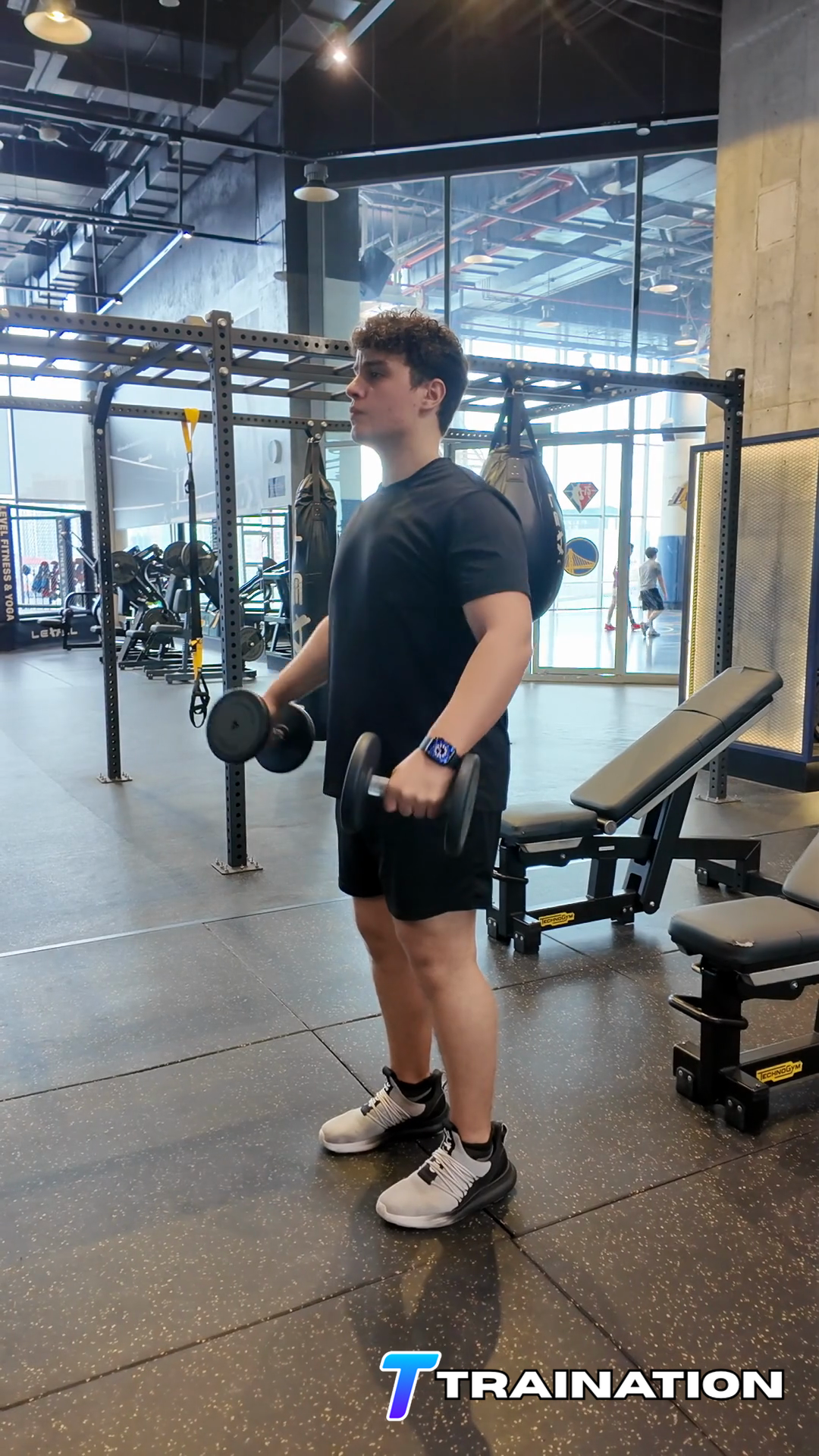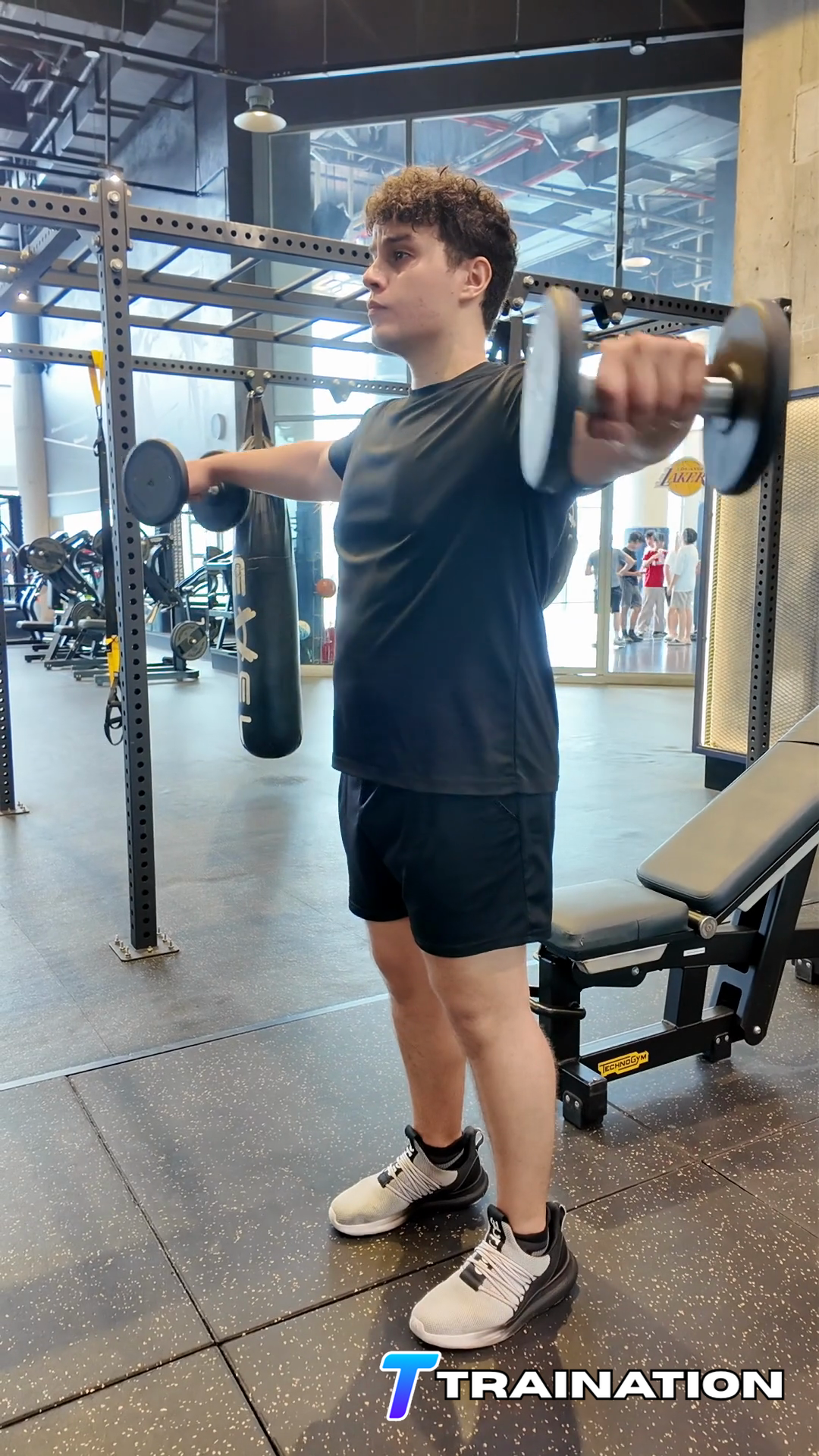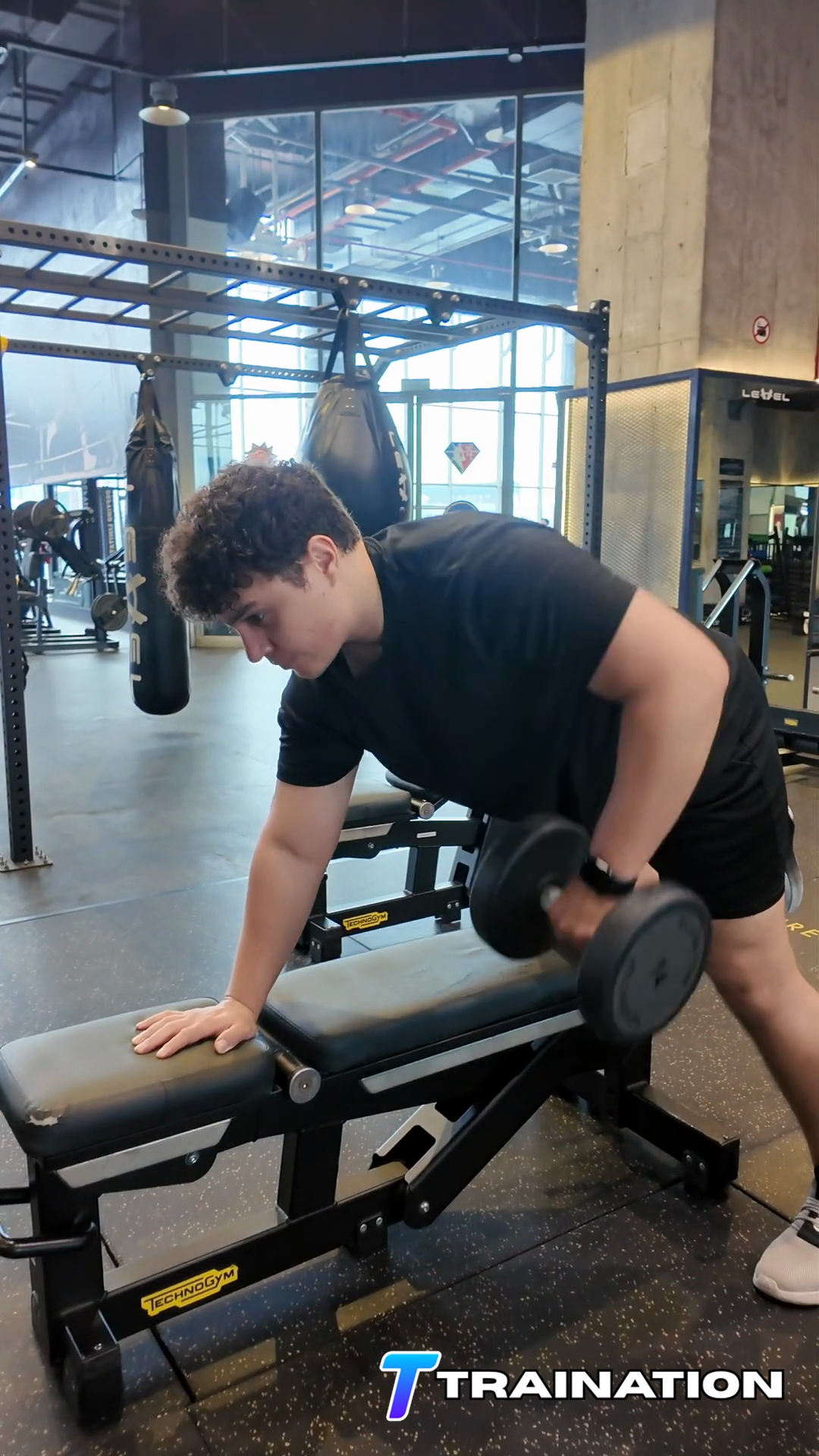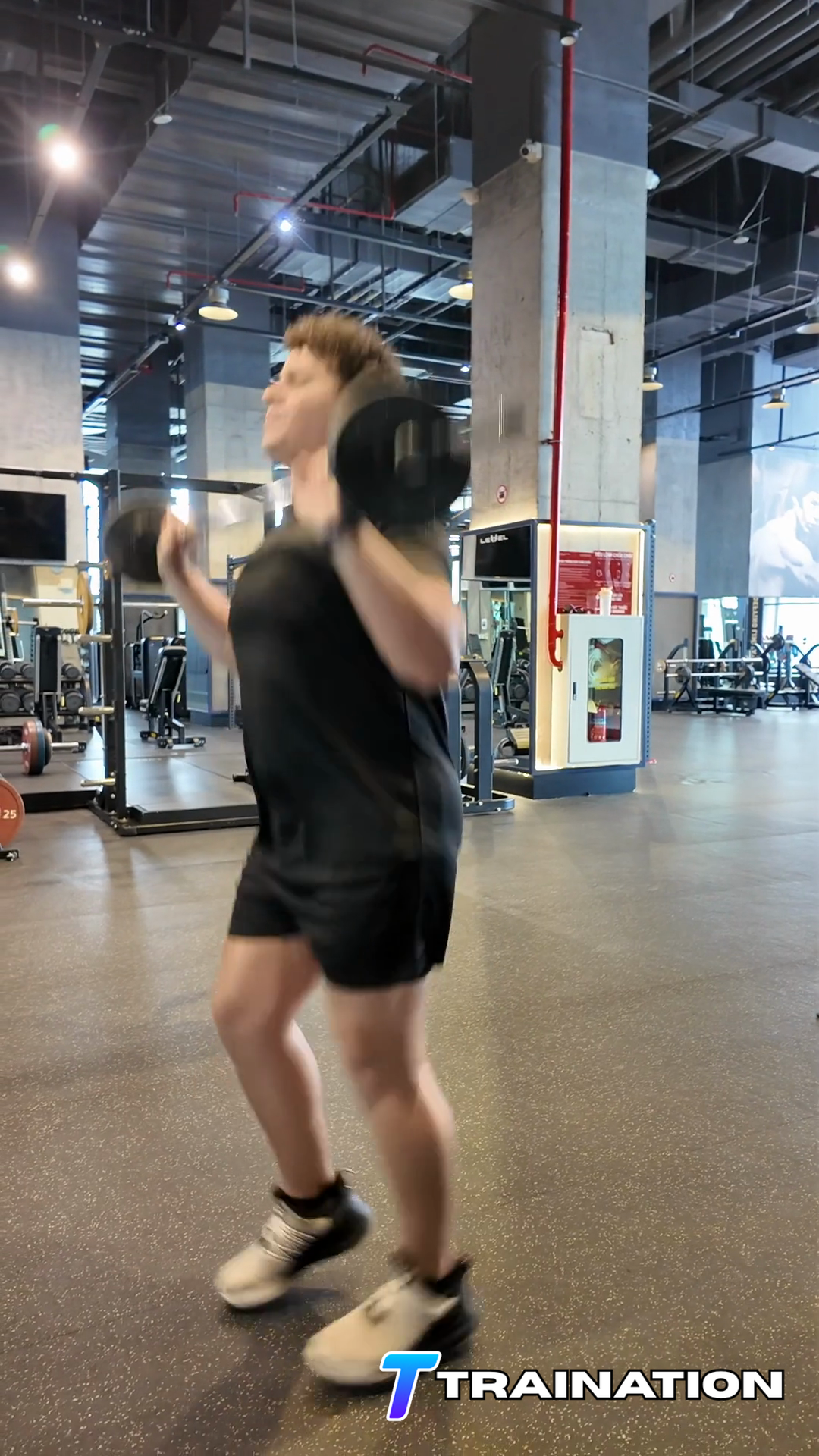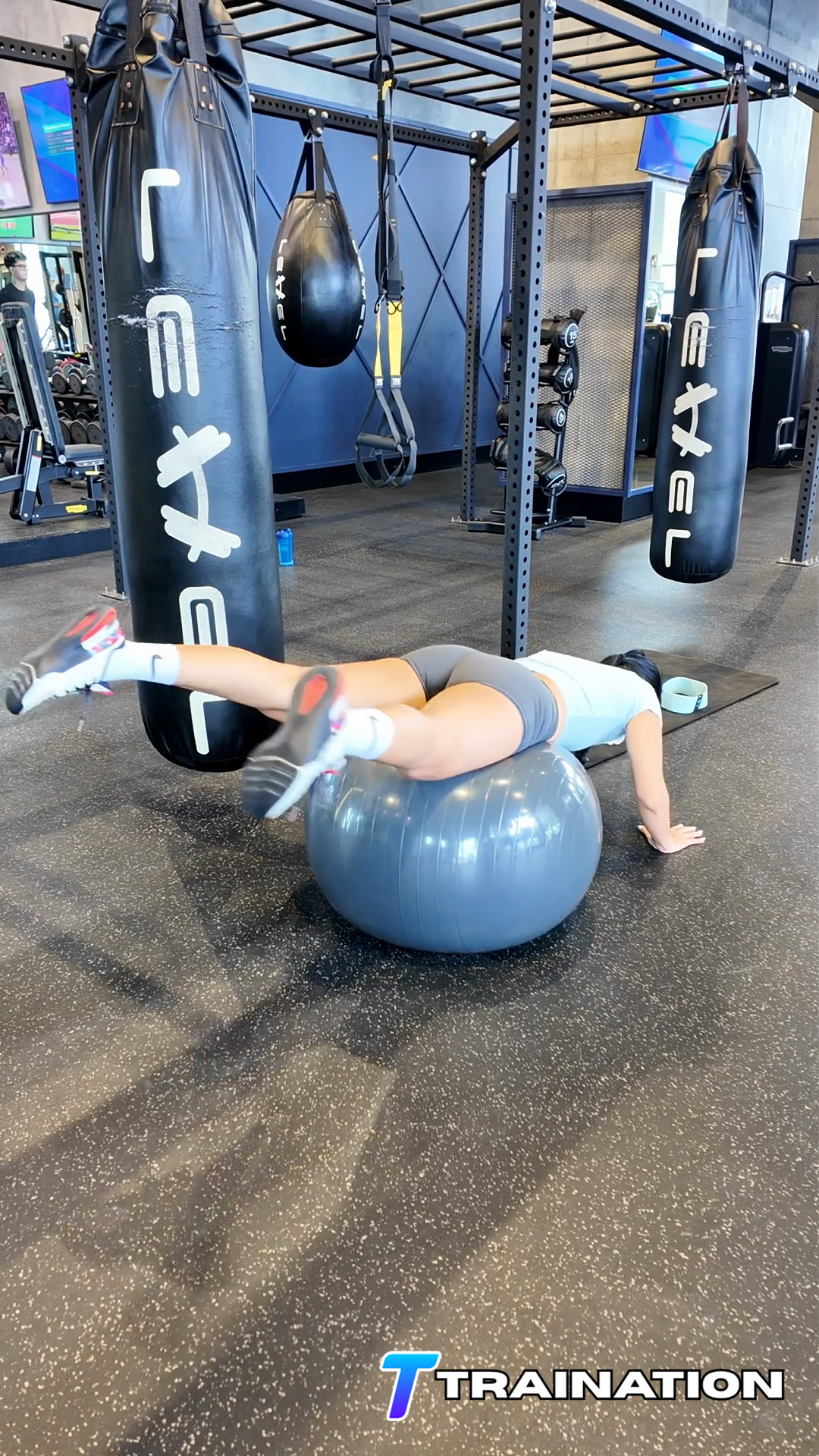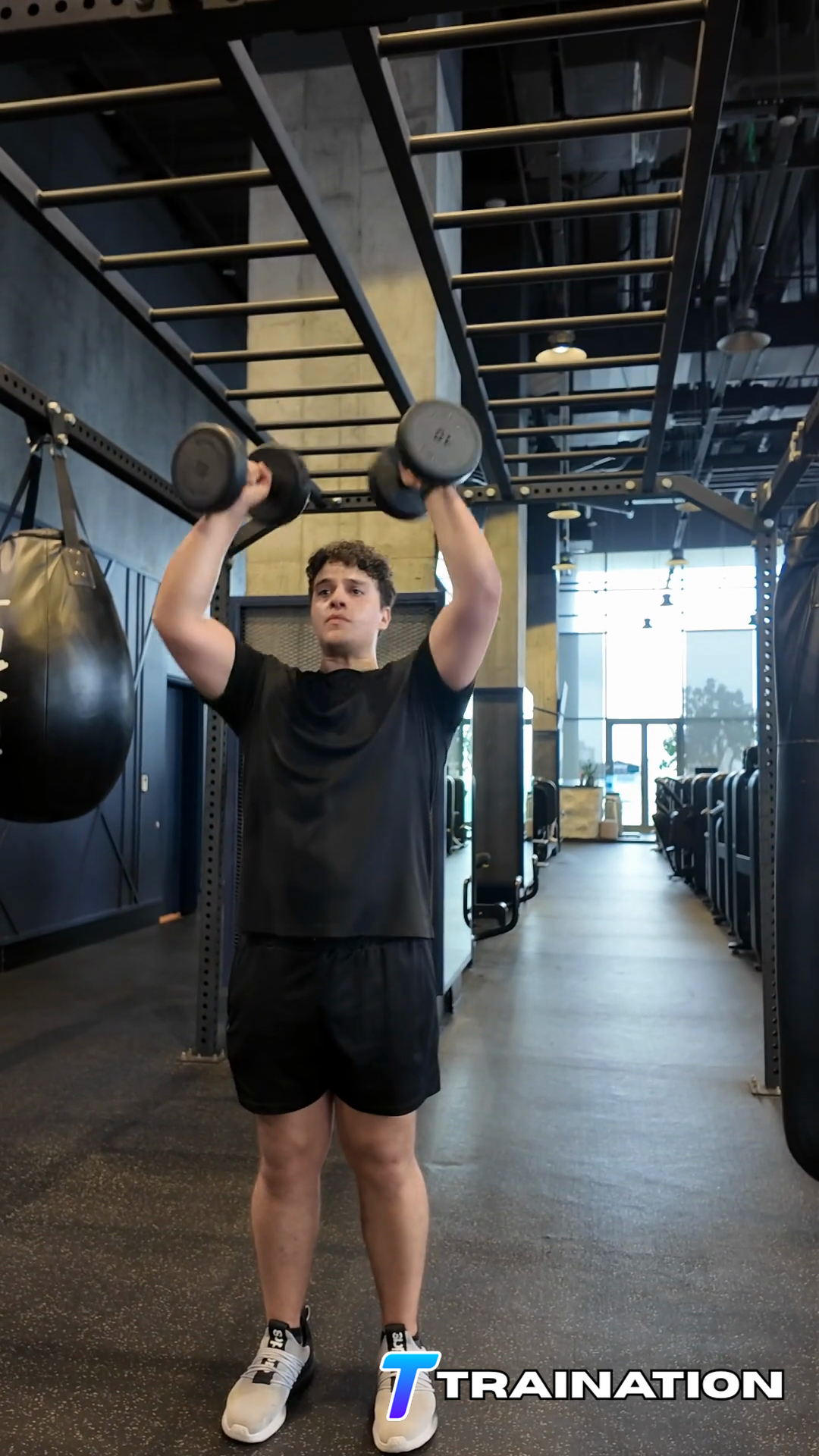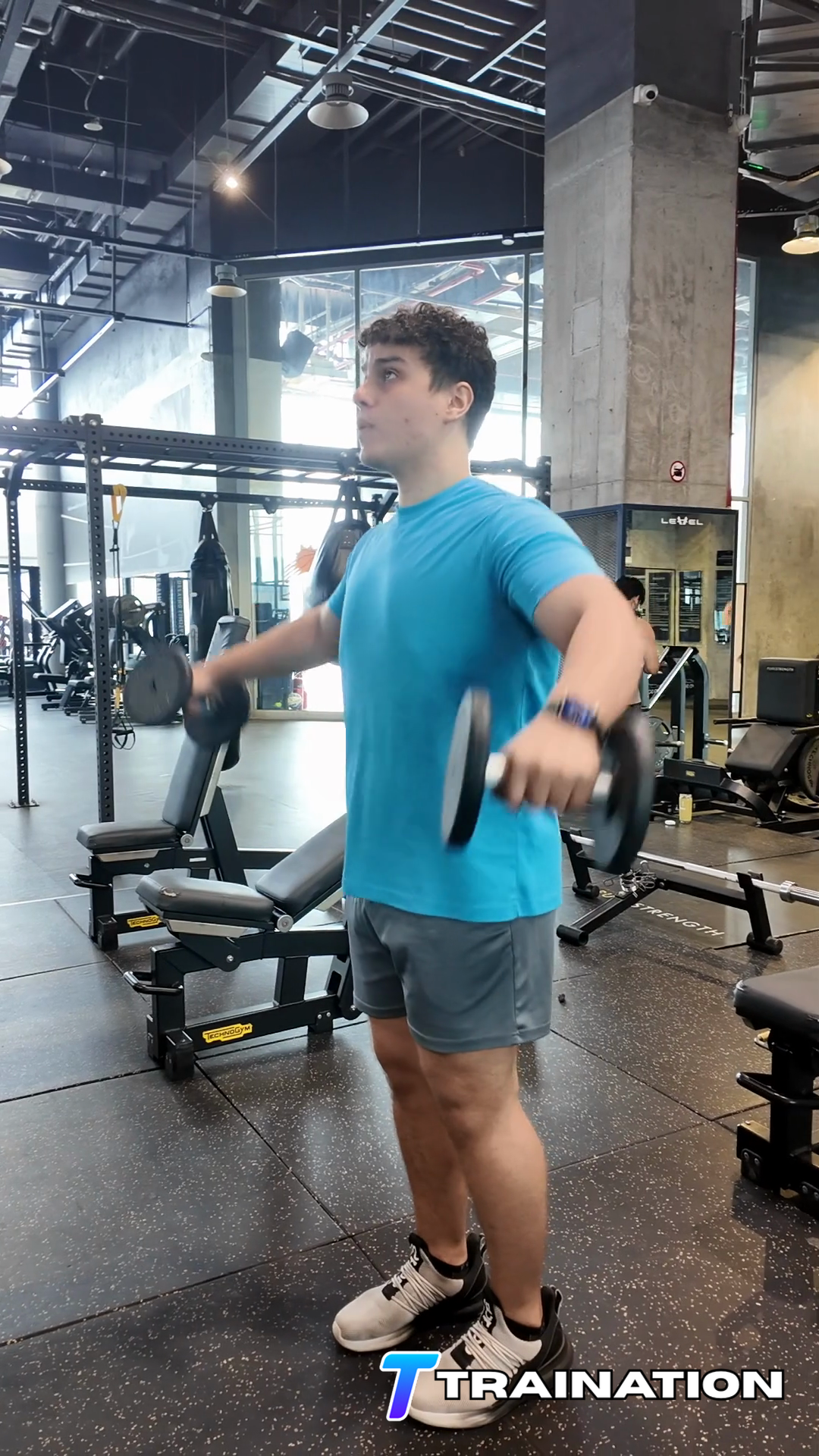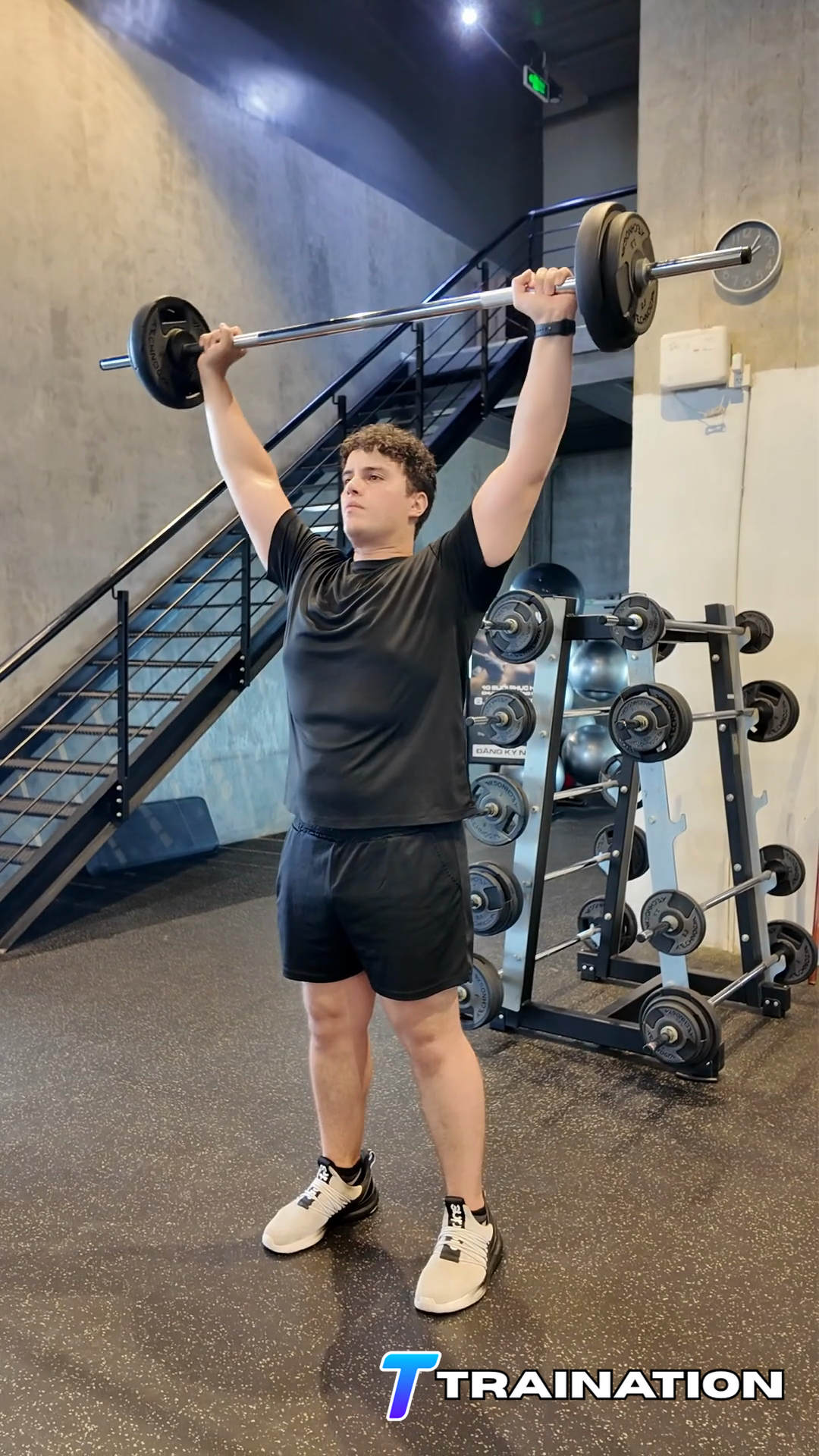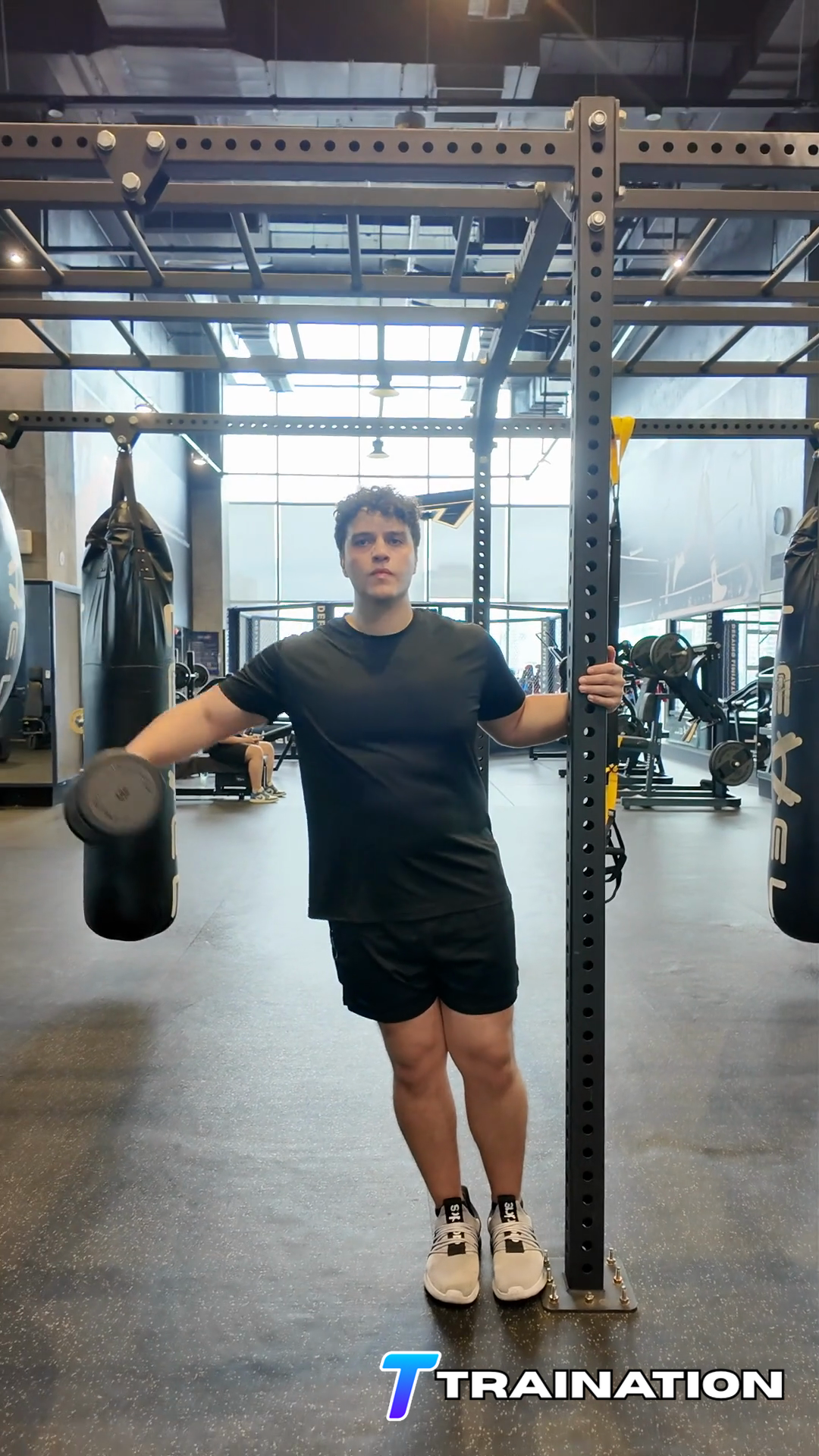
Shrugging to lift
Keep the neck relaxed and move from the rear shoulder rather than elevating the shoulder blades.
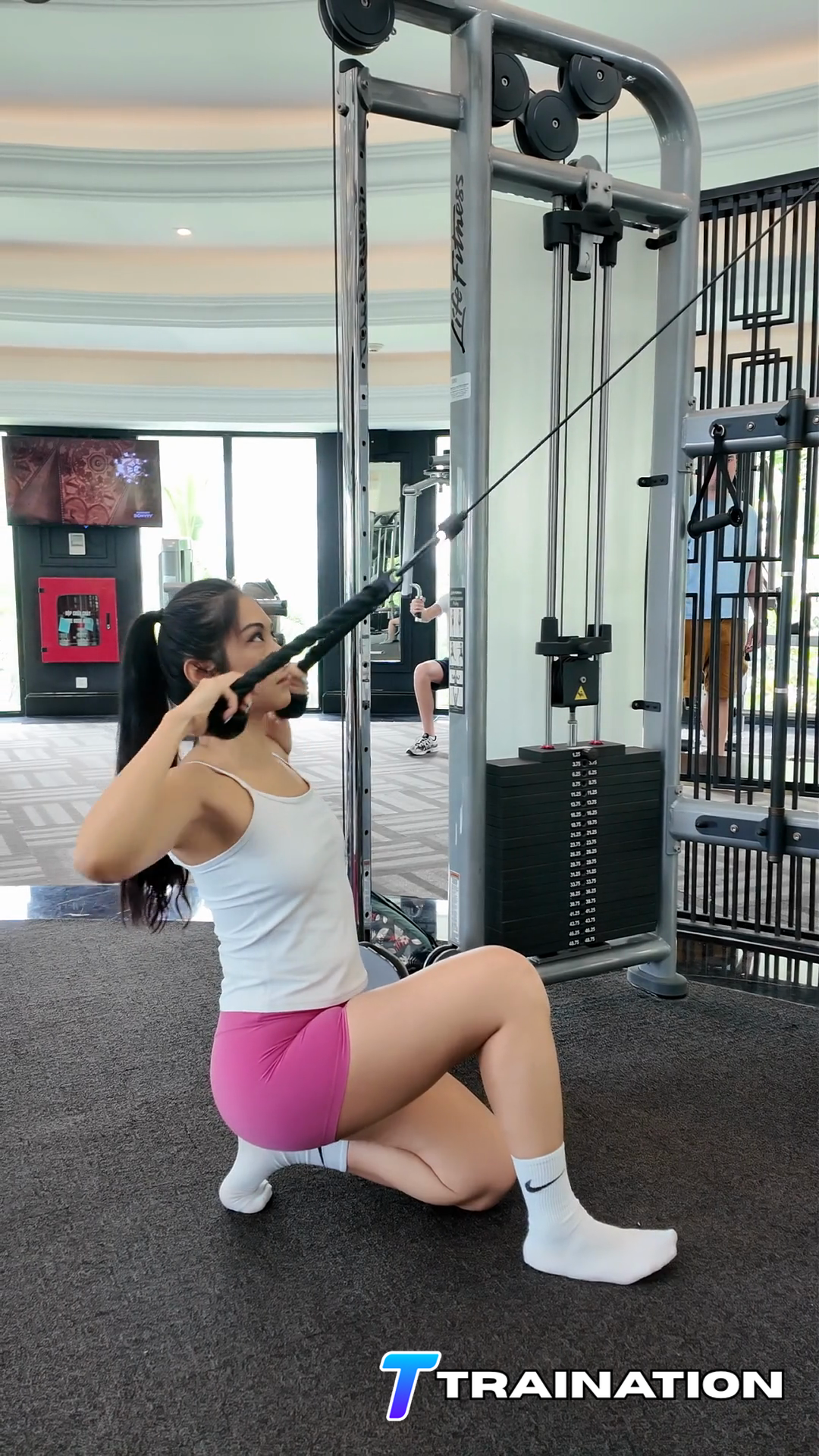
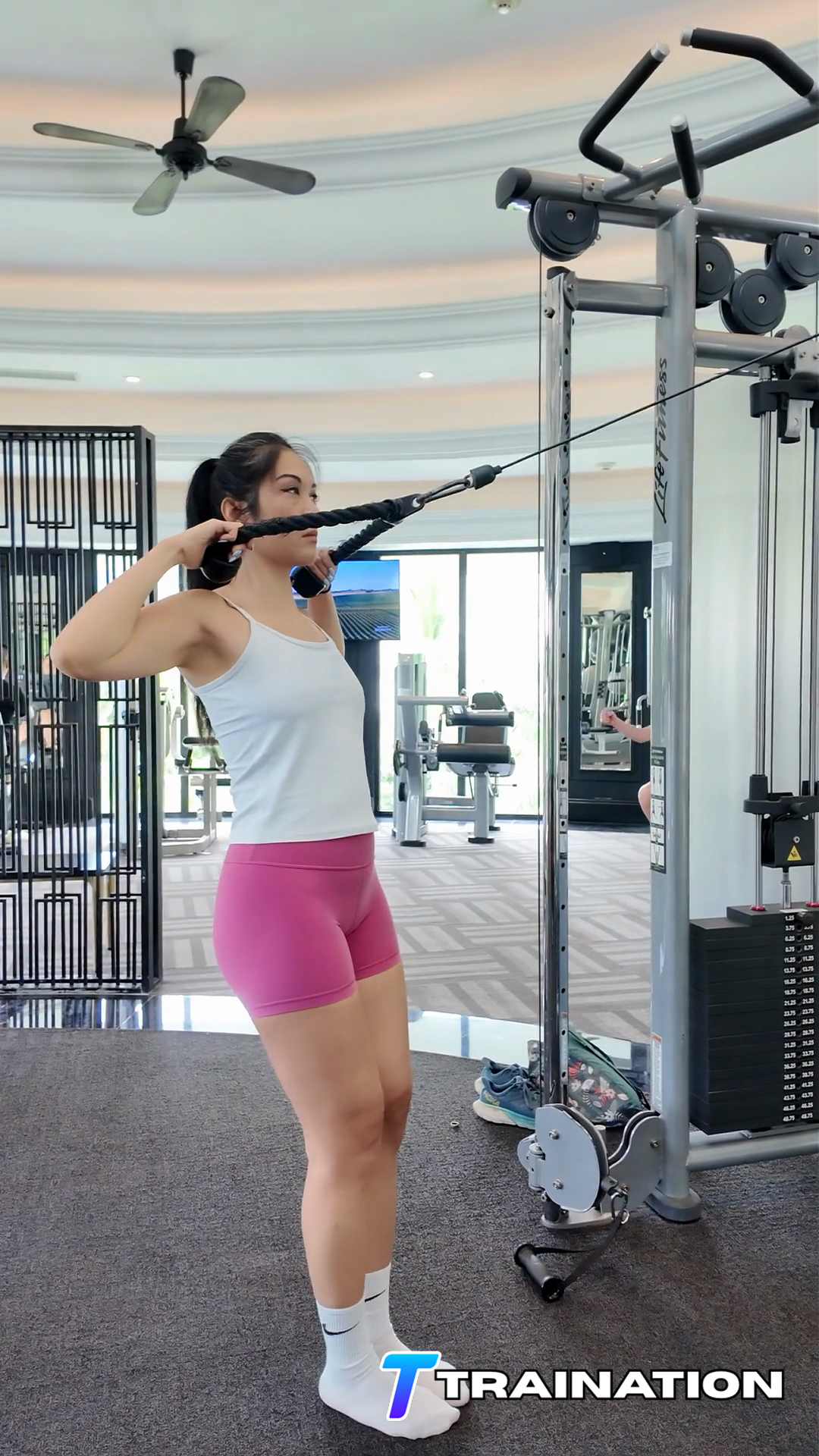
Pull the band toward the face to train the rear shoulders and upper-back stabilizers.
Primary musclesPosterior deltoids, Rhomboids, Middle trapezius
Secondary musclesInfraspinatus, Teres minor, Lower trapezius
Follow the sequence in order, paying attention to the starting position, movement path, and finish described in each step.
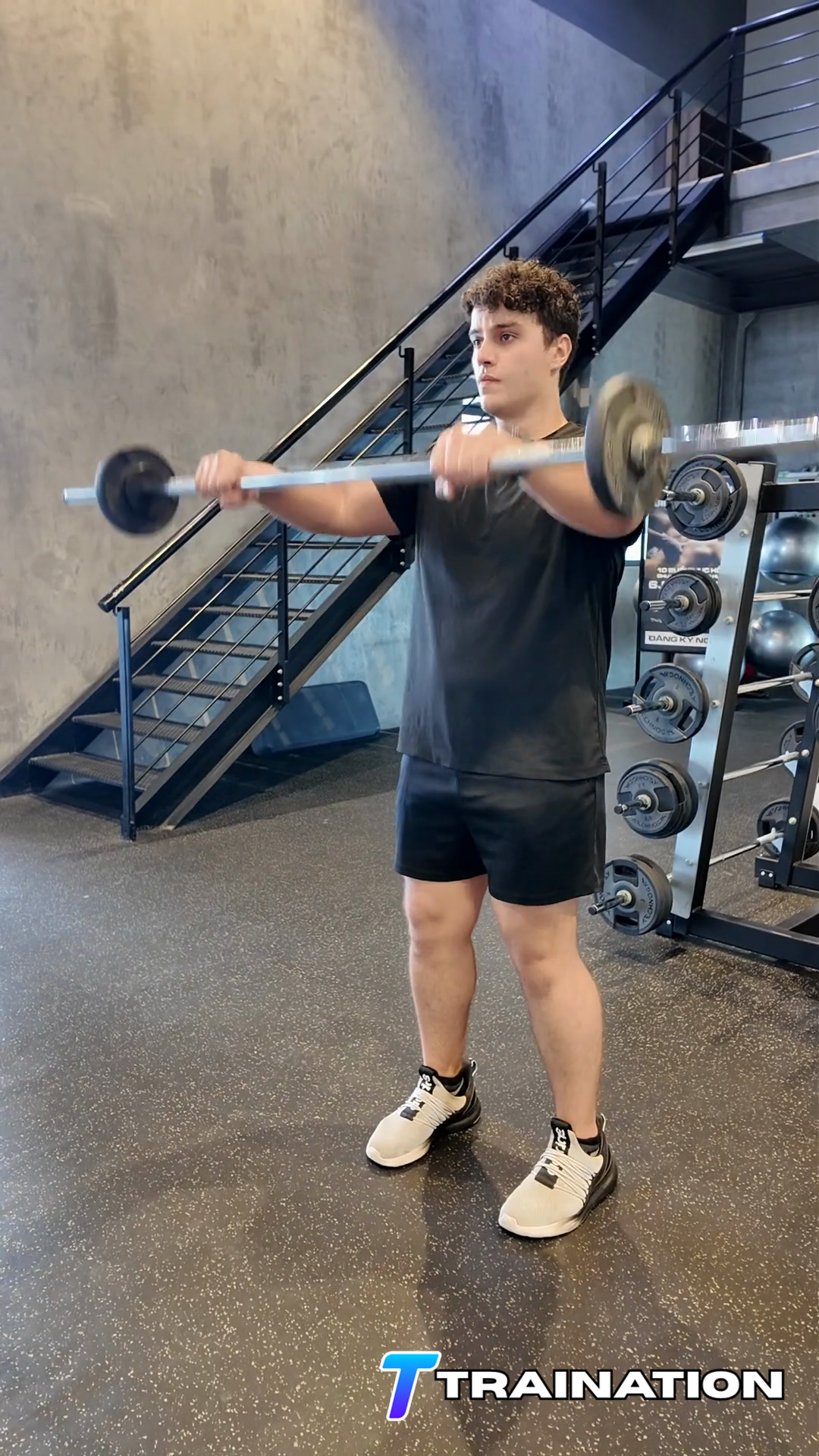
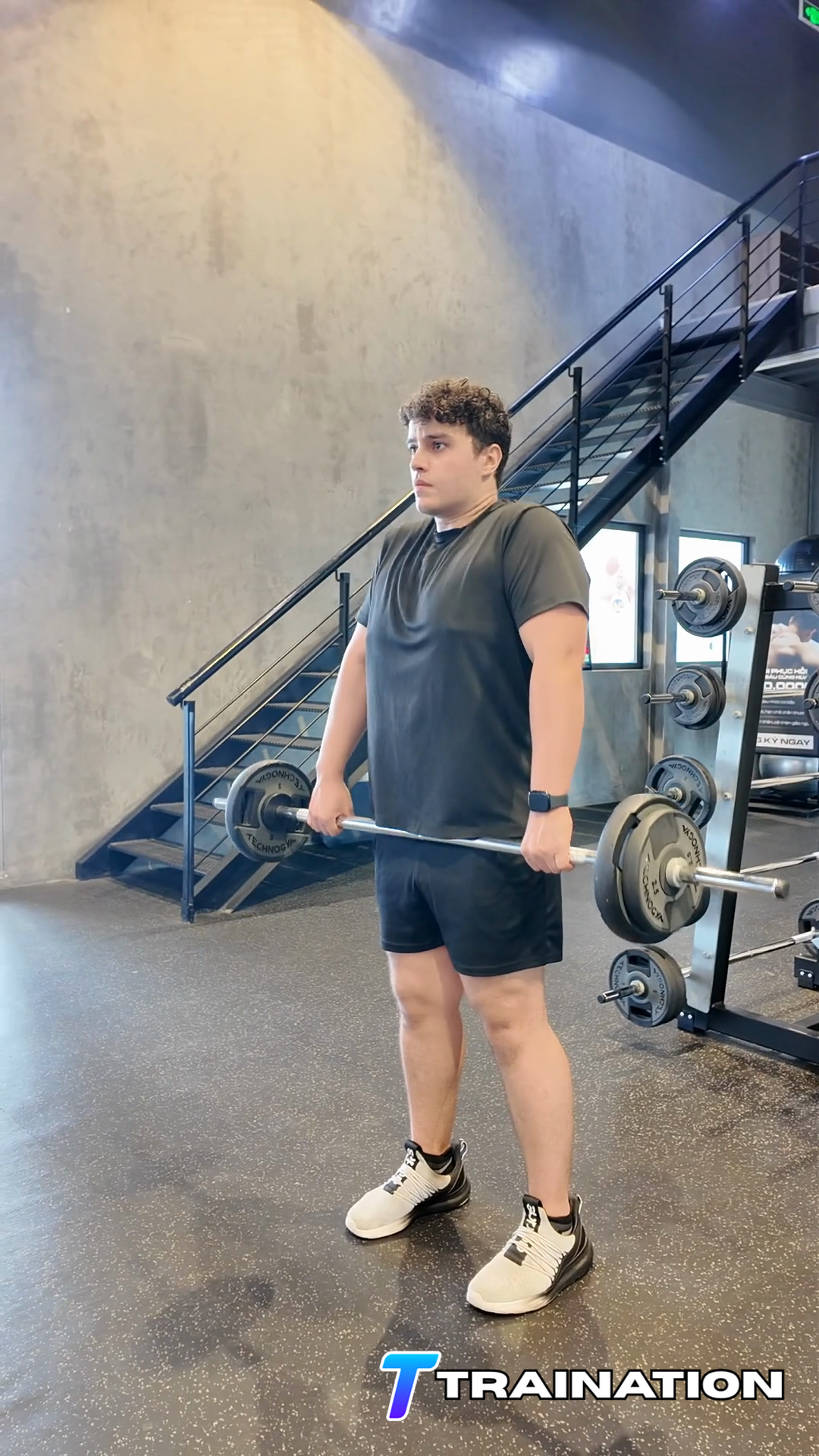
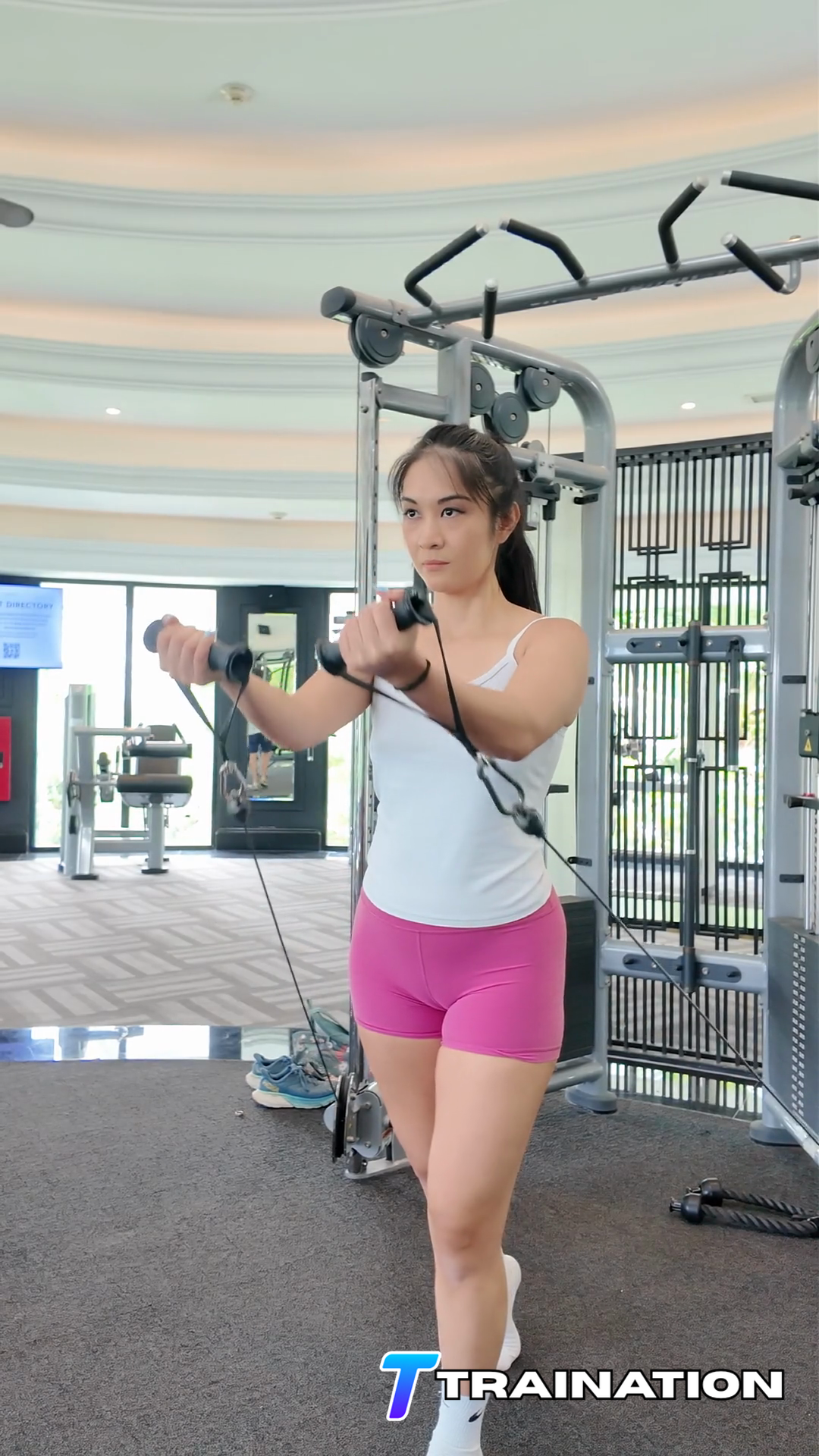
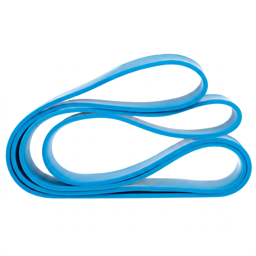
For Band Face Pull, stand tall facing the band anchor and hold one end in each hand with the arms extended around face height; draw the shoulders away from the ears.
Keep the wrists aligned with the forearms and the rib cage stacked over the pelvis.
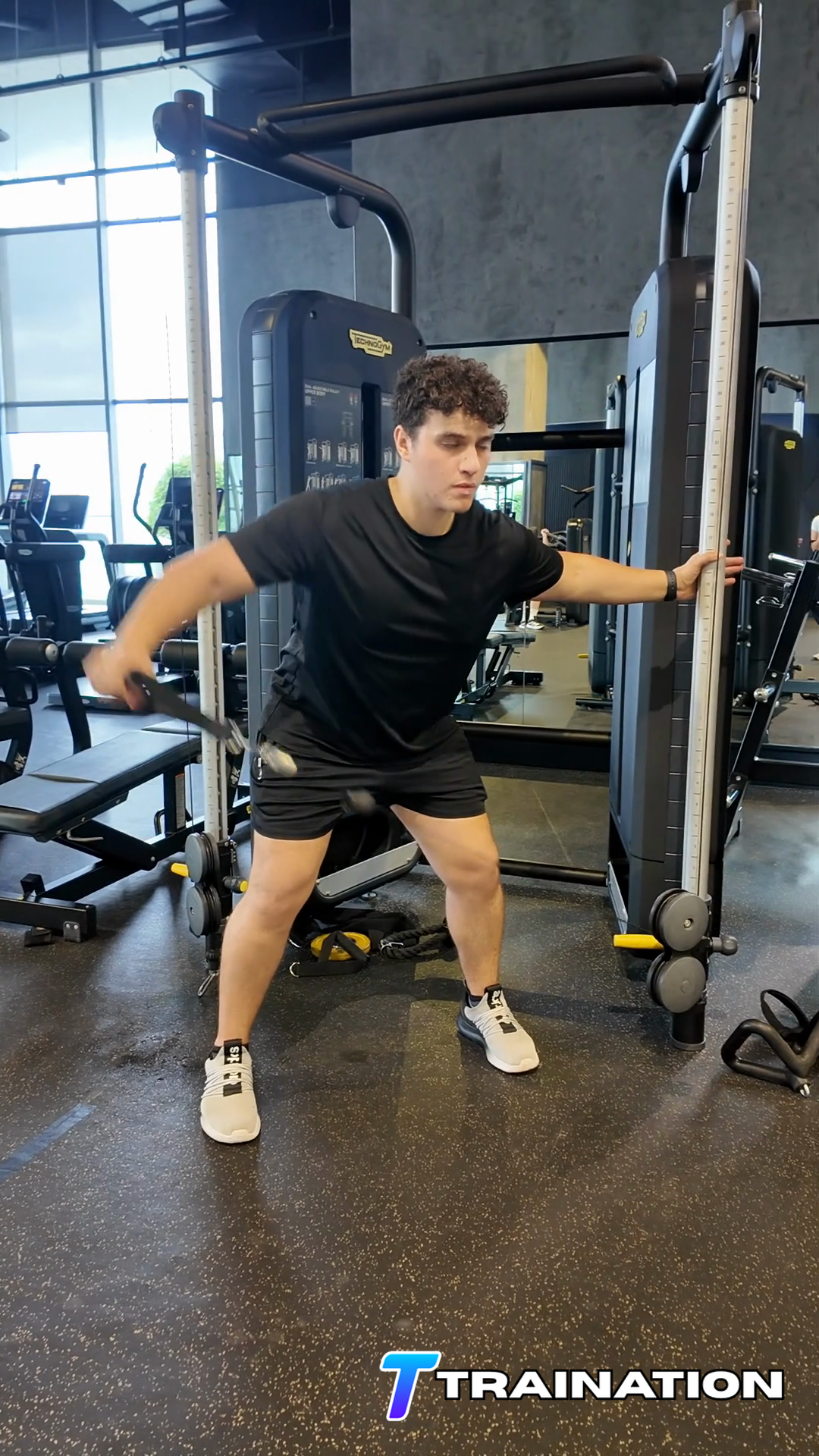
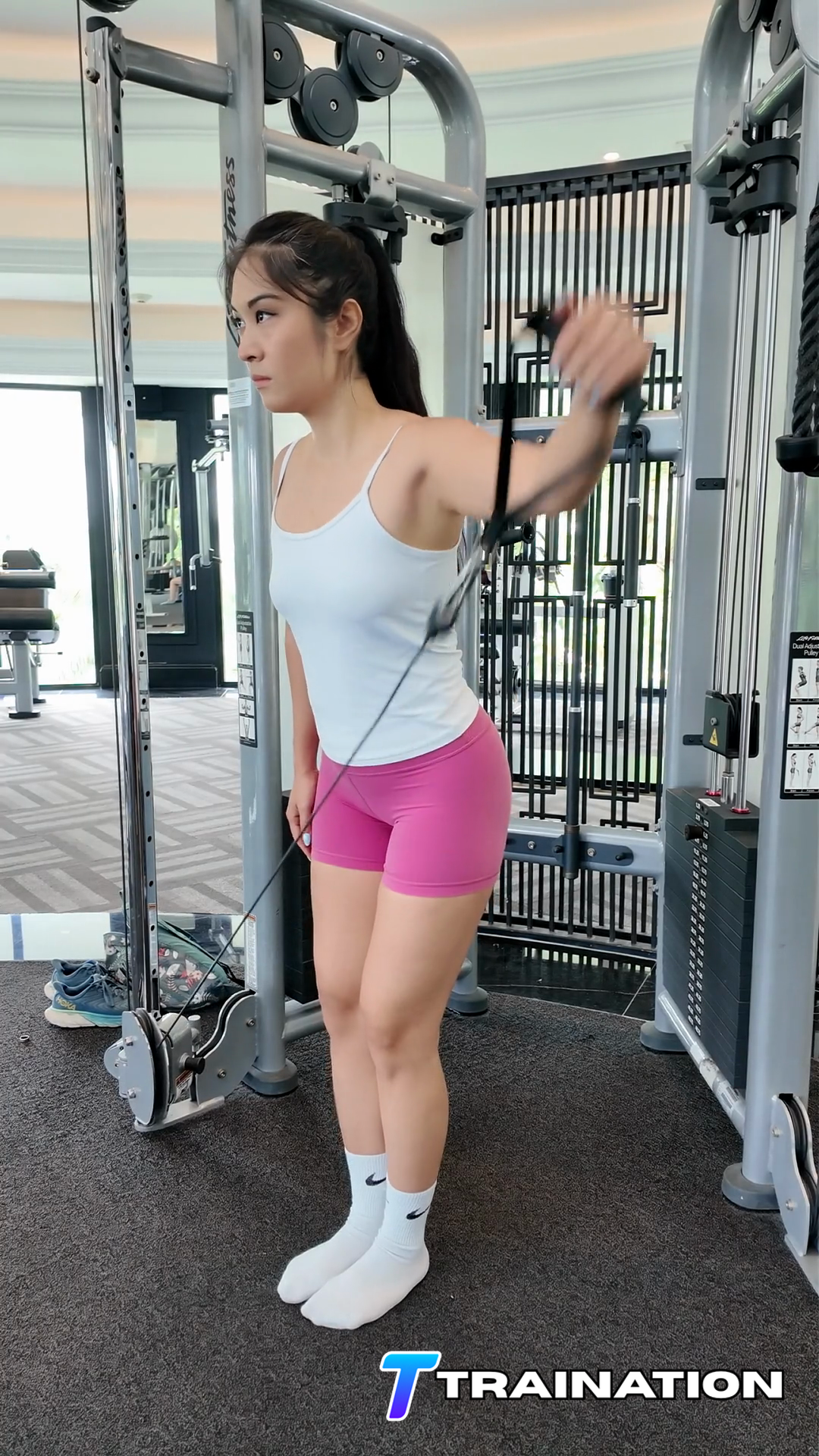
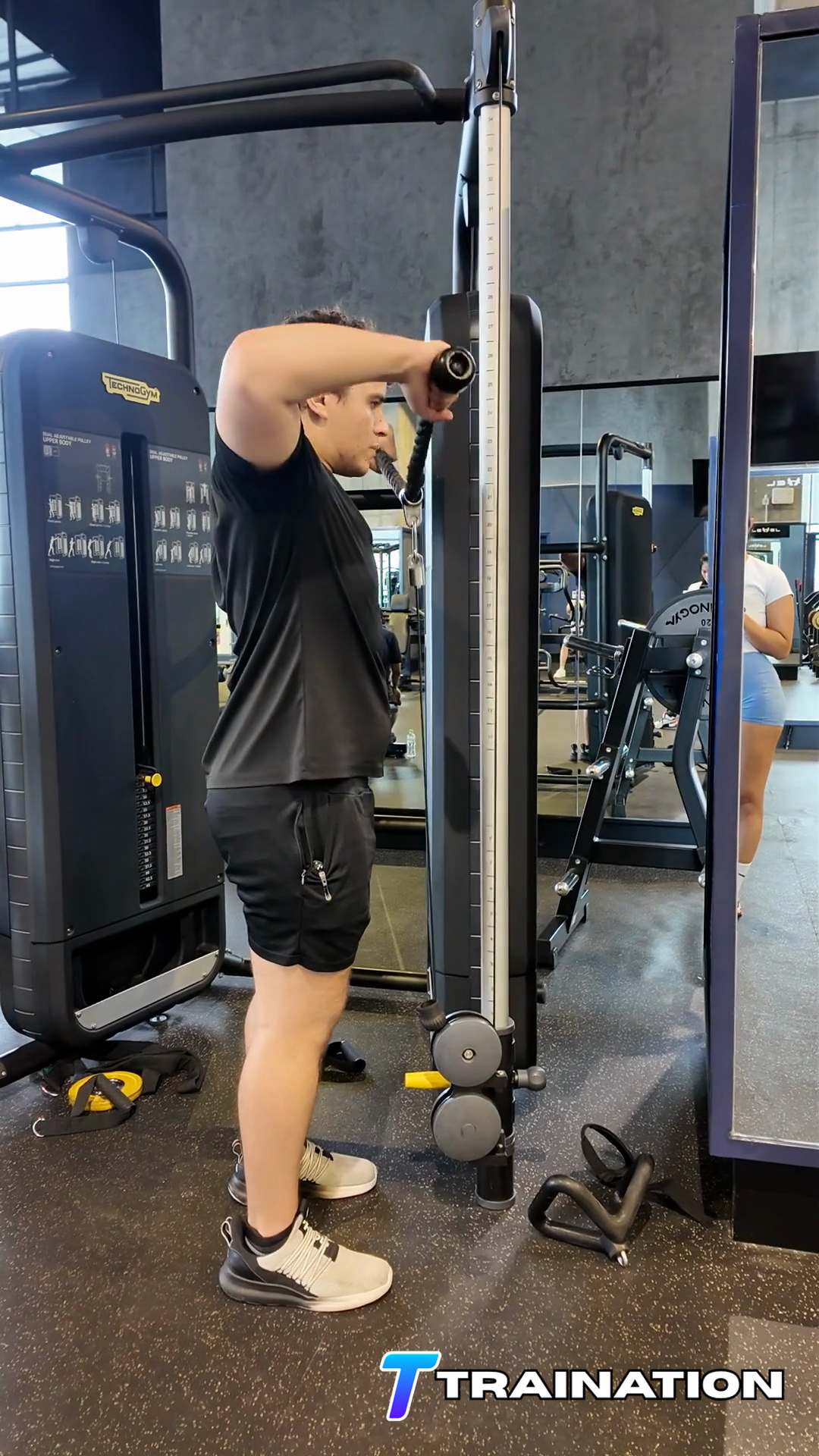
Pull the rope toward the face as the elbows bend and travel outward without shrugging the shoulders.
Finish with the rear shoulders working and the shoulder blades controlled, not aggressively pinched.
Return the arms slowly without letting the load pull the shoulders forward.
Keep the neck relaxed and move from the rear shoulder rather than elevating the shoulder blades.
Let the elbows bend as the rope approaches the face, then extend them smoothly on the return without dropping the shoulders.
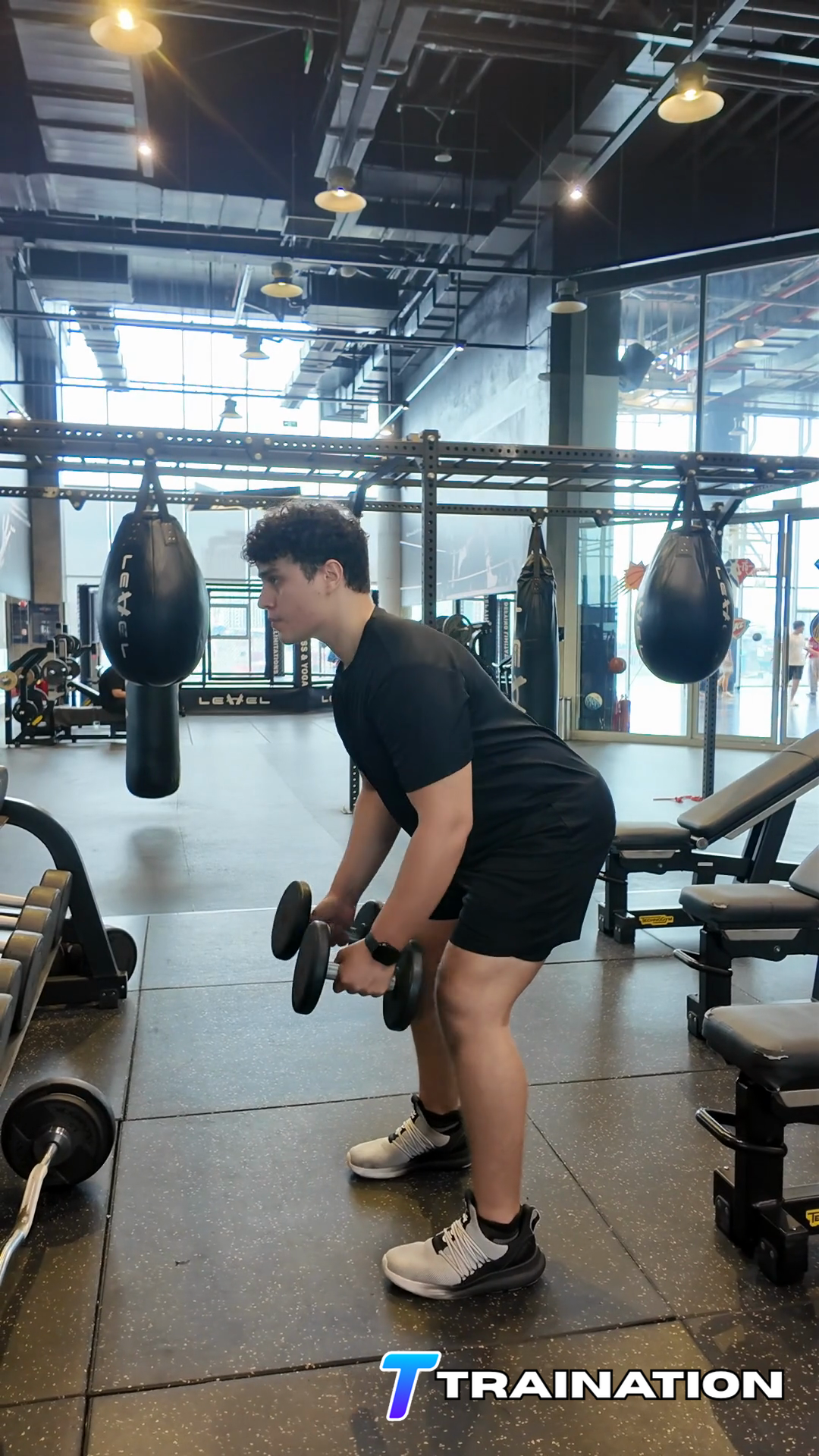
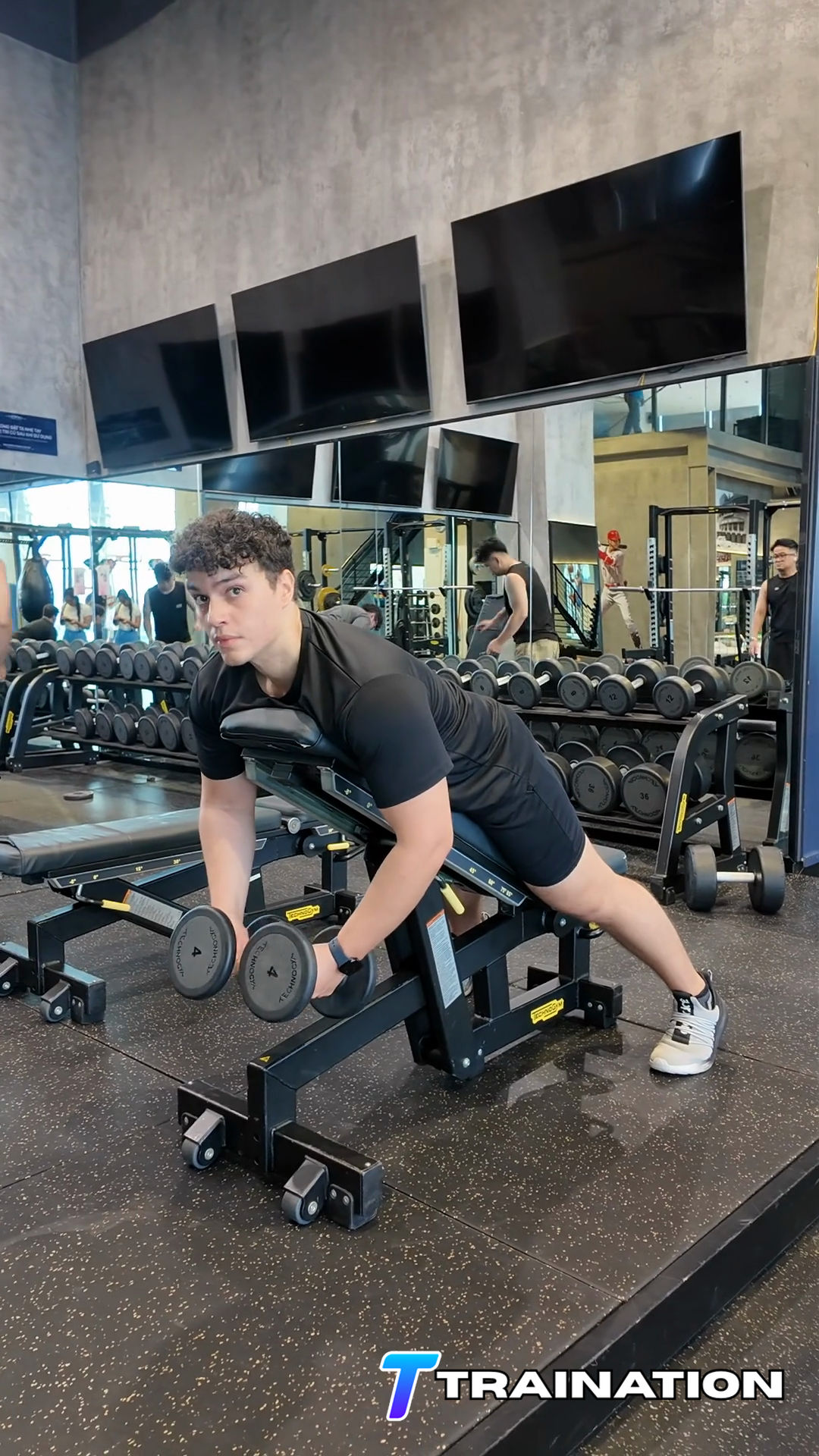
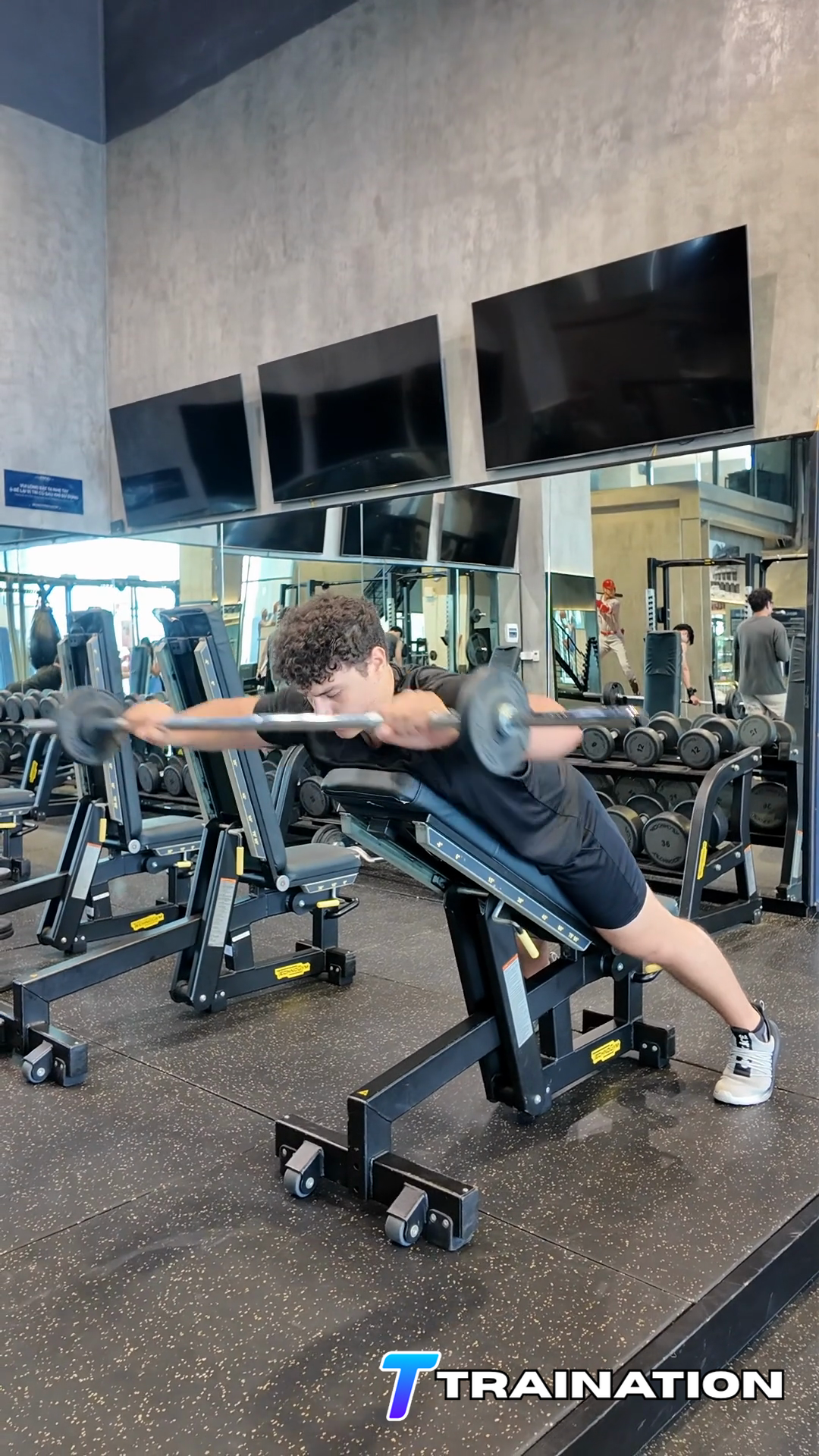
Keep the chest support or hip hinge still and reduce the load if the torso moves.
Finish when the rear deltoids are shortened without forcing the shoulders into an aggressive pinch.
Place Band Face Pull after compound upper-body work; any warm-up use should stay light and focused on control rather than fatigue.
Use two or three times per week while counting rows and other rear-shoulder work.
| Goal | Sets | Reps or time | Rest | Effort and execution |
|---|---|---|---|---|
| Strength accessory | 2–4 | 6–10 | 75–150 sec | Leave 2–3 controlled reps in reserve |
| Muscle growth | 2–4 | 10–20 | 60–120 sec | Usually 1–3 clean reps in reserve |
Scale the movement
Hold a stable support or use an easier setup while learning the movement.
Use a shorter pain-free range and expand it only as control improves.
Slow the lowering phase without changing the start, finish, or joint alignment.
Add a brief pause at the hardest controlled position before increasing load.
Turn Band Face Pull and the rest of your exercise library into repeatable client programs.
Explore the workout builder