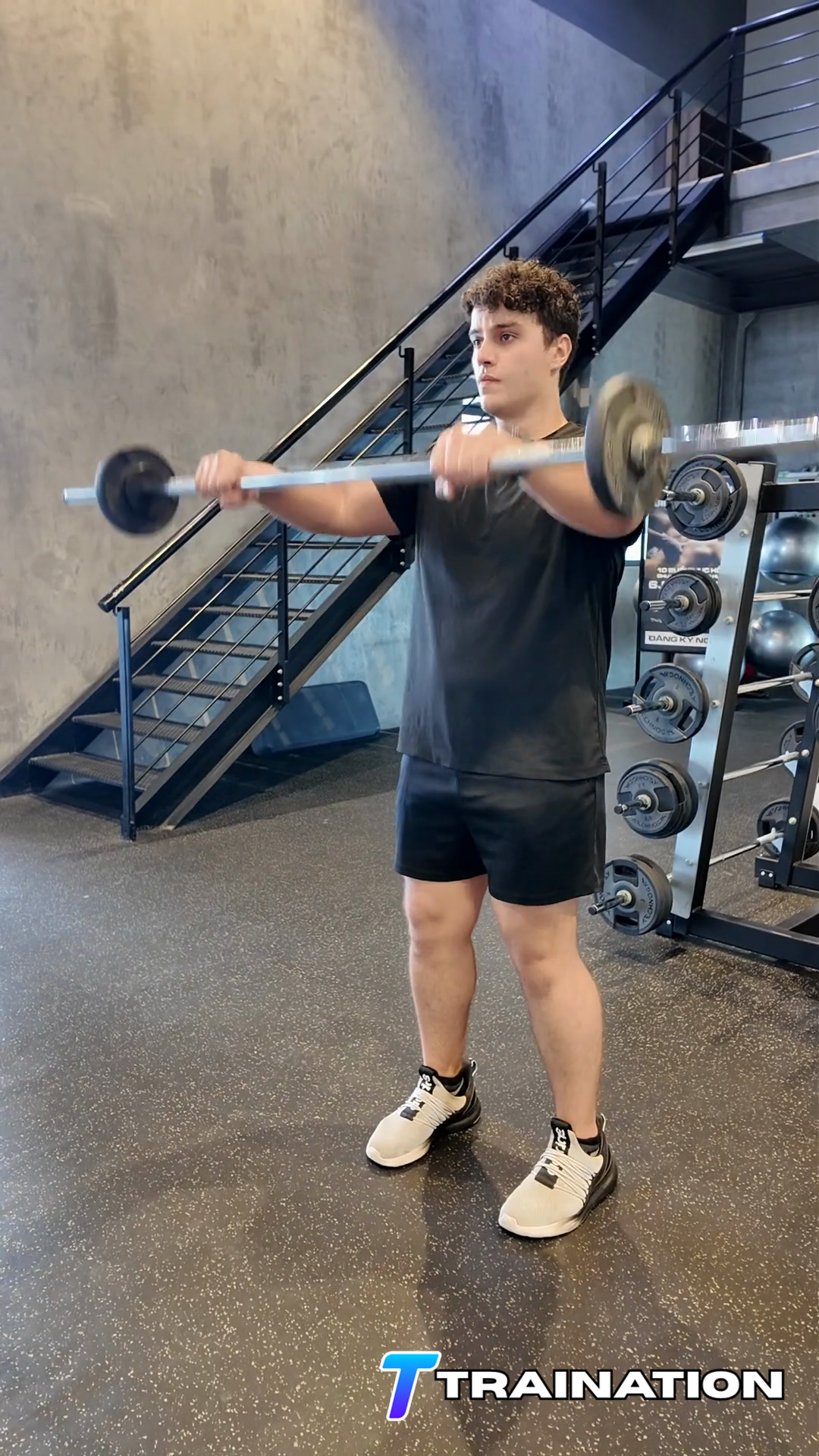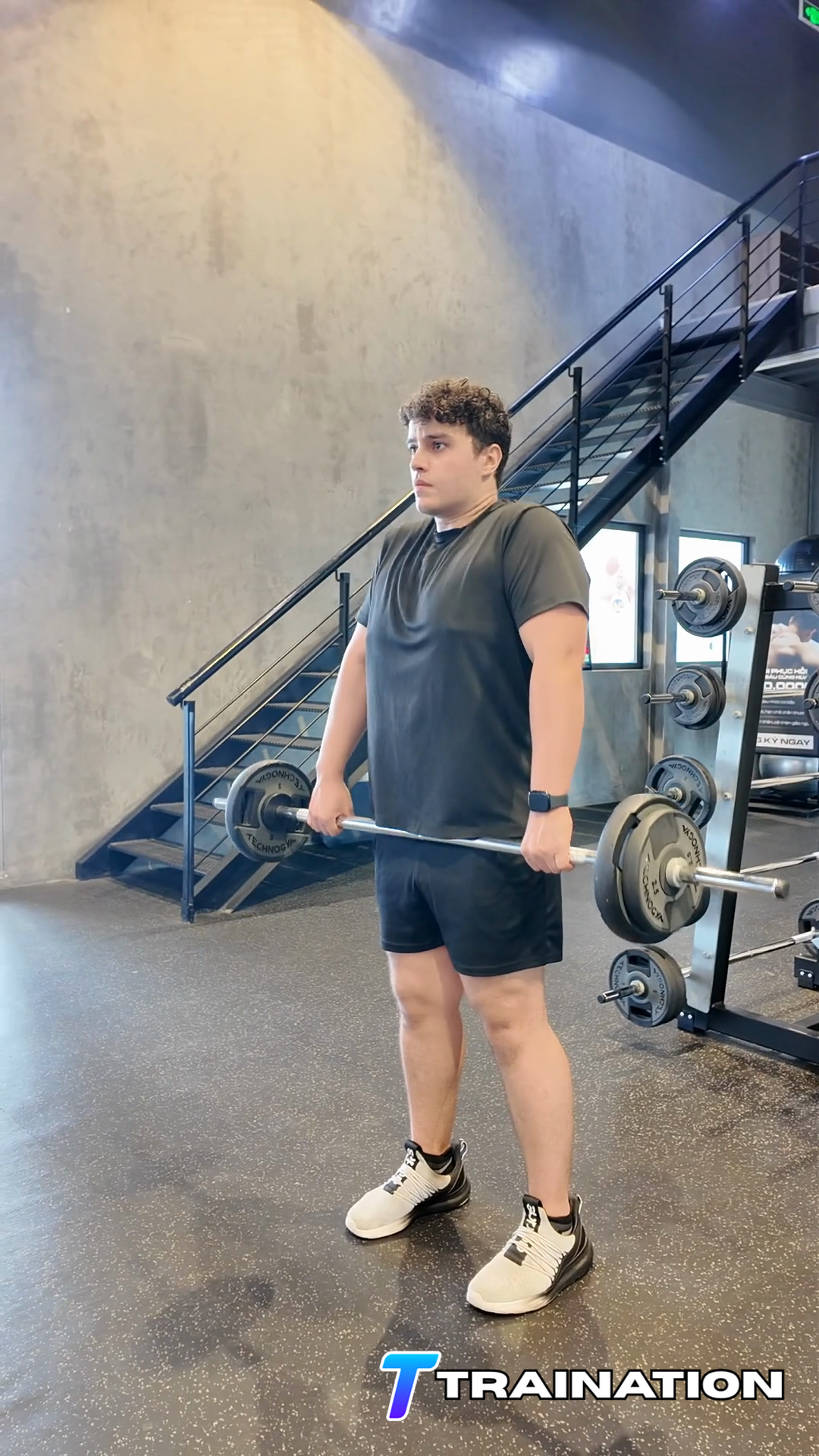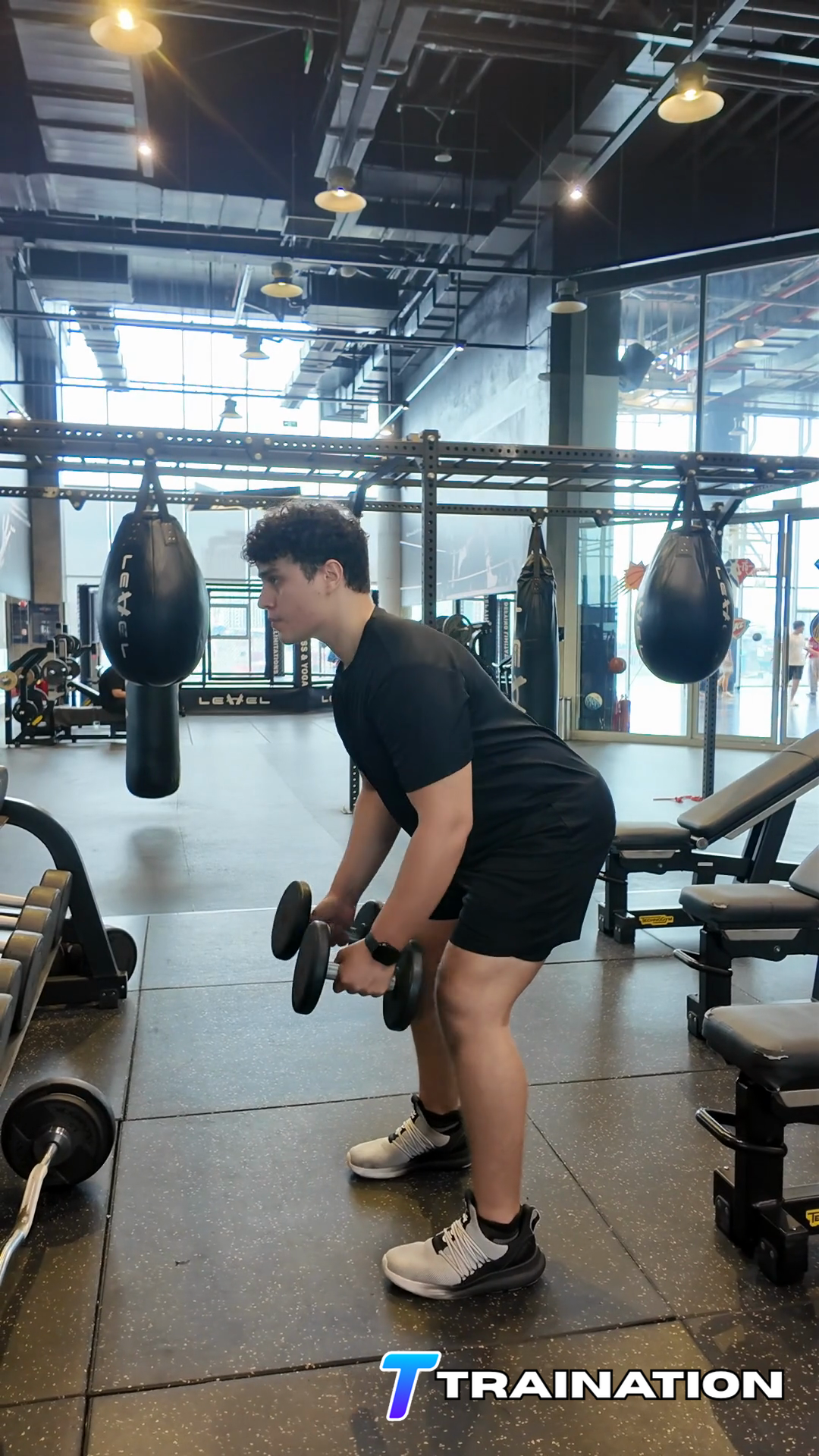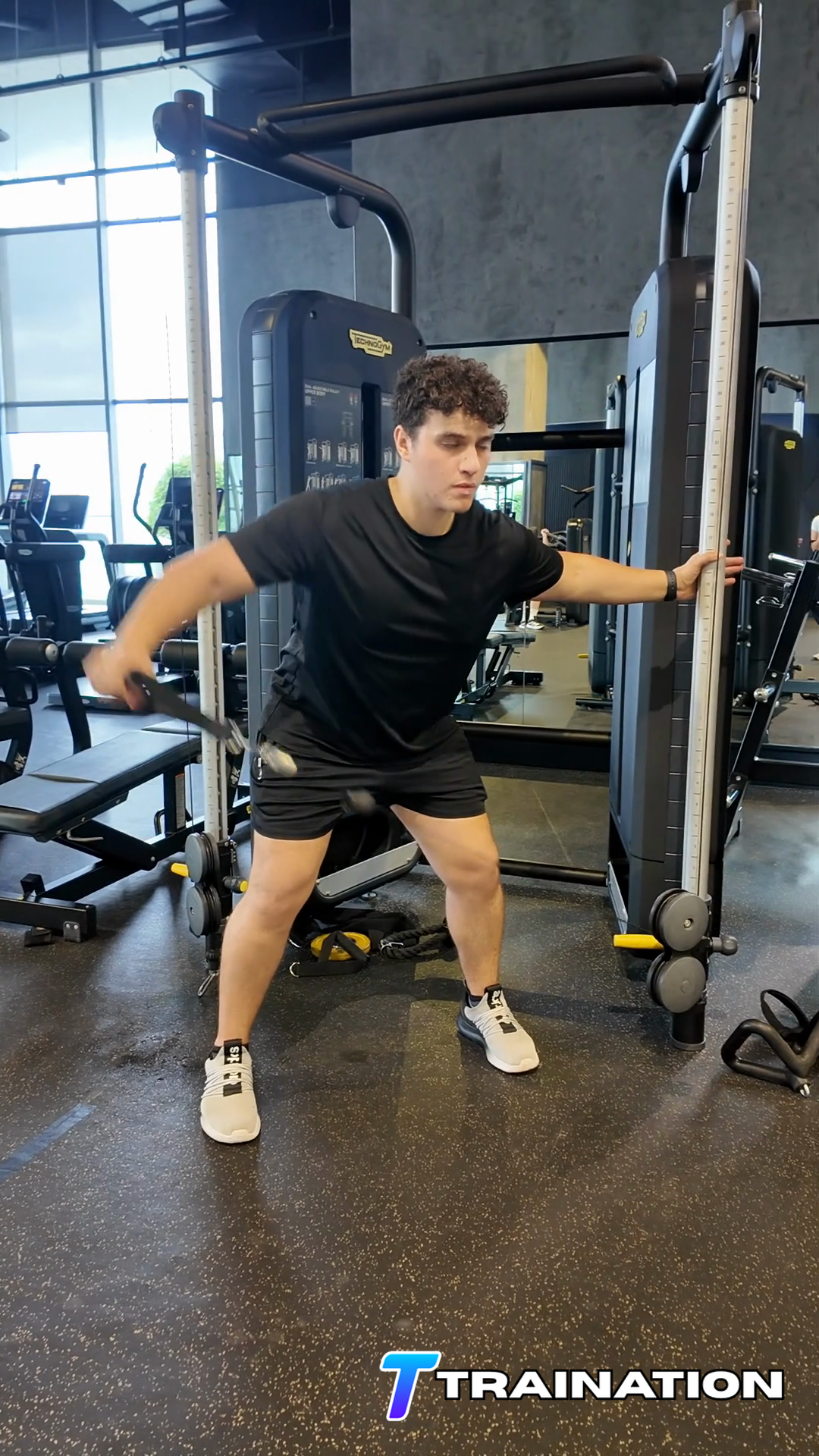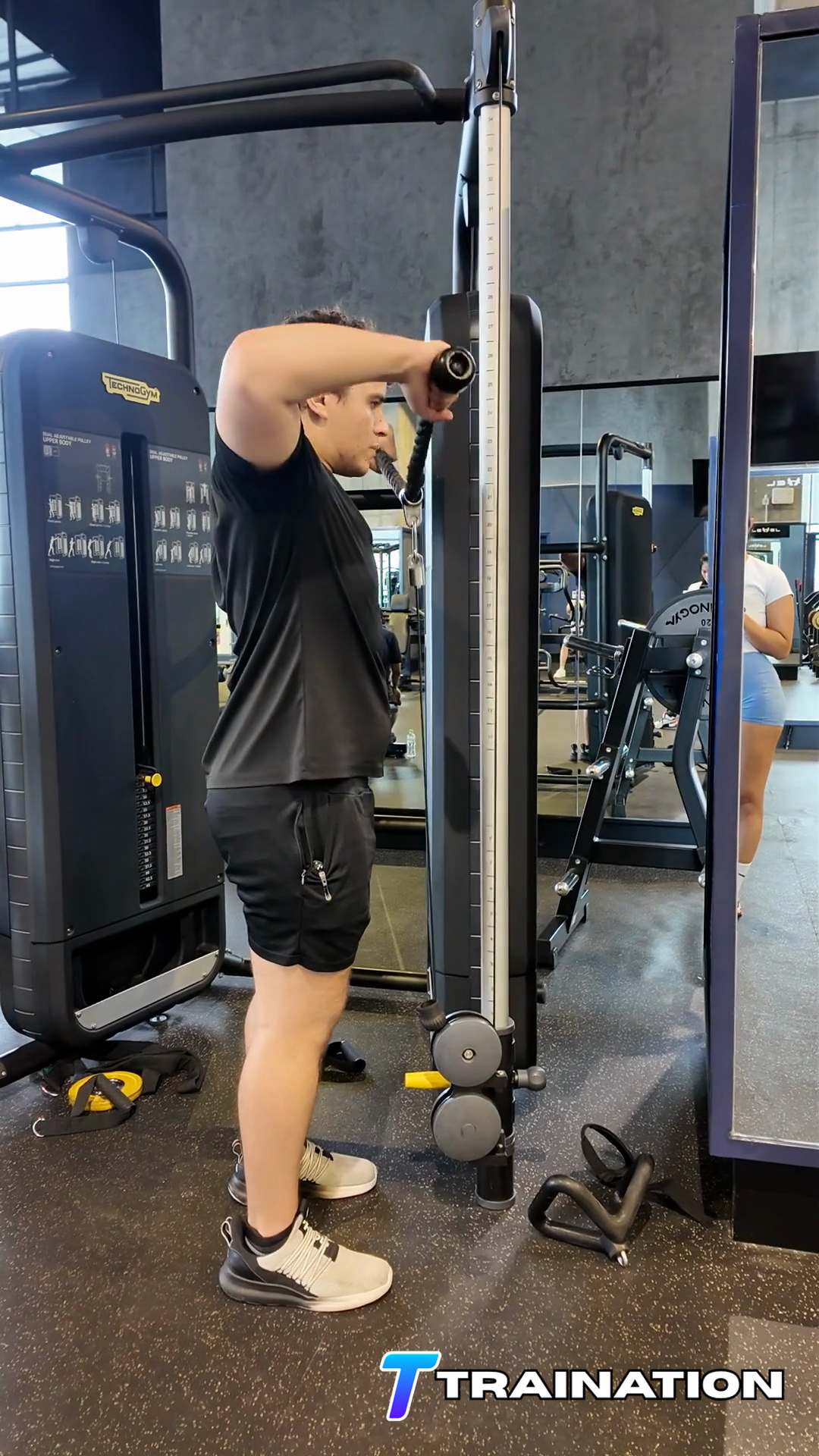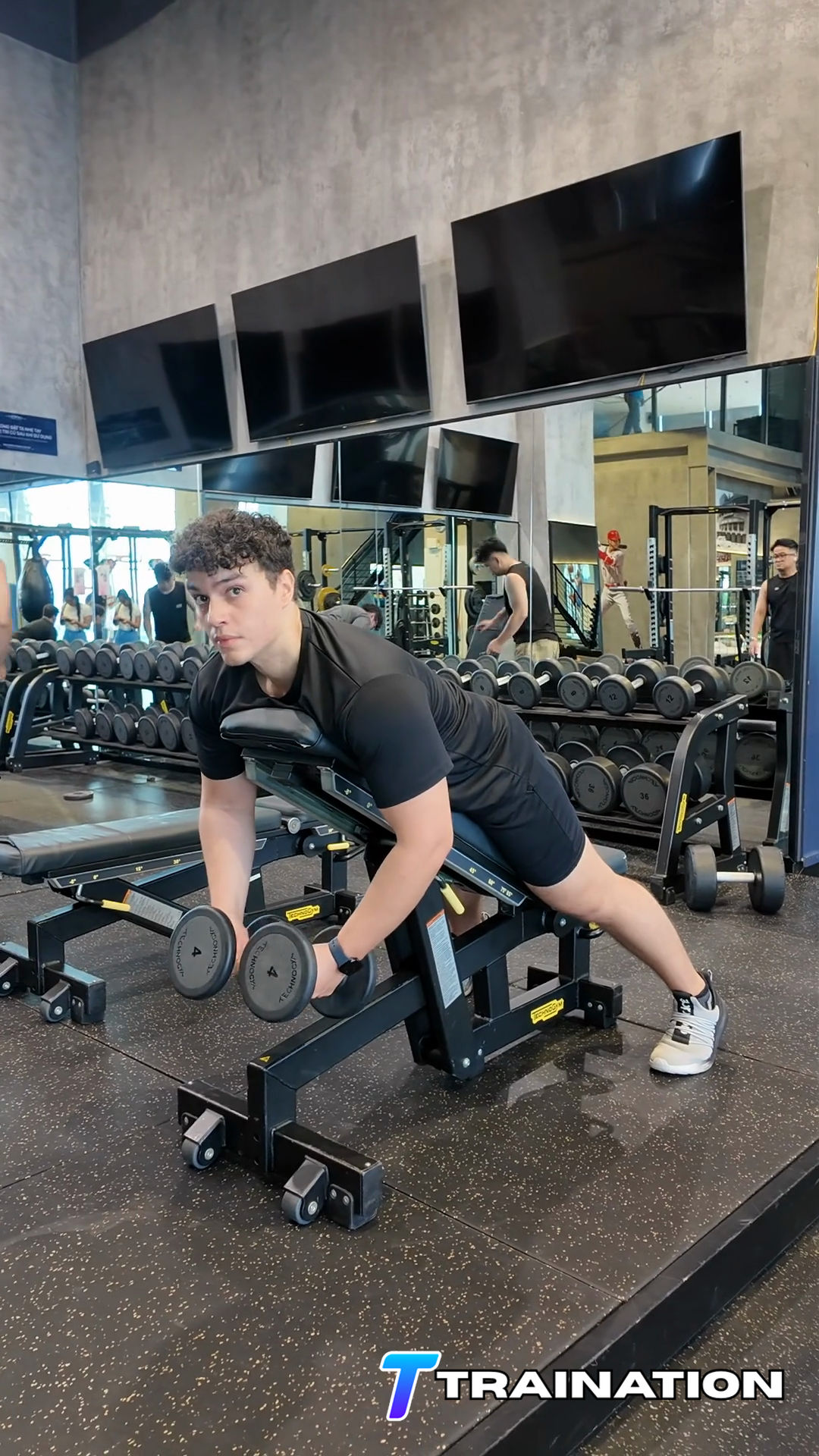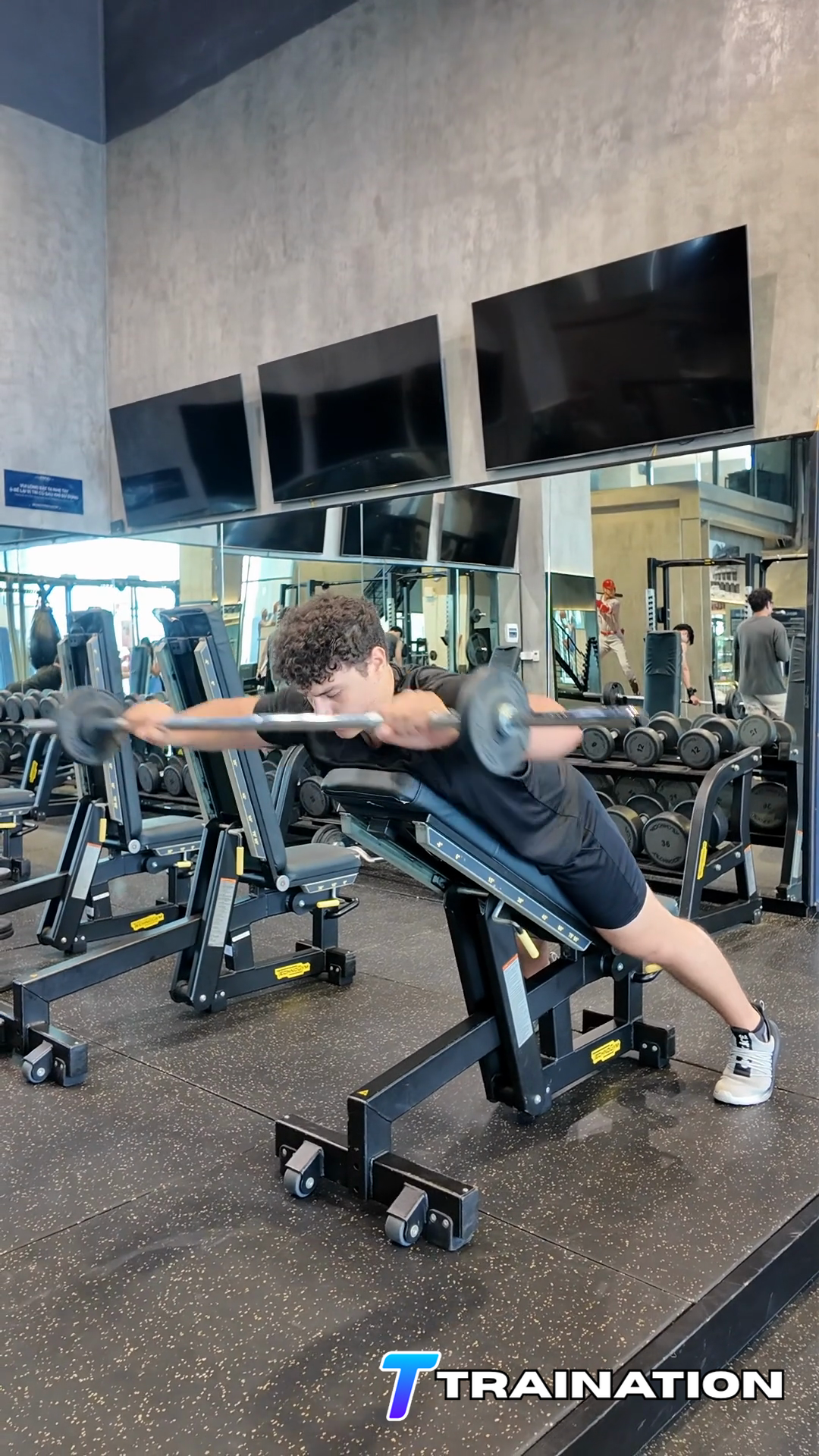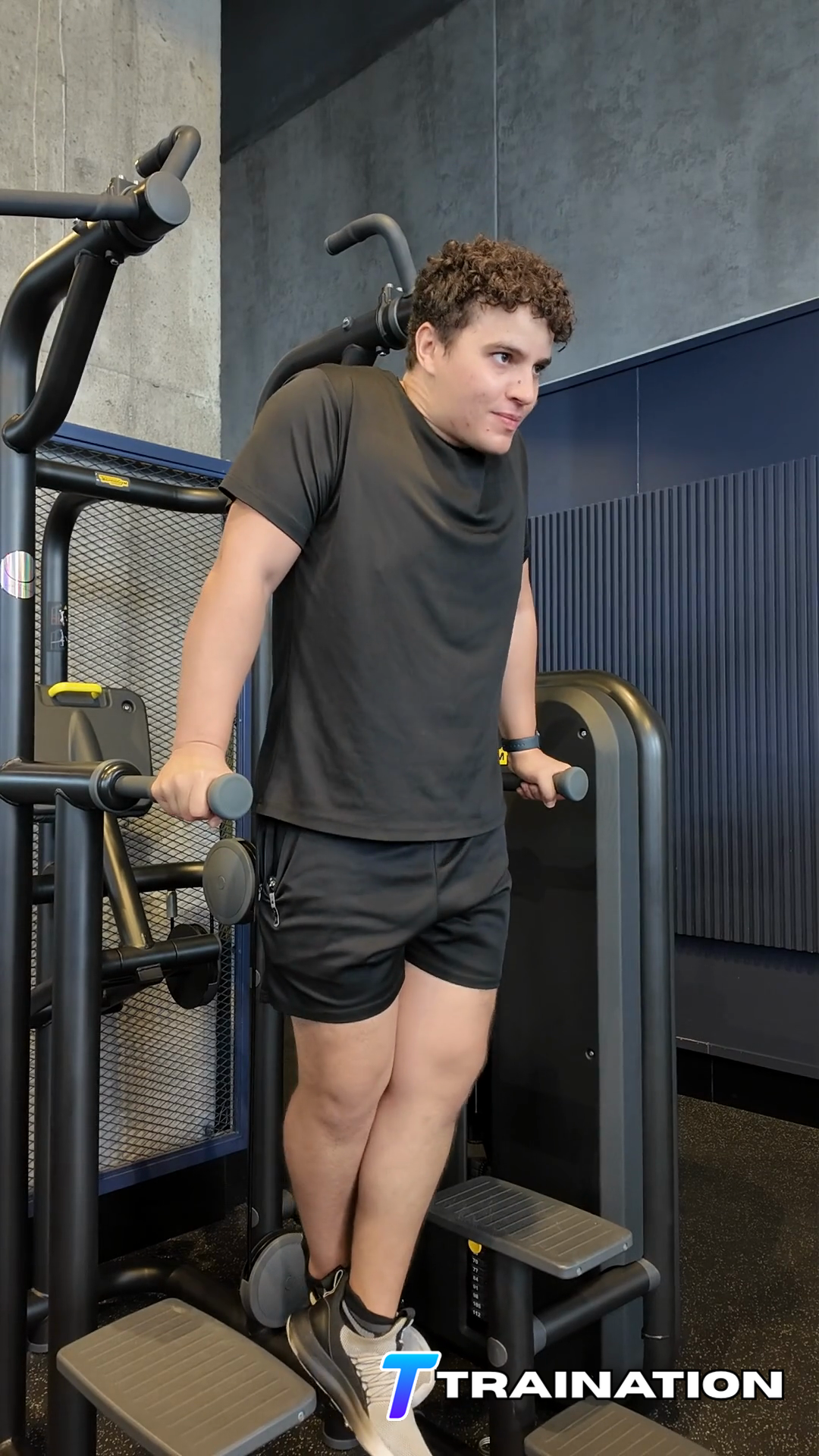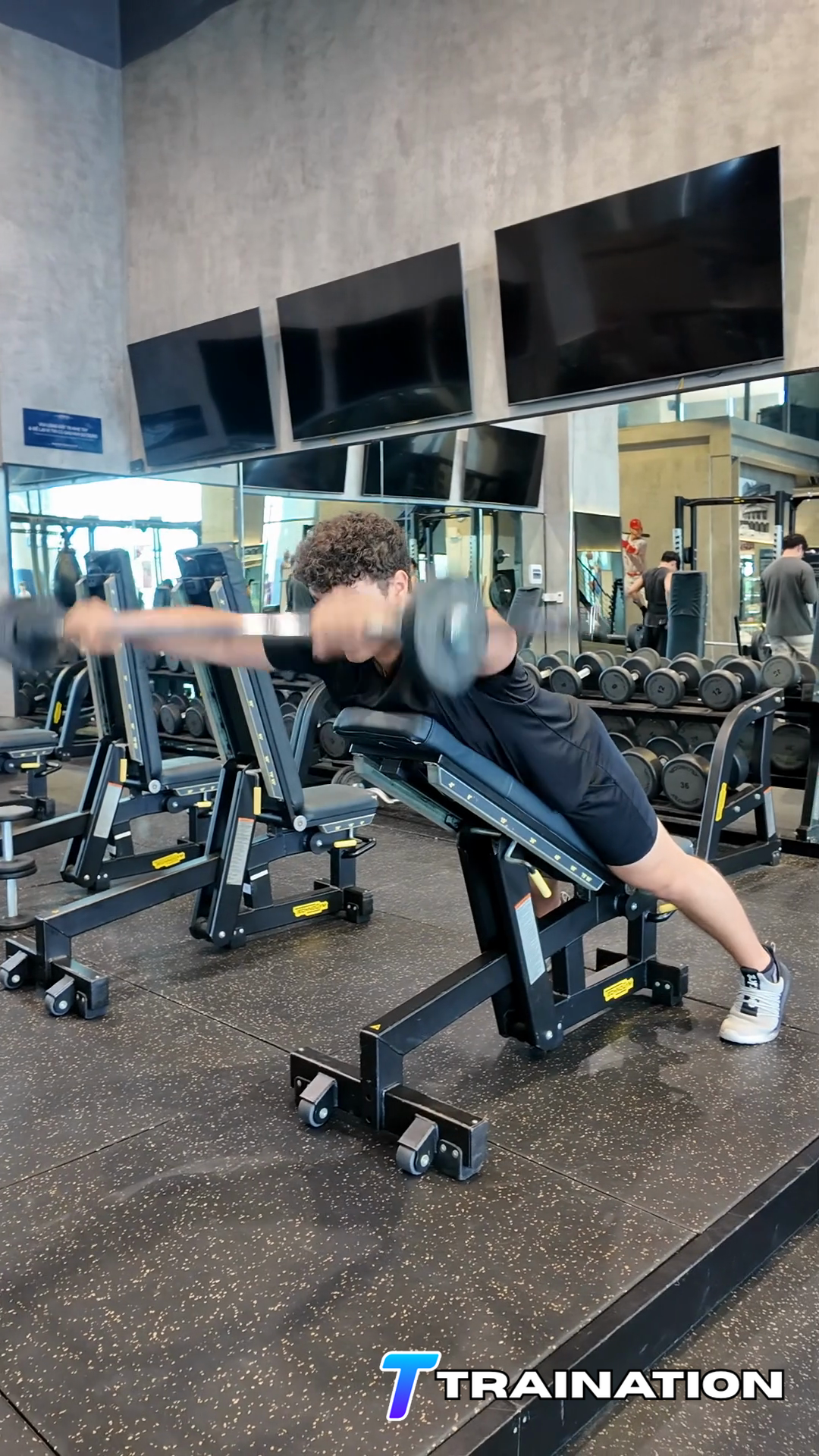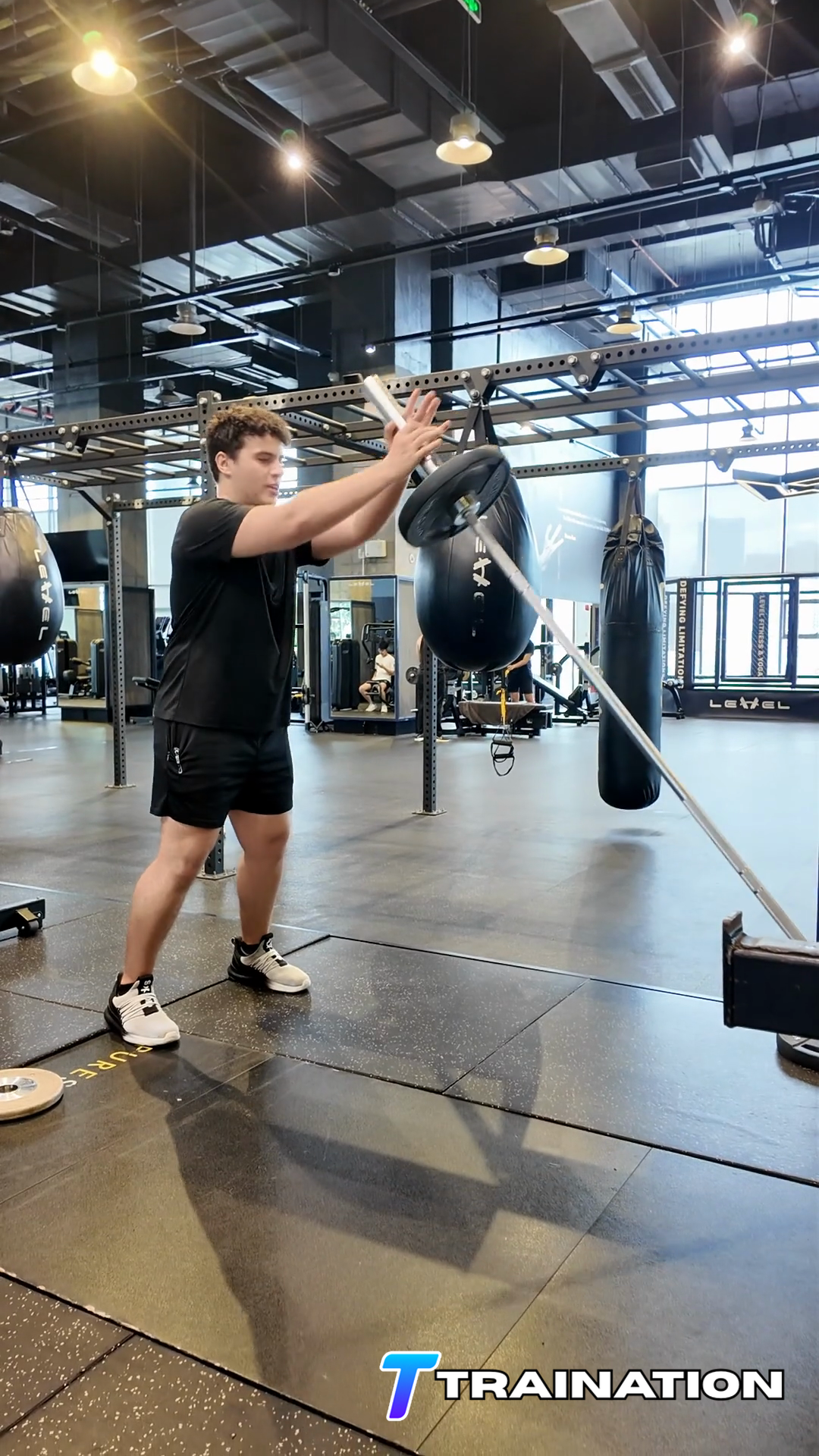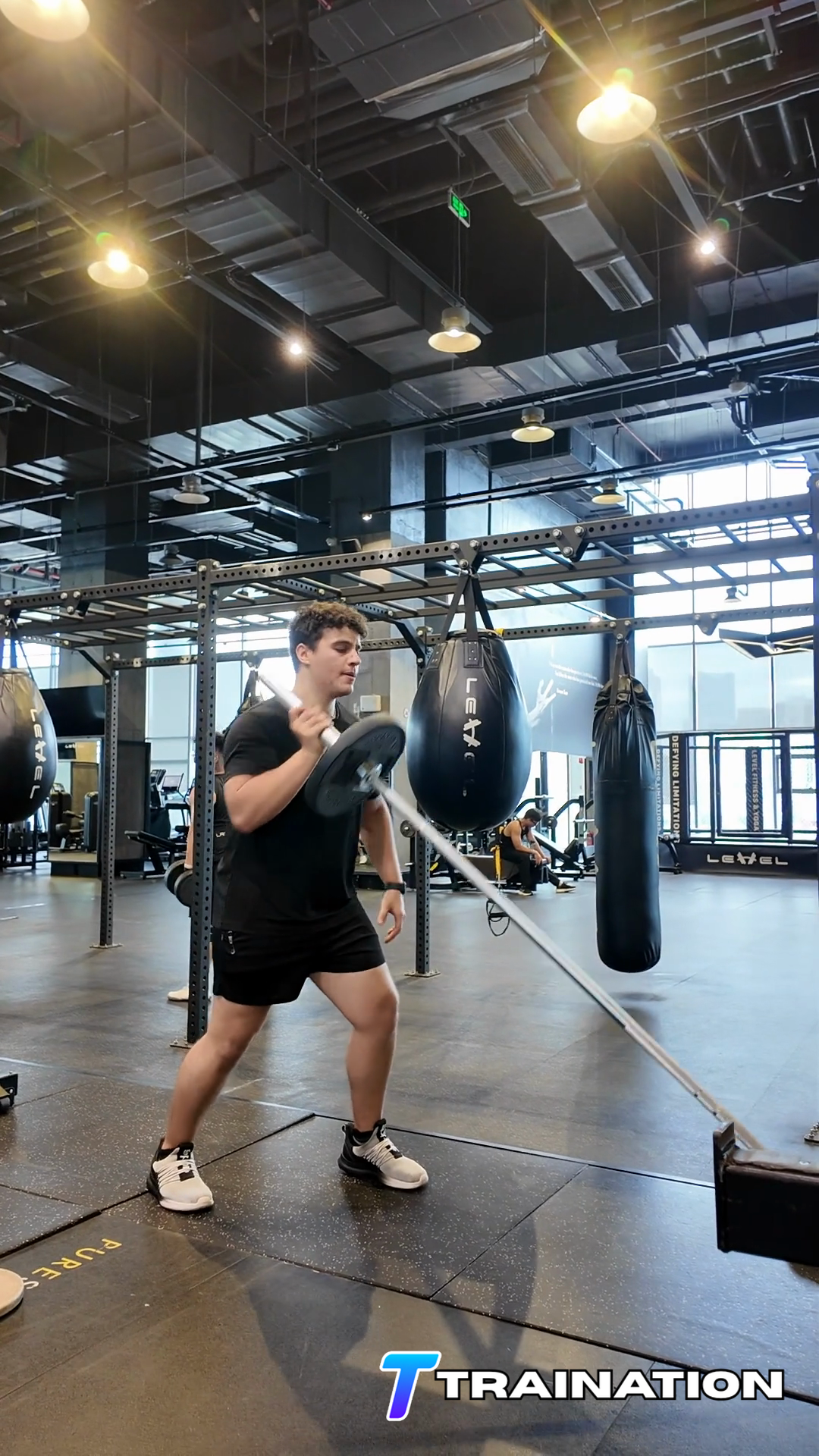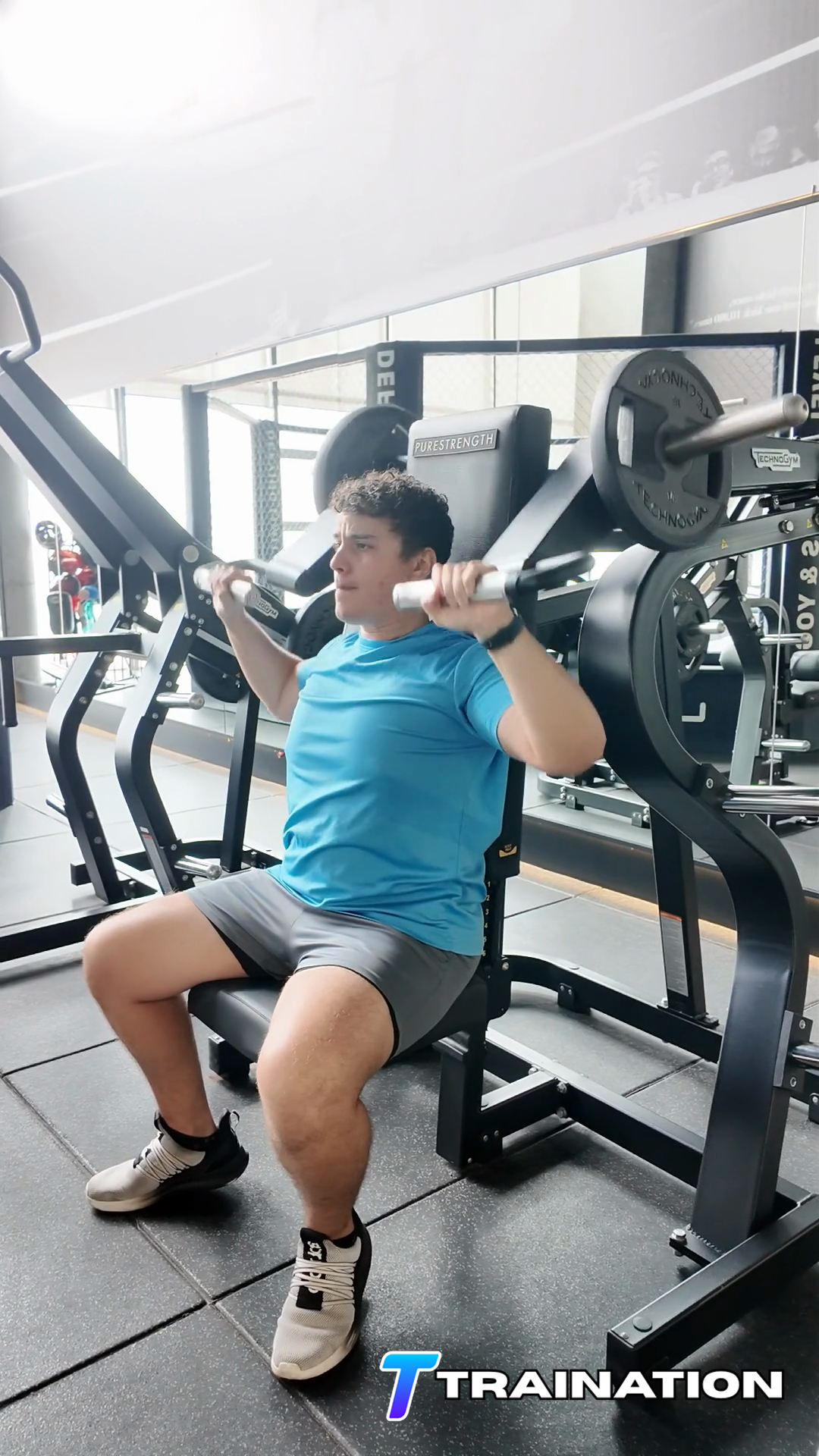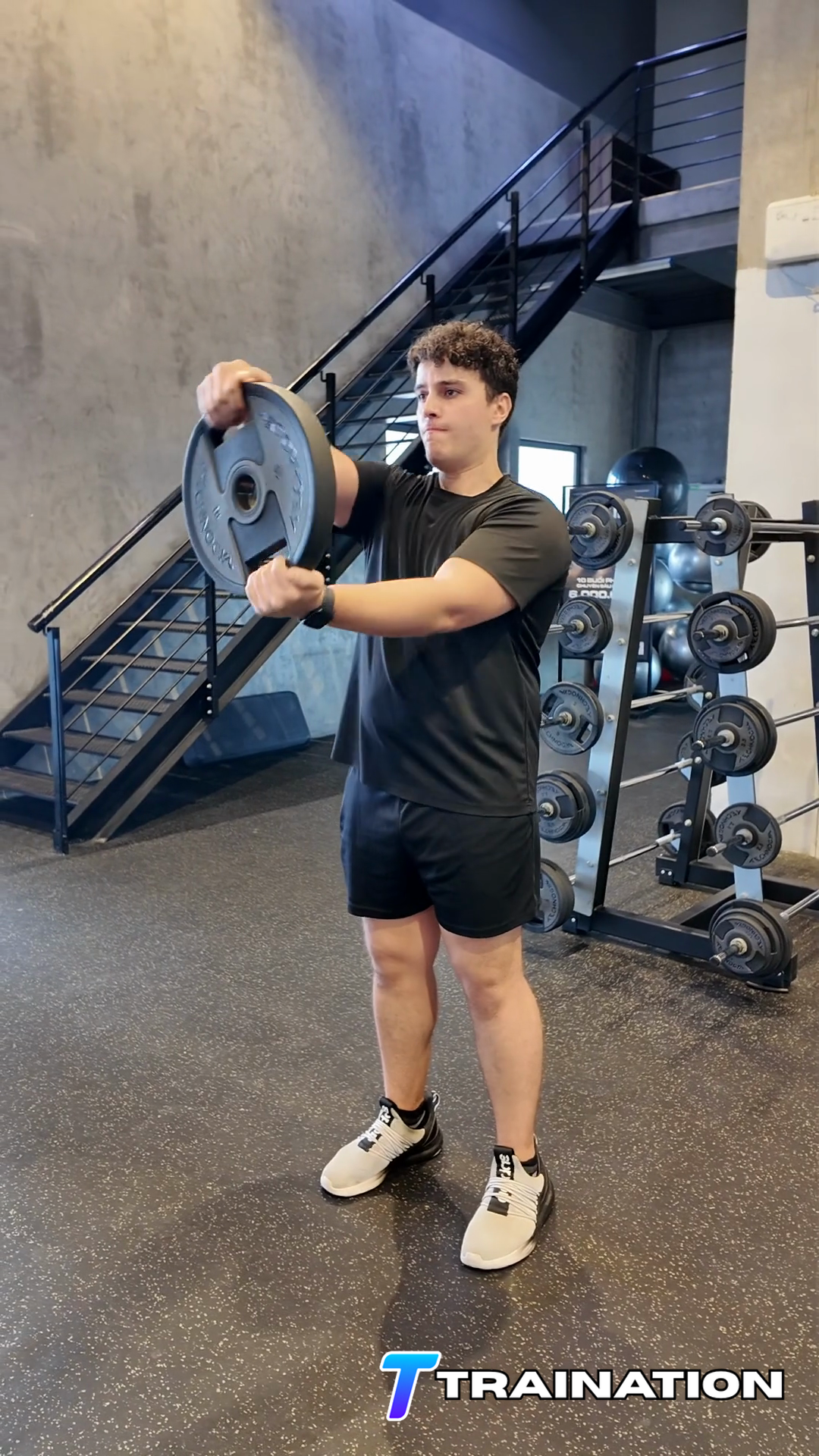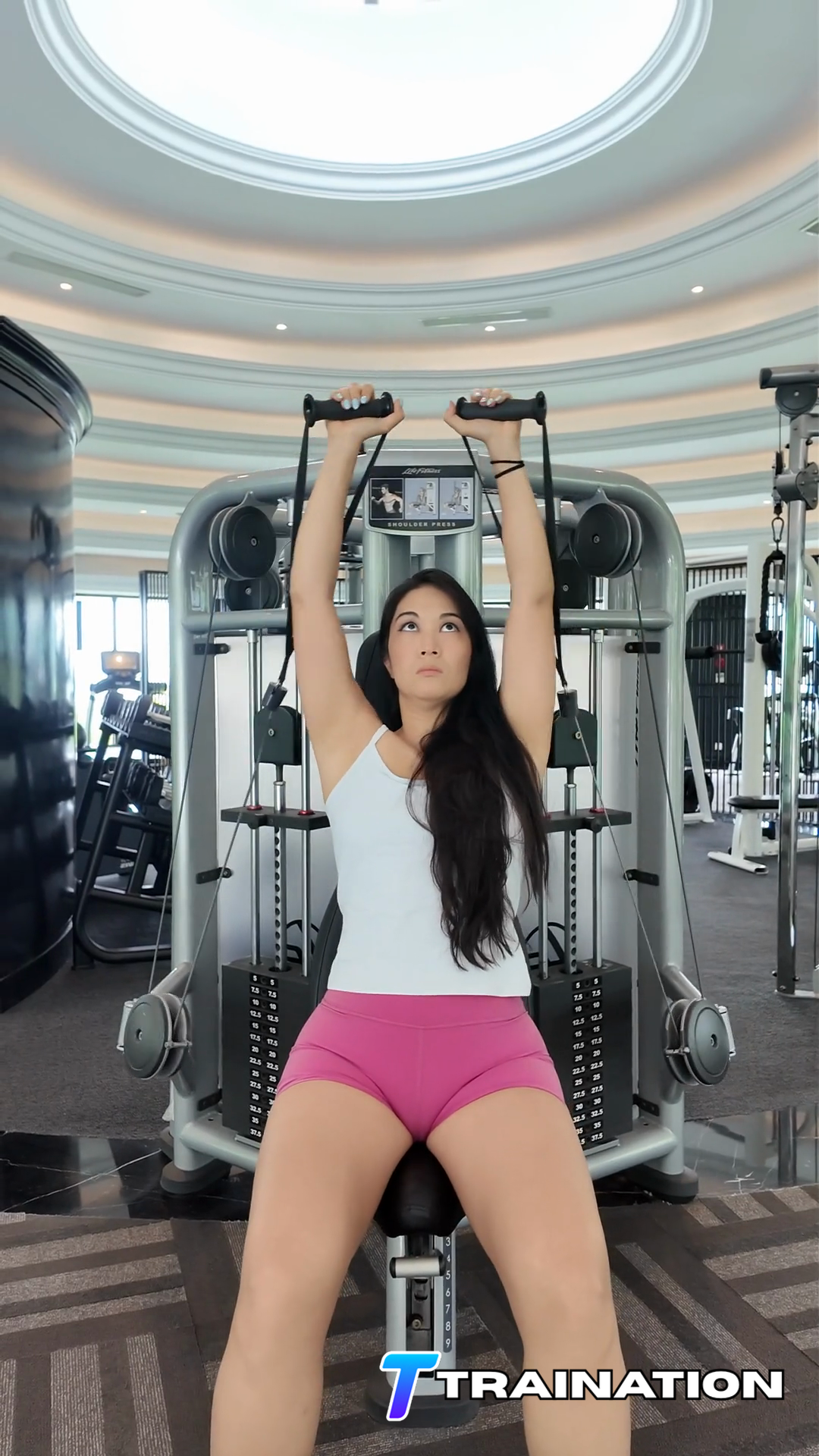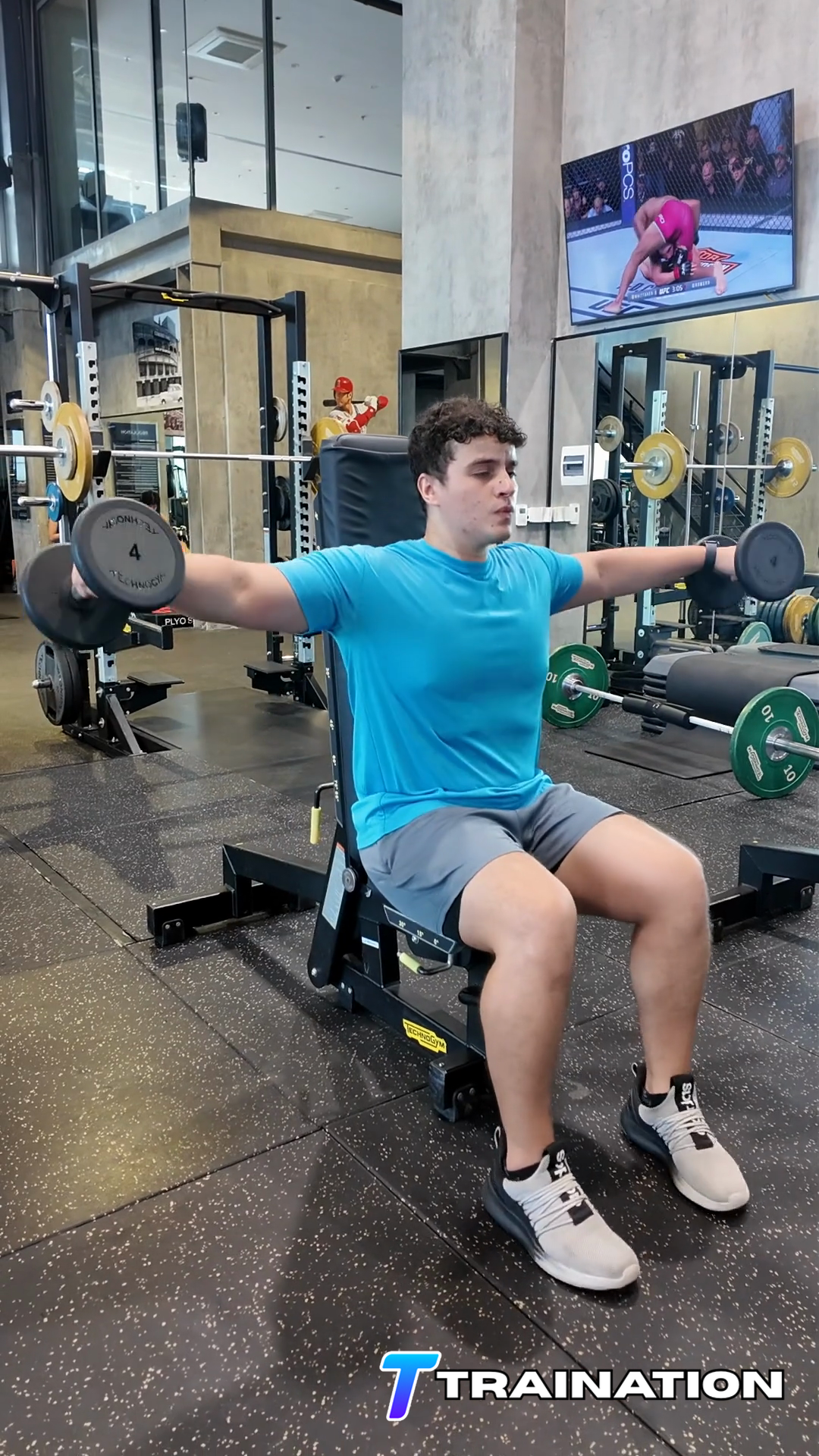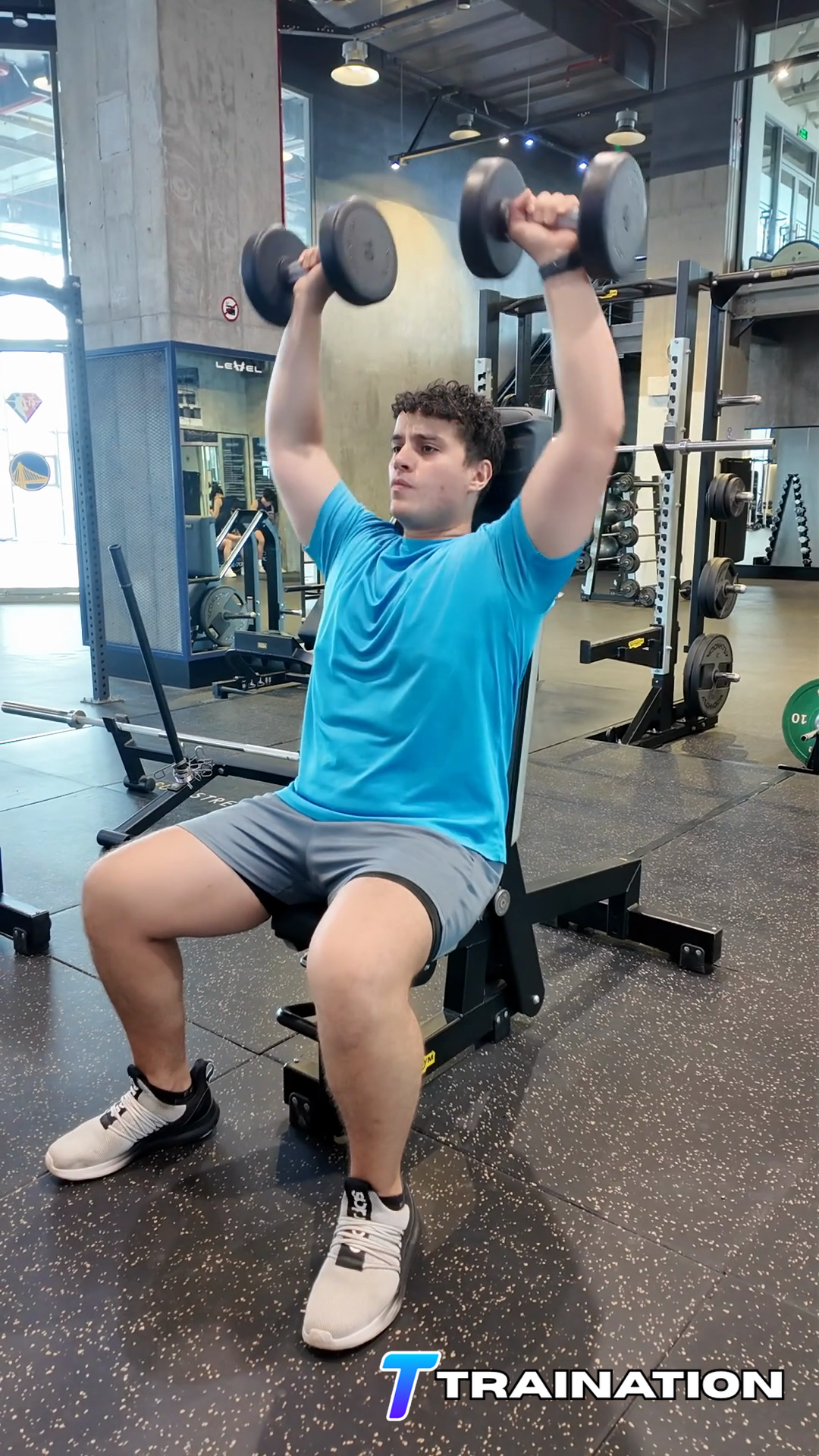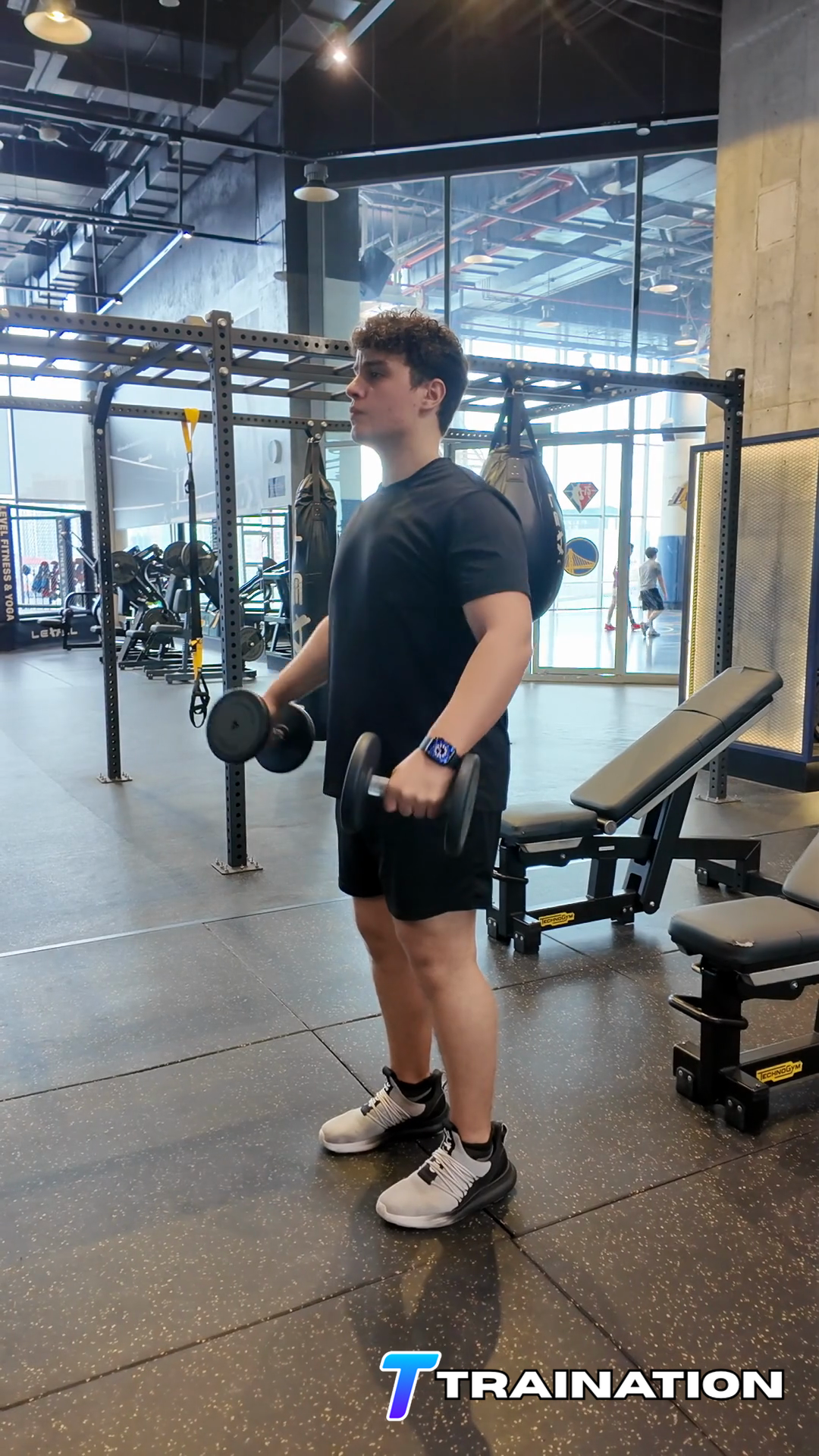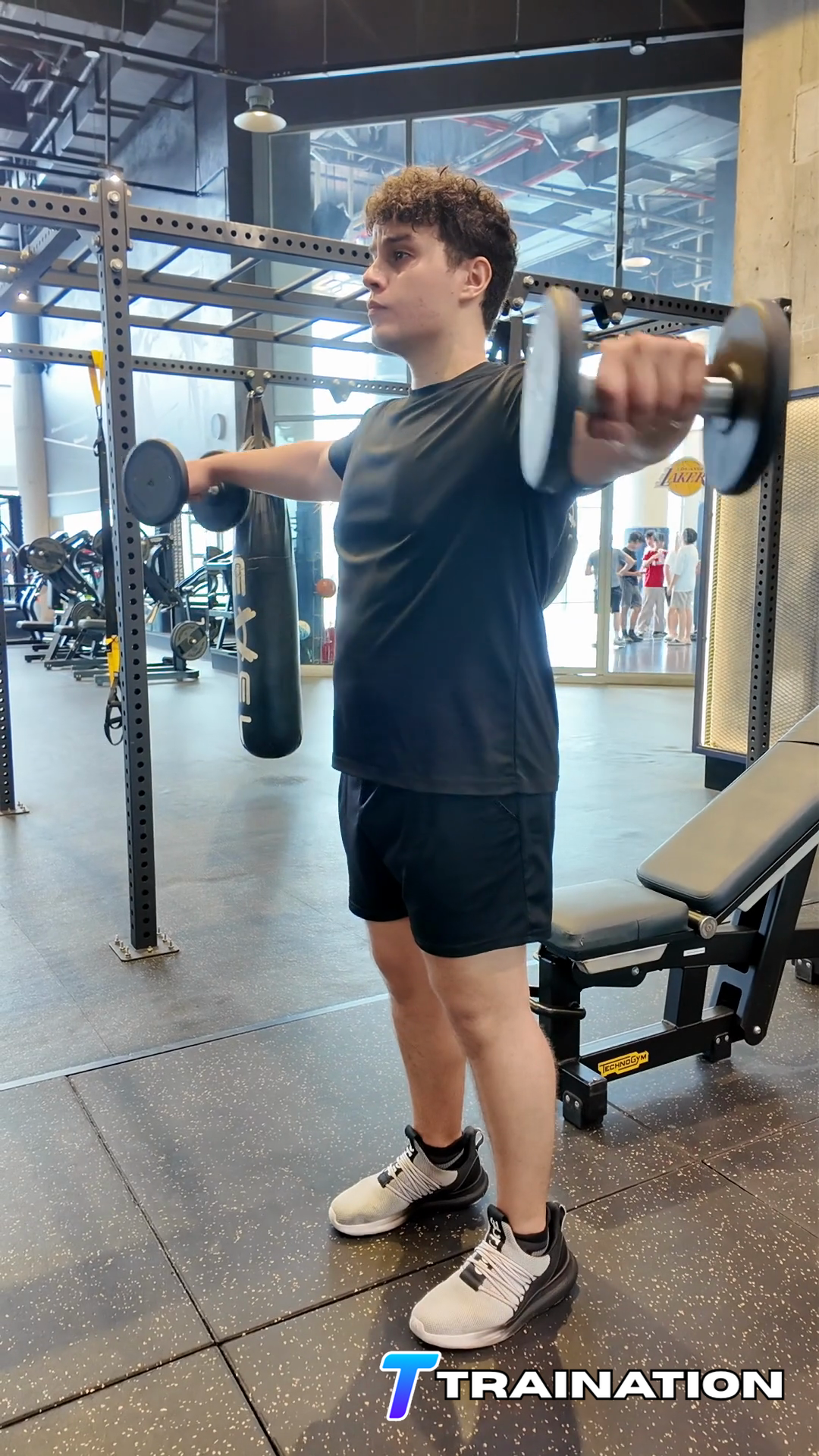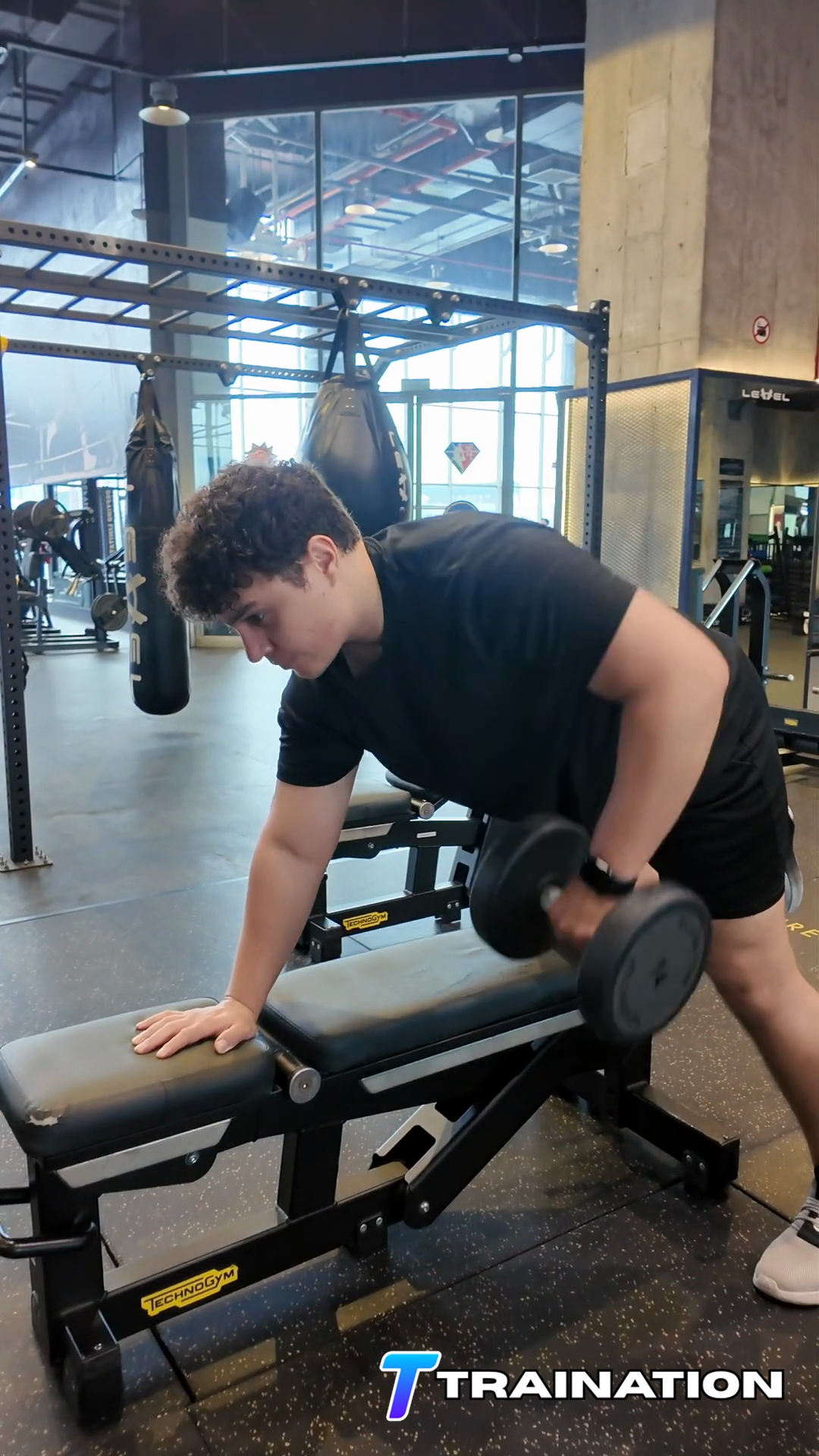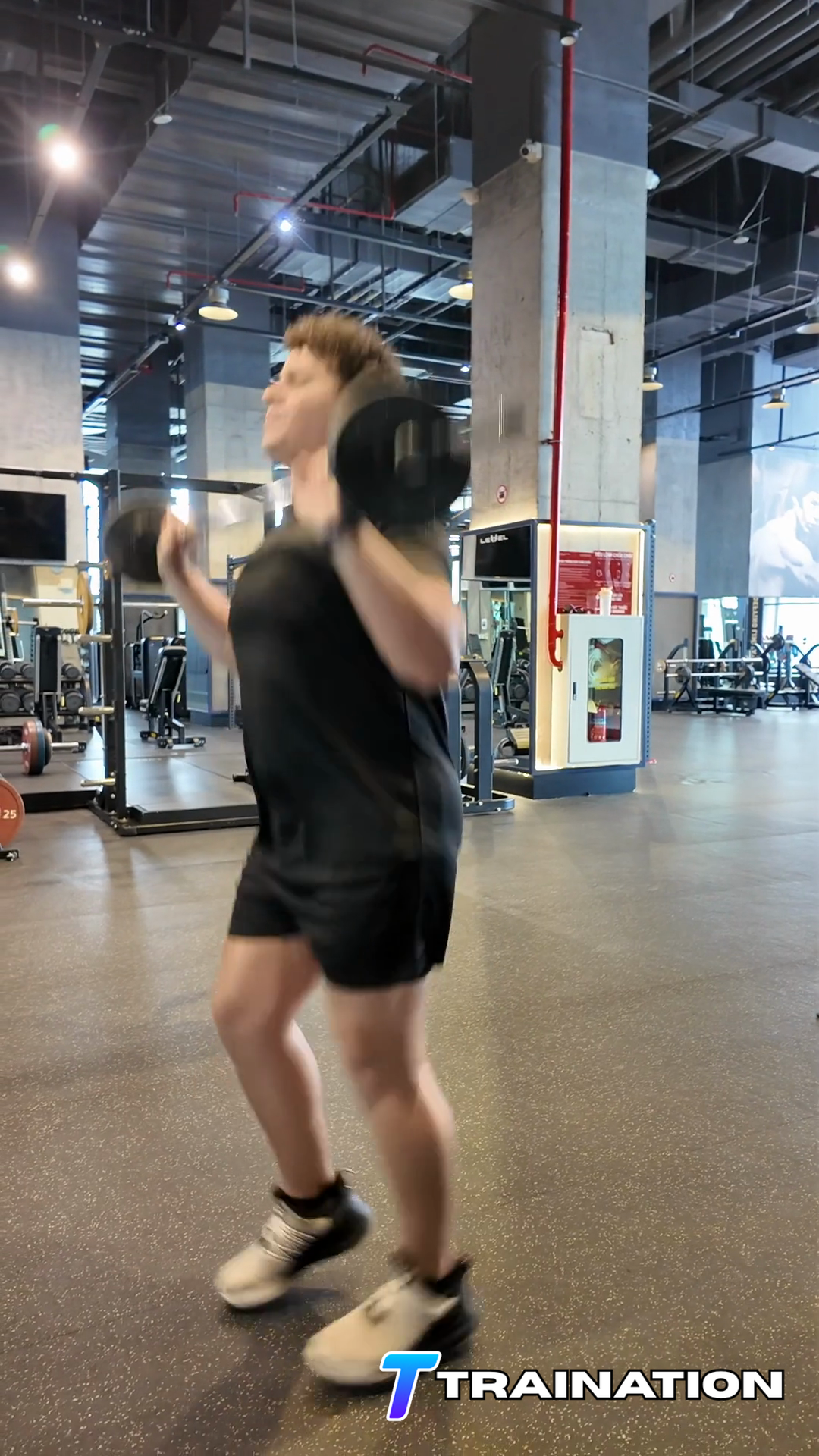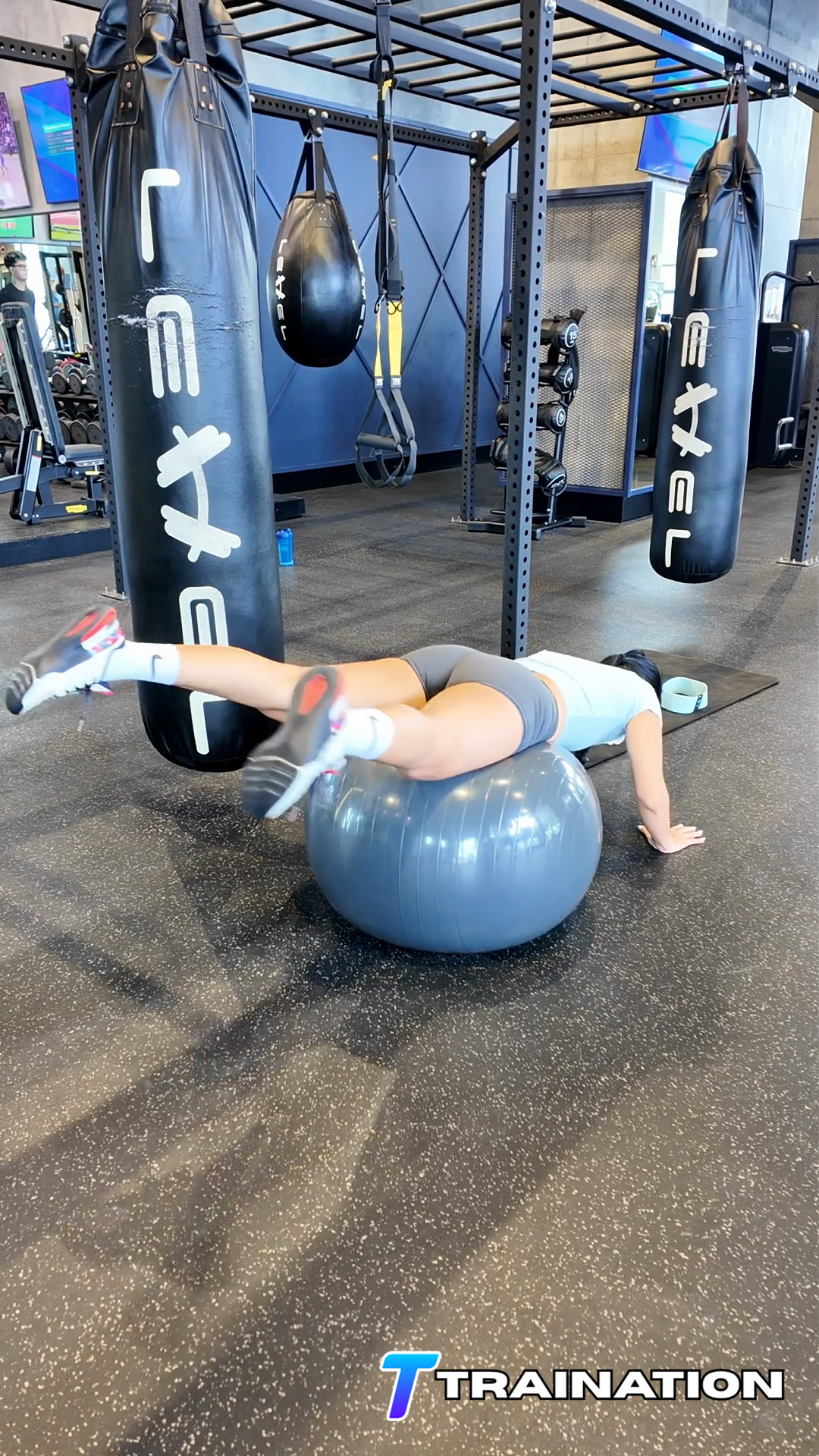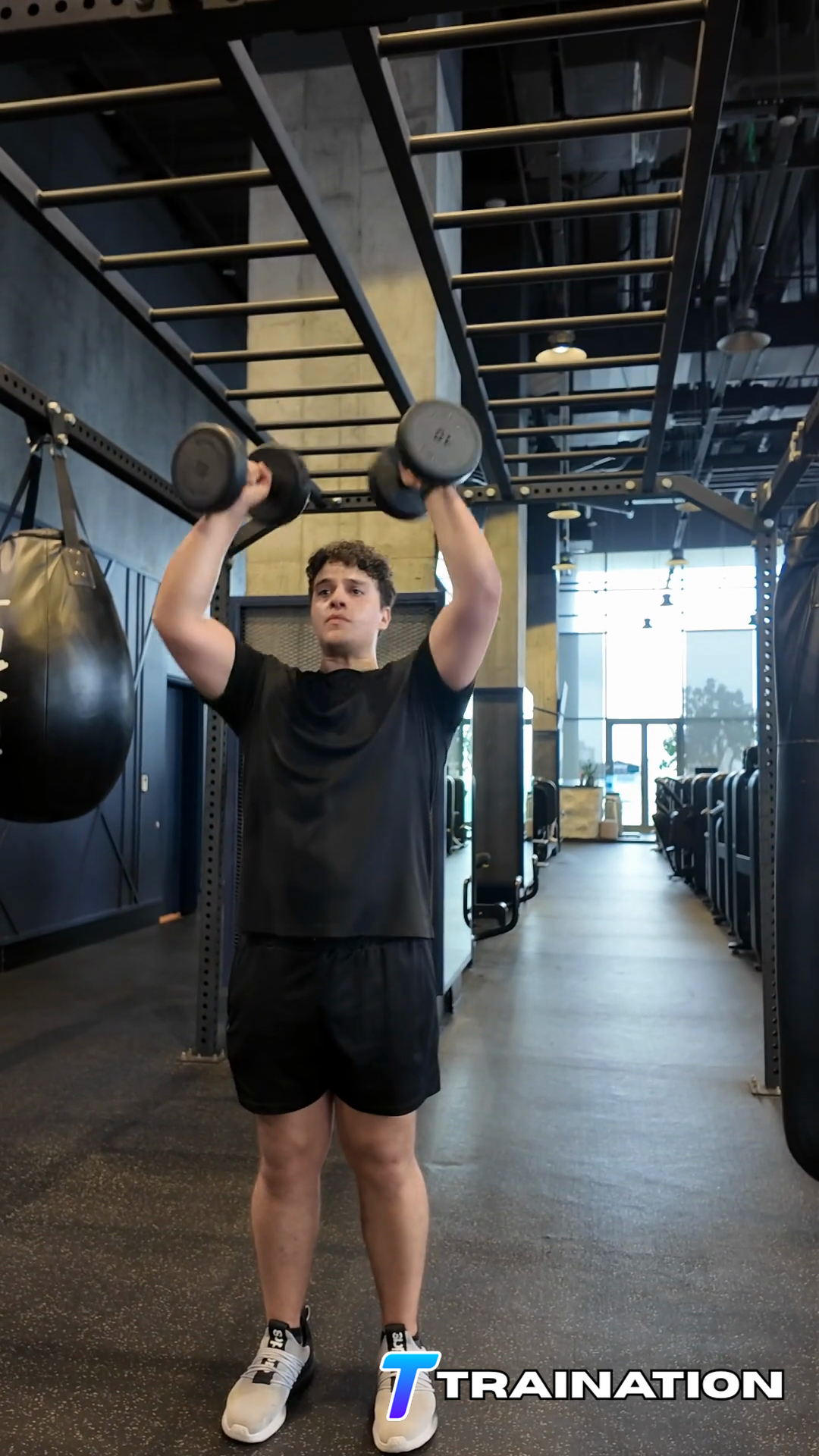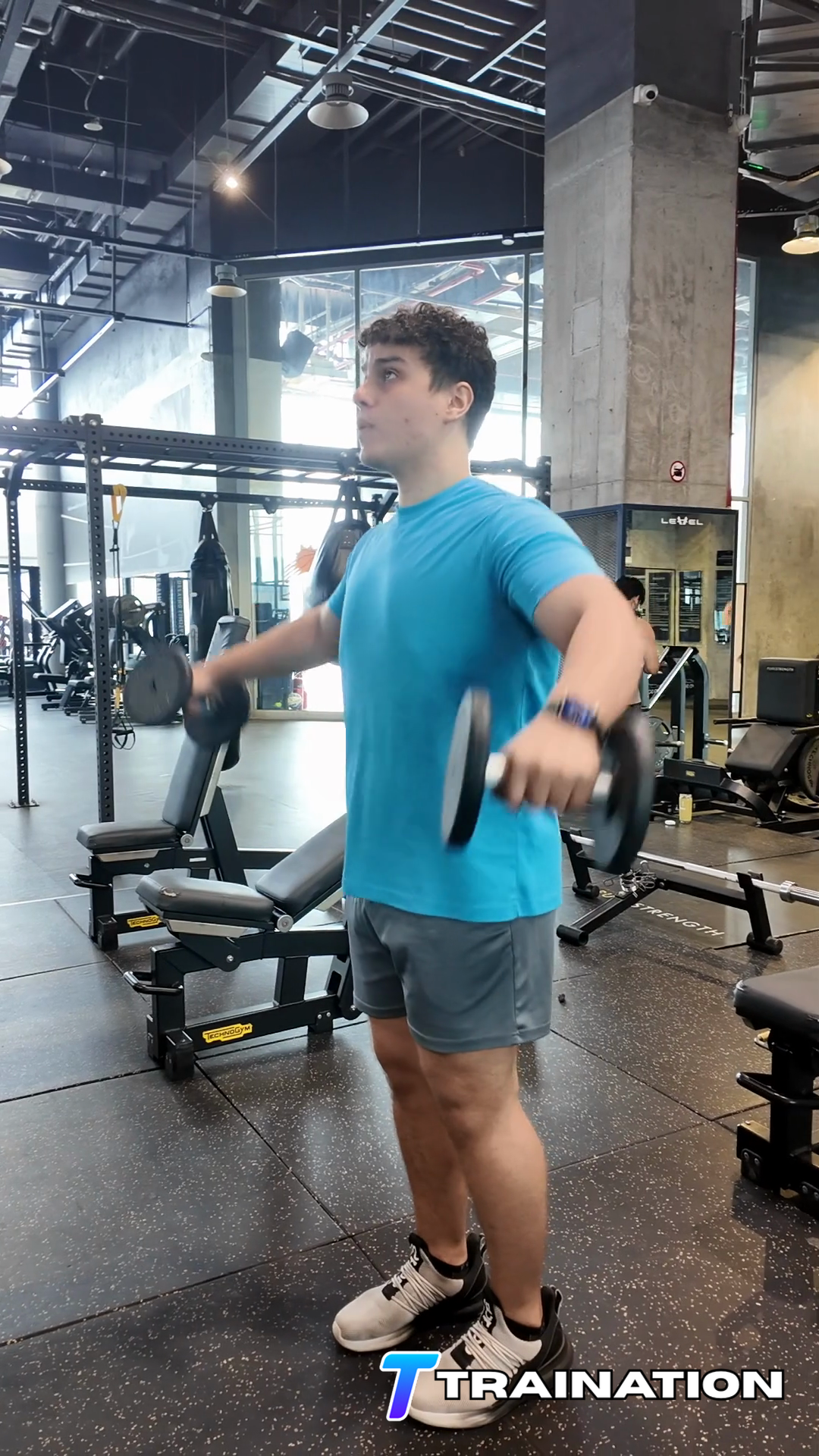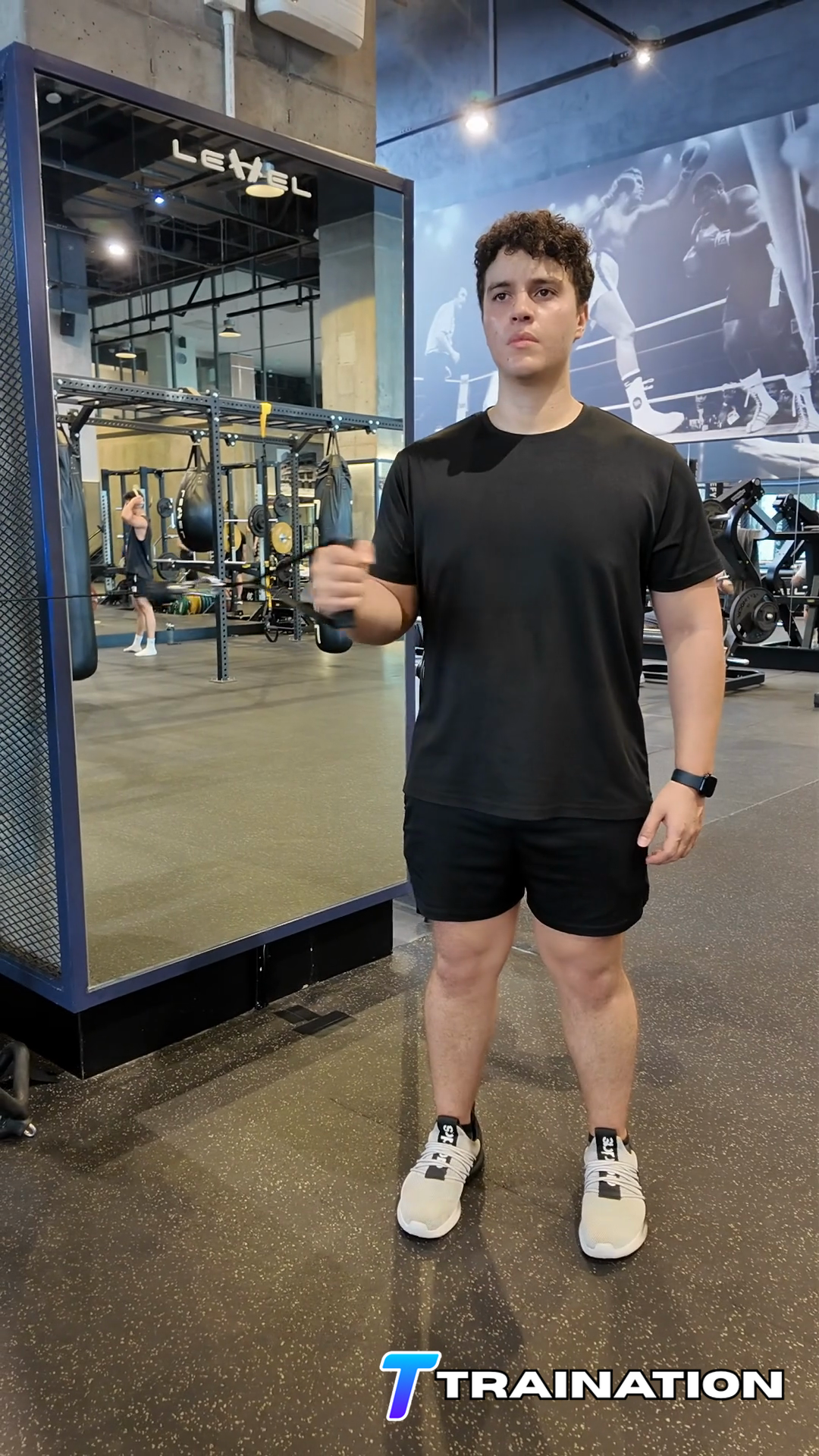
Elbow drifting
Keep the upper arm fixed so the movement comes from shoulder rotation rather than the whole arm.
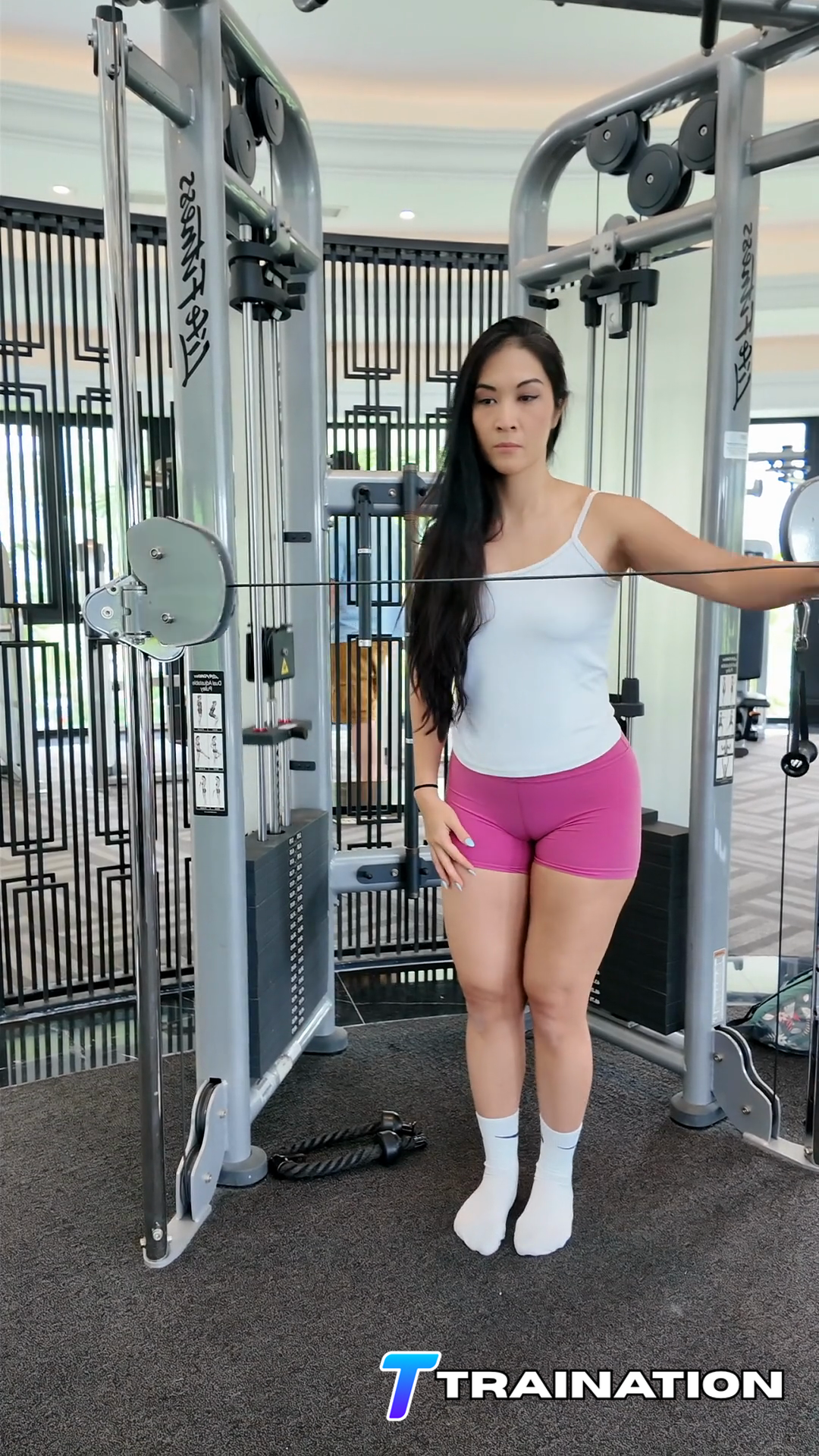
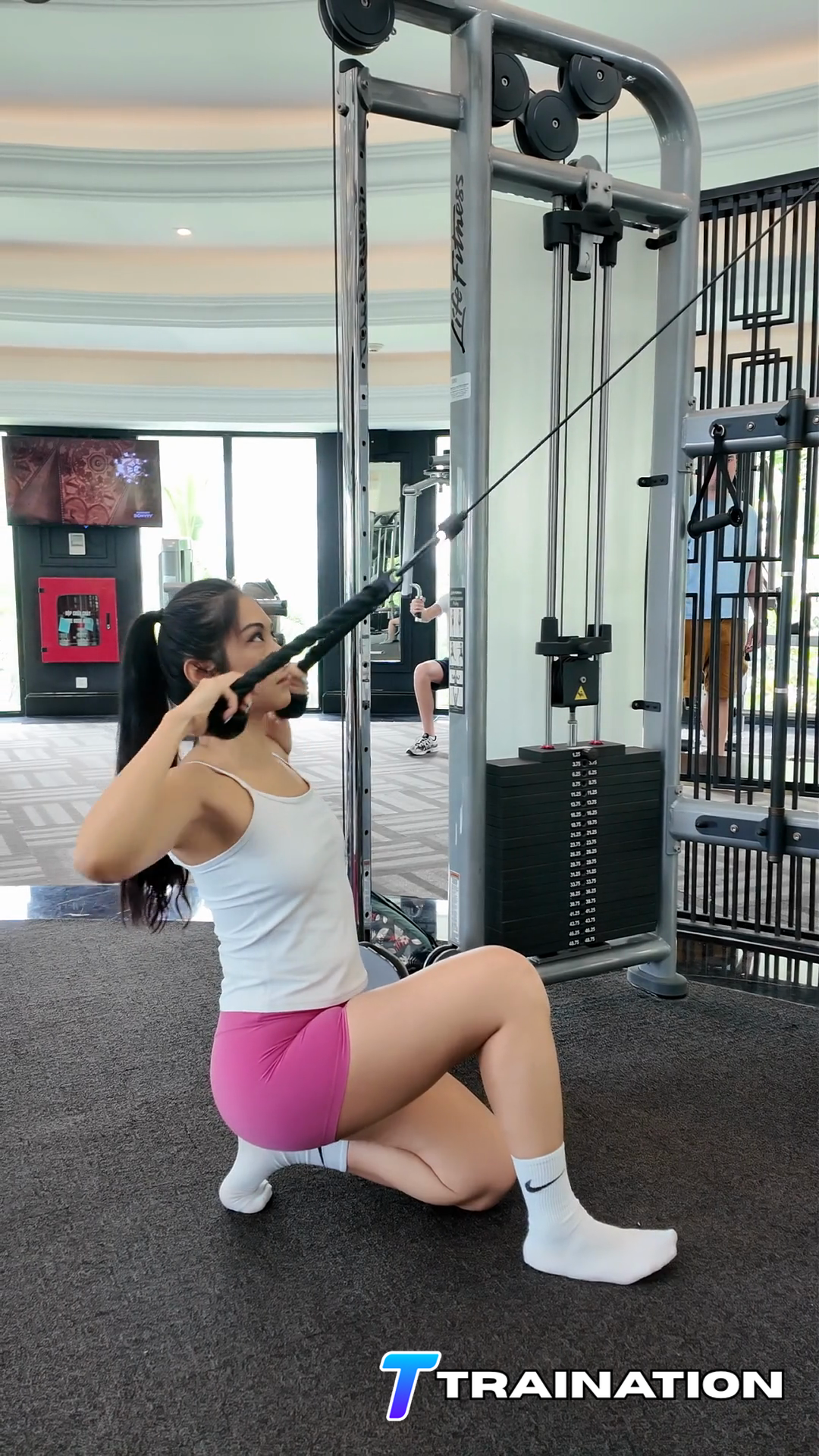
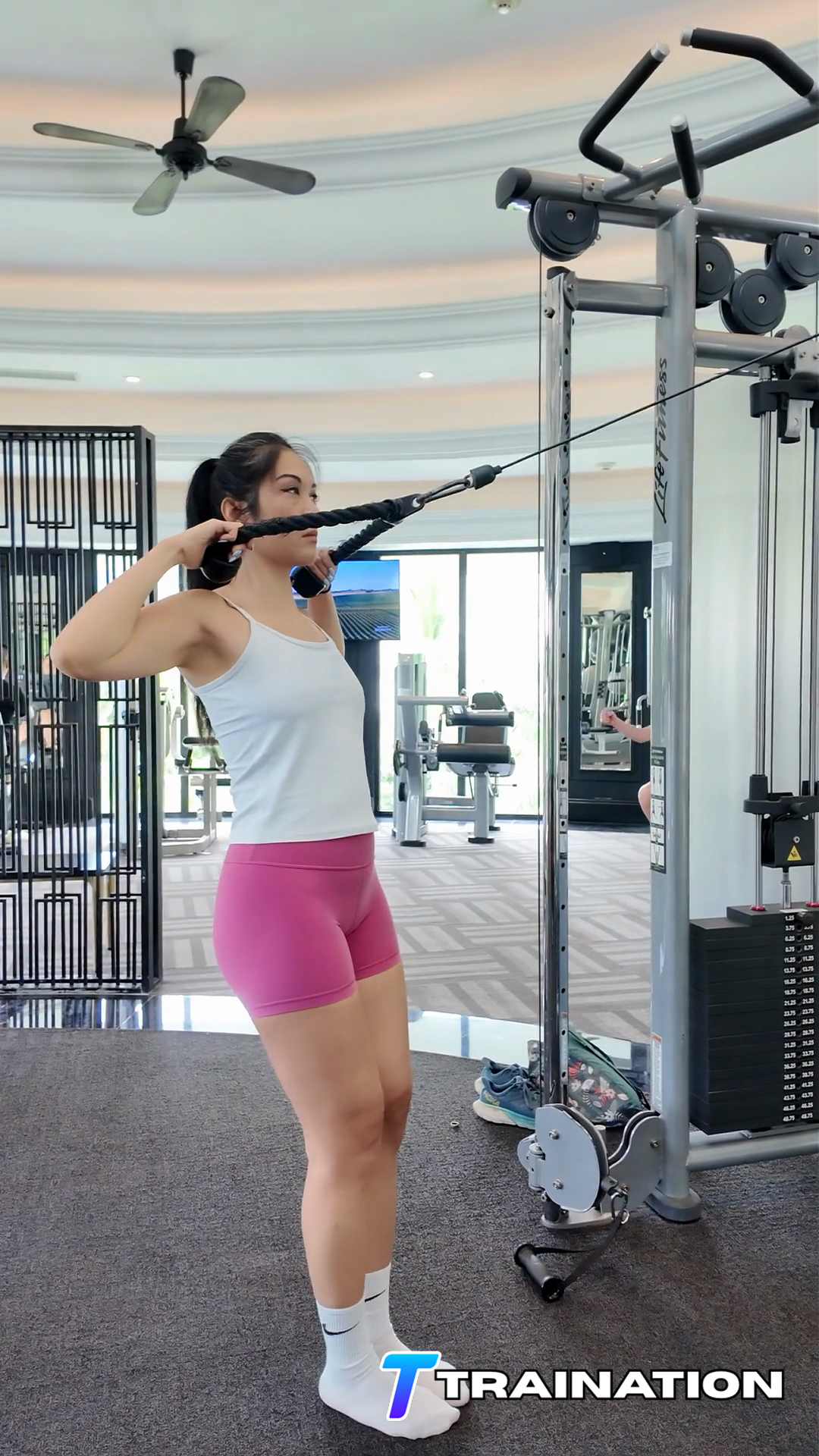
Cable Shoulder Internal Rotation trains the rotator cuff by turning the shoulder while keeping the upper arm still.
Primary musclesSubscapularis
Secondary musclesPectoralis major, Latissimus dorsi, Teres major
Follow the sequence in order, paying attention to the starting position, movement path, and finish described in each step.
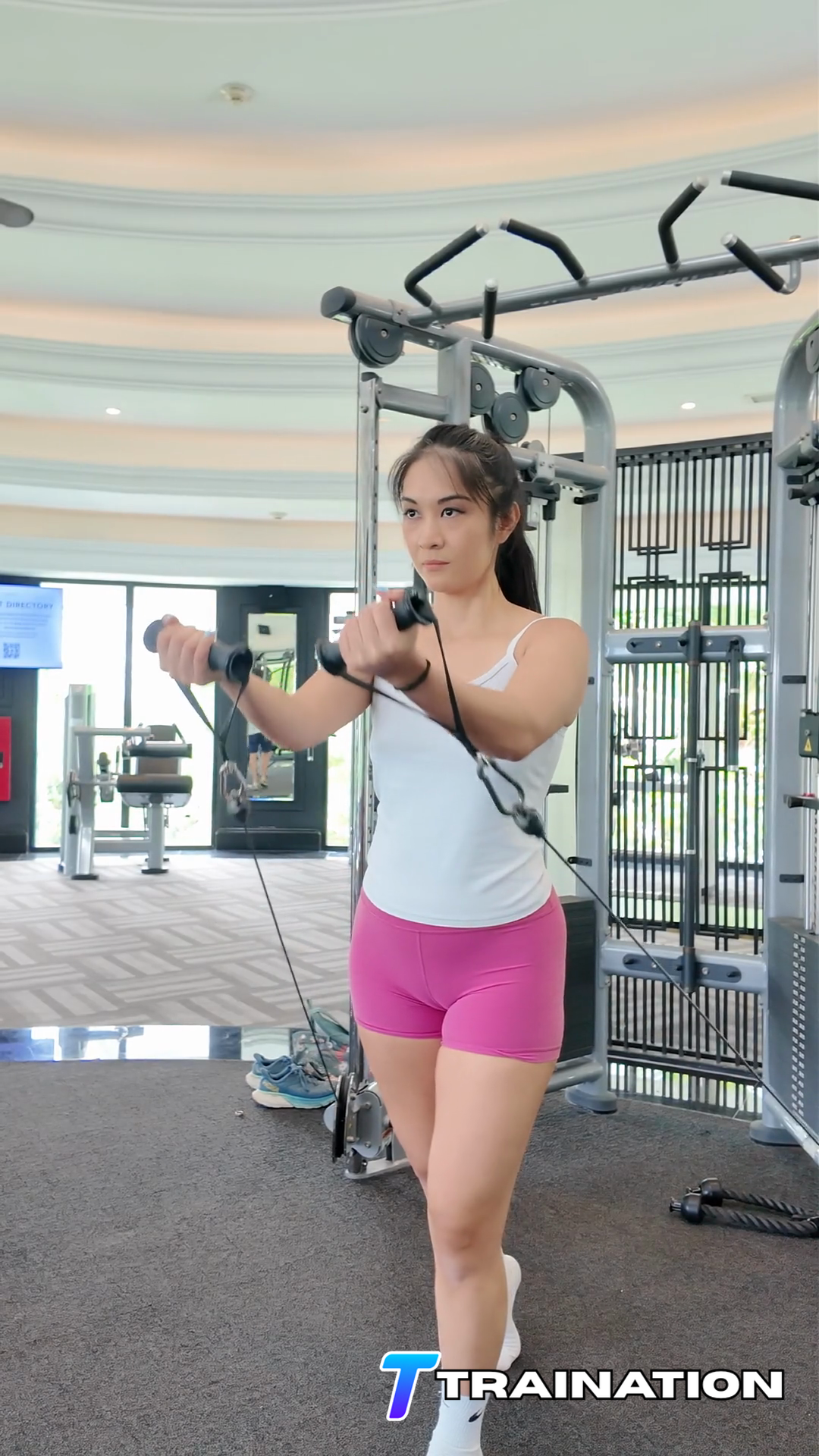
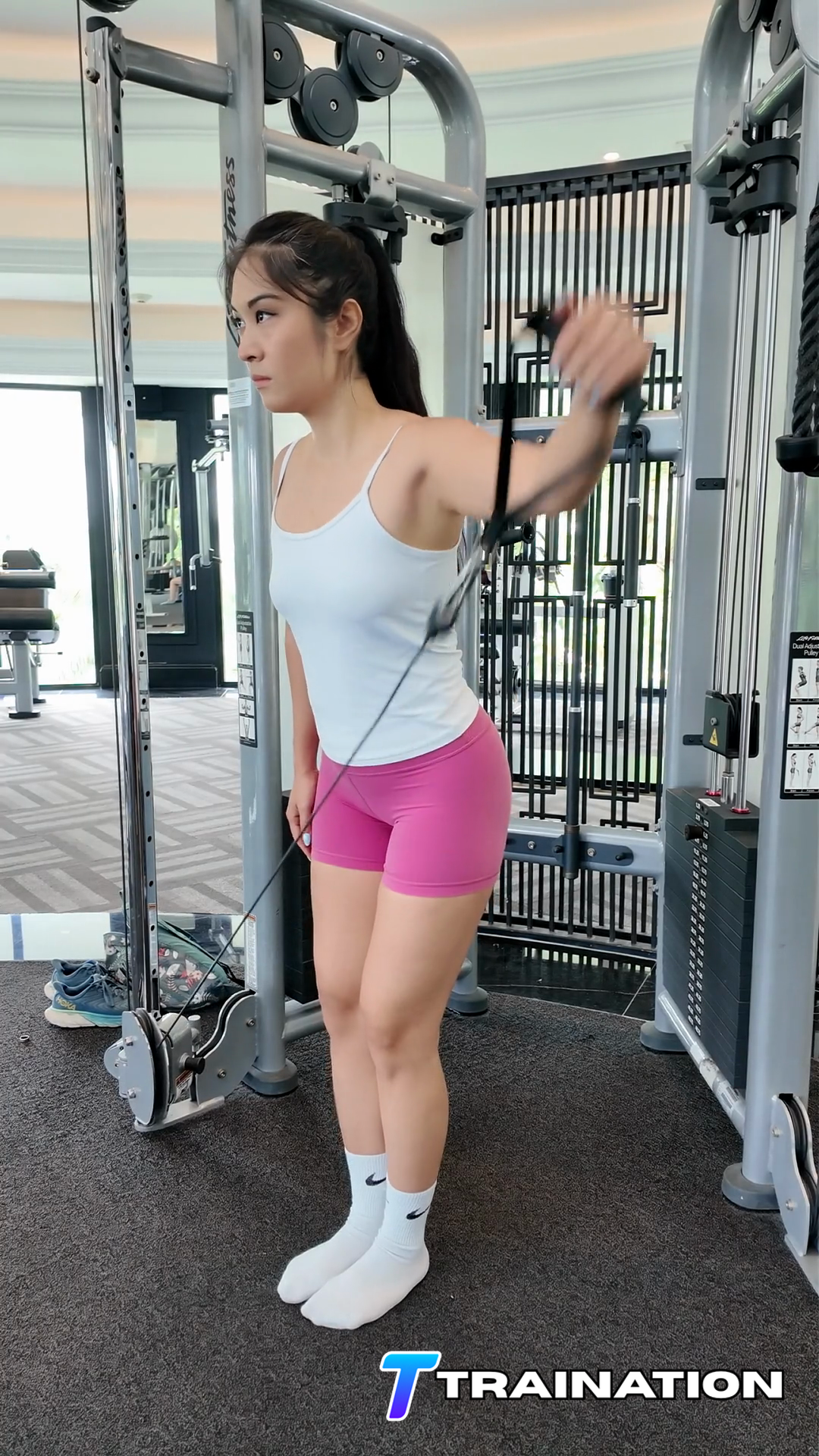
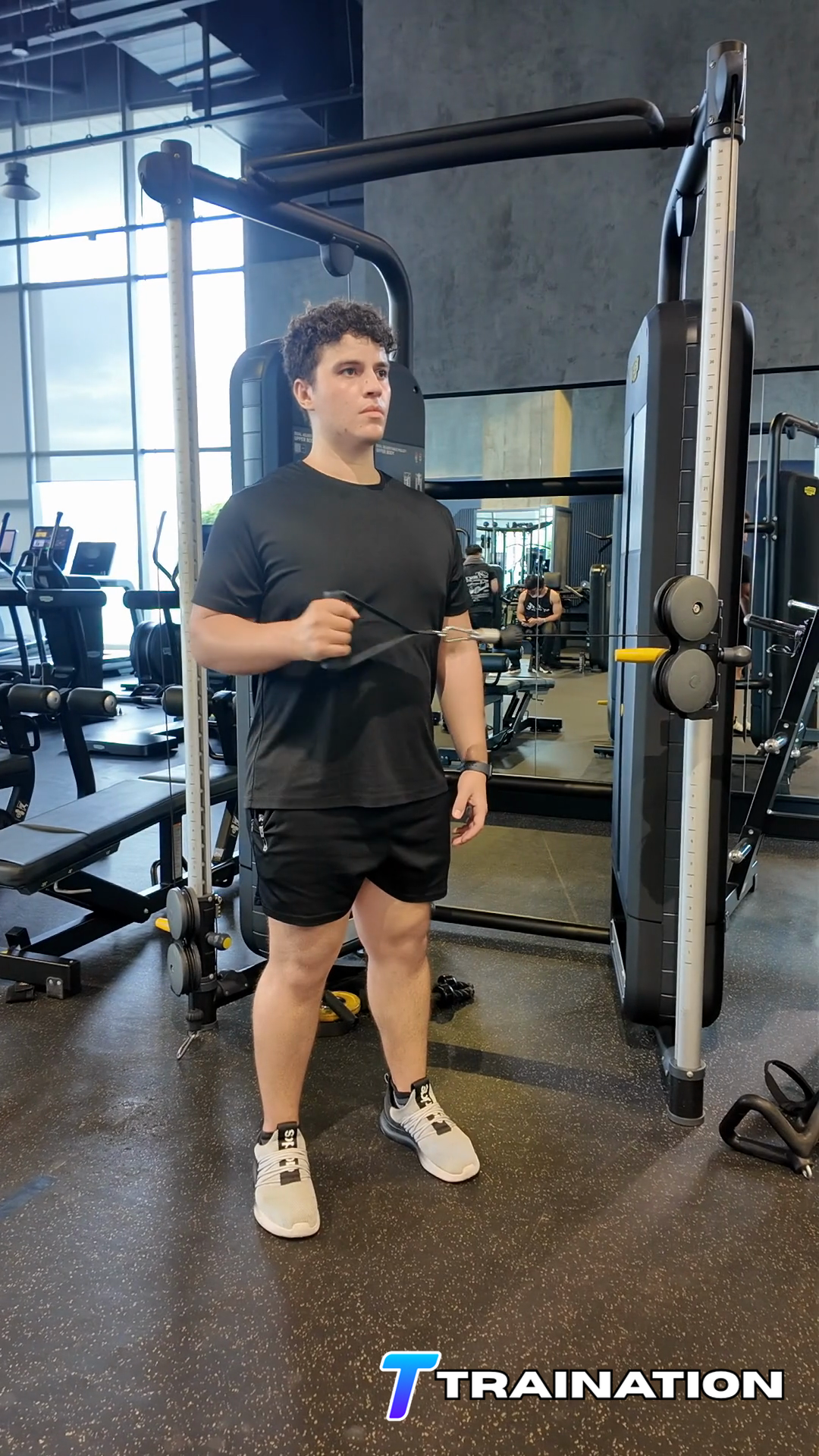
For Cable Shoulder Internal Rotation, set the pulley at elbow height, bend the working elbow to 90 degrees, and keep the upper arm still beside the body.
Brace the trunk and keep the shoulder centred before the forearm begins to move.
Rotate the forearm across the abdomen while the elbow and shoulder stay in place.
Stop before the torso turns or the shoulder glides forward to create extra range.
Return slowly against the cable. Repeat without changing the established position.
Keep the upper arm fixed so the movement comes from shoulder rotation rather than the whole arm.
Rotator-cuff work needs little load. Reduce the weight if the torso turns or the shoulder shifts.
Stop at the available shoulder range instead of pulling the forearm farther with trunk movement.
Control the cable in both directions and prevent the stack from pulling the arm back.
Use Cable Shoulder Internal Rotation early only with a light load for shoulder preparation; place harder sets after the main presses and pulls.
Use two to four light exposures per week when they remain comfortable and do not reduce pressing or throwing performance.
| Goal | Sets | Reps or time | Rest | Effort and execution |
|---|---|---|---|---|
| Strength accessory | 2–4 | 6–10 | 75–150 sec | Leave 2–3 controlled reps in reserve |
| Muscle growth | 2–4 | 10–20 | 60–120 sec | Usually 1–3 clean reps in reserve |
Scale the movement
Hold a stable support or use an easier setup while learning the movement.
Use a shorter pain-free range and expand it only as control improves.
Slow the lowering phase without changing the start, finish, or joint alignment.
Add a brief pause at the hardest controlled position before increasing load.
Turn Cable Shoulder Internal Rotation and the rest of your exercise library into repeatable client programs.
Explore the workout builder