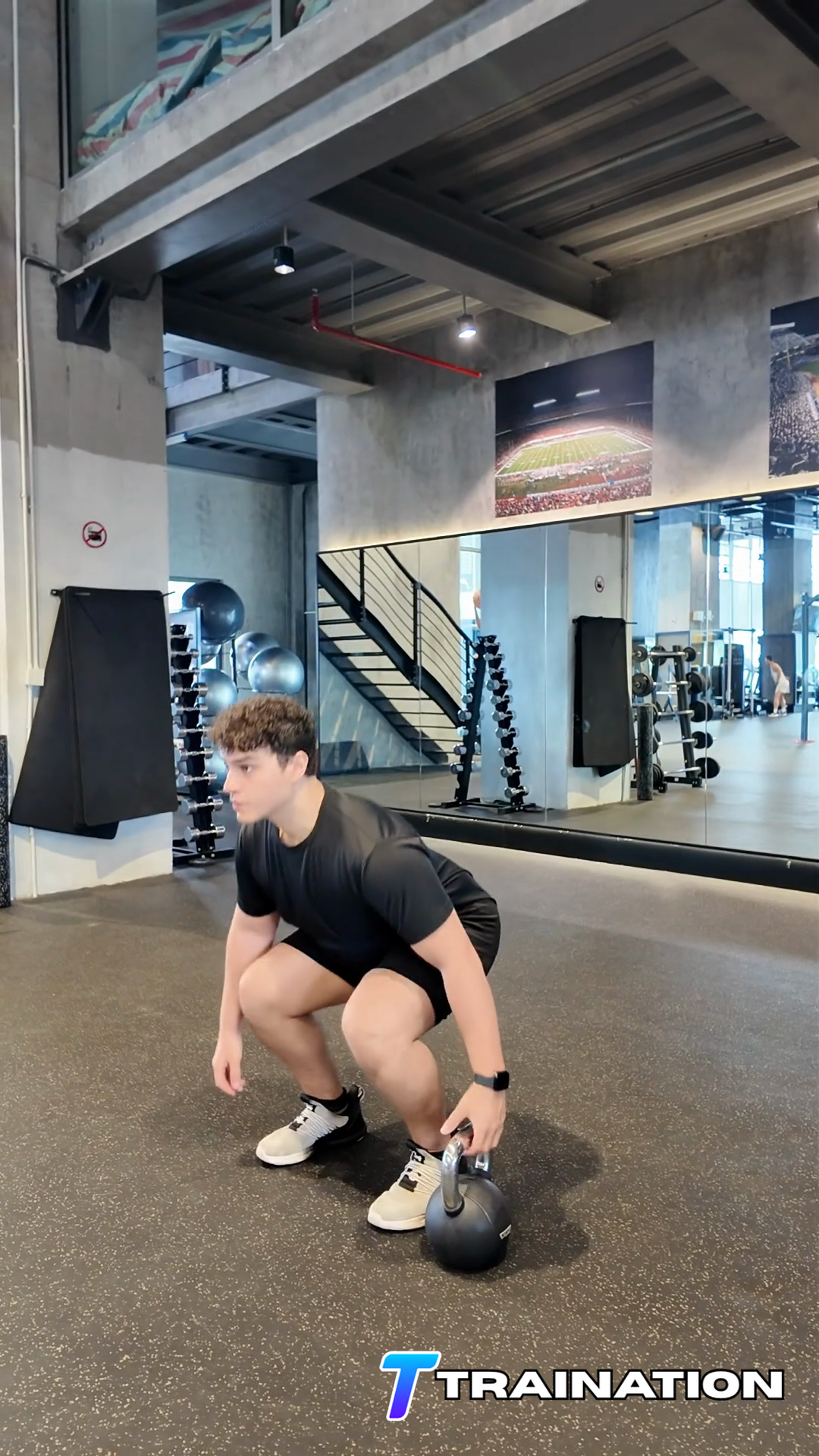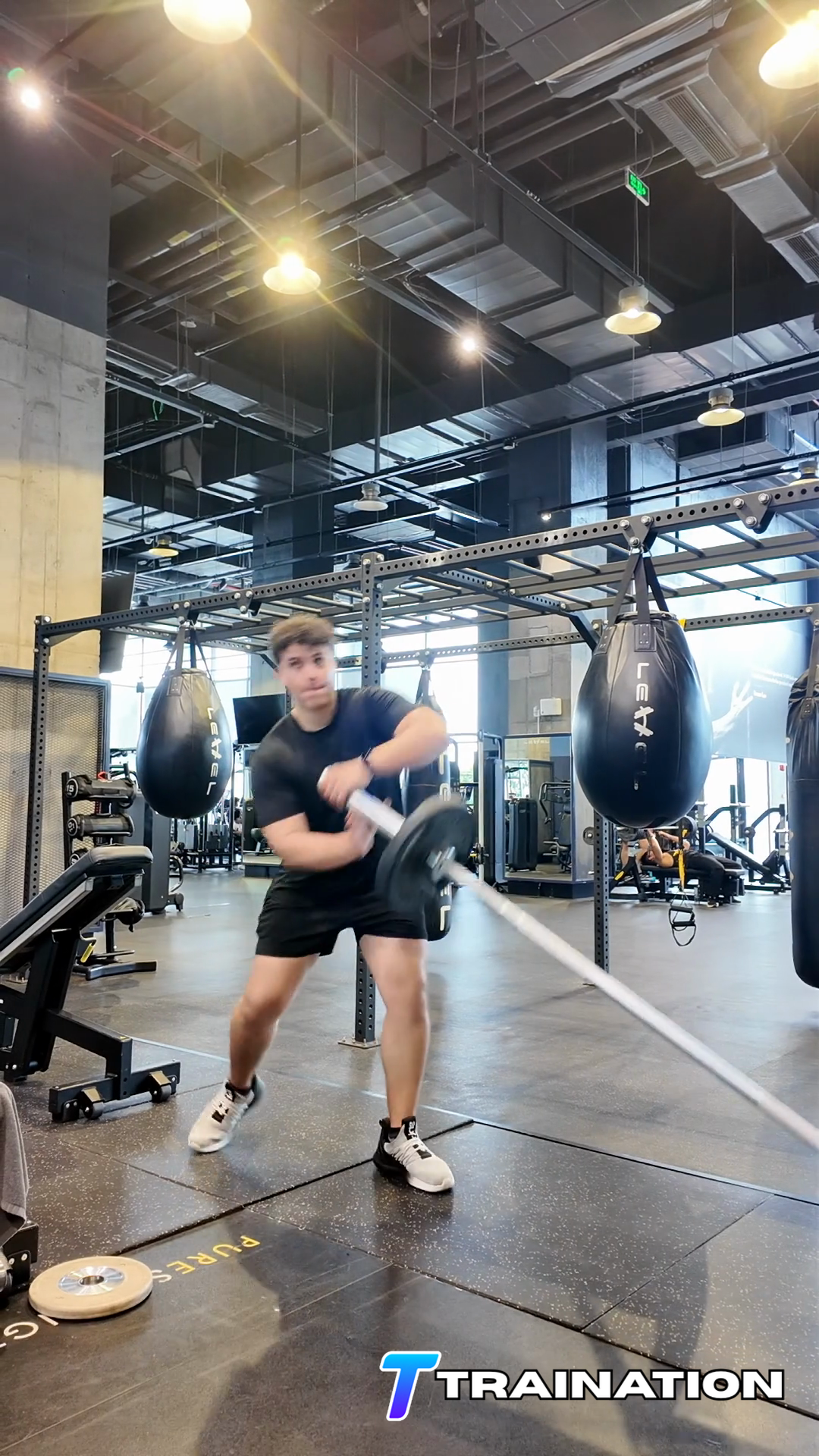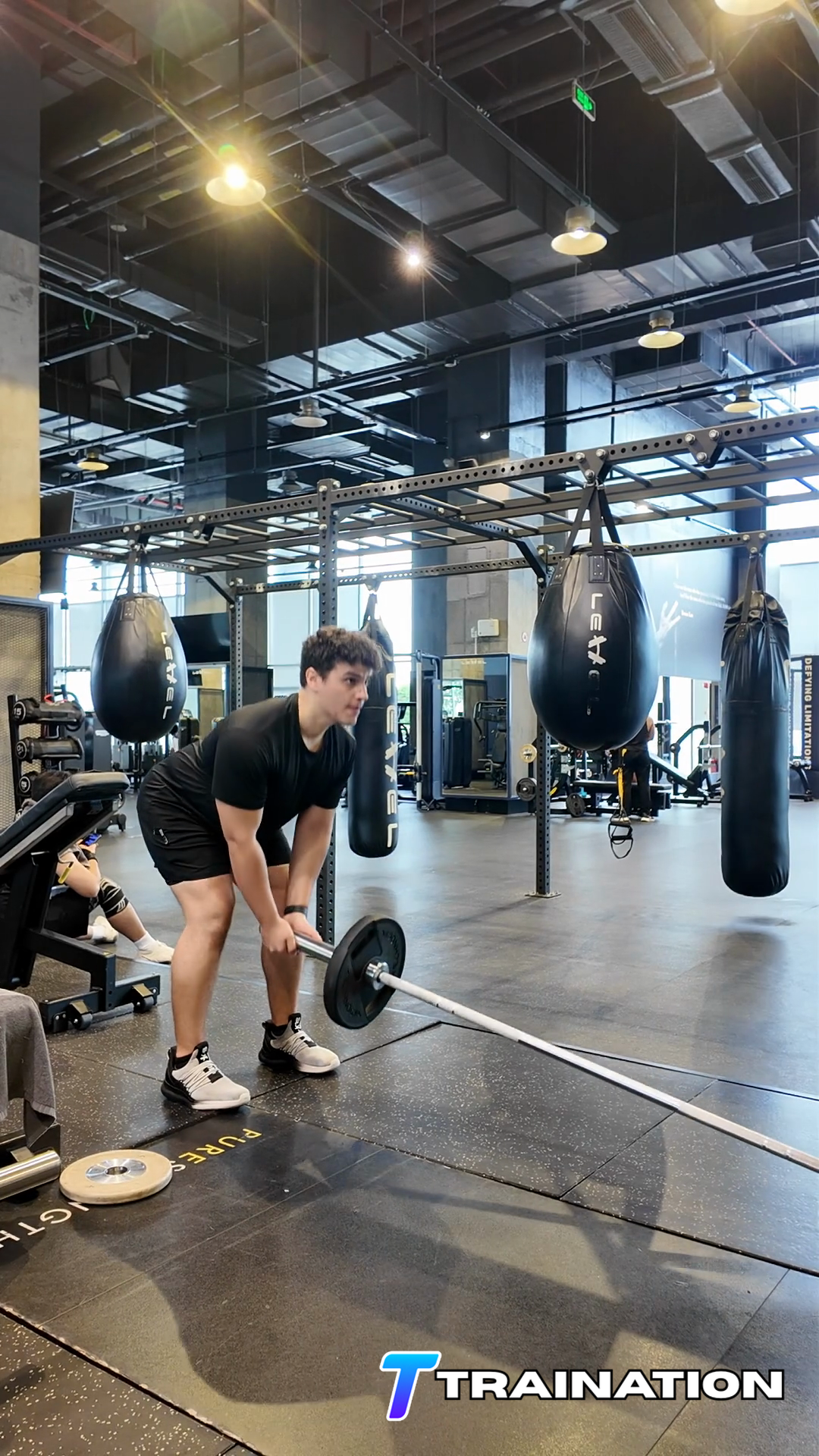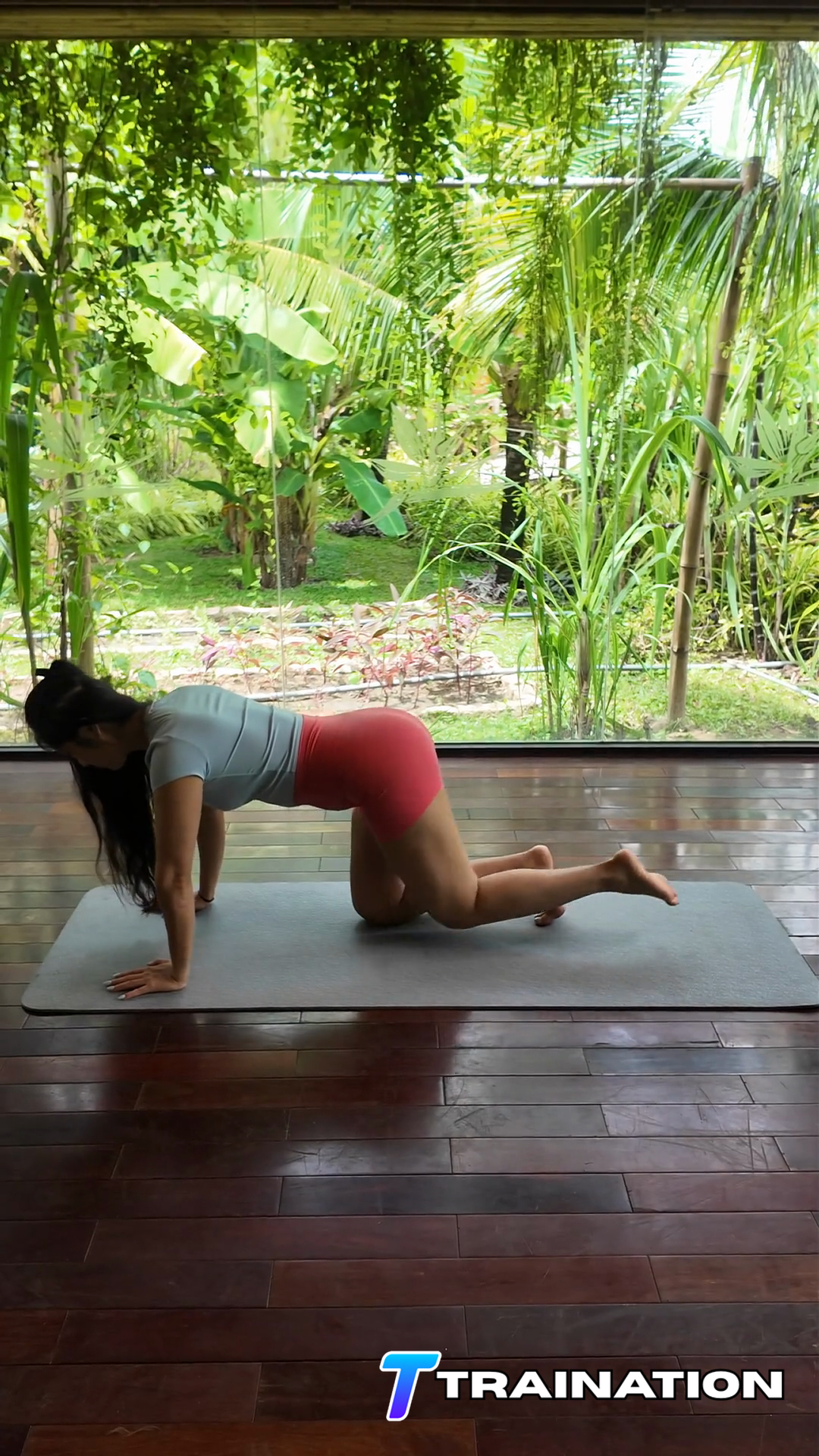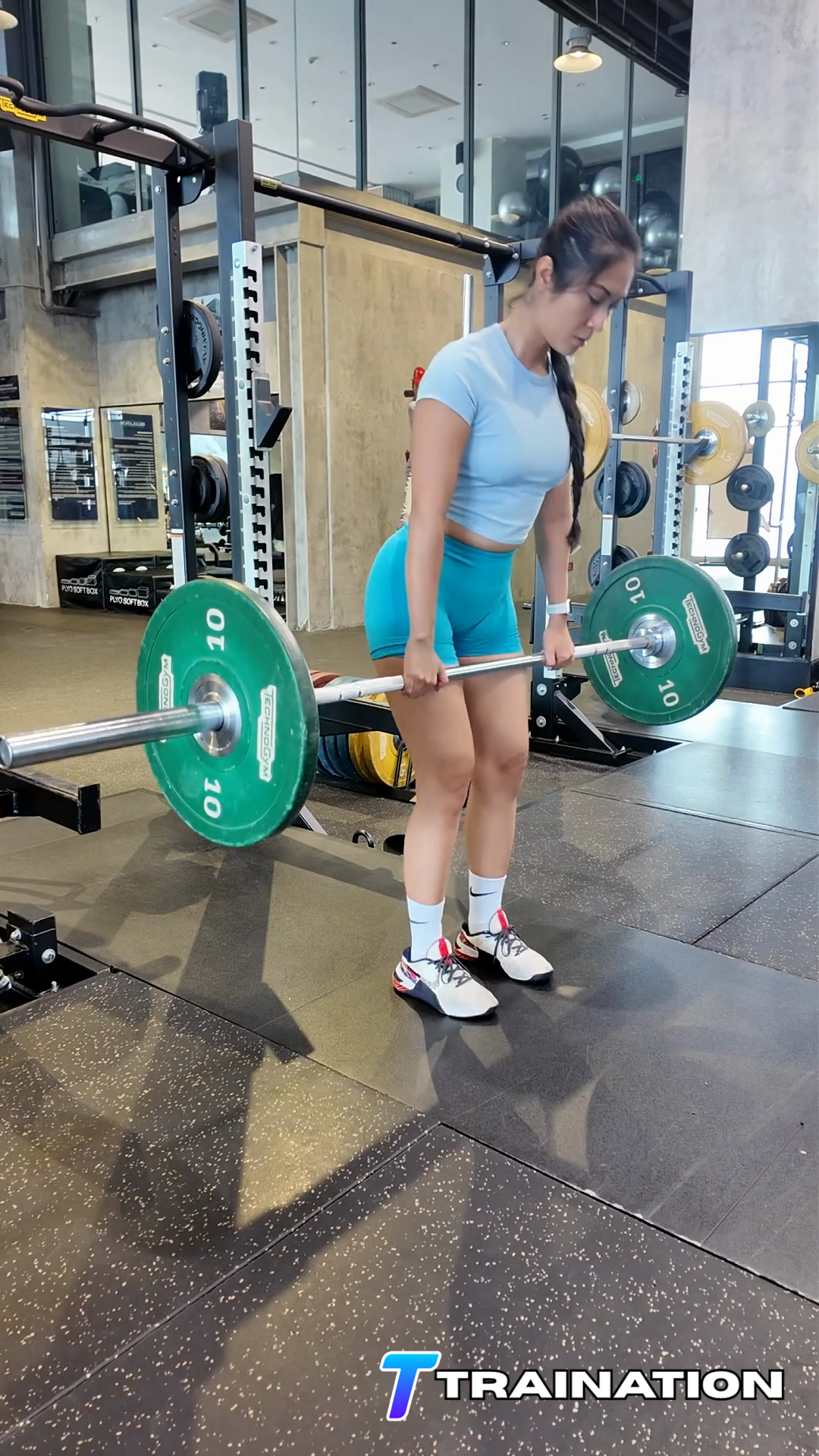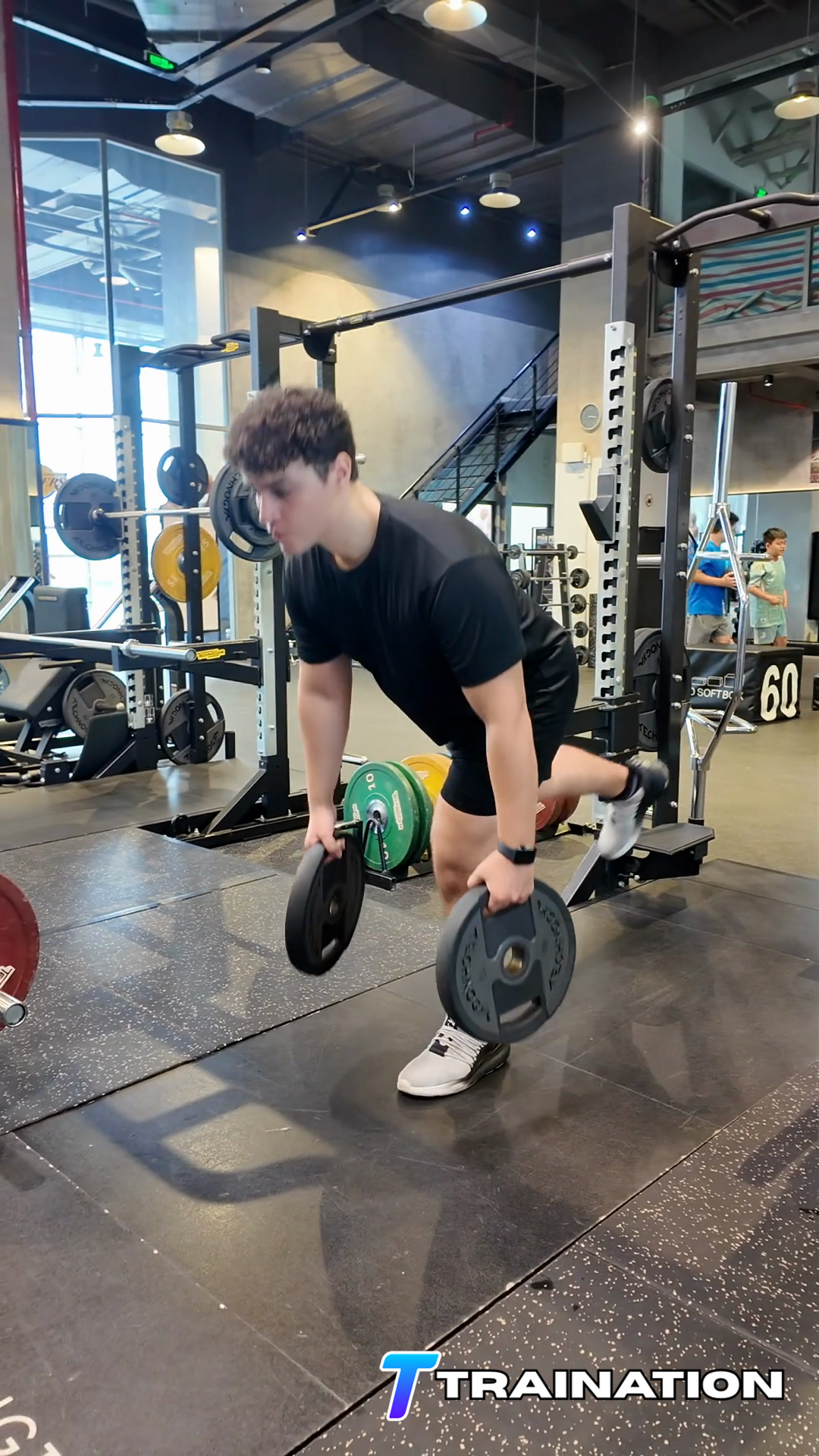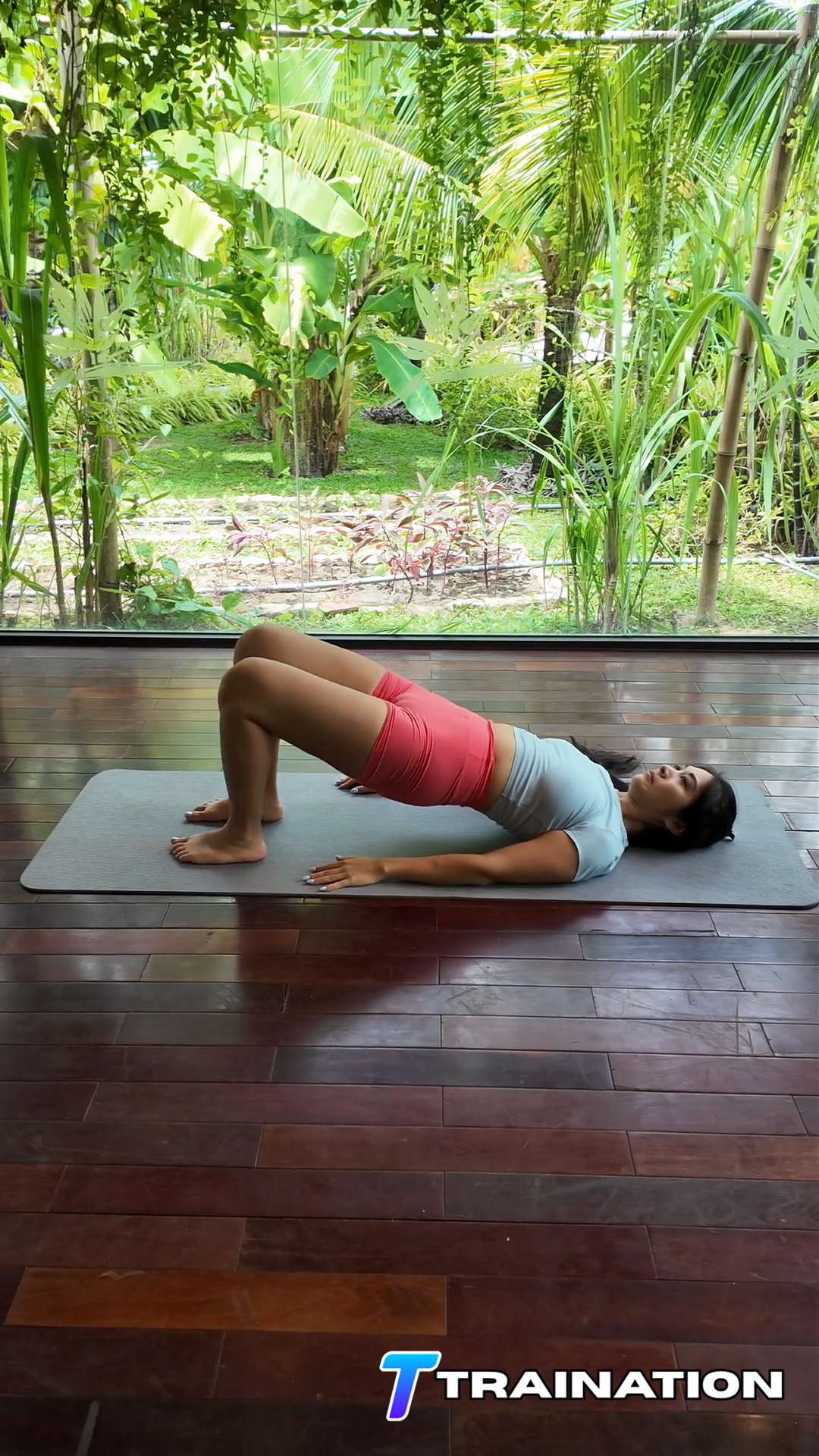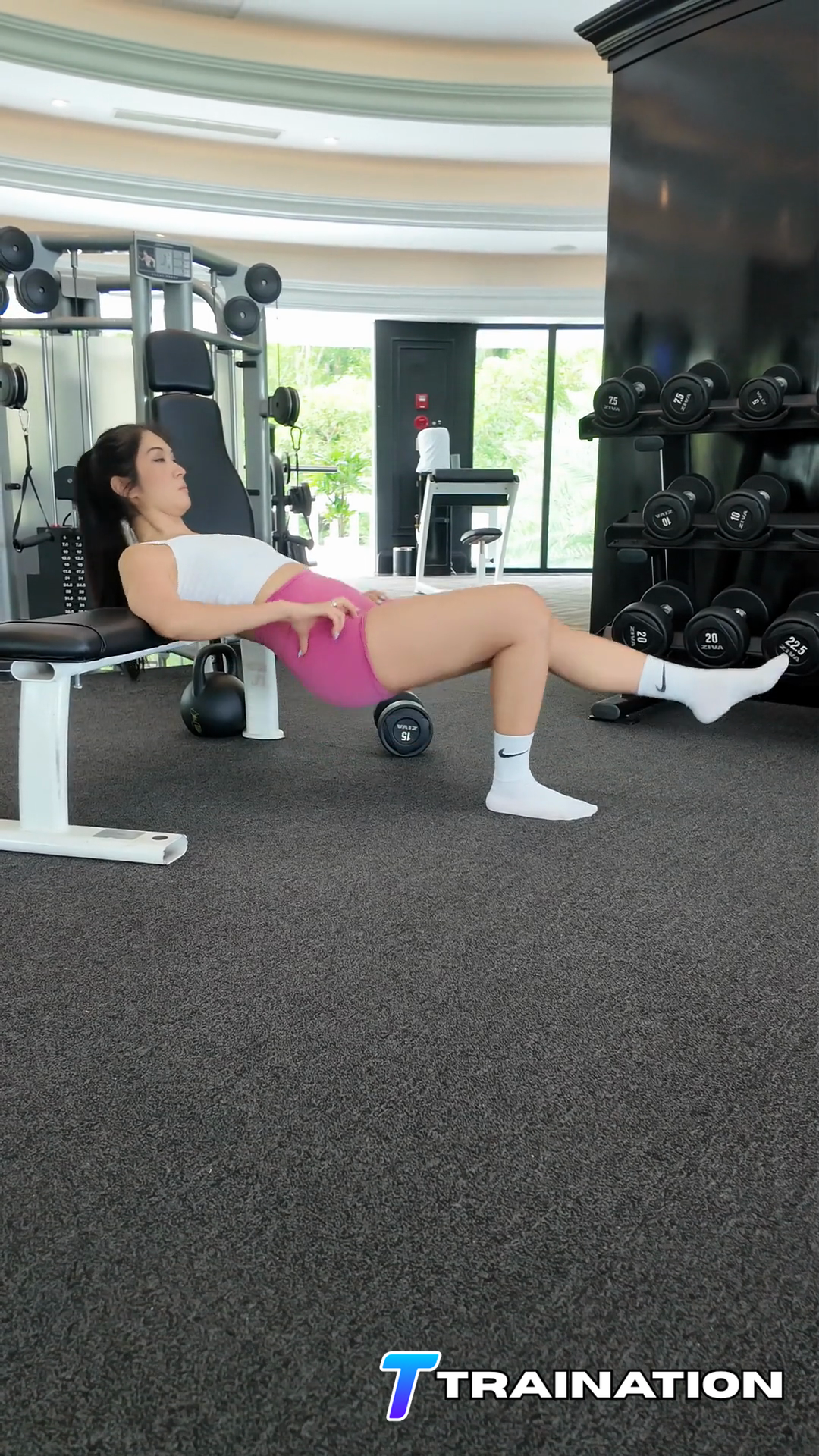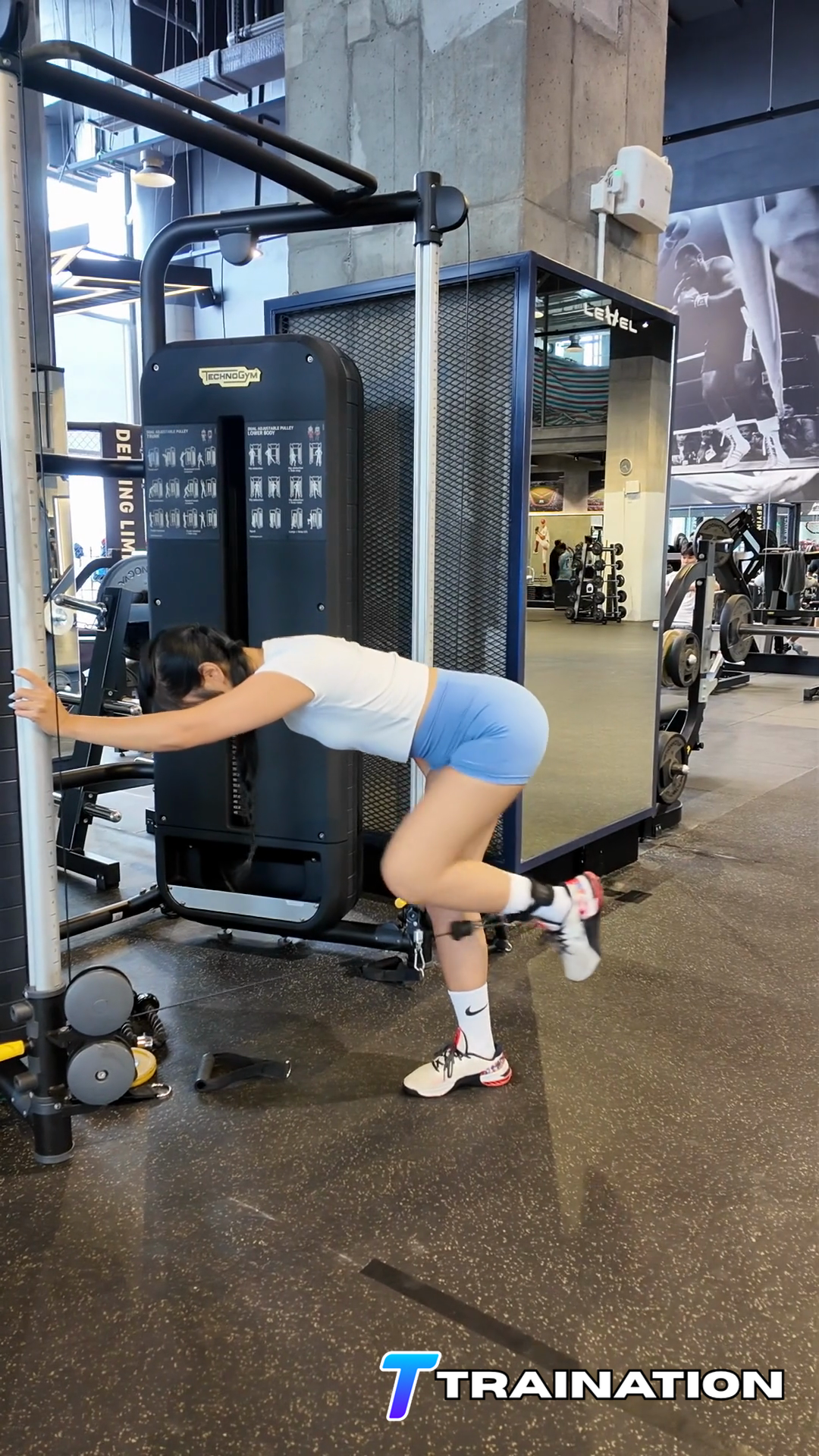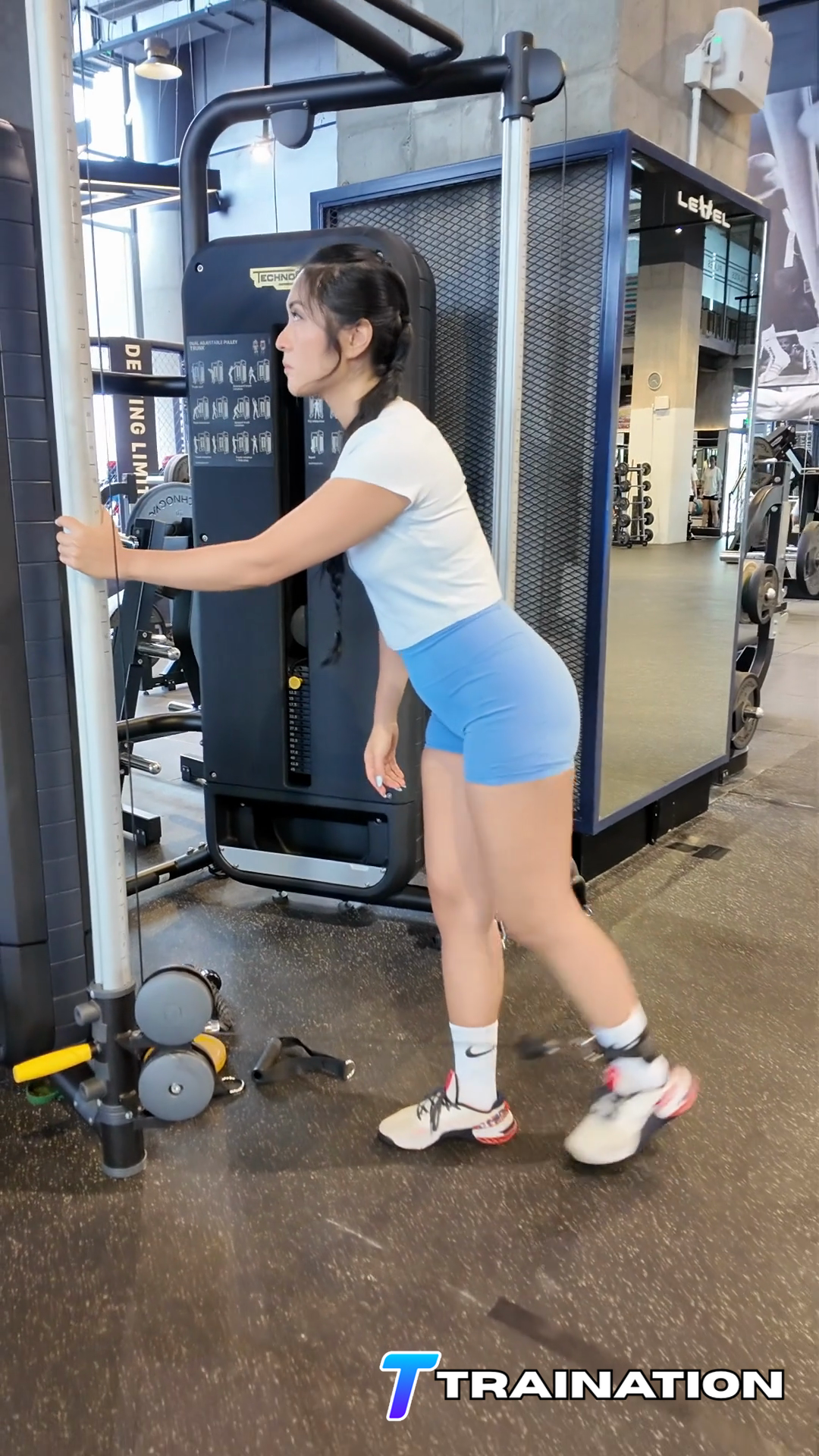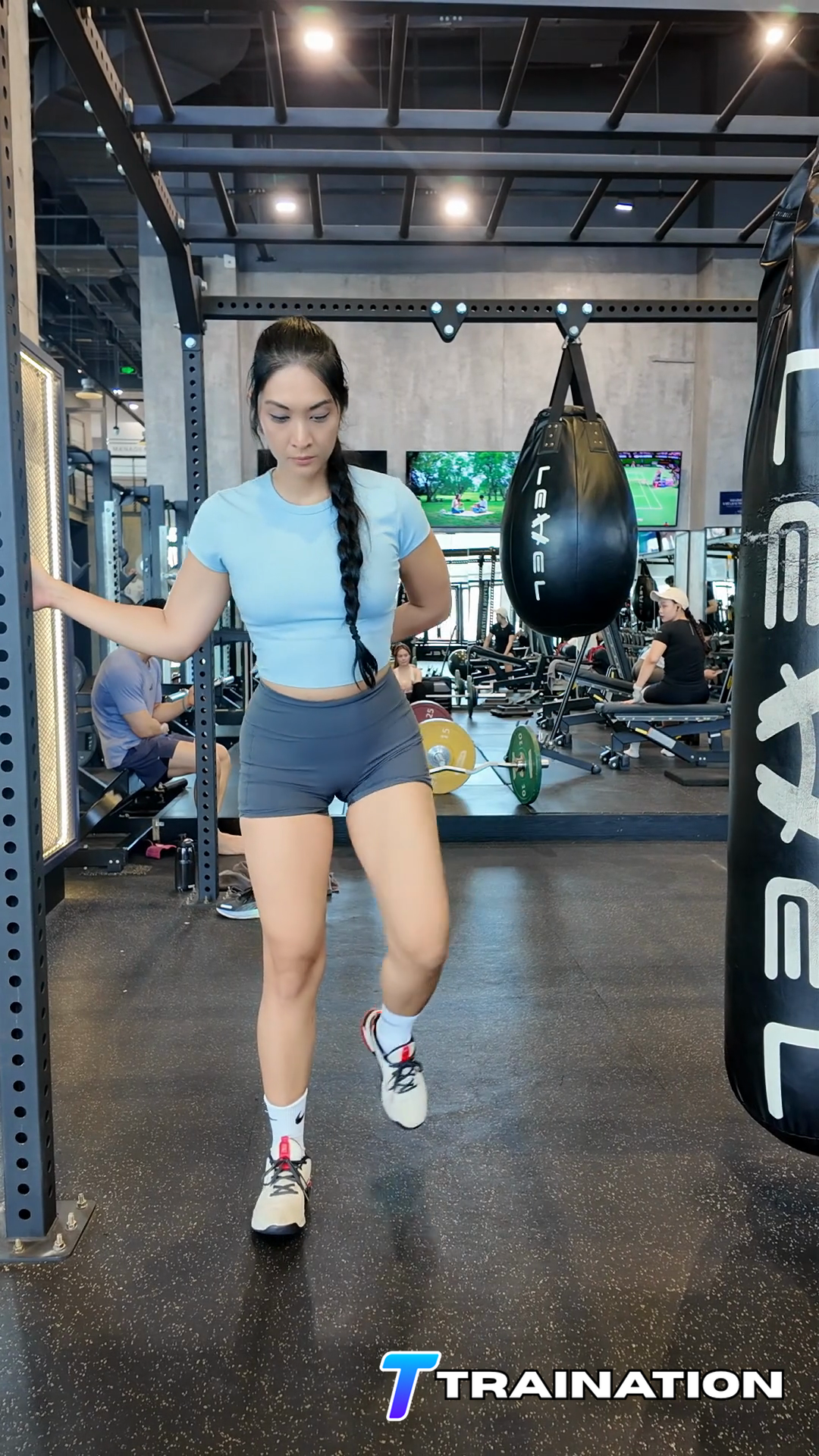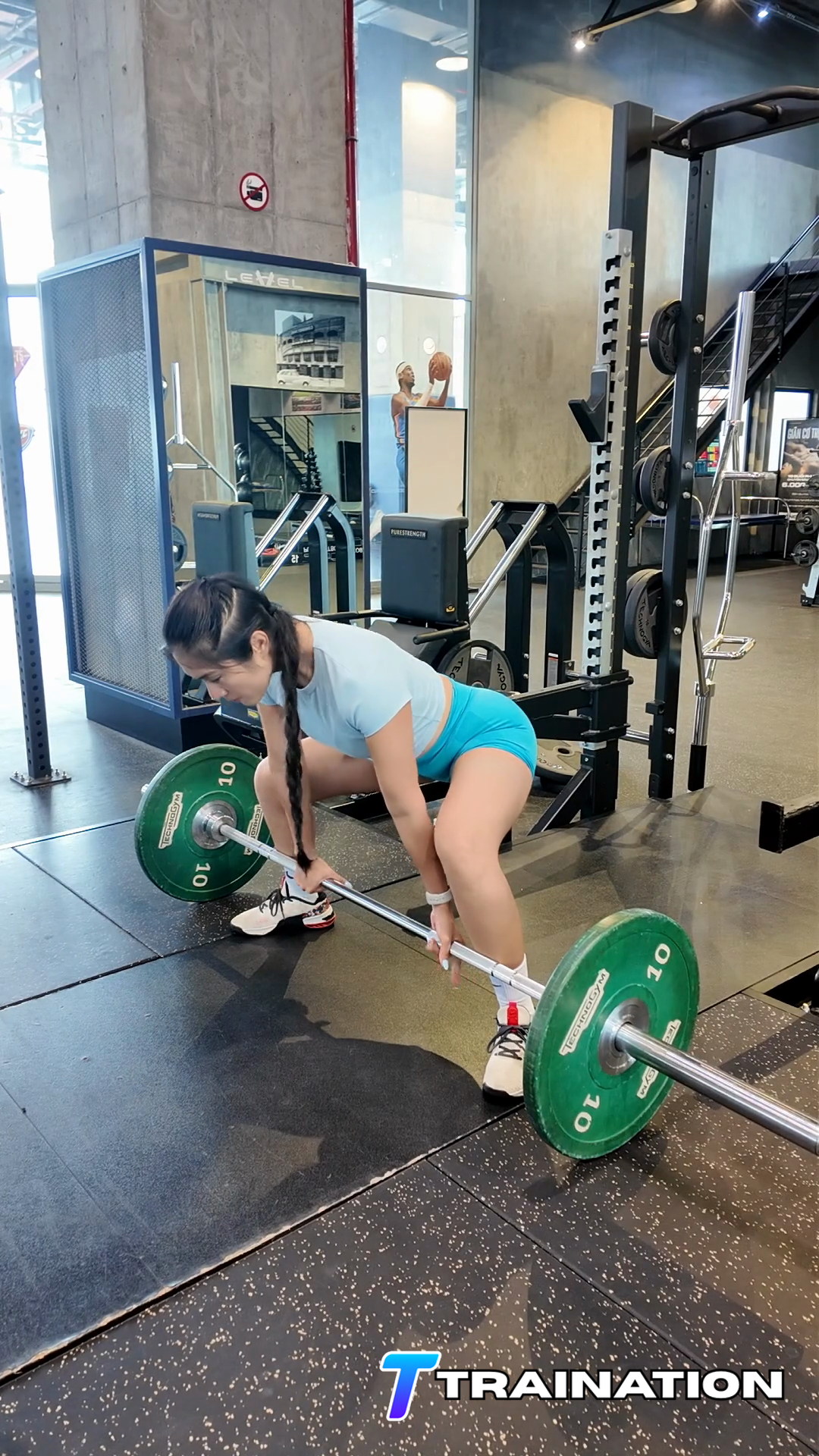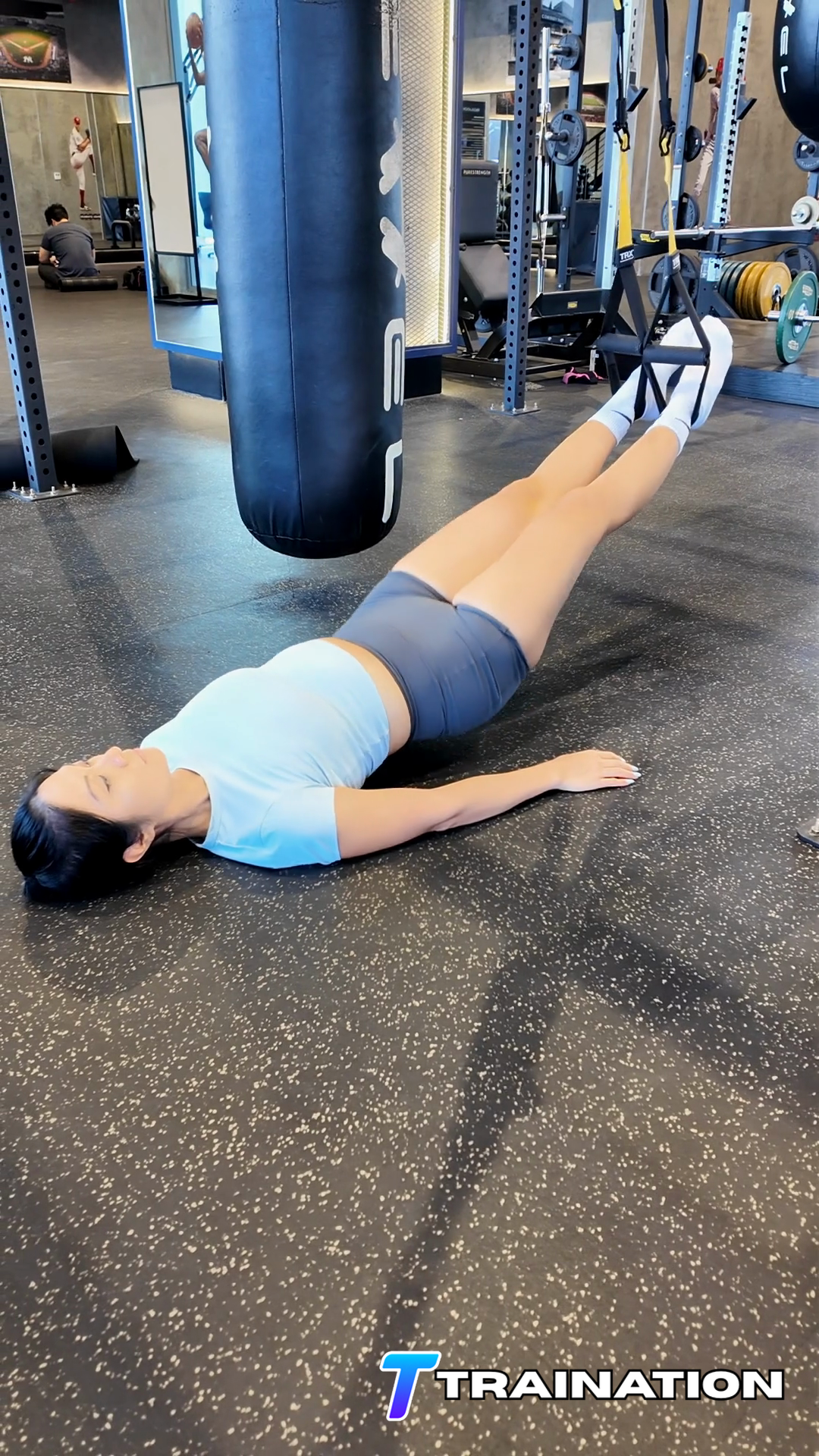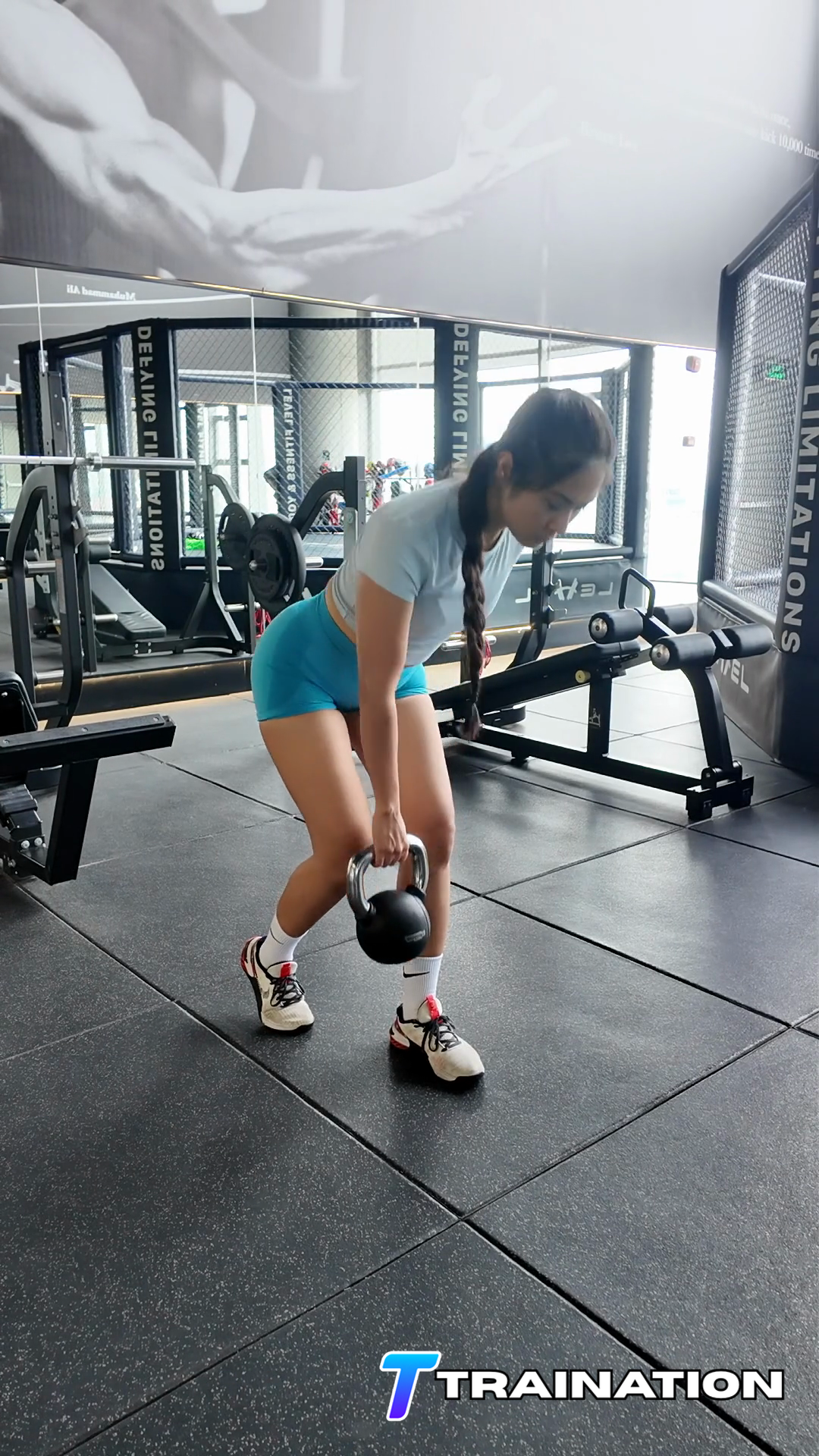
B-Stance Romanian Deadlift

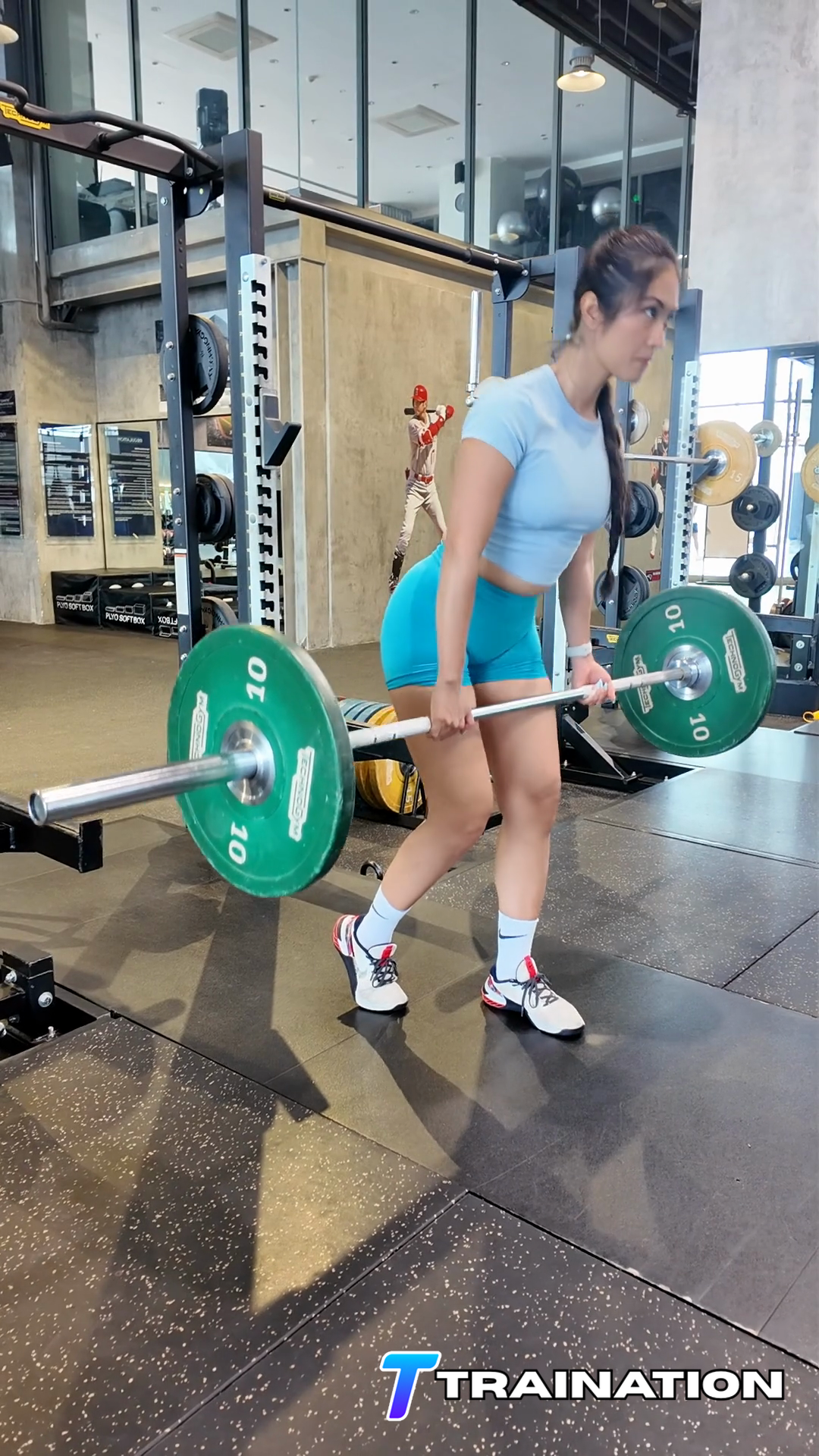
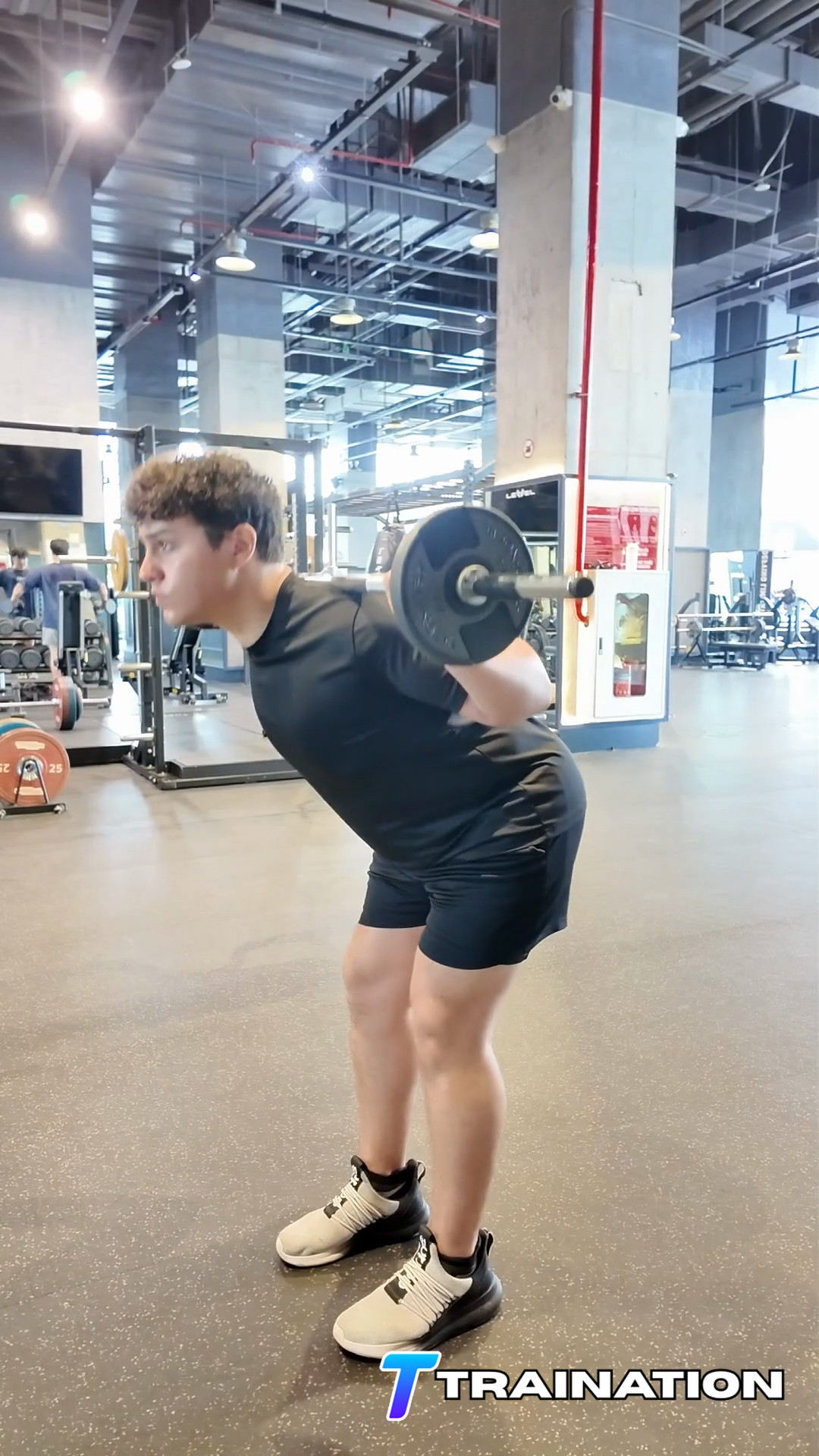
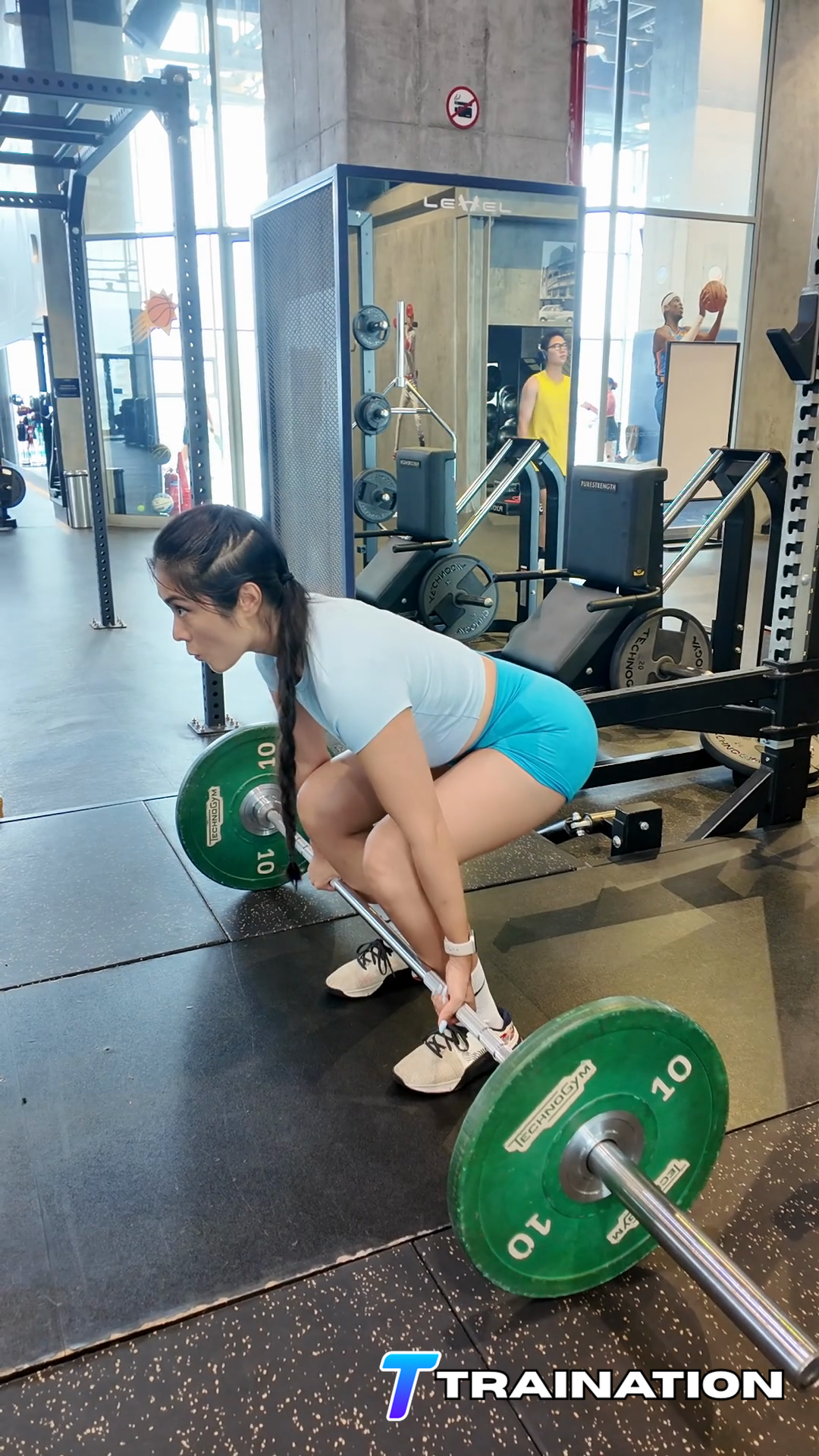
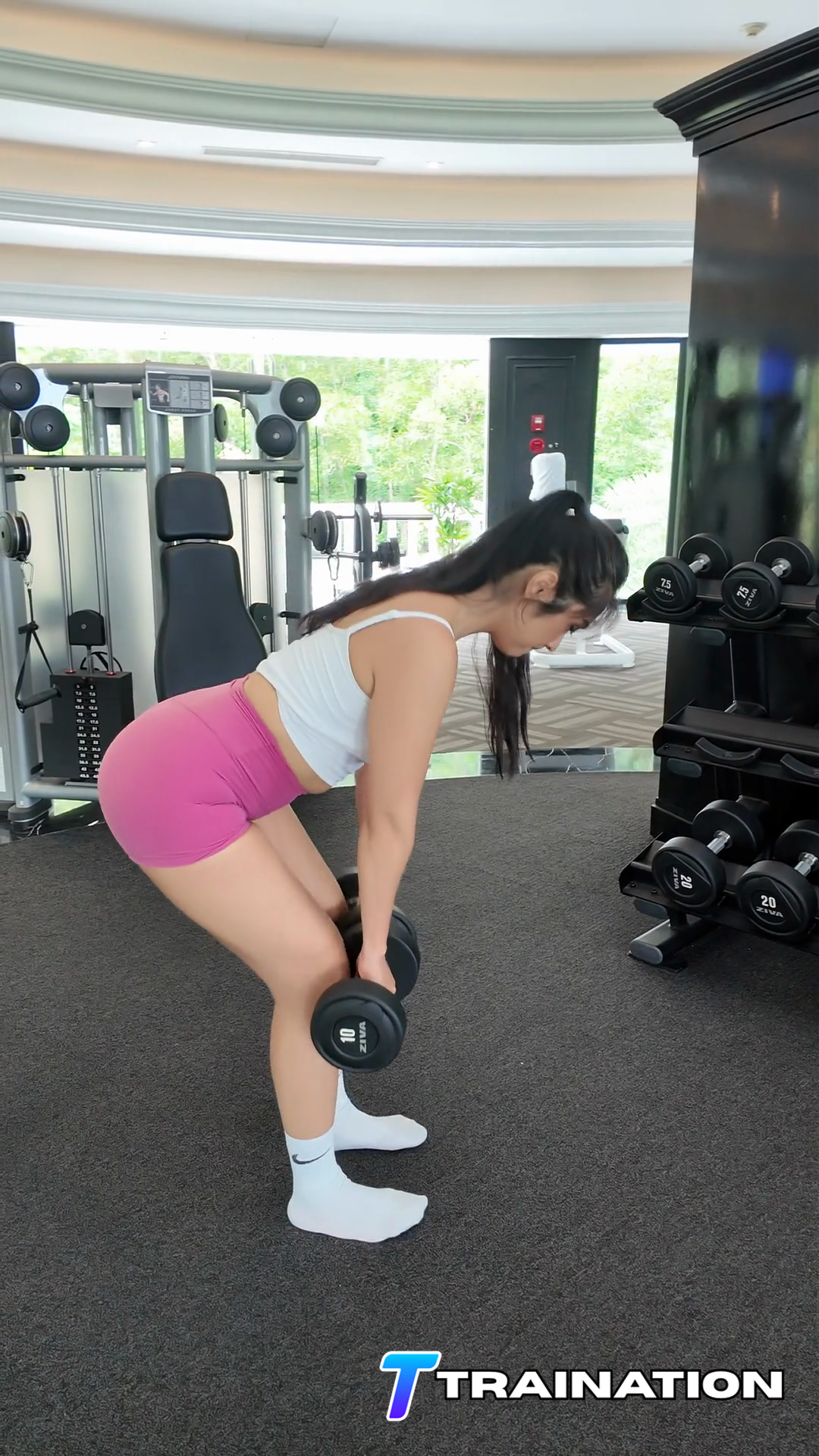
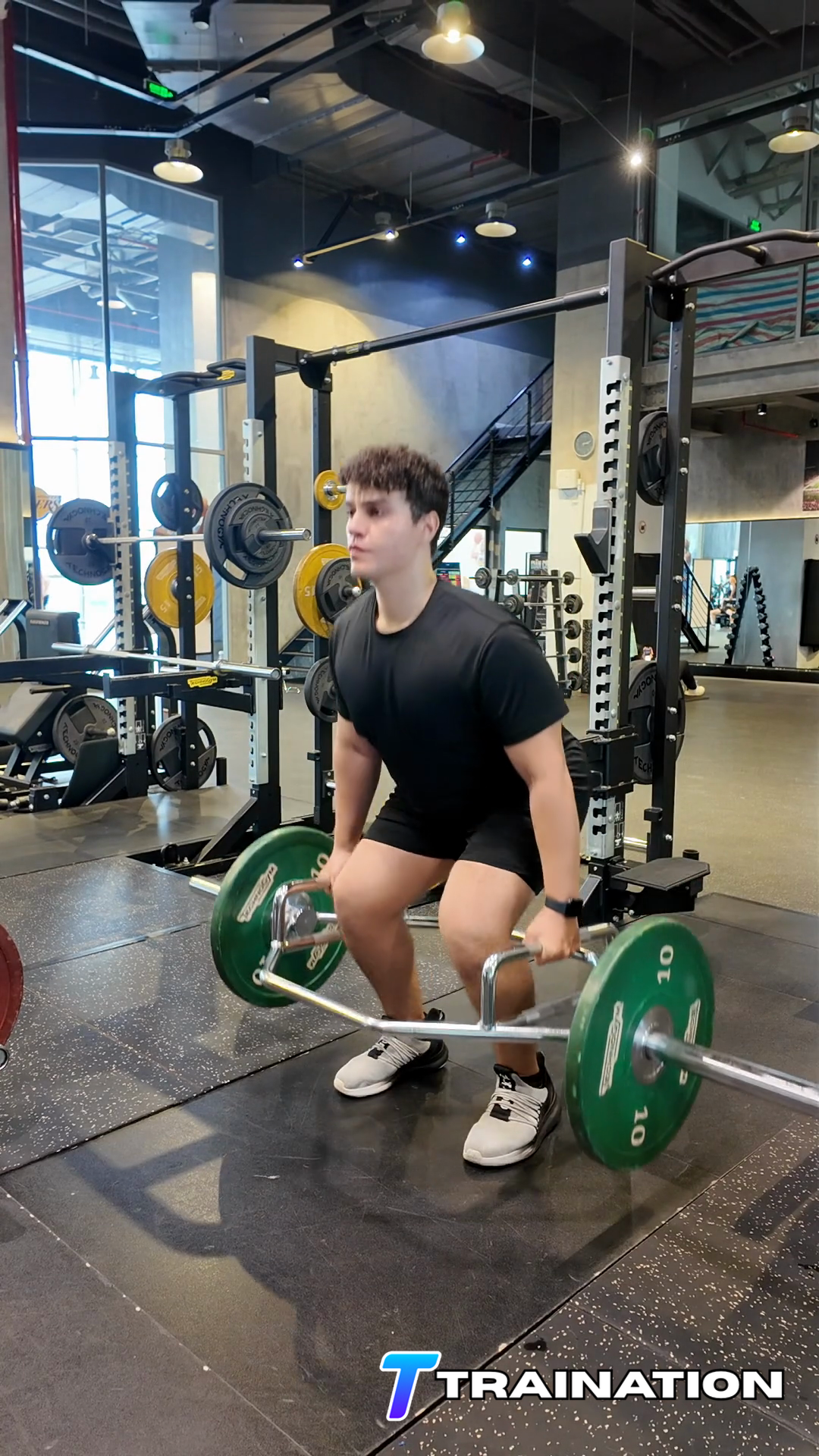
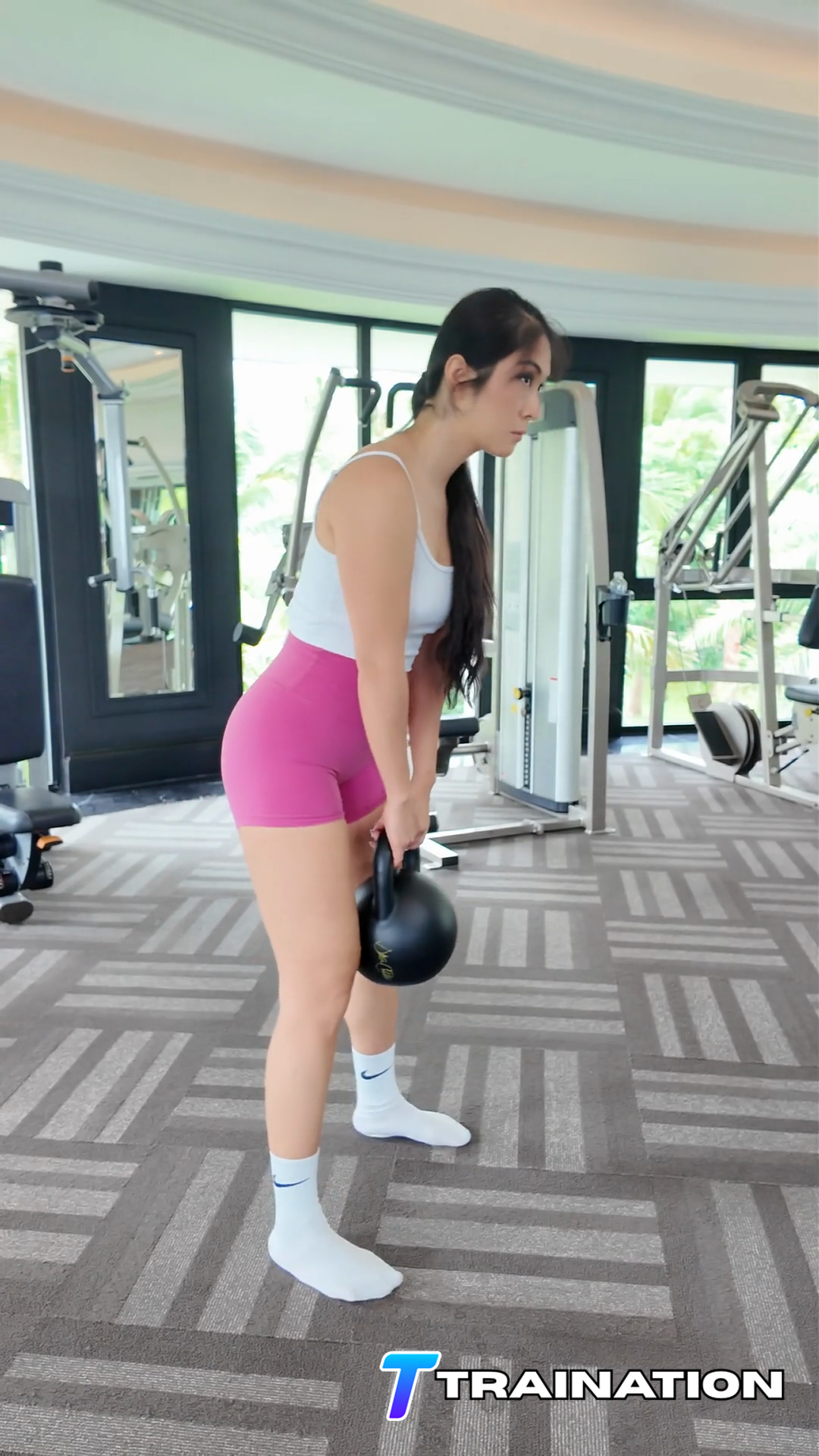
B-Stance Romanian Deadlift trains the hamstrings and glutes through a hip hinge that begins from standing and emphasizes a slow, controlled lowering phase.

Primary muscle
Glutes

Primary musclesGluteus maximus, Hamstrings, Erector spinae

Secondary musclesHip adductors, Quadriceps, Latissimus dorsi, Forearms

Equipment
Barbell
← Back to exercise database

Set up for B-Stance Romanian Deadlift

Prepare the barbell

  • Load both sides of the bar evenly, add collars, and clear loose plates from the lifting area.
  • When using a rack, set the hooks so the bar can be unracked without tiptoeing and position the safety arms just below the planned range.

Position yourself for B-Stance Romanian Deadlift

  • Place most of your weight on the front foot and set the other foot half a step behind as a light kickstand; keep the hips square.
  • Keep the head, ribs, and pelvis connected as one unit and arrange the load so it can remain close to the legs throughout the hinge. Keep the non-working side stable and compare both sides before choosing the working range.

Choose and verify the starting level

  • Use a conservative load for the first set of B-Stance Romanian Deadlift. You should be able to pause at the hardest position without changing the intended joint path.
  • Perform one slow rehearsal repetition and change the setup if the equipment shifts, the range causes pain, or the target position cannot be maintained.

How to perform B-Stance Romanian Deadlift

Follow the sequence in order, paying attention to the starting position, movement path, and finish described in each step.

  1. For B-Stance Romanian Deadlift, place most pressure through the front foot and use the rear toes as a light kickstand while the hips remain square.

  2. Brace around the trunk, set the shoulders, and keep the load close to the legs before initiating the hinge or floor pull.

  3. Push the hips backward while the knees remain softly bent and the torso tips as one controlled unit.

  4. Stop when hamstring tension would otherwise change the back position; do not reach the load toward an arbitrary depth.

  5. Drive through the floor and bring the hips forward to stand tall without leaning back, then reverse the path under control when the exercise begins from standing.

Common B-Stance Romanian Deadlift mistakes

These are the form changes most likely to move work away from the target muscles or make the repetition harder to control.

Turning the hinge into a squat

Keep only a soft knee bend and send the hips backward; excessive knee travel removes the intended hamstring-loaded hinge.

Reaching for the floor

End the descent at your controlled hamstring range rather than chasing an arbitrary bar height and rounding the back.

Letting the load drift

Keep the bar, dumbbells, or kettlebell close to the legs throughout both phases.

Leaning back at the top

Finish with ribs stacked over the pelvis. Extra backward lean adds lower-back extension without improving the hip hinge.

When to modify or choose another exercise

  • Reduce the resistance, range, lever length, or balance demand if B-Stance Romanian Deadlift cannot be completed without compensation.
  • Stop when the exercise produces sharp, catching, radiating, or increasing joint pain rather than the expected muscular effort.
  • Use a supported or unloaded version when foot pressure, balance, or trunk position cannot remain consistent; seek individualized guidance when pain persists after those changes.

How to use B-Stance Romanian Deadlift in a training program

Use B-Stance Romanian Deadlift early in a session focused on glutes, or early in a full-body session, when it is a priority lift; place it later when it supports volume for another main movement.

01

Where it fits in a session

Use B-Stance Romanian Deadlift early in a workout focused on glutes, or early in a full-body workout, when strength or technical progress is the priority; place it later when it supplies secondary volume.

02

How often to use it

Use one to three times per week as part of training the relevant muscle groups at least twice weekly; the same exercise does not need to appear in every session.

Starting rep ranges by goal

GoalSetsReps or timeRestEffort and execution
Technique2–43–690–180 secLight to moderate; 3–5 reps in reserve
Strength2–43–62–4 minHeavy, usually 2–3 clean reps in reserve
Muscle growth2–46–1290–180 secUsually 1–3 clean reps in reserve

How to progress it

Use double progression: reach the top of the repetition range across all sets with the same technique, then add the smallest practical load and return to the lower end.

Pairing and sequencing

  • Pair with an opposing or low-skill accessory when the second exercise does not reduce safety or performance.
  • Count working sets toward total weekly volume for every major muscle group that contributes substantially.

Coach's notes

  • For general strength, start with 2–3 working sets of 4–8 repetitions and rest 2–3 minutes between demanding sets.
  • For muscle growth, use a moderate load for 6–12 controlled repetitions and count the sets toward weekly volume for the trained muscles.
  • Progress repetitions within the chosen range before adding a small amount of load, and record load, reps, range, and effort.

Regressions and progressions for B-Stance Romanian Deadlift

Start with an easier option

Dowel hip hinge

Keep a dowel in contact with the head, upper back, and pelvis while learning to send the hips backward.

Kettlebell deadlift from blocks

Raise a light kettlebell so the start can be reached without losing trunk position.

Progress when form is repeatable

Tempo B-Stance Romanian Deadlift

Lengthen the lowering phase to reinforce load control and a consistent stopping point.

Single-leg or offset hinge

Increase unilateral and anti-rotation demand only after the bilateral hinge is repeatable.

References
  1. National Academy of Sports MedicineRomanian Deadlift Barbell: Technique and Common Mistakes
  2. Mayo ClinicWeight Training: Do's and Don'ts of Proper Technique
  3. American College of Sports MedicineACSM Resistance Training Guidelines Update

Build client programs that drive retention and cut your weekly programming time in half.

Explore the workout builder →
Beta access

Become a Traination Beta User
Apply to become a beta user of the app for free in exchange for feedbacks and reviews. Your time is important! That's why we will reach out to you individually to make sure this is the right fit.