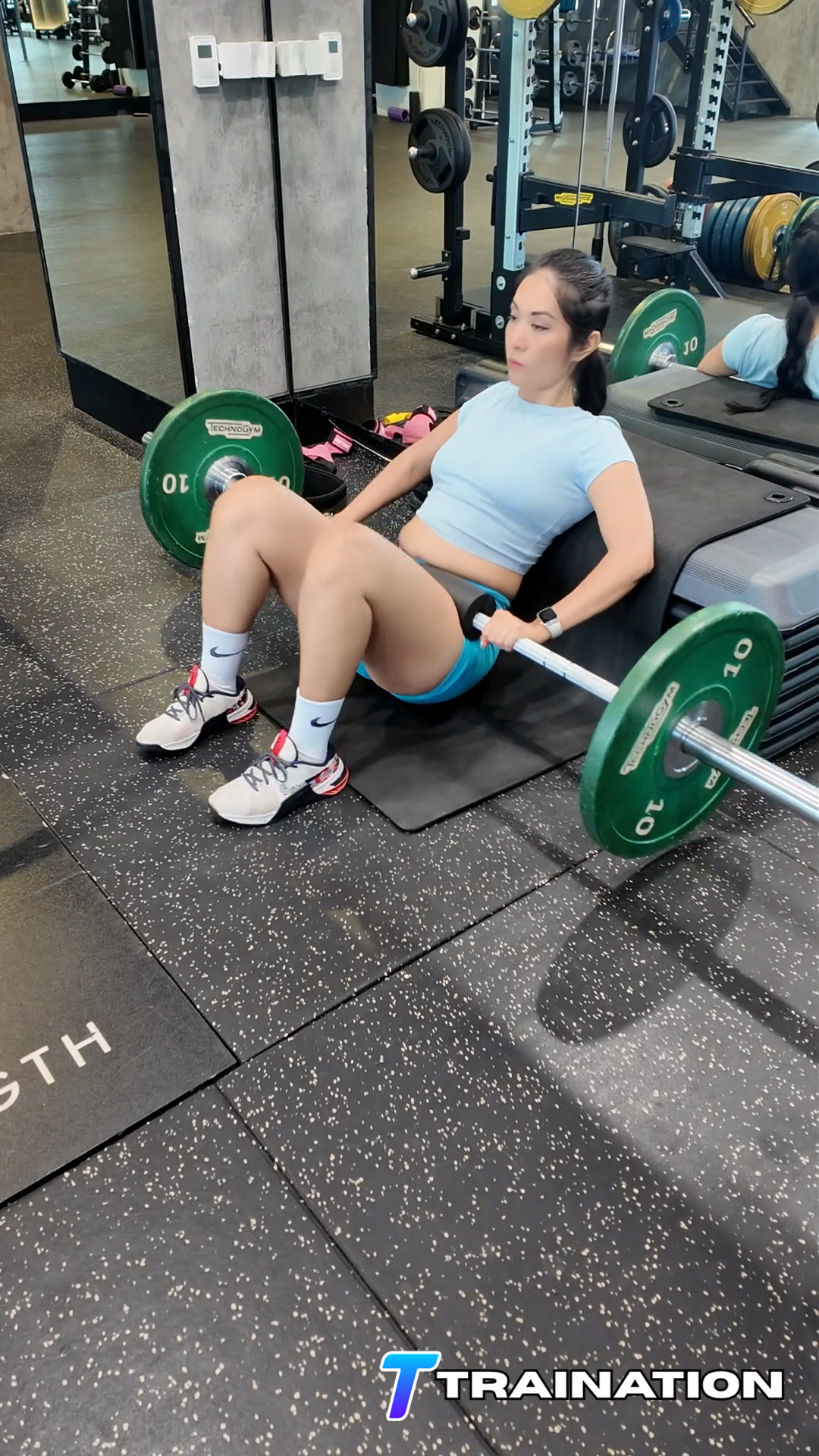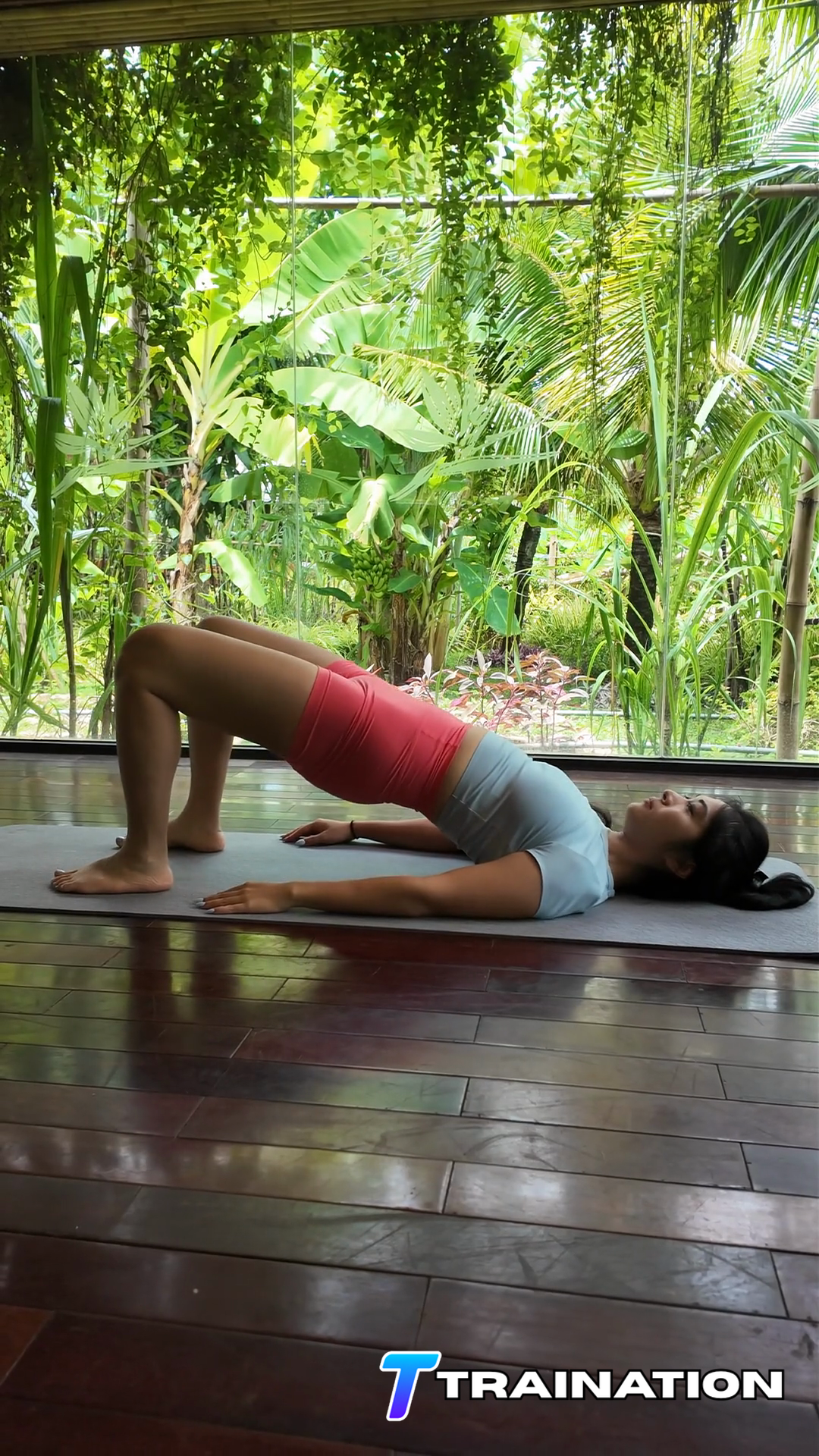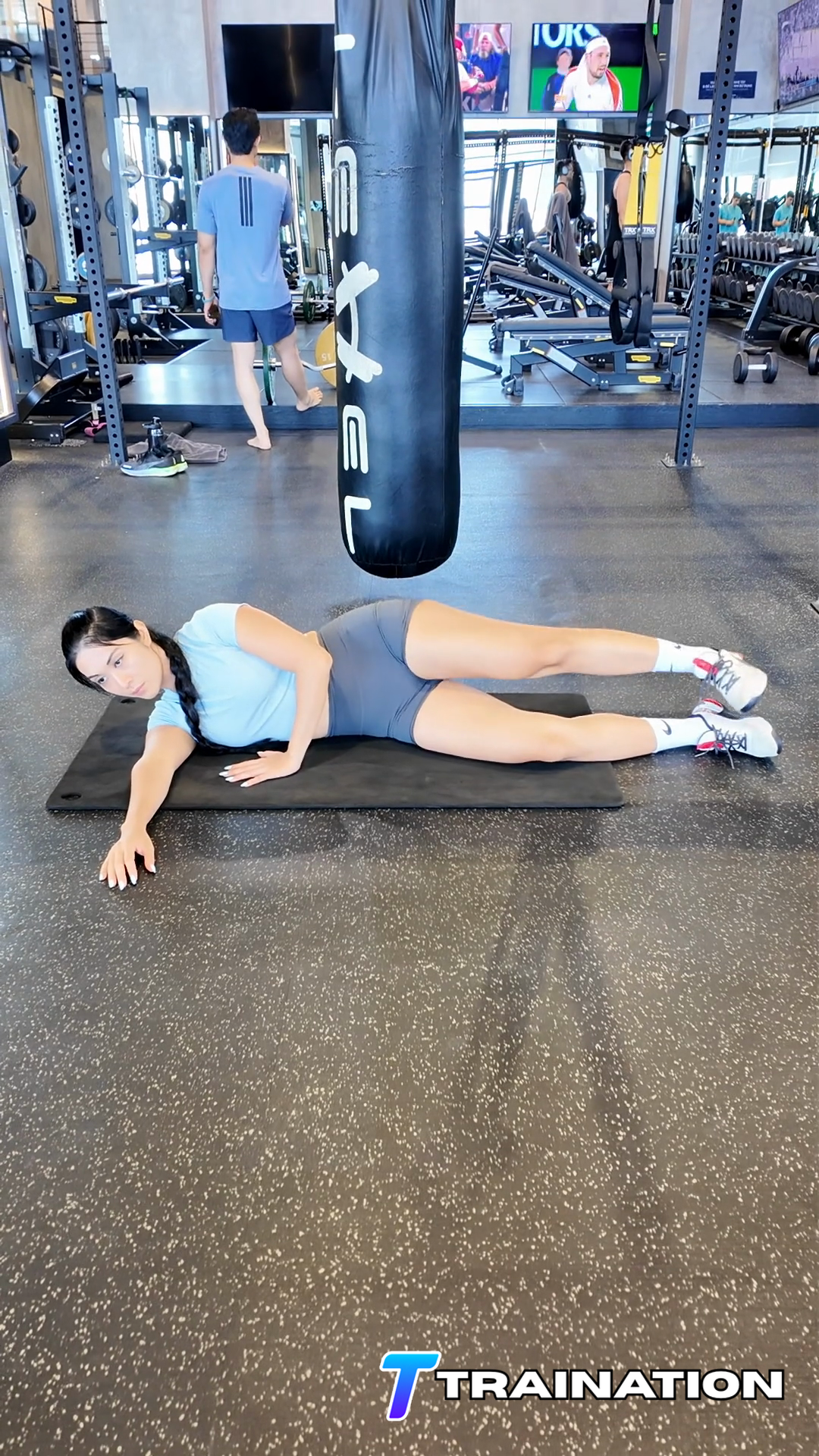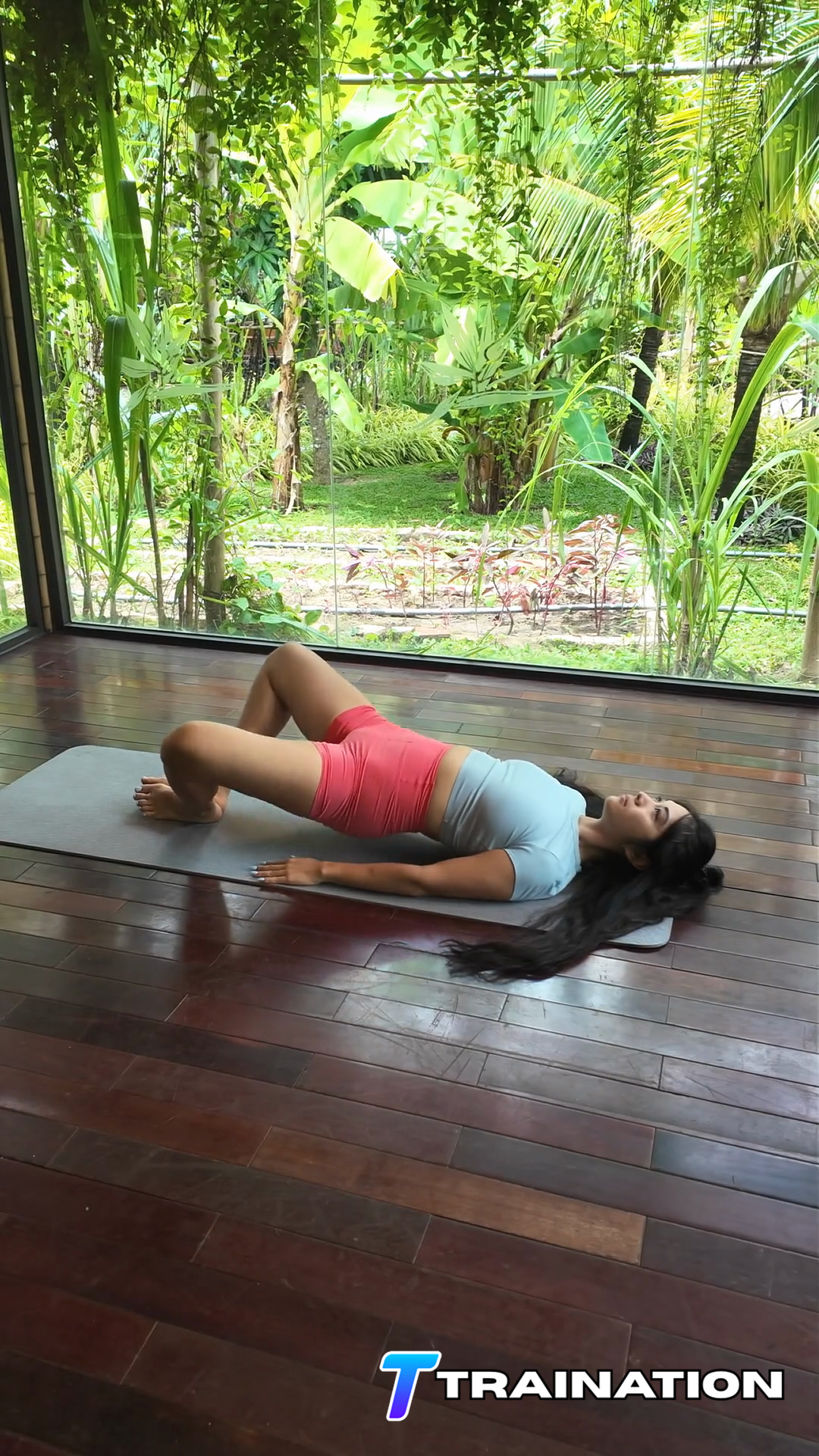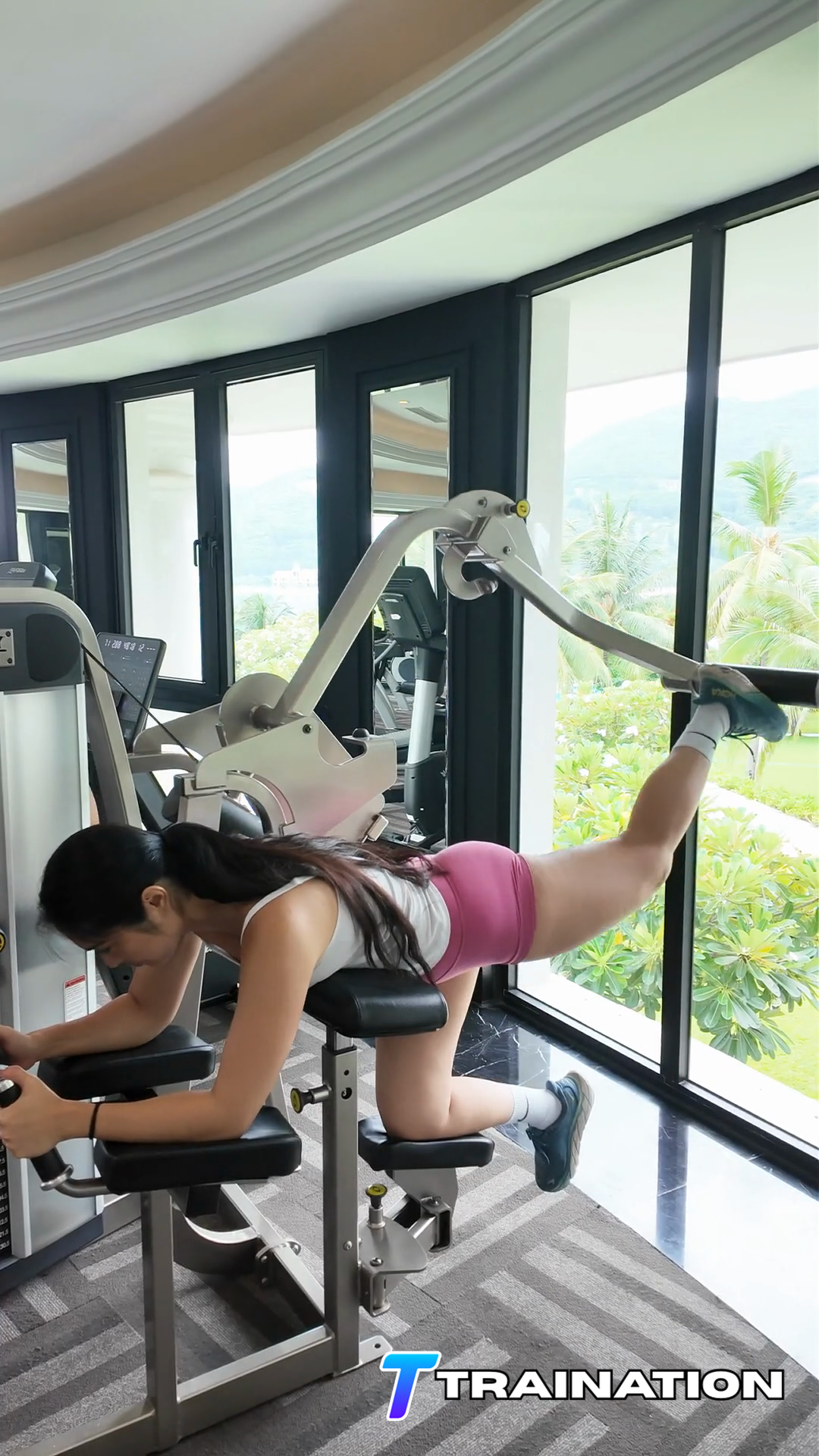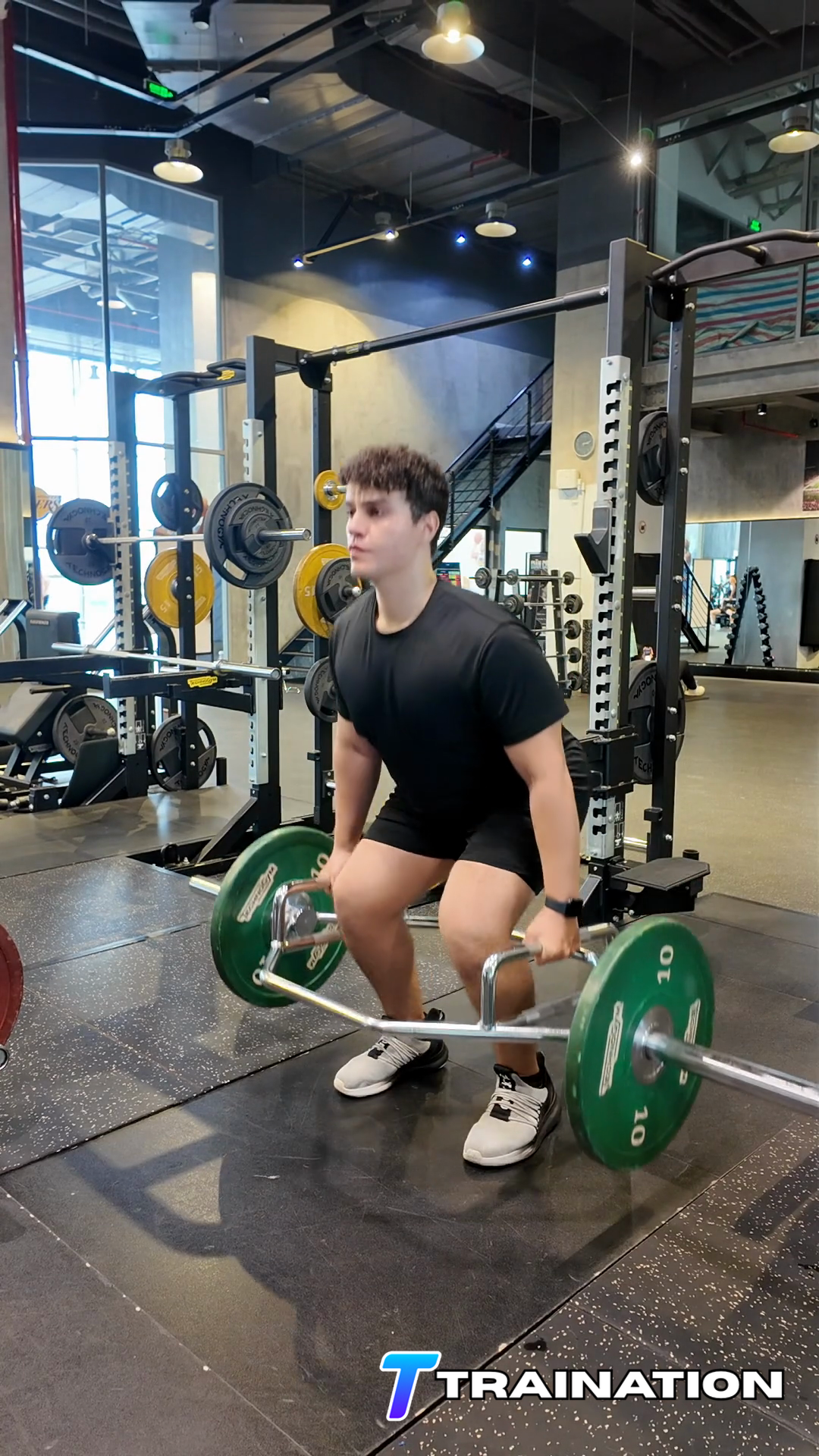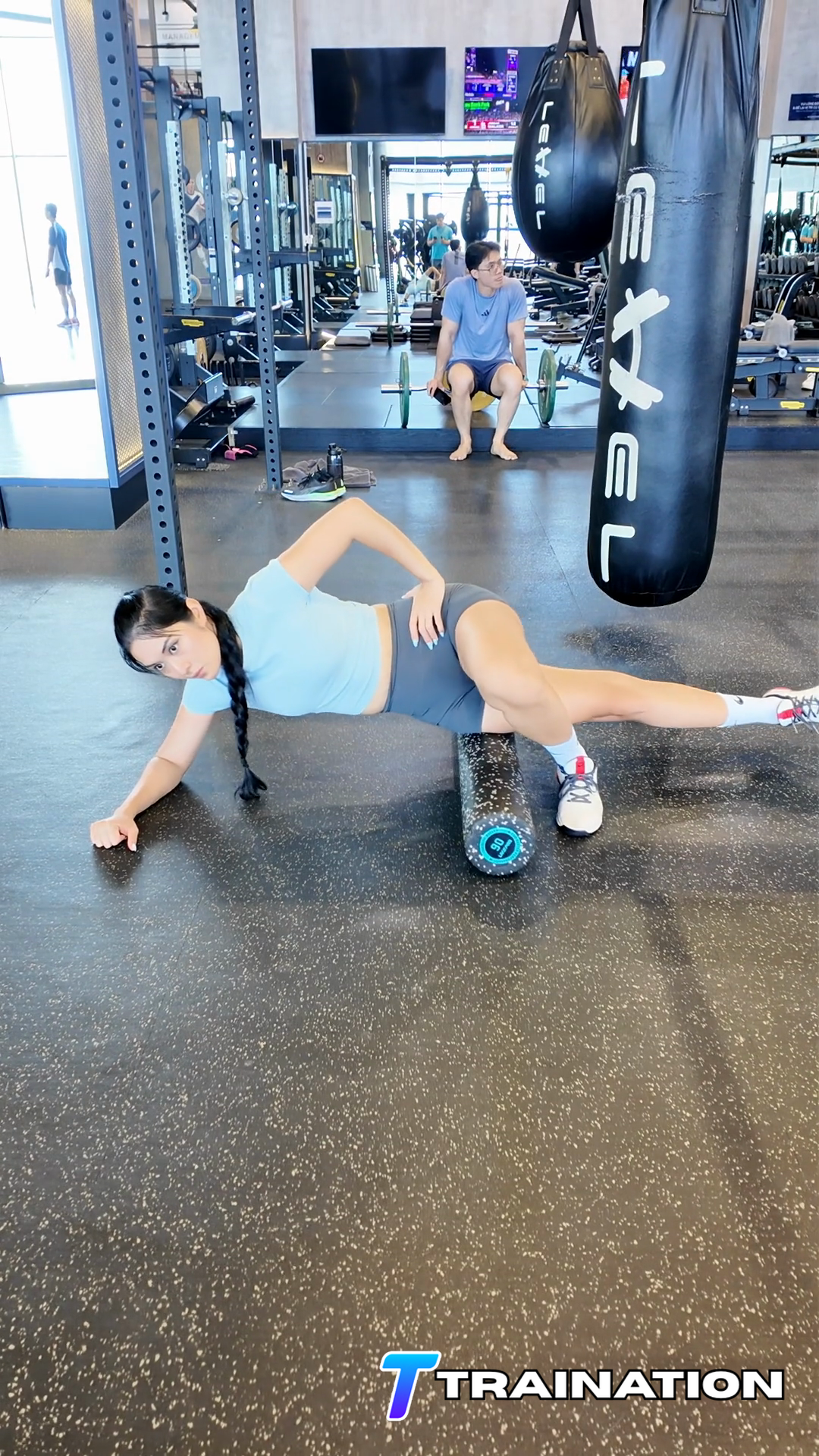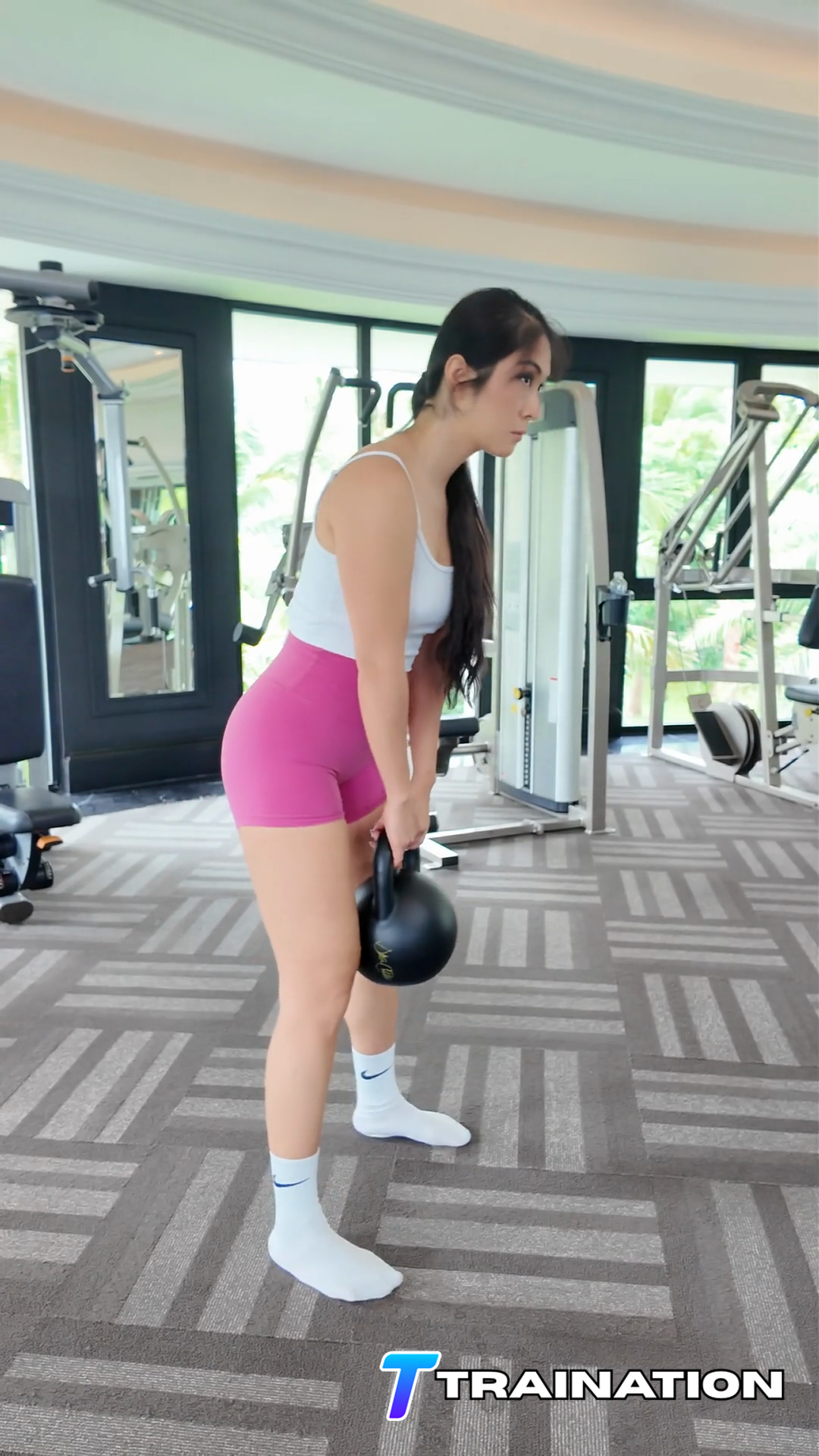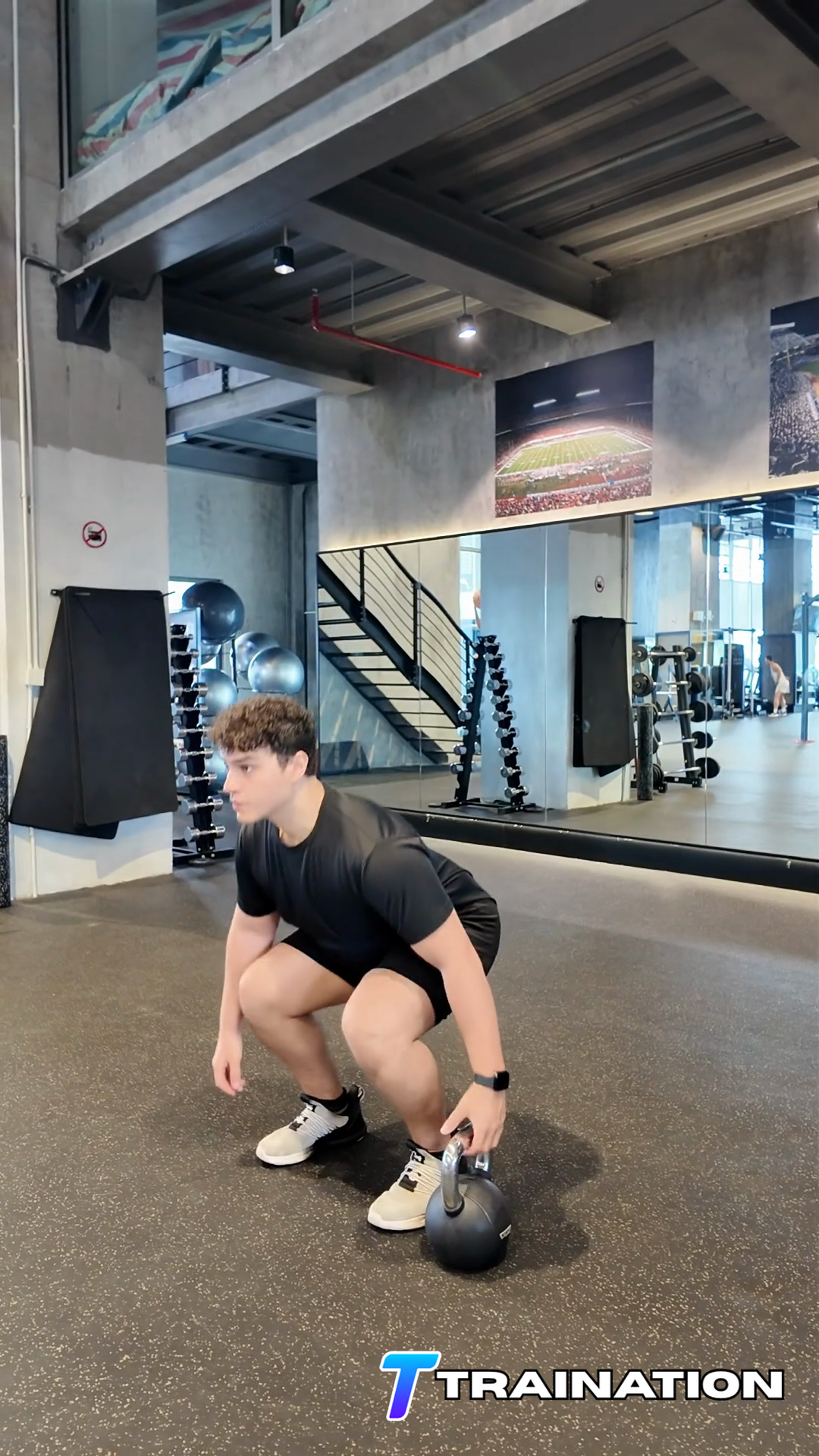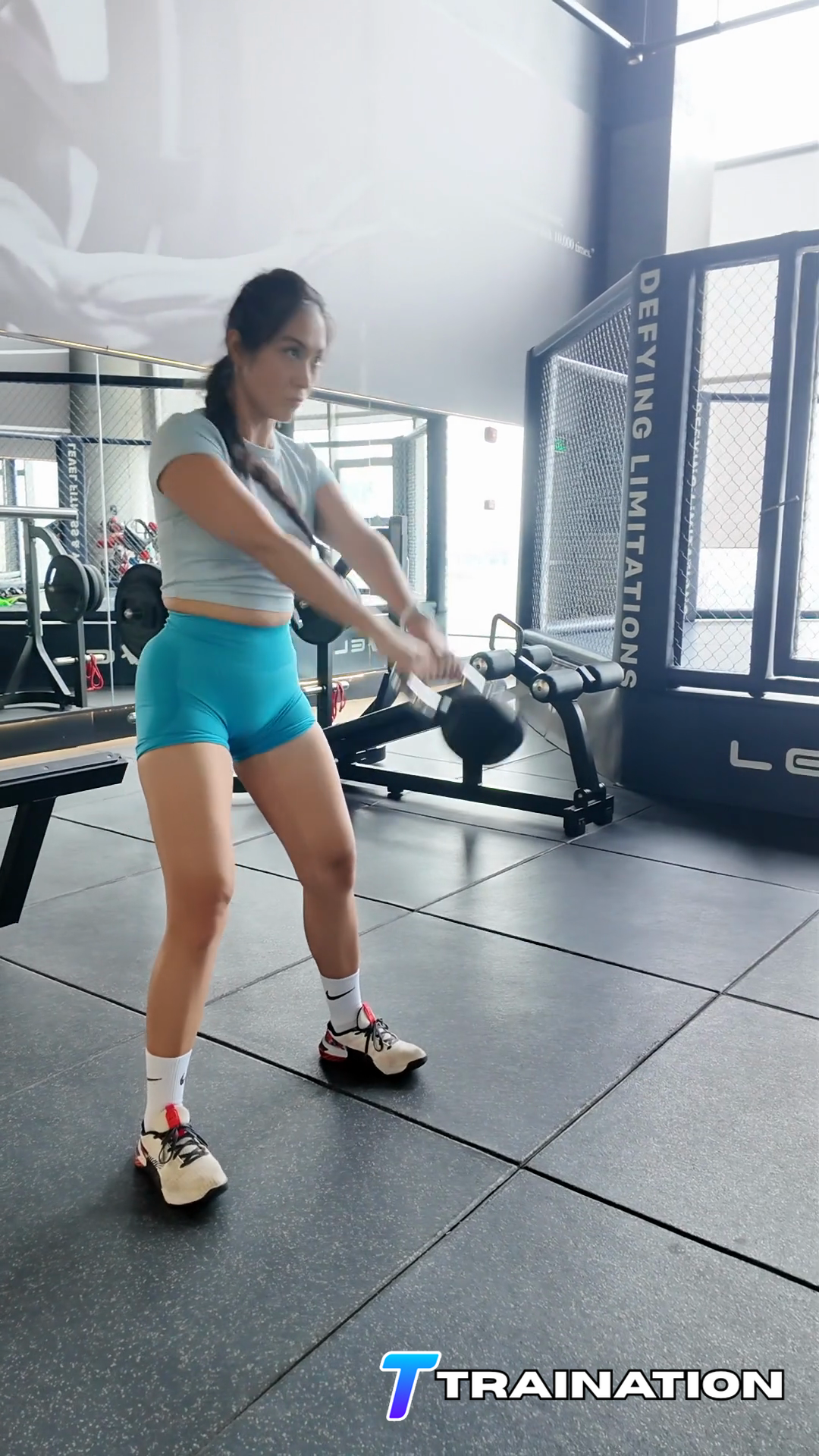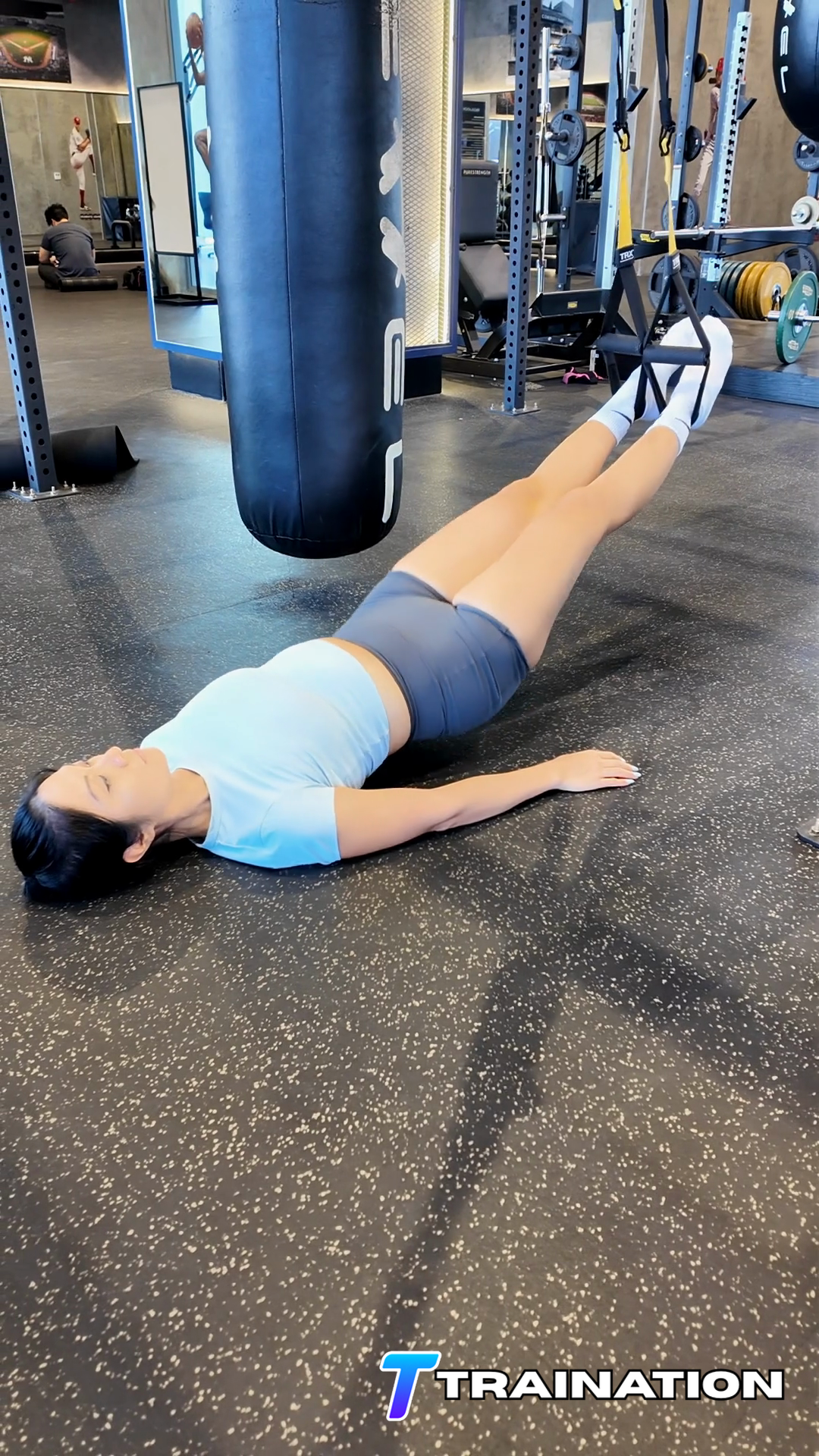
Holding after position is lost
End the set when the hips sag, rise, or turn, or when the lower back arches. Do not keep holding just to reach a set time.
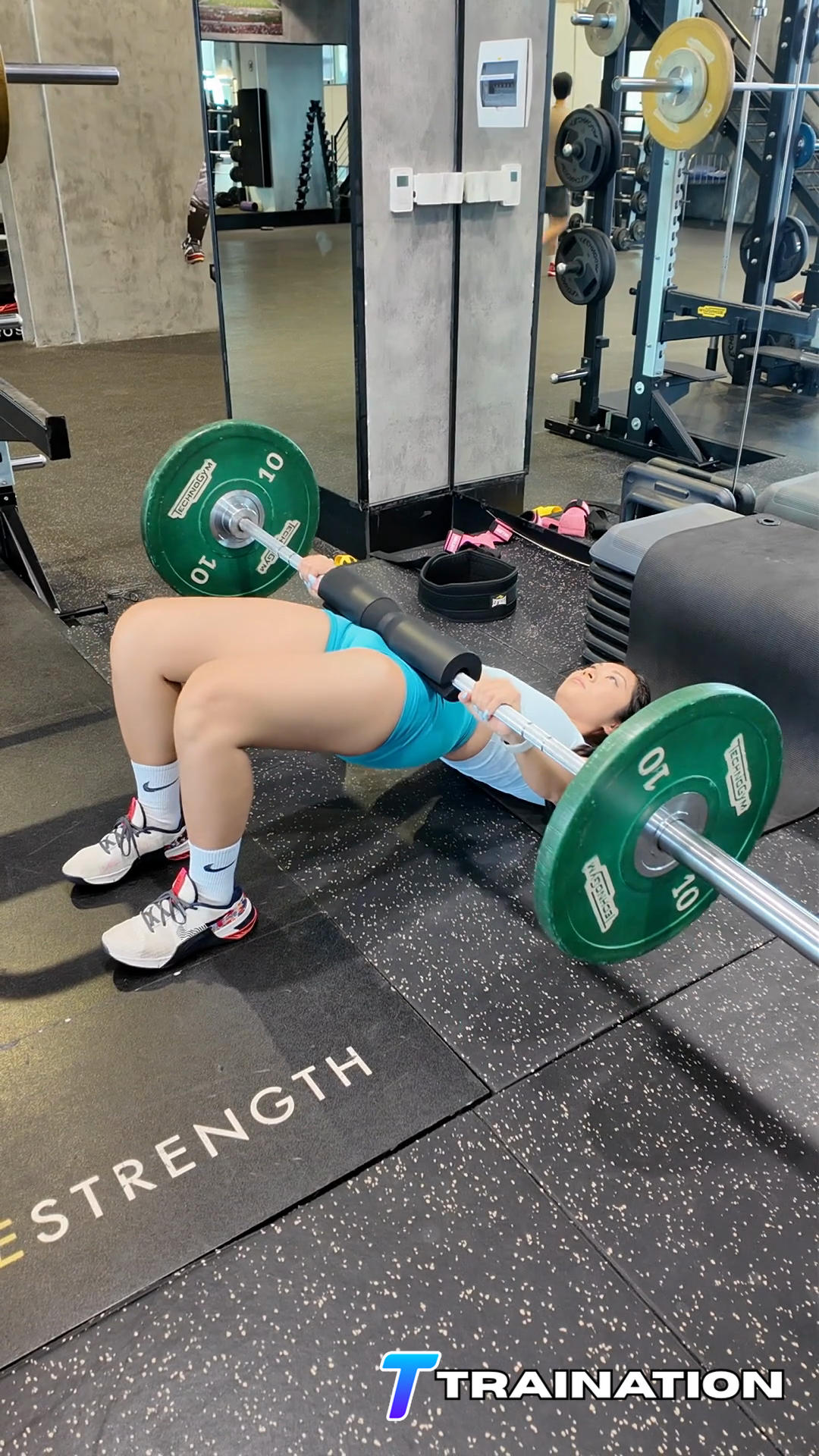
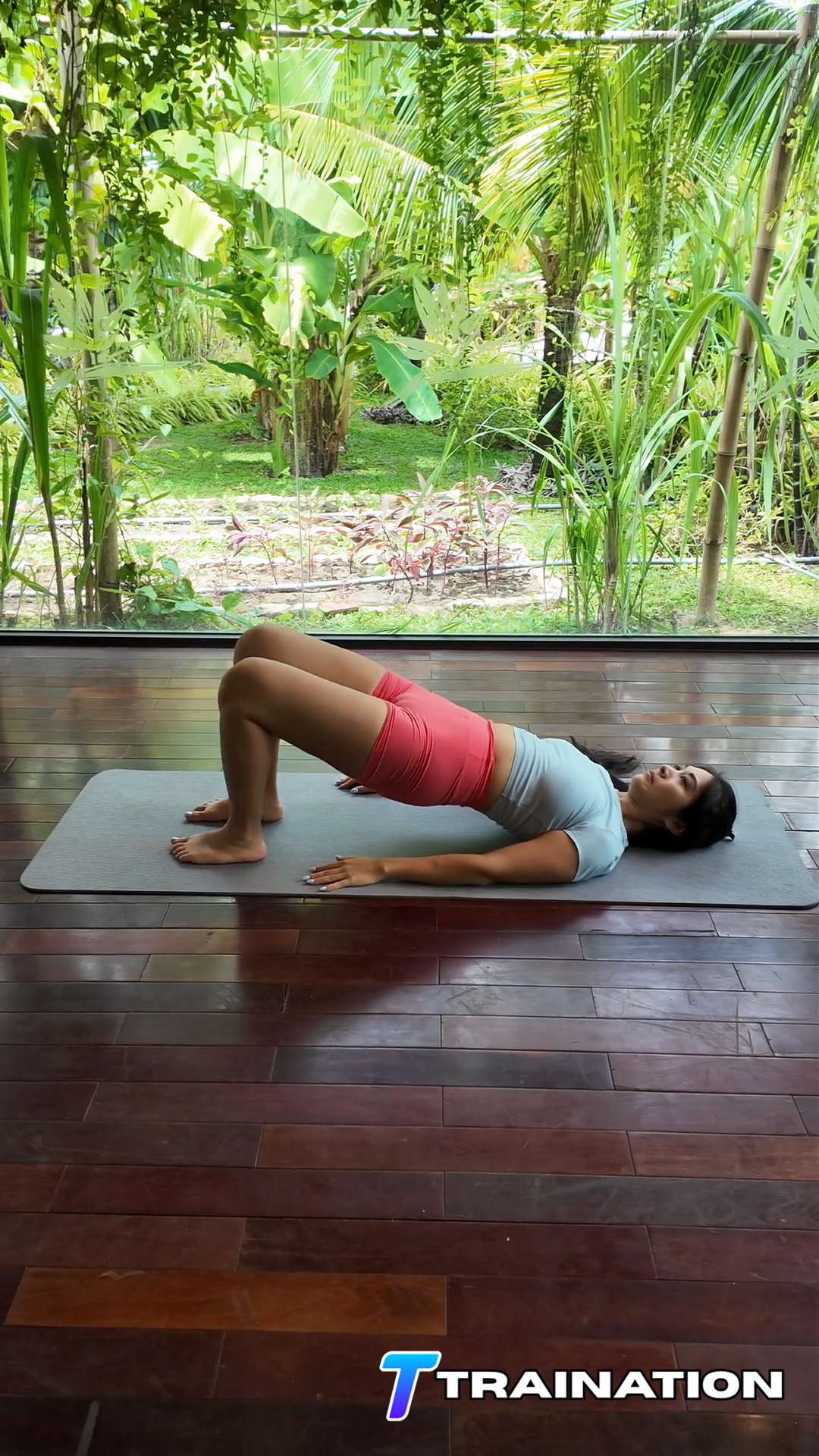
Single-Leg Glute Bridge Hold is a timed single-leg hip-extension hold that challenges the glute while the pelvis remains level.
Primary musclesGluteus maximus
Secondary musclesHamstrings, Gluteus medius, Abdominals
Follow the sequence in order, paying attention to the starting position, movement path, and finish described in each step.
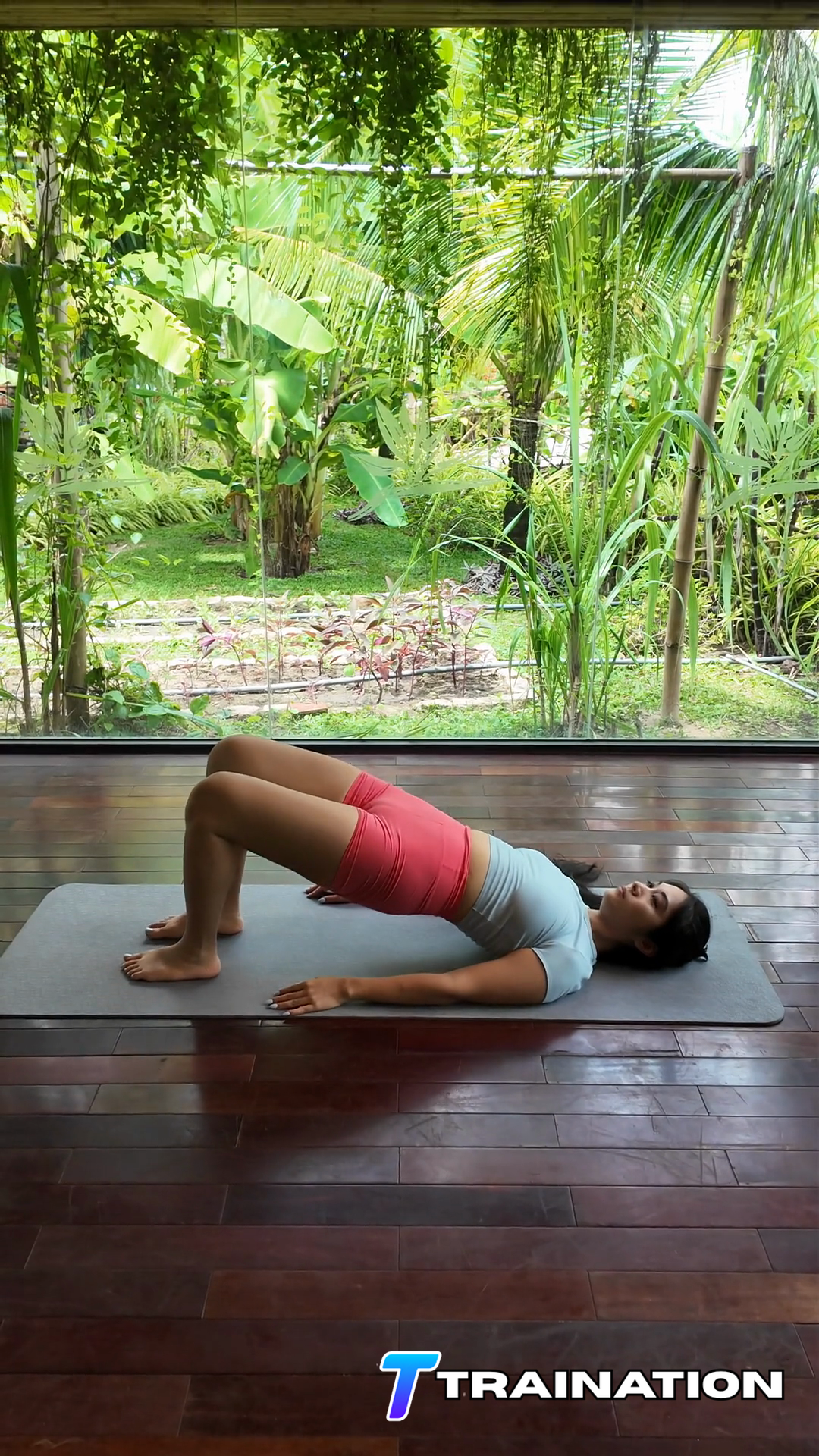
Lie on the back with one foot planted, the other leg raised, arms resting on the floor, and pelvis level.
Brace the abdomen and press through the whole planted foot to lift the hips.
Hold with the torso and working thigh aligned while both hip bones remain level.
Breathe normally and end the hold when the hips sag, rotate, or the lower back begins to arch.
Lower under control, rest, and repeat the same hold on the other leg.
End the set when the hips sag, rise, or turn, or when the lower back arches. Do not keep holding just to reach a set time.
Maintain abdominal tension while taking small, regular breaths.
Press through the support points and keep the neck long.
Shorten the body position or use knee support if the shoulders, pelvis, and spine cannot remain aligned.
Place Single-Leg Glute Bridge Hold after the main lower-body lifts or in a short glute block where it will not fatigue the hips before squats or hinges.
Use two or three times per week while counting other bridges, hip thrusts, and single-leg glute work.
| Goal | Sets | Reps or time | Rest | Effort and execution |
|---|---|---|---|---|
| Control | 2–3 | 10–20 sec per side | 45–75 sec | End the hold when the pelvis rotates or drops |
| Glute endurance | 2–4 | 20–40 sec per side | 60–90 sec | Keep 5–10 seconds of perfect-position reserve |
Scale the movement
Keep both feet planted while learning the level-pelvis hold.
Keep the raised knee bent and close to the chest to reduce the leverage demand.
Extend the raised leg farther only while the pelvis remains level.
Add a light padded load after both sides can hold the same height and time.
Turn Single-Leg Glute Bridge Hold and the rest of your exercise library into repeatable client programs.
Explore the workout builder