Arching the lower back
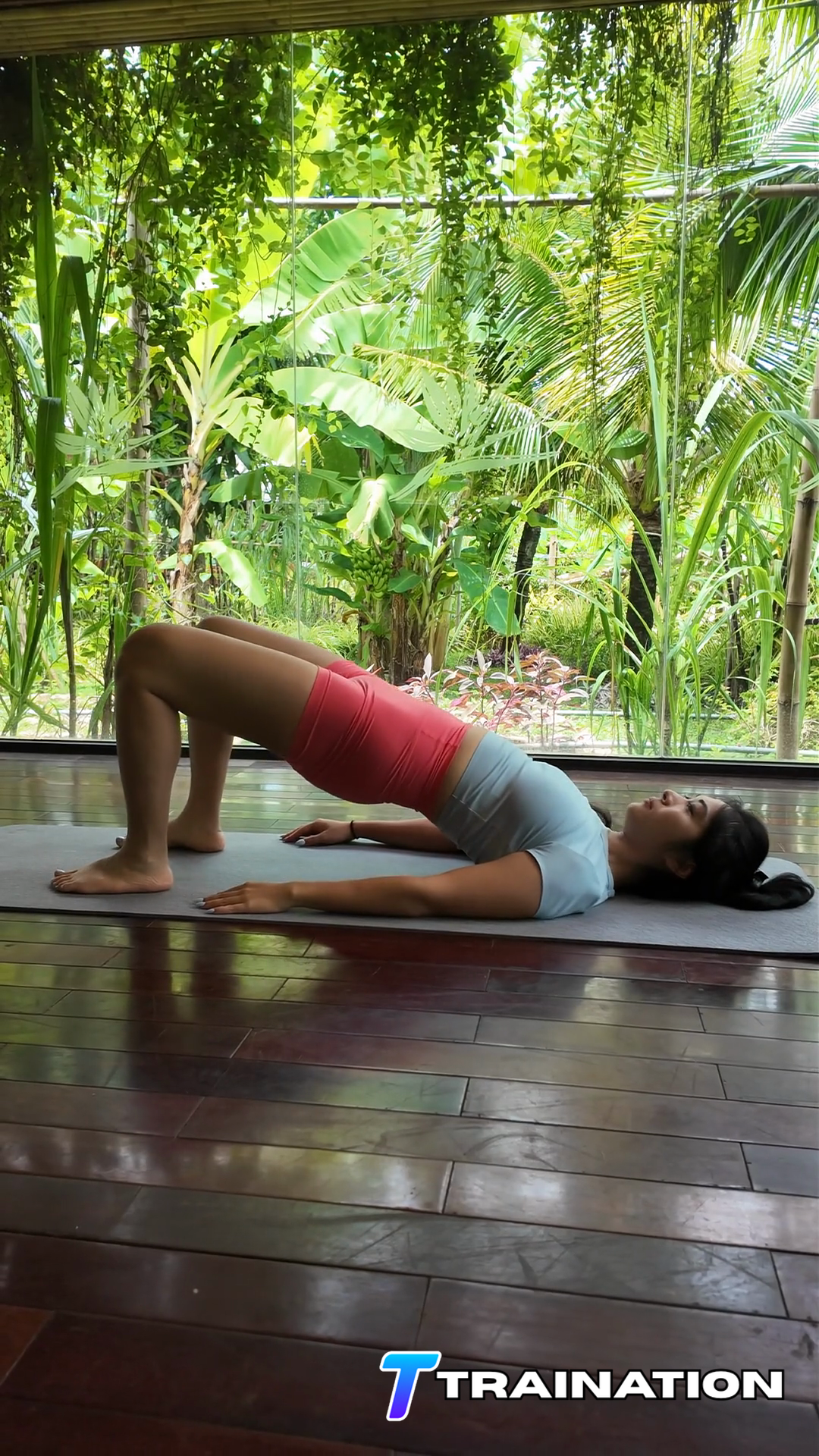
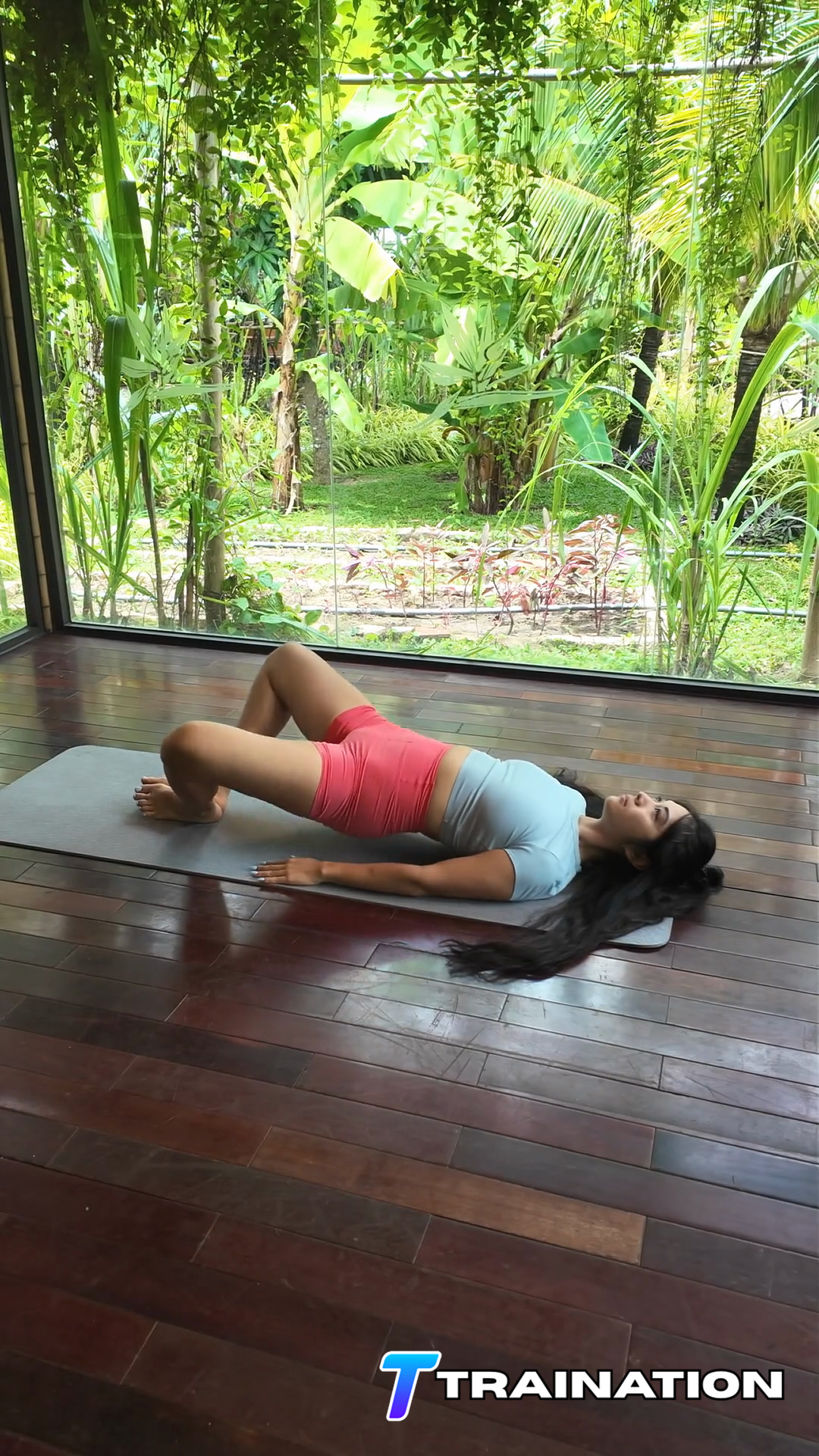
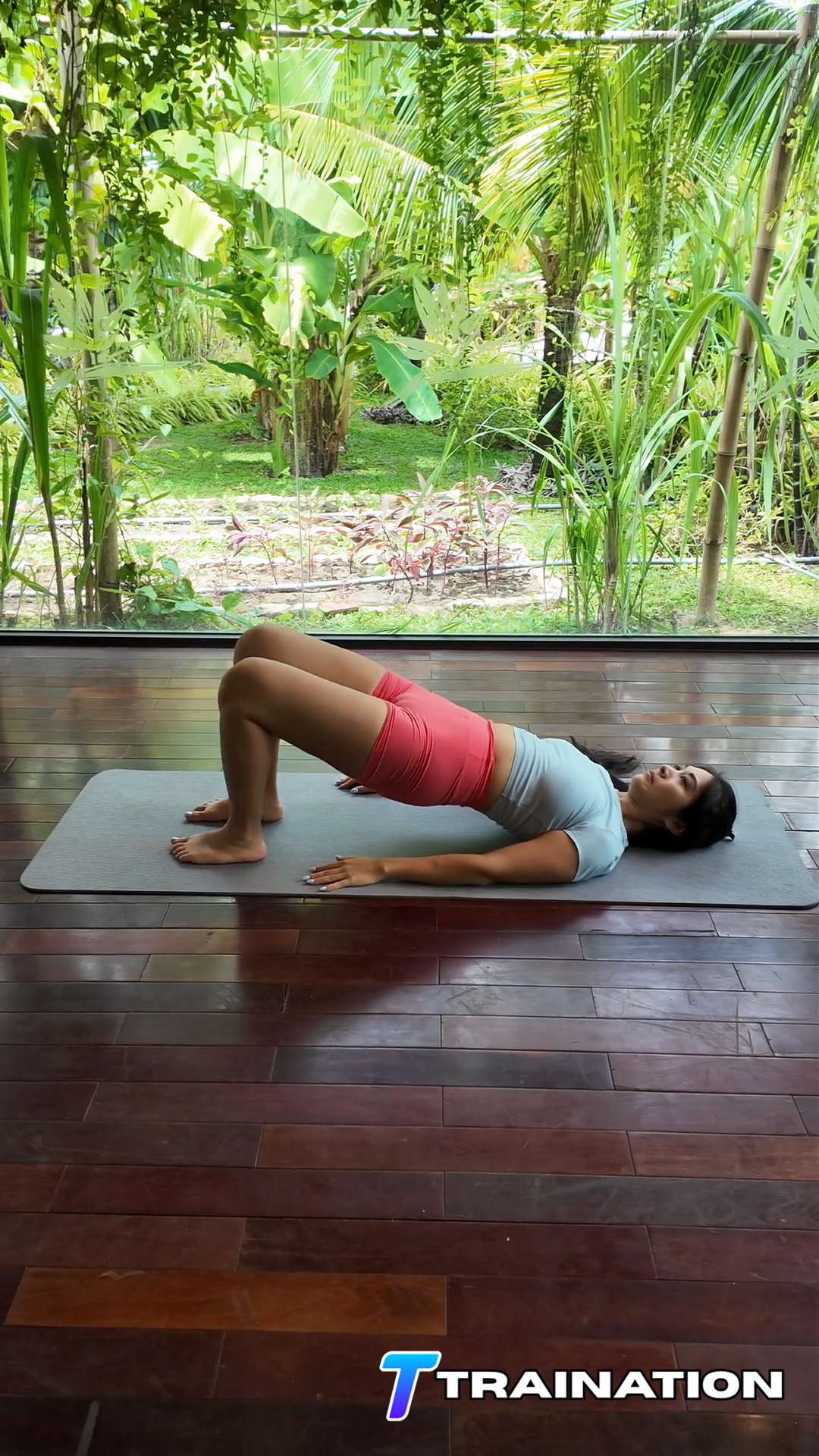
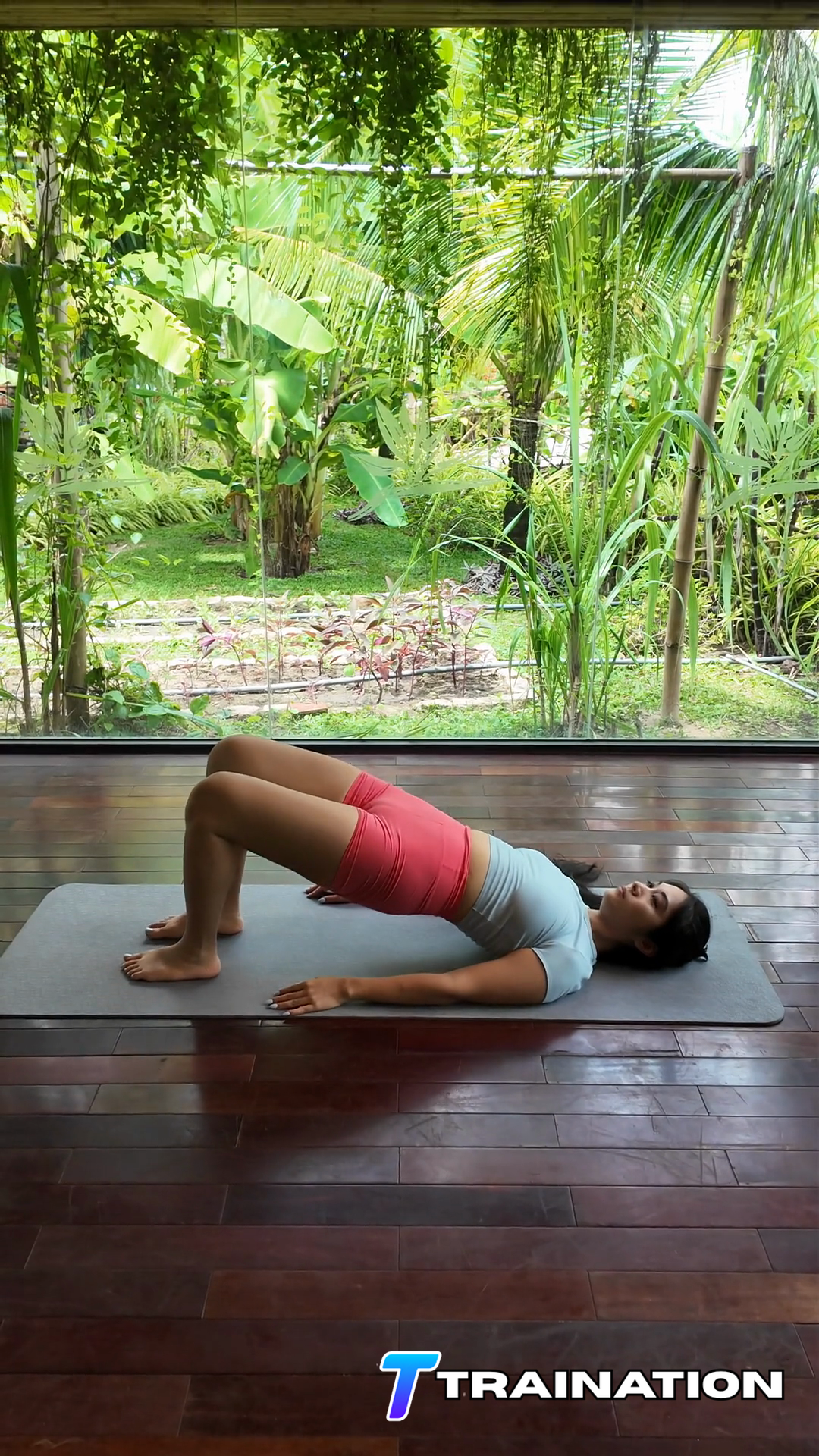
Keep the ribs down and finish by squeezing the glutes instead of arching the lower back.
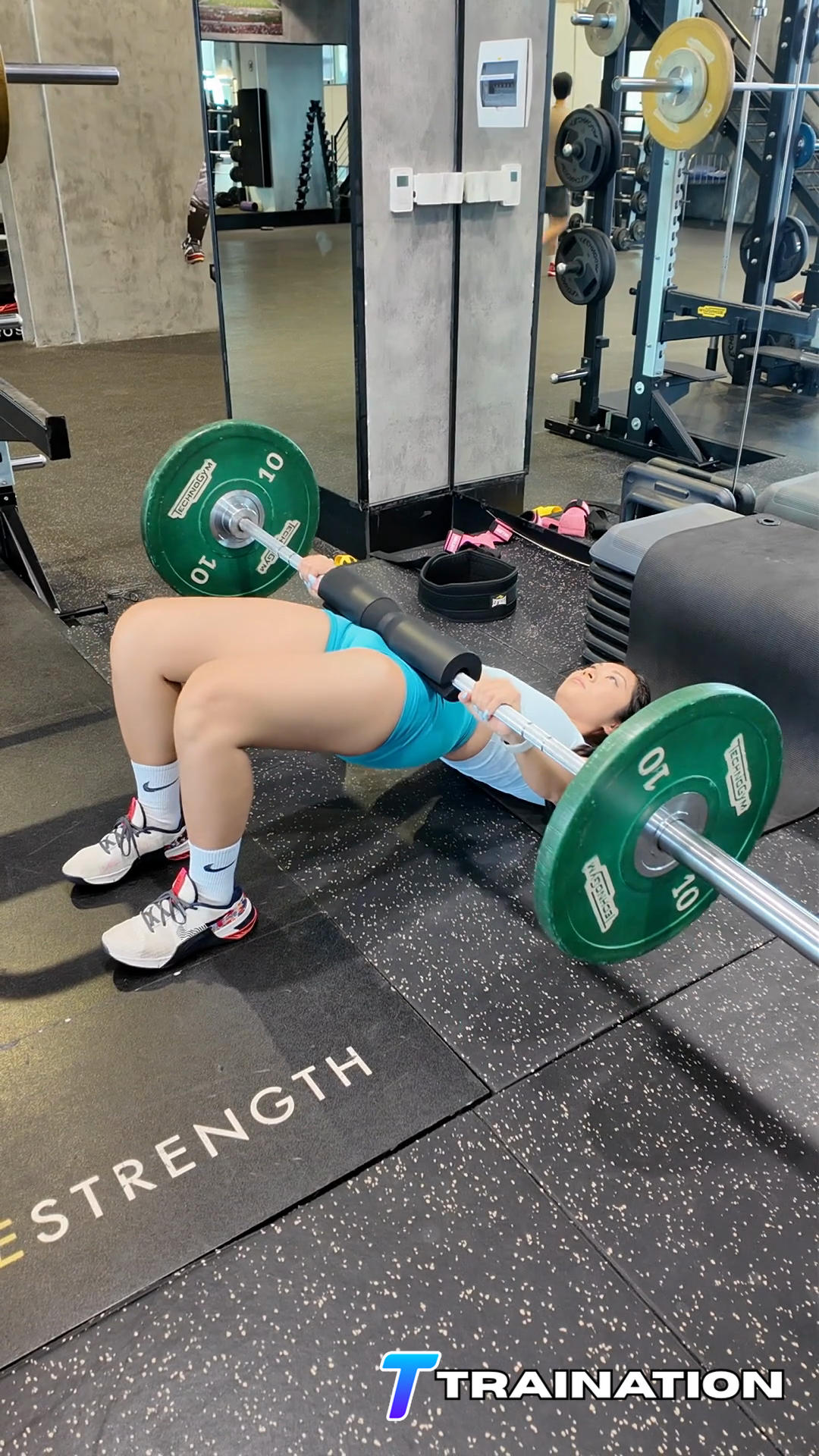
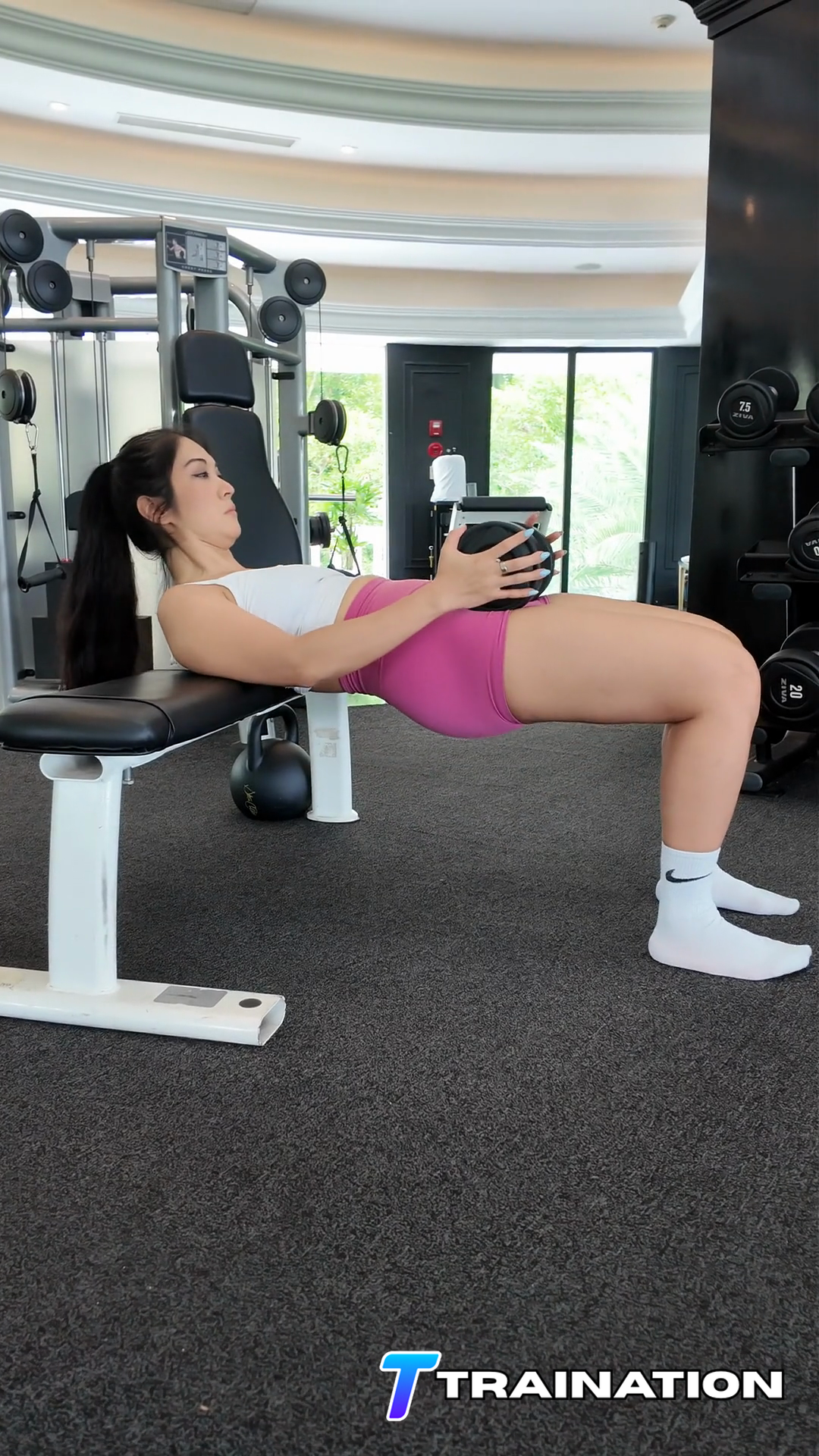
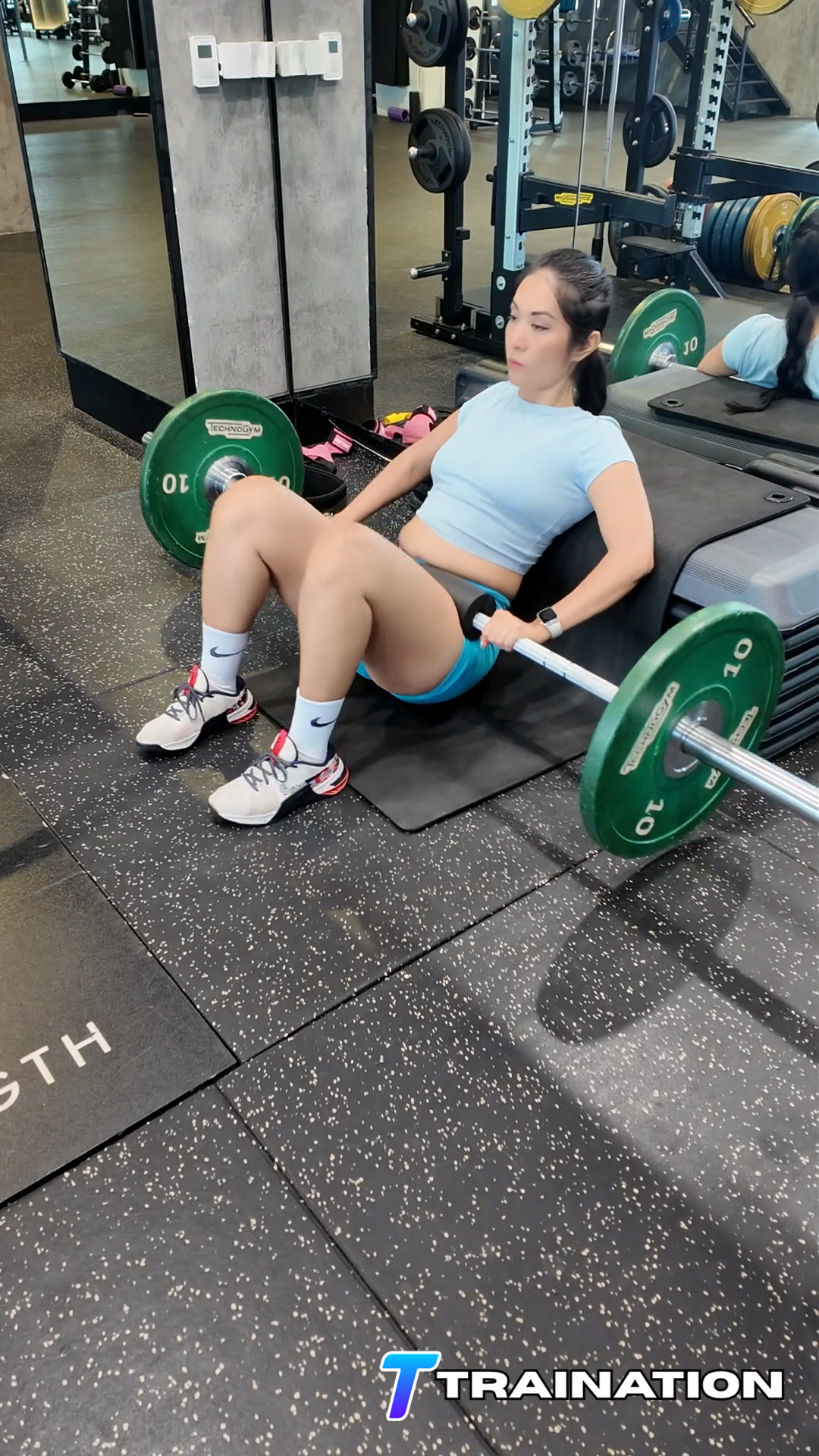
Barbell Hip Thrust trains the glutes through hip extension while the shoulders remain supported and the trunk stays braced.
Primary musclesGluteus maximus
Secondary musclesHamstrings, Hip adductors, Abdominals
Follow the sequence in order, paying attention to the starting position, movement path, and finish described in each step.
Sit with the upper back against a stable bench, roll a padded bar over the legs, and centre it securely across the hip crease.
Plant the feet about hip width and hold the bar with both hands so it cannot roll during the set.
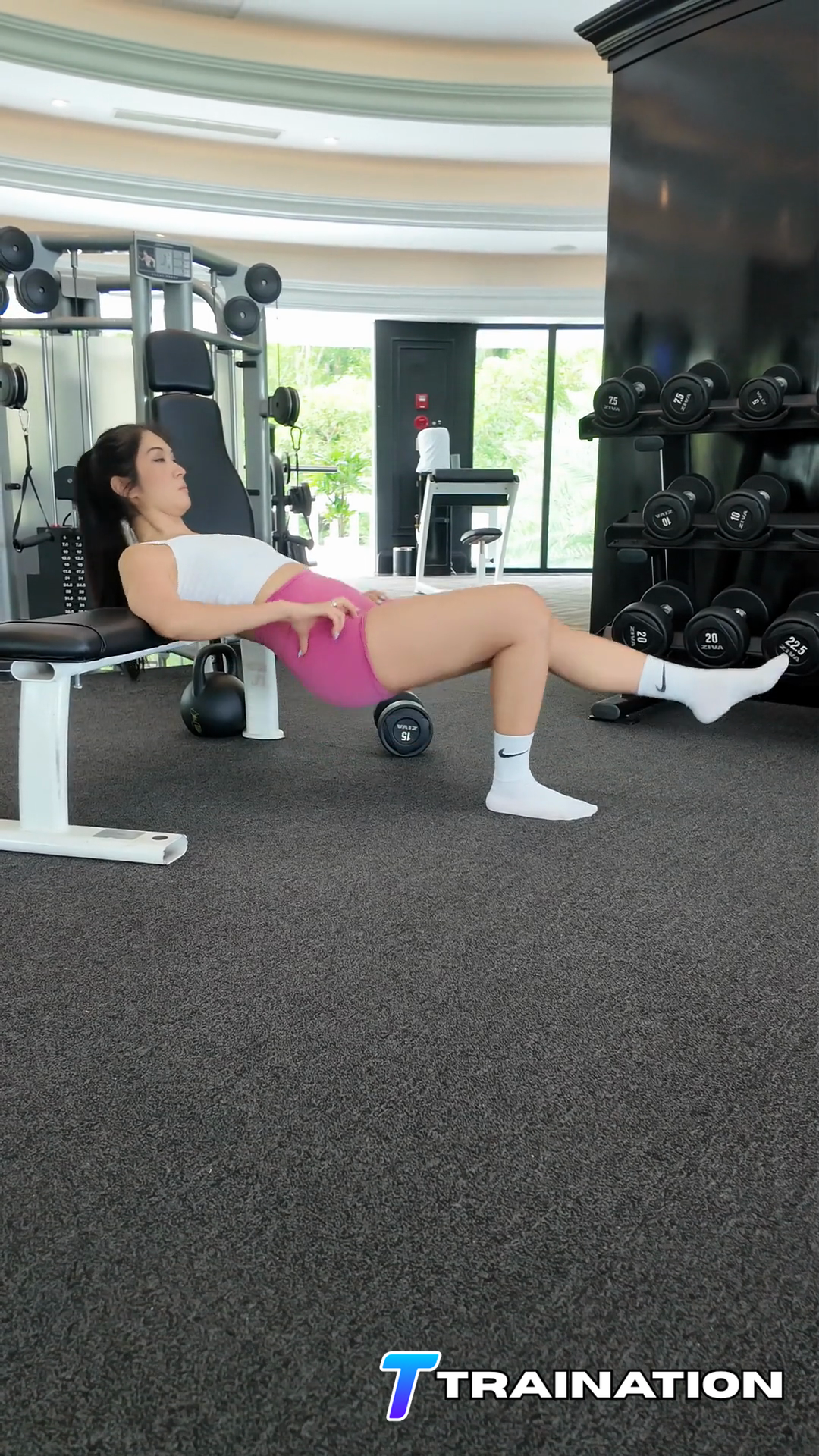
Brace the abdomen, tuck the pelvis slightly, and drive through the whole feet to raise the hips as the upper back pivots on the bench.
Finish with the torso level, shins near vertical, and glutes contracted without lifting the ribs or arching the lower back.
Lower the hips and bar together under control while keeping the knees aligned.
Keep the ribs down and finish by squeezing the glutes instead of arching the lower back.
Keep the knees aligned with the toes throughout the lift and return.
Use whole-foot pressure and adjust the feet if the hamstrings cramp or the heels lift.
Stop when the torso and thighs align instead of driving the hips past a stacked finish.
Place Barbell Hip Thrust after the main squat or hinge when it adds glute volume, or early in the strength block when hip-extension strength is the primary goal.
Use one to three times per week while counting hip thrusts, bridges, hinges, and squats toward total glute work.
| Goal | Sets | Reps or time | Rest | Effort and execution |
|---|---|---|---|---|
| Strength accessory | 2–4 | 6–10 | 75–150 sec | Leave 2–3 controlled reps in reserve |
| Muscle growth | 2–4 | 8–15 | 60–120 sec | Usually 1–3 clean reps in reserve |
Scale the movement
Remove the bar while learning the bench pivot and stacked finish.
Use the empty padded bar before adding plates.
Pause at the top while the bar stays centred and the shins remain near vertical.
Add the smallest plates only after every repetition reaches the same hip height.
Turn Barbell Hip Thrust and the rest of your exercise library into repeatable client programs.
Explore the workout builder