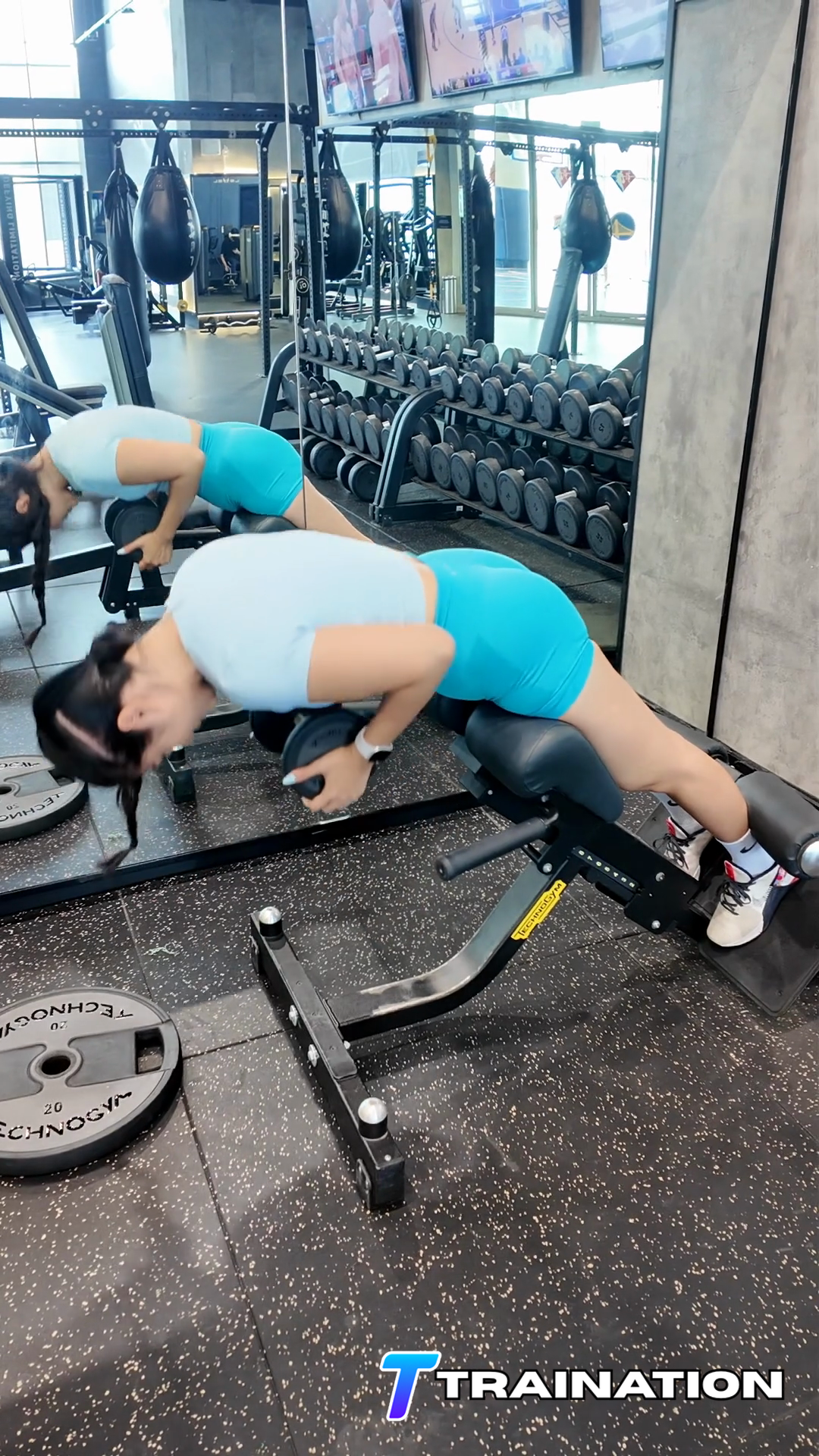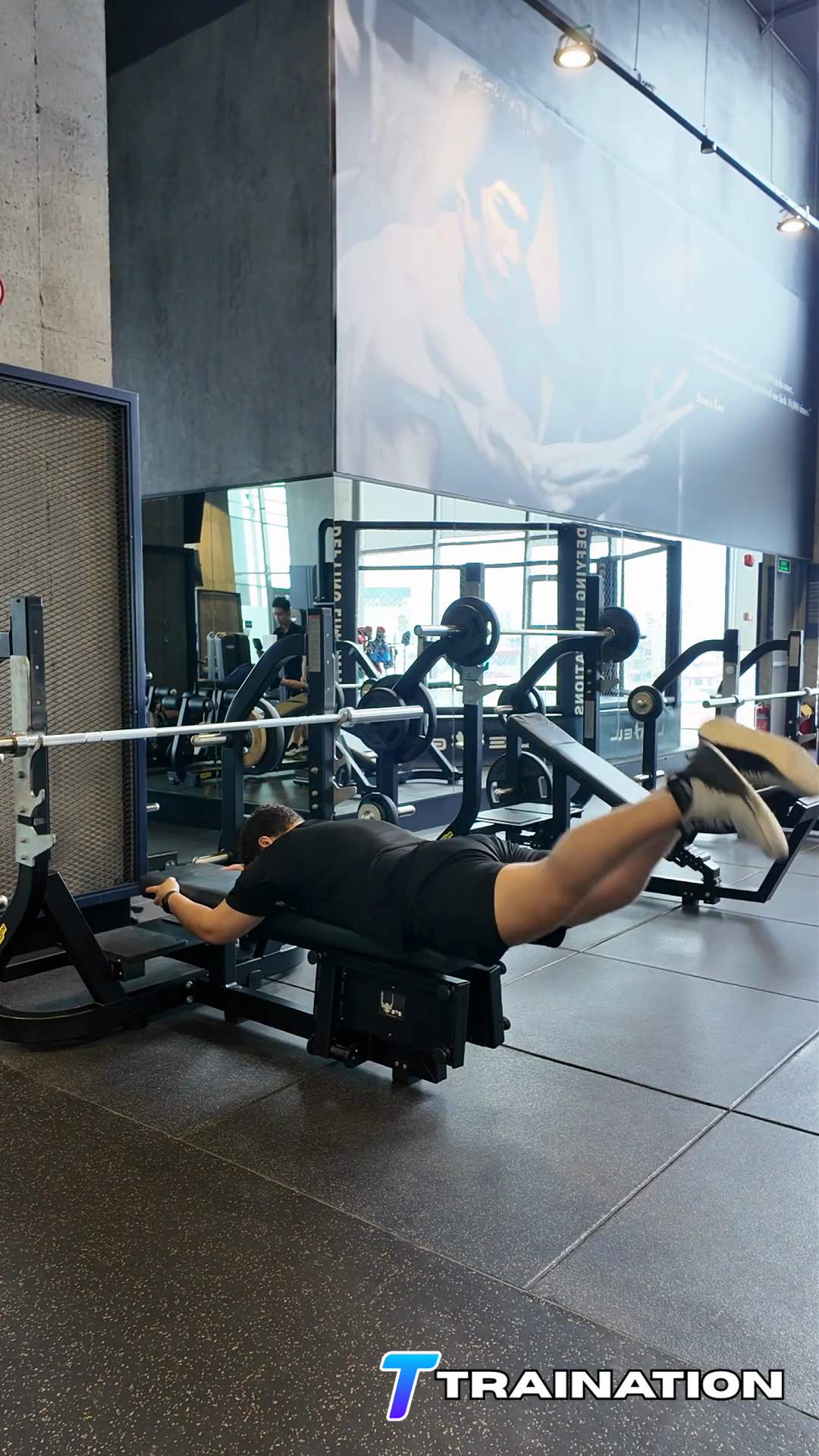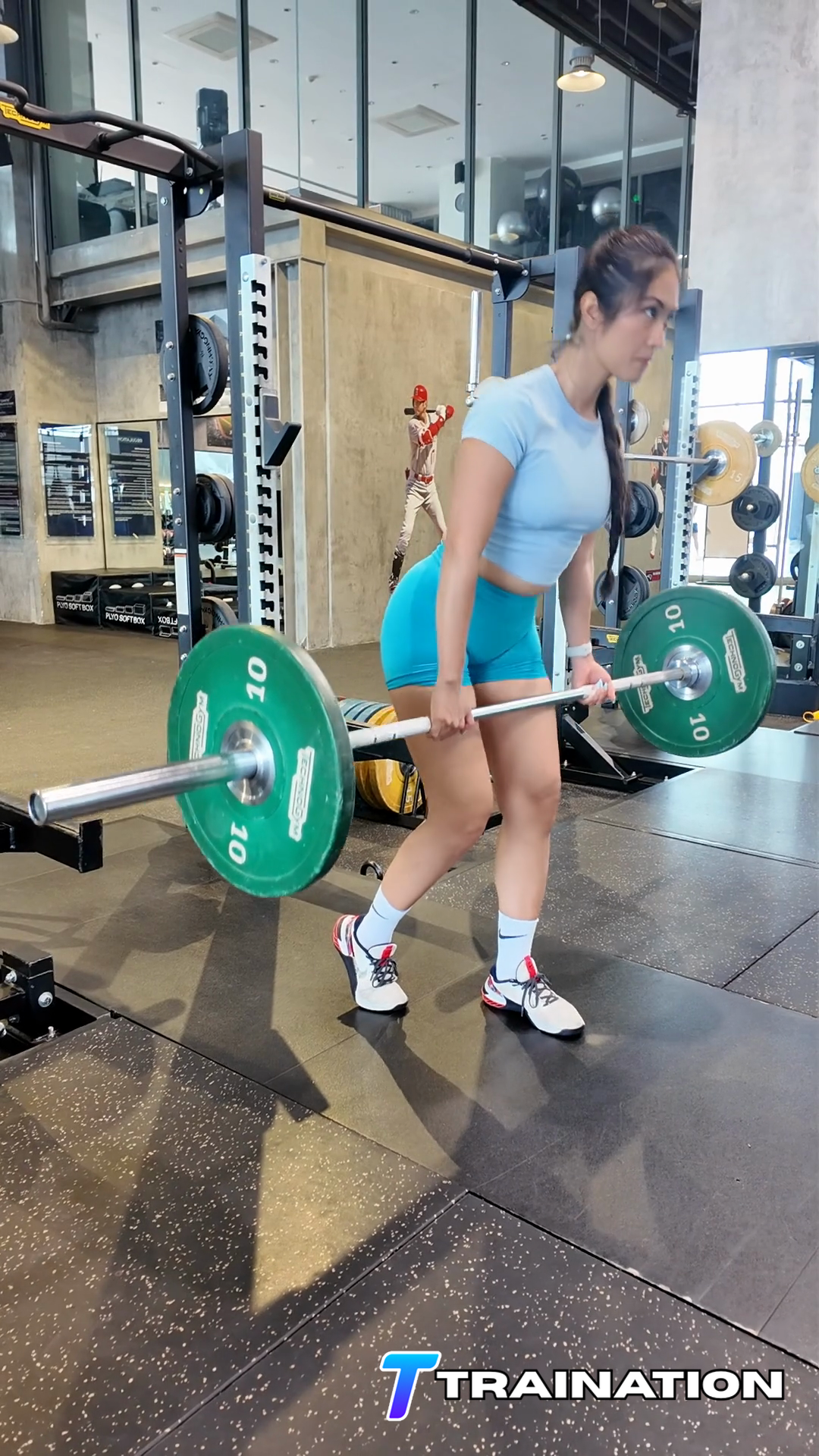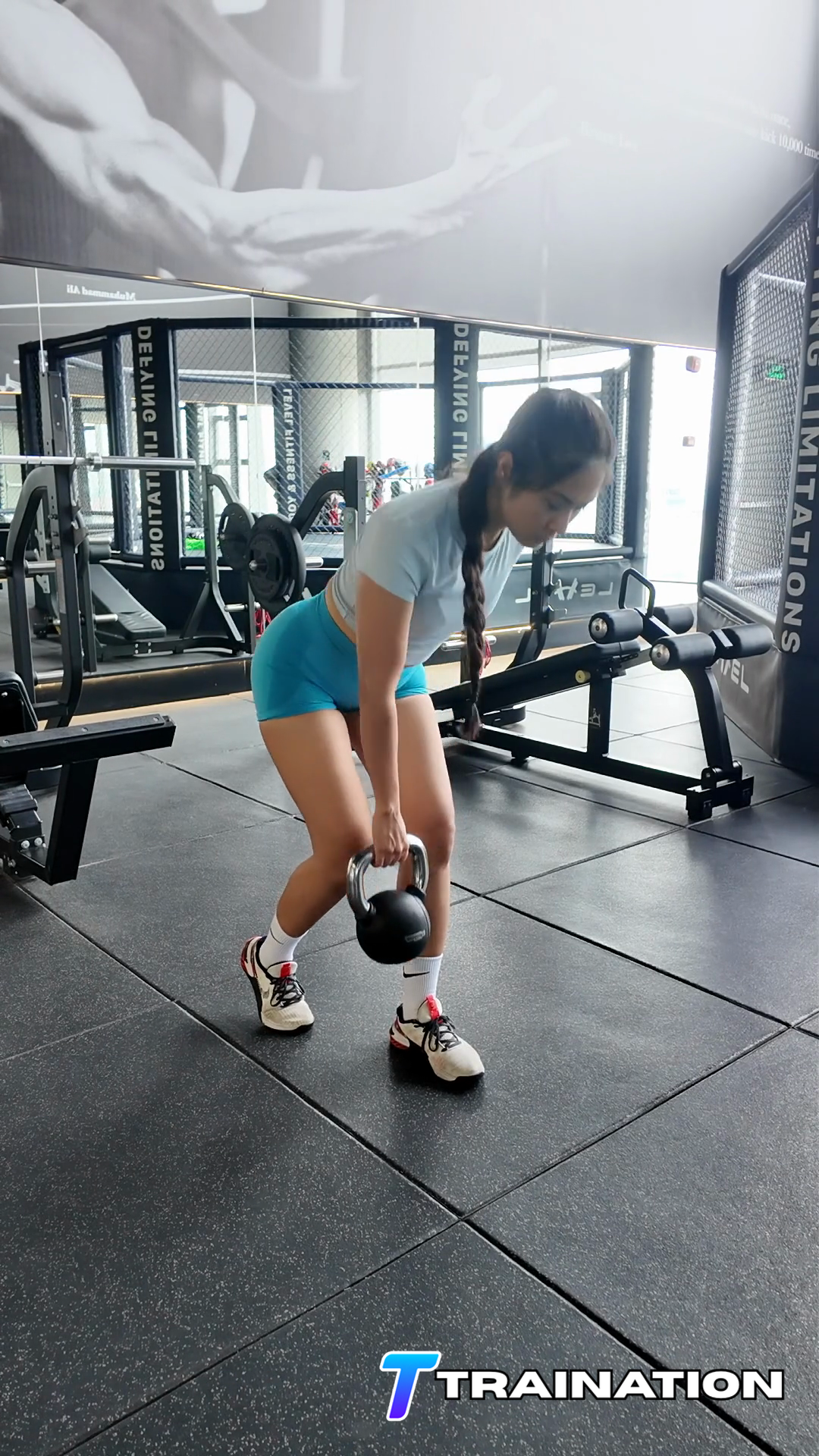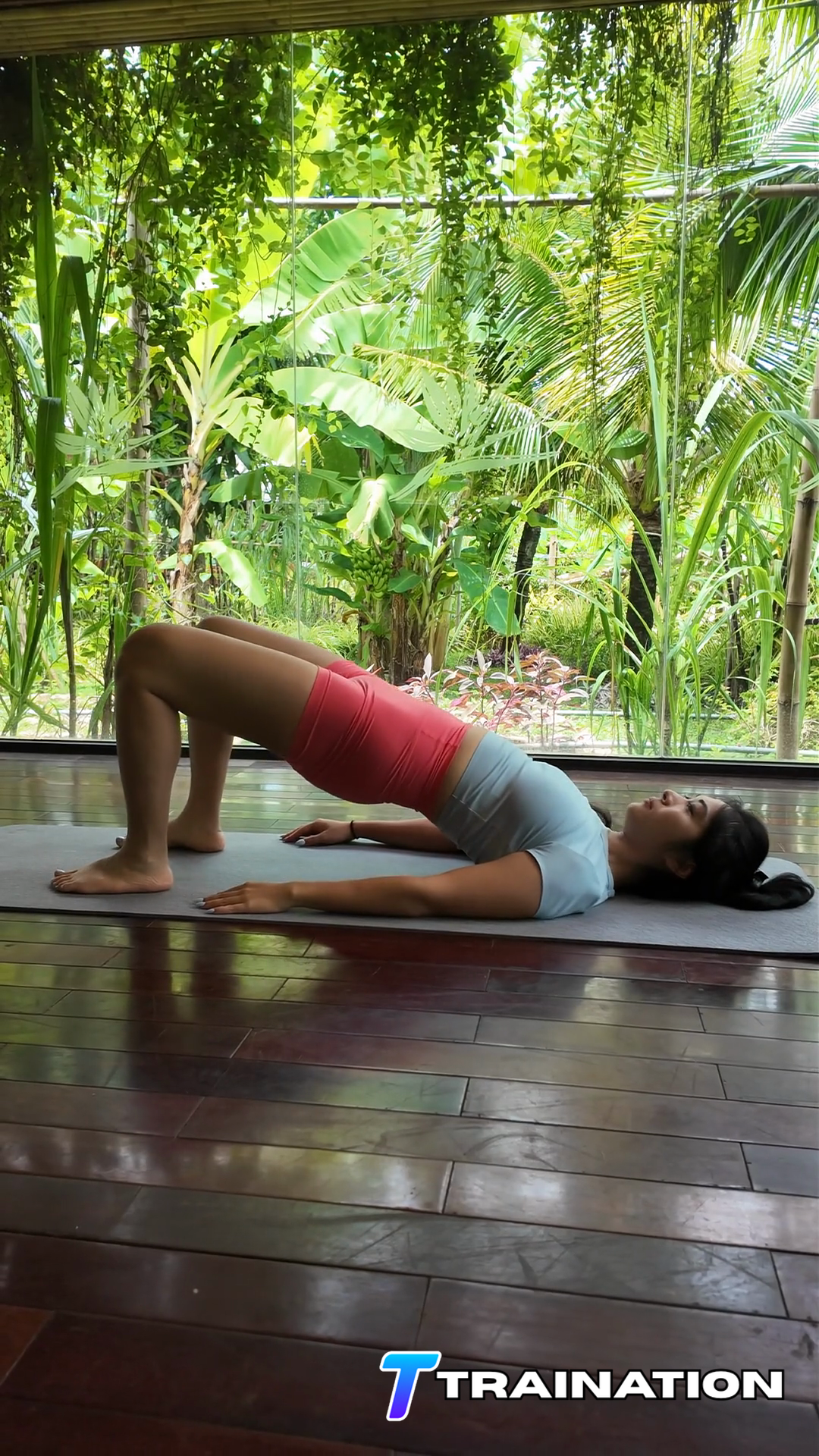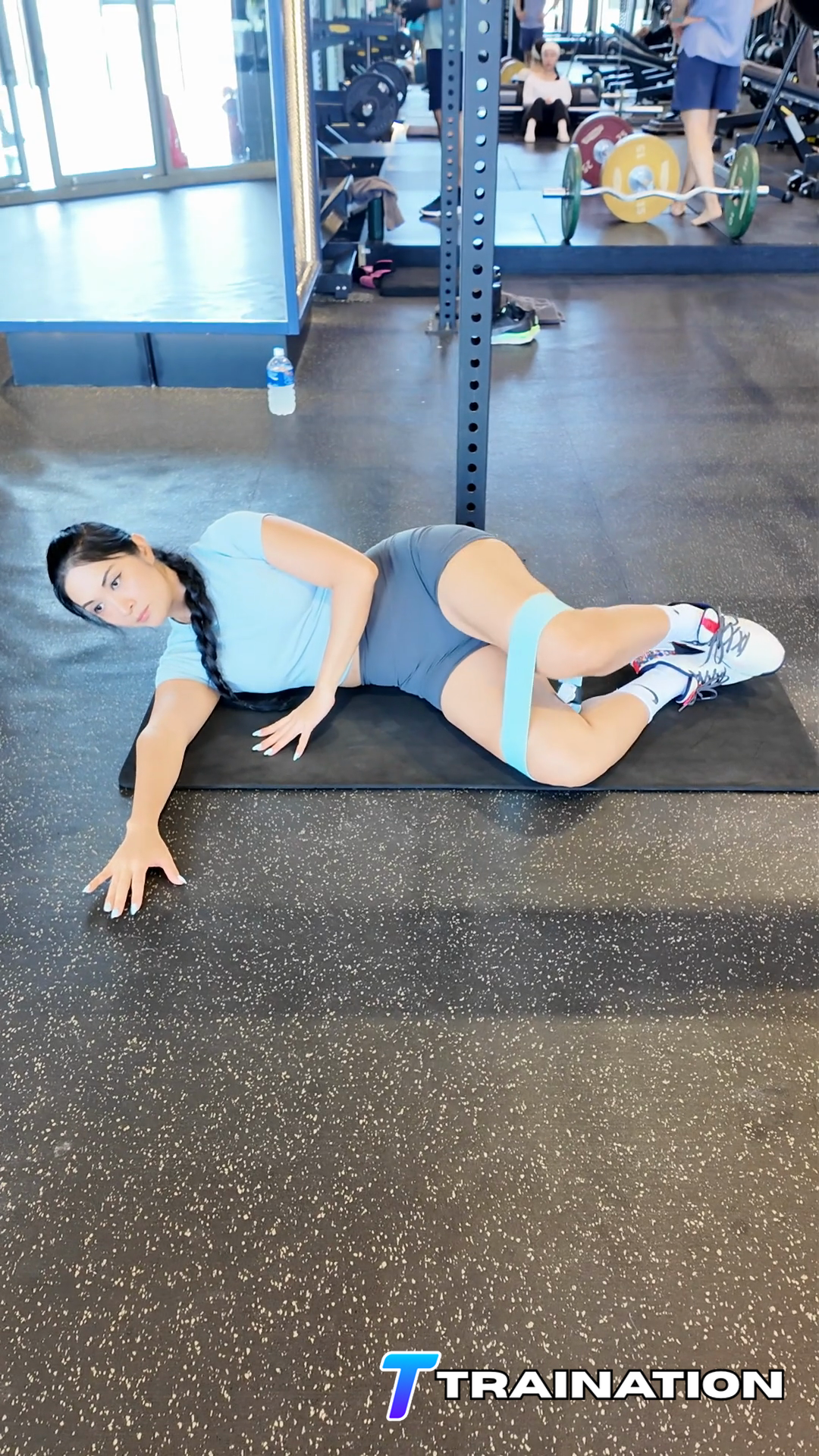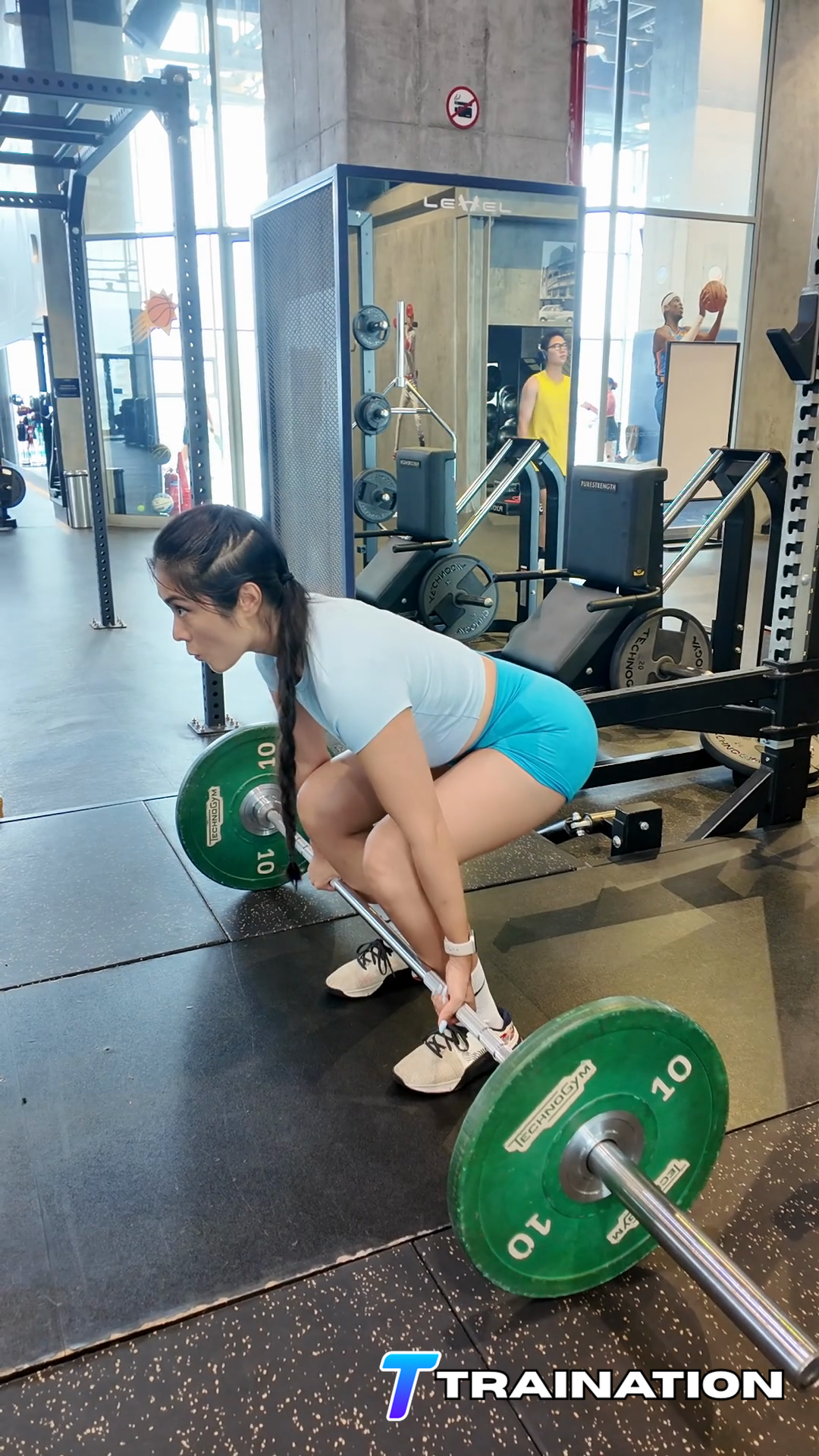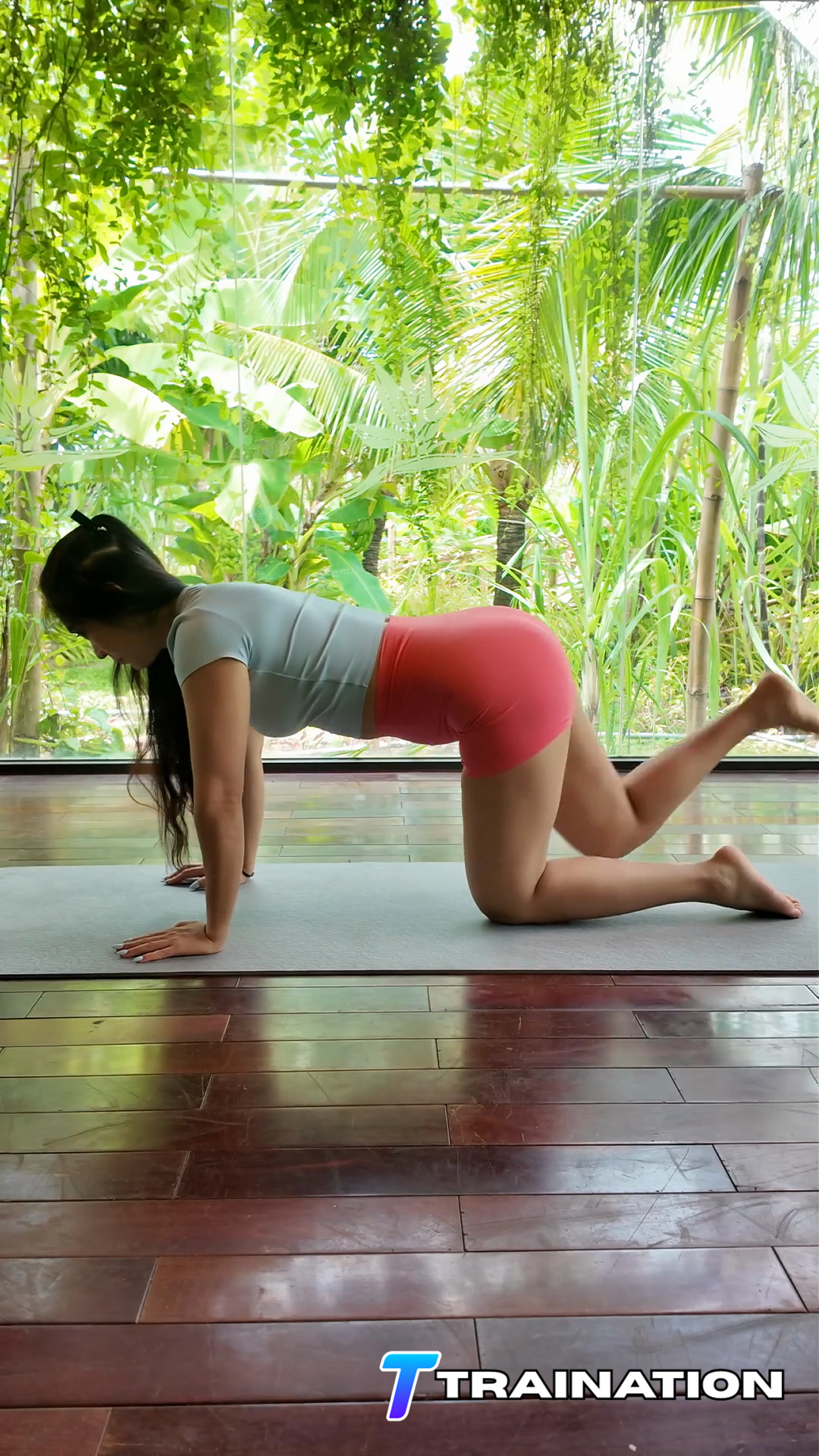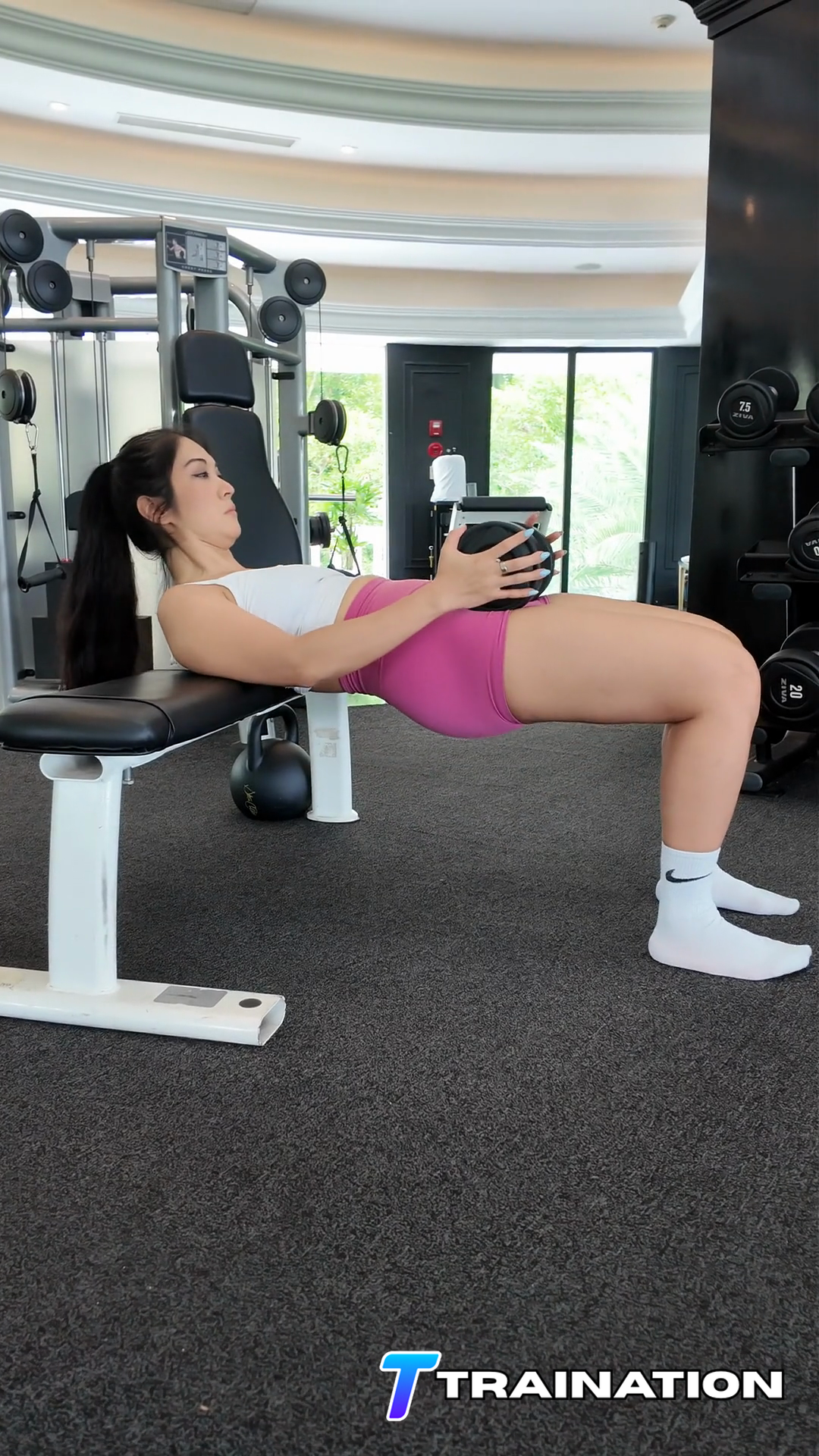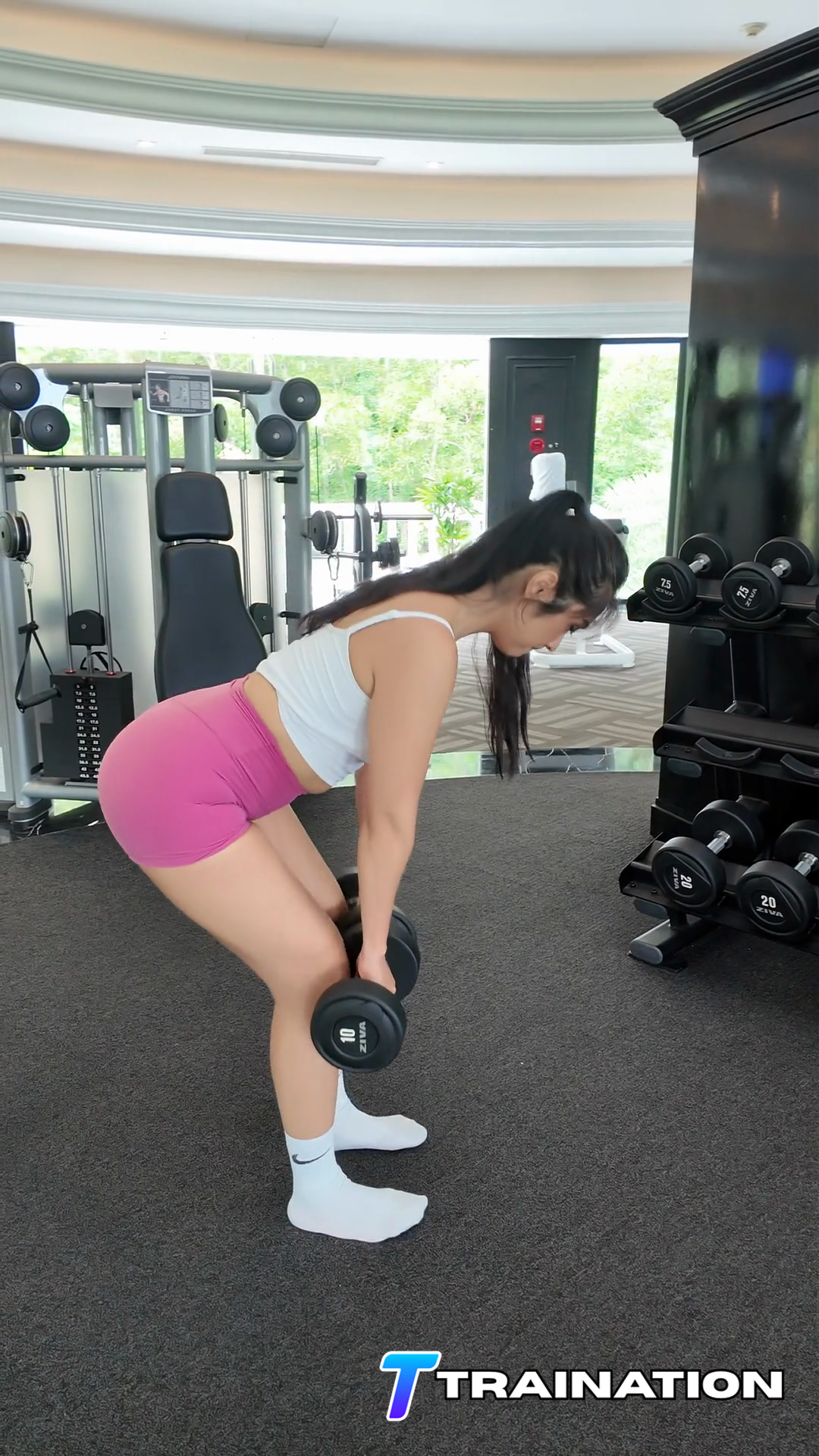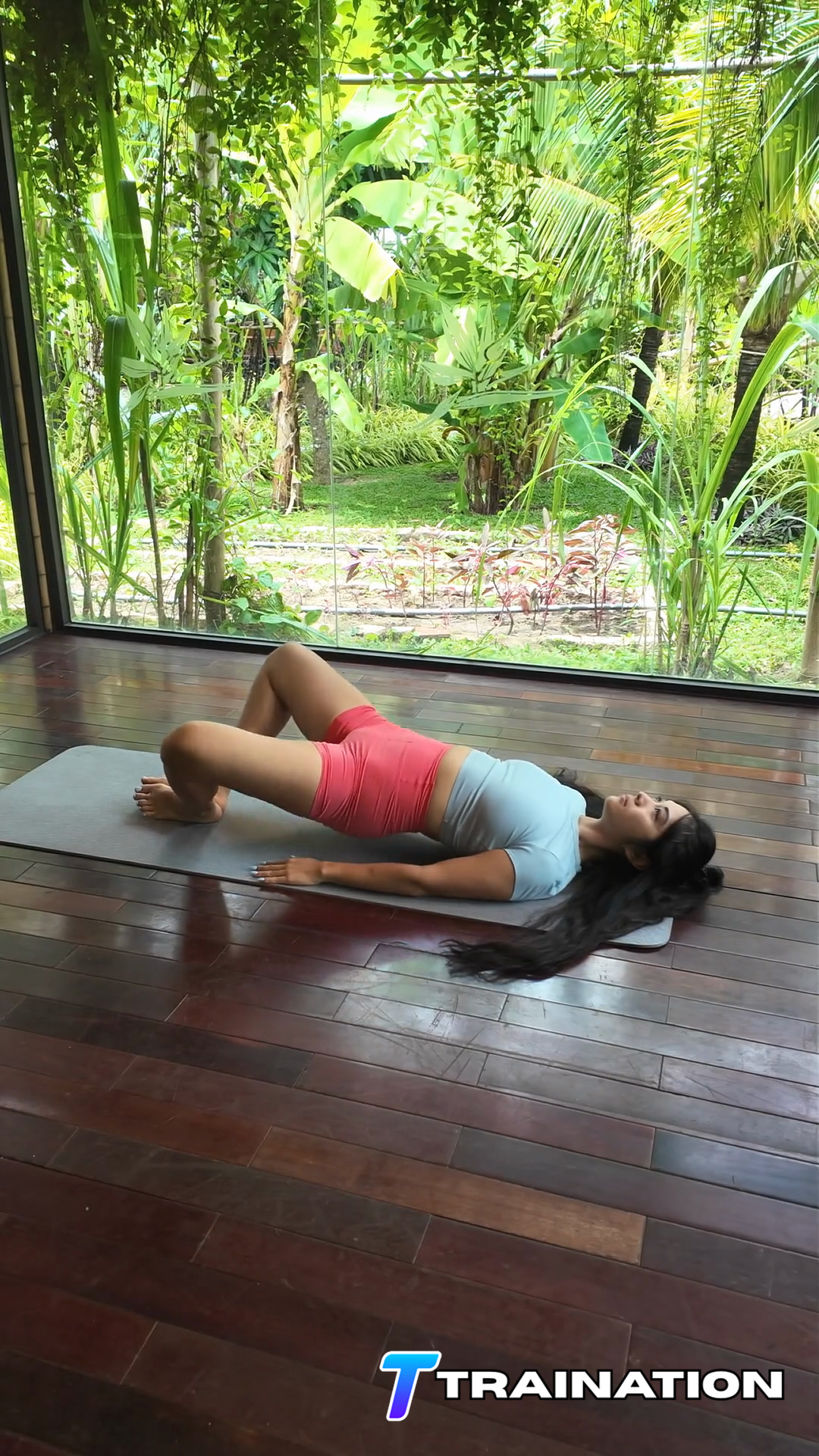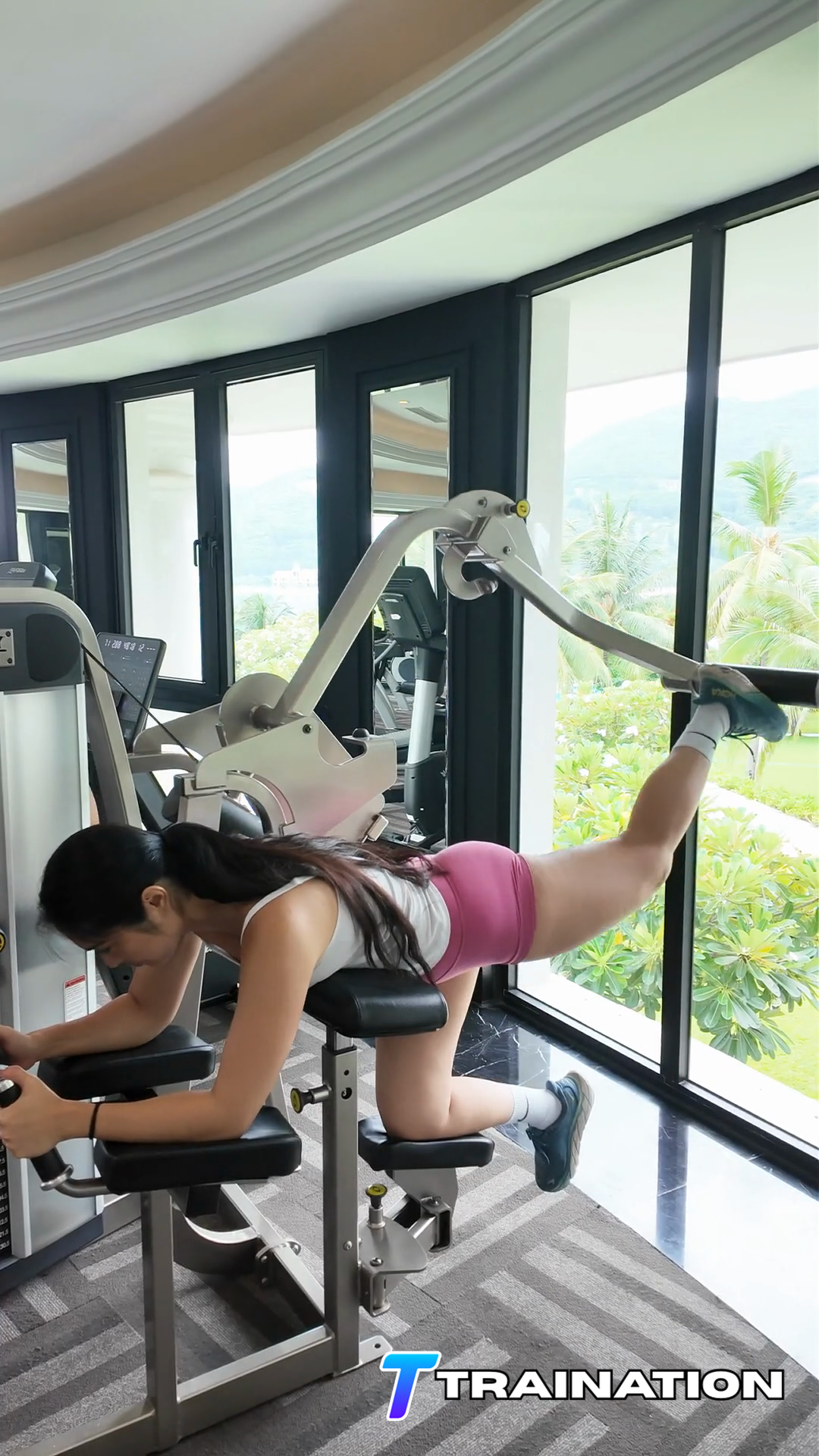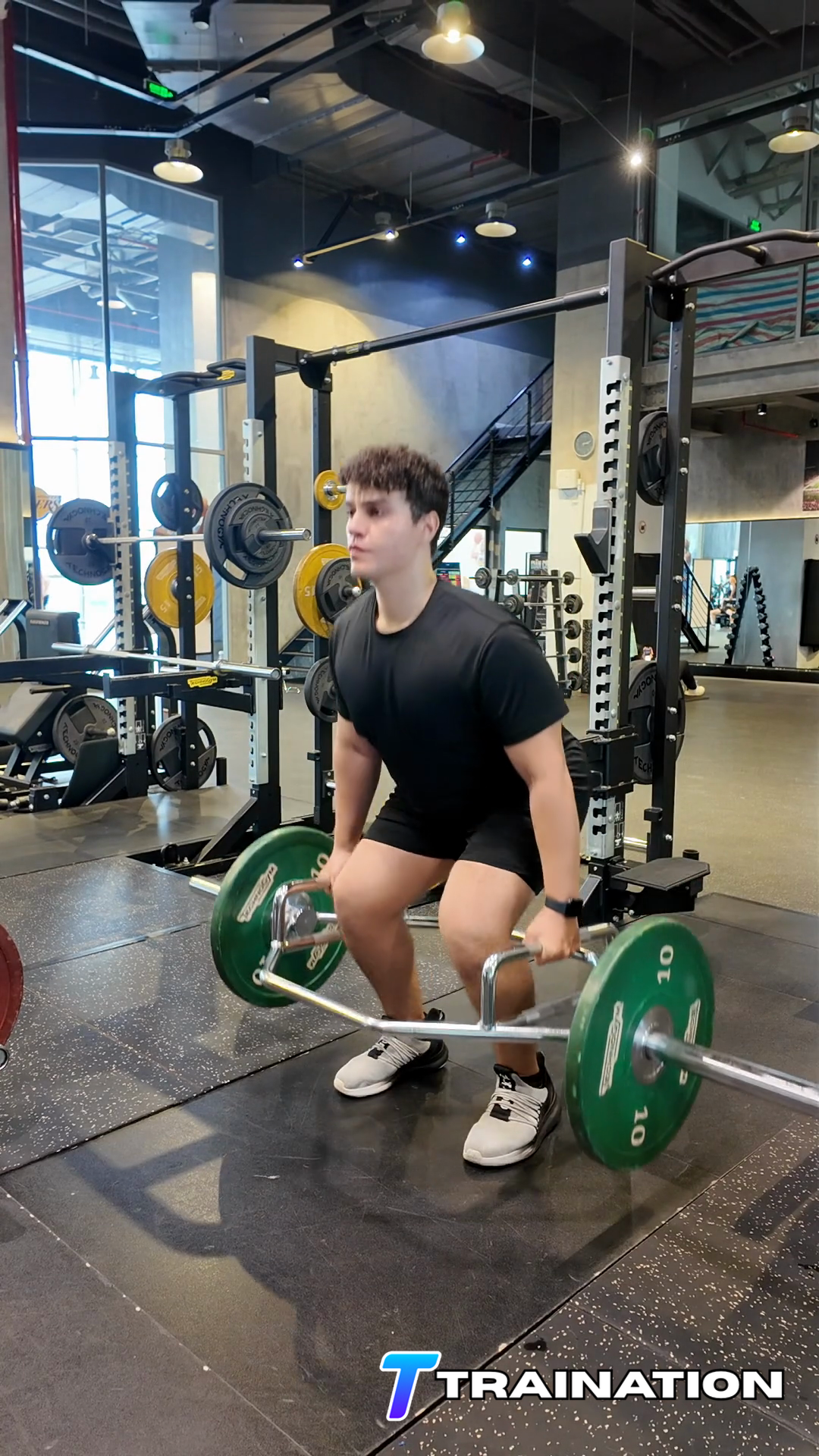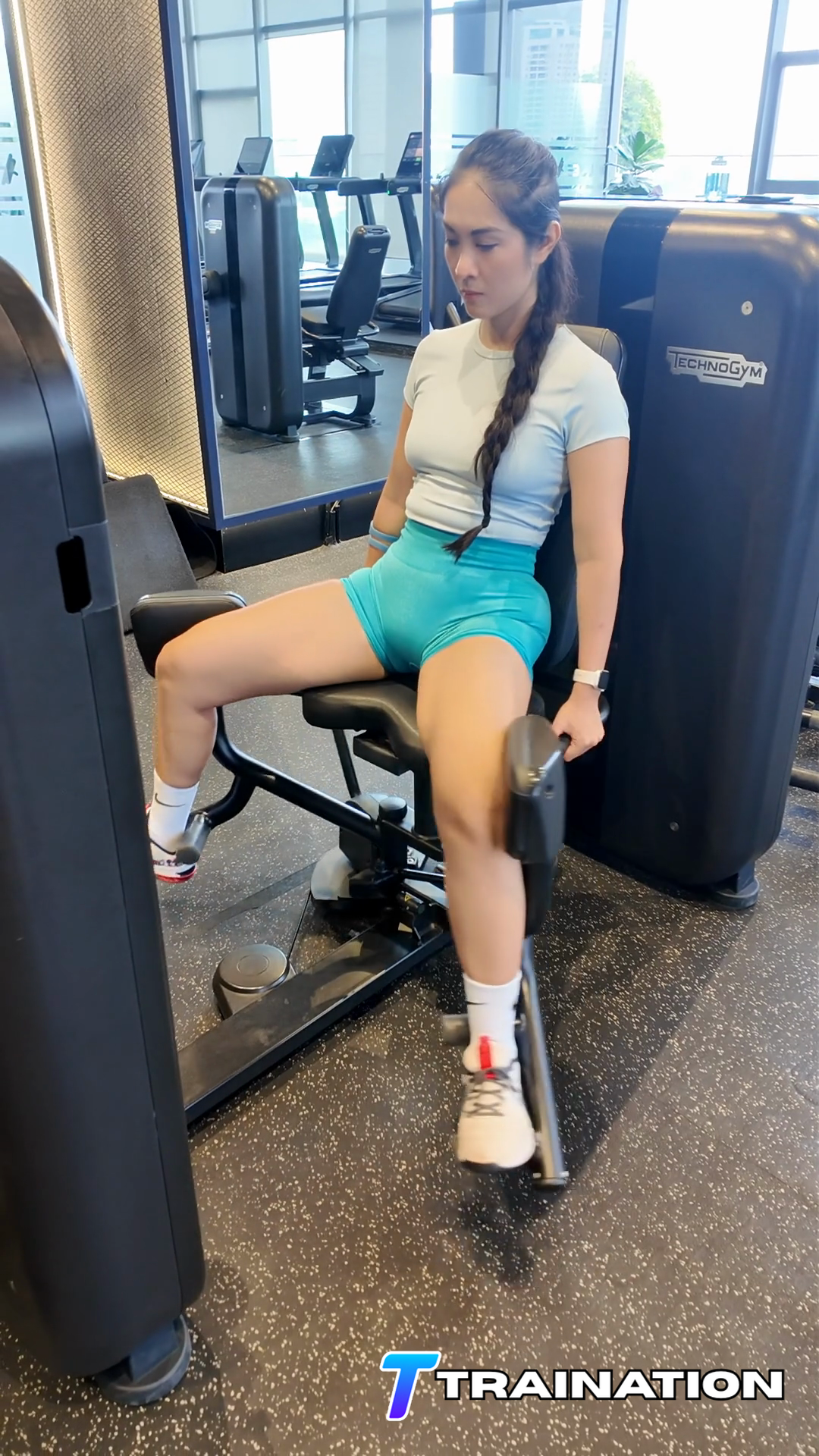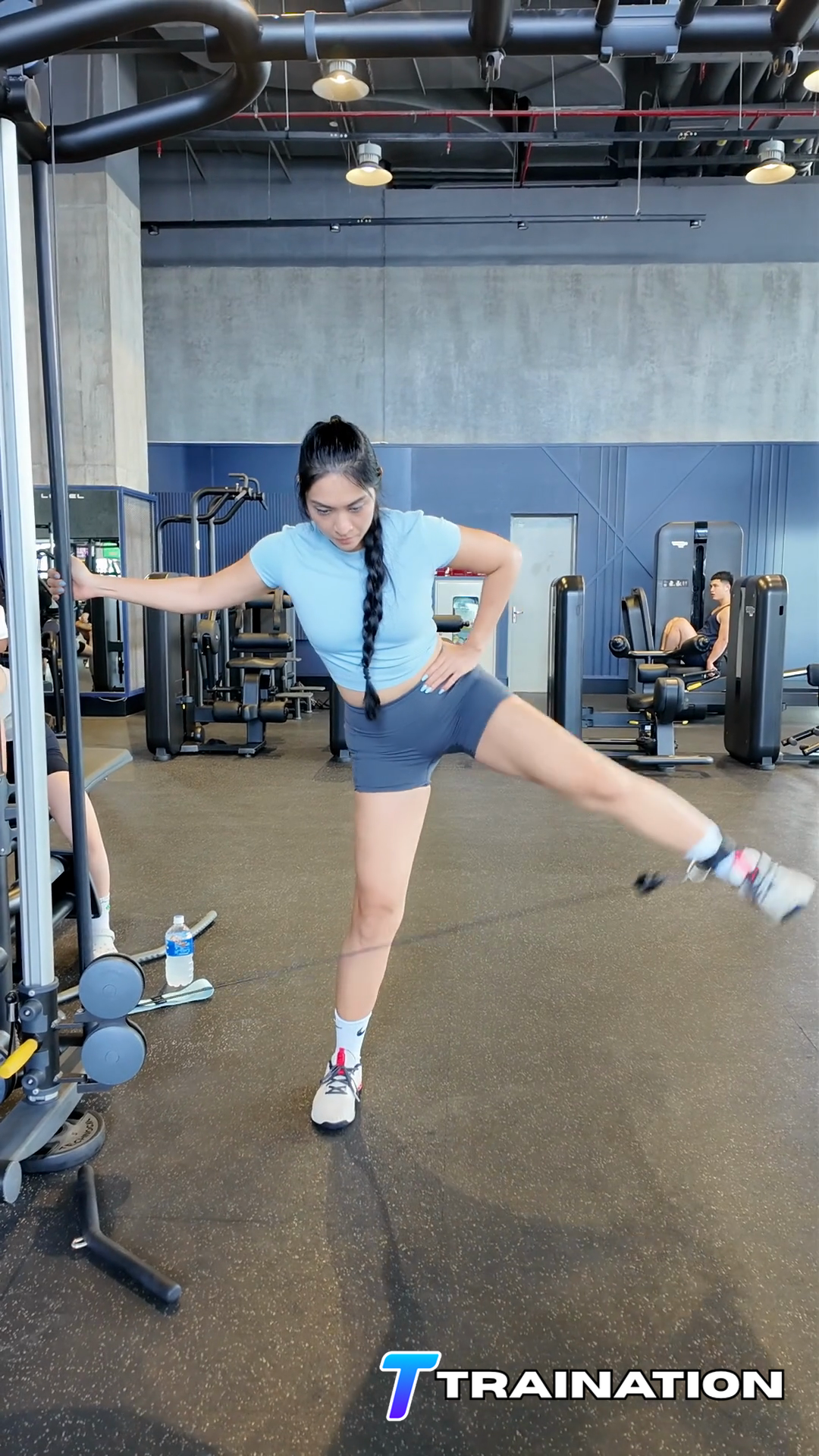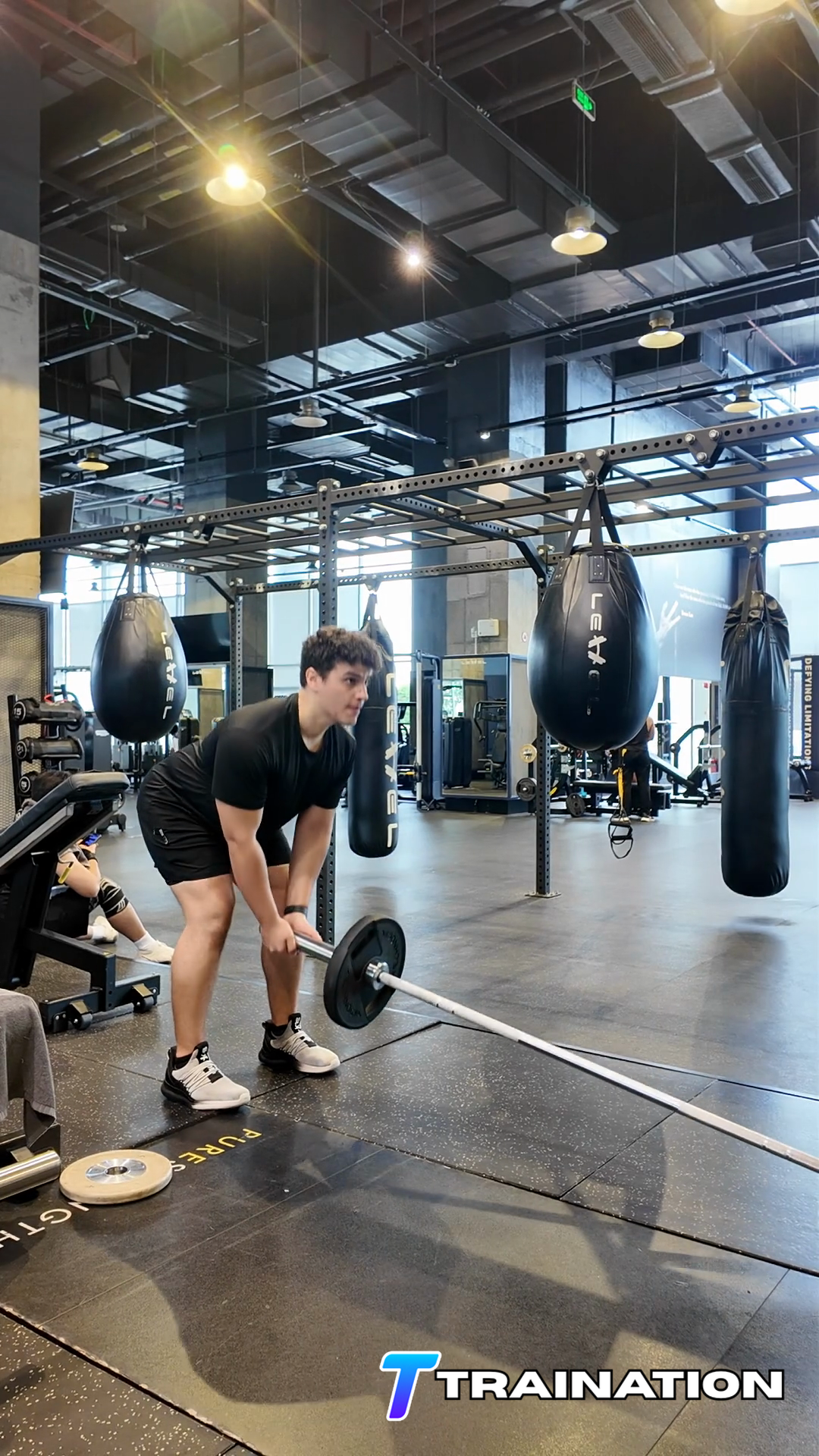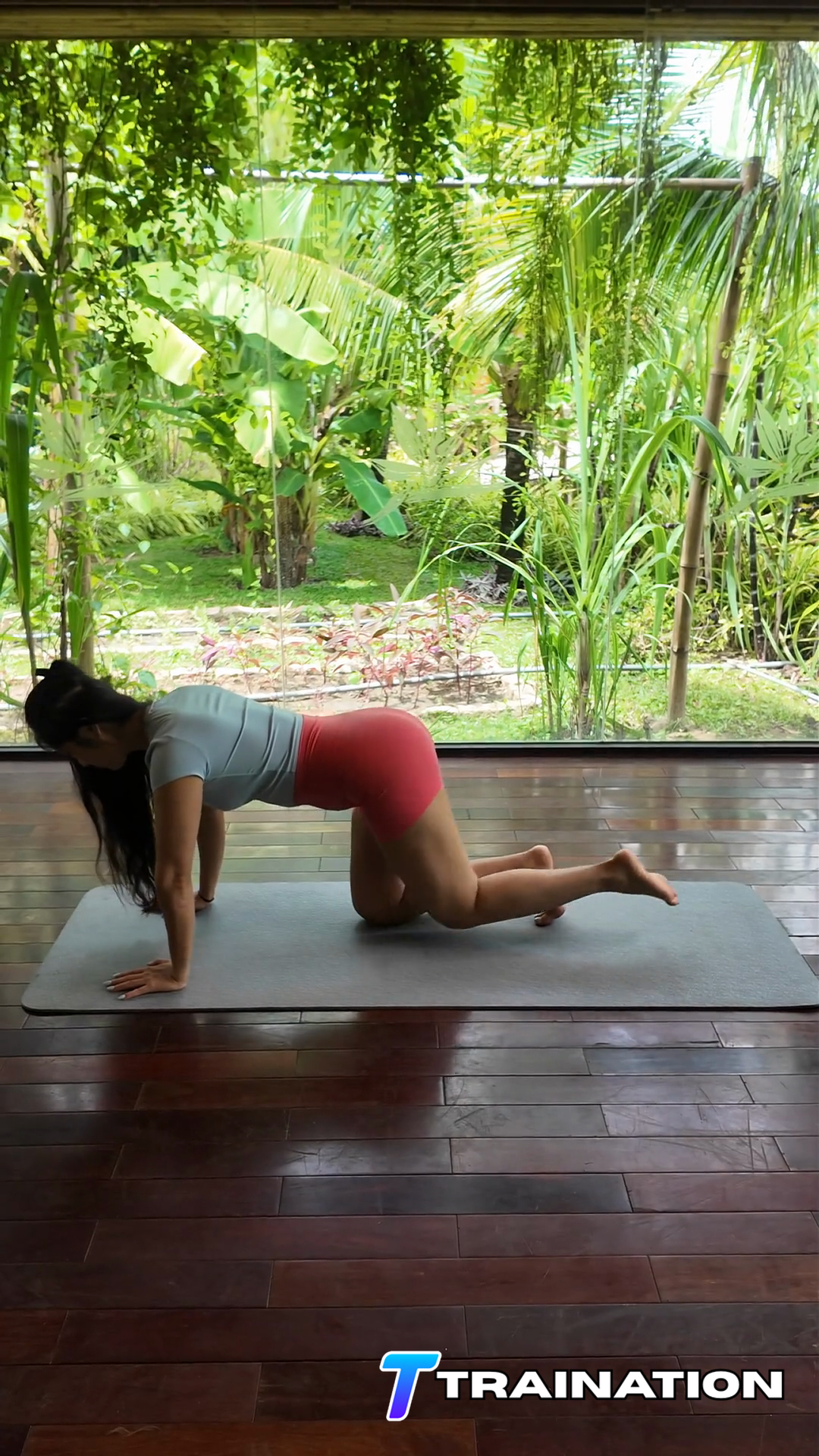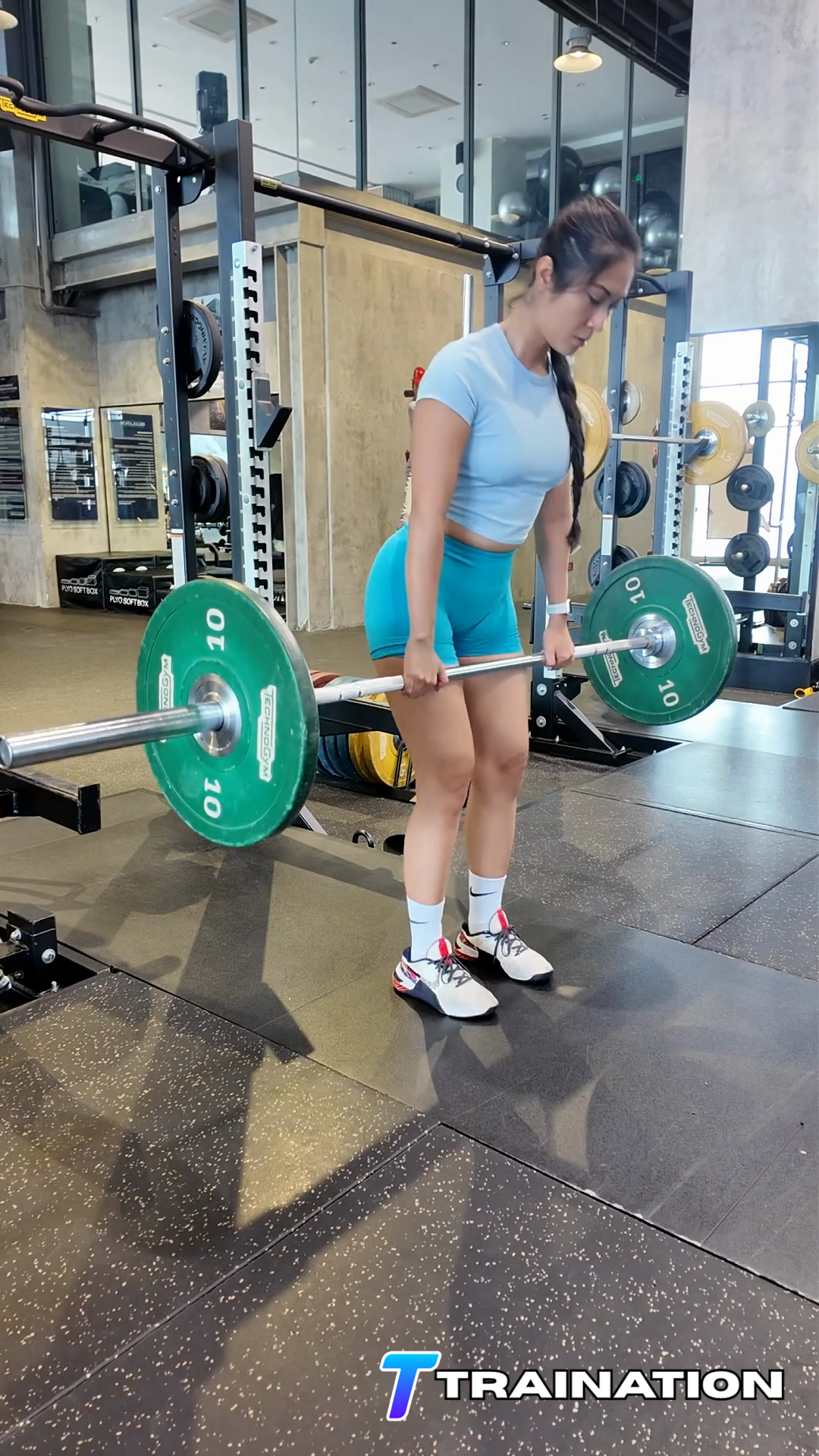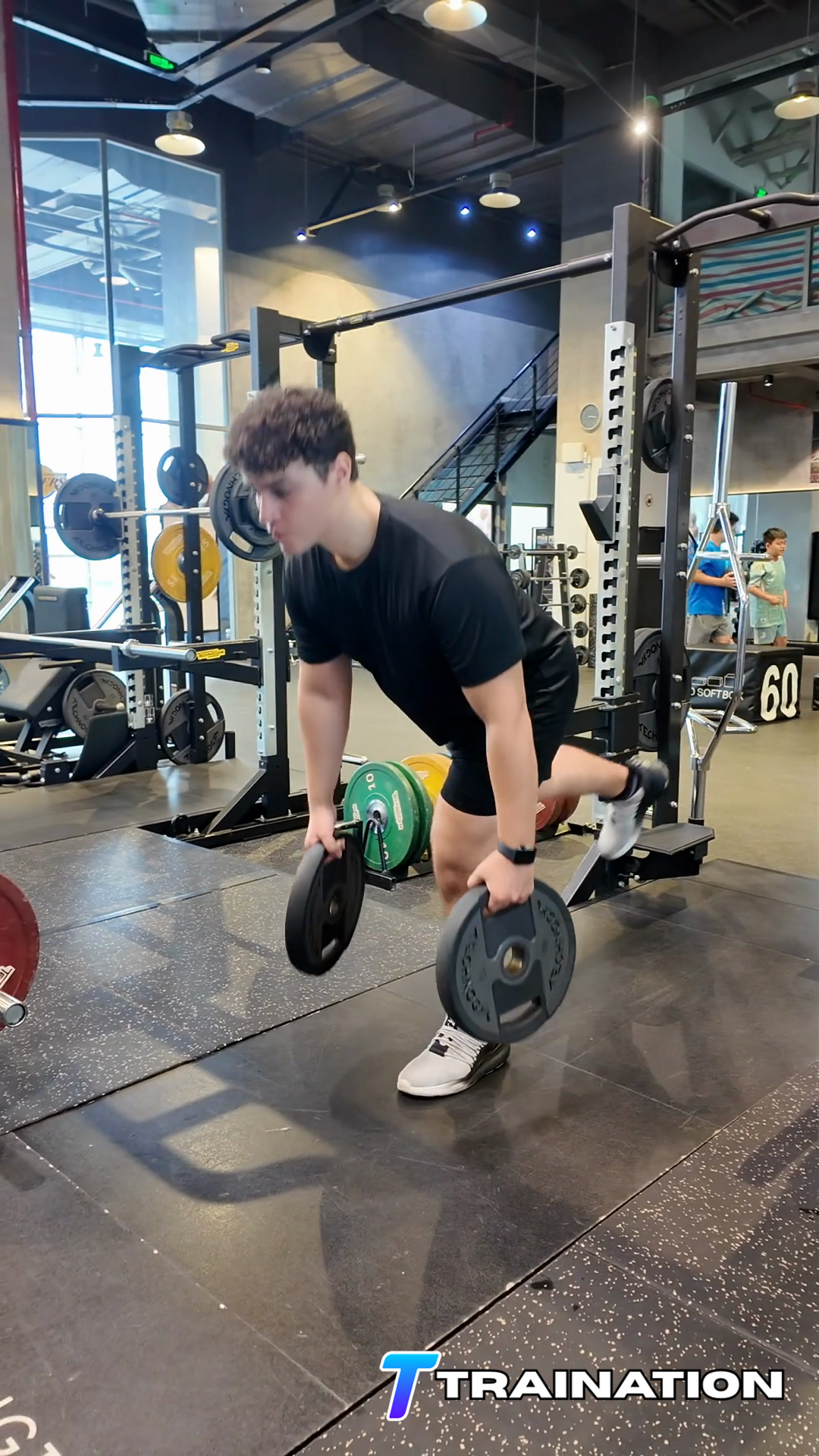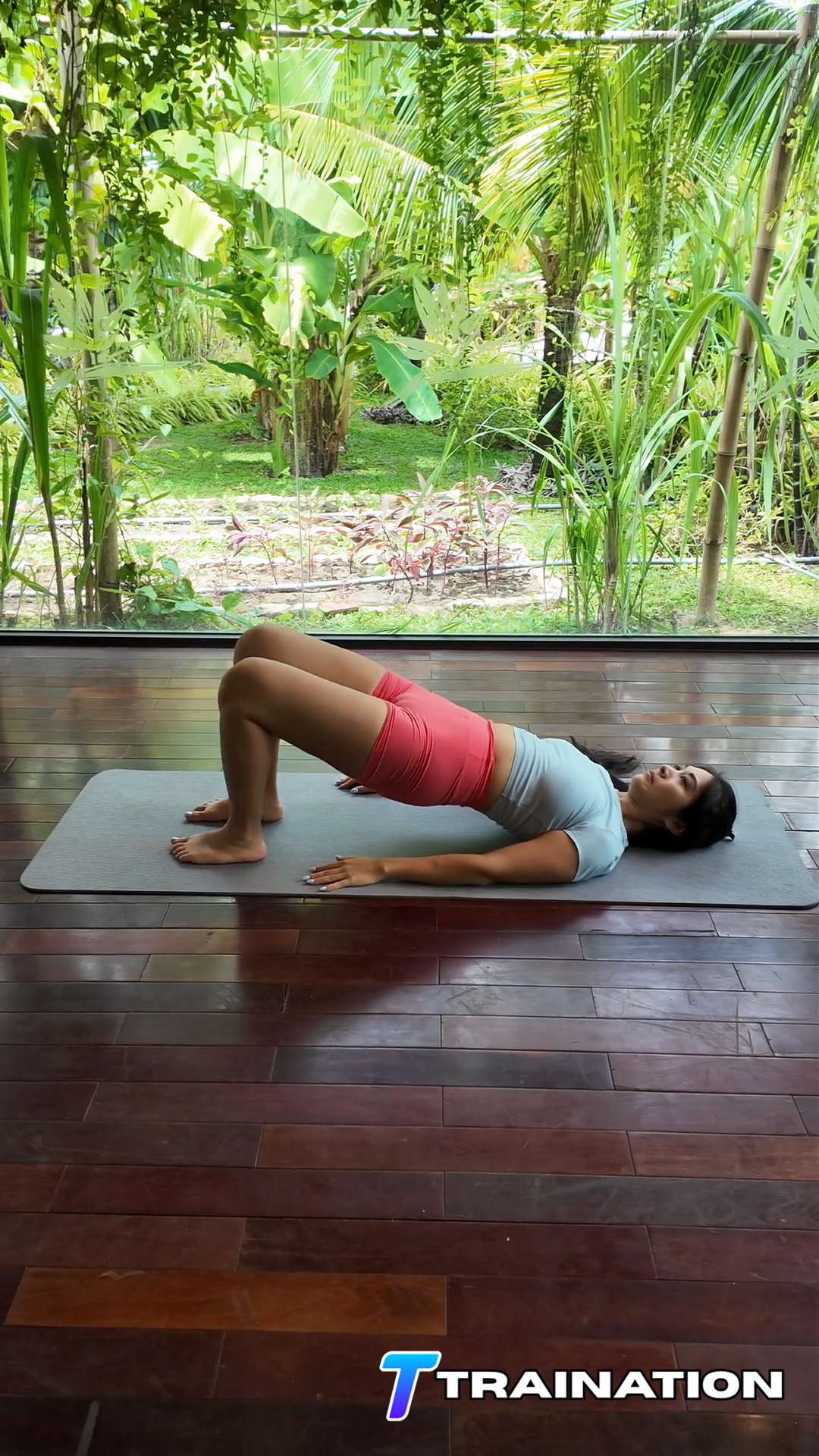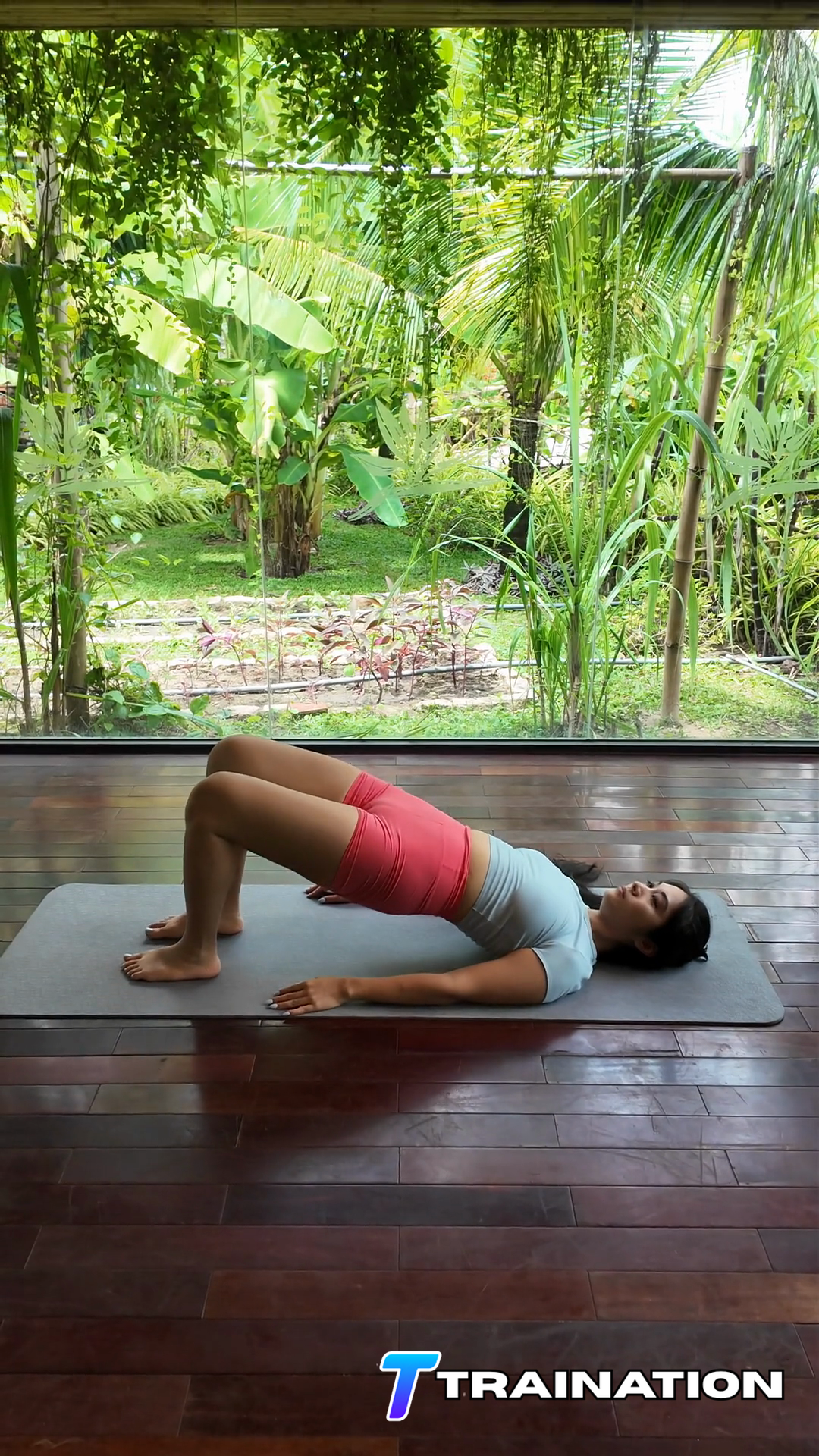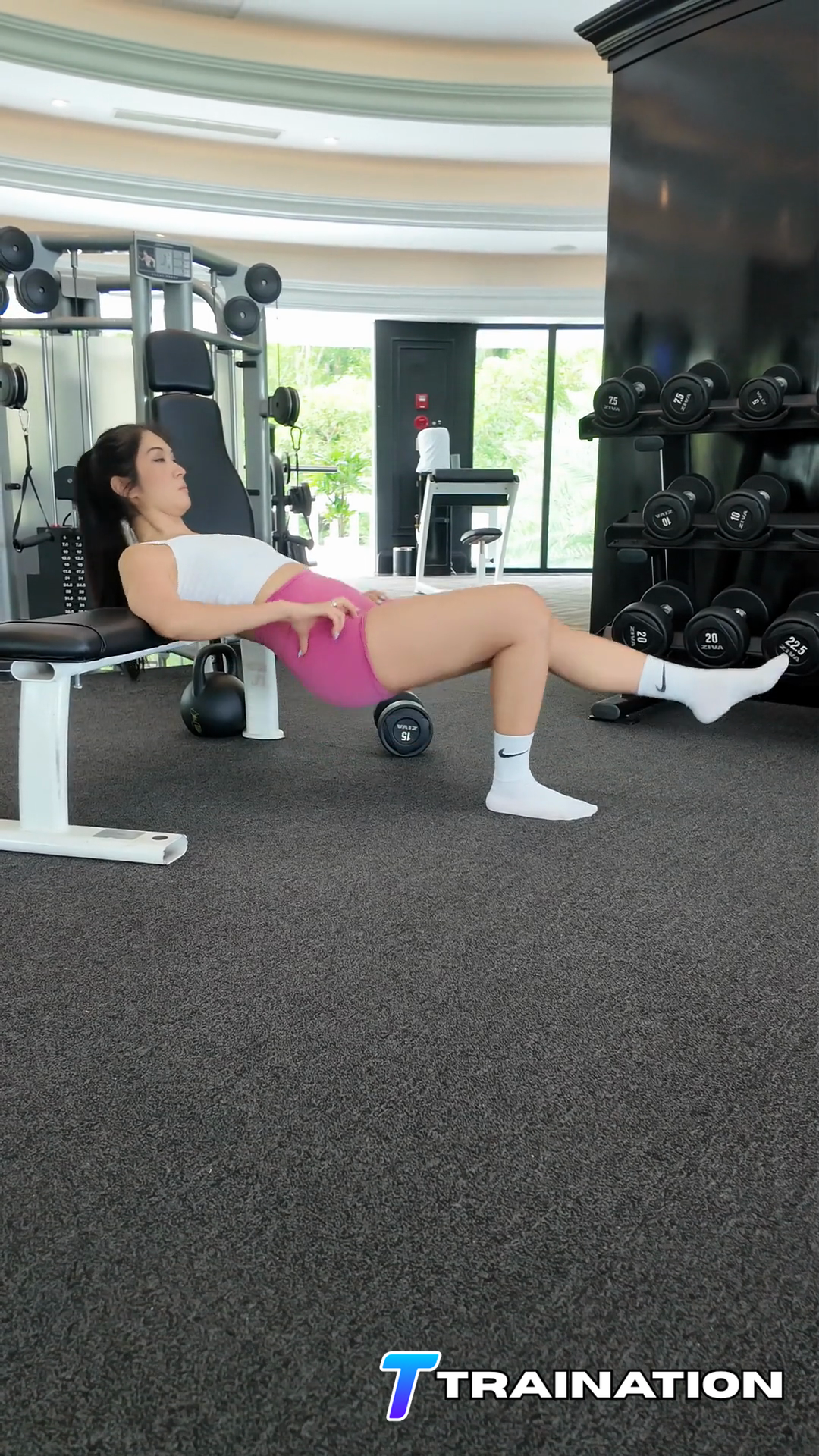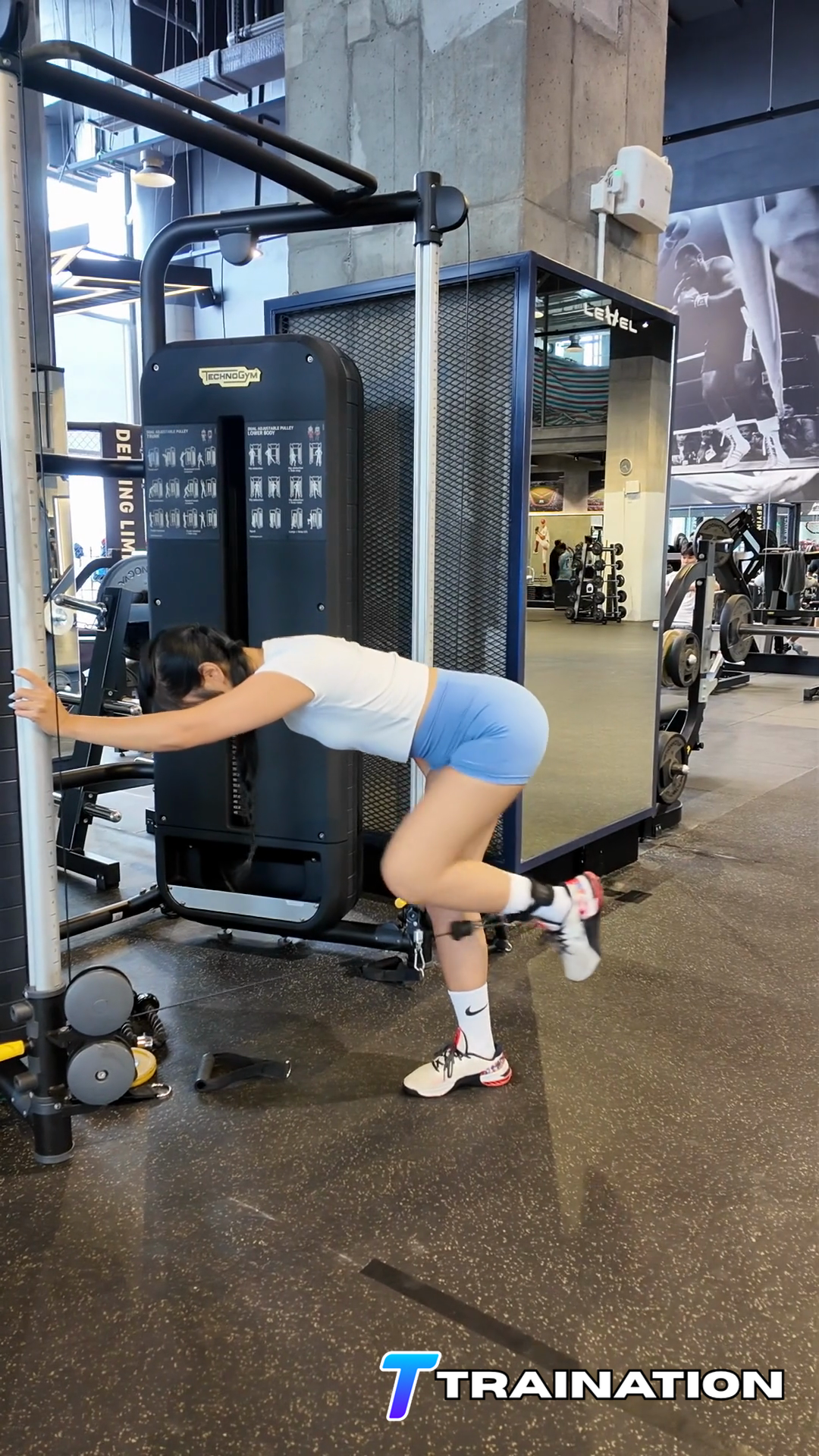
Rounding to gain range
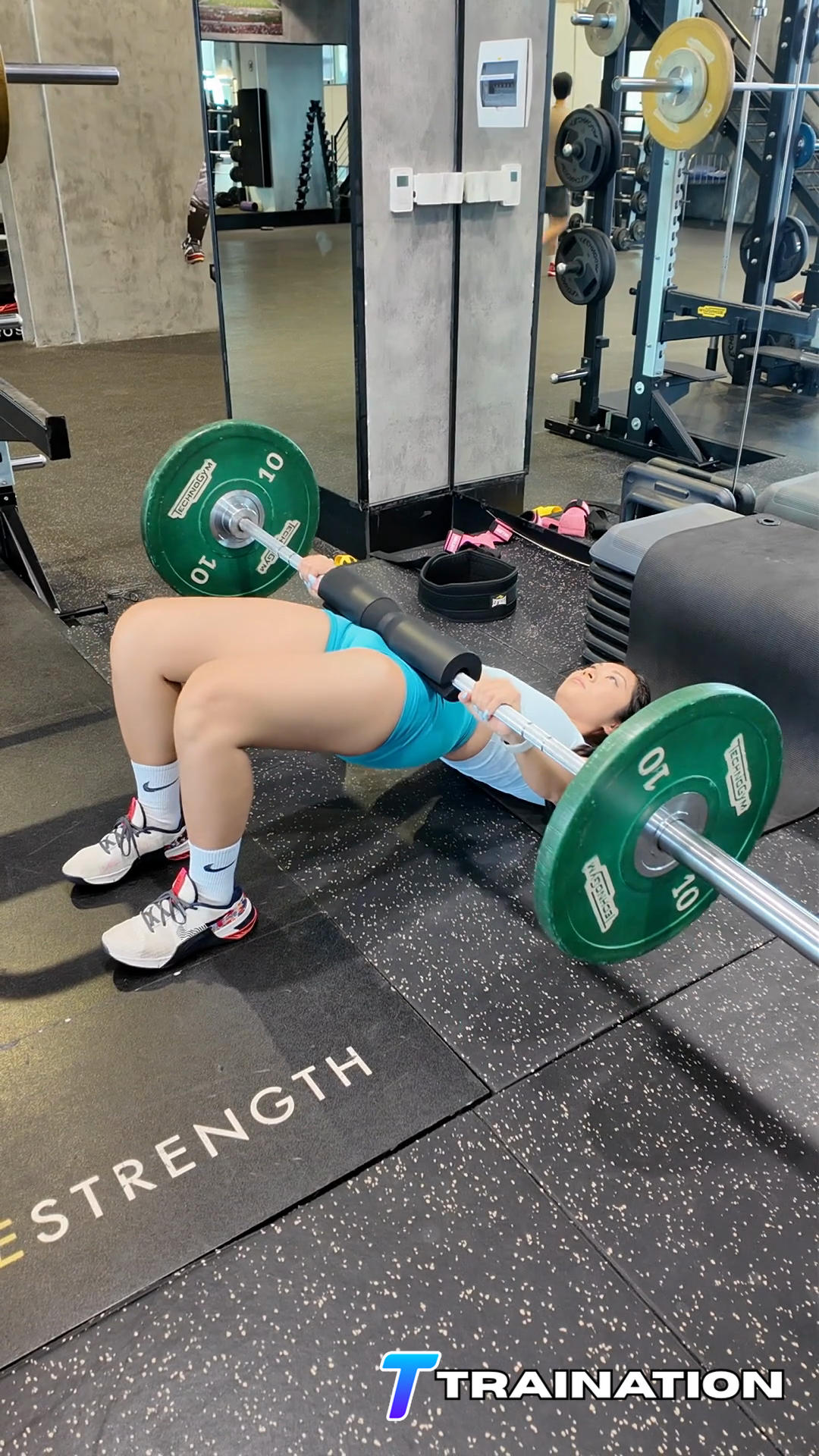
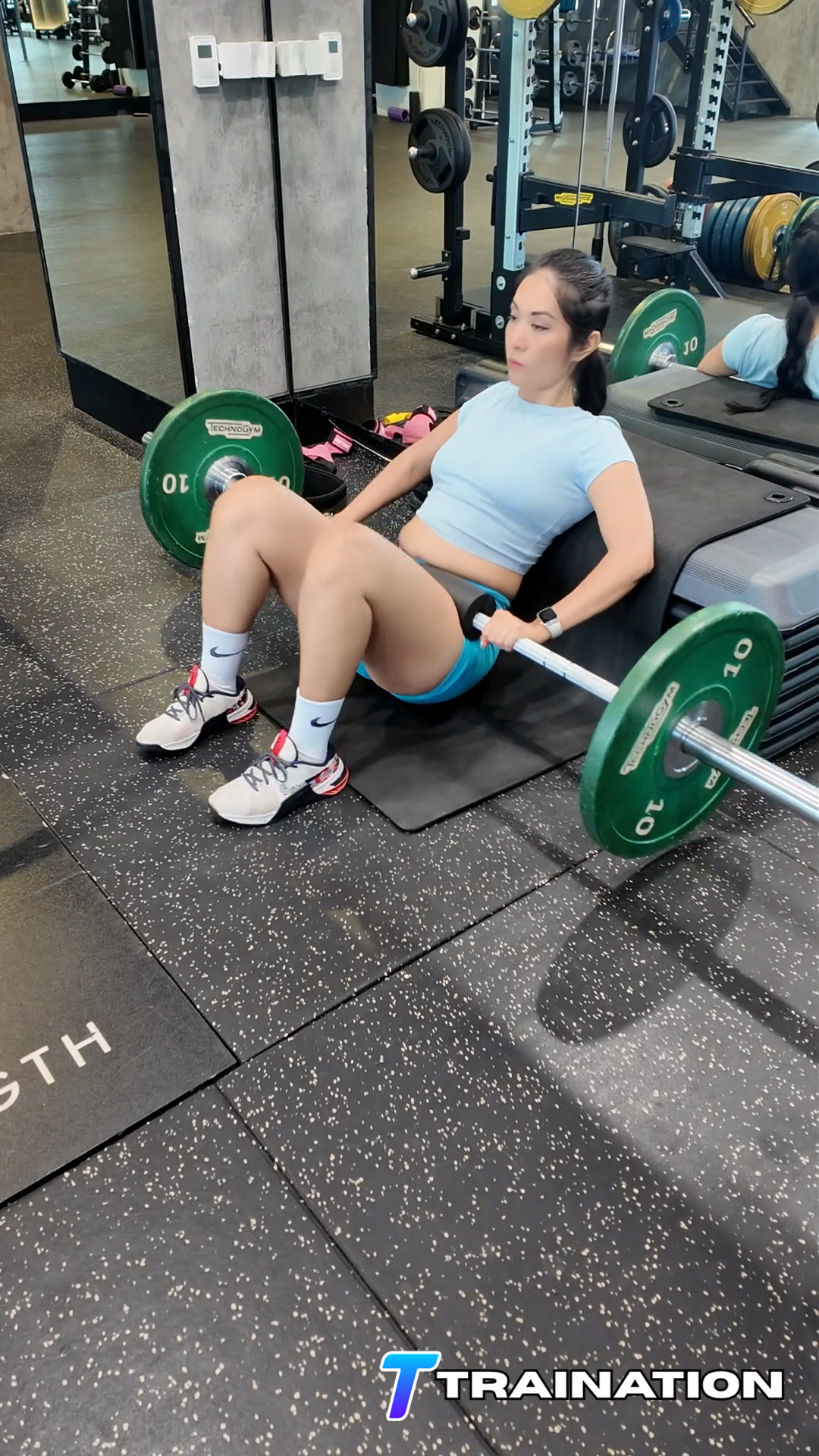
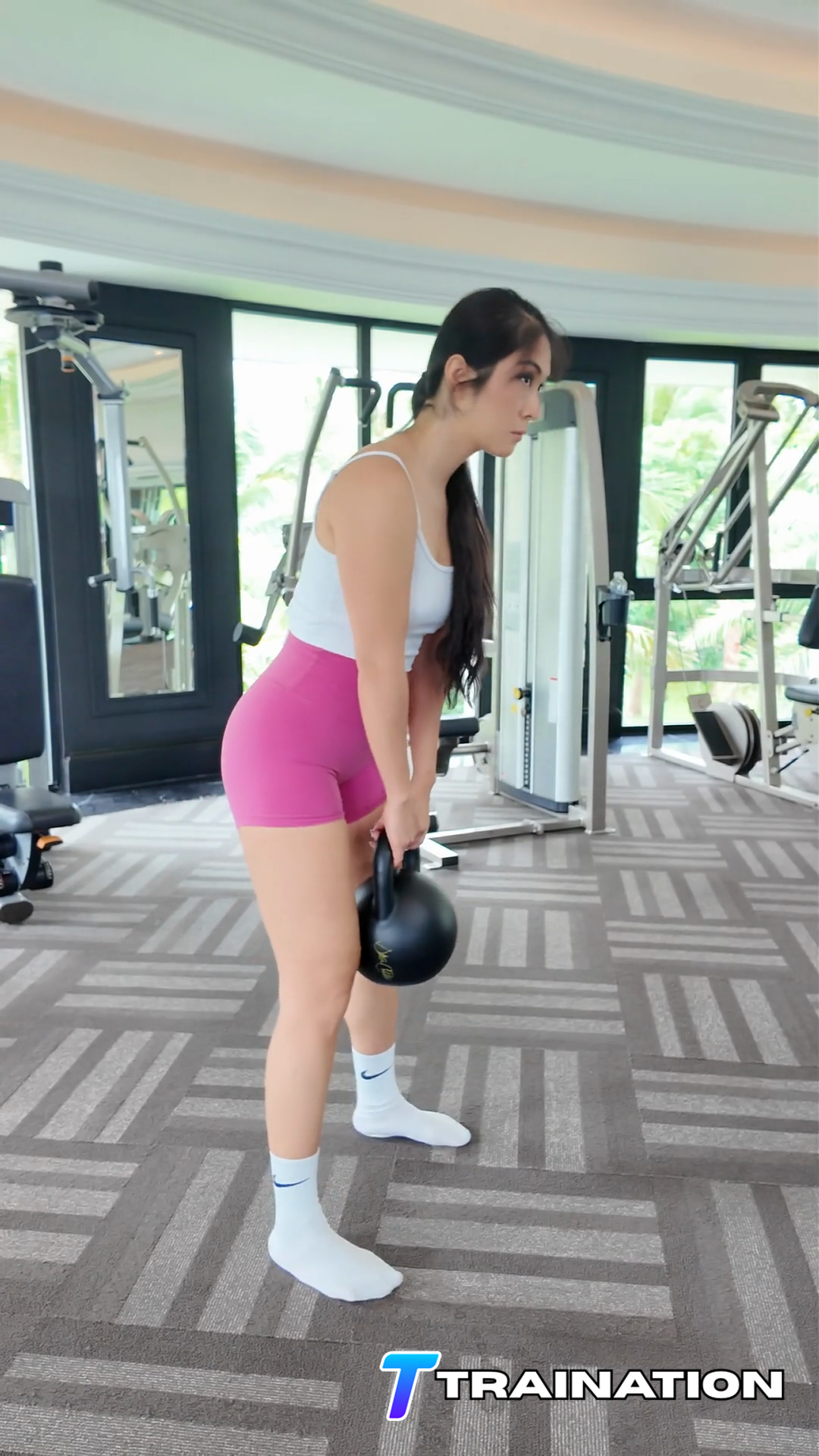
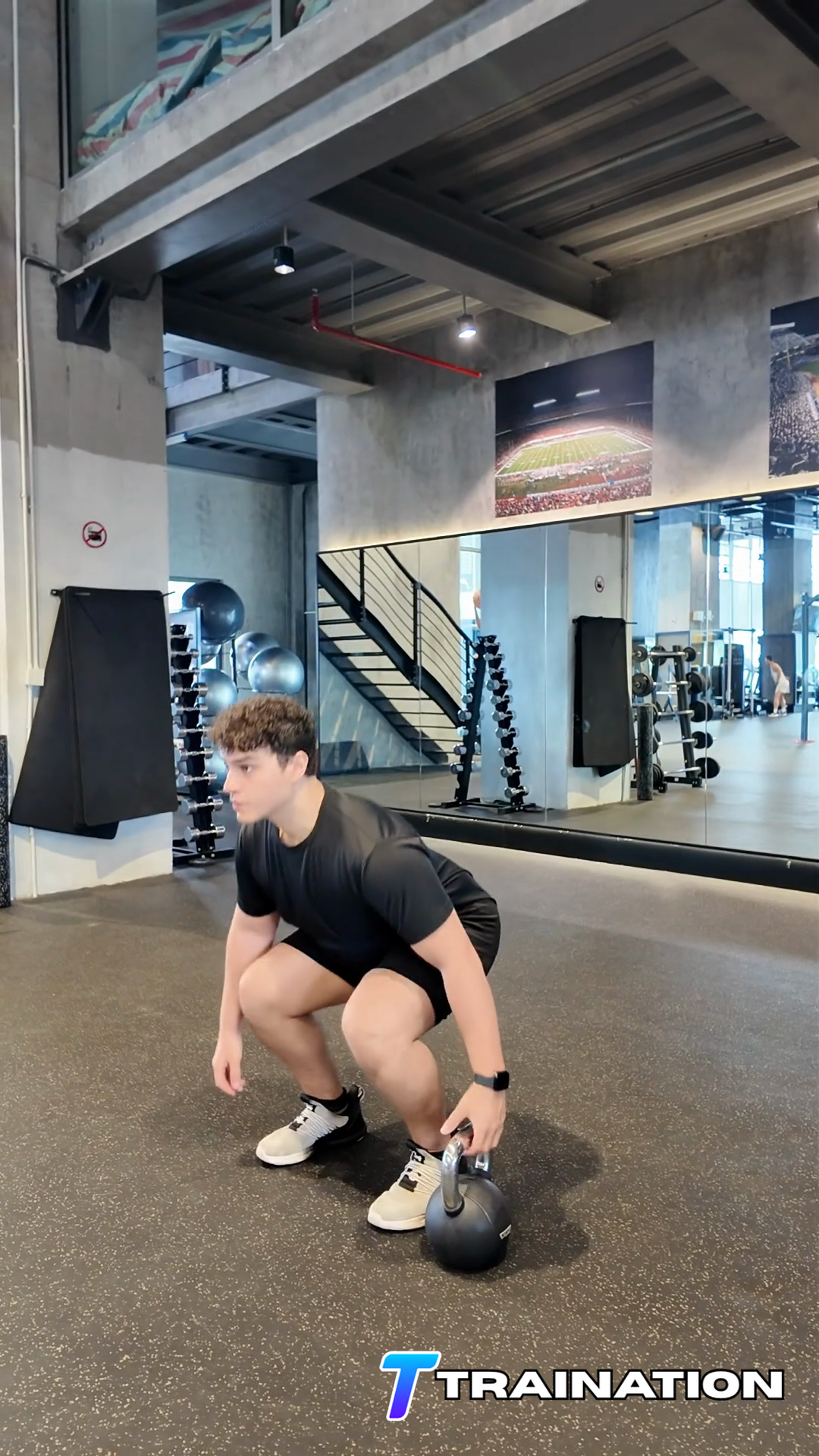
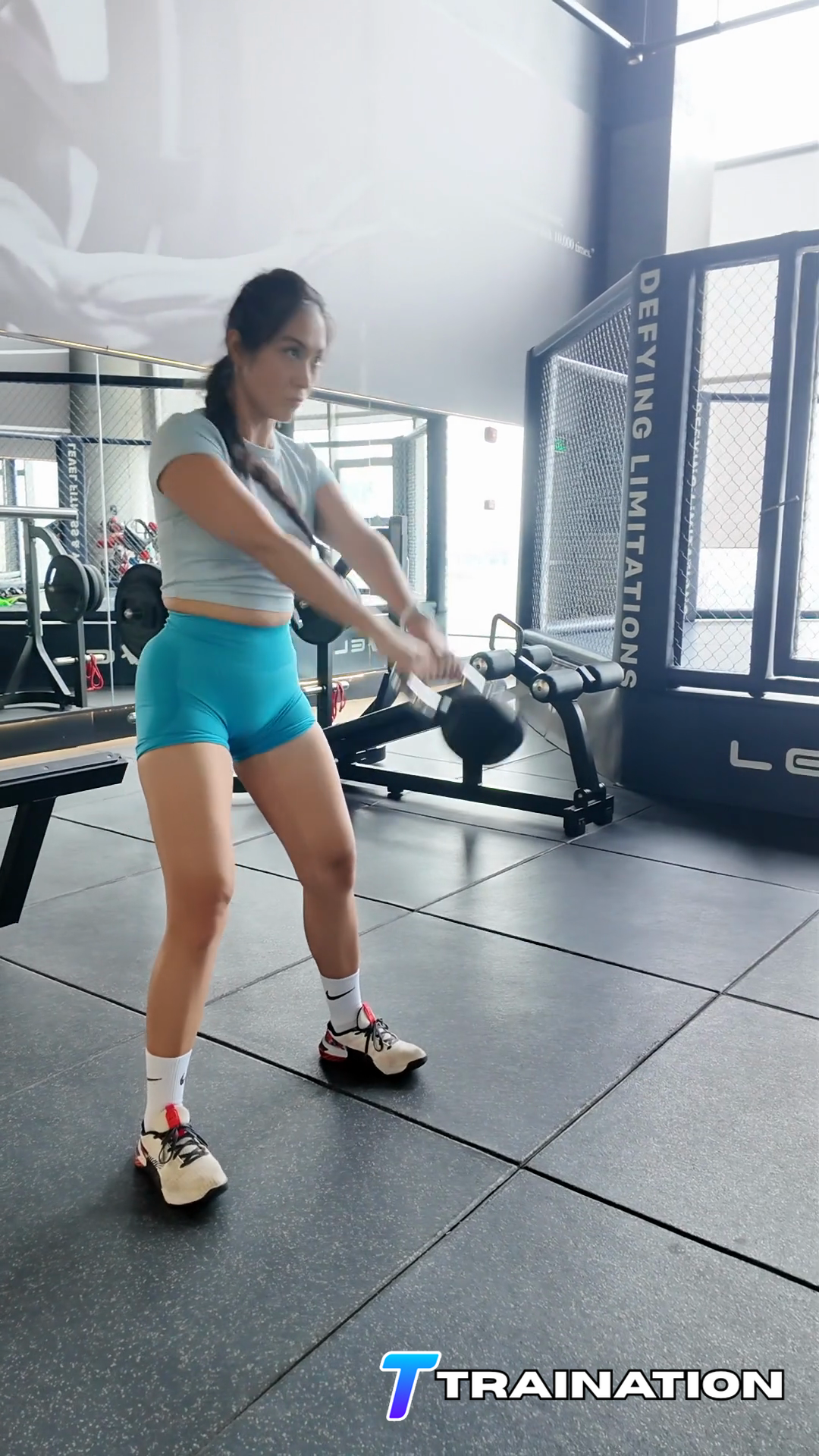
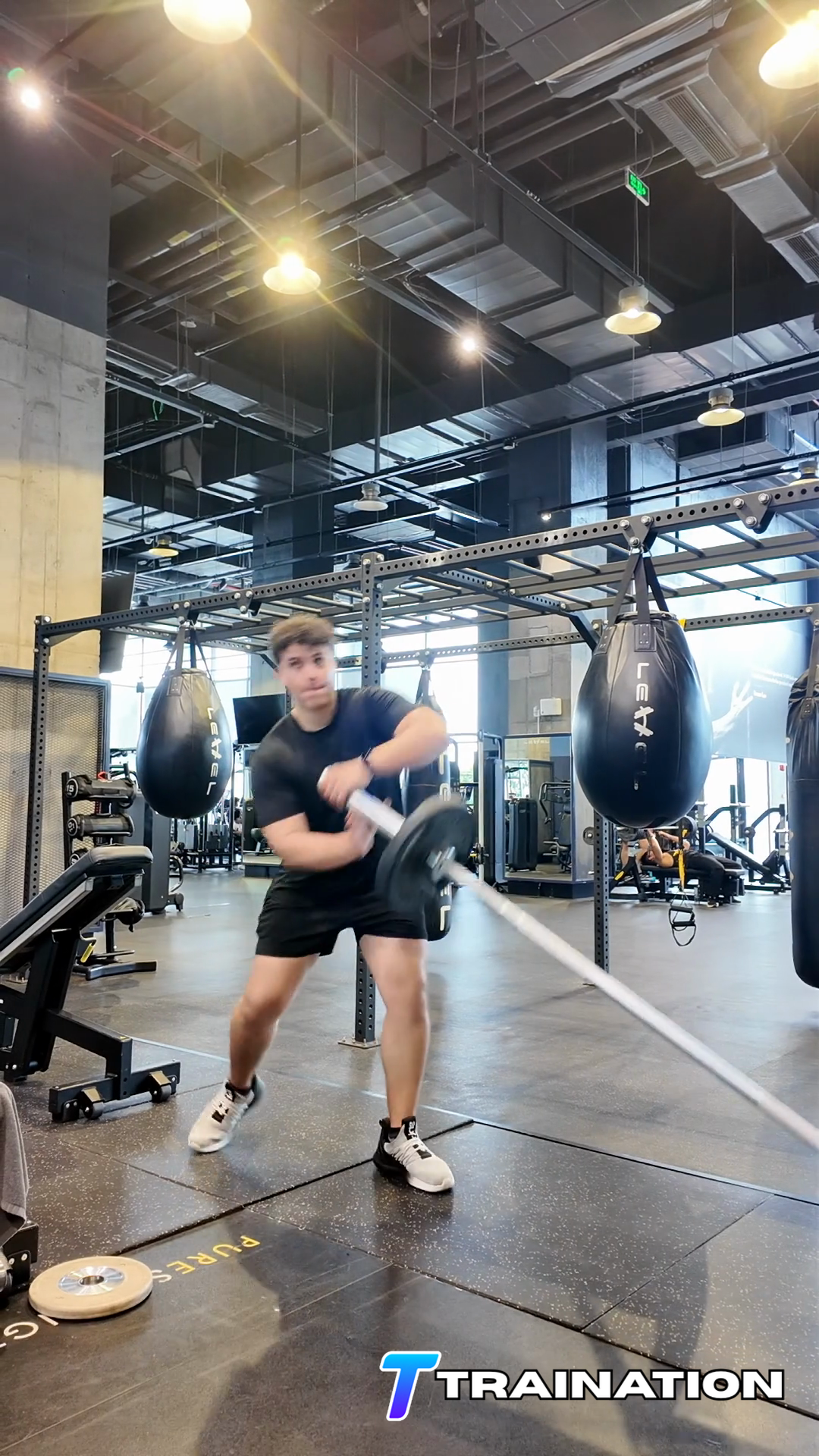
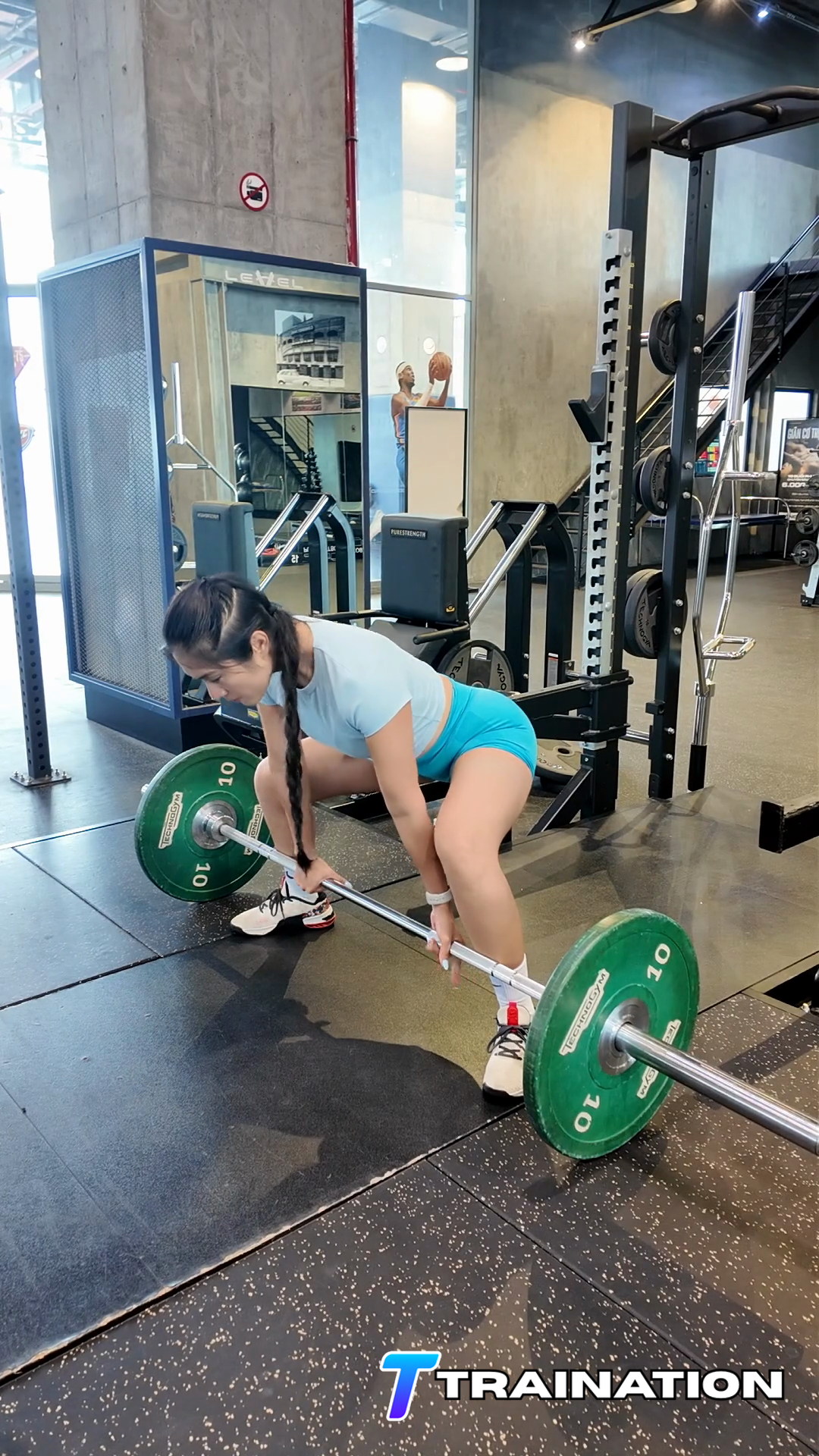
Stop the hinge or floor pull before the spine rounds; more depth is not useful when position changes.
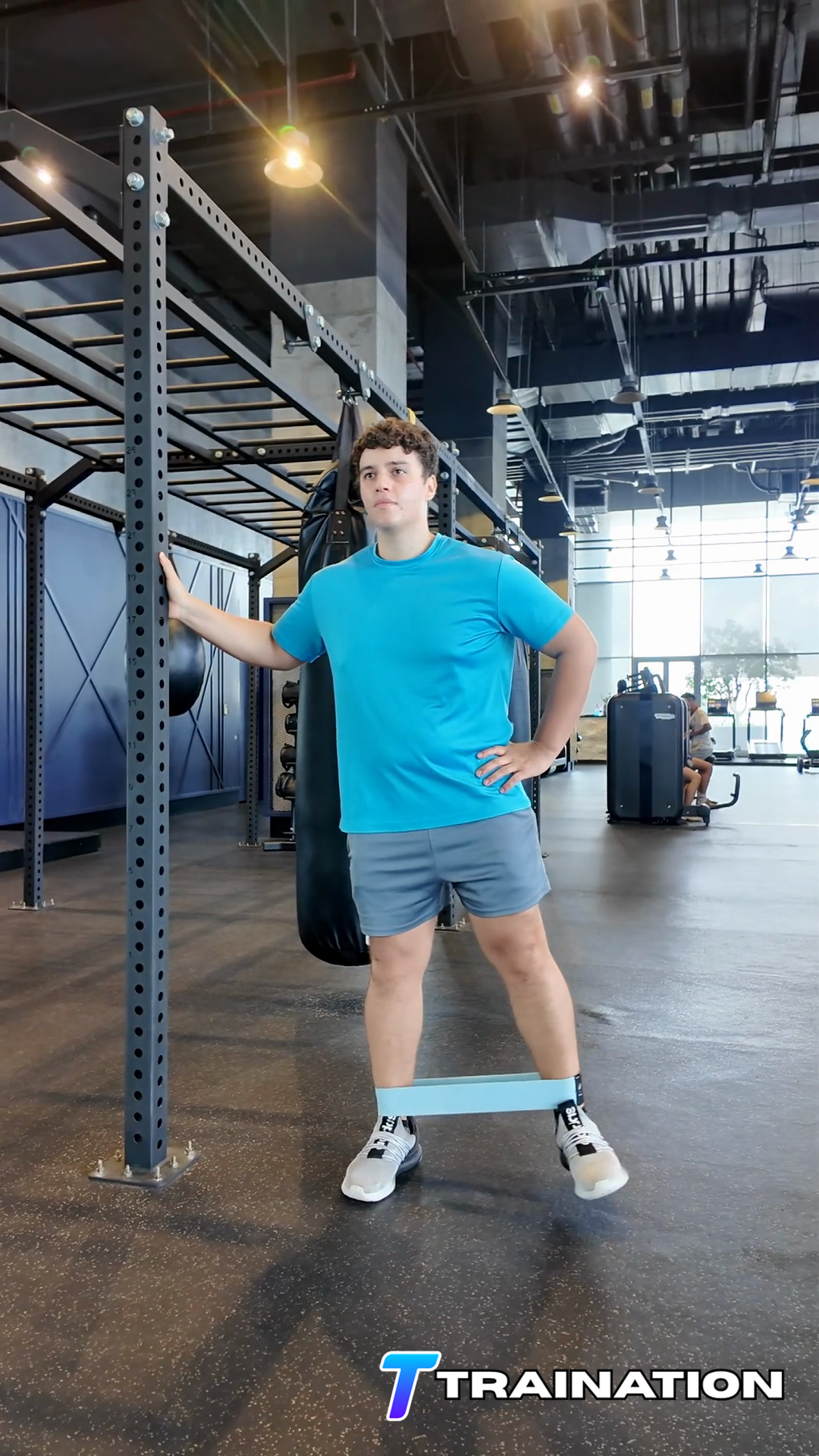
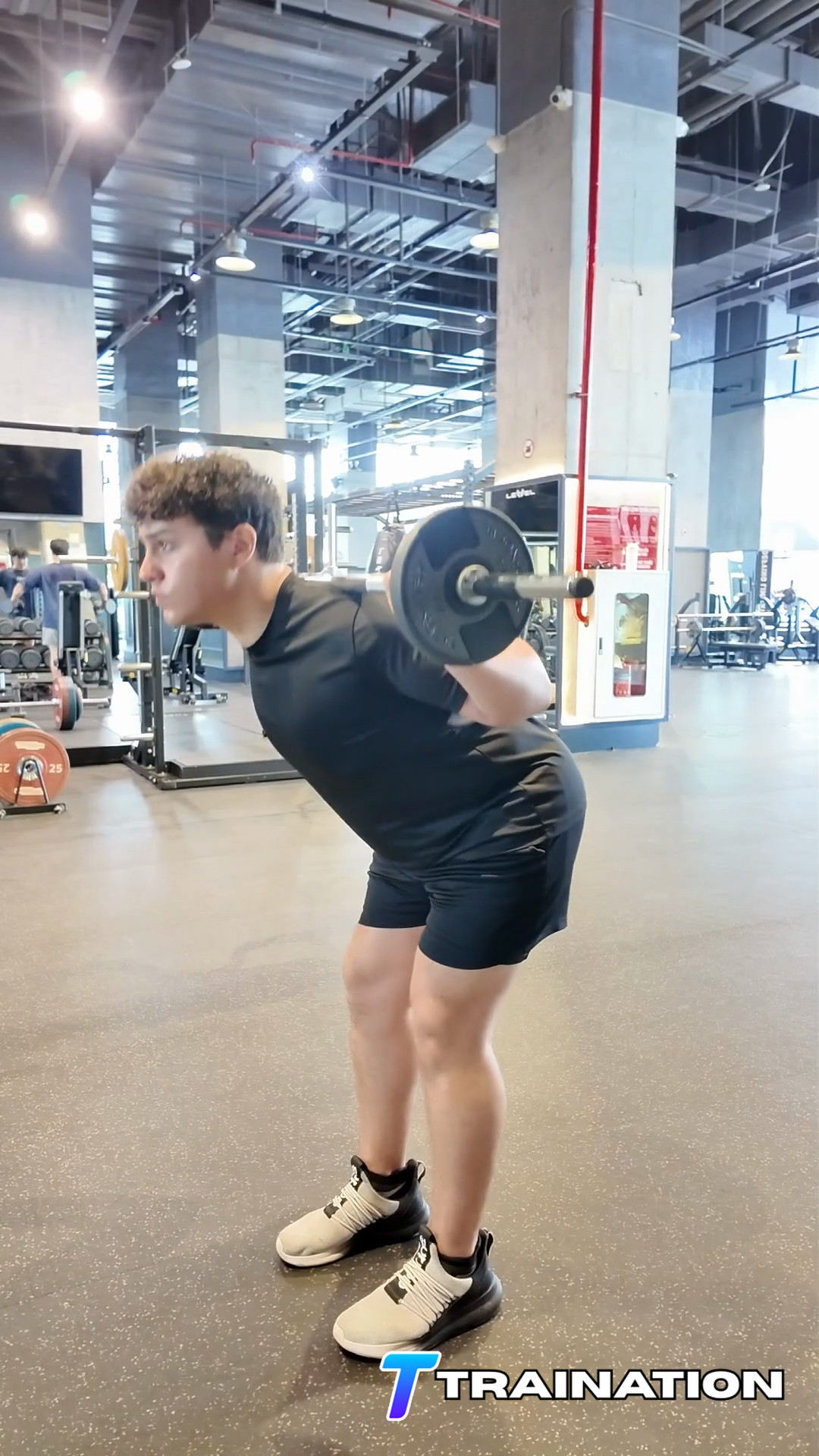
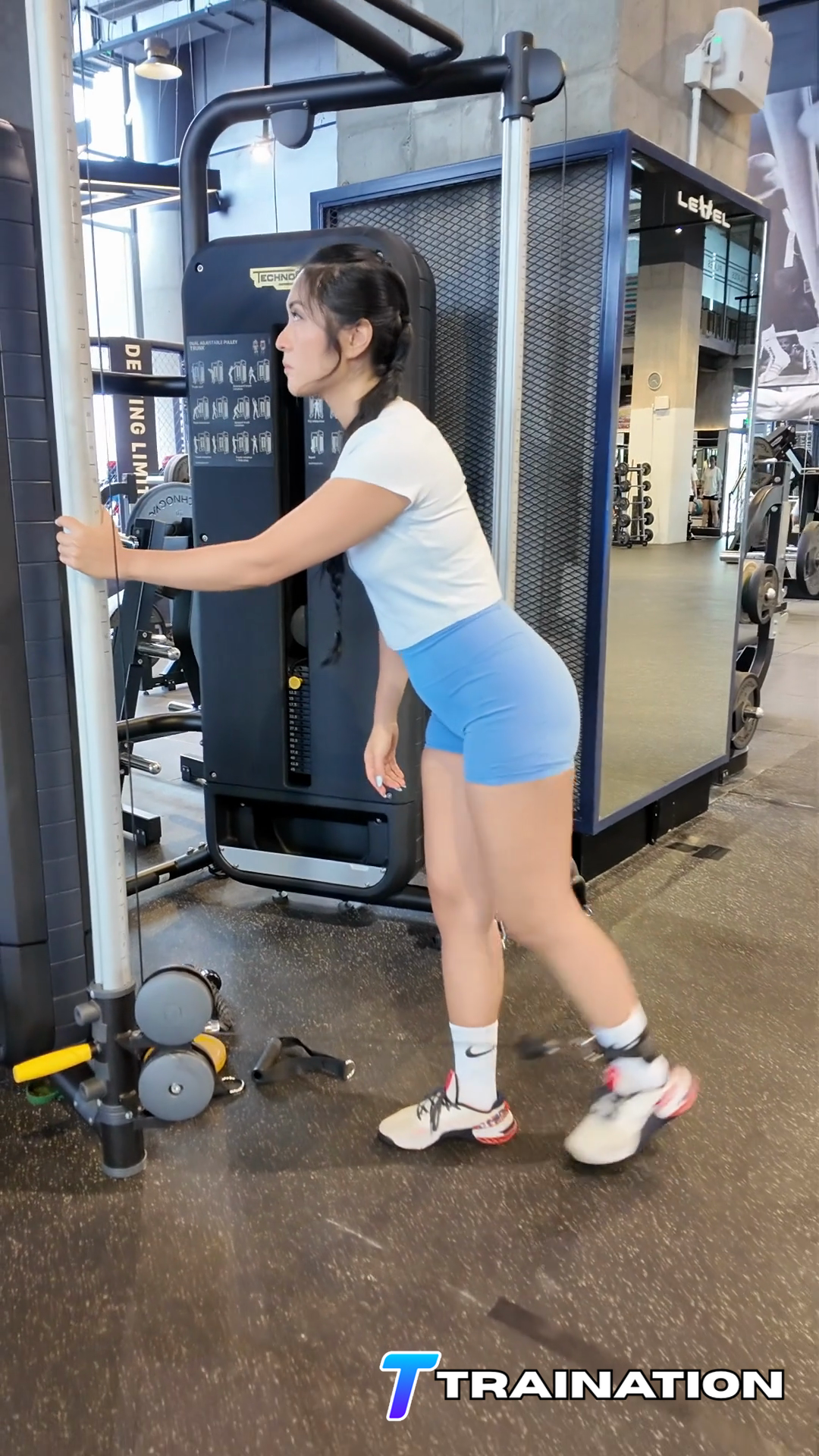
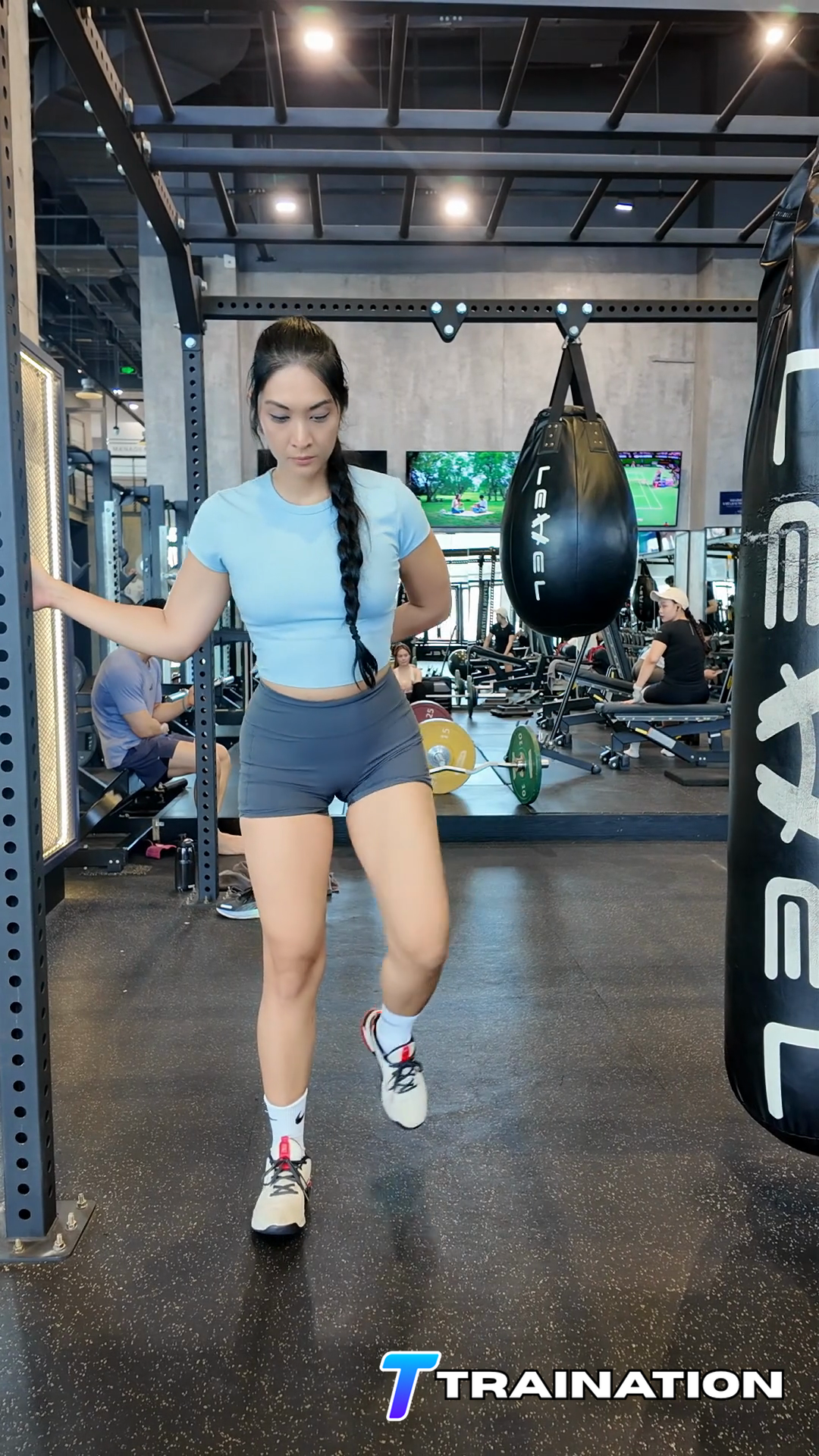
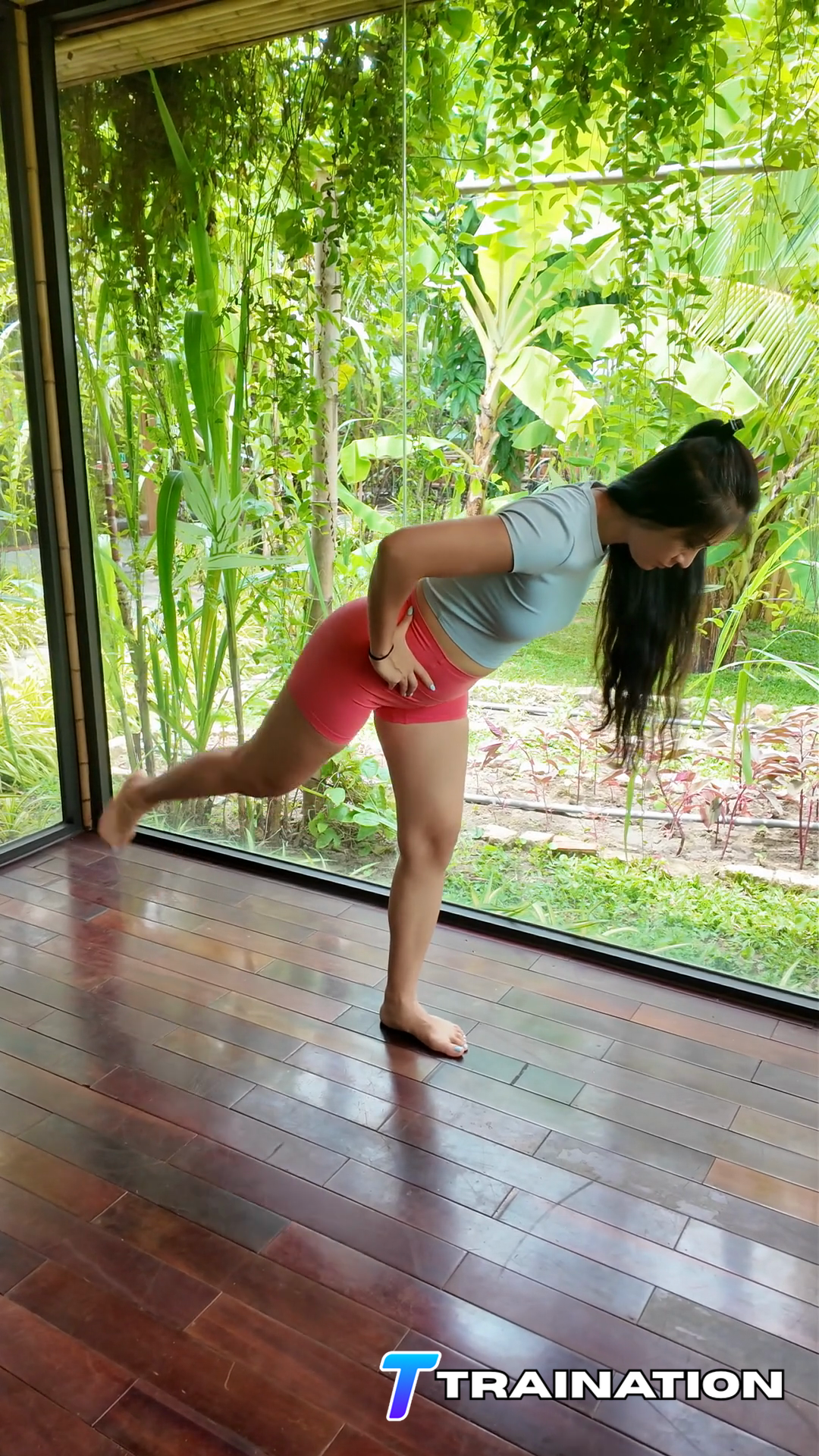
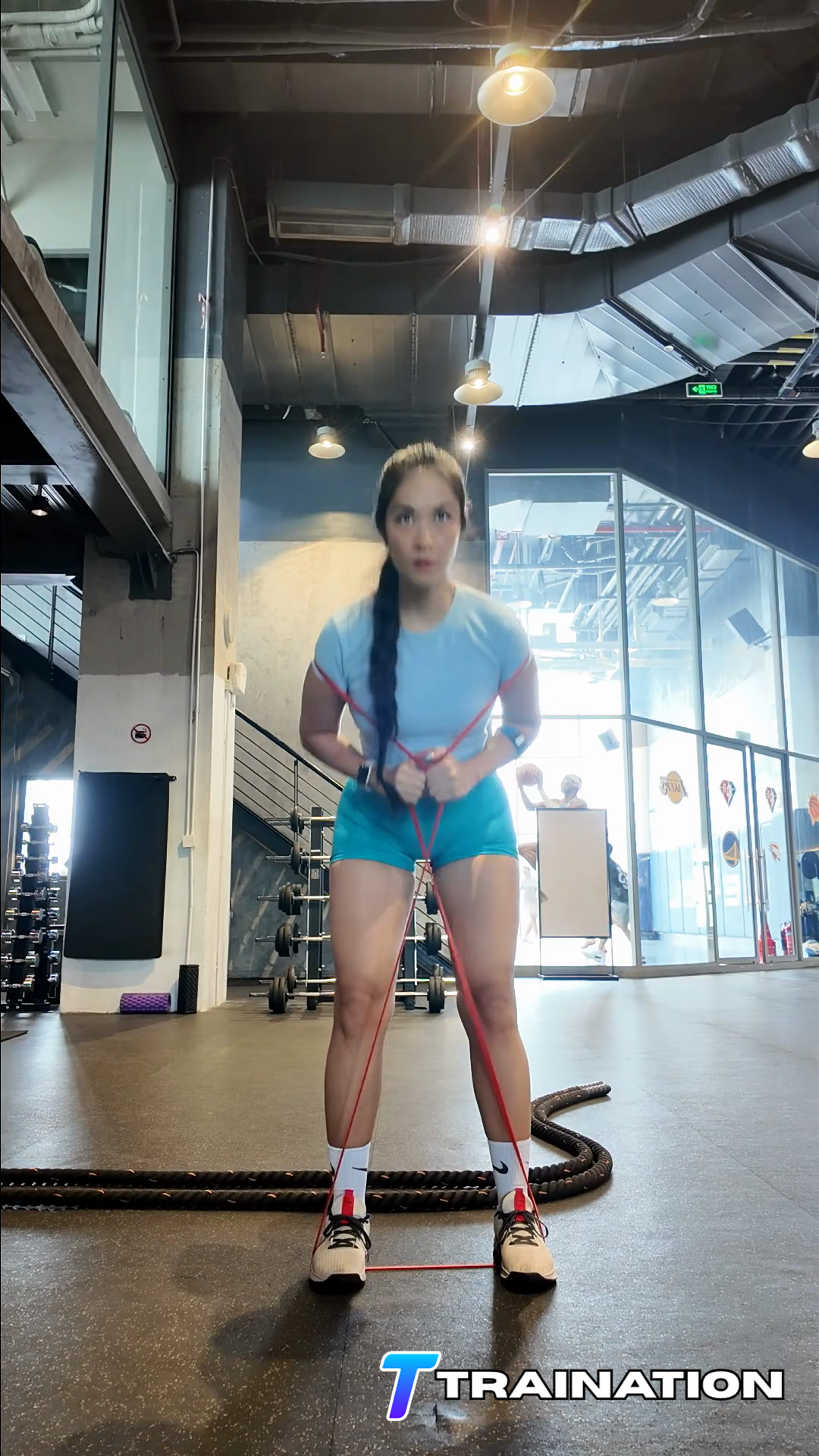
Banded Good Morning trains the hamstrings, glutes, and spinal erectors through a bar- or band-loaded hip hinge performed with softly bent knees.
Primary musclesGluteus maximus, Hamstrings, Erector spinae
Secondary musclesHip adductors, Quadriceps, Latissimus dorsi, Forearms
Follow the sequence in order, paying attention to the starting position, movement path, and finish described in each step.
Stand on the centre of the band with both feet and guide the ends over the shoulders without pressing them into the neck.
Brace the trunk, soften the knees, and keep the band secure against the shoulders as tension increases.
Push the hips backward while the torso tips forward and the shins remain nearly vertical.
Stop at the strongest hamstring stretch that allows the back and band position to remain controlled.
Drive through the feet and bring the hips forward to stand without leaning backward.
Stop the hinge or floor pull before the spine rounds; more depth is not useful when position changes.
Keep the weight close to the legs so the glutes and hamstrings do most of the work.
Do not rock onto the toes or heels. Keep the load balanced over the middle of each foot.
Control the transition and avoid bouncing out of the bottom or jerking the load from the floor.
Use Banded Good Morning early in a workout focused on glutes, or early in a full-body workout, when strength or technical progress is the priority; place it later when it supplies secondary volume.
Use one to three times per week as part of training the relevant muscle groups at least twice weekly; the same exercise does not need to appear in every session.
| Goal | Sets | Reps or time | Rest | Effort and execution |
|---|---|---|---|---|
| Strength | 2–4 | 3–6 | 2–4 min | Heavy, usually 2–3 clean reps in reserve |
| Muscle growth | 2–4 | 6–12 | 90–180 sec | Usually 1–3 clean reps in reserve |
Scale the movement
Keep a dowel in contact with the head, upper back, and pelvis while learning to send the hips backward.
Raise a light kettlebell so the start can be reached without losing trunk position.
Lengthen the lowering phase to reinforce load control and a consistent stopping point.
Try the one-leg or uneven-load version only after the two-leg hinge is easy to repeat with good form.
Turn Banded Good Morning and the rest of your exercise library into repeatable client programs.
Explore the workout builder