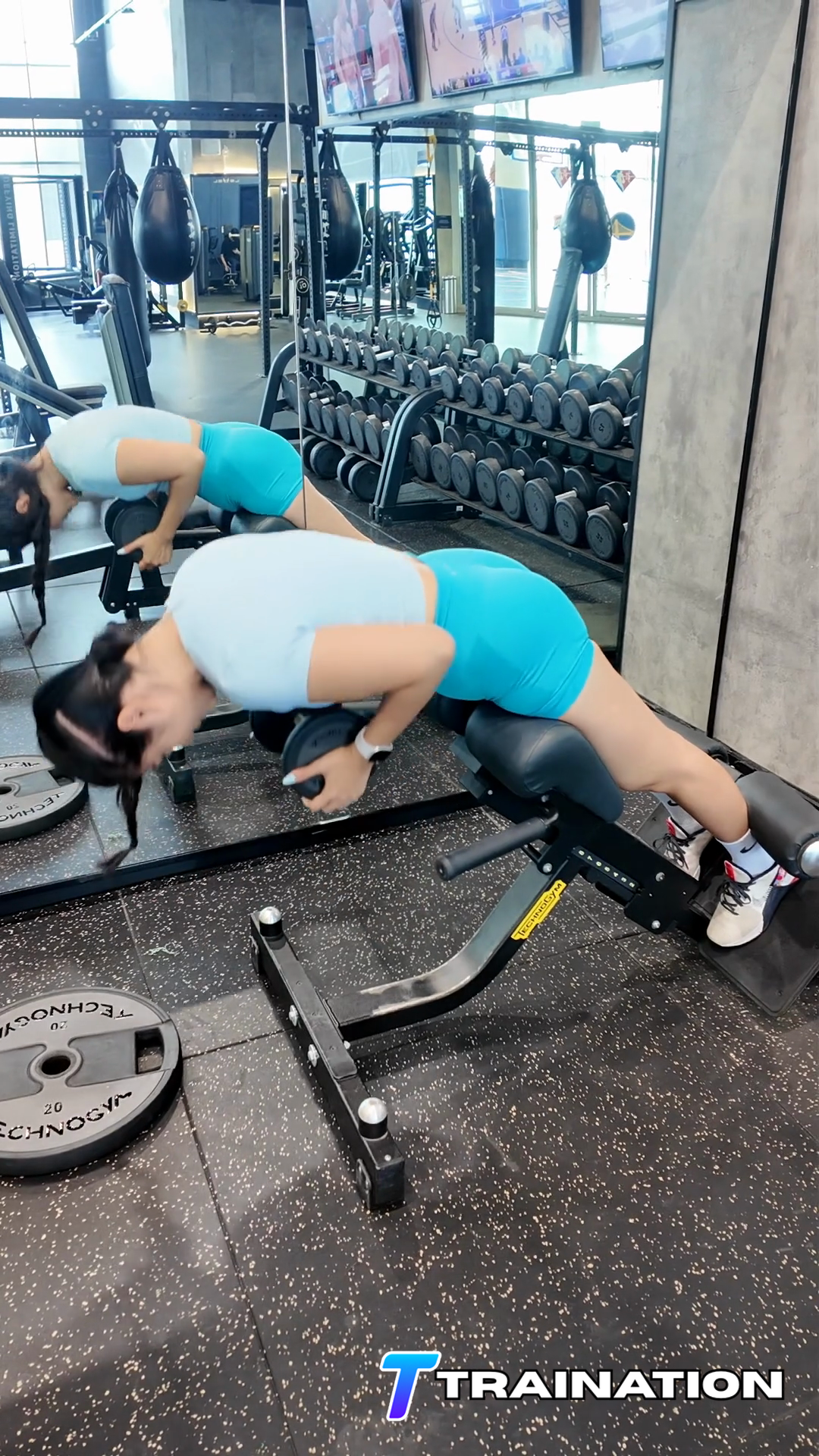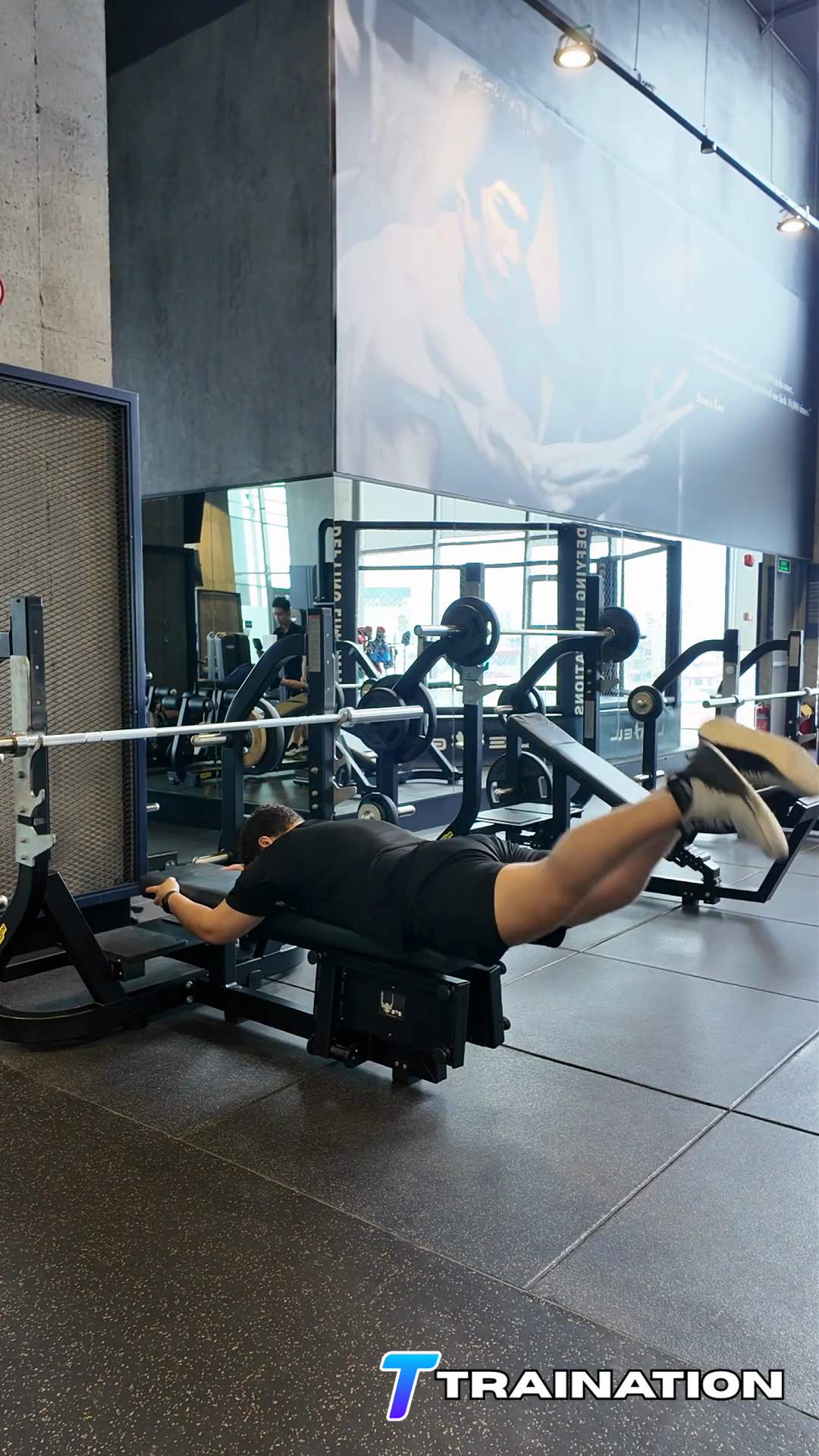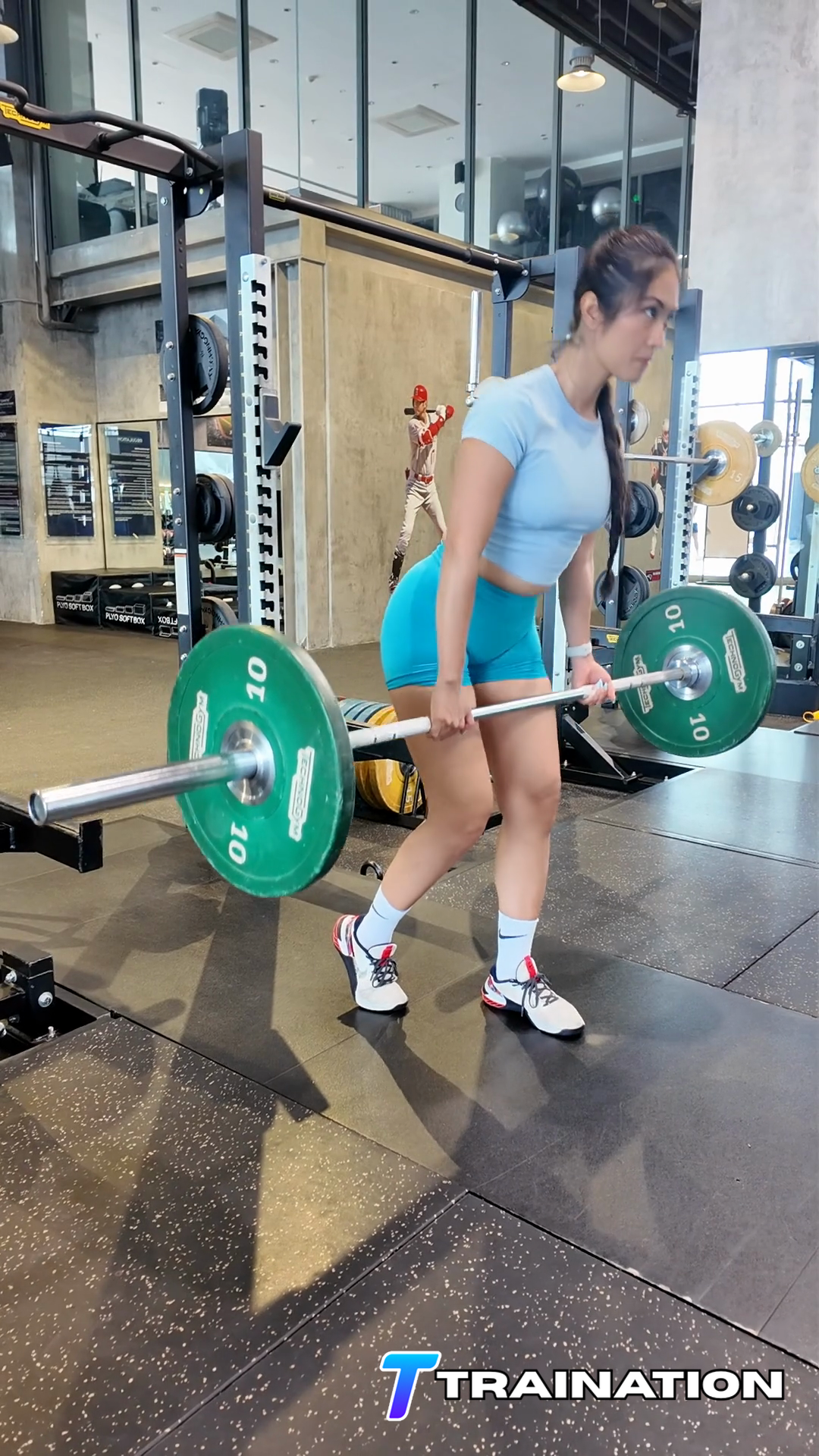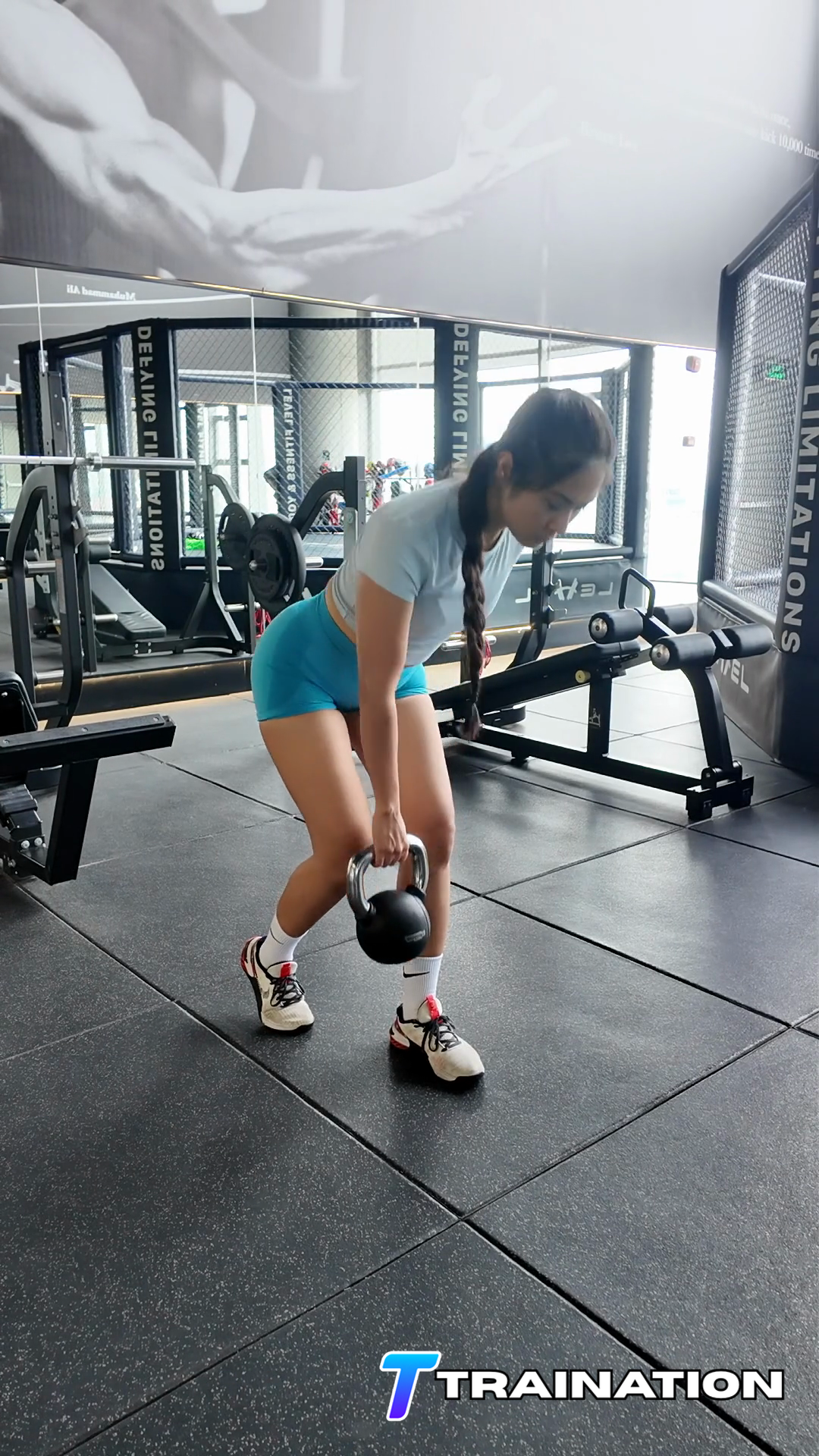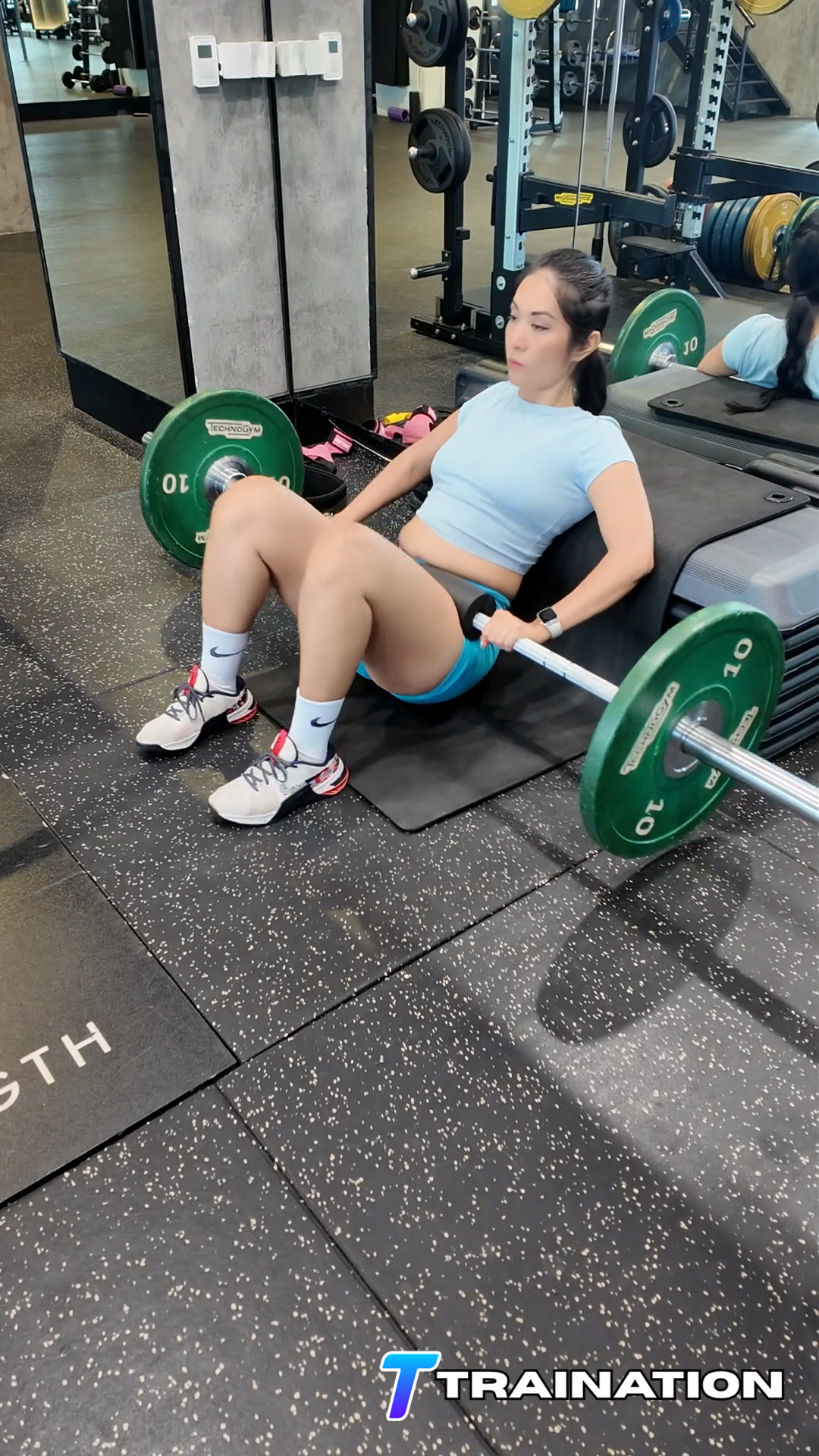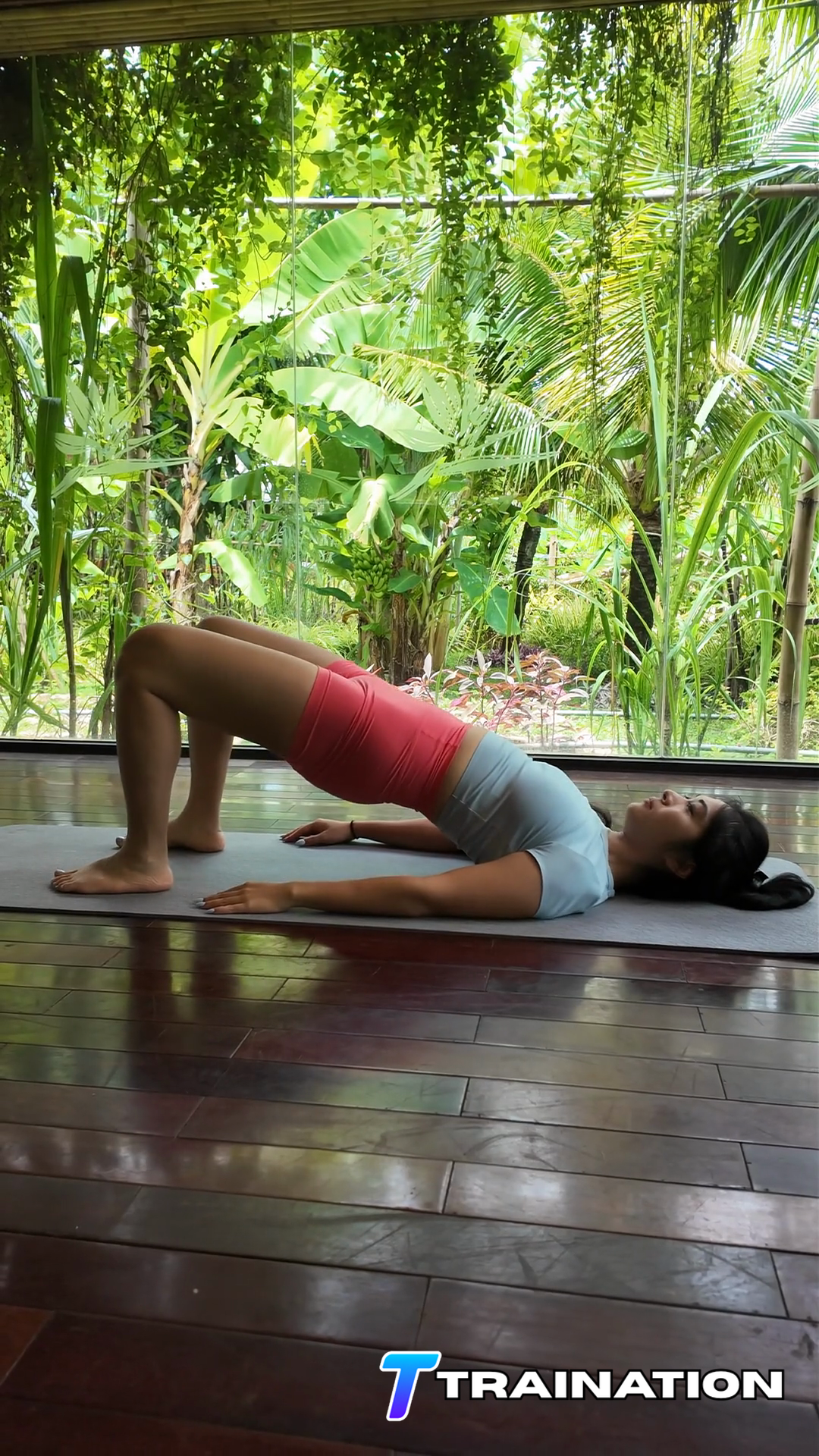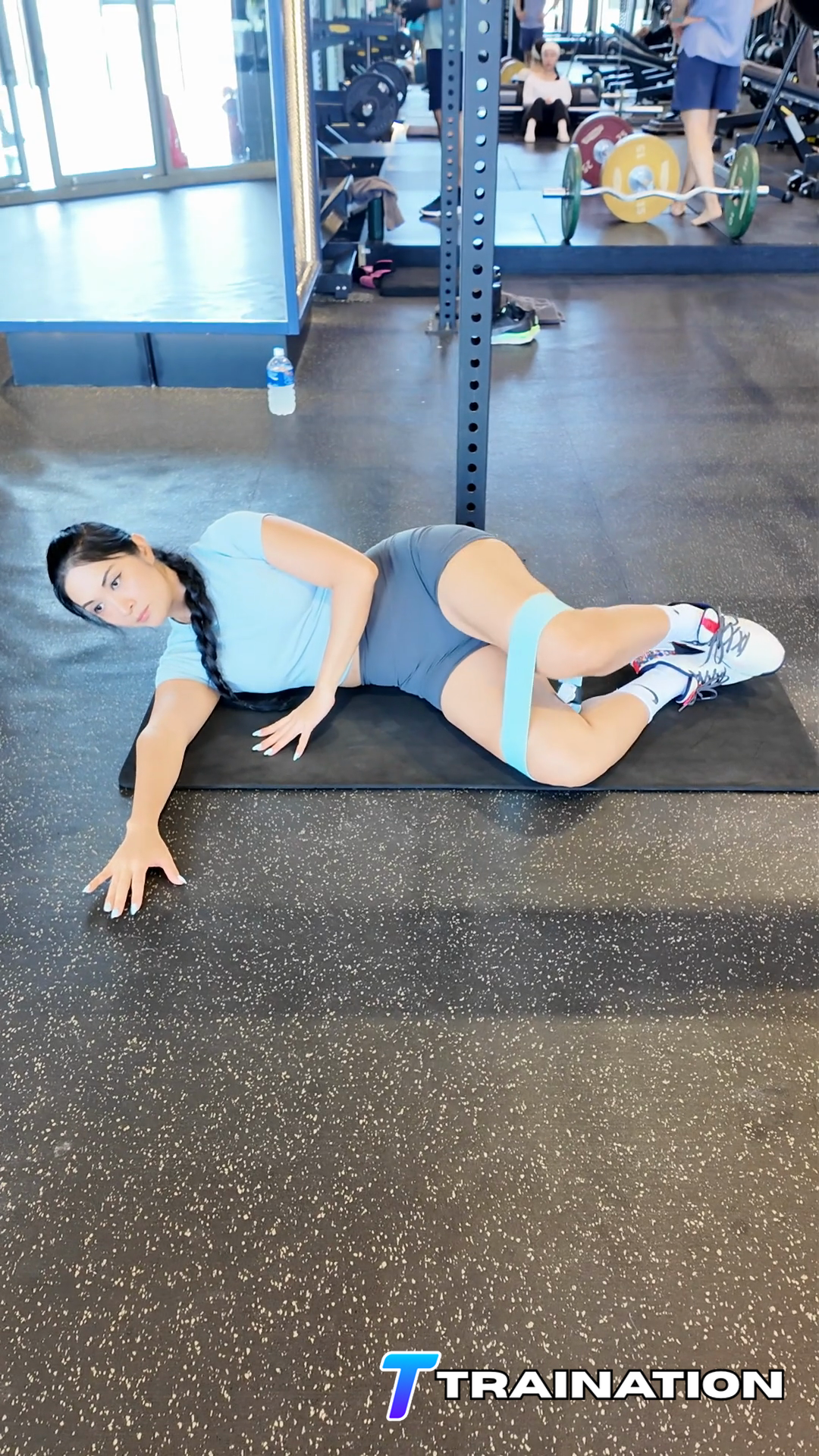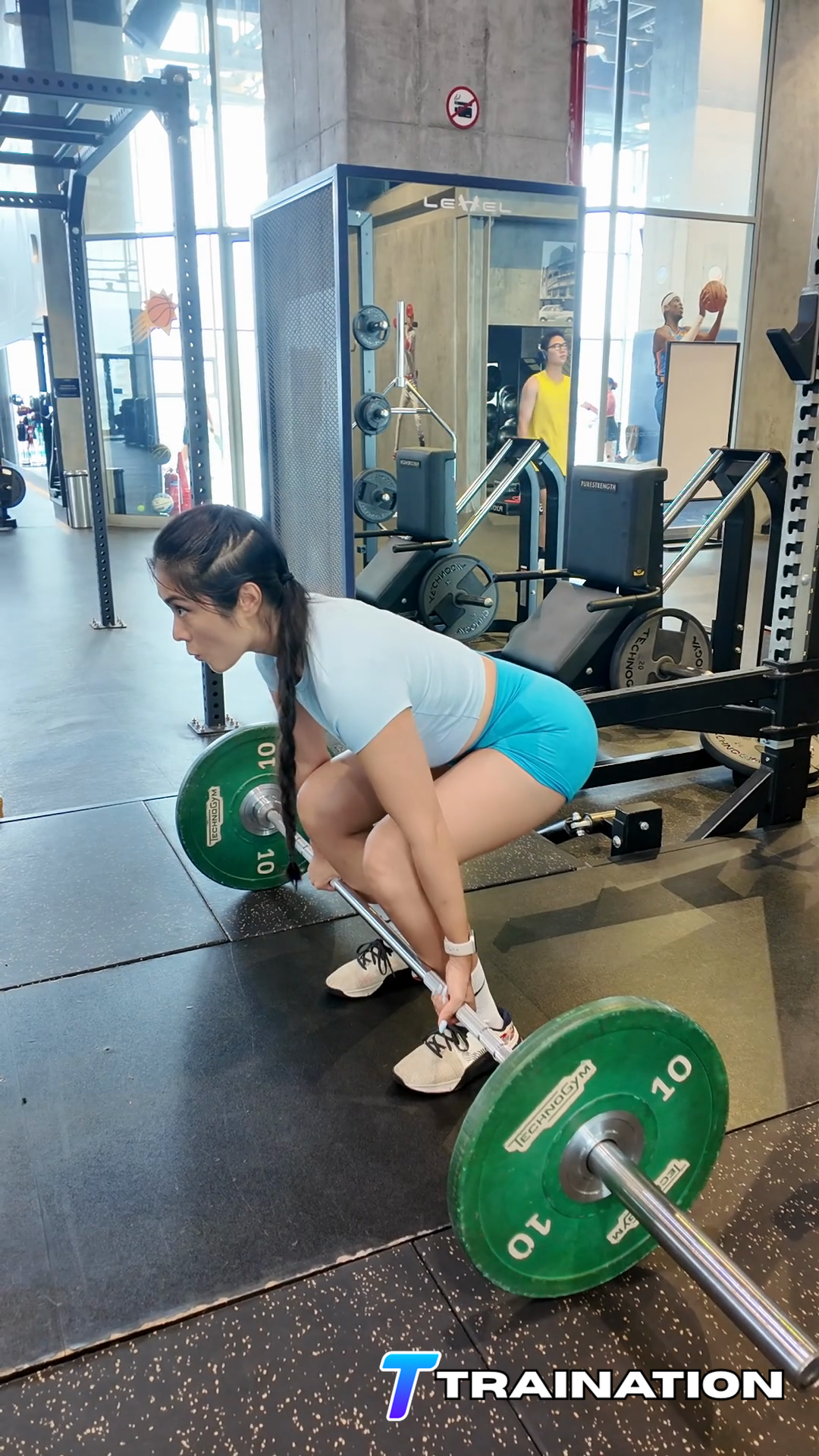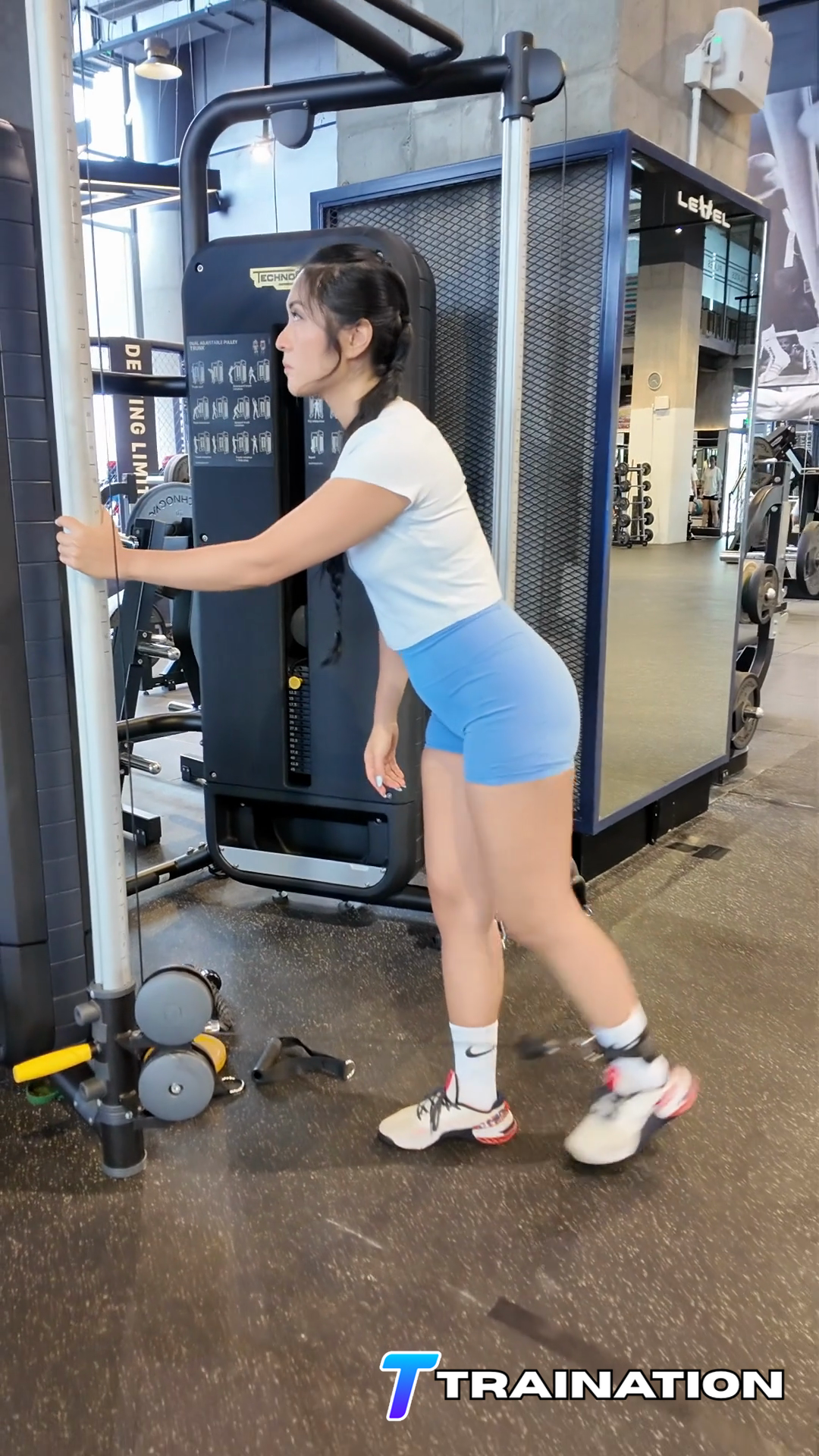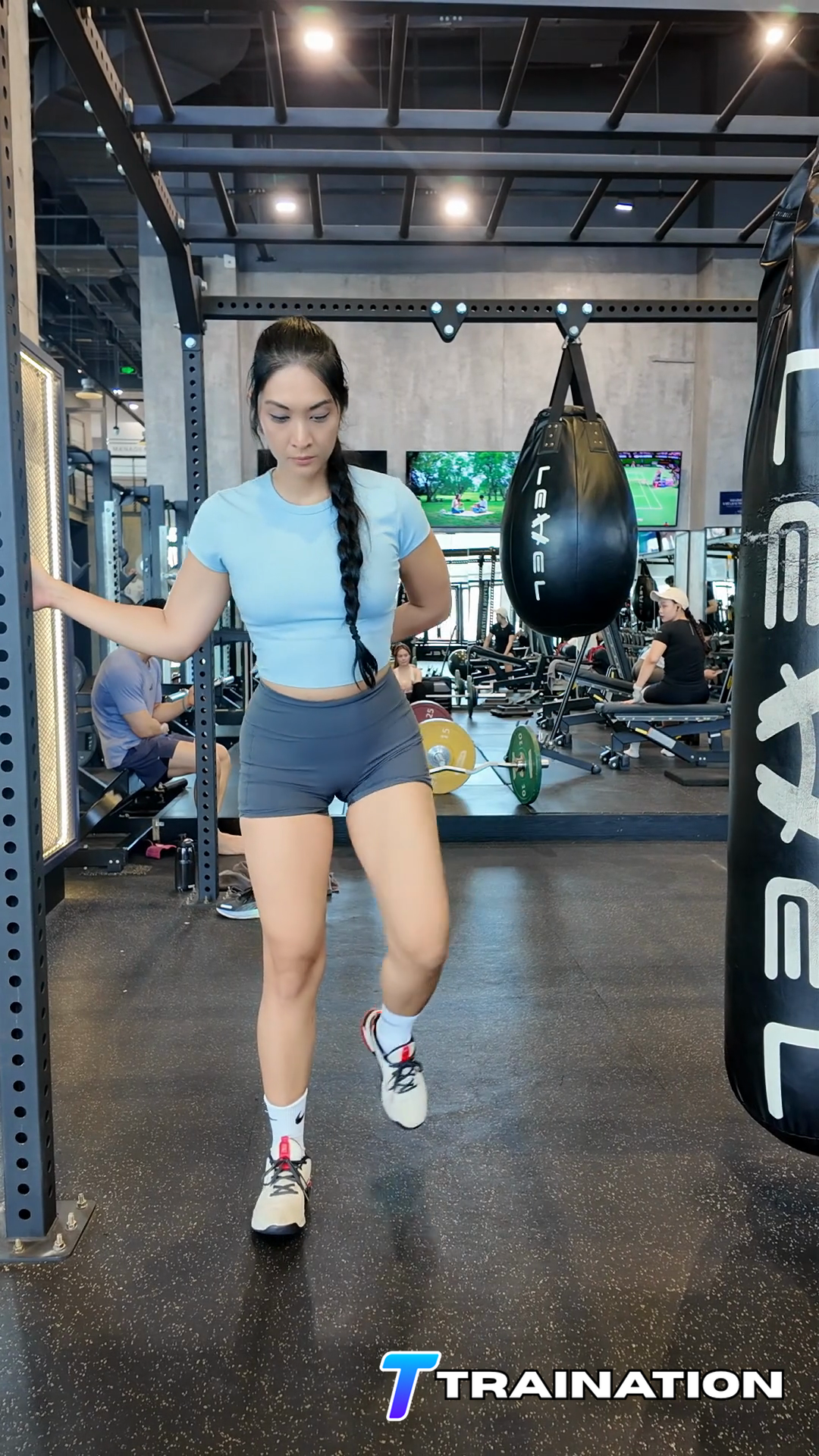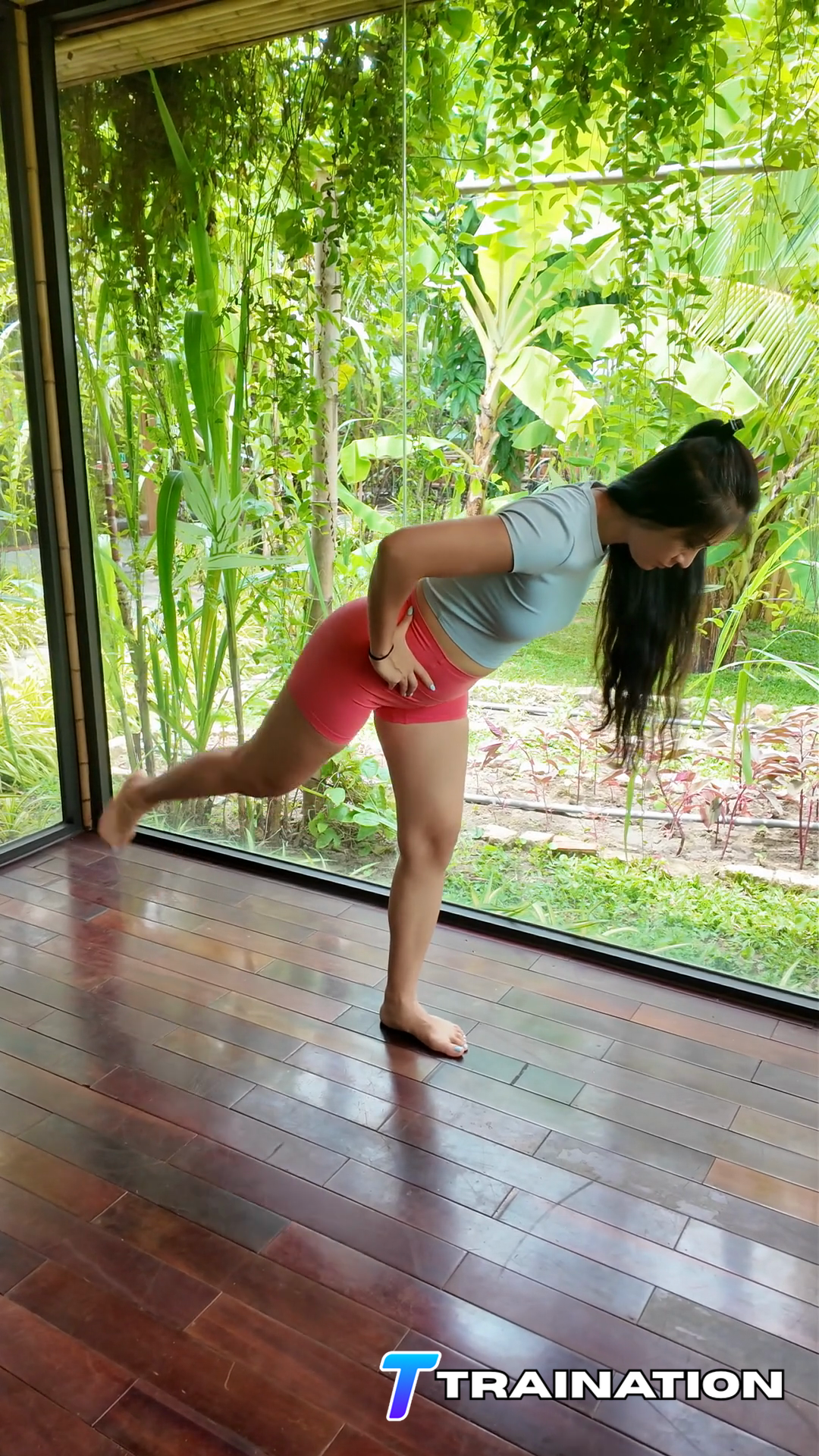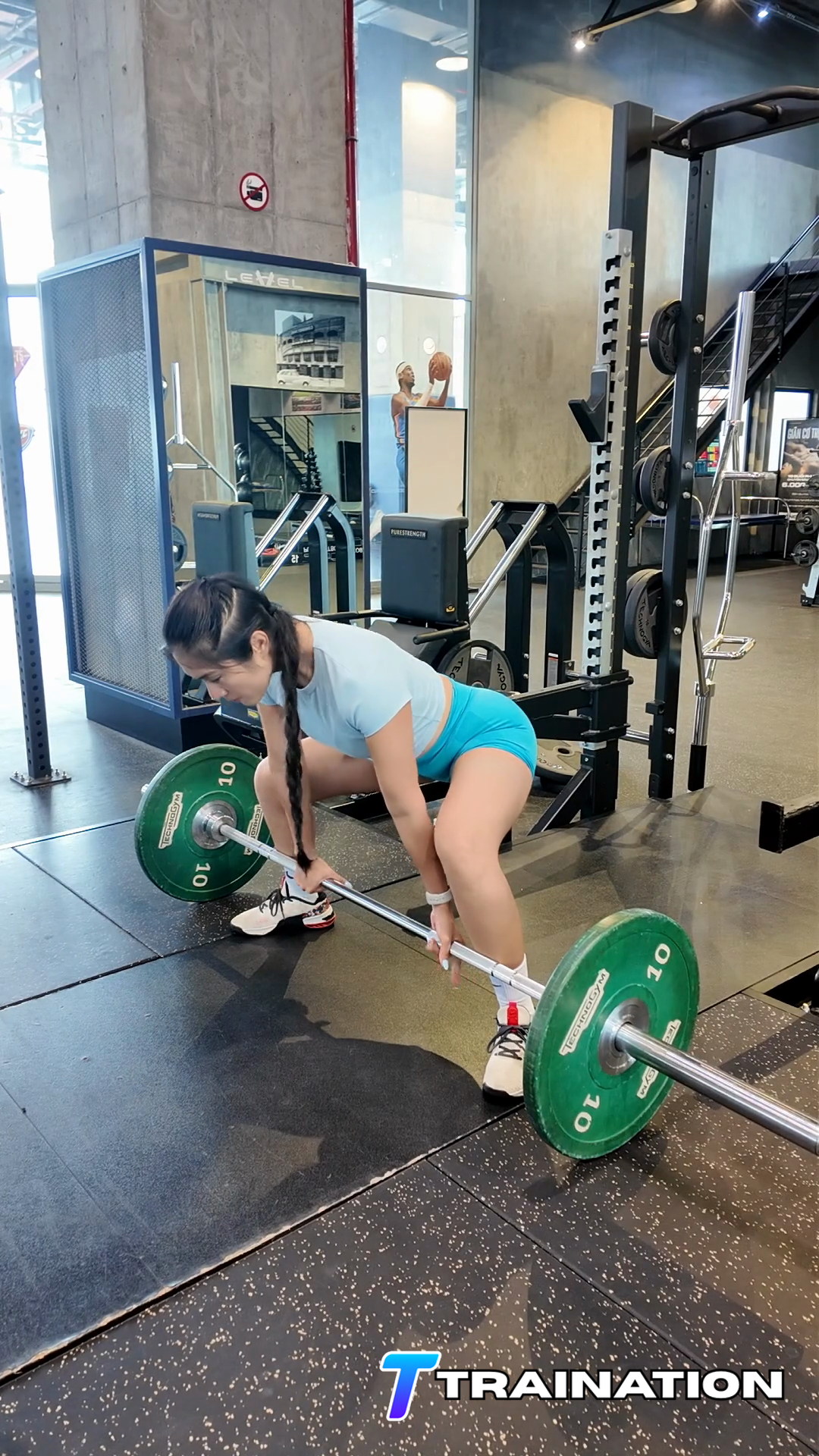
Squatting the swing
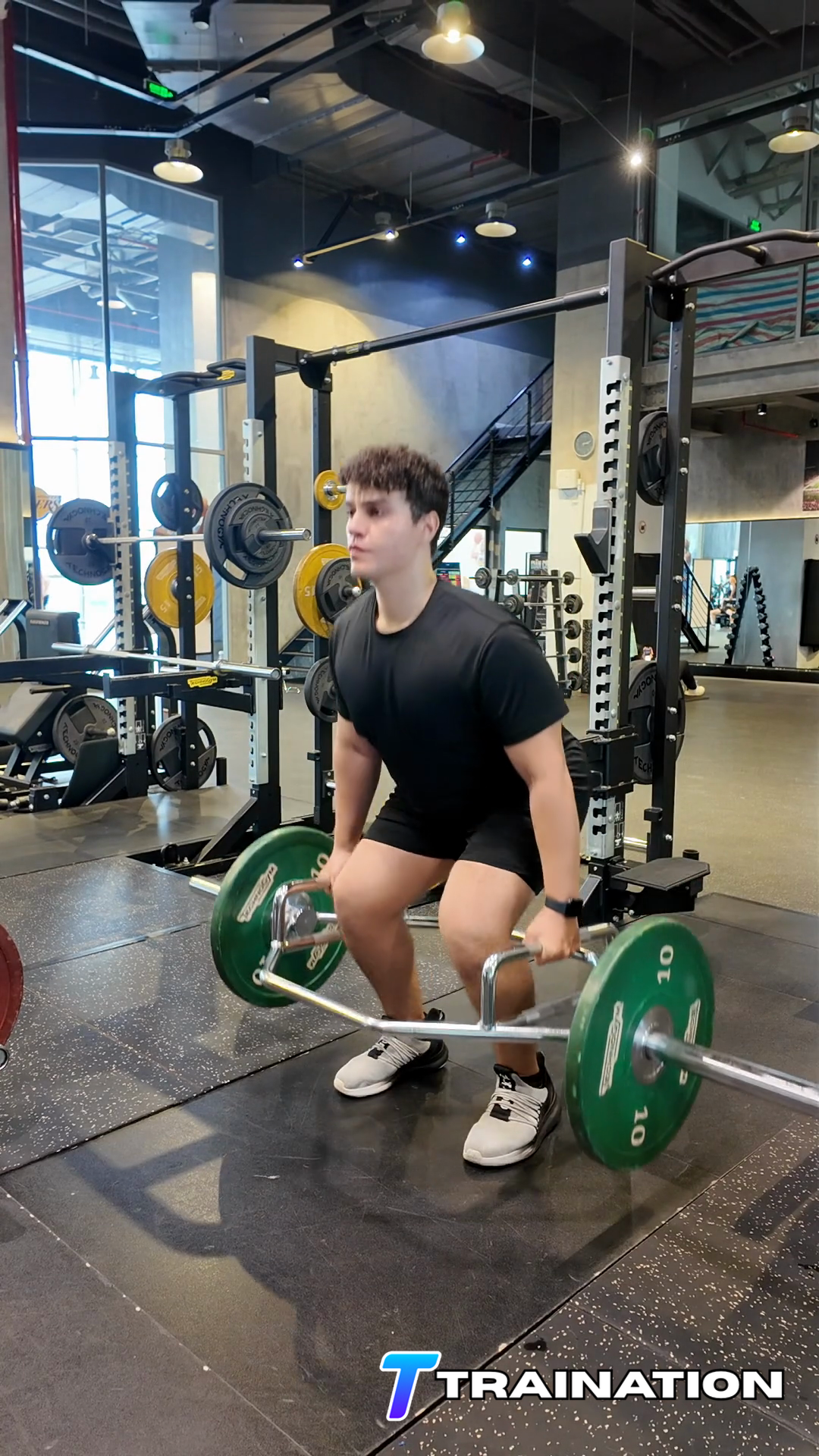
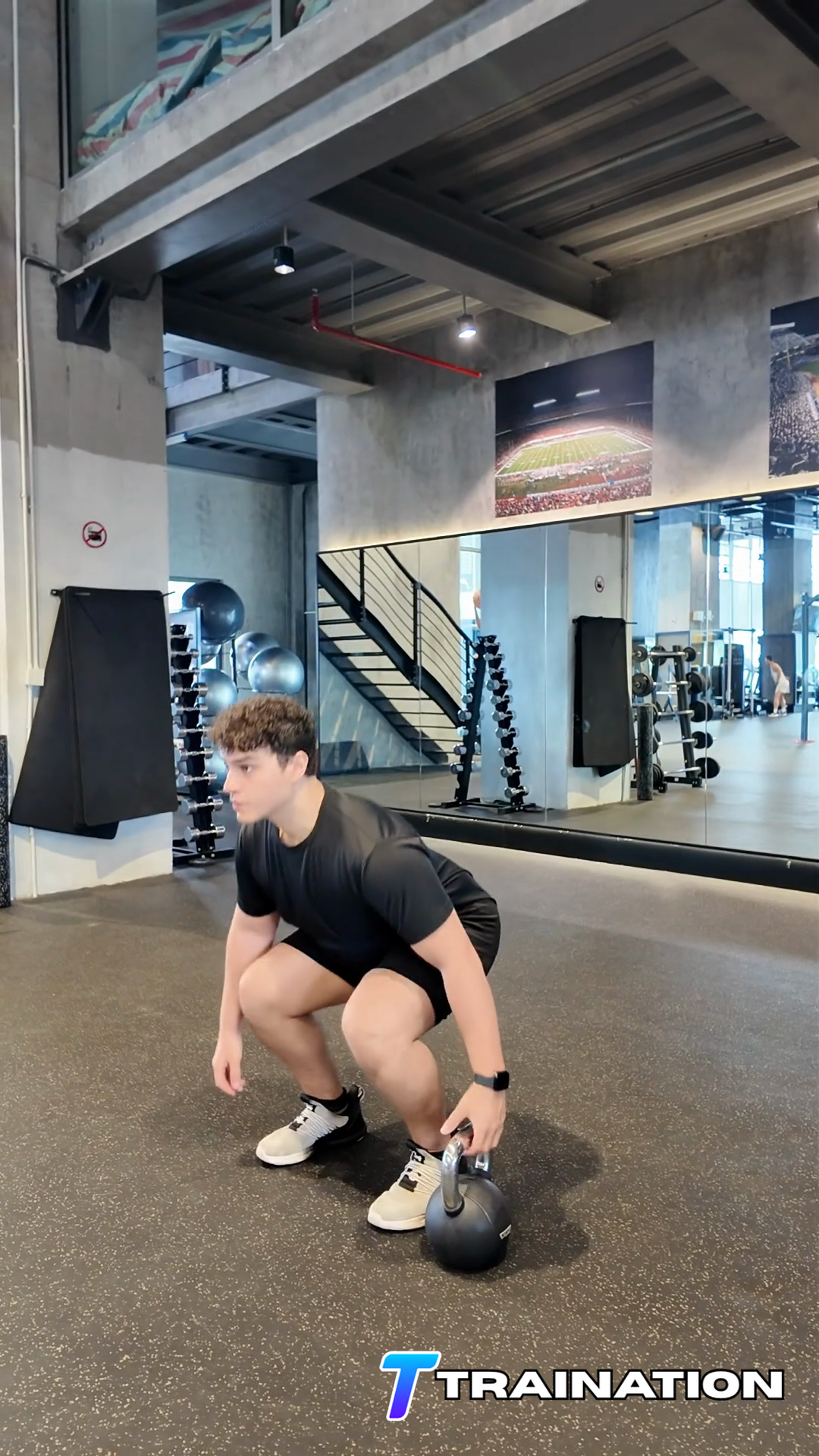
Push the hips backward and limit forward shin movement instead of dropping into a deep squat.
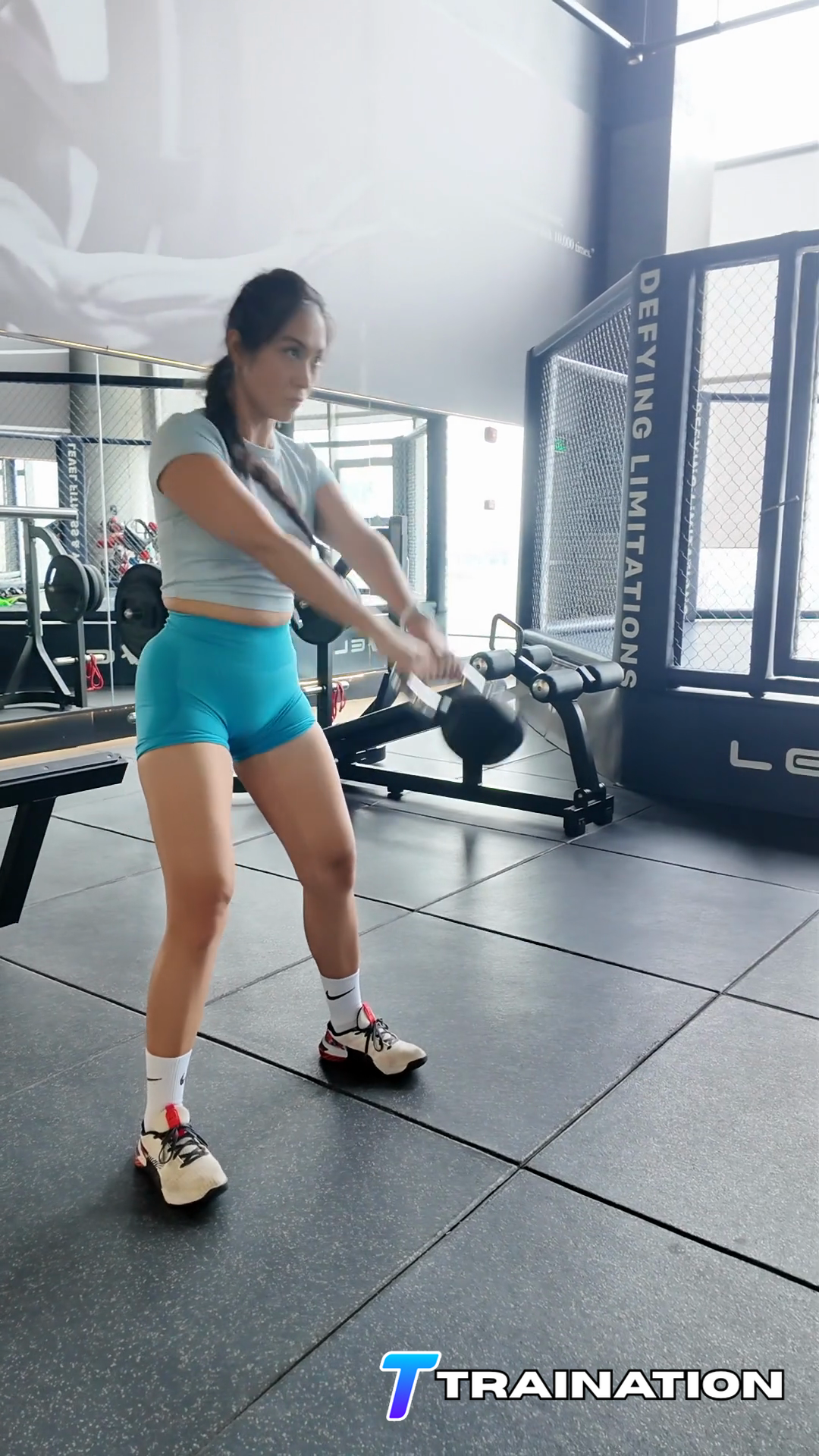
Kettlebell Swings is an explosive movement that develops rapid force production through a coordinated full-body action.
Primary musclesGluteus maximus, Hamstrings
Secondary musclesErector spinae, Abdominals, Latissimus dorsi, Forearms
Follow the sequence in order, paying attention to the starting position, movement path, and finish described in each step.
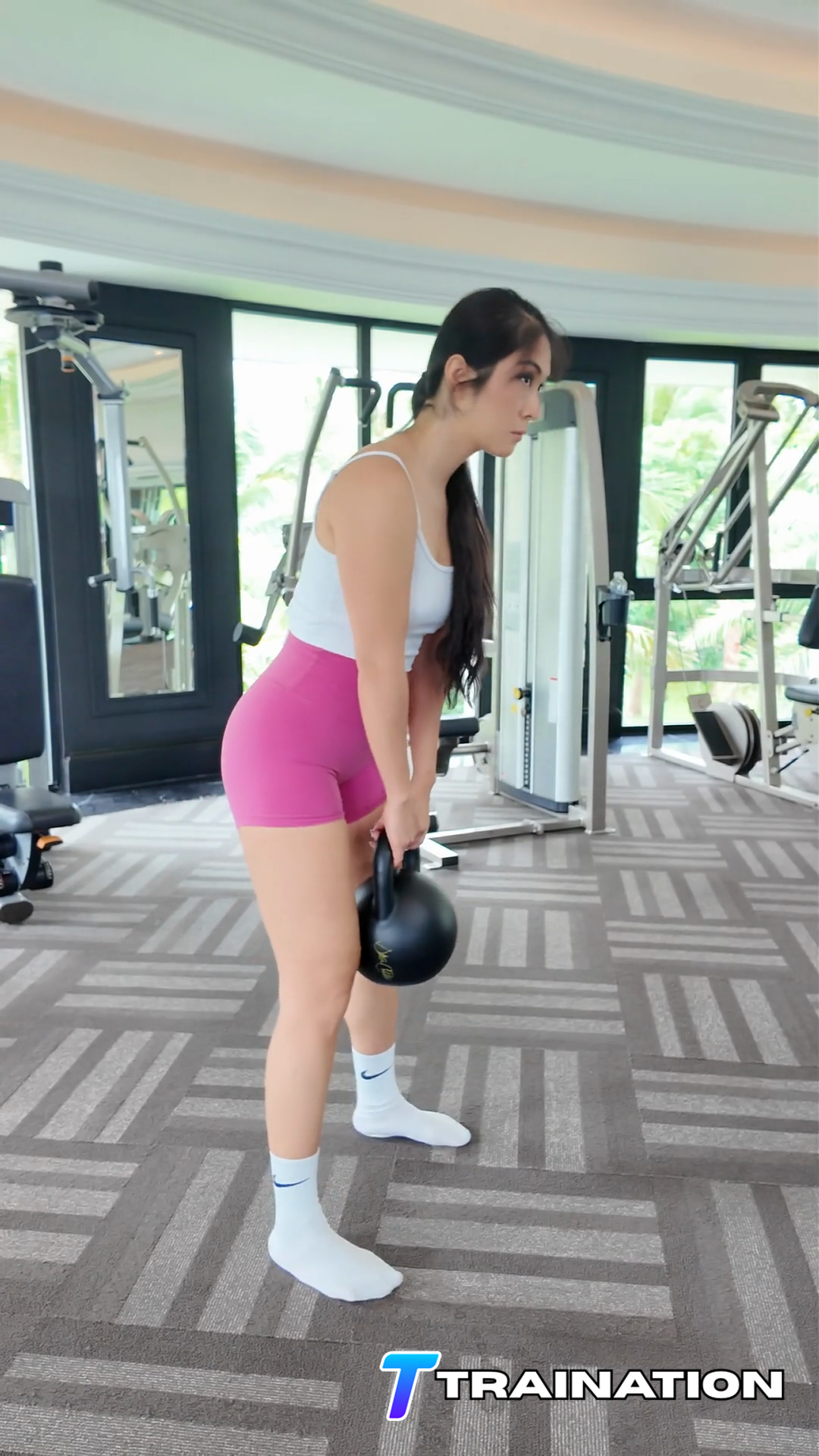
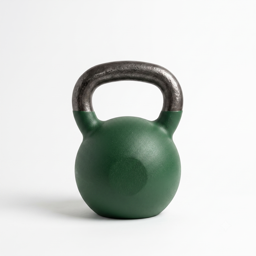
Place the kettlebell one short step in front of you, take a stance slightly wider than hip width, and hinge to grip the handle with both hands.
Tilt the bell toward you and hike it high between the thighs while keeping the spine long and the shoulders above the hips.
Drive the feet into the floor and extend the hips quickly. Let the hip drive float the bell forward instead of lifting it with the arms.
Finish tall with the glutes engaged and ribs down as the bell reaches roughly chest height; do not lean backward.
Let the bell fall, wait until the upper arms reconnect with the ribs, and hinge to guide it between the legs for the next repetition.
To finish, allow the bell to swing forward once more, hinge, and park it softly on the floor in front of you.
Push the hips backward and limit forward shin movement instead of dropping into a deep squat.
Let fast hip extension float the bell; the arms guide rather than raise it.
Finish tall with the ribs down instead of extending the lower back.
Keep the backswing high between the thighs and delay the hinge until the arms reconnect with the ribs.
Perform Kettlebell Swings after the warm-up and before fatiguing lower-body strength or conditioning work while hip speed and grip are fresh.
Use one to three times per week while accounting for other explosive hinges, deadlifts, and conditioning intervals.
| Goal | Sets | Reps or time | Rest | Effort and execution |
|---|---|---|---|---|
| Technique / power | 3–5 | 5–10 | 90–180 sec | Every swing reaches the same height from hip drive |
| Power endurance | 4–8 | 10–20 | 60–120 sec | Stop before the hinge shortens or the arms begin lifting |
Scale the movement
Practise the floor hinge and hip-driven stand before adding the backswing.
Practise hiking the bell between the thighs and parking it without completing repeated swings.
Move to the next kettlebell only while hip drive, bell height, and the backswing remain consistent.
Use one hand only after the two-hand swing stays square and the grip remains secure.
Turn Kettlebell Swings and the rest of your exercise library into repeatable client programs.
Explore the workout builder