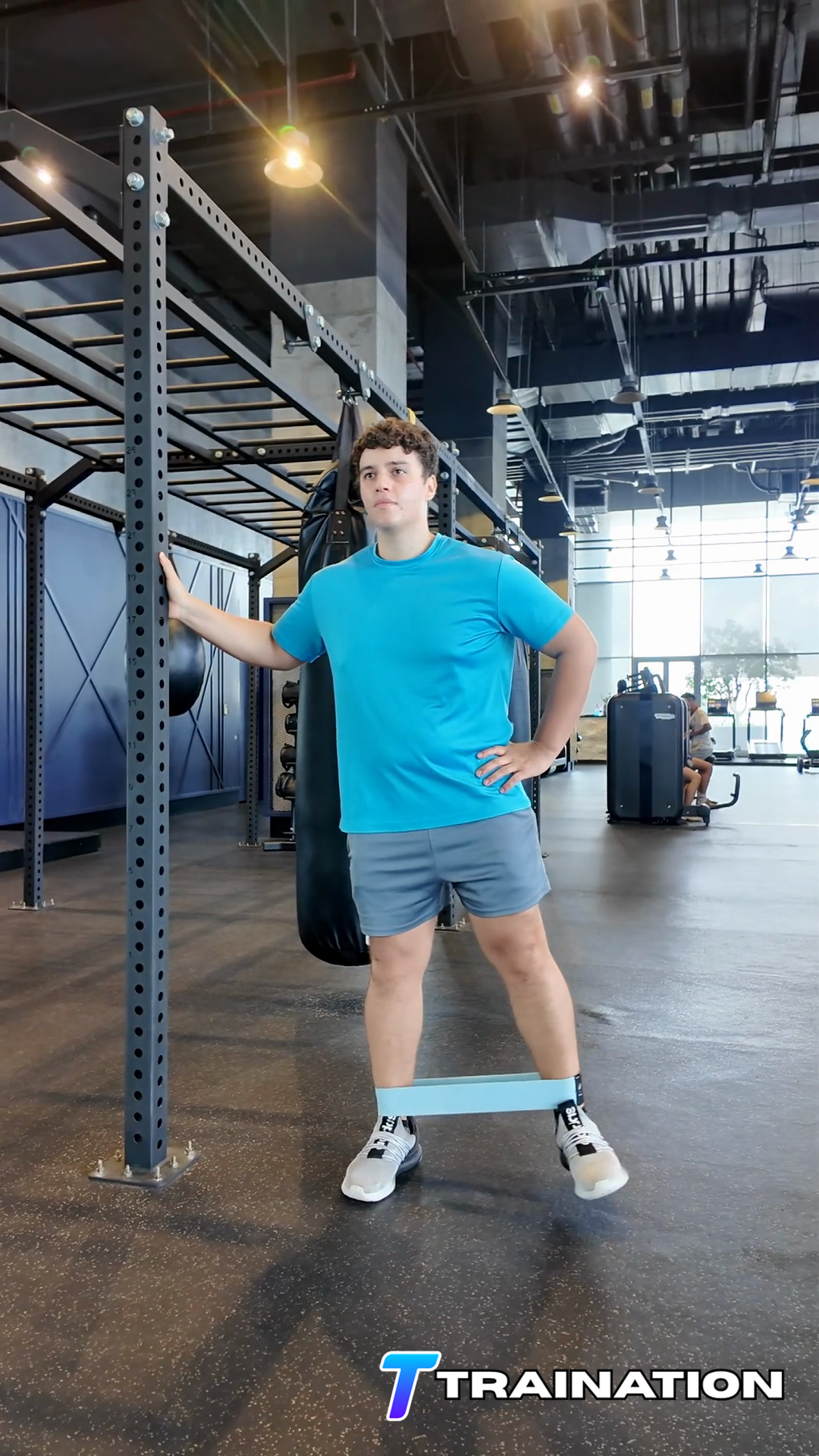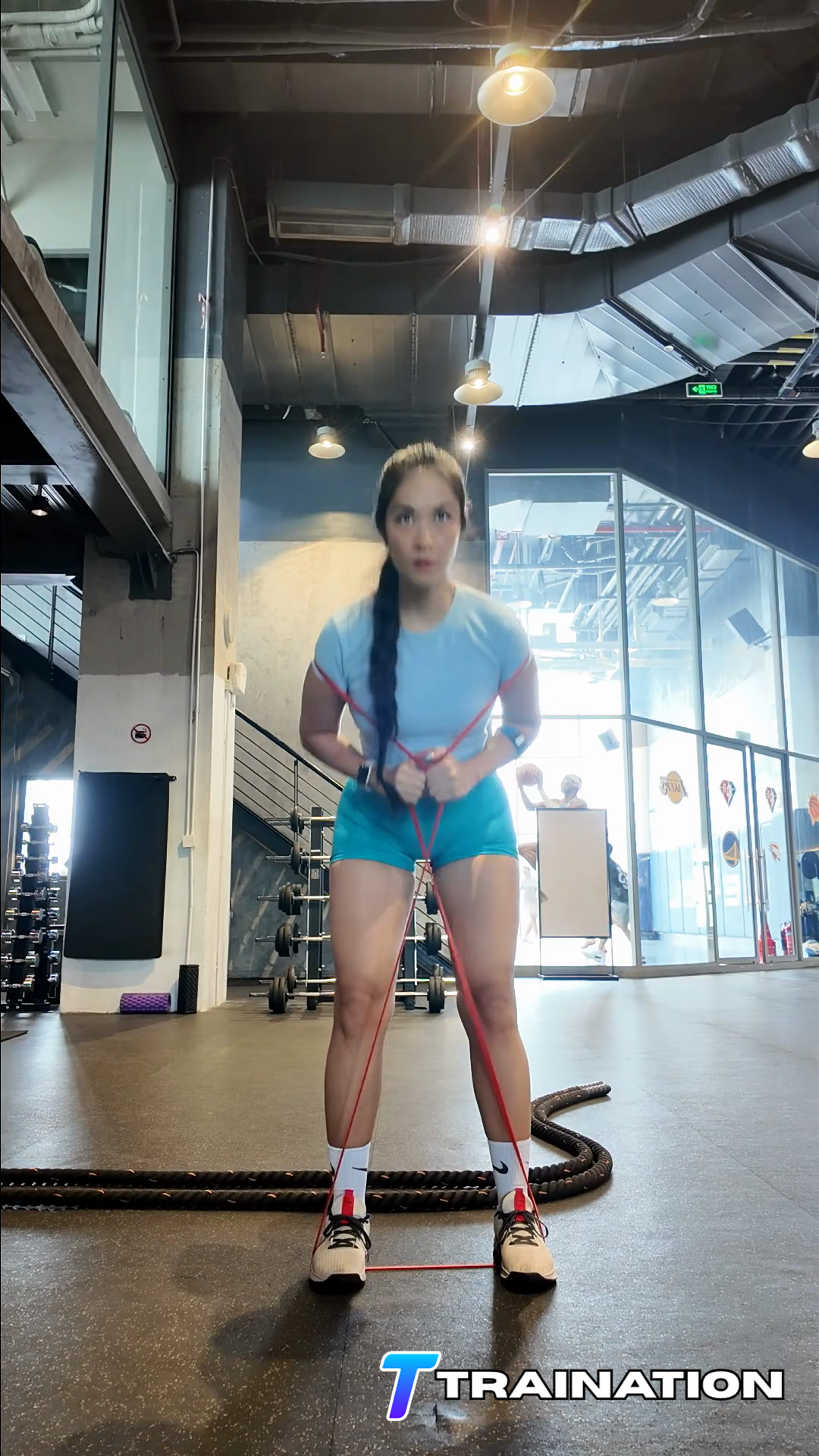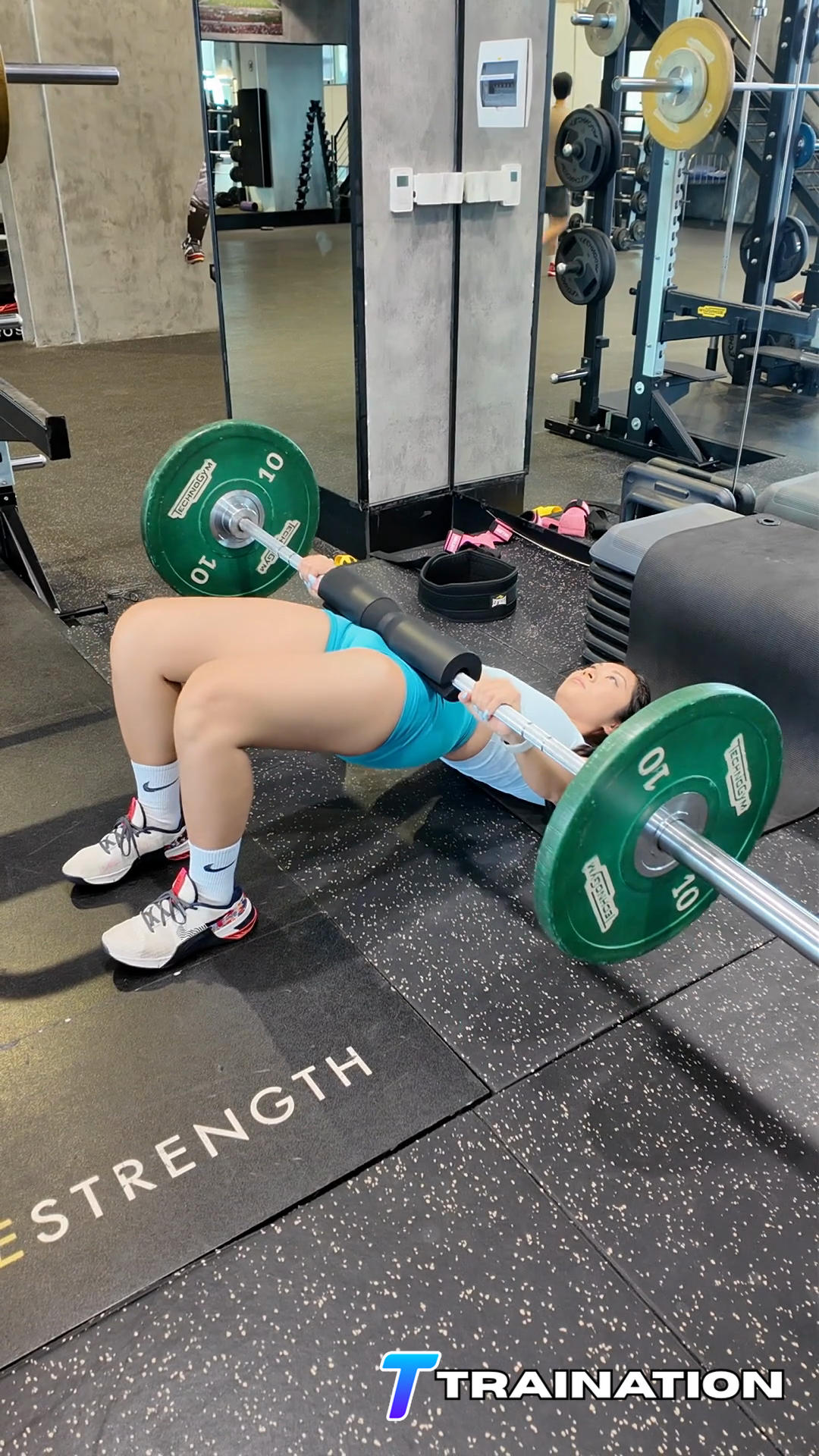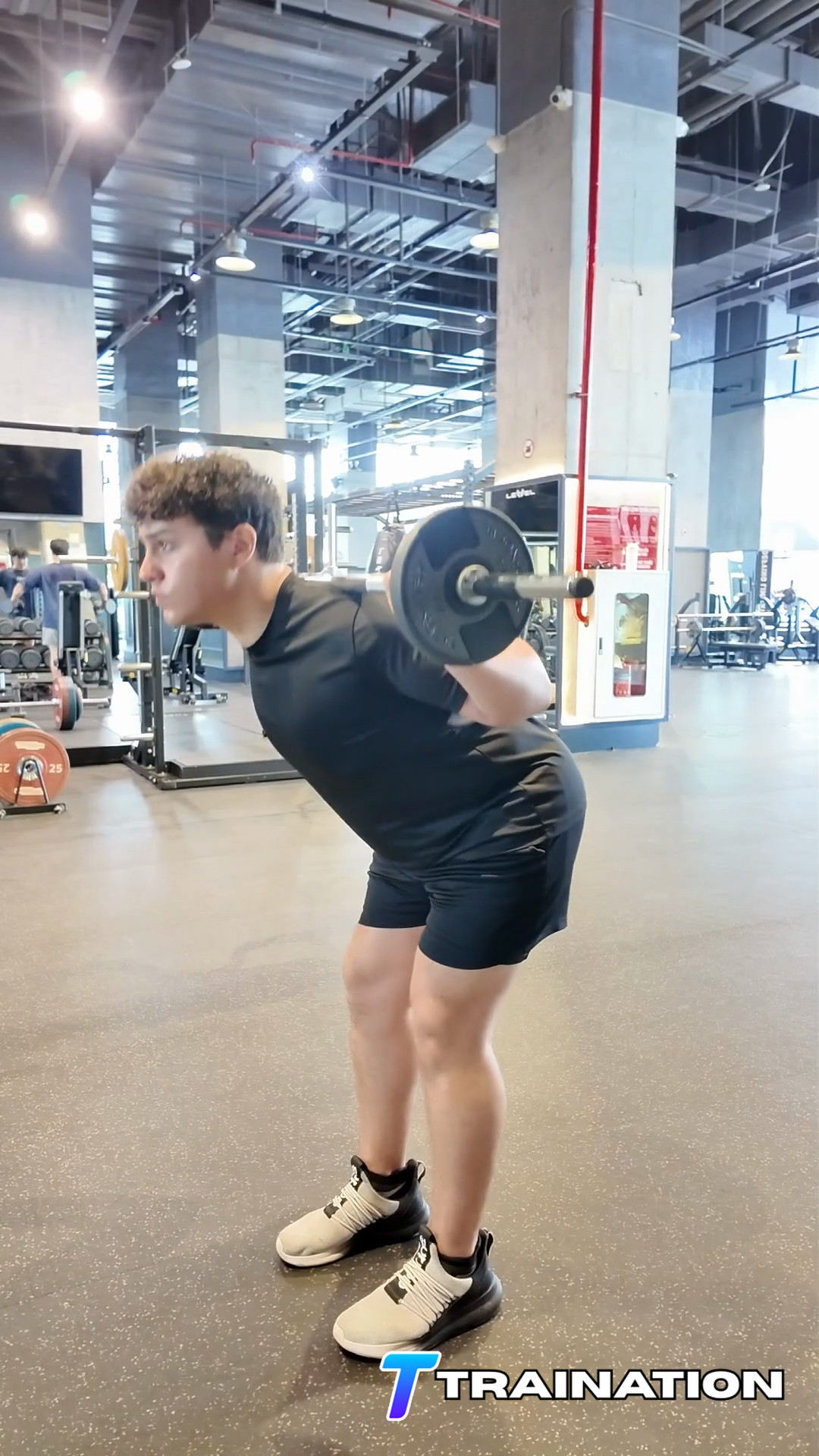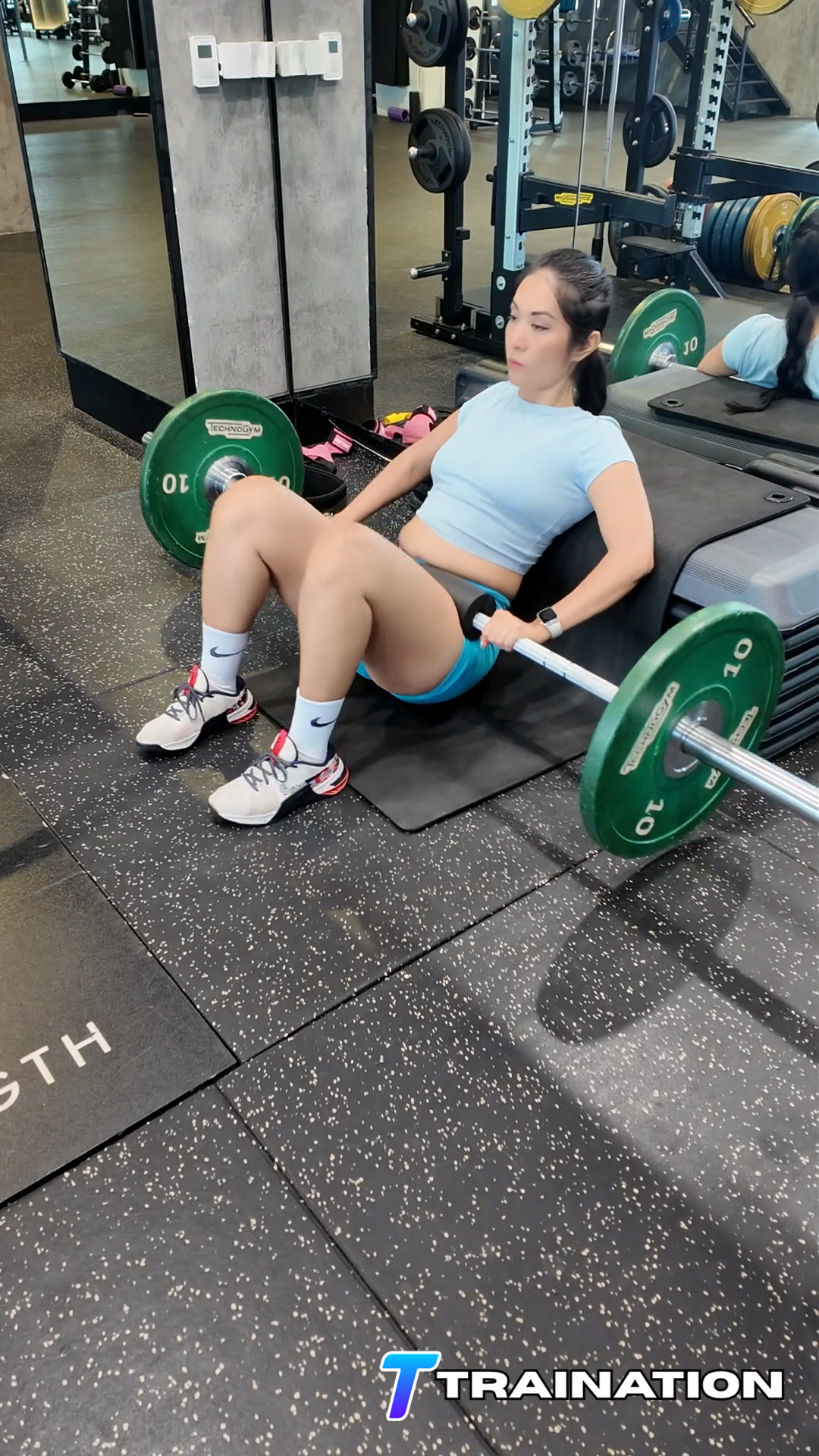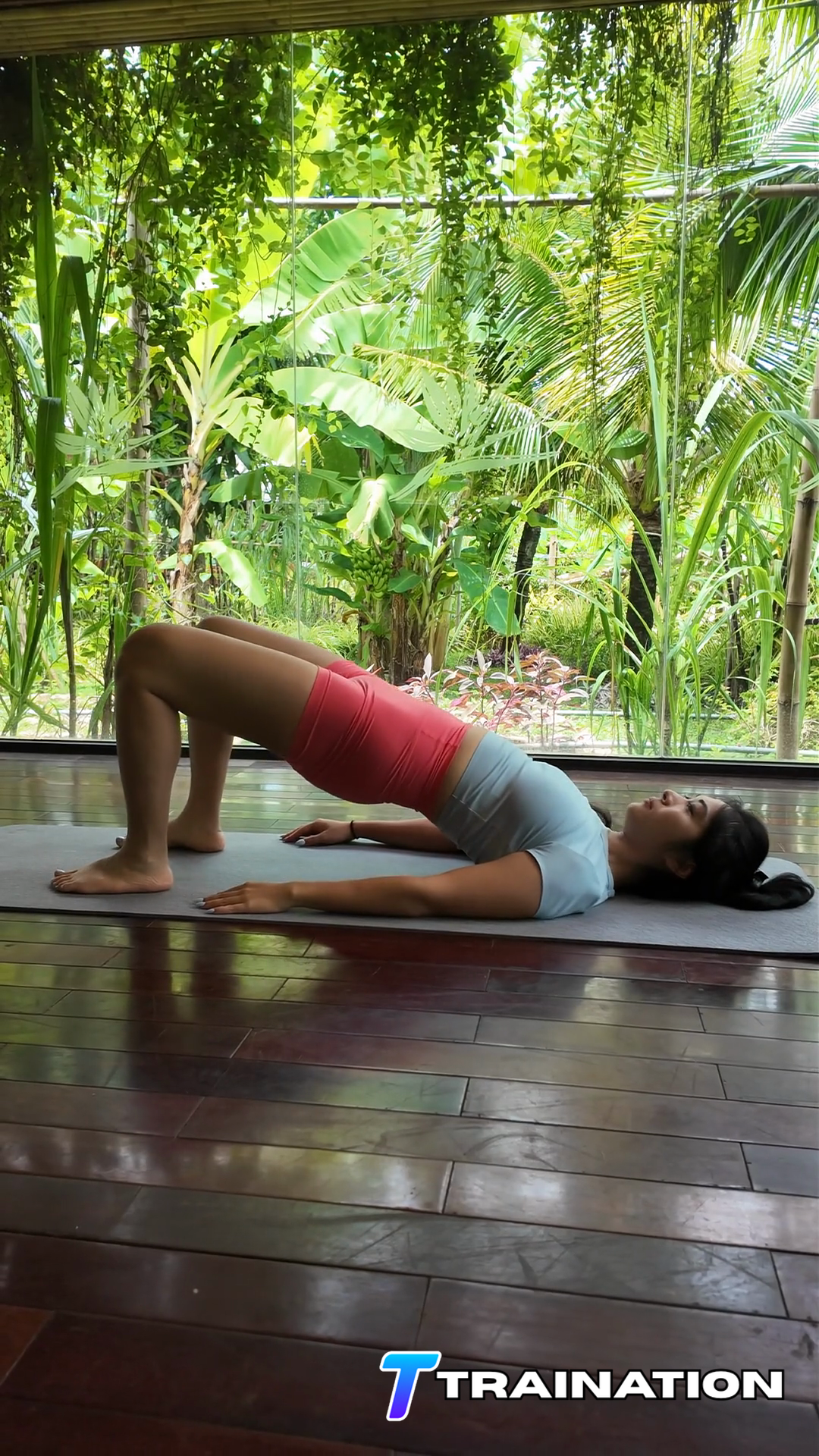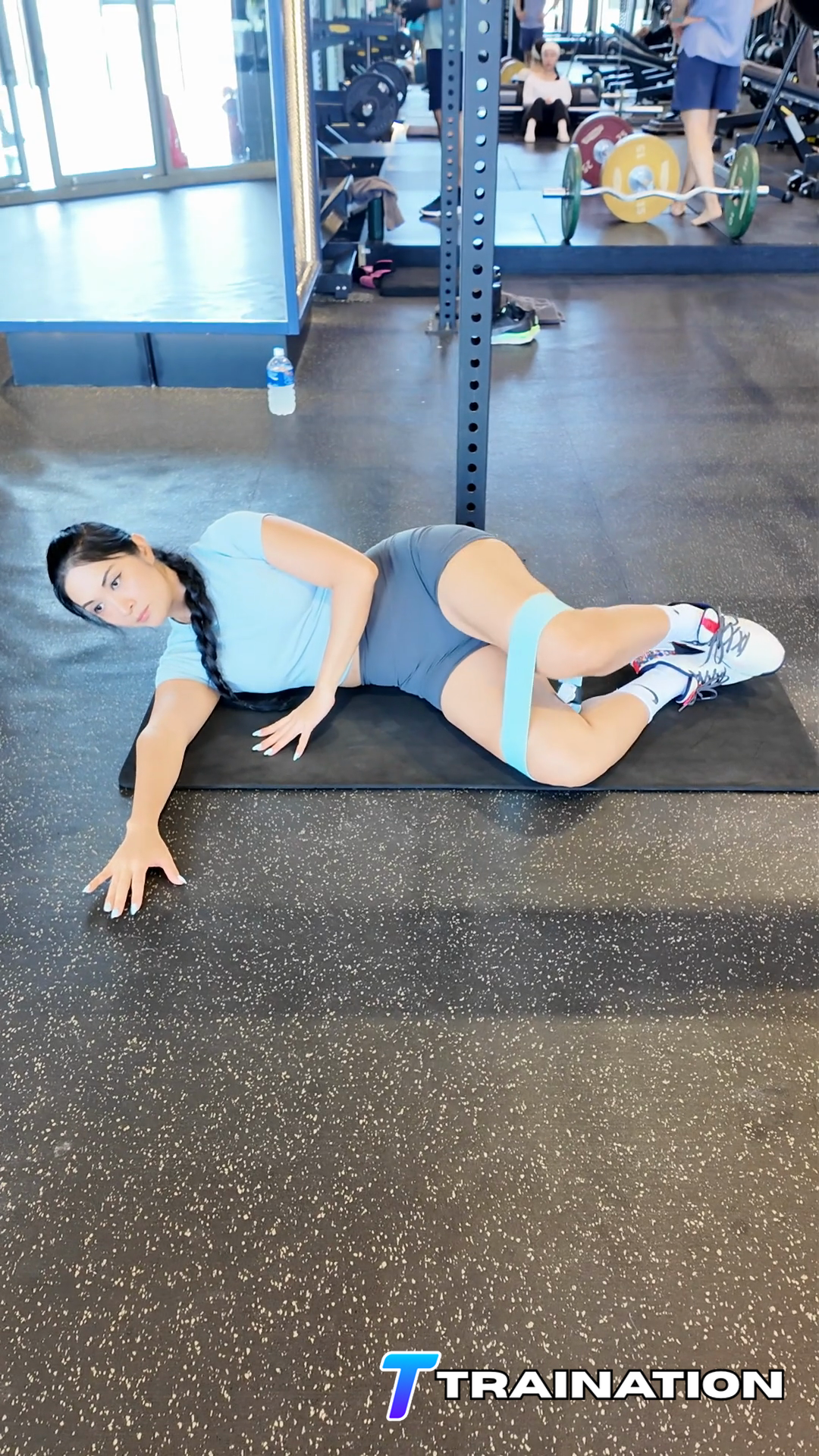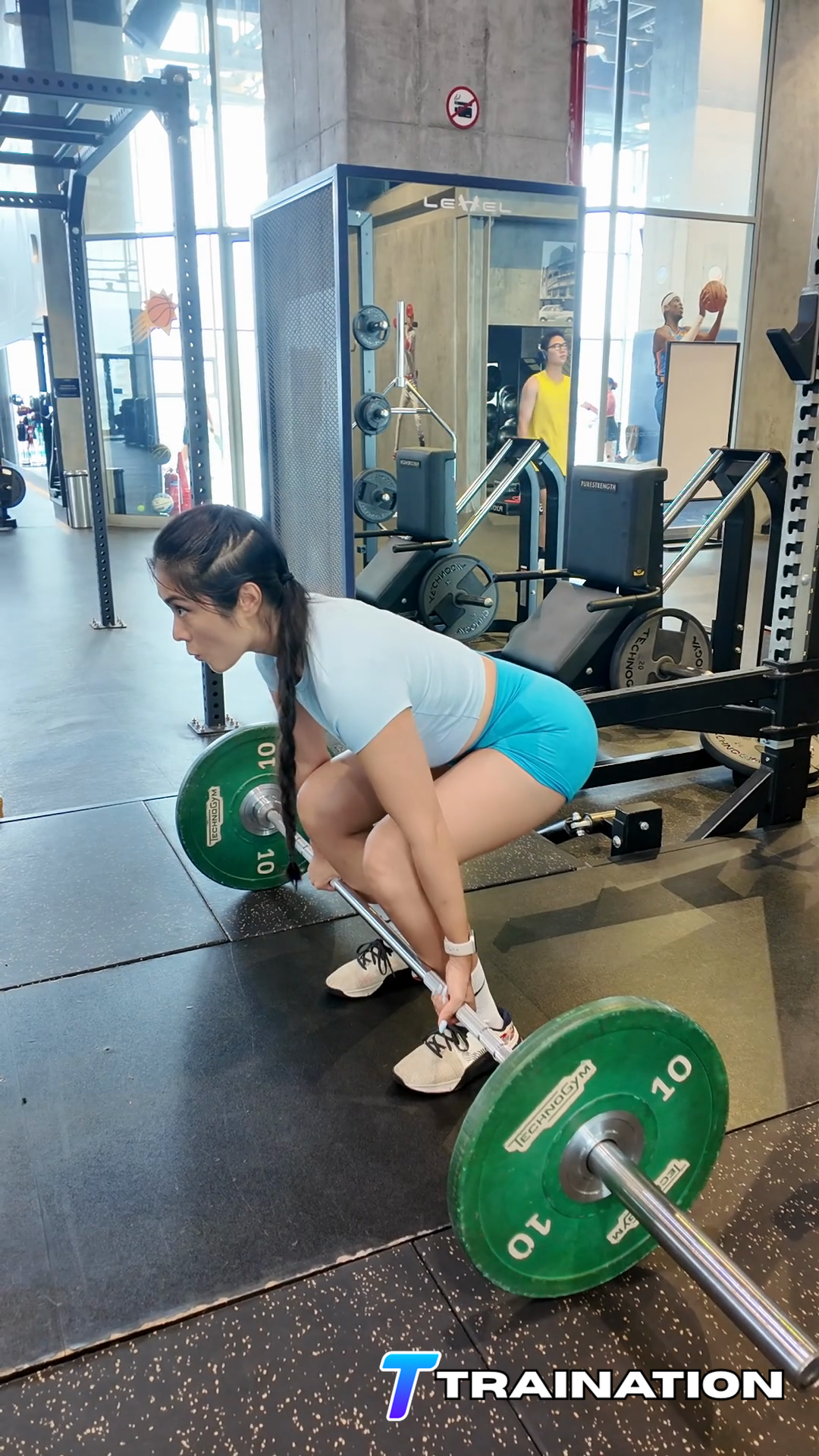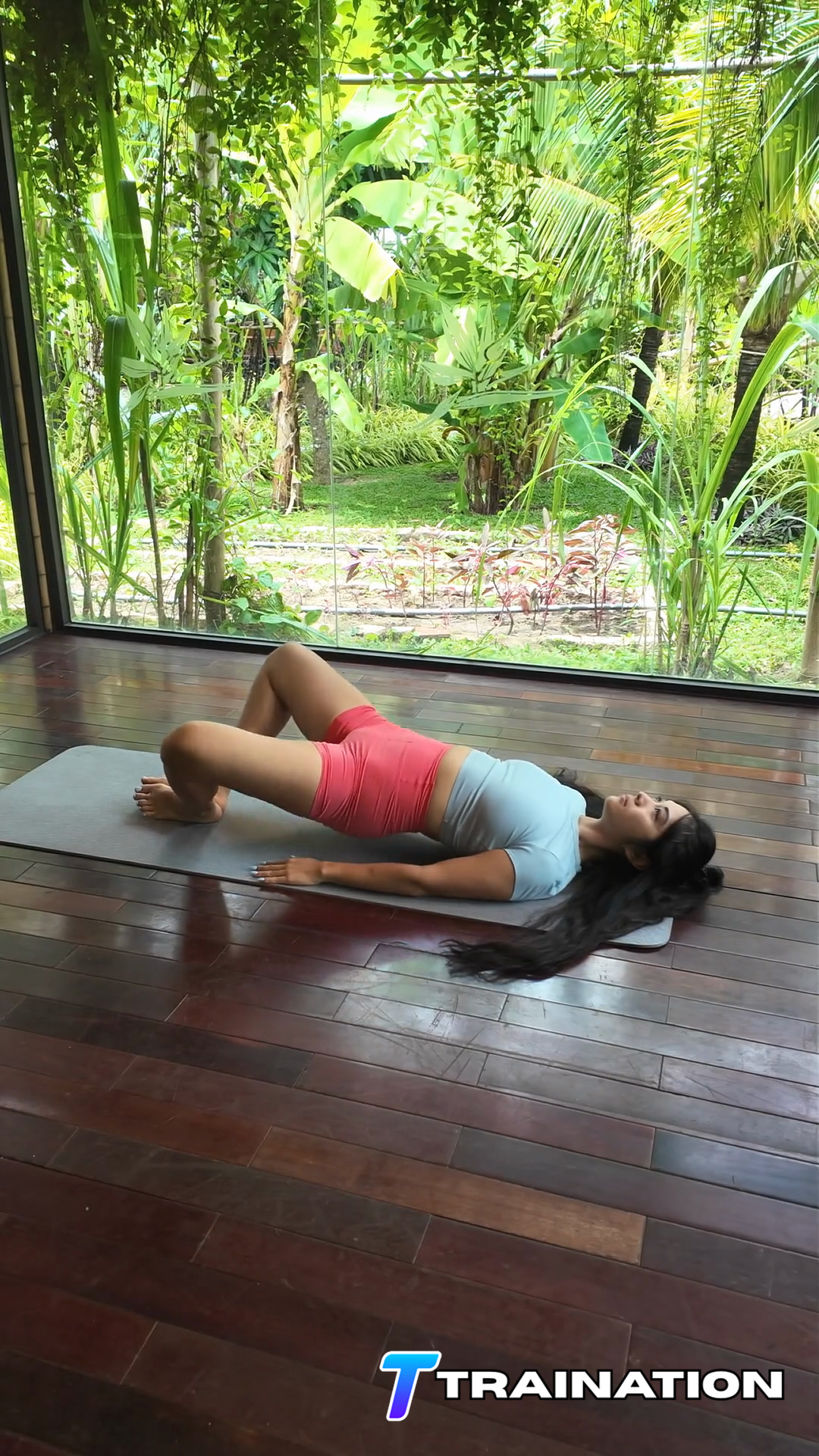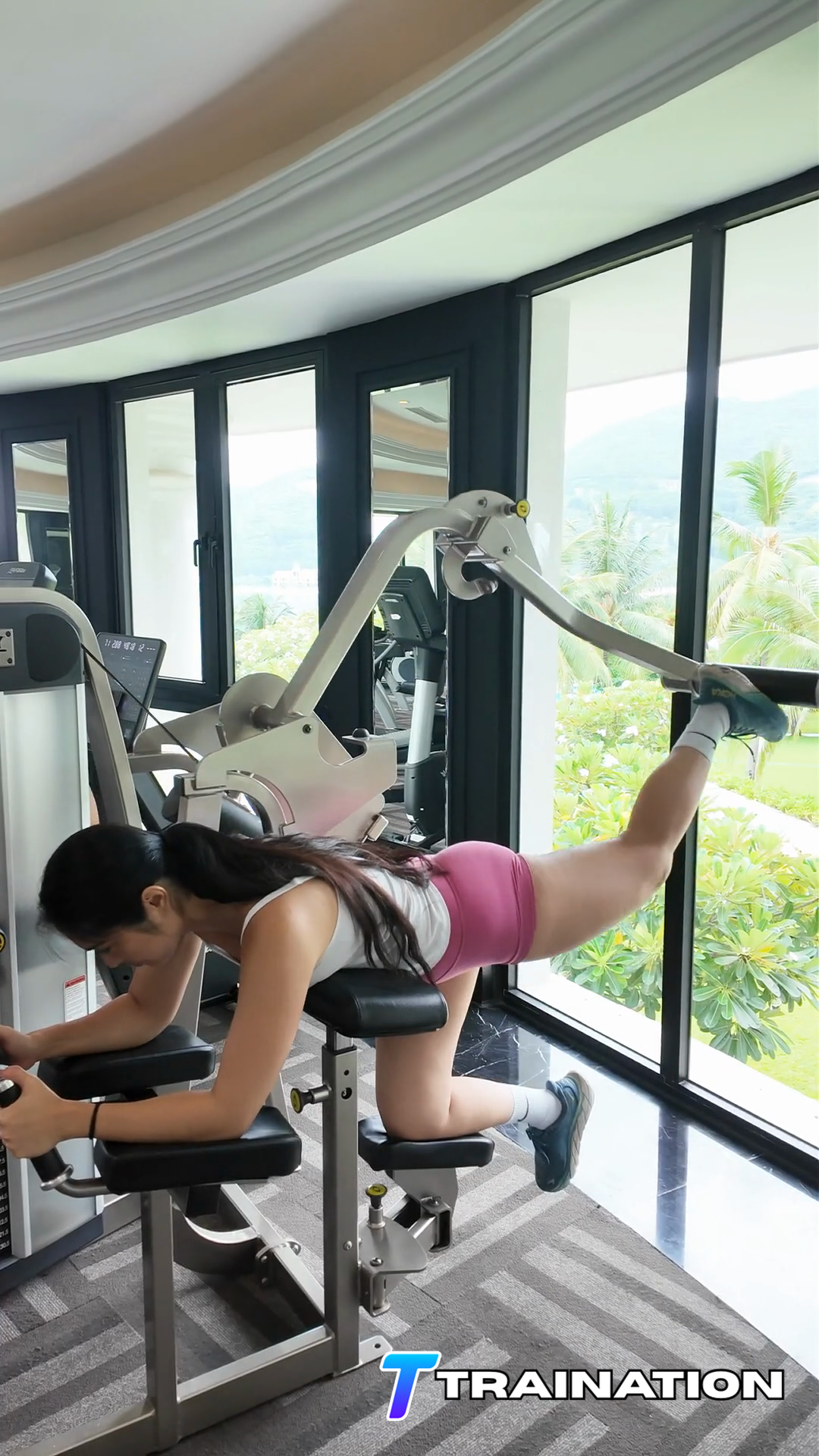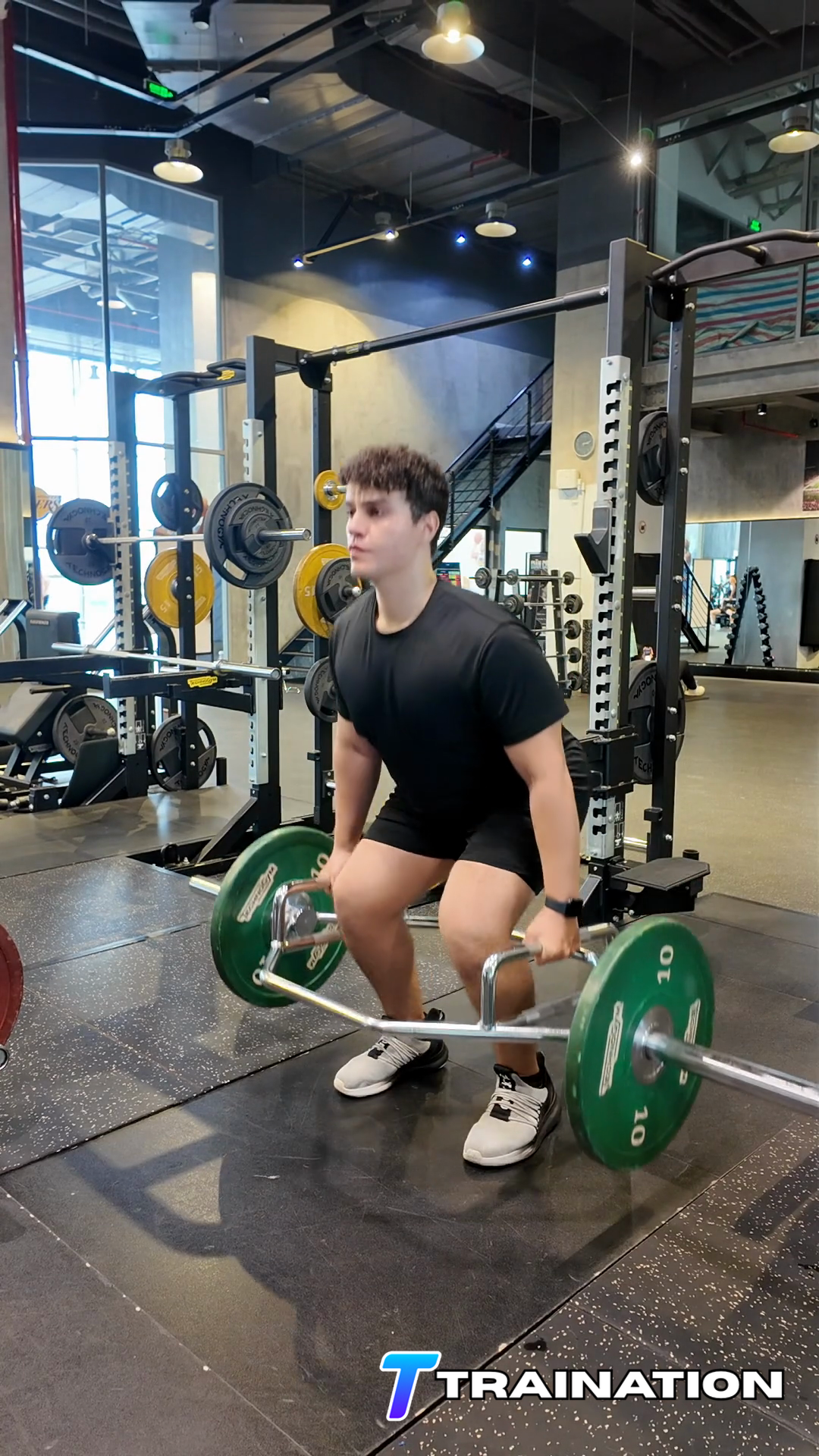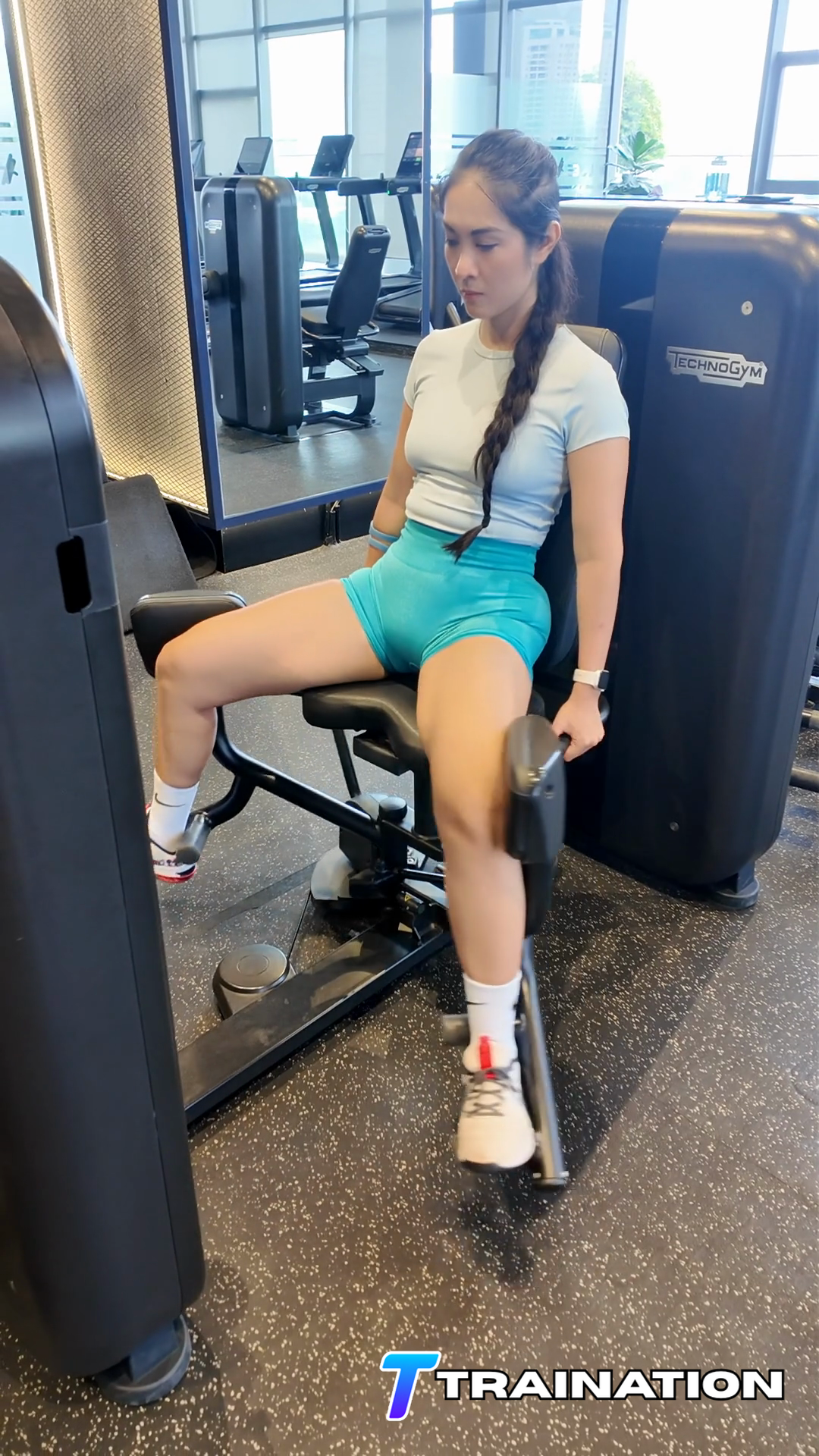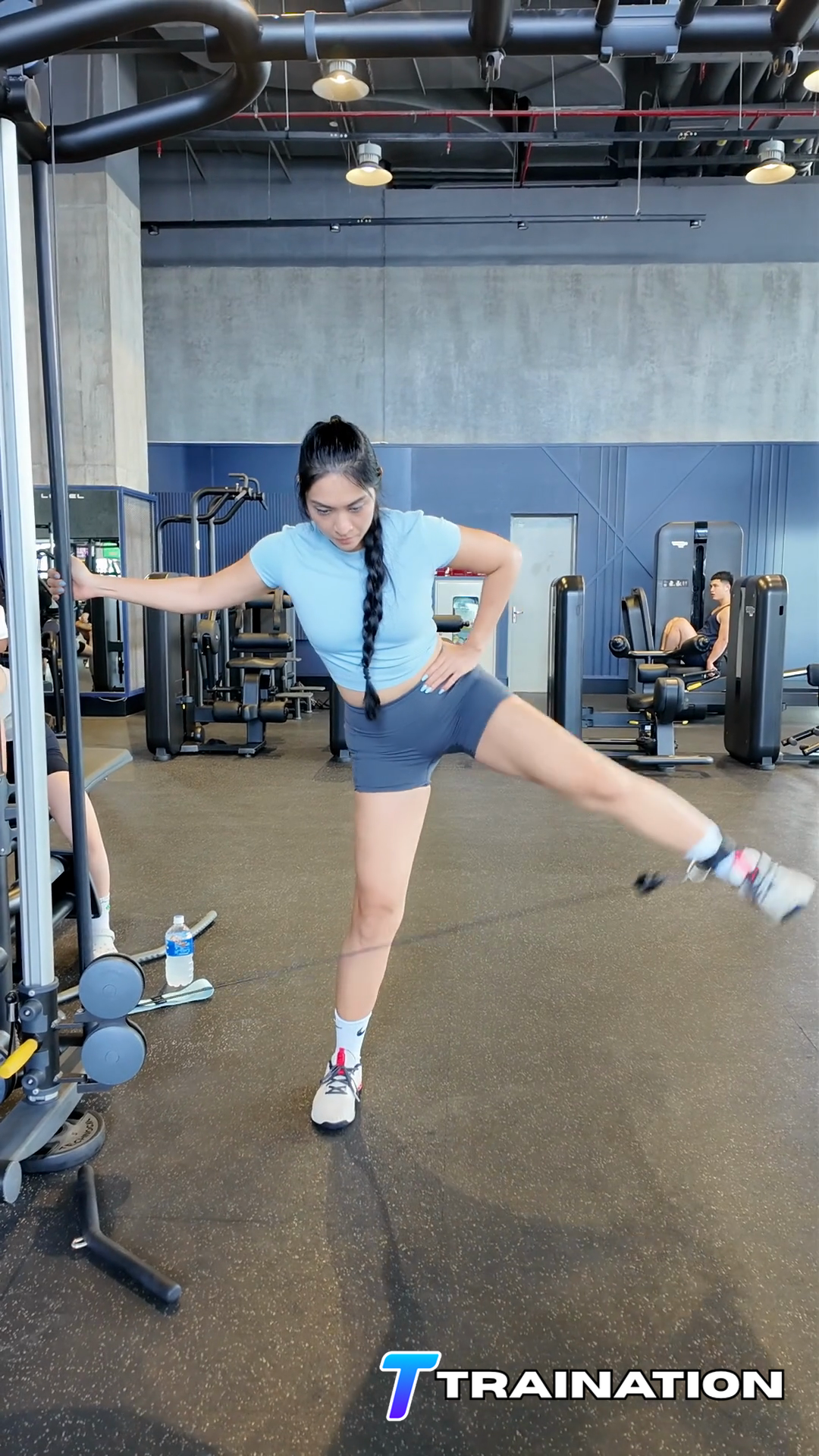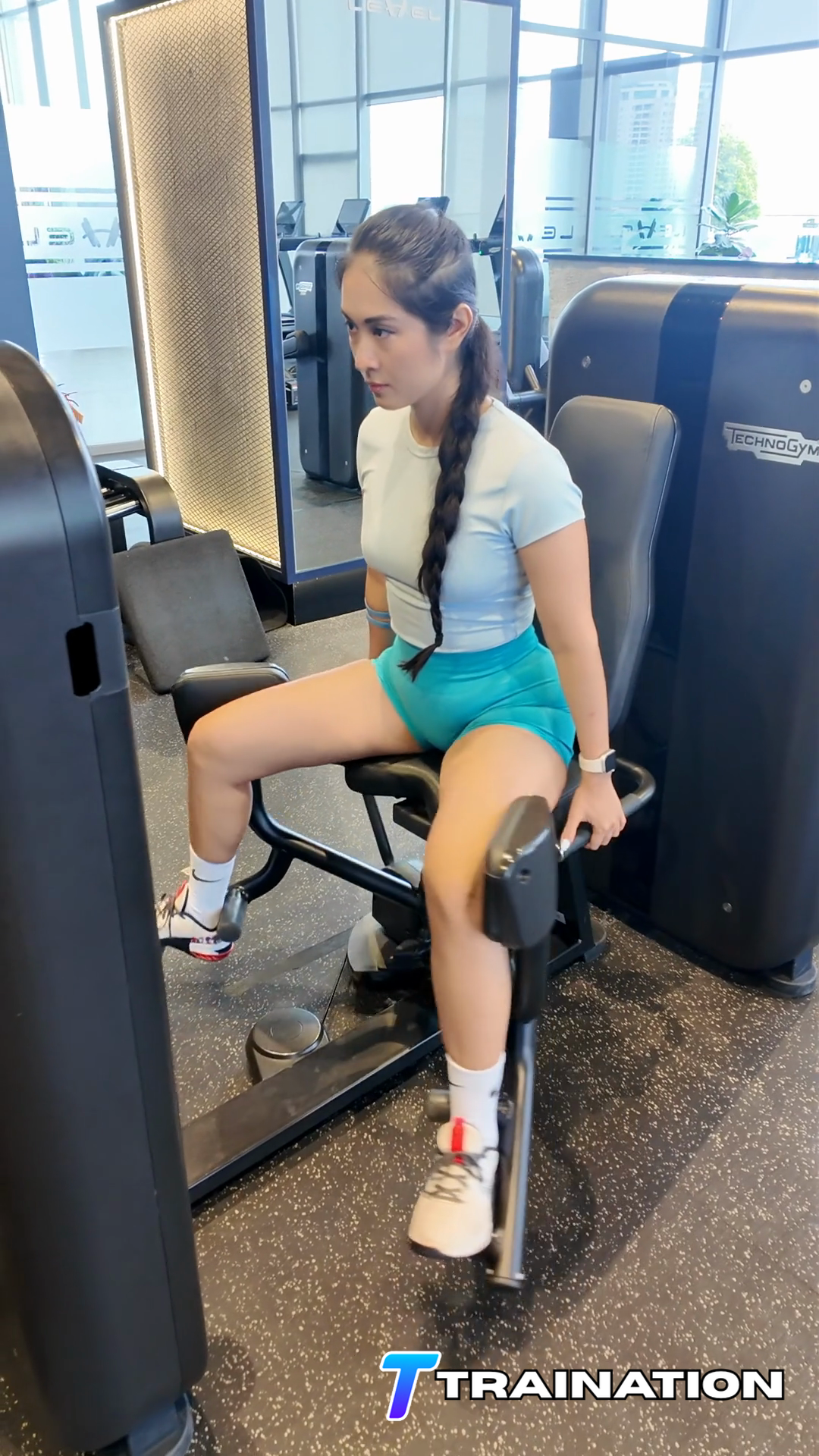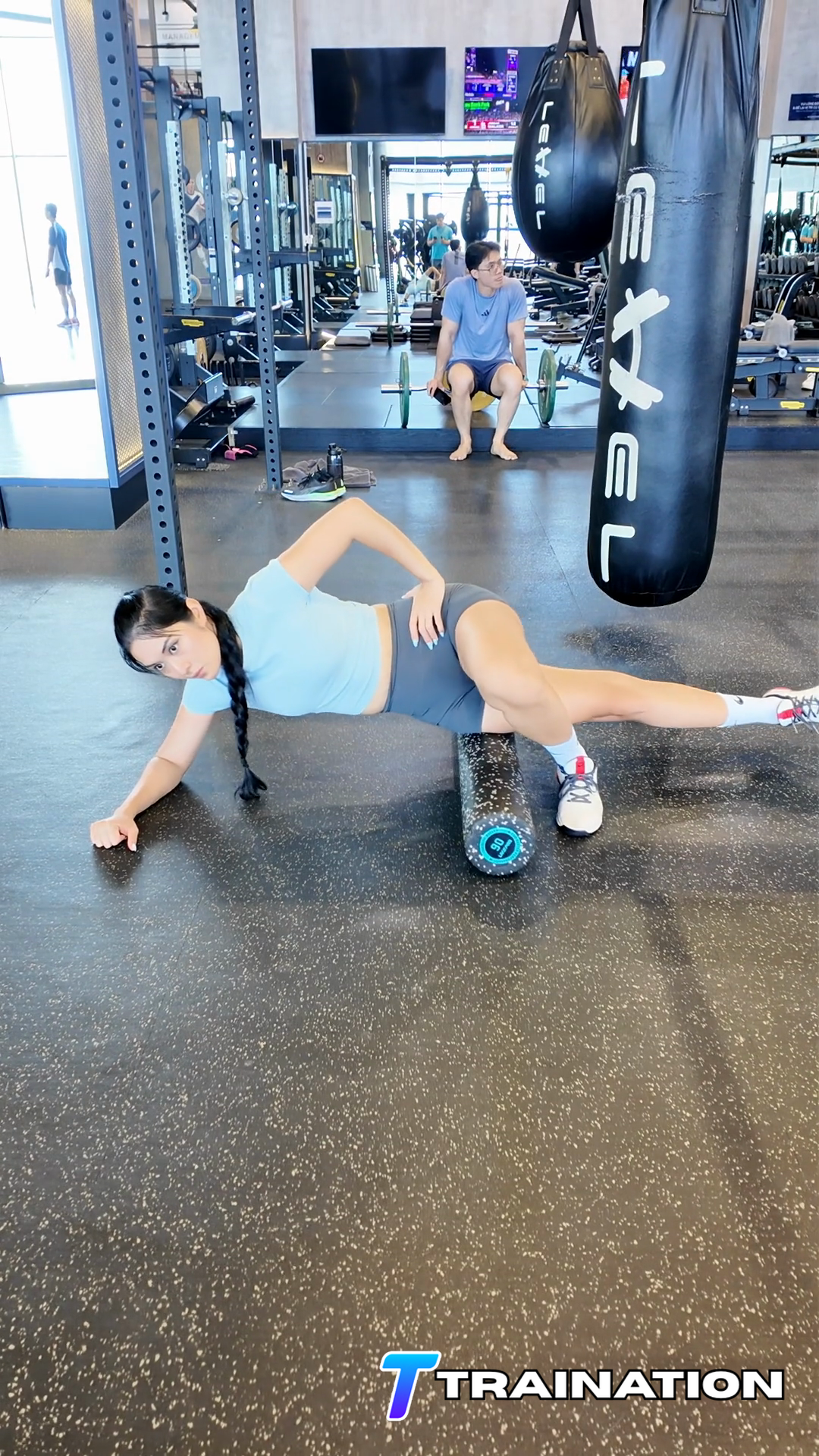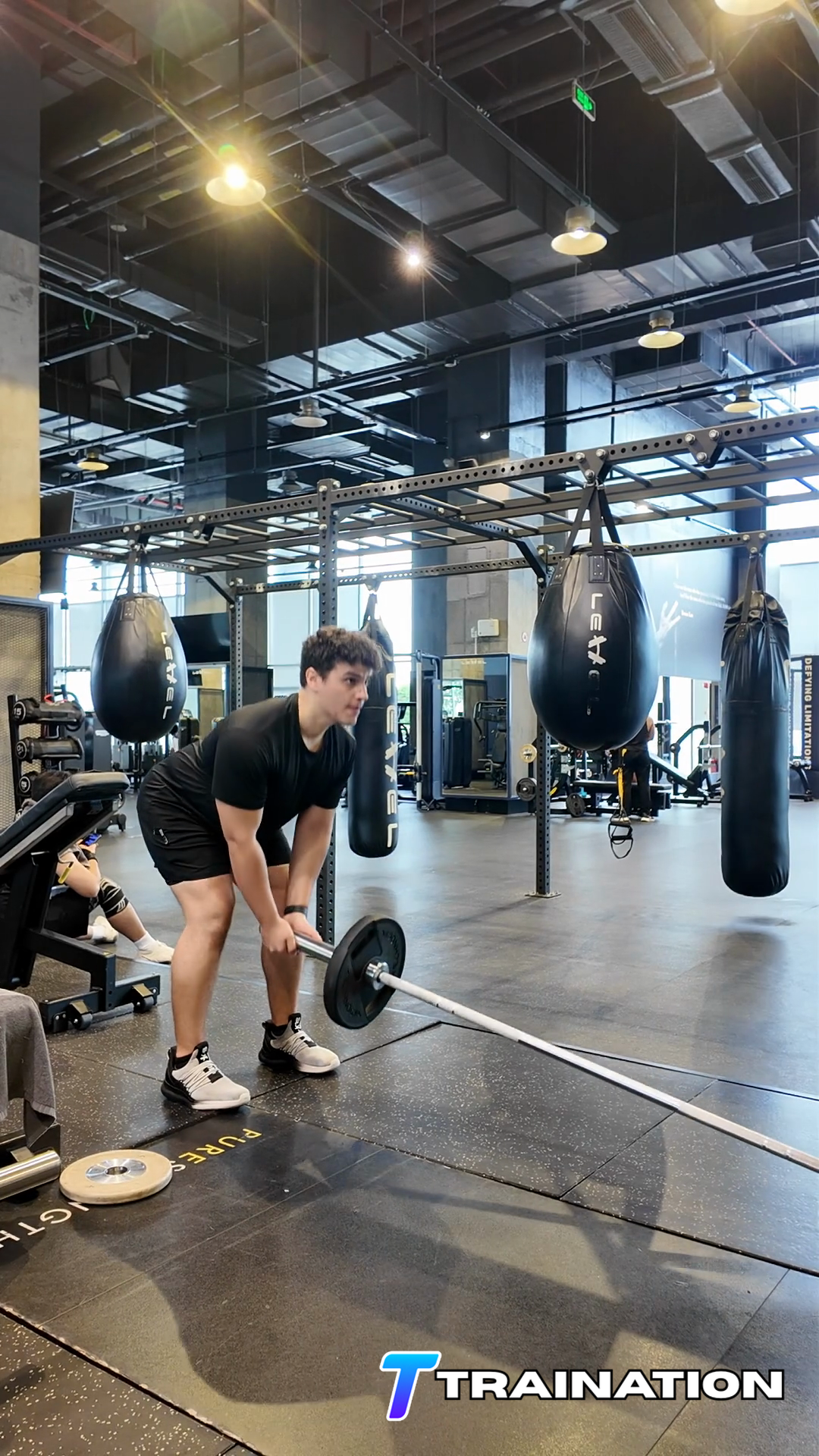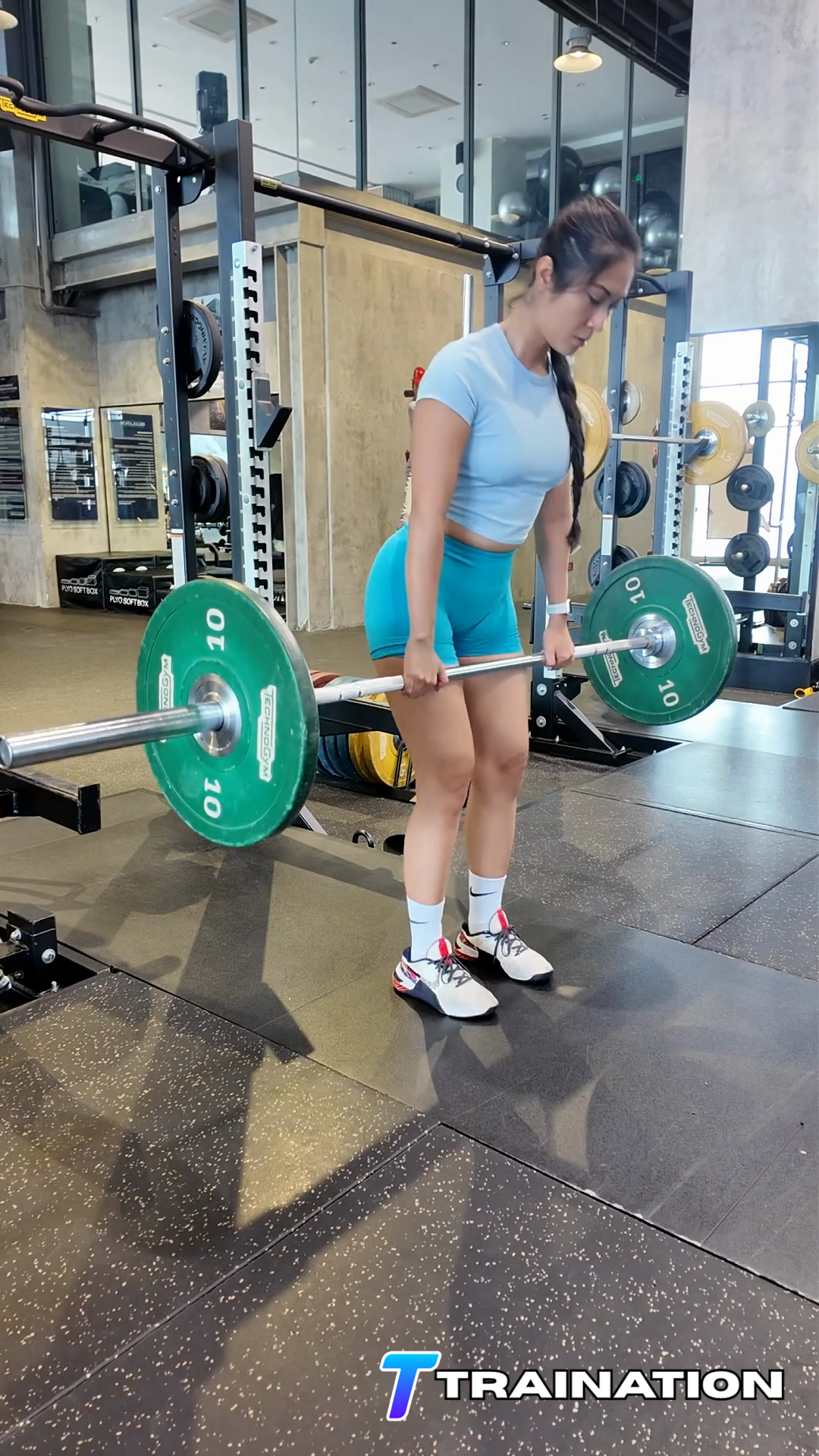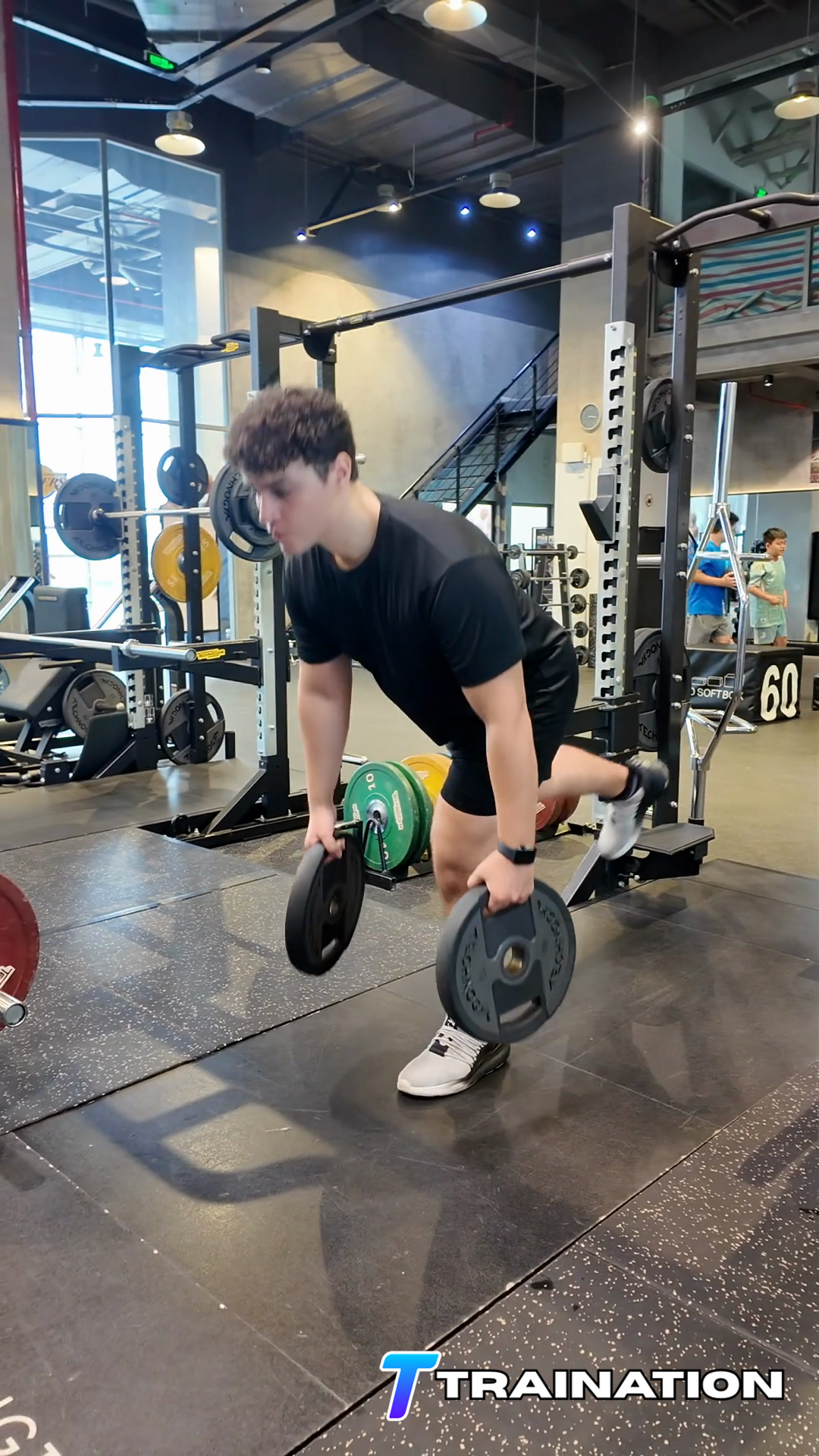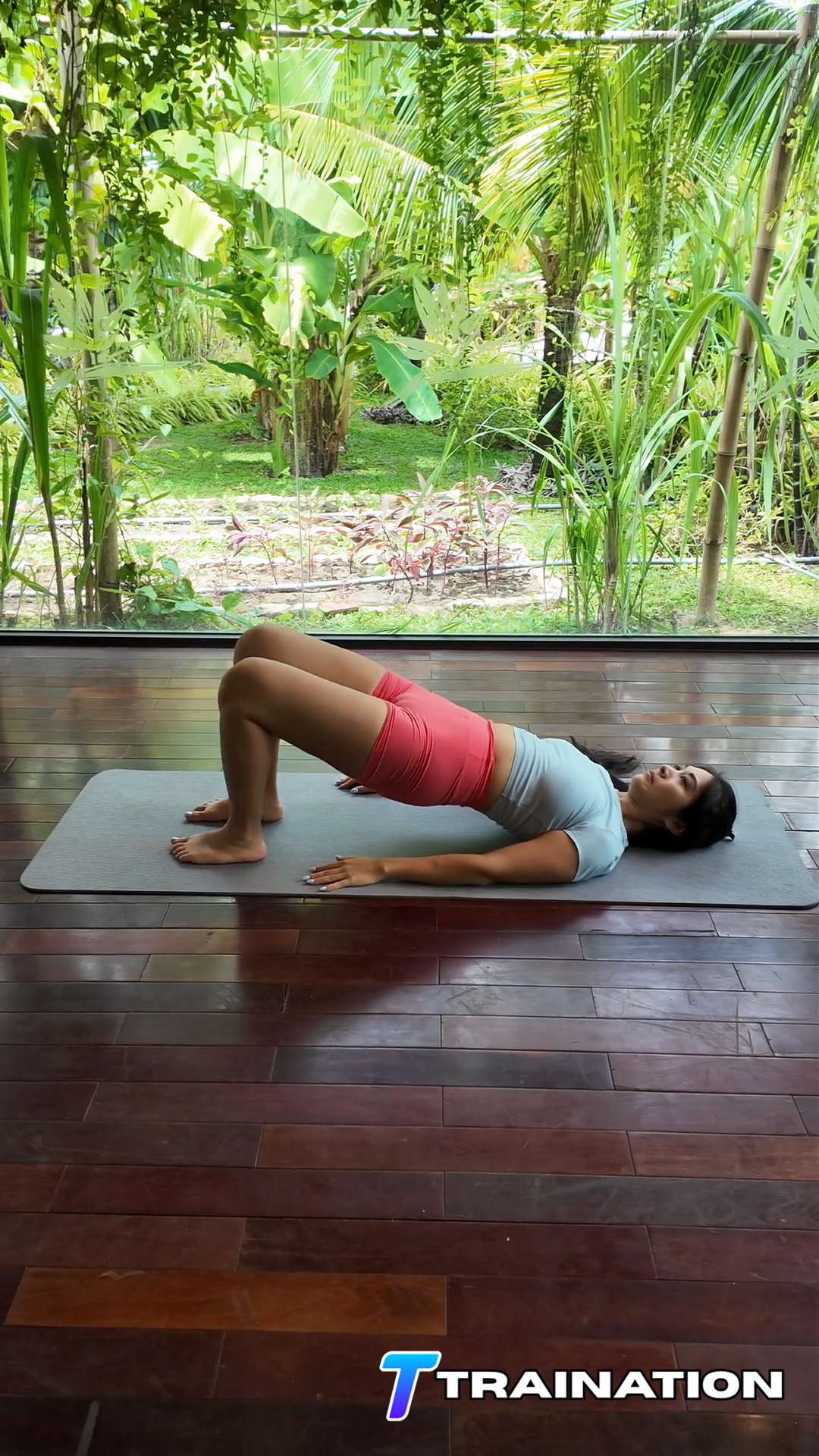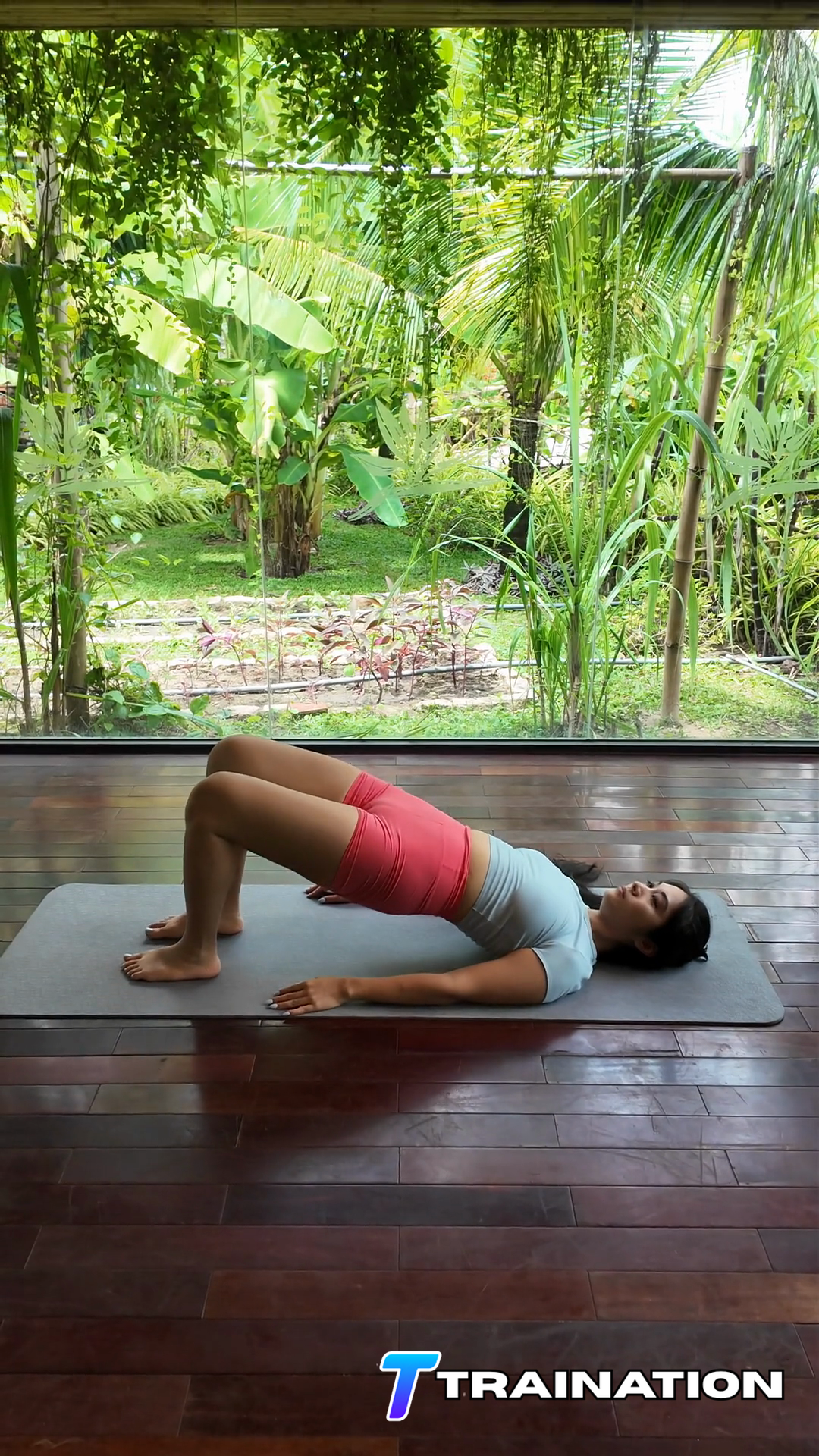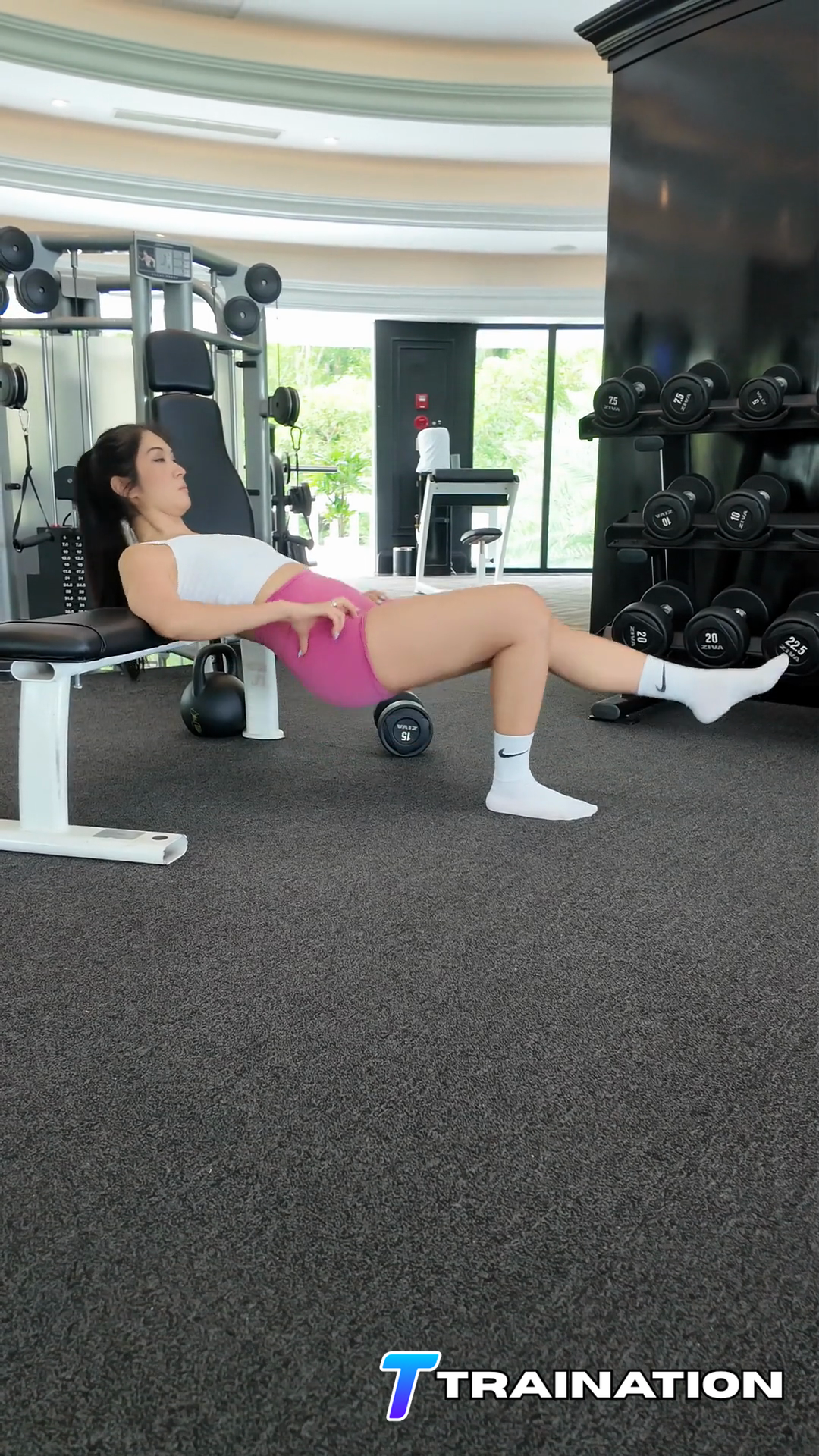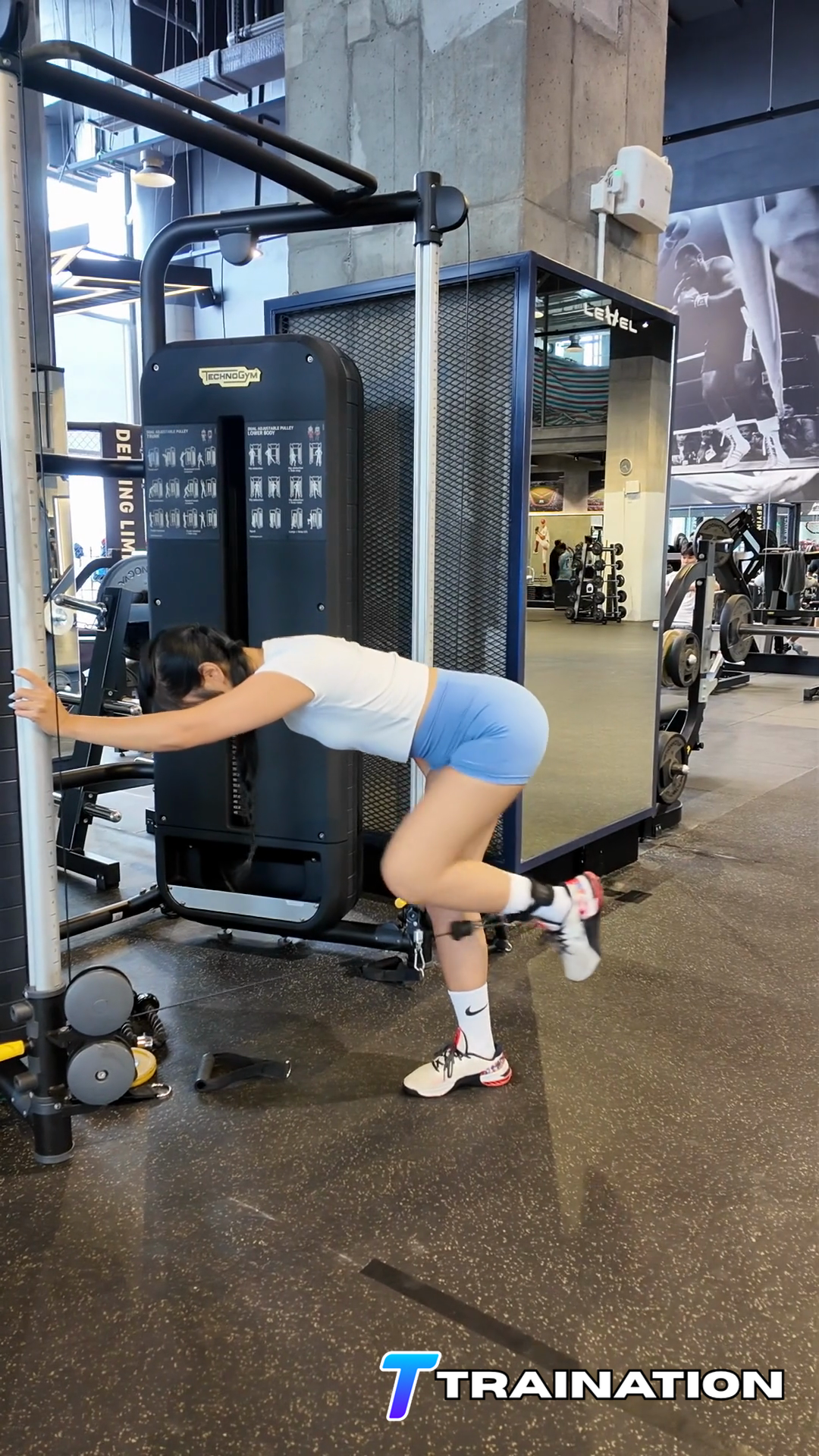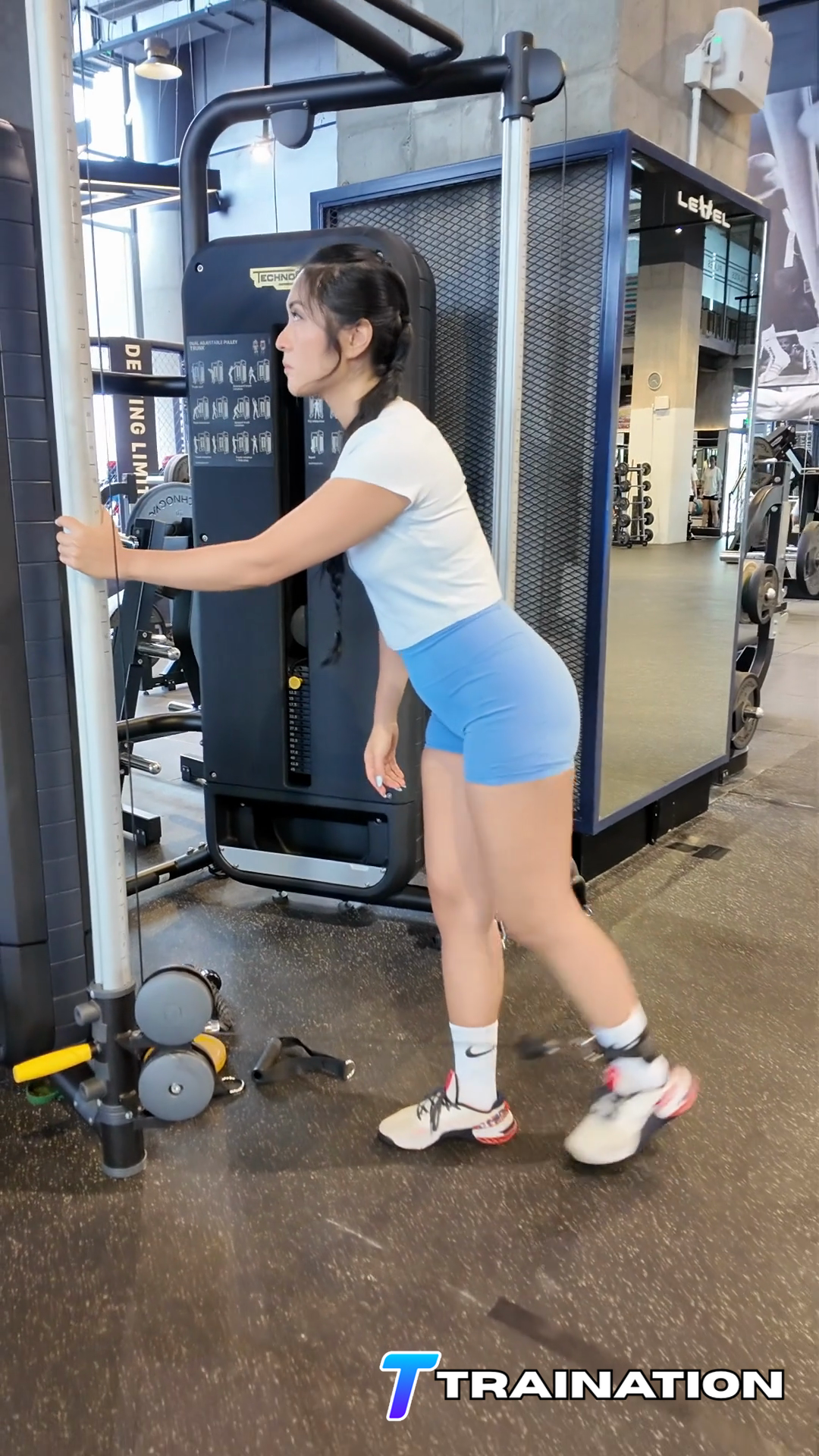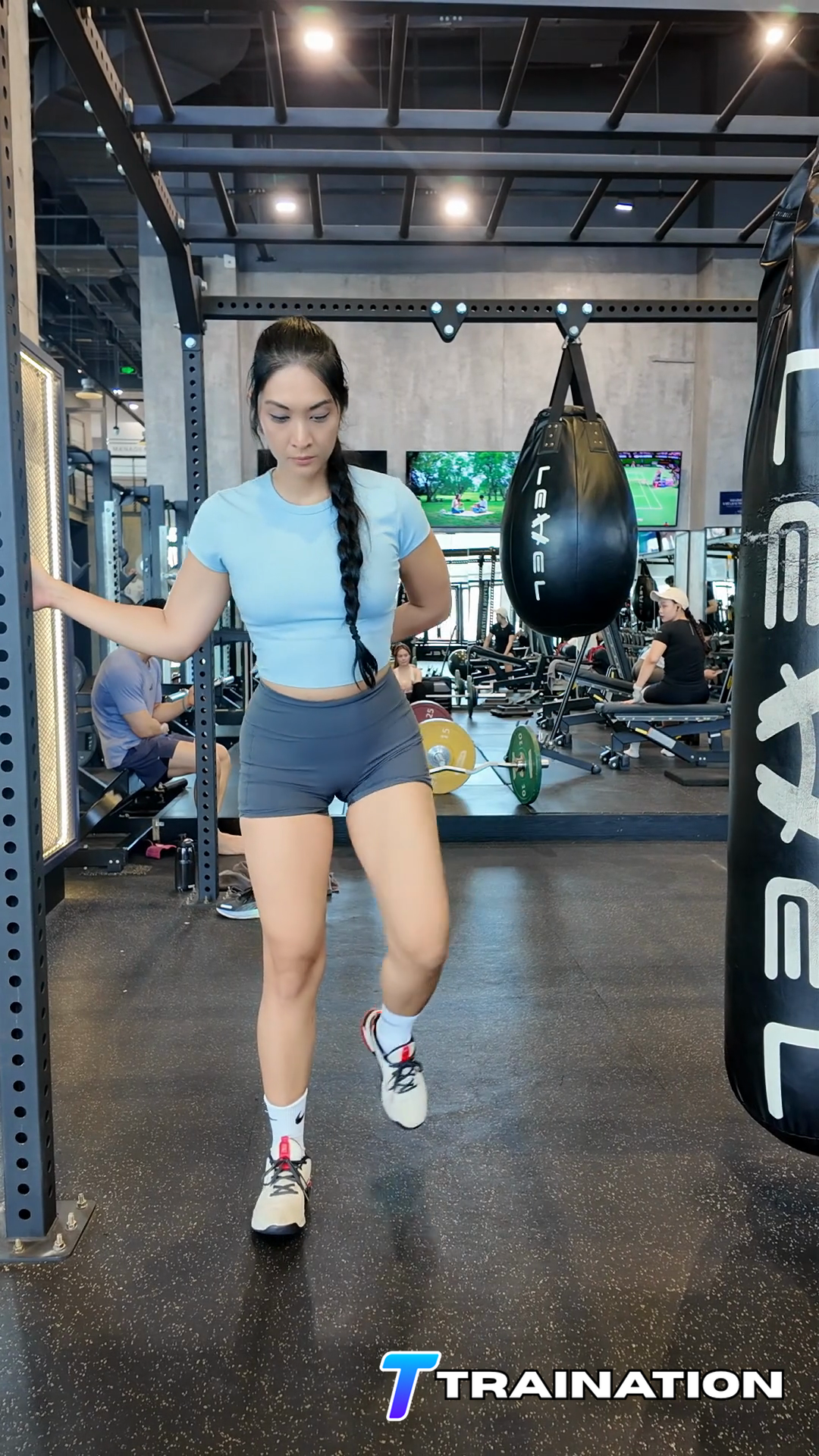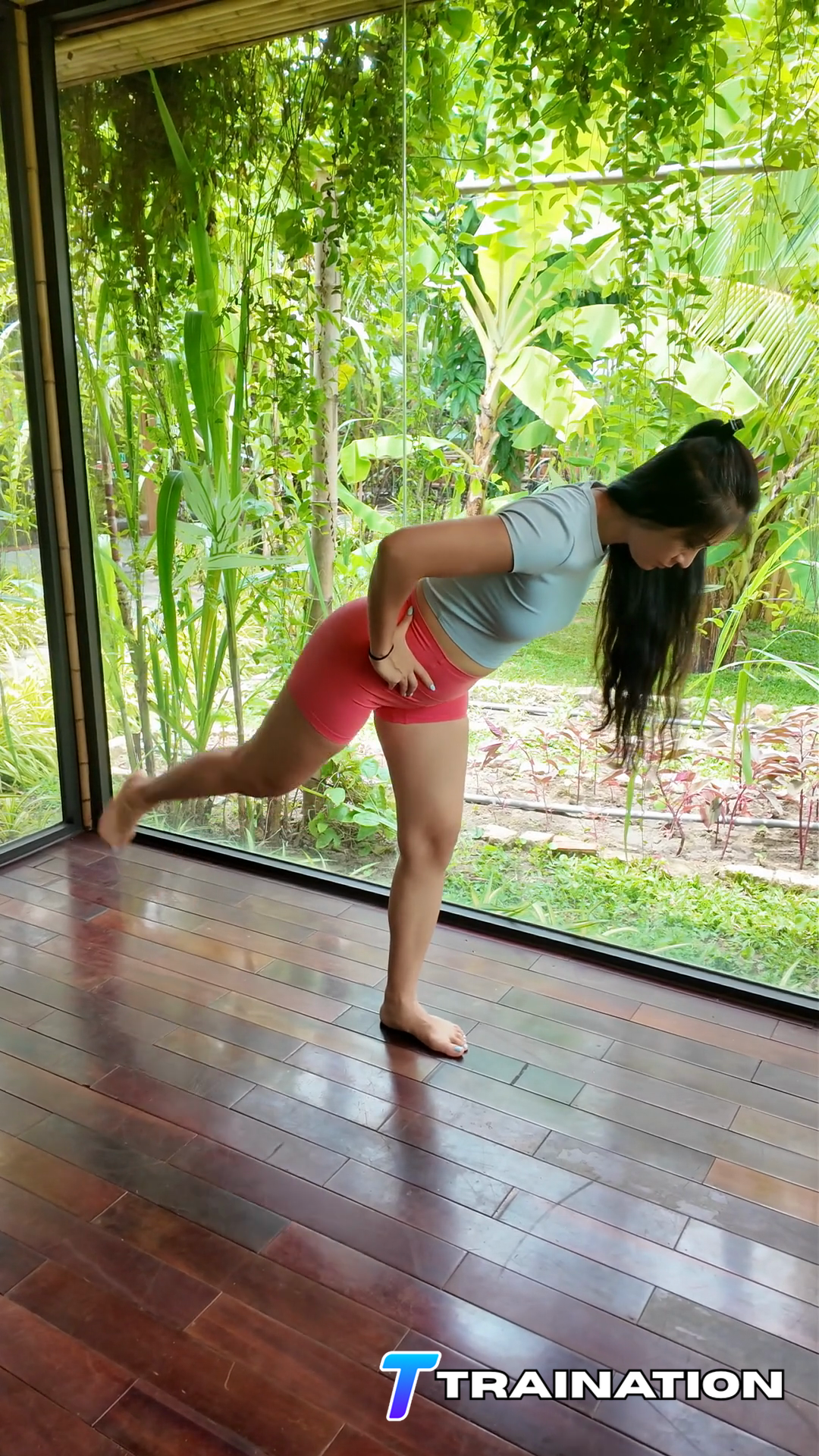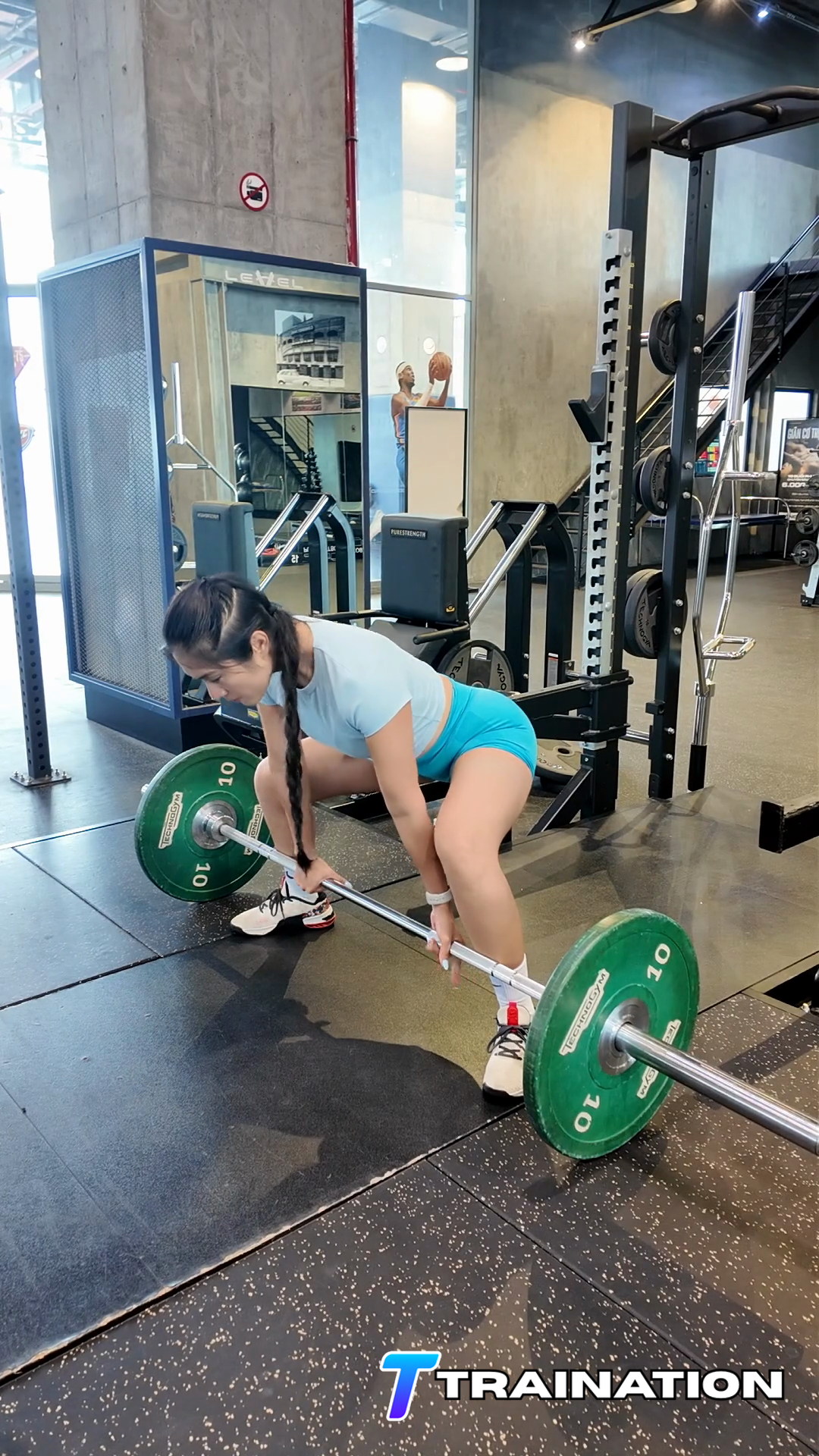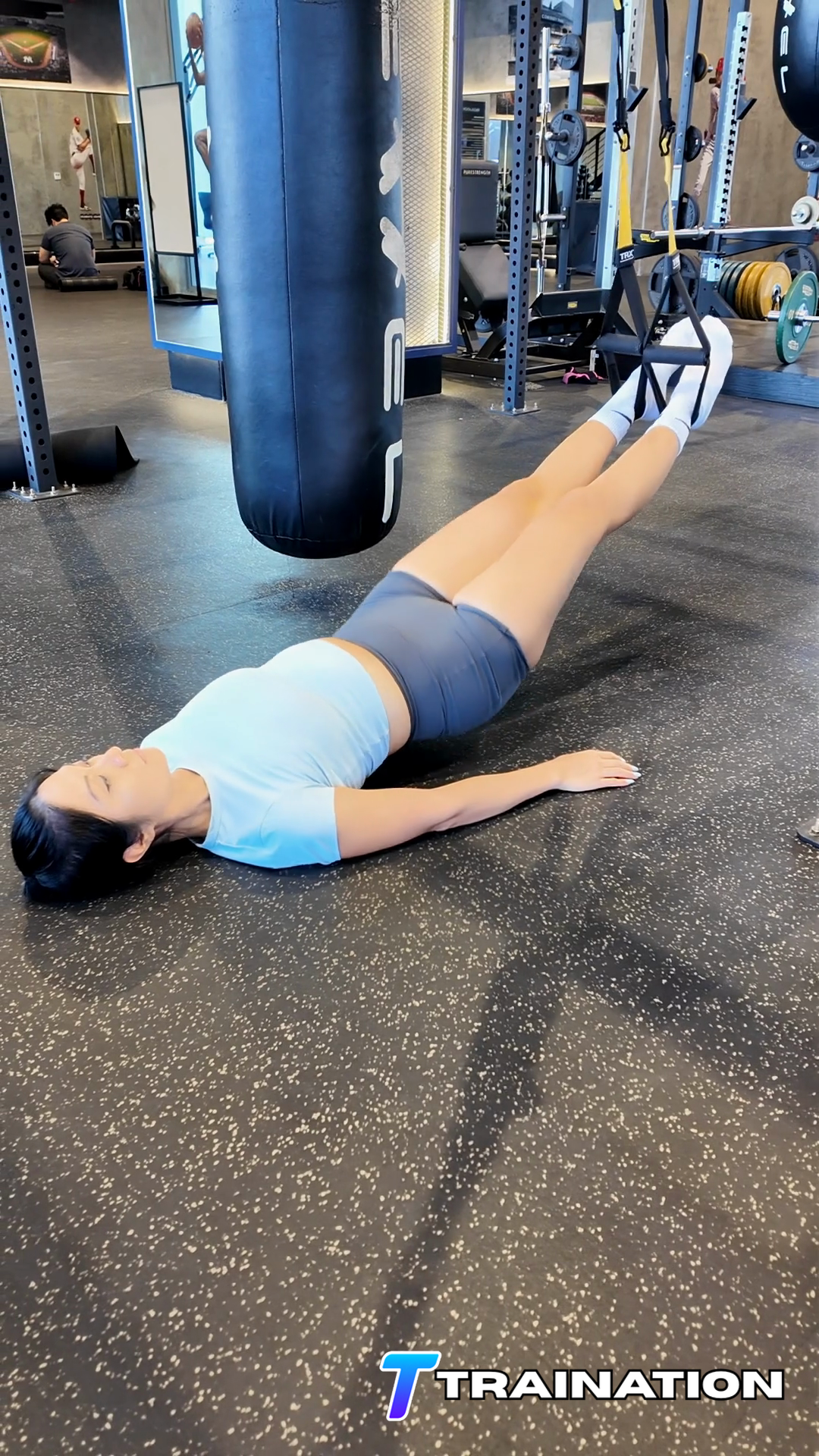
Pelvis rotating
Keep both hip bones facing forward so the thigh moves independently from the trunk.
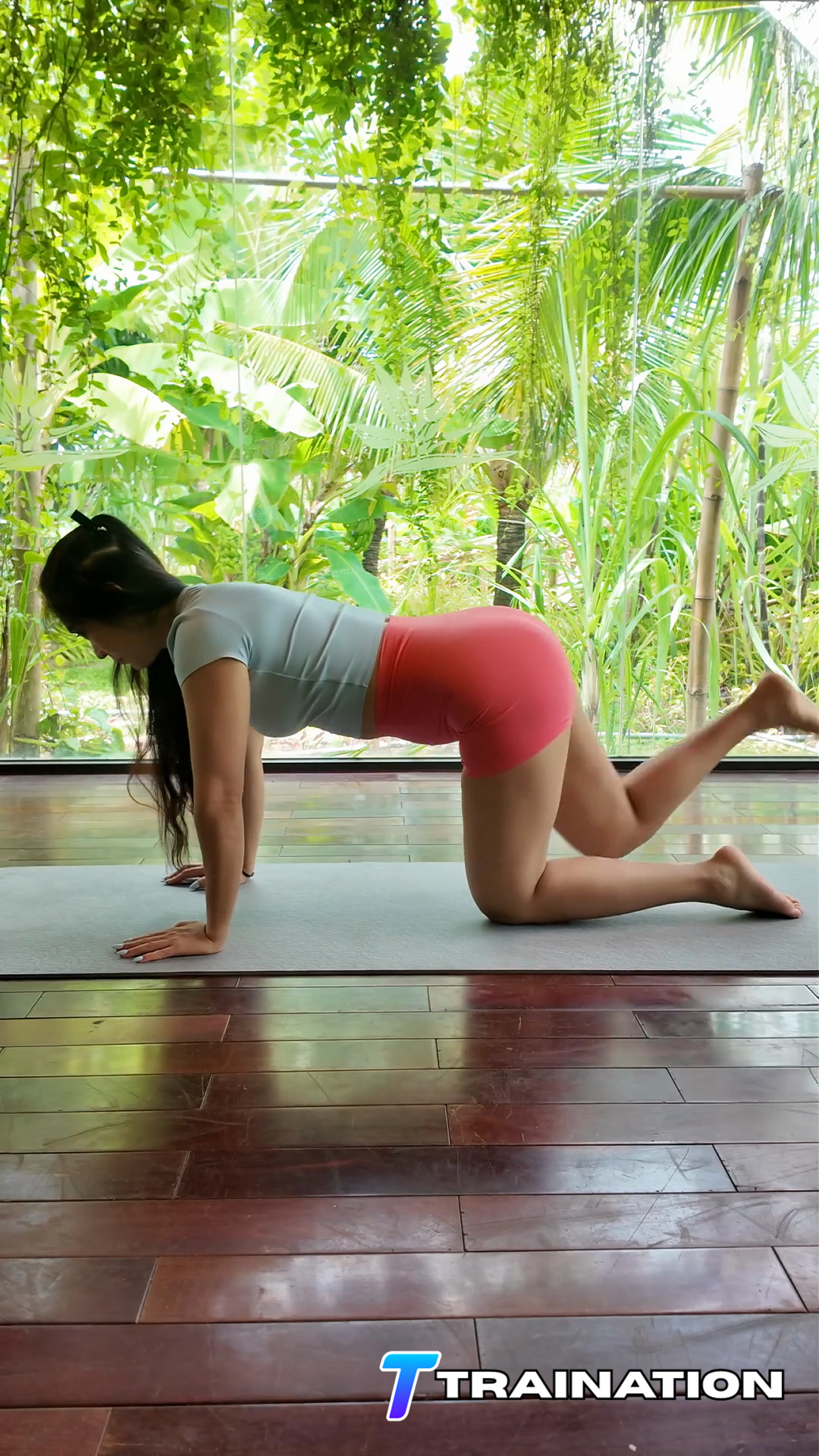
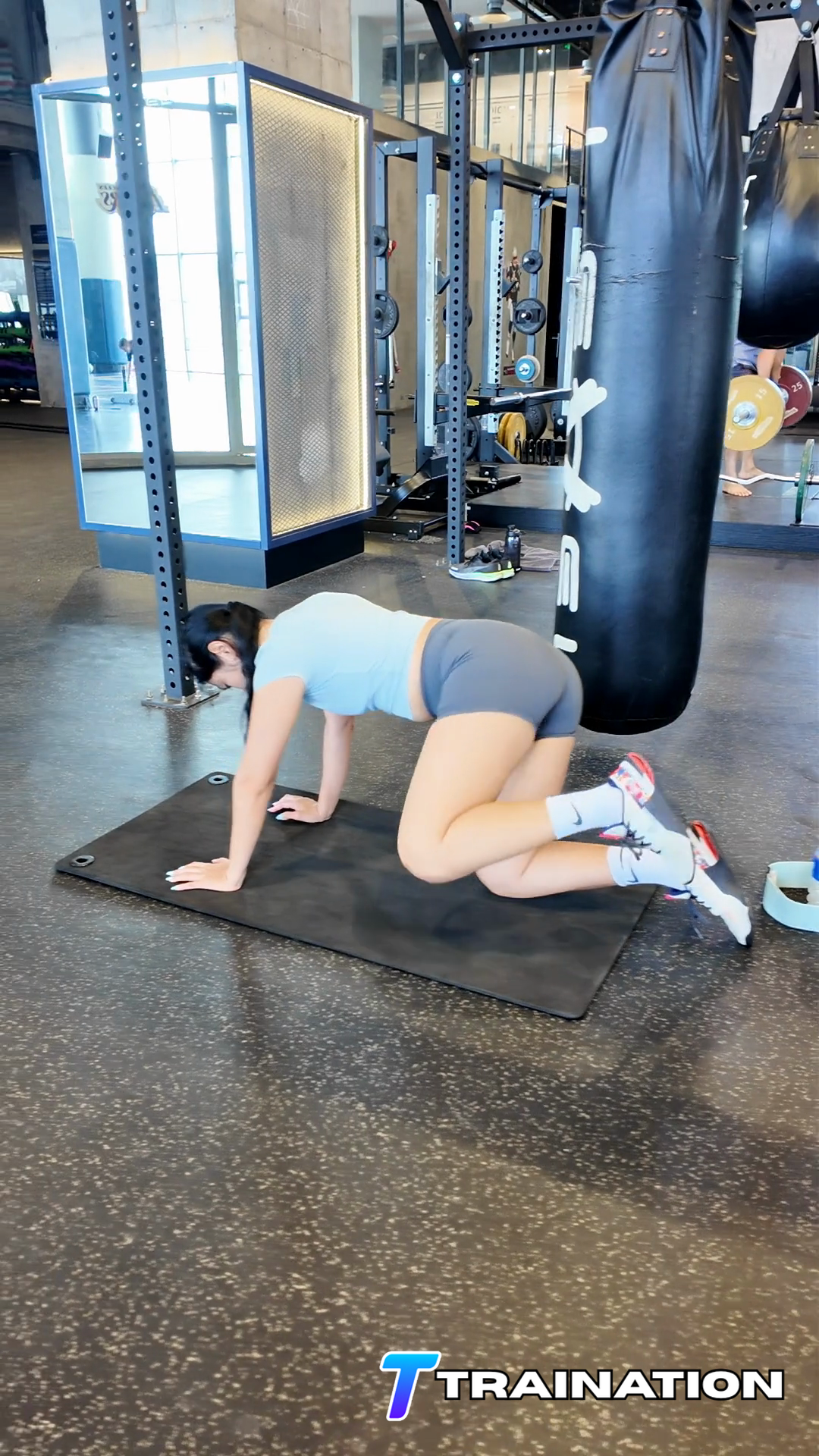
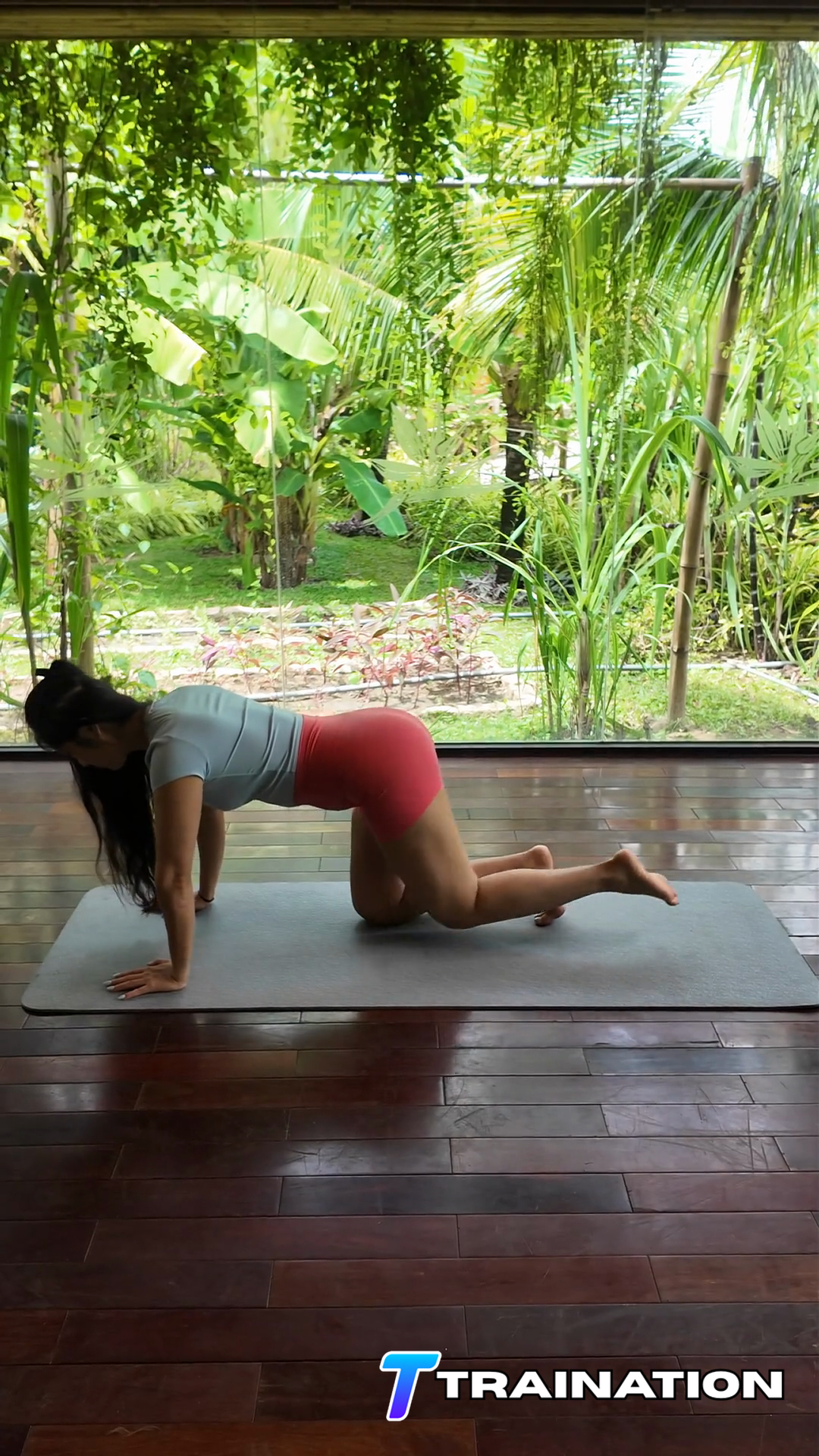
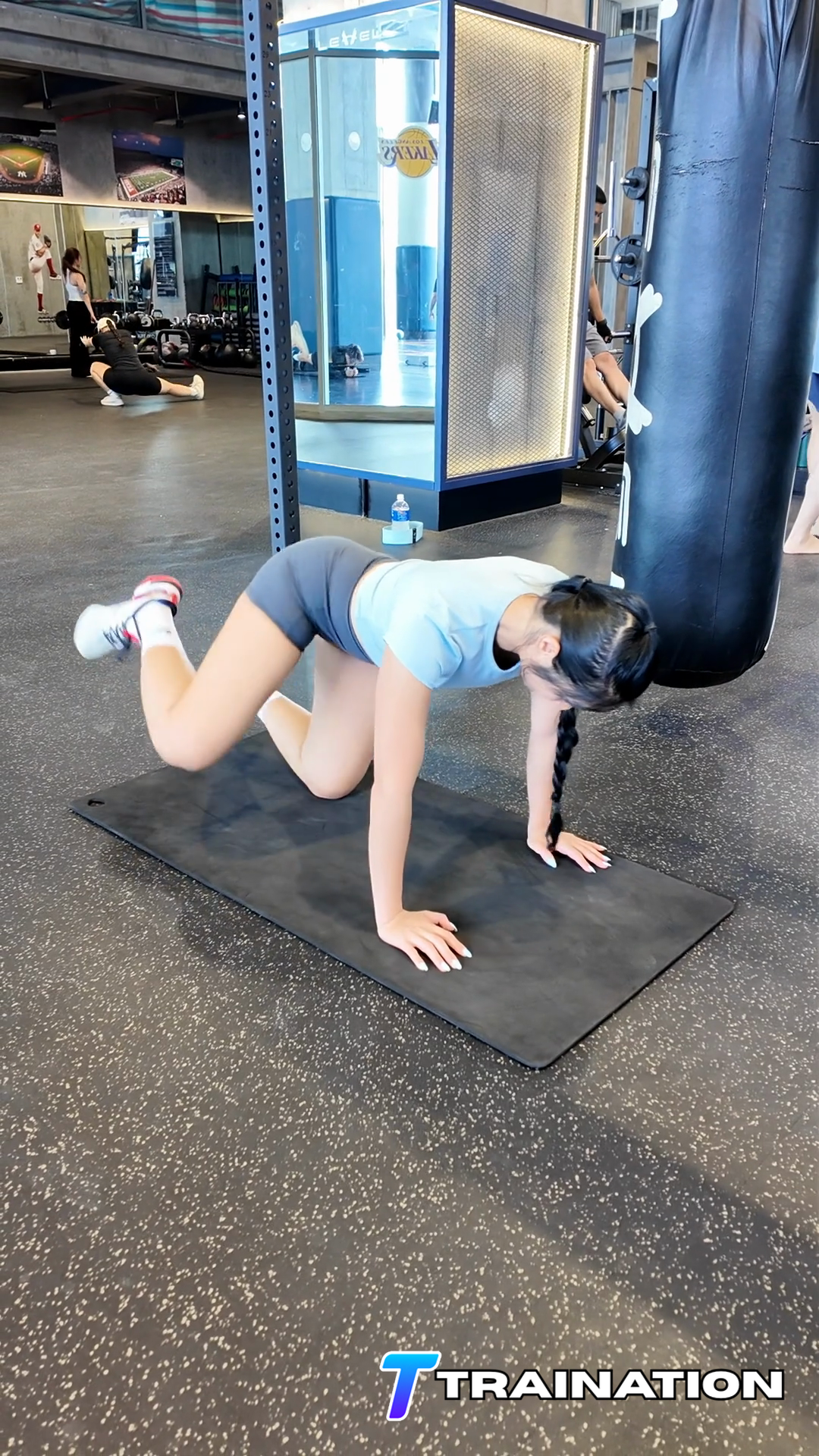
Fire Hydrant trains the side glutes by moving the thigh away from the body without turning the pelvis.
Primary musclesGluteus medius, Gluteus minimus
Secondary musclesTensor fasciae latae, Upper gluteus maximus
Follow the sequence in order, paying attention to the starting position, movement path, and finish described in each step.
For Fire Hydrant, begin on hands and knees with the hands below the shoulders, knees below the hips, and pelvis square to the floor.
Tighten the core and point the kneecap forward or slightly downward before moving the thigh out to the side.
Move the thigh out to the side without turning the toes up or leaning the body the other way.
Pause when the side glute is shortened and before the pelvis begins to rotate.
Return slowly until tension is reduced but not lost. Repeat without changing the established position.
Keep both hip bones facing forward so the thigh moves independently from the trunk.
Use support and reduce resistance if the torso must tilt to move the leg.
Keep the kneecap facing forward or slightly down to avoid replacing abduction with hip rotation.
Return slowly and prevent the cable, band, or machine from pulling the leg inward.
Place Fire Hydrant after squats, hinges, and lunges for added hip-abductor volume; keep any pre-lift use light enough that it does not fatigue the side glutes.
Use two or three times per week while counting single-leg squats, lunges, and lateral work that already challenge the side glutes.
| Goal | Sets | Reps or time | Rest | Effort and execution |
|---|---|---|---|---|
| Strength accessory | 2–4 | 6–10 | 75–150 sec | Leave 2–3 controlled reps in reserve |
| Muscle growth | 2–4 | 10–20 | 60–120 sec | Usually 1–3 clean reps in reserve |
Scale the movement
Hold a stable support or use an easier setup while learning the movement.
Use a shorter pain-free range and expand it only as control improves.
Slow the lowering phase without changing the start, finish, or joint alignment.
Add a brief pause at the hardest controlled position before increasing load.
Turn Fire Hydrant and the rest of your exercise library into repeatable client programs.
Explore the workout builder