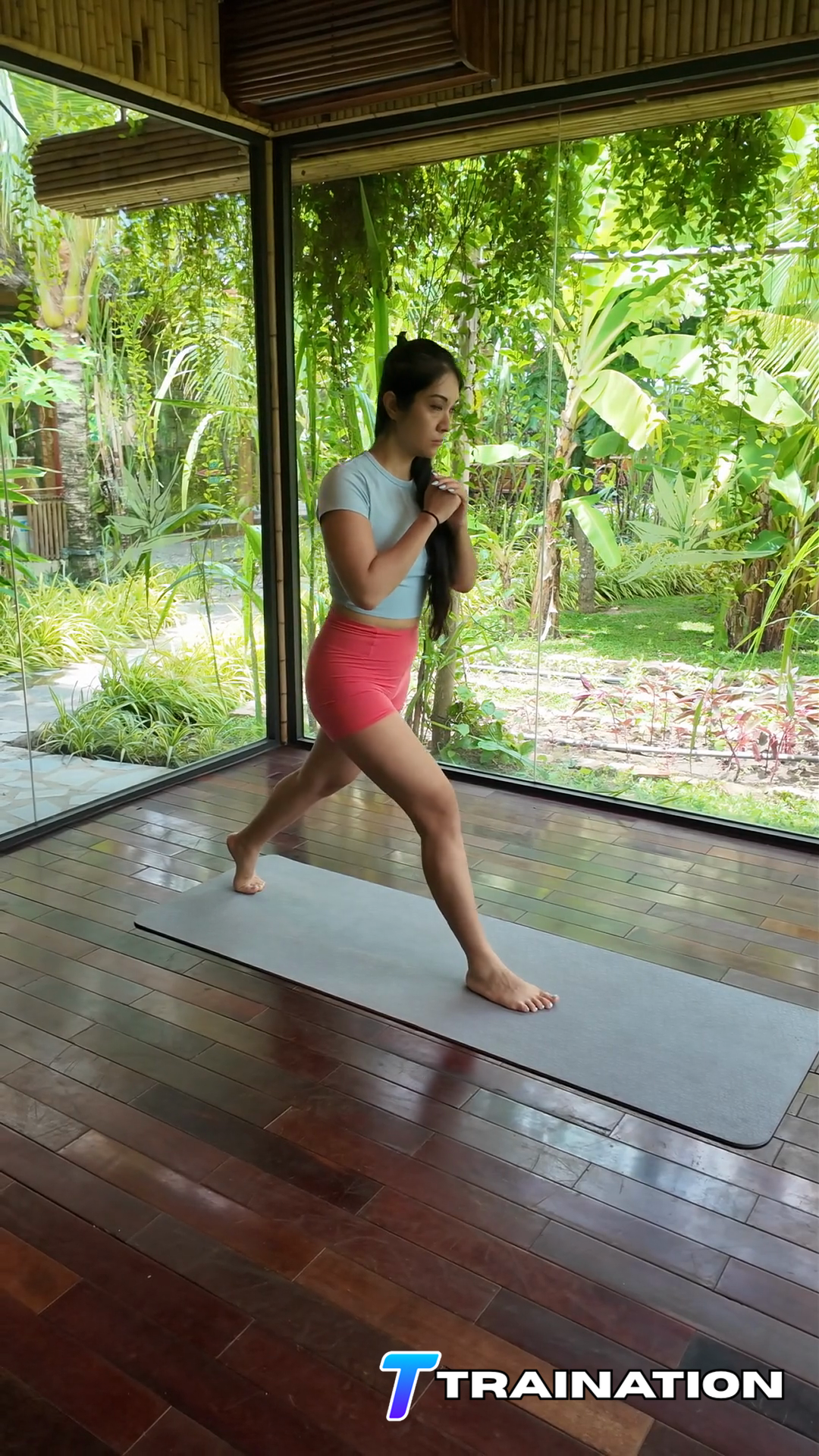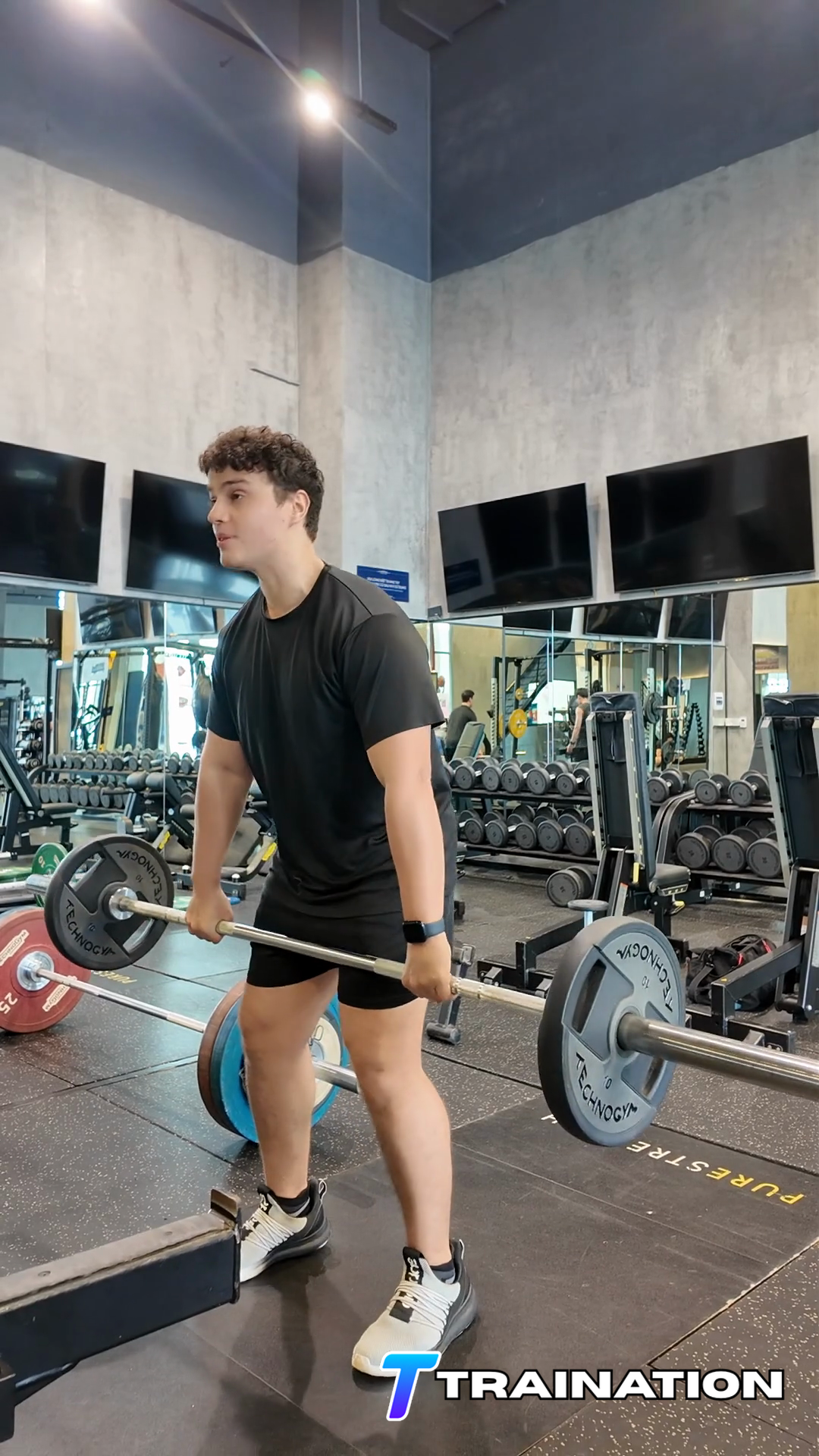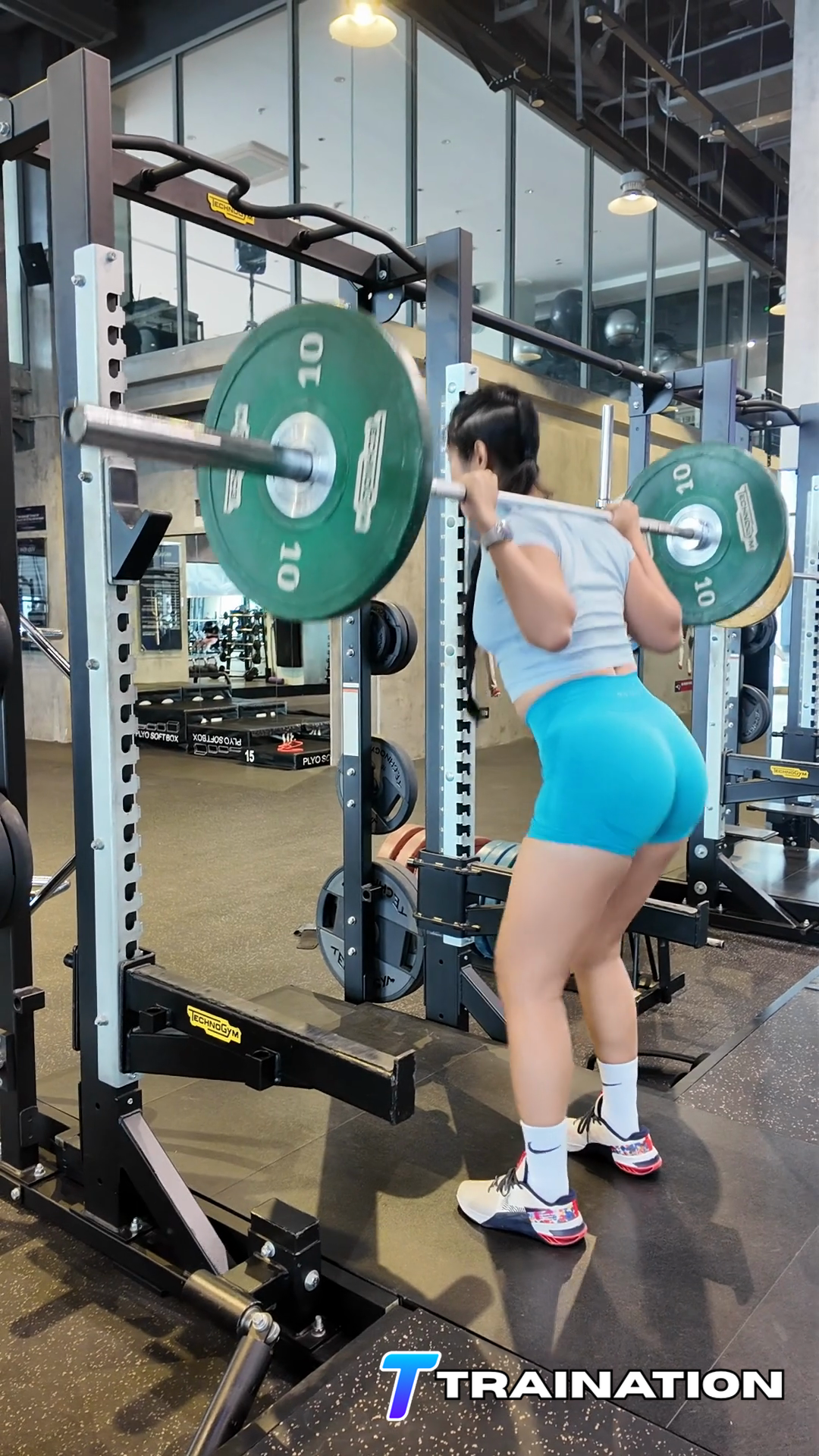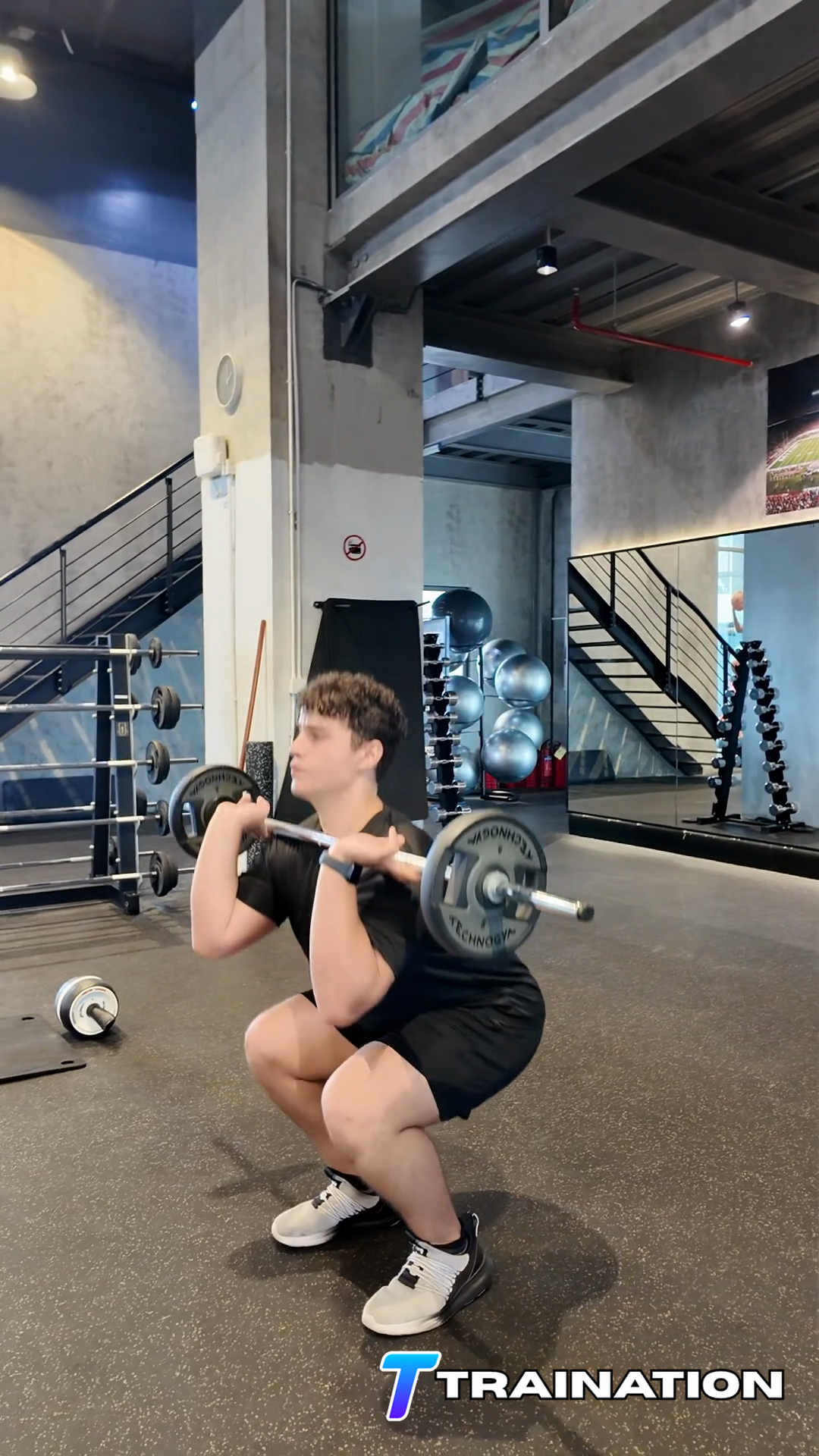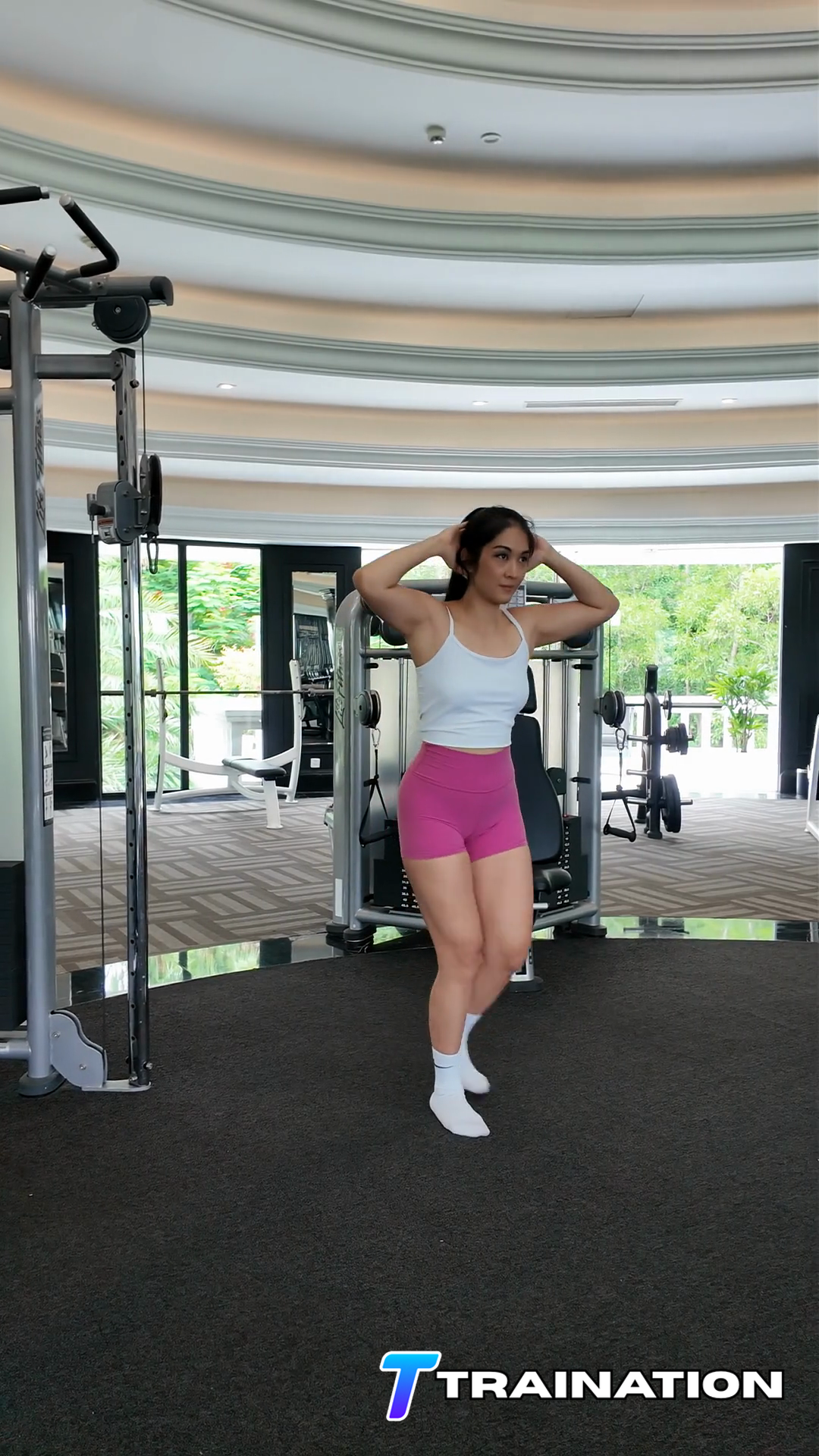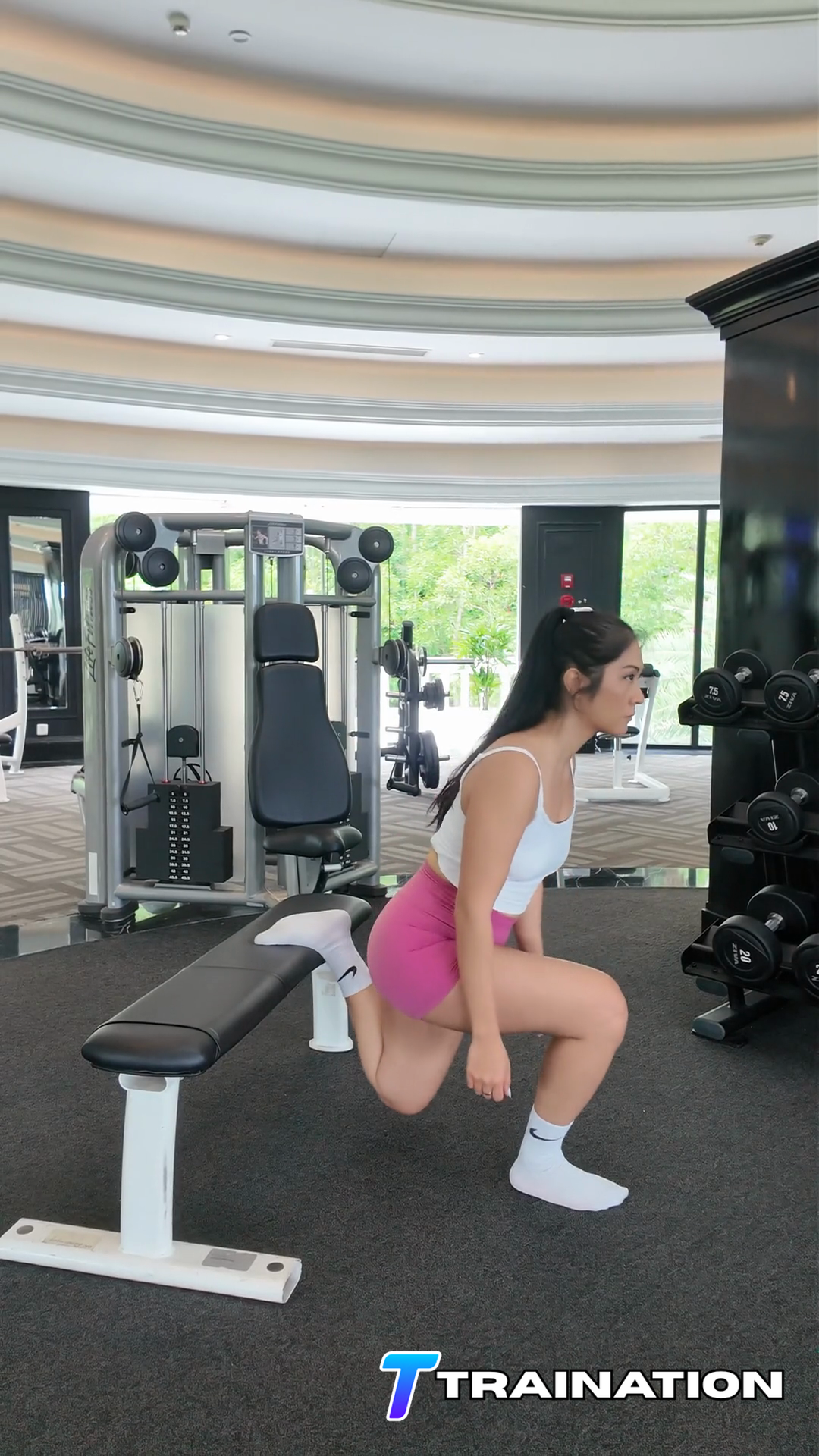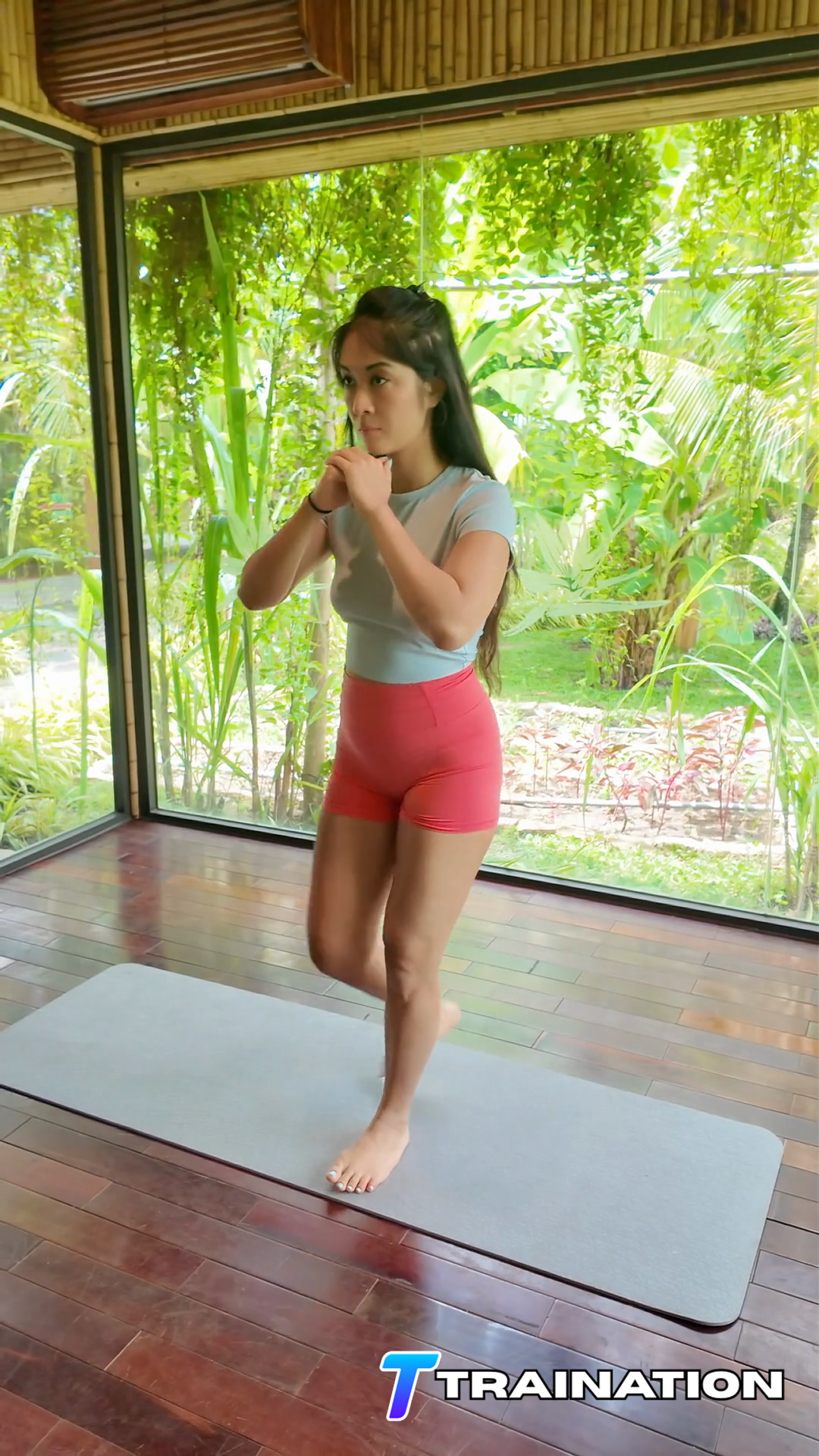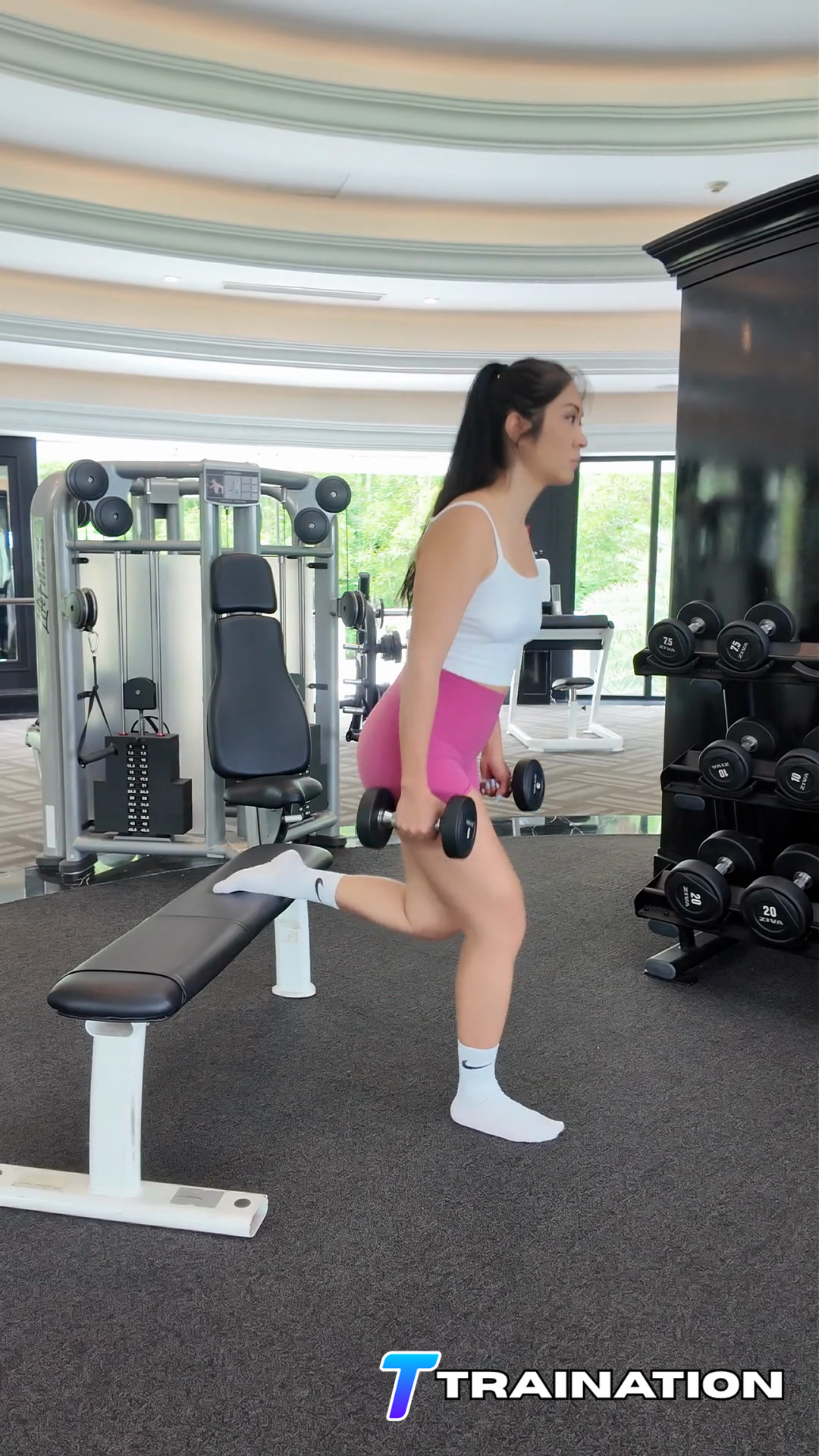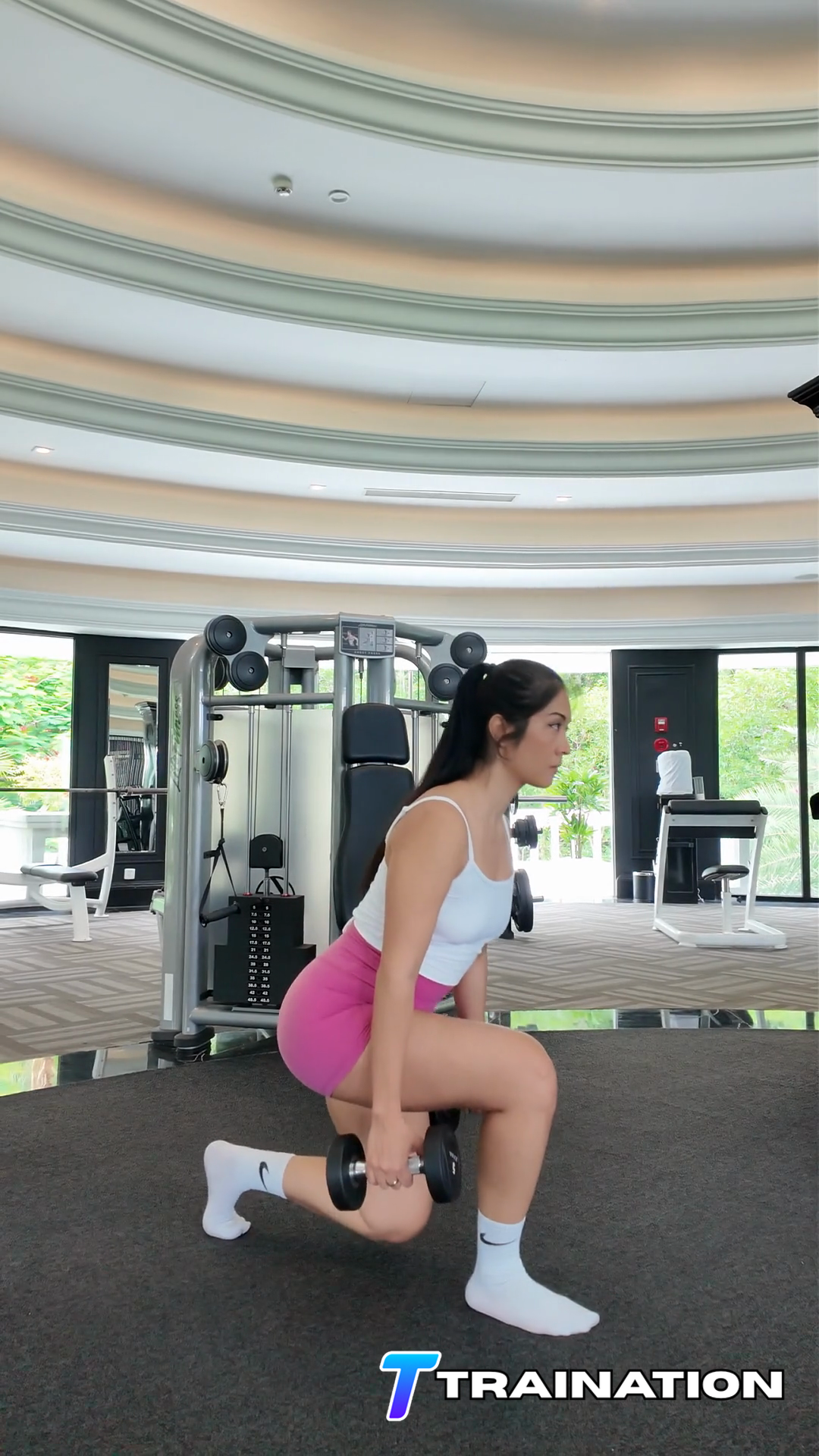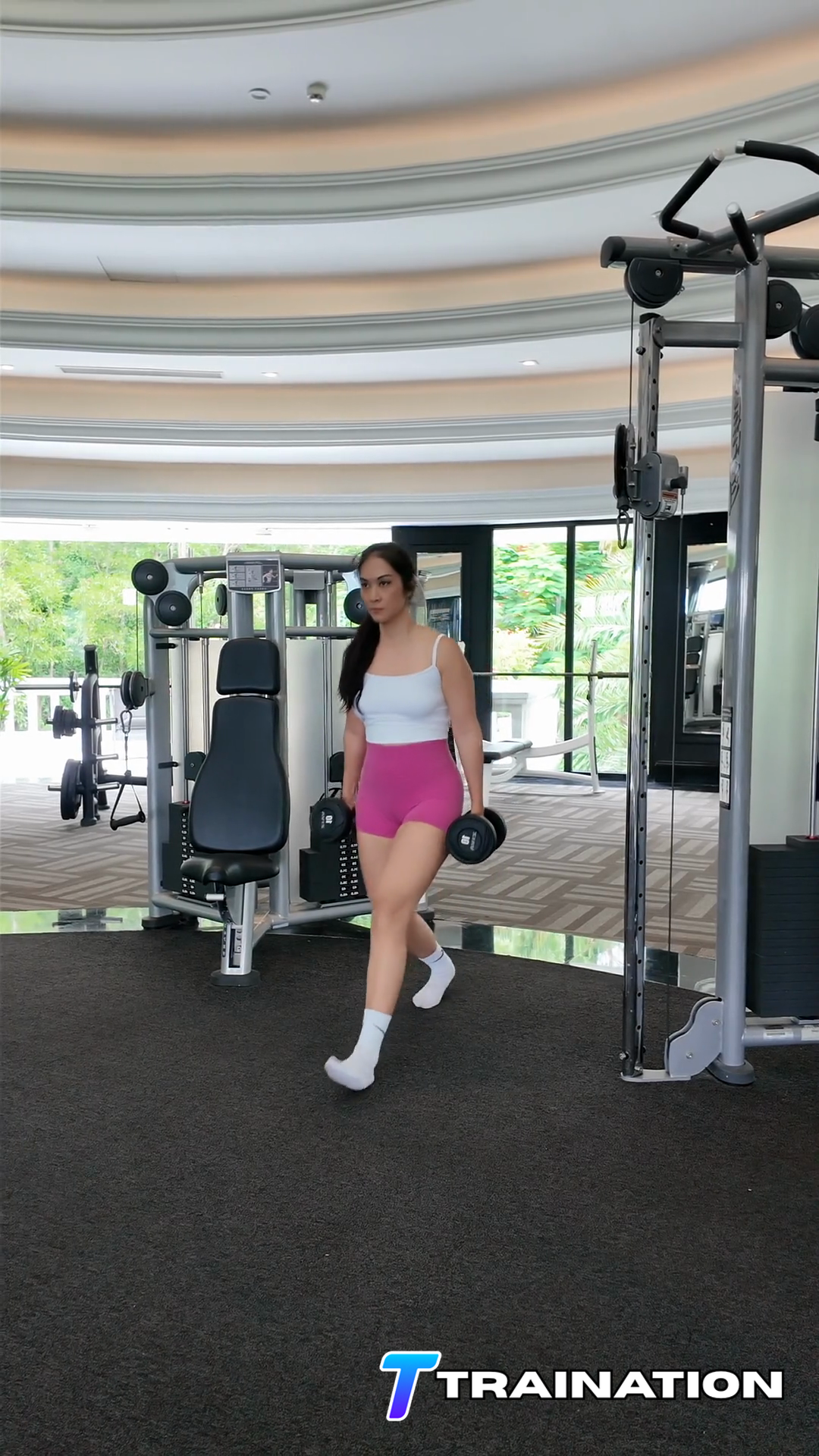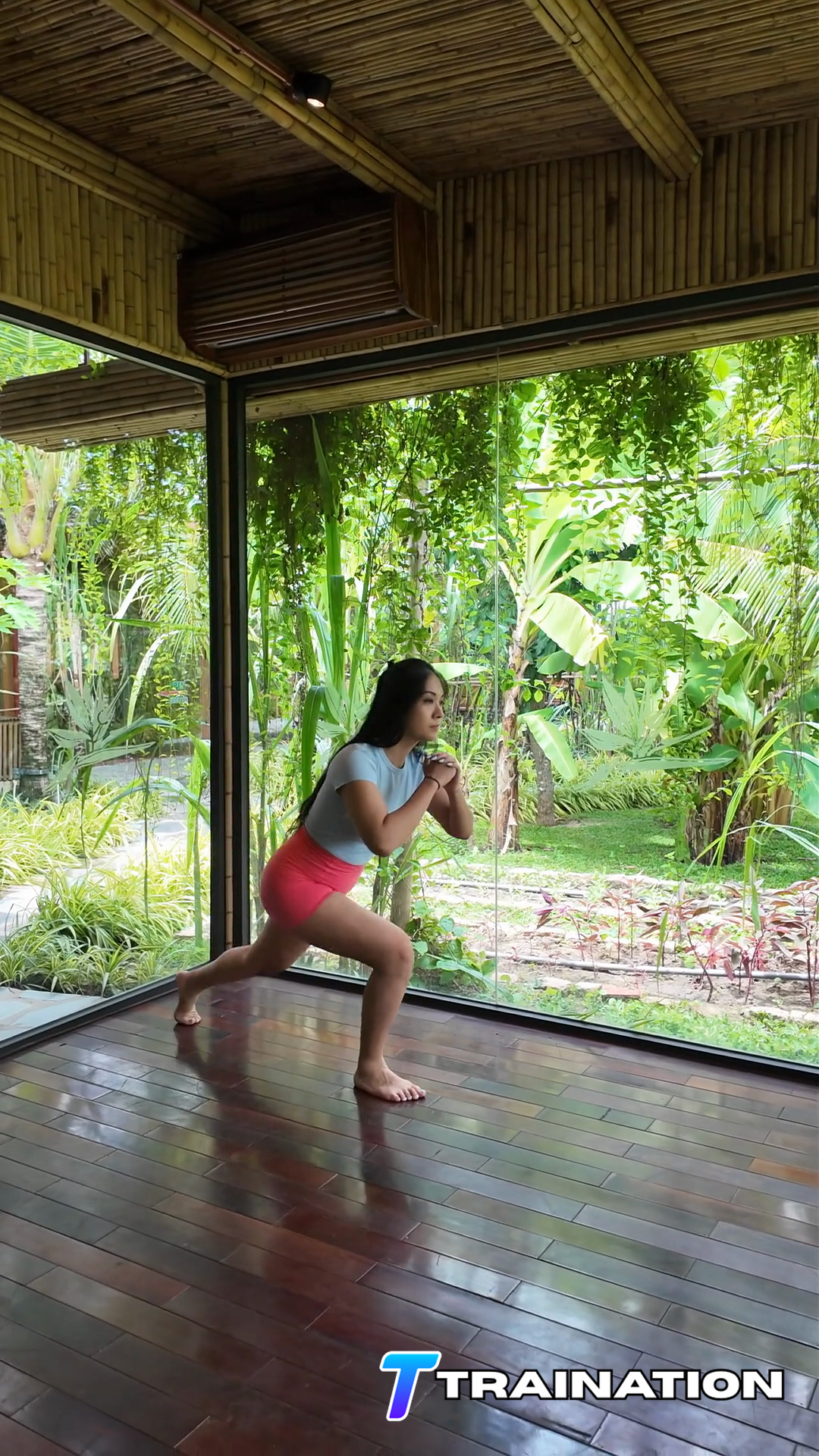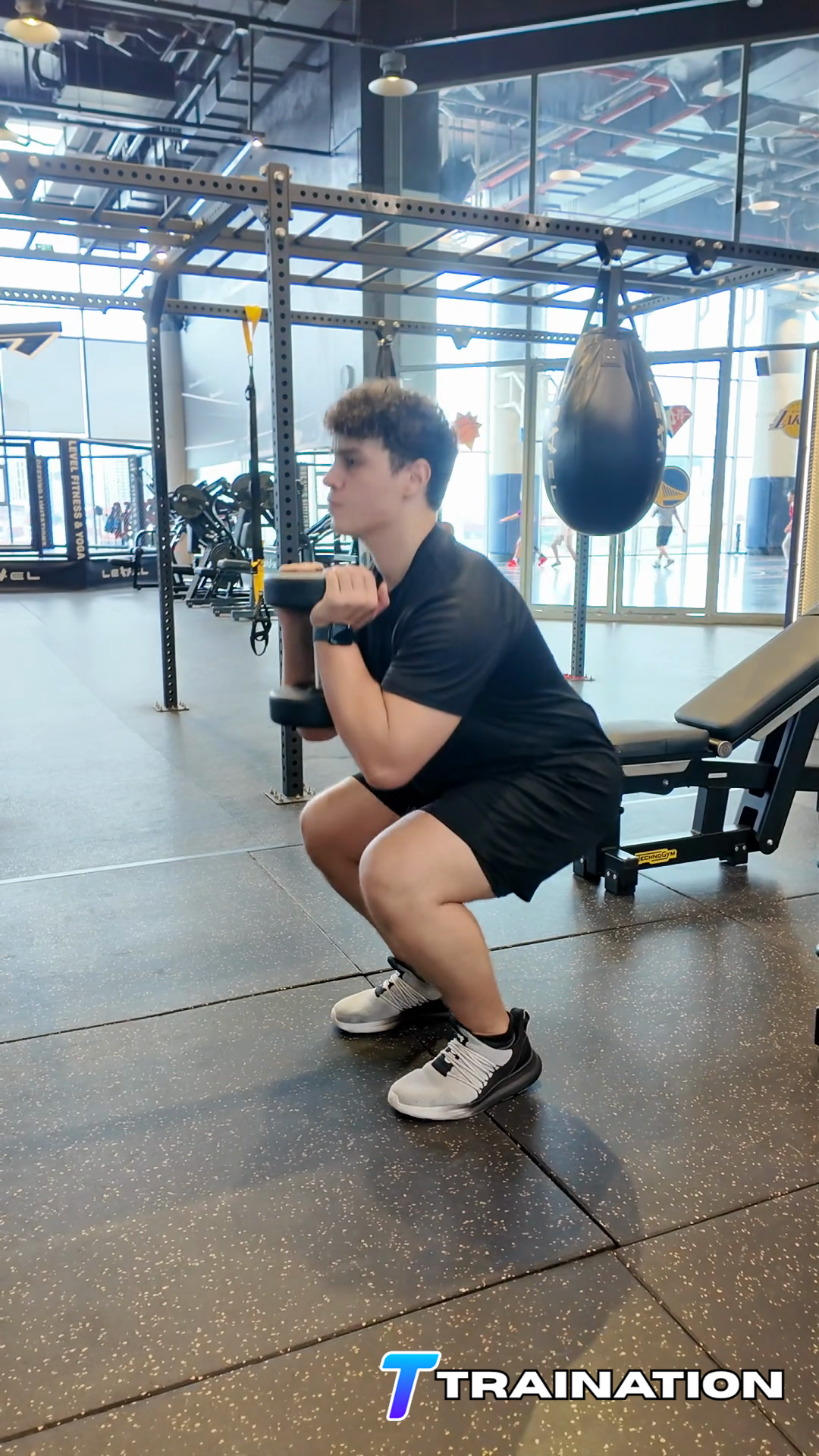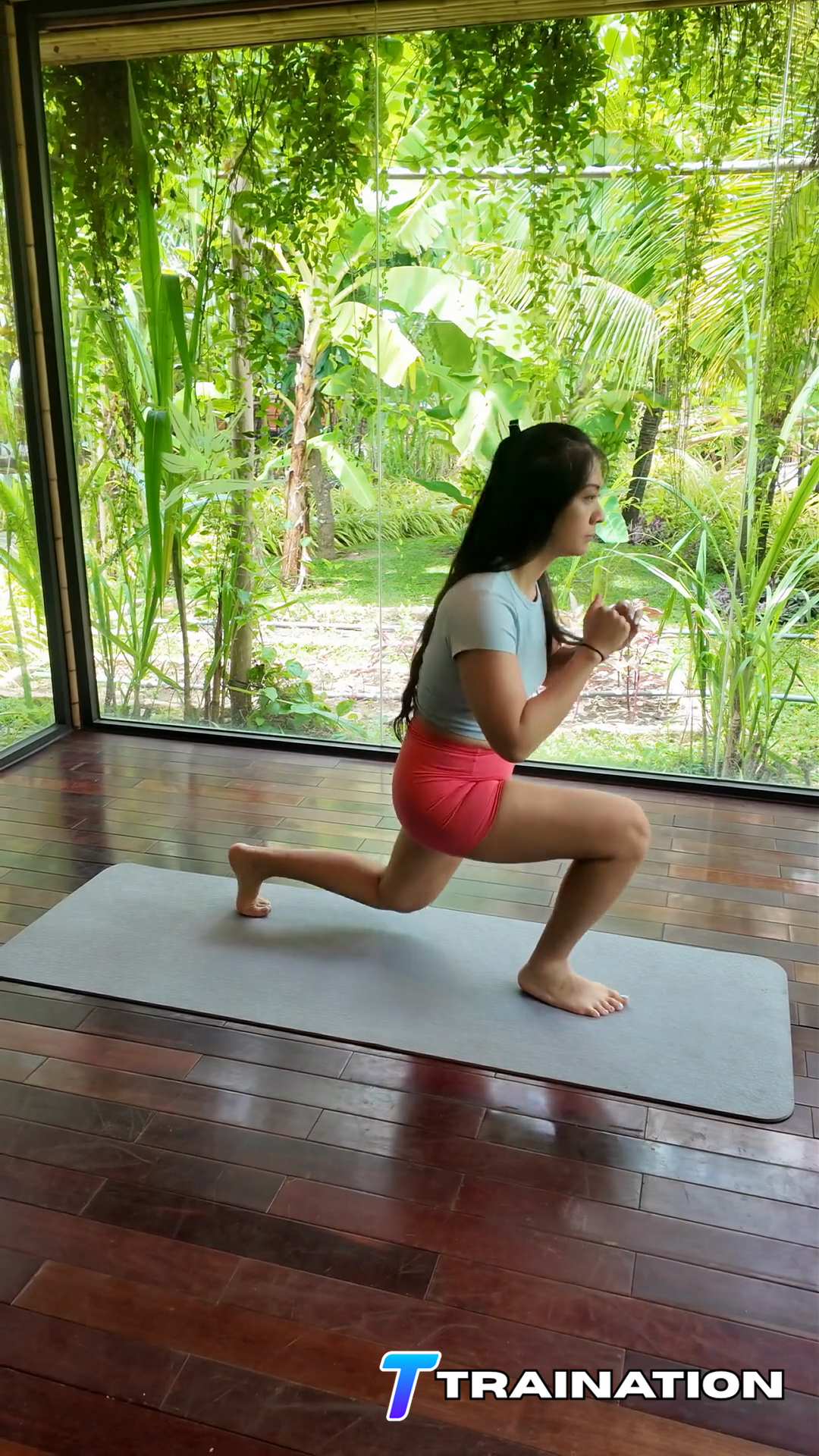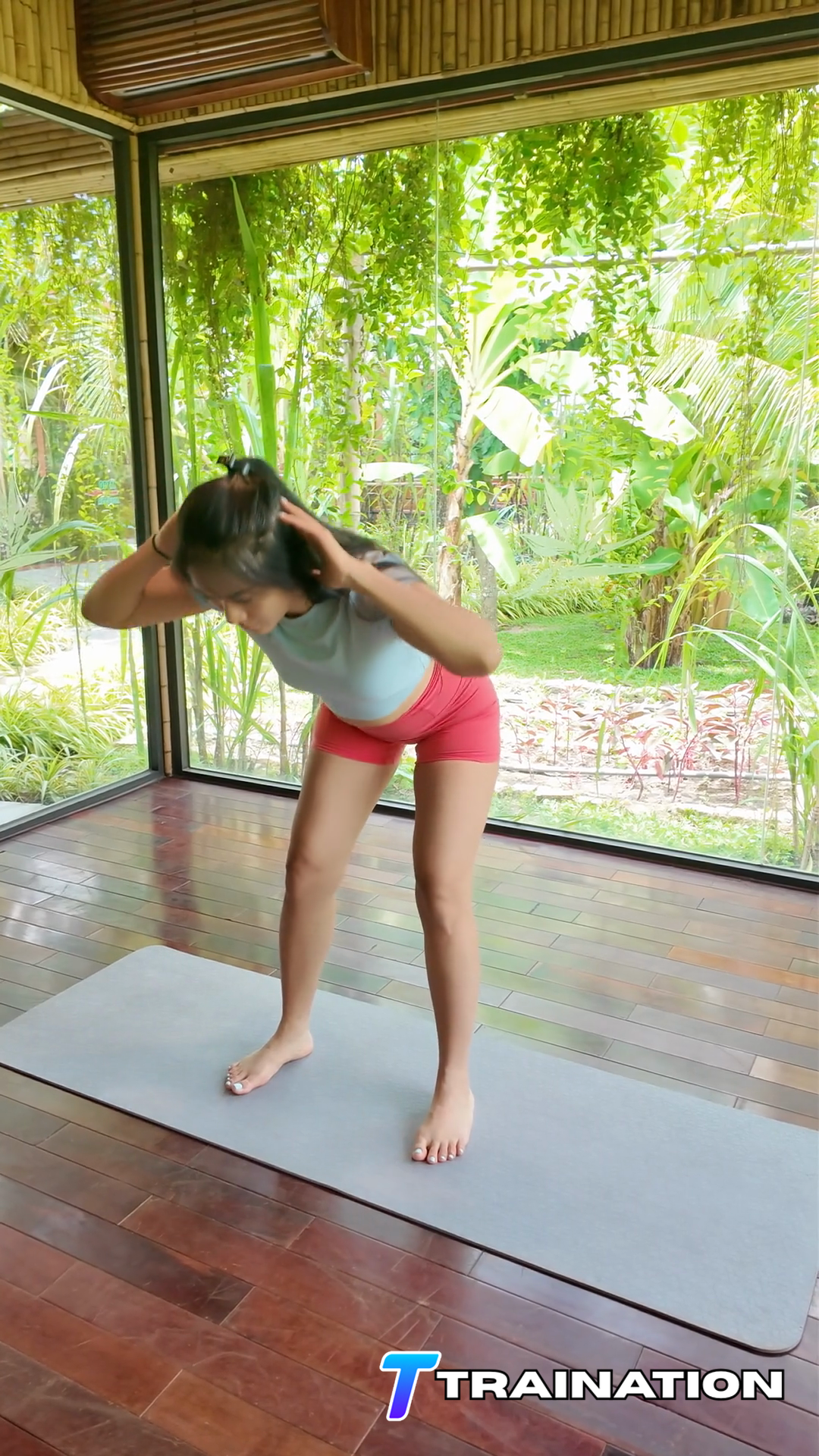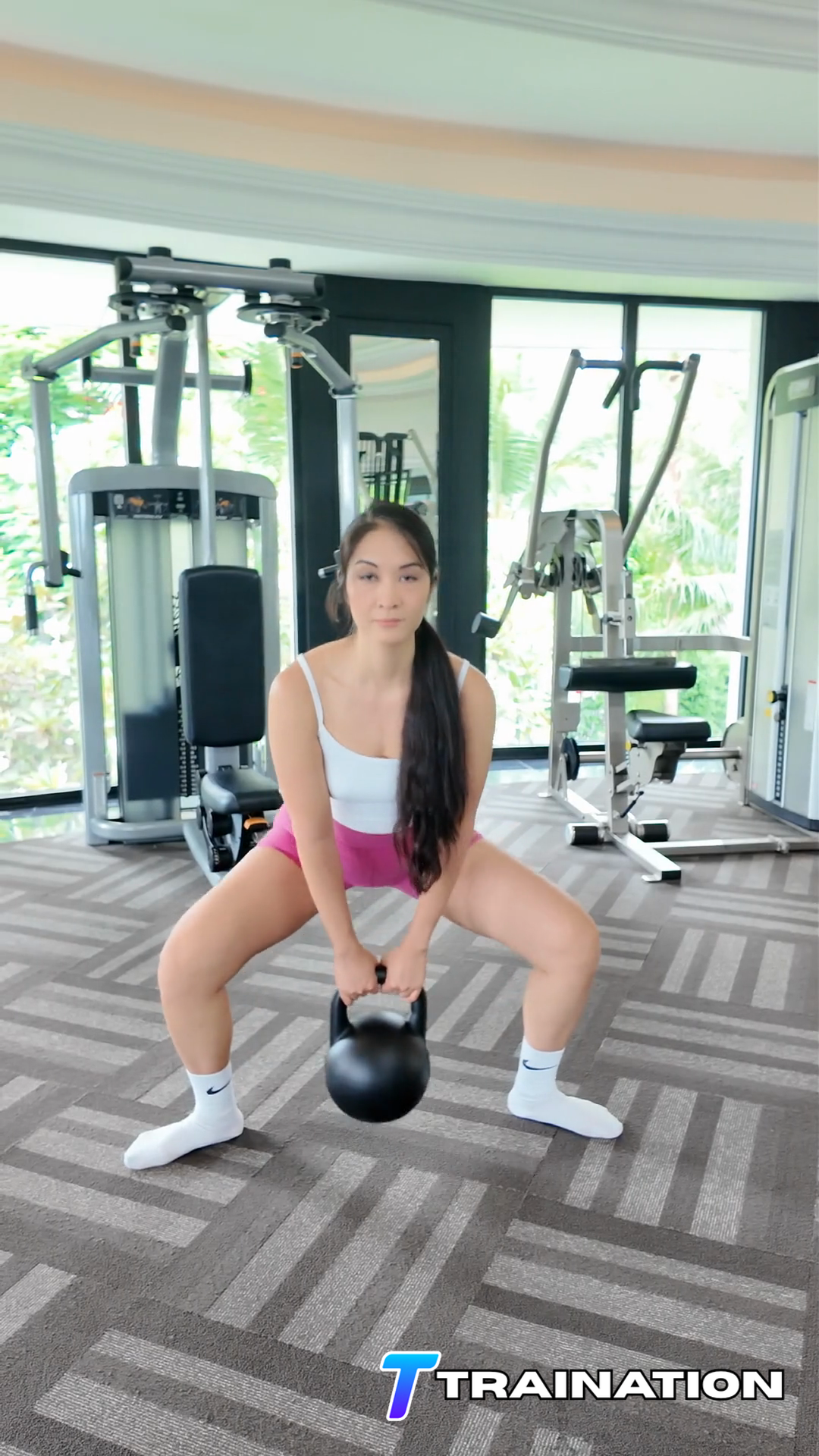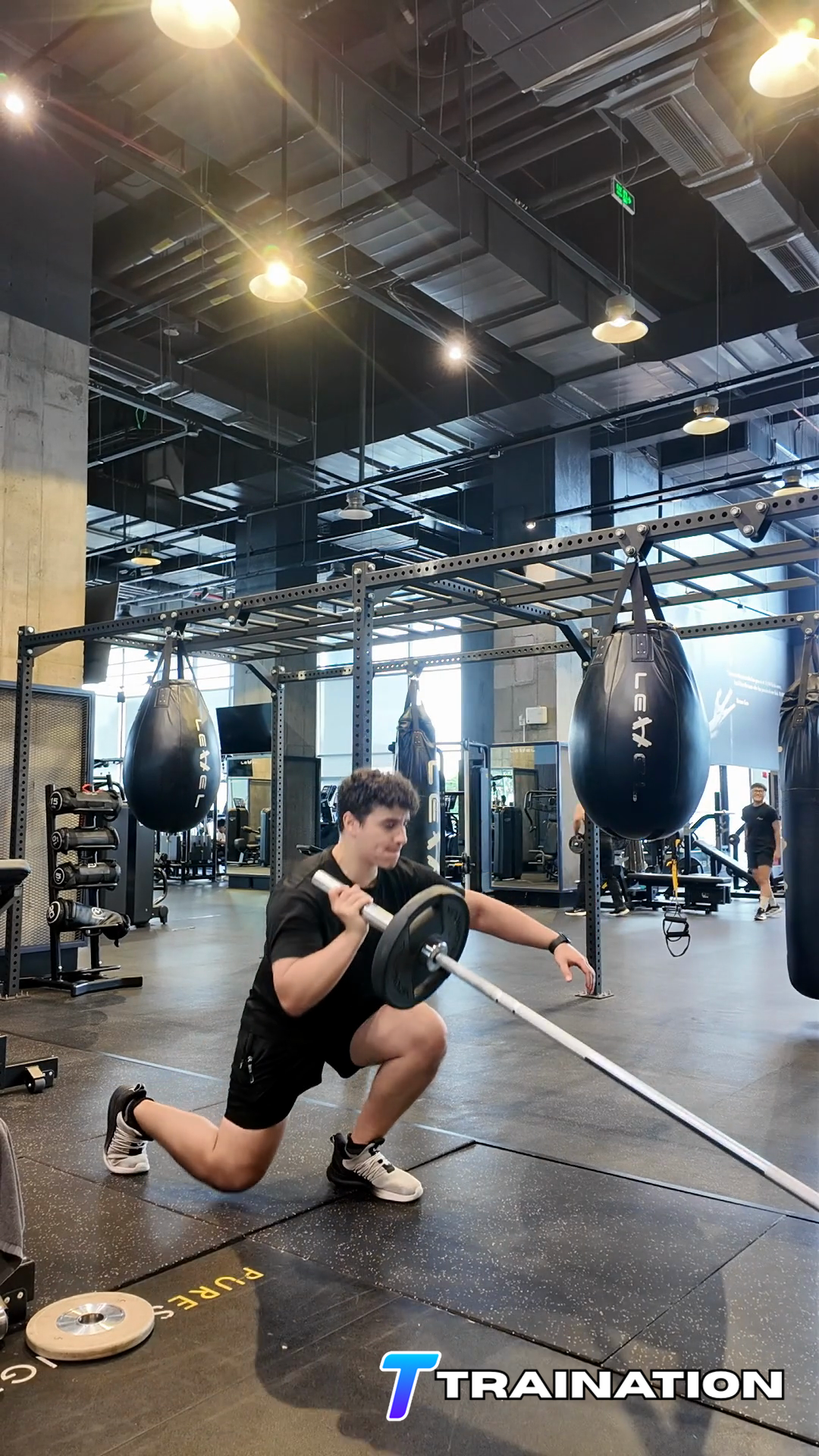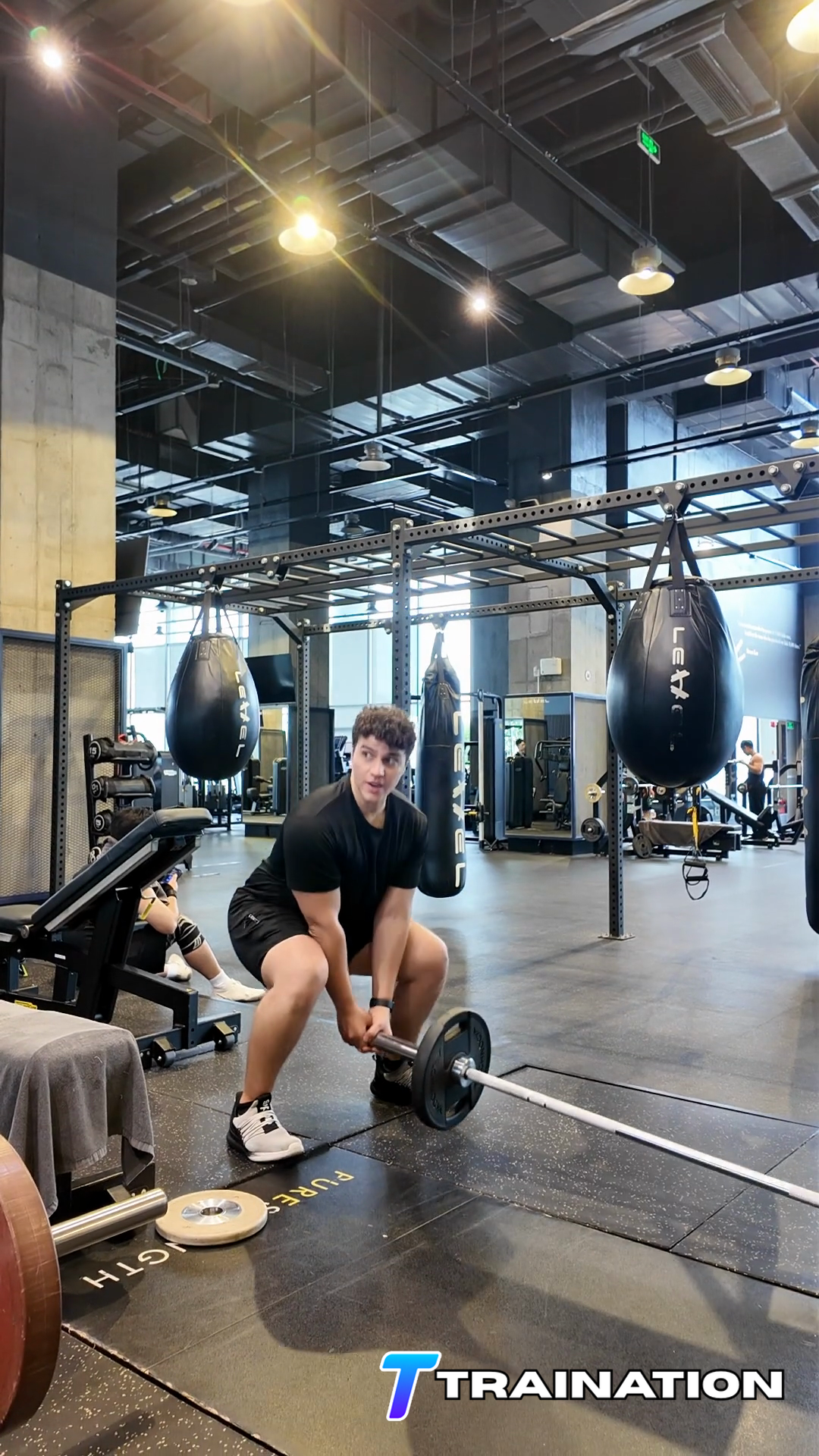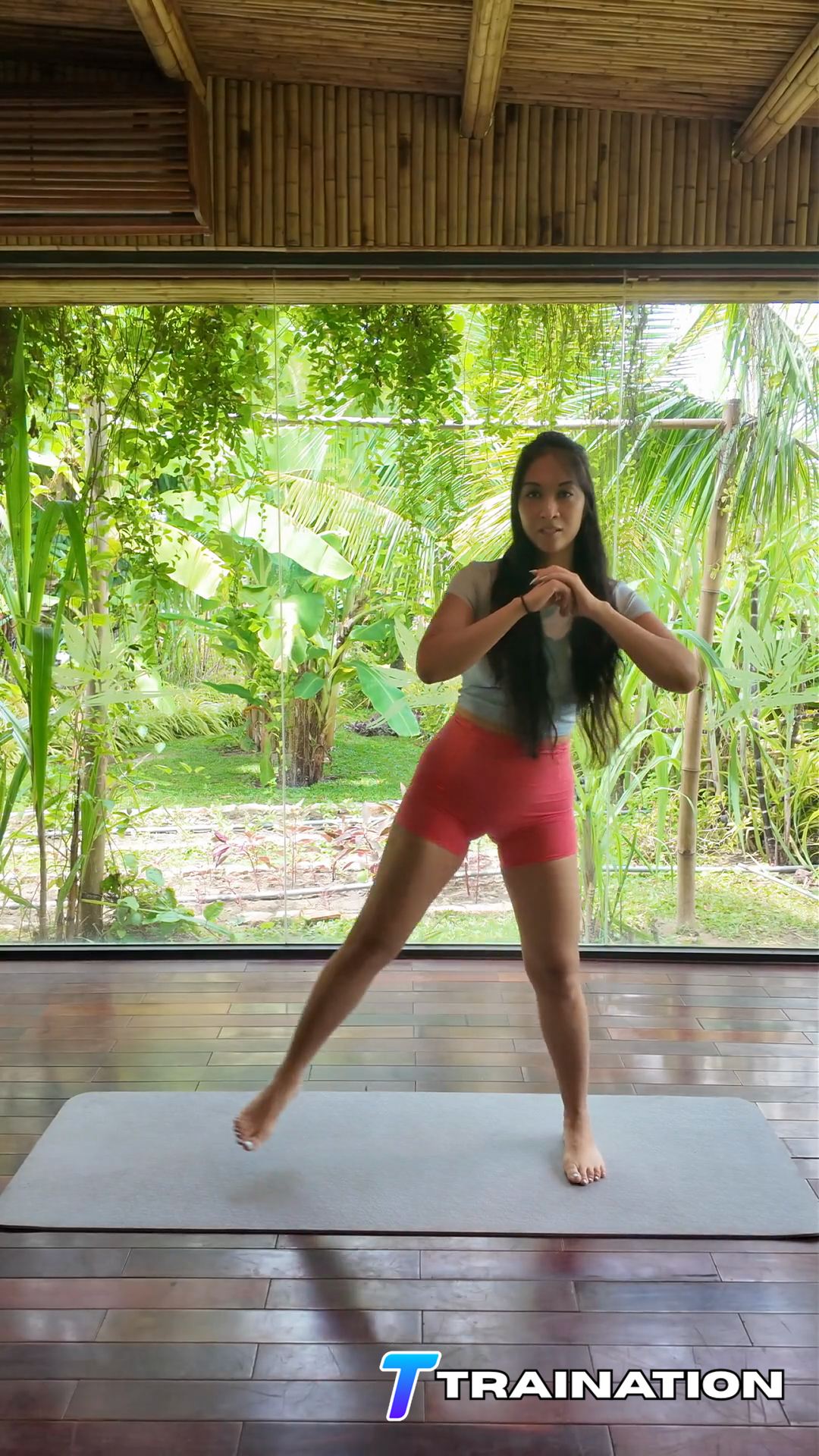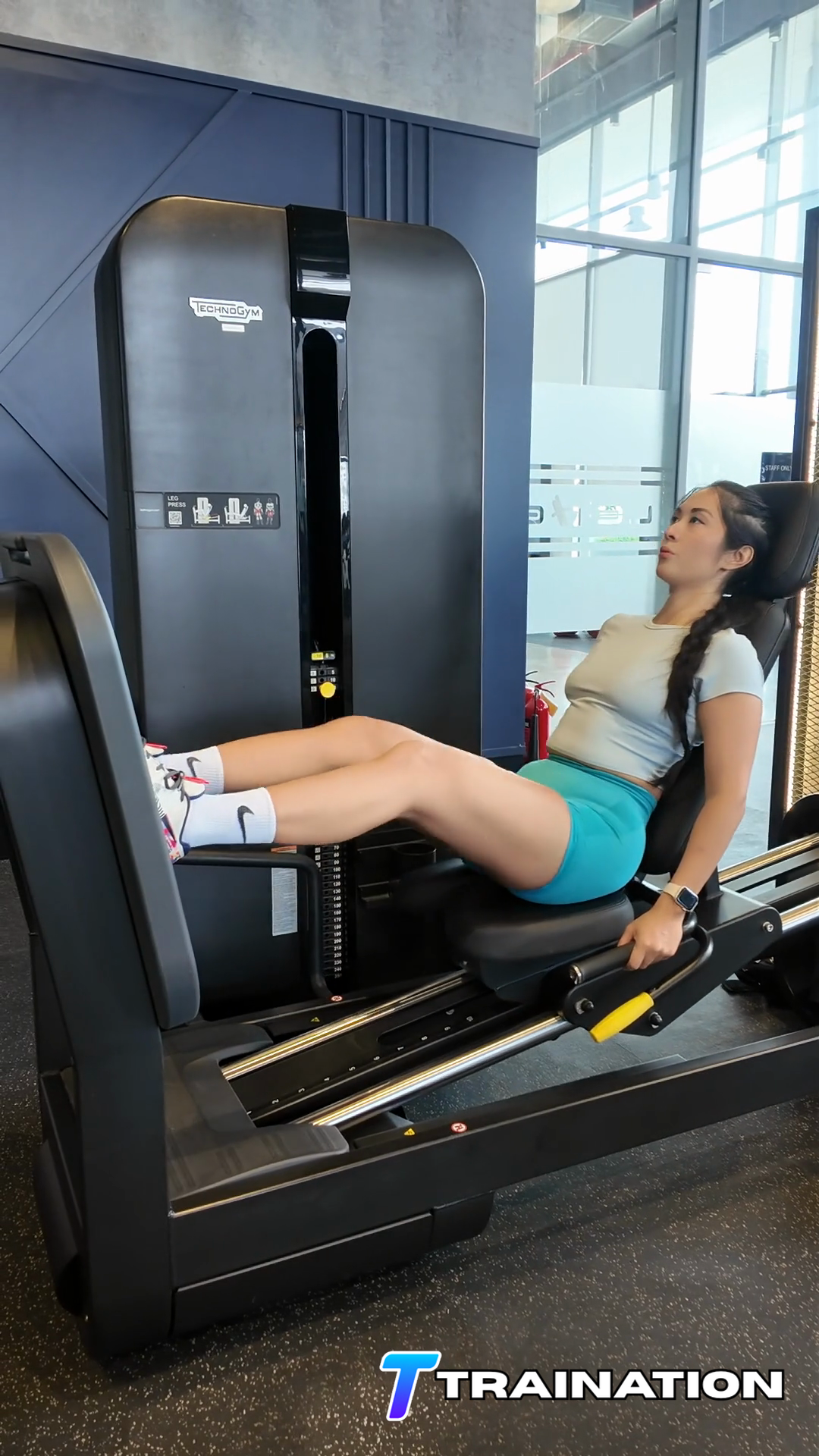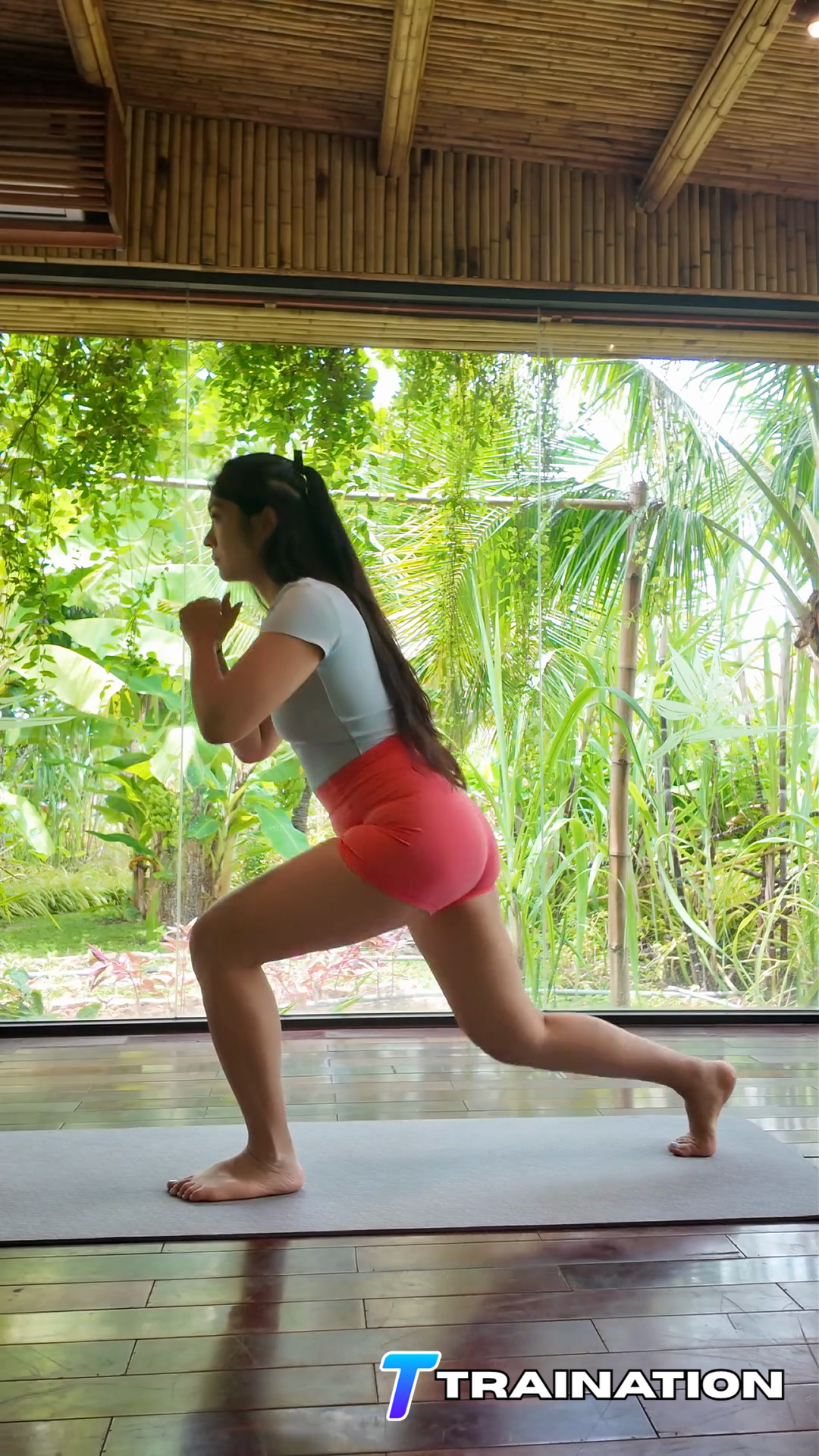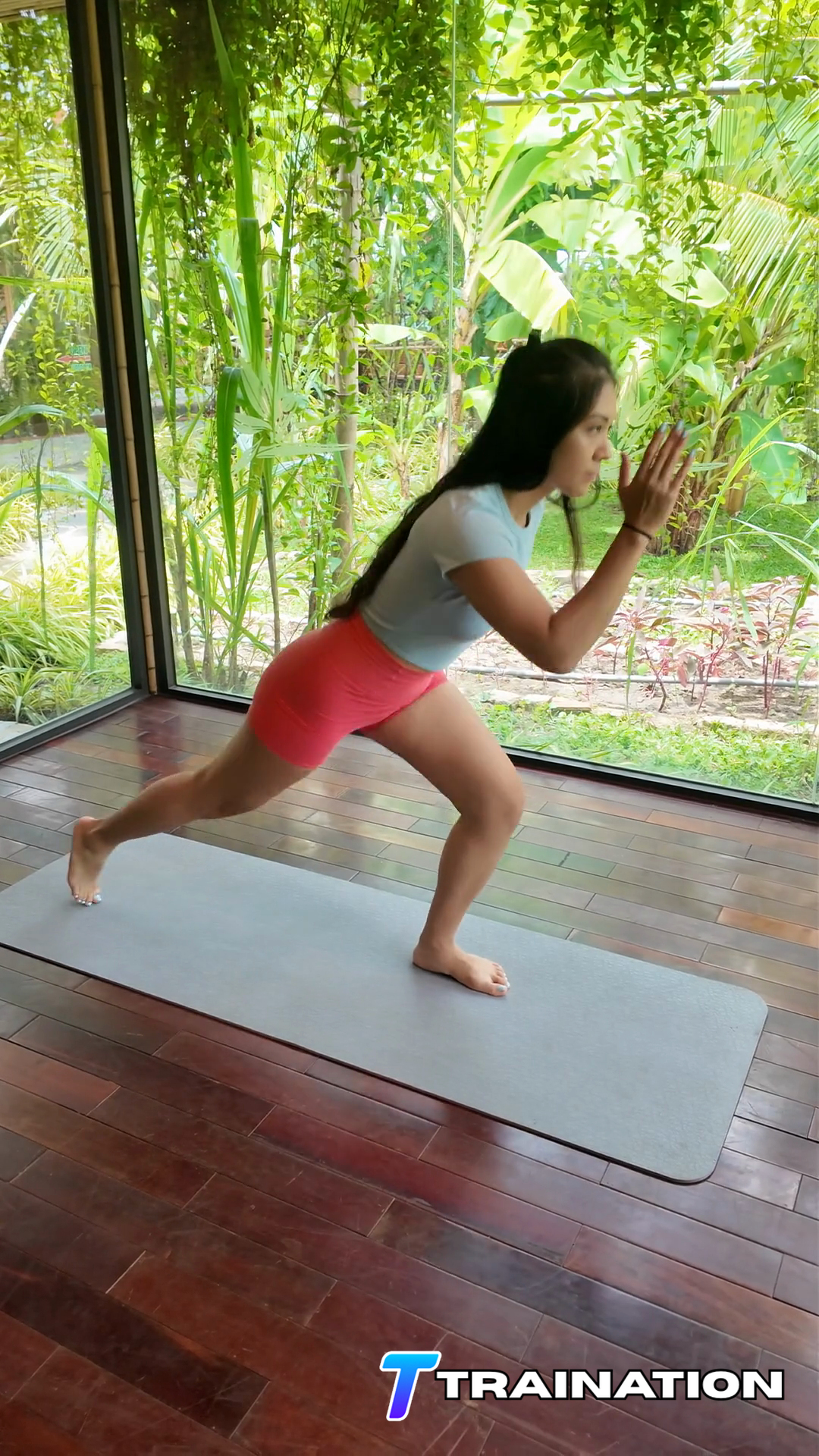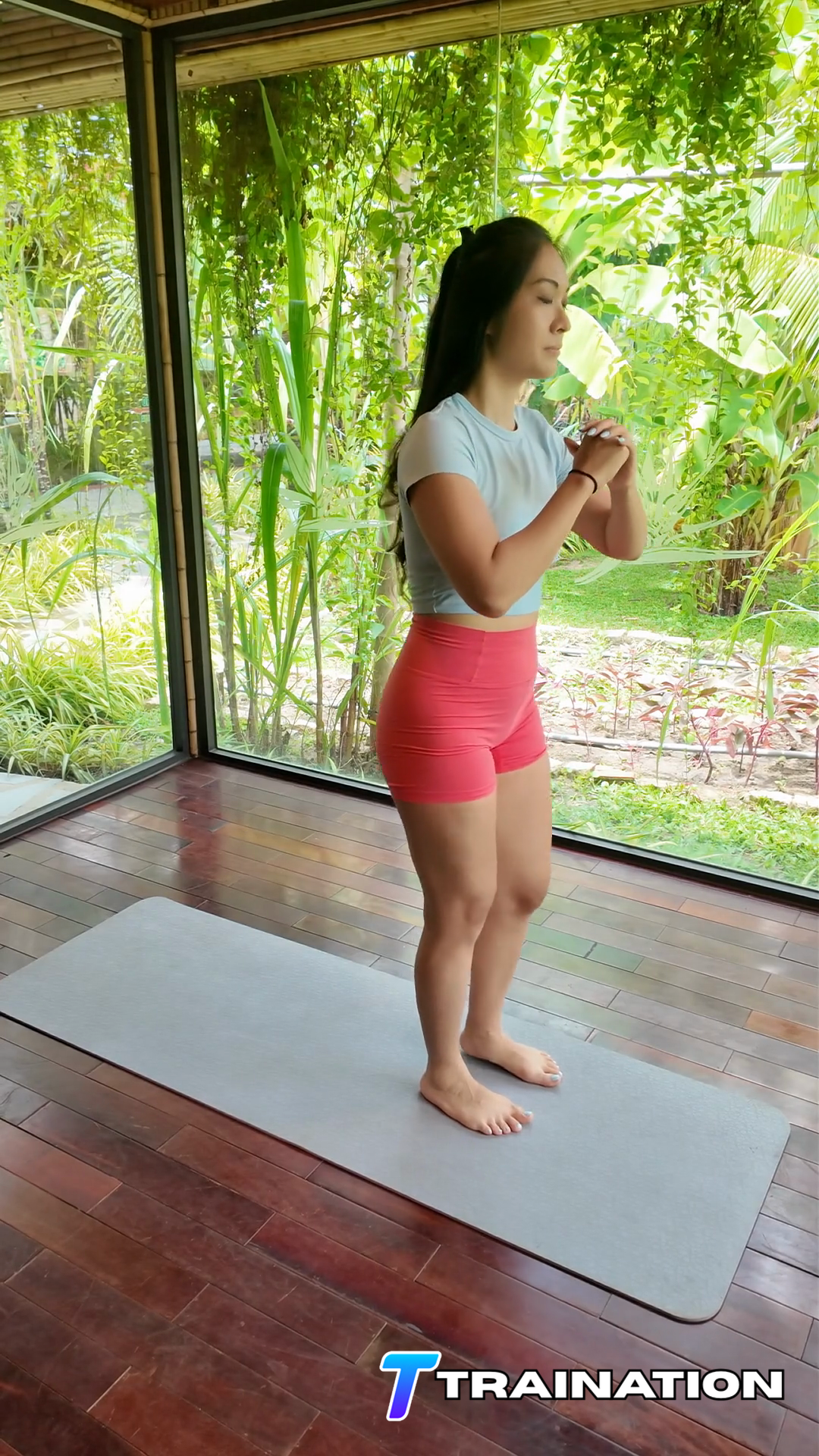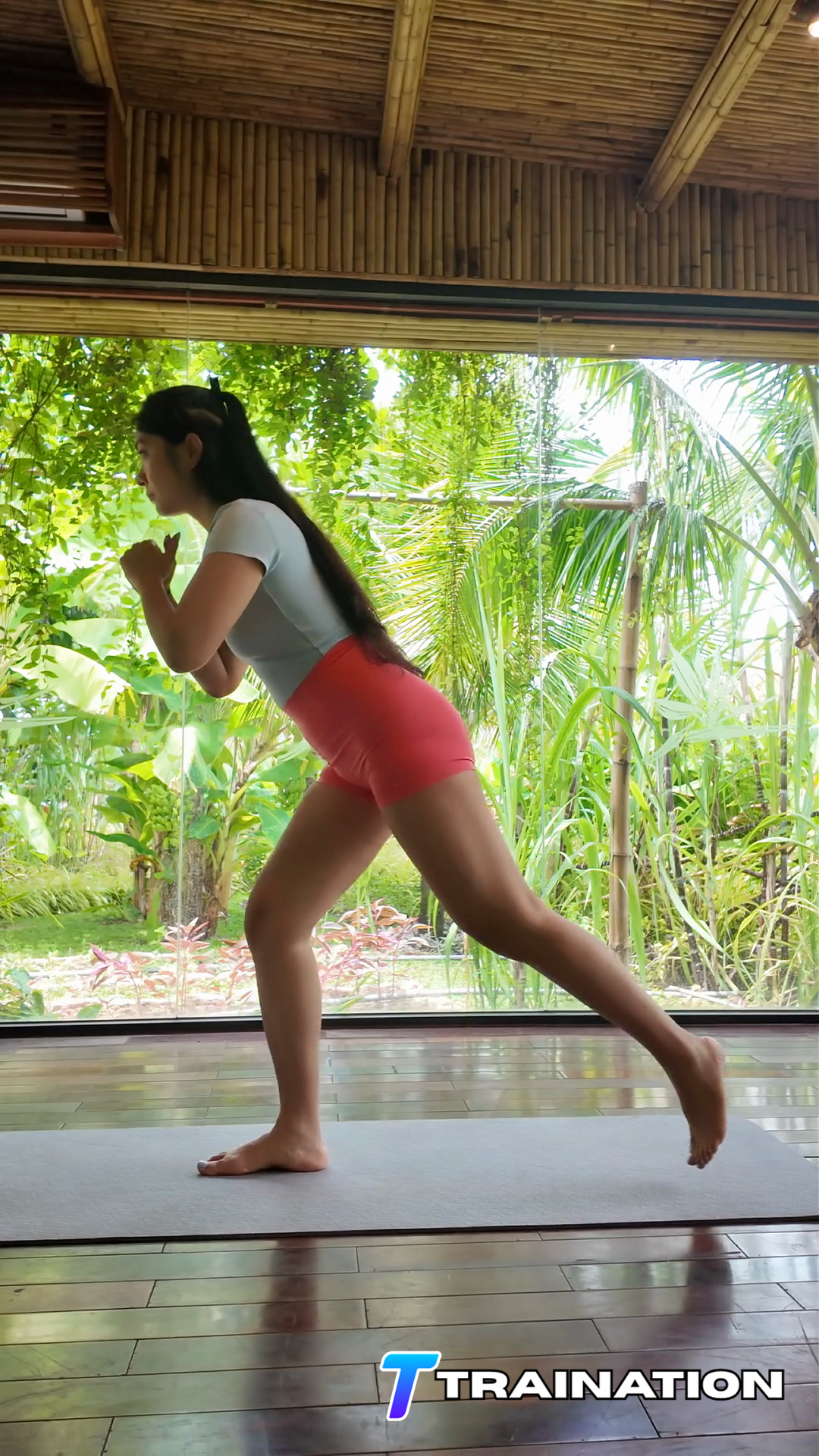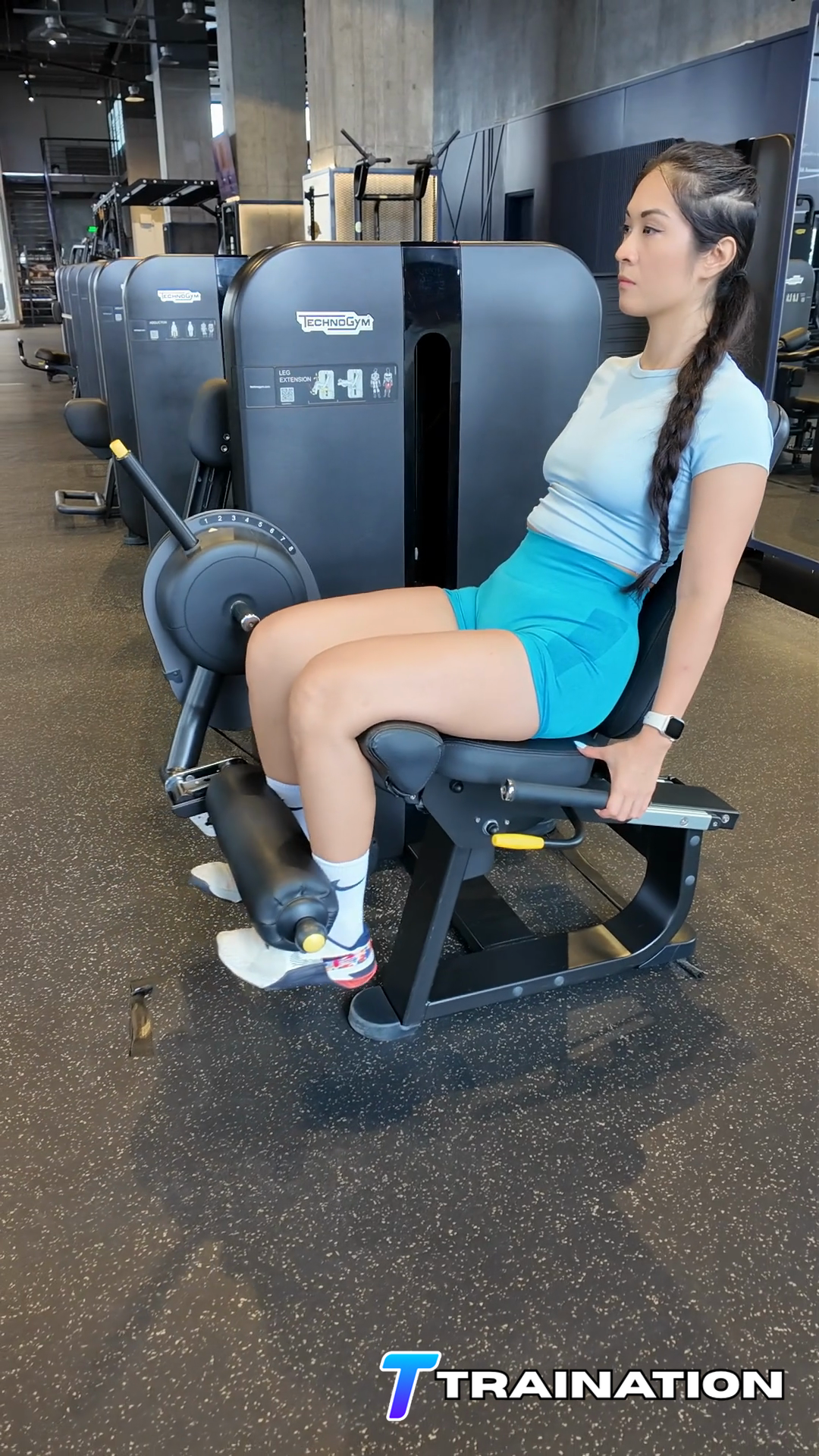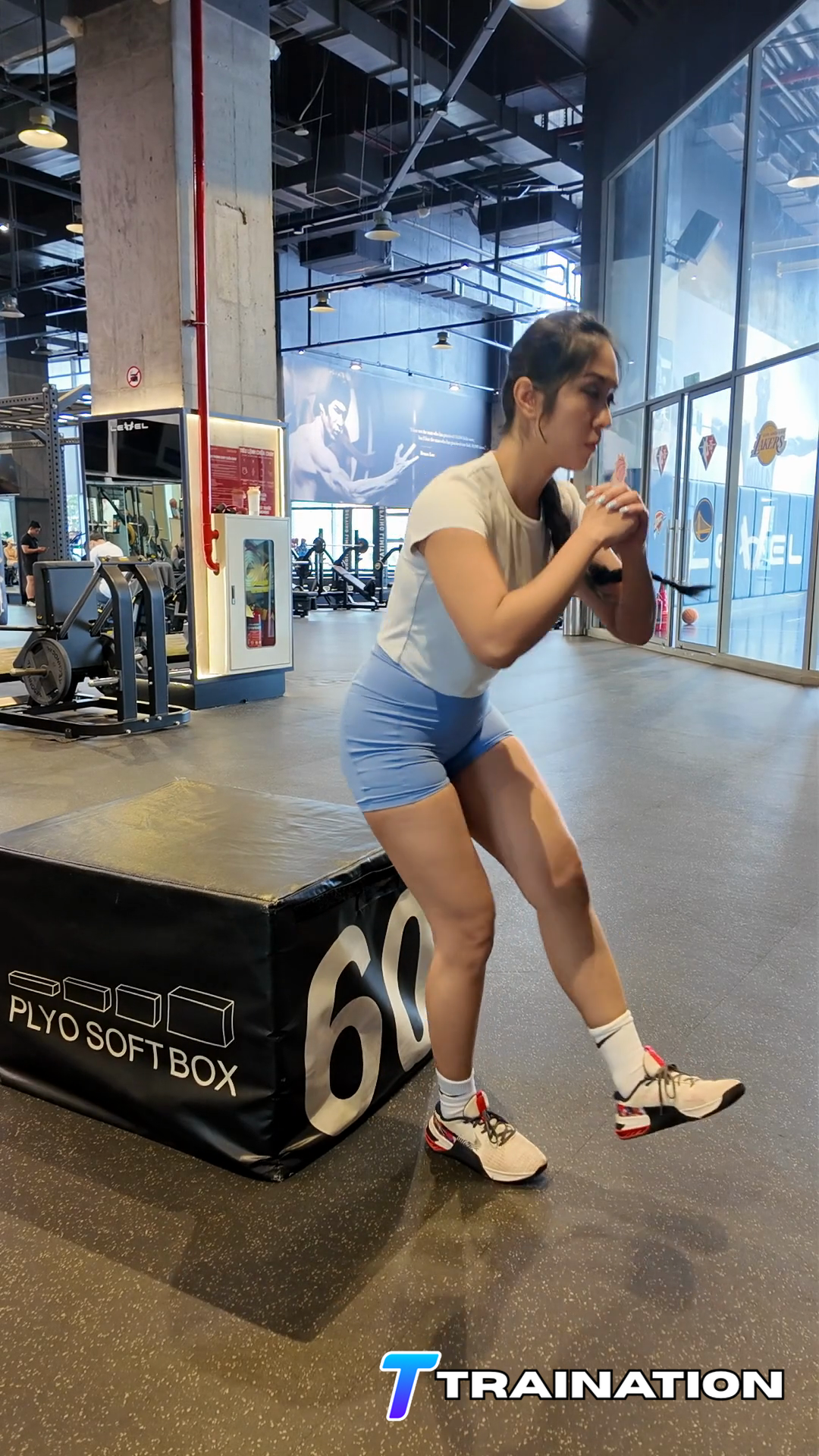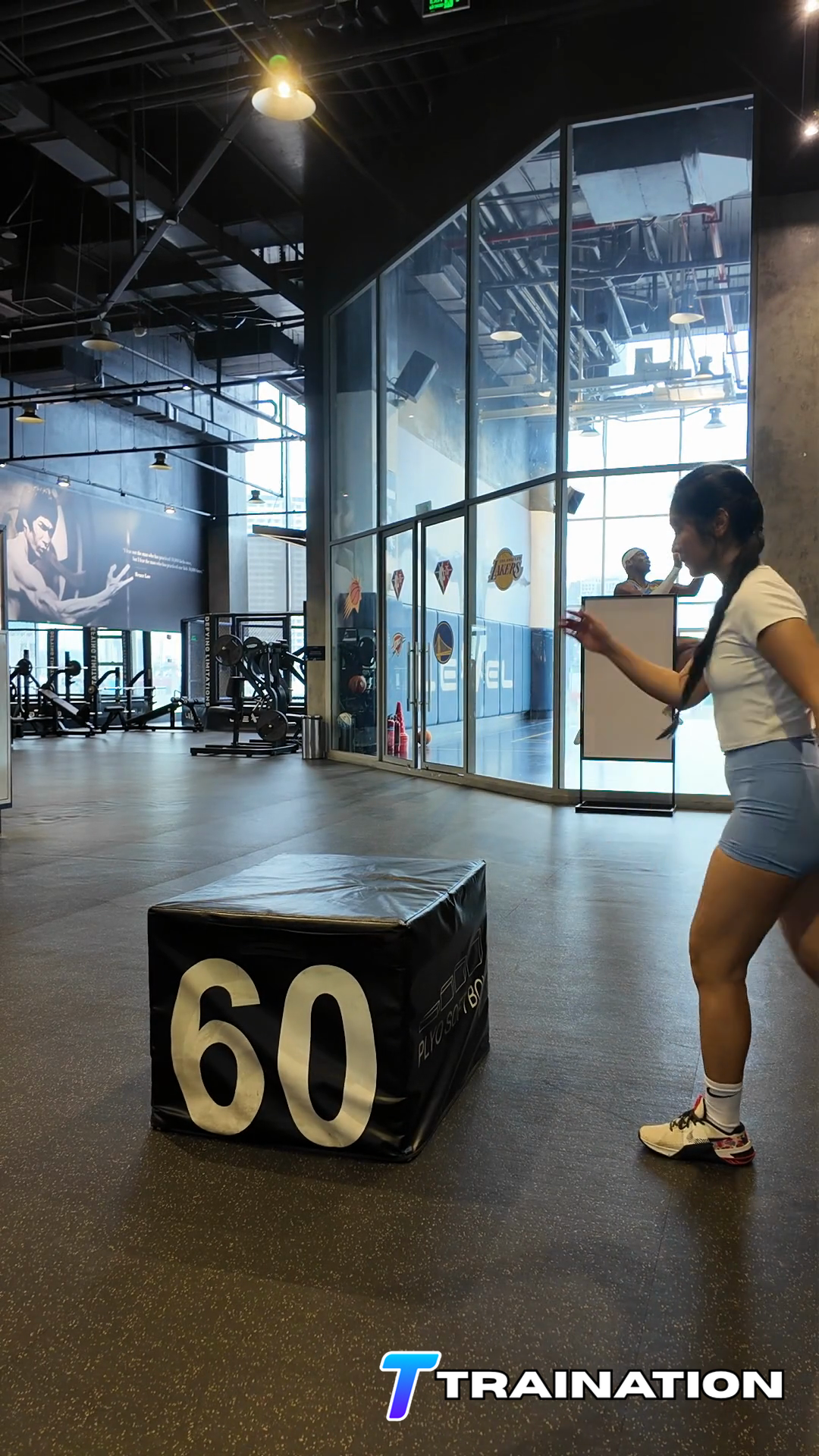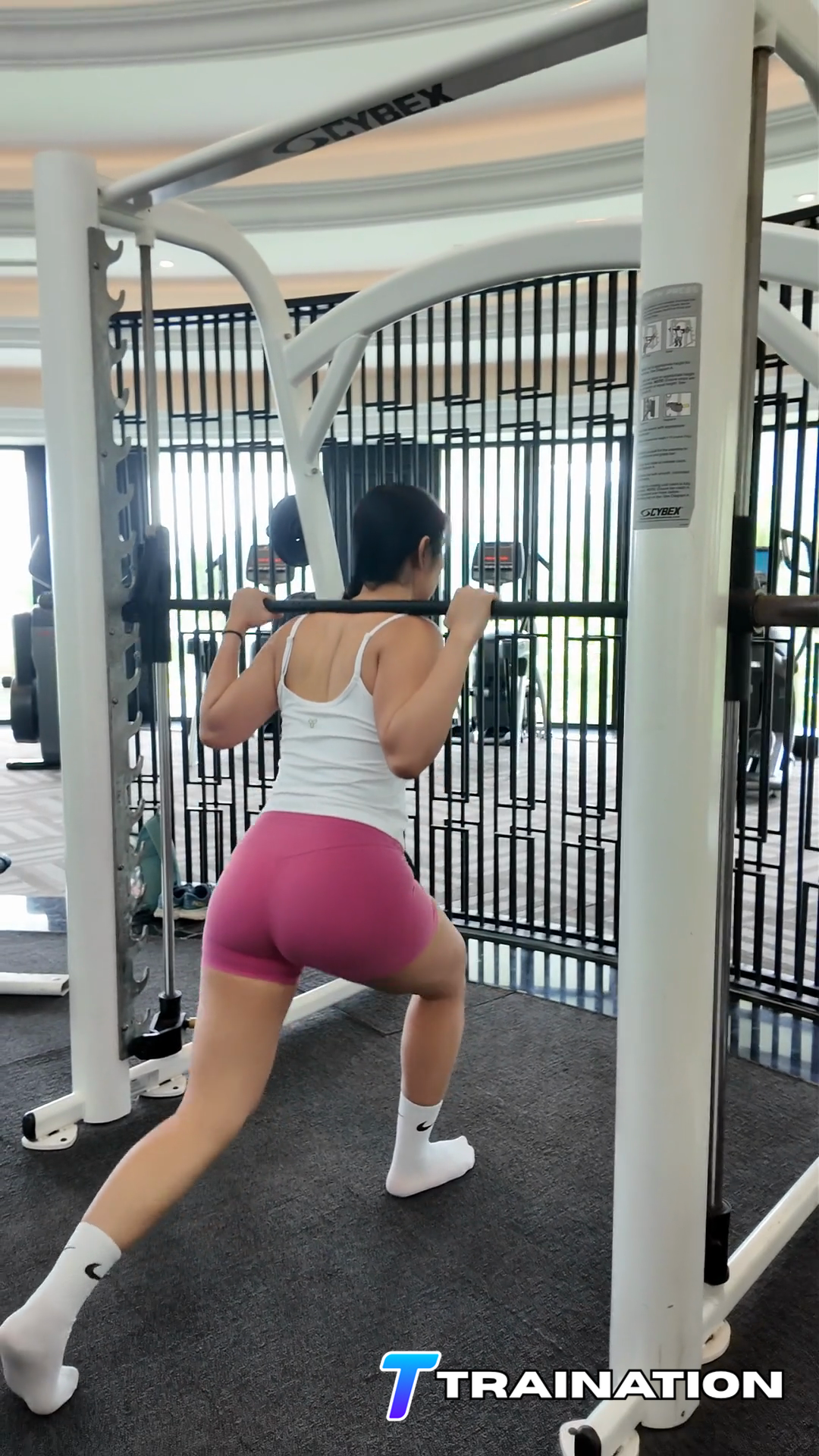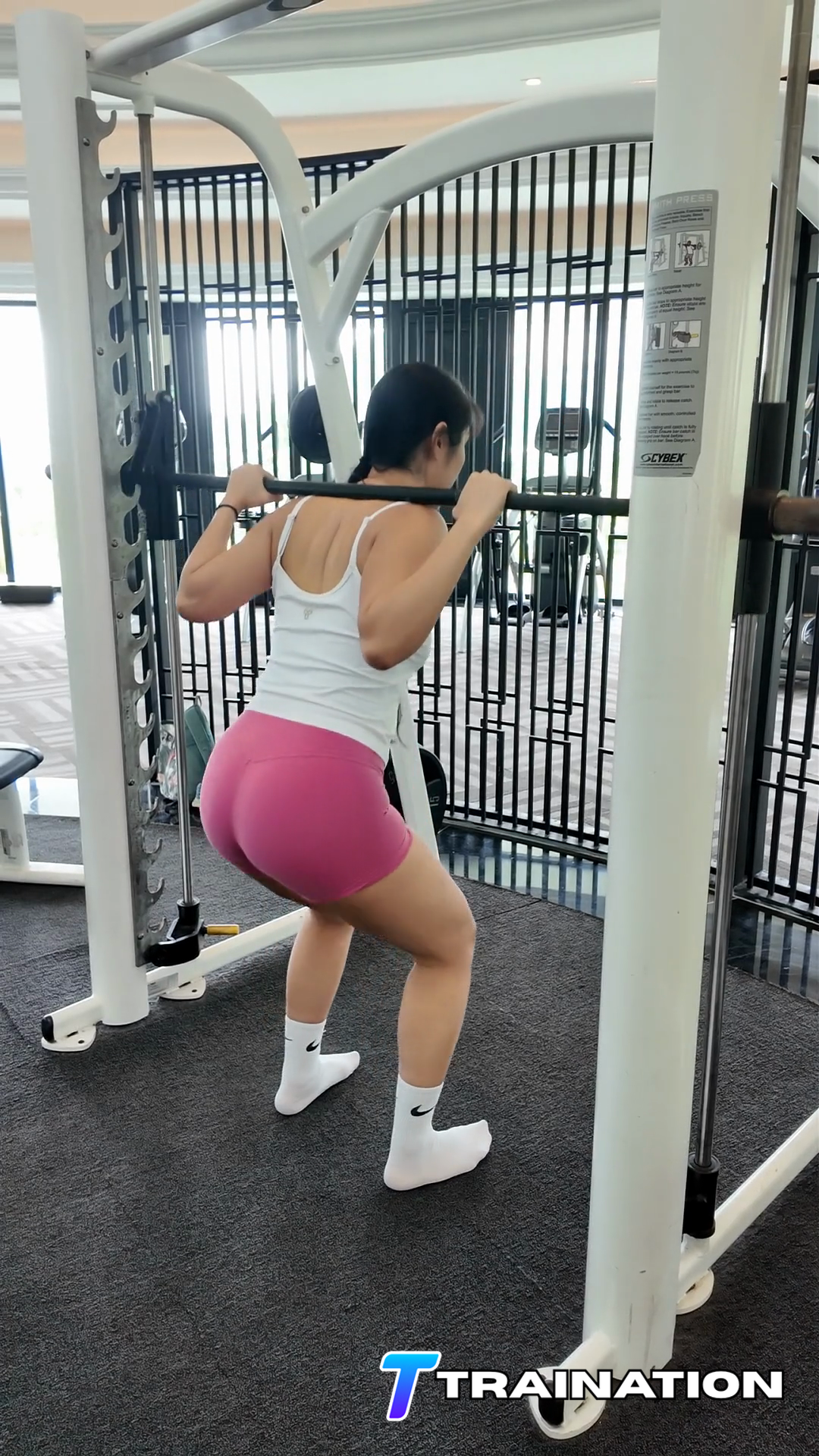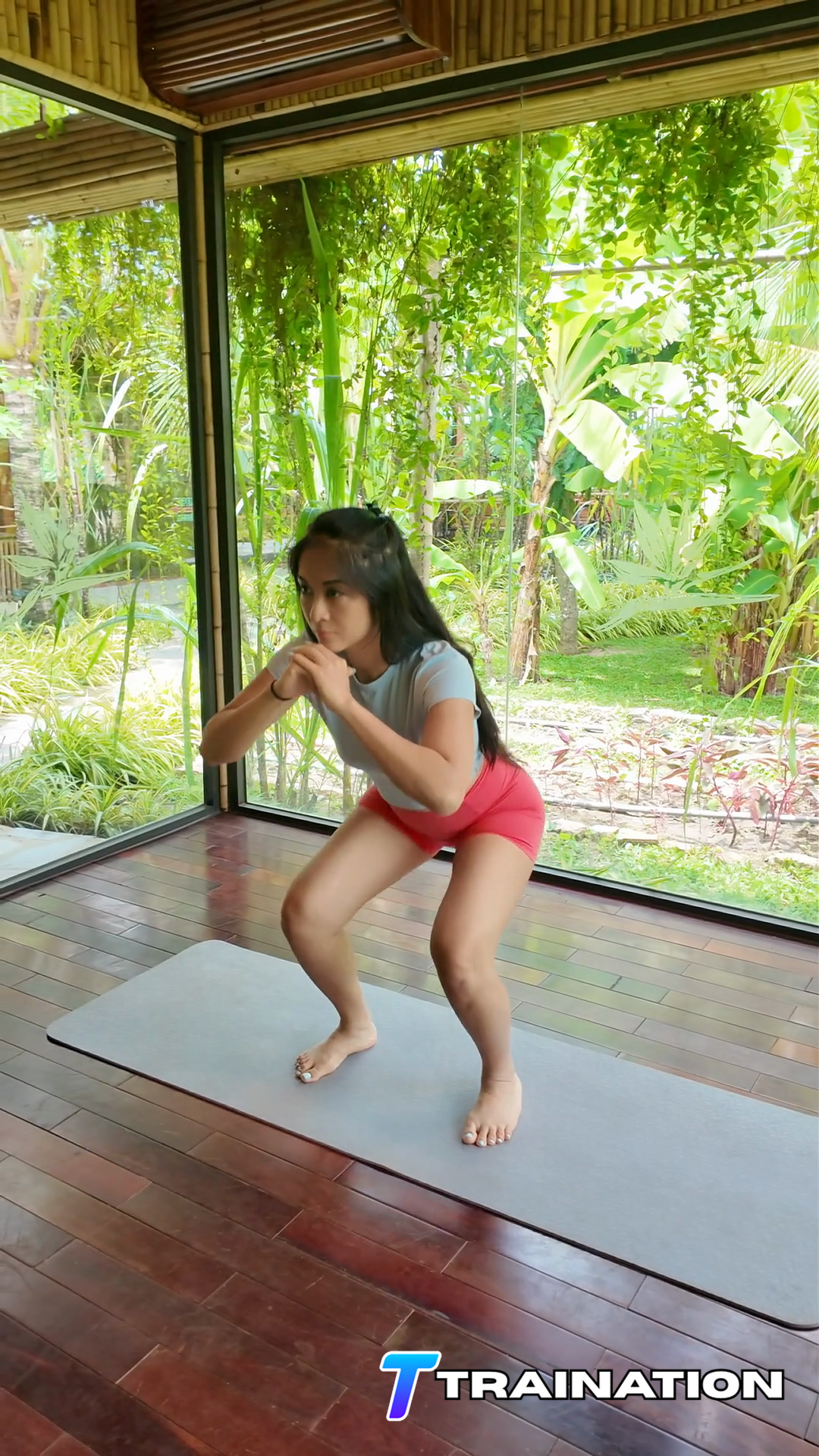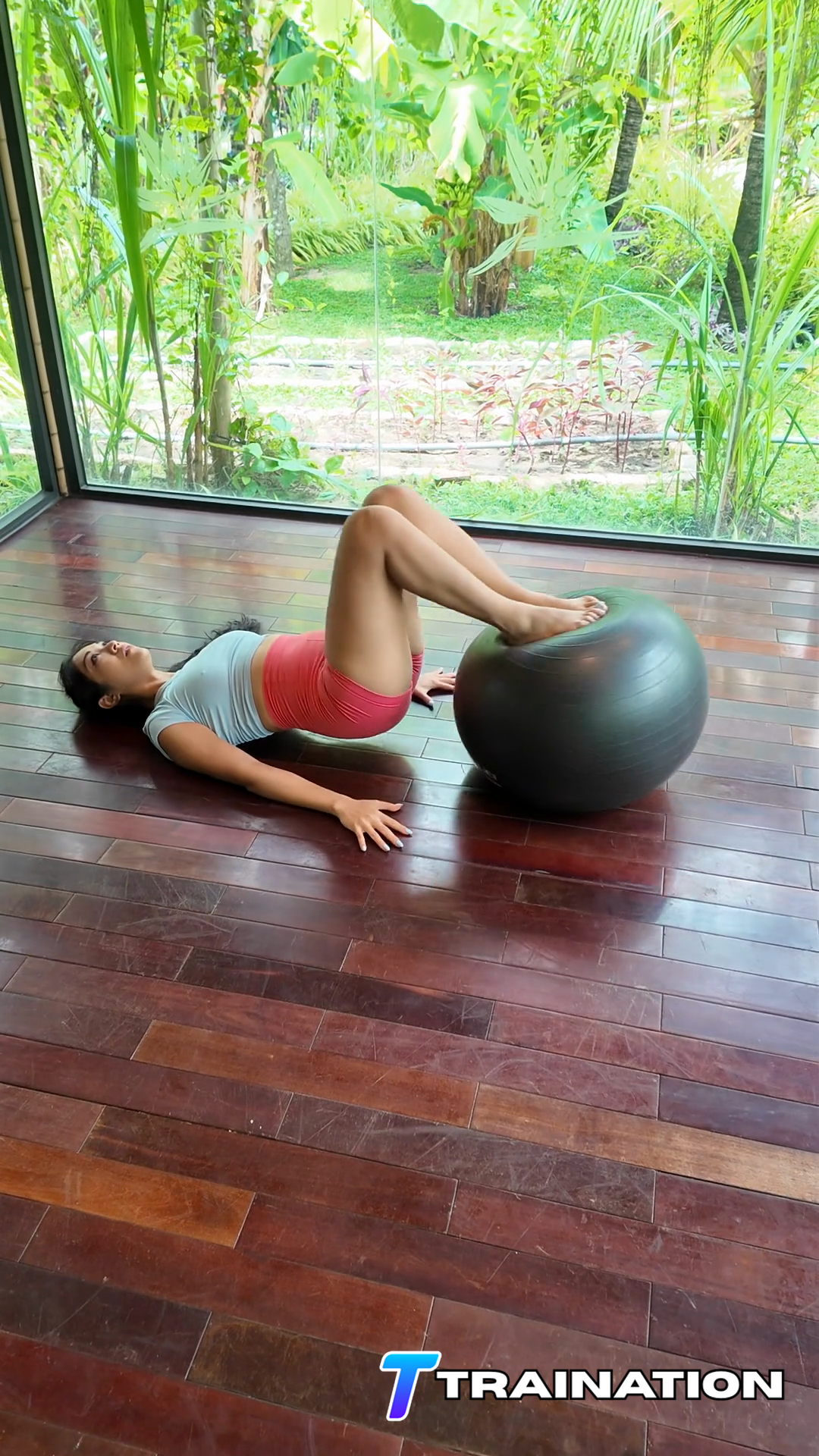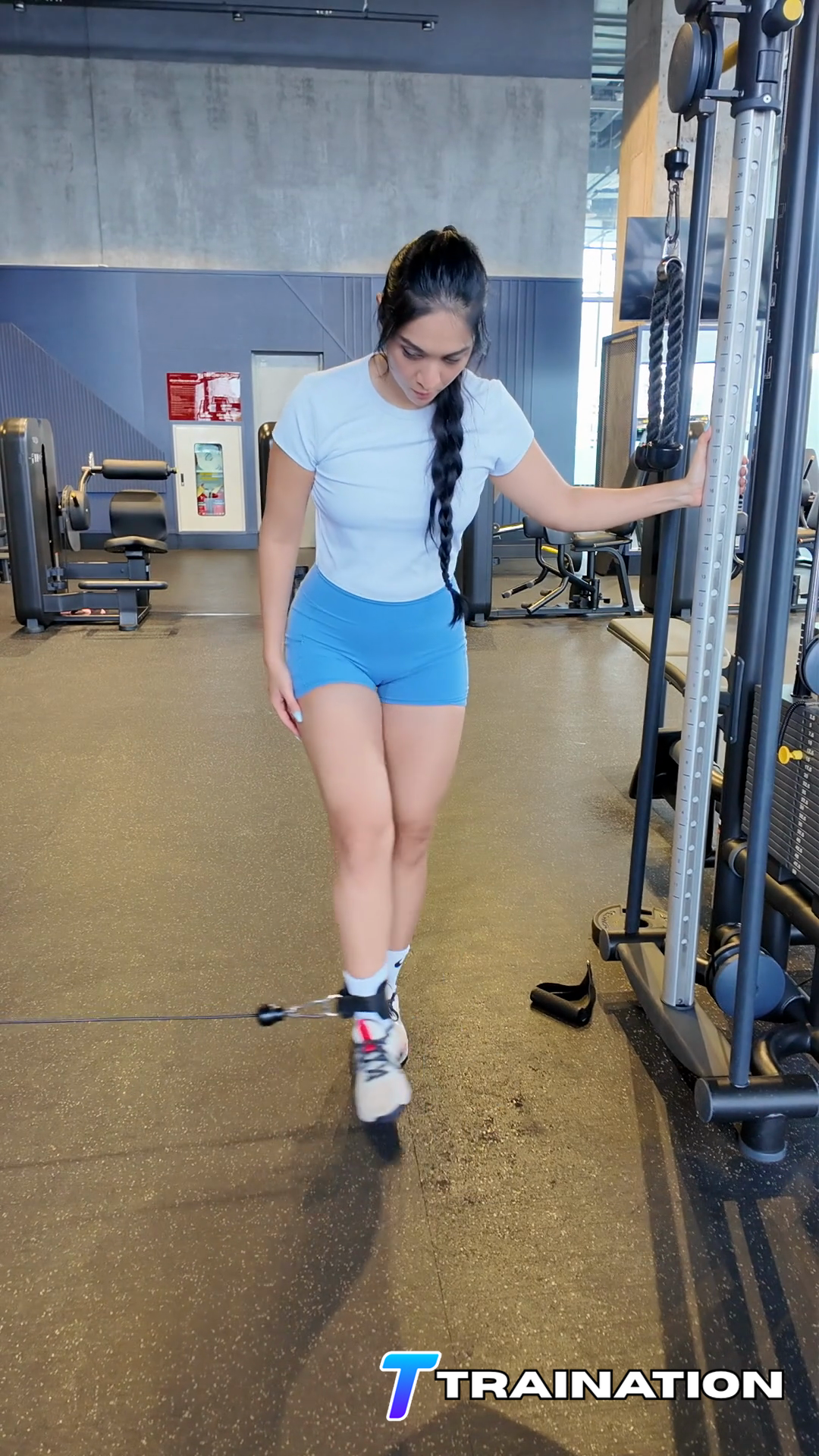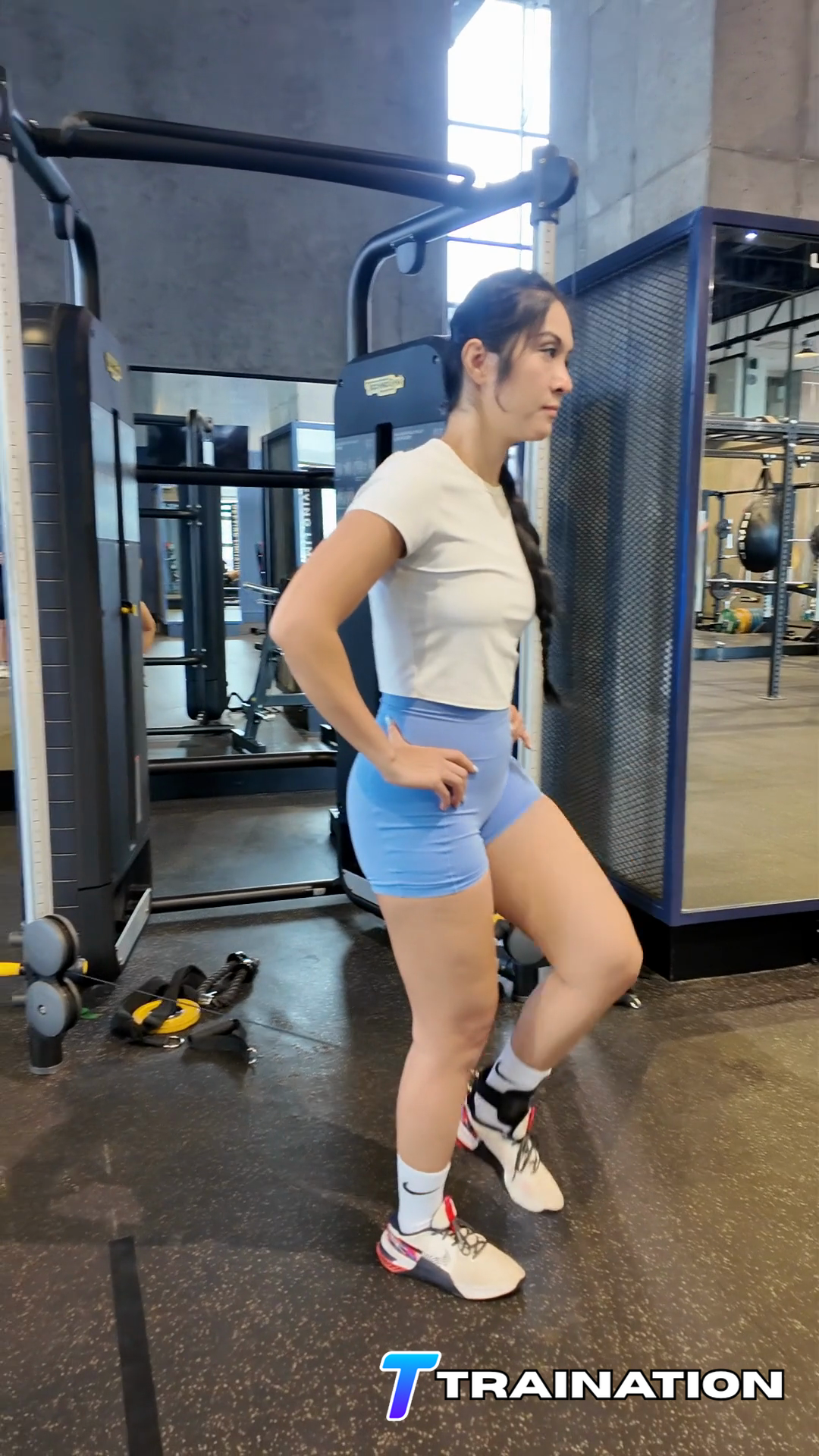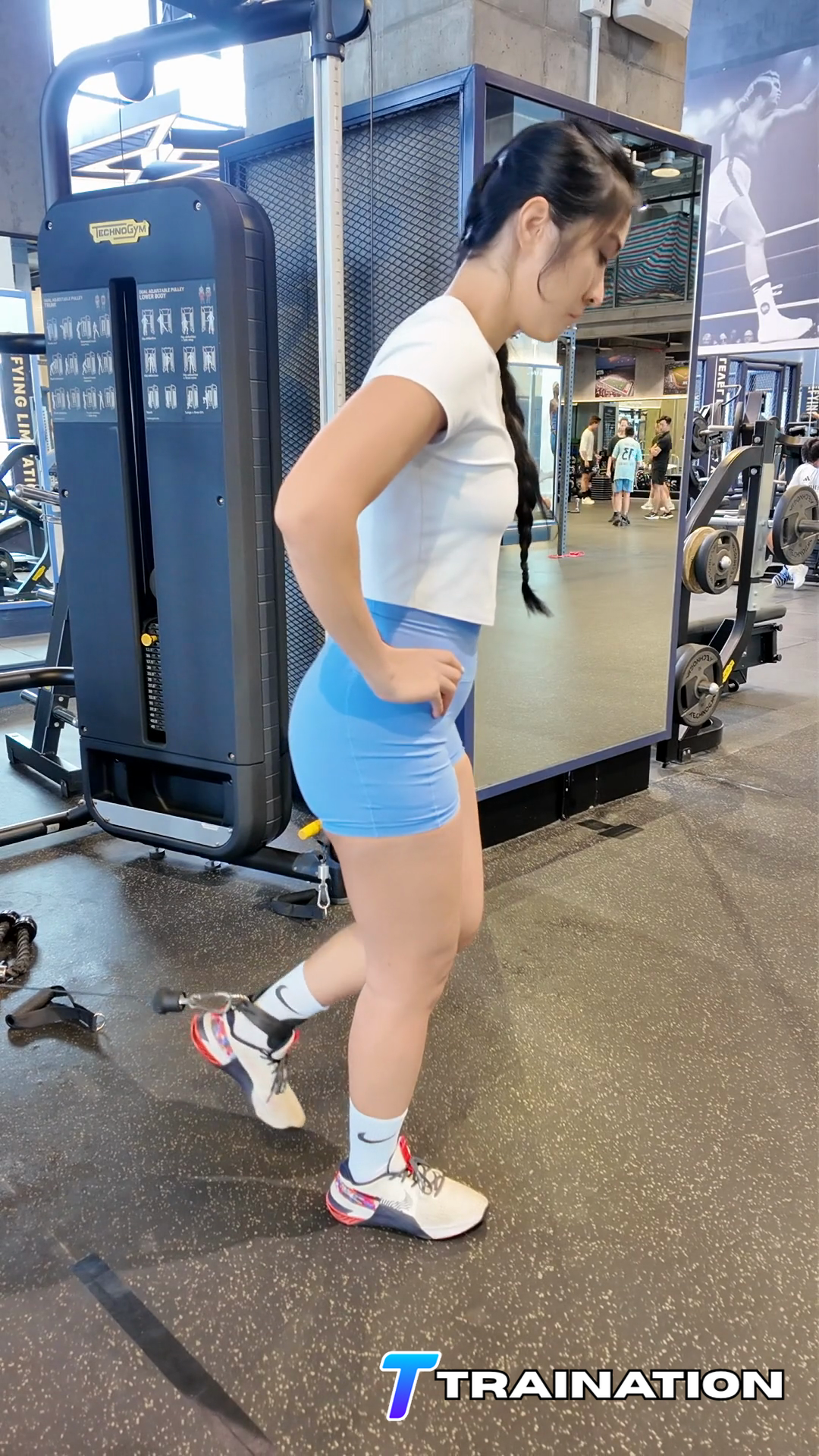
Pelvis twisting
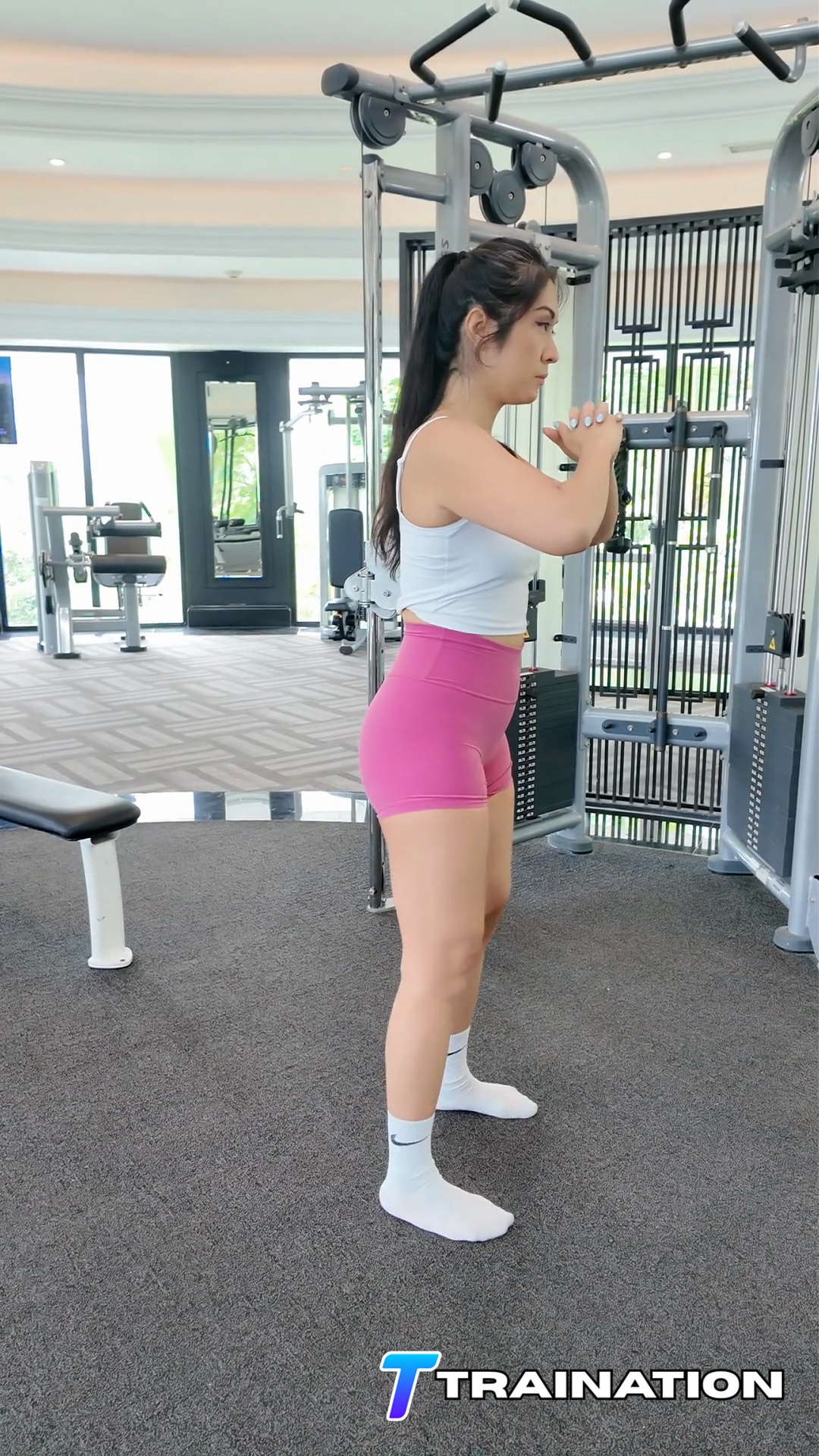
Keep the hips level and facing forward while pulling the leg inward.
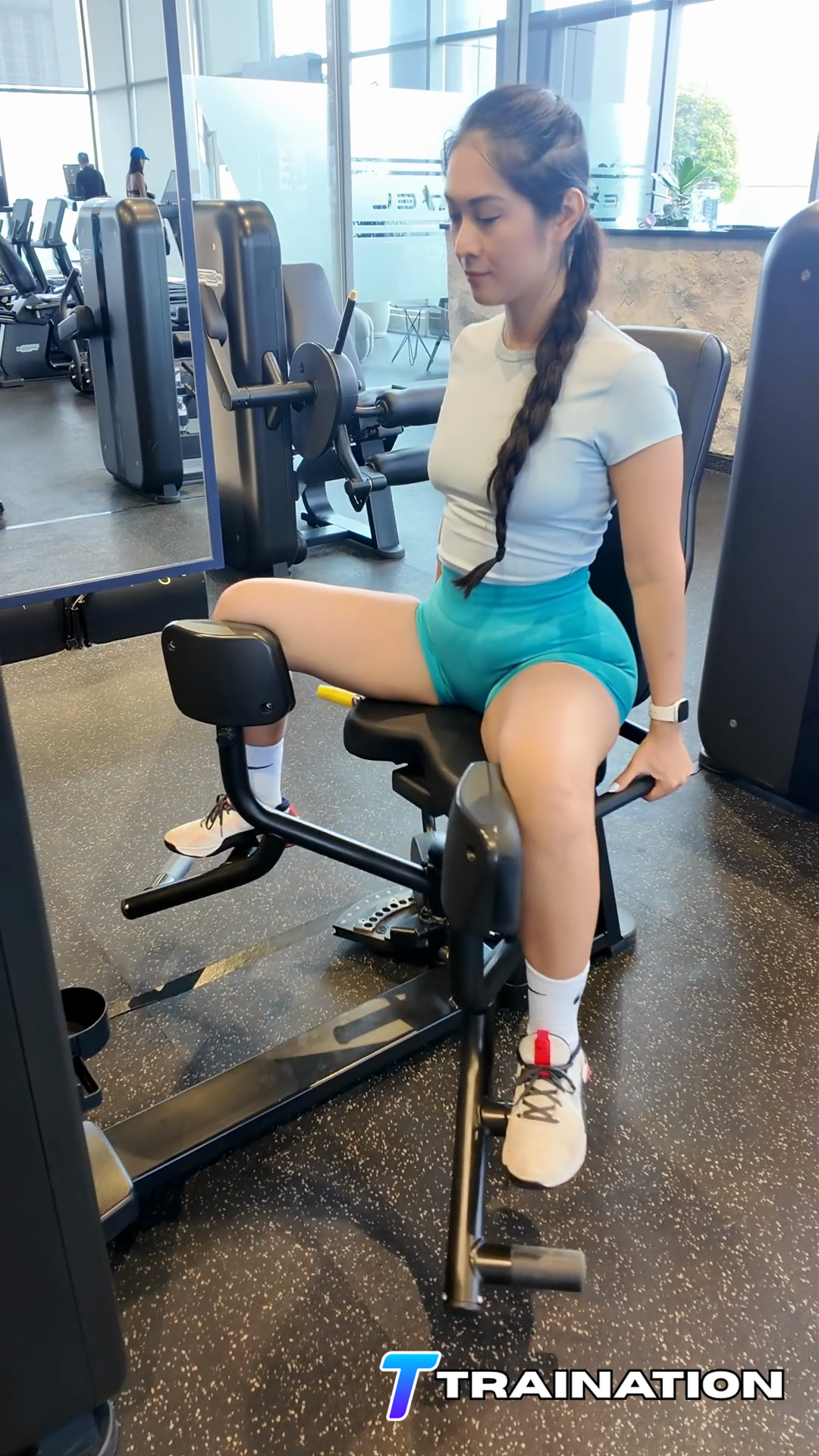
Hip Adduction trains the inner thigh by pulling the leg inward against resistance.
Primary musclesHip adductors
Secondary musclesGracilis, Pectineus, Gluteus maximus
Follow the sequence in order, paying attention to the starting position, movement path, and finish described in each step.
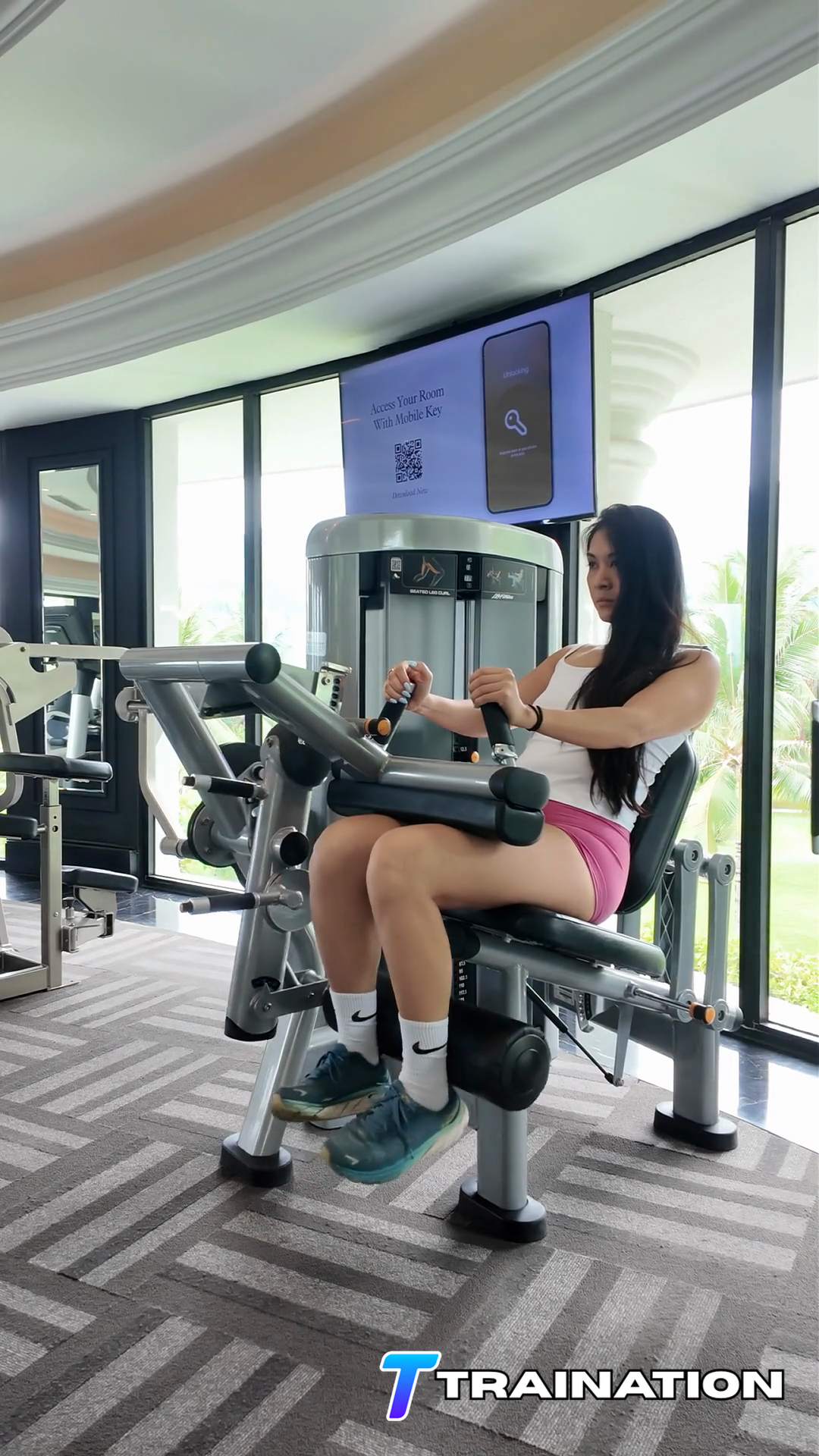
Adjust the seated hip-adduction machine so both inner thighs rest securely against the pads and the starting width is comfortable.
Sit fully against the support, plant the feet, hold the handles, and keep the pelvis level.
Draw both thighs inward together without bouncing or lifting the hips from the seat.
Pause when the inner thighs are shortened without forcing the knees together.
Open the legs slowly to the selected start position and keep tension on the stack.
Keep the hips level and facing forward while pulling the leg inward.
Use a load that can be moved without momentum or movement from the support leg.
Keep the kneecap and toes facing forward rather than turning the leg during the pull.
Use a comfortable inner-thigh stretch and stop before the pelvis is dragged toward the stack.
Place Hip Adduction after squats, lunges, or lateral work so adductor fatigue does not reduce control on the main lifts.
Use one to three times per week and adjust volume around wide-stance squats, lateral lunges, and other adductor-heavy training.
| Goal | Sets | Reps or time | Rest | Effort and execution |
|---|---|---|---|---|
| Strength accessory | 2–4 | 6–10 | 75–150 sec | Leave 2–3 controlled reps in reserve |
| Muscle growth | 2–4 | 10–20 | 60–120 sec | Usually 1–3 clean reps in reserve |
Scale the movement
Use a smaller inward range and light support while keeping the pelvis still.
Reduce resistance until the thigh moves inward without swinging.
Pause with the inner thigh shortened while the hips remain level.
Return over three seconds without letting the resistance pull the pelvis.
Turn Hip Adduction and the rest of your exercise library into repeatable client programs.
Explore the workout builder