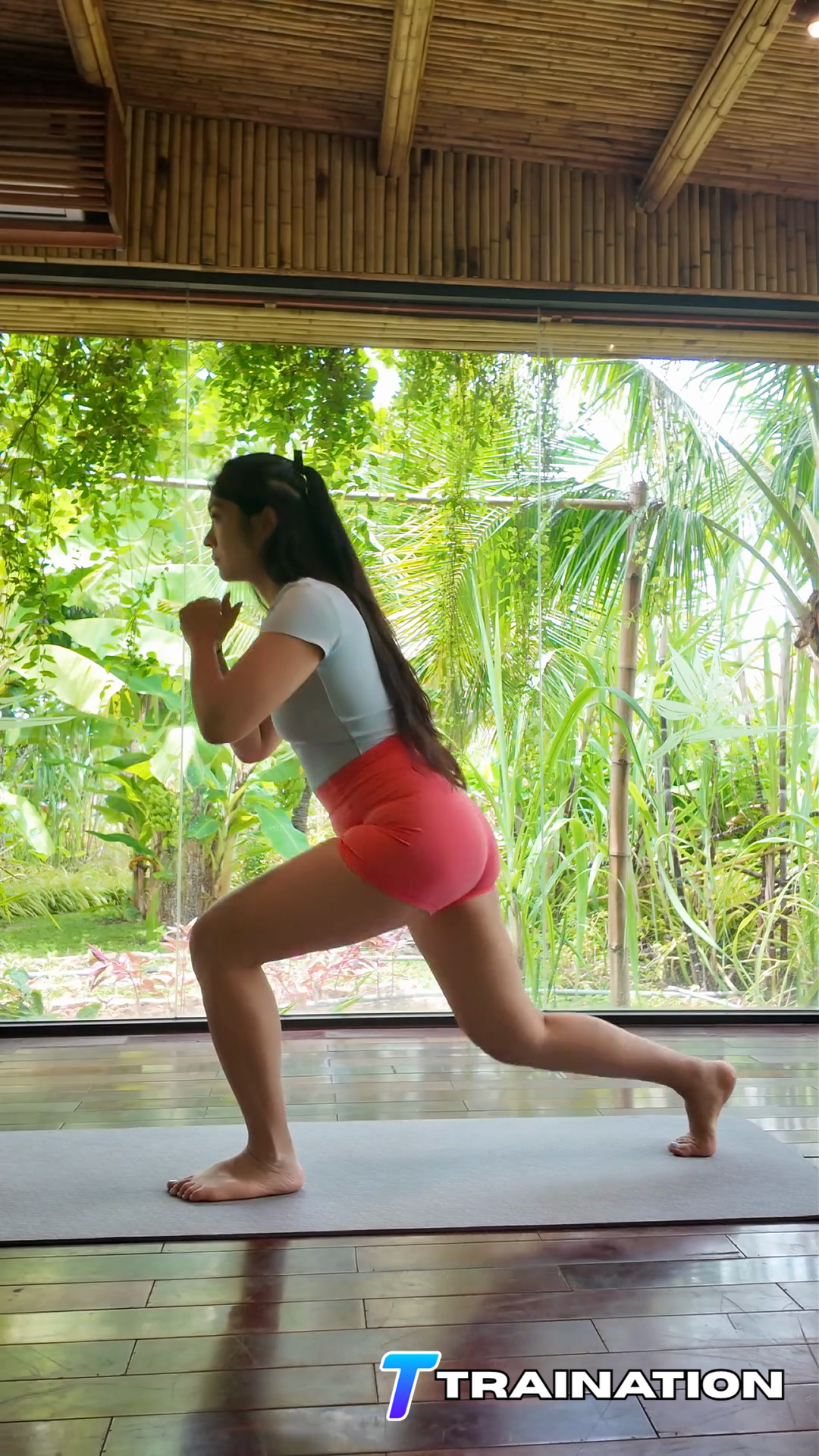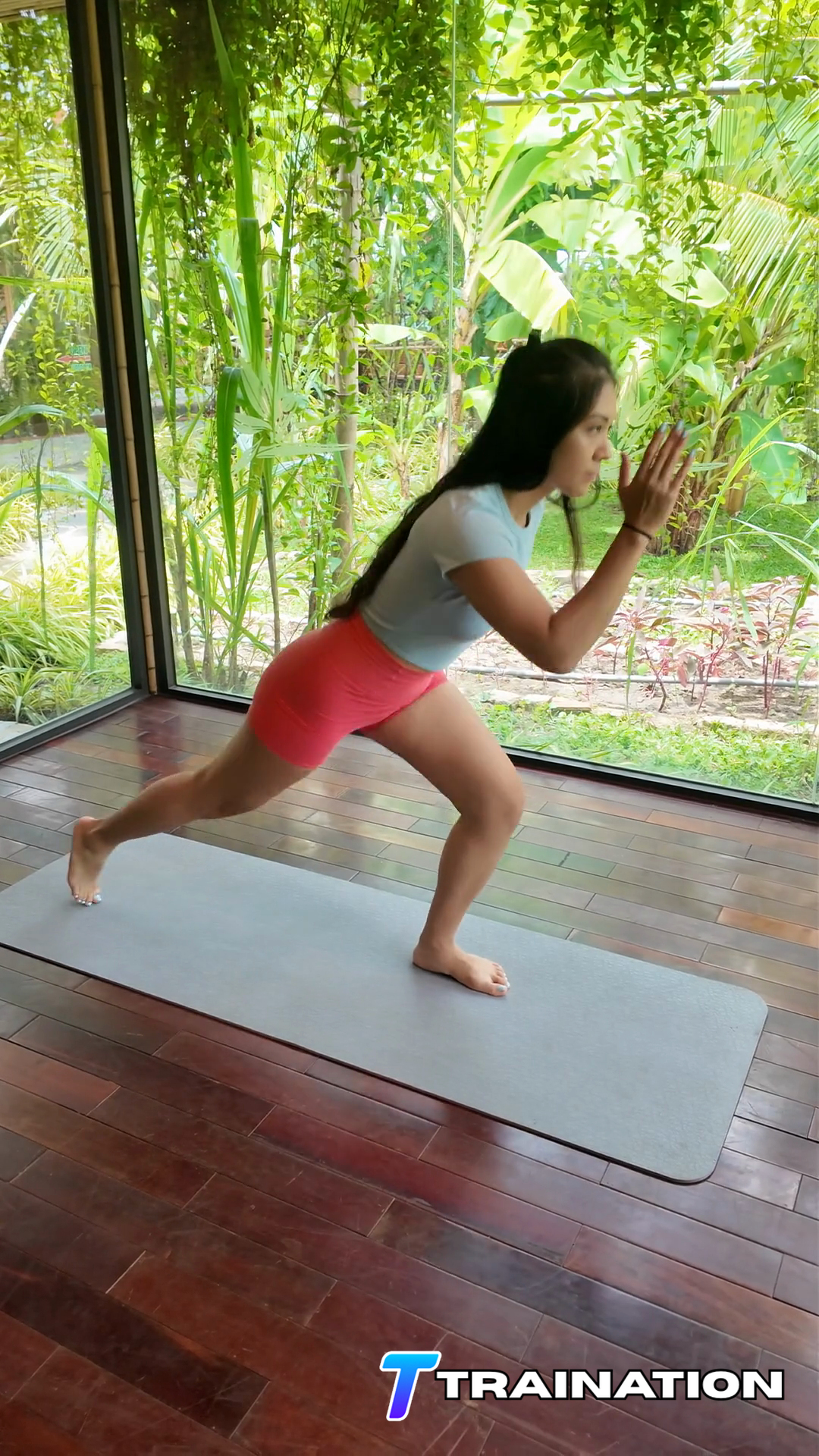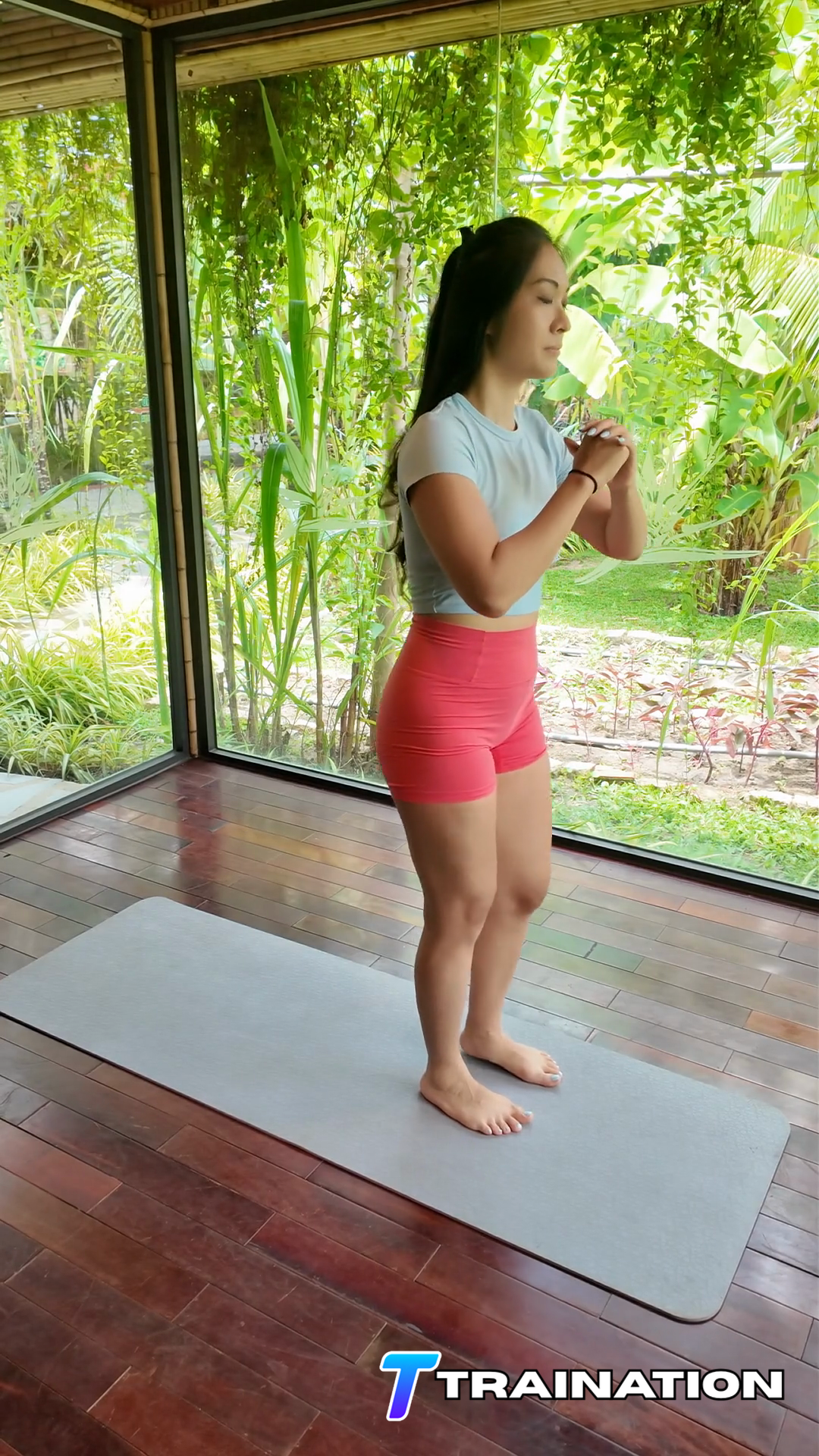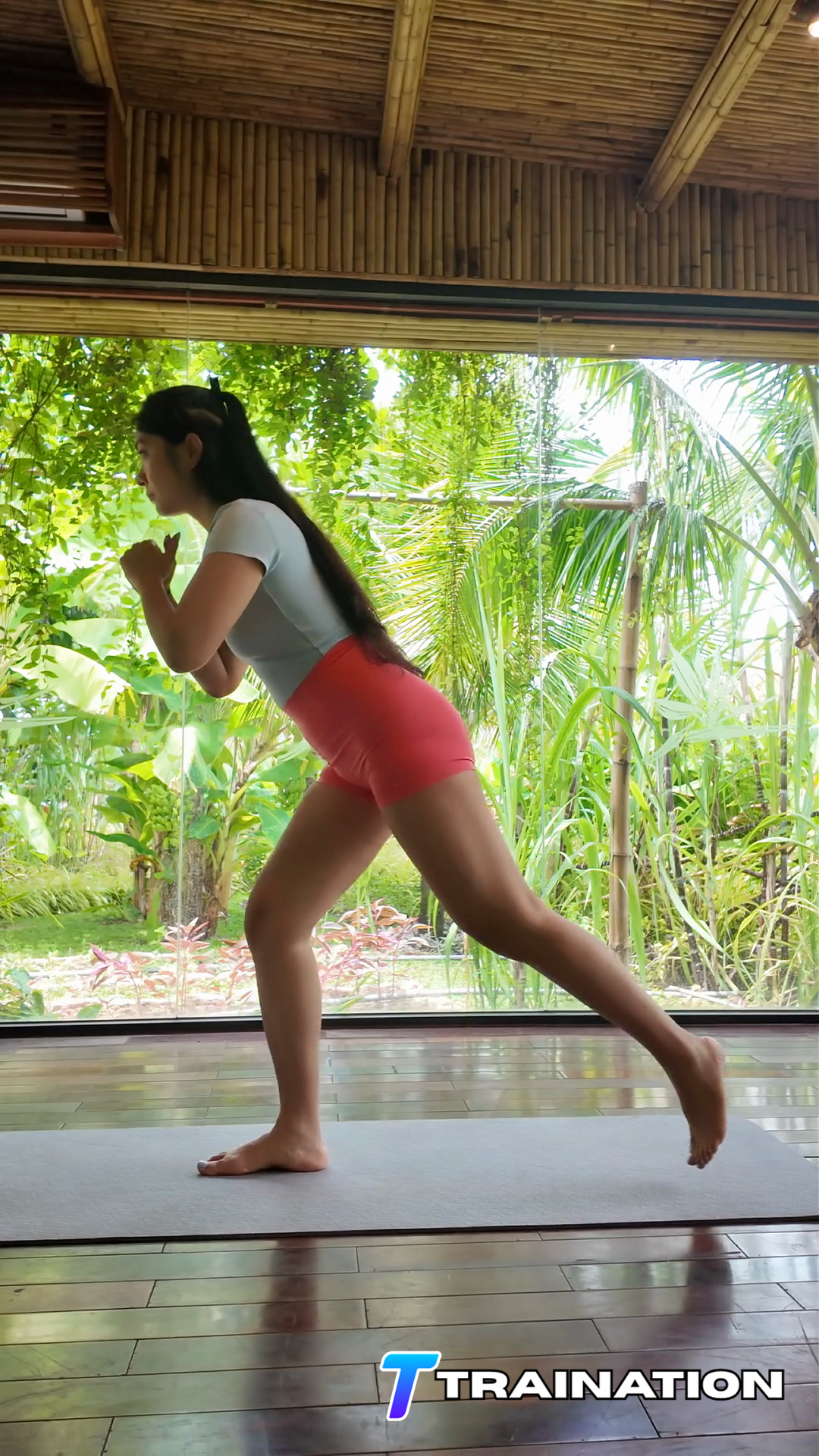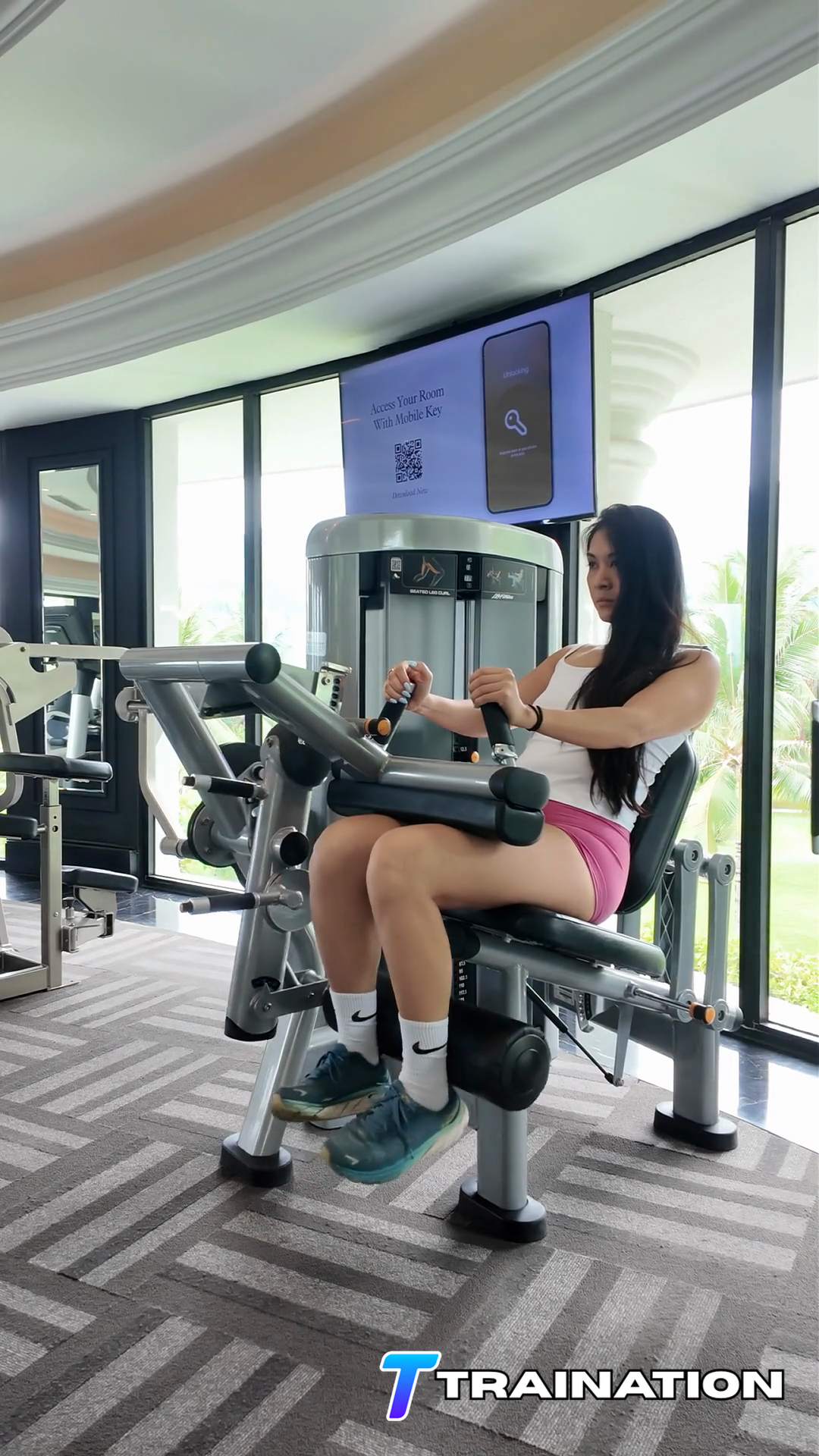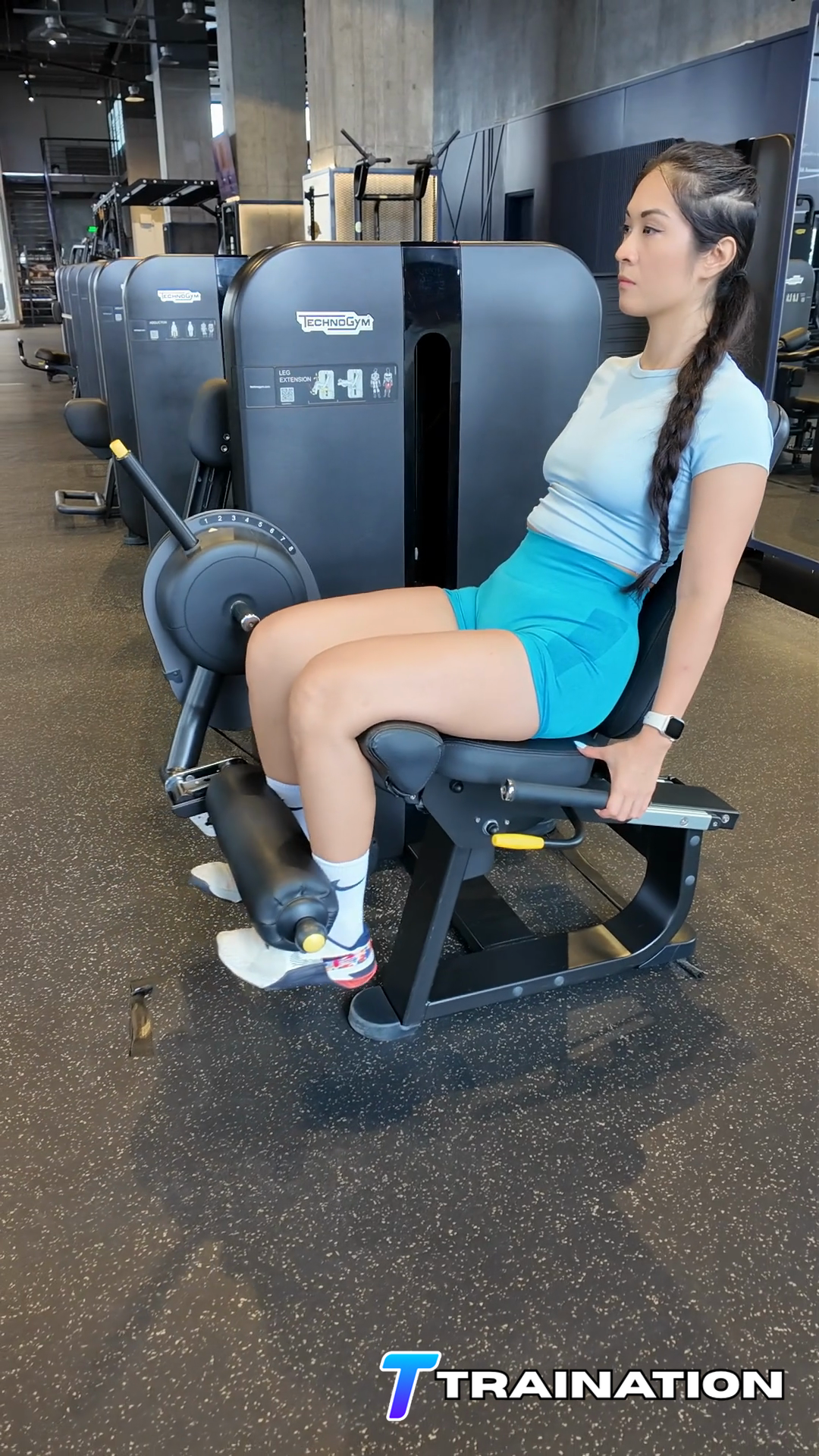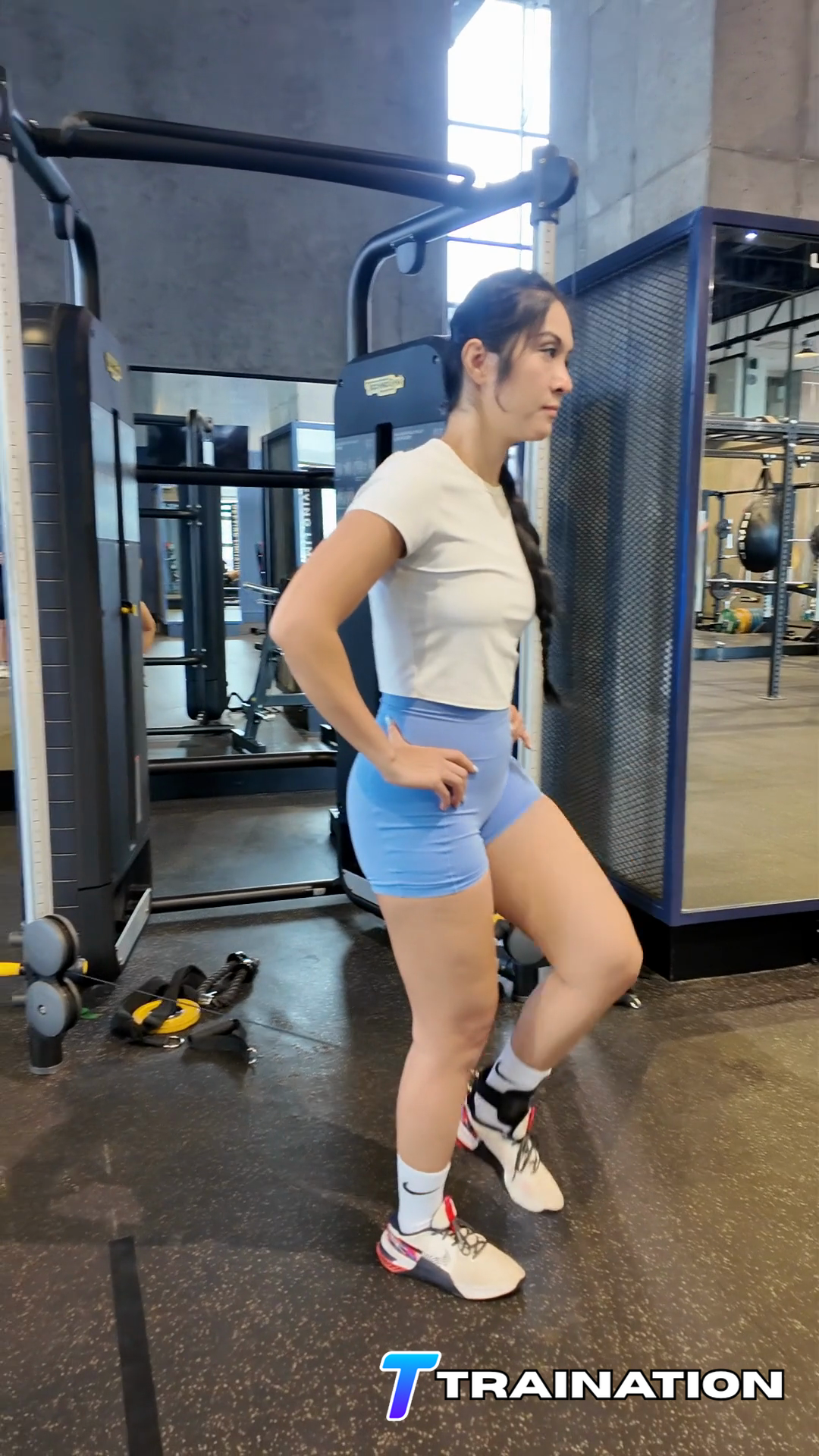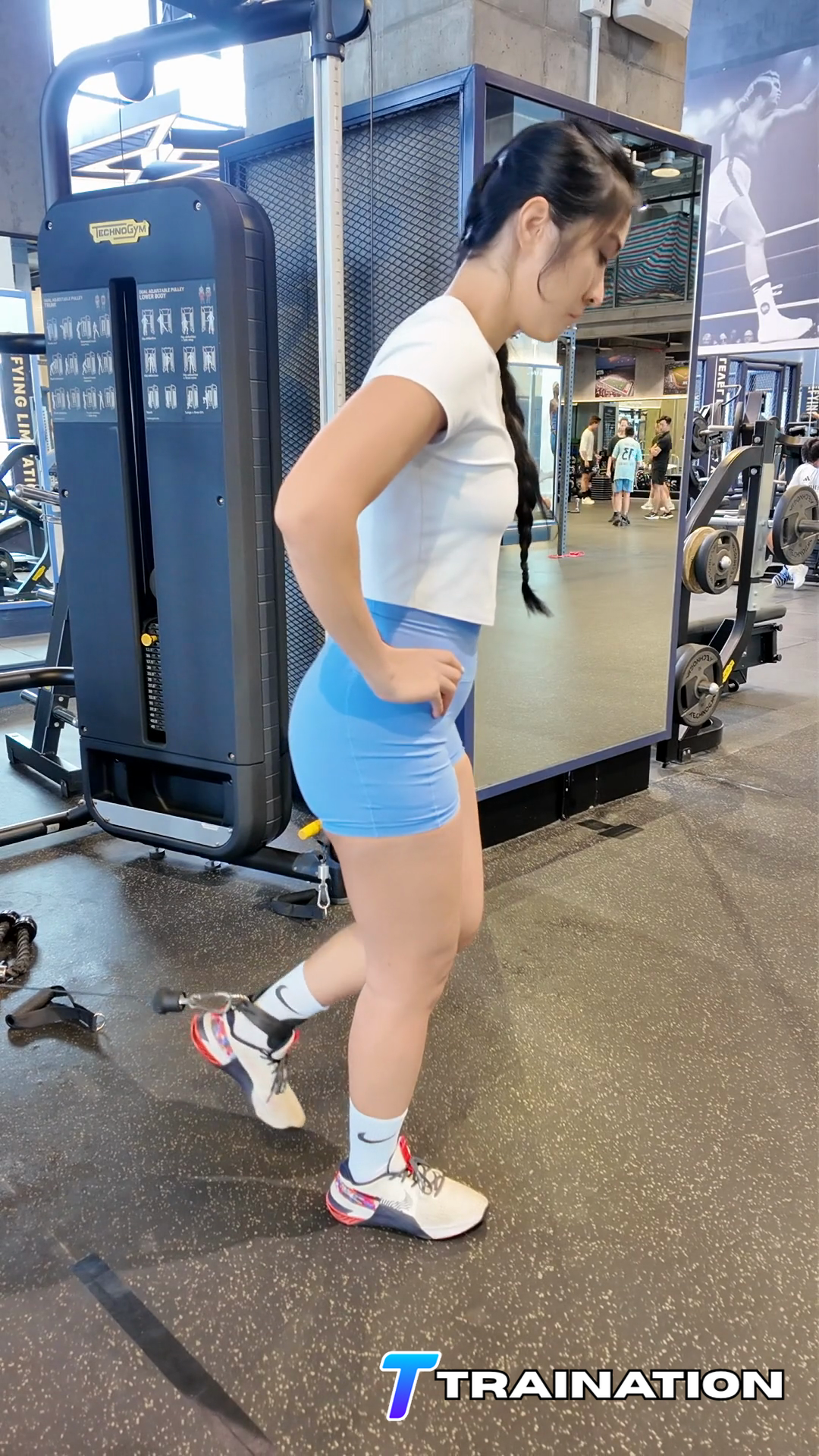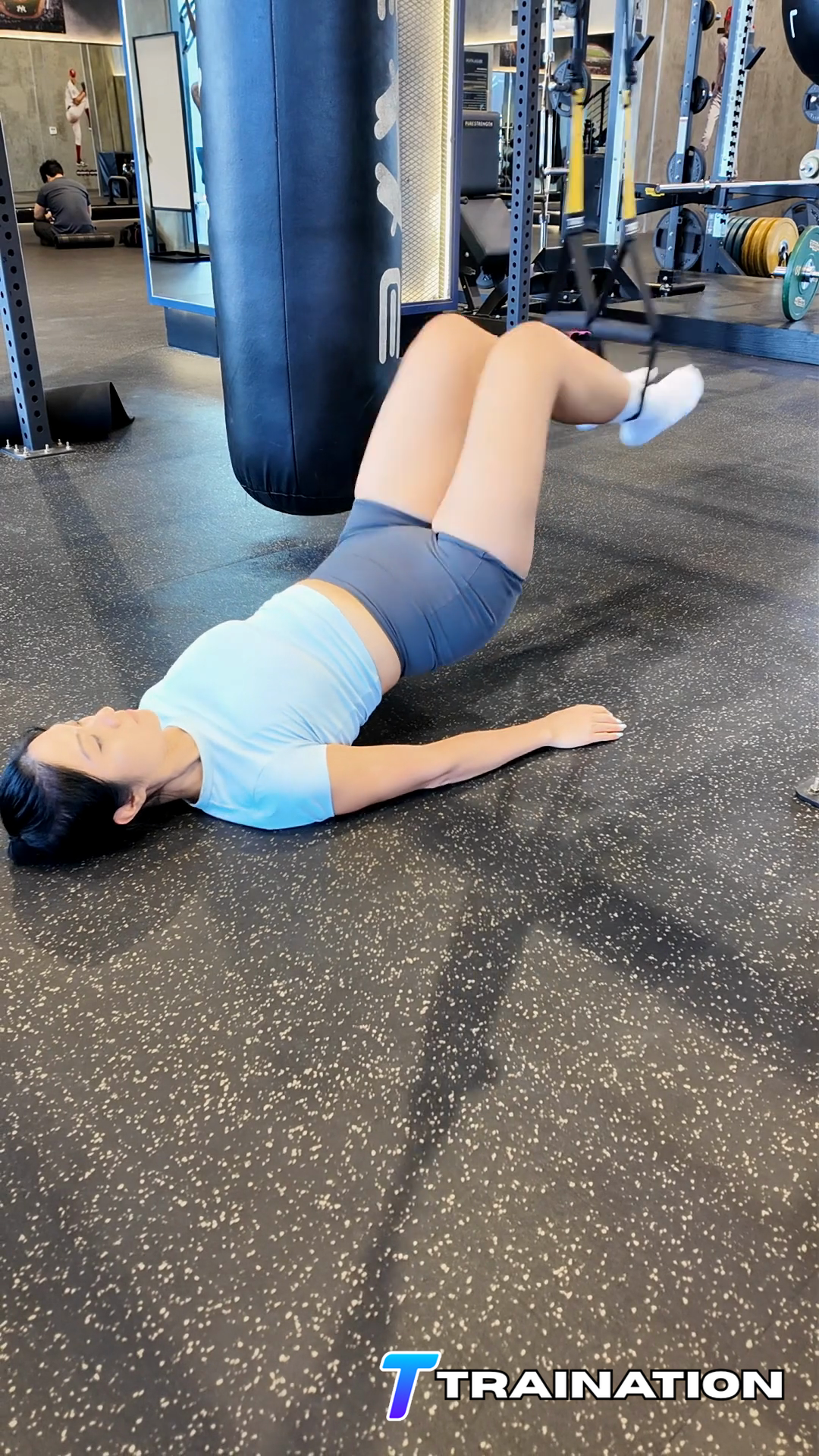
Hips lifting or twisting
Keep the hips still before bending the knees, and stop when they lift or turn.
Stability Ball Leg Curl trains the hamstrings by bending the knee against resistance.
Primary musclesHamstrings
Secondary musclesGastrocnemius, Gluteus maximus, Sartorius
Follow the sequence in order, paying attention to the starting position, movement path, and finish described in each step.
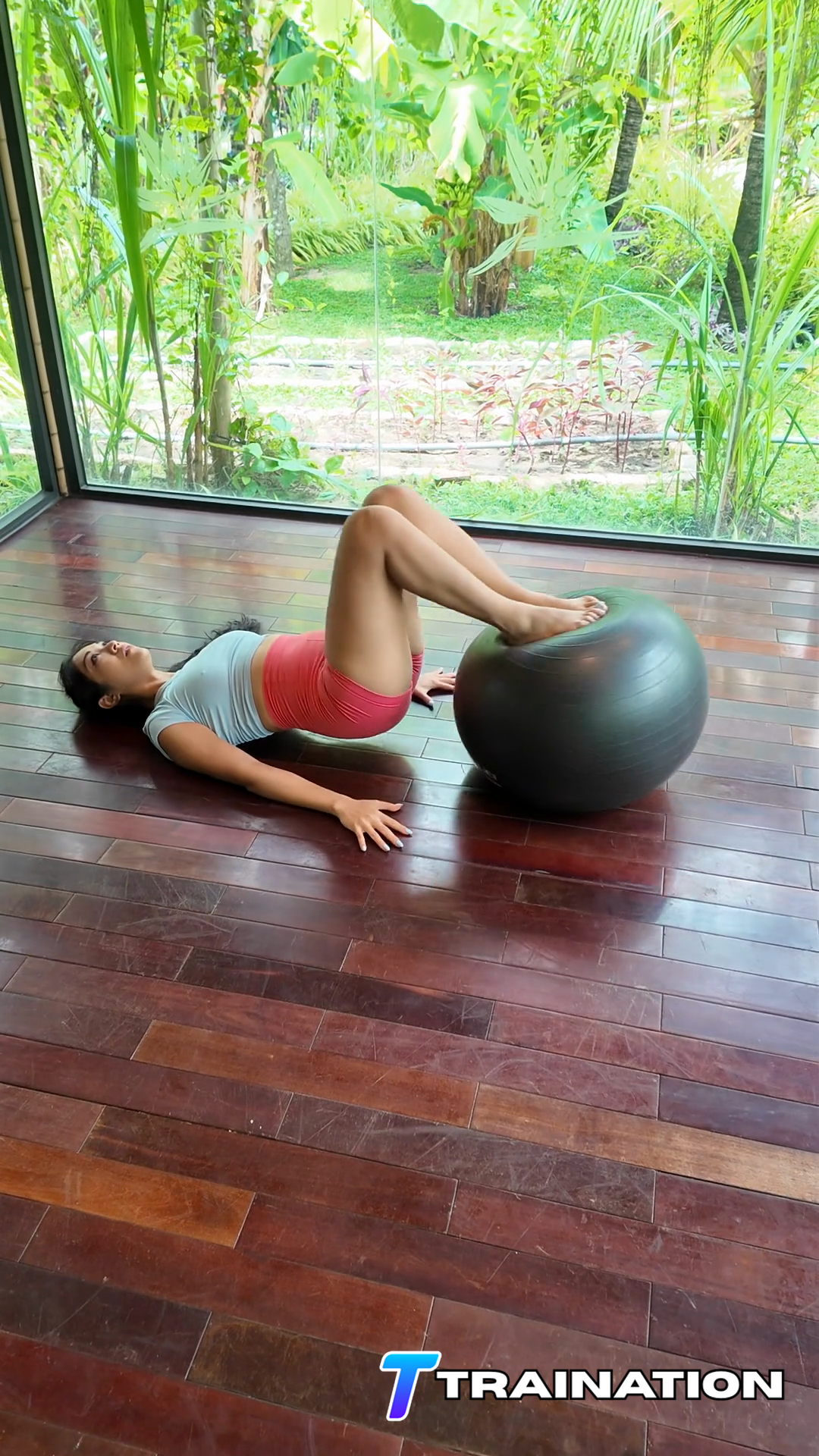
Lie on the back with both heels on top of the stability ball, legs straight, arms pressing lightly into the floor.
Brace the abdomen and lift the hips until the body forms a line from shoulders to heels.
Keep the hips raised and bend the knees to roll the ball toward the body.
Pause with the hamstrings shortened and pelvis level.
Extend the legs slowly while keeping the hips off the floor, then lower only after the set is complete.
Keep the hips still before bending the knees, and stop when they lift or turn.
Centre both heels near the top of the ball and keep the ball still before curling.
Return to a controlled long-hamstring position without letting the load pull the knees abruptly straight.
Curl smoothly and pause rather than bouncing through the shortest position.
Place Stability Ball Leg Curl after the main lower-body lifts so hamstring fatigue does not reduce hinge or sprint mechanics.
Use one to three times per week and count it alongside Romanian deadlifts and other hamstring work.
| Goal | Sets | Reps or time | Rest | Effort and execution |
|---|---|---|---|---|
| Strength accessory | 2–4 | 6–10 | 75–150 sec | Leave 2–3 controlled reps in reserve |
| Muscle growth | 2–4 | 8–15 | 60–120 sec | Usually 1–3 clean reps in reserve |
Scale the movement
Hold a stable support or use an easier setup while learning the movement.
Use a shorter pain-free range and expand it only as control improves.
Slow the lowering phase without changing the start, finish, or joint alignment.
Add a brief pause at the hardest controlled position before increasing load.
Turn Stability Ball Leg Curl and the rest of your exercise library into repeatable client programs.
Explore the workout builder