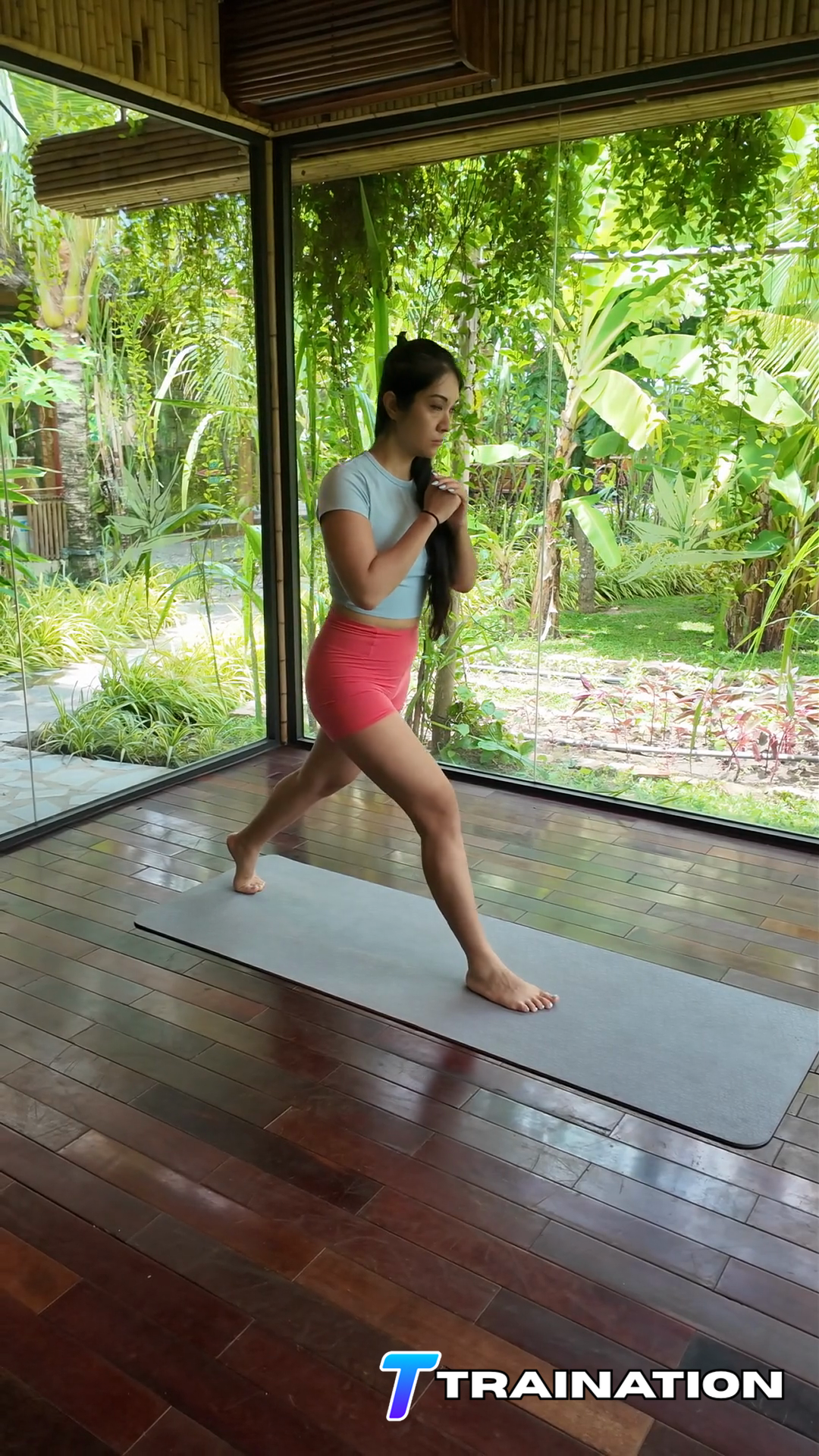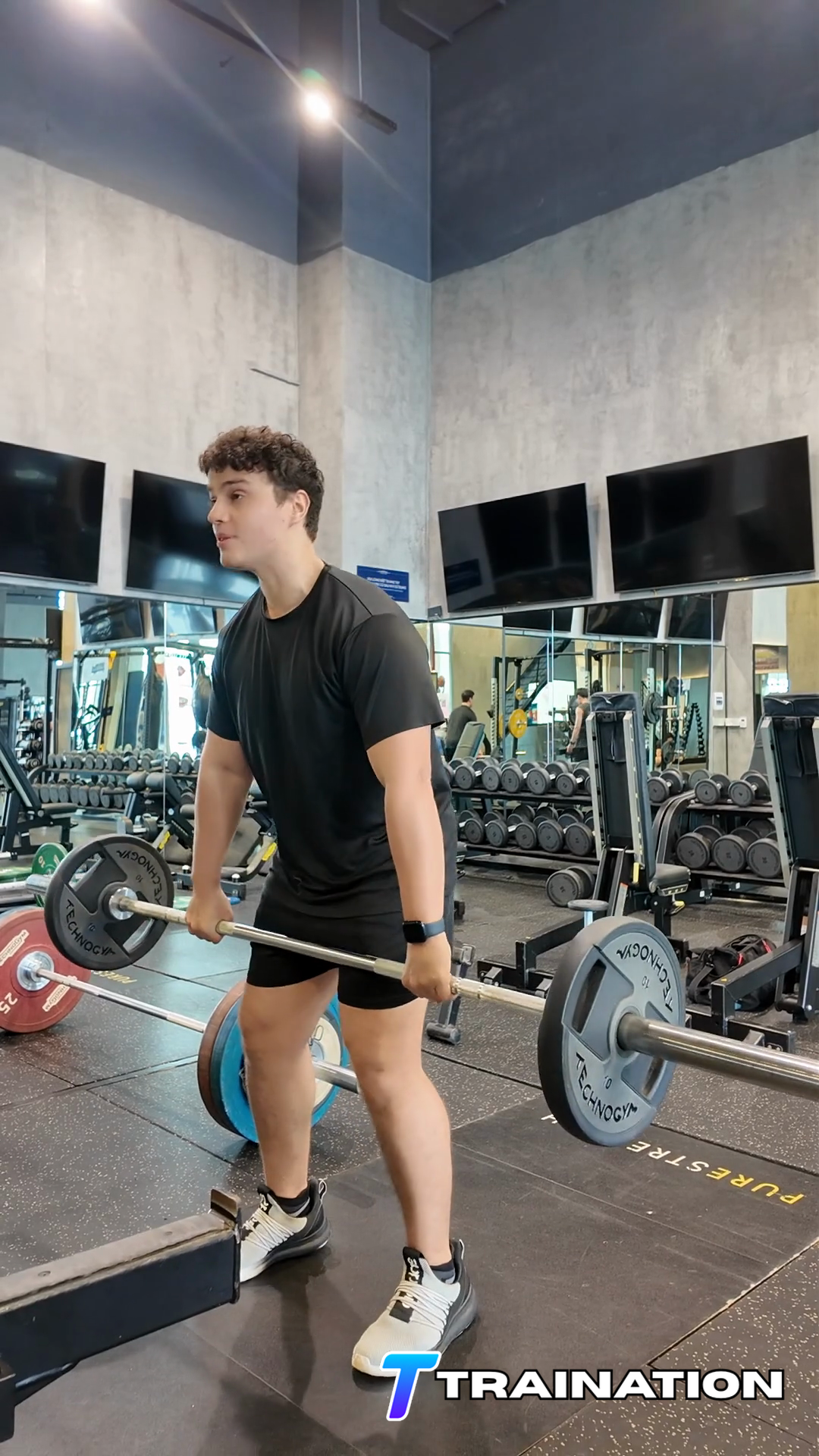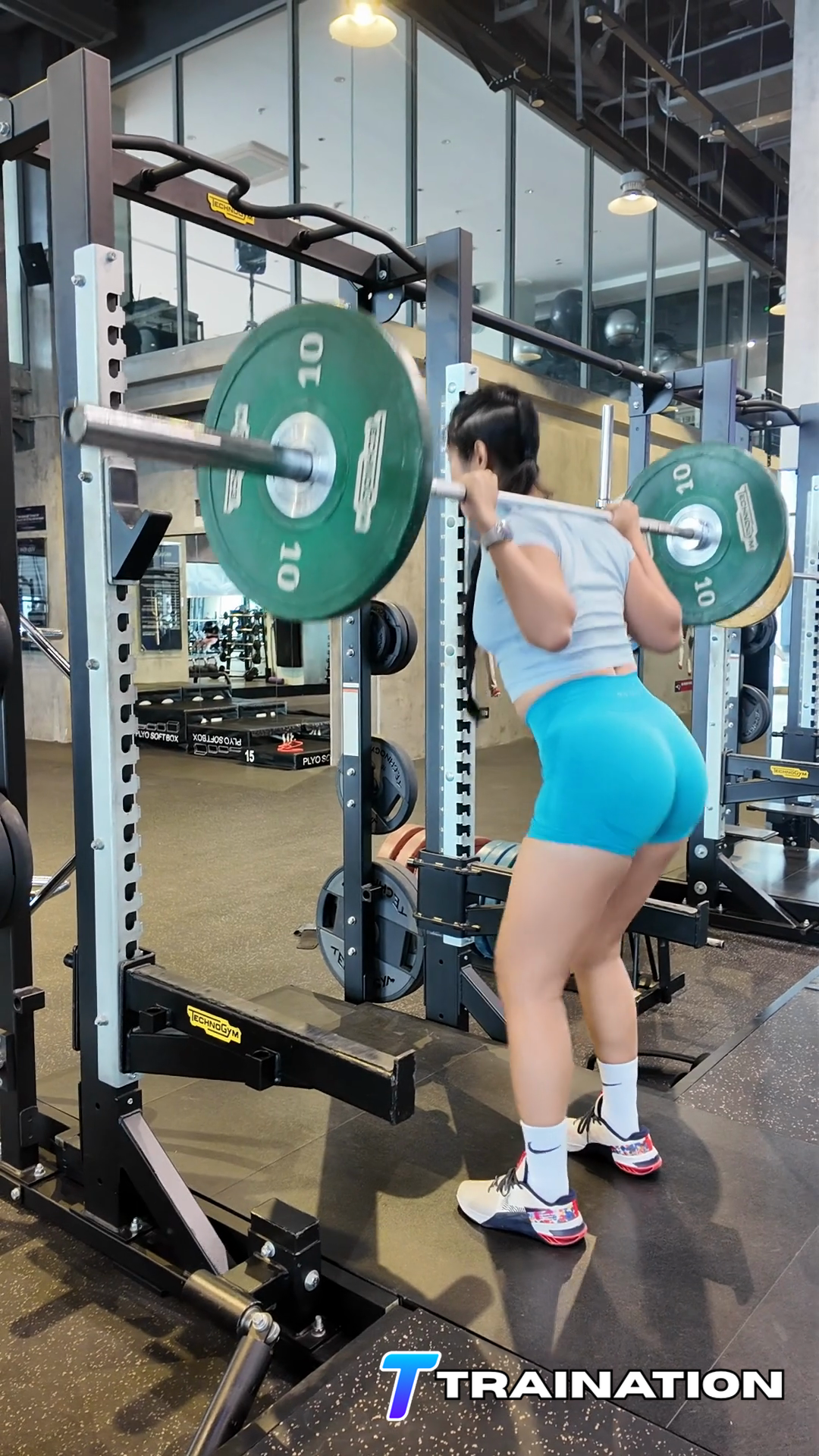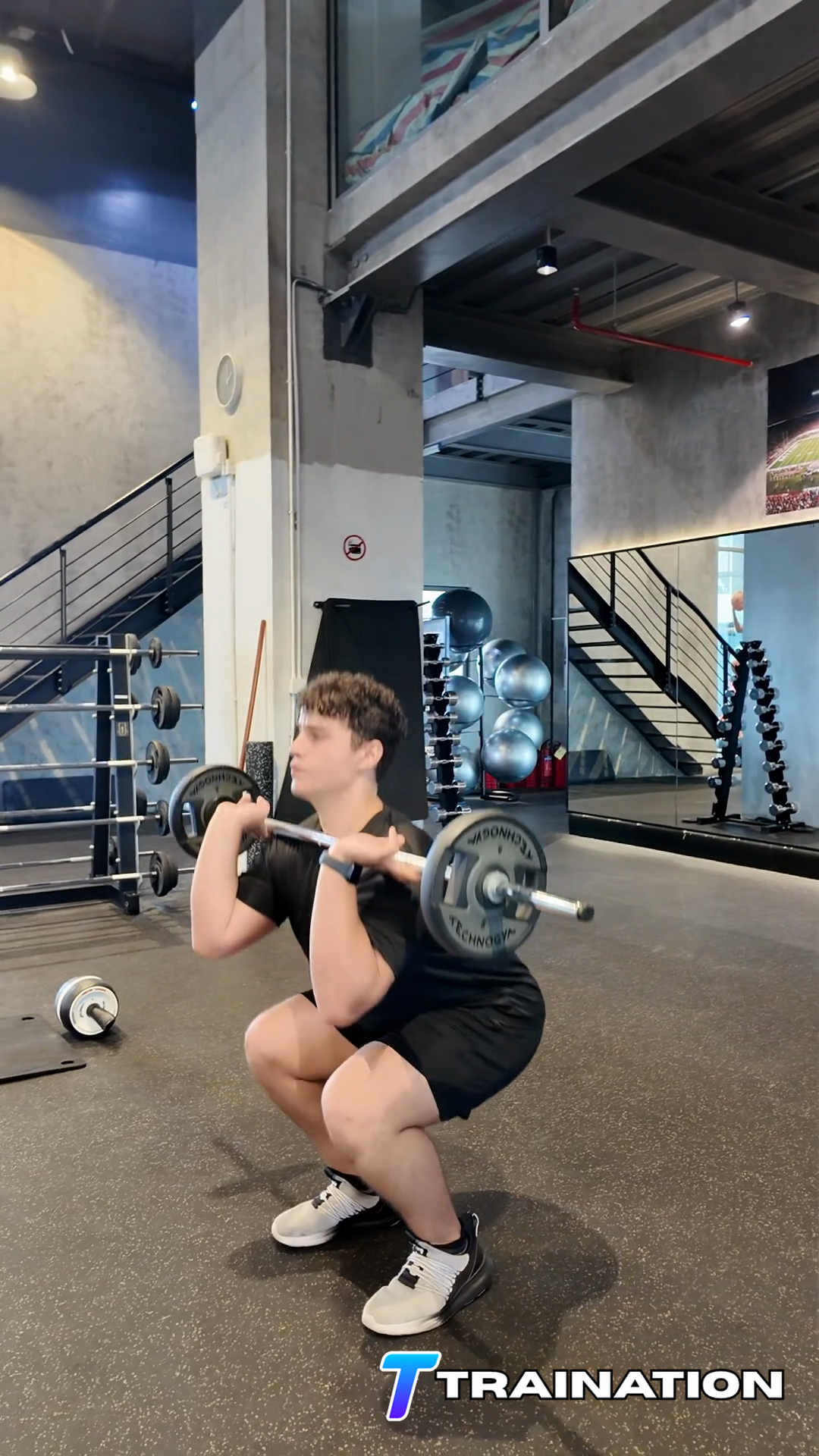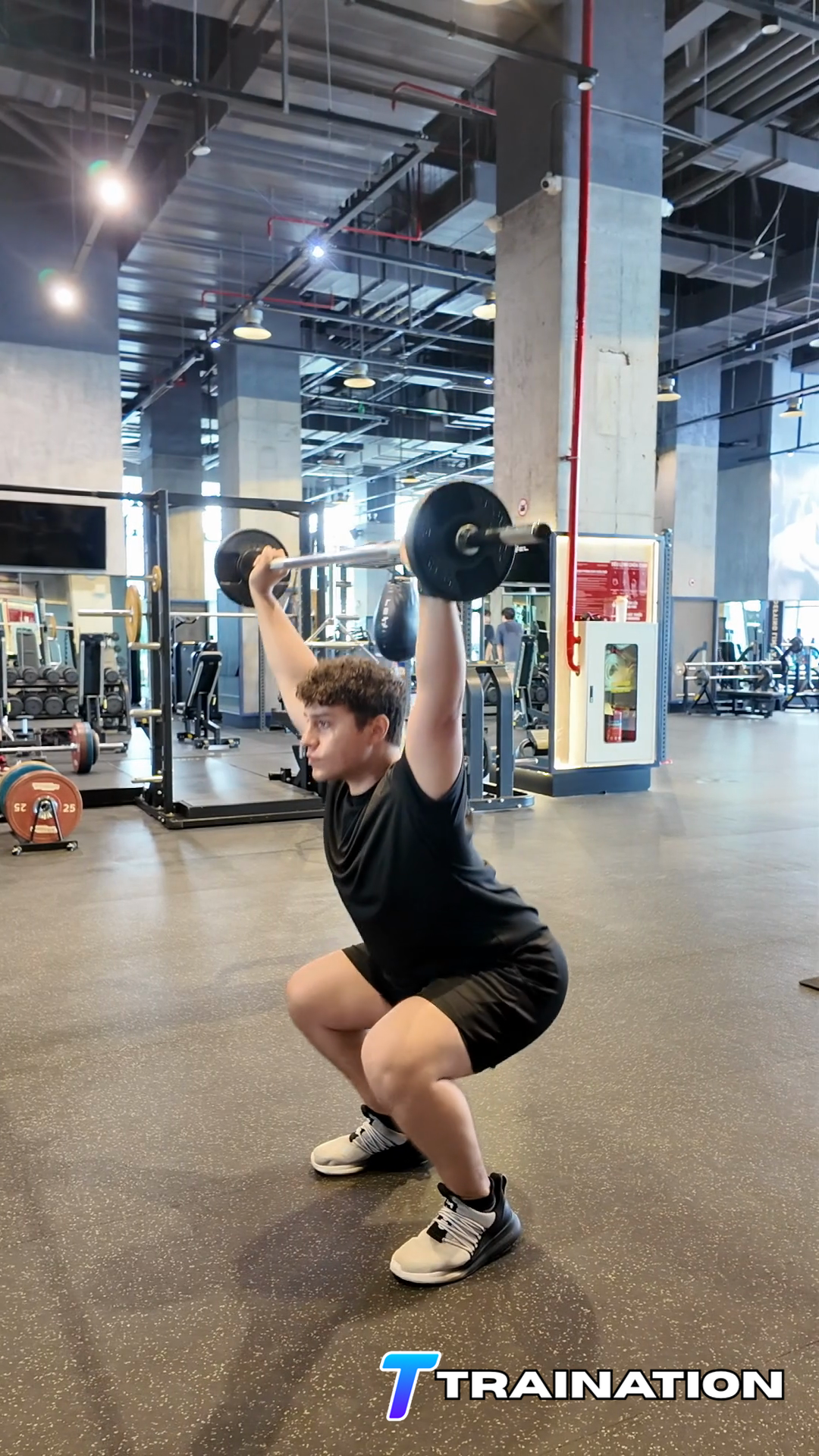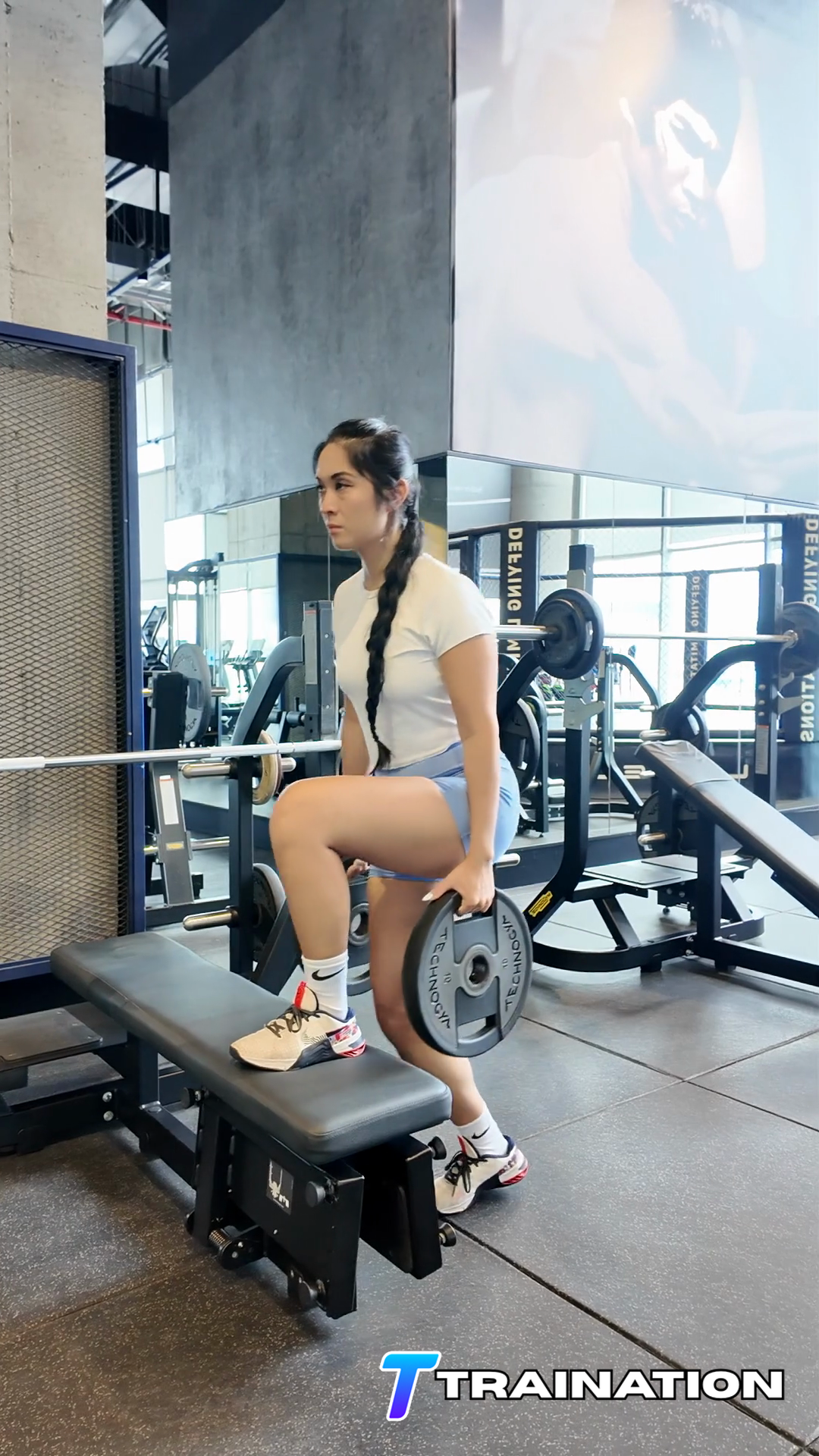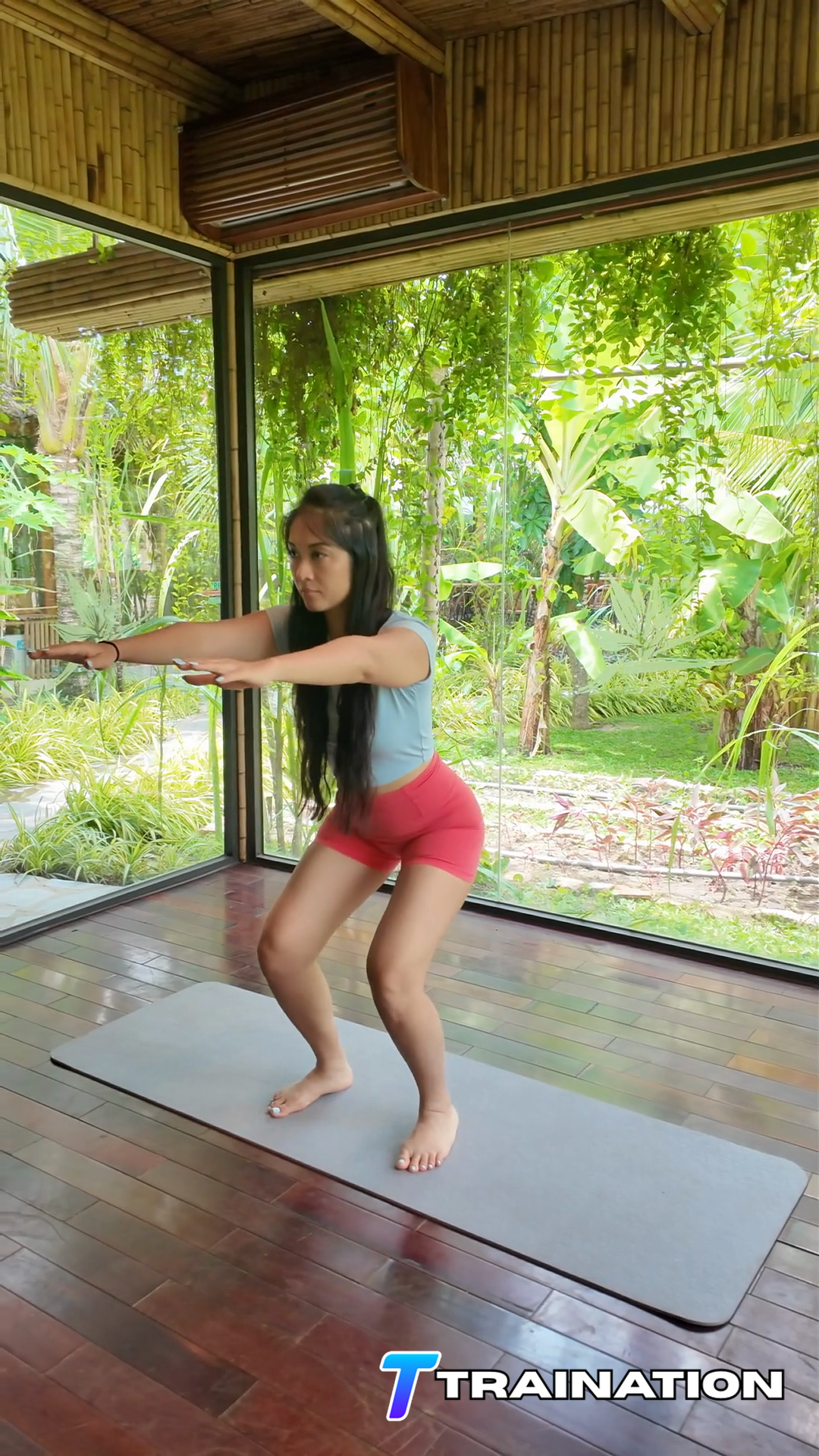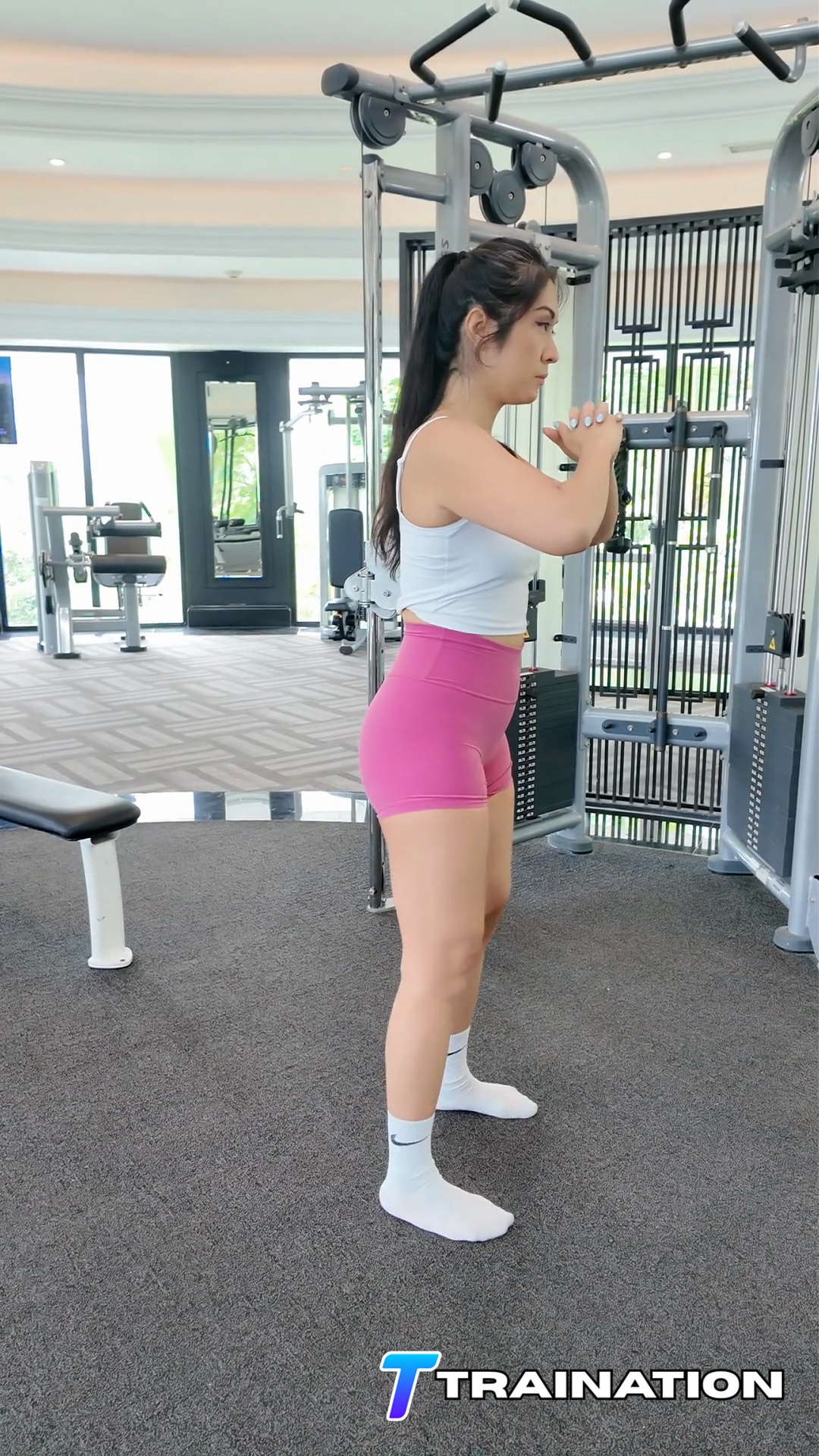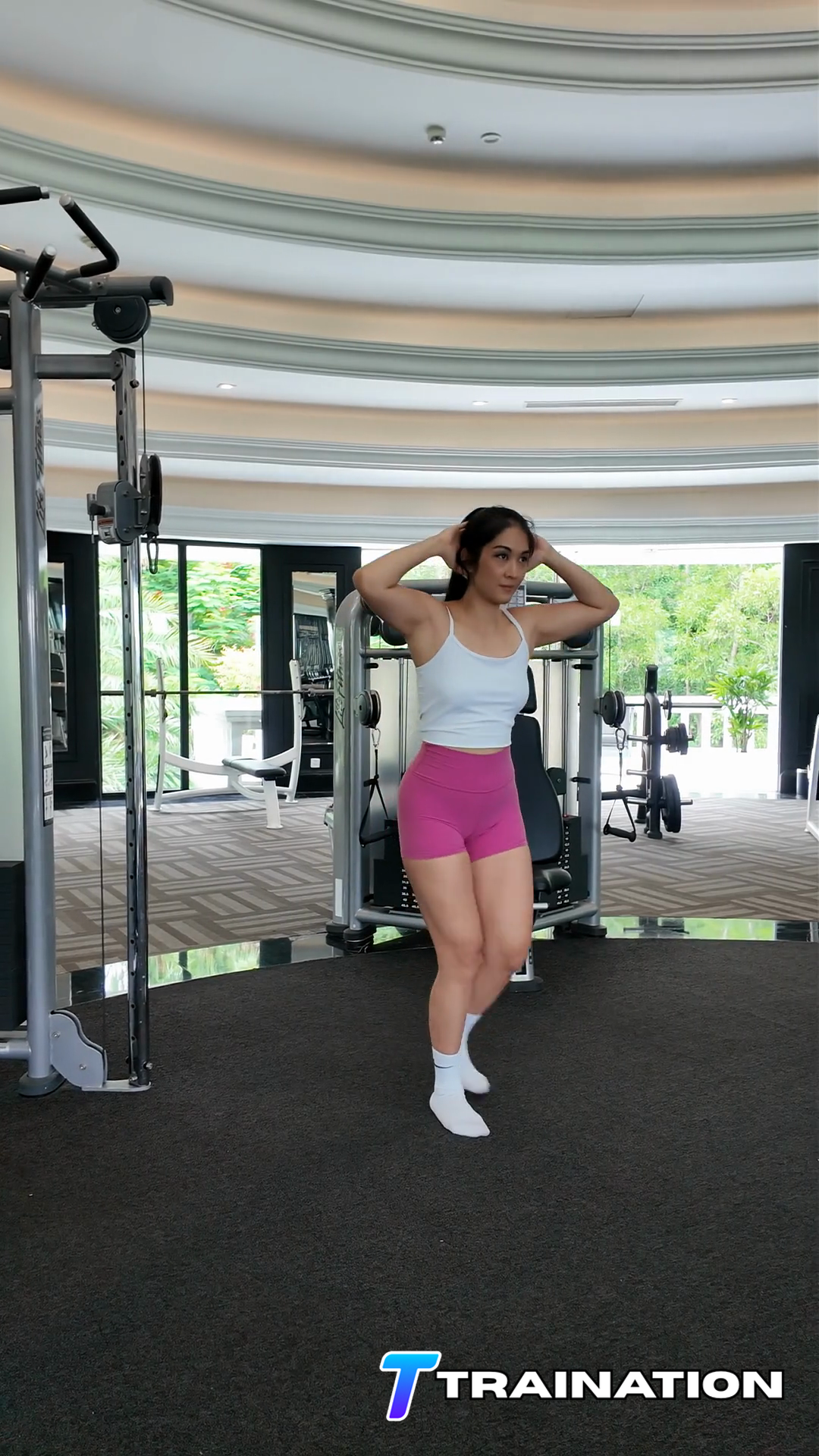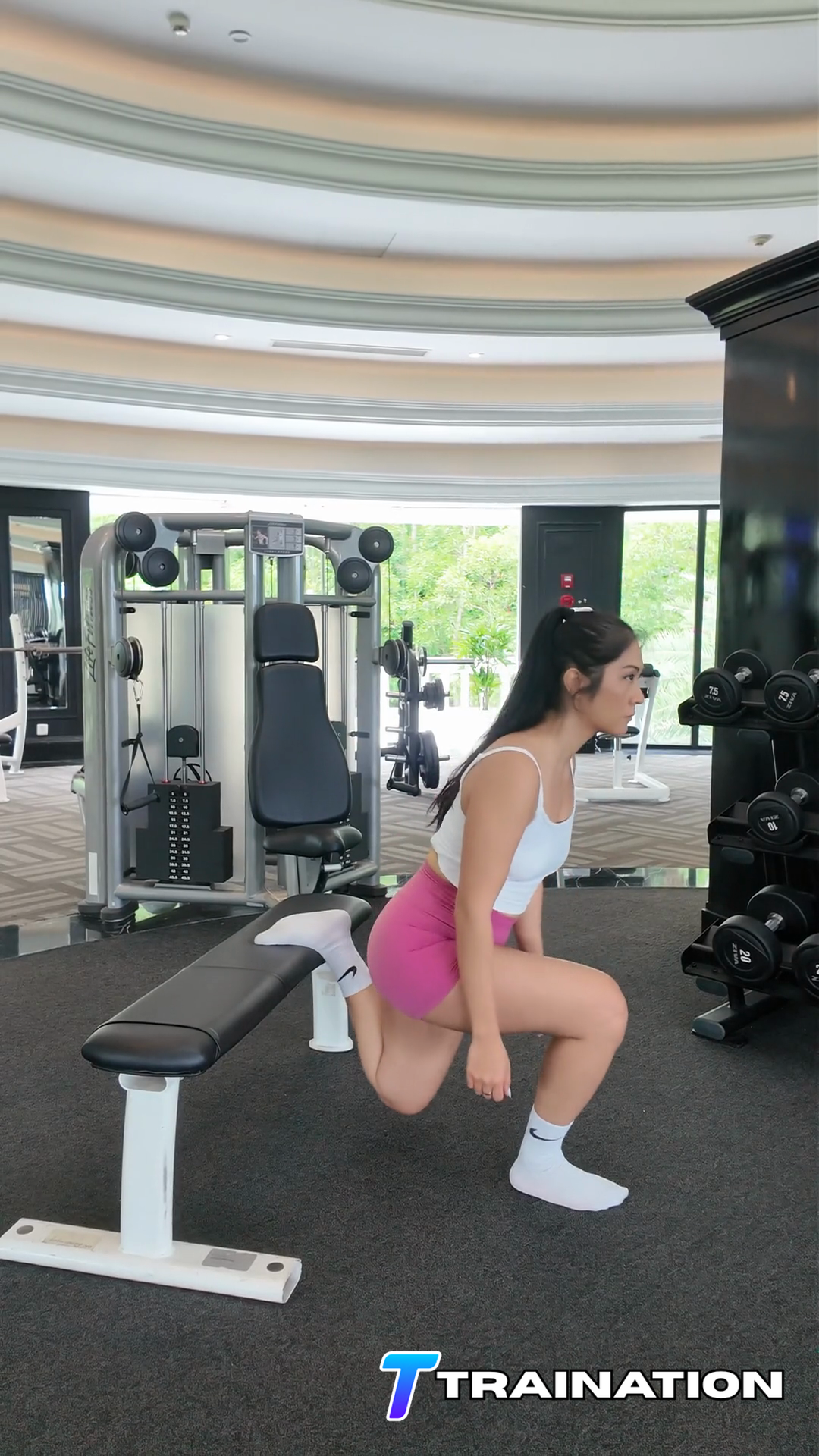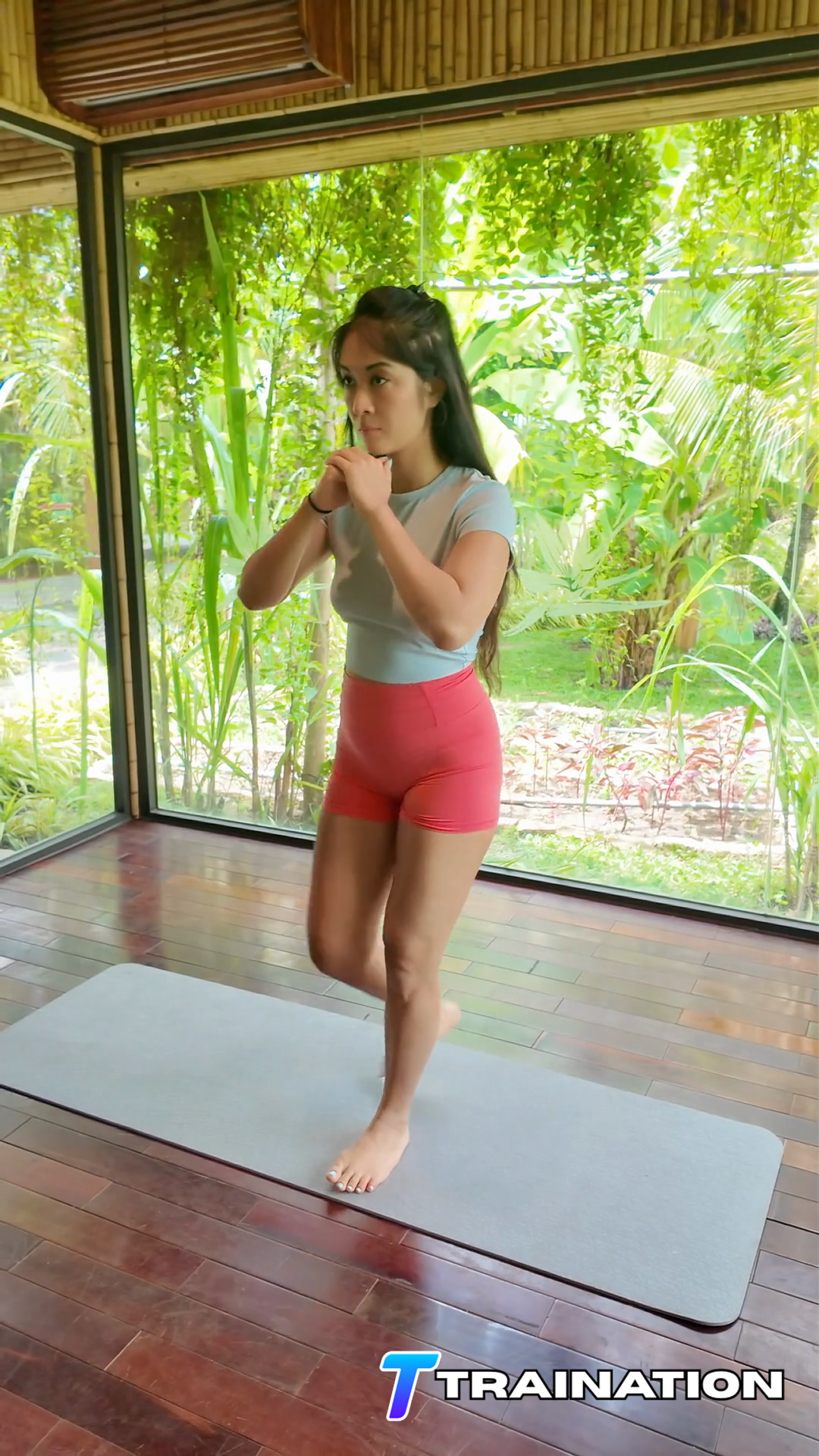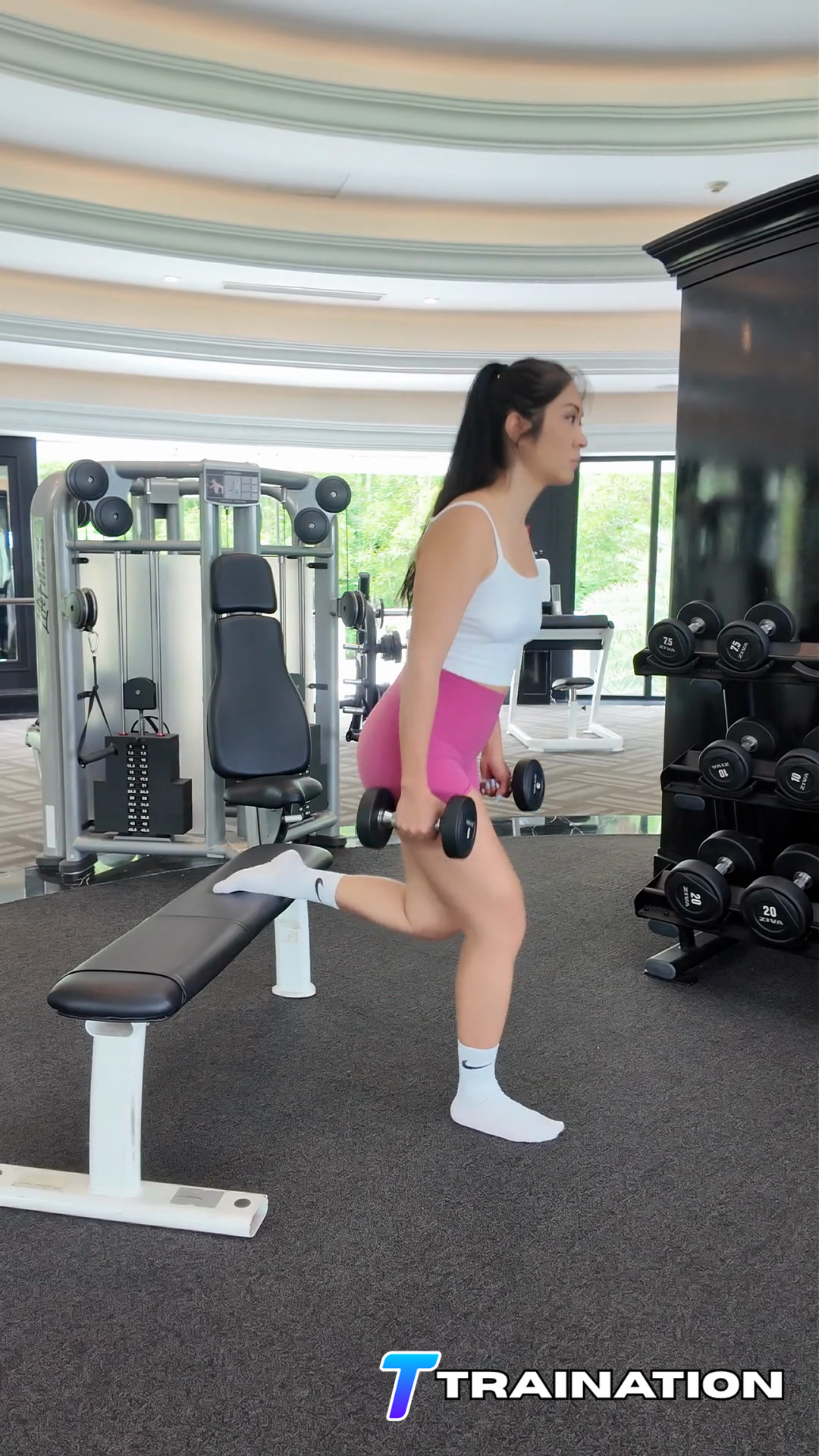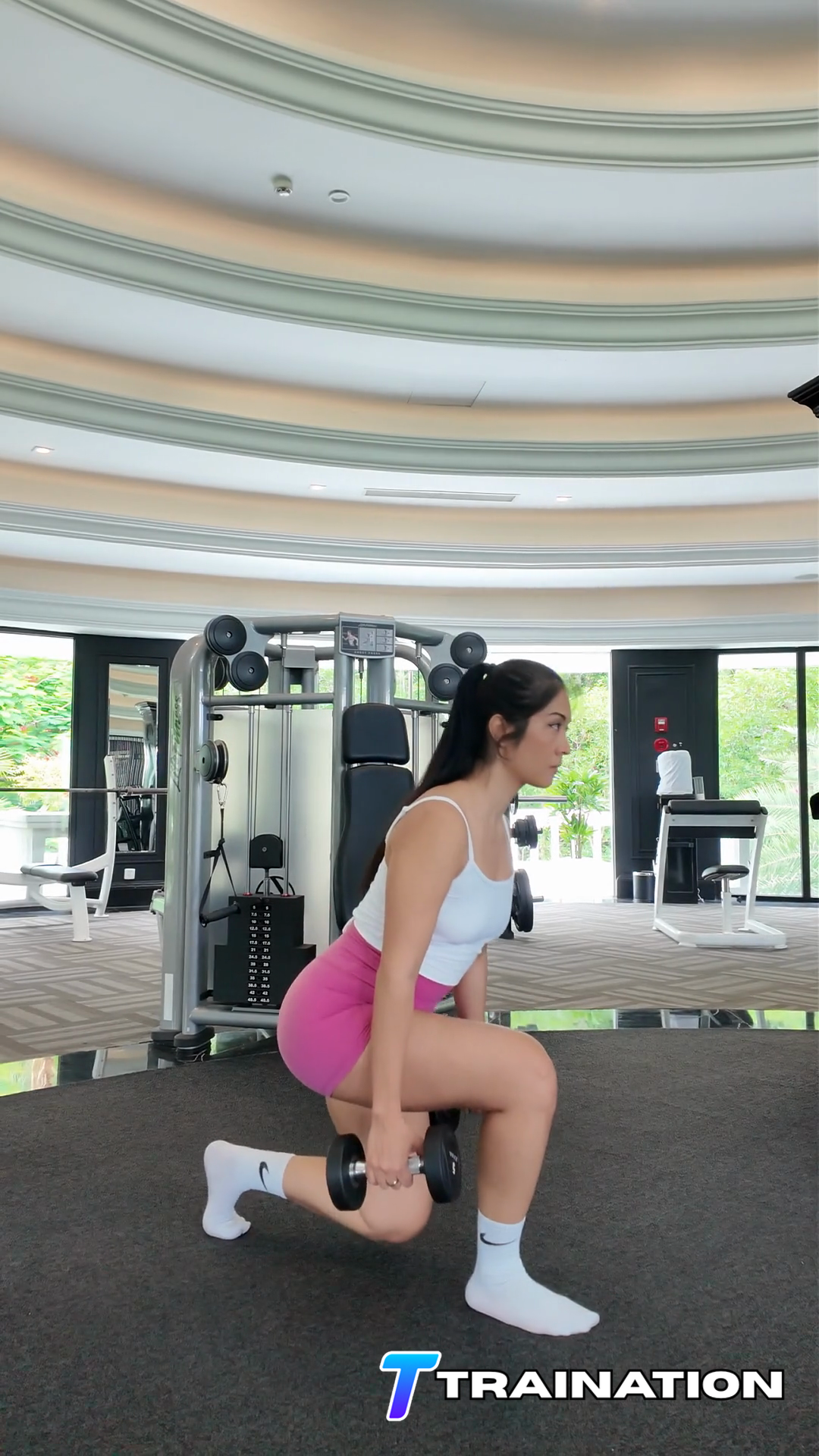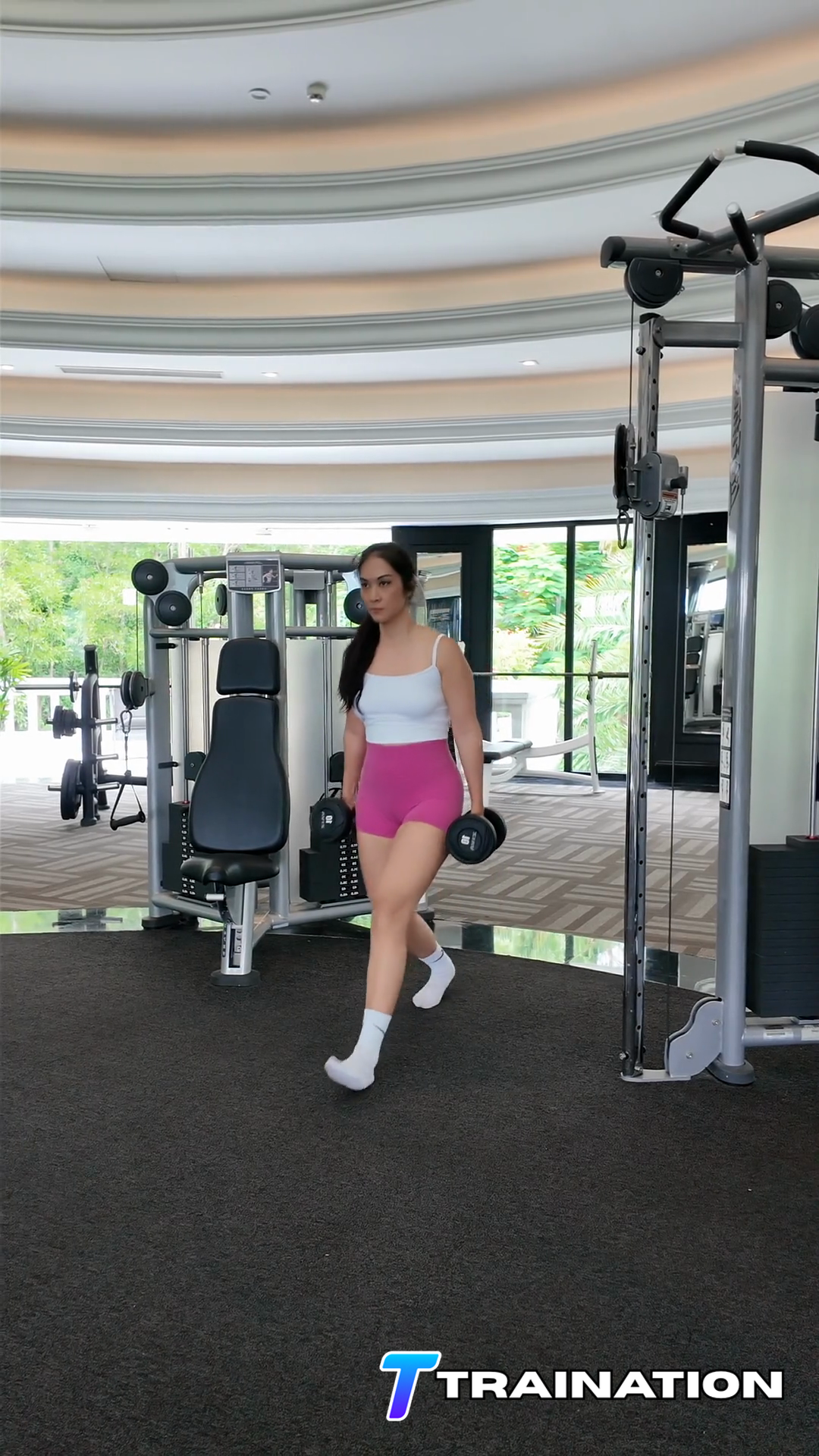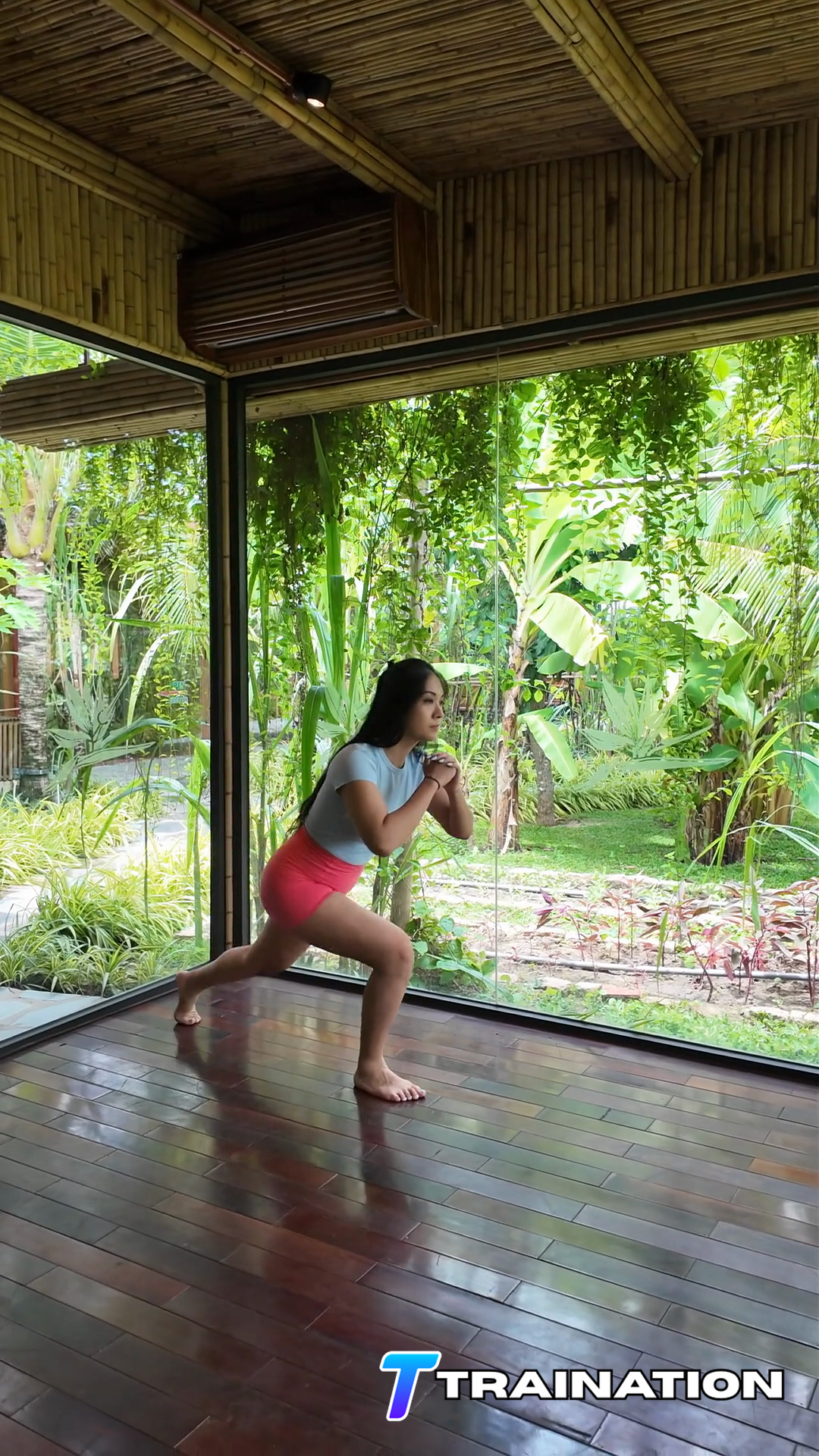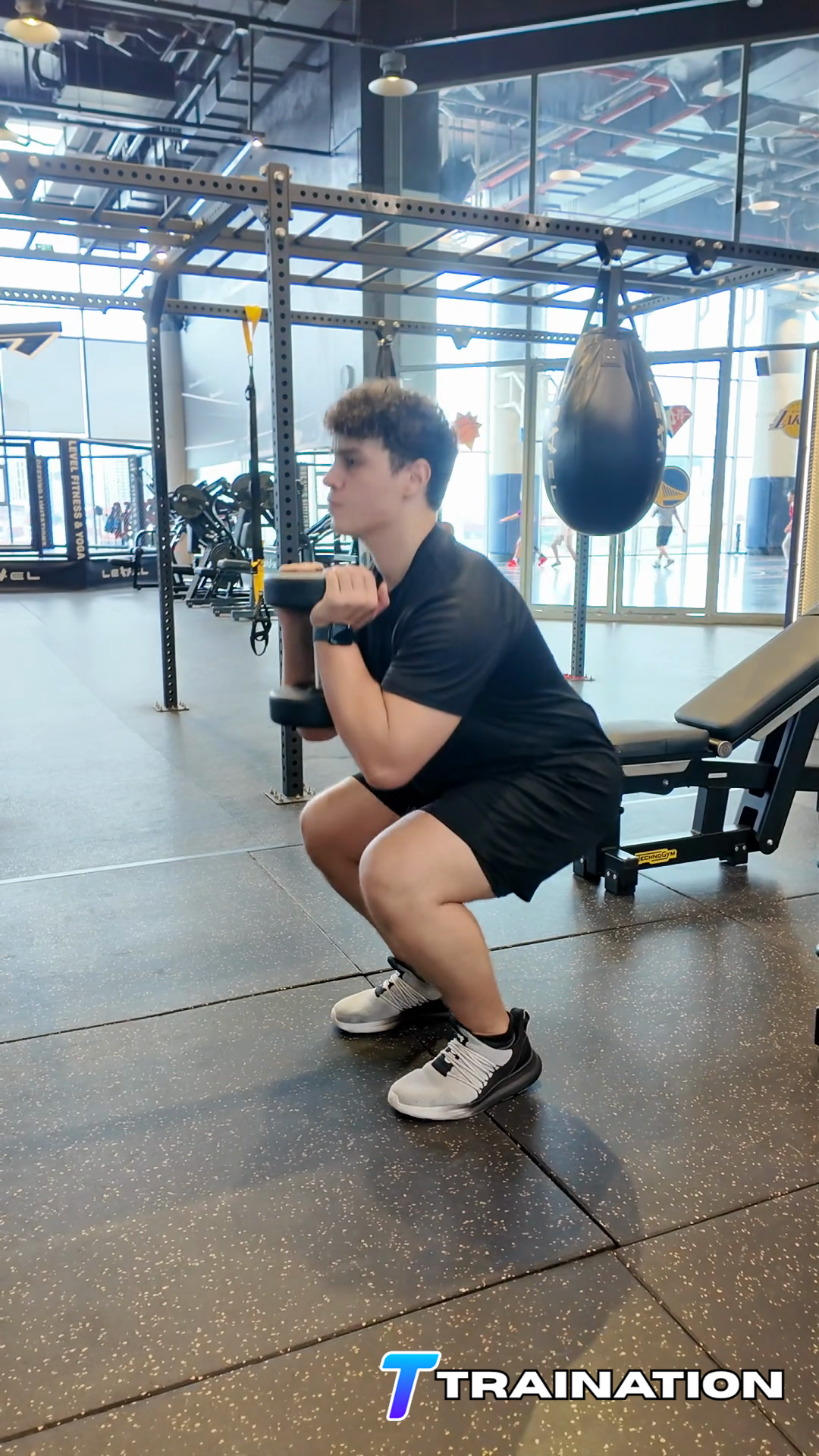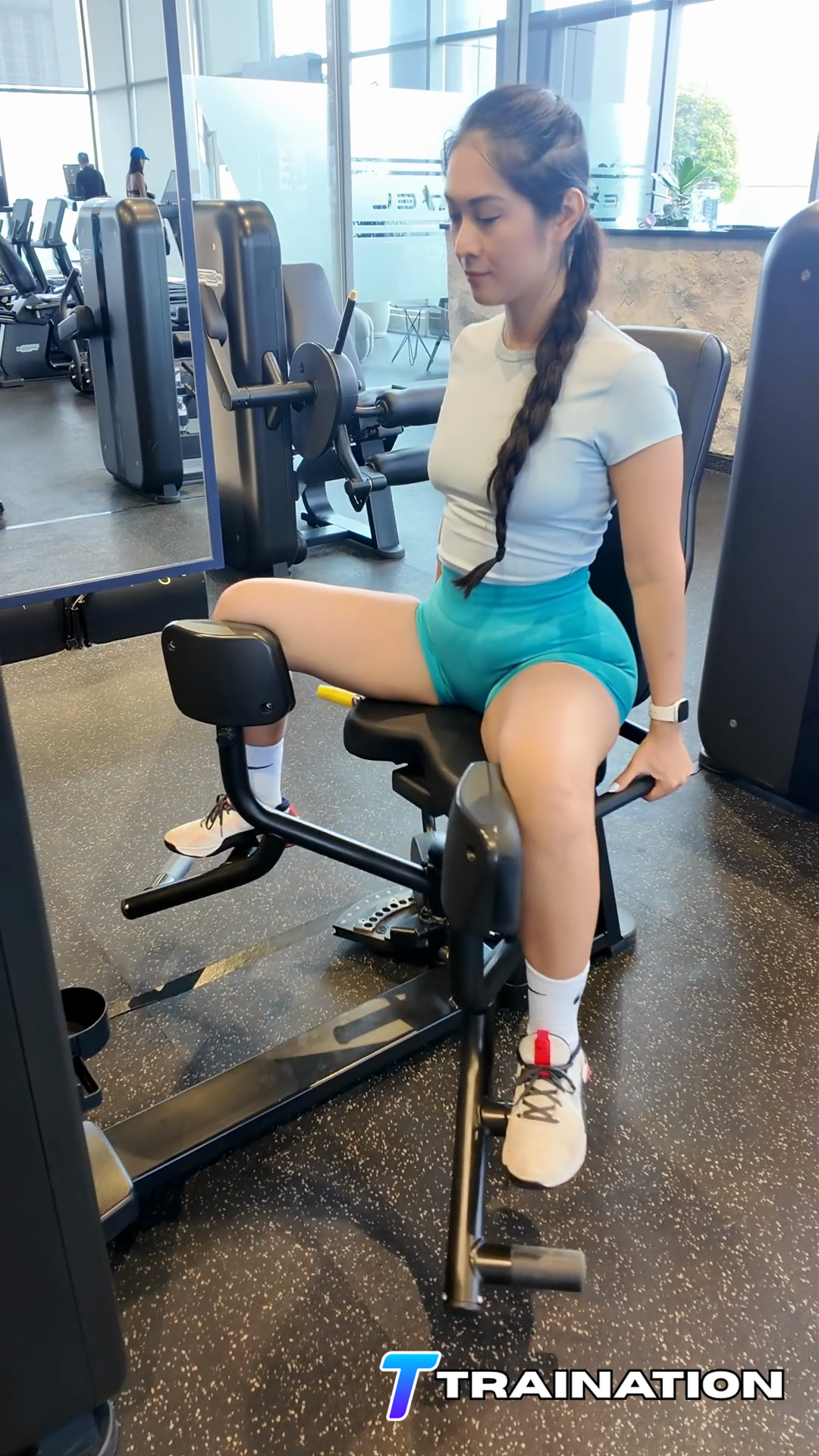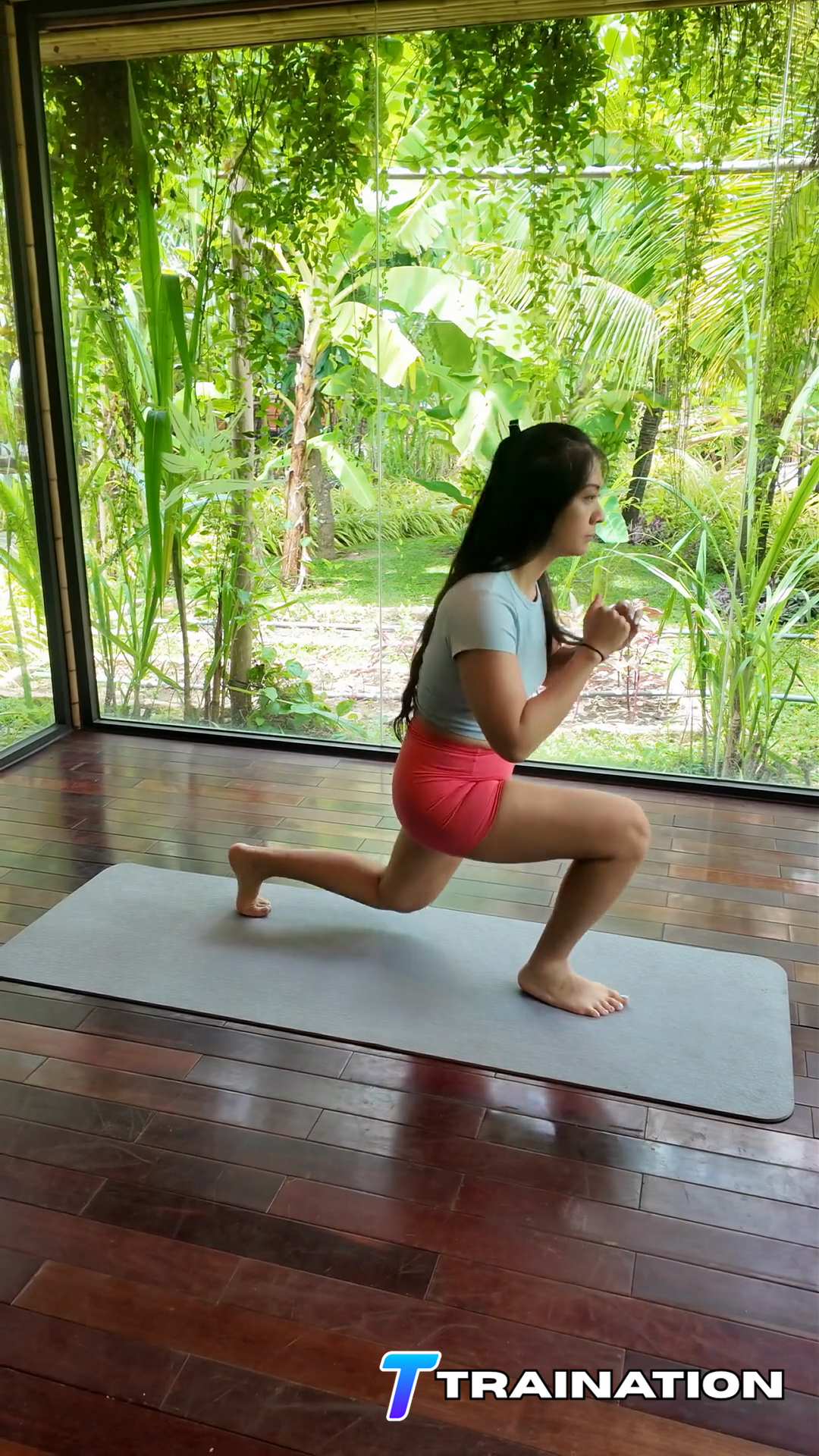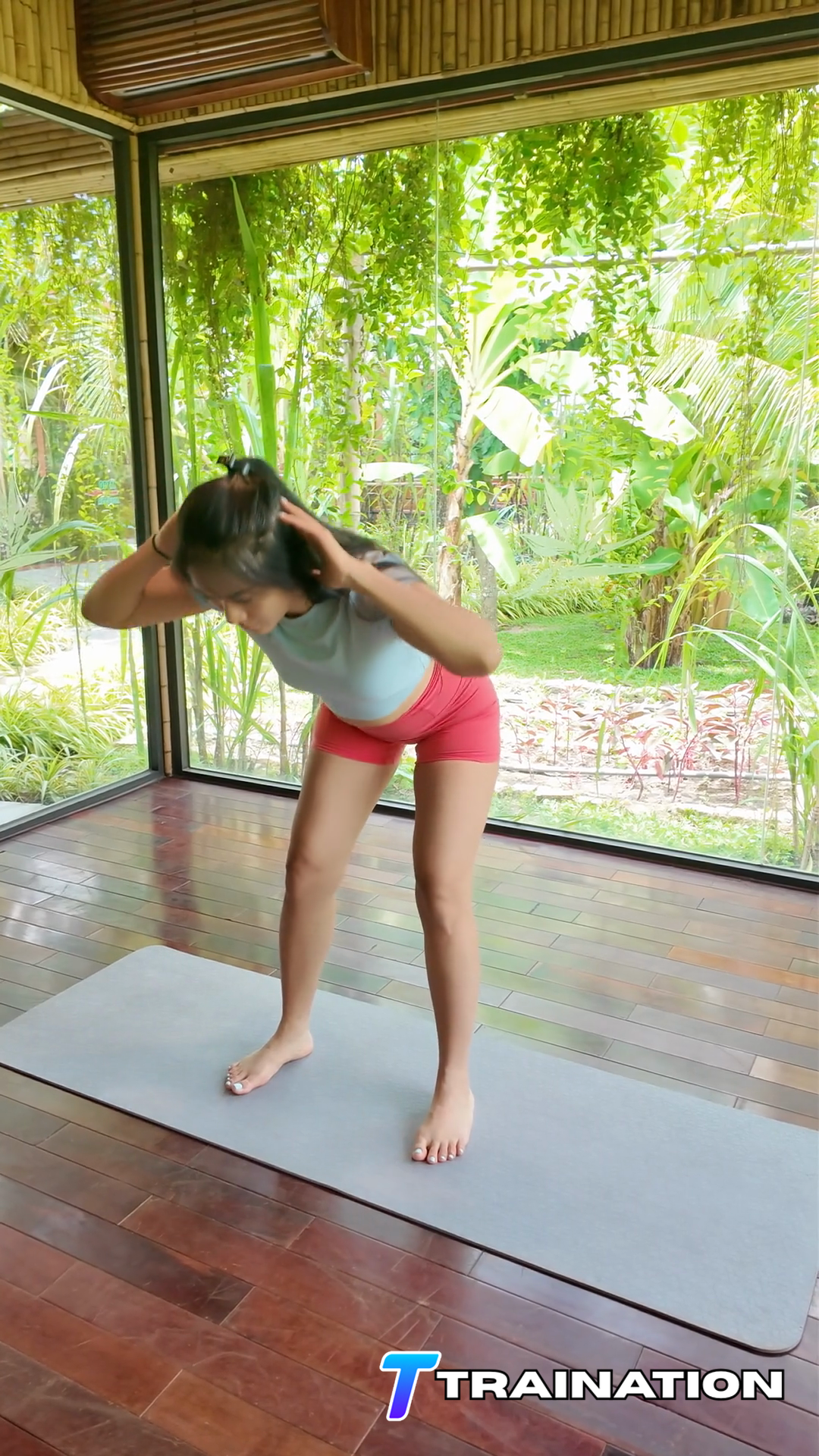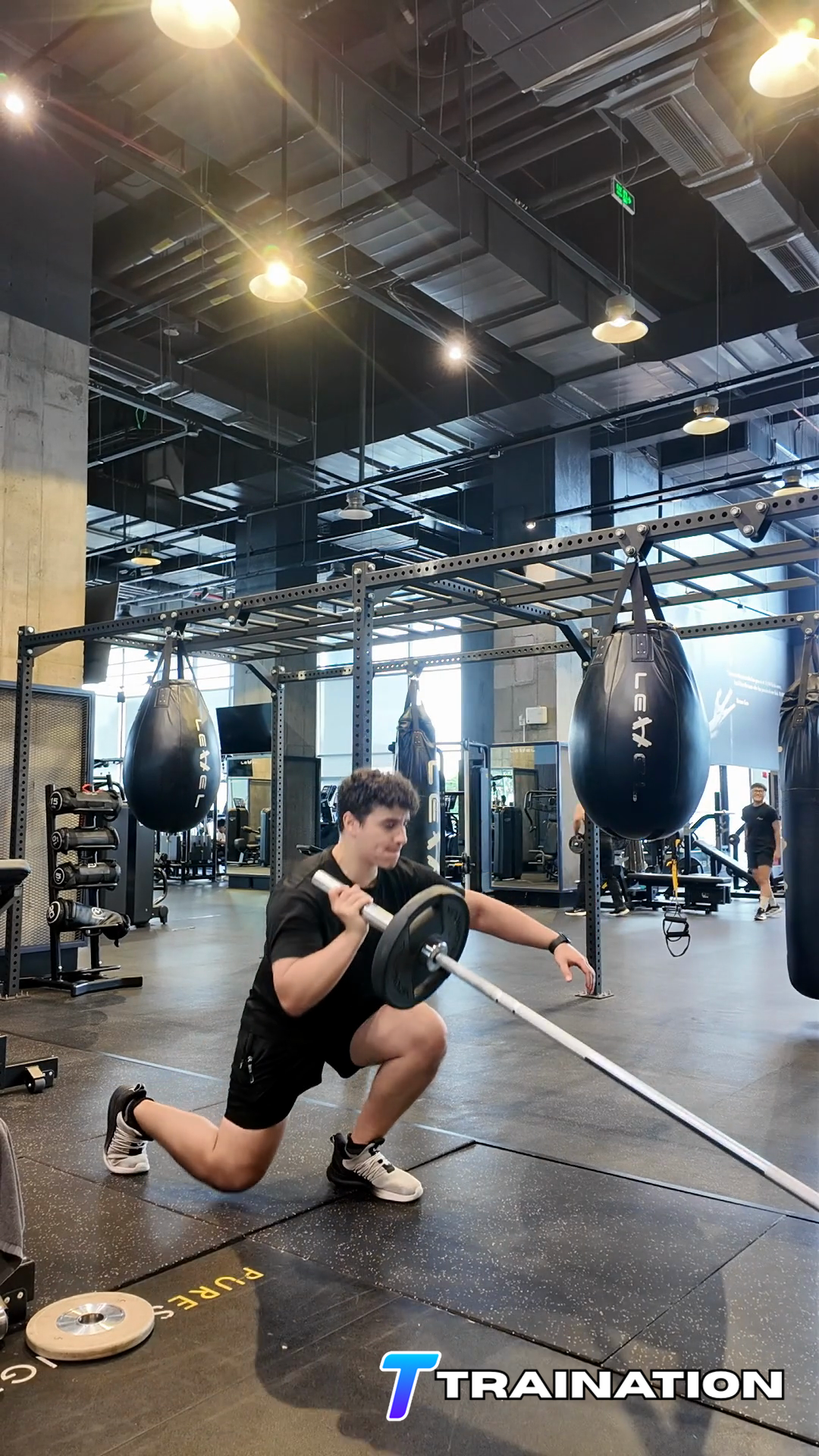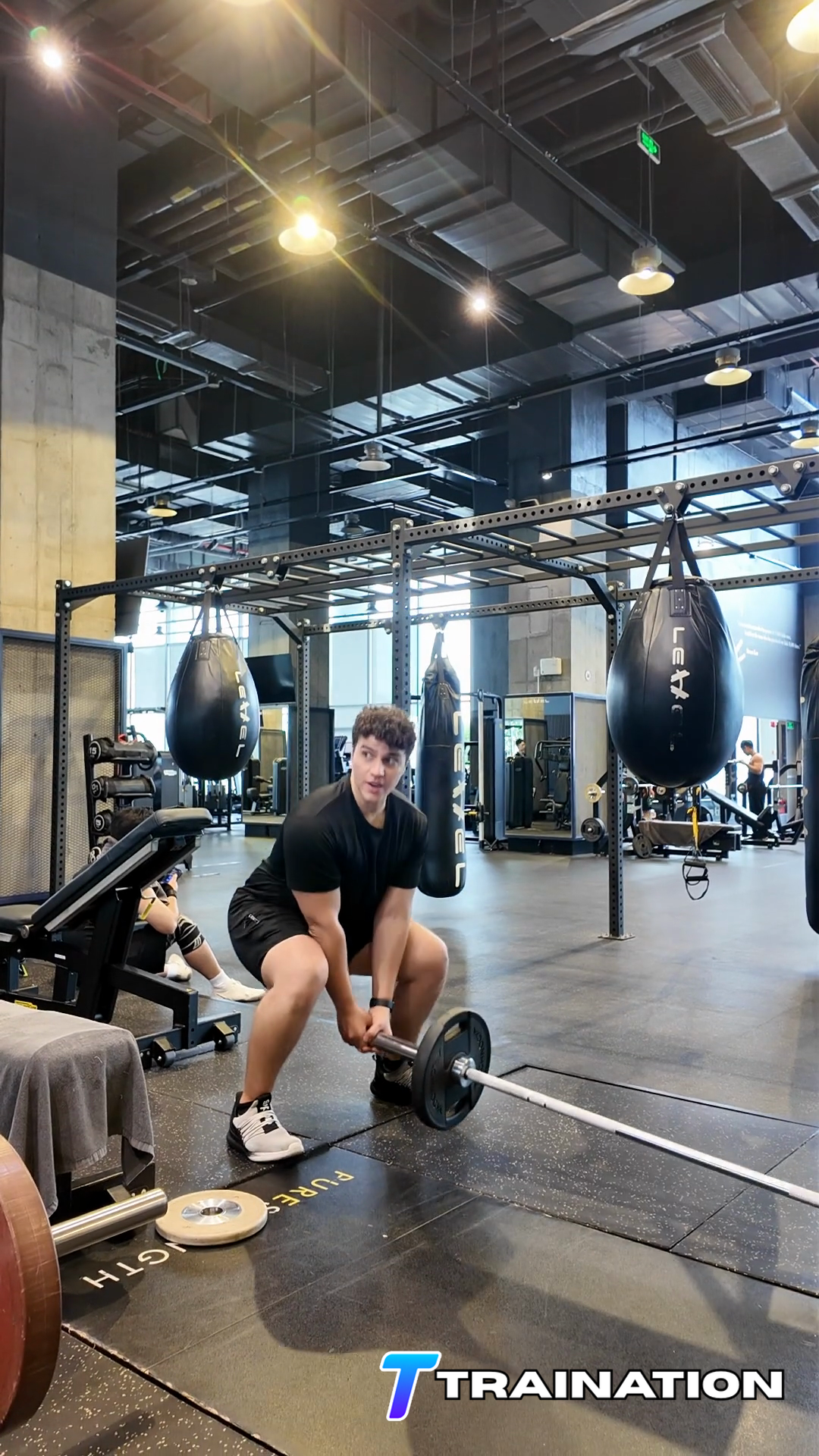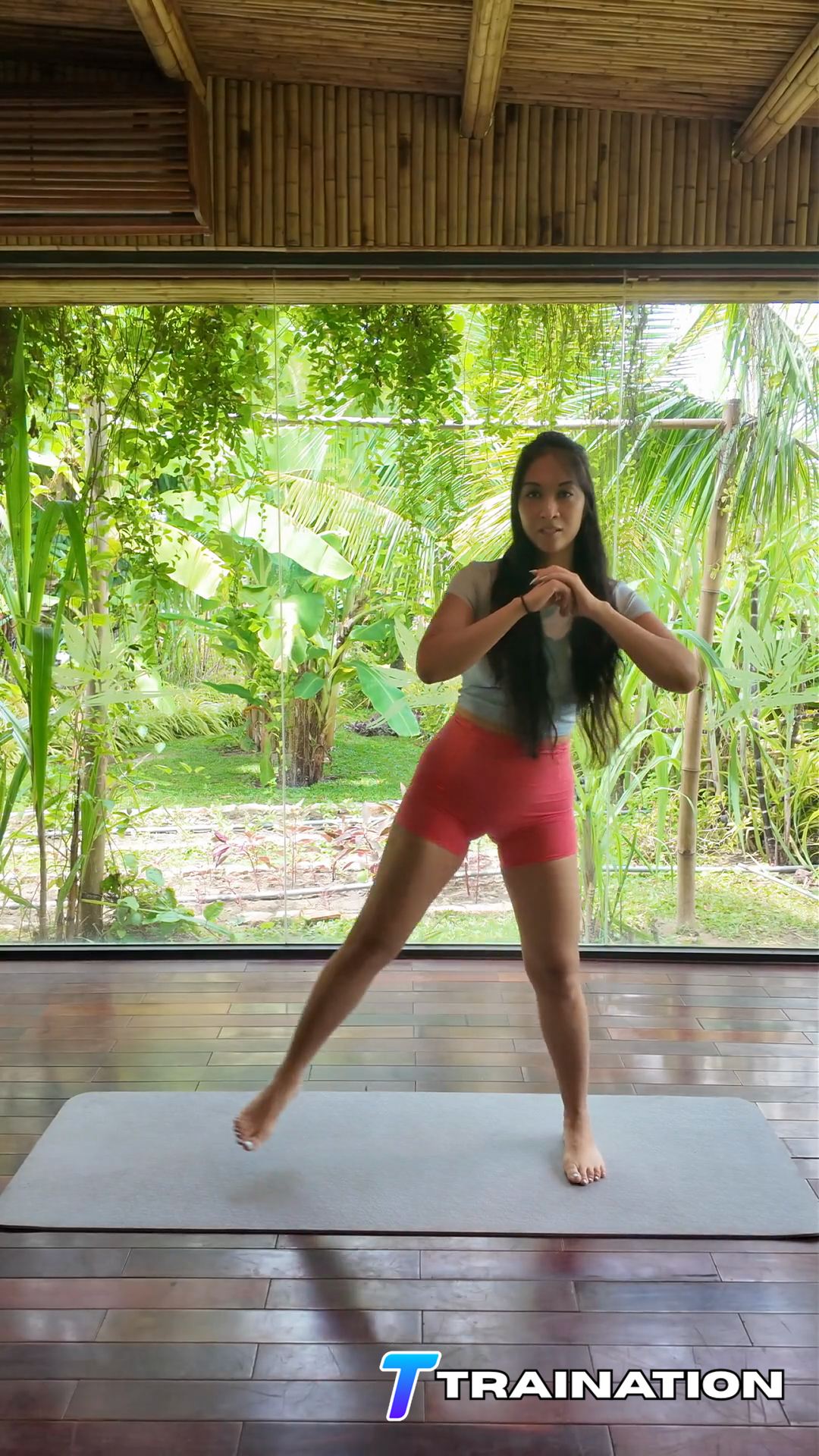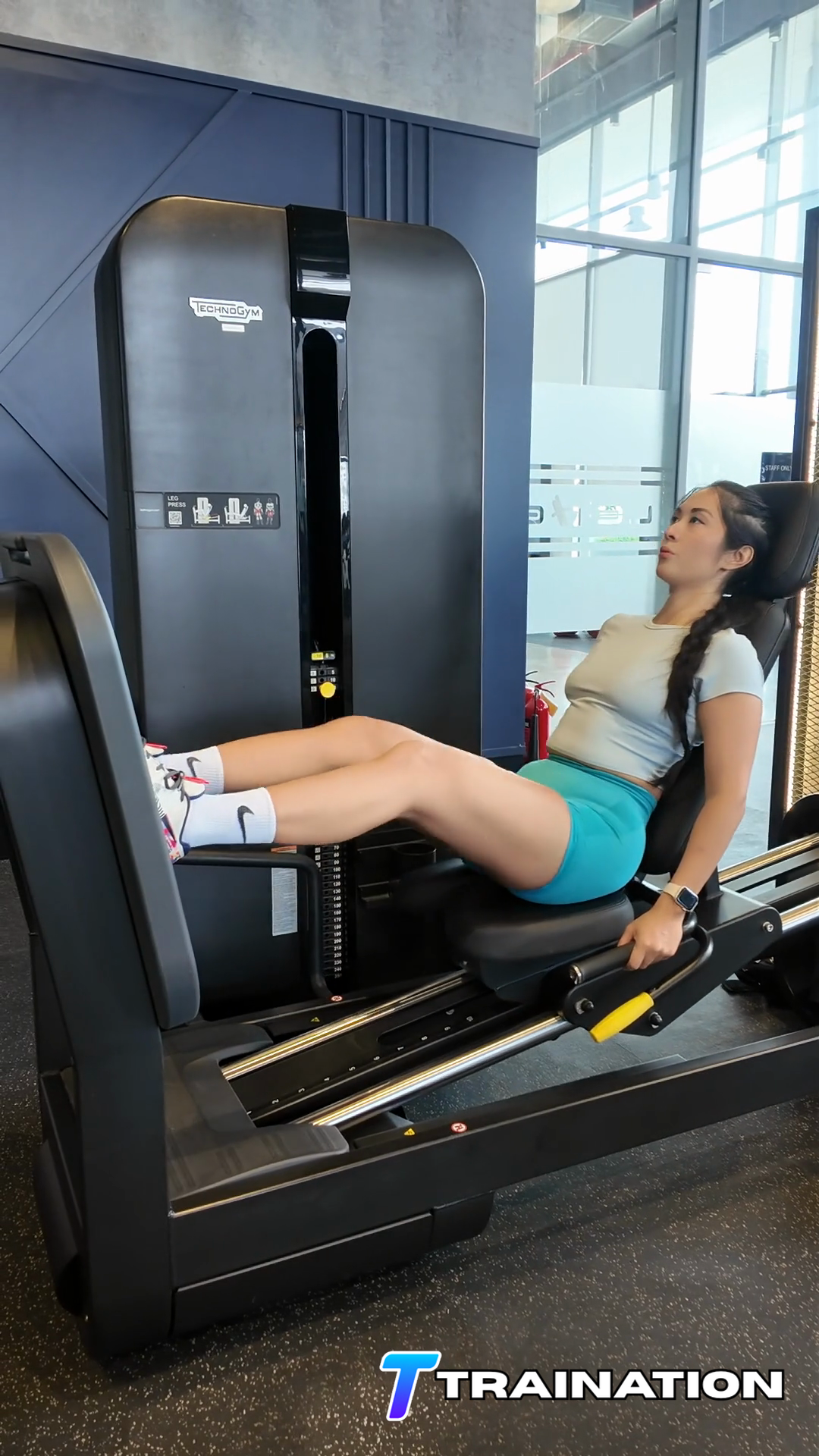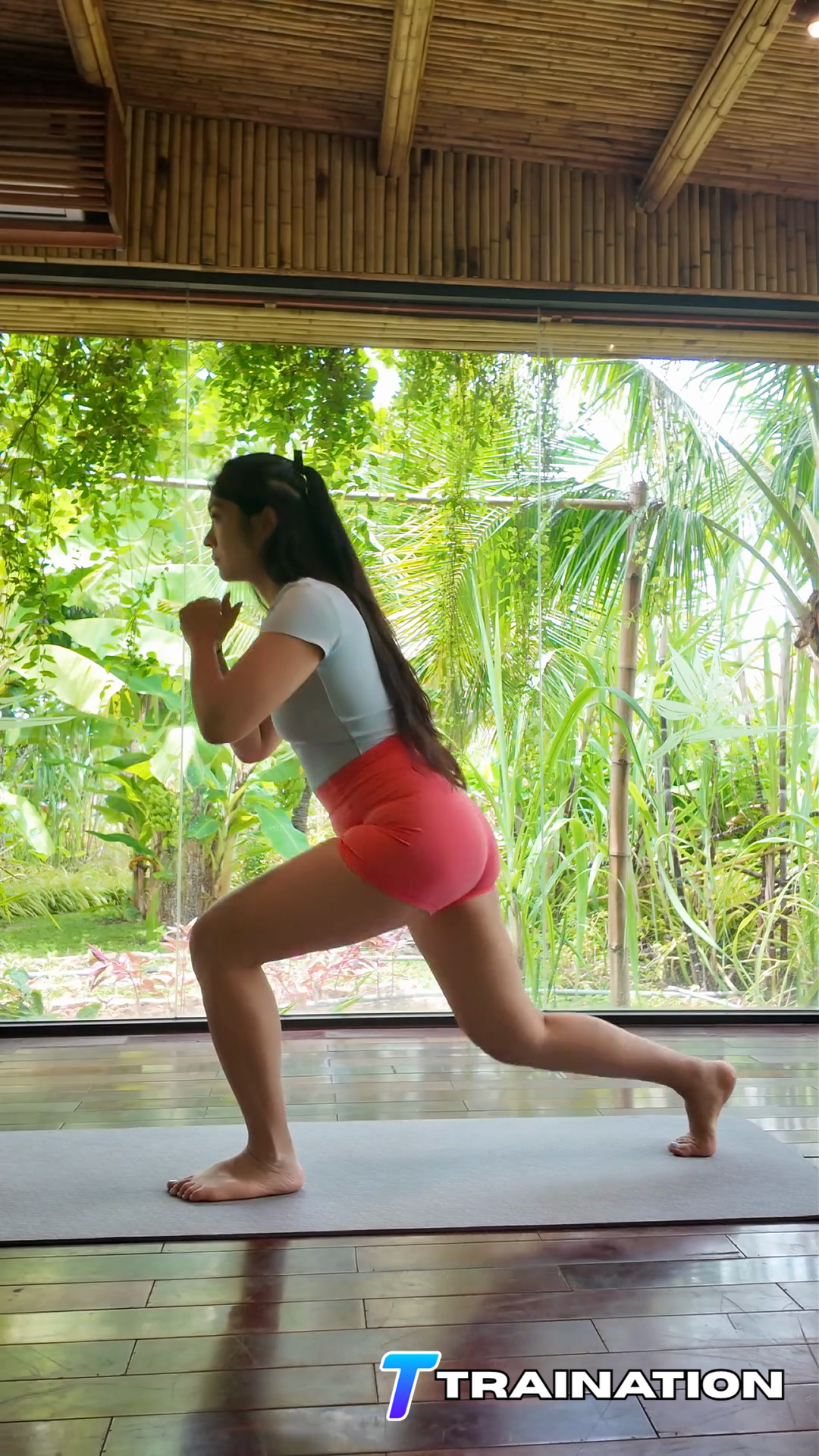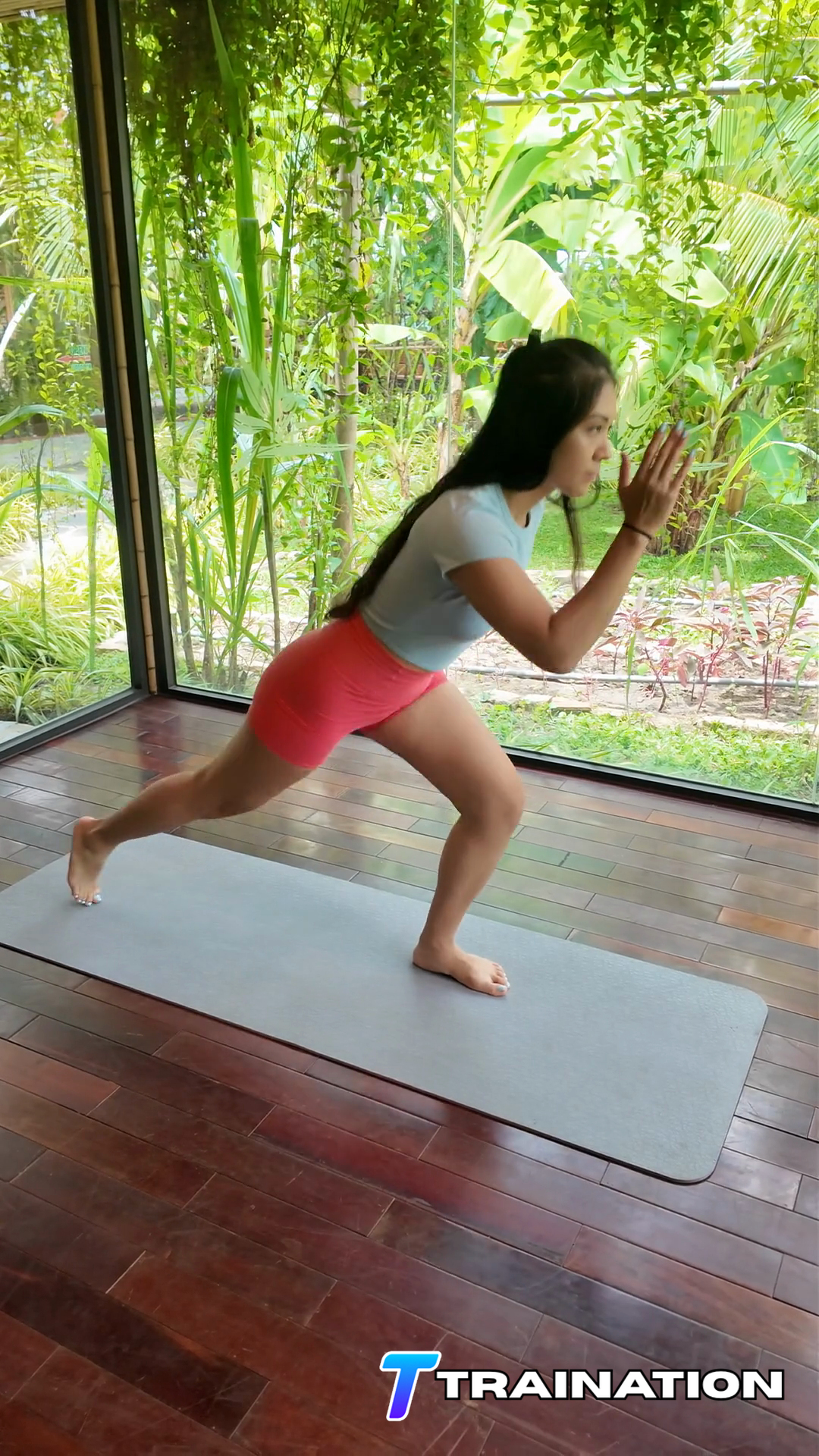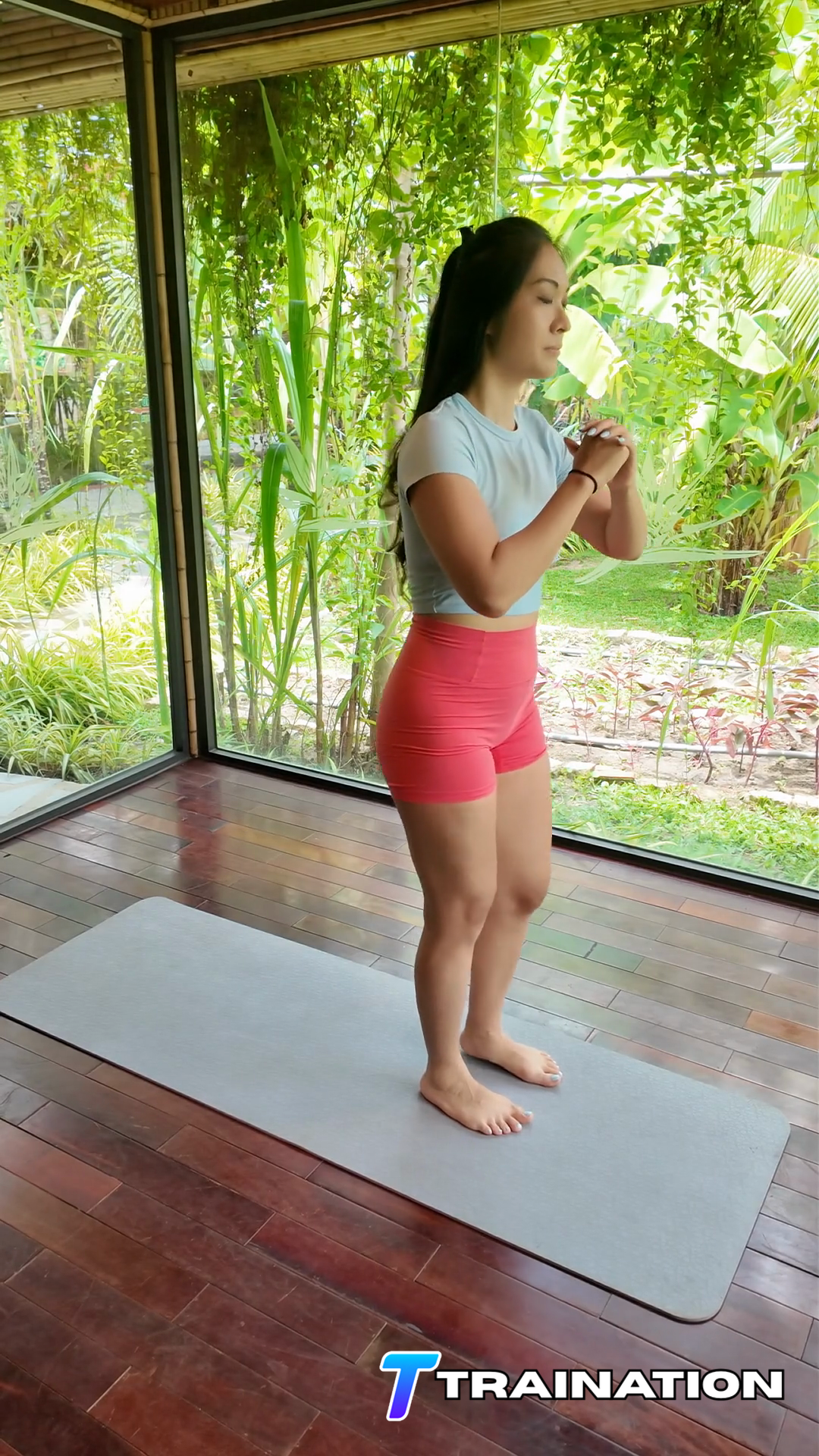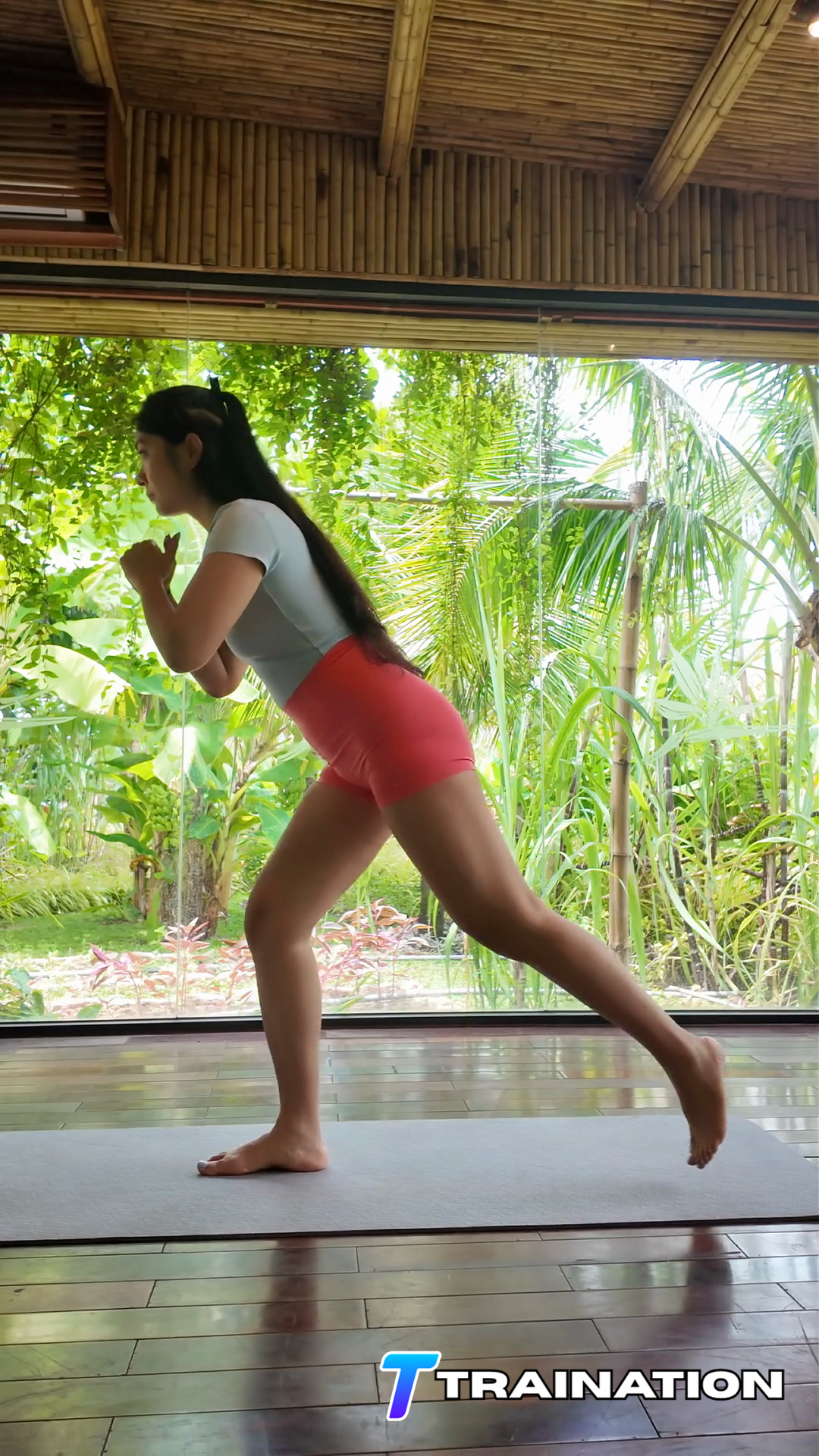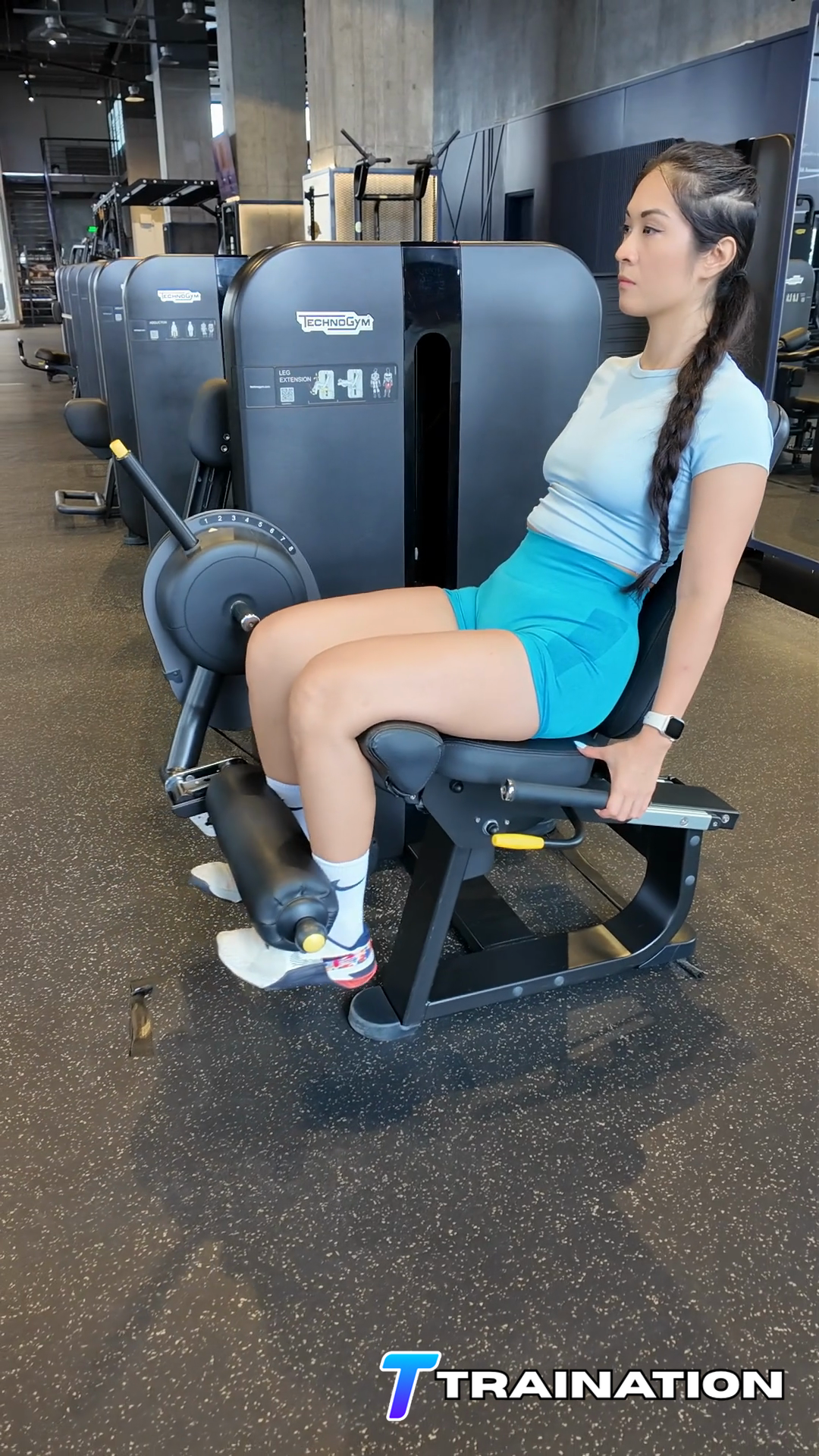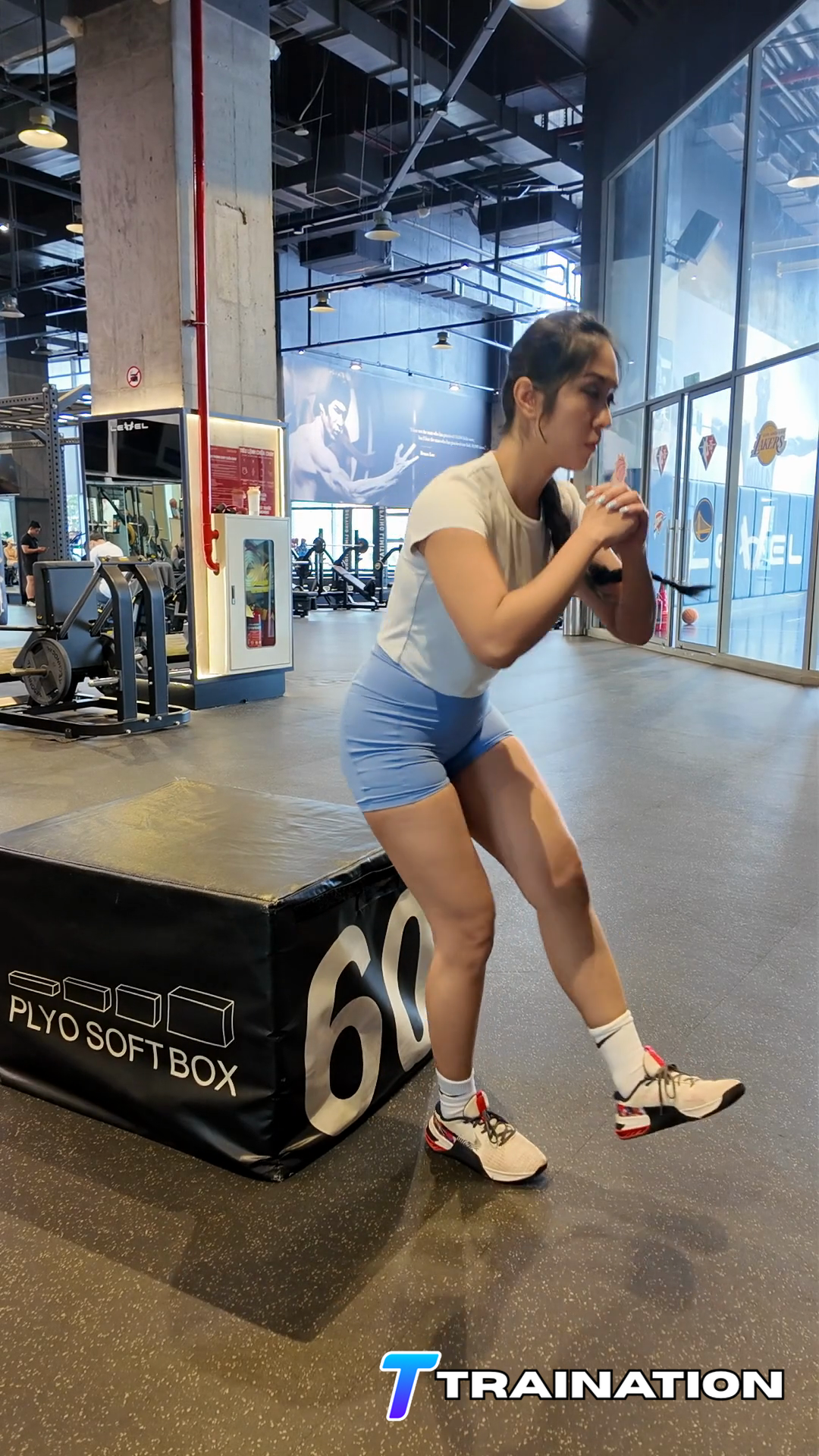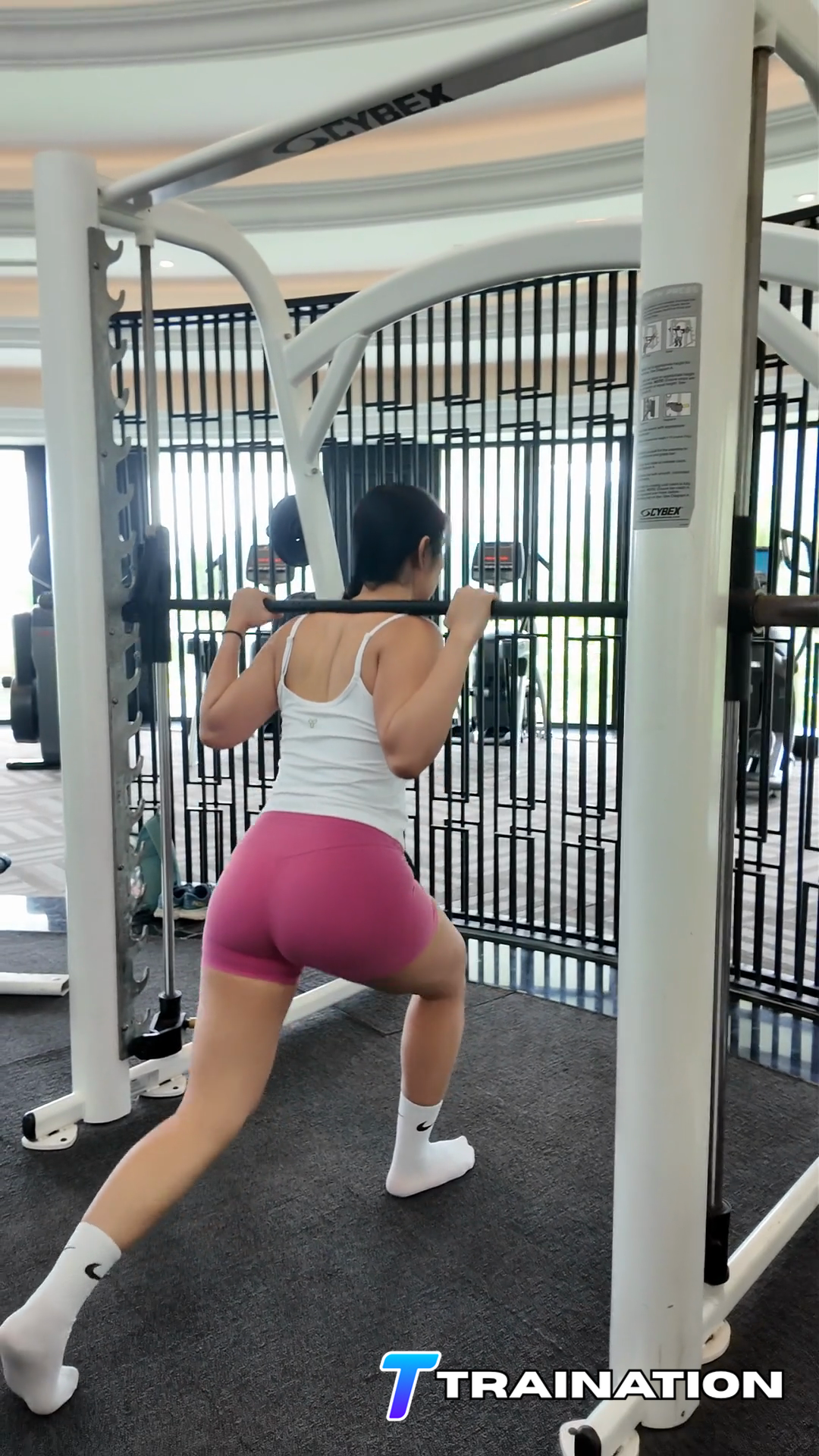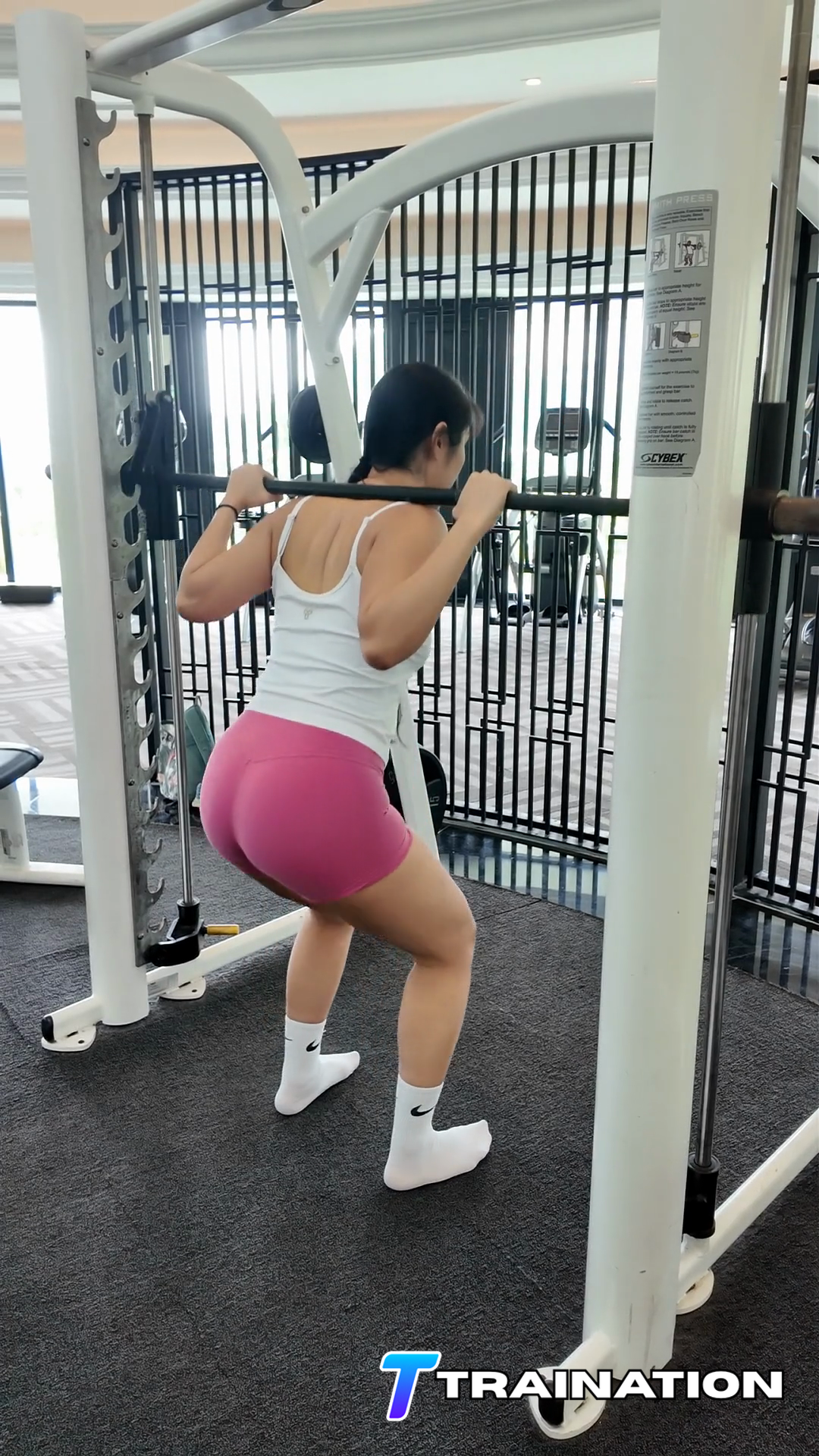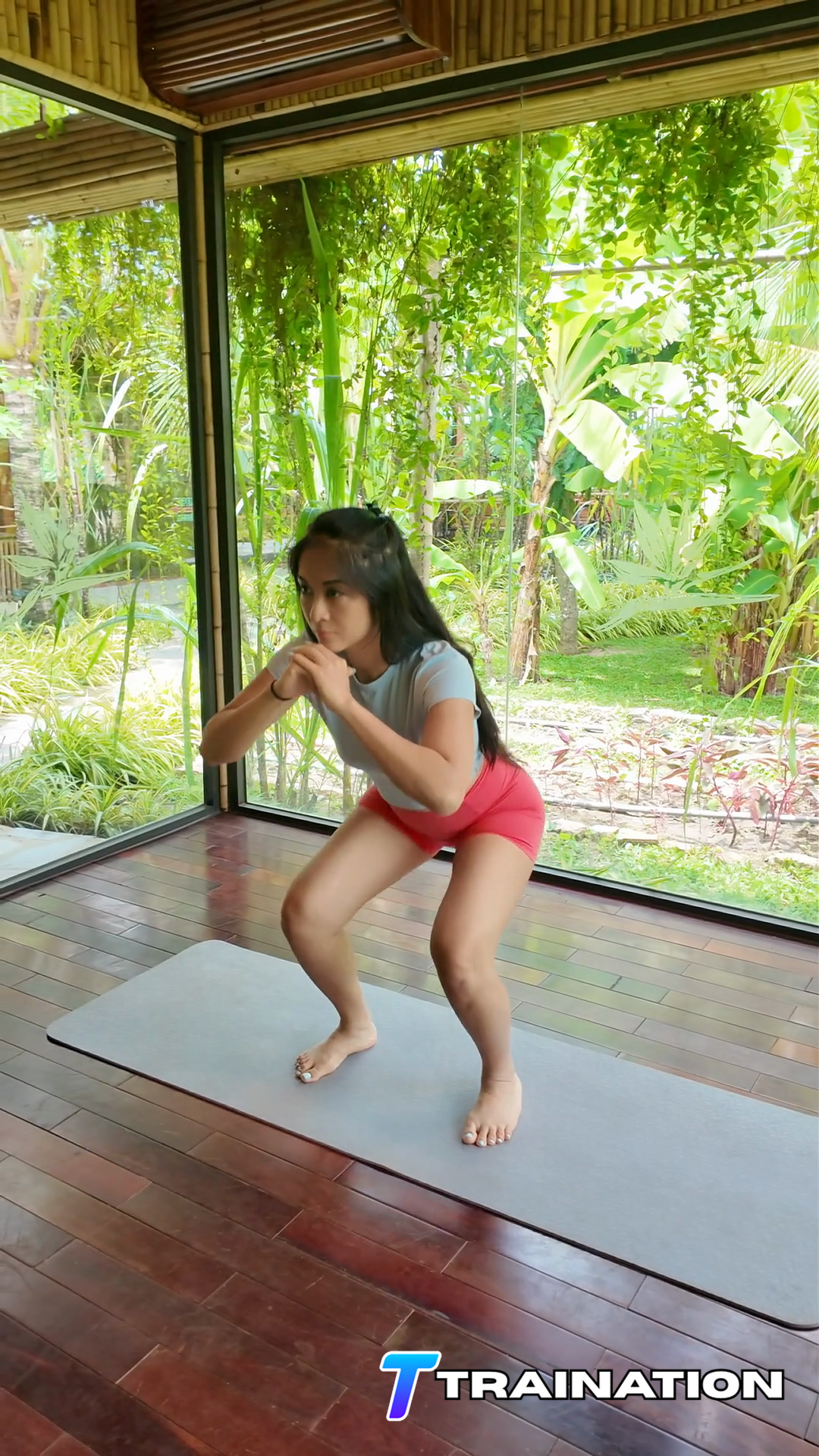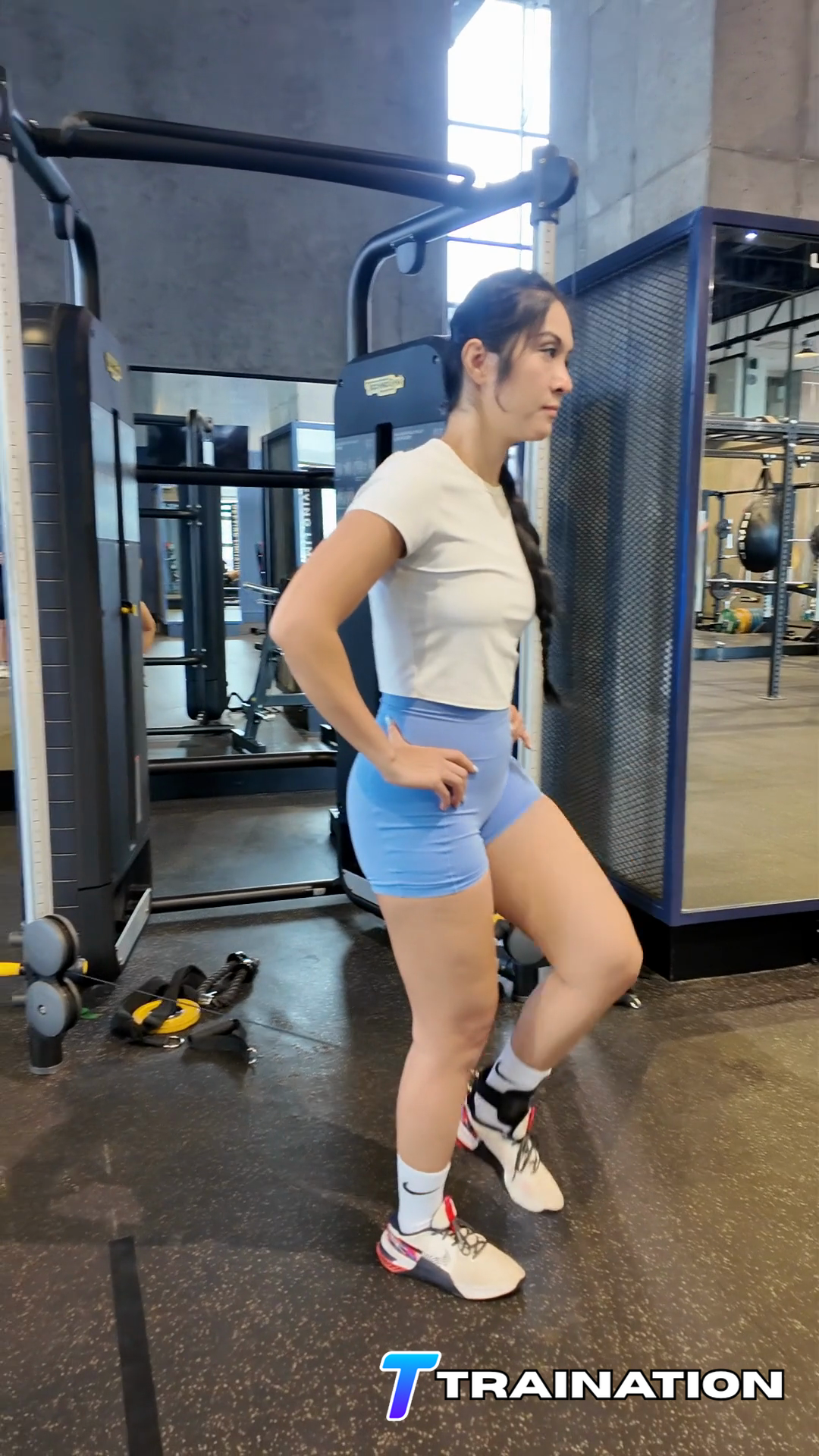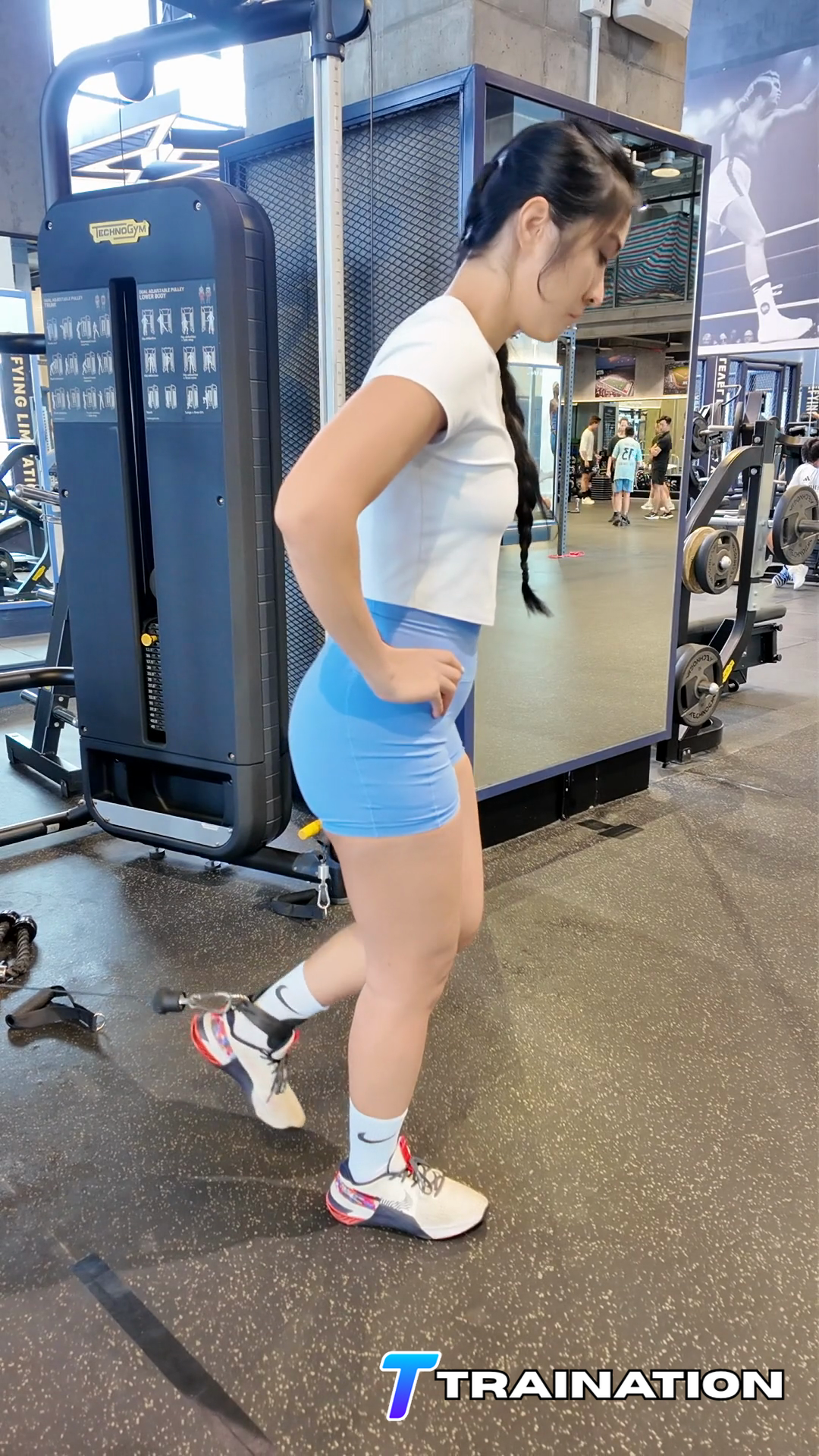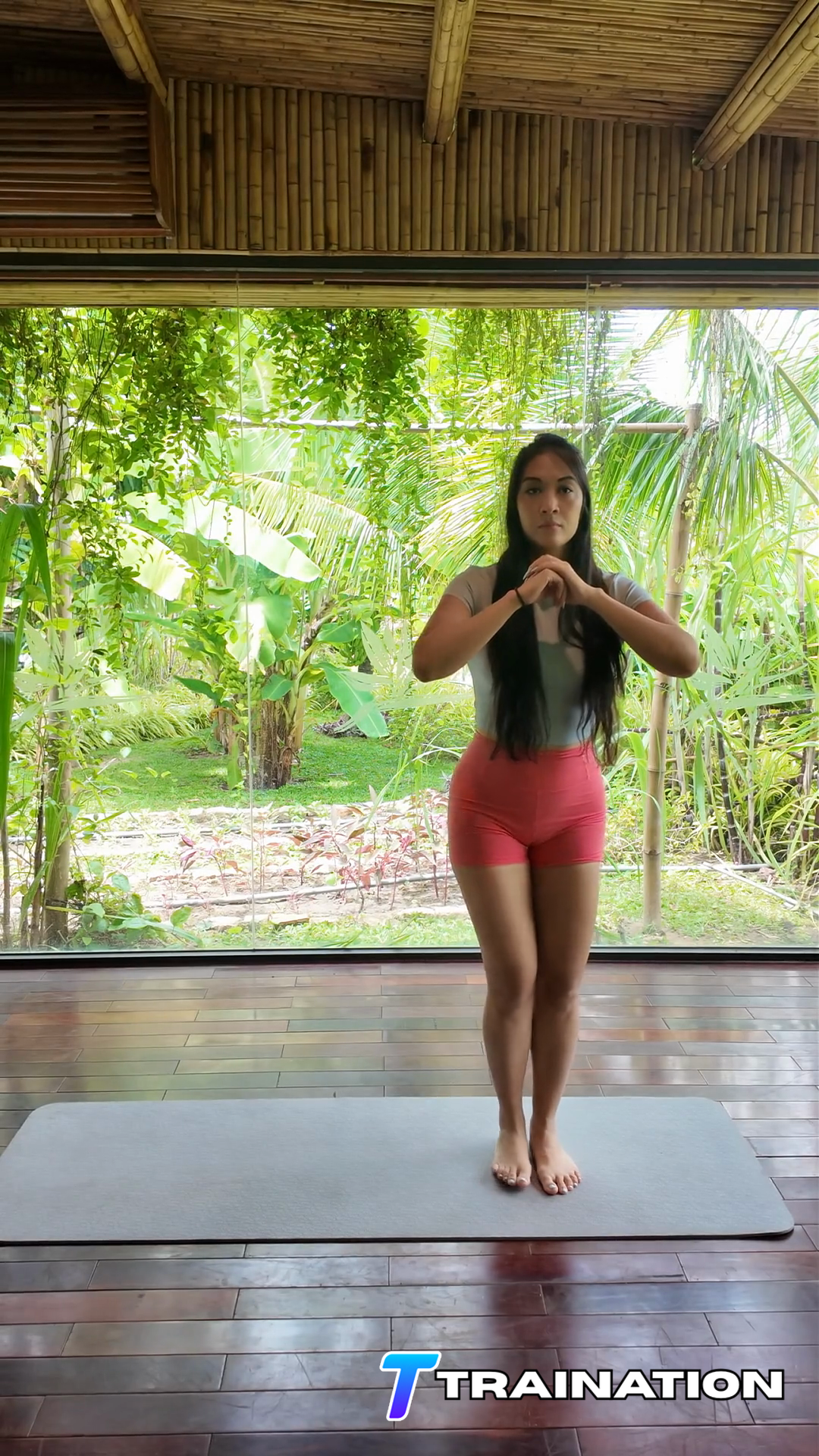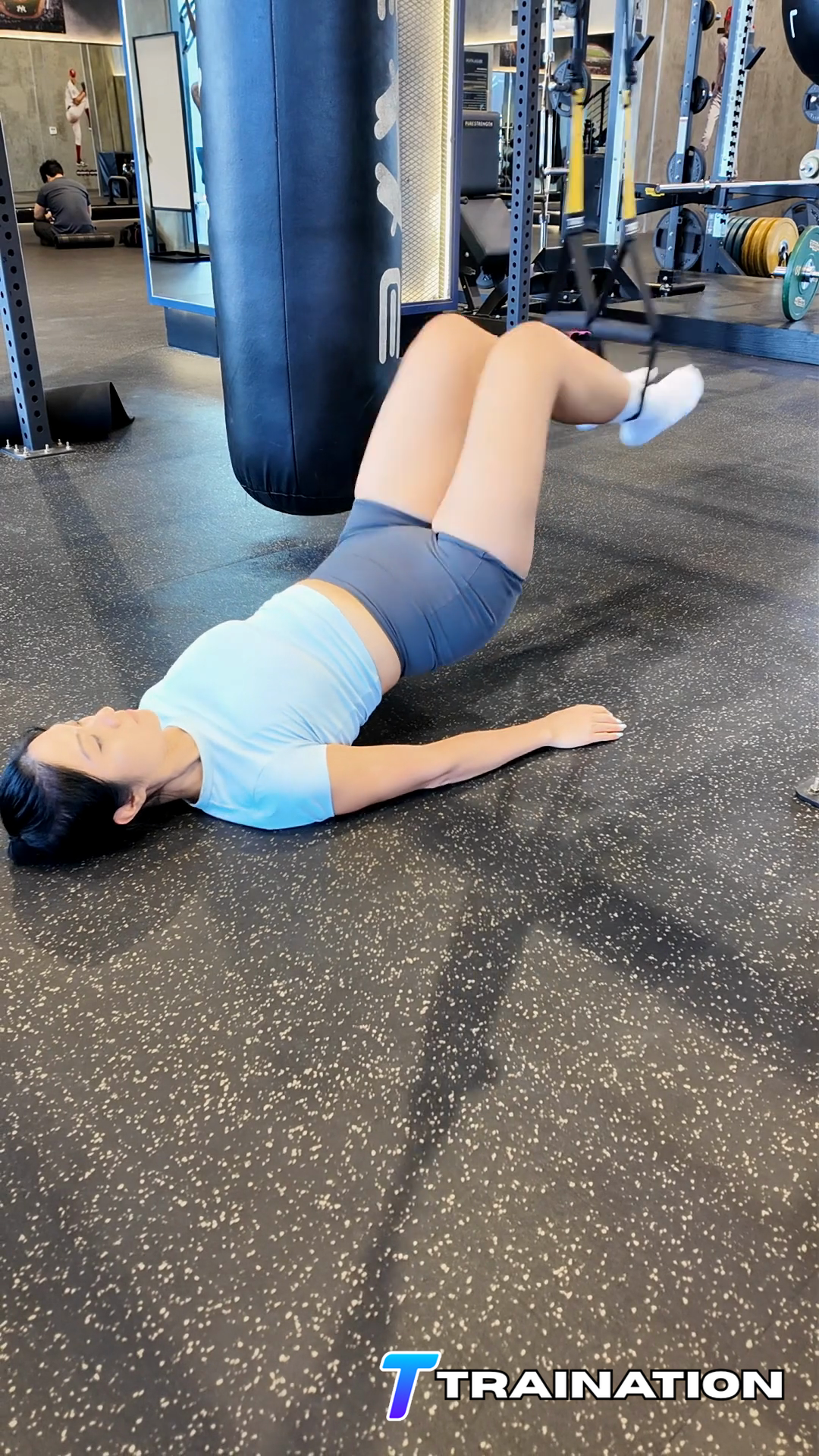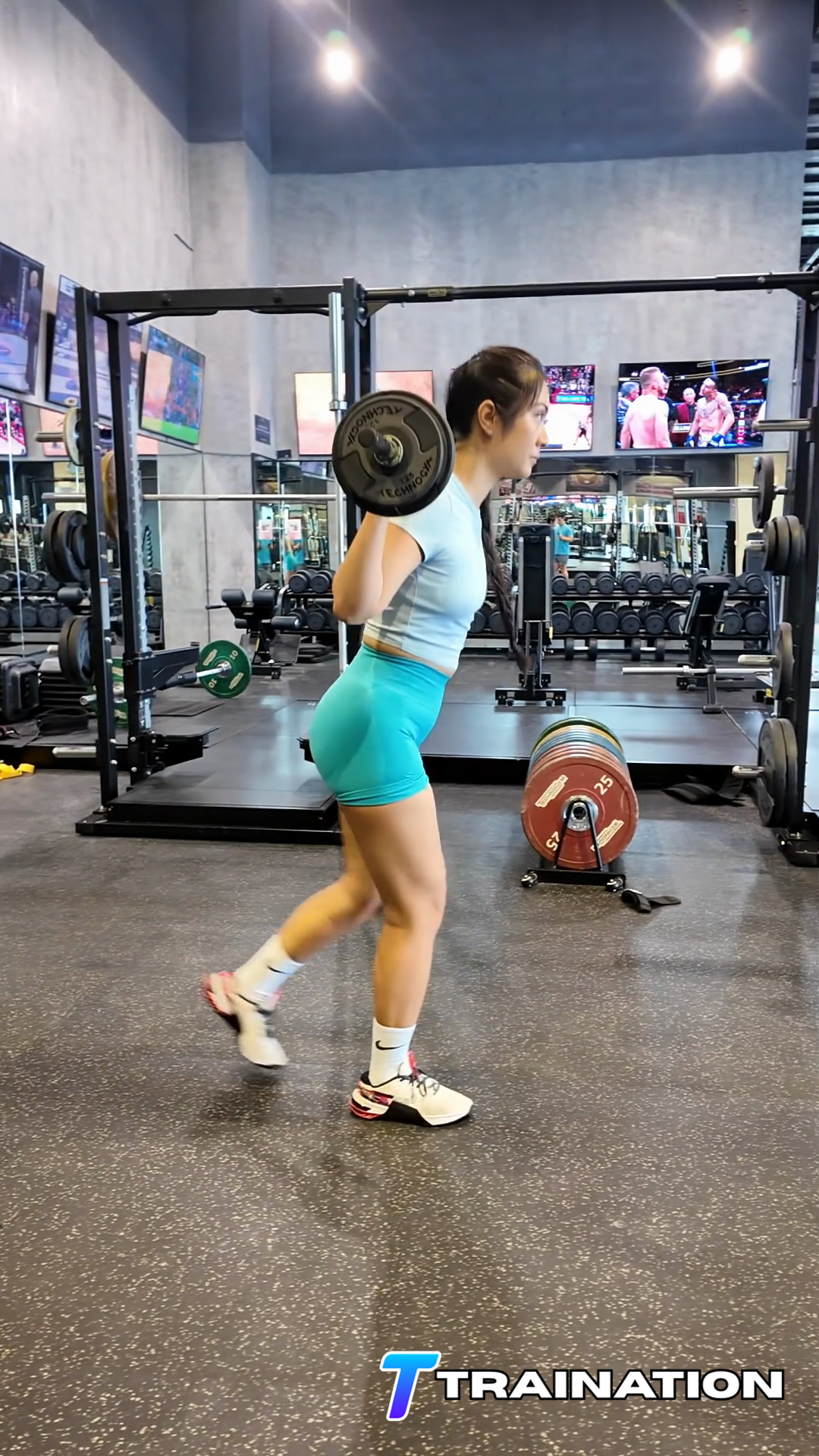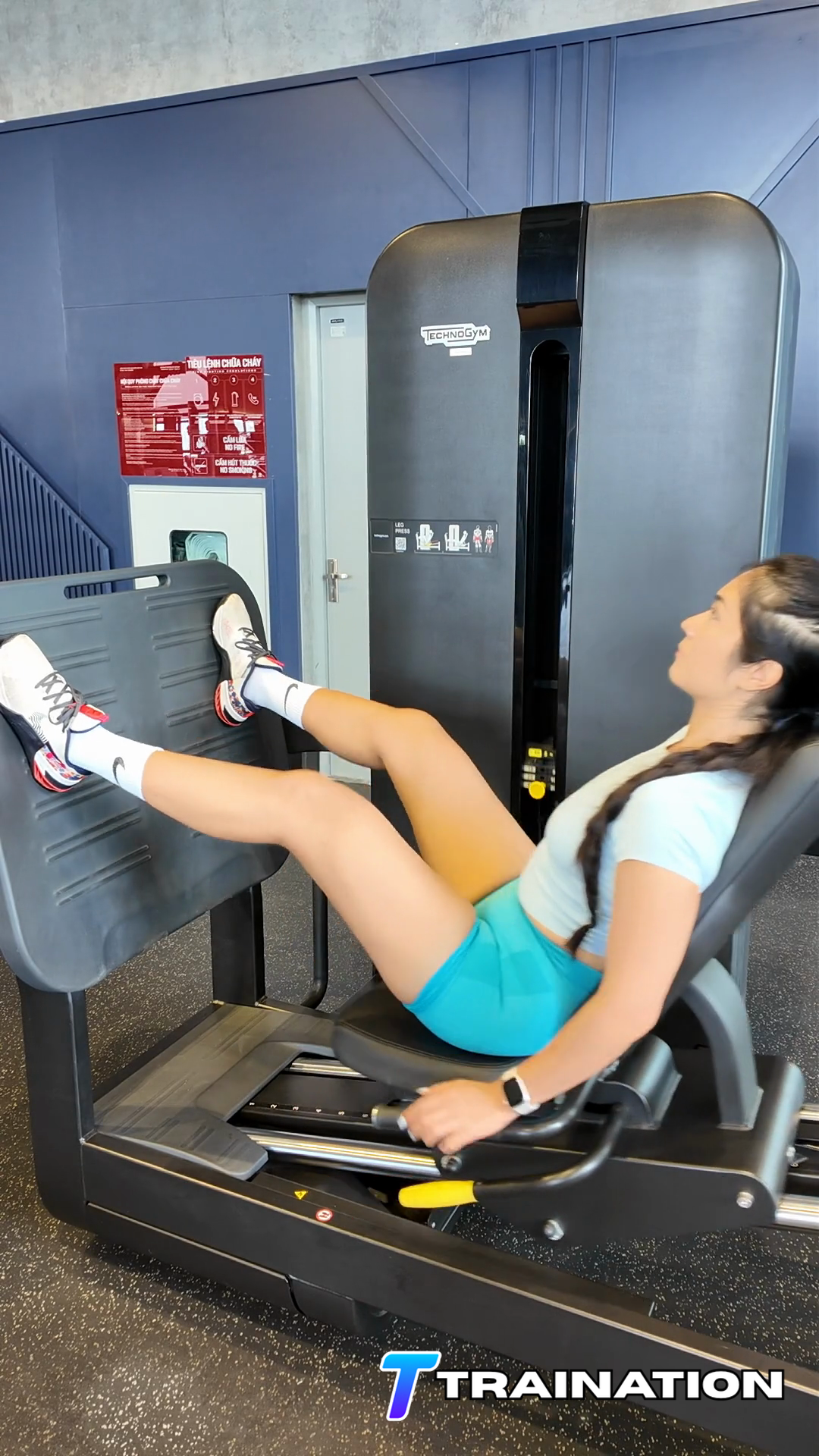
Knees caving inward
Keep each knee moving in the same direction as the toes instead of letting it fall inward.
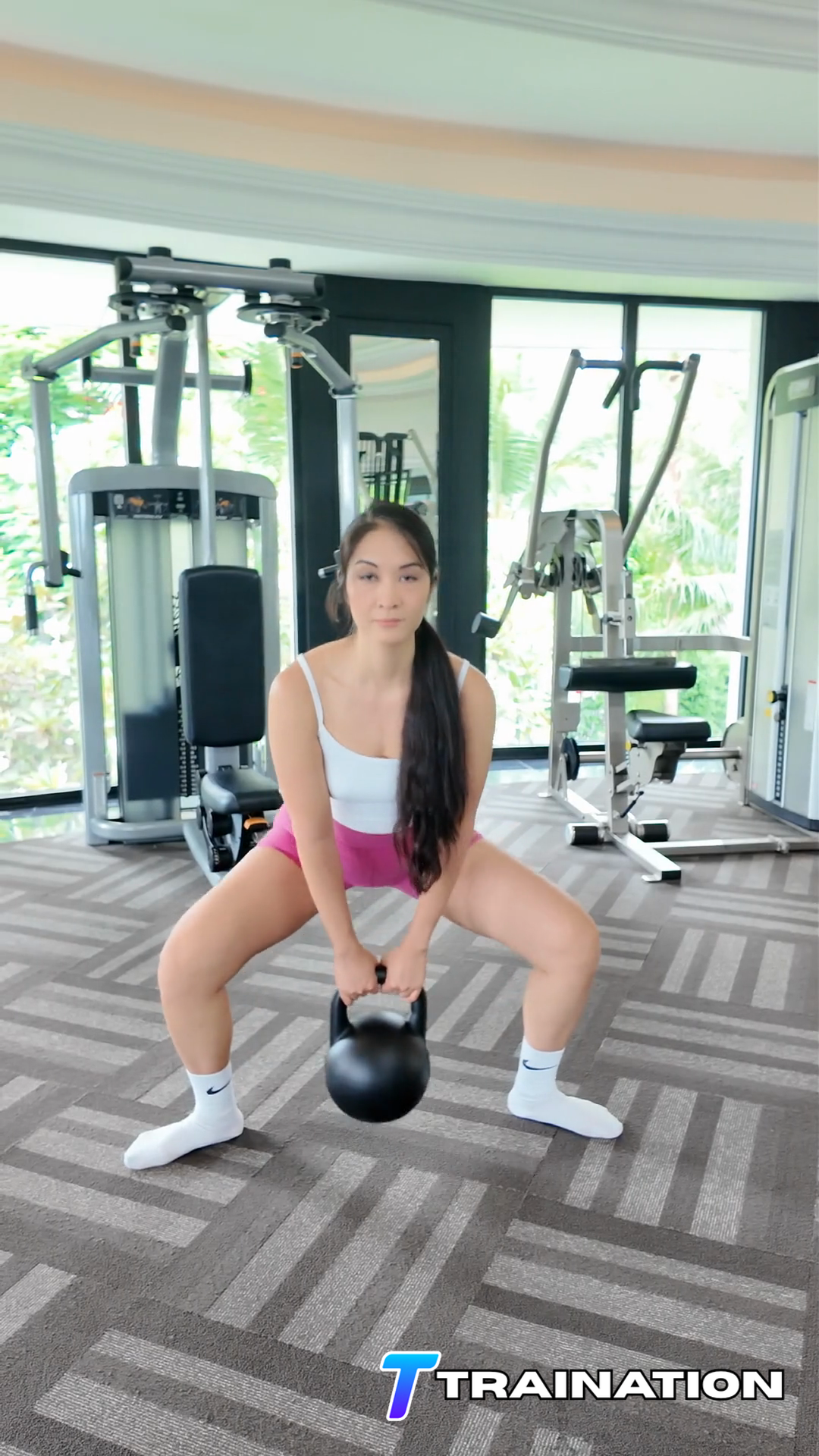
Kettlebell Sumo Squat is a squat pattern that develops lower-body strength while the hips, knees, and ankles flex together.
Primary musclesQuadriceps, Gluteus maximus, Hip adductors
Secondary musclesHamstrings, Calves, Erector spinae
Follow the sequence in order, paying attention to the starting position, movement path, and finish described in each step.
For Kettlebell Sumo Squat, take a wider-than-shoulder stance with the toes turned slightly outward with the kettlebell held close to the chest; spread pressure across the heel and both sides of the forefoot.
Inhale and brace the trunk before the hips and knees begin to bend.
Bend the hips and knees together, allowing the knees to track in the same direction as the toes.
Descend only as far as the heels, trunk, and load remain balanced over the mid-foot.
Push the floor away and extend the hips and knees together to stand tall without leaning backward.
Keep each knee moving in the same direction as the toes instead of letting it fall inward.
Maintain the heel and both sides of the forefoot; shorten the range if the heels lift or balance rolls to the toes.
Brace before descending and drive the hips and chest upward together rather than letting one shoot up first.
Use the deepest range that preserves balance and trunk control instead of chasing depth after the pelvis or spine changes position.
Use Kettlebell Sumo Squat early in a workout focused on upper legs, or early in a full-body workout, when strength or technical progress is the priority; place it later when it supplies secondary volume.
Use one to three times per week as part of training the relevant muscle groups at least twice weekly; the same exercise does not need to appear in every session.
| Goal | Sets | Reps or time | Rest | Effort and execution |
|---|---|---|---|---|
| Strength | 2–4 | 3–6 | 2–4 min | Heavy, usually 2–3 clean reps in reserve |
| Muscle growth | 2–4 | 6–12 | 90–180 sec | Usually 1–3 clean reps in reserve |
Scale the movement
Use a stable box and light hand support to learn balance, knee tracking, and repeatable depth.
Hold one light dumbbell or kettlebell at the chest to practise a loaded squat with a manageable centre of mass.
Use a three- to four-second descent while preserving the same stance, depth, and ascent path.
Pause without relaxing at the deepest controlled position before standing.
Turn Kettlebell Sumo Squat and the rest of your exercise library into repeatable client programs.
Explore the workout builder