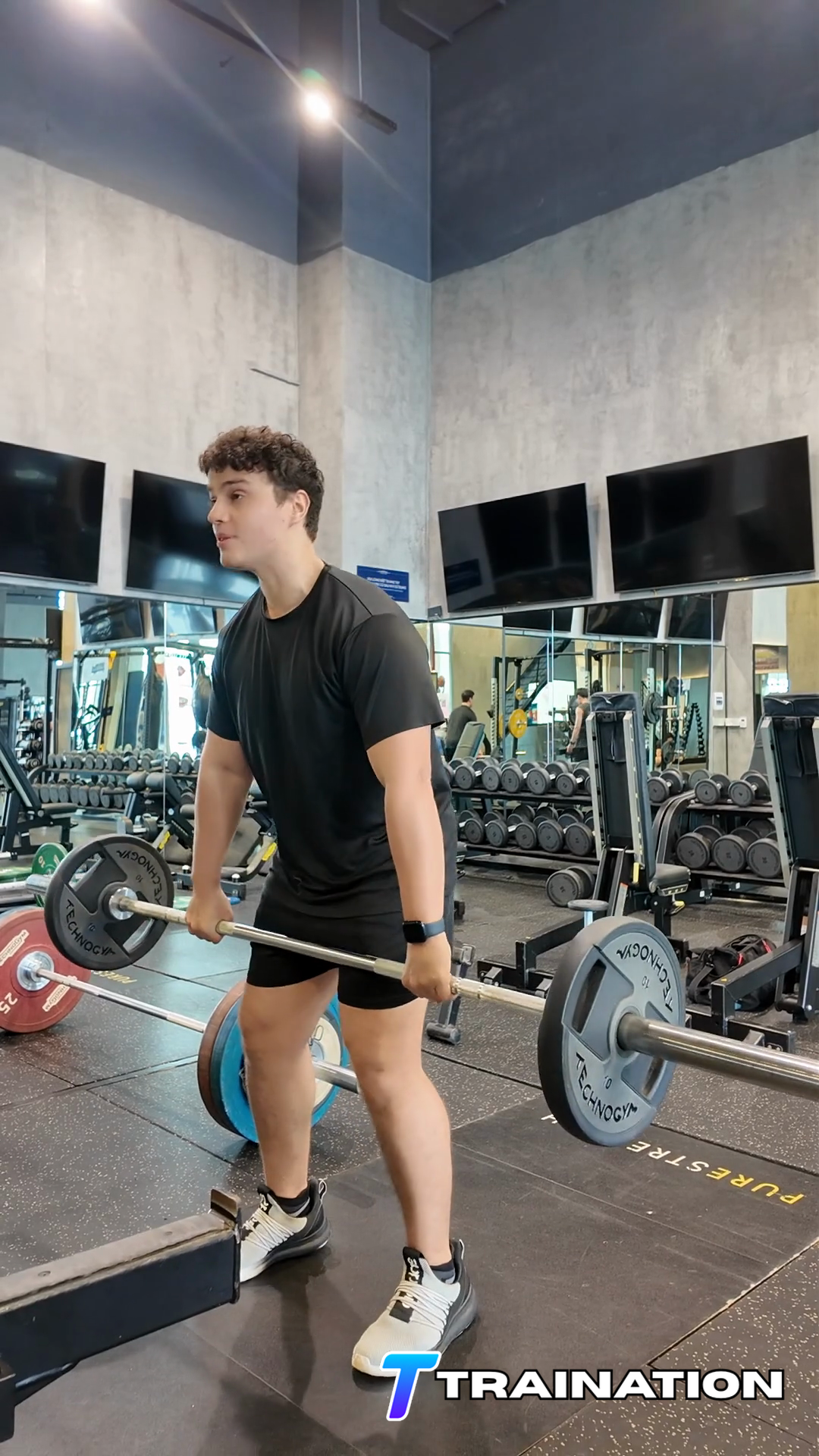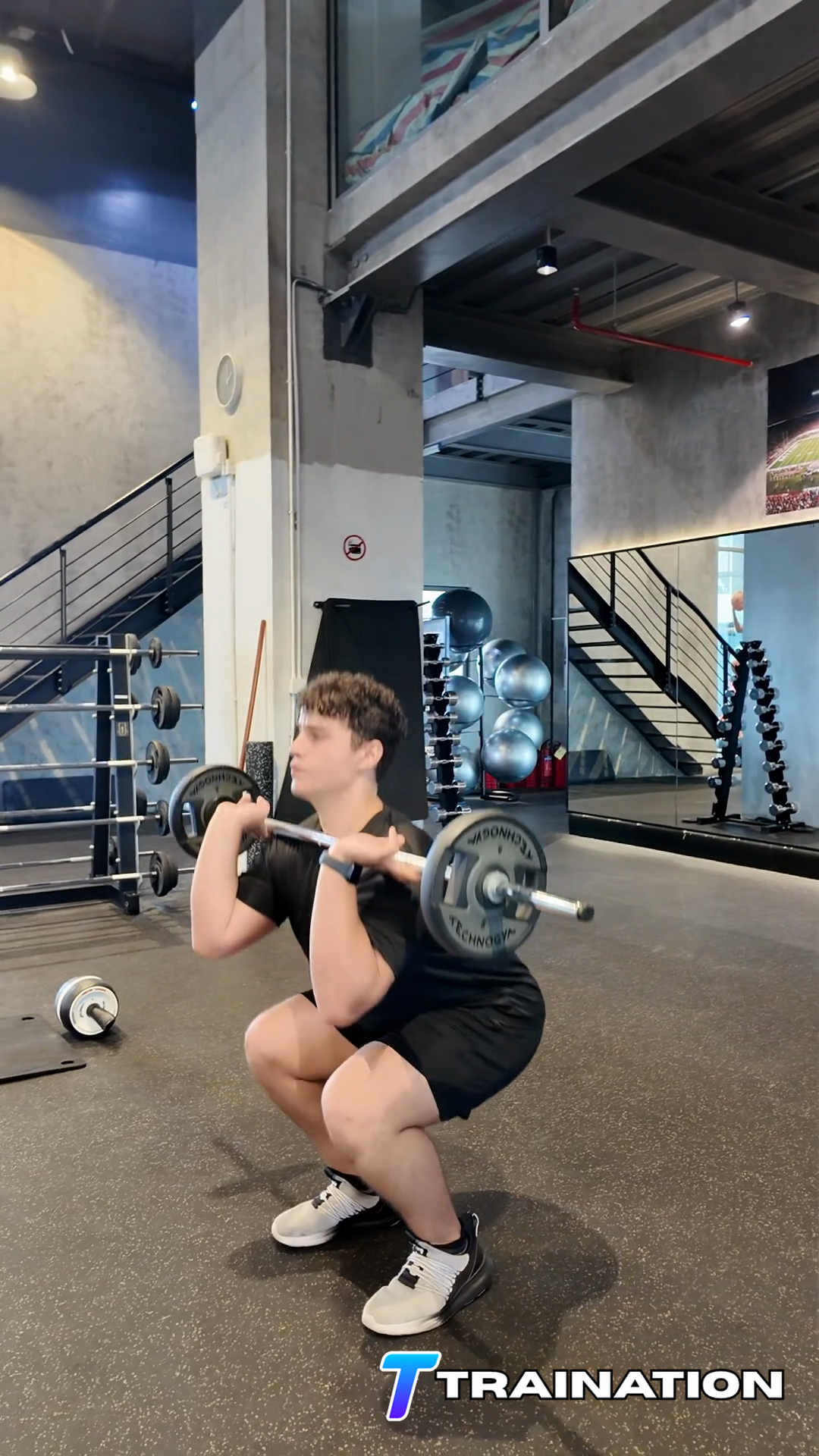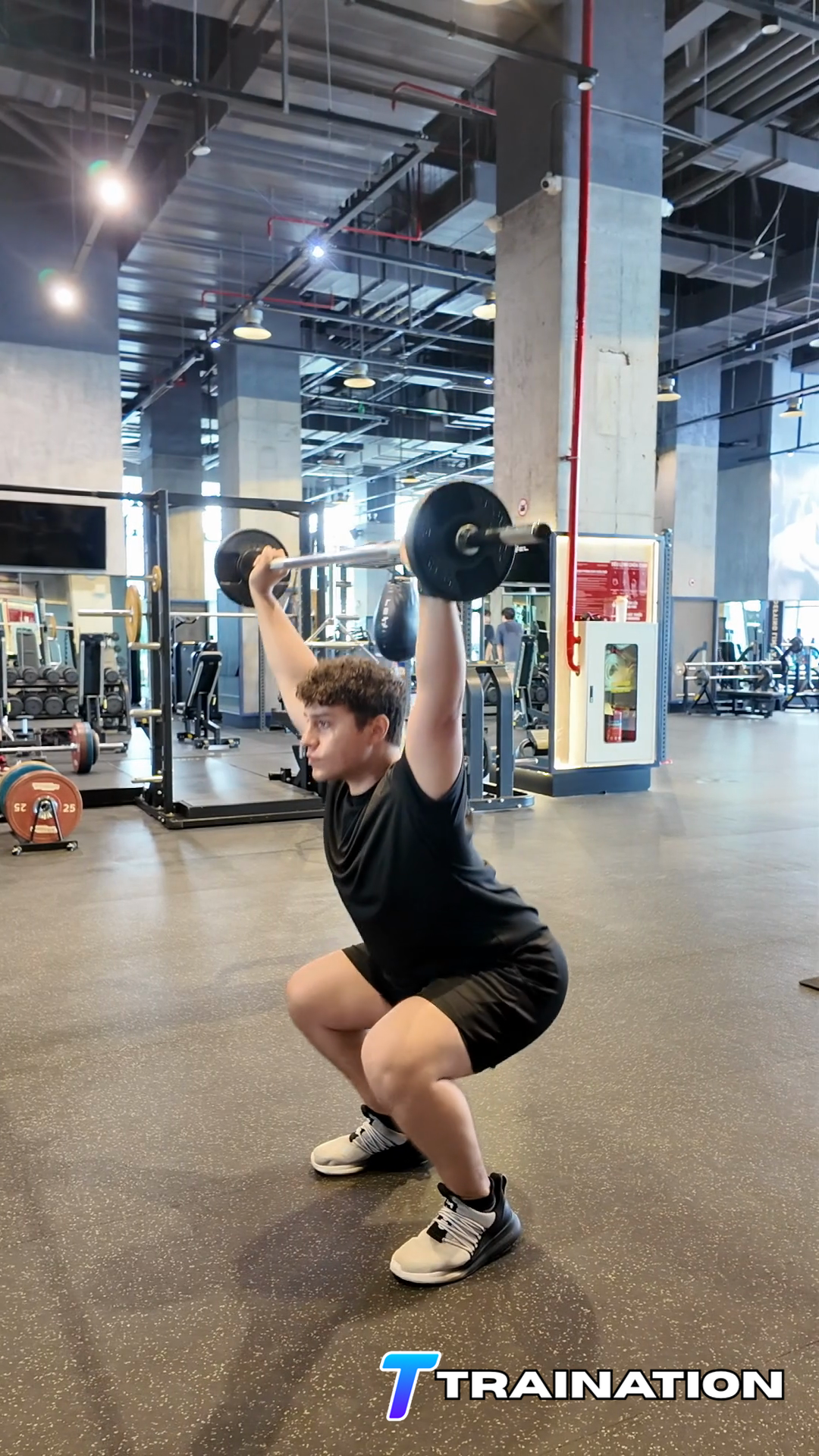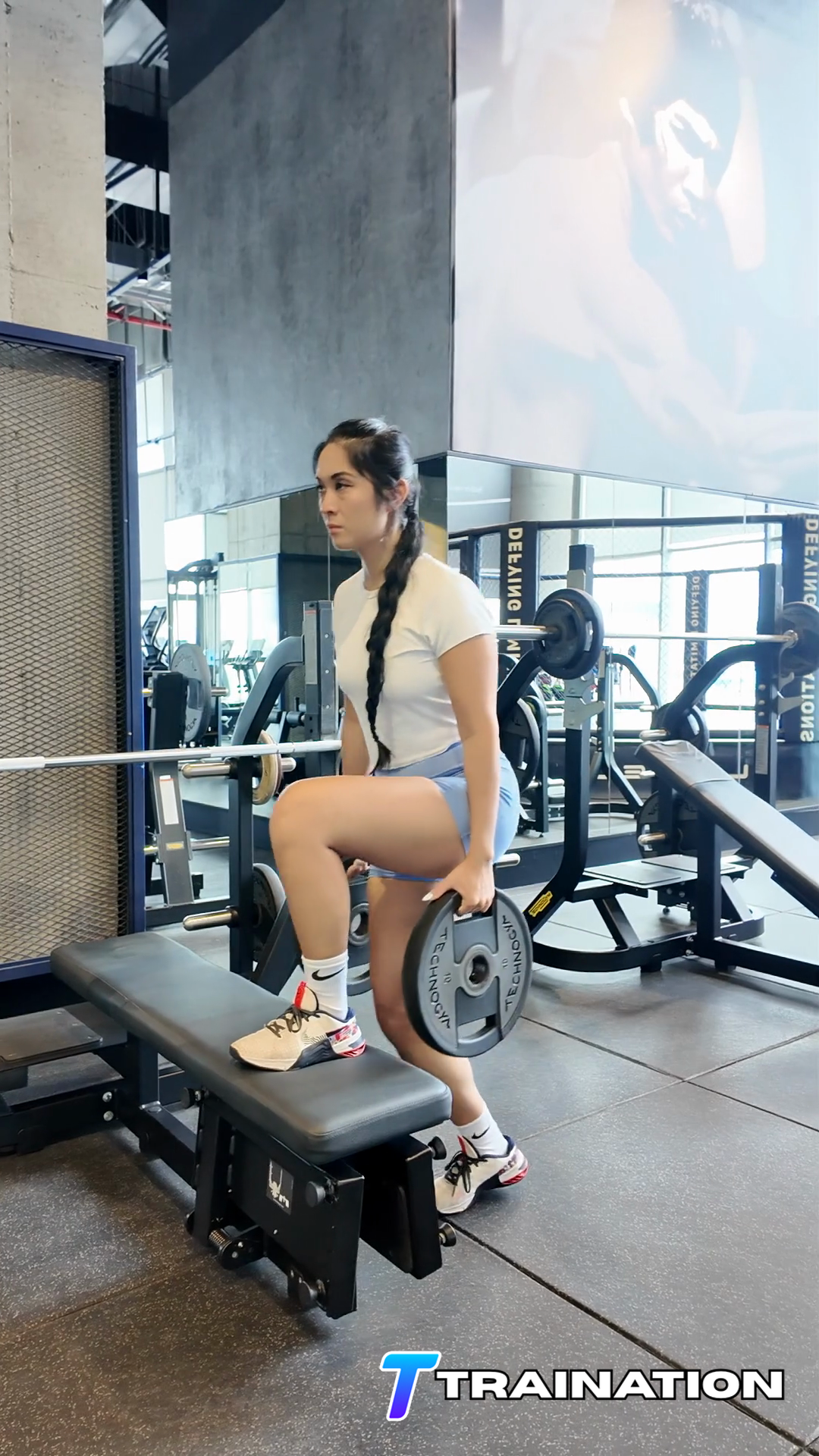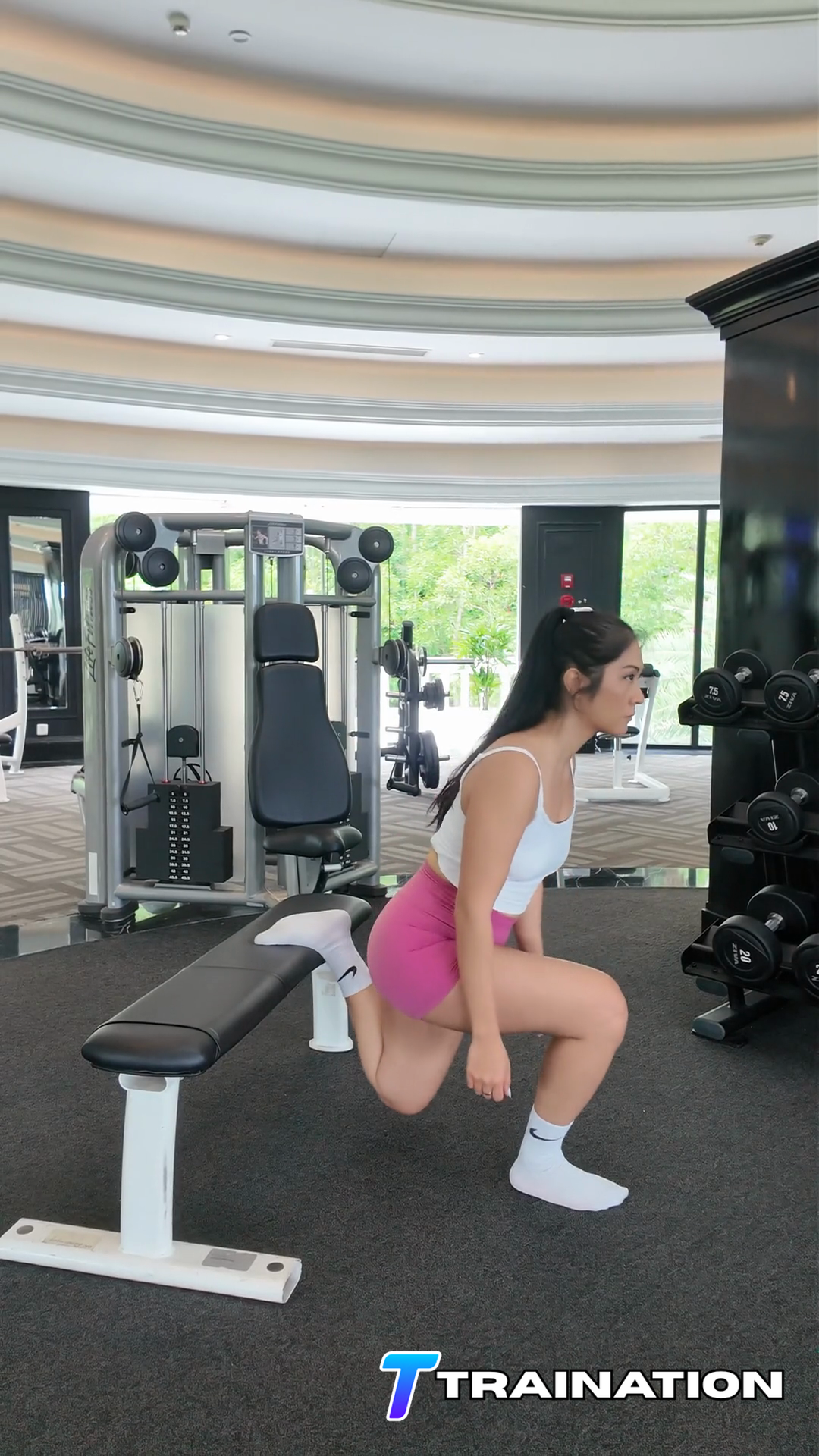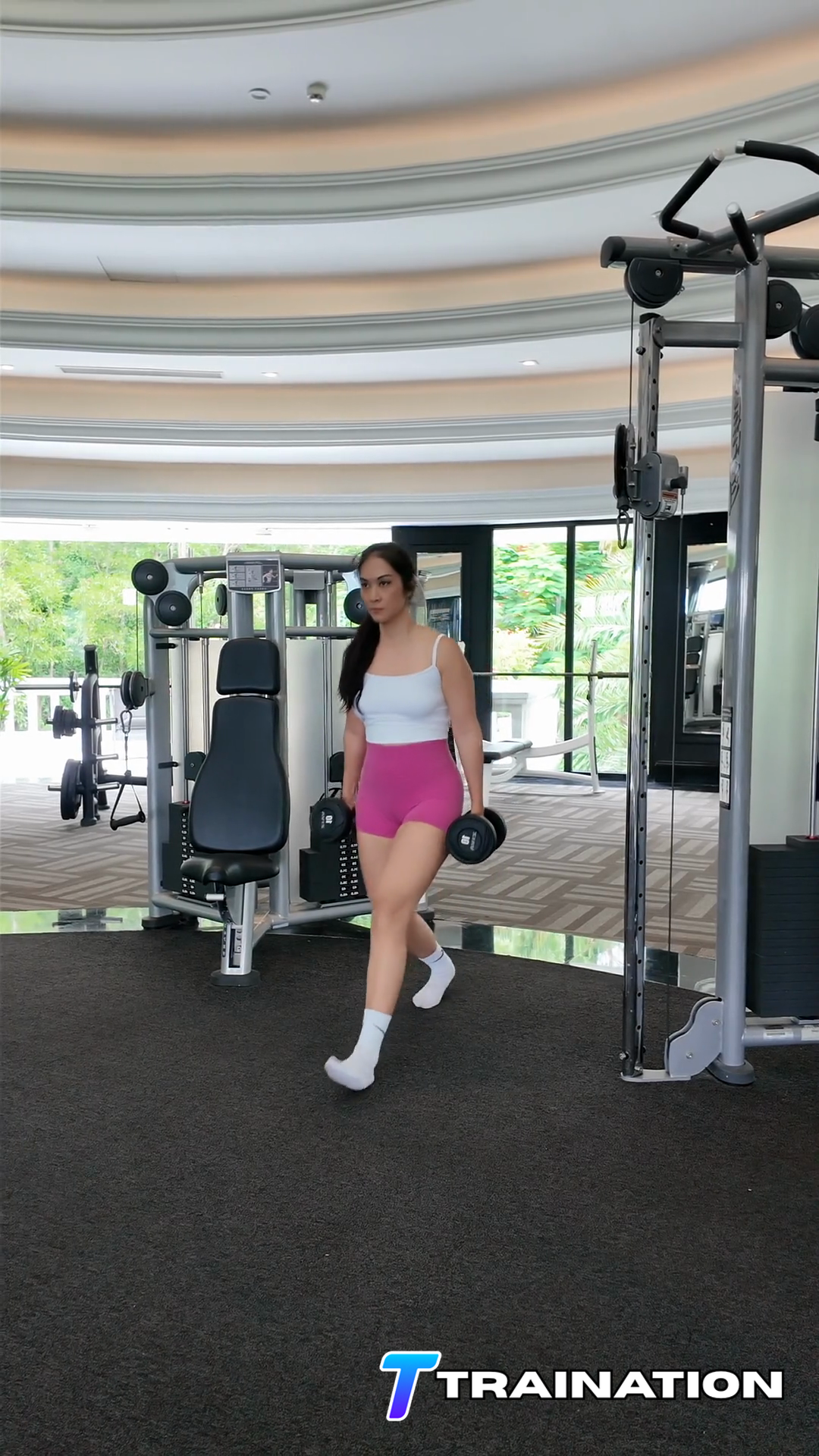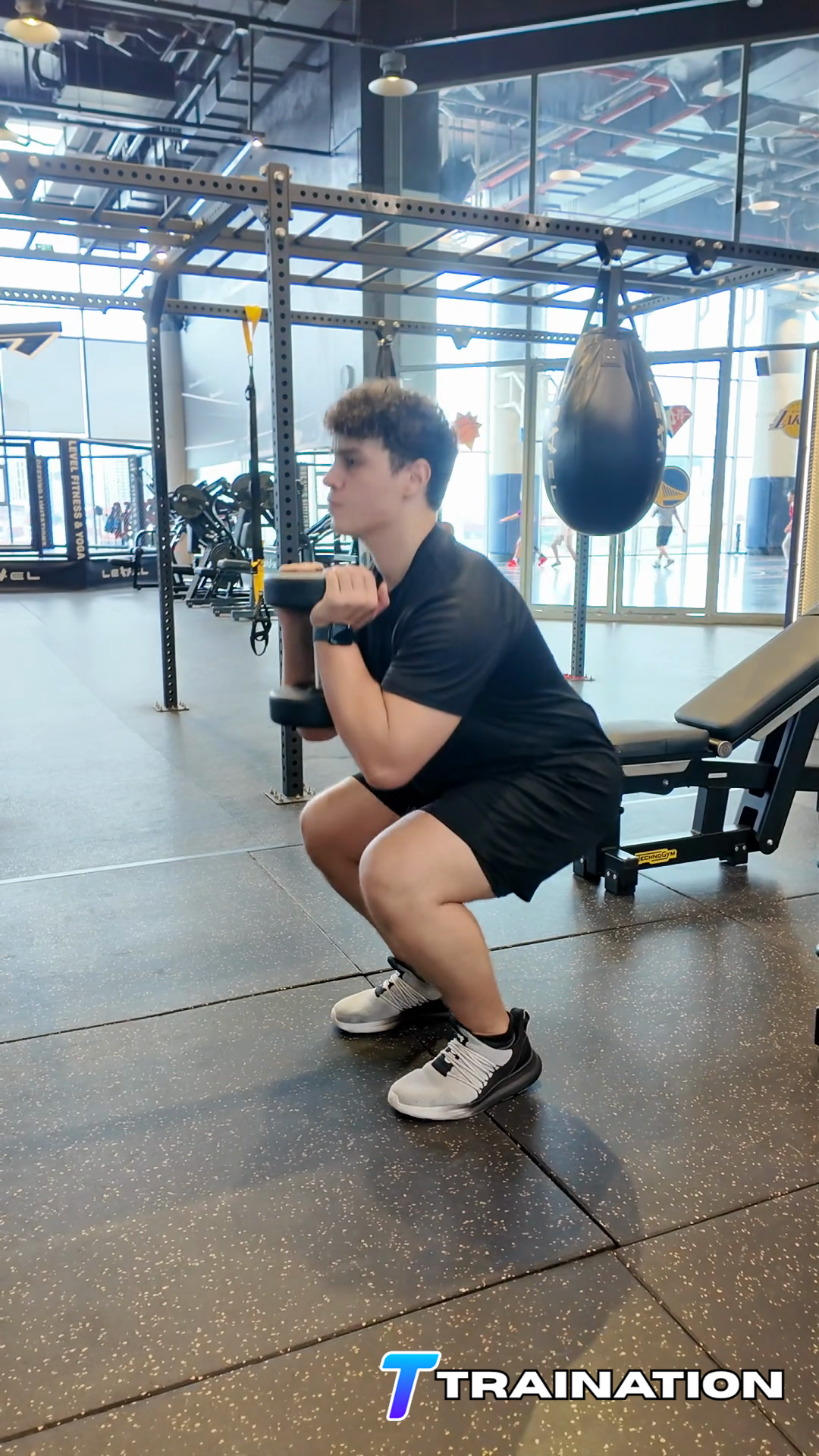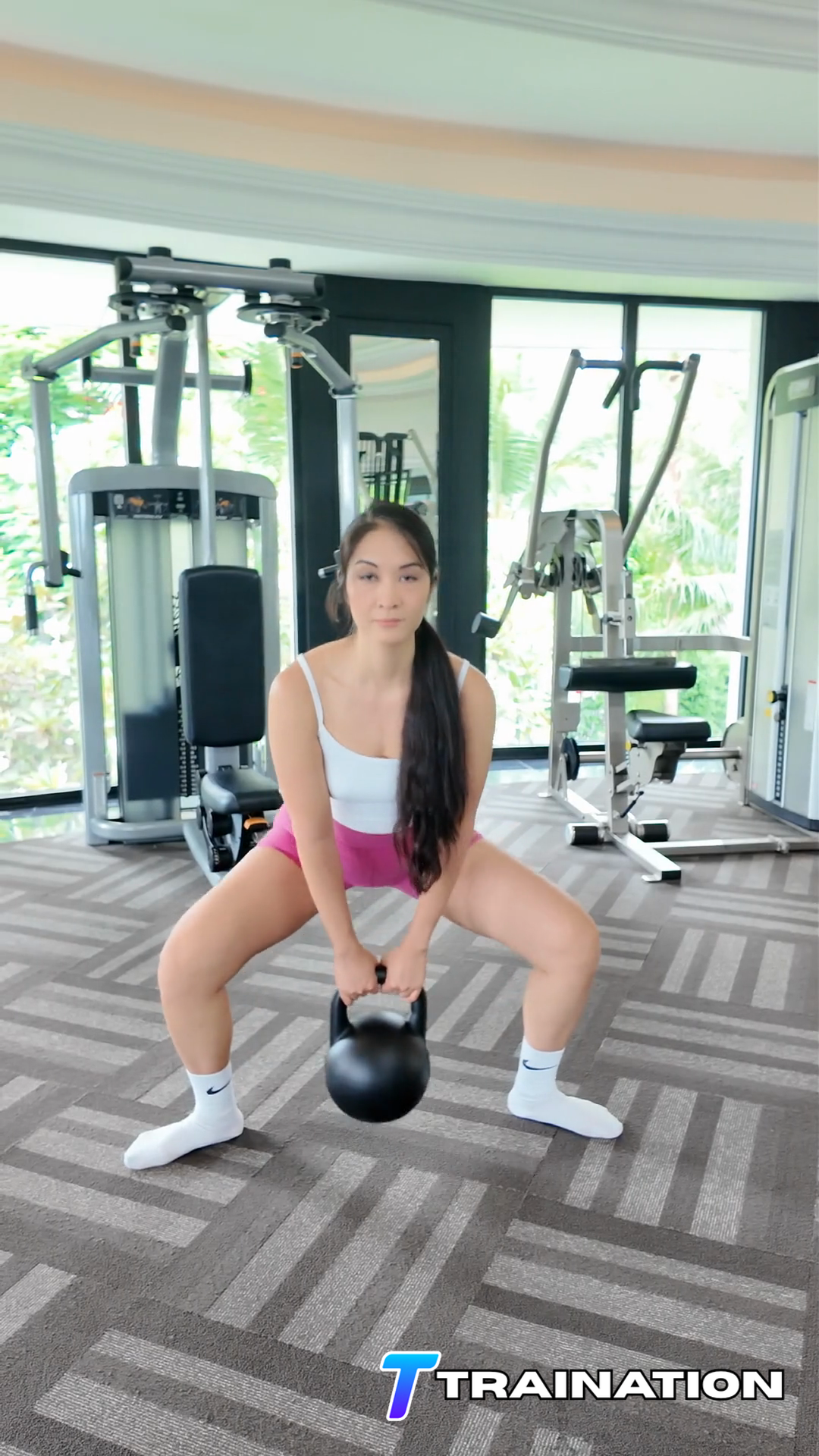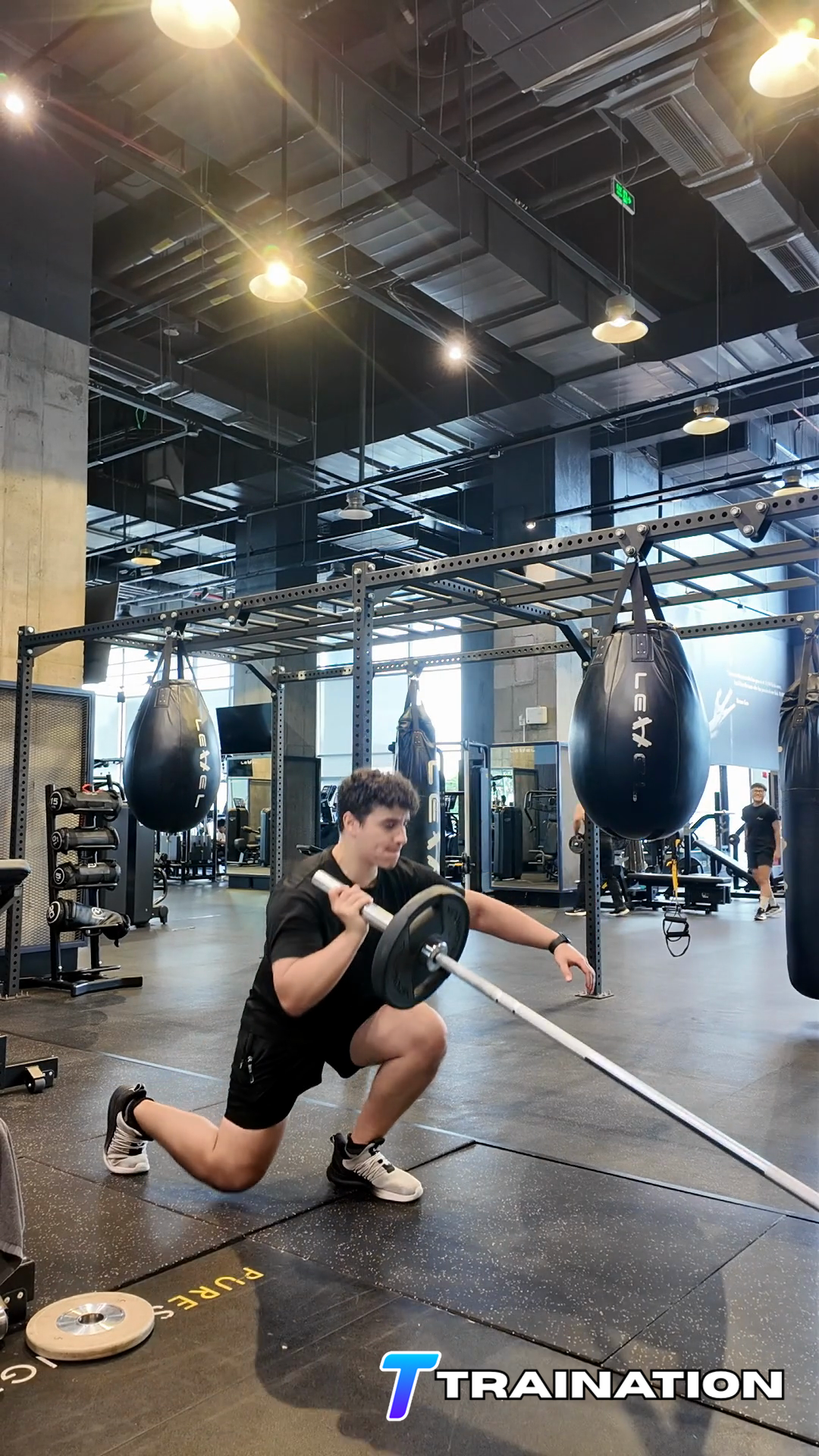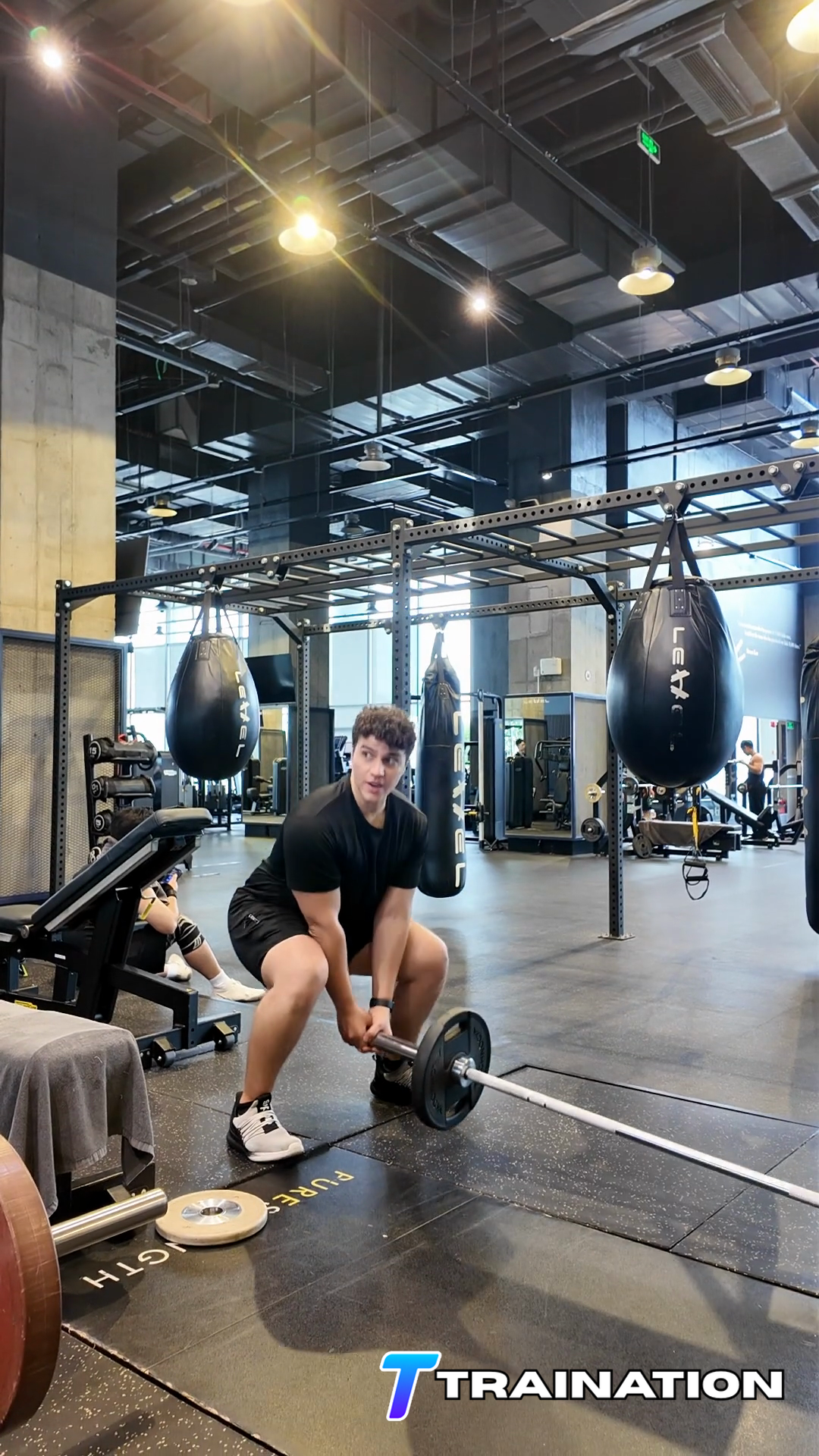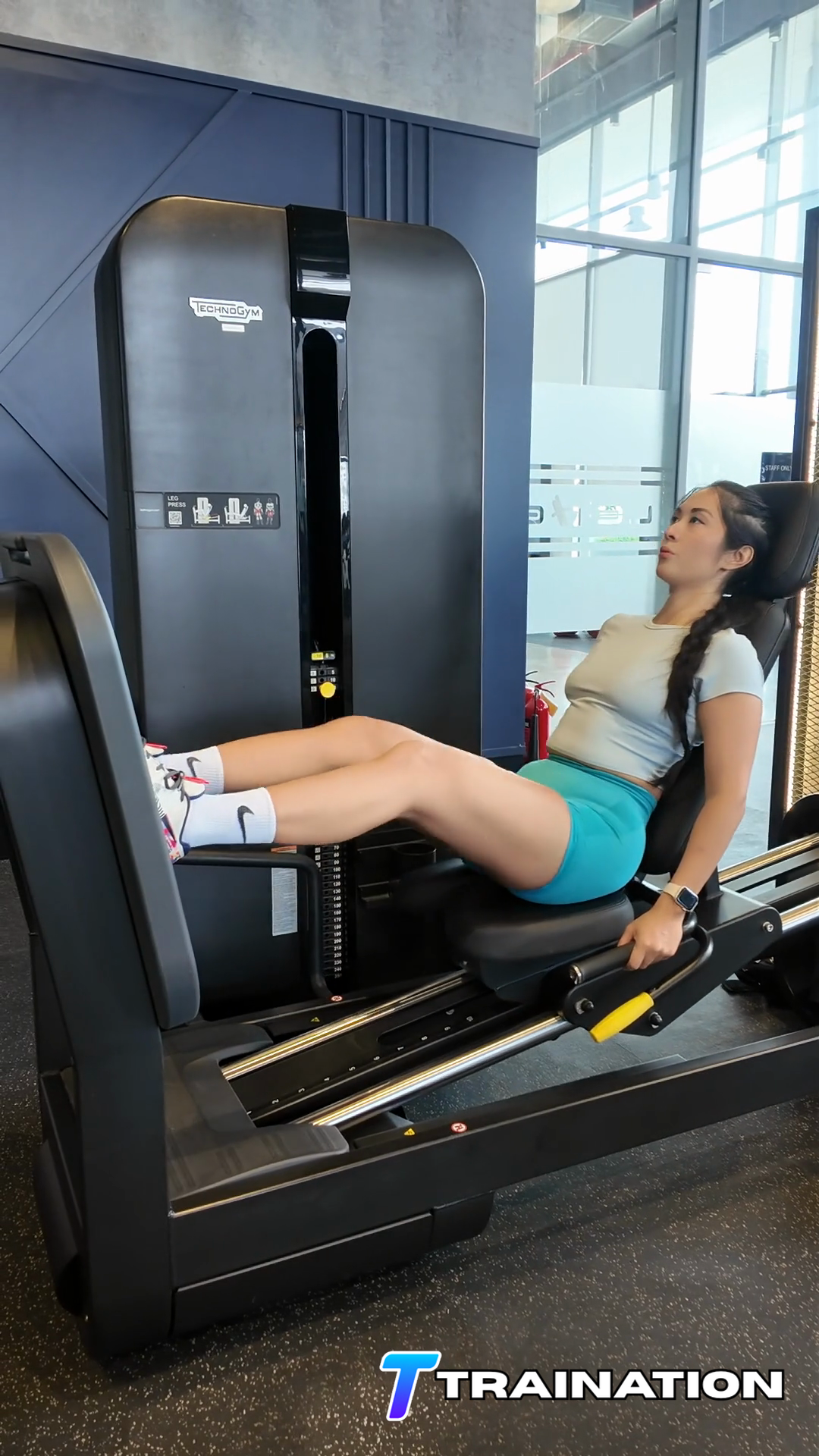
Landing with crossed or narrow feet
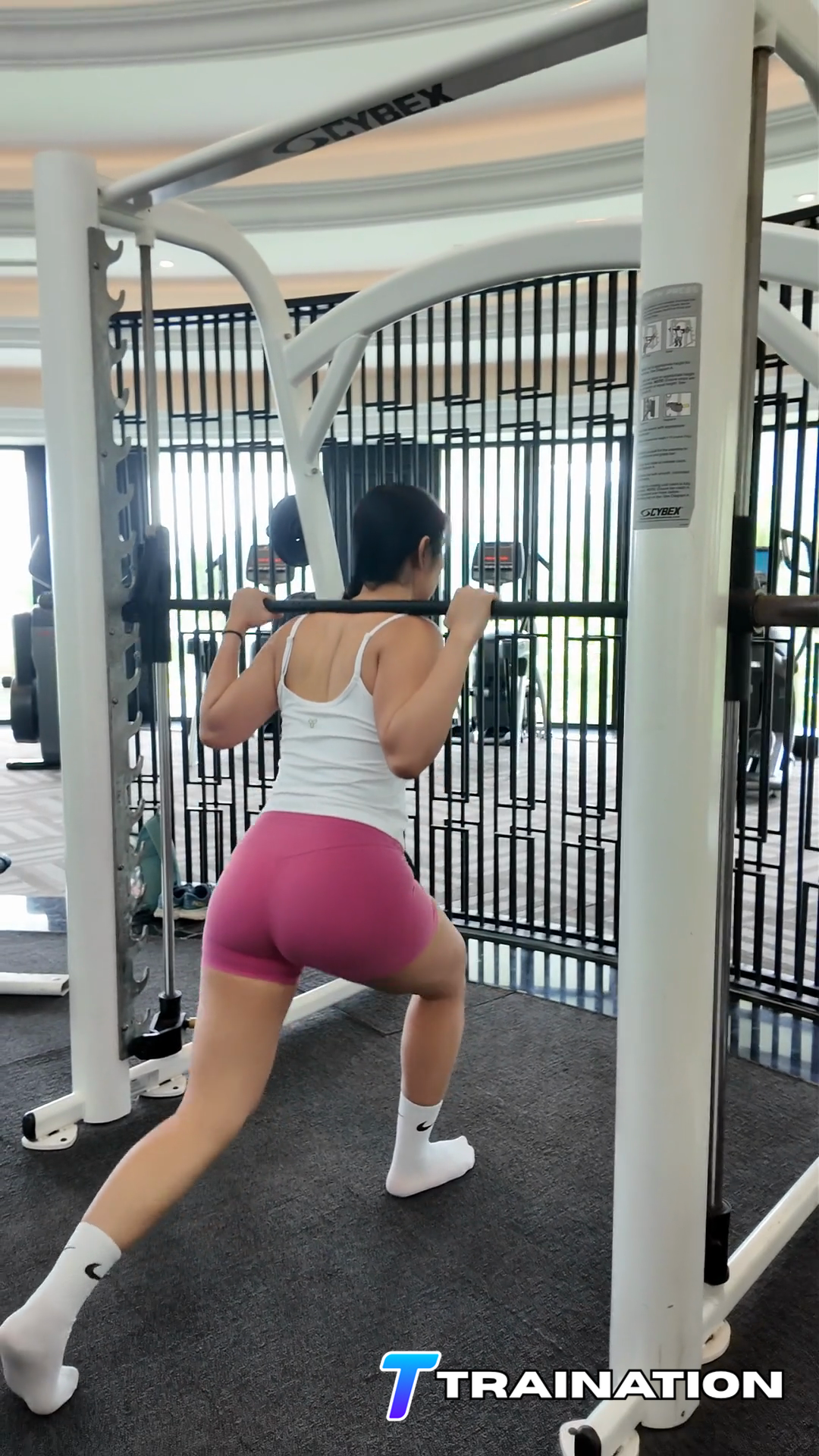
Land in a stable split stance with enough side-to-side width for balance.
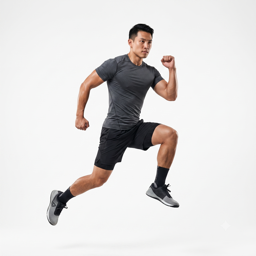
Jumping Lunges is an explosive movement that develops rapid force production through a coordinated full-body action.
Primary musclesQuadriceps, Gluteus maximus, Calves
Secondary musclesHamstrings, Hip adductors, Abdominals
Follow the sequence in order, paying attention to the starting position, movement path, and finish described in each step.
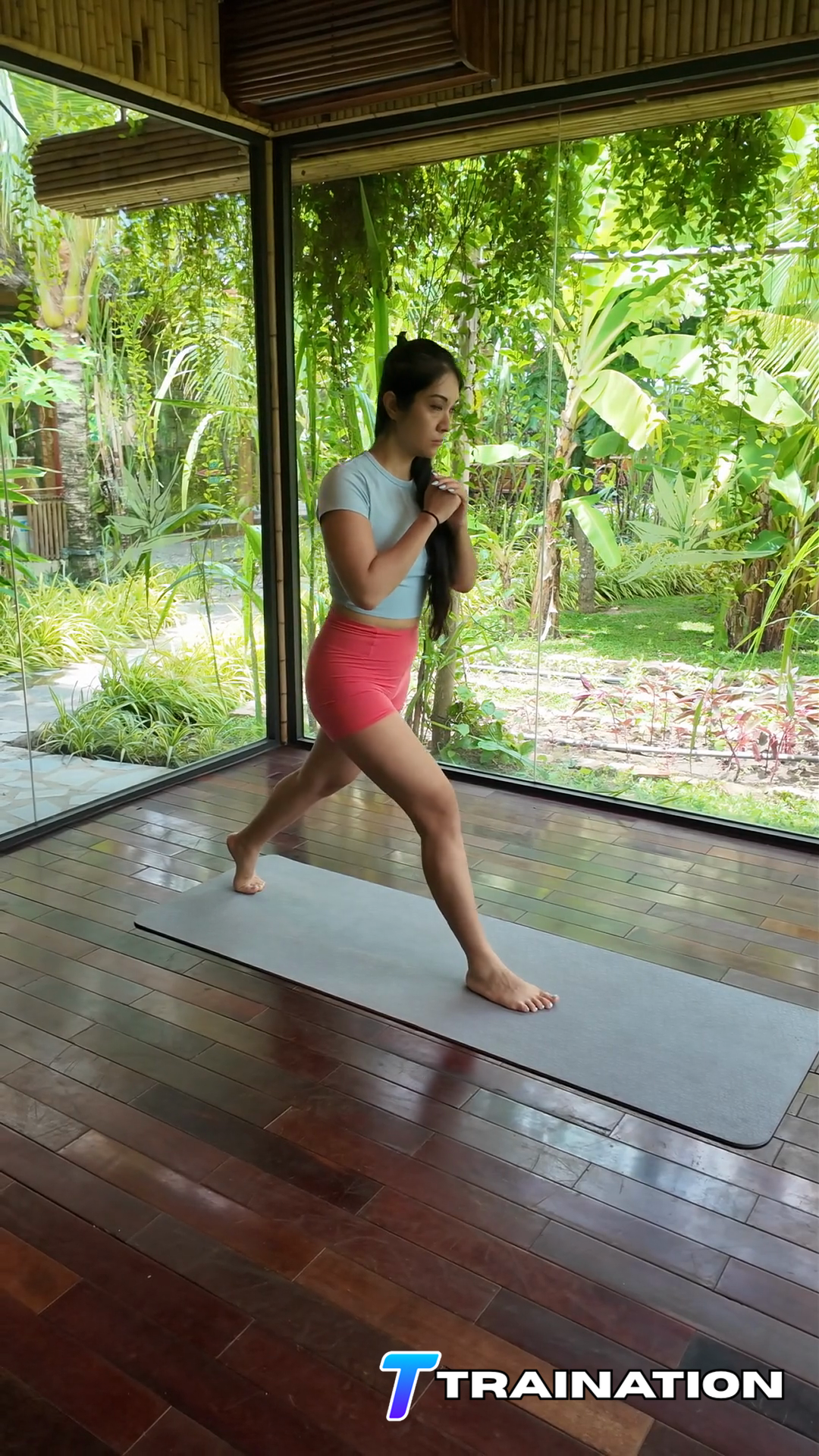
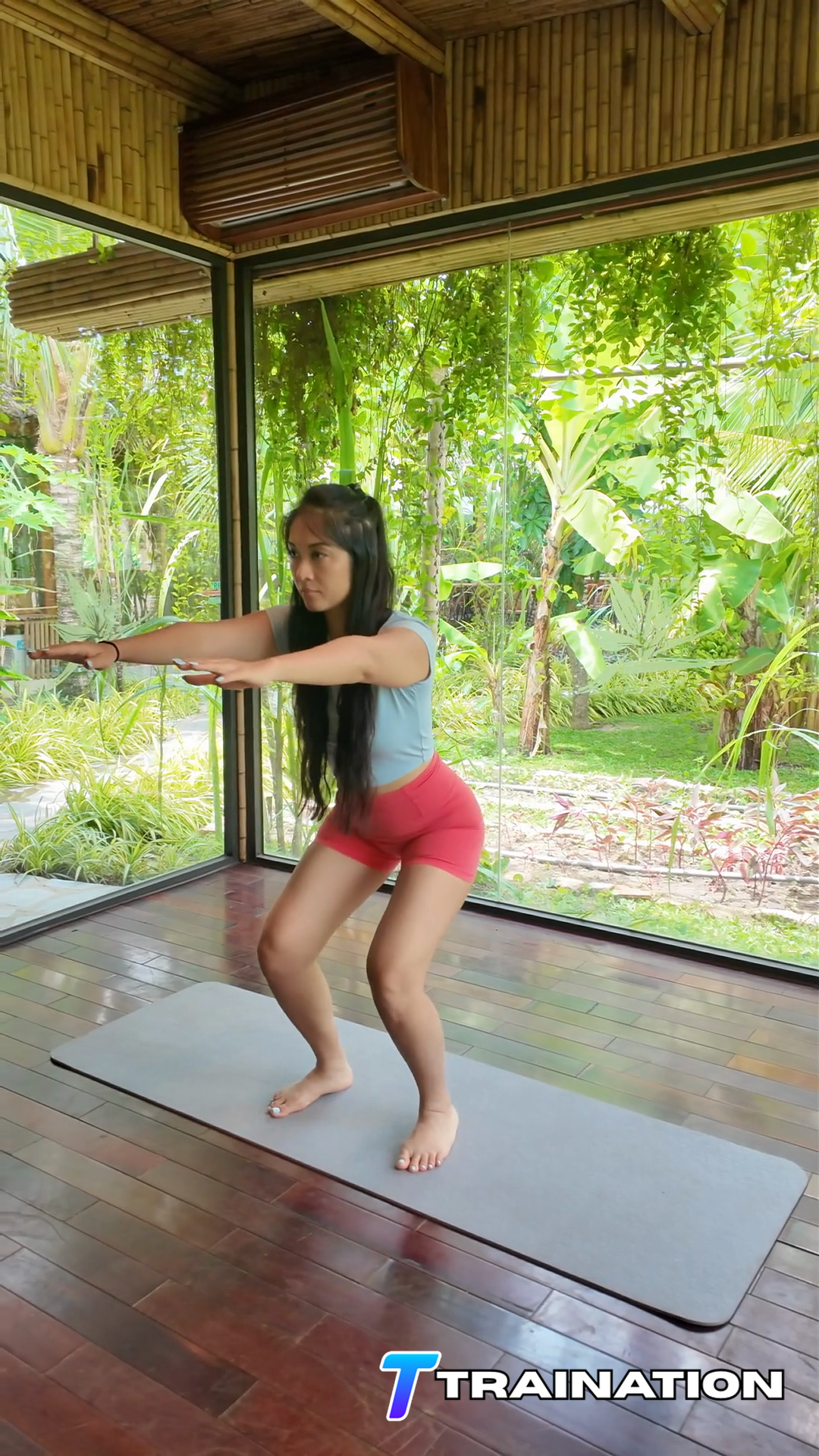
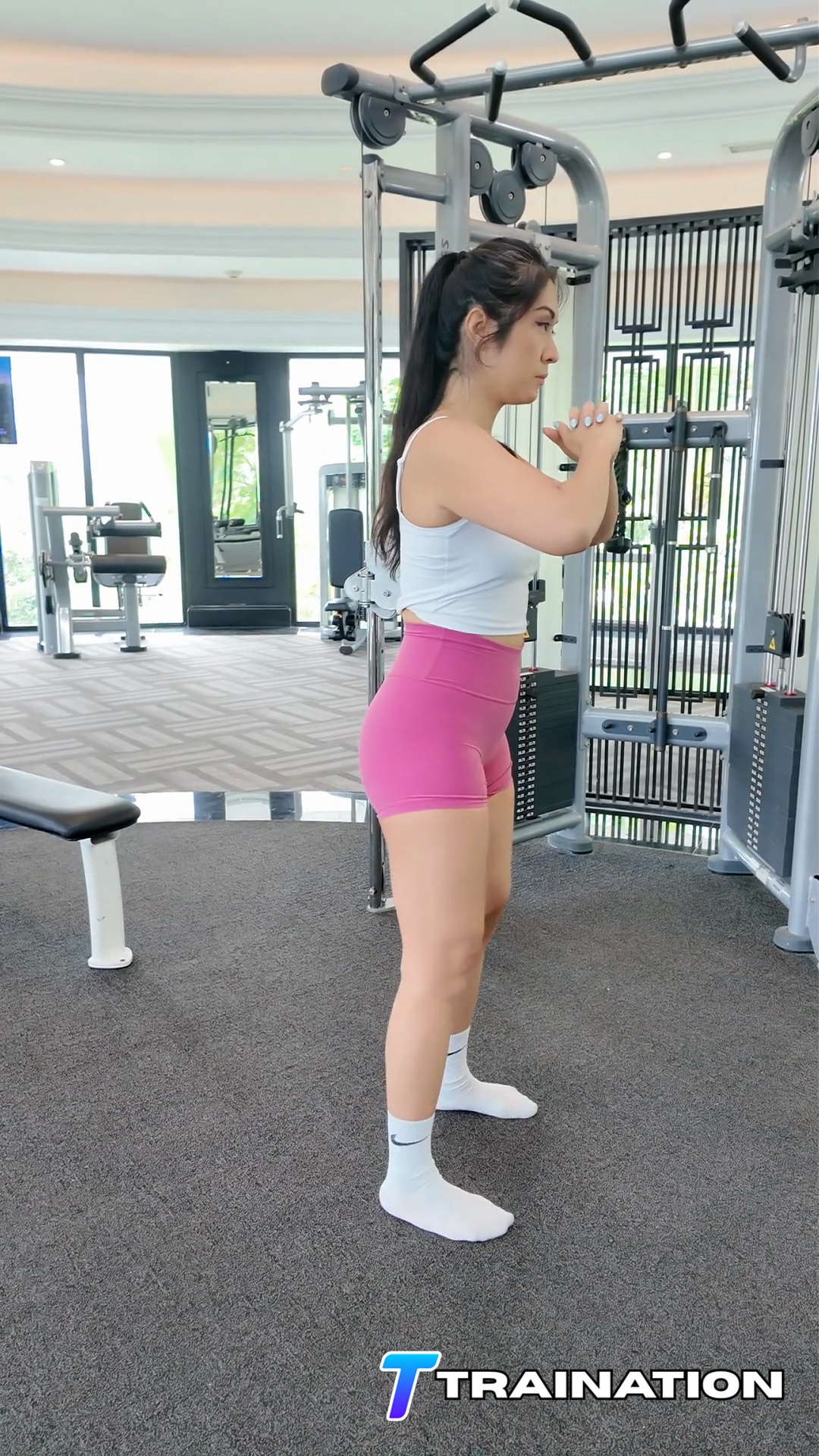
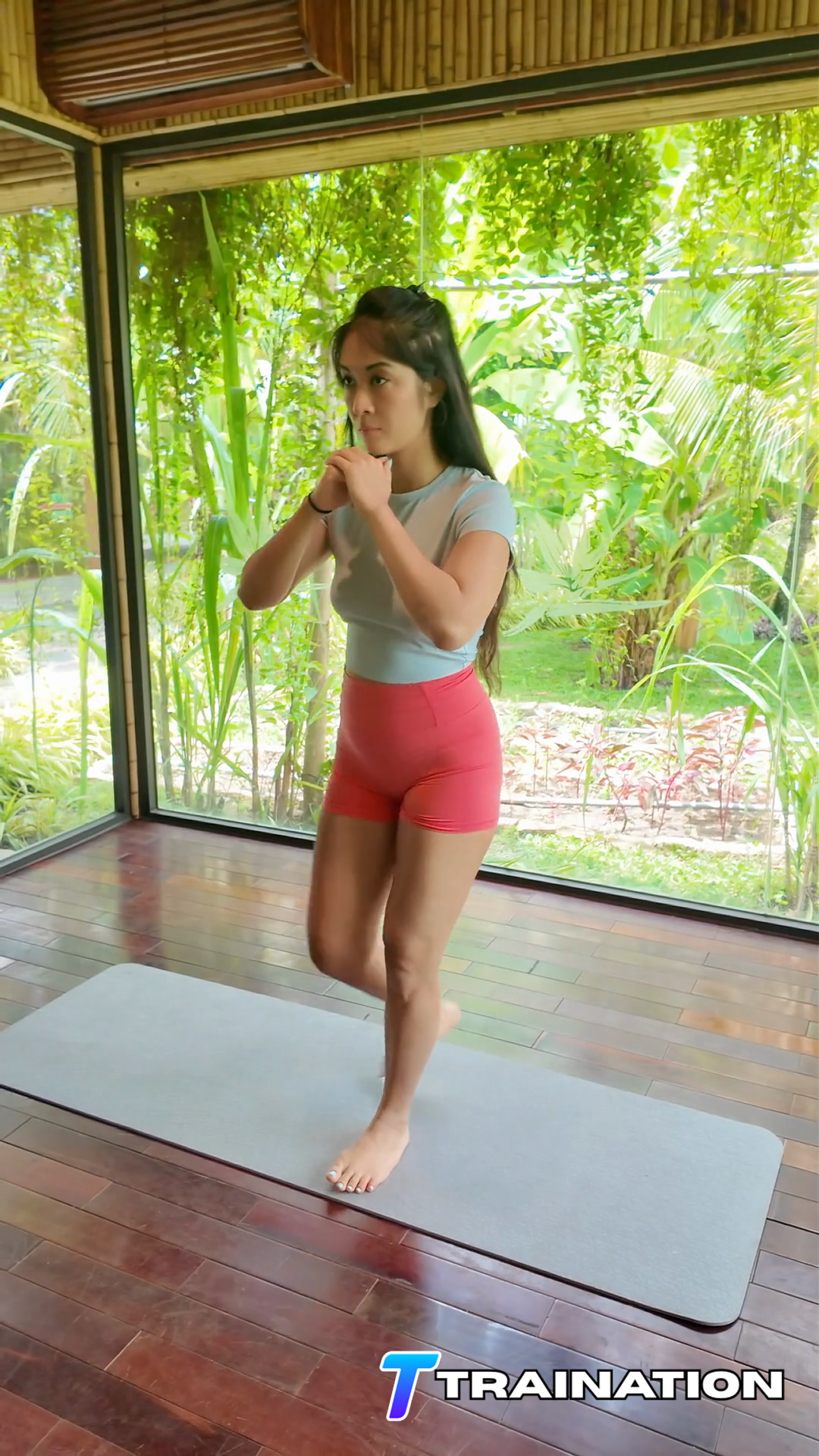
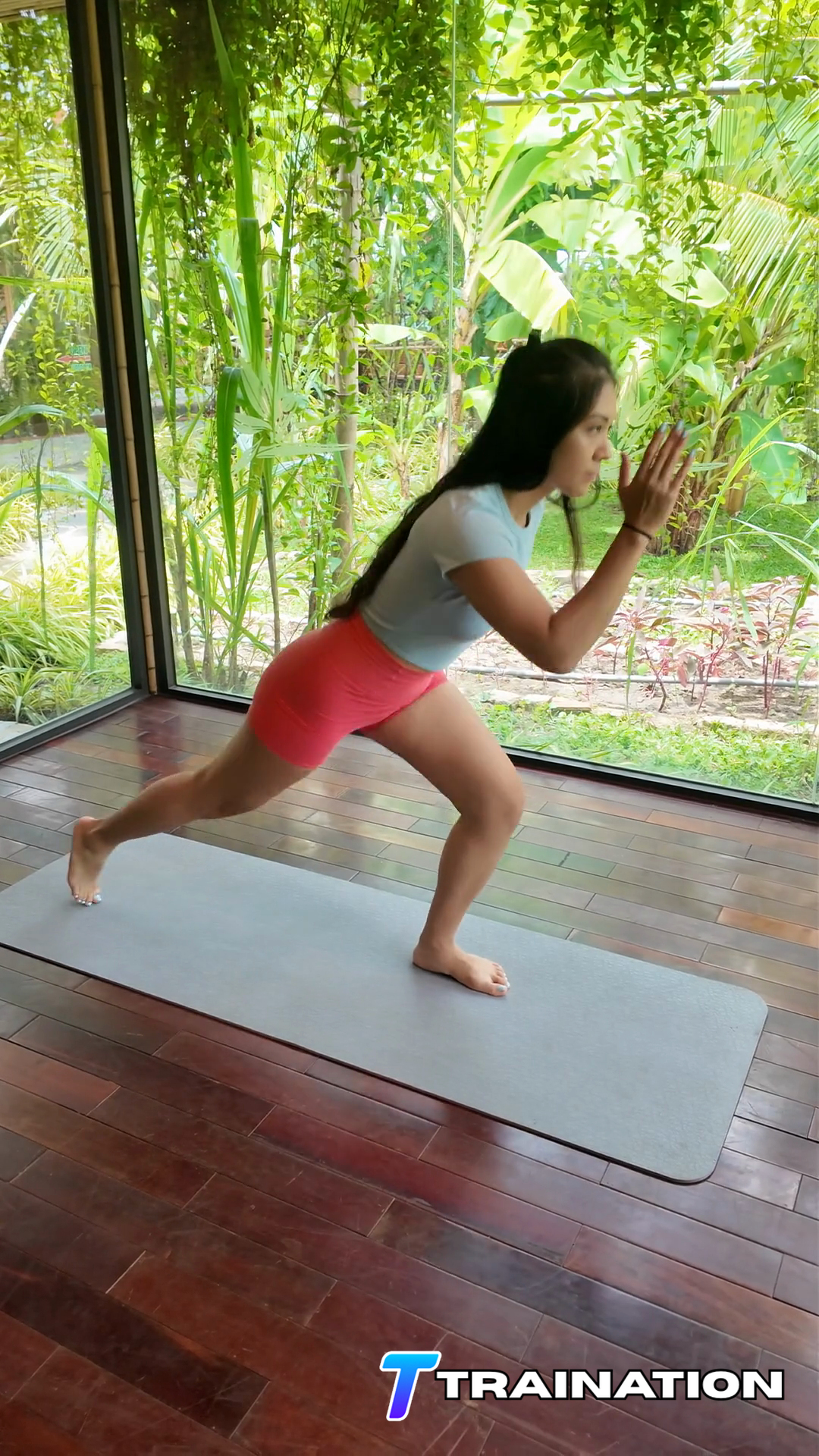
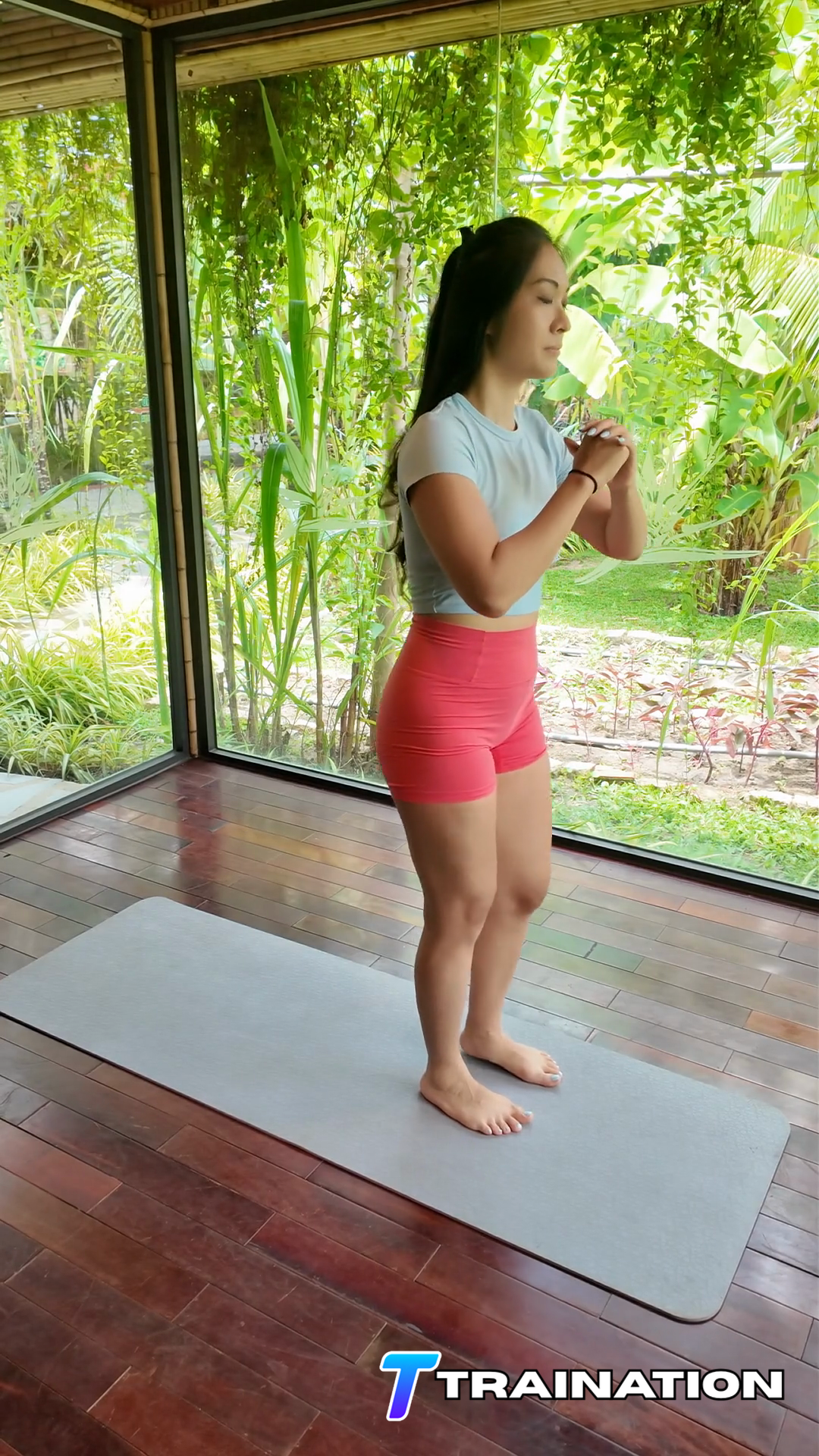
Begin in a balanced split stance with both knees softly bent and the front foot fully planted.
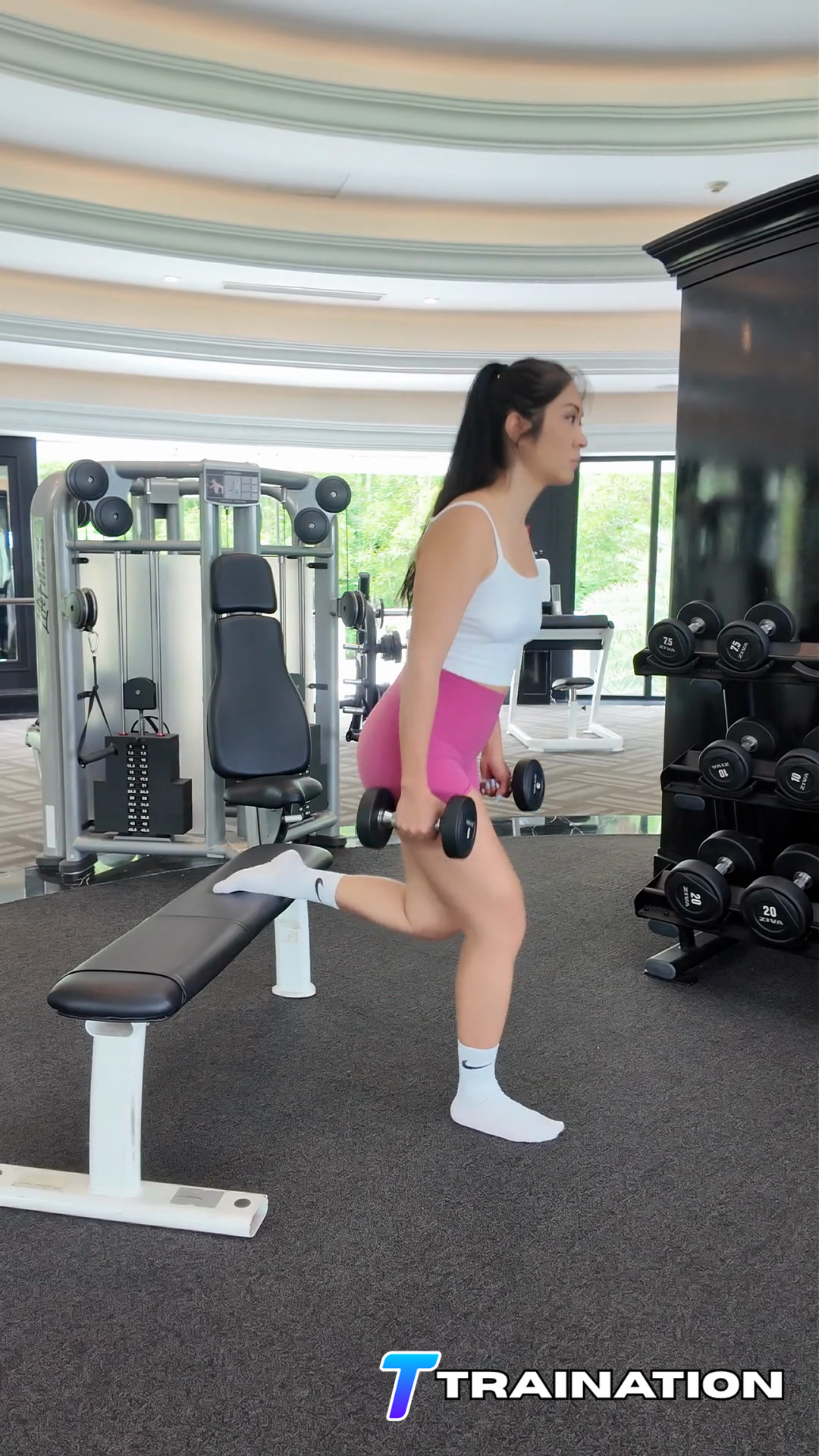
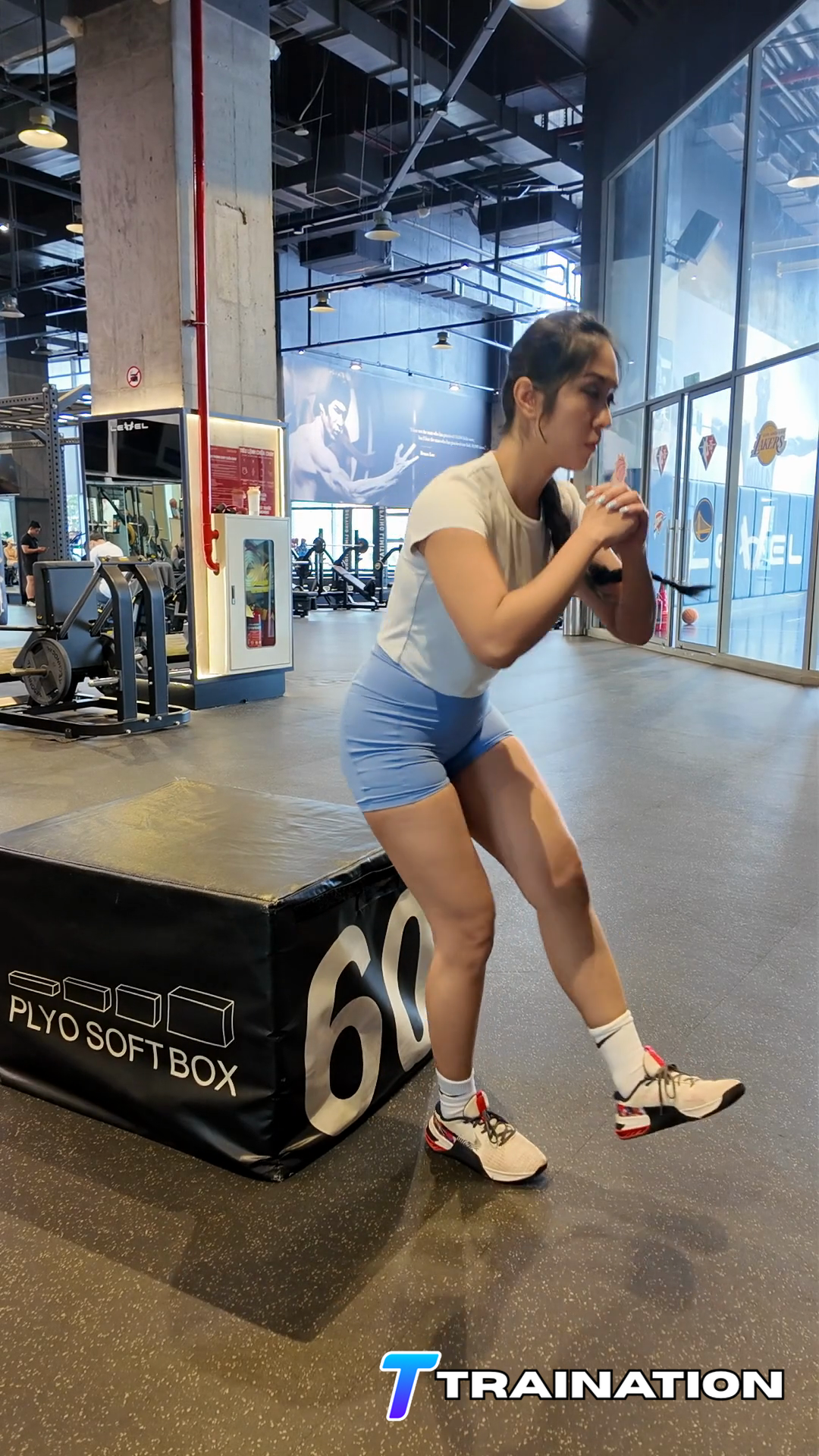
Lower into a shallow lunge, swing the arms naturally, and drive through both feet to jump upward.
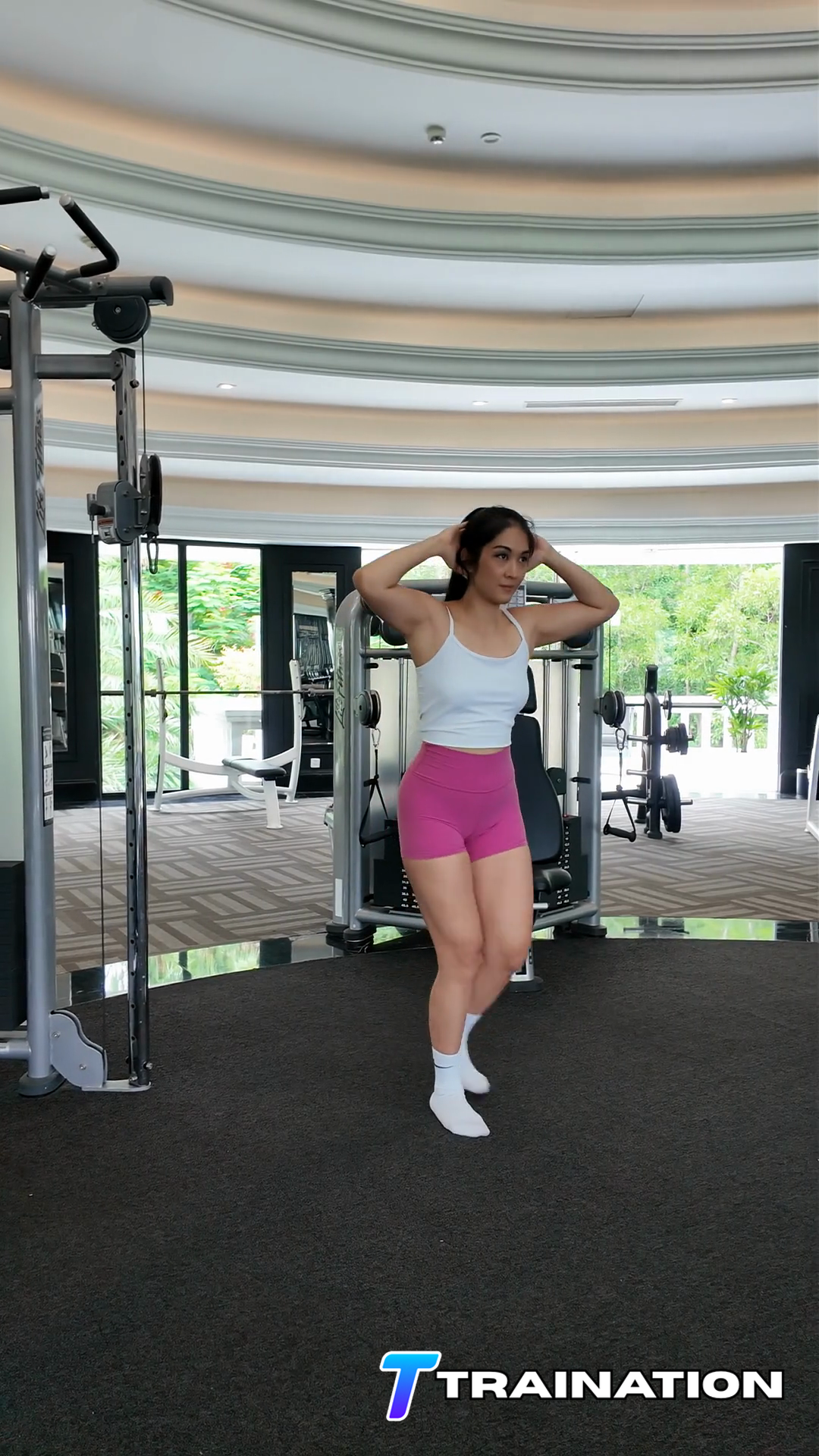
Switch the lead and rear legs in the air while keeping the torso upright.
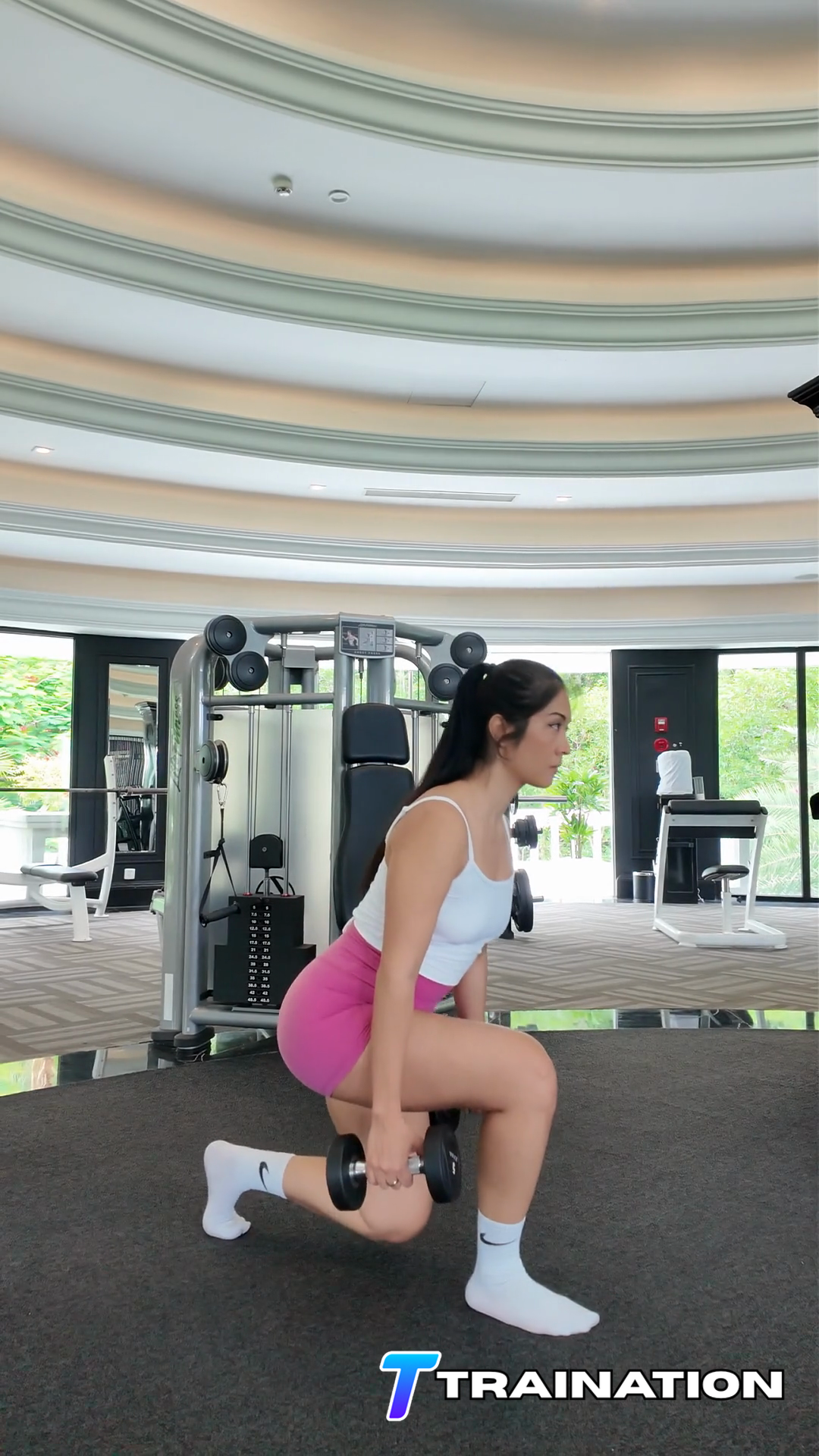
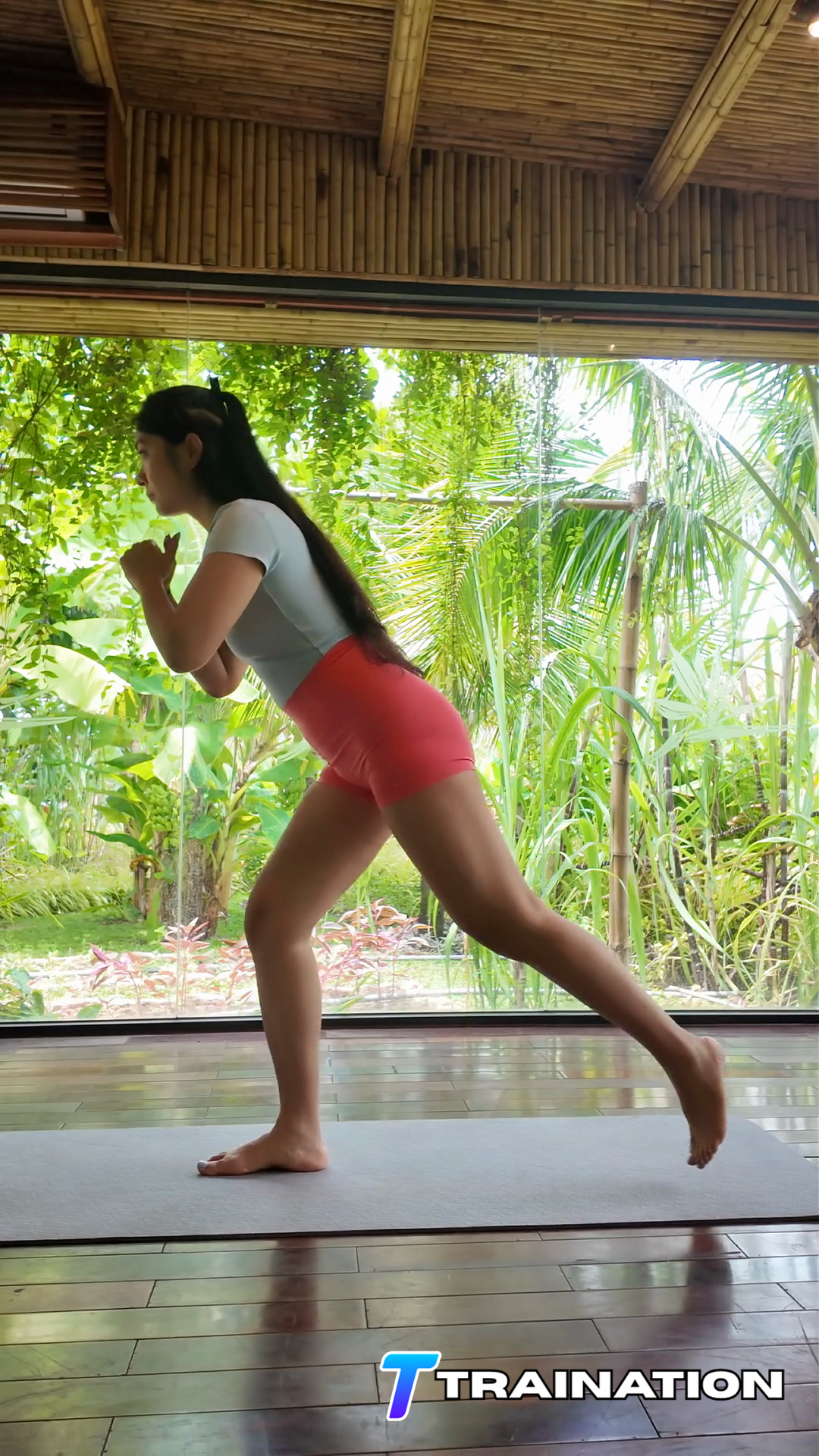
Land softly in the opposite split stance with both knees bent and the front knee aligned with the toes.
Stabilize before the next jump and stop when the leg switch or landing becomes uneven.
Land in a stable split stance with enough side-to-side width for balance.
Keep the landing knee aligned with the toes before the next jump.
Complete the lead-leg change in the air and land with the opposite foot forward.
End the set when the landings become loud, stiff, or unbalanced.
Perform Jumping Lunges near the beginning of the workout, after the warm-up and before demanding strength or conditioning work.
Use one to three exposures per week with at least enough recovery to restore speed, landing quality, and coordination.
| Goal | Sets | Reps or time | Rest | Effort and execution |
|---|---|---|---|---|
| Technique | 3–5 | 2–4 per side | 60–120 sec | Light and crisp; reset every rep |
| Power | 3–5 | 2–6 per side | 2–3 min | Drive up fast and stop when speed drops |
Scale the movement
Step rather than jump while learning equal split stances and knee alignment.
Jump from one split stance and land in the same stance before adding the mid-air leg switch.
Reduce the pause between landings only while every leg switch remains balanced.
Add very light dumbbells only after bodyweight landings remain soft and even.
Turn Jumping Lunges and the rest of your exercise library into repeatable client programs.
Explore the workout builder