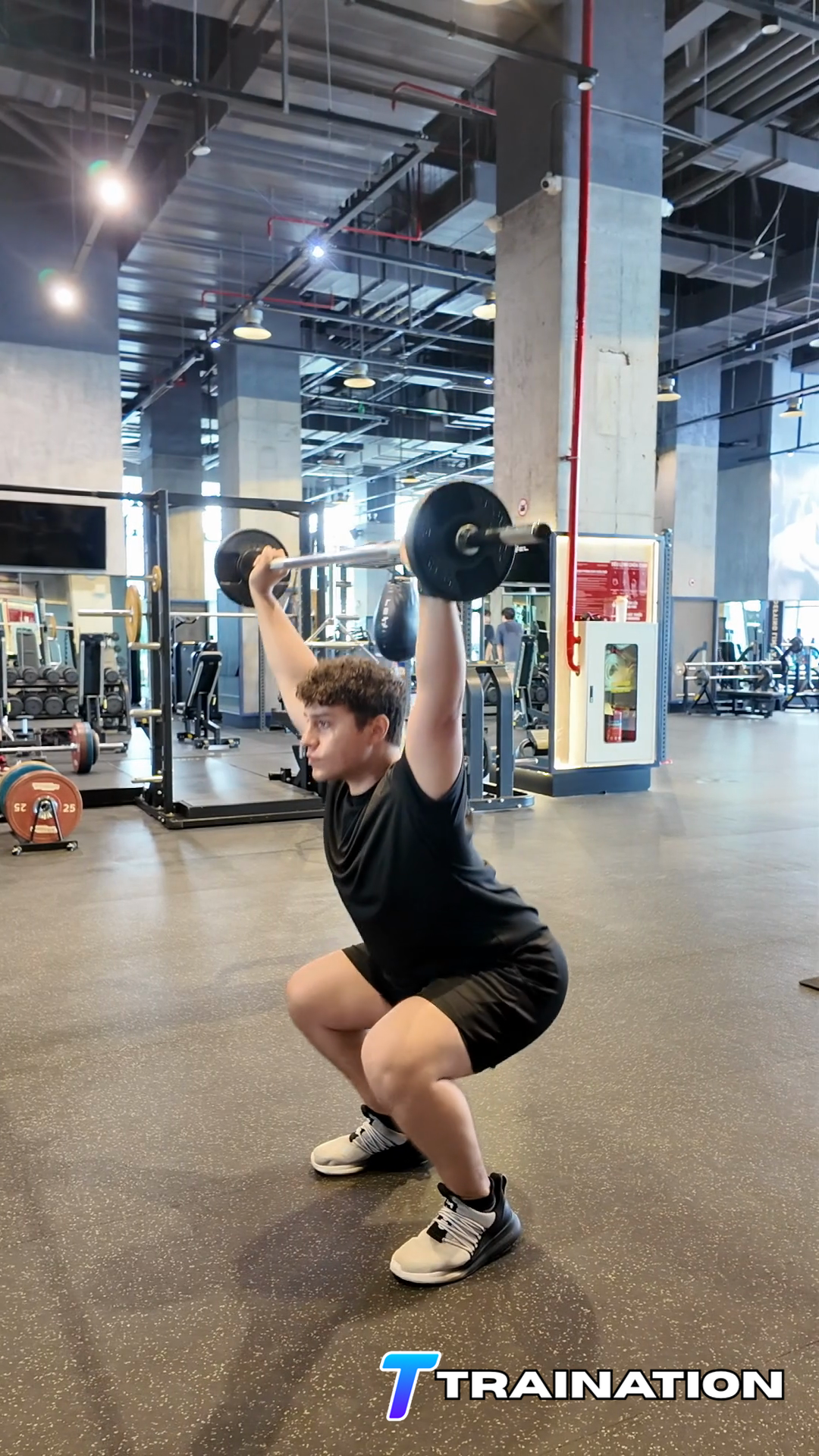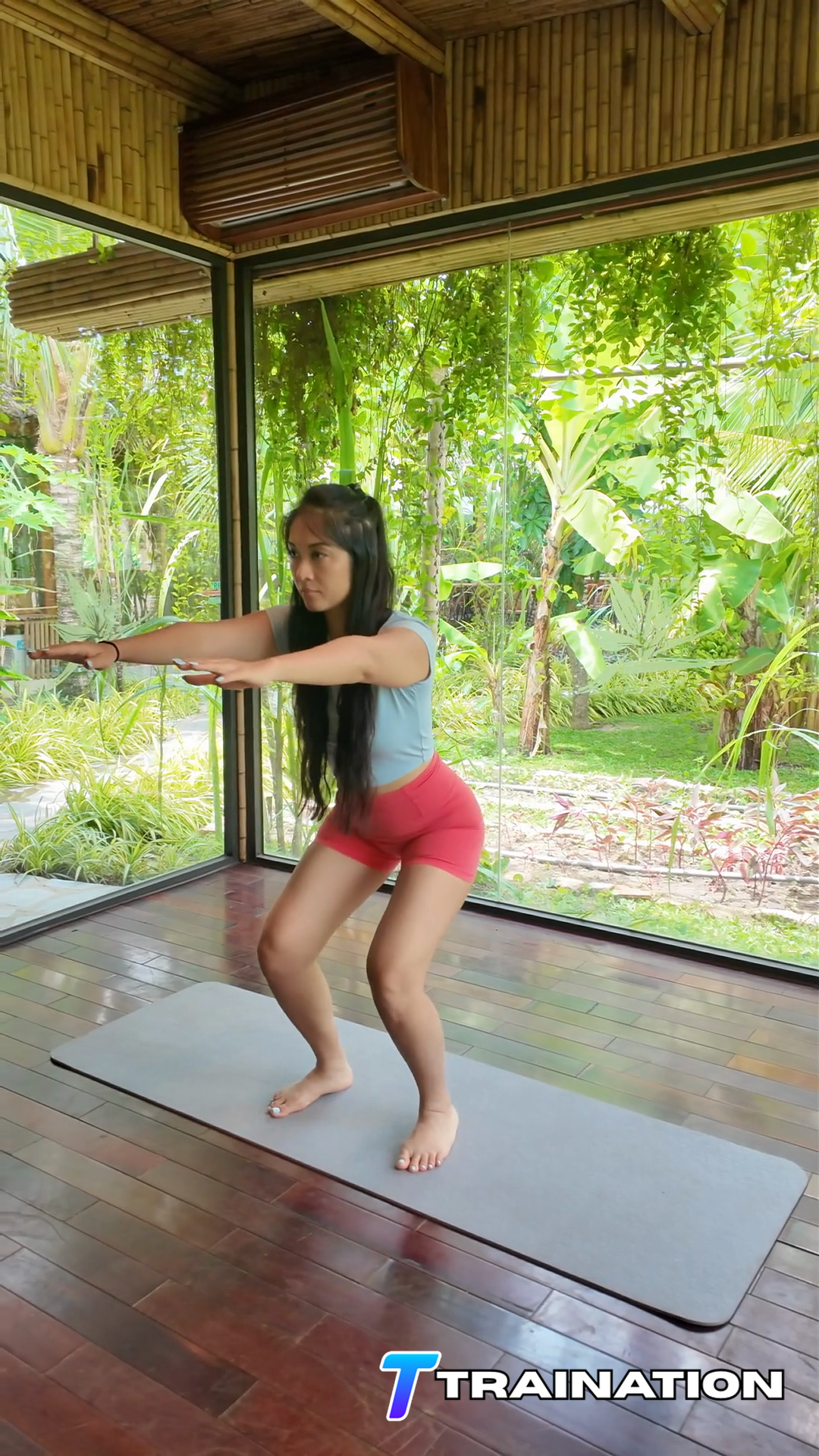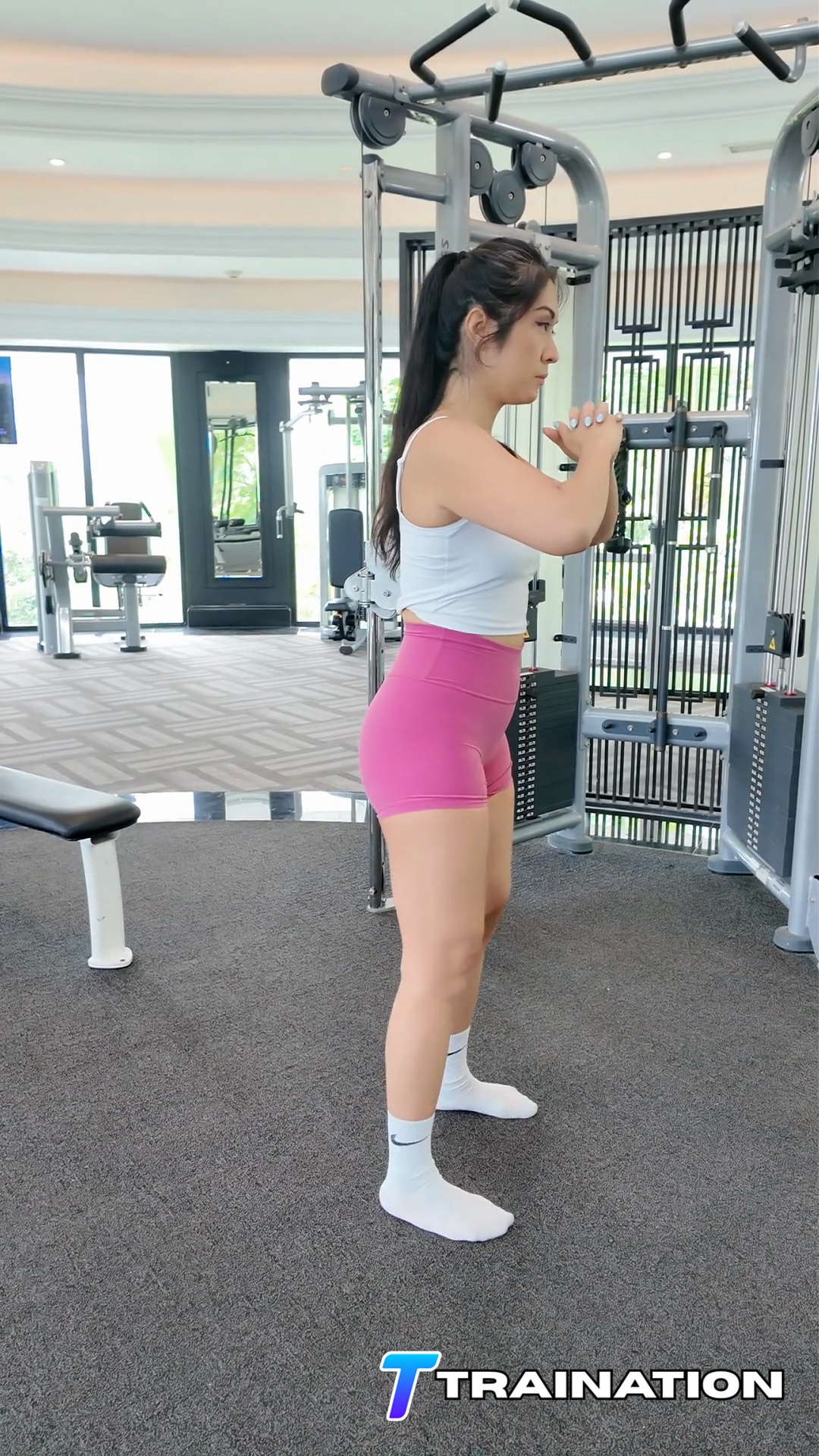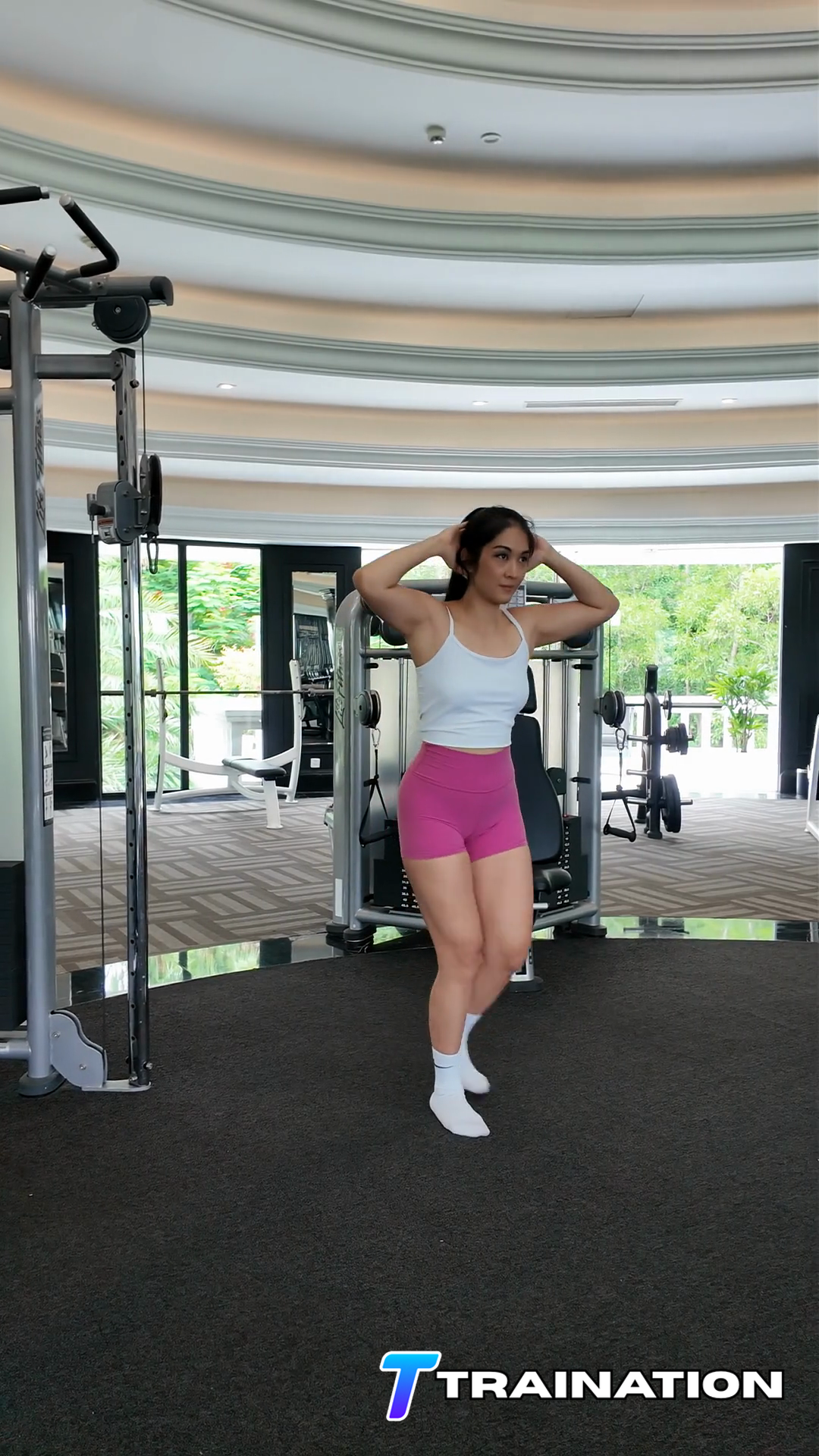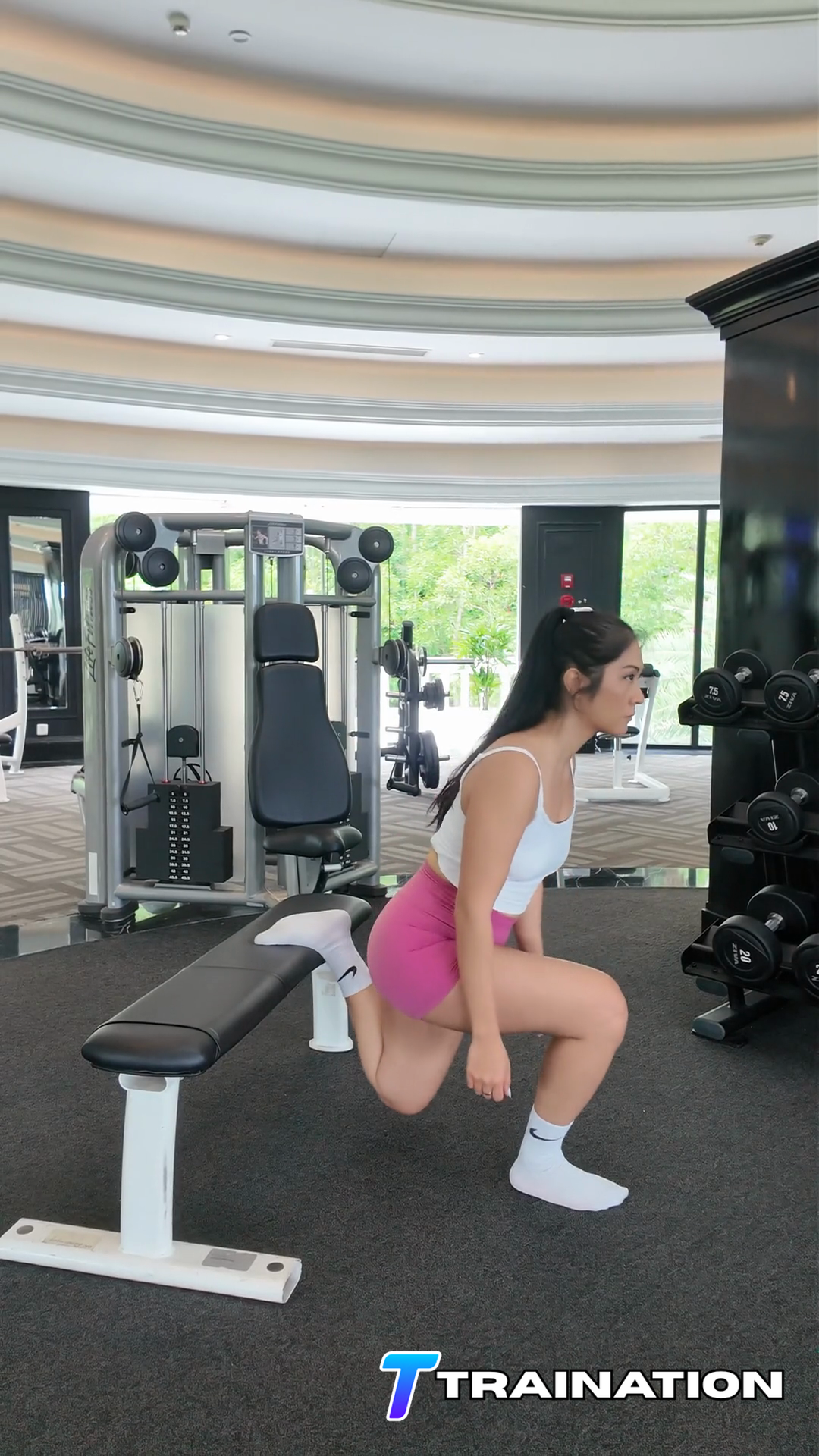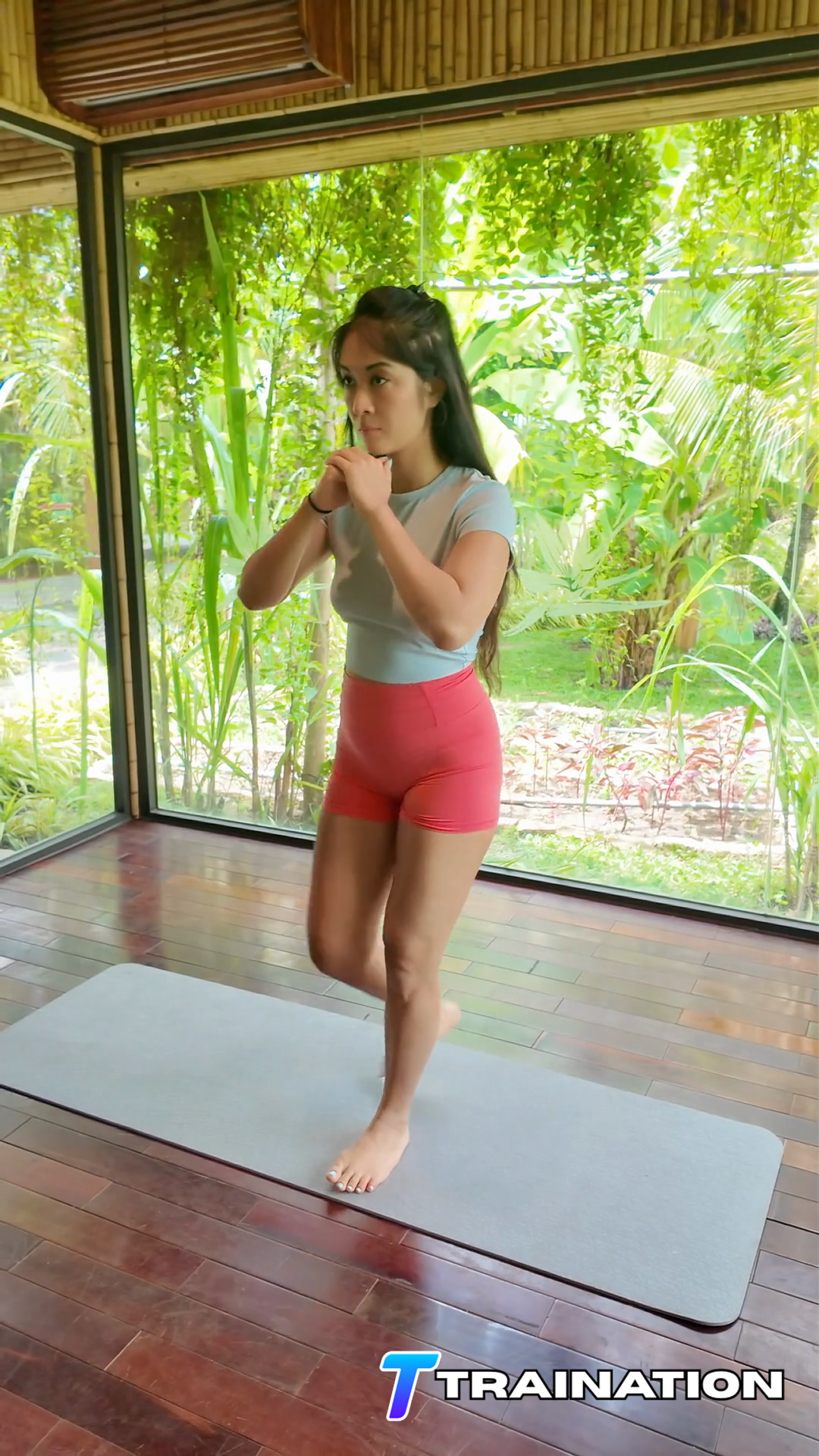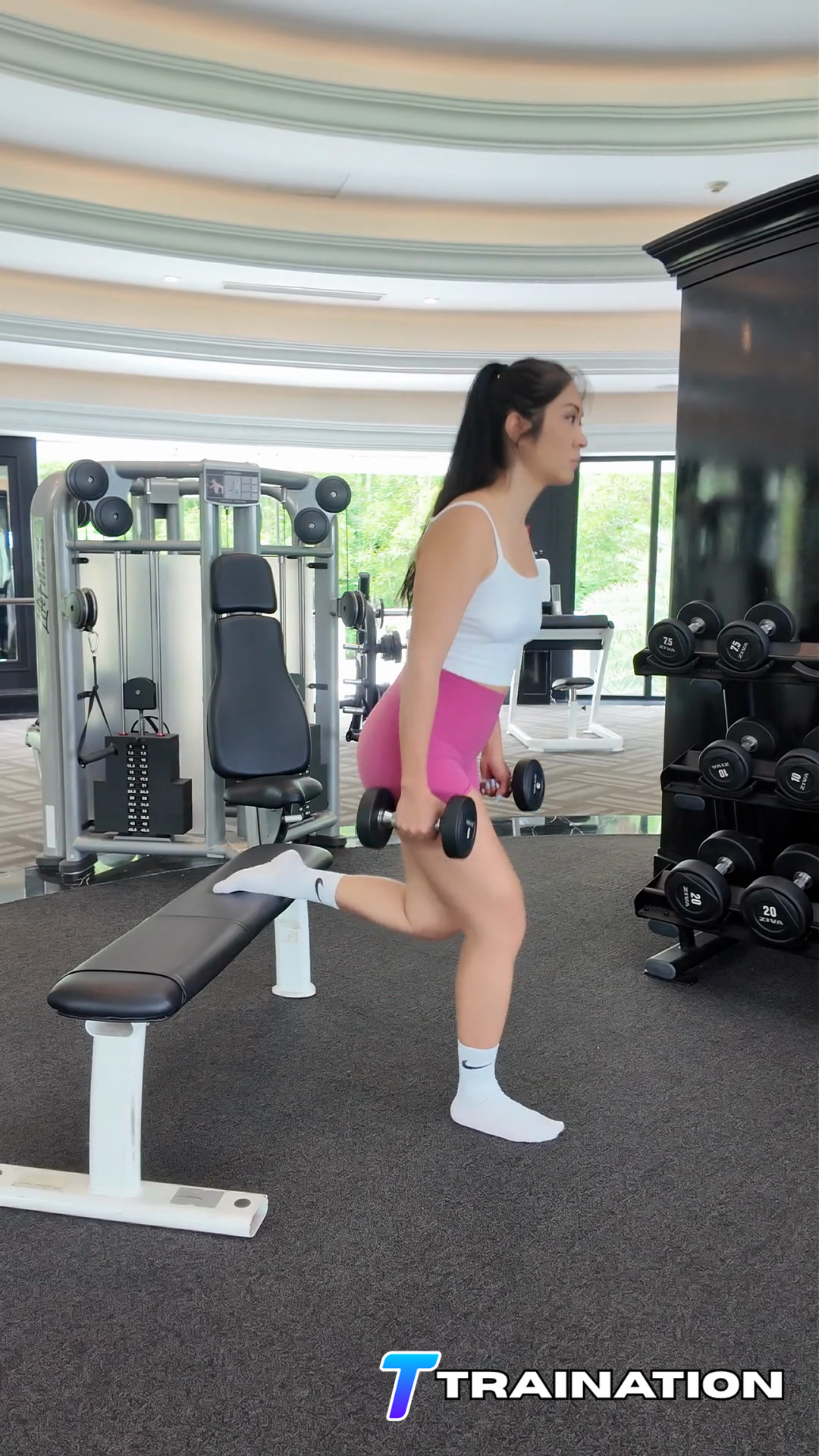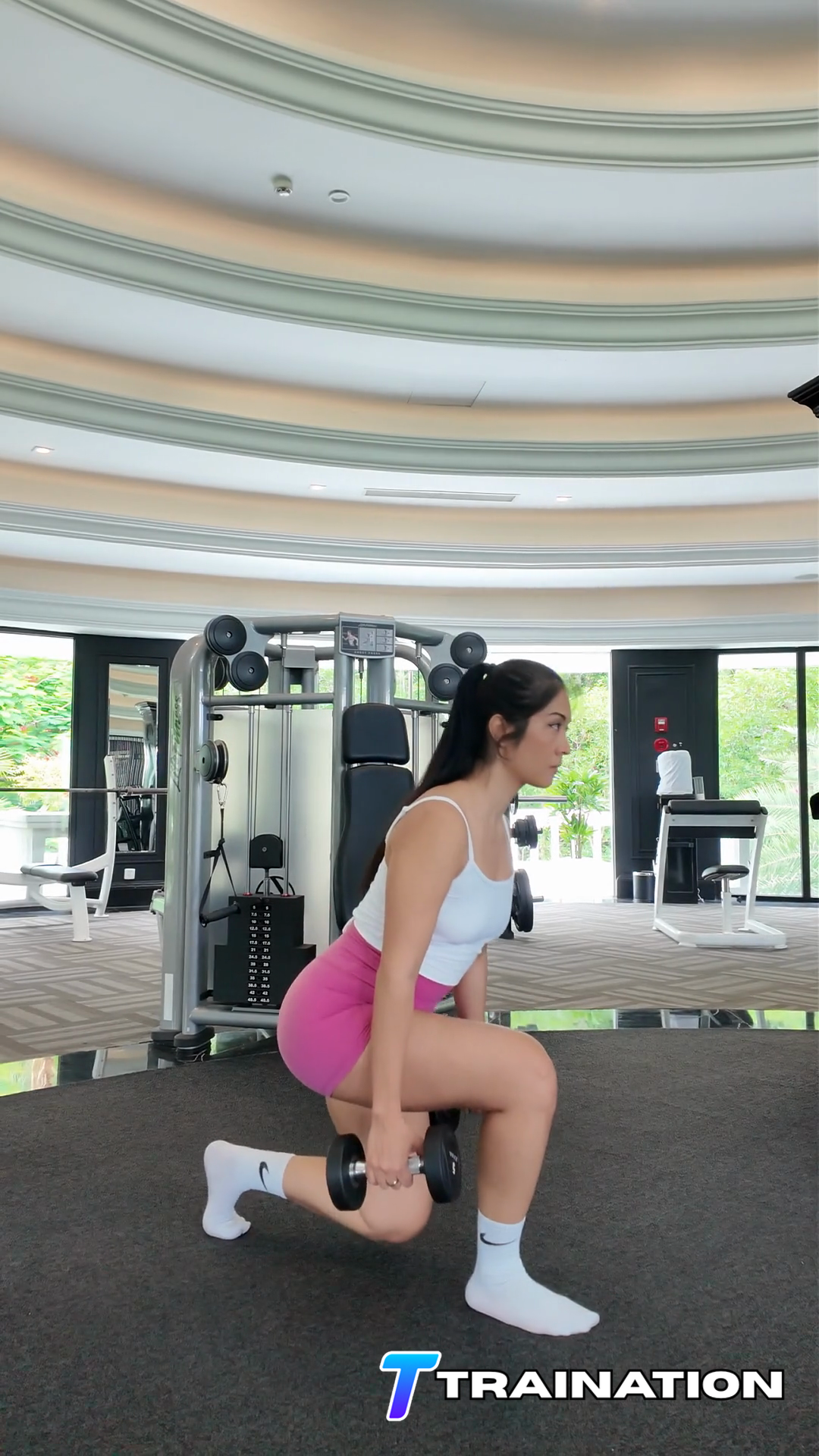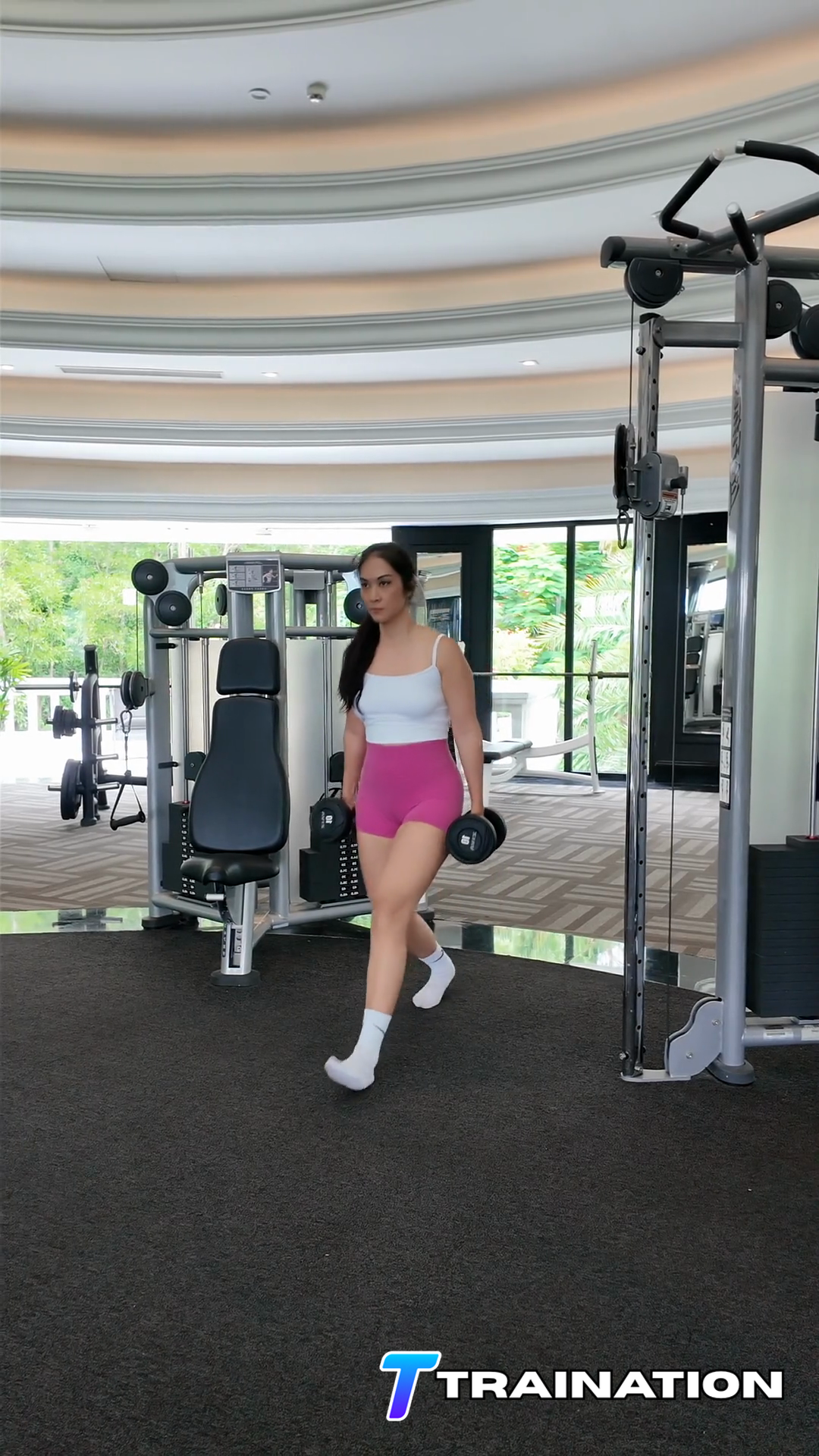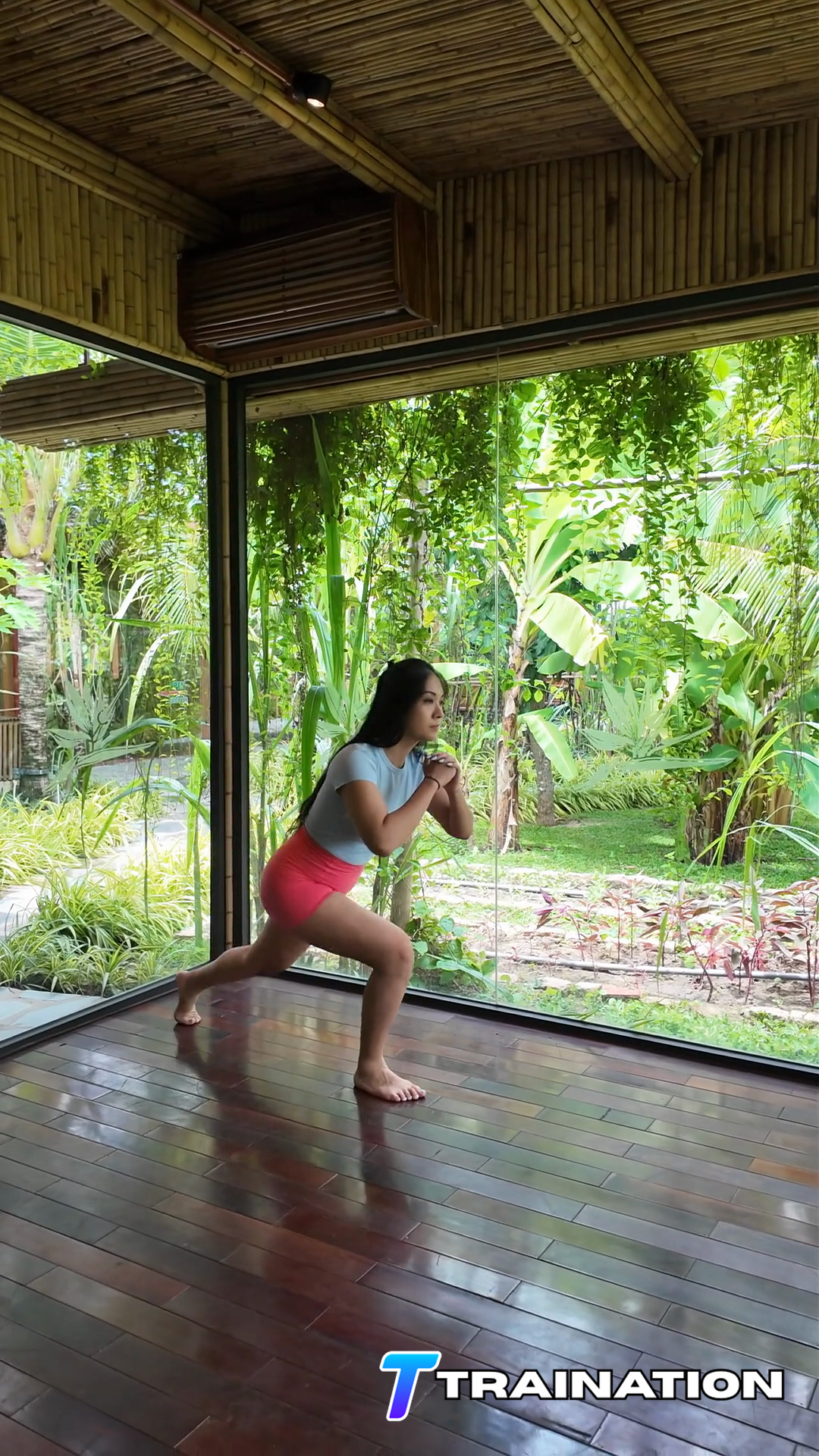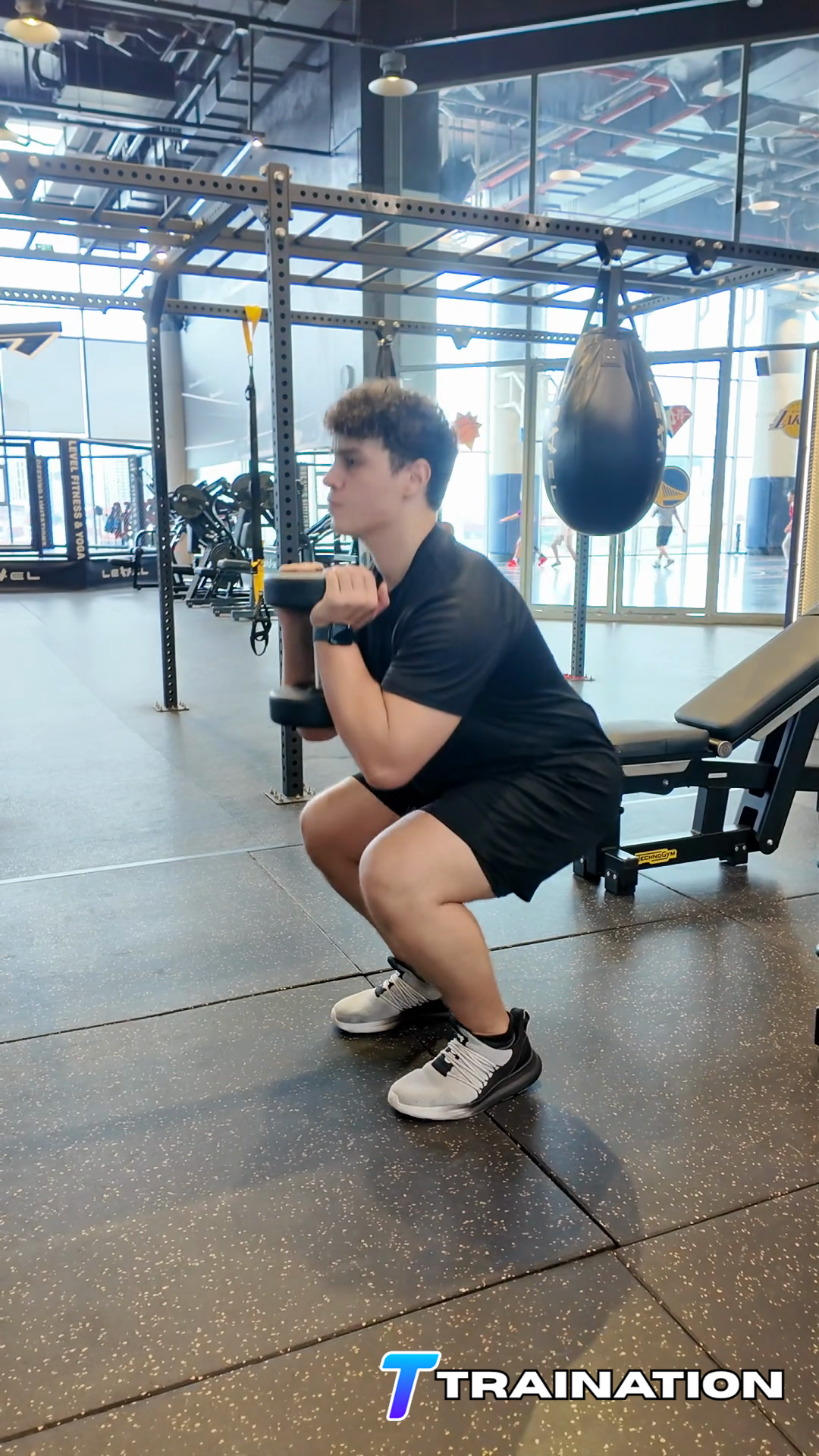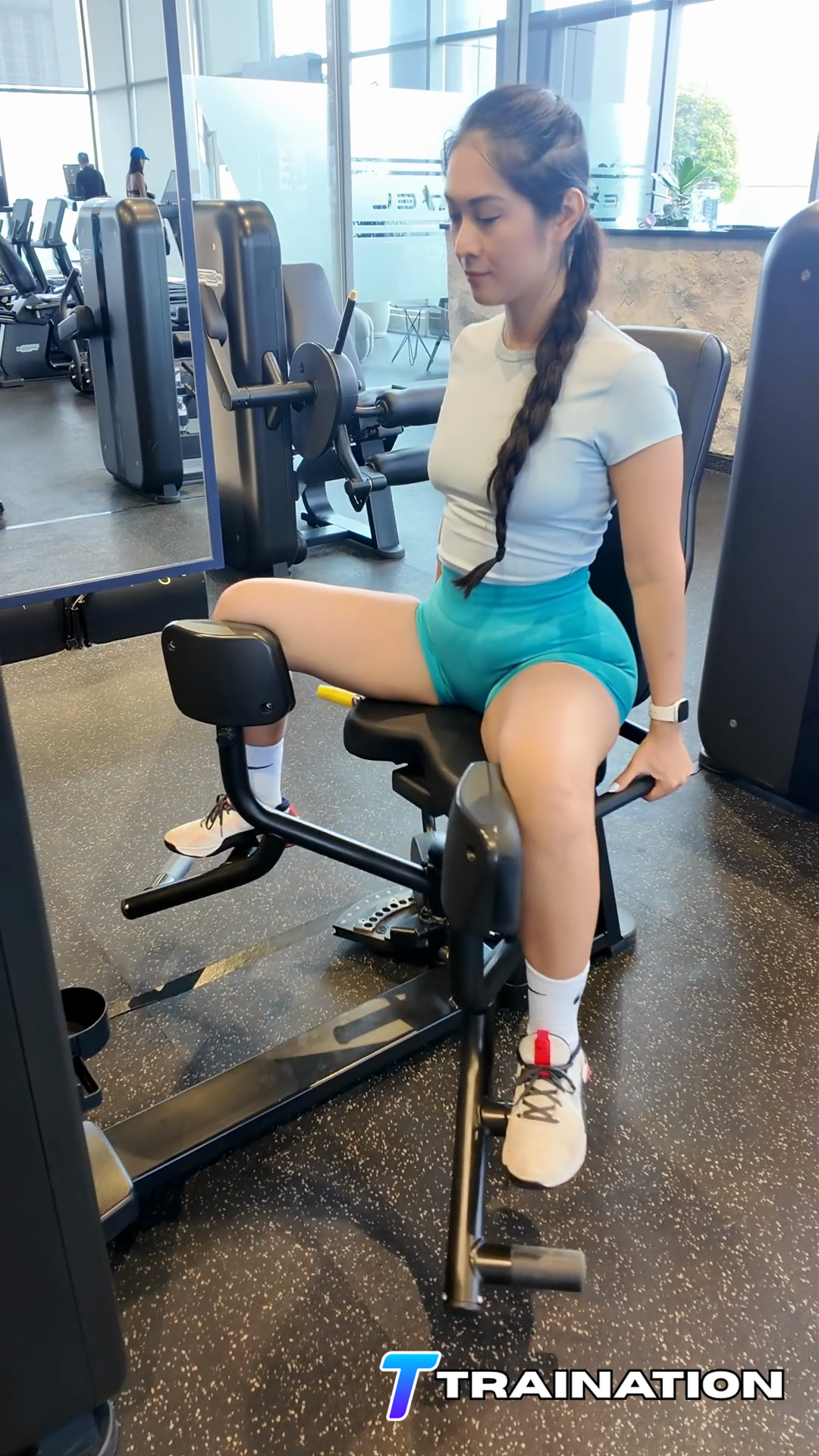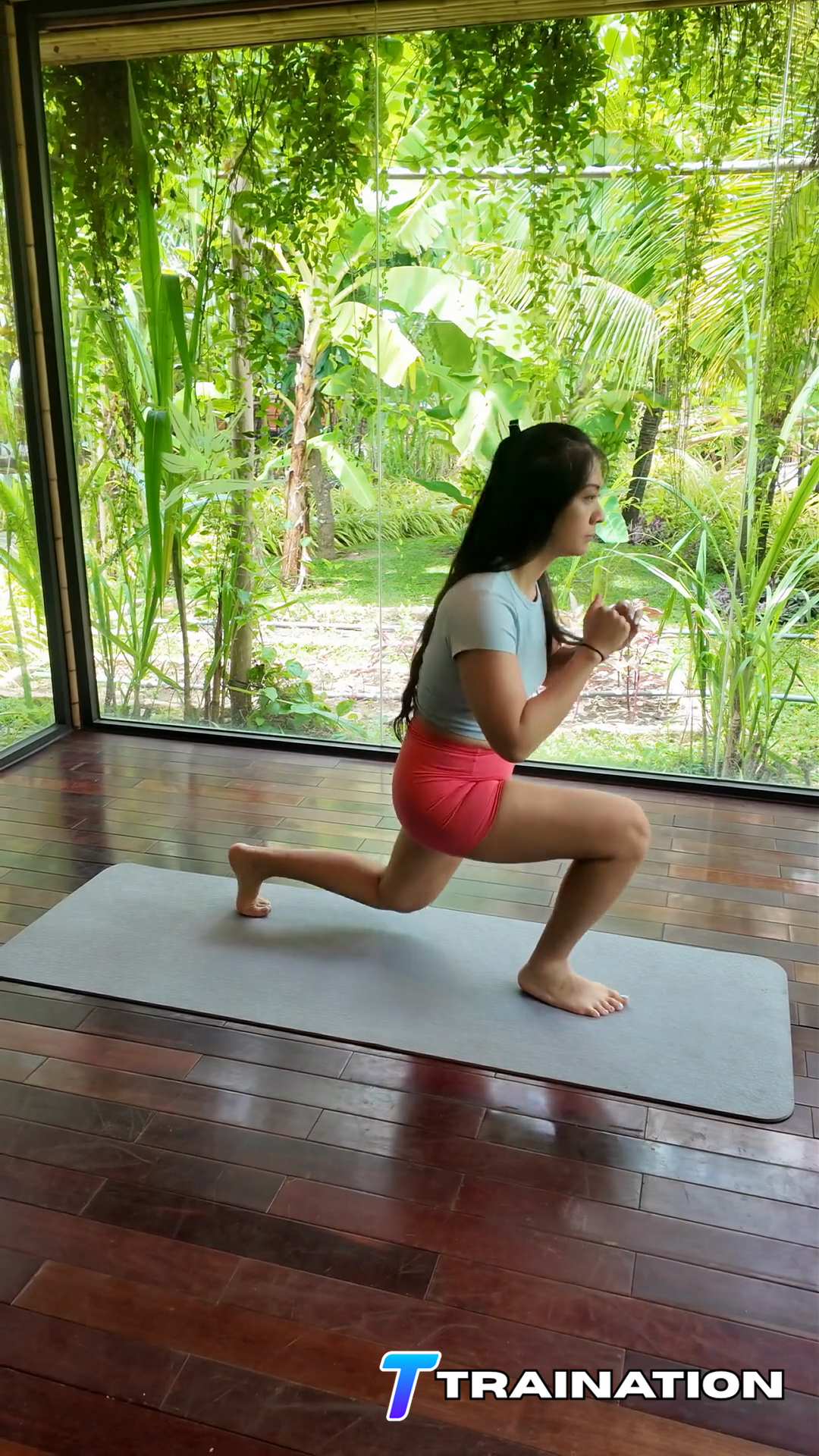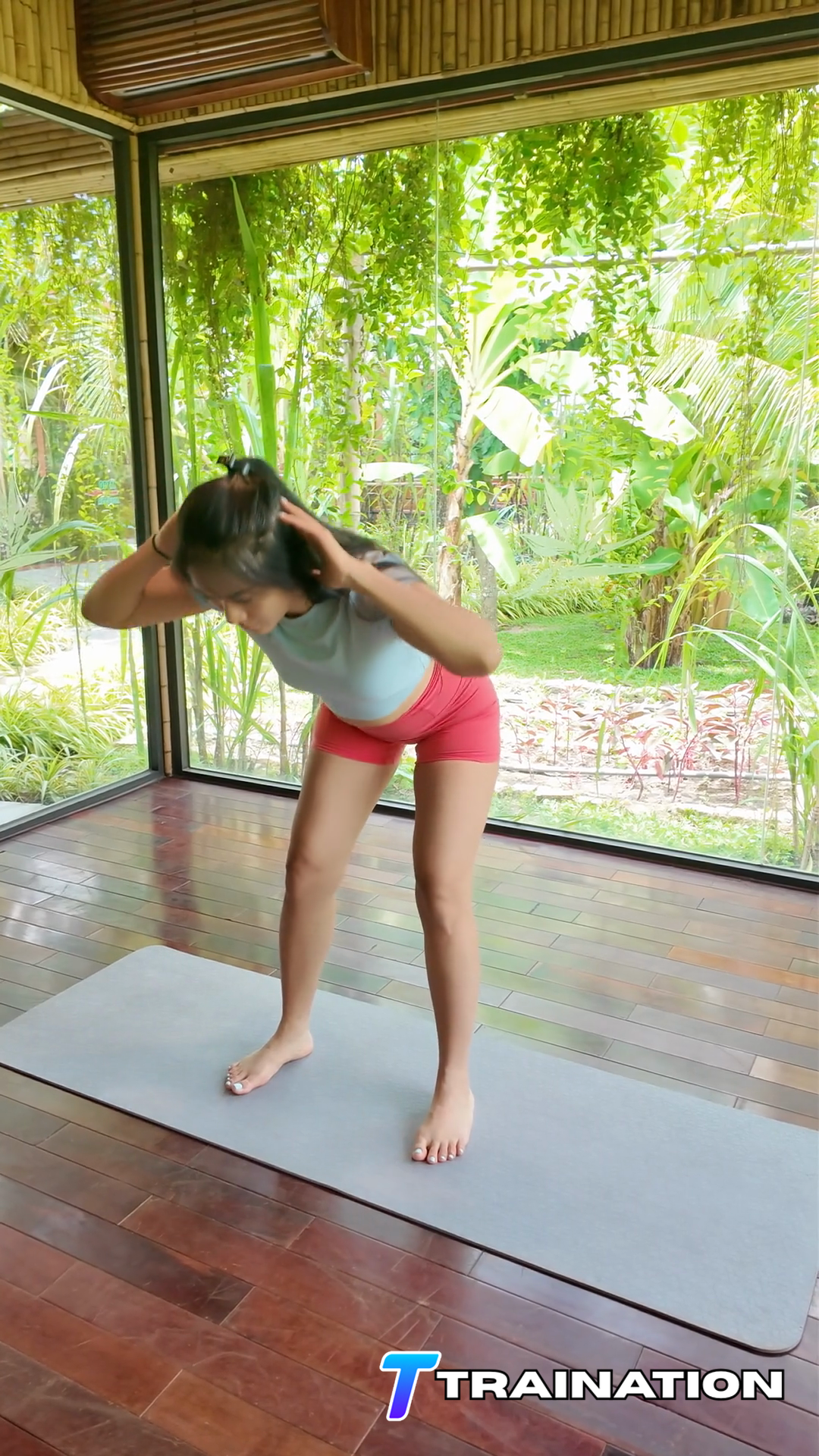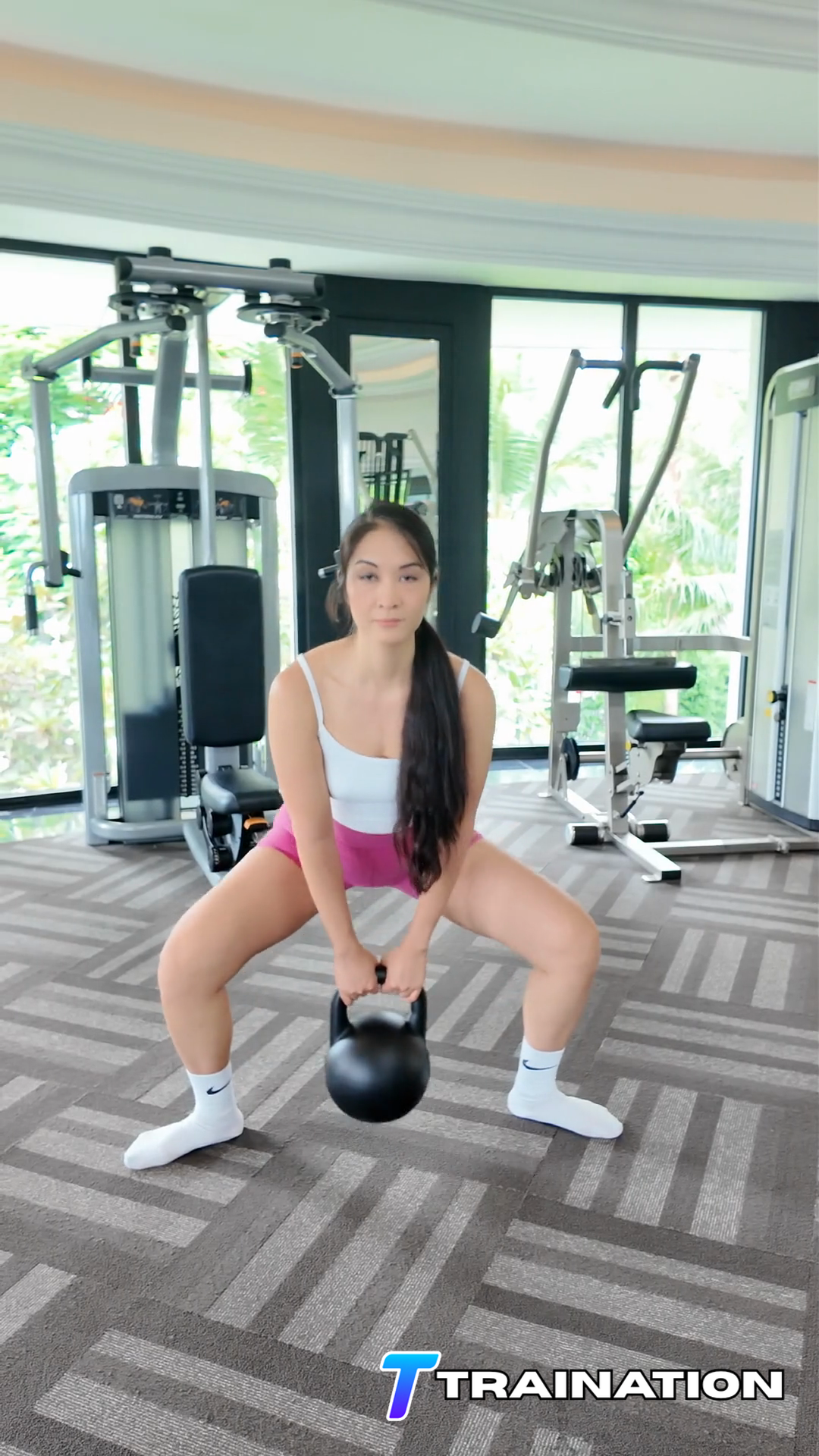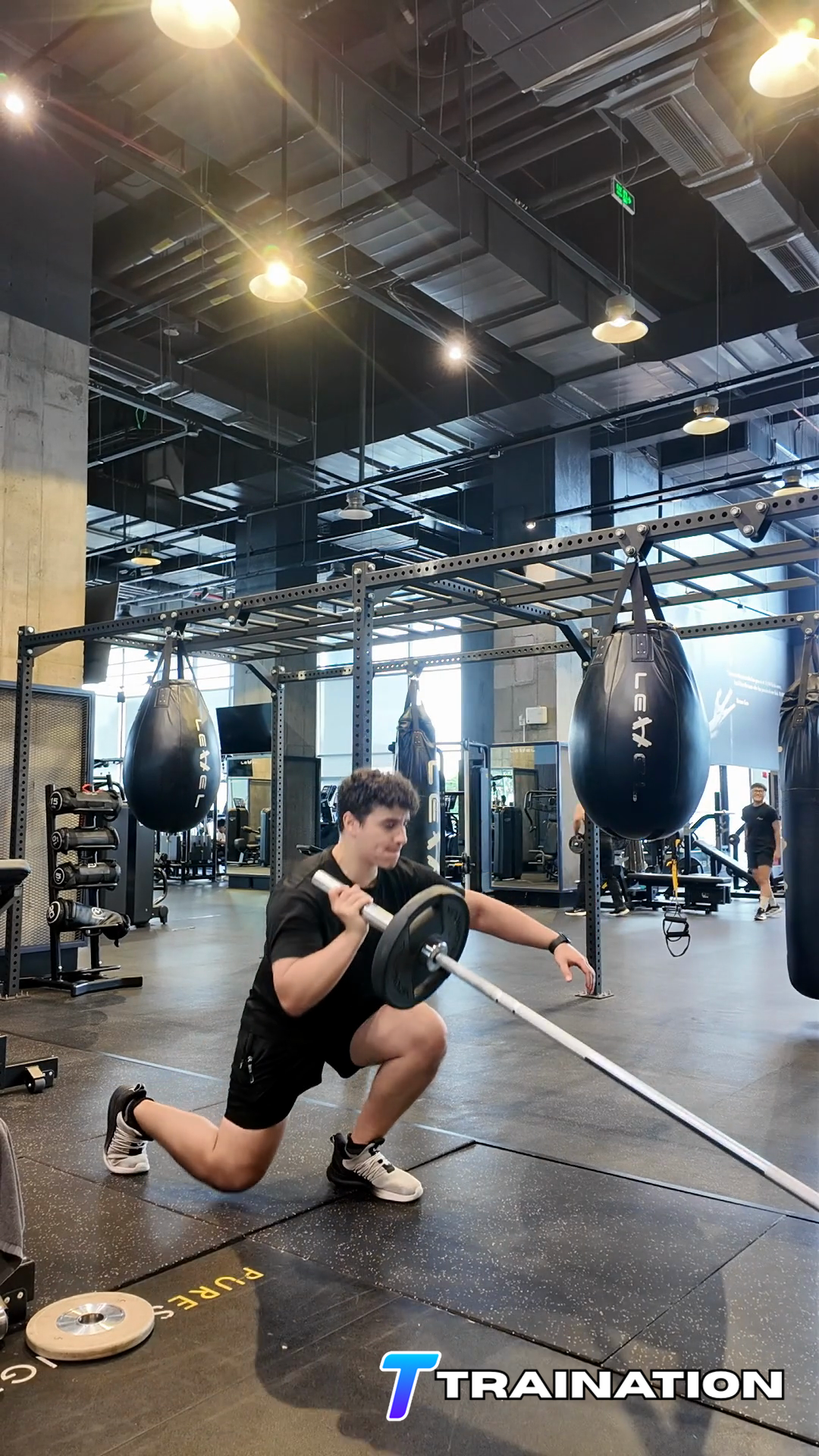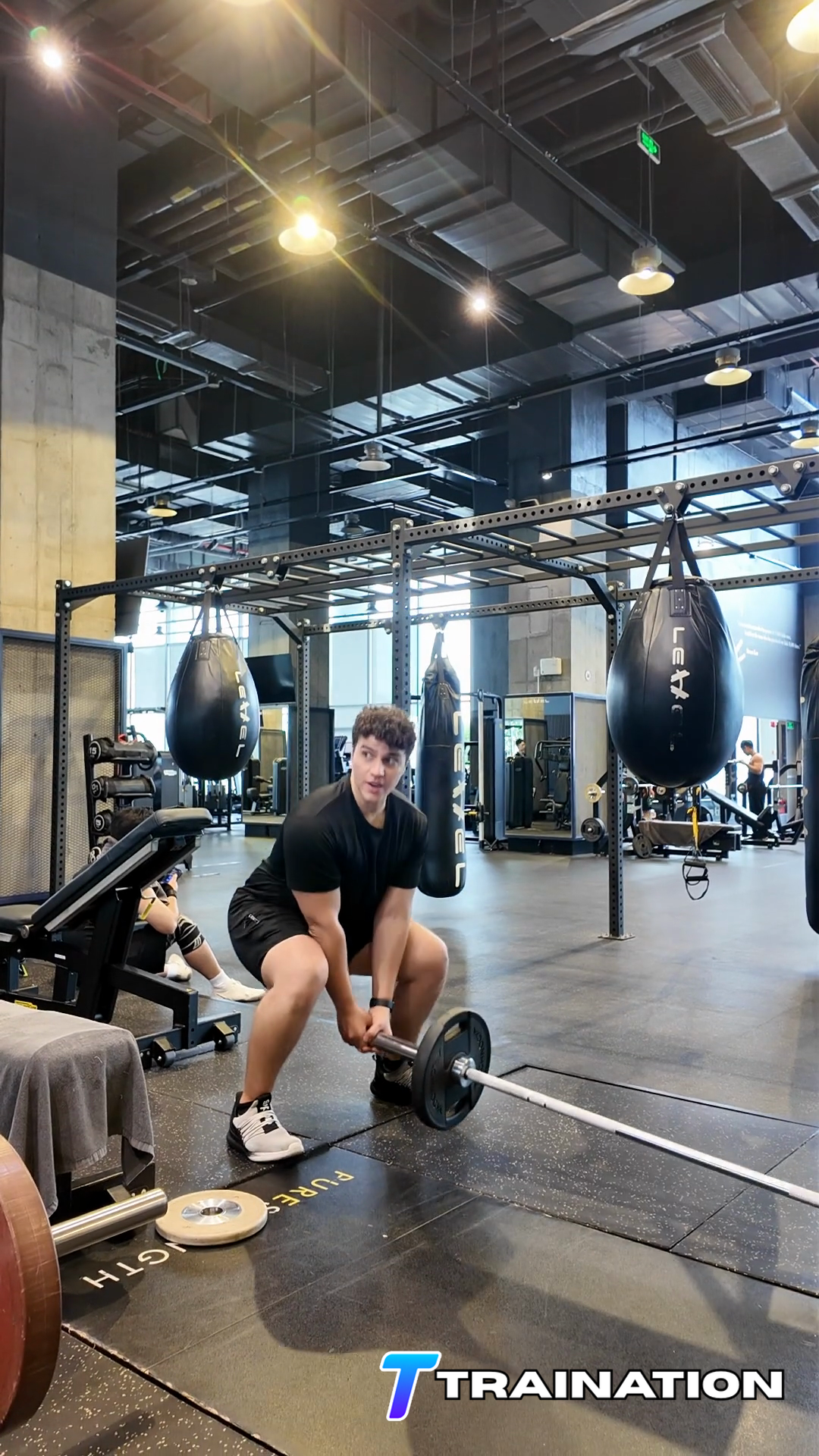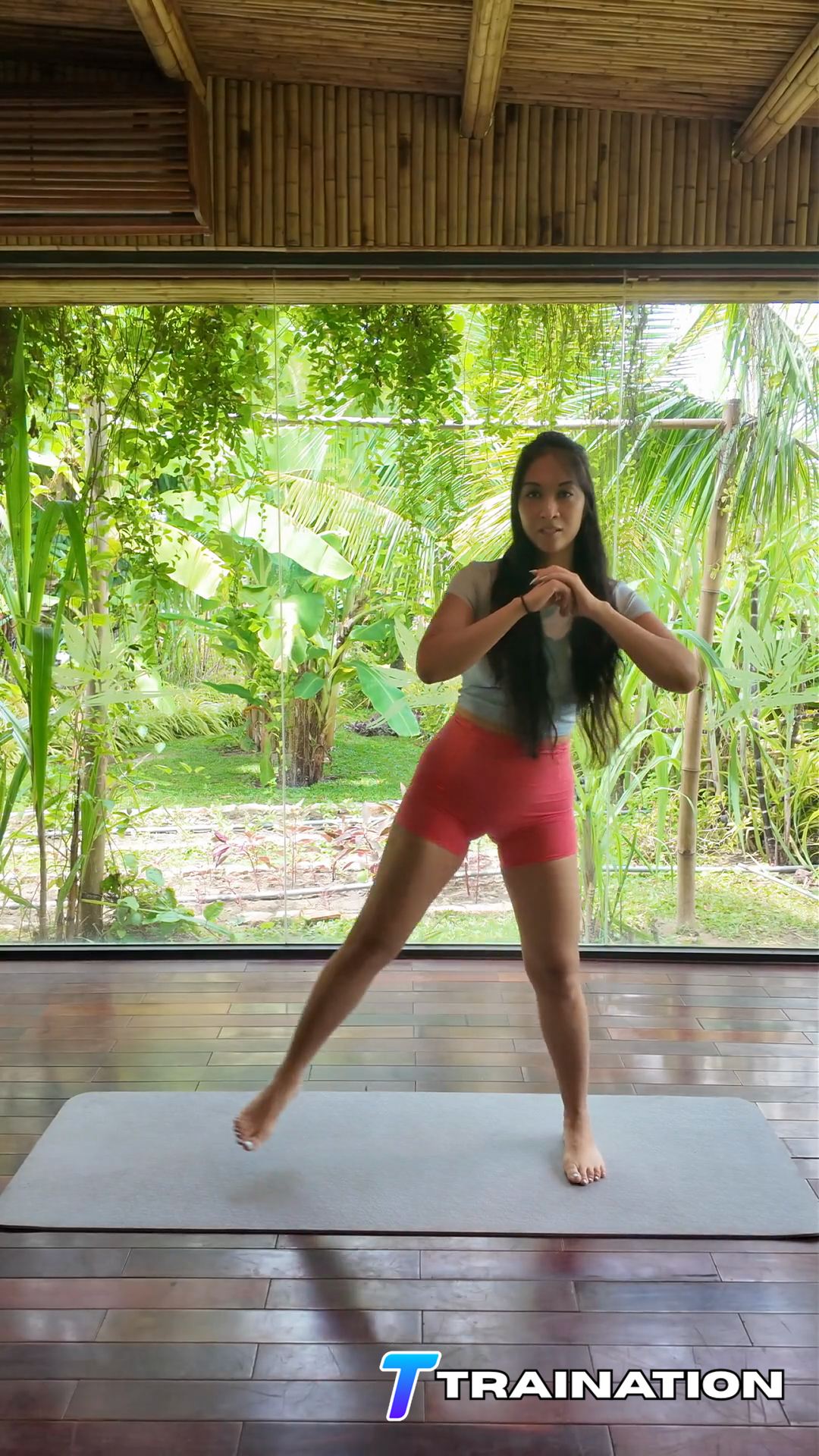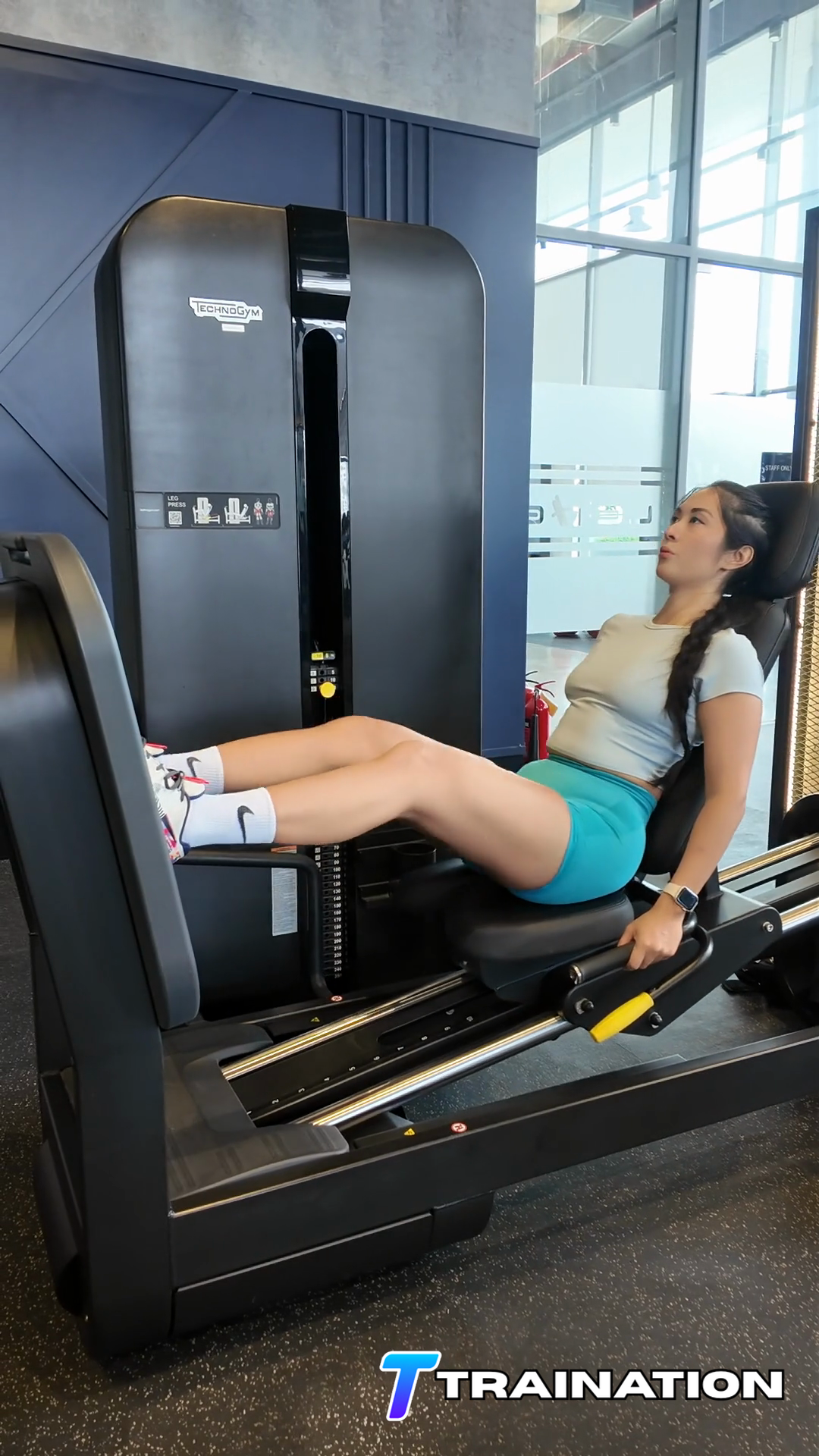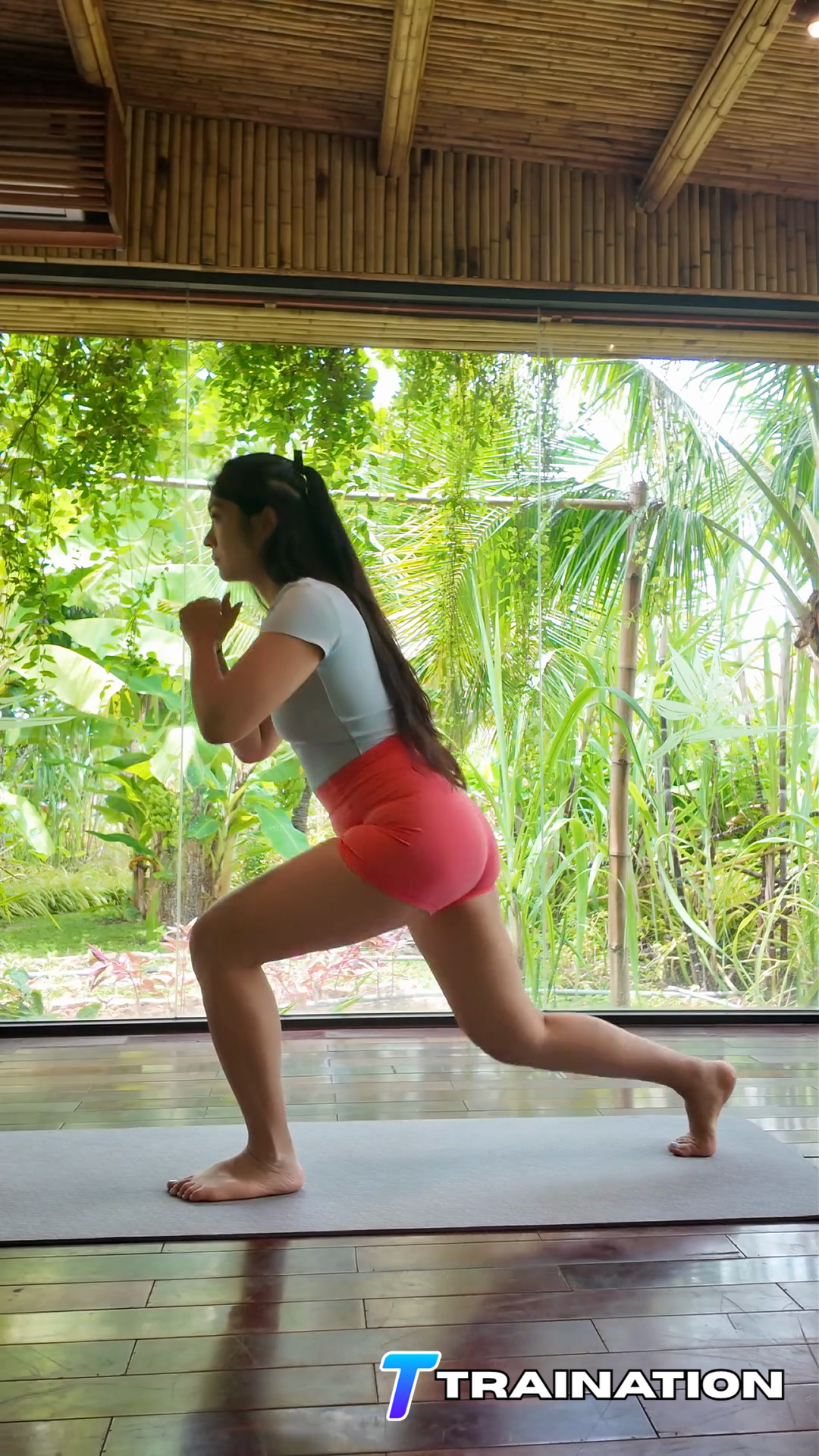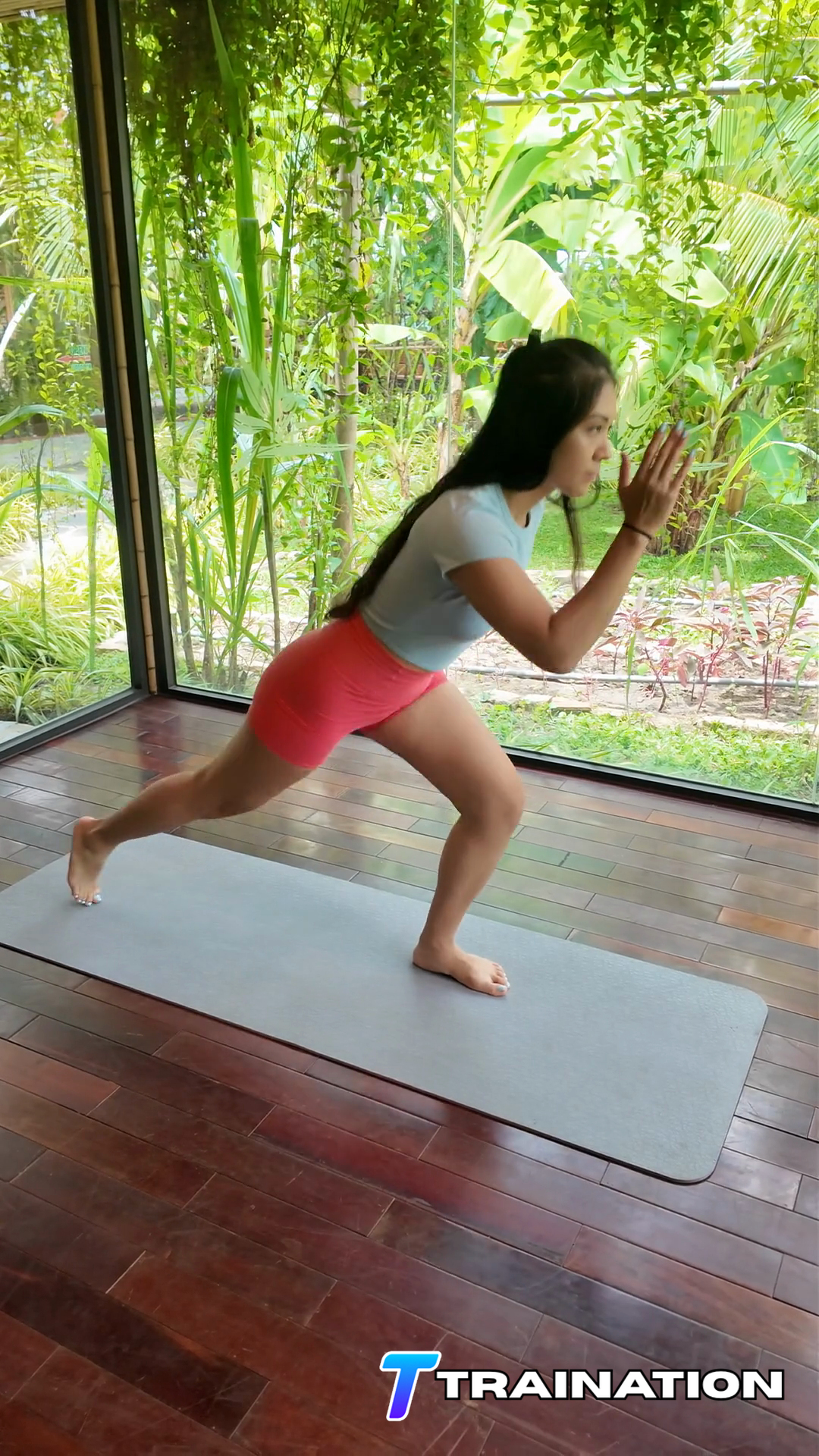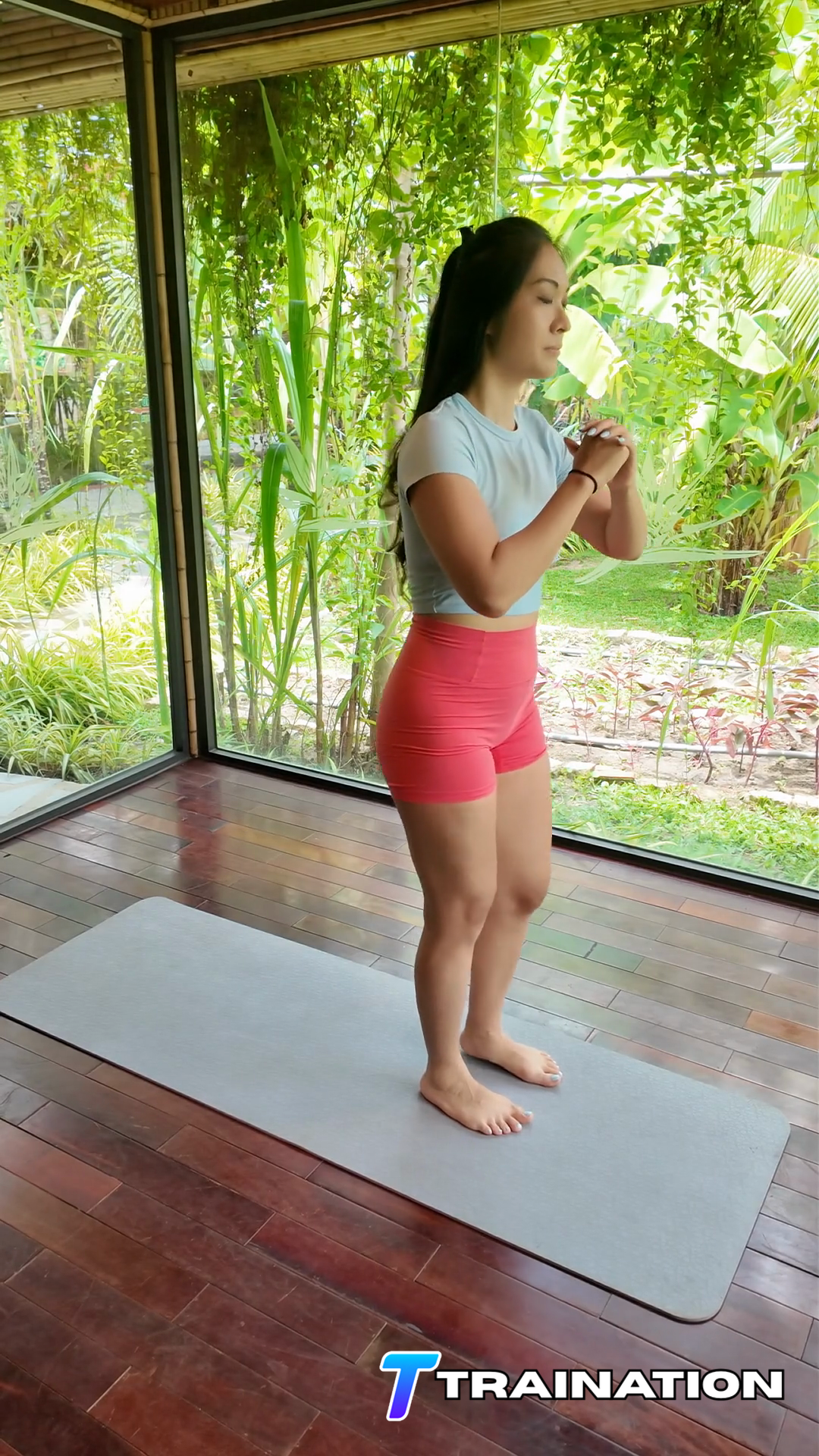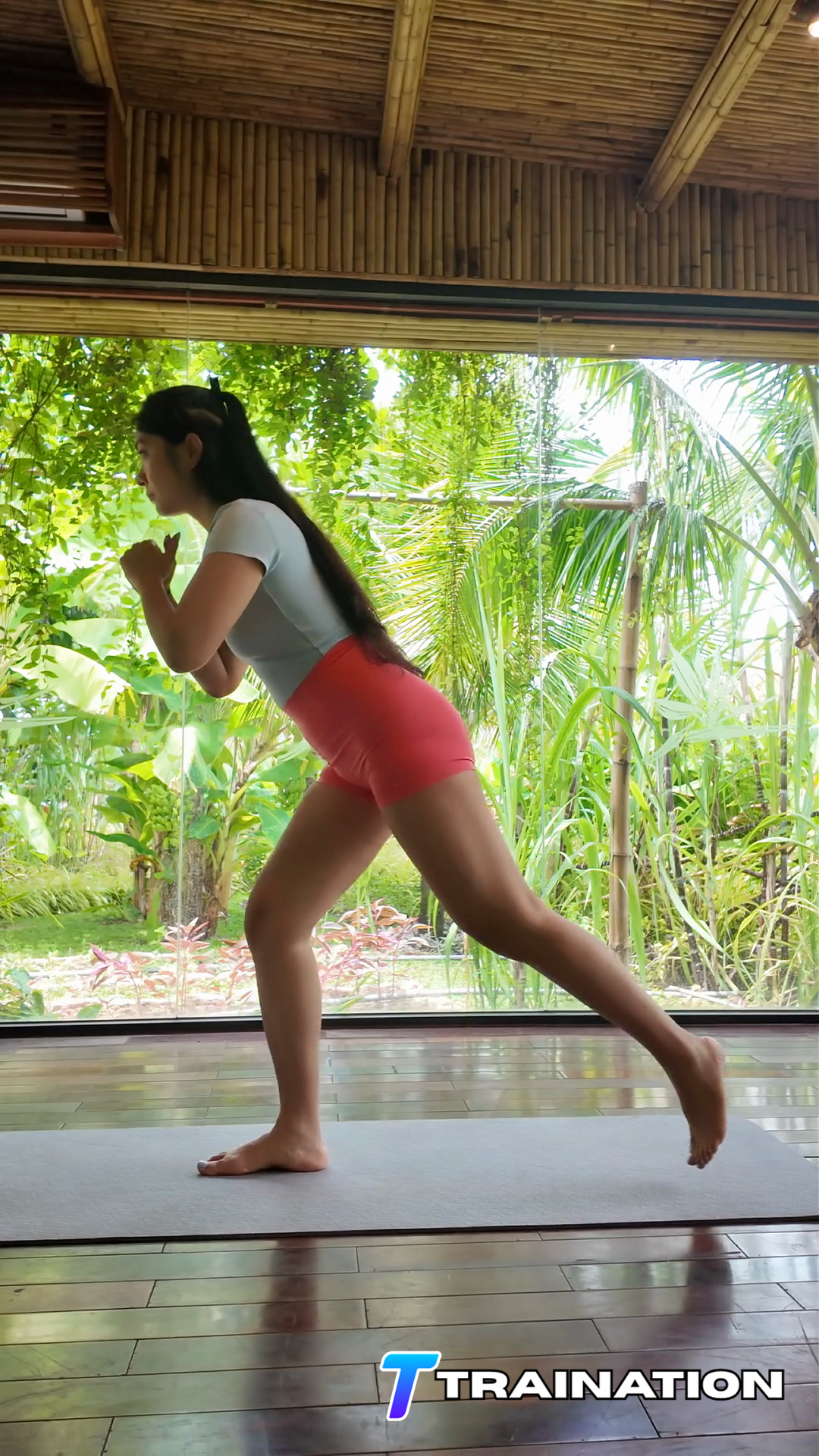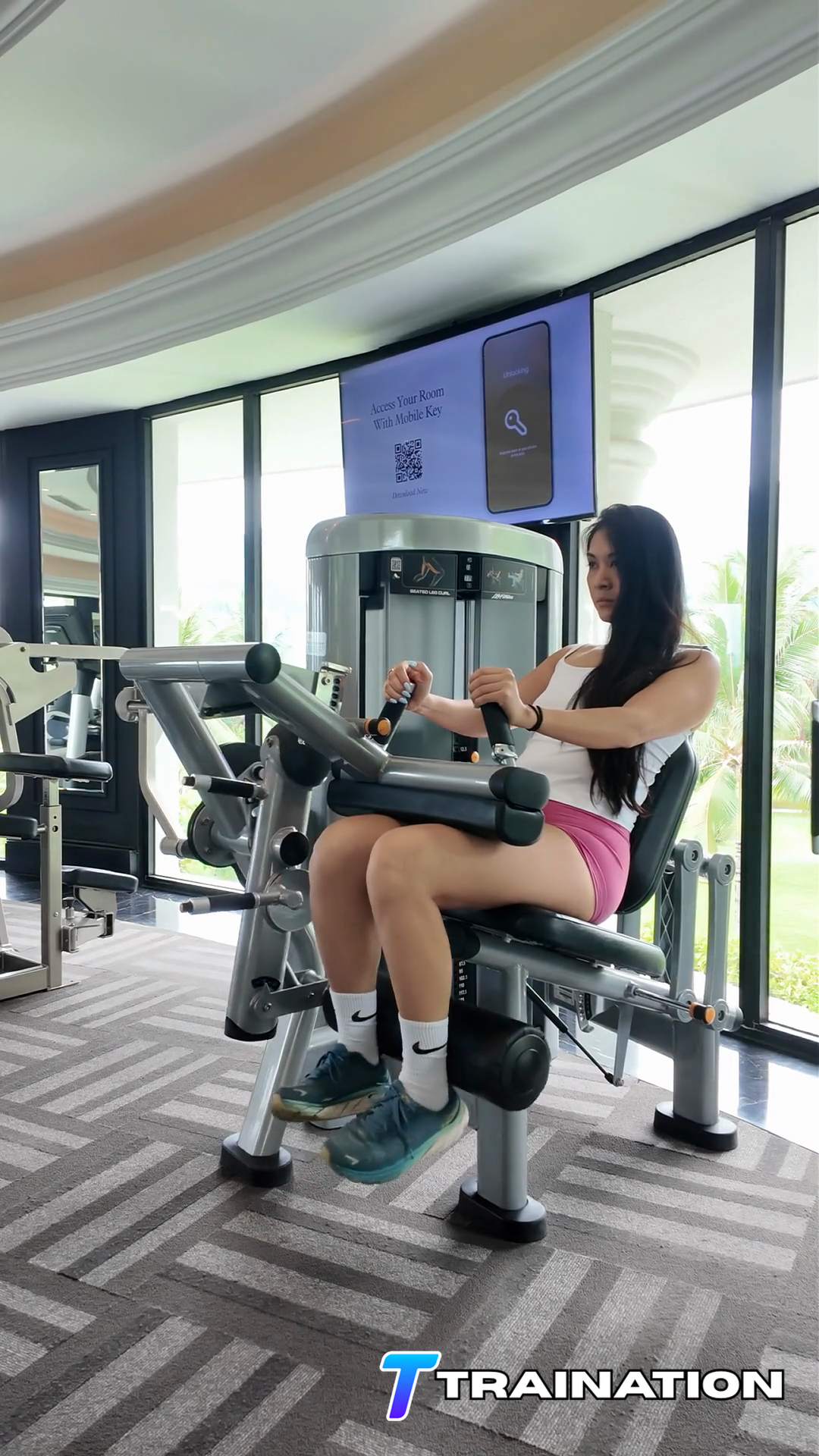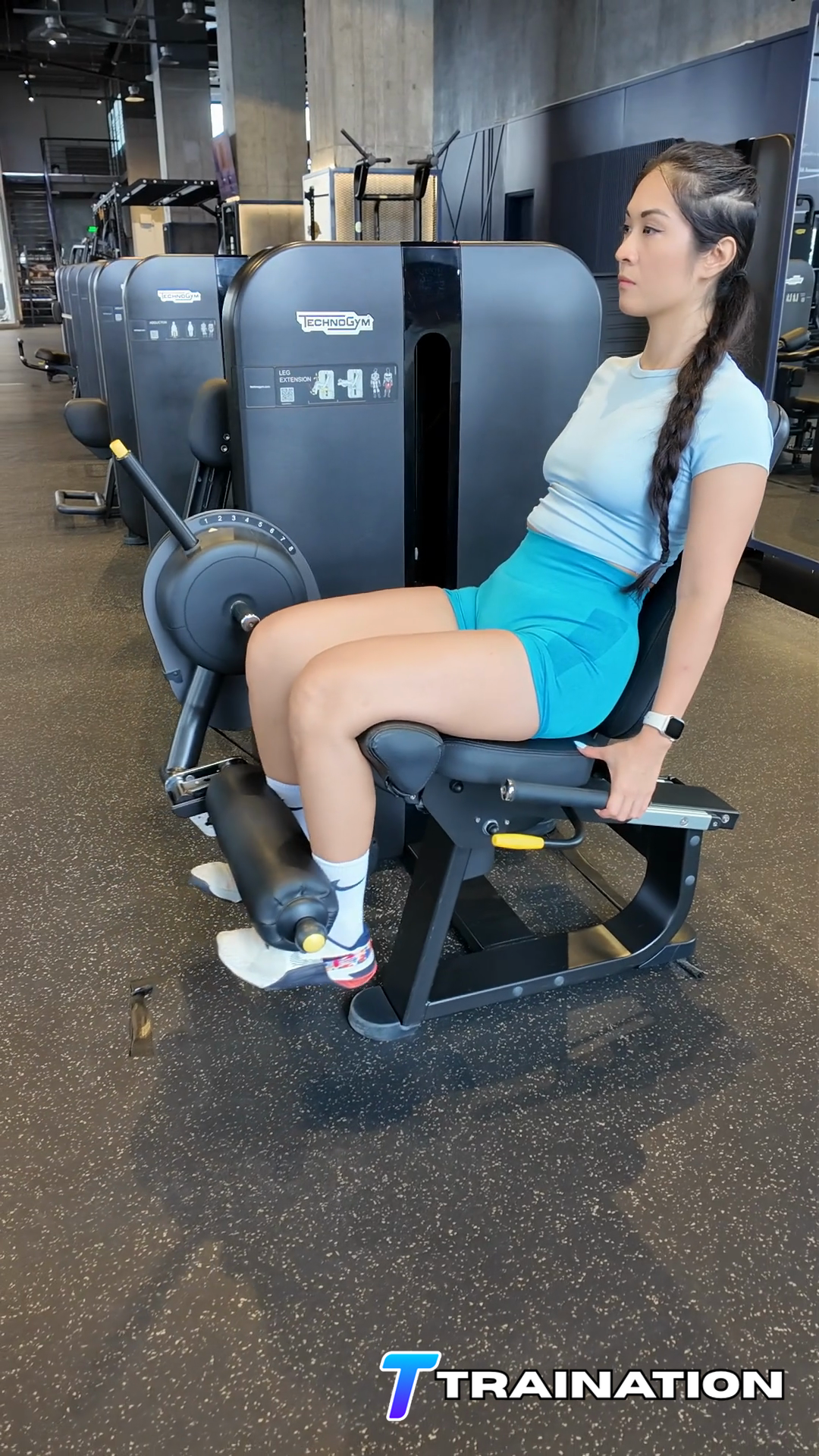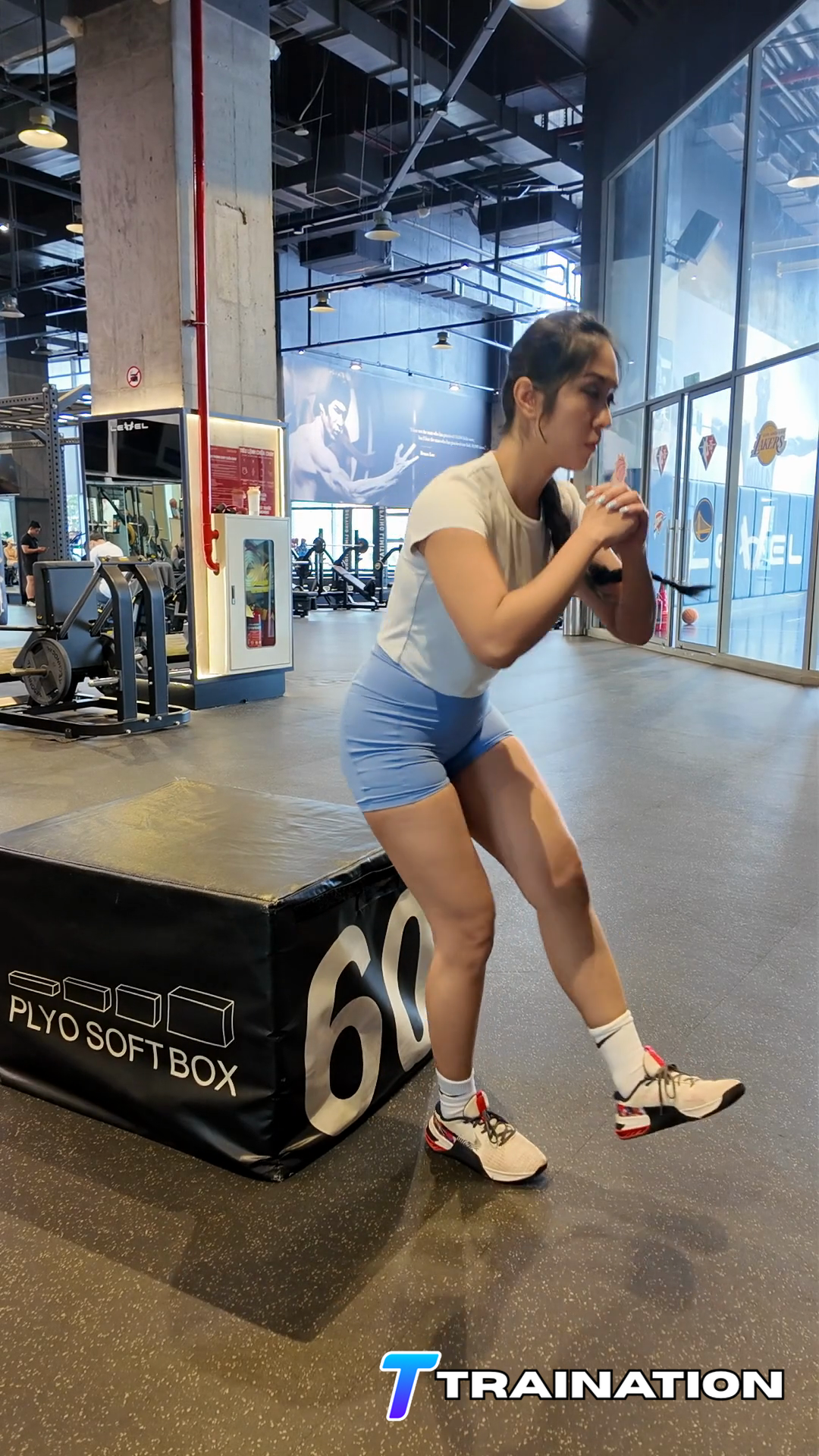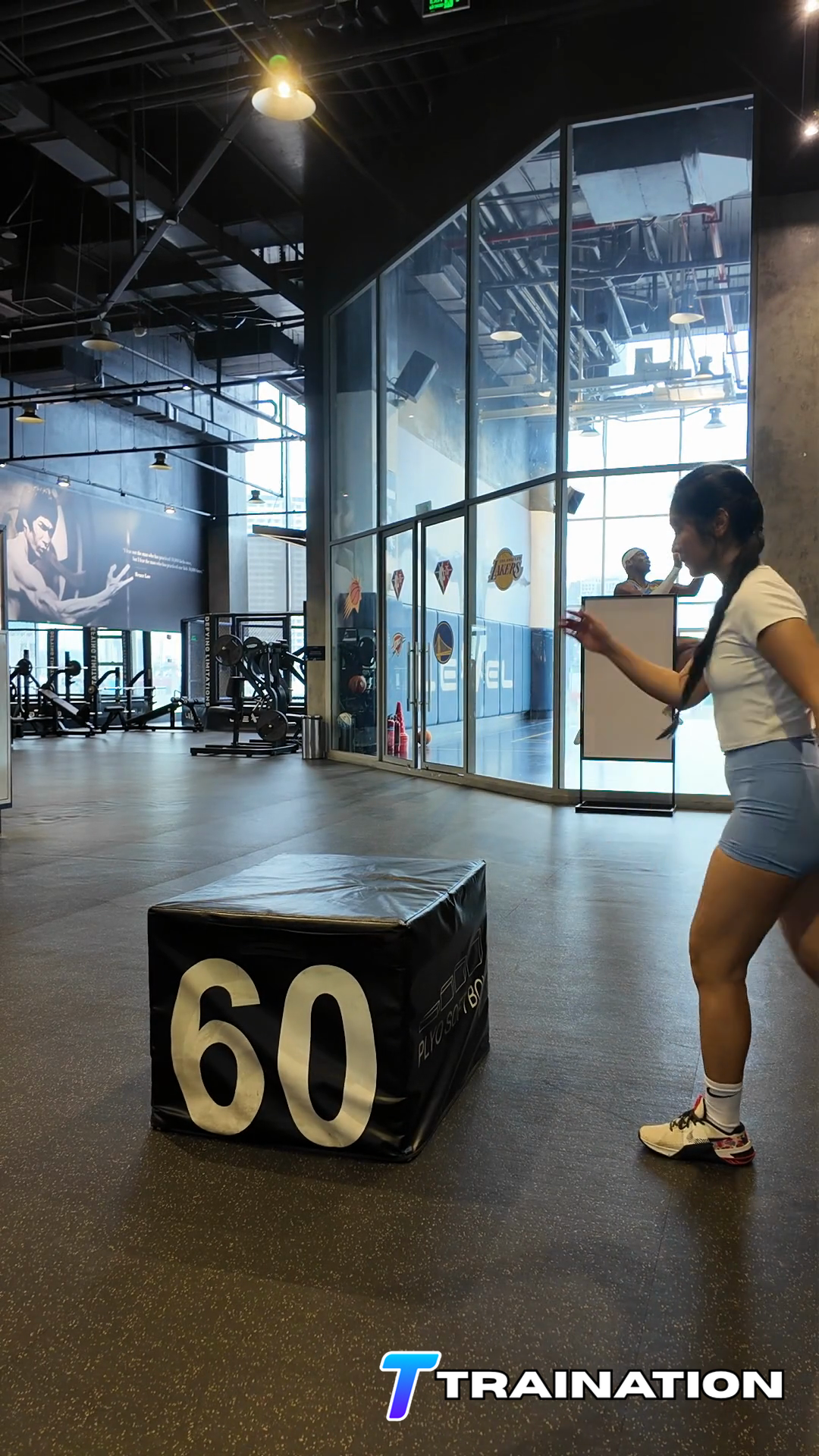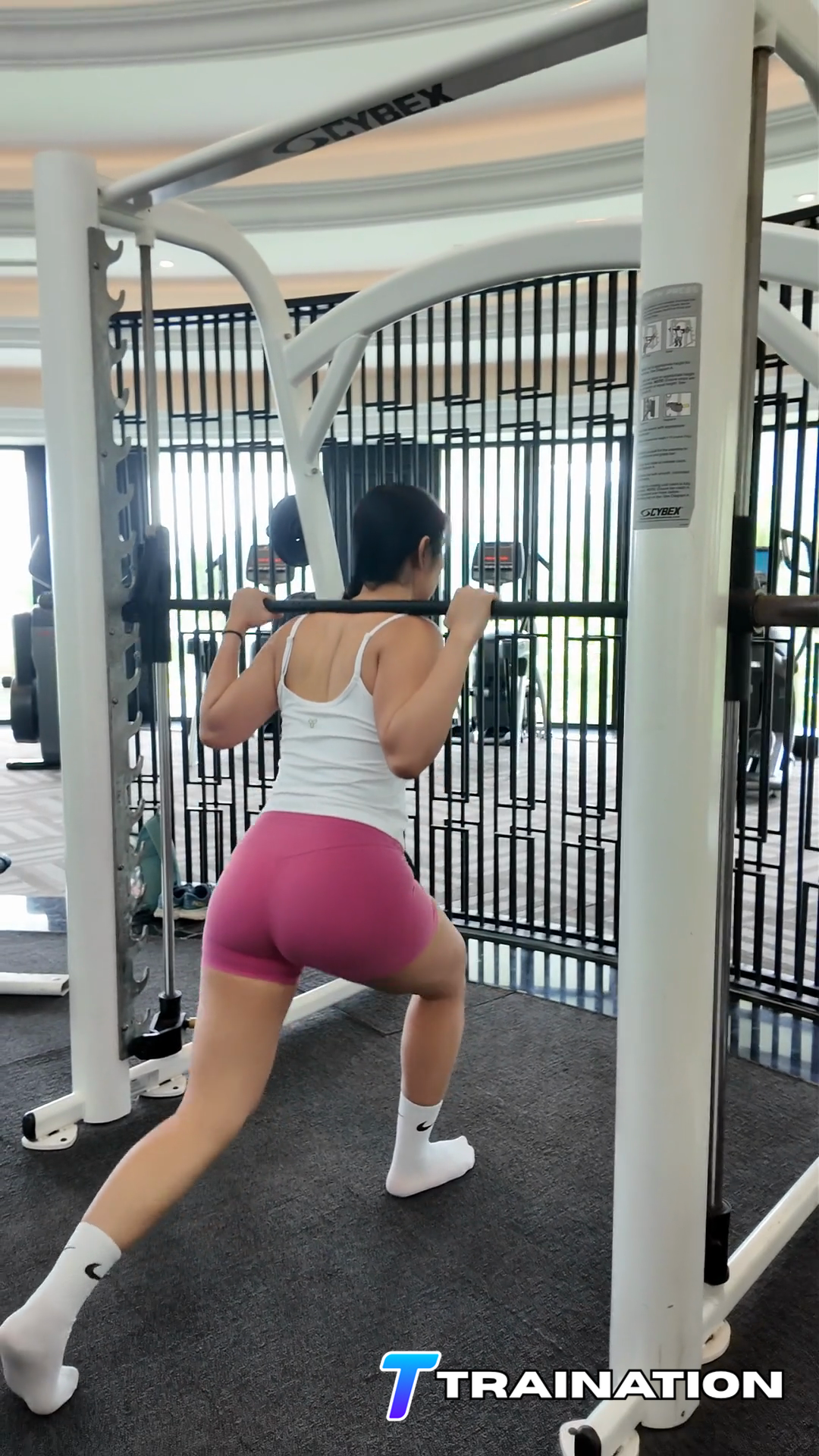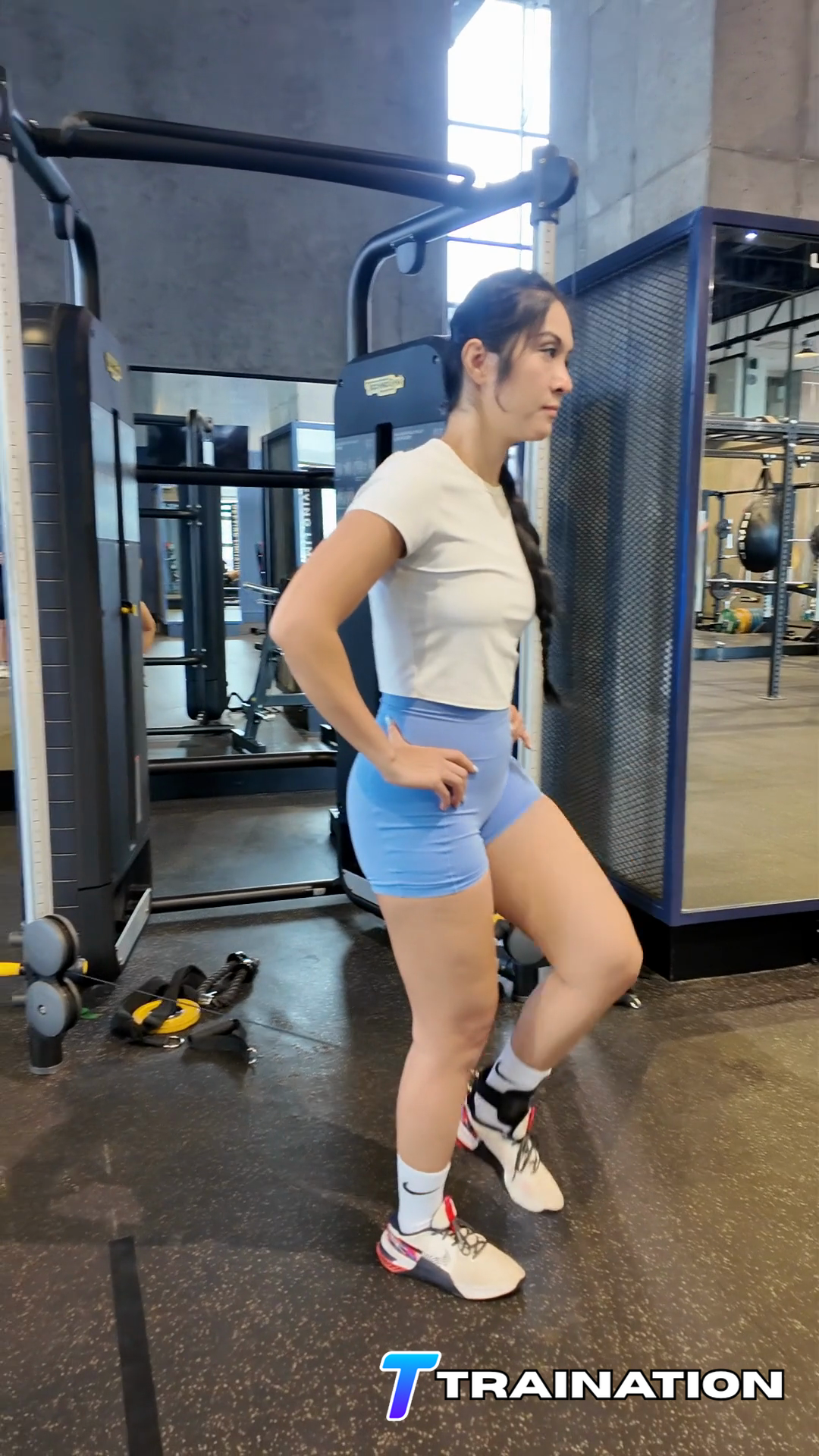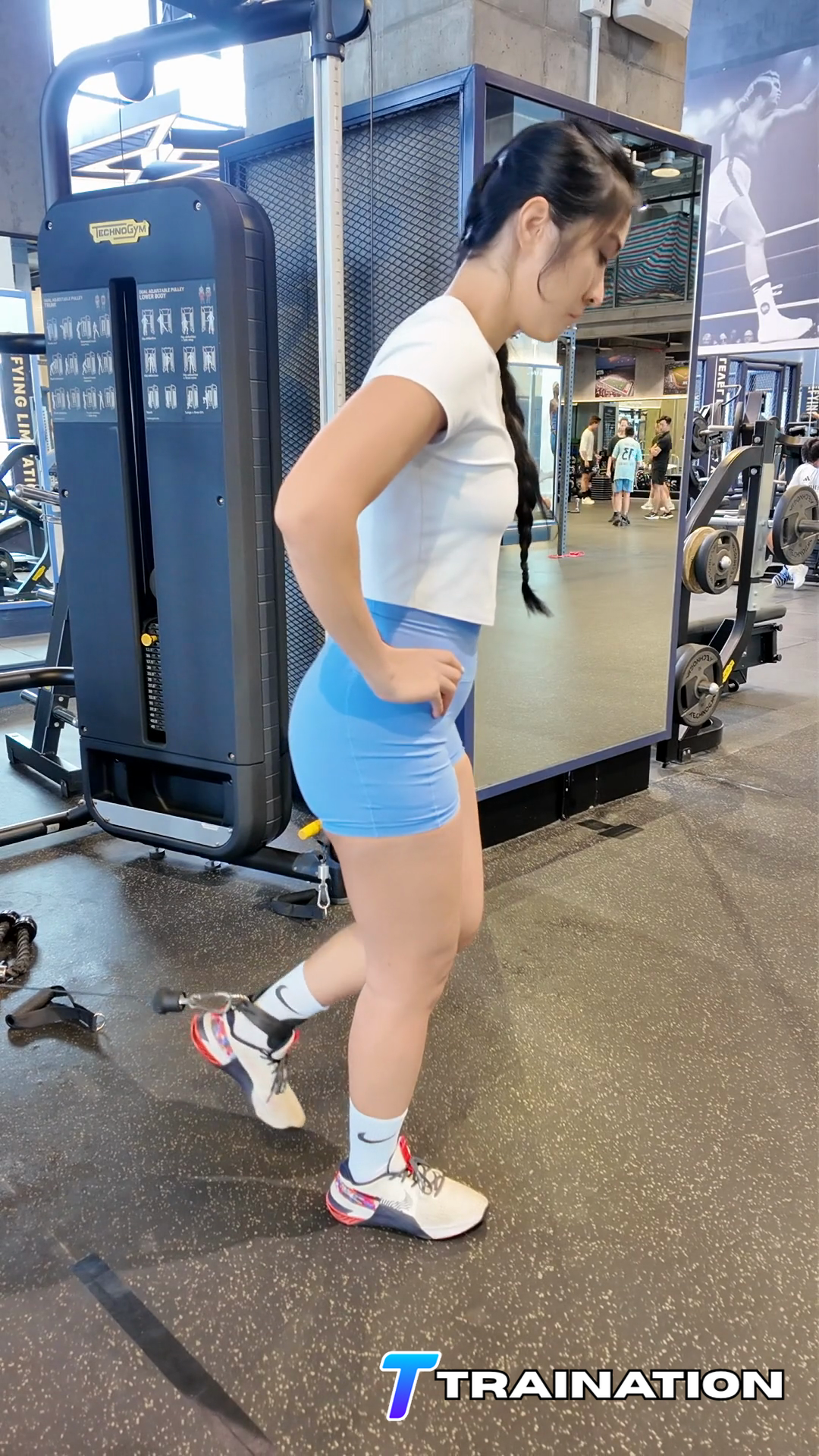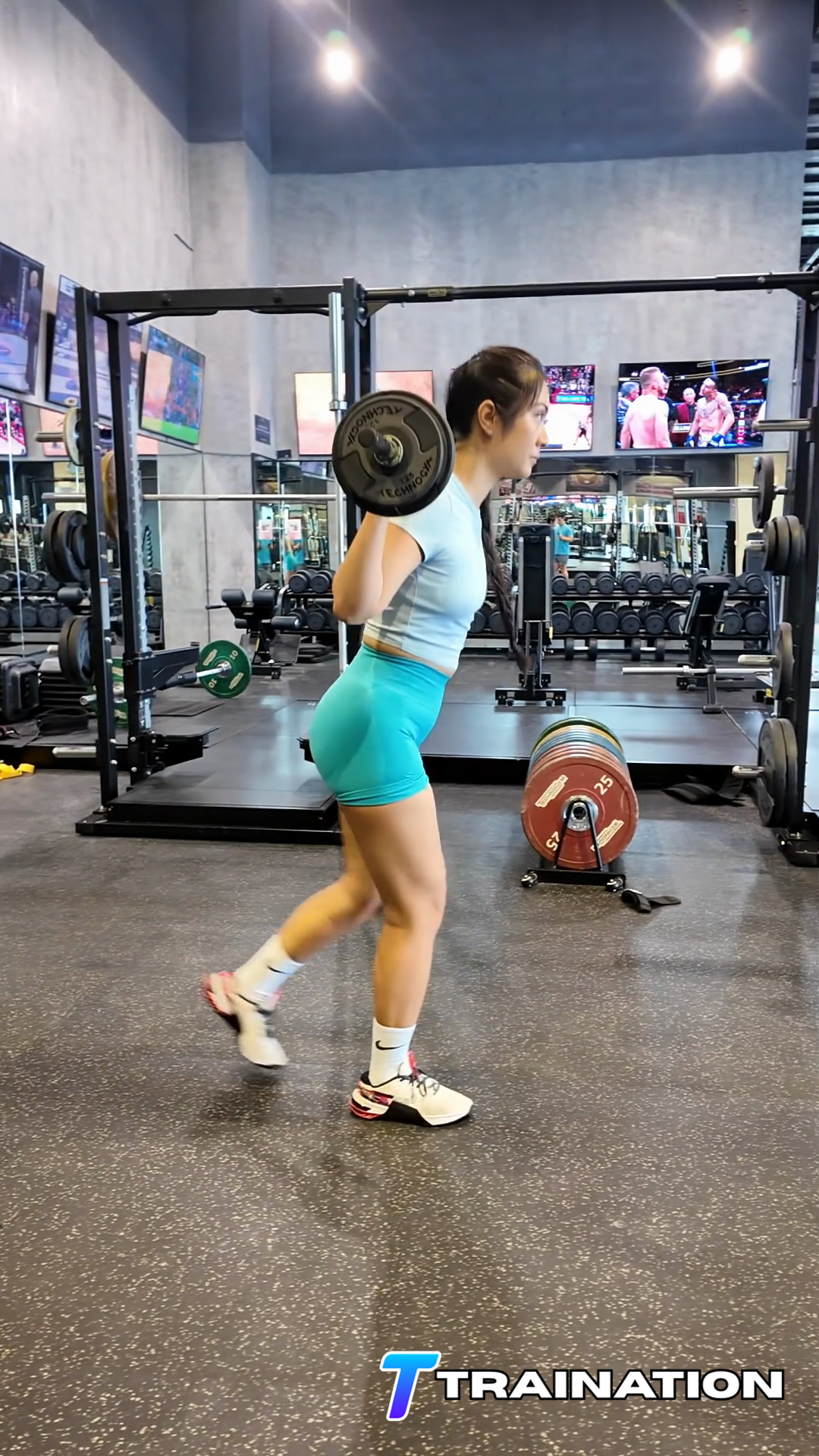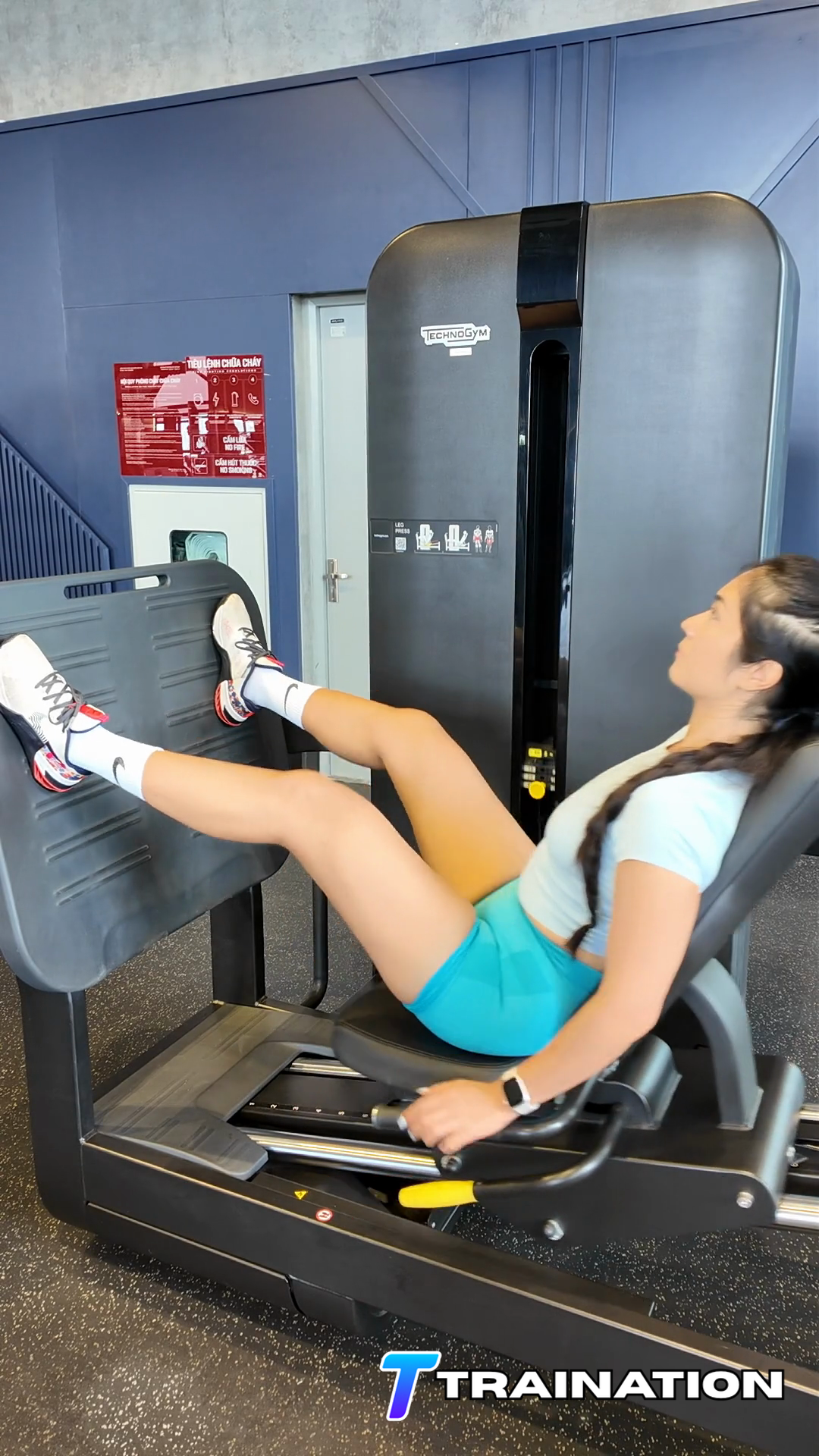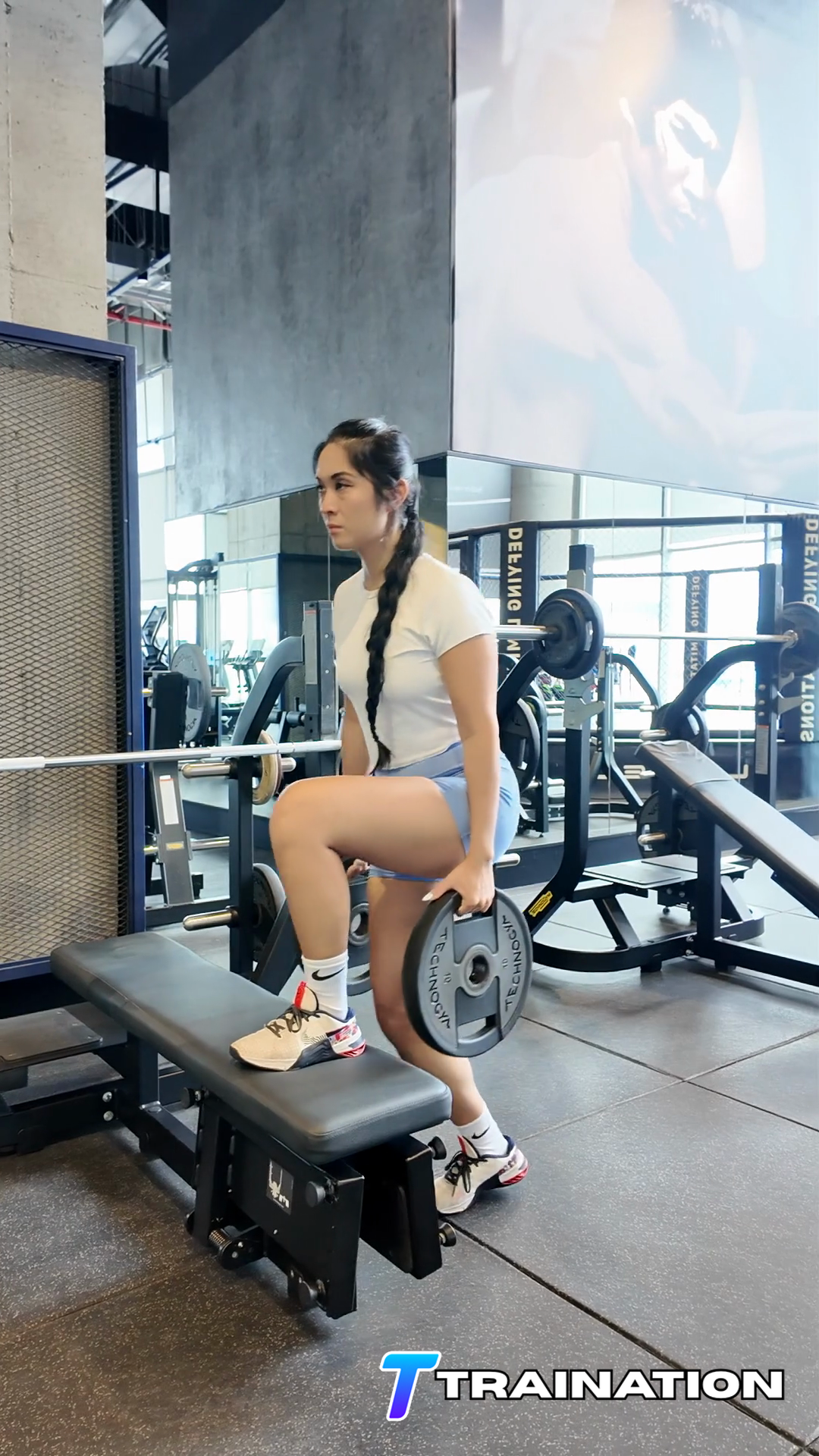
Only part of the foot is supported
Place the whole working foot on the step so force can be distributed through the heel and forefoot.
A practical one-leg exercise that builds strength through a steady step-up movement.
Primary musclesQuadriceps, Gluteus maximus
Secondary musclesHamstrings, Gluteus medius, Hip adductors, Calves
Follow the sequence in order, paying attention to the starting position, movement path, and finish described in each step.
For Bench Step-Up, place the whole working foot on the step and line up the knee with the toes before shifting weight upward.
Brace the trunk, keep the hips level, and shift pressure onto the elevated foot without rocking forward.
Drive through the elevated foot to raise the body, minimizing the push from the trailing leg.
Finish tall on the step with the hips level and balance under control.
Step down slowly and under control. Repeat without changing the established position.
Place the whole working foot on the step so force can be distributed through the heel and forefoot.
Drive through the elevated leg and minimize the jump or calf push from the trailing foot.
Keep the working knee aligned with the toes throughout the ascent and descent.
Control the lowering phase and place the trailing foot softly instead of falling to the floor.
Place Bench Step-Up after squats or leg presses for extra one-leg work; move it earlier only when step height, balance, or loaded step-up strength is the main target.
Use one or two times per week and account for other lunges, split squats, and single-leg work.
| Goal | Sets | Reps or time | Rest | Effort and execution |
|---|---|---|---|---|
| Strength accessory | 2–4 | 6–10 per side | 75–150 sec | Leave 2–3 controlled reps in reserve |
| Muscle growth | 2–4 | 8–15 per side | 60–120 sec | Usually 1–3 clean reps in reserve |
Scale the movement
Use a lower platform and light hand support while learning to drive through the elevated foot.
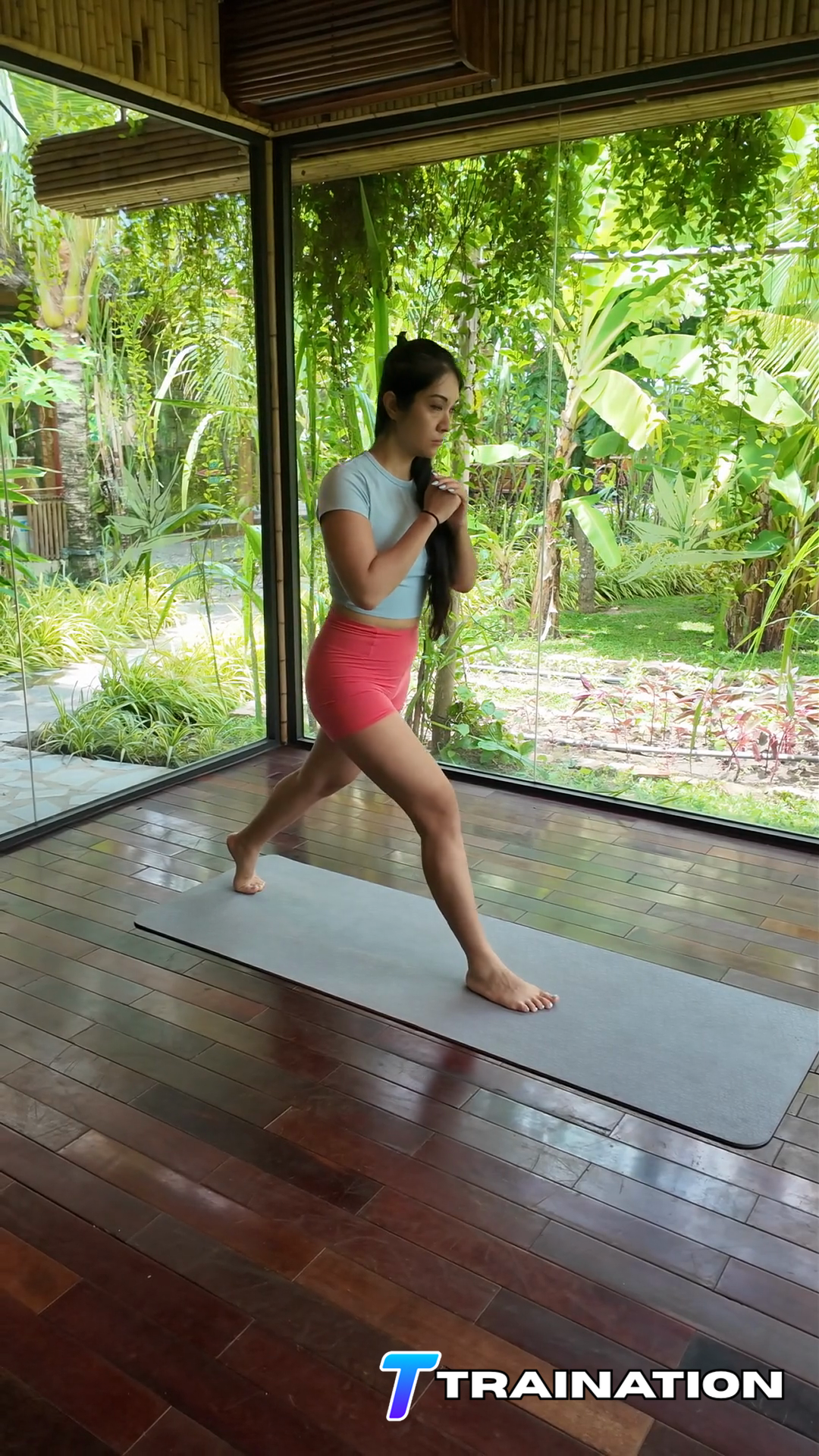
Train single-leg strength without the additional demand of stepping onto a platform.
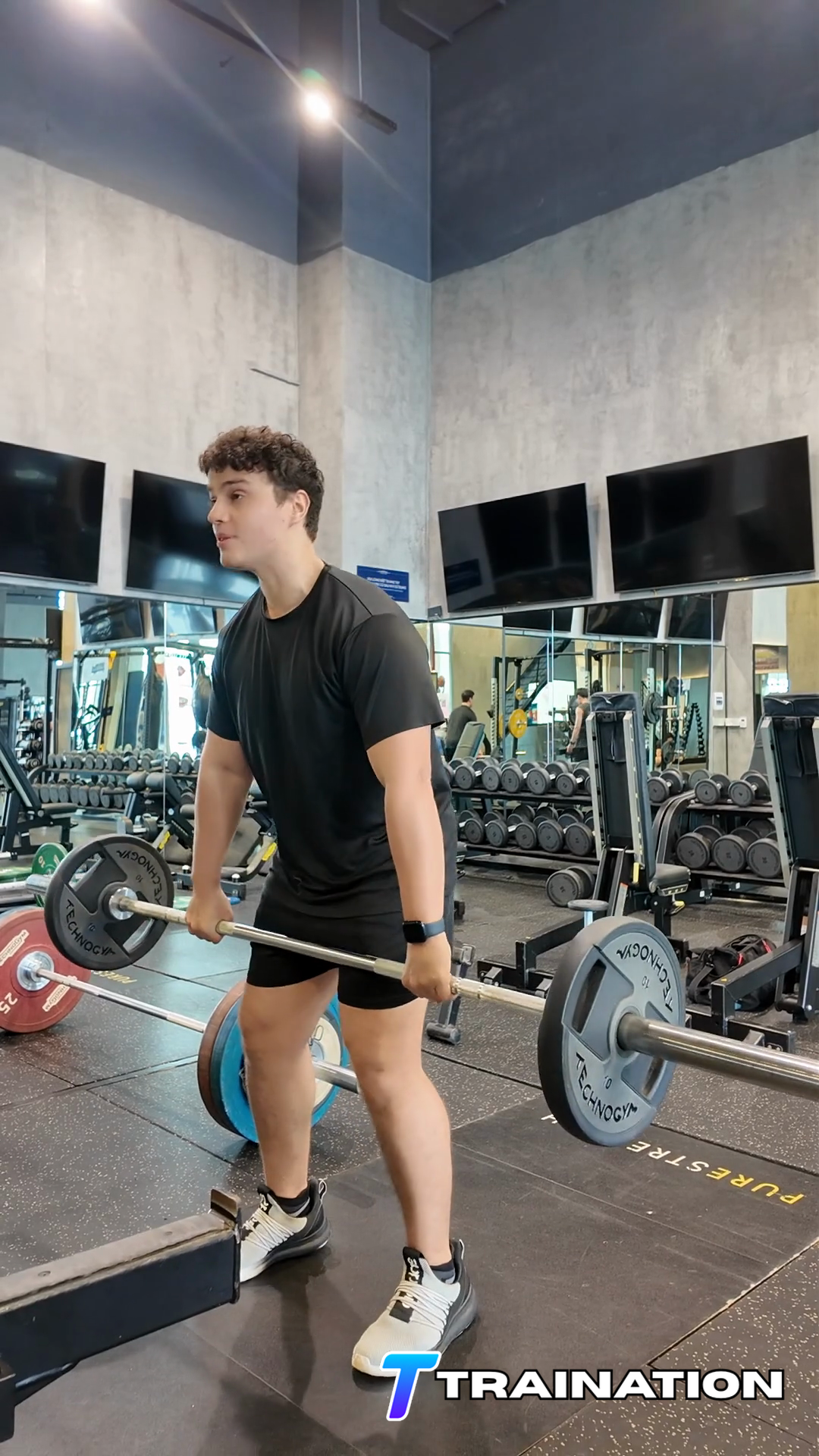
Add dumbbells while keeping the trailing-leg push minimal and the descent controlled.
Add a controlled balance finish after standing fully on the working leg.
Turn Bench Step-Up and the rest of your exercise library into repeatable client programs.
Explore the workout builder