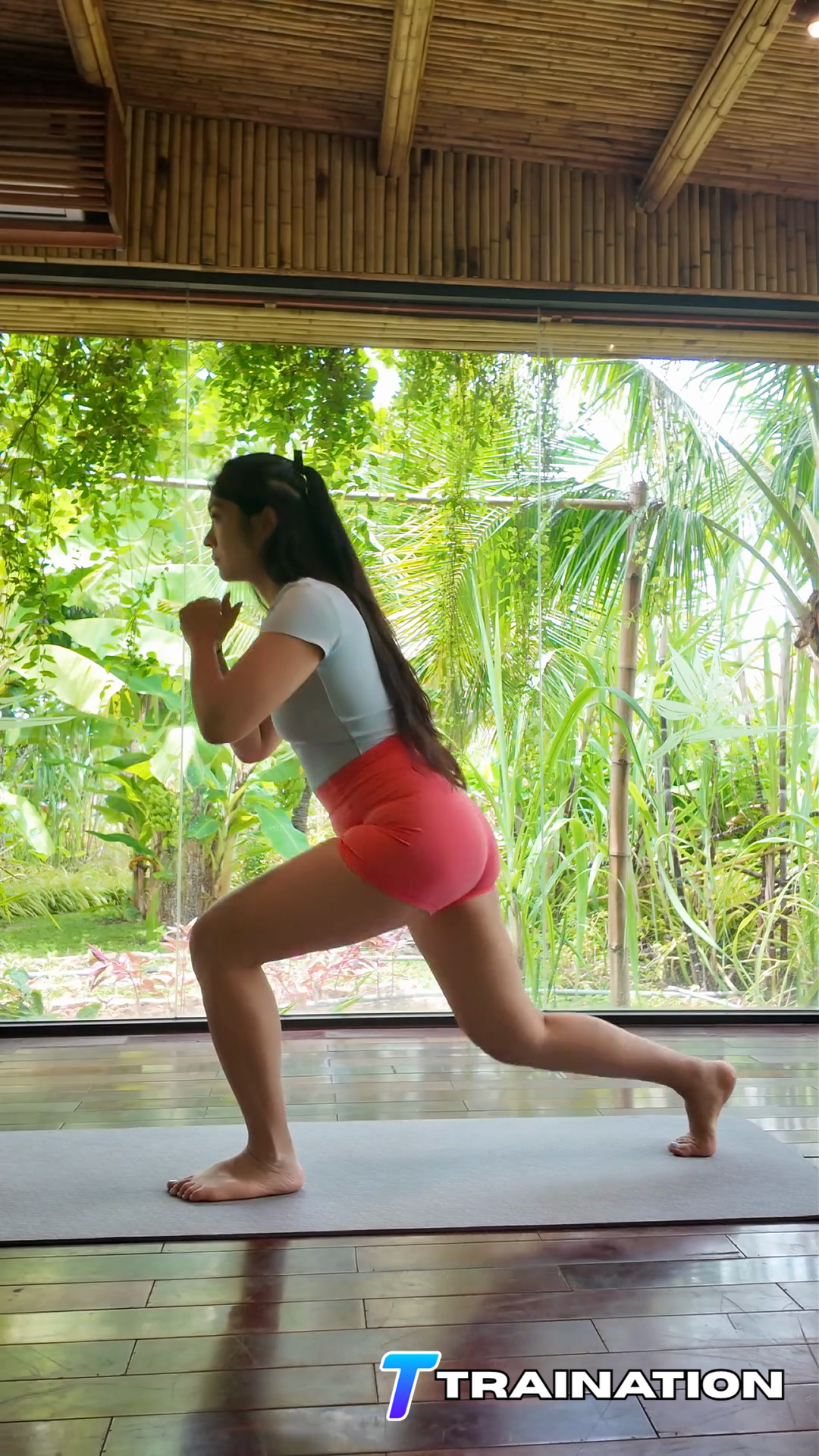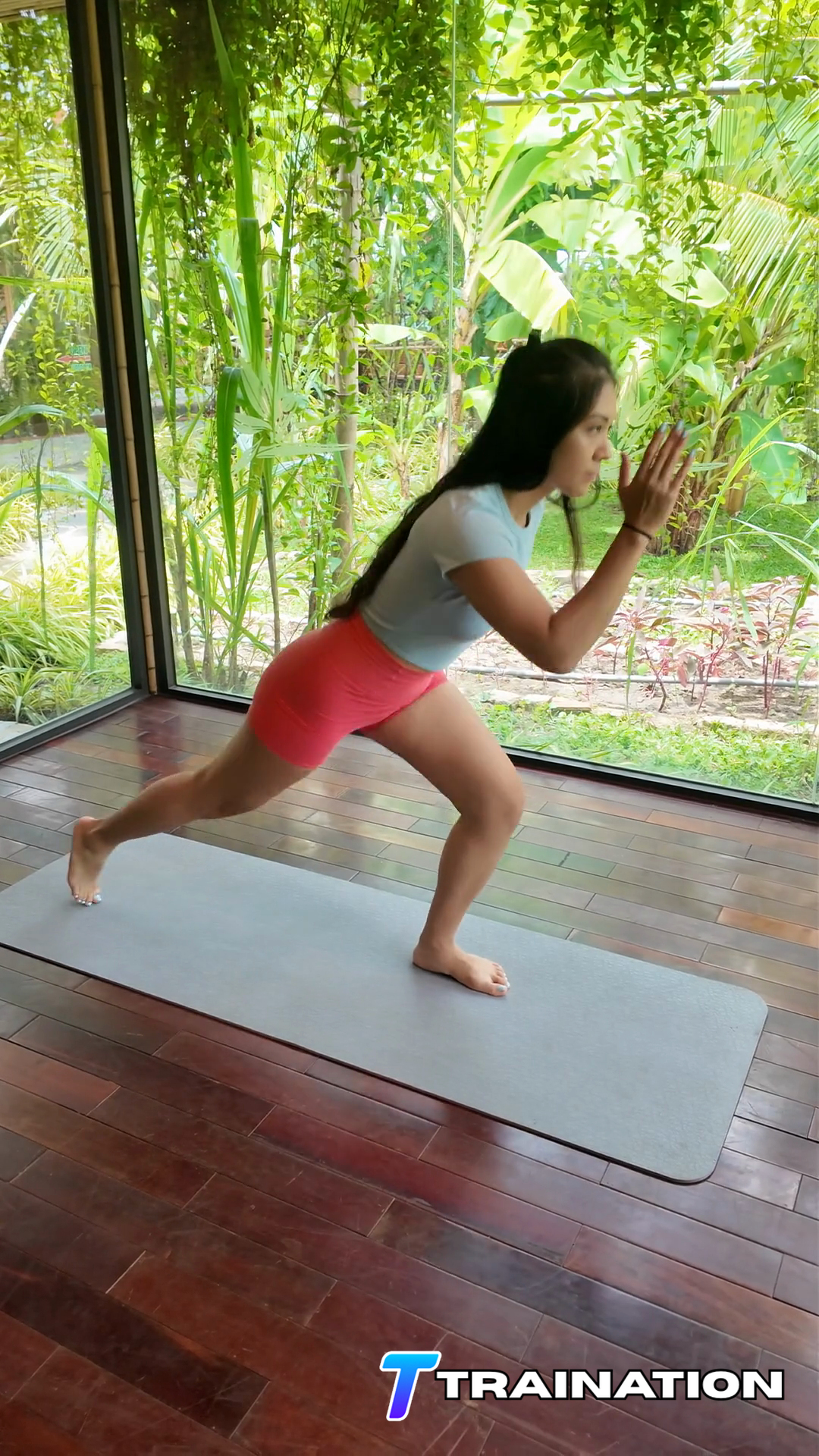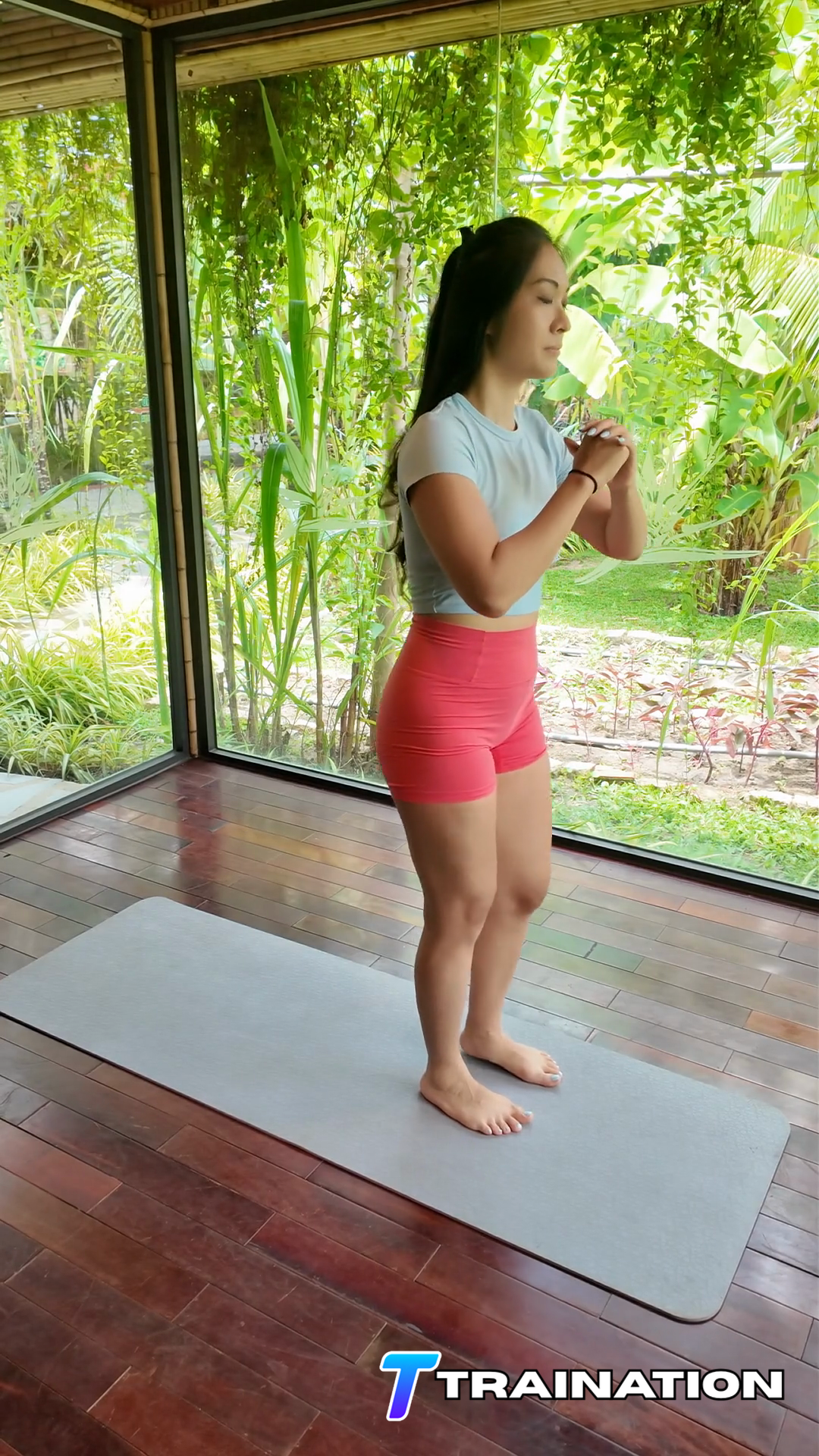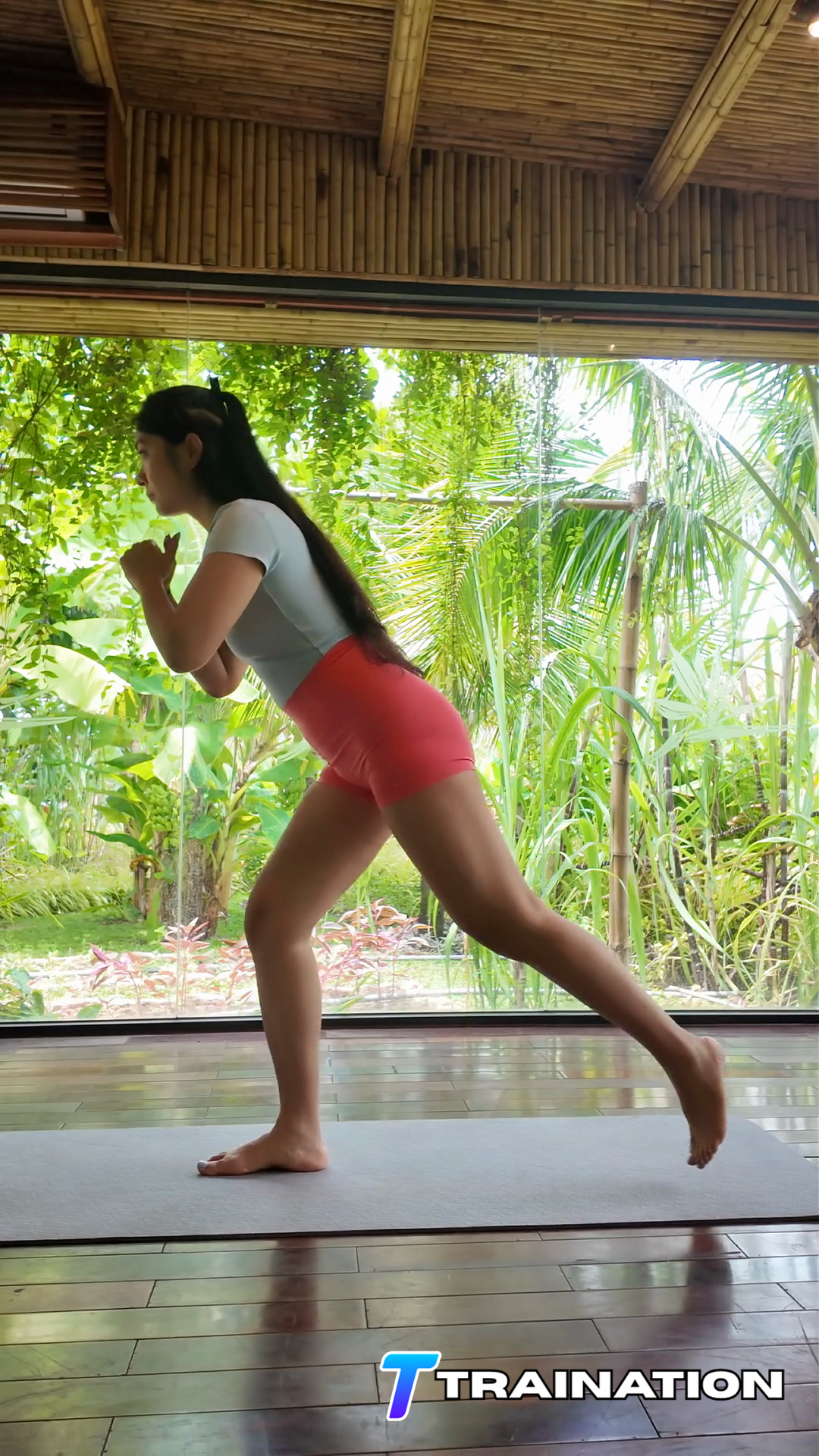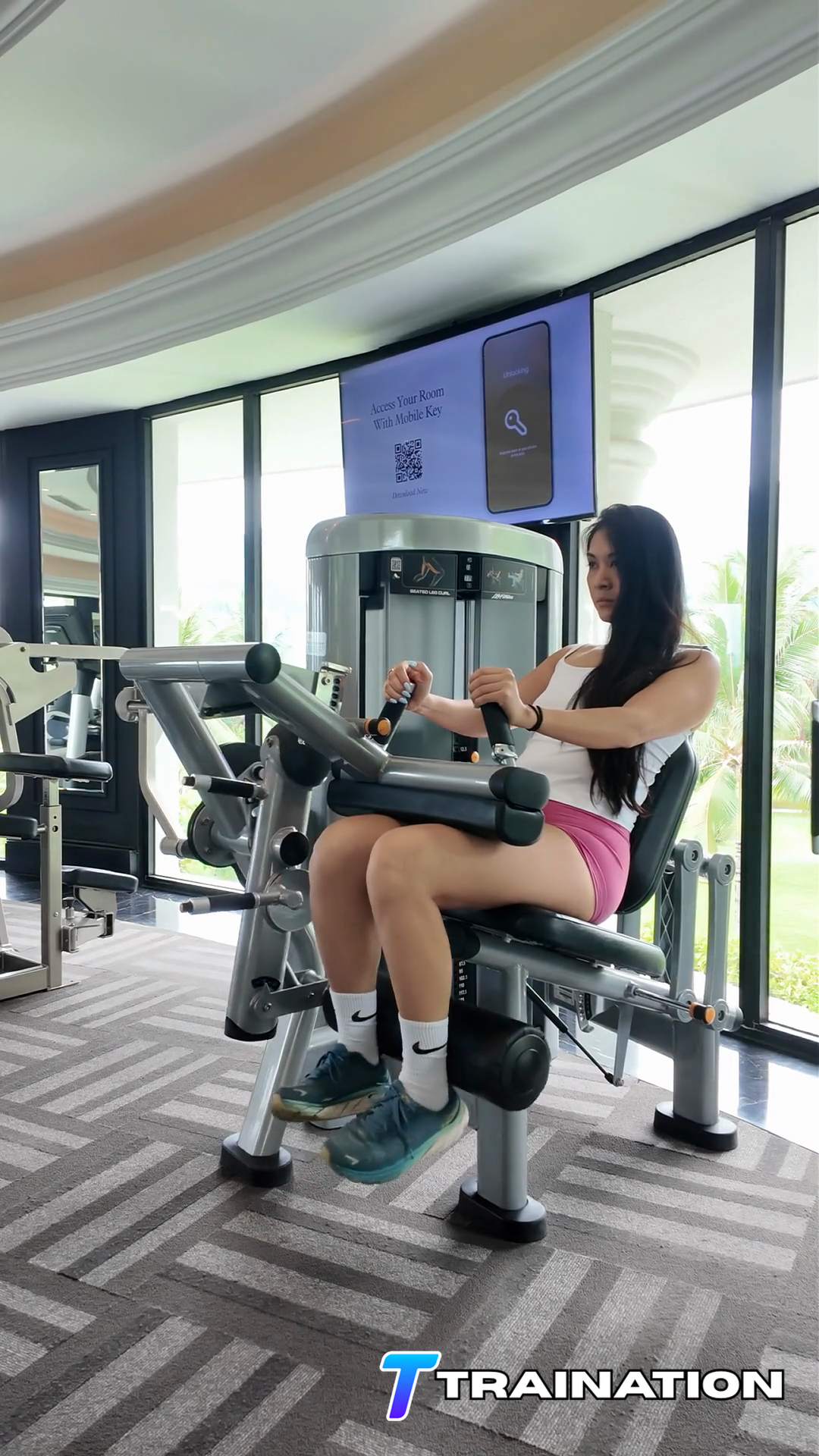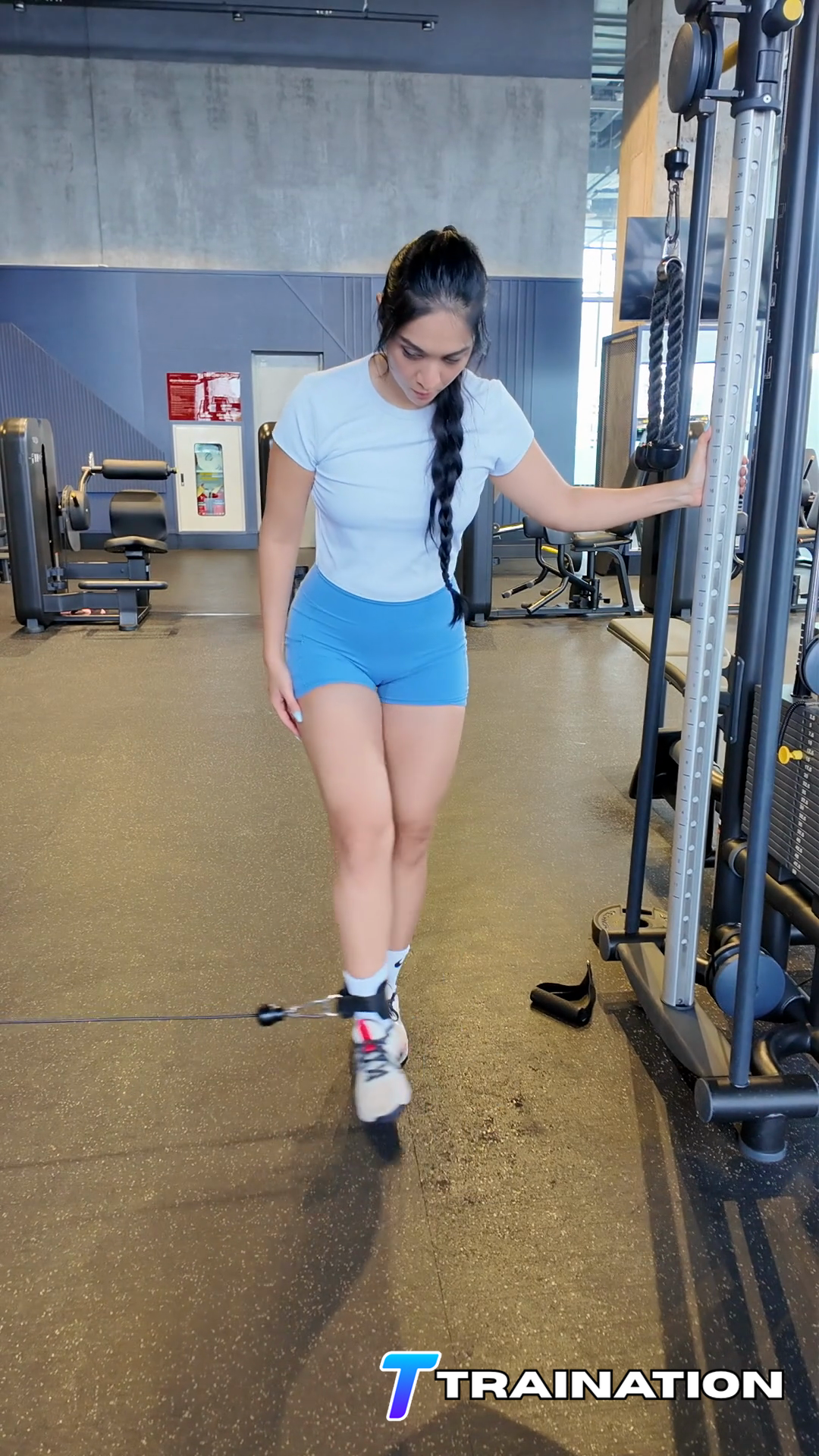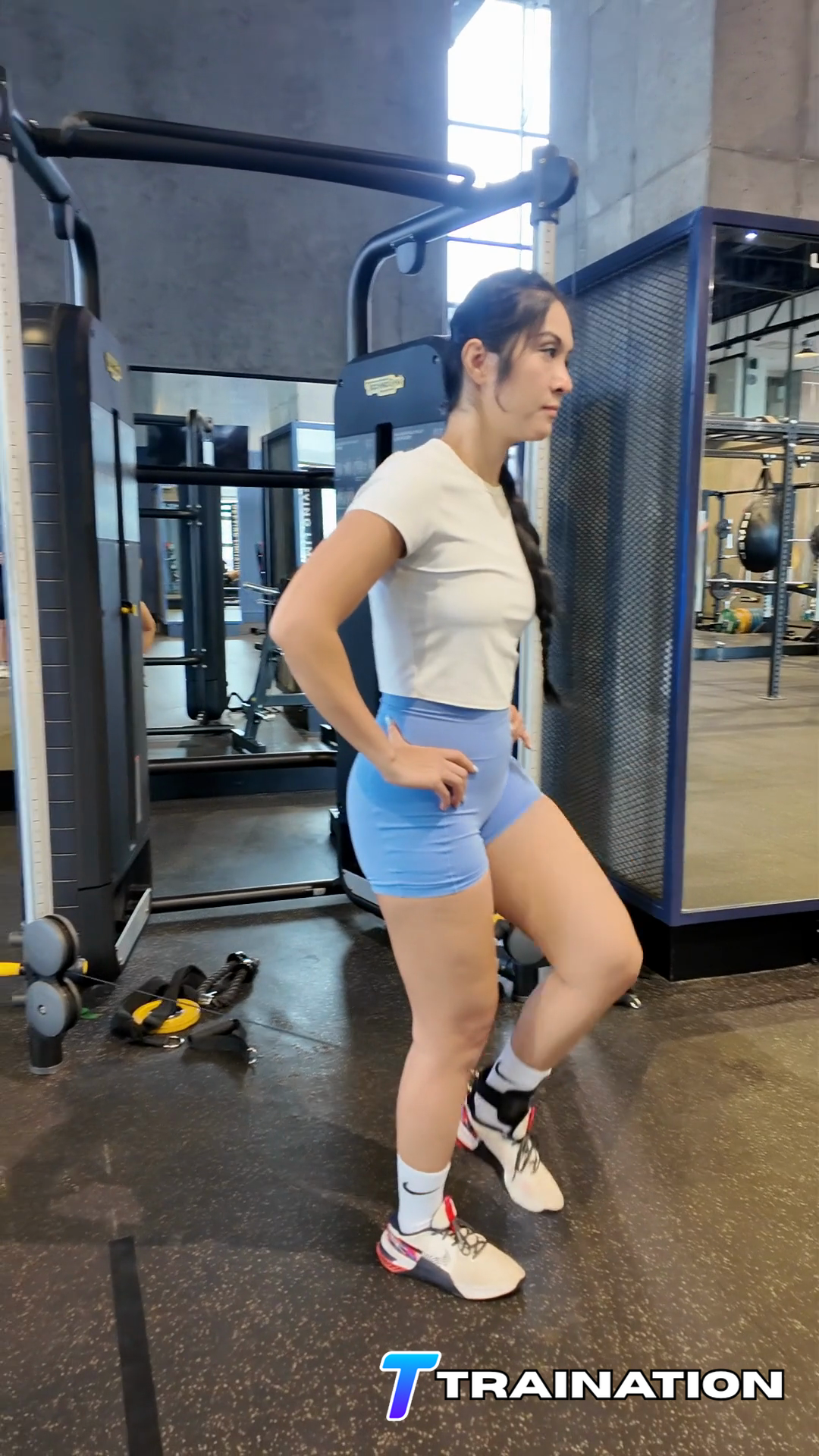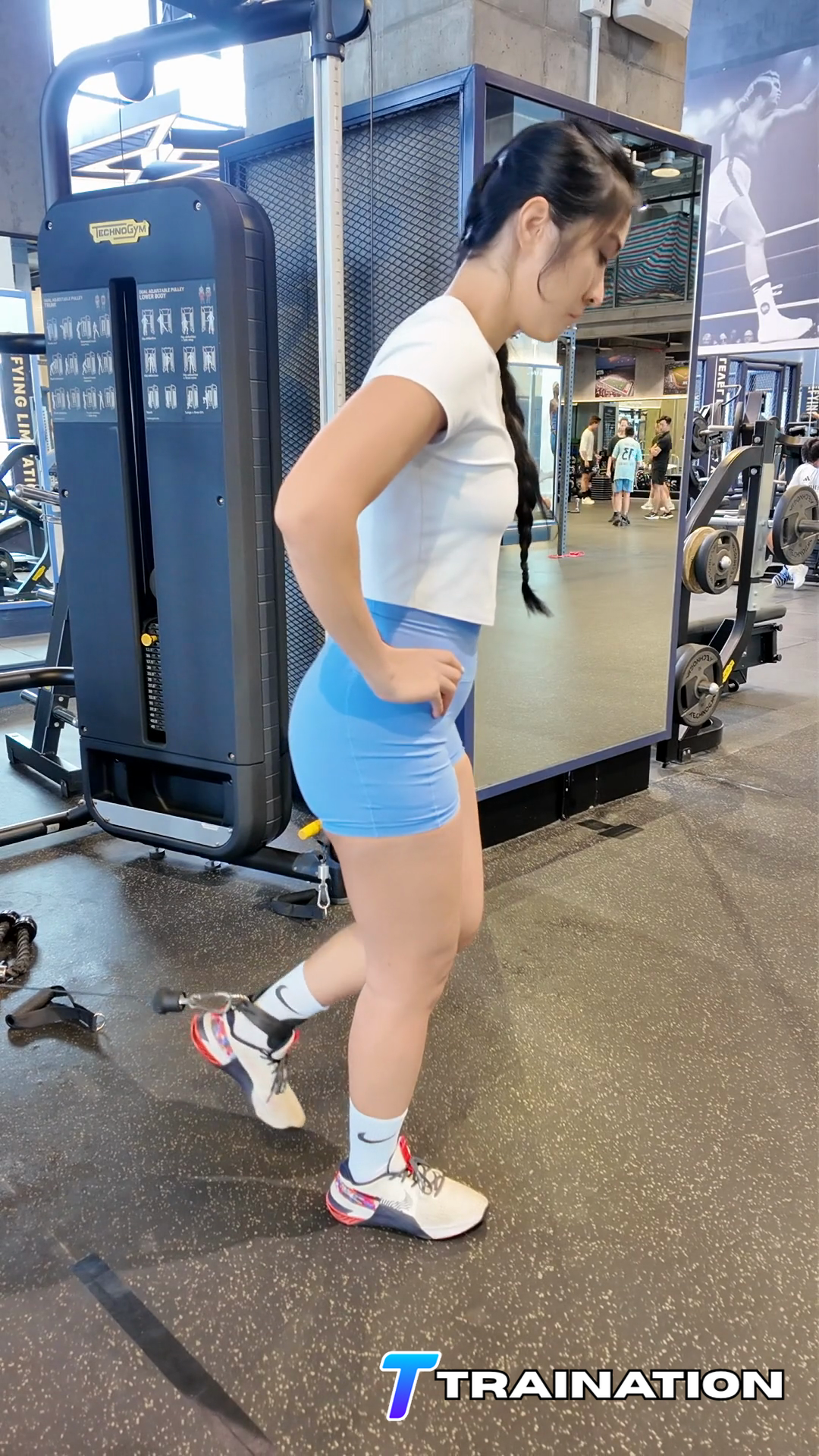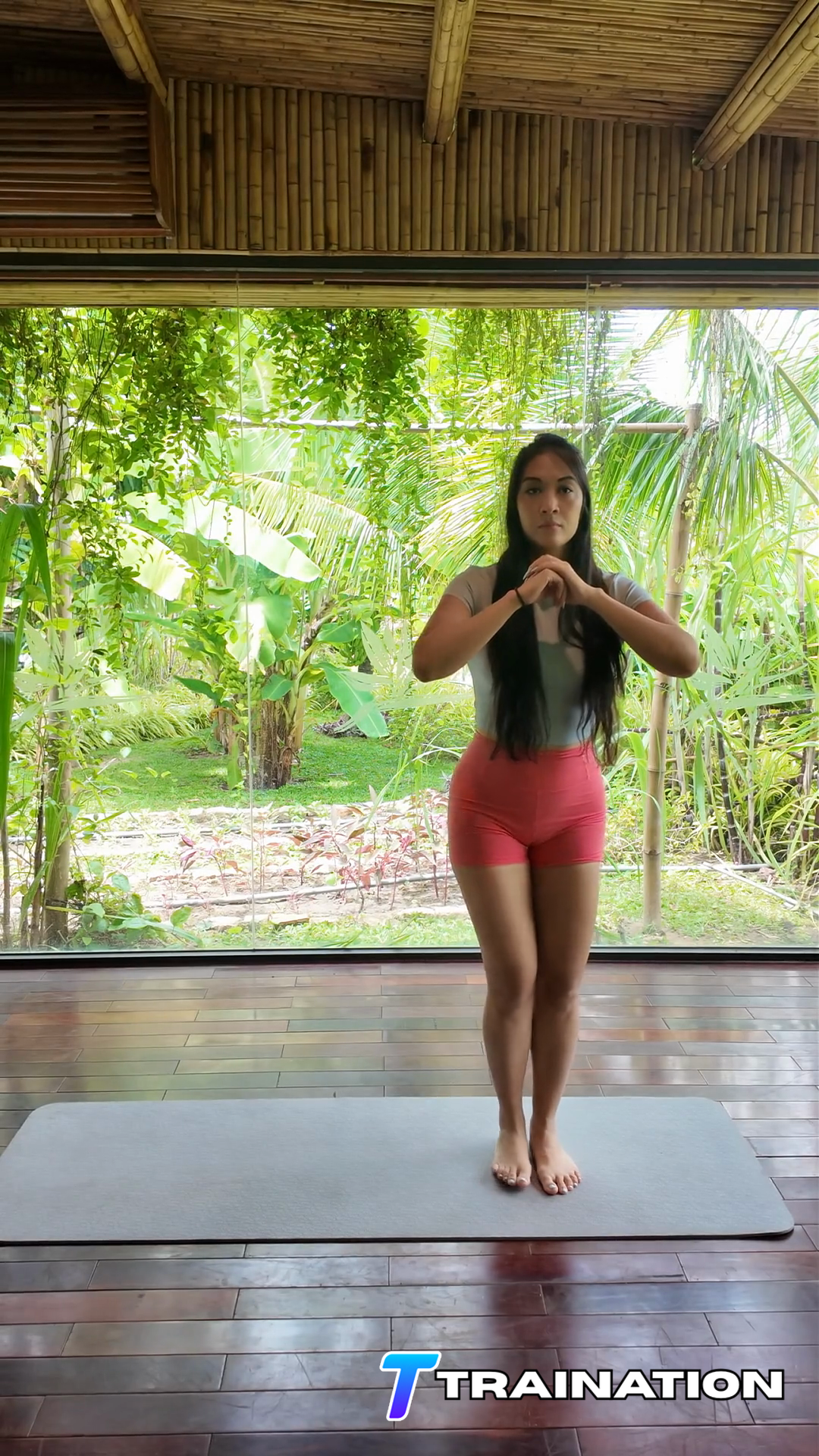
Knees missing the machine axis
Adjust the seat so the knee joint aligns with the machine pivot before loading it.
A seated isolation exercise that trains the quadriceps through controlled knee extension.
Primary musclesQuadriceps
Secondary musclesHip flexors, Tibialis anterior
Follow the sequence in order, paying attention to the starting position, movement path, and finish described in each step.
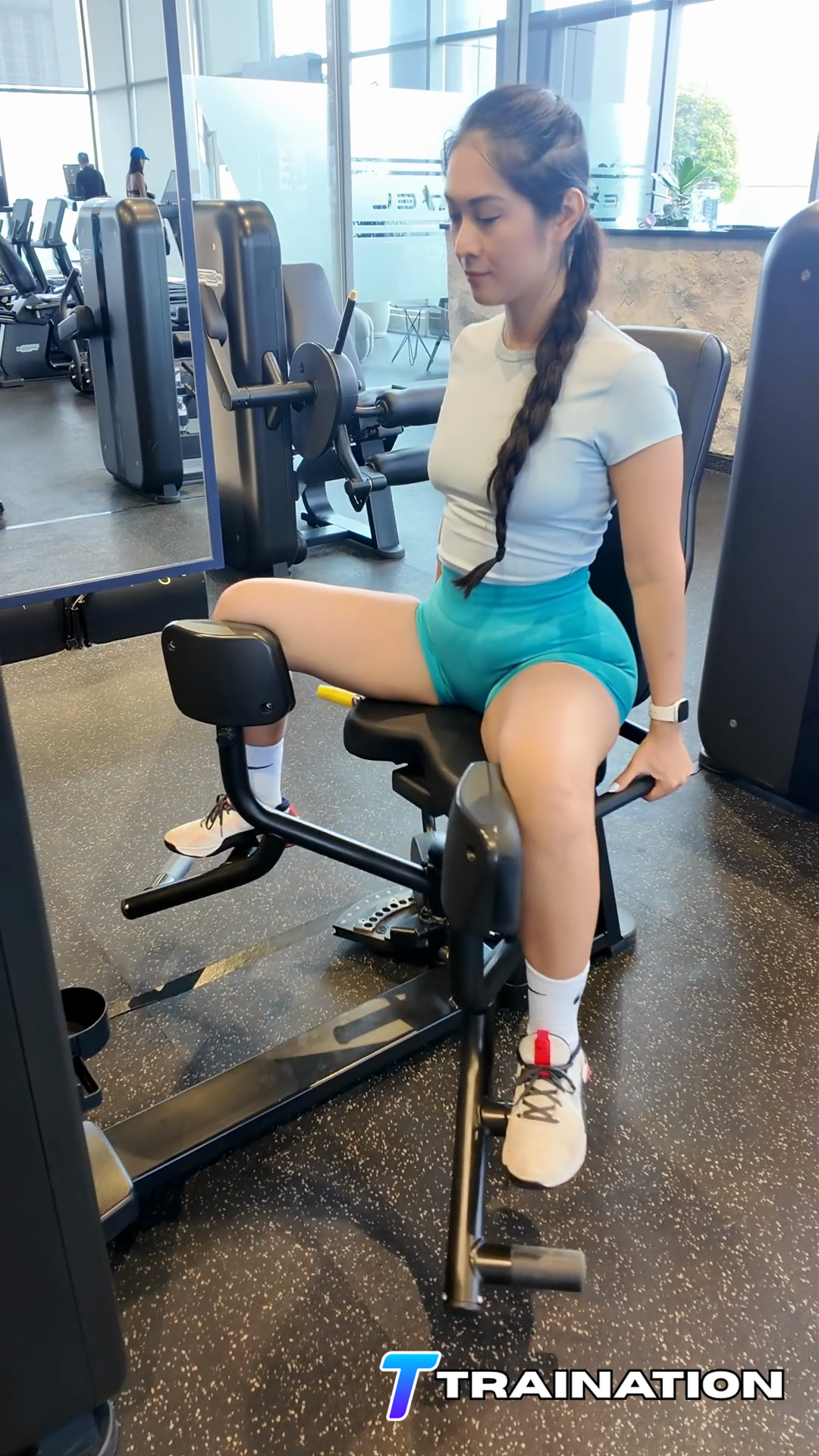
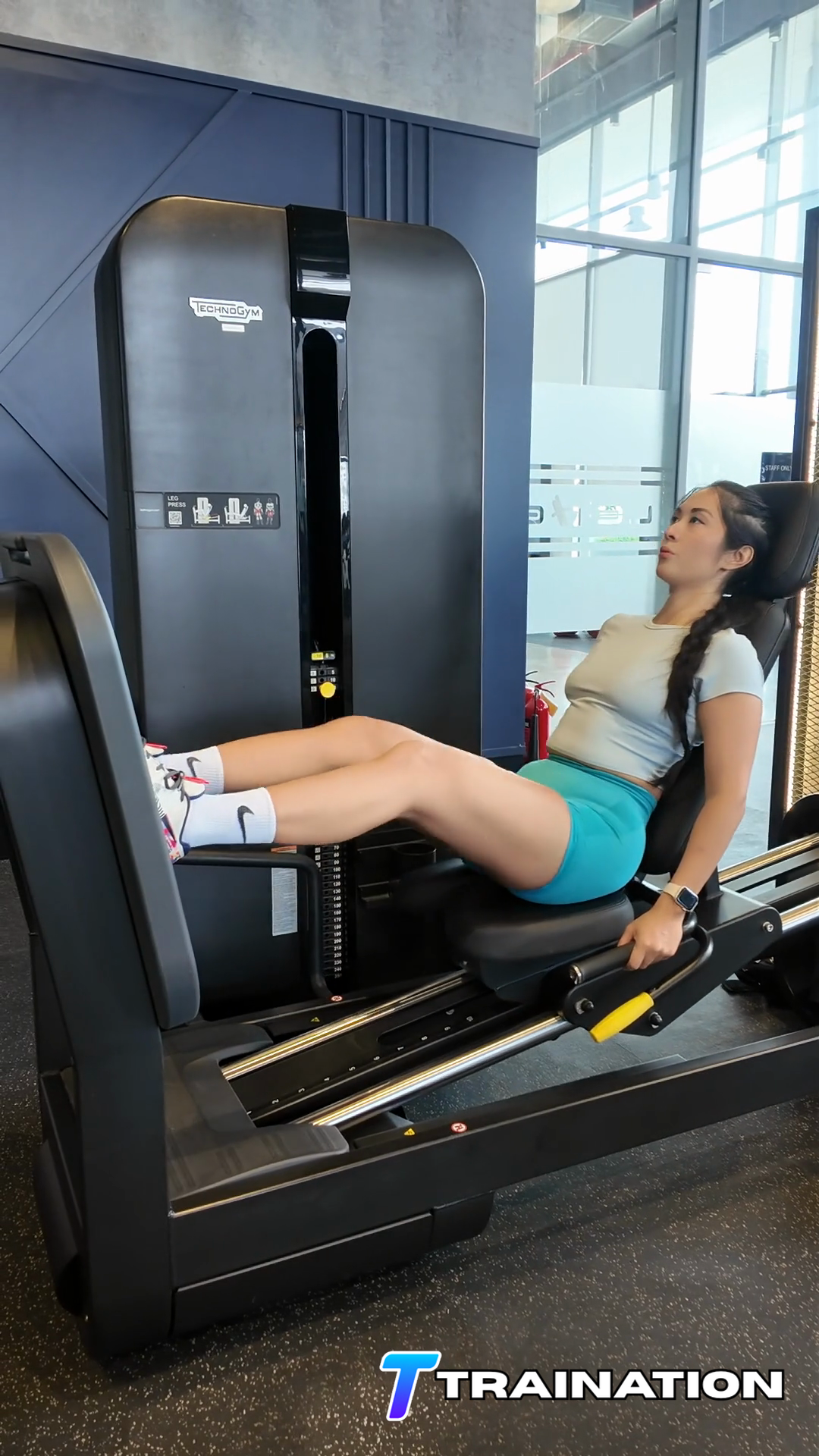
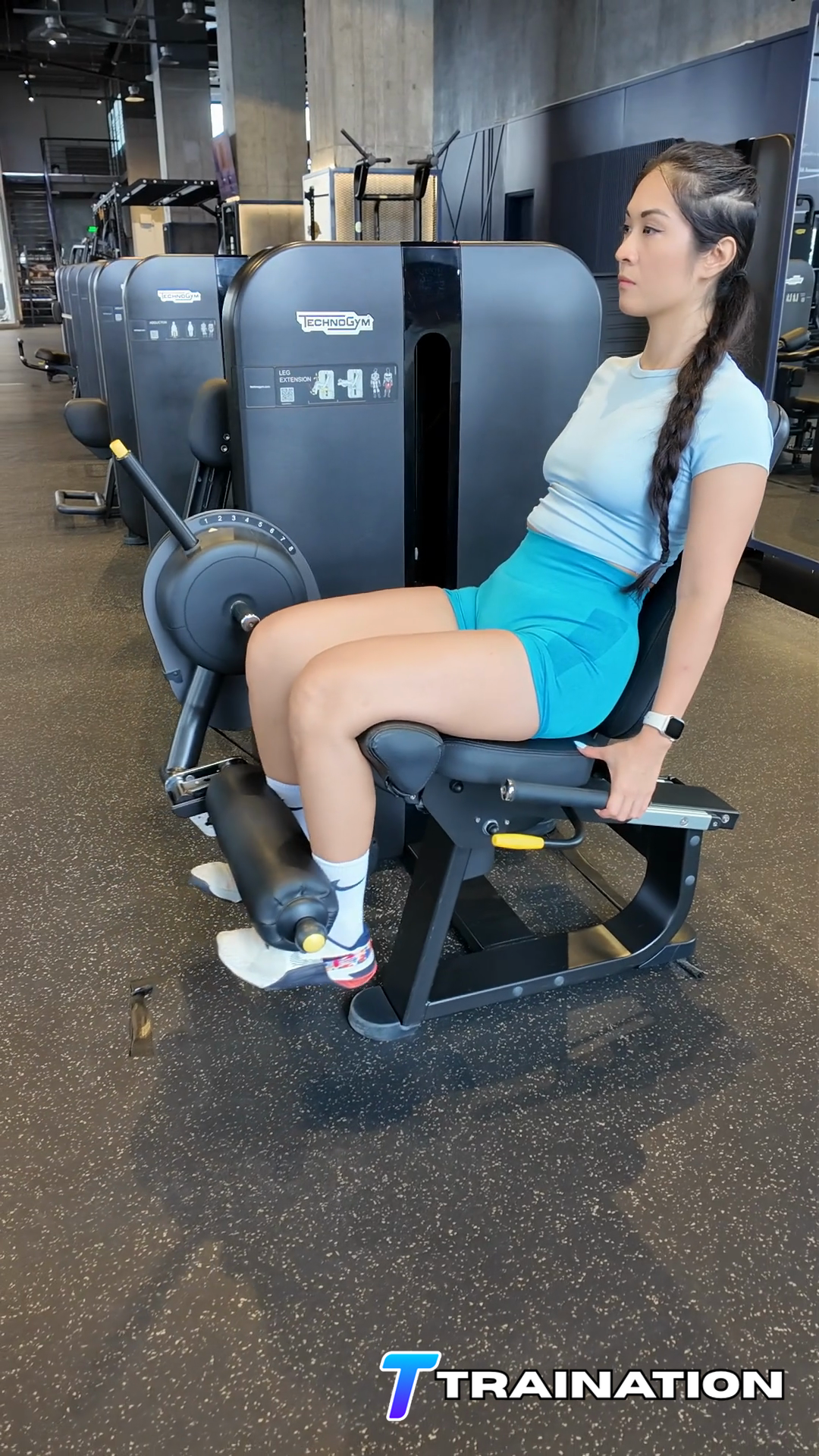
For Machine Leg Extension, sit fully against the back pad, align the knee with the machine pivot, and place the shin pad just above the ankles.
Choose a weight that lets the hips stay down, and hold the handles to keep the body still.
Straighten the knees smoothly without lifting the hips from the seat.
Pause with the quadriceps contracted, avoiding a forceful snap into lockout.
Lower the pad under control until the knees reach a comfortable bend.
Adjust the seat so the knee joint aligns with the machine pivot before loading it.
Hold the handles and keep the pelvis on the seat throughout the extension.
Accelerate smoothly and avoid using momentum to launch the resistance.
Lower the pad under control to maintain quadriceps tension and protect the stack.
Place Machine Leg Extension after compound knee-dominant work so local quadriceps fatigue does not limit the main lifts.
Use one to three times per week and count it with squats, lunges, step-ups, and leg presses.
| Goal | Sets | Reps or time | Rest | Effort and execution |
|---|---|---|---|---|
| Strength accessory | 2–4 | 6–10 | 75–150 sec | Leave 2–3 controlled reps in reserve |
| Muscle growth | 2–4 | 8–15 | 60–120 sec | Usually 1–3 clean reps in reserve |
Scale the movement
Hold a stable support or use an easier setup while learning the movement.
Use a shorter pain-free range and expand it only as control improves.
Slow the lowering phase without changing the start, finish, or joint alignment.
Add a brief pause at the hardest controlled position before increasing load.
Turn Machine Leg Extension and the rest of your exercise library into repeatable client programs.
Explore the workout builder