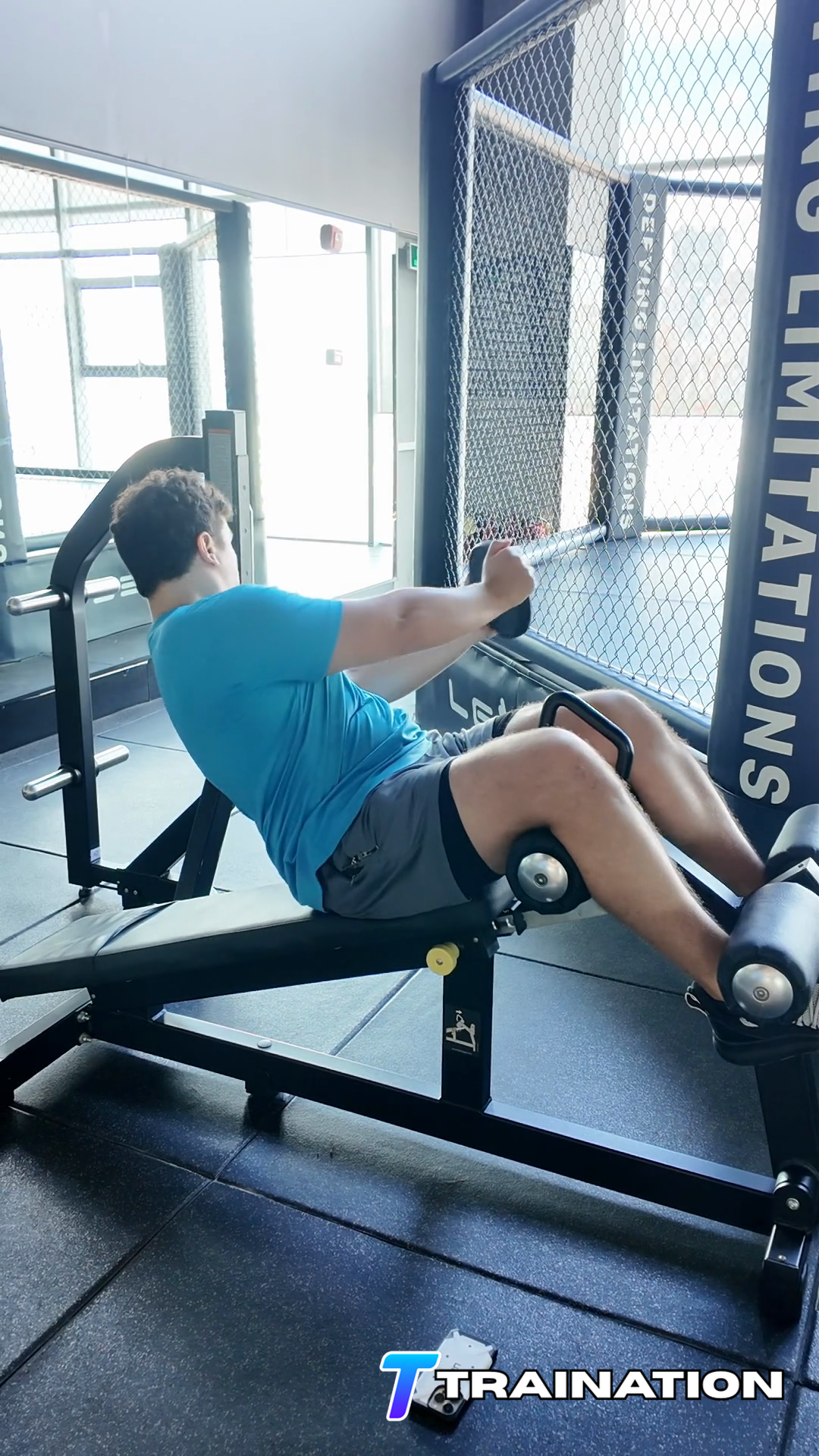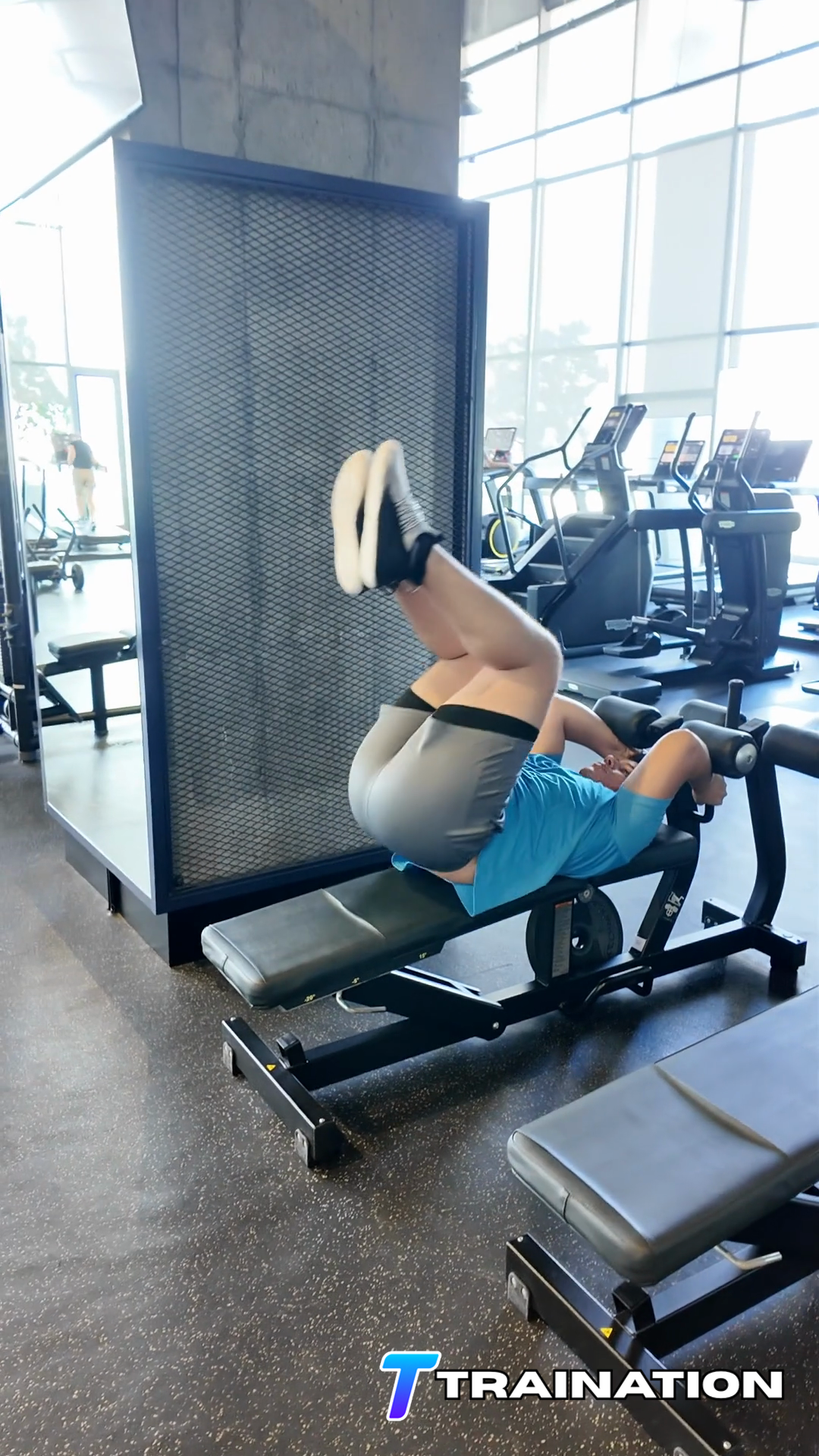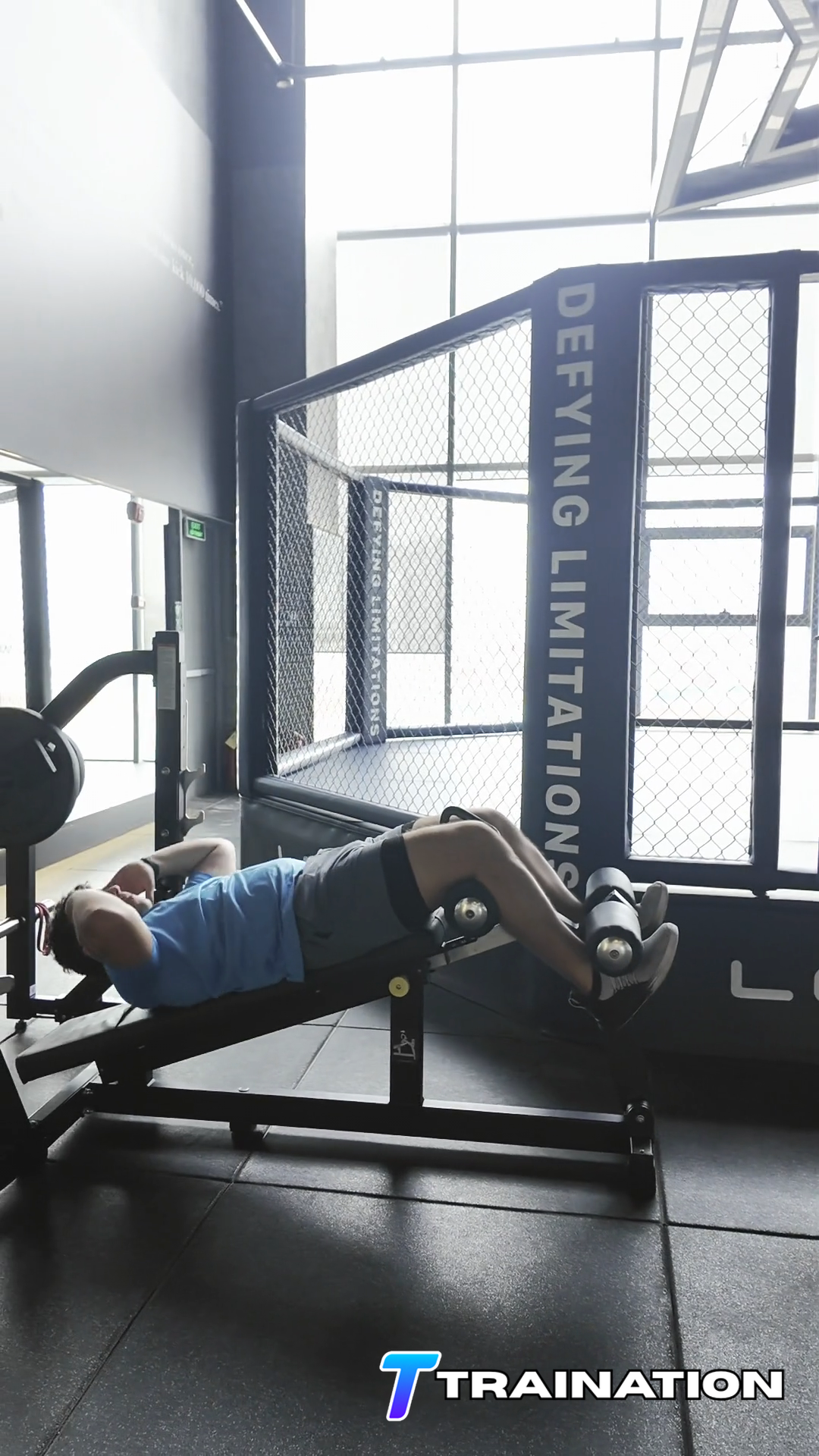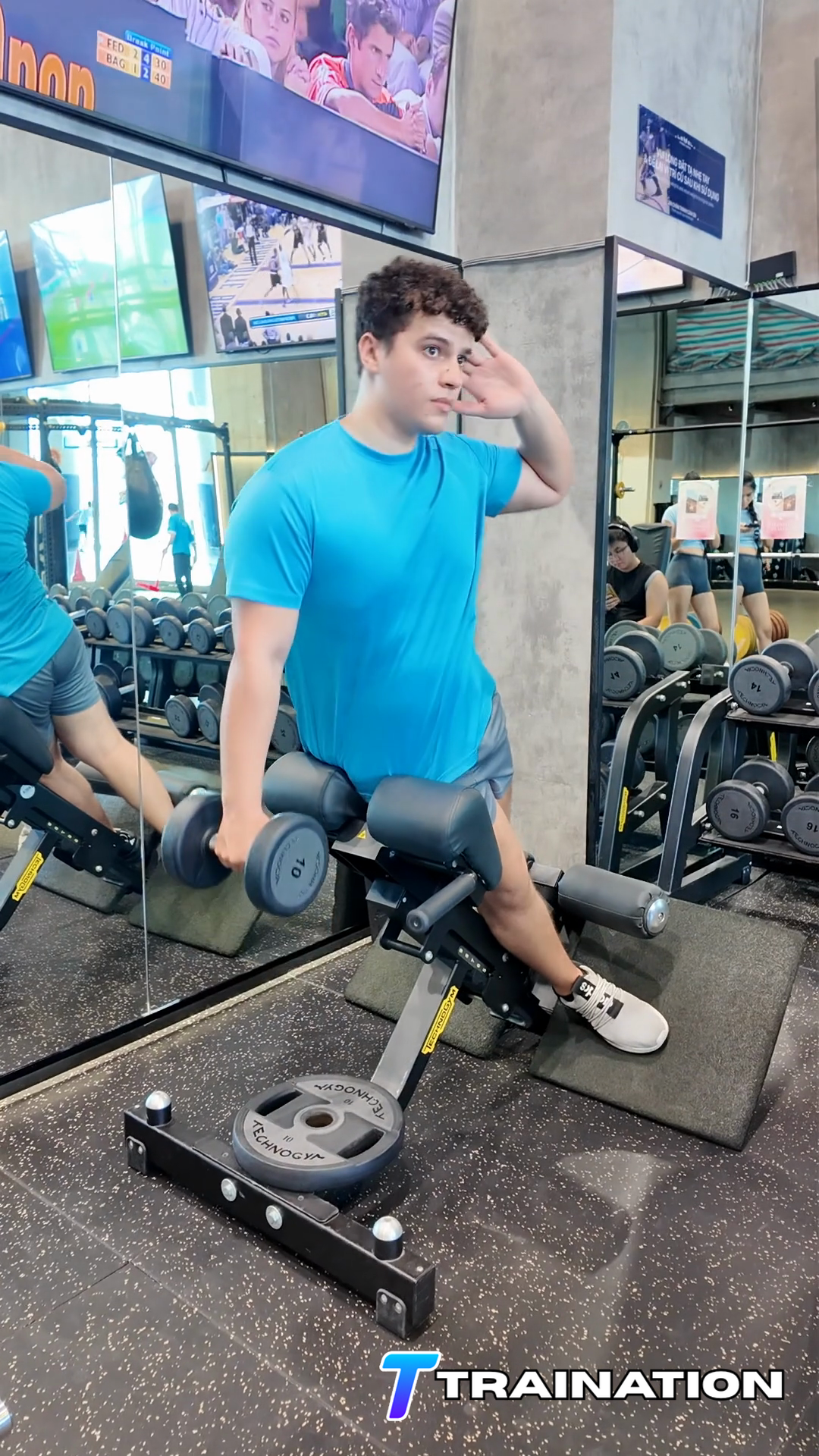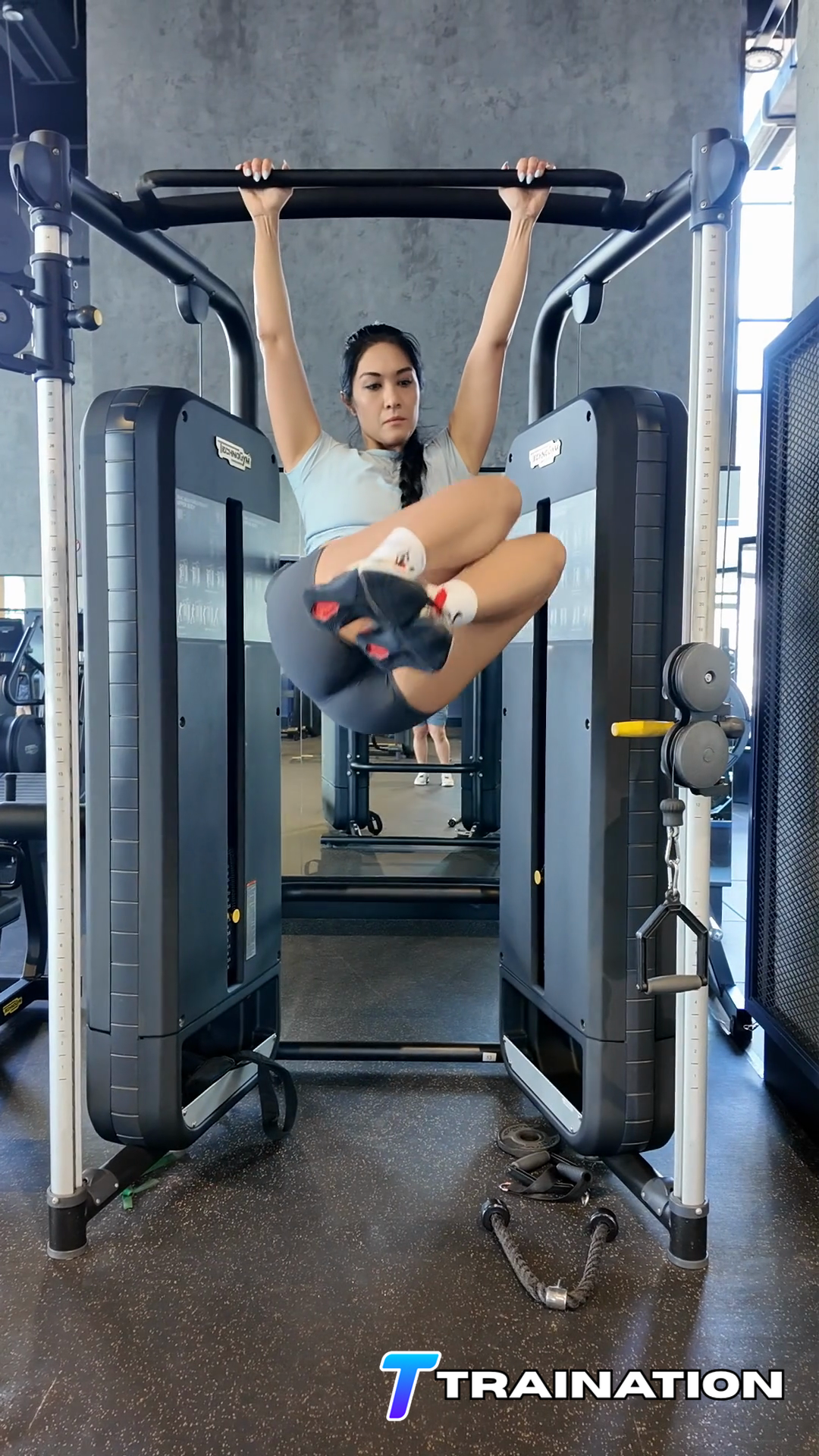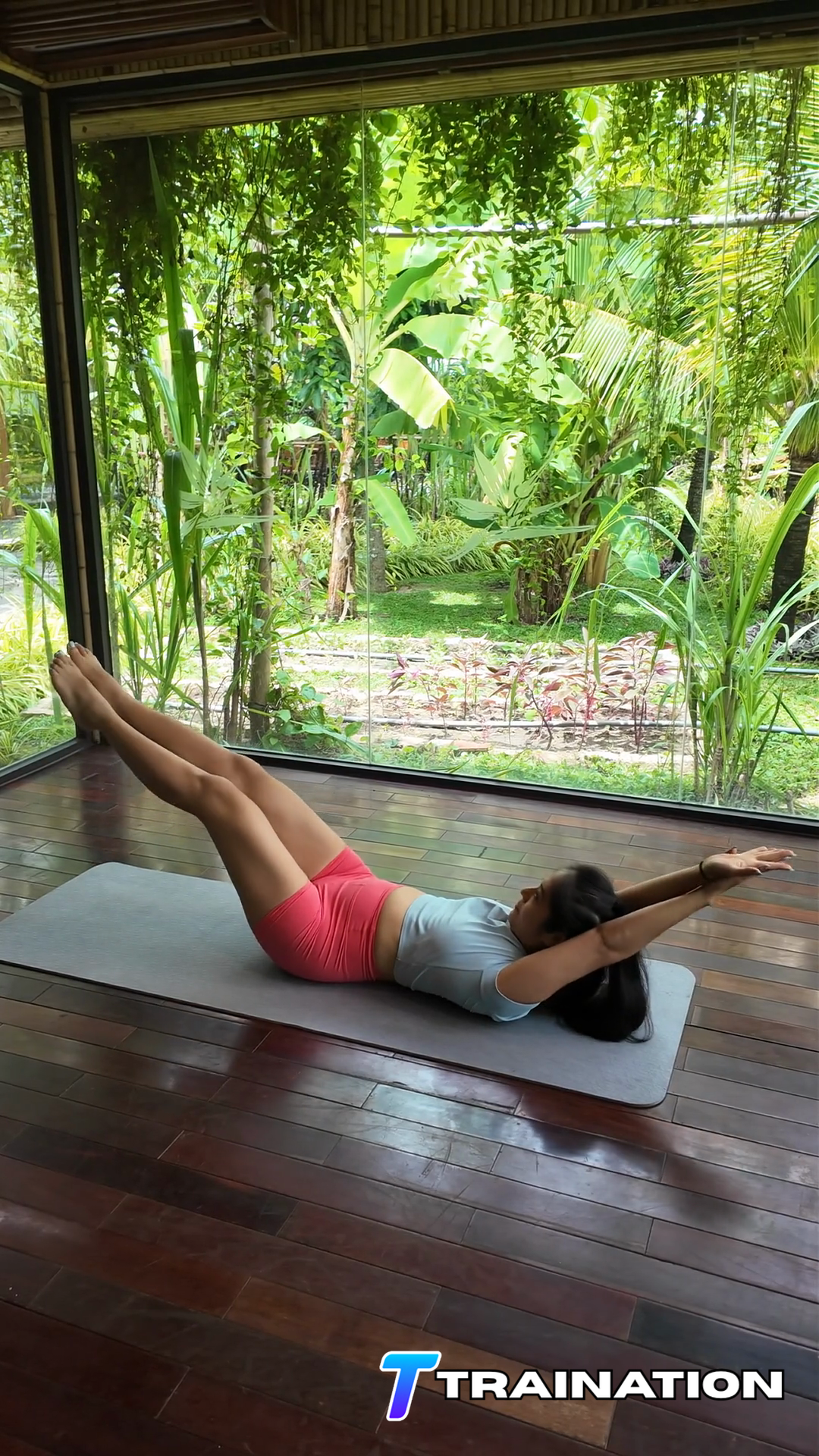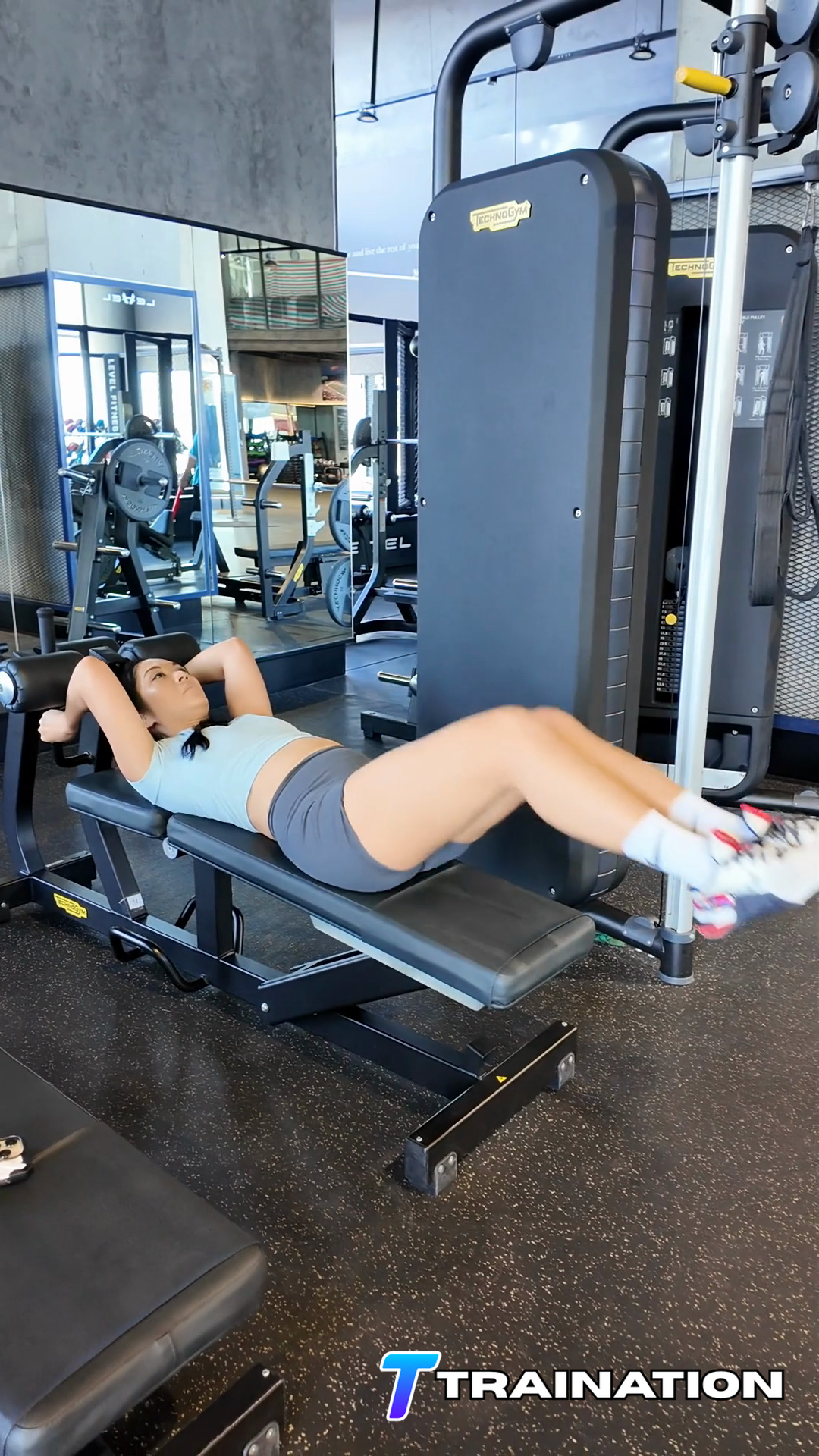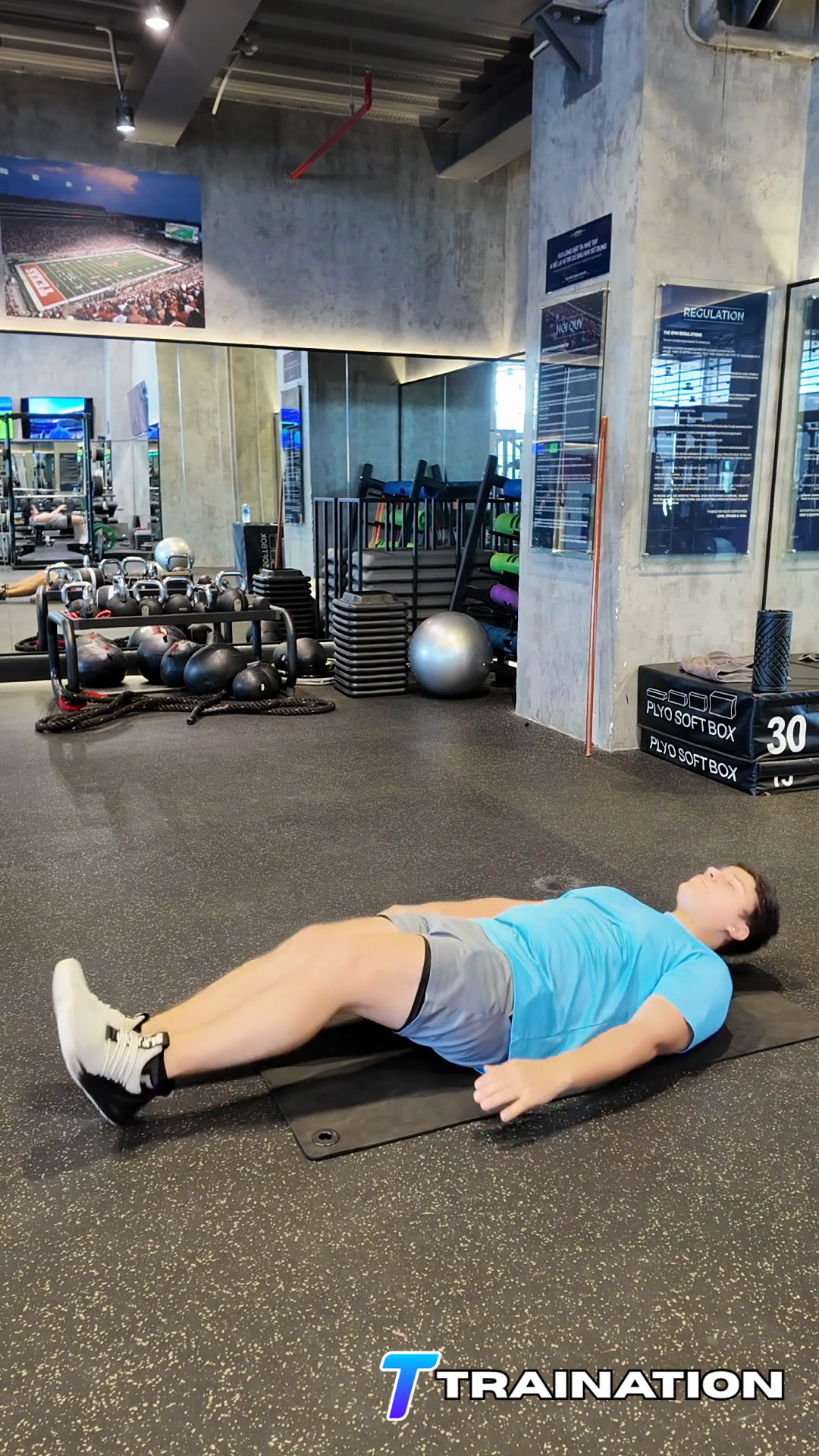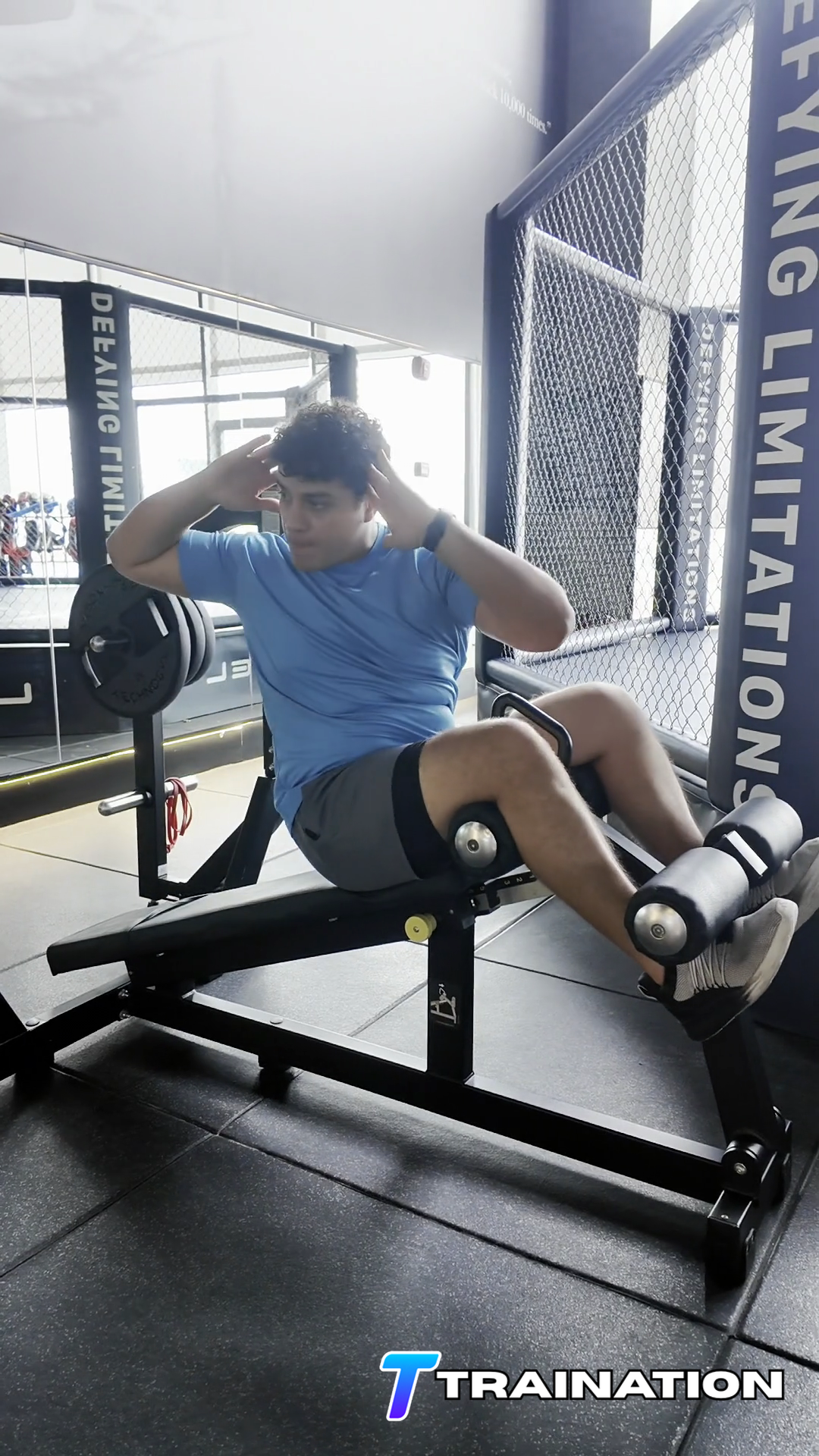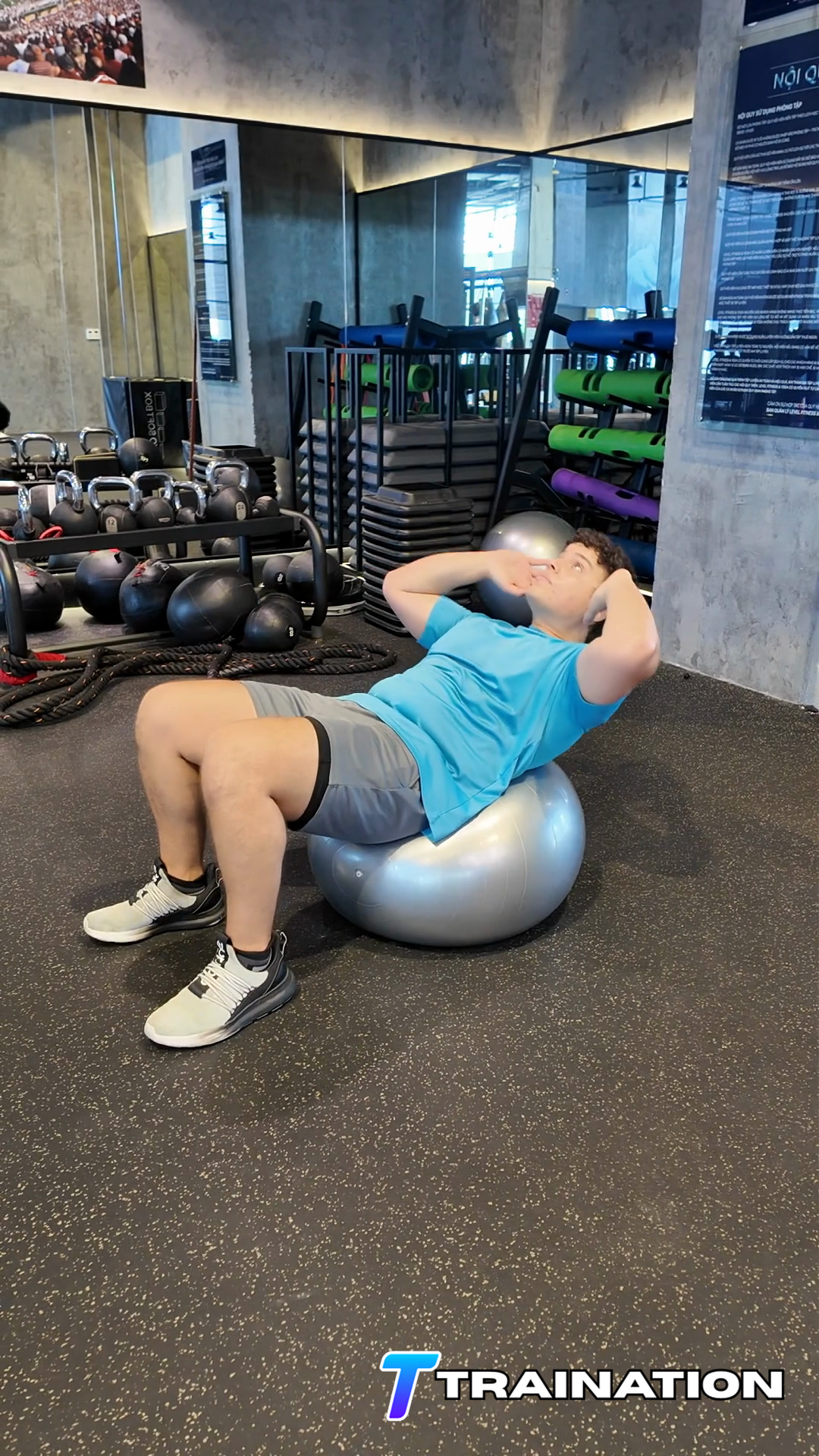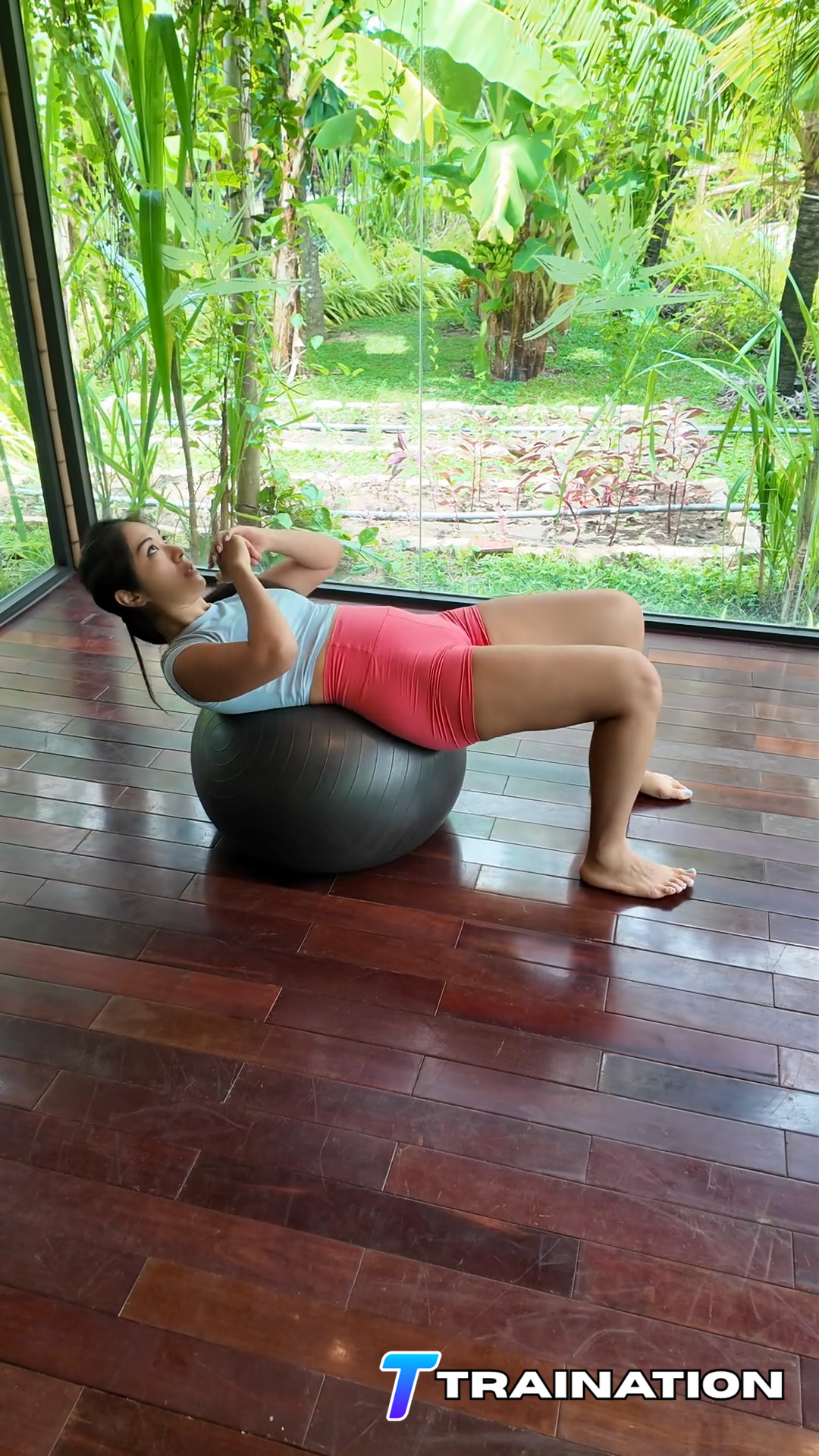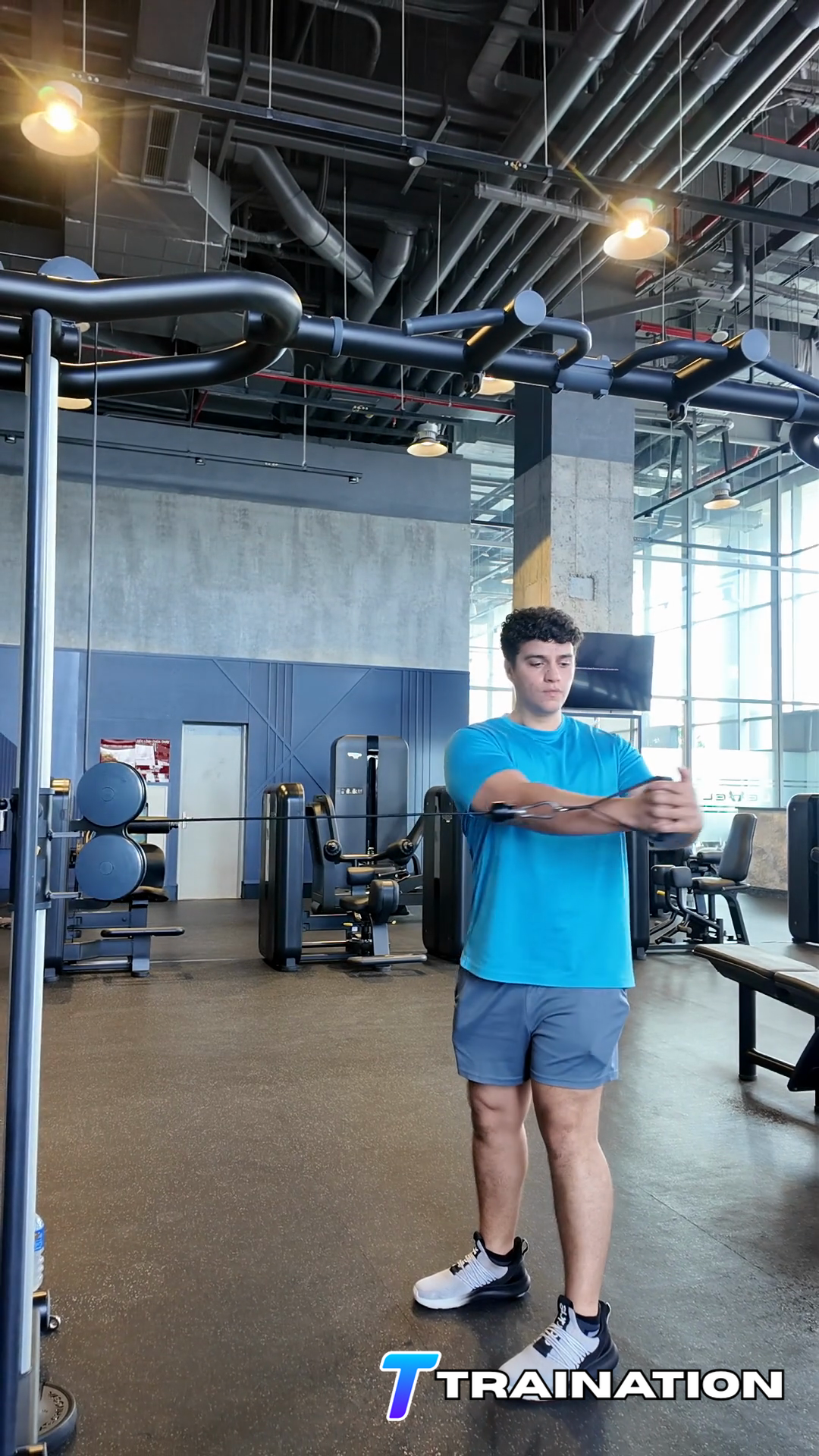
Feet losing contact with the wall
Press both feet firmly into the wall and stop the set if they begin to slide or lift.
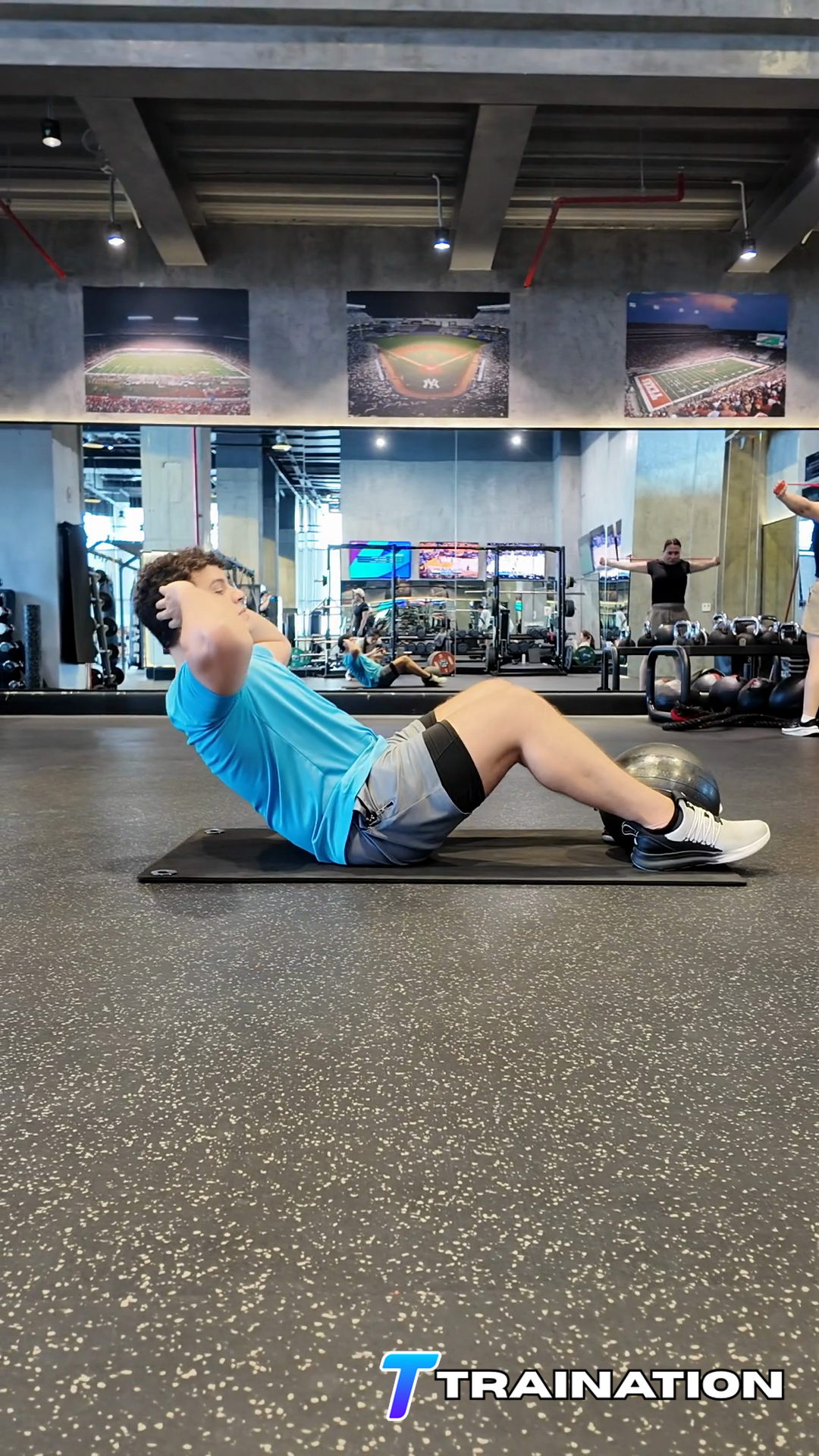
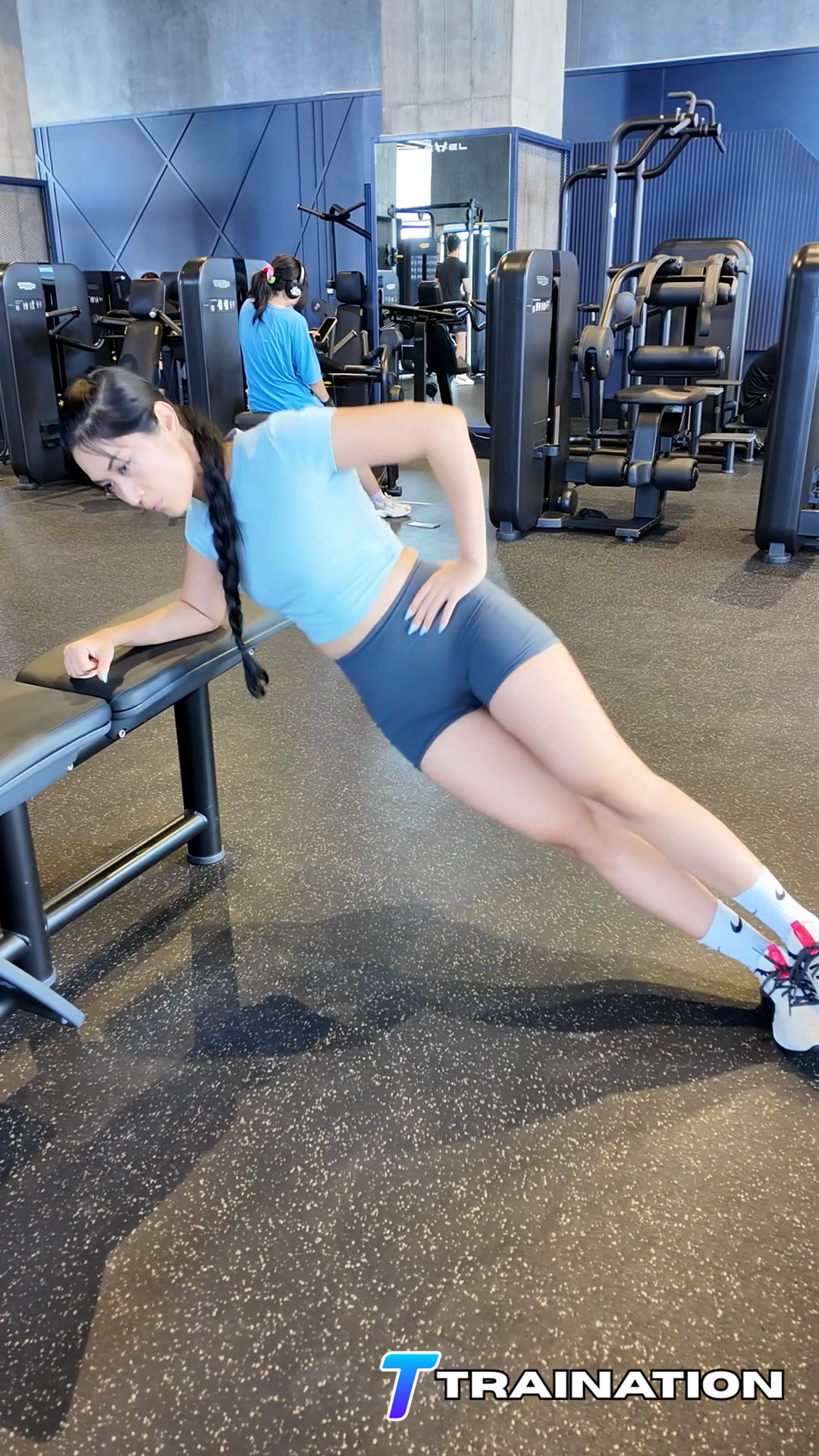
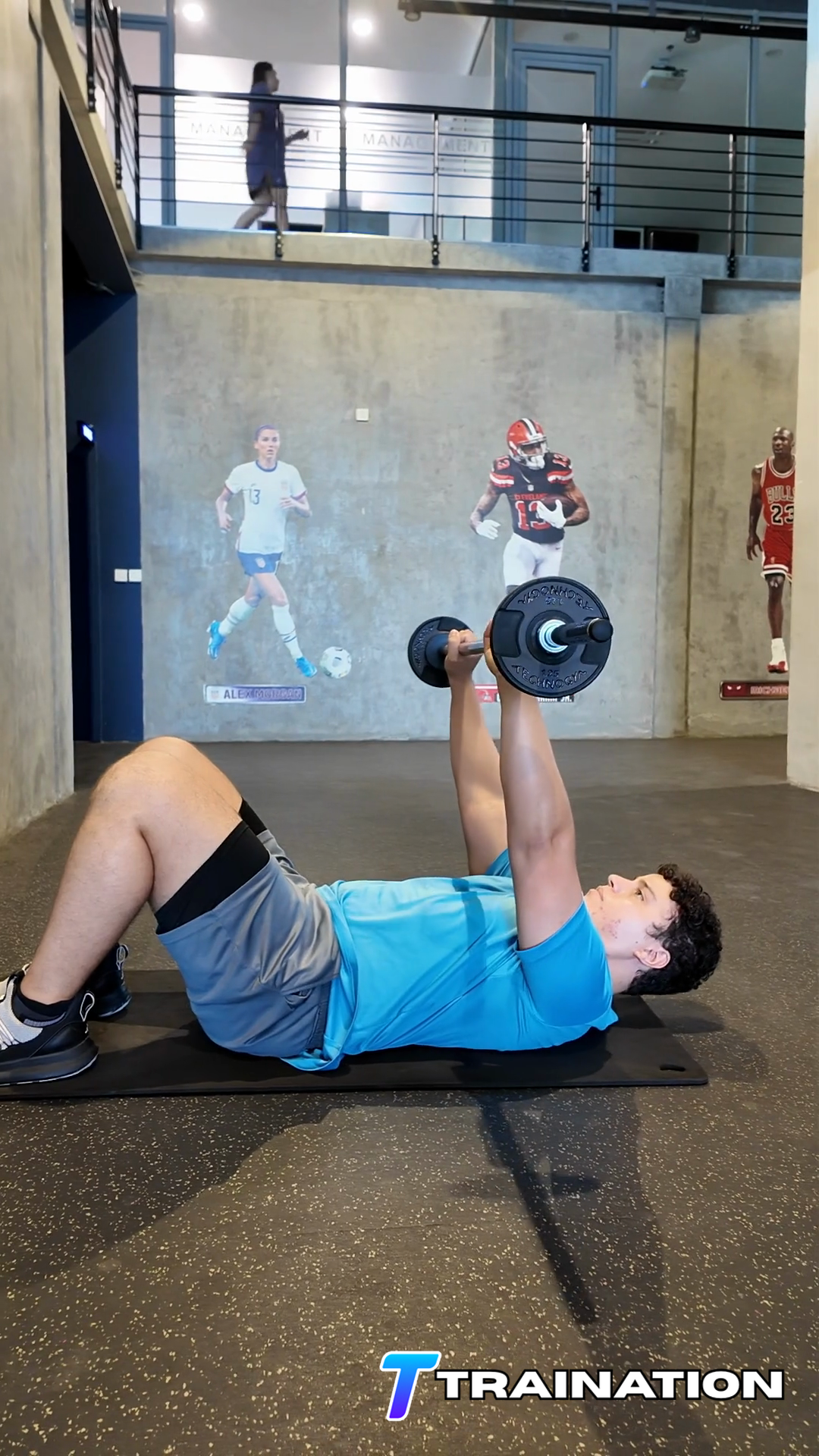
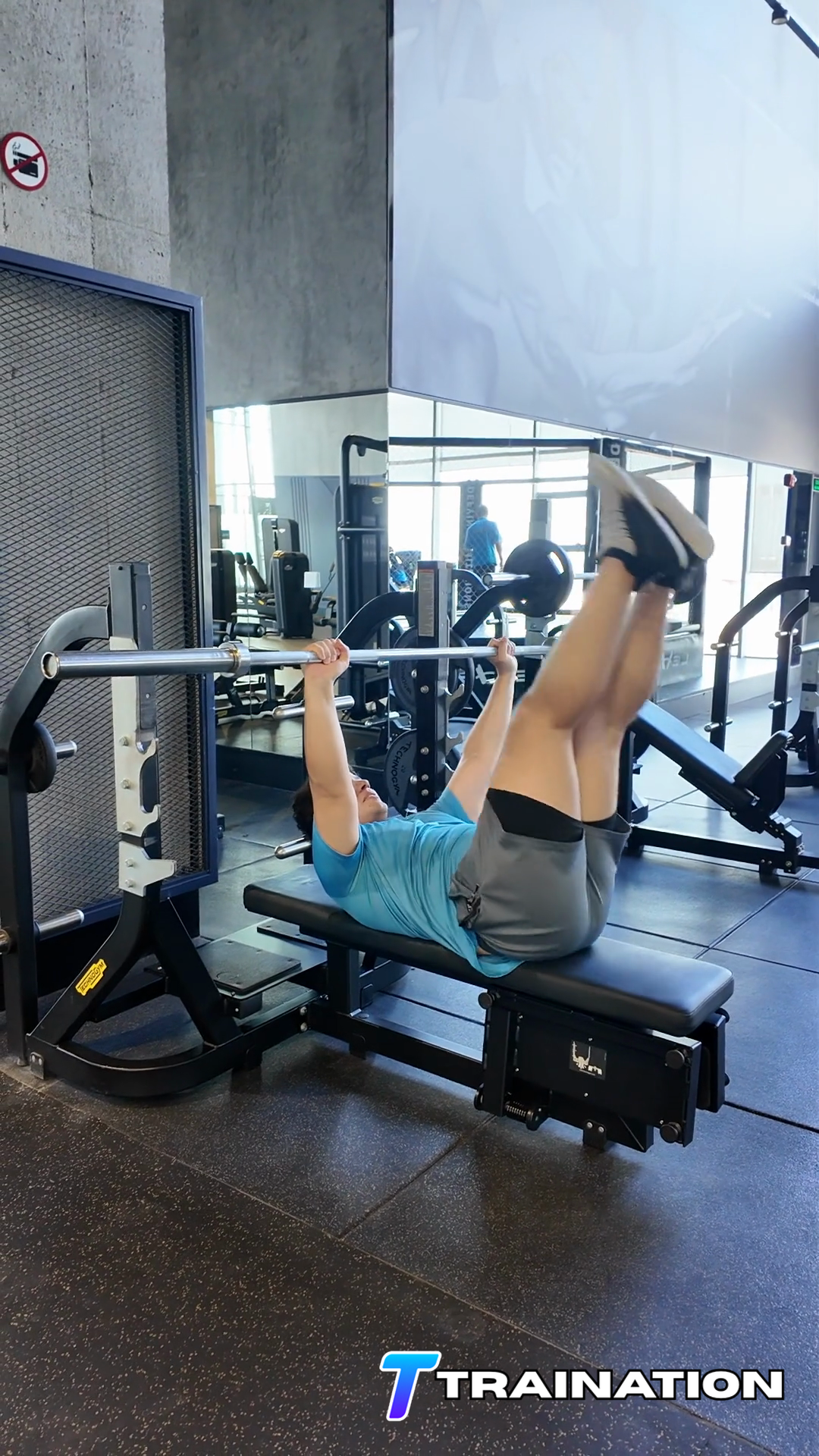
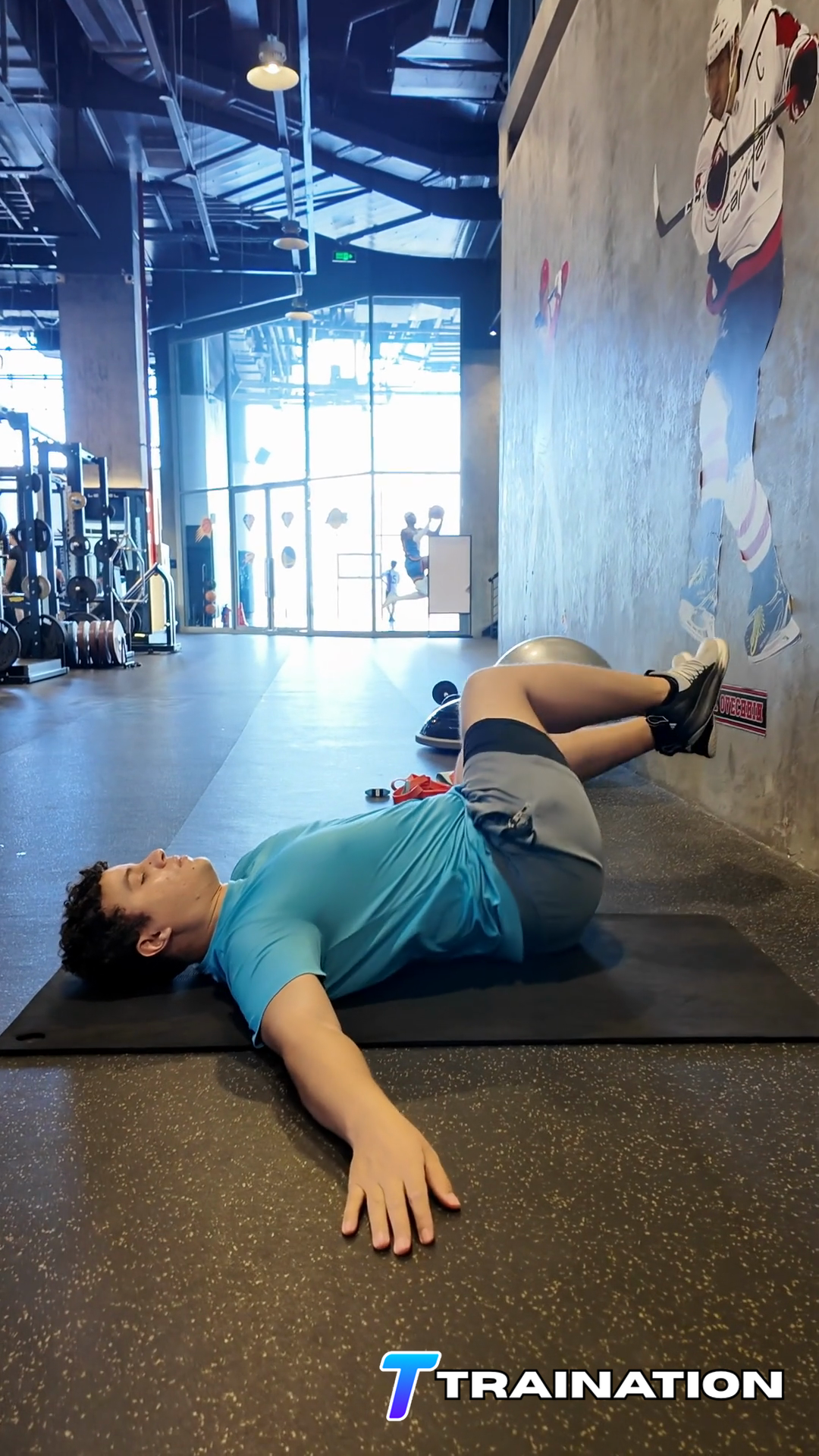
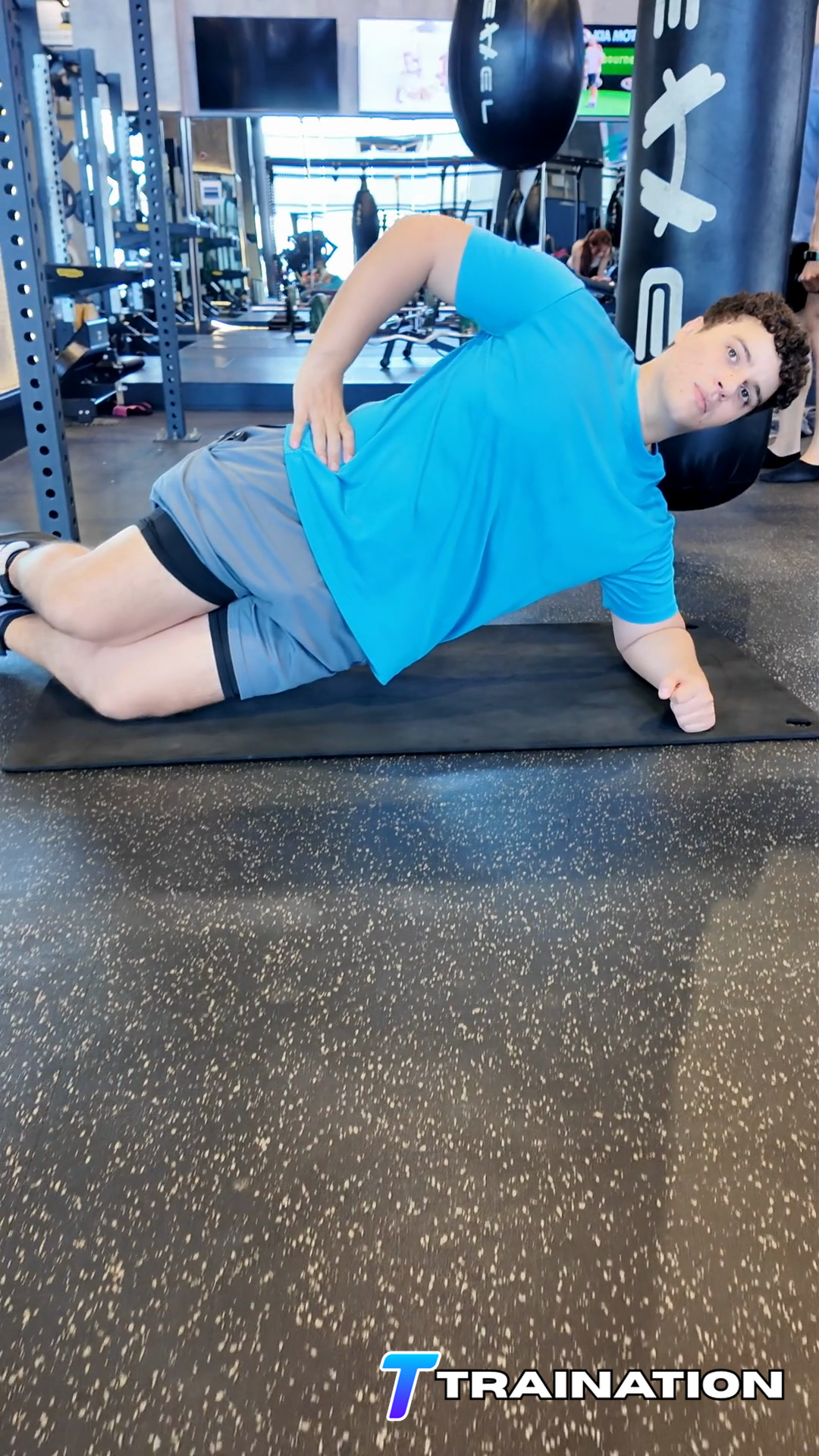
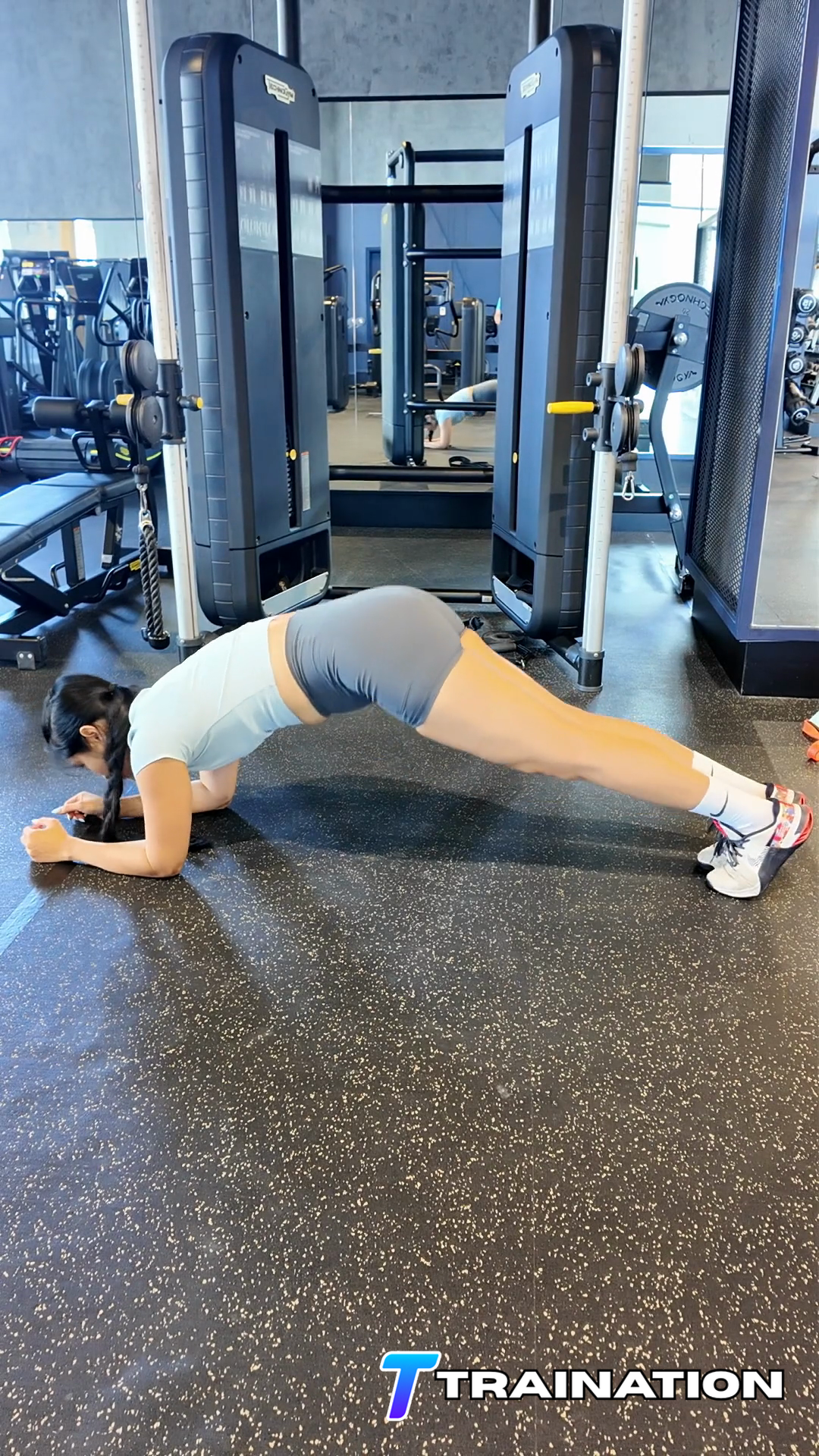
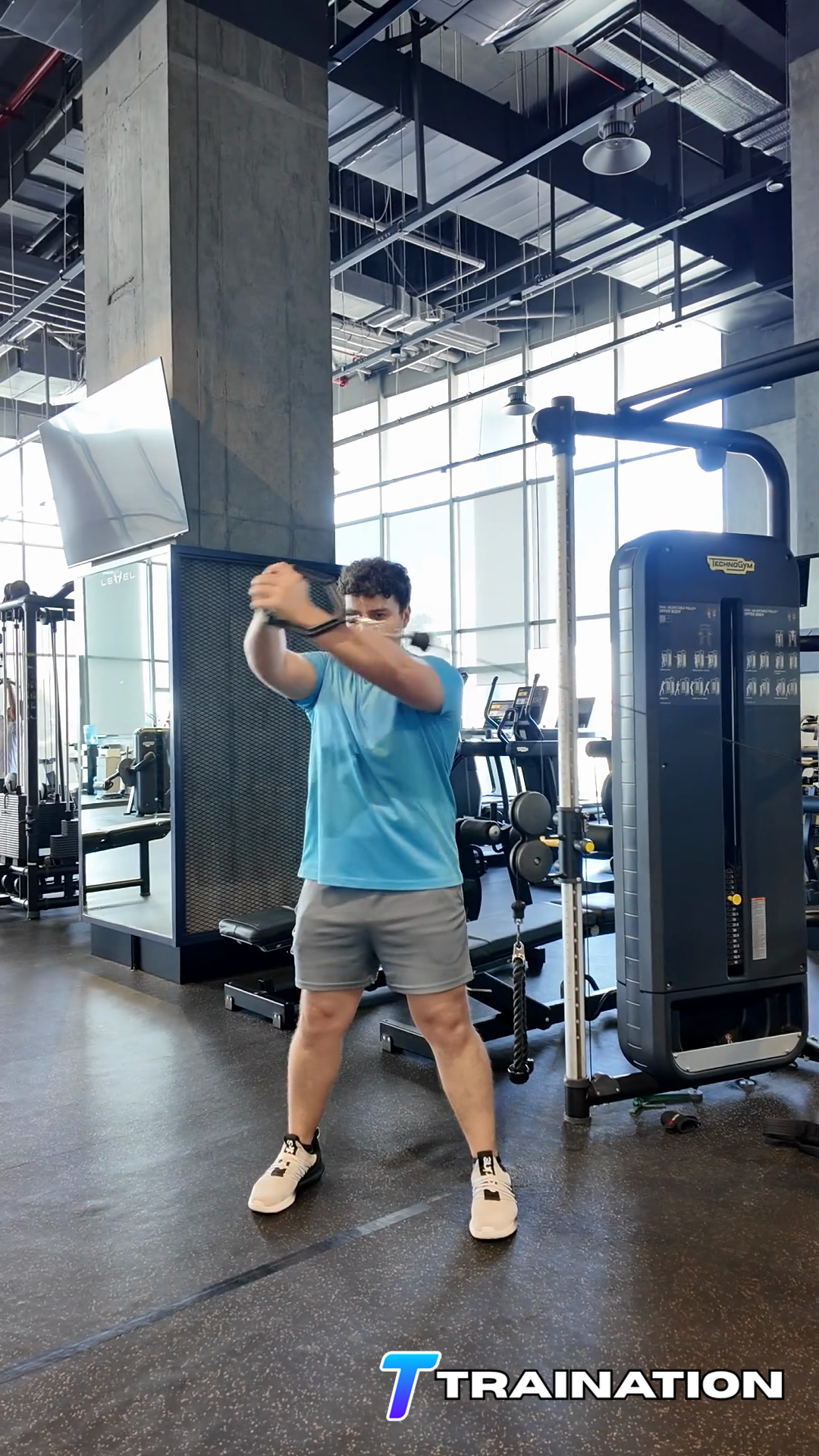
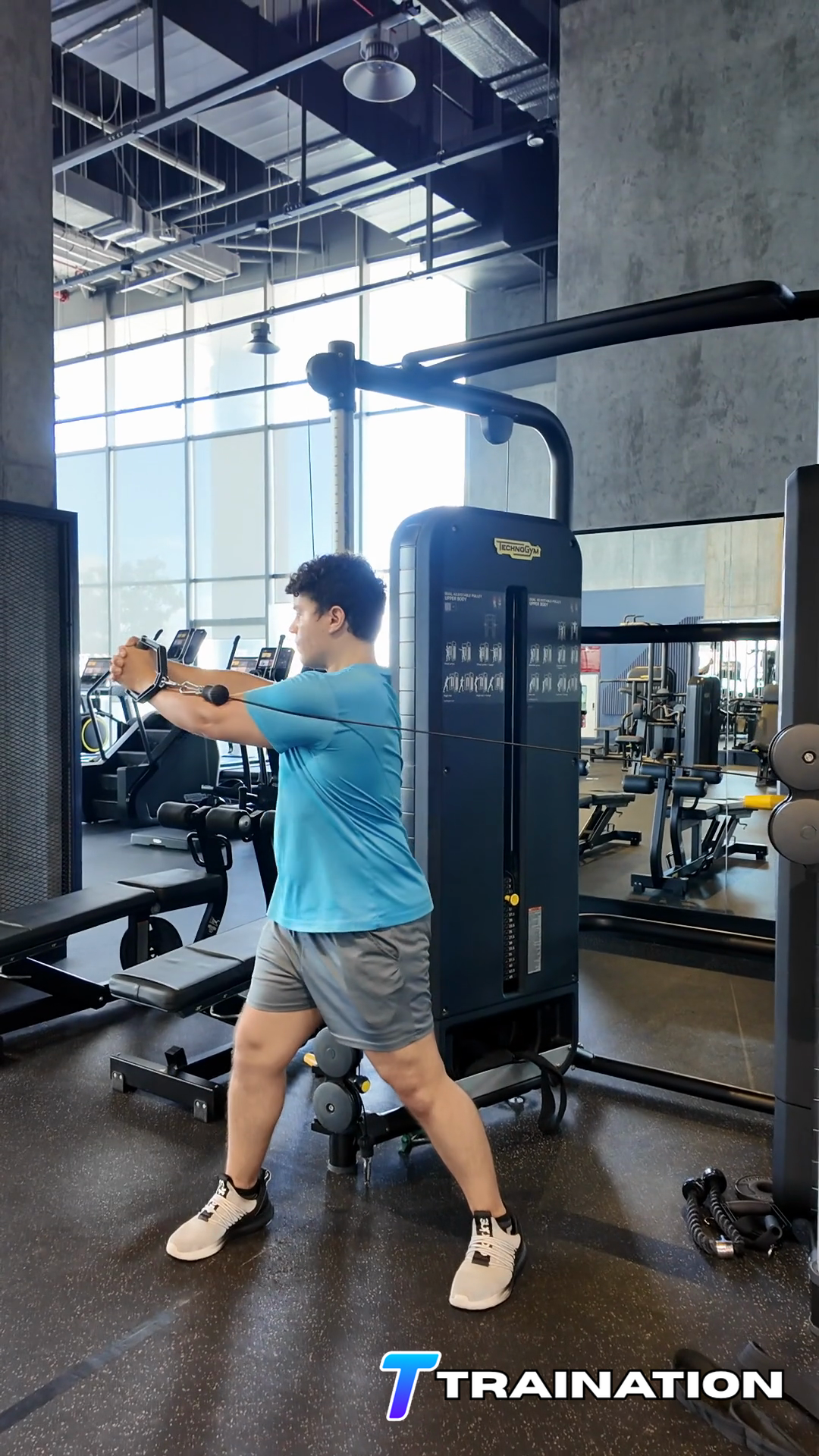
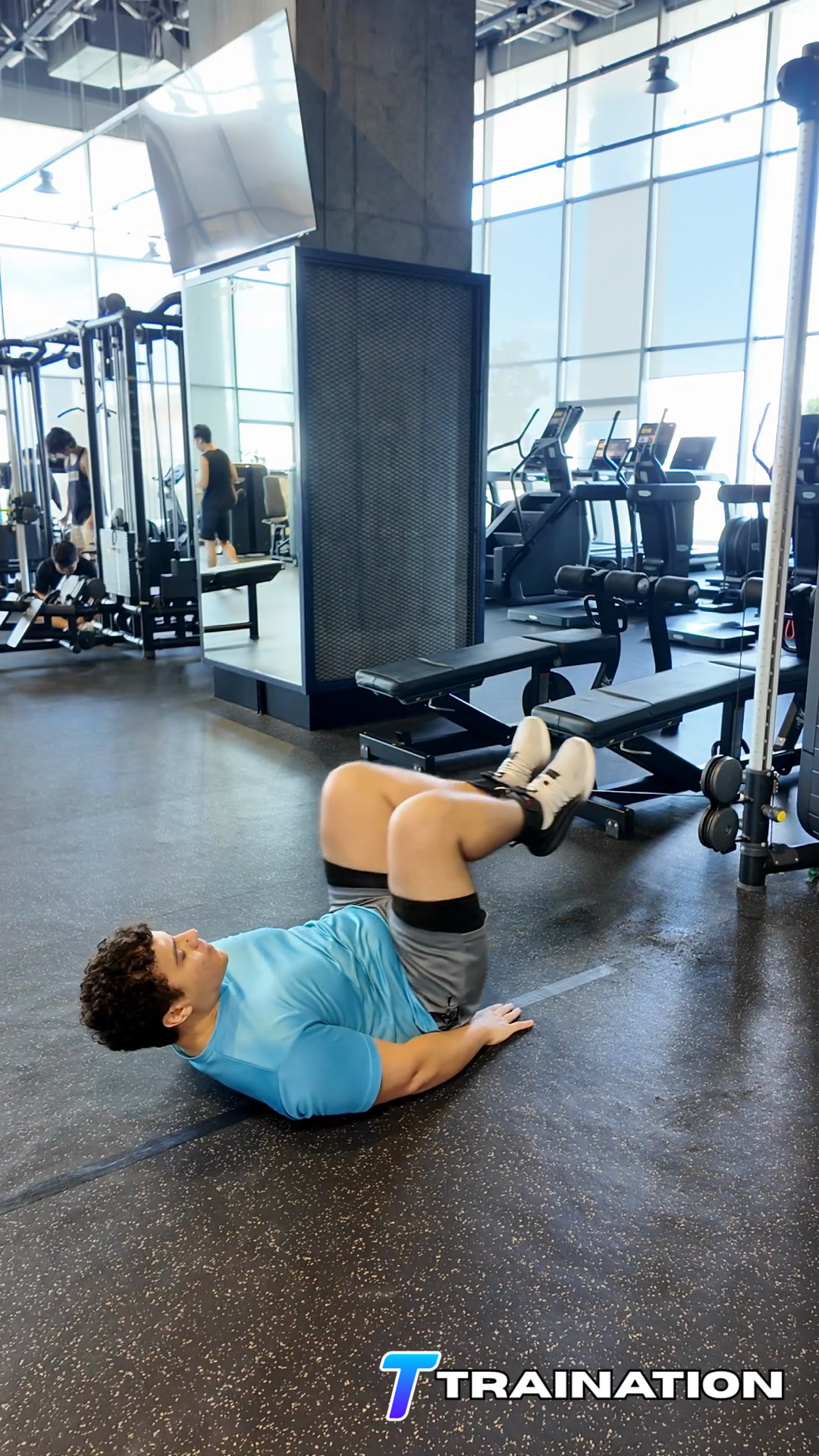
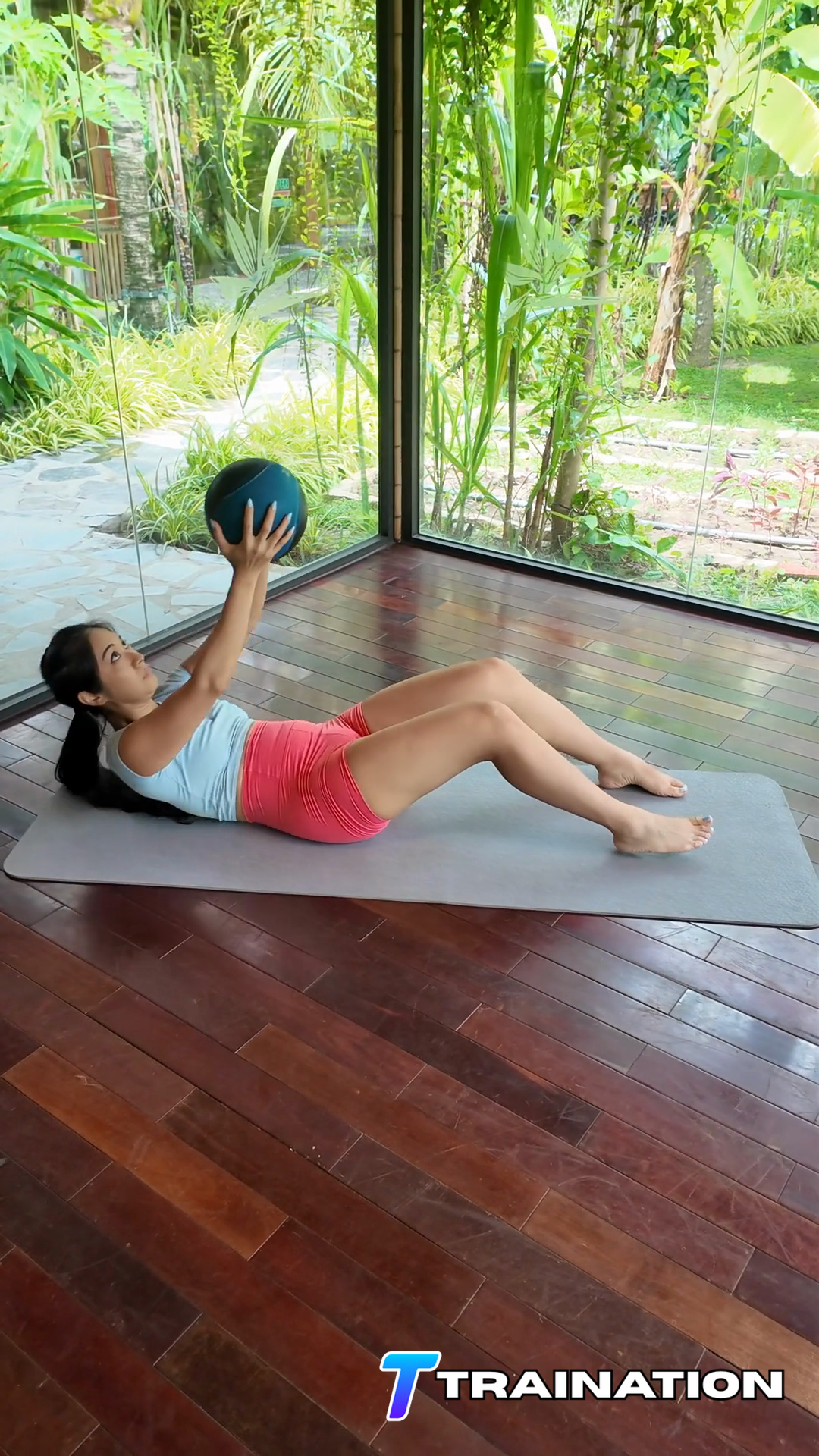
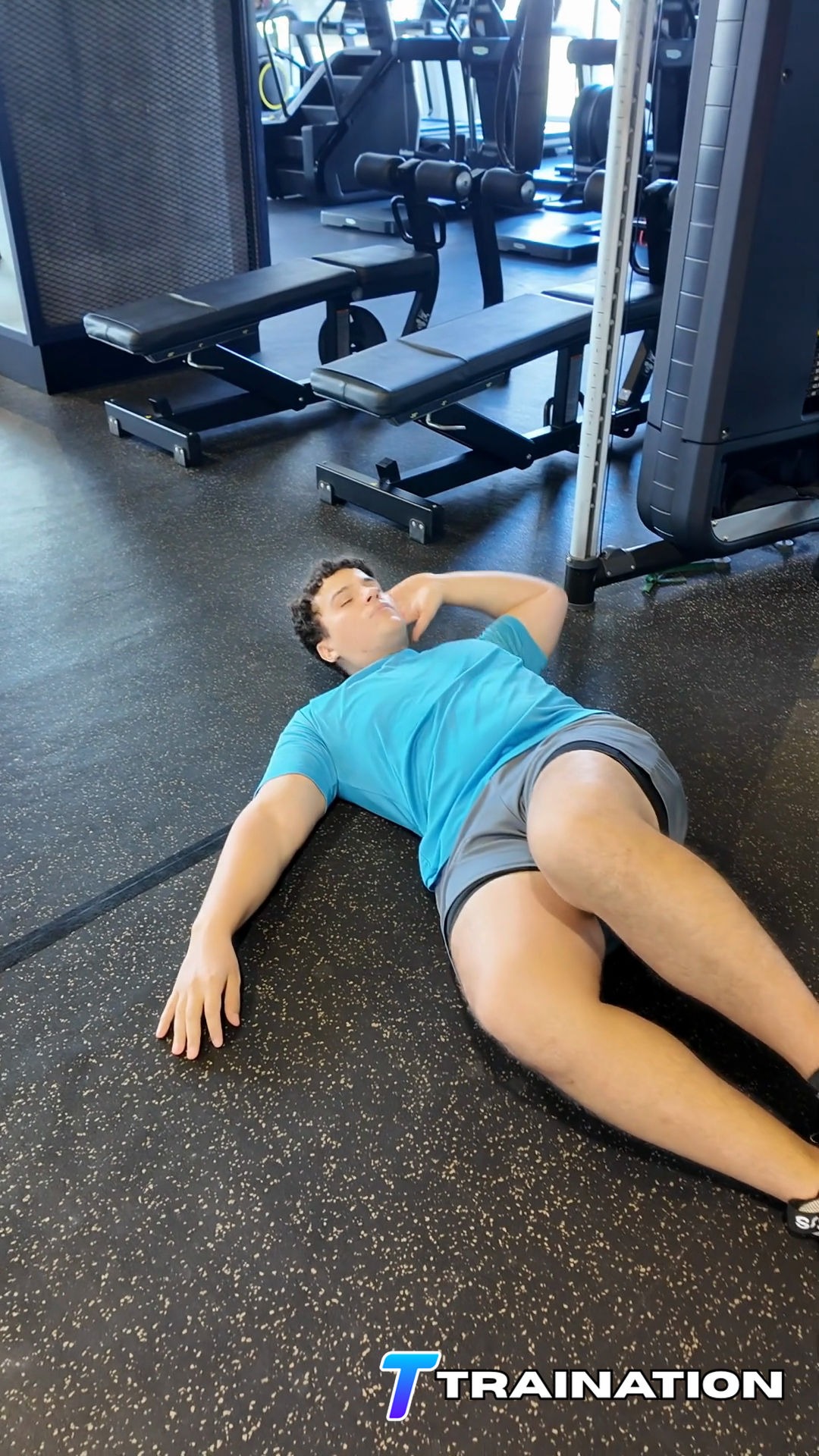
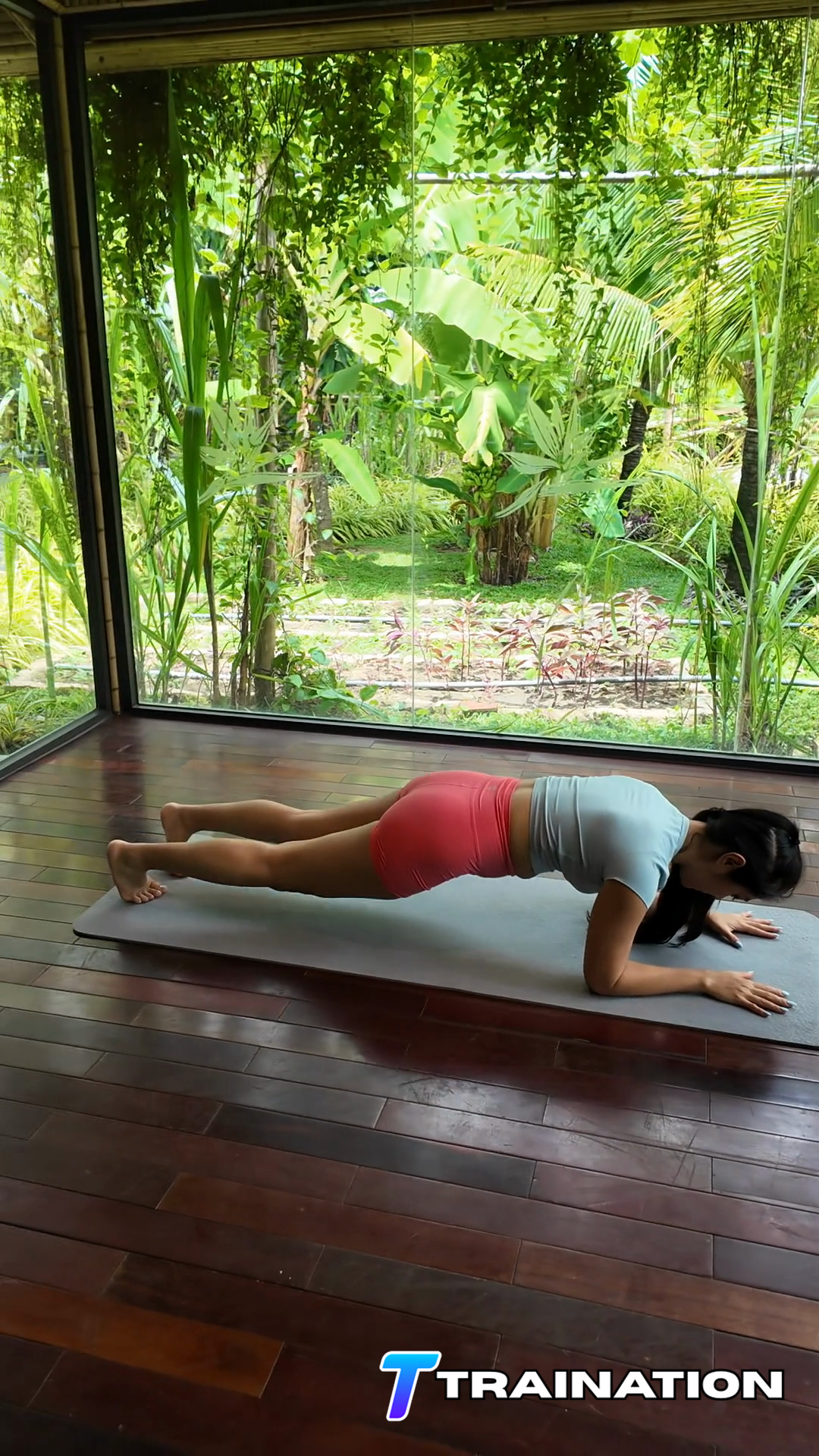
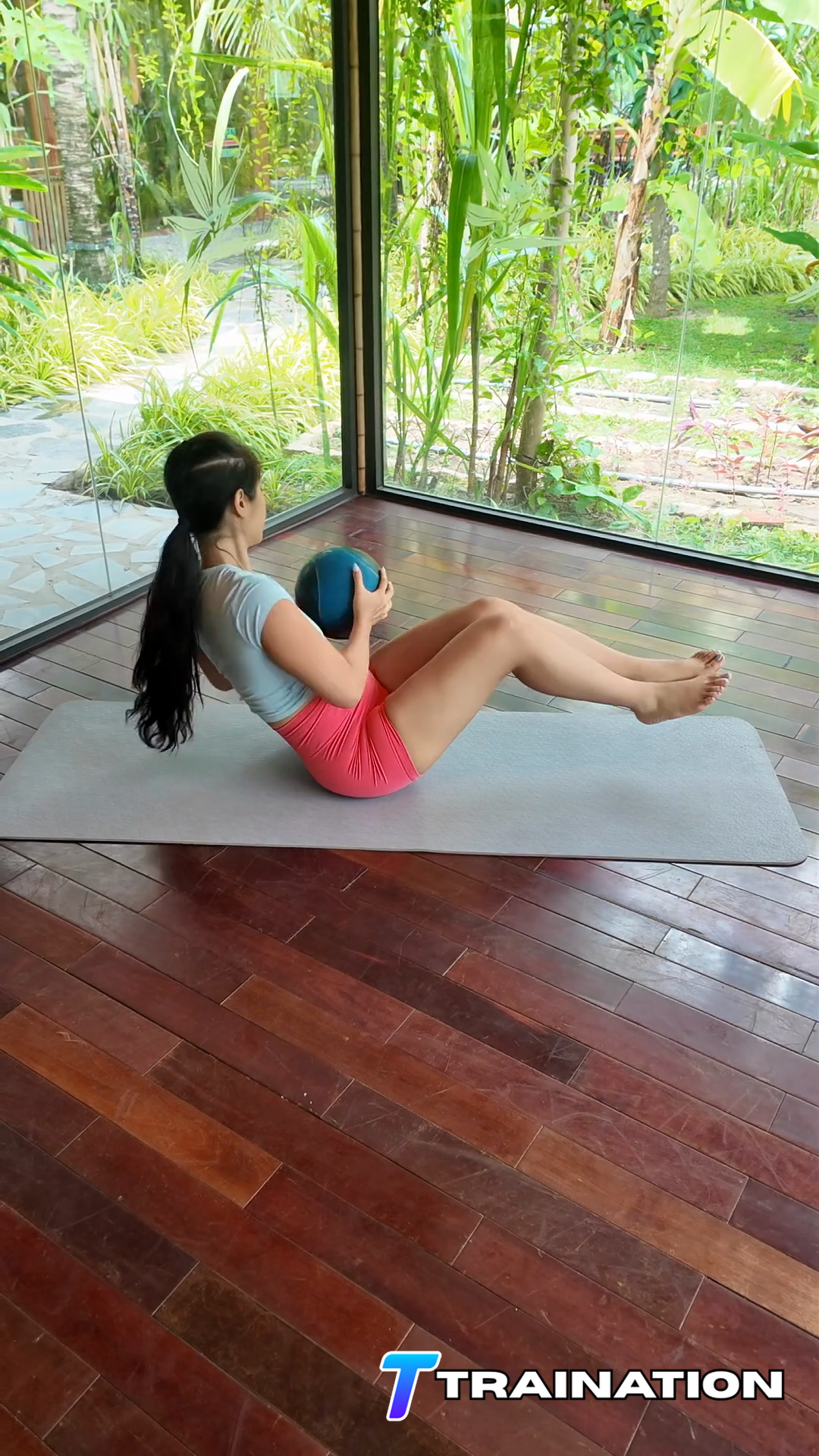
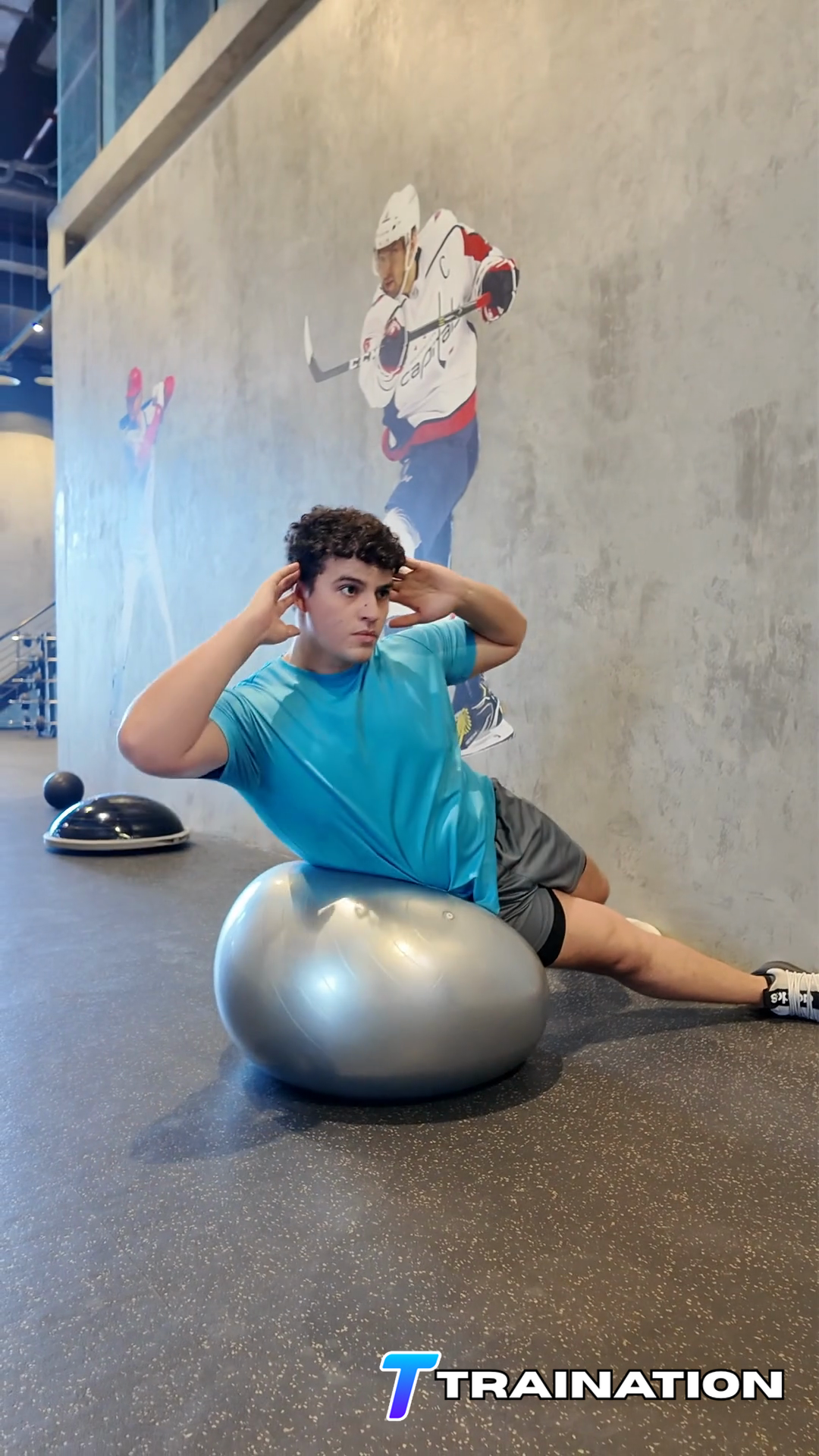
Ball Side Bend trains the obliques by bending the torso sideways over an exercise ball while the feet stay secured against the bottom of a wall.
Primary musclesObliques, Quadratus lumborum
Secondary musclesRectus abdominis, Erector spinae, Gluteus medius
Follow the sequence in order, paying attention to the starting position, movement path, and finish described in each step.
Place the exercise ball close to the bottom of a wall. Stack the feet and press them firmly against the wall so they stay secured throughout the set.
Lie sideways across the ball with the hip and side of the waist supported. Stack the shoulders and hips, then place the hands lightly behind the head or across the chest.
Lower the torso over the ball through a comfortable side stretch while keeping both feet pressed into the wall.
Use the side abdominals to raise the torso until the body returns to a straight line. Do not pull on the head or push from the legs.
Lower slowly through the same range, complete the set, and then turn over to train the other side.
Press both feet firmly into the wall and stop the set if they begin to slide or lift.
Keep the shoulders and hips stacked so the torso bends directly over the side of the ball.
Keep the hands light and let the side abdominals raise the torso.
Lower and raise the torso slowly so the ball and feet remain steady.
Place Ball Side Bend after the main compound lifts, in a focused core block, or beside an exercise that does not require a fresh trunk.
Use two to four times per week while accounting for trunk work already supplied by squats, hinges, carries, and overhead lifting.
| Goal | Sets | Reps or time | Rest | Effort and execution |
|---|---|---|---|---|
| Control / technique | 2–3 | 5–8 reps | 45–75 sec | Stop well before position changes |
| Strength / endurance | 2–4 | 8–15 reps | 60–90 sec | Stop while 1–3 good-form reps are still possible |
Scale the movement
Practise shortening one side of the waist from a stable standing position before using the ball.
Use a smaller lateral-flexion range while the feet remain secured and the body stays stacked.
Pause in the straight body line without rolling the torso forward or backward.
Hold a light plate at the chest only after both sides control the full ball range.
Turn Ball Side Bend and the rest of your exercise library into repeatable client programs.
Explore the workout builder