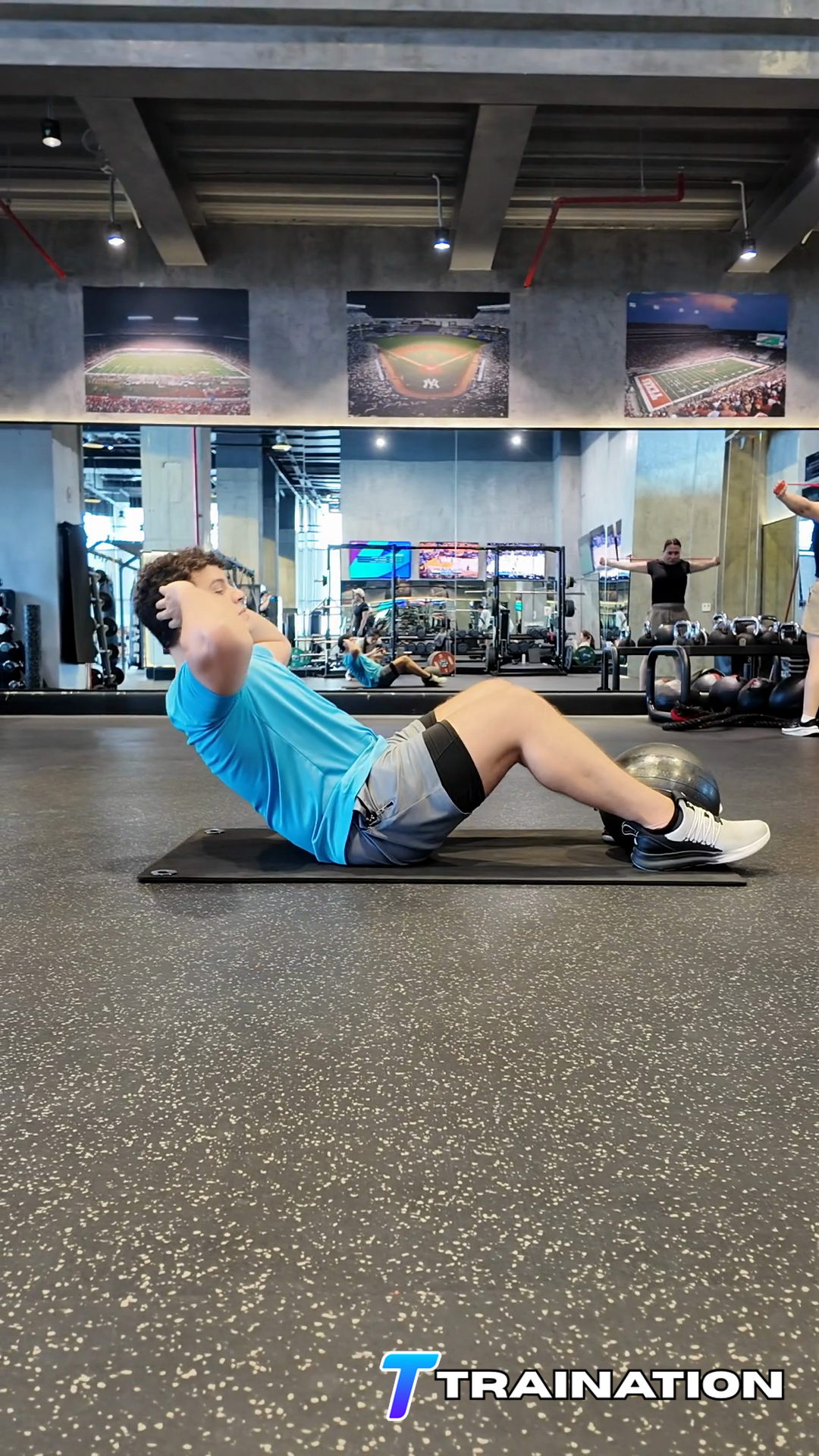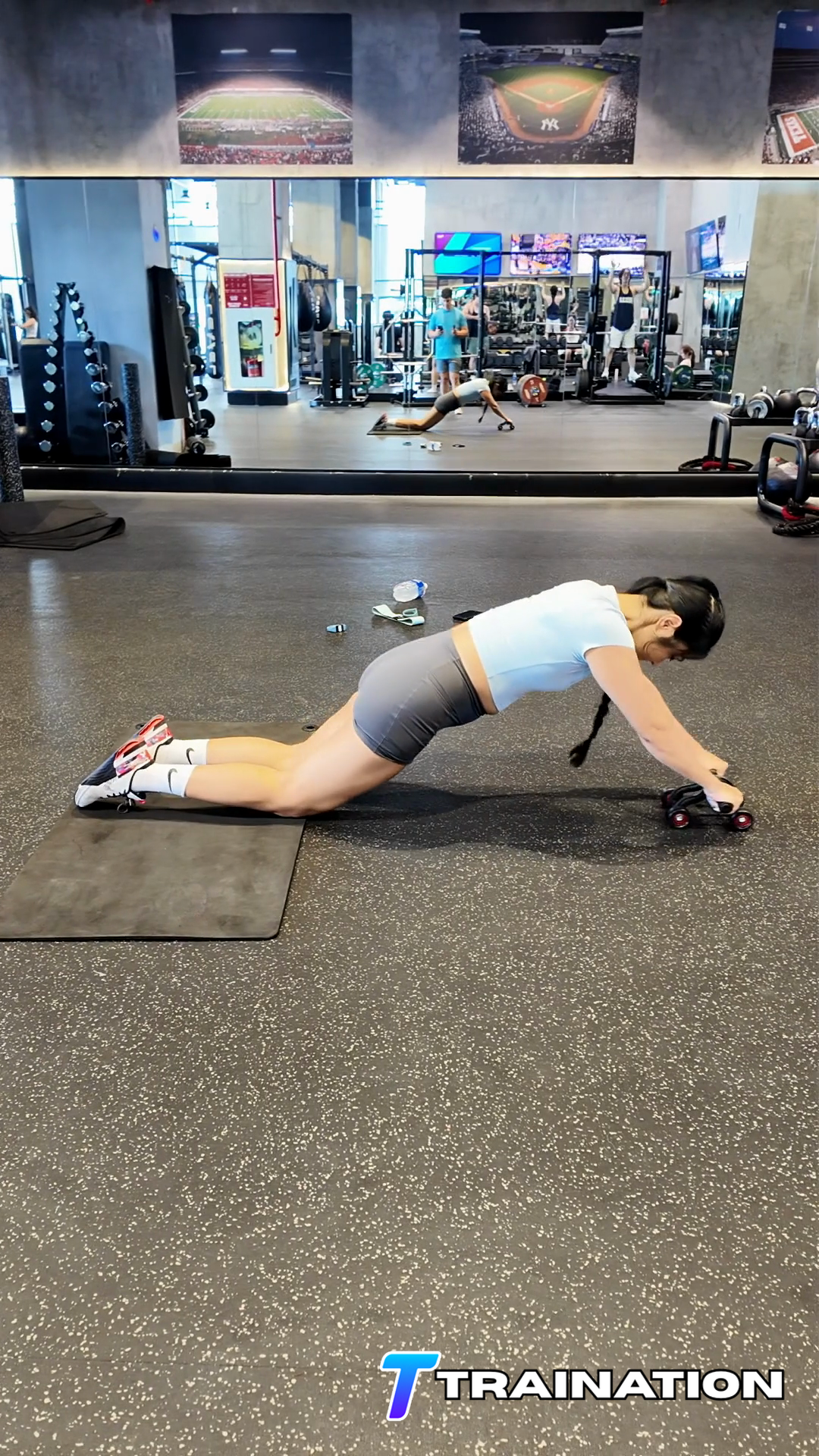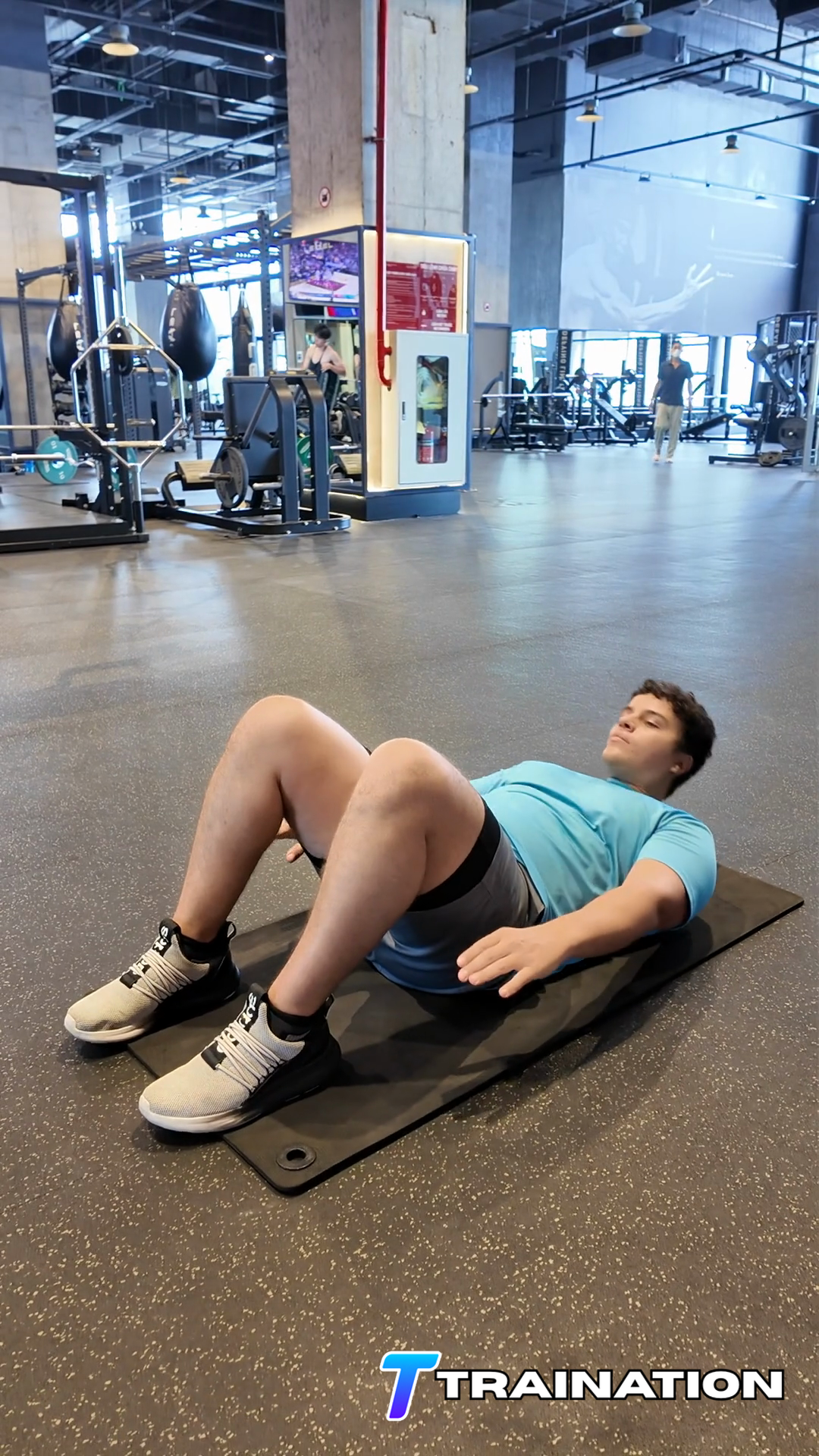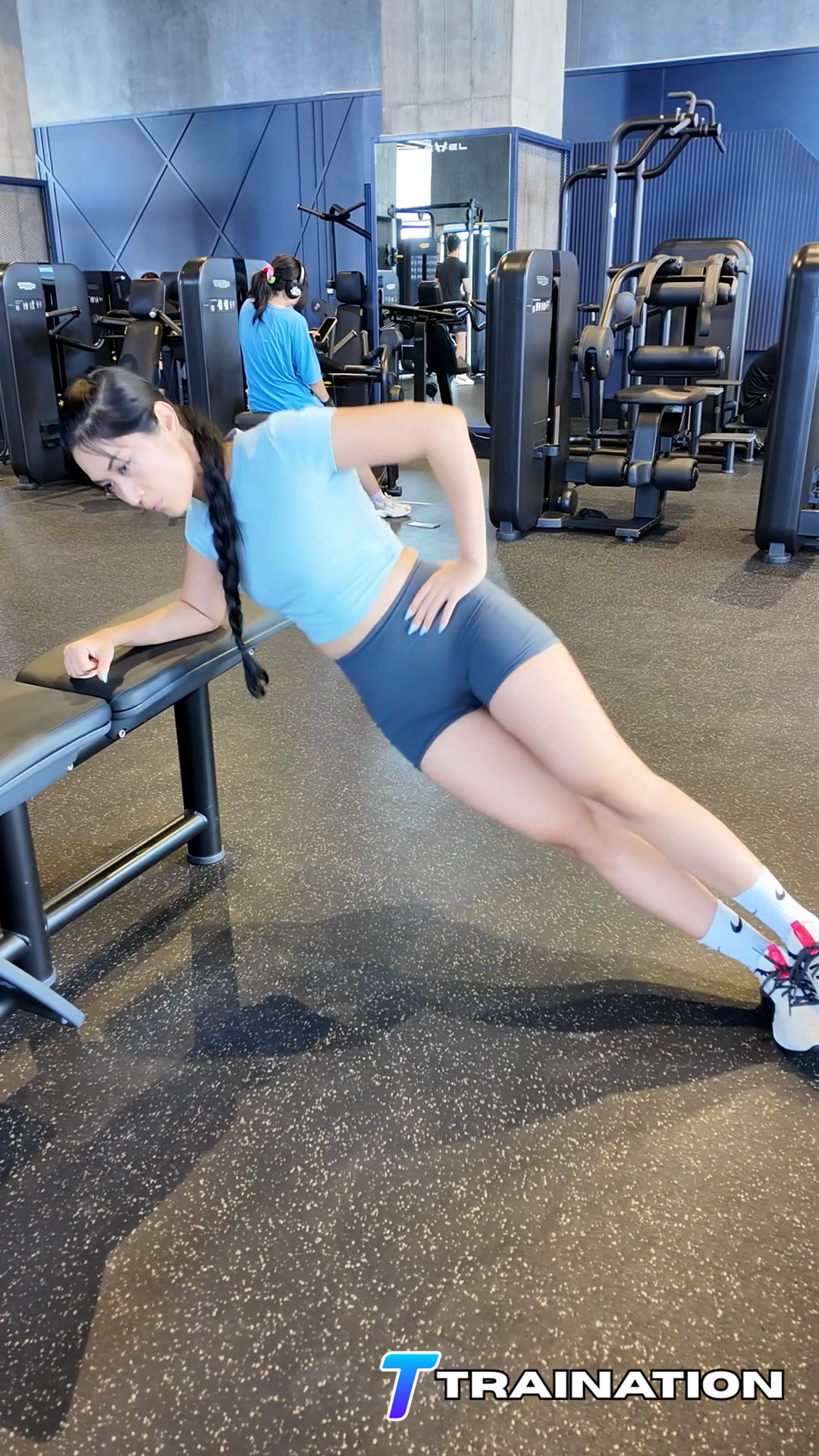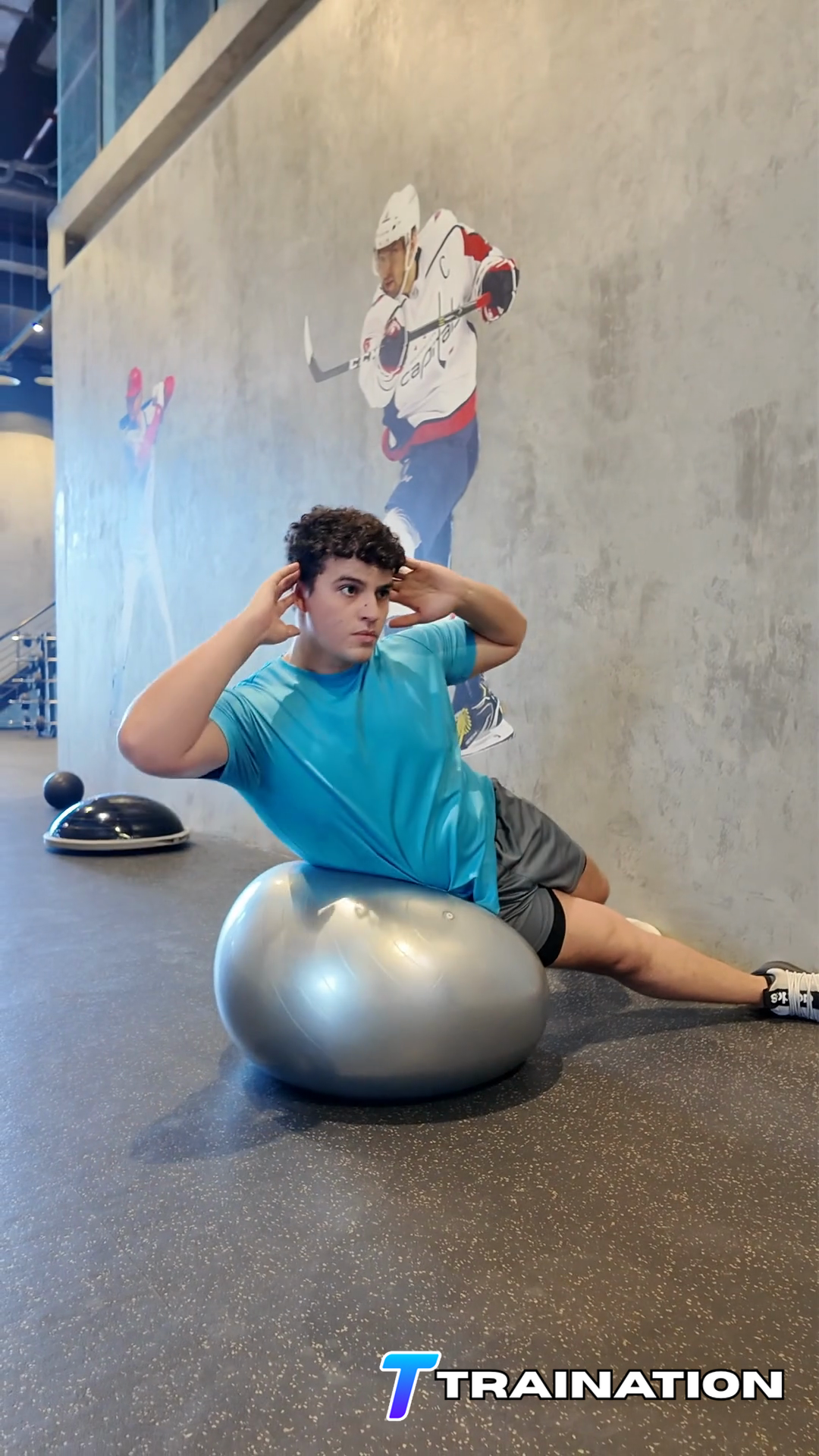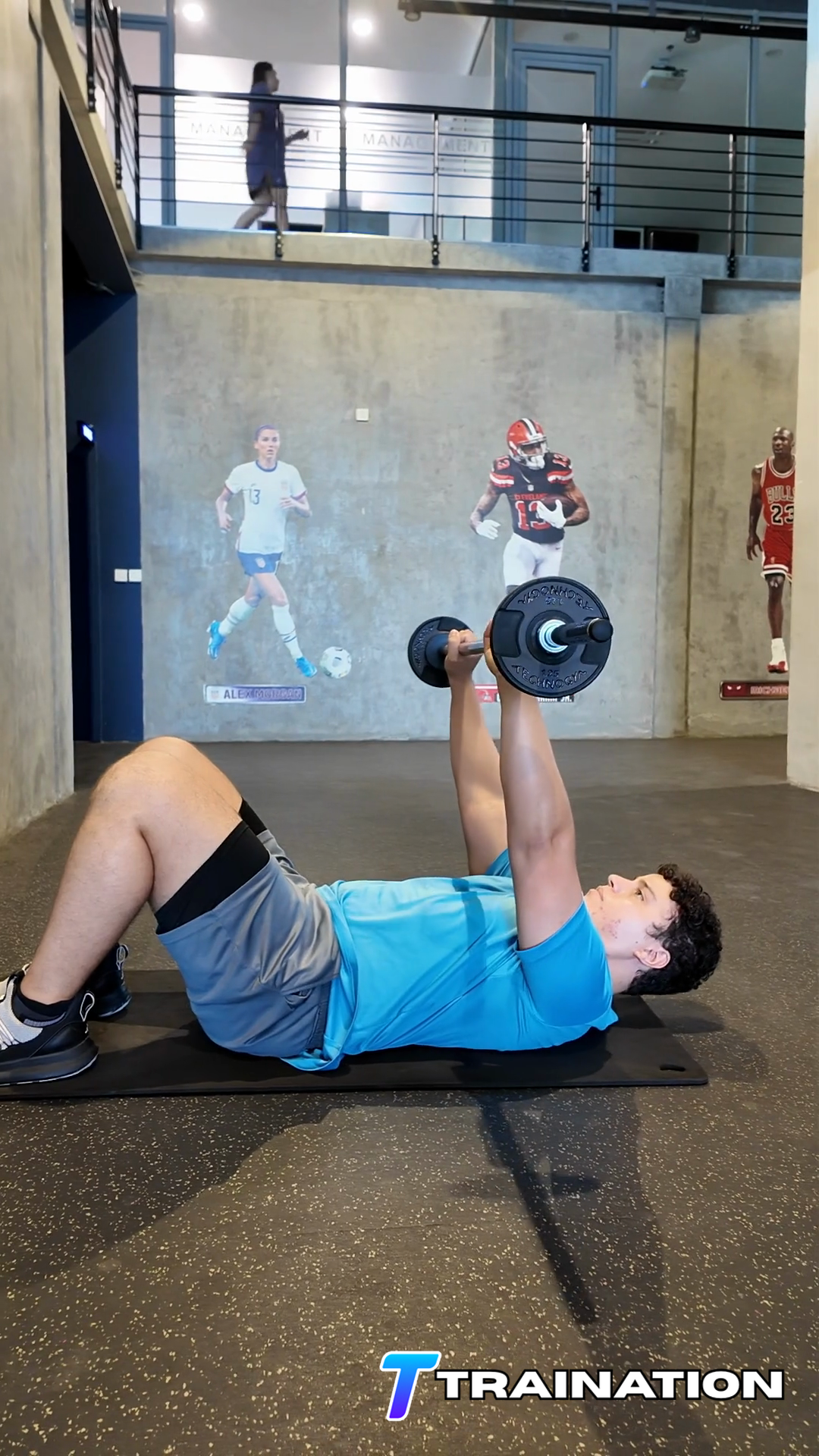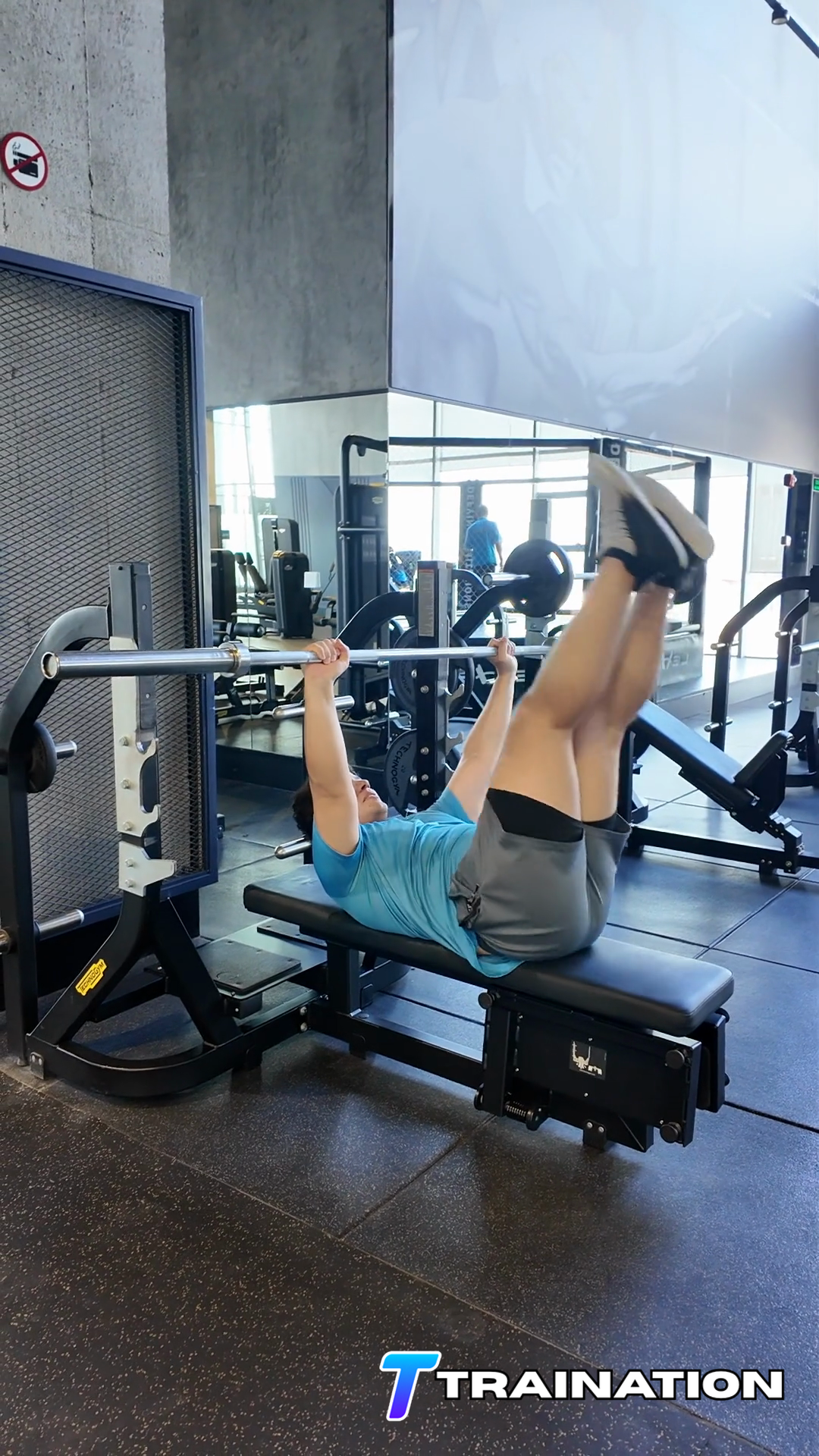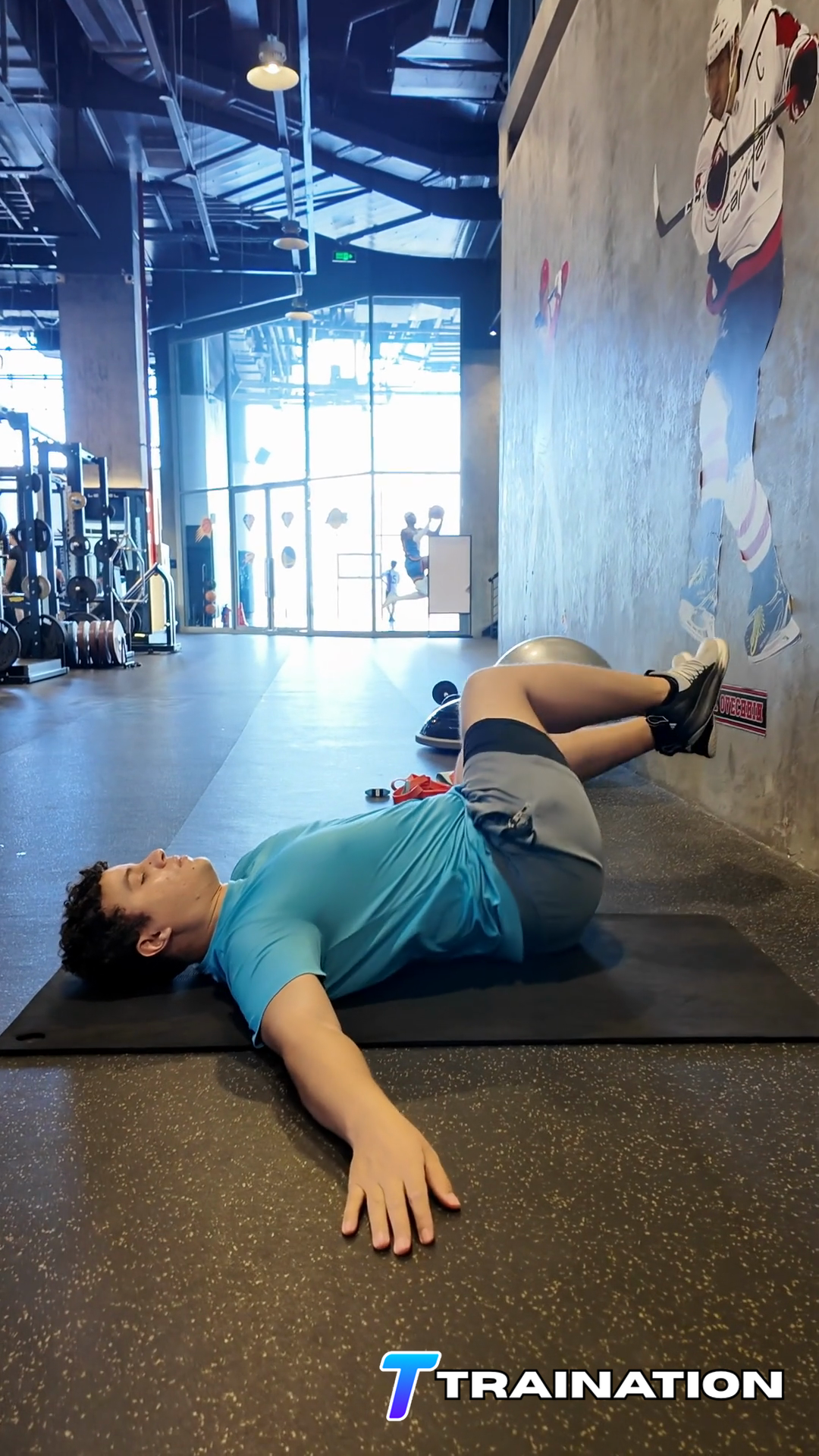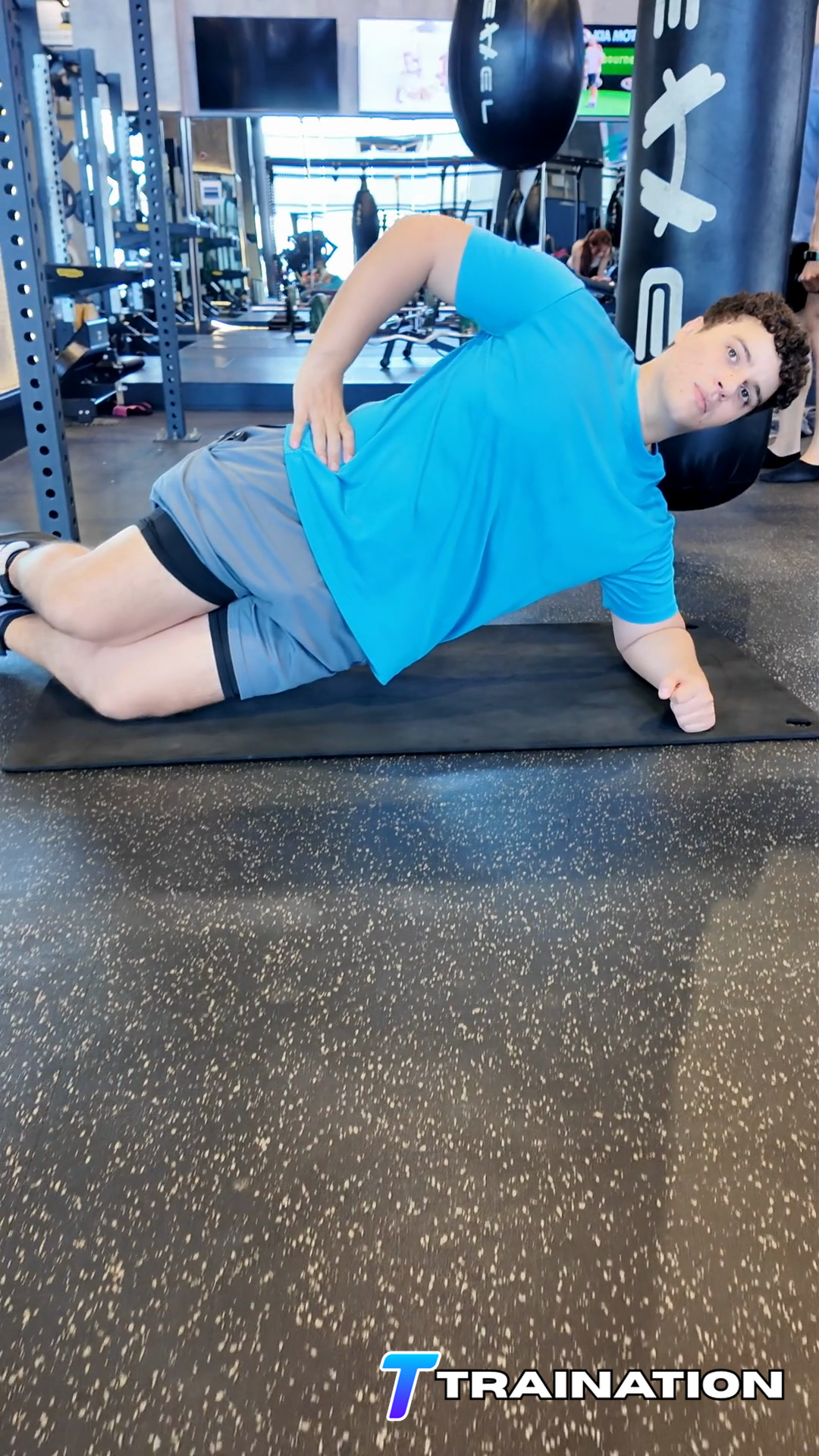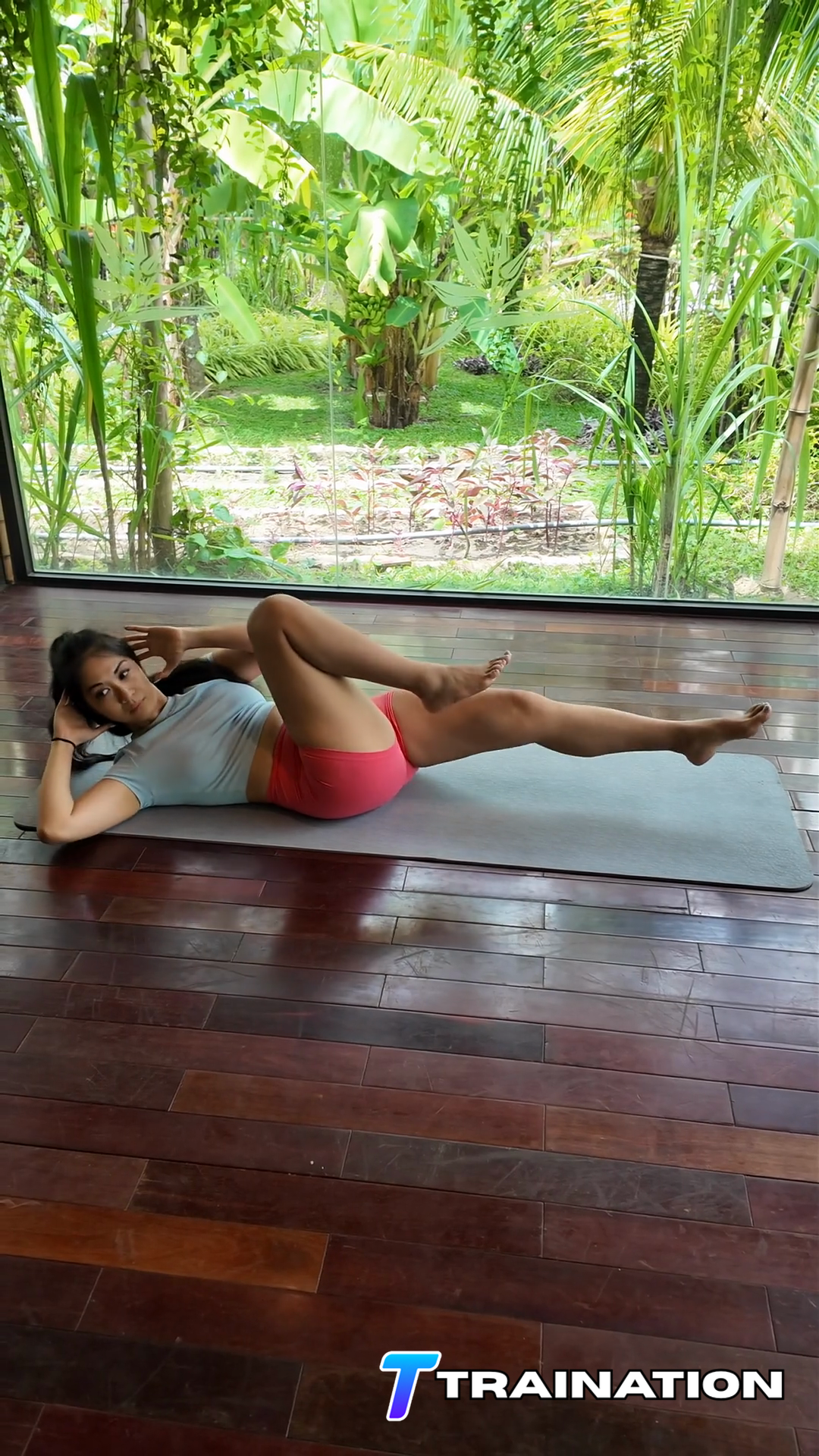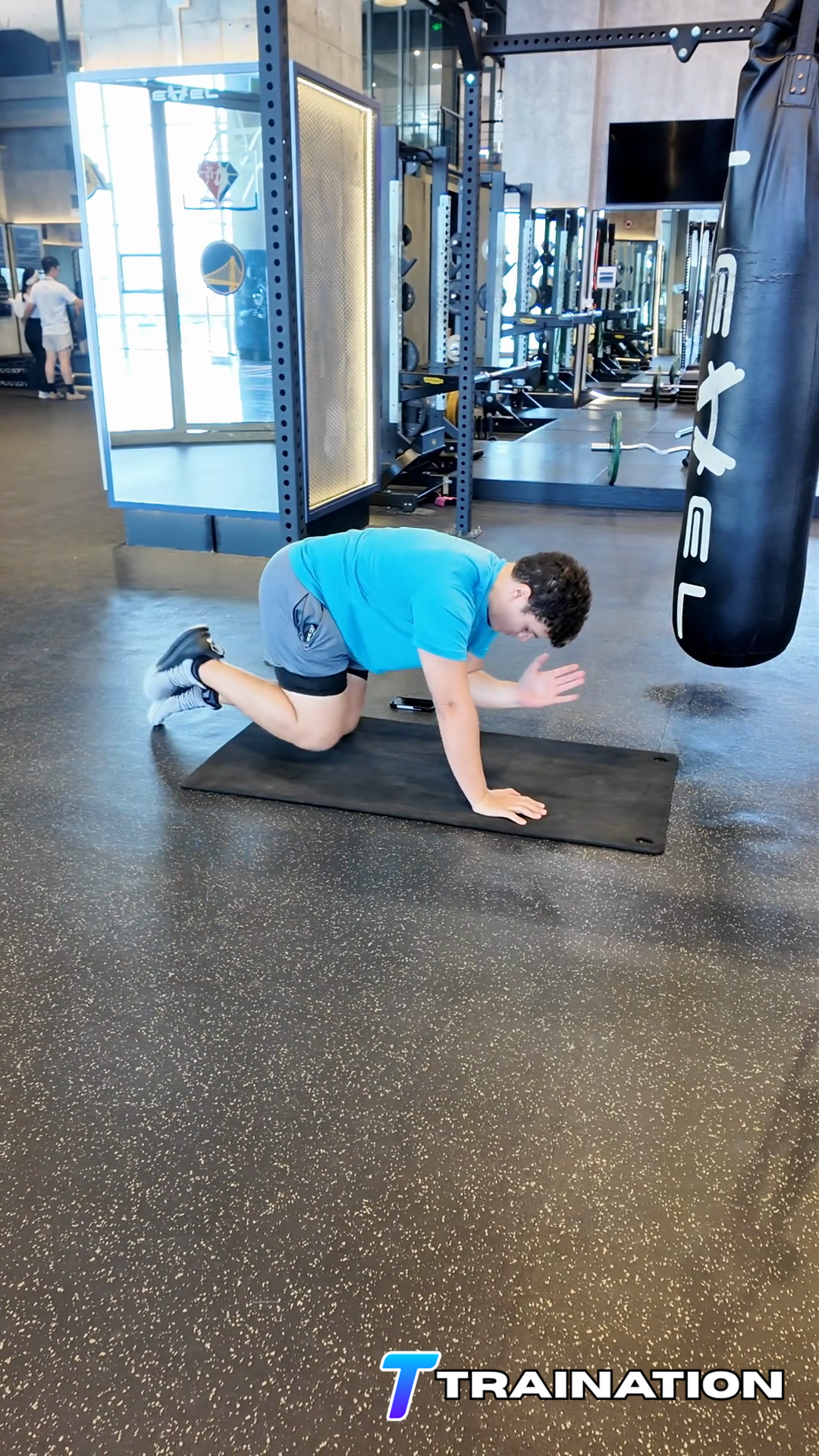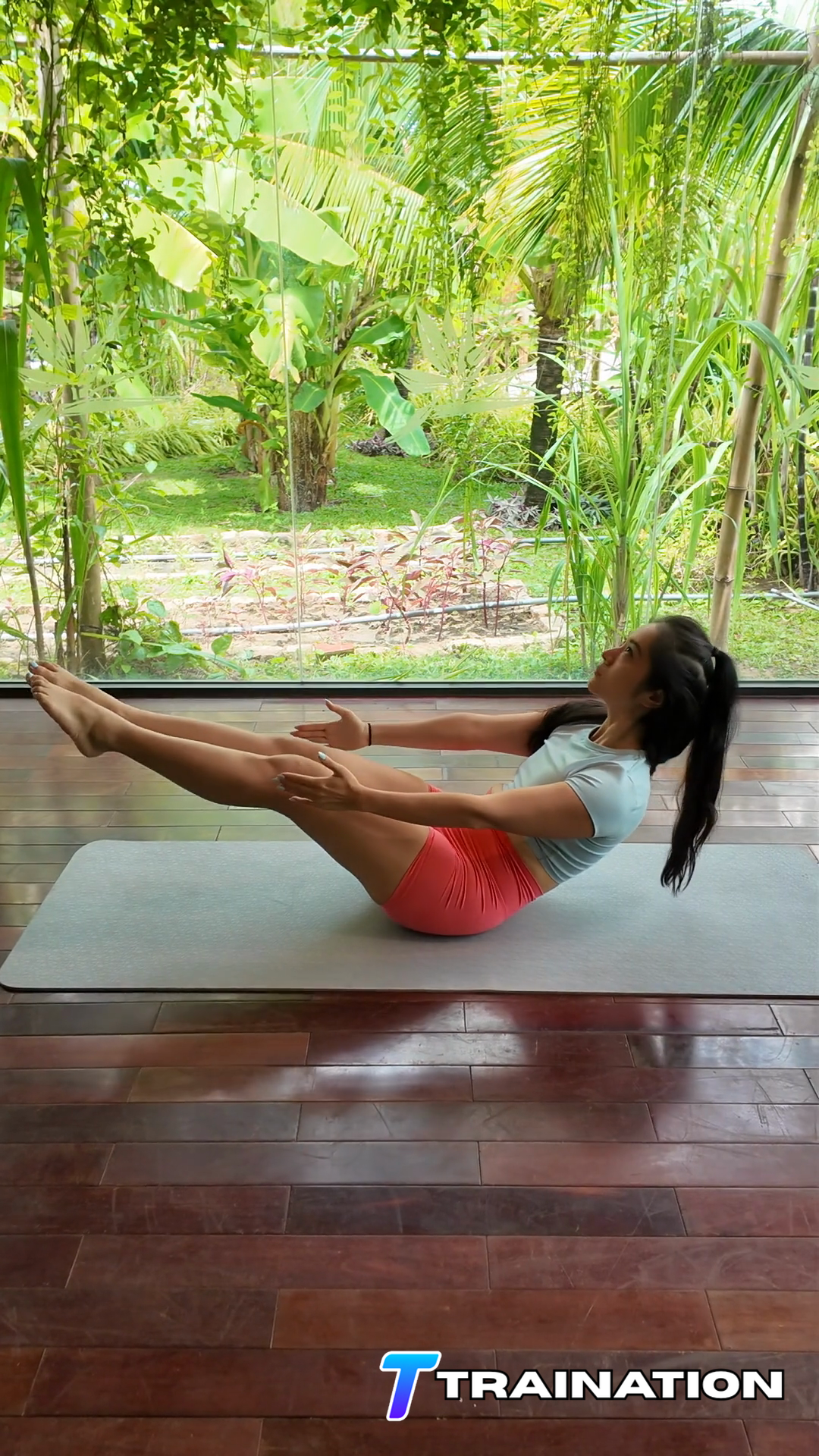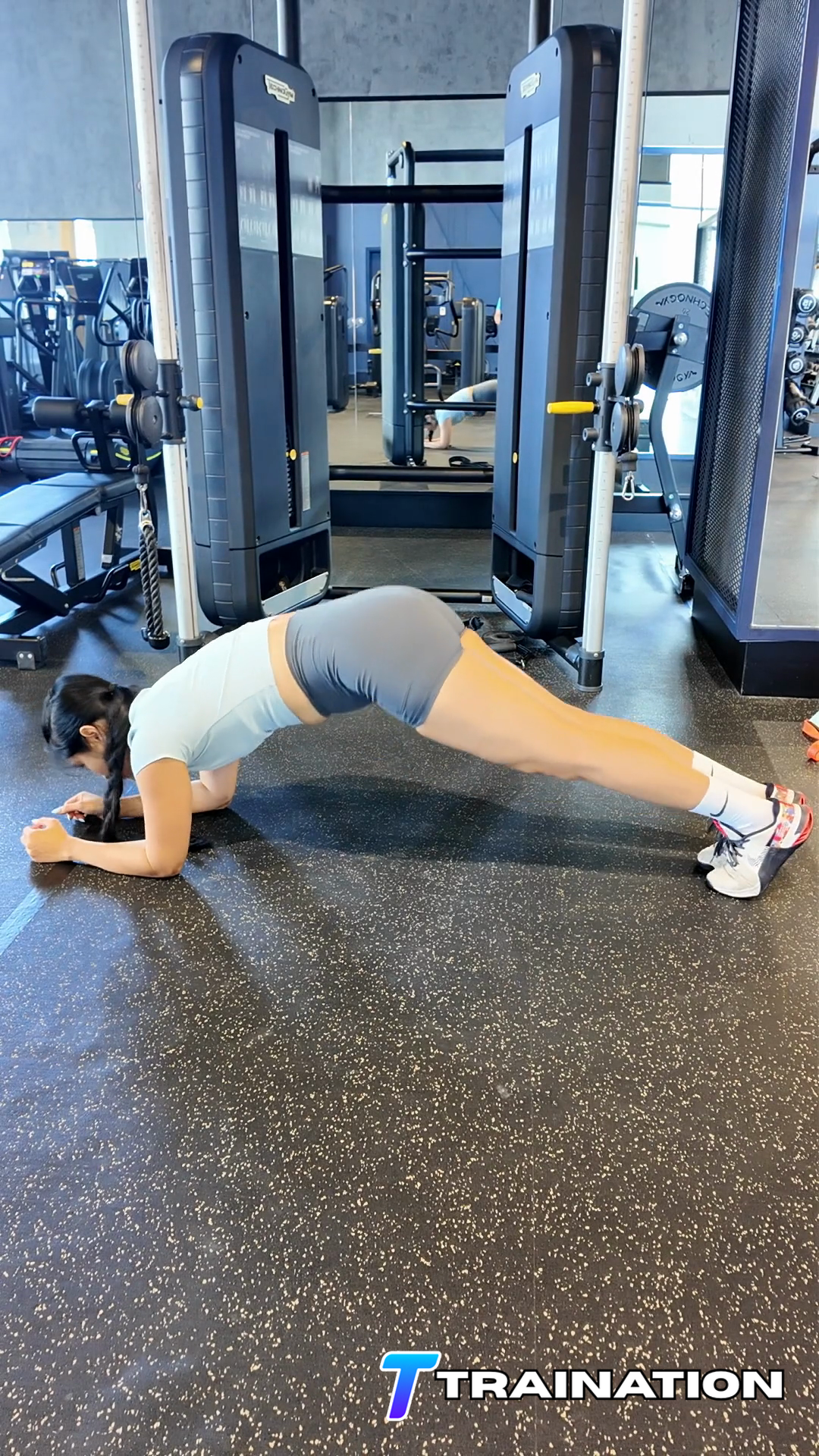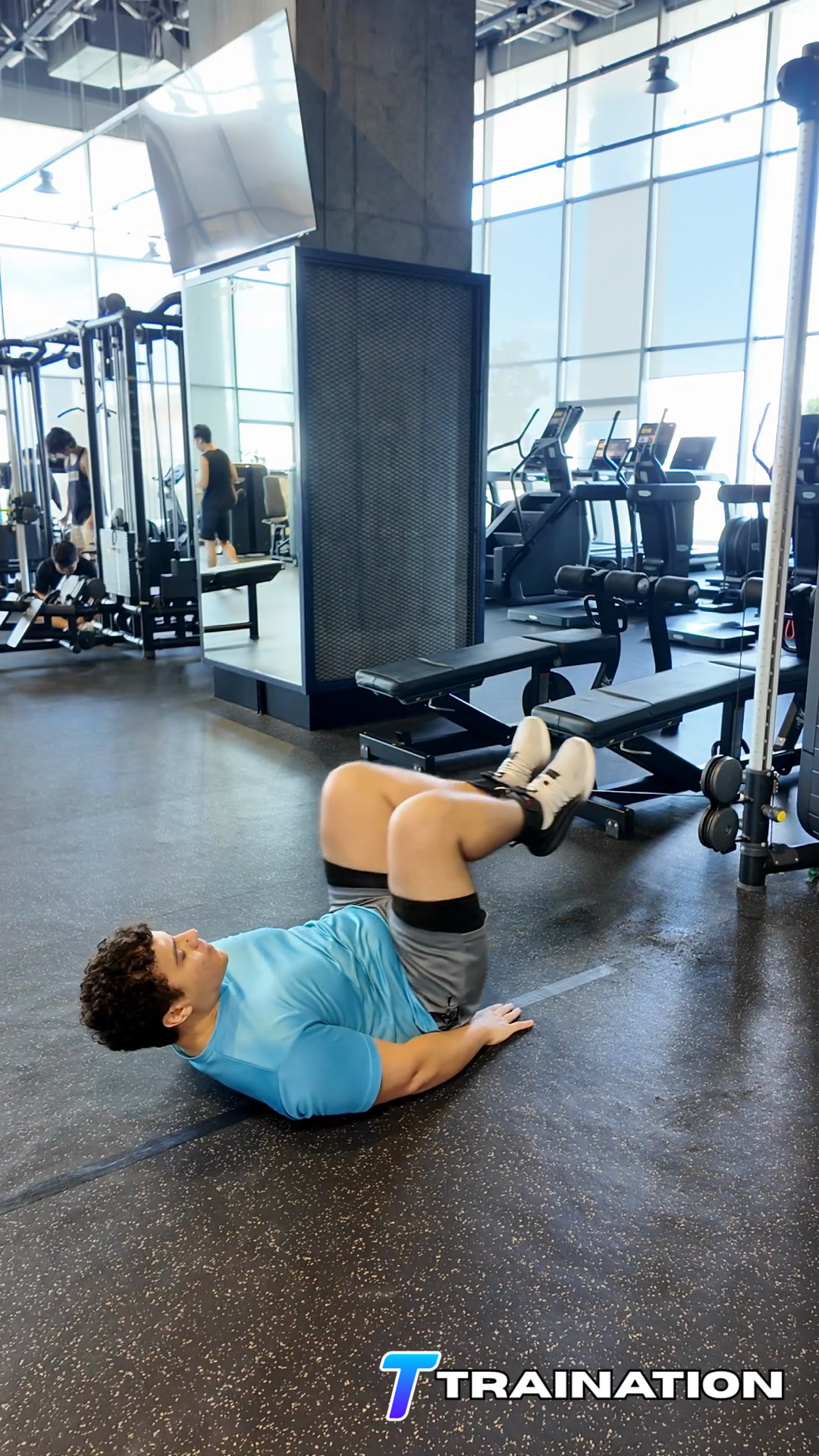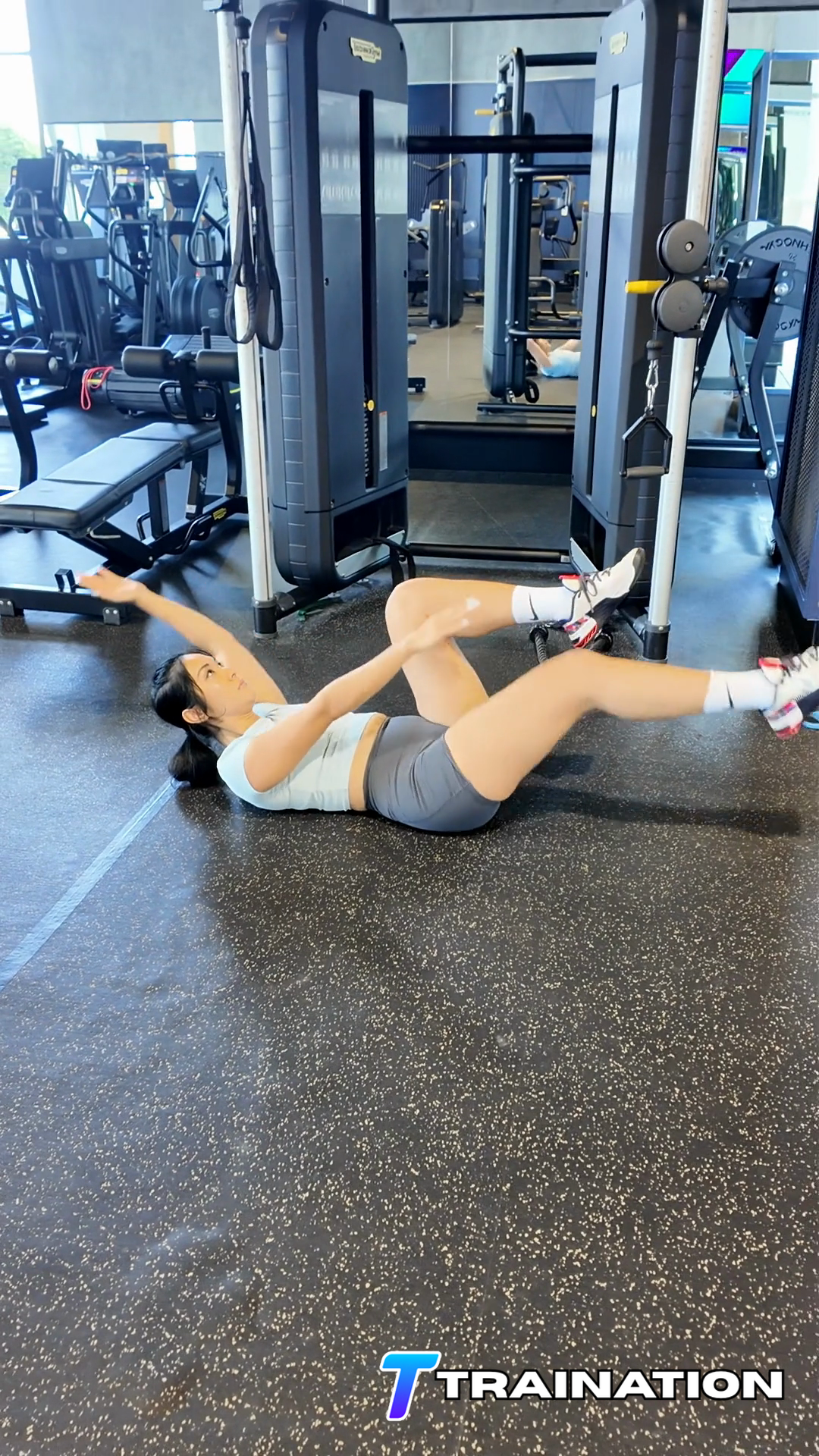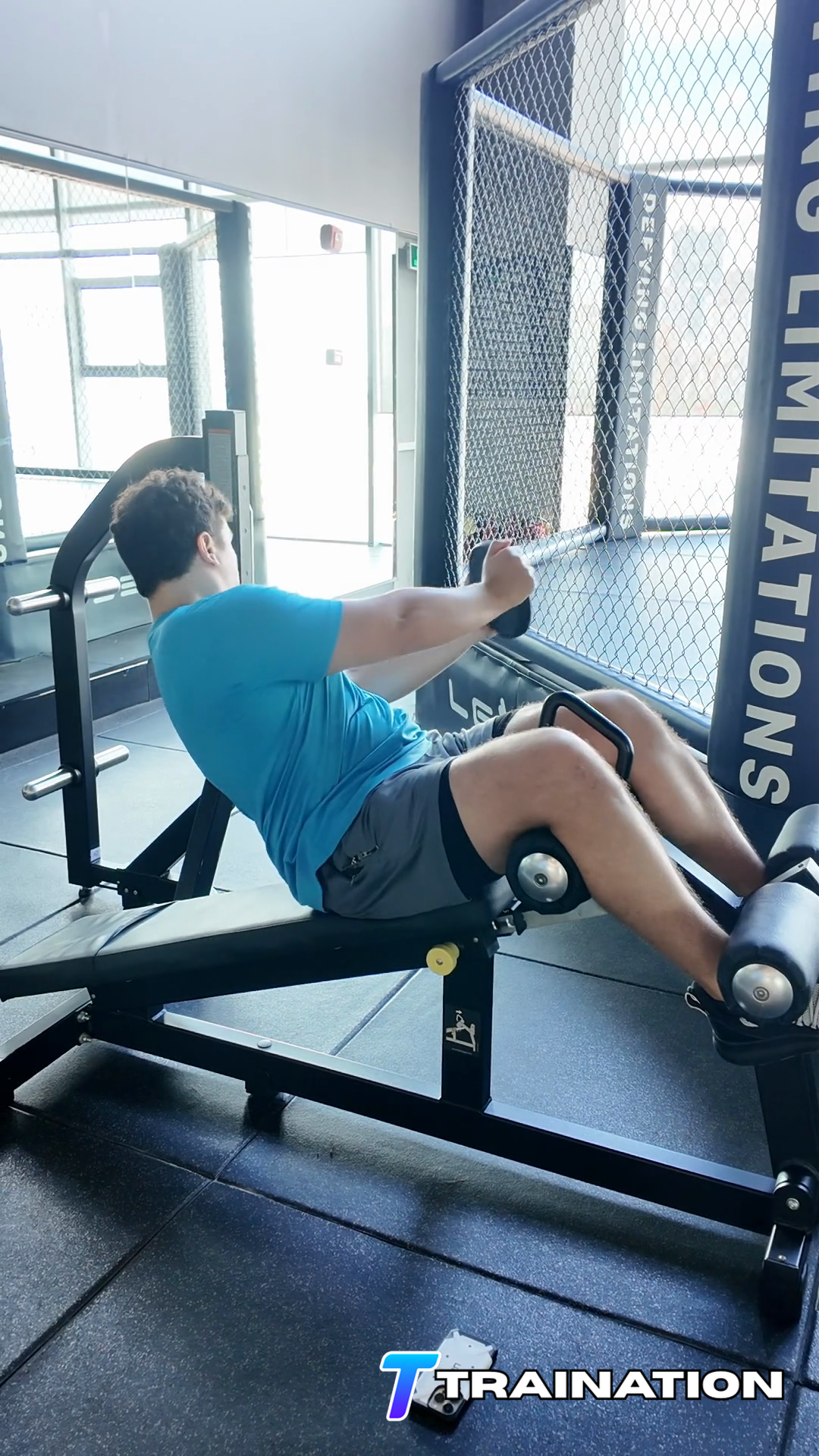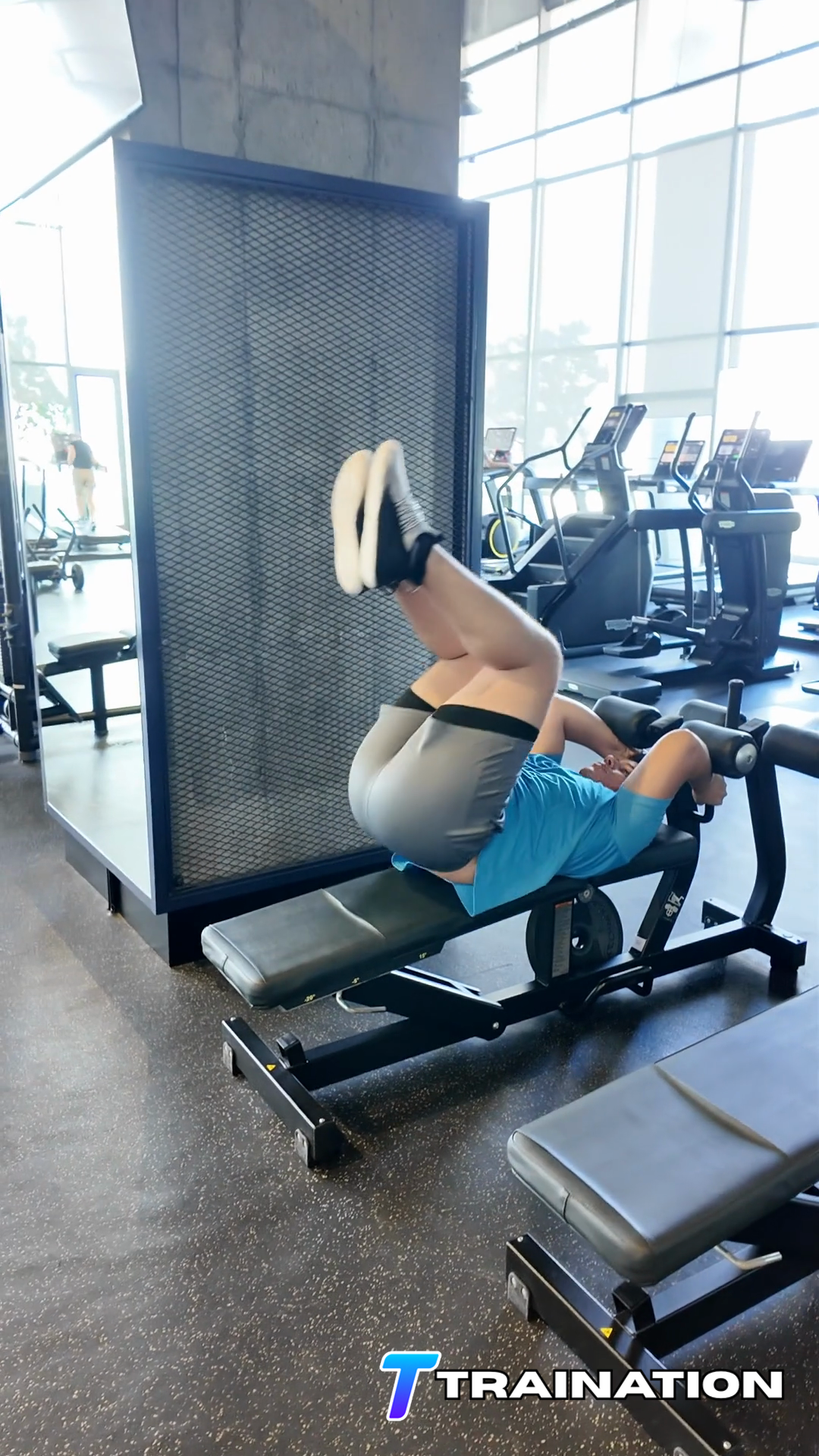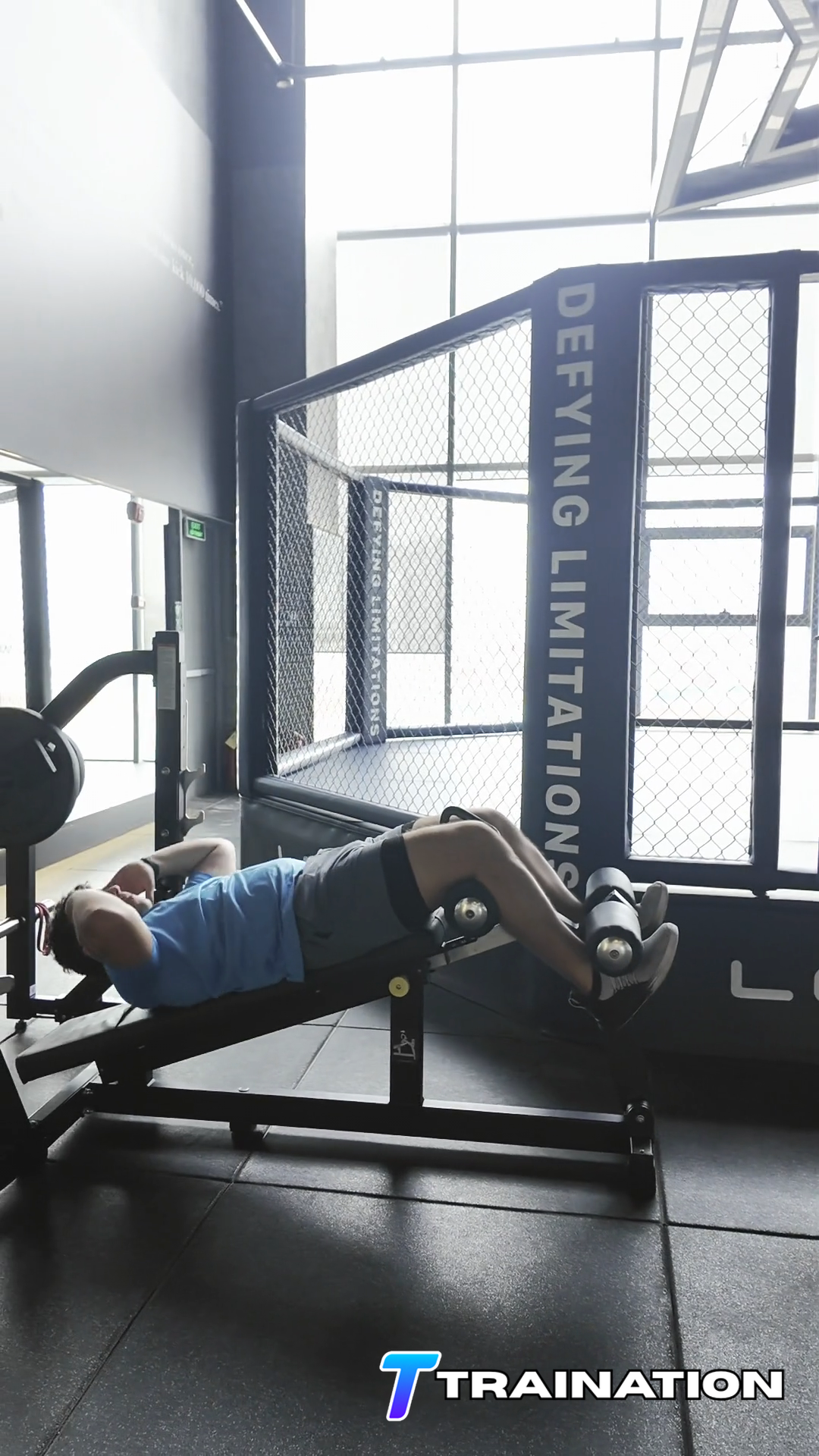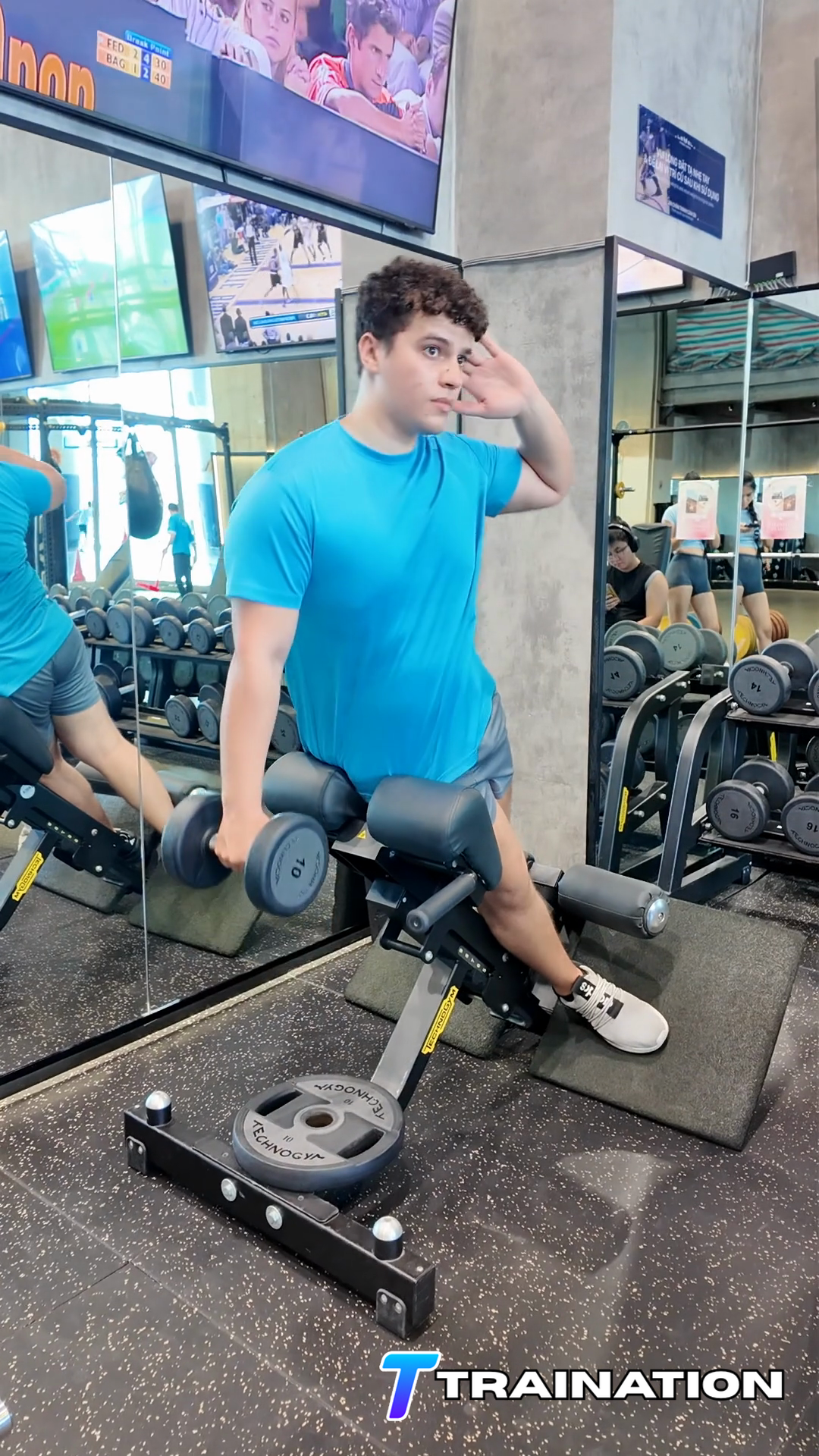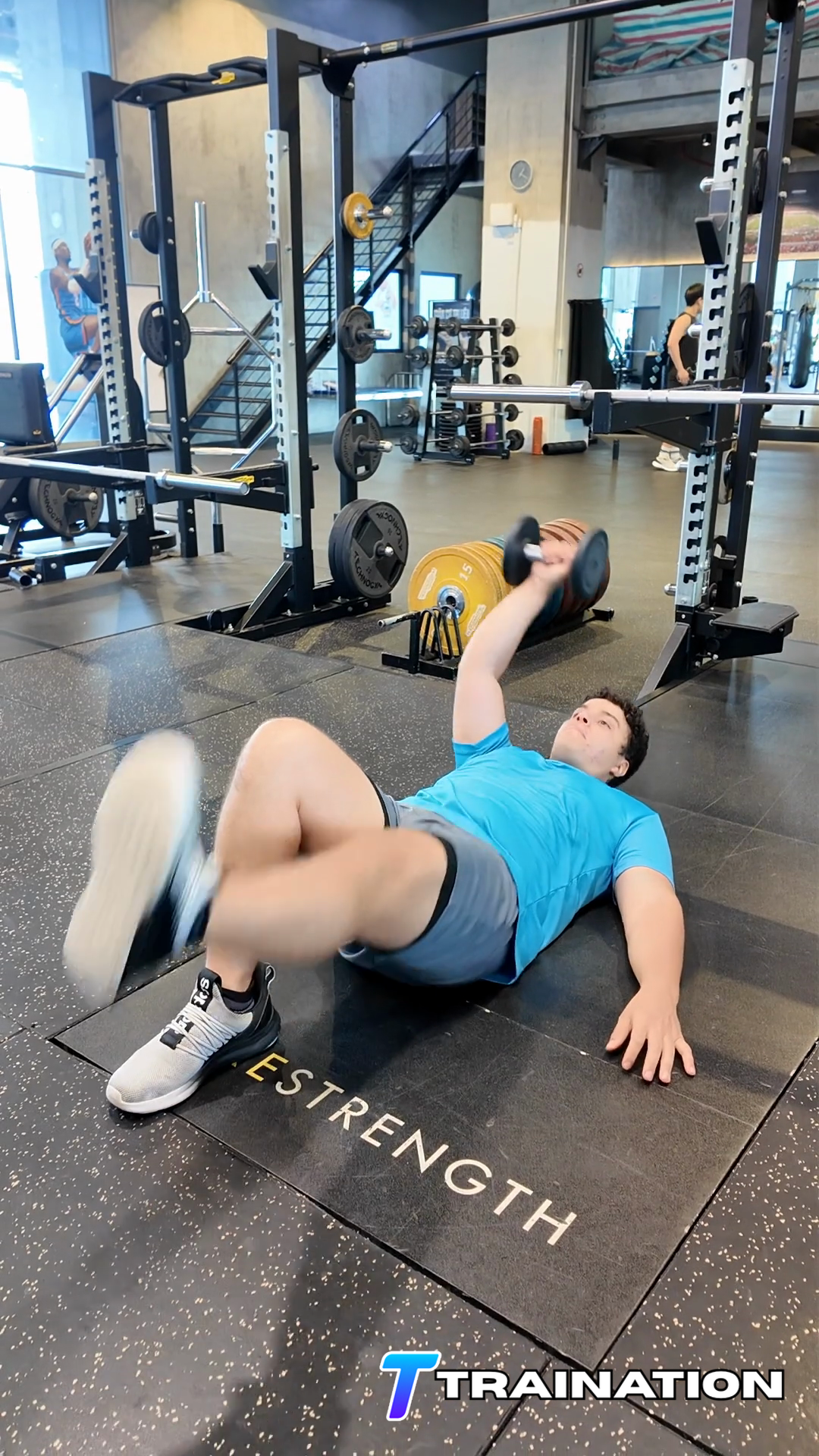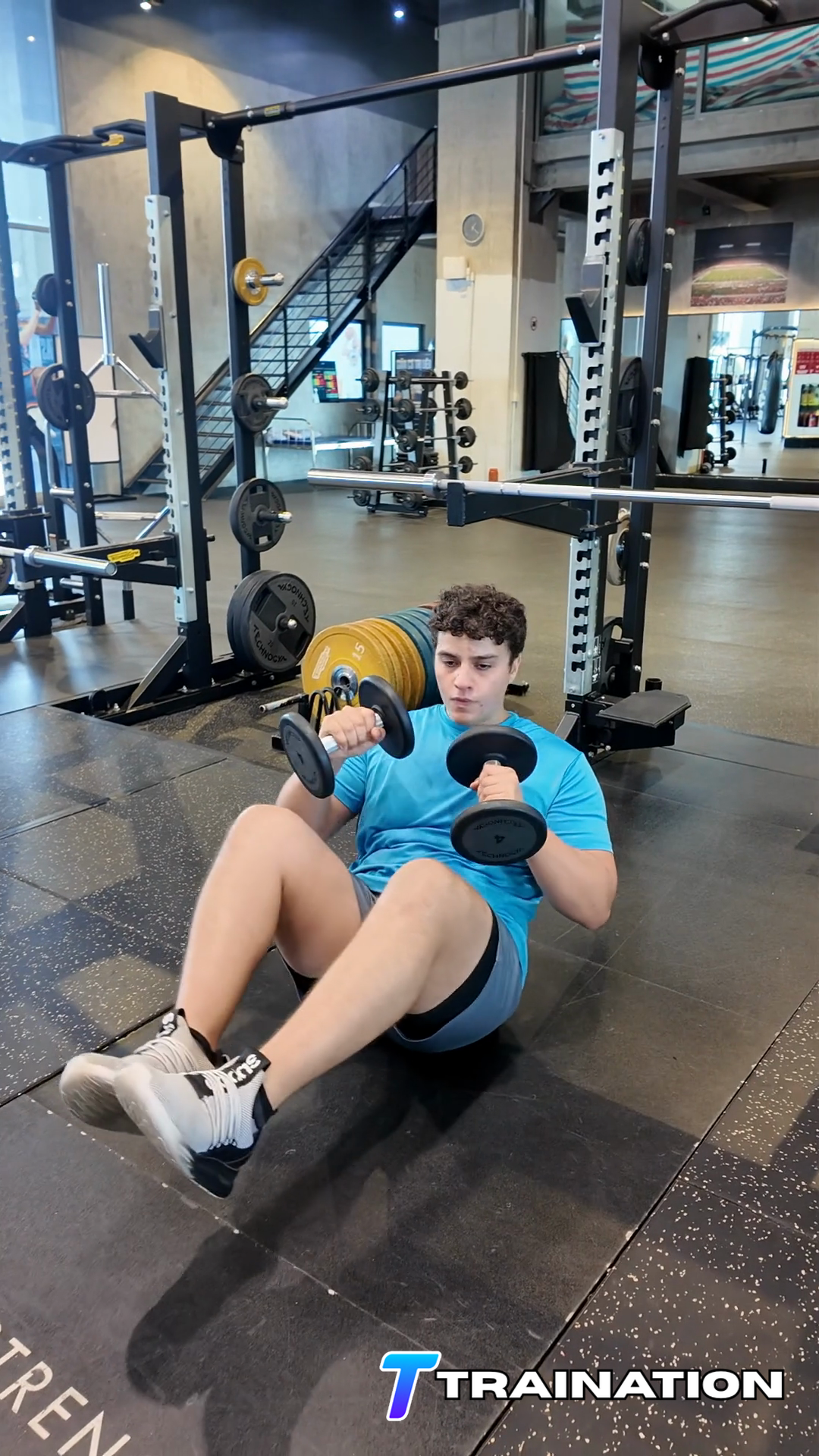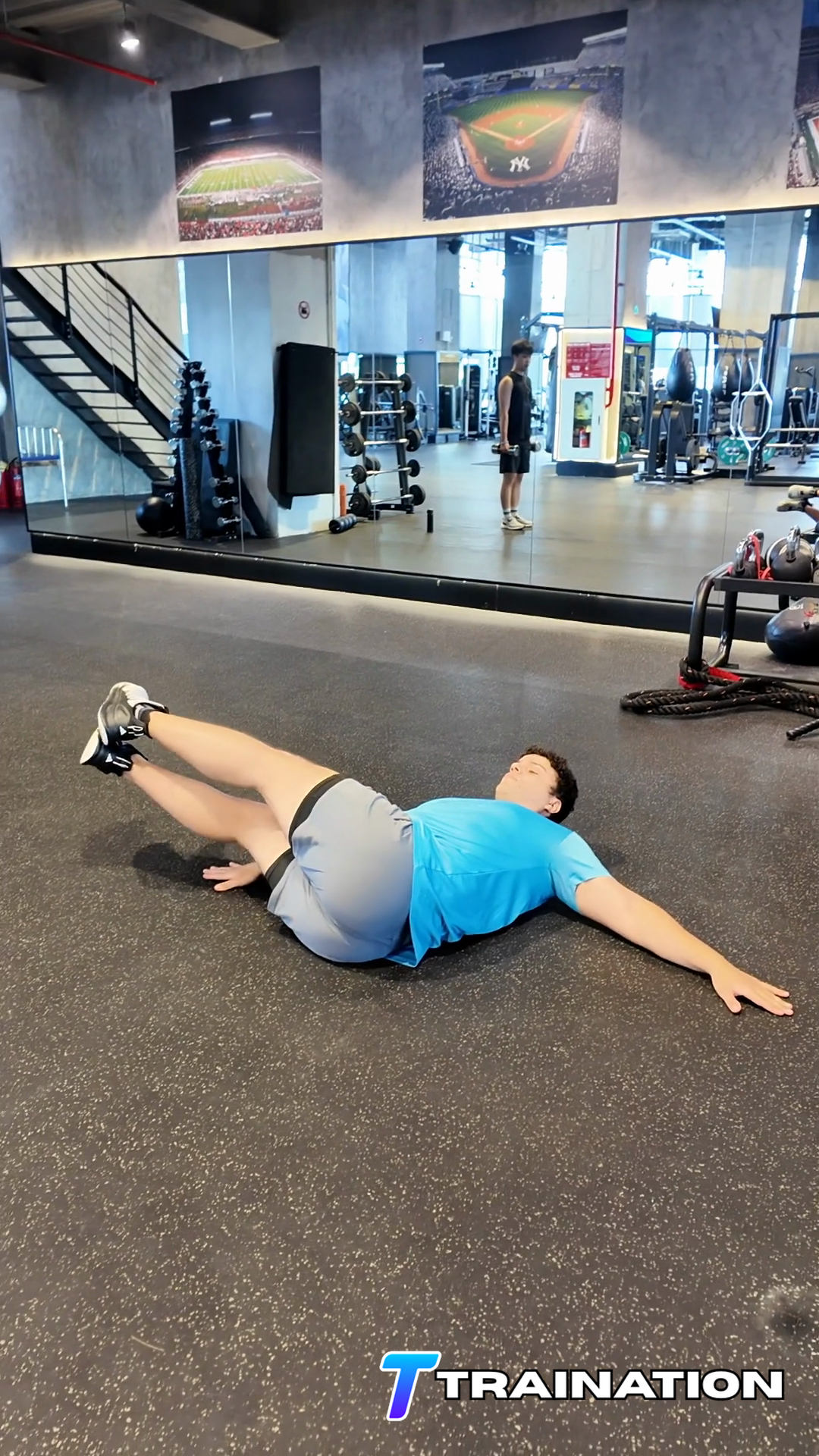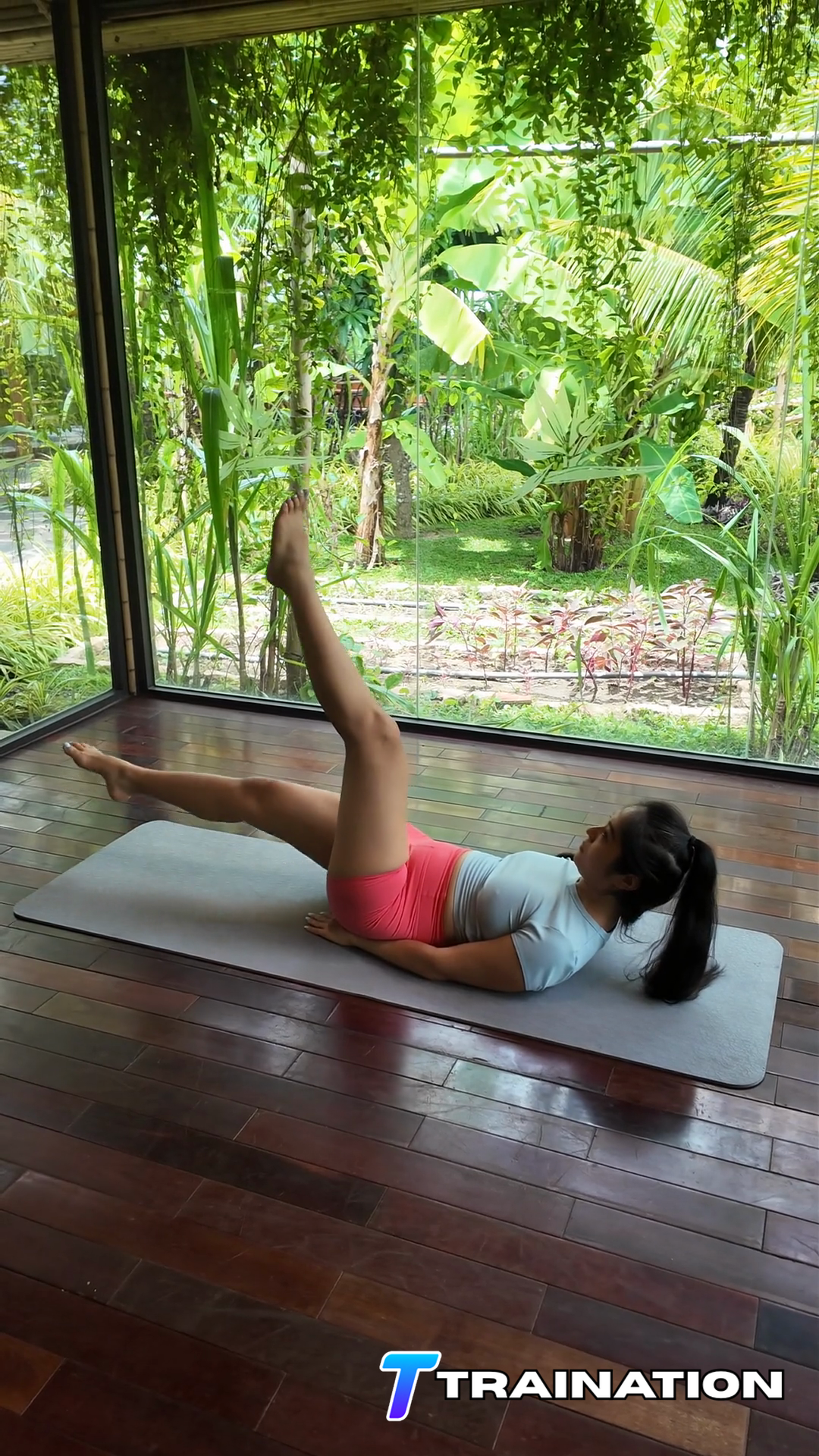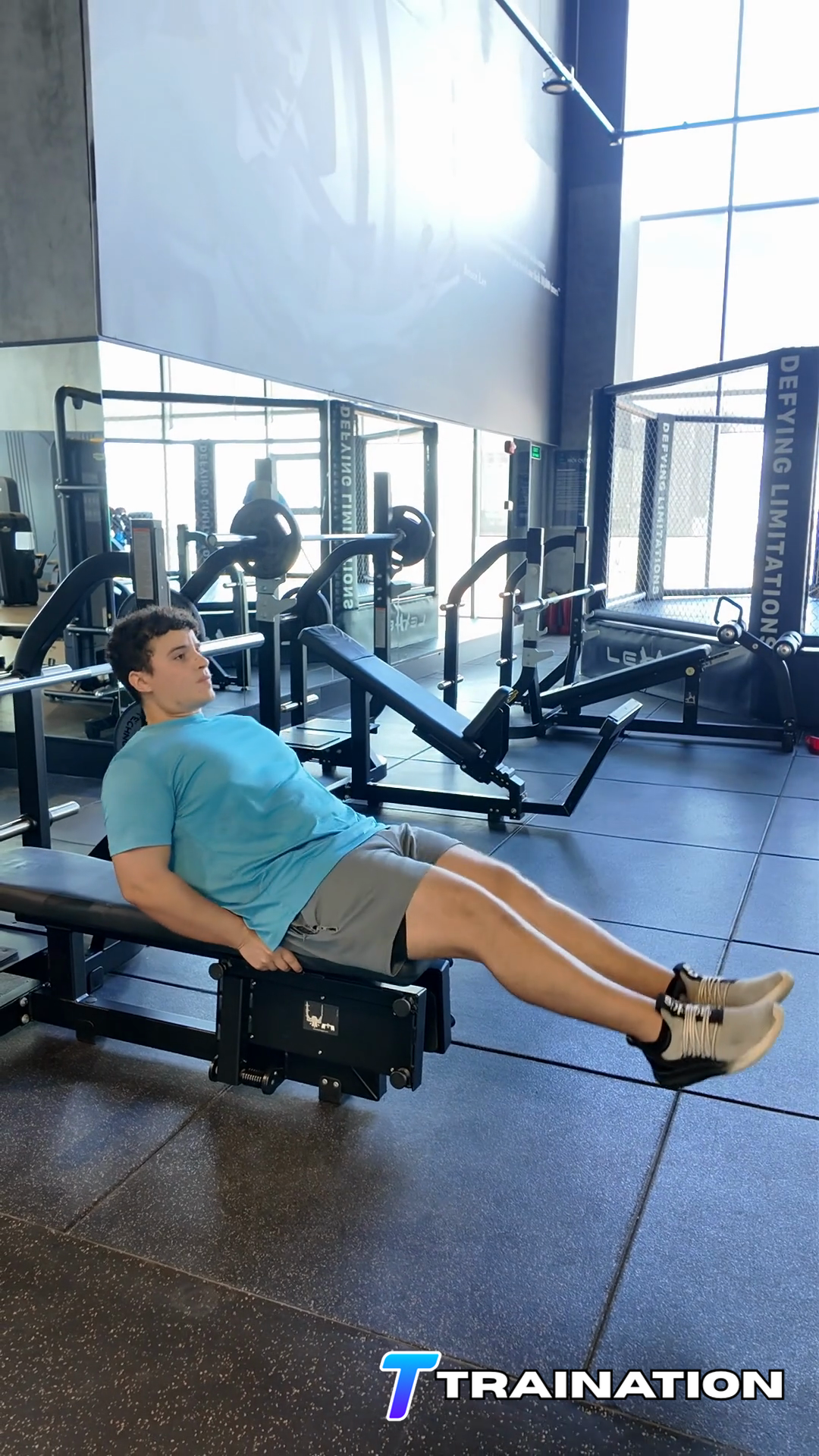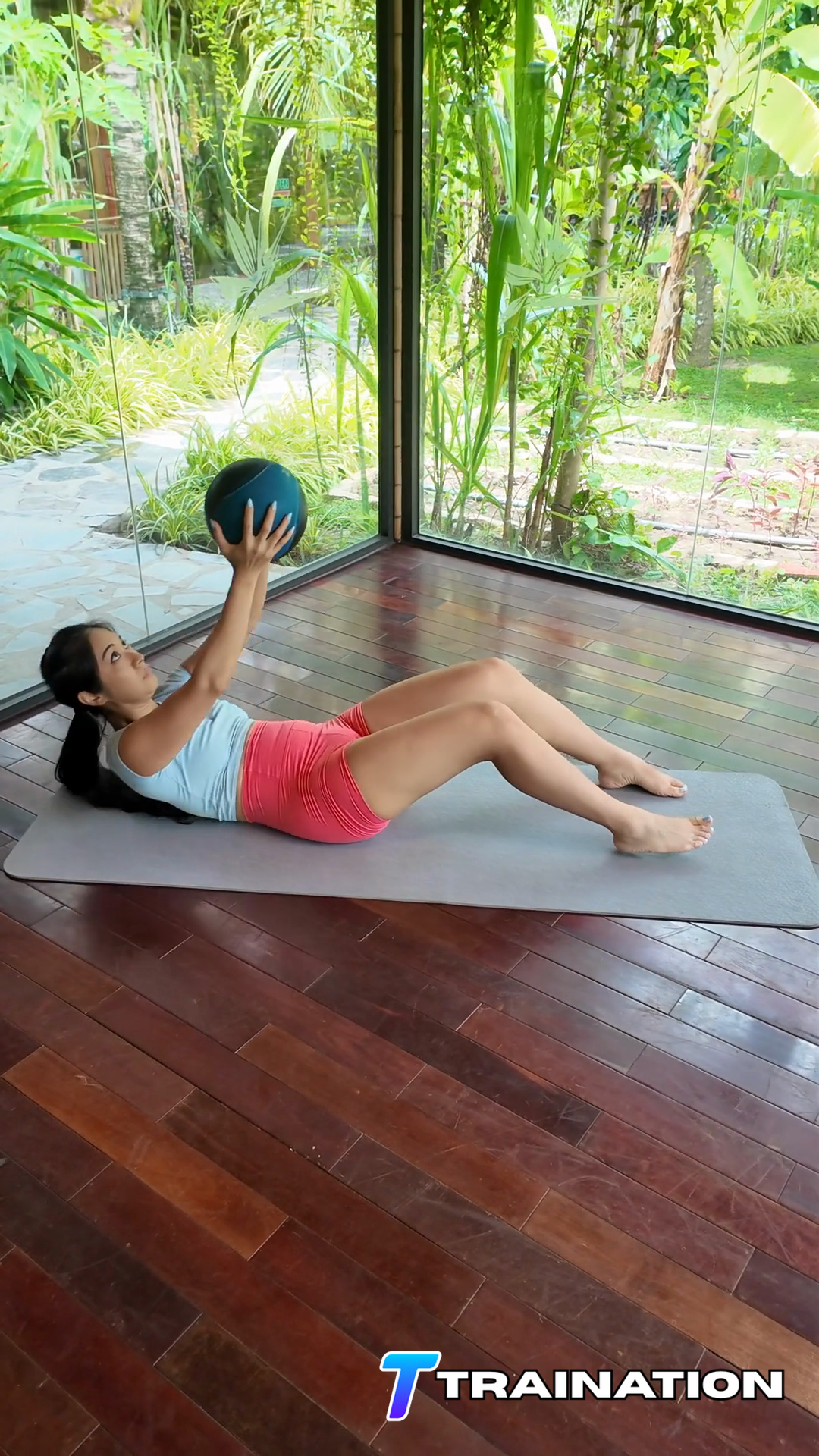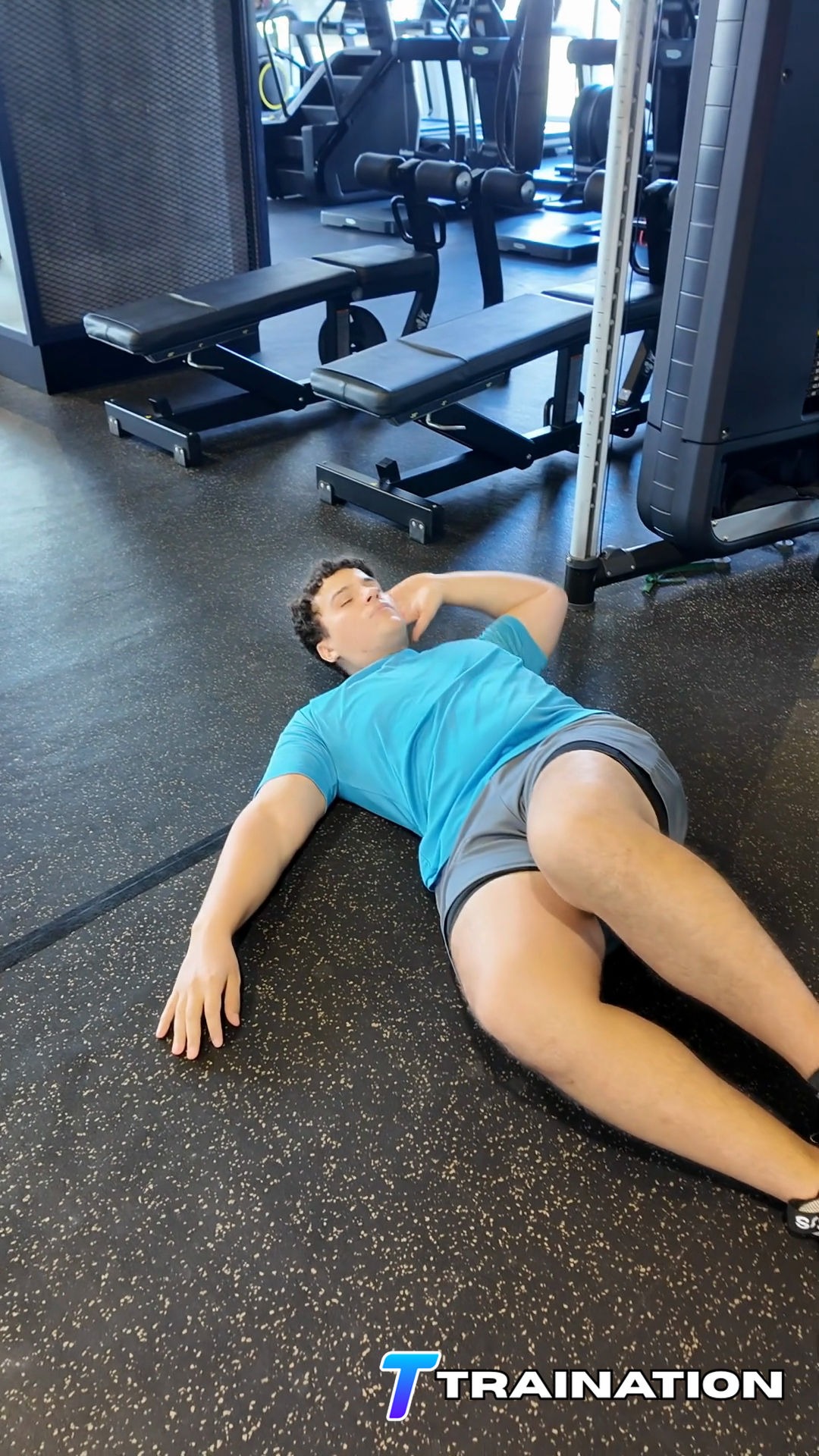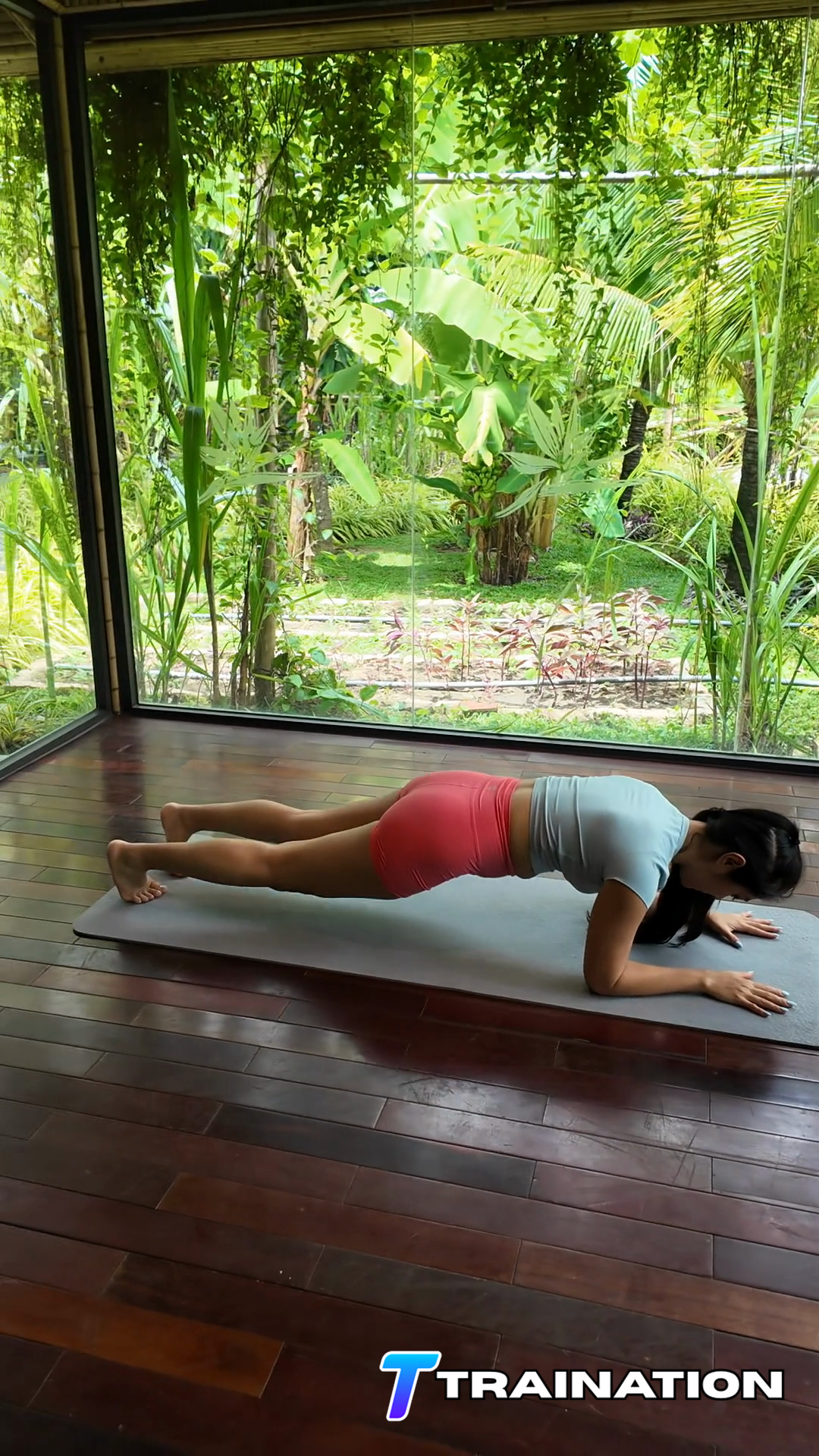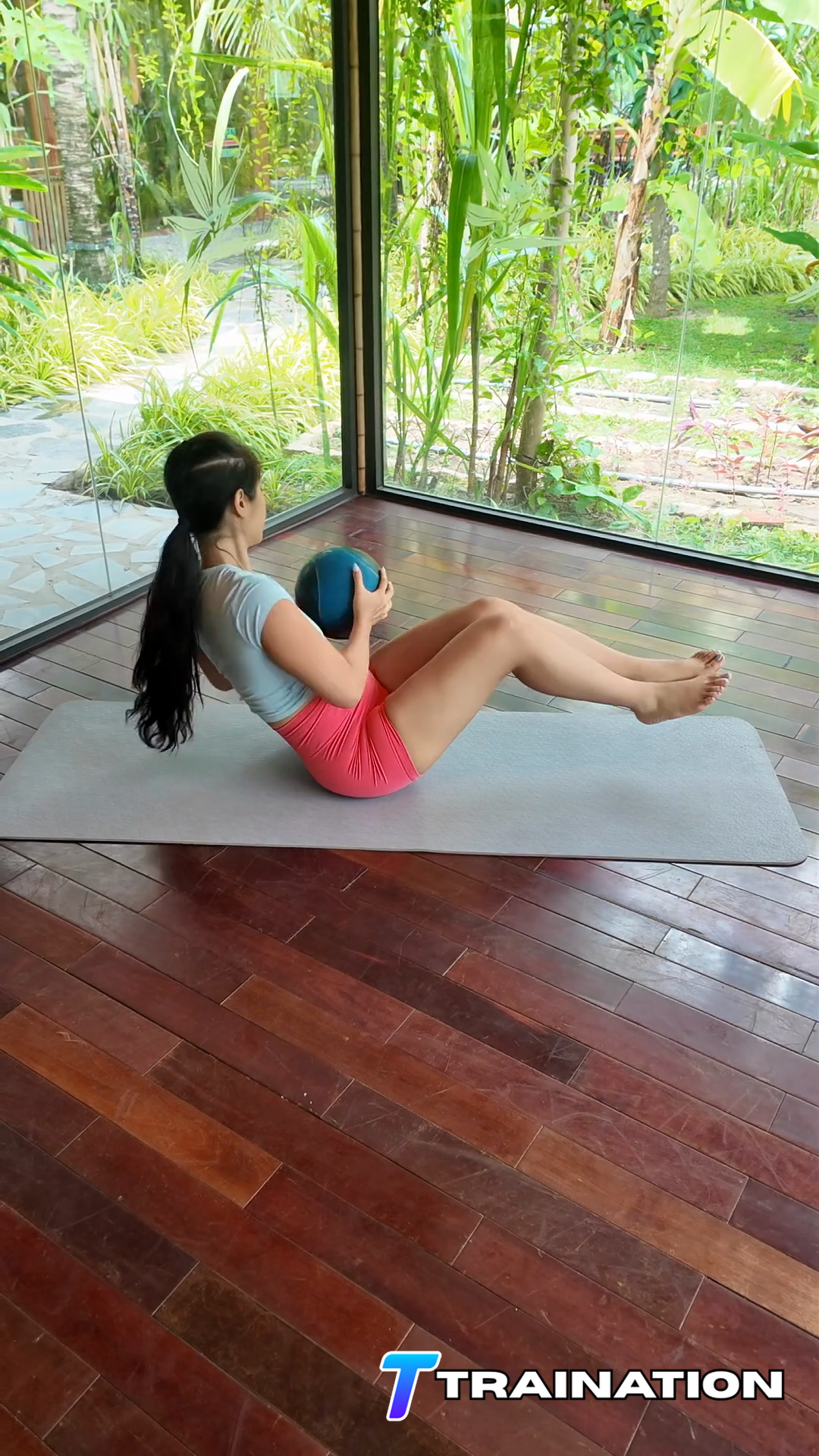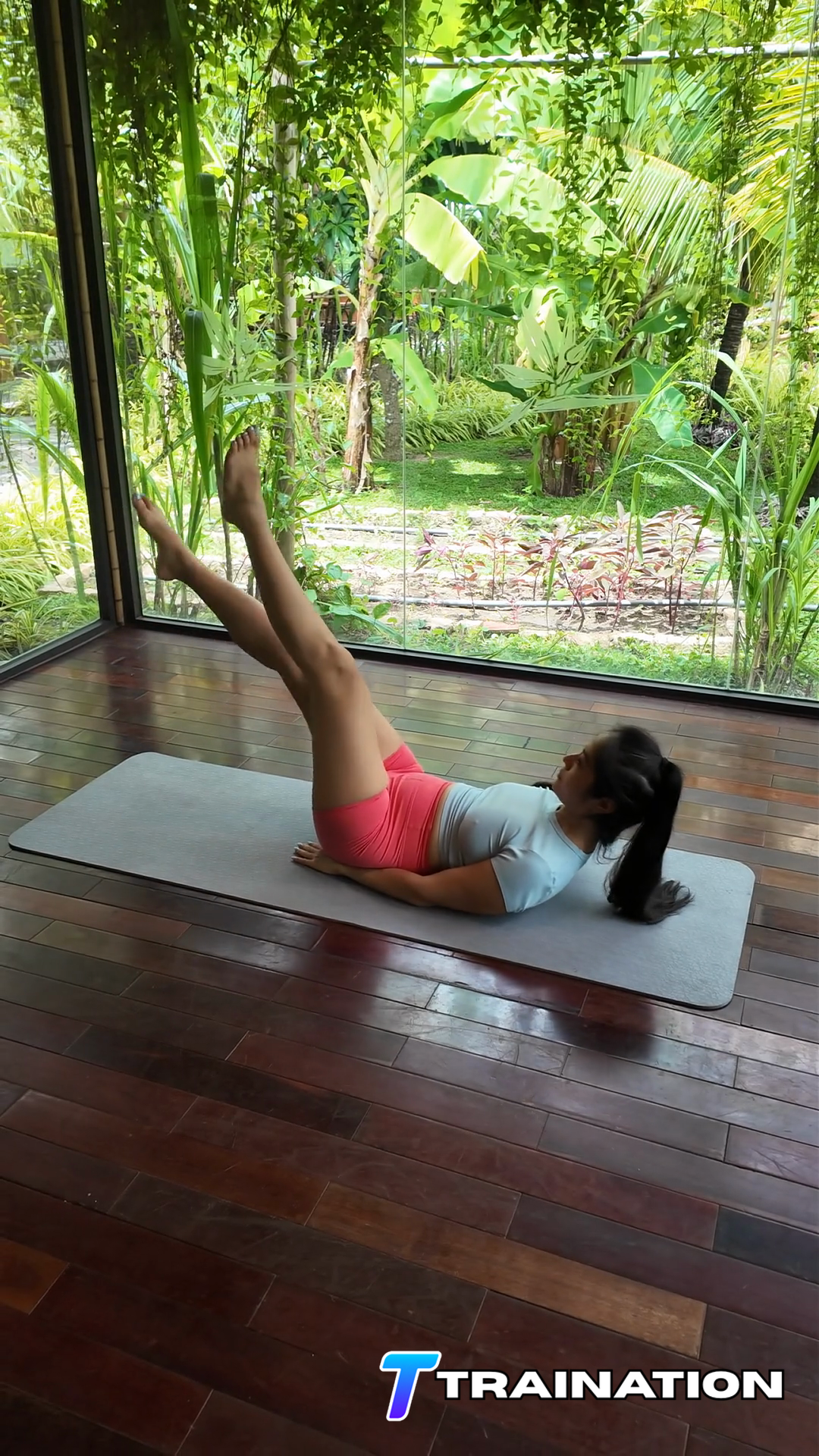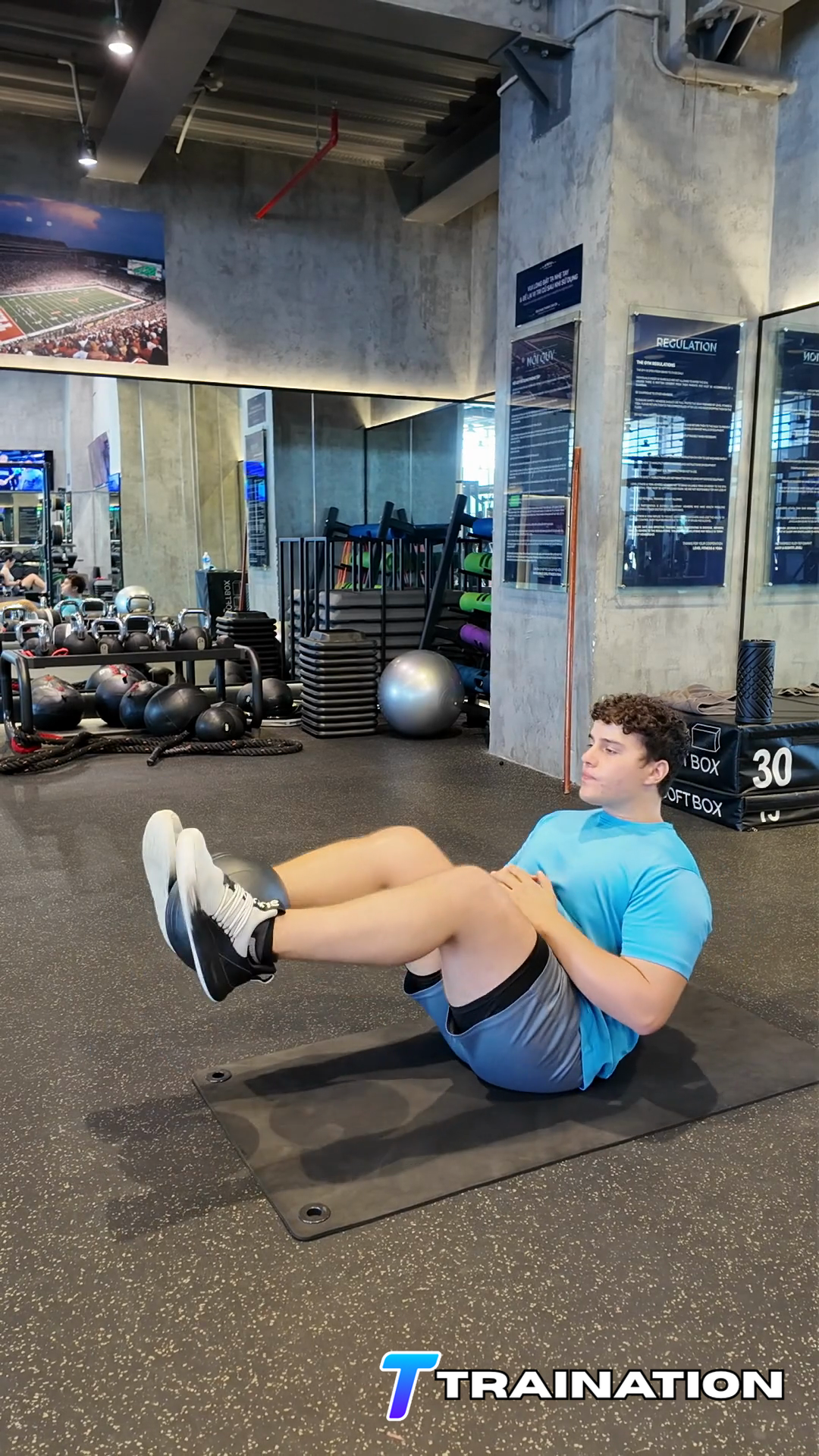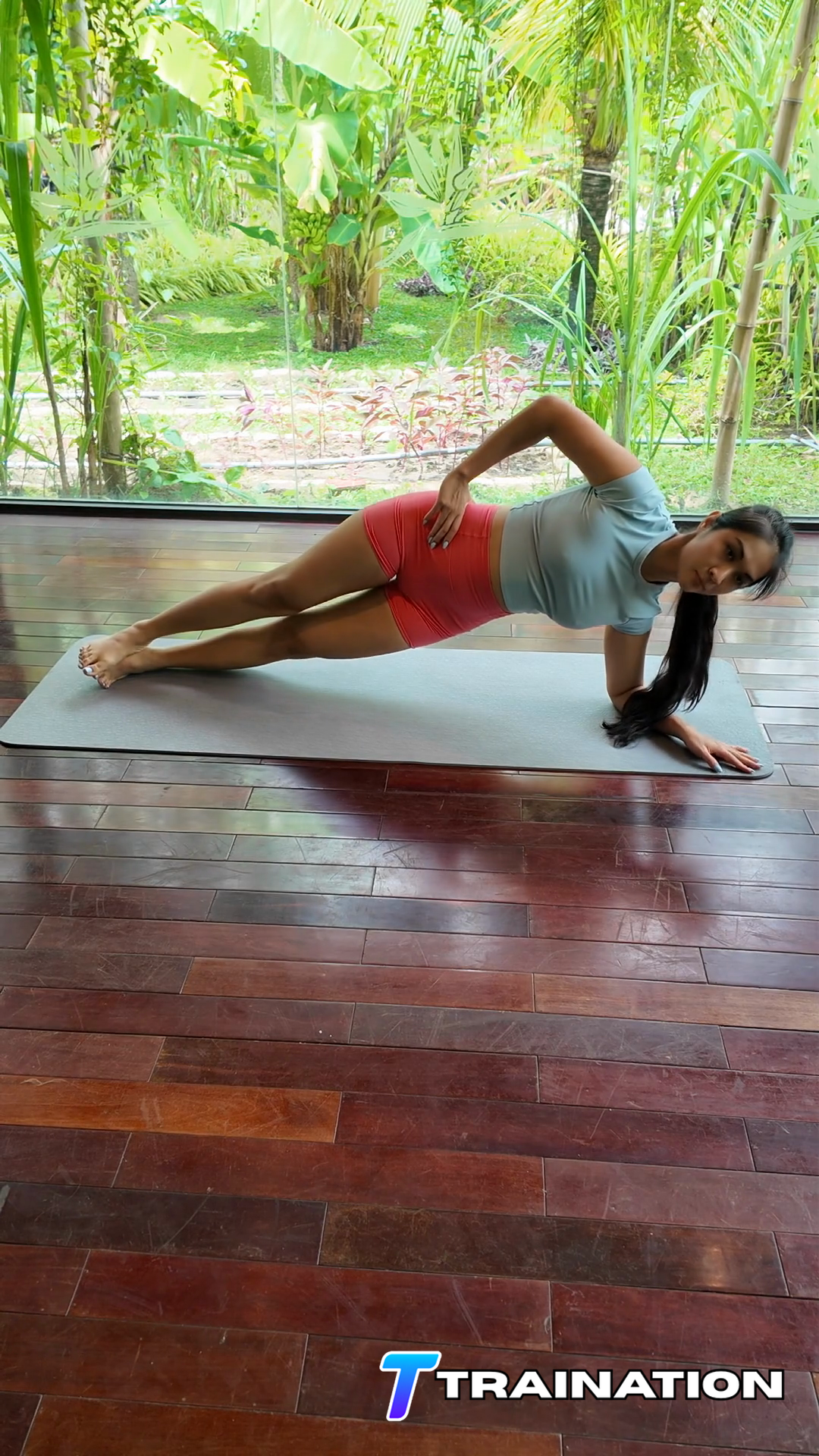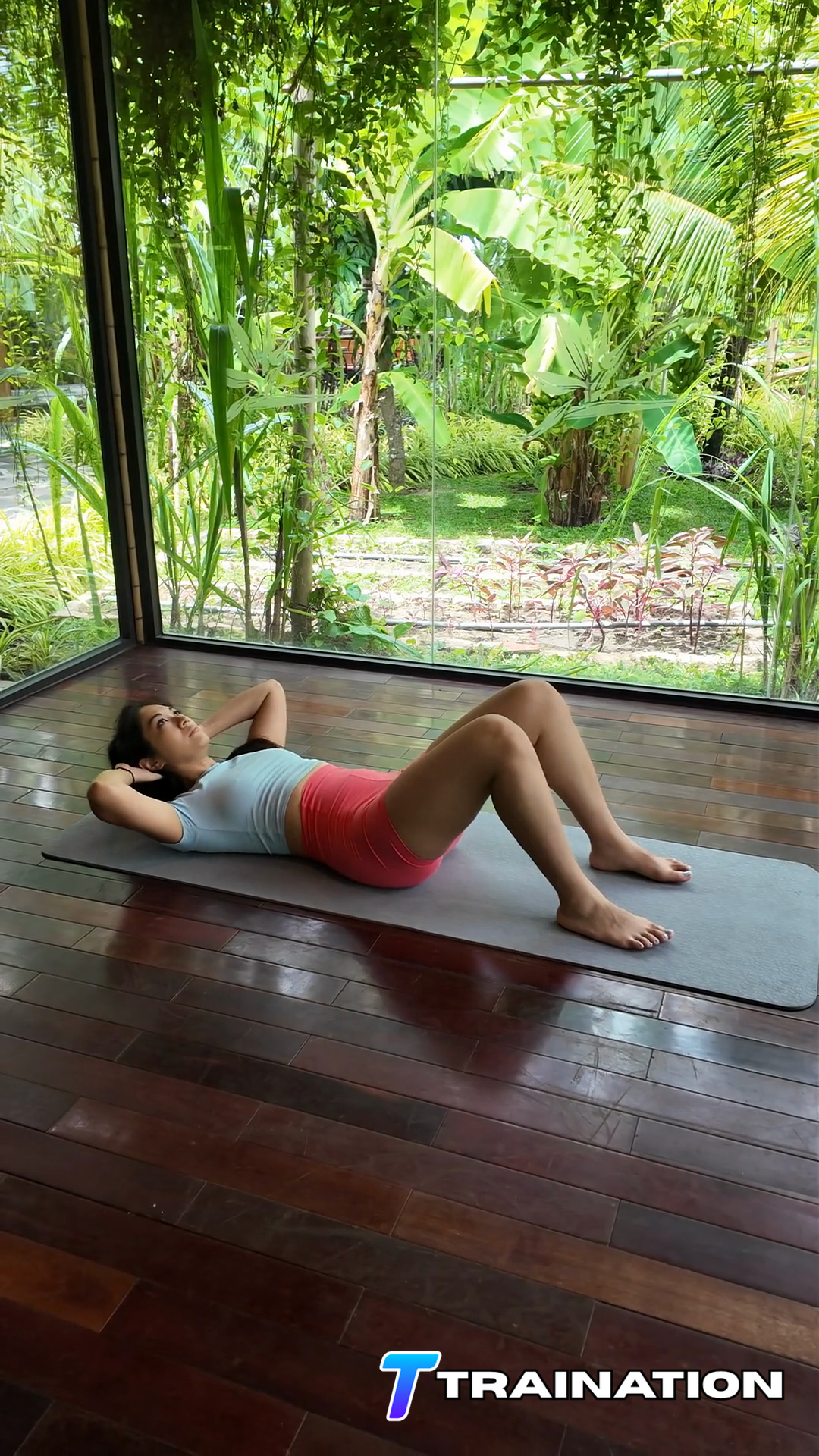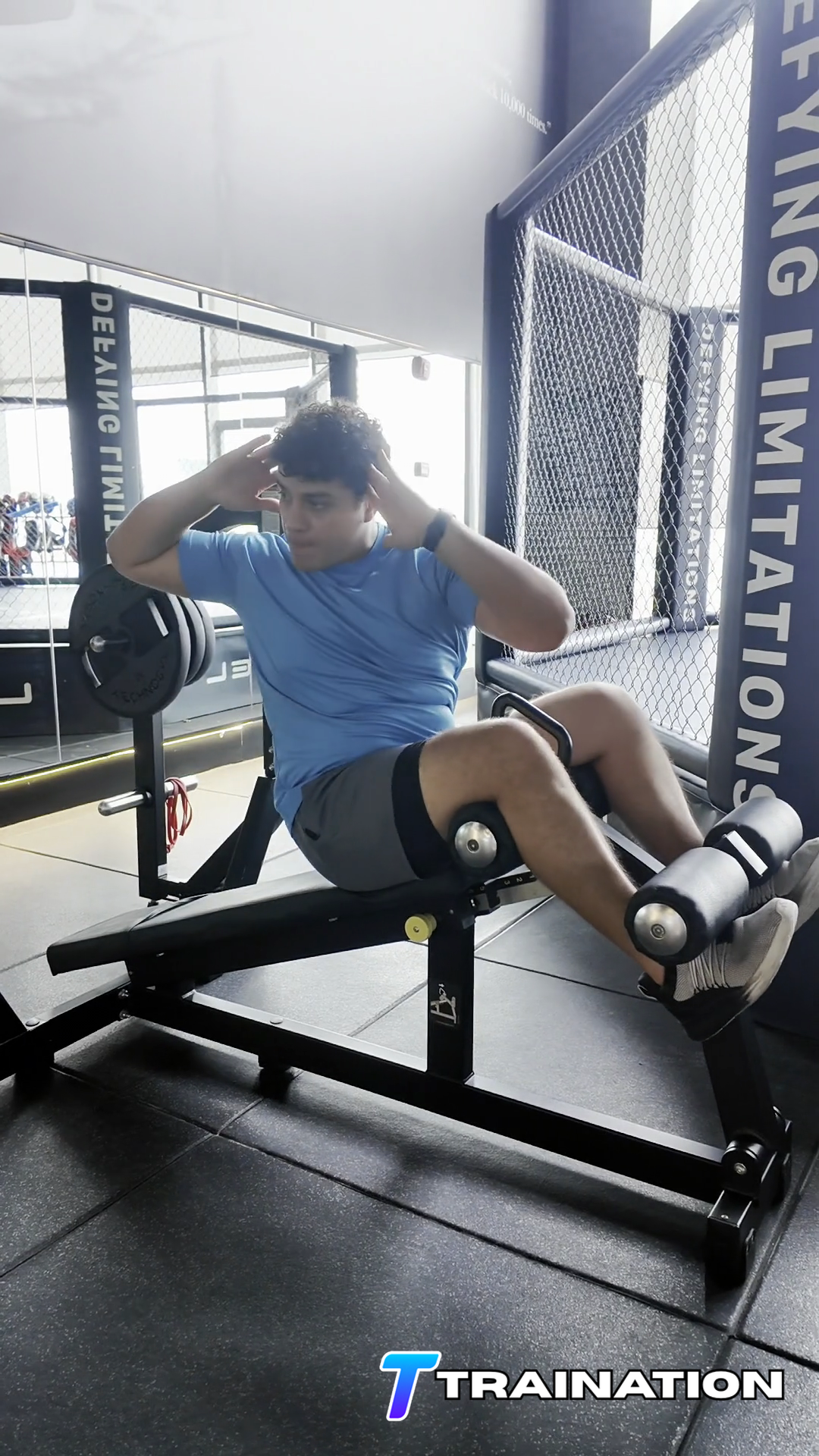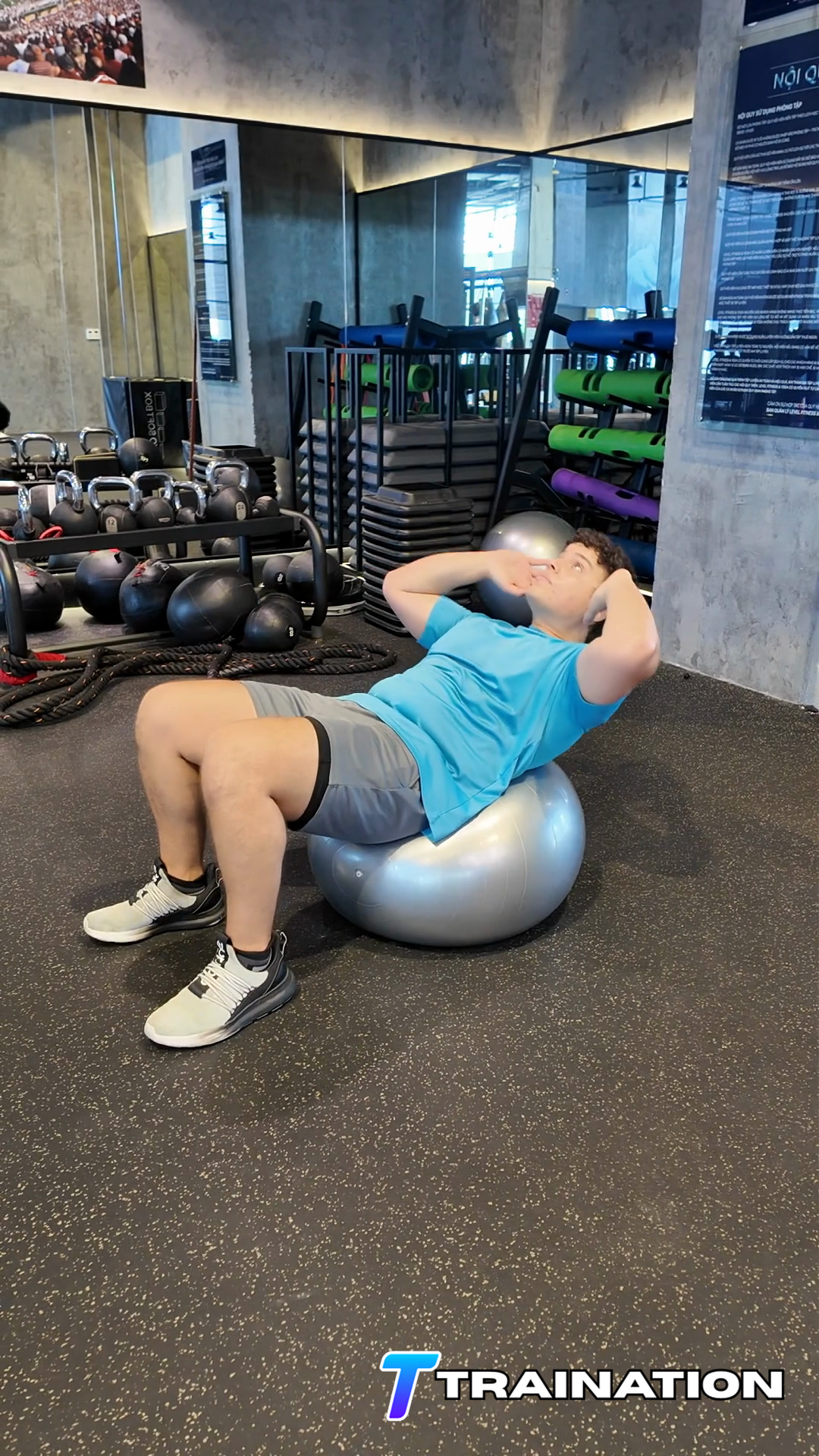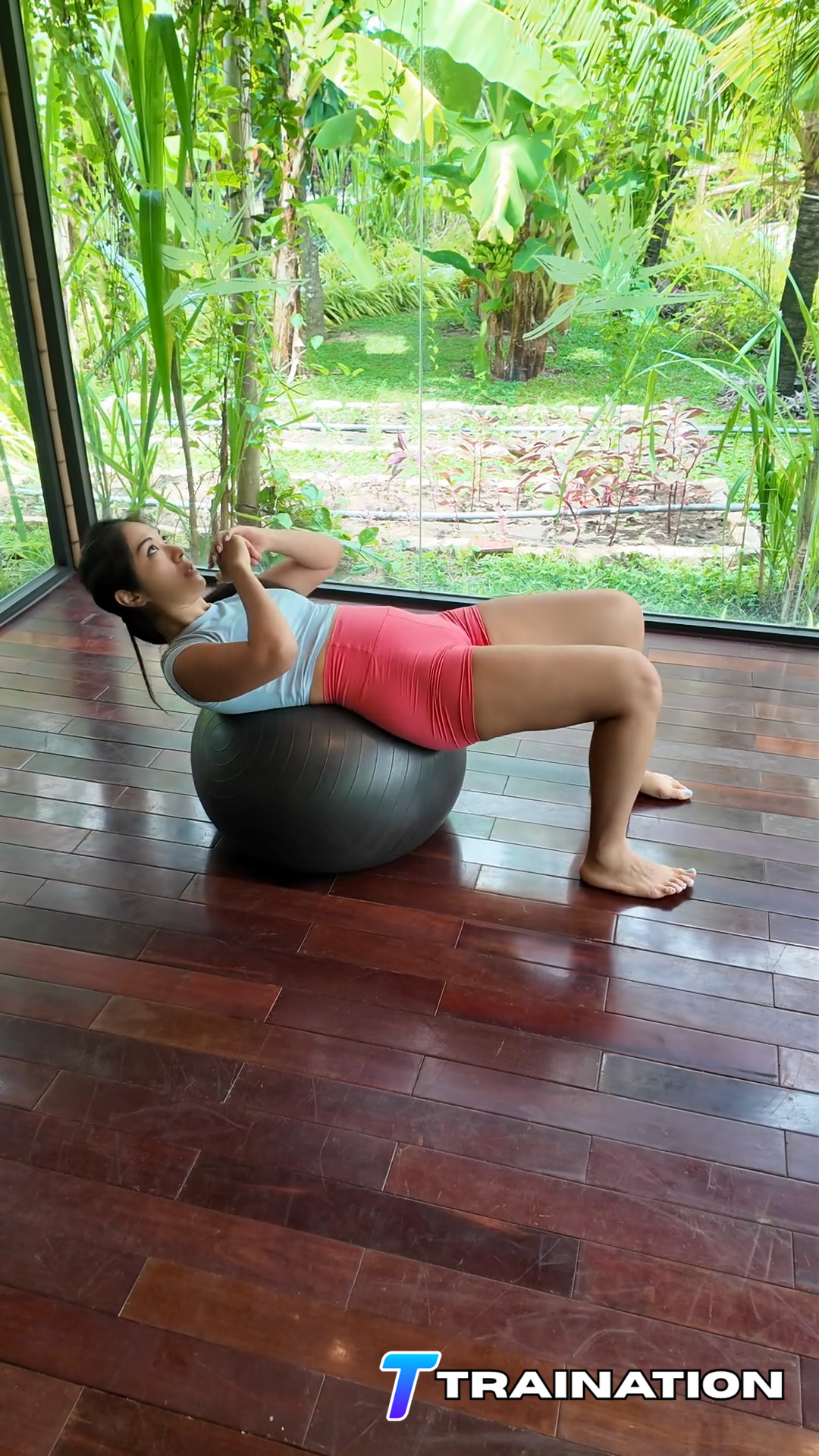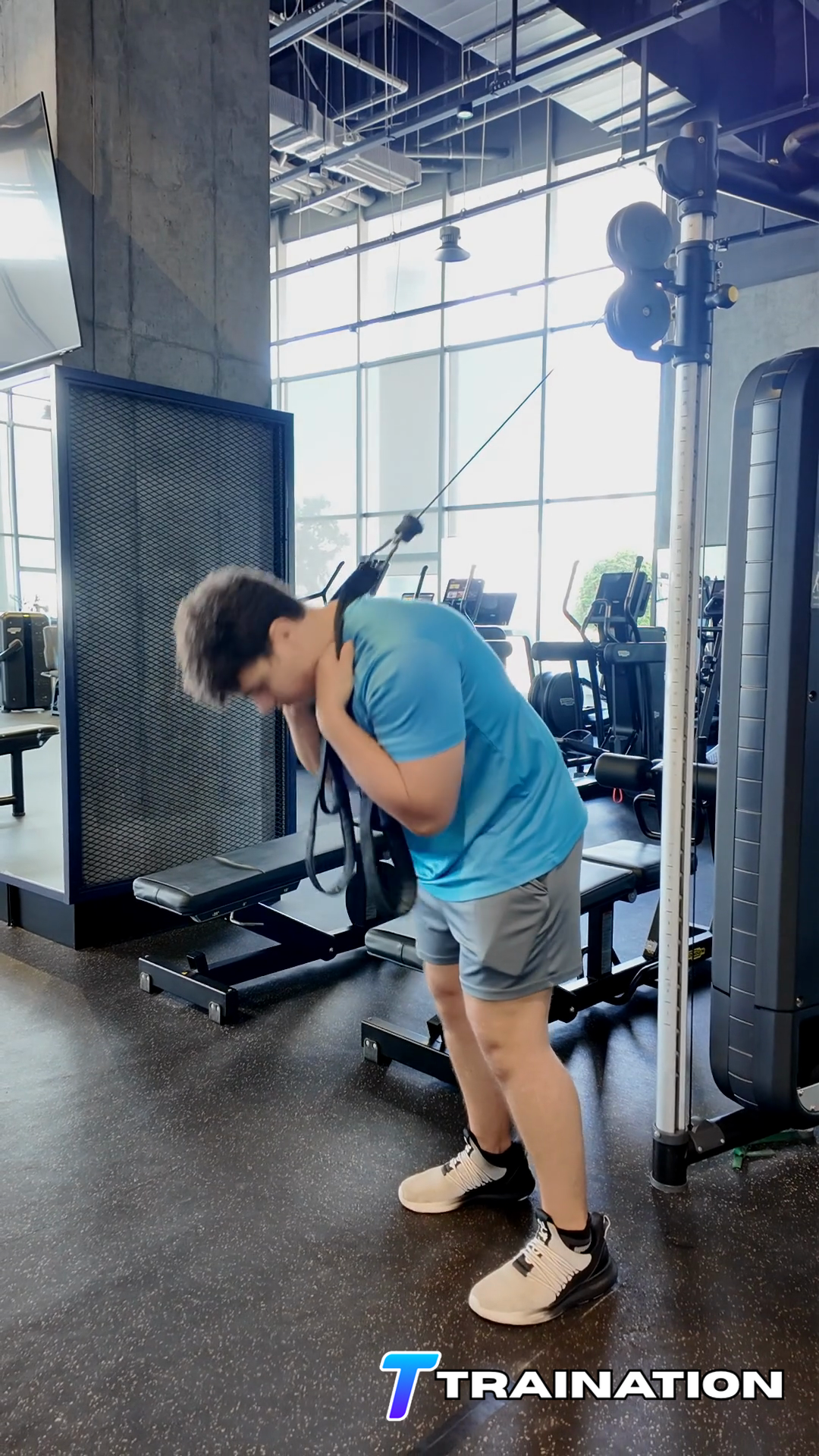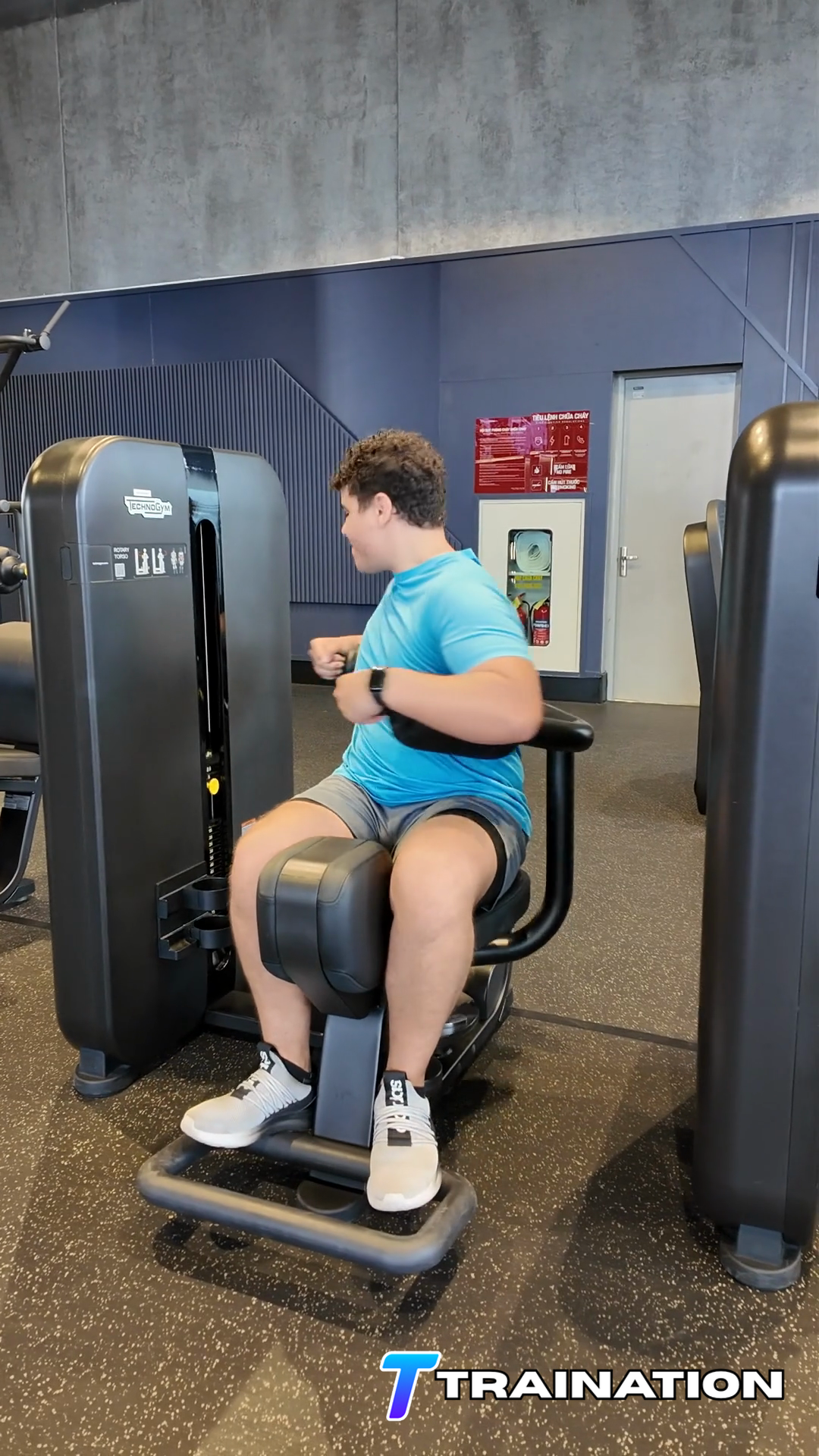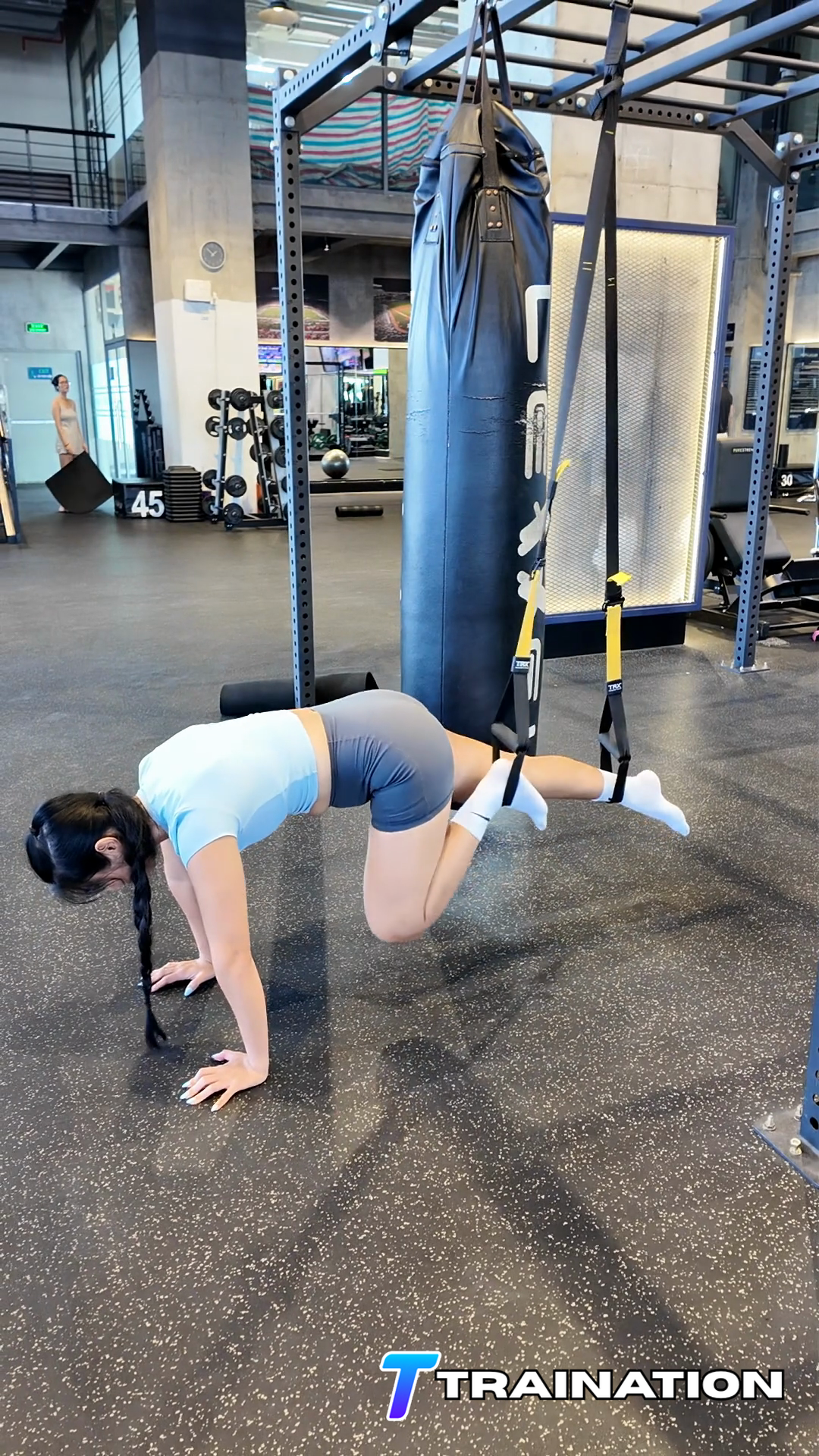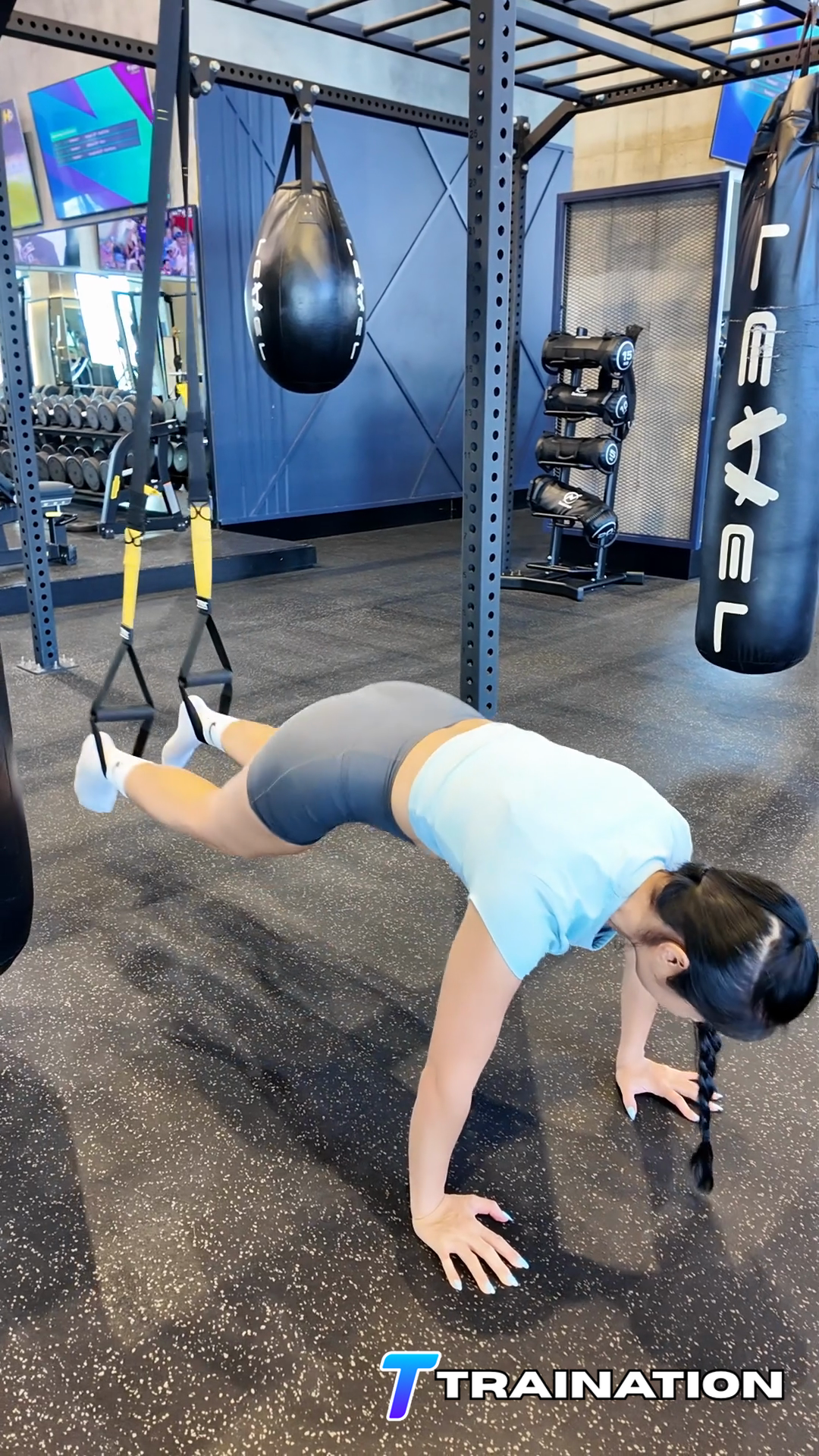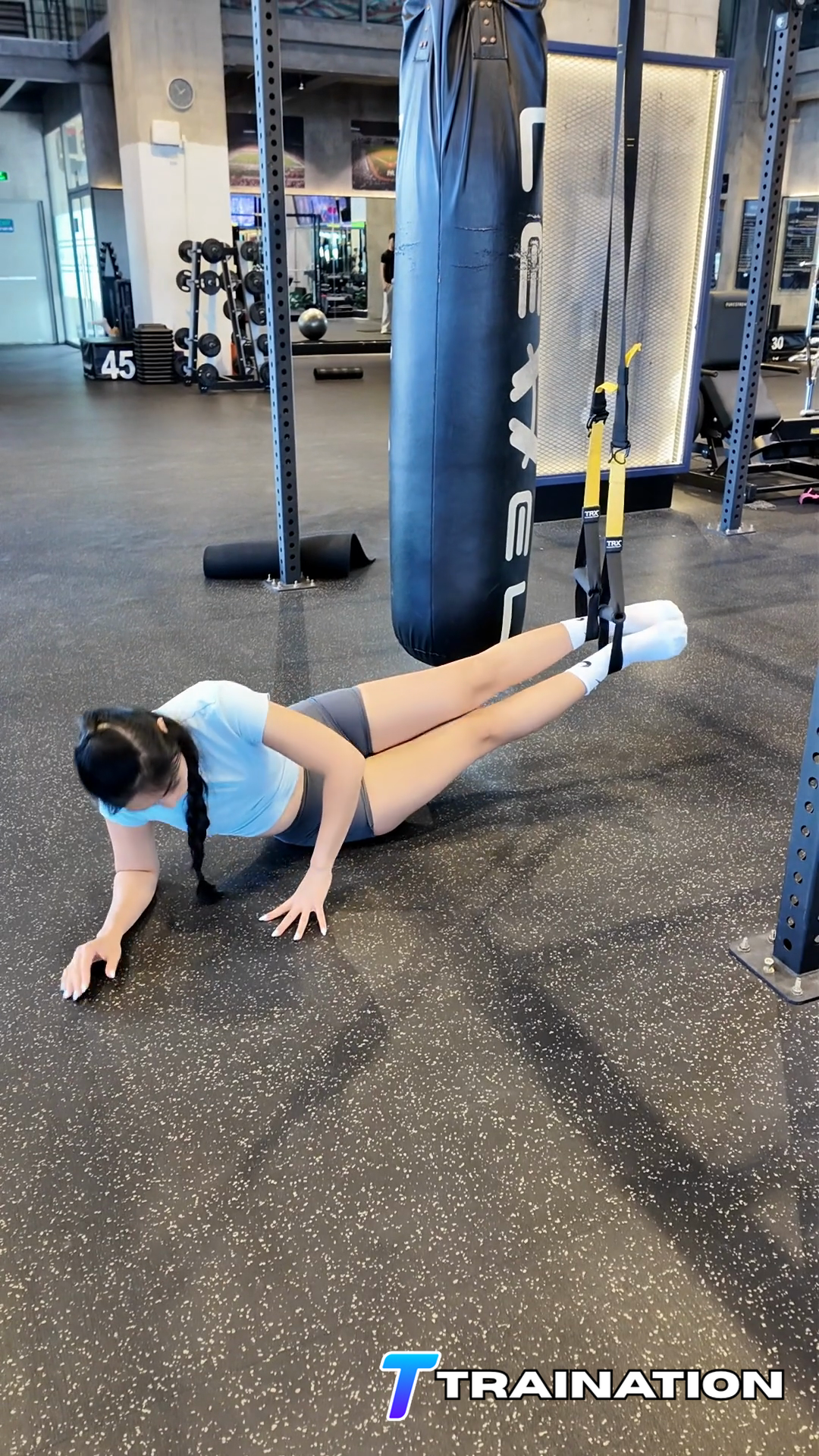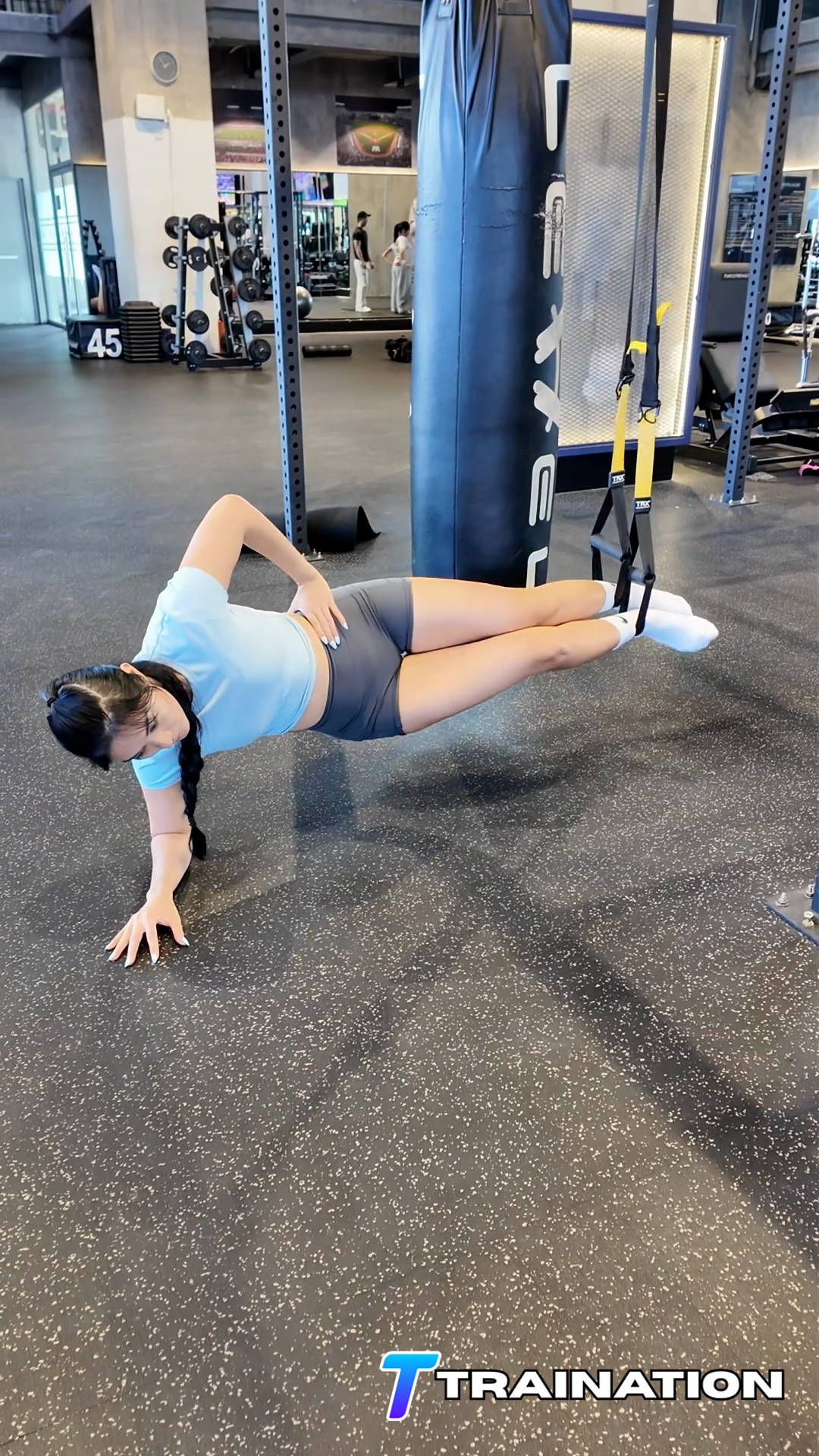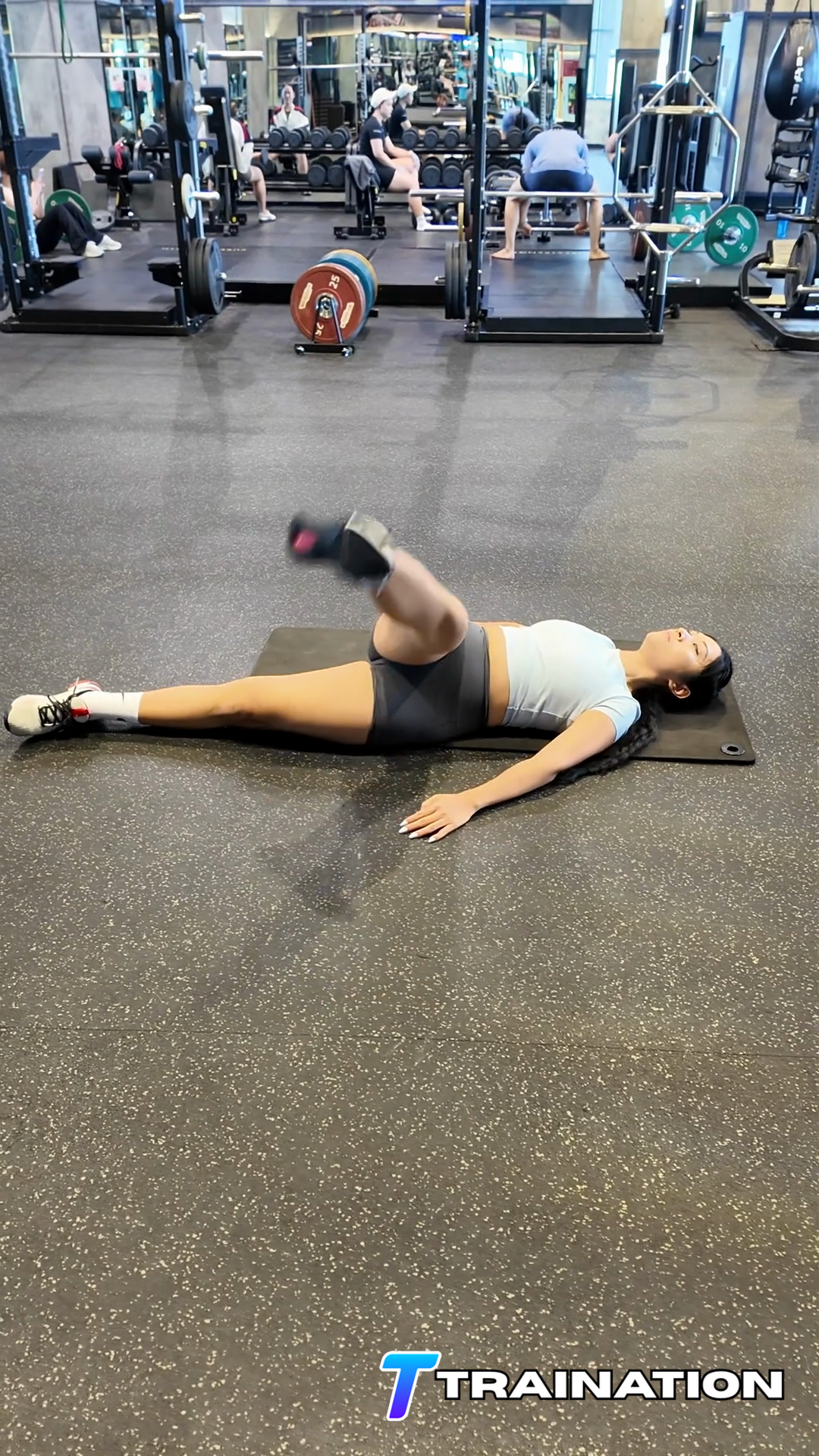
Lower back arching
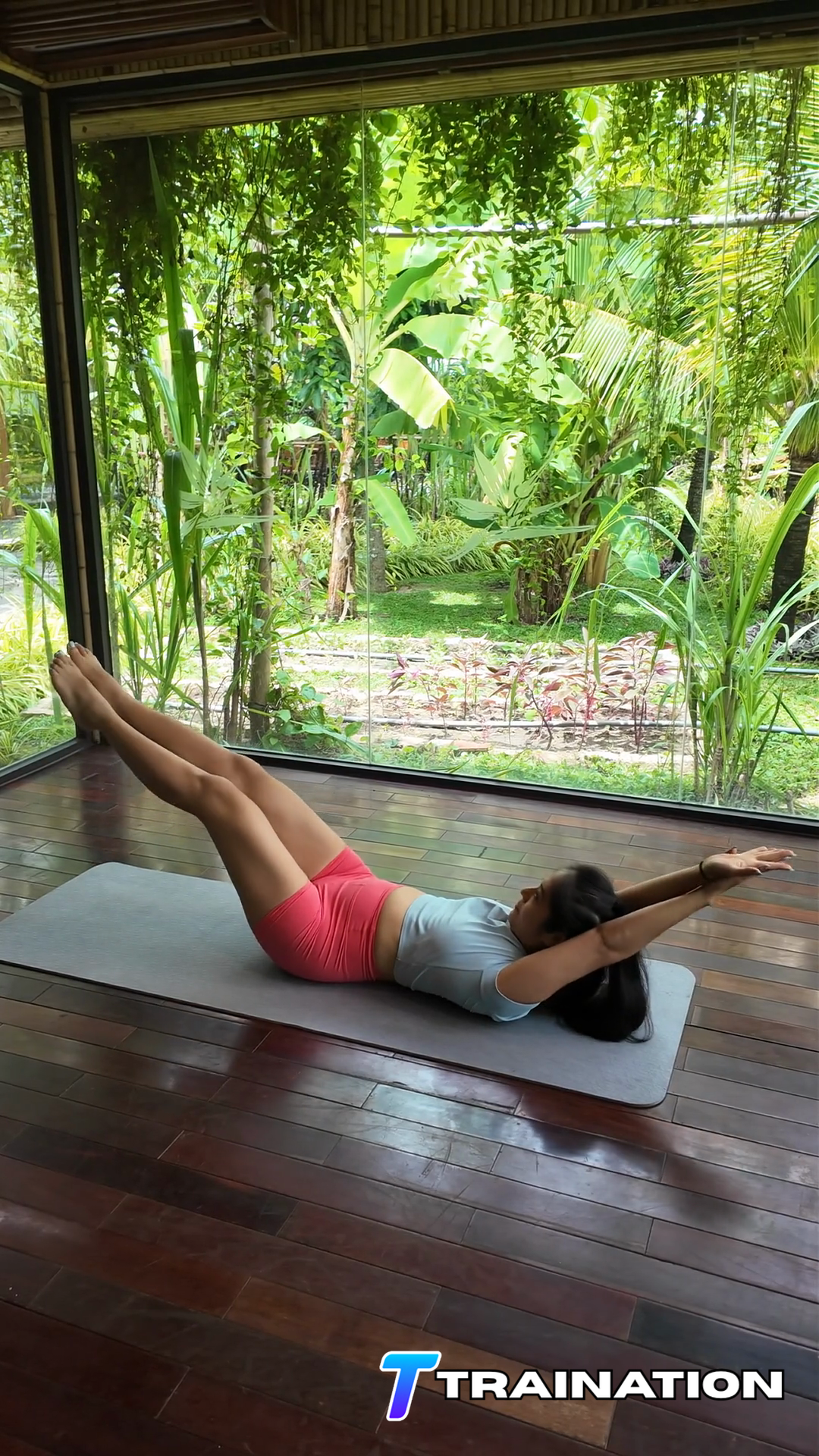
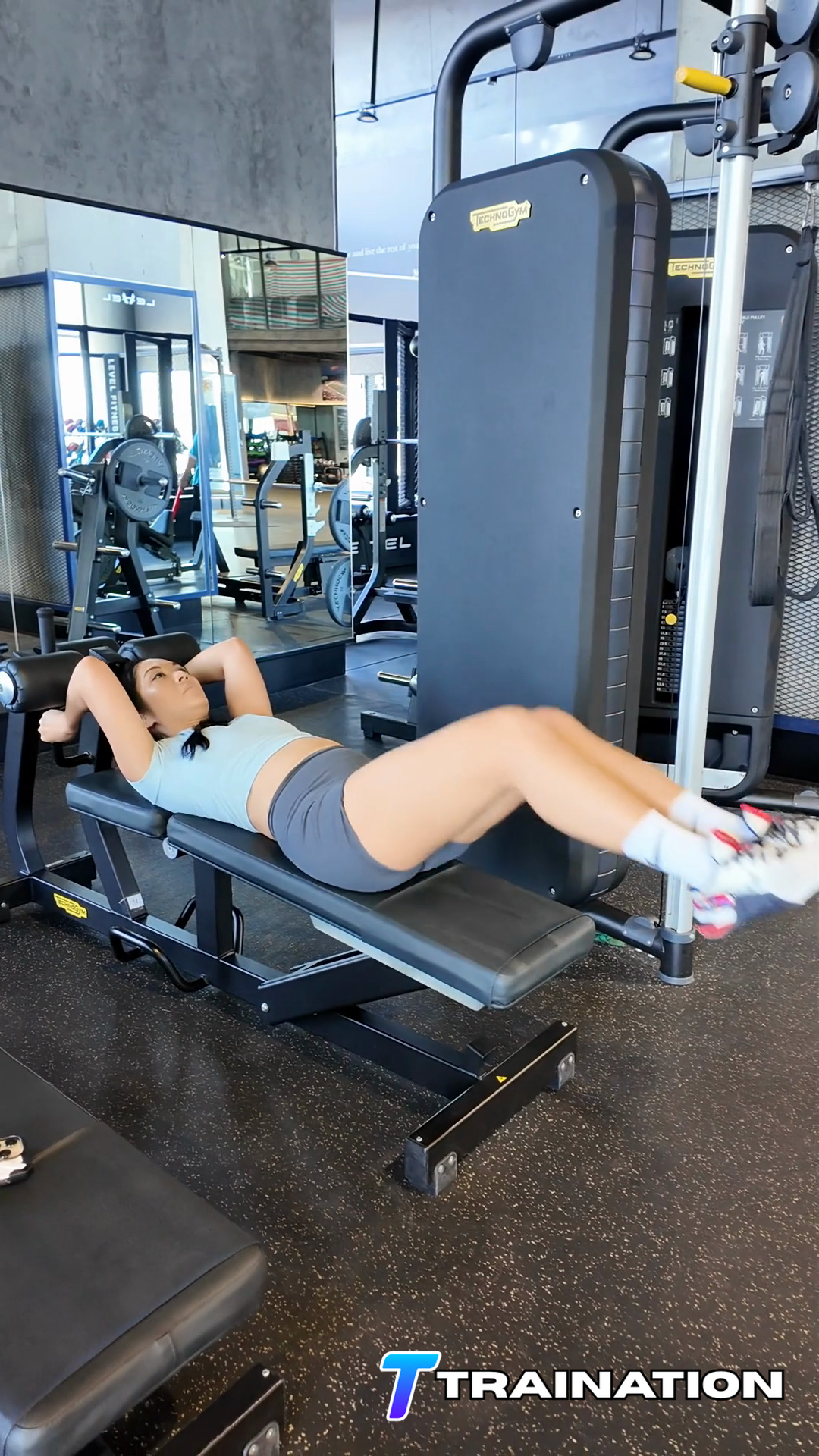
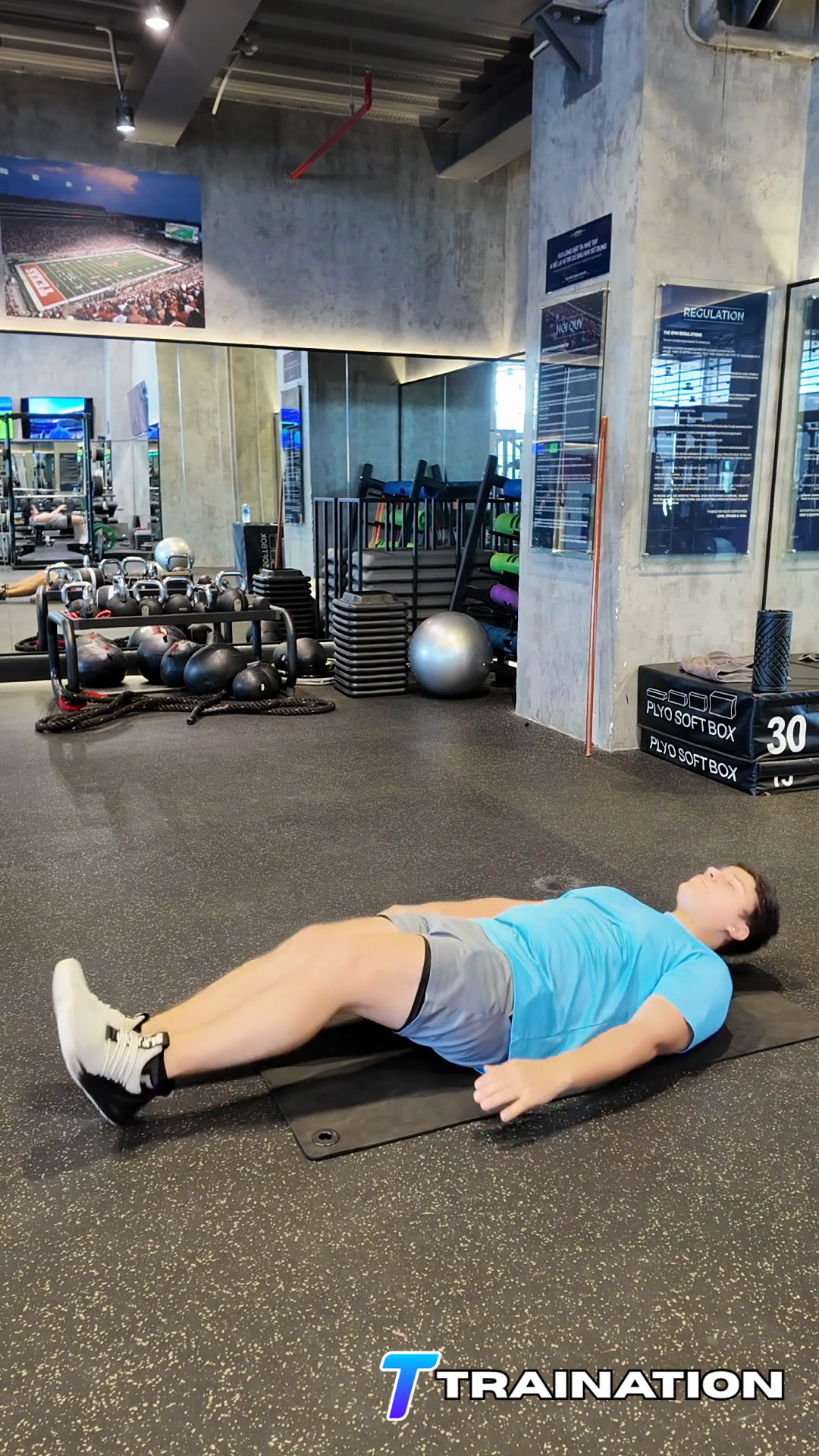
Bend the knees or use a smaller range as soon as the lower back starts to lift or arch.
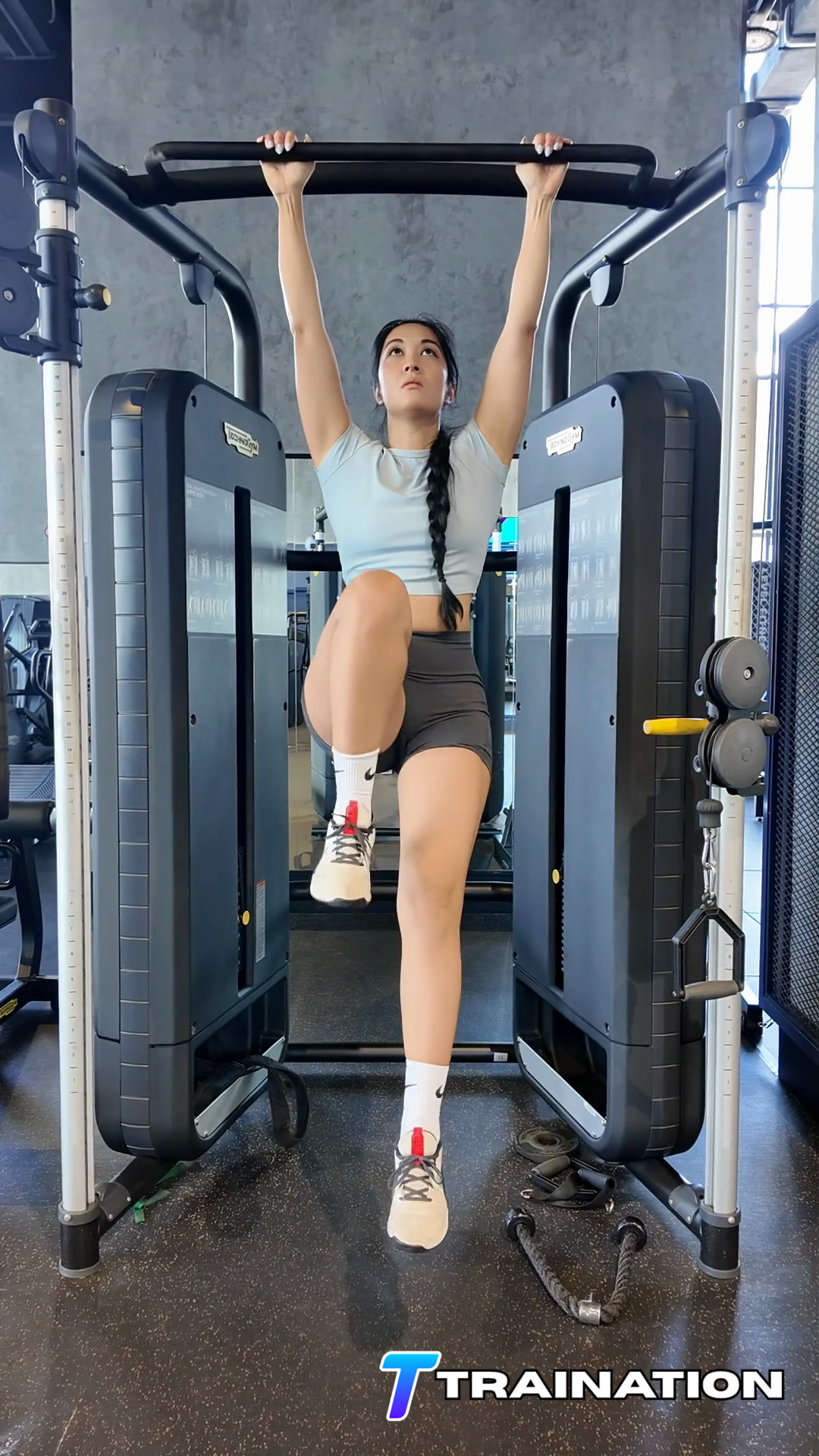
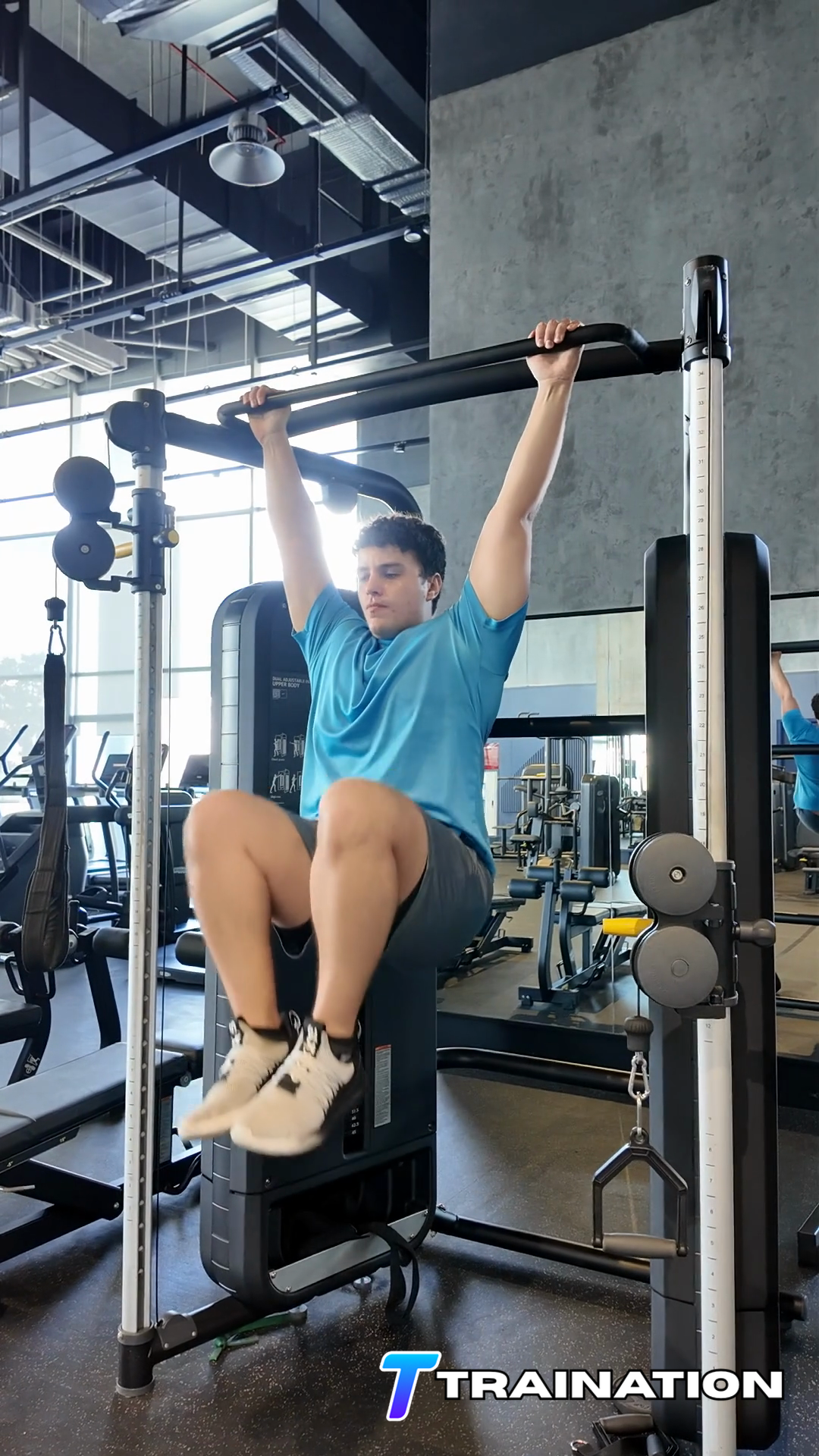
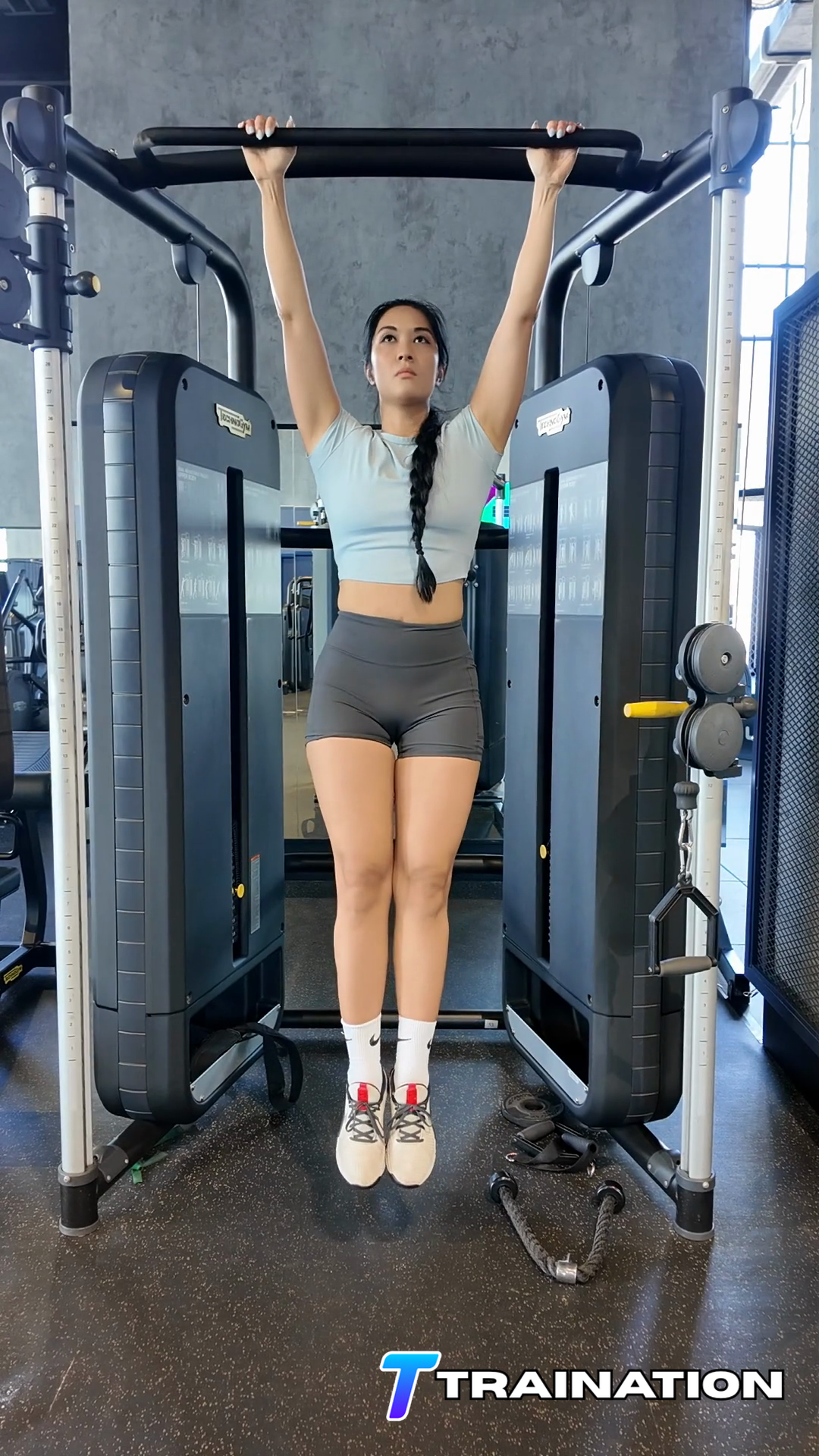
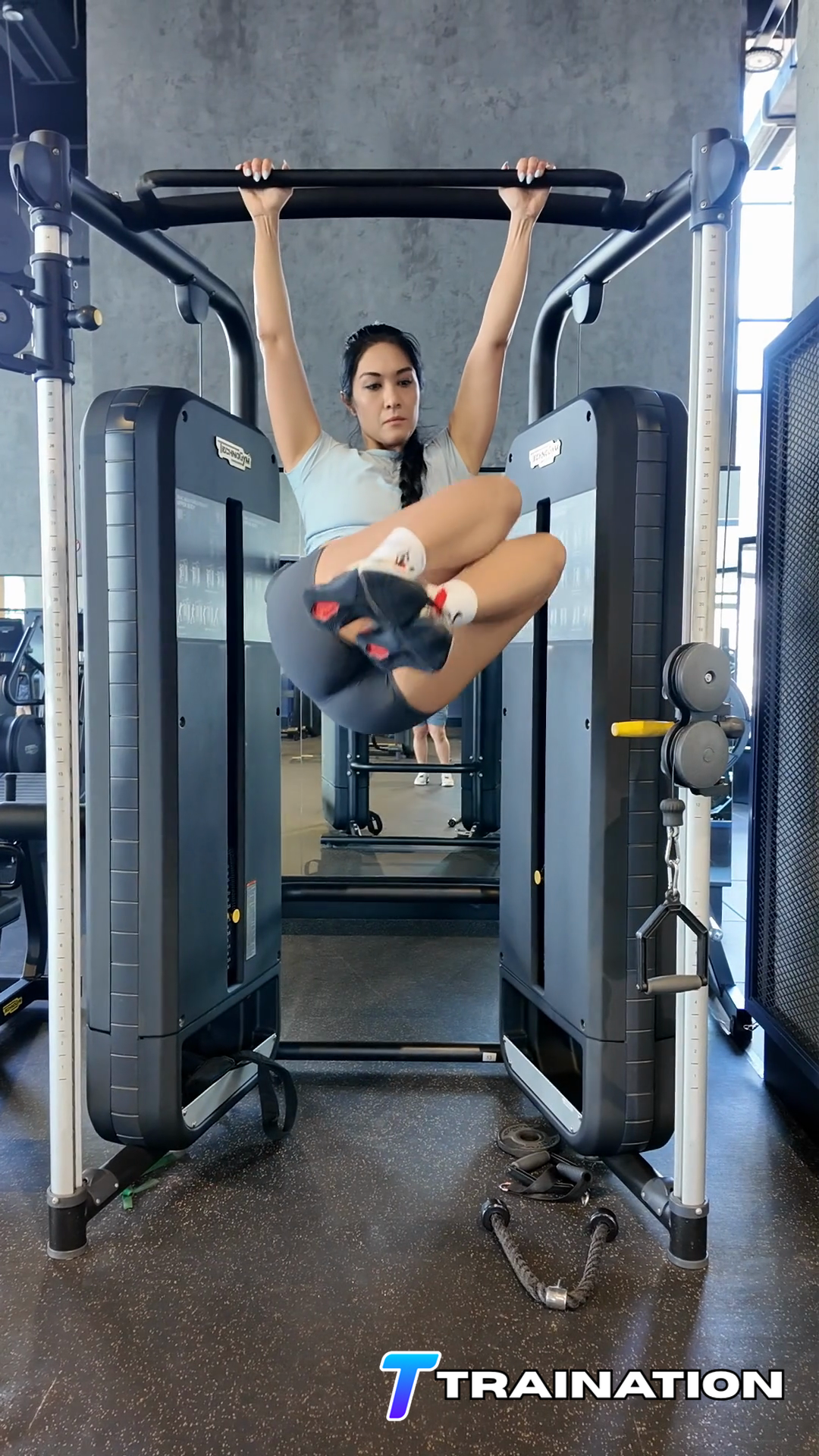
Hanging Oblique Knee Raise trains the obliques by curling the knees and pelvis toward one side from a controlled hang.
Primary musclesInternal and external obliques, Transverse abdominis
Secondary musclesRectus abdominis, Iliopsoas, Shoulders
Follow the sequence in order, paying attention to the starting position, movement path, and finish described in each step.
Hang from the bar with a secure grip, active shoulders, straight arms, and legs still.
Brace the abdomen and begin a small posterior pelvic tilt before bending the knees.
Raise both knees toward one side of the rib cage by curling and turning the pelvis rather than swinging the legs.
Pause briefly with the obliques shortened while the shoulders stay level.
Lower to a controlled hang without swinging, then alternate sides or complete equal repetitions on each side.
Bend the knees or use a smaller range as soon as the lower back starts to lift or arch.
Pause between repetitions and initiate with the abdominals instead of momentum.
Keep a firm grip and the shoulders active instead of sinking passively beneath the bar.
Lower the legs slowly. The lowering part of the repetition still trains the muscles.
Place Hanging Oblique Knee Raise after the main compound lifts, in a focused core block, or beside an exercise that does not require a fresh trunk.
Use two to four times per week while accounting for trunk work already supplied by squats, hinges, carries, and overhead lifting.
| Goal | Sets | Reps or time | Rest | Effort and execution |
|---|---|---|---|---|
| Control / technique | 2–3 | 5–8 reps | 45–75 sec | Stop well before position changes |
| Strength / endurance | 2–4 | 8–15 reps | 60–90 sec | Stop while 1–3 good-form reps are still possible |
Scale the movement
Bend the knees to make the raise easier while keeping the hips and ribs still.
Use the floor to learn alternating leg movement without lower-back extension.
Lengthen the knee only when the same pelvic position can be maintained.
Lower the legs over three to four seconds without swinging or arching.
Turn Hanging Oblique Knee Raise and the rest of your exercise library into repeatable client programs.
Explore the workout builder