Holding your breath
Maintain abdominal tension while taking small, regular breaths.
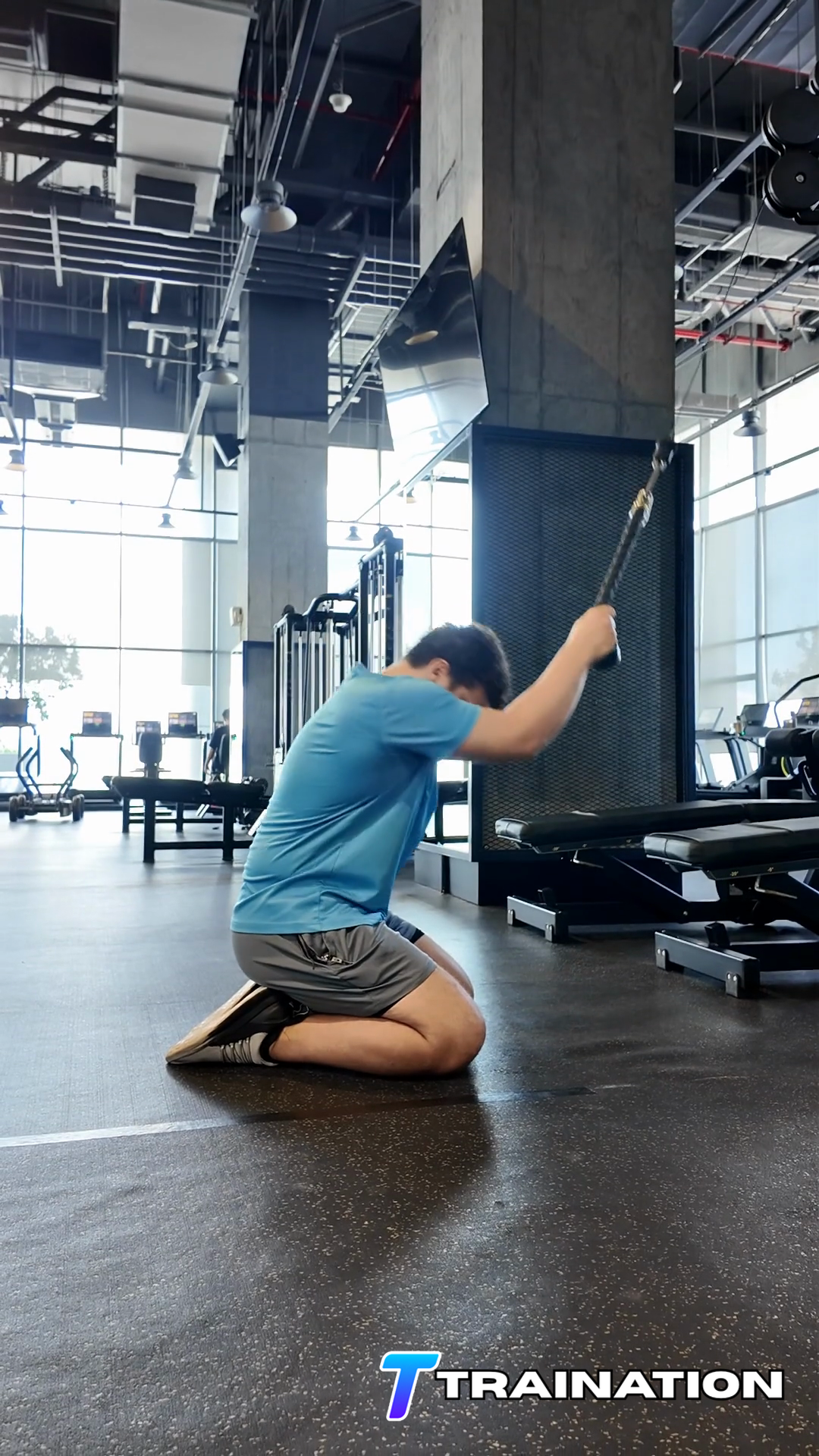
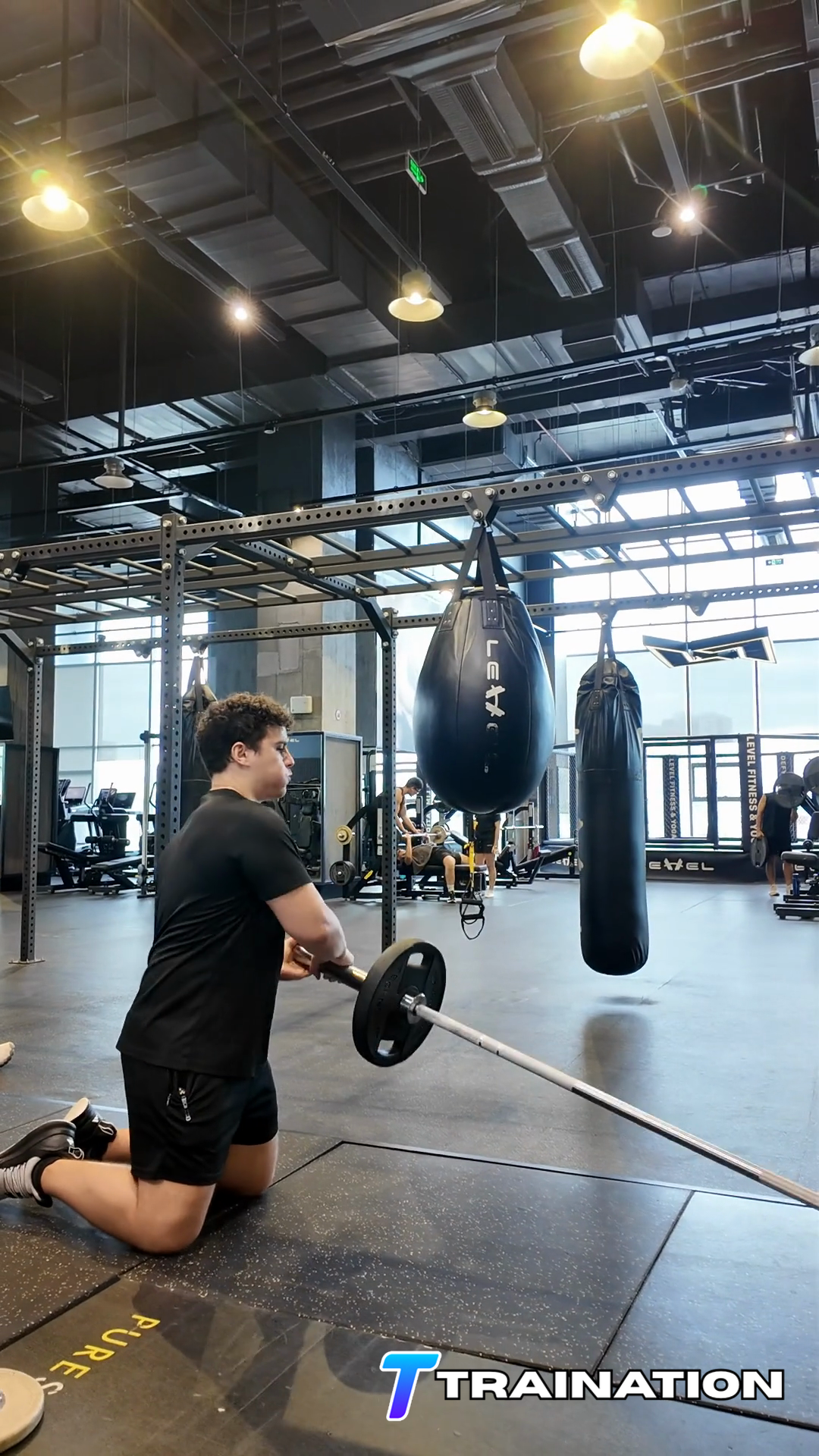
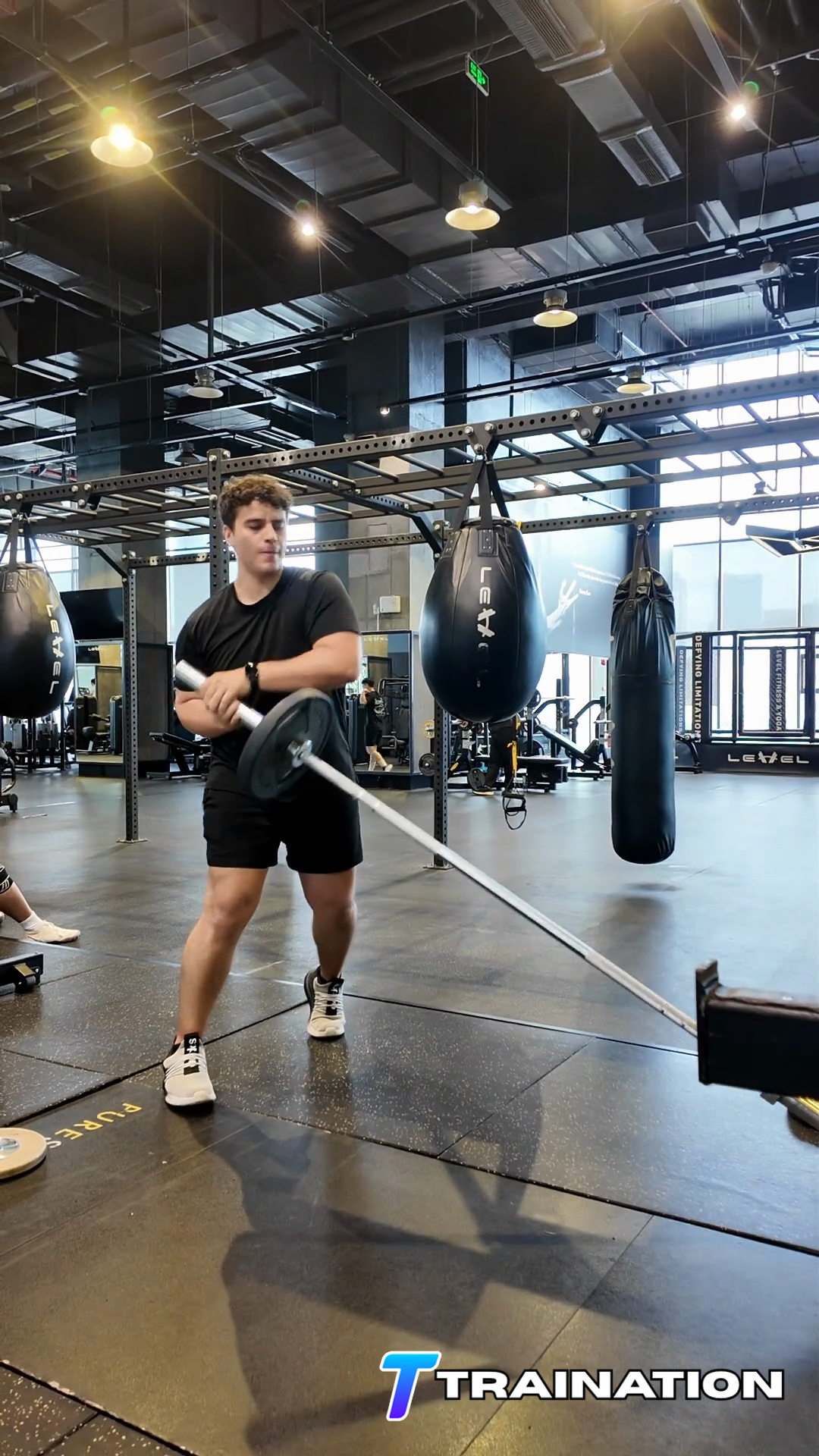
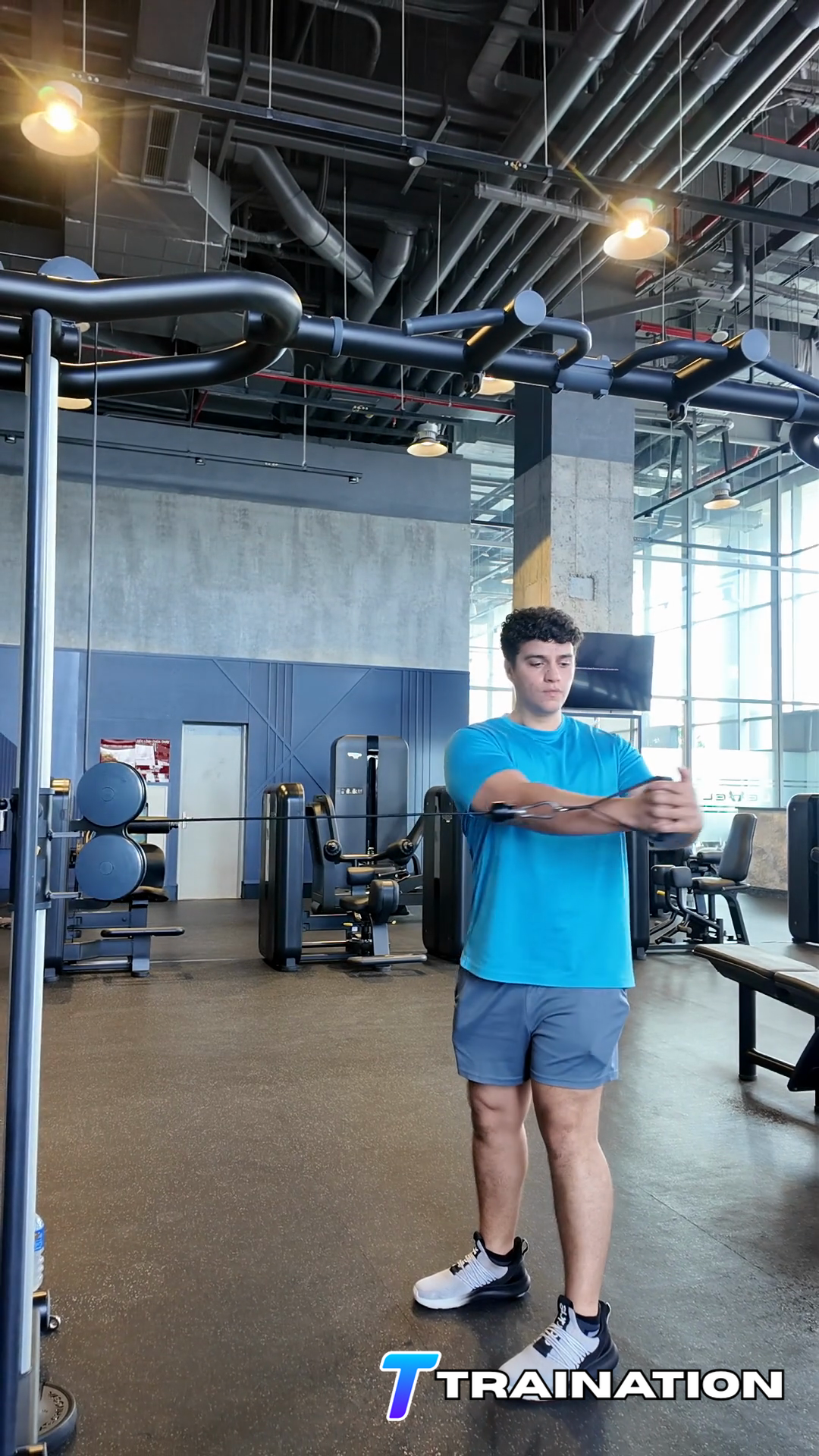
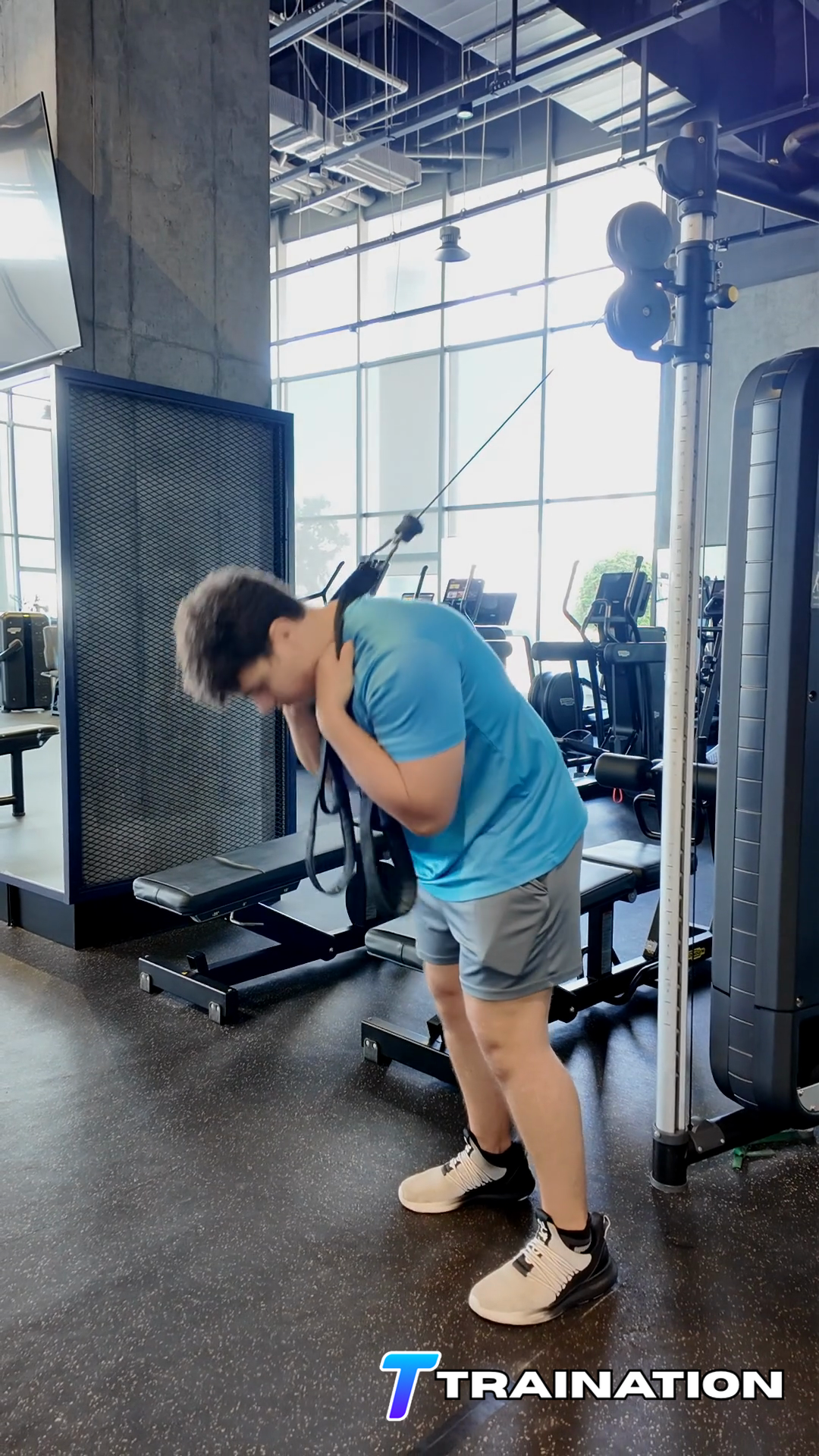
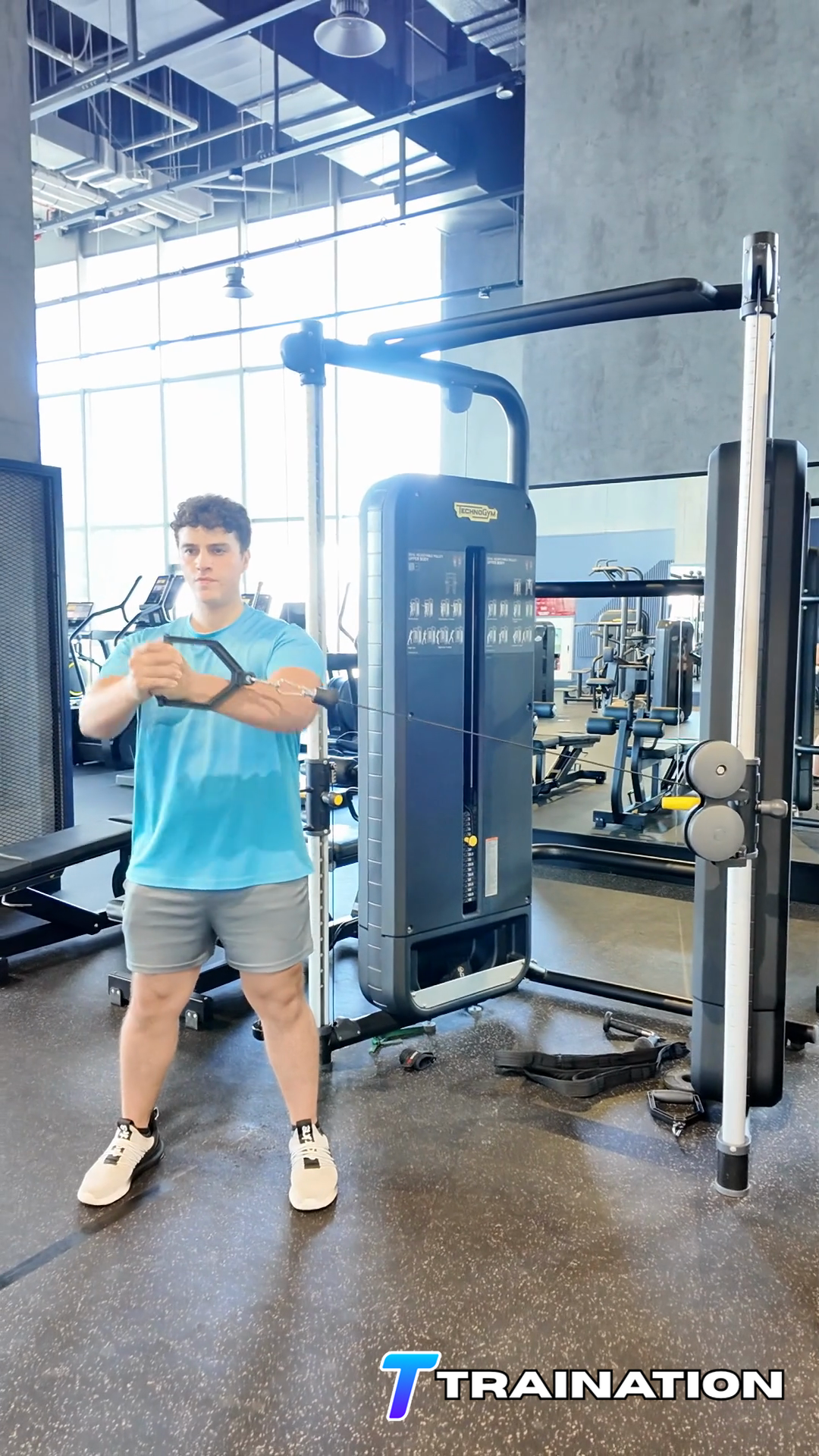
Cable Pallof Press trains the core to keep the body steady while holding a set position.
Primary musclesObliques, Transverse abdominis
Secondary musclesGluteus medius, Quadratus lumborum, Shoulders
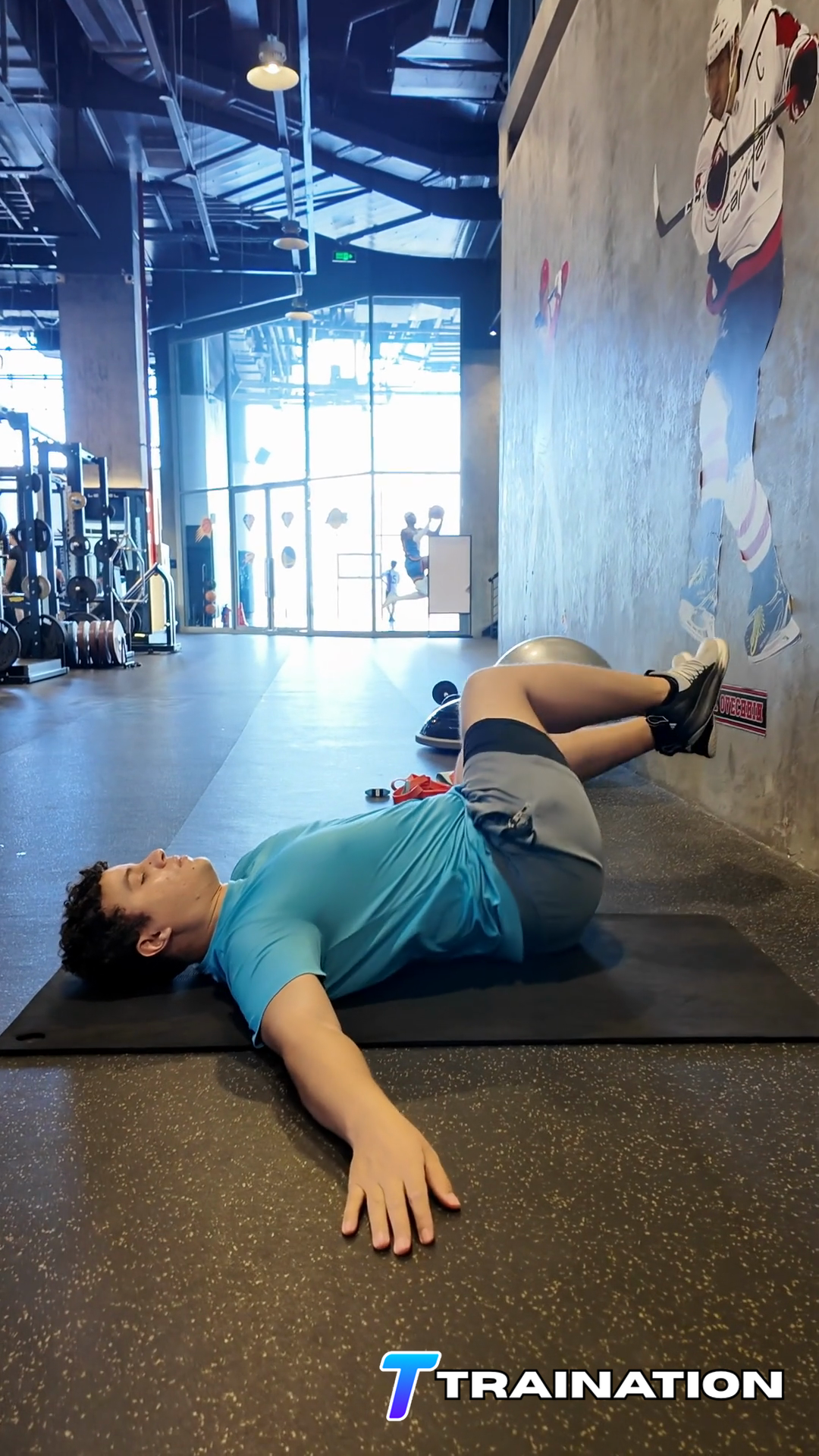
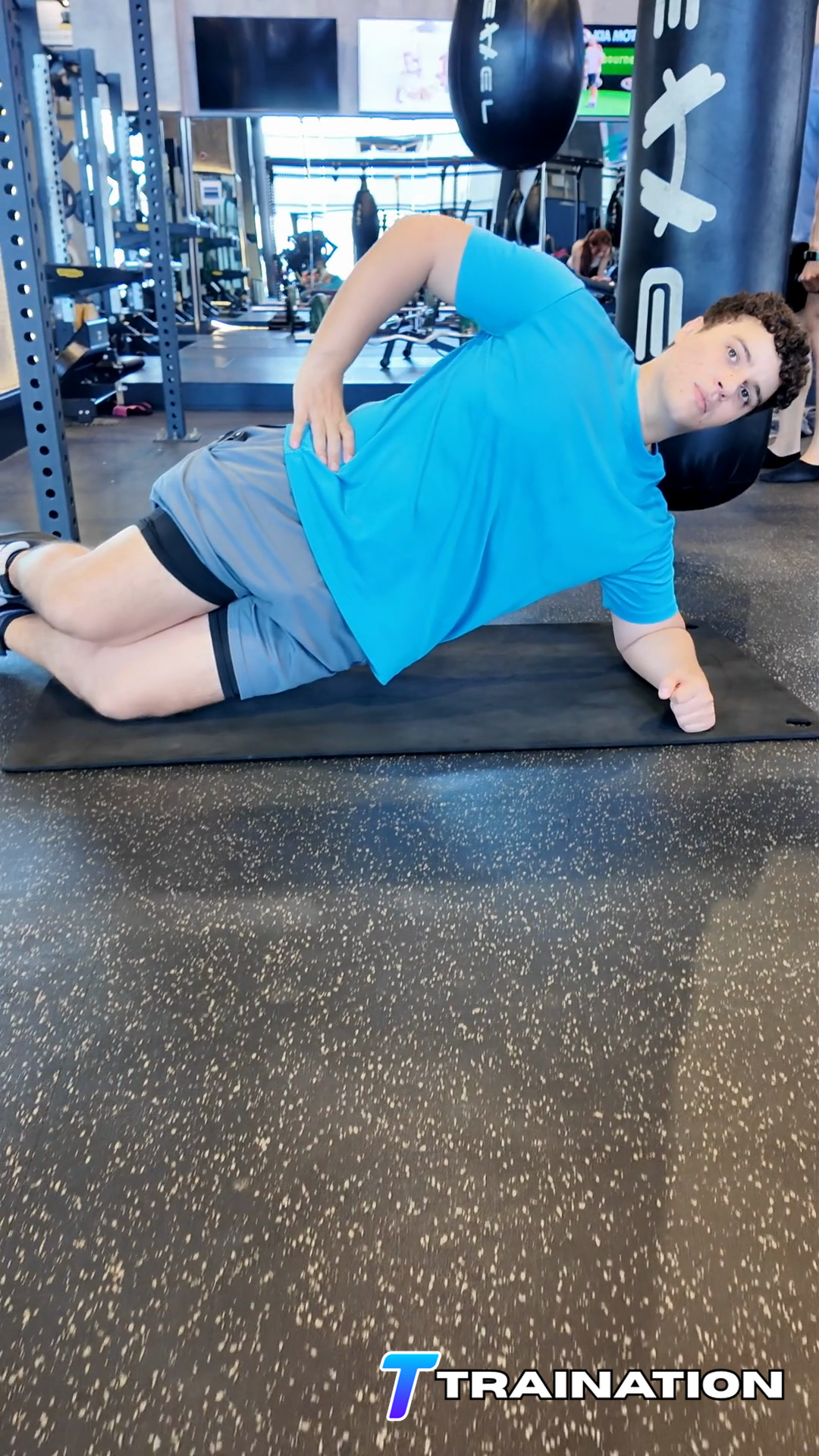
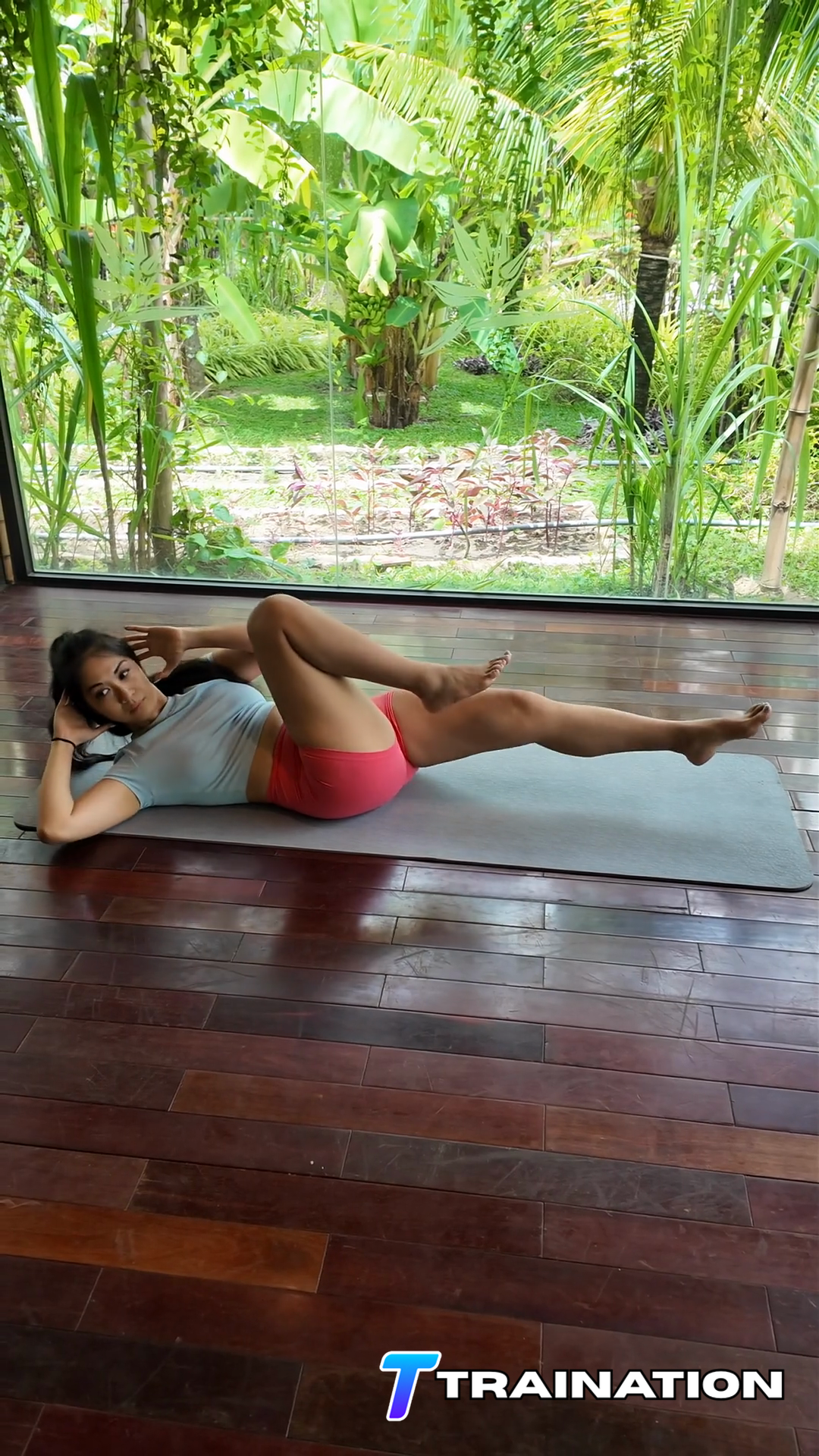
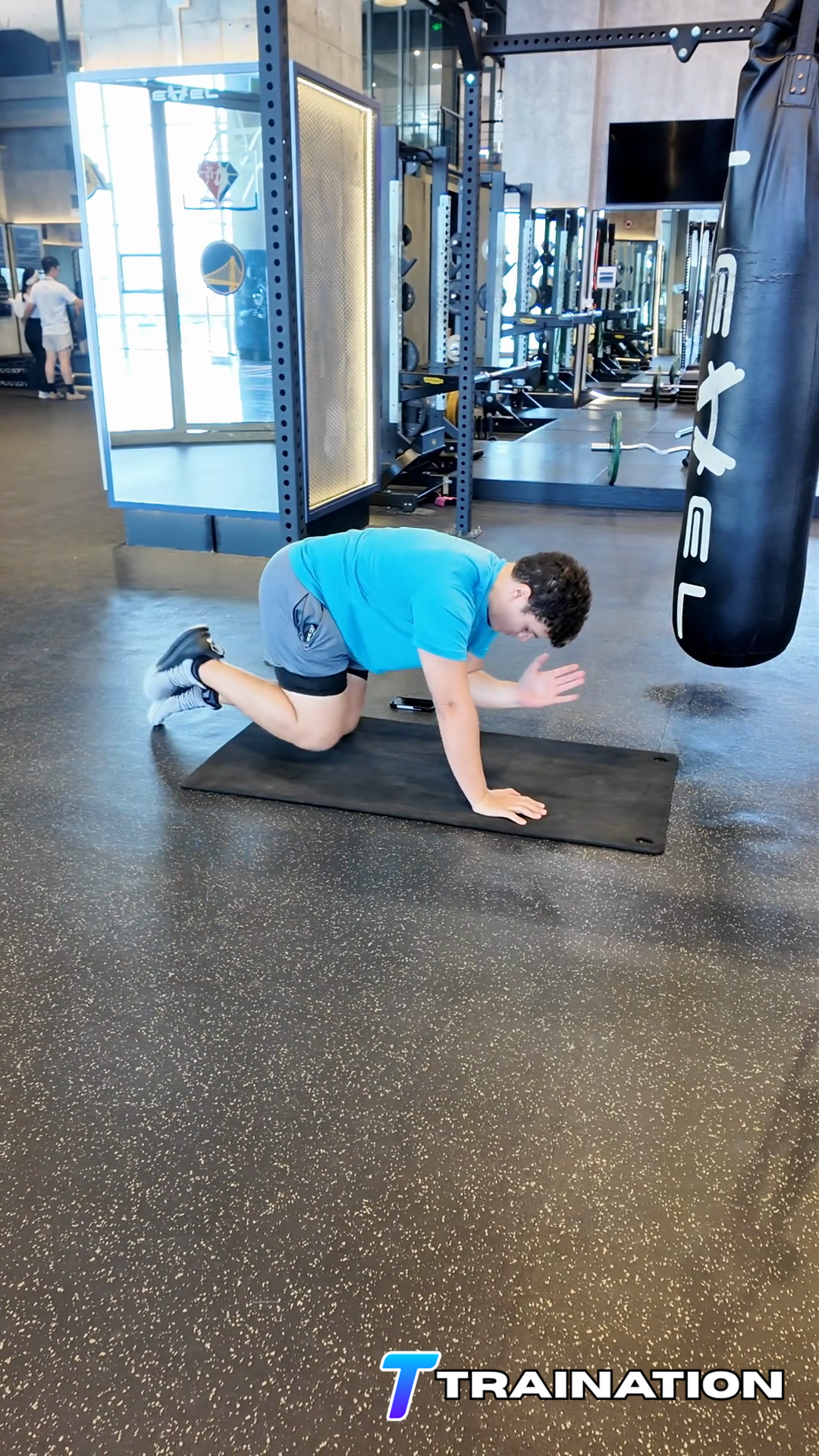
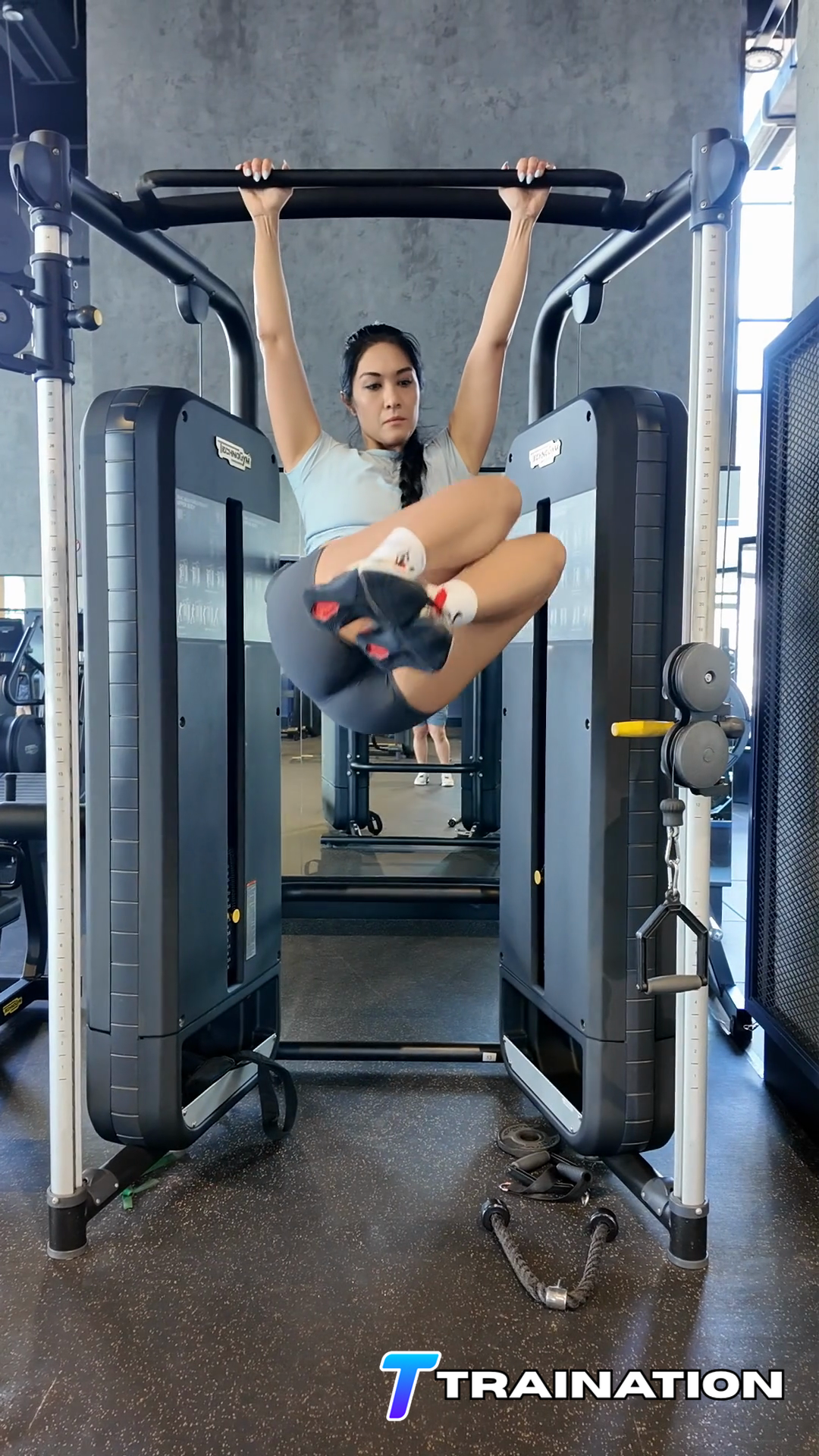
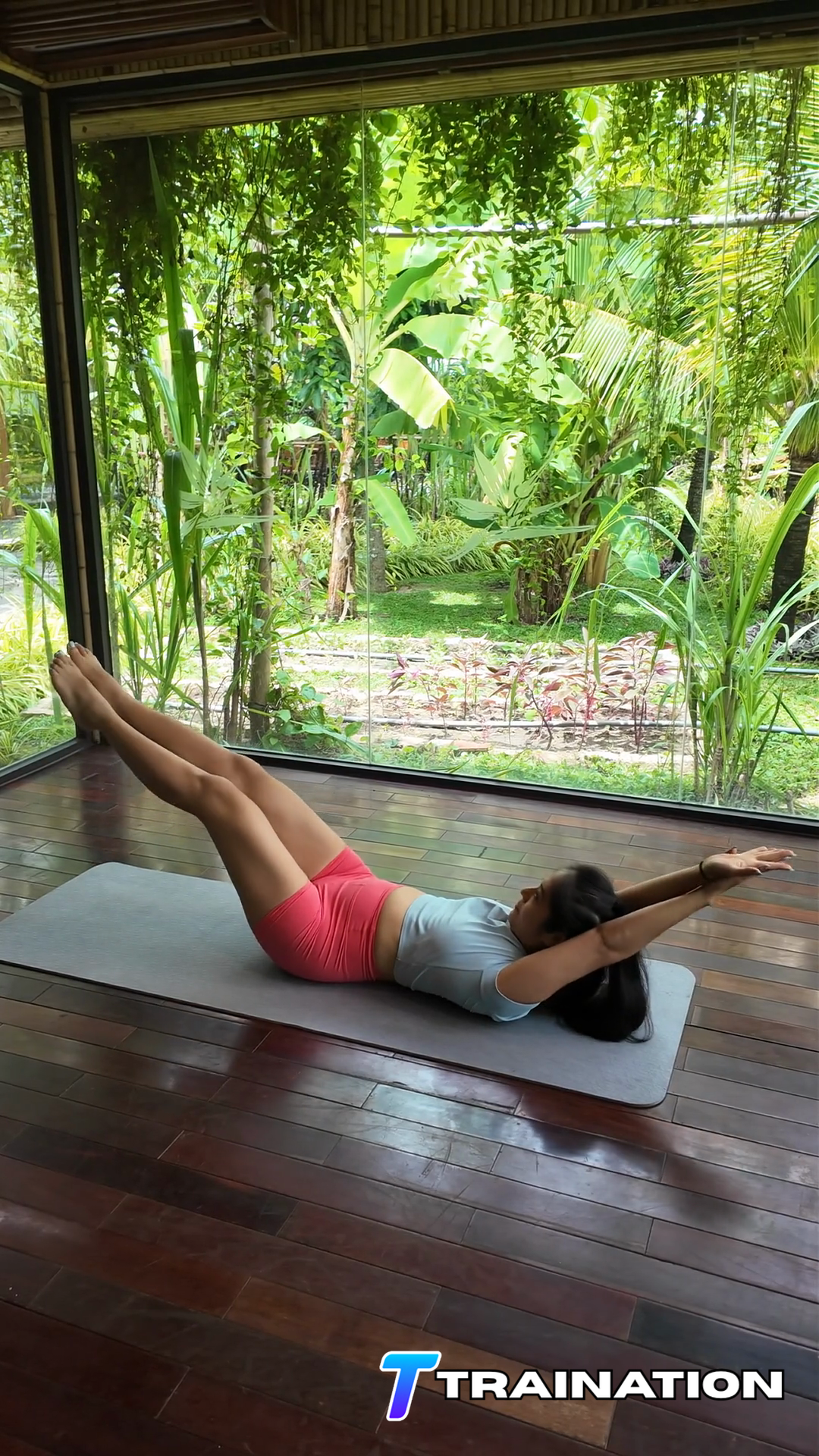
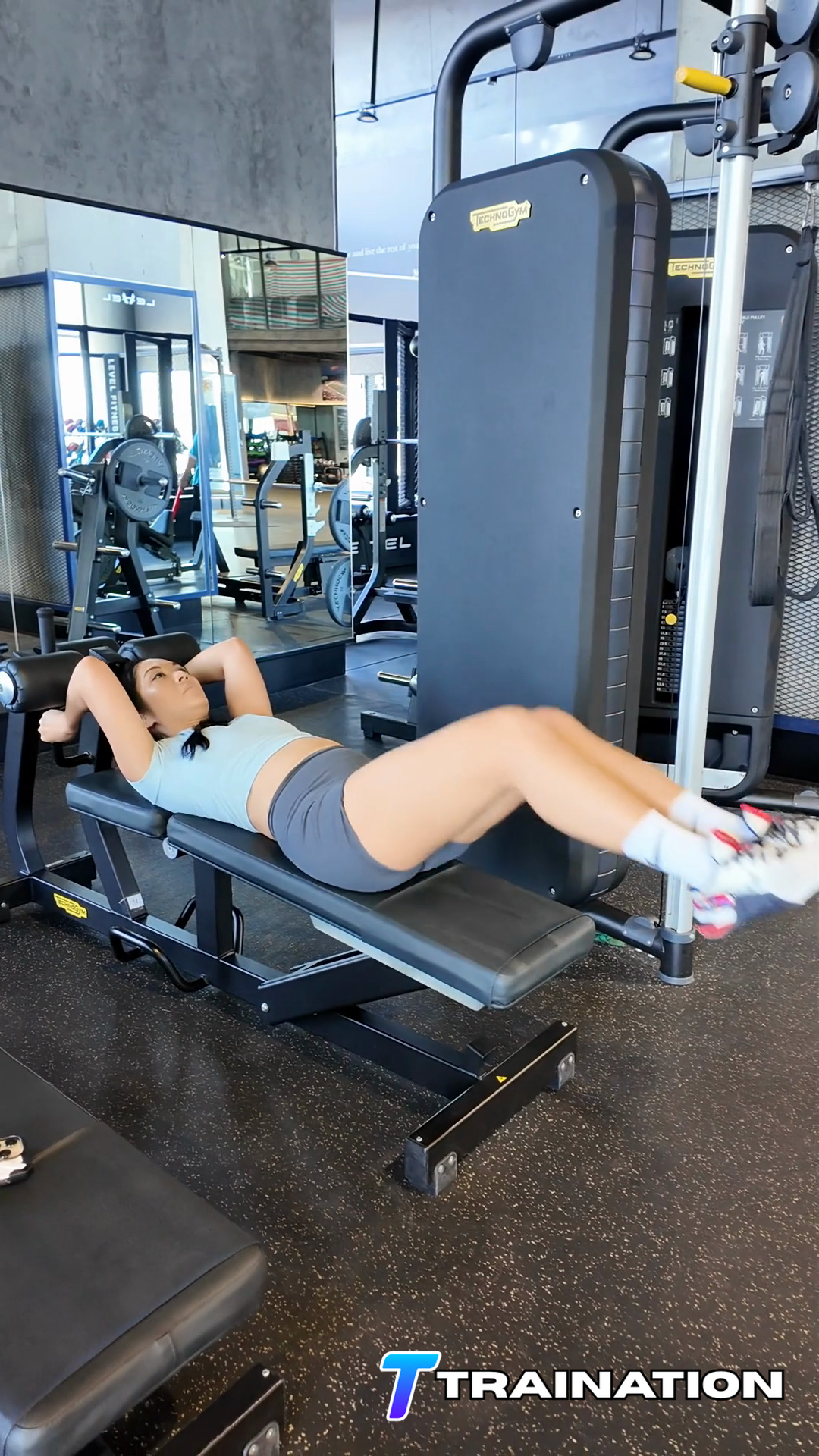
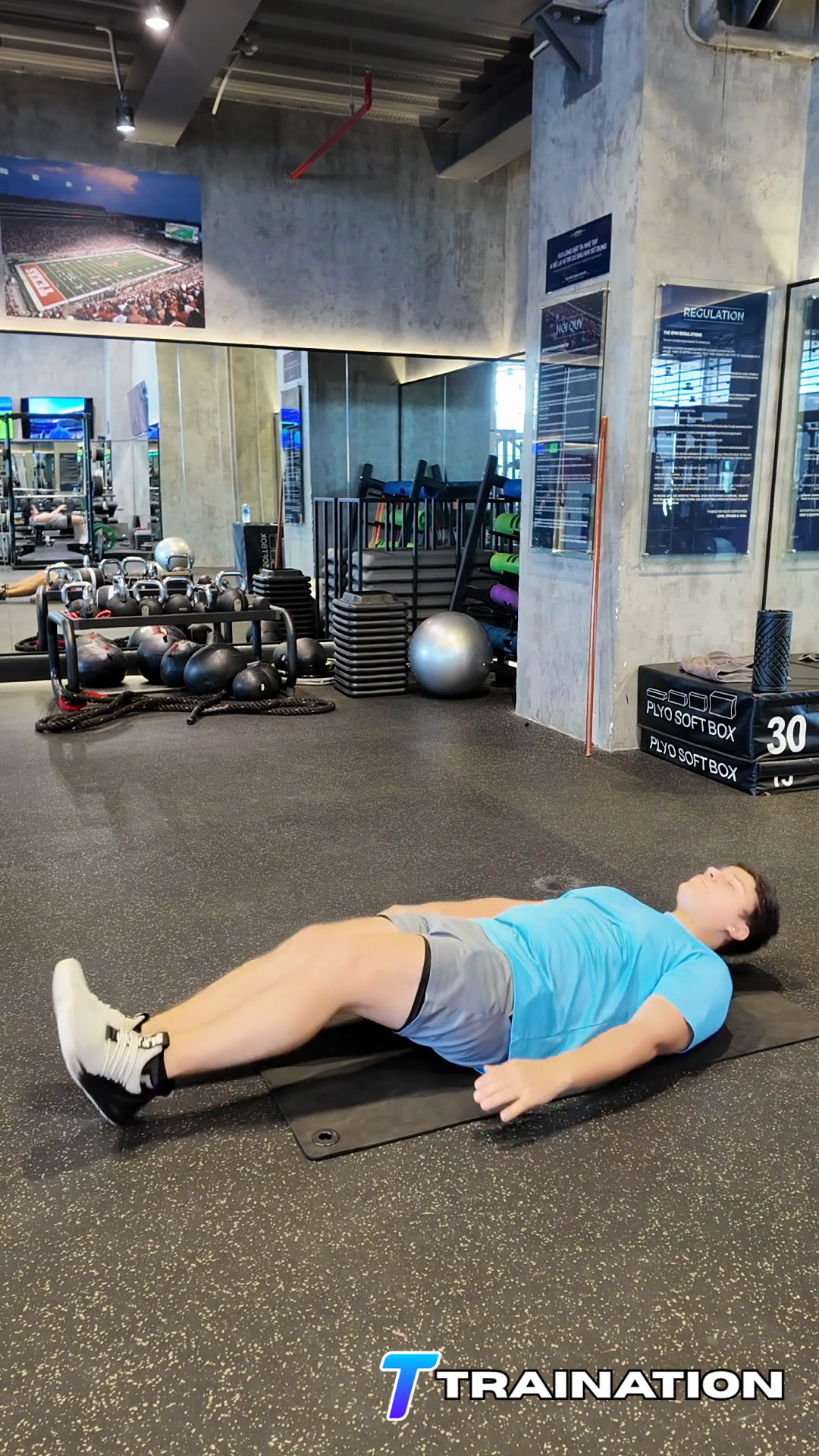
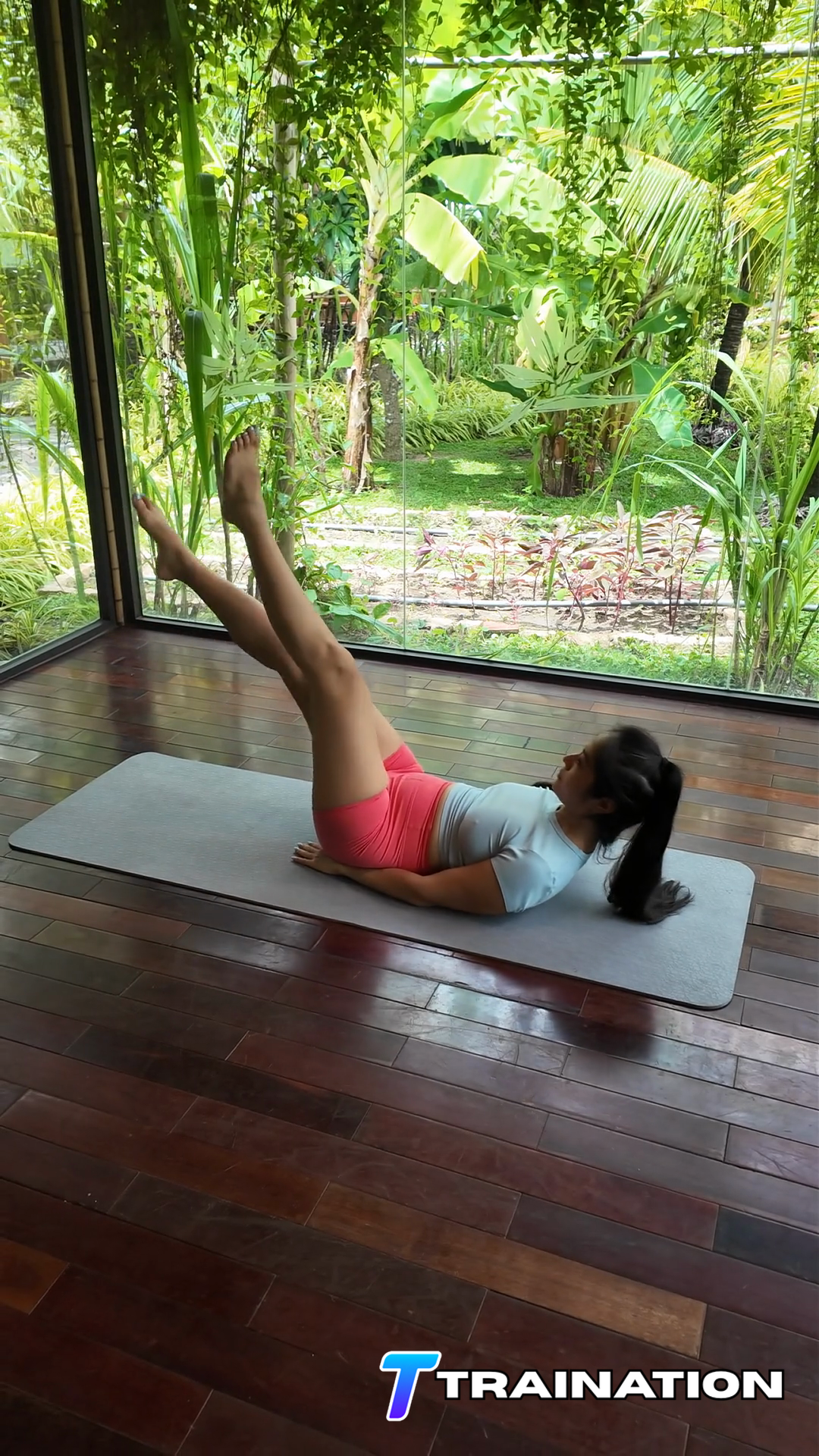
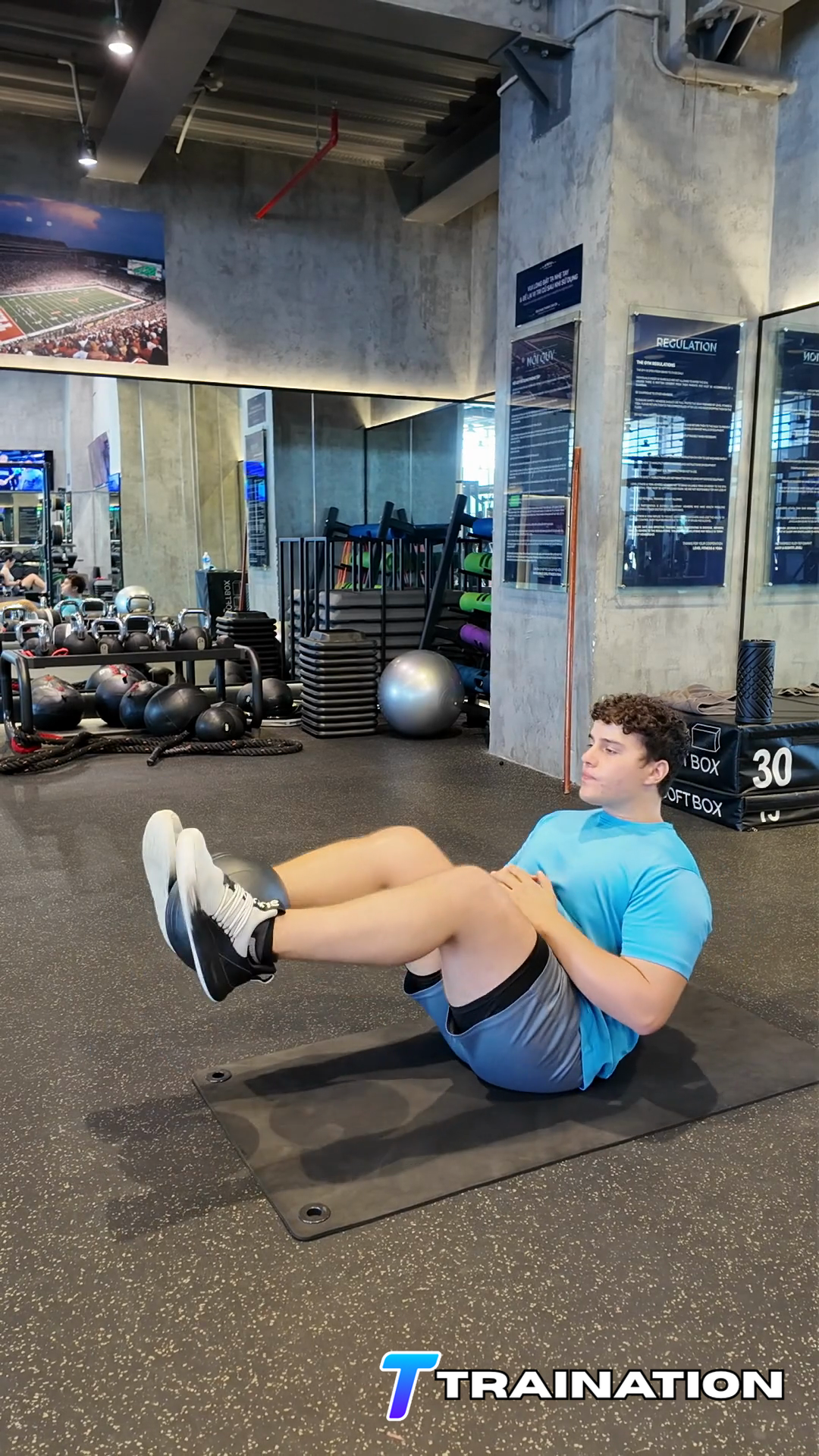
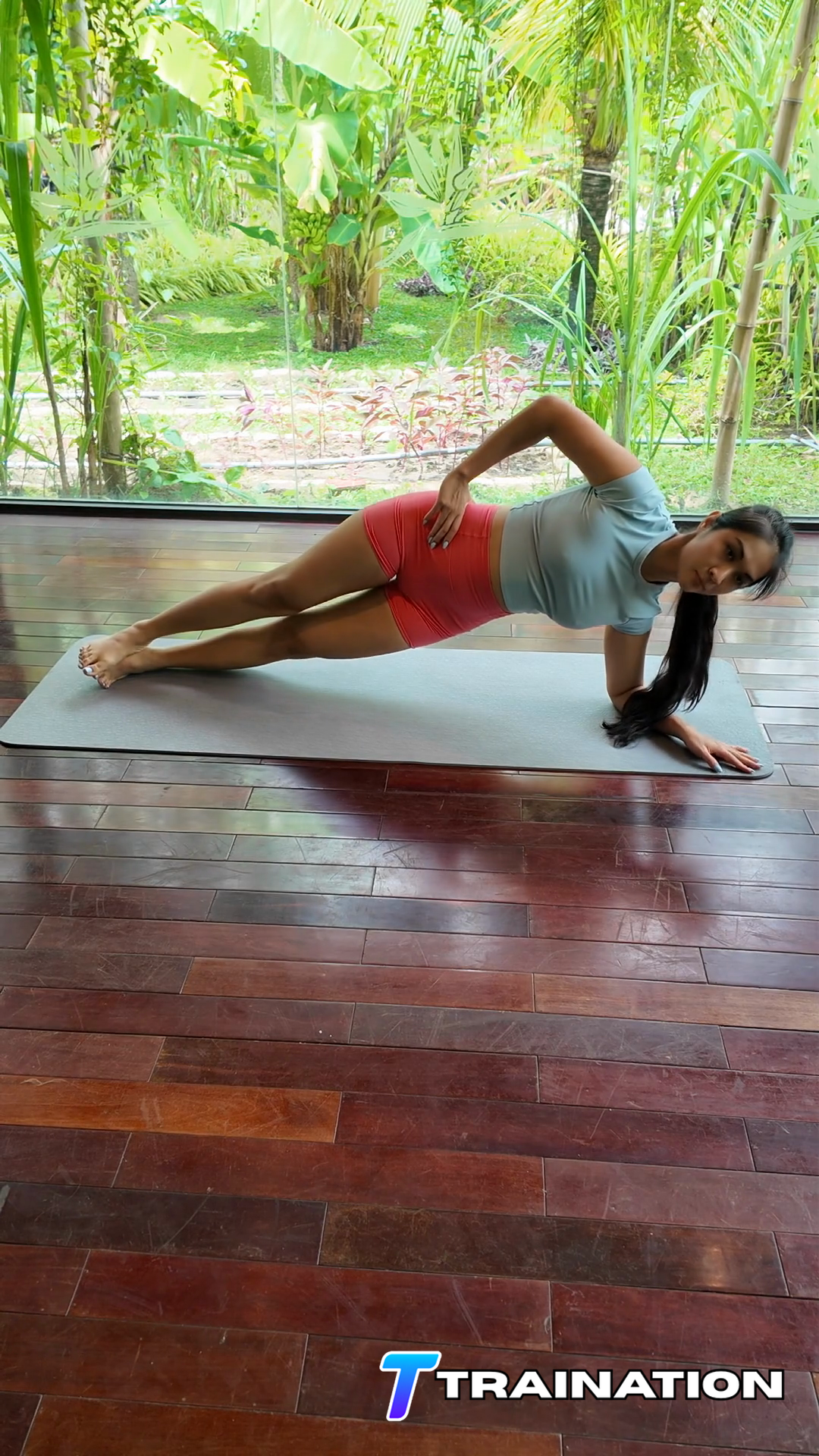
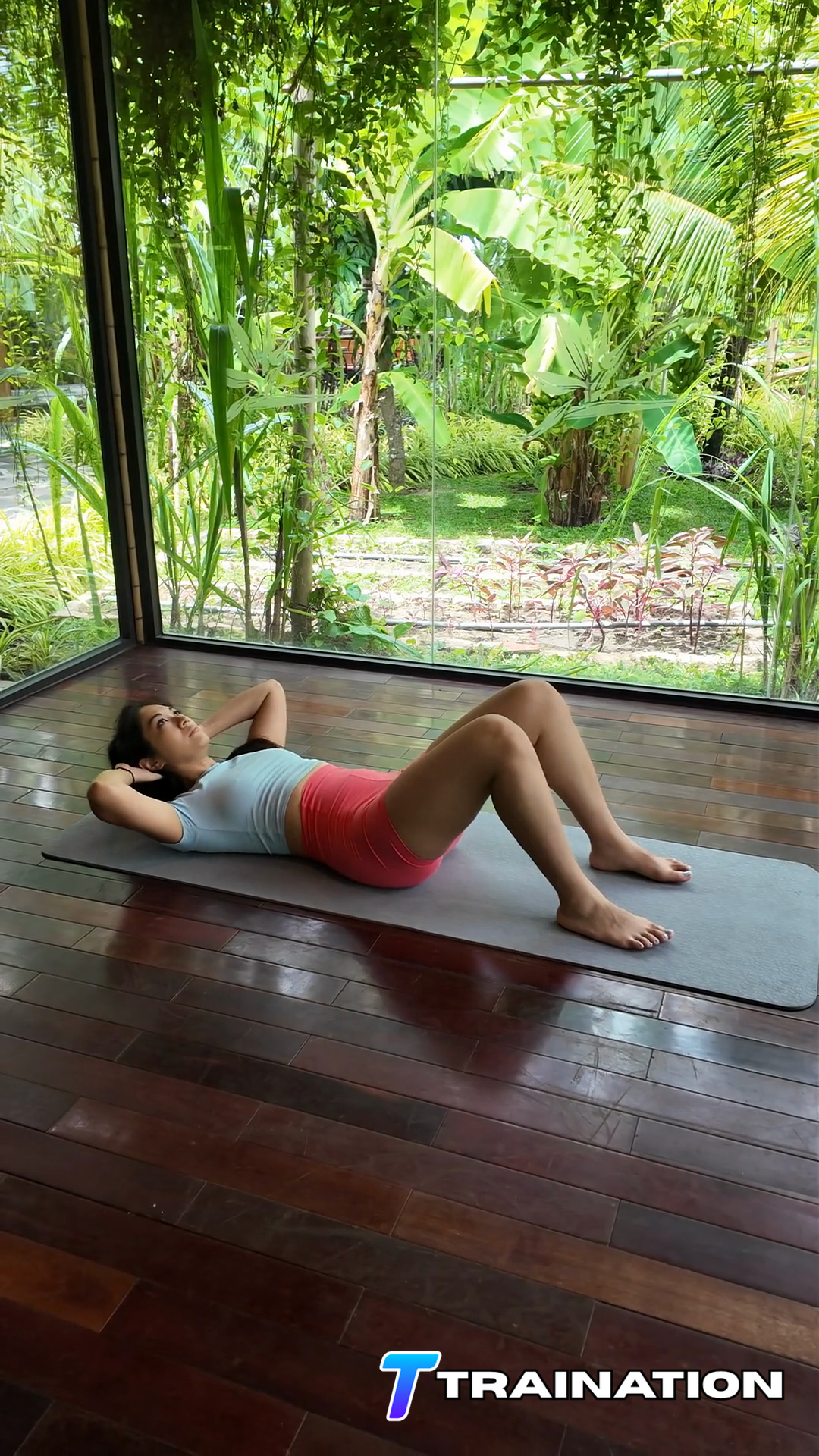
Follow the sequence in order, paying attention to the starting position, movement path, and finish described in each step.
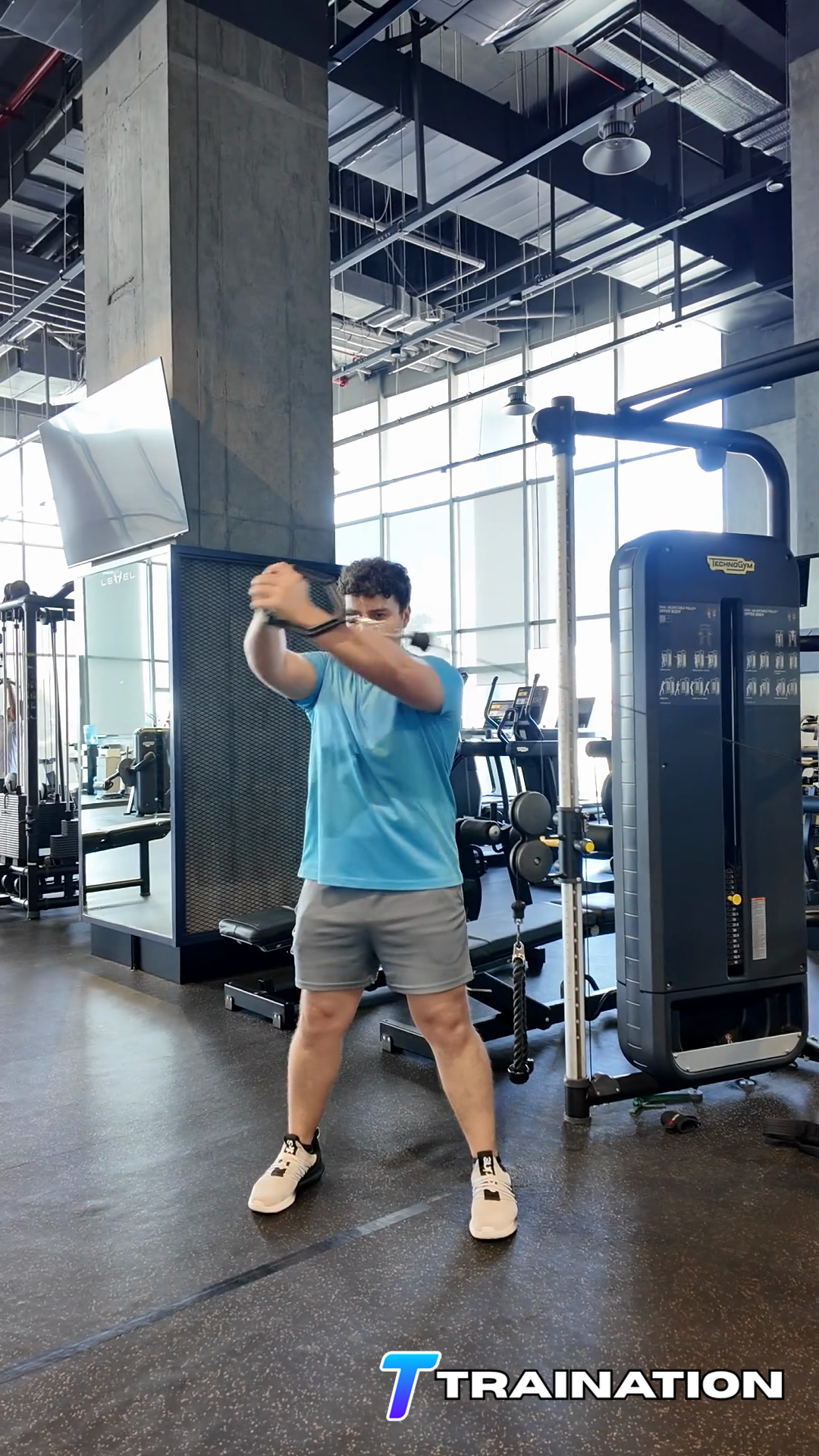
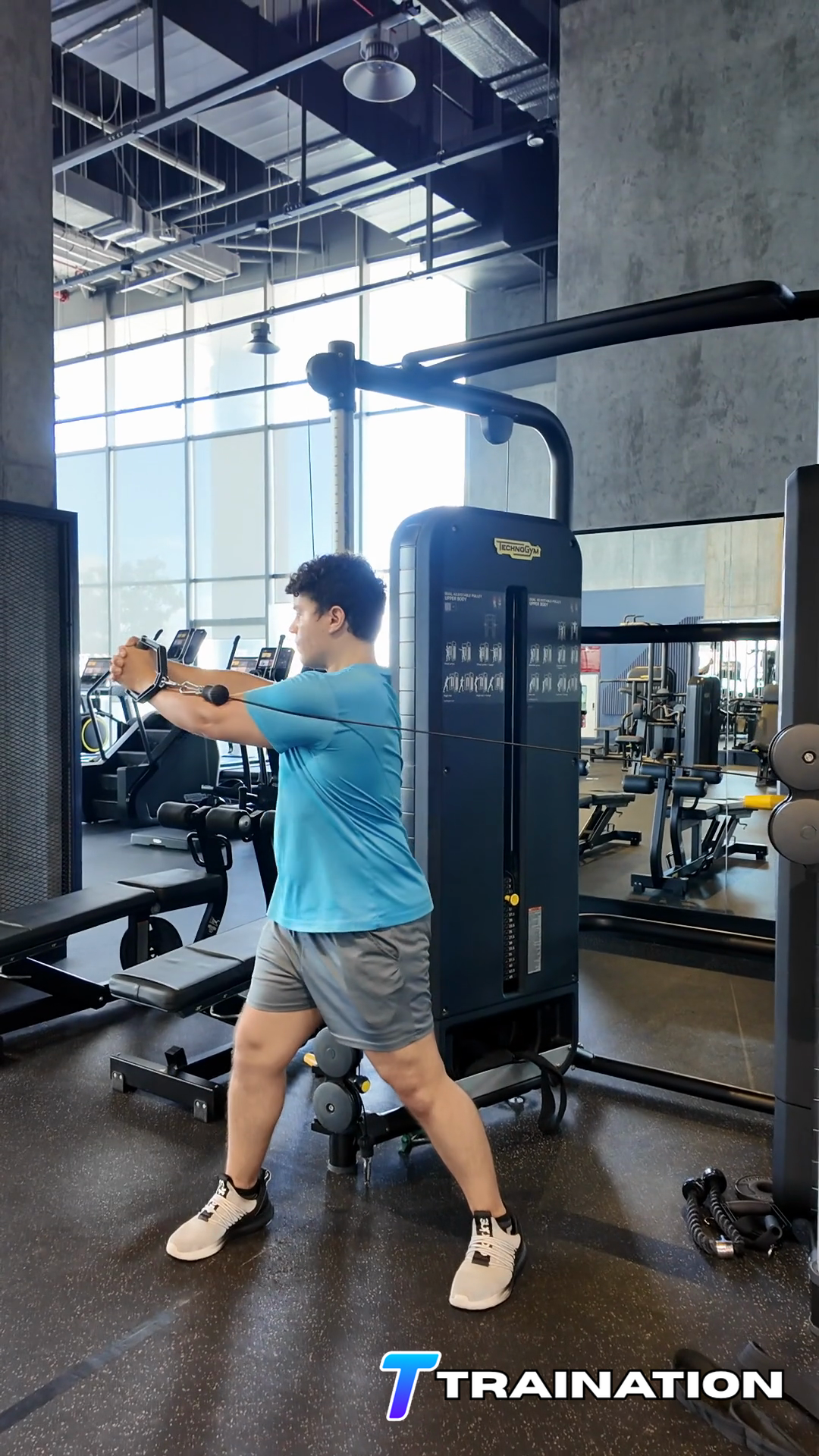
Set the cable at chest height, stand side-on, and hold the handle against the centre of the chest with both hands.
Step away until the cable has steady tension, soften the knees, and square the shoulders and hips straight ahead.
Brace, exhale, and press the hands away from the chest without allowing the cable to rotate the torso.
Pause with the arms extended while the ribs remain over the pelvis and both feet stay evenly loaded.
Return the handle to the chest slowly and complete equal work with the opposite side facing the stack.
Maintain abdominal tension while taking small, regular breaths.
Keep your body facing squarely forward, avoid letting the weight cause body to twist during the exercise.
Shorten the body position or use knee support if the shoulders, pelvis, and spine cannot remain aligned.
Place Cable Pallof Press after the main compound lifts, in a focused core block, or beside an exercise that does not require a fresh trunk.
Use two to four times per week while accounting for trunk work already supplied by squats, hinges, carries, and overhead lifting.
| Goal | Sets | Reps or time | Rest | Effort and execution |
|---|---|---|---|---|
| Control / technique | 2–3 | 10–20 sec | 45–75 sec | Stop well before position changes |
| Strength / endurance | 2–4 | 20–45 sec | 60–90 sec | Stop while 1–3 good-form reps are still possible |
Scale the movement
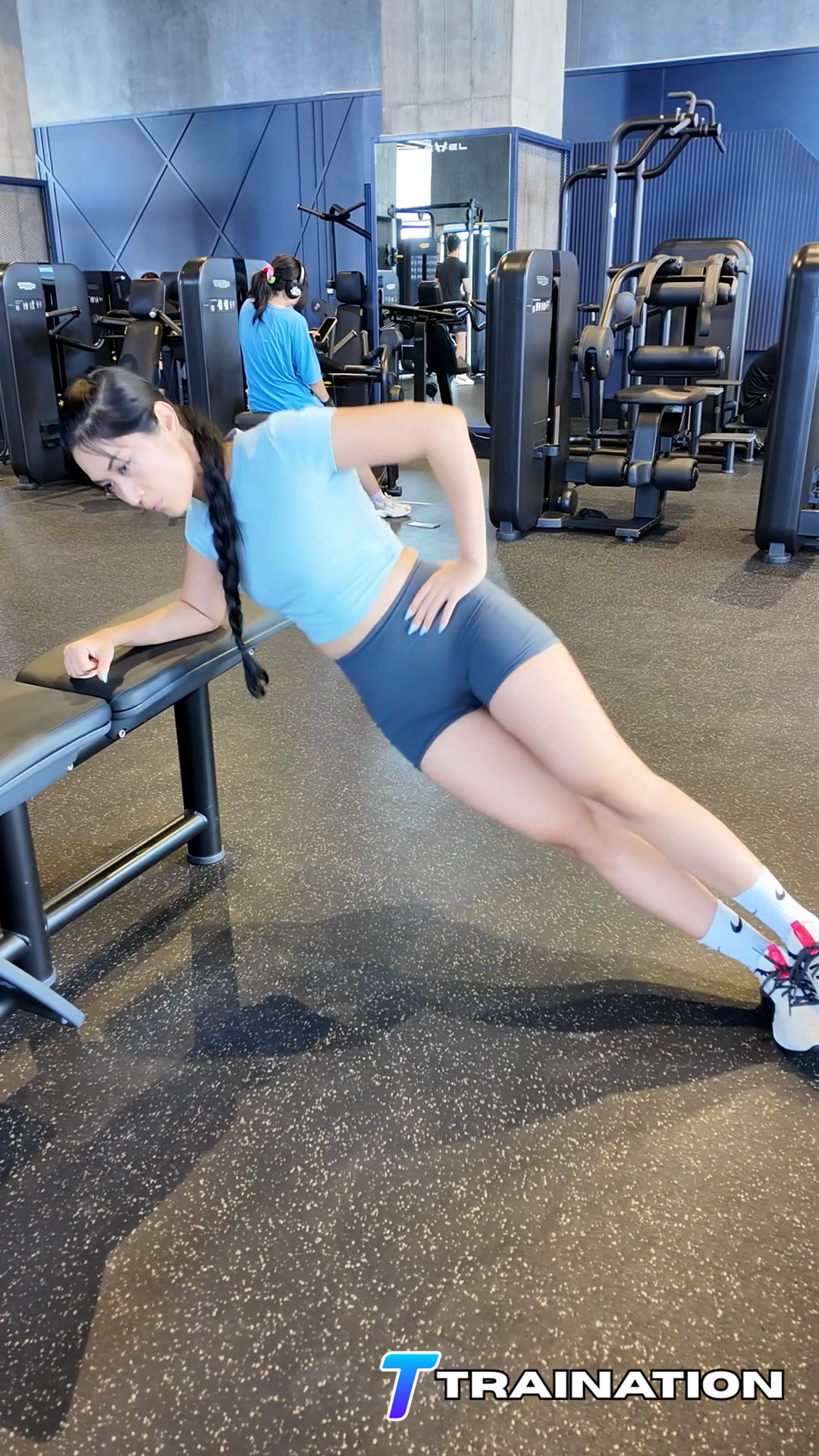
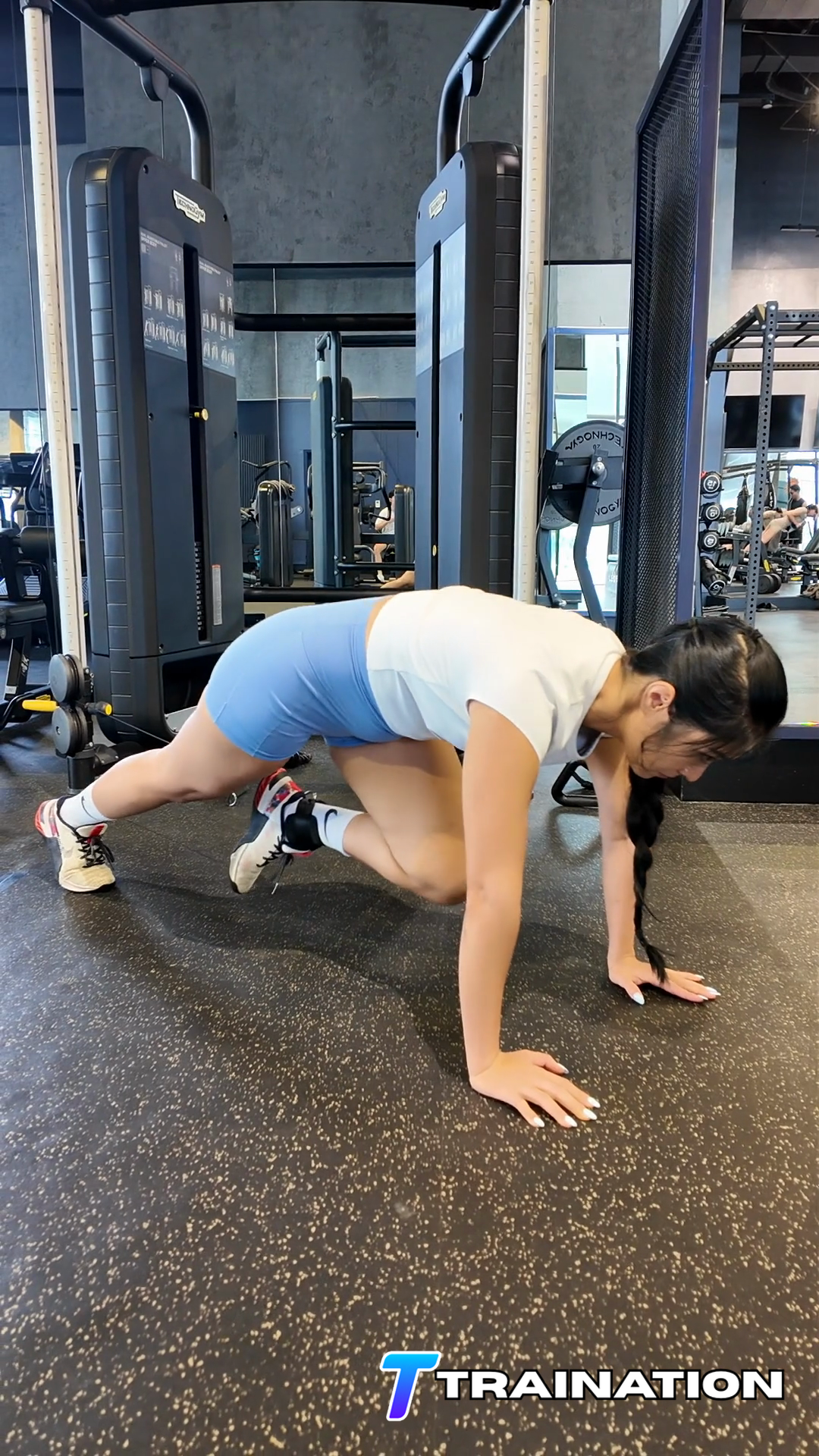
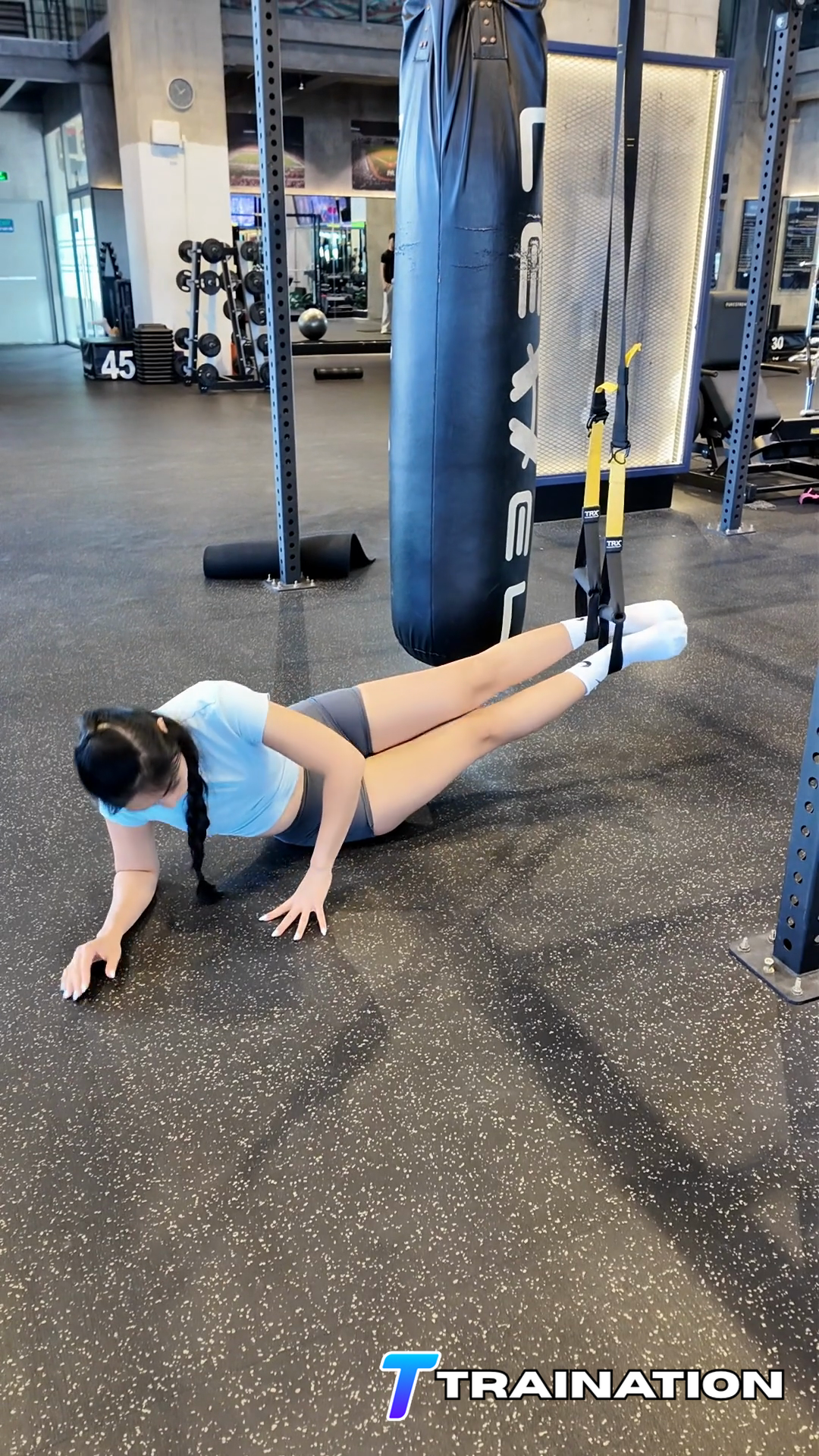
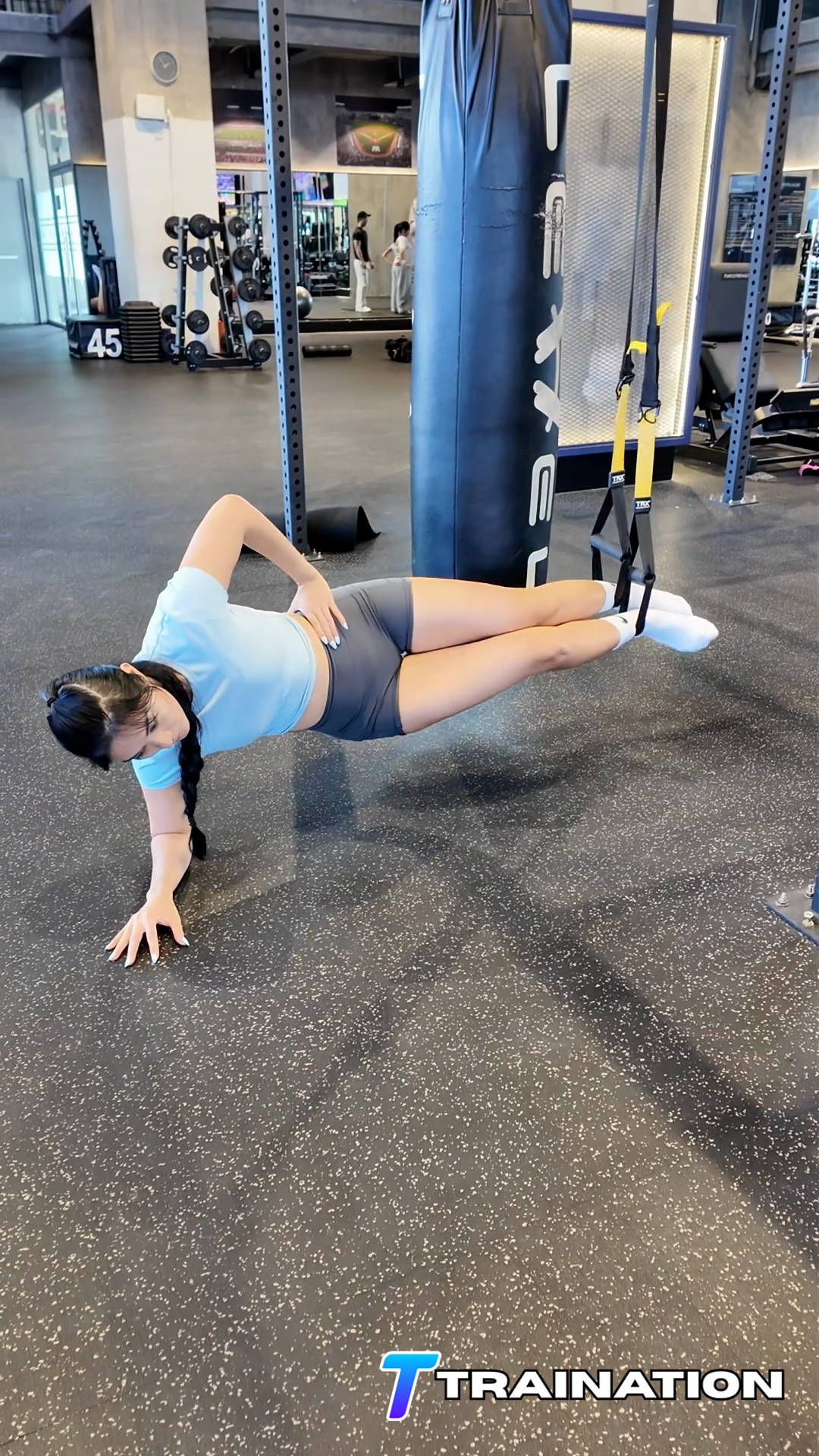
Use the knees, a higher surface, or bent arms or legs to make the hold easier while keeping the same body position.
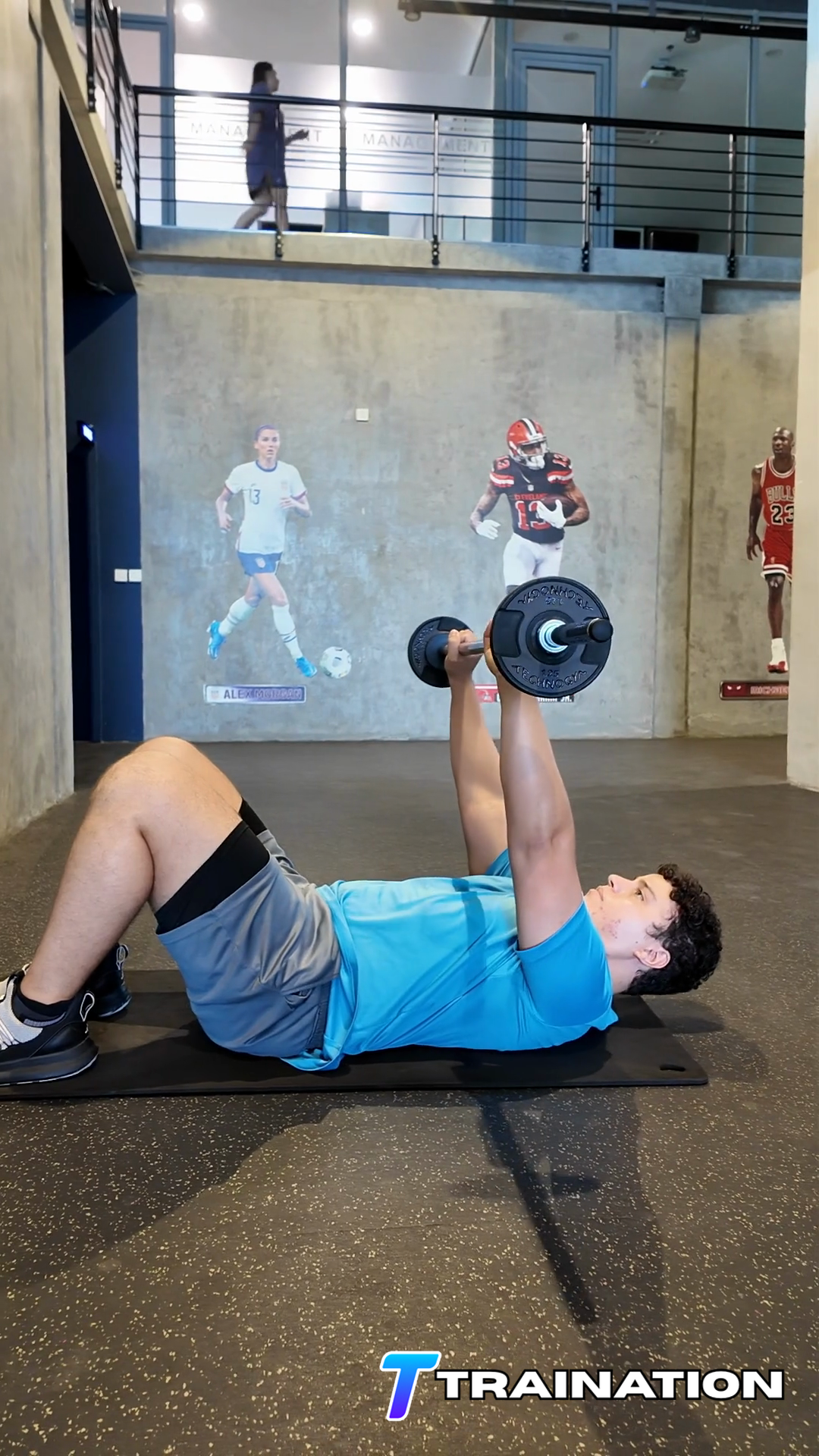
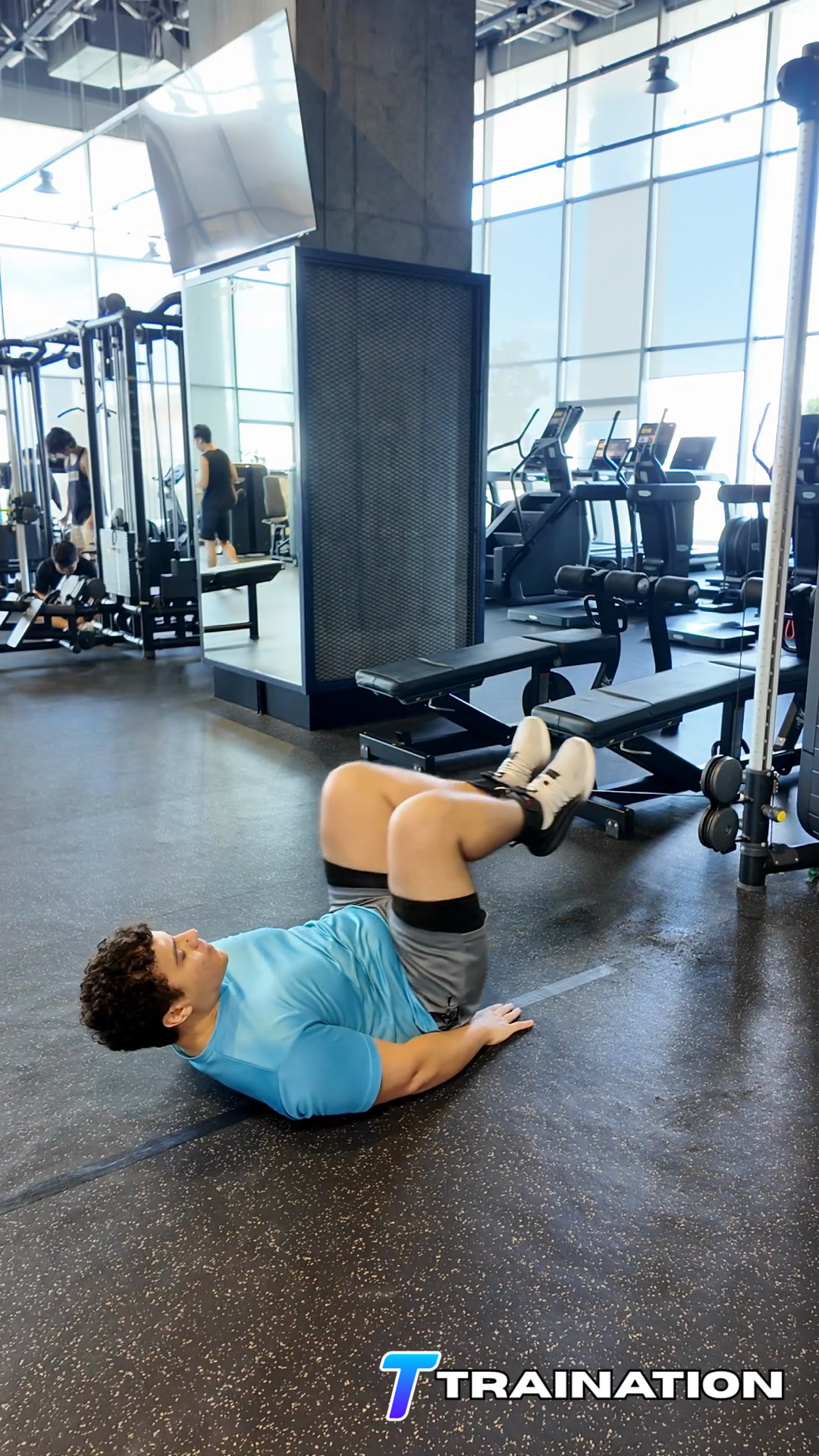
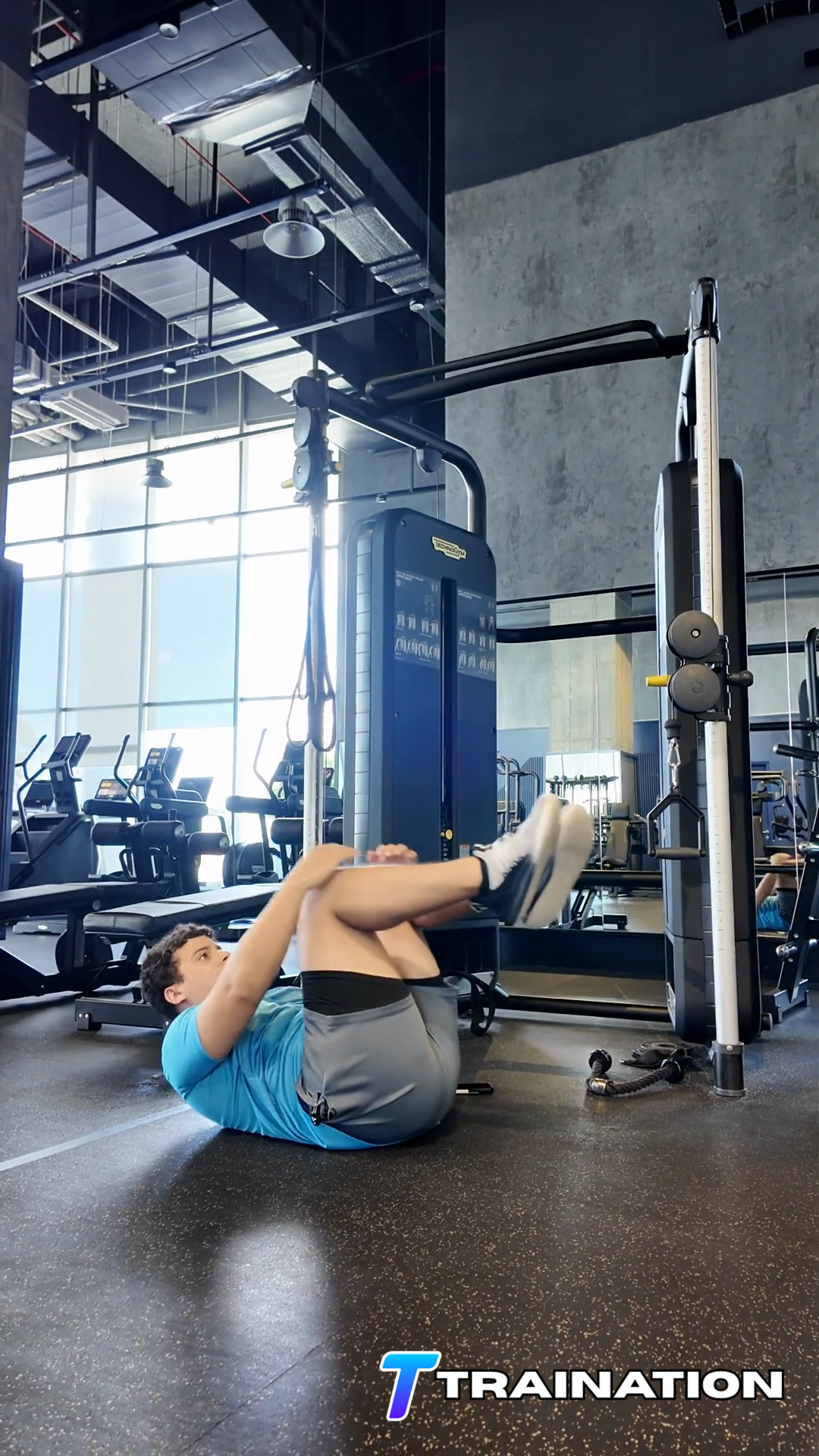
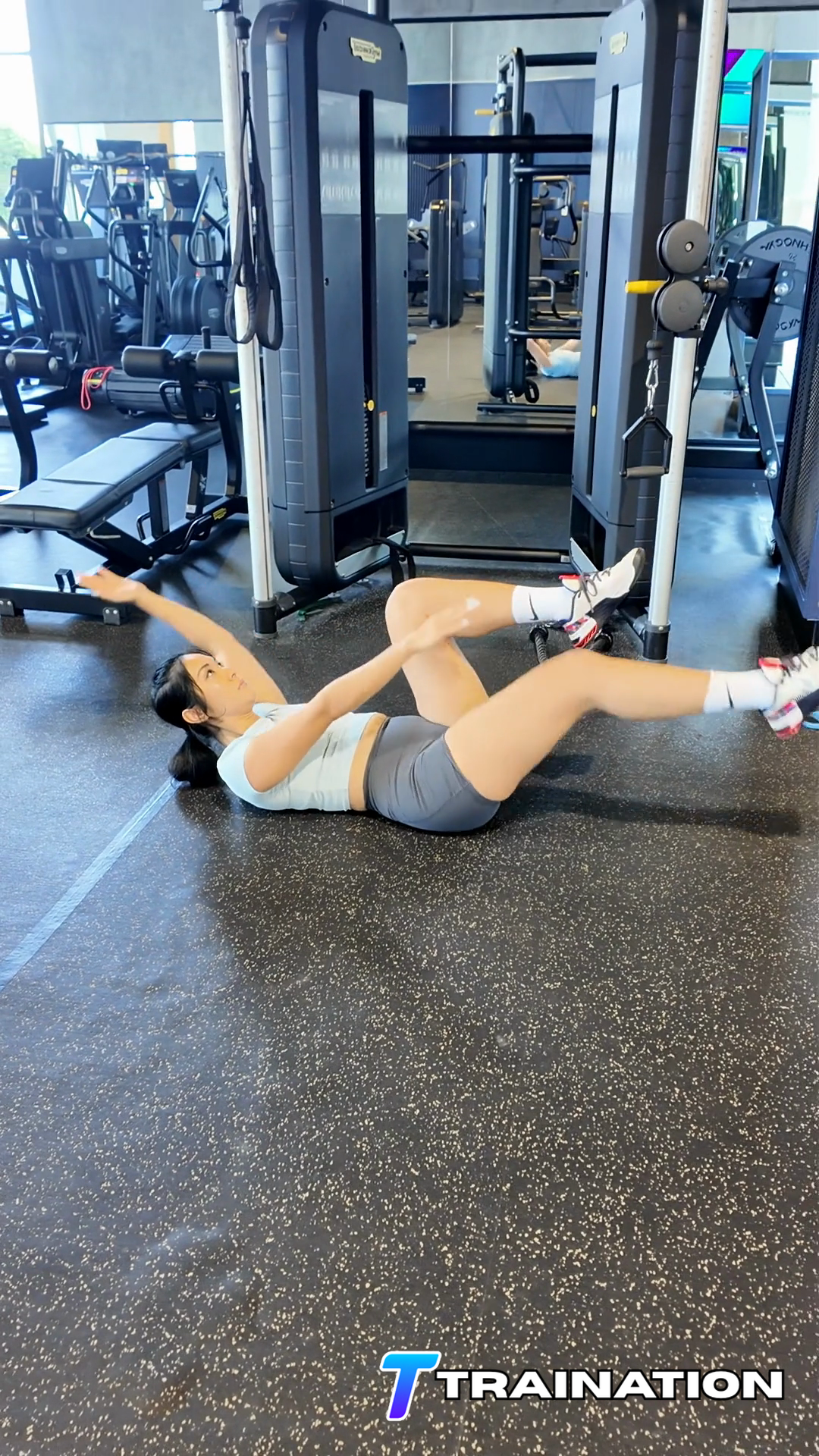
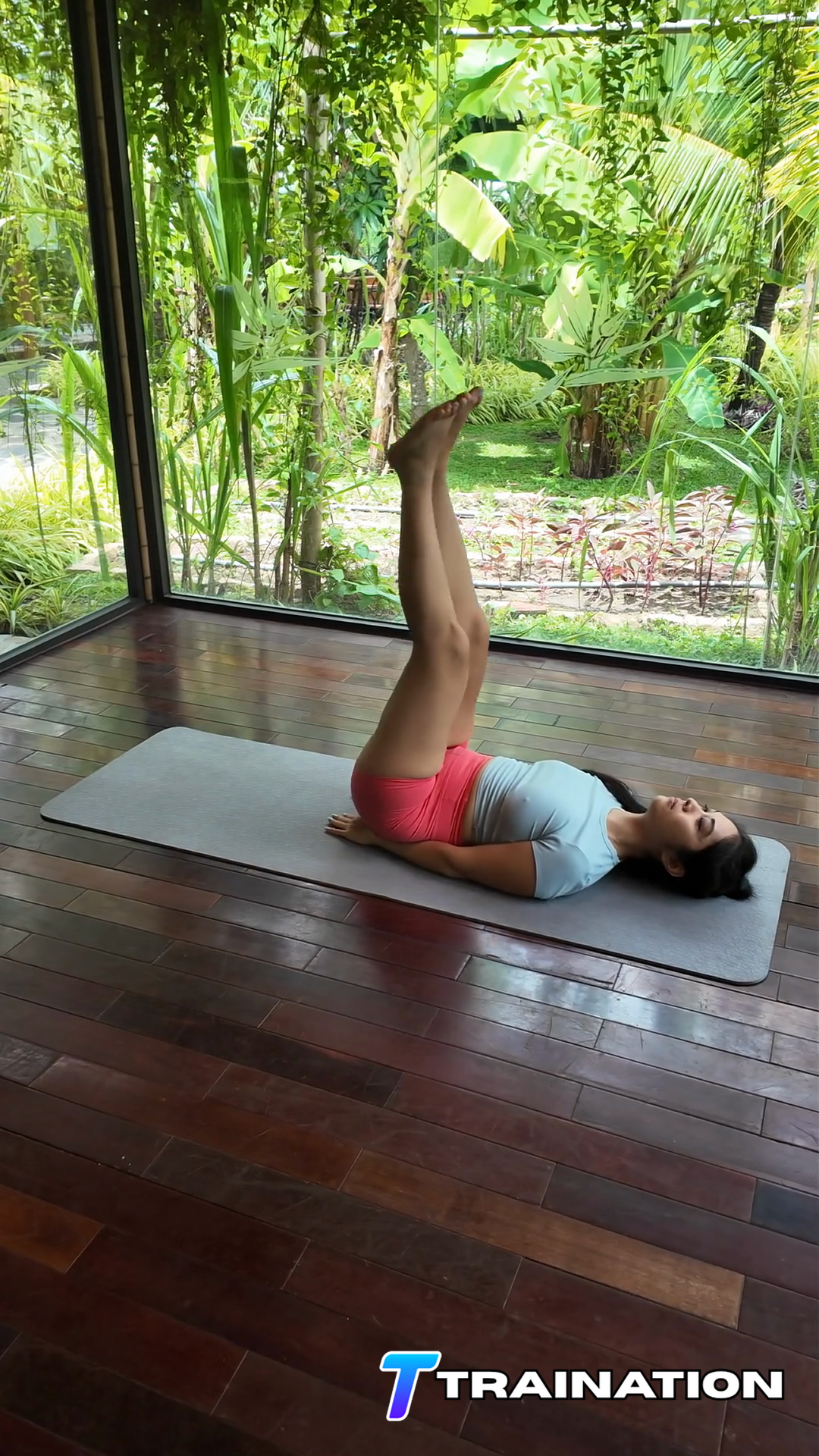
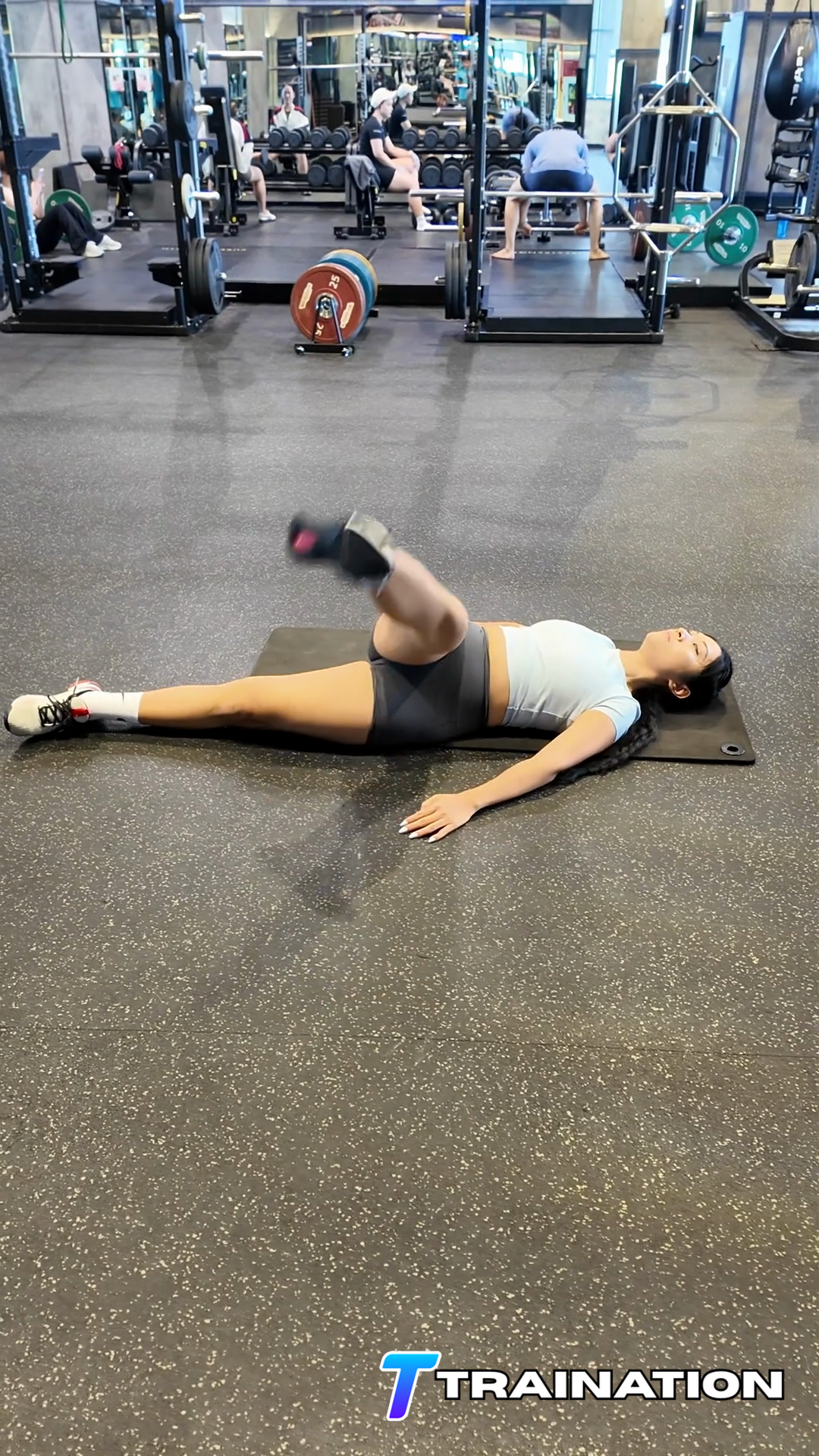
Use floor support to learn rib and pelvis control with one limb moving at a time.
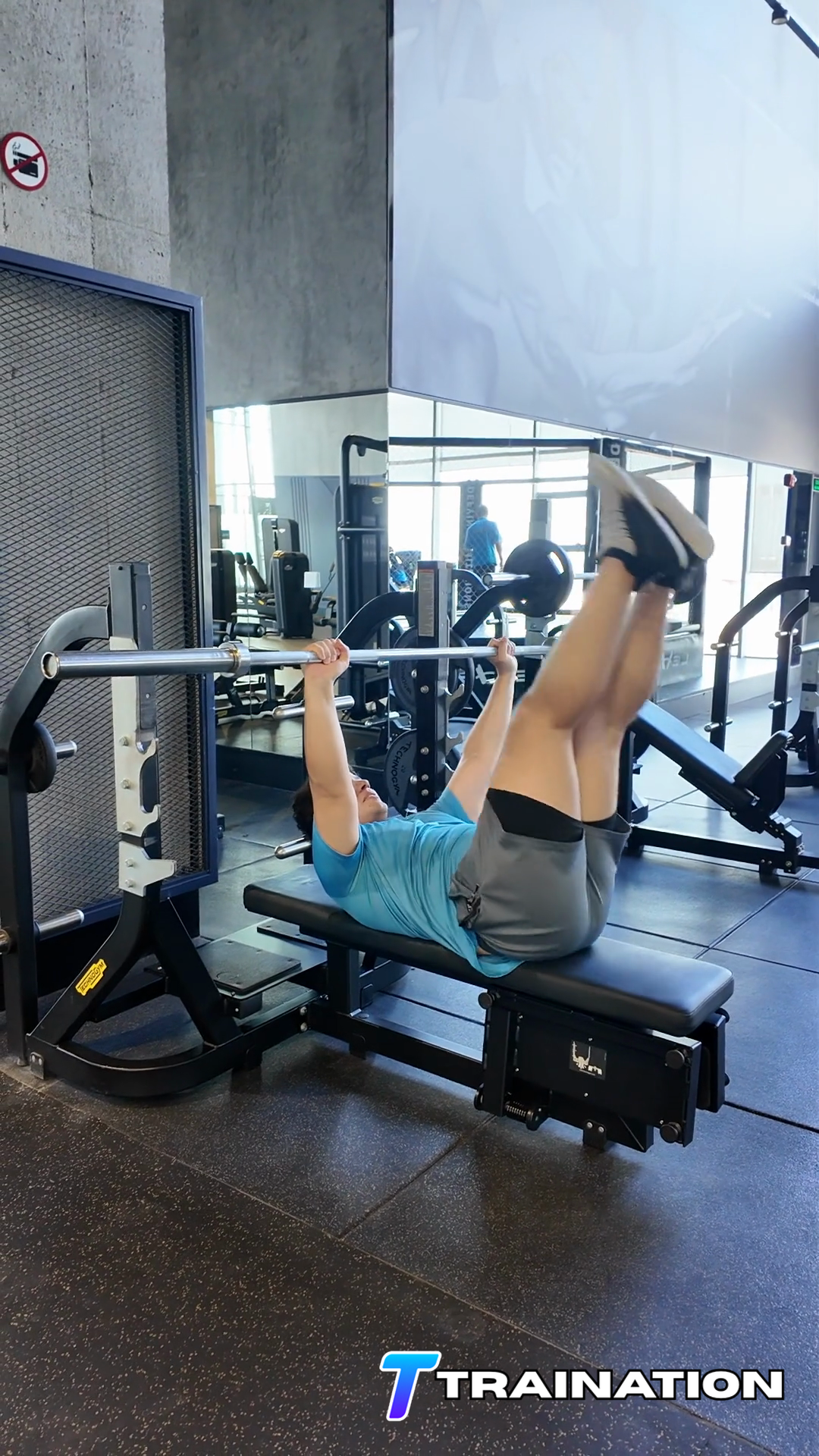
Move the hands or feet farther from the body only while your position and breathing stay the same.
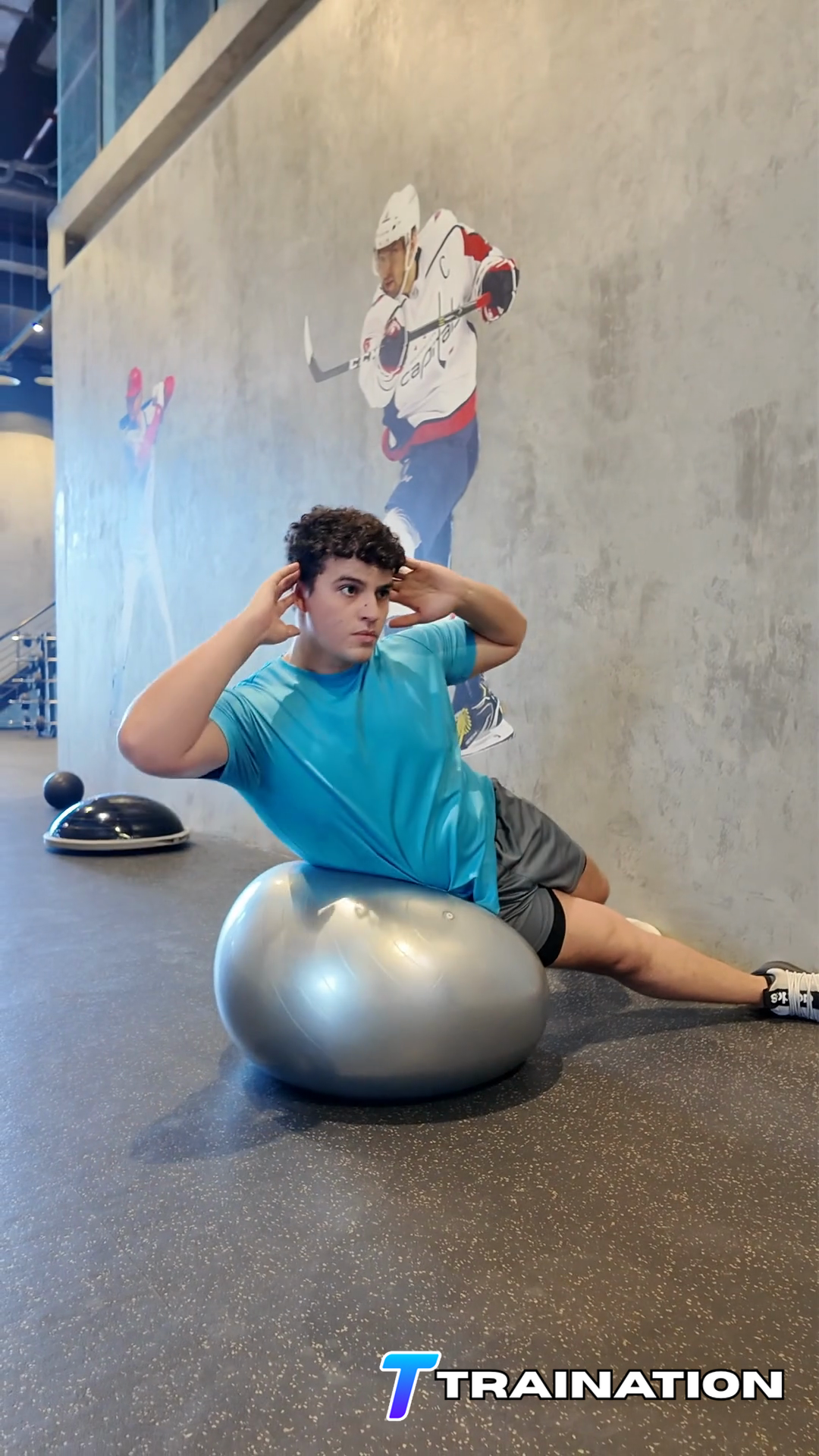
Add a small external or stability demand after the base hold is repeatable.
Turn Cable Pallof Press and the rest of your exercise library into repeatable client programs.
Explore the workout builder