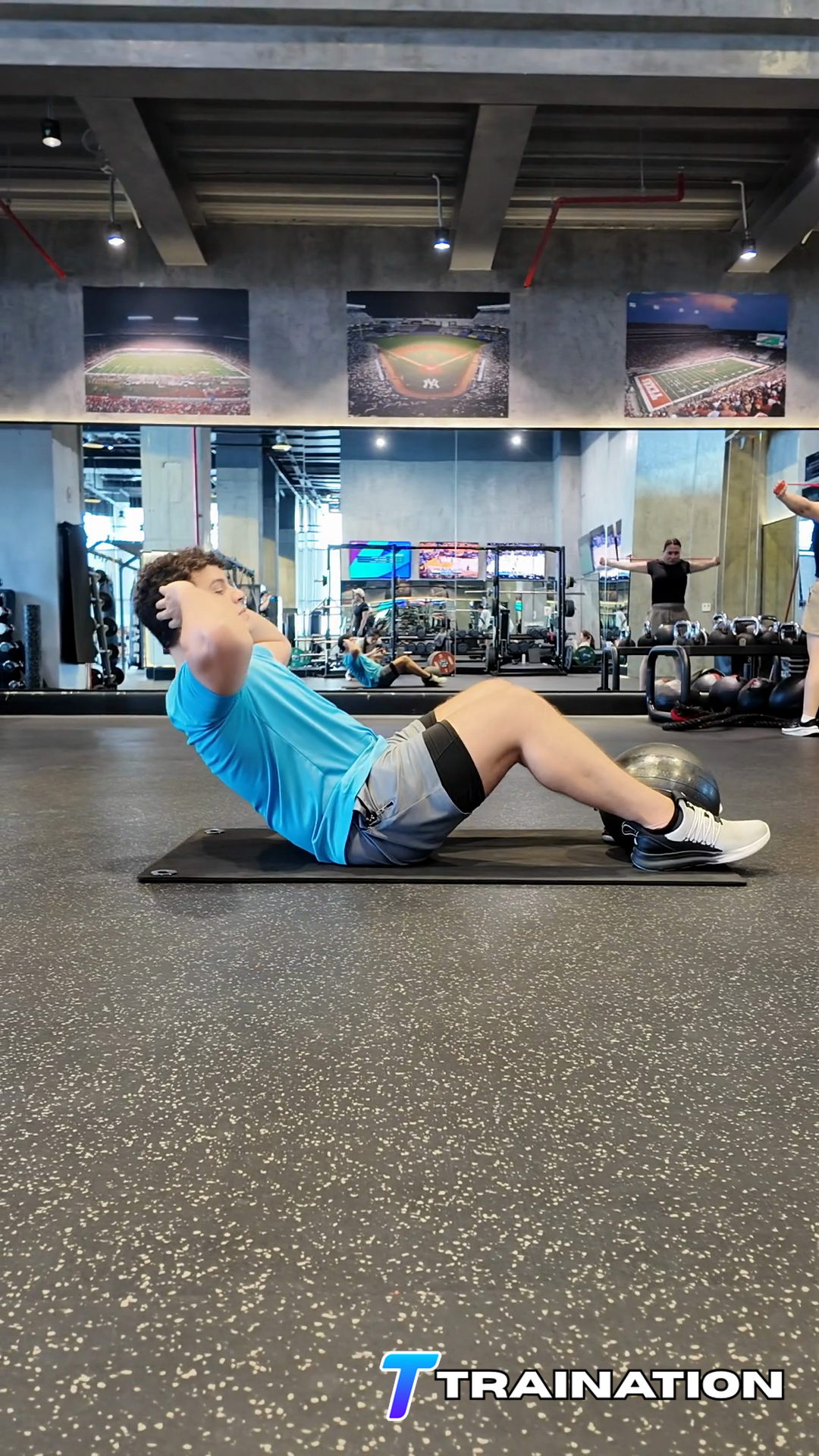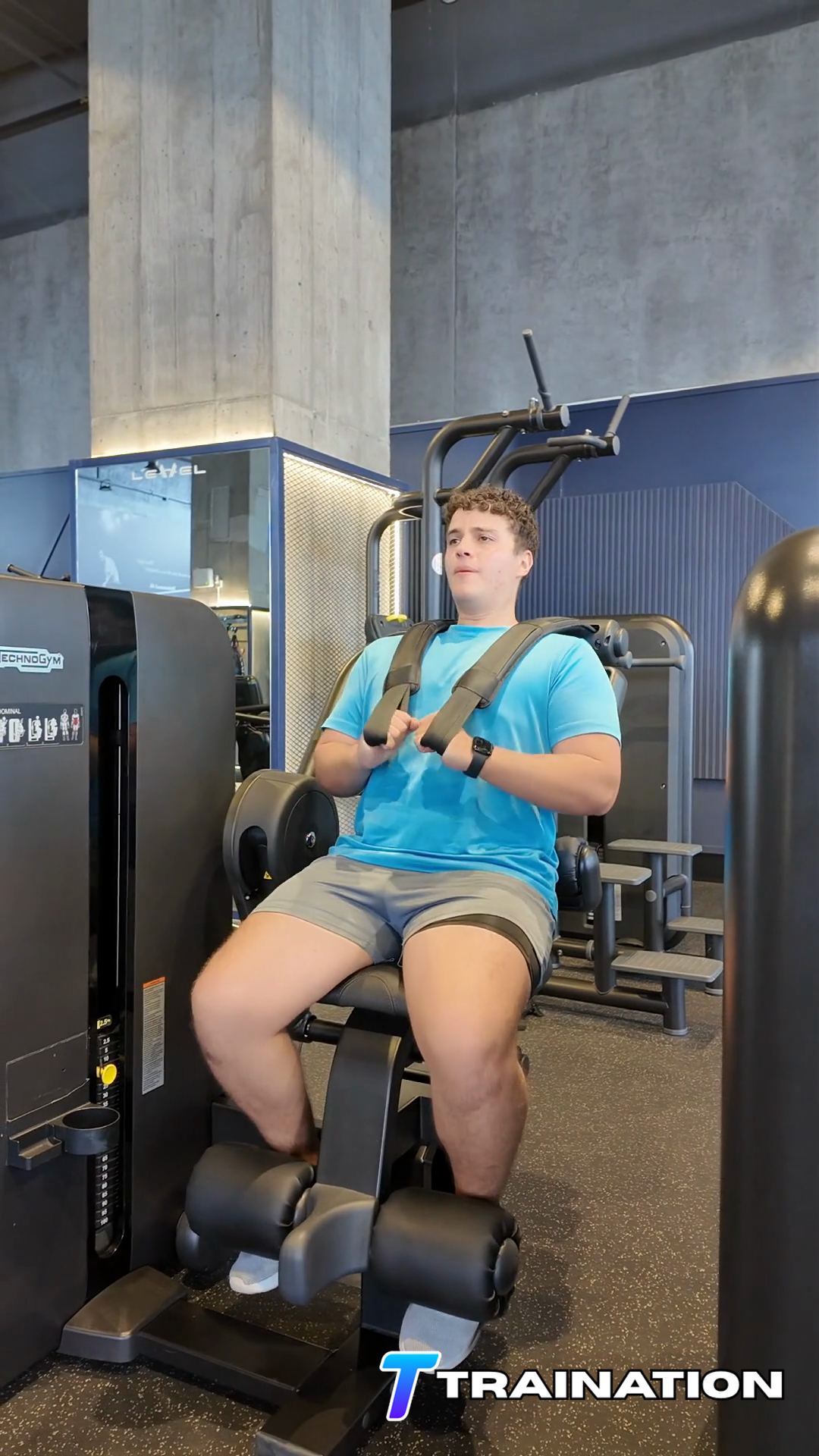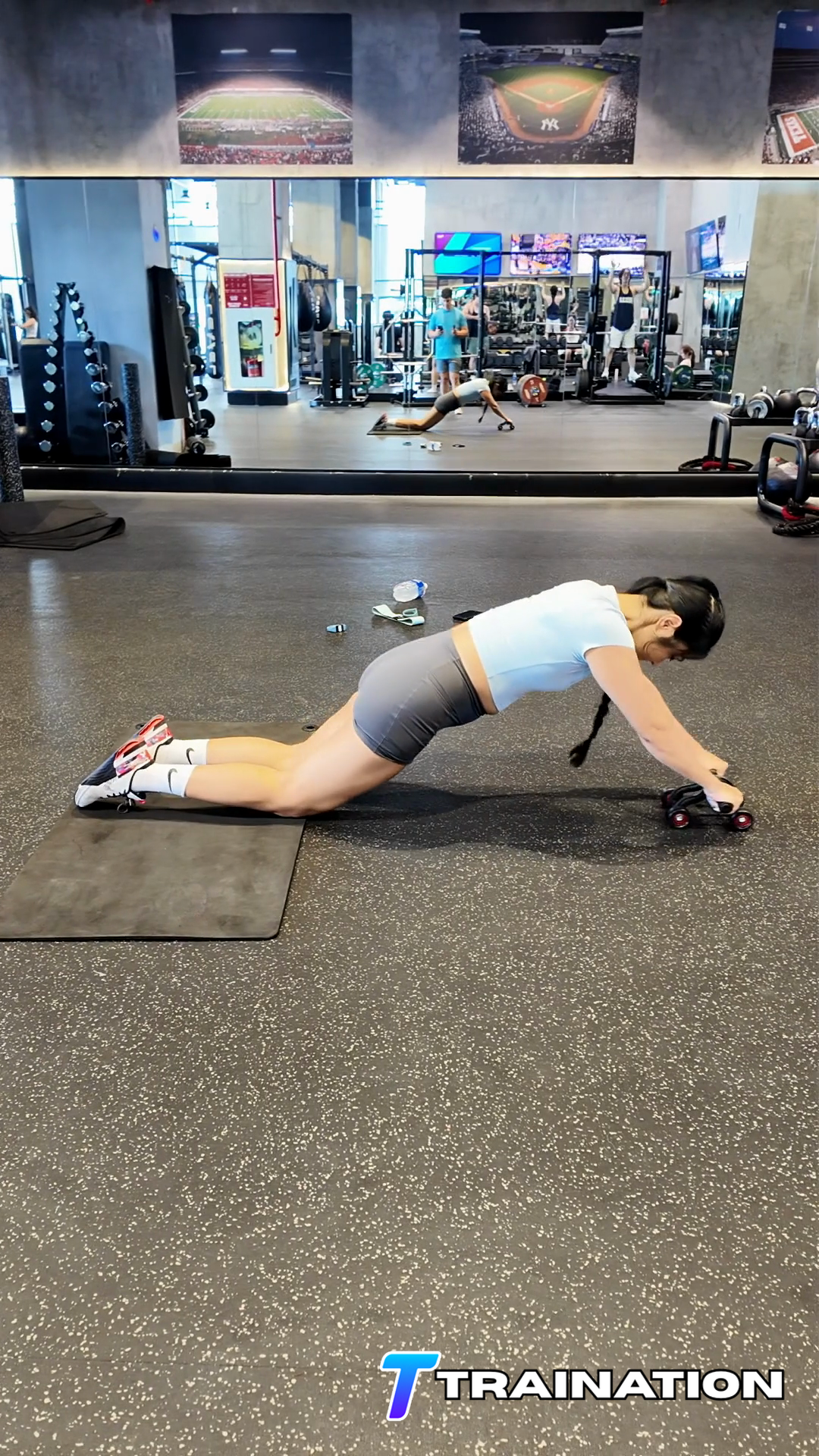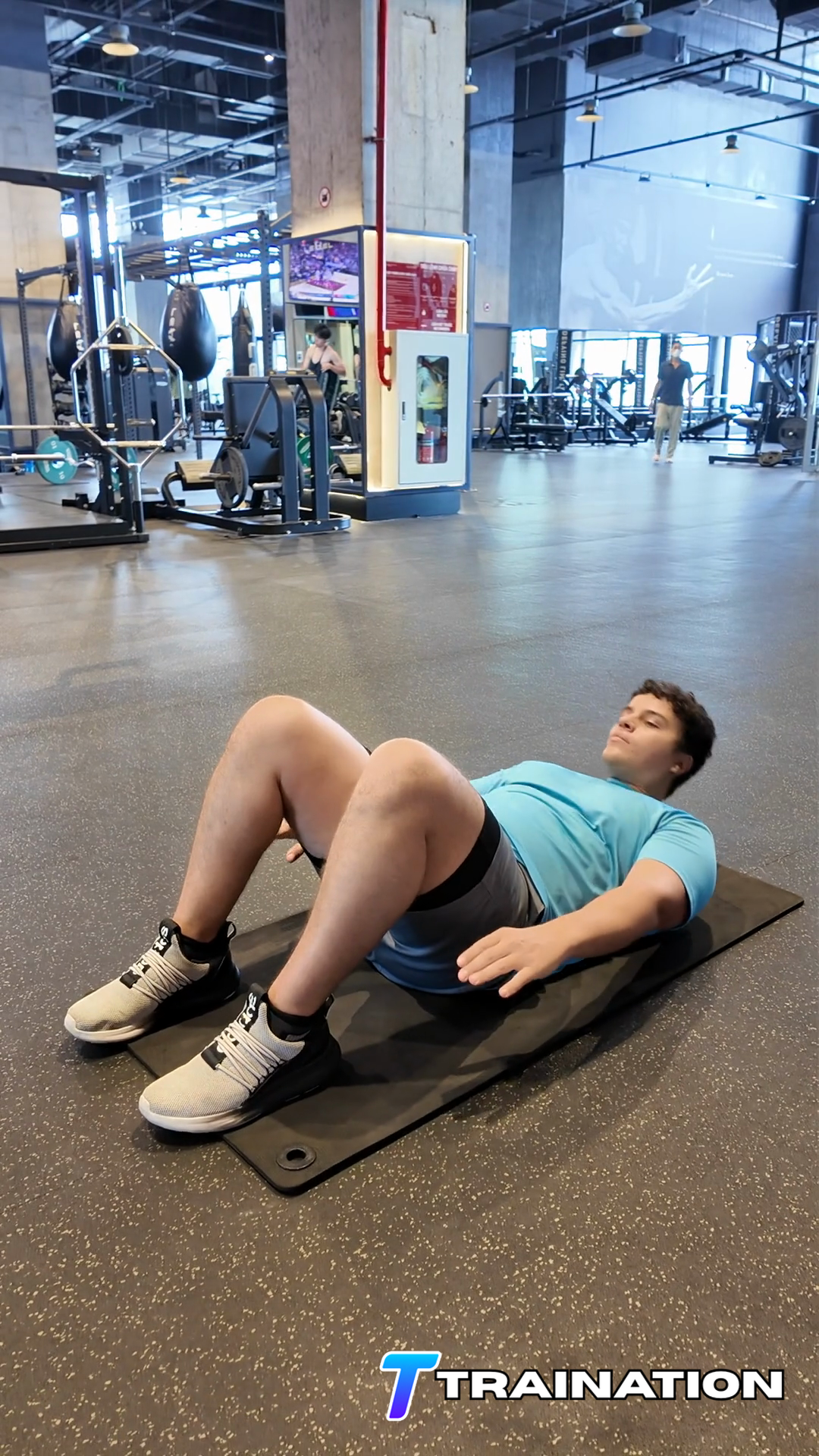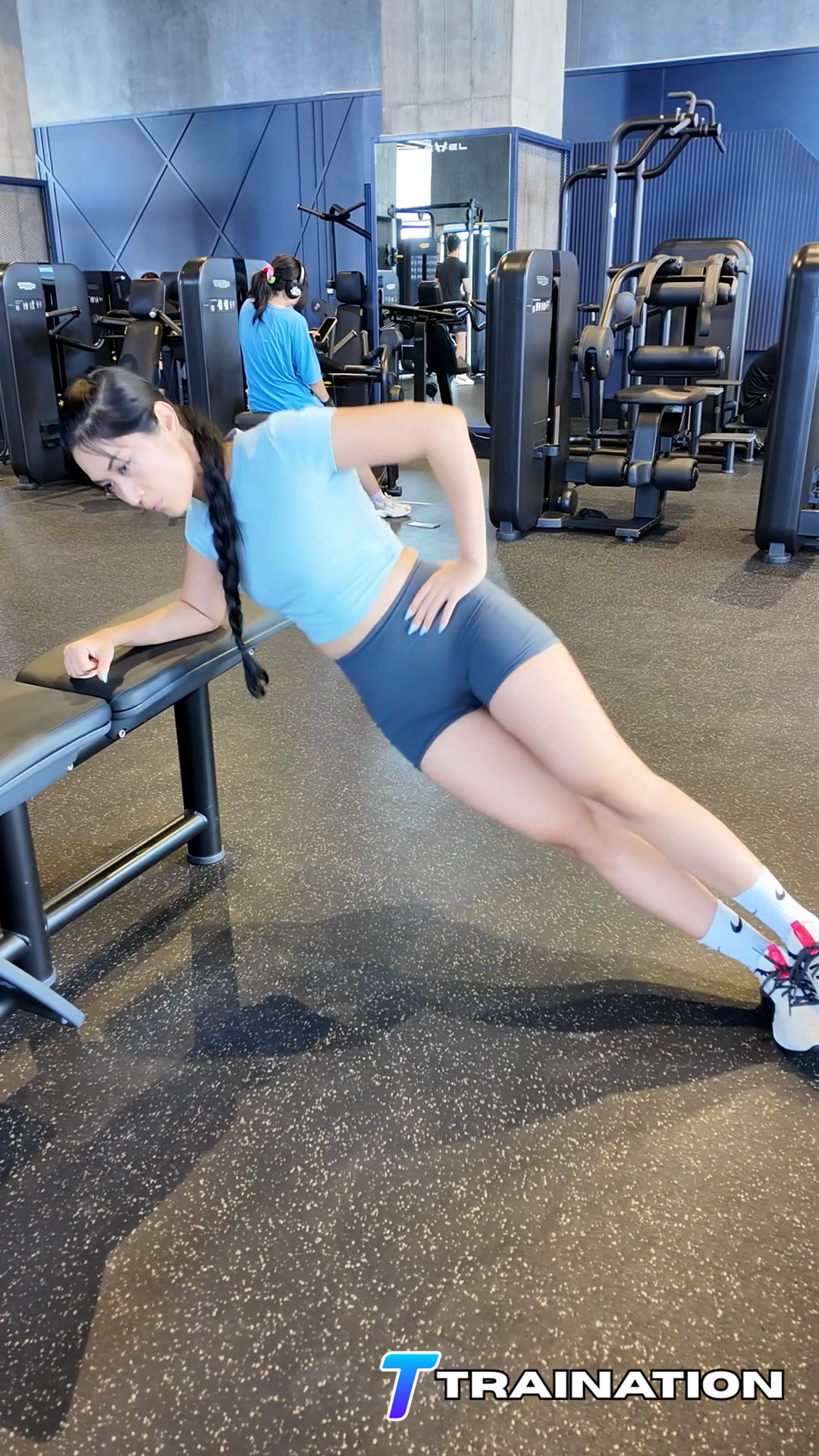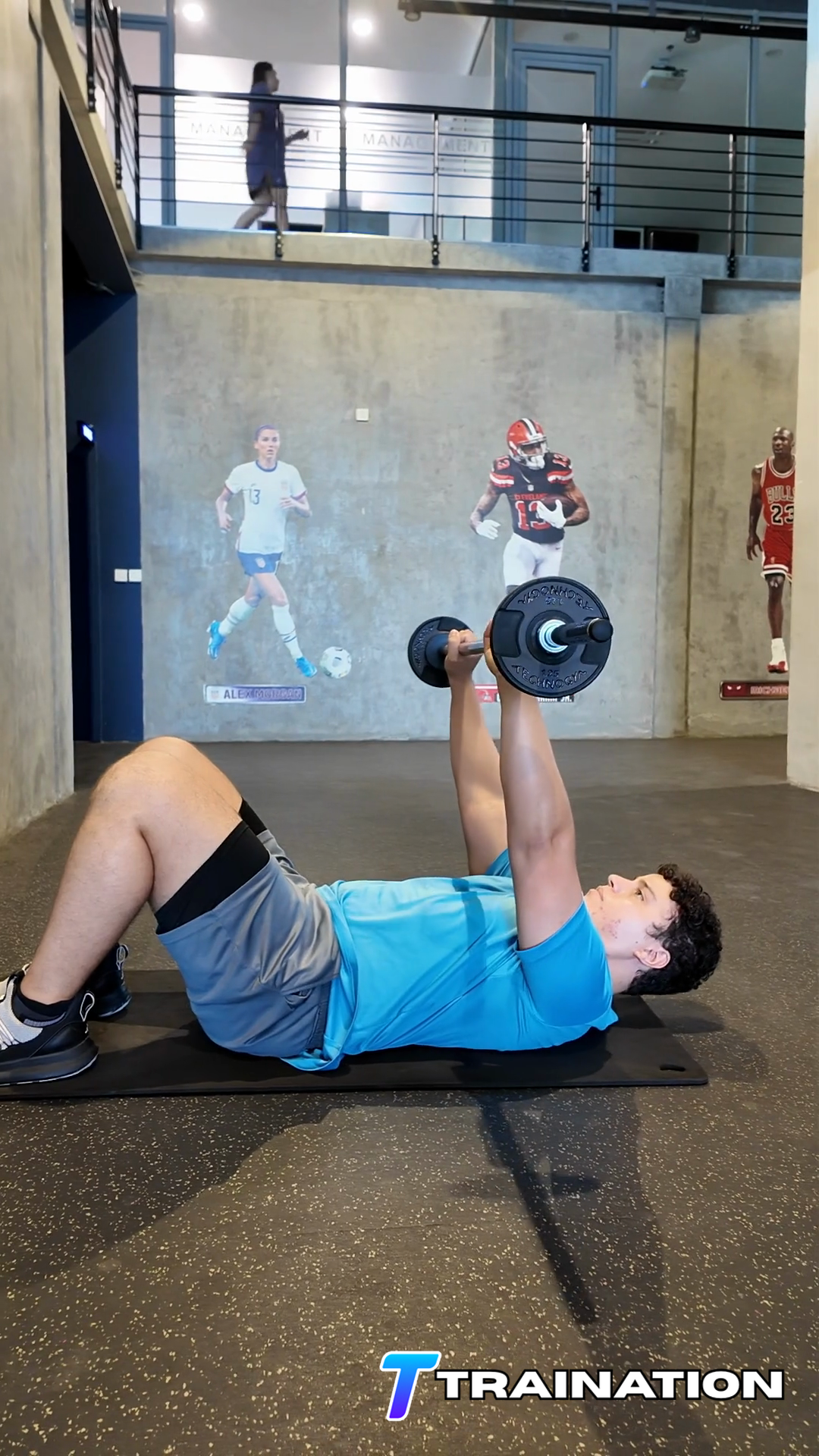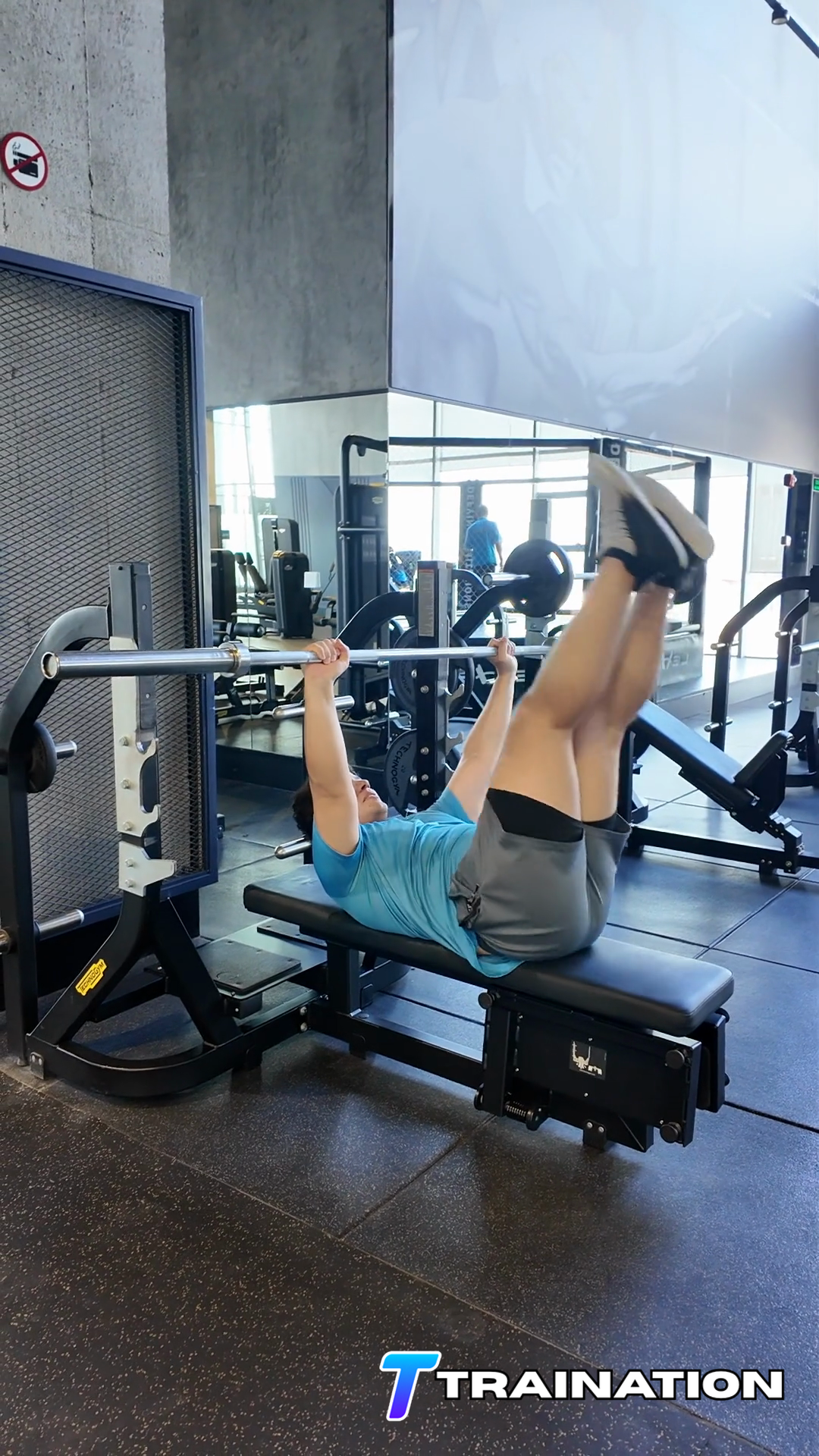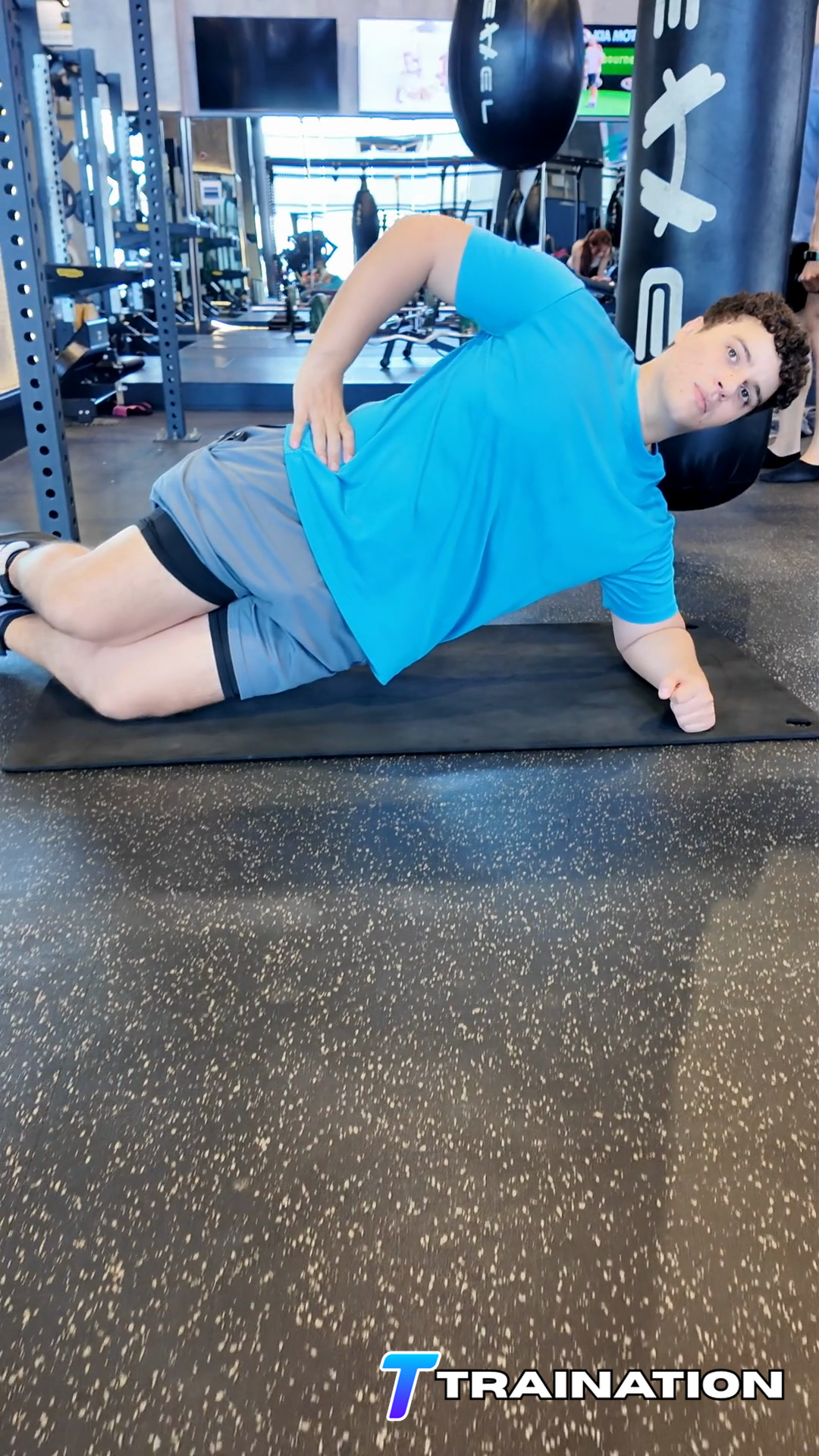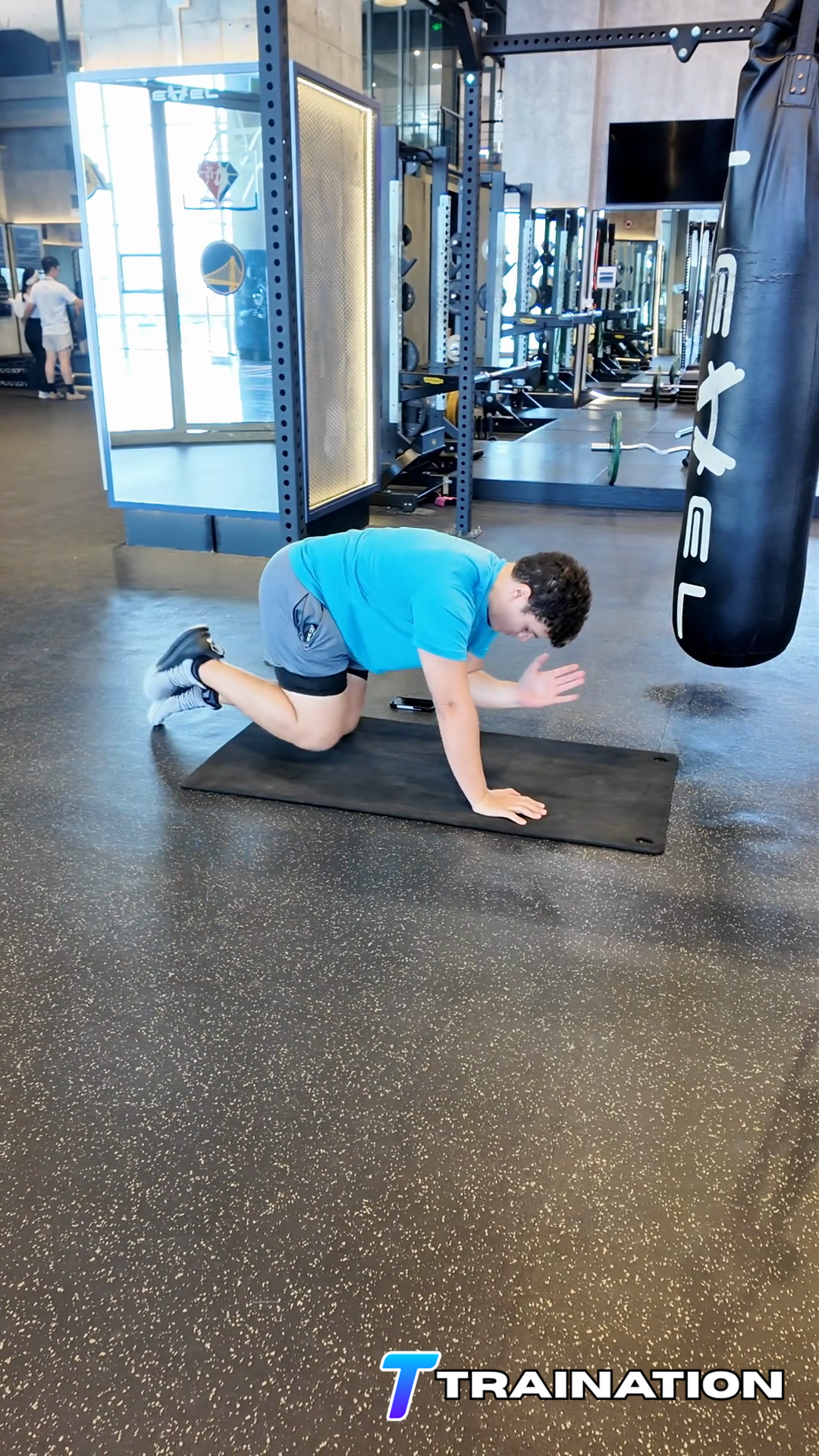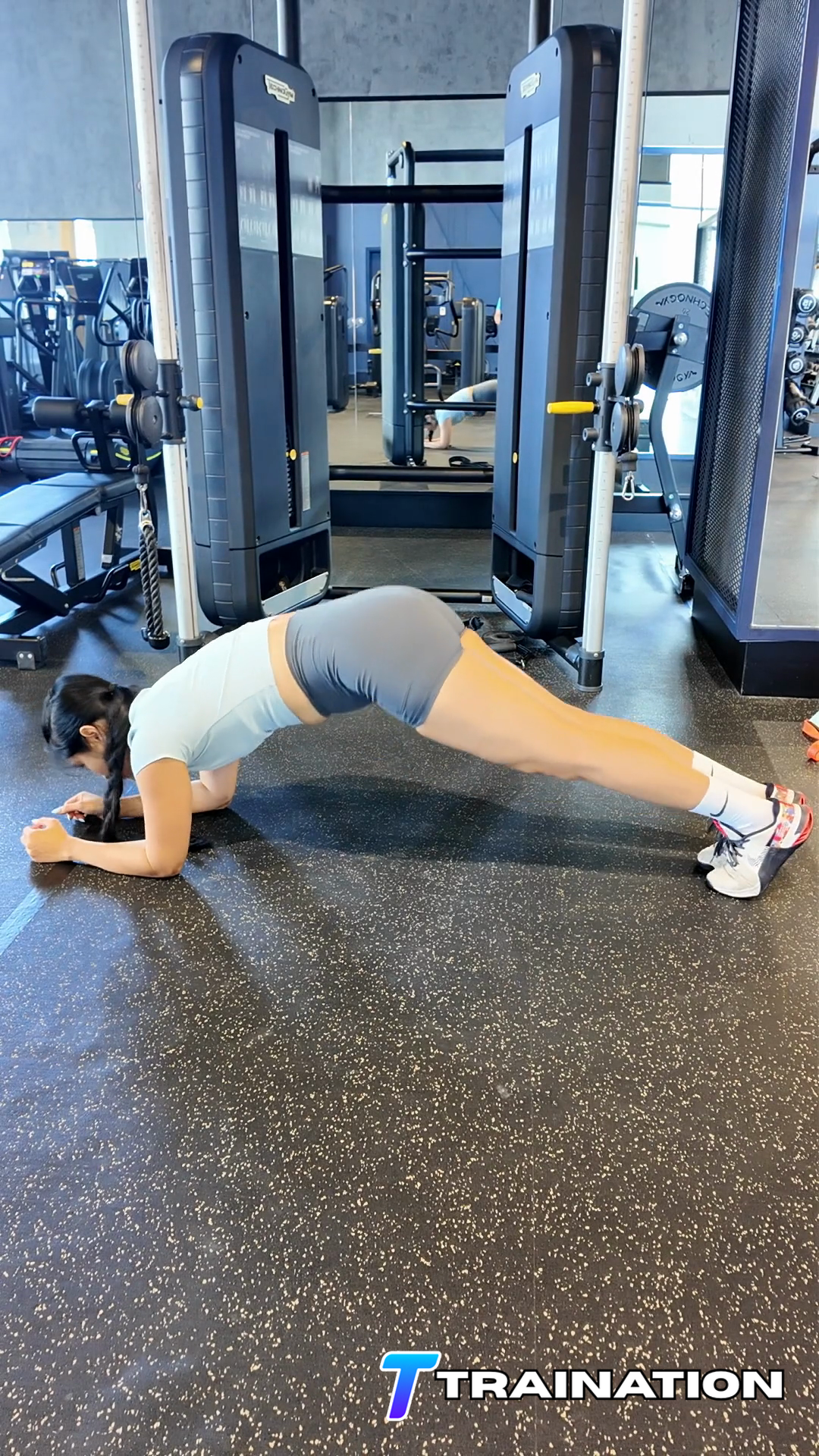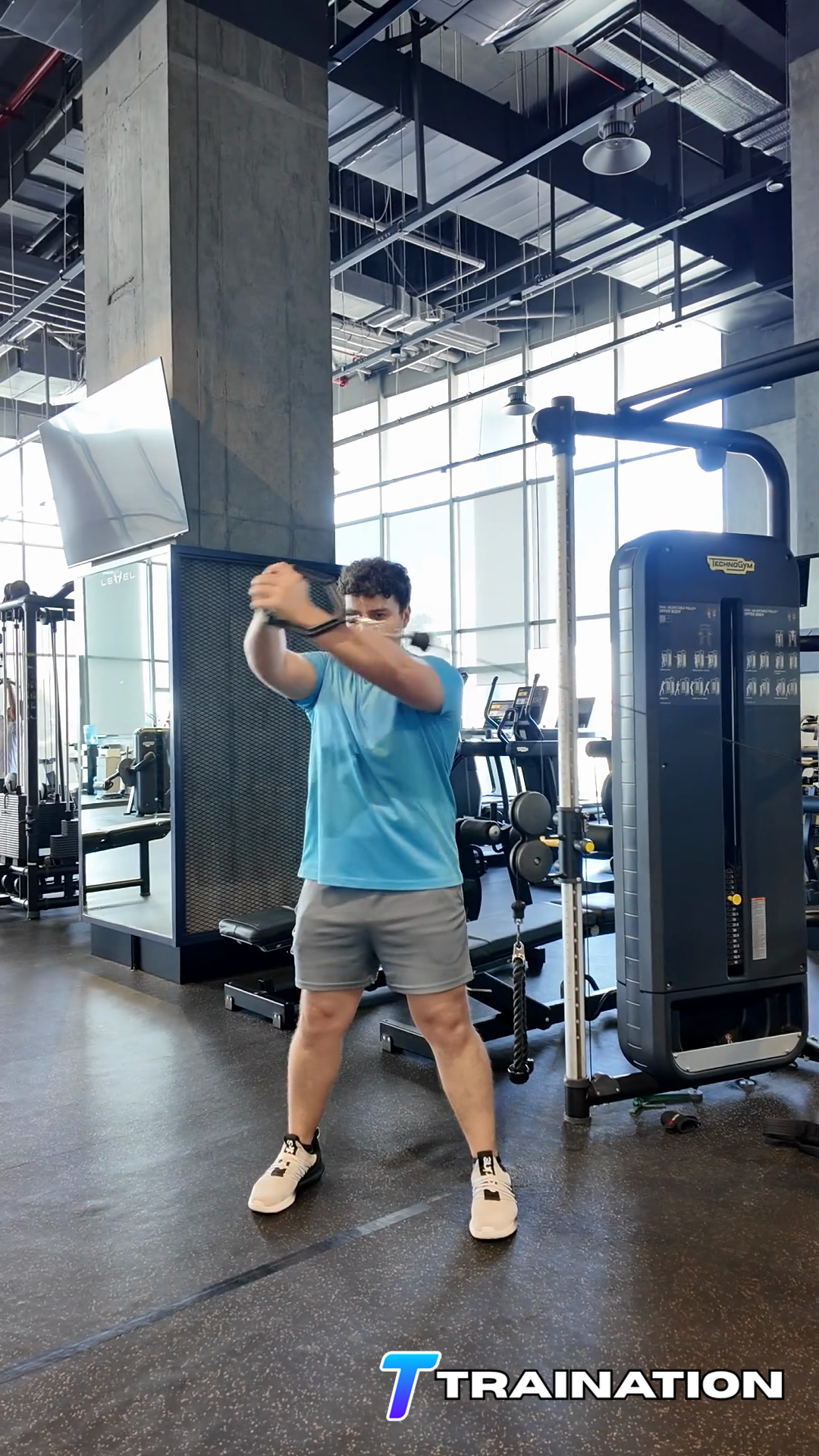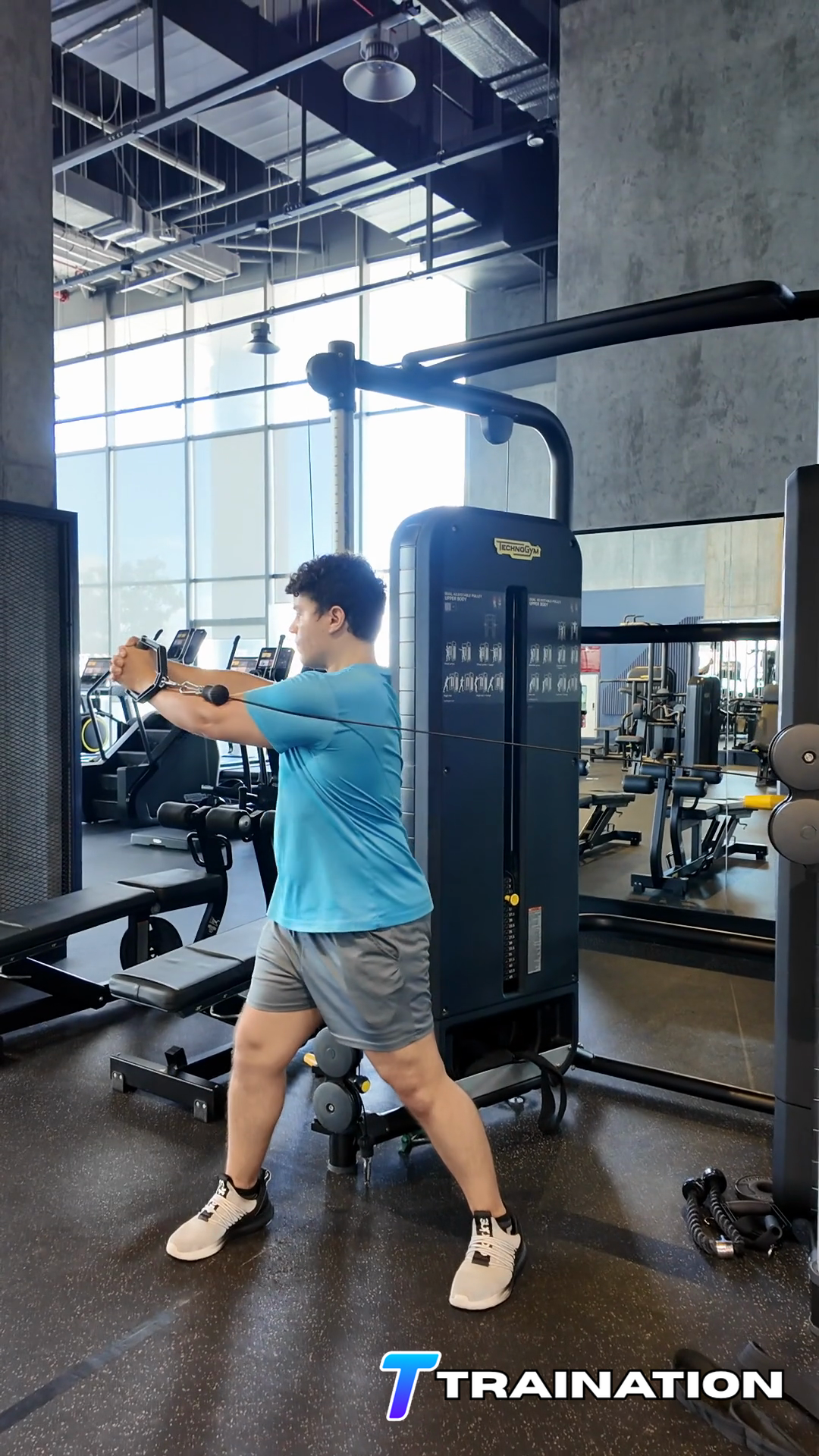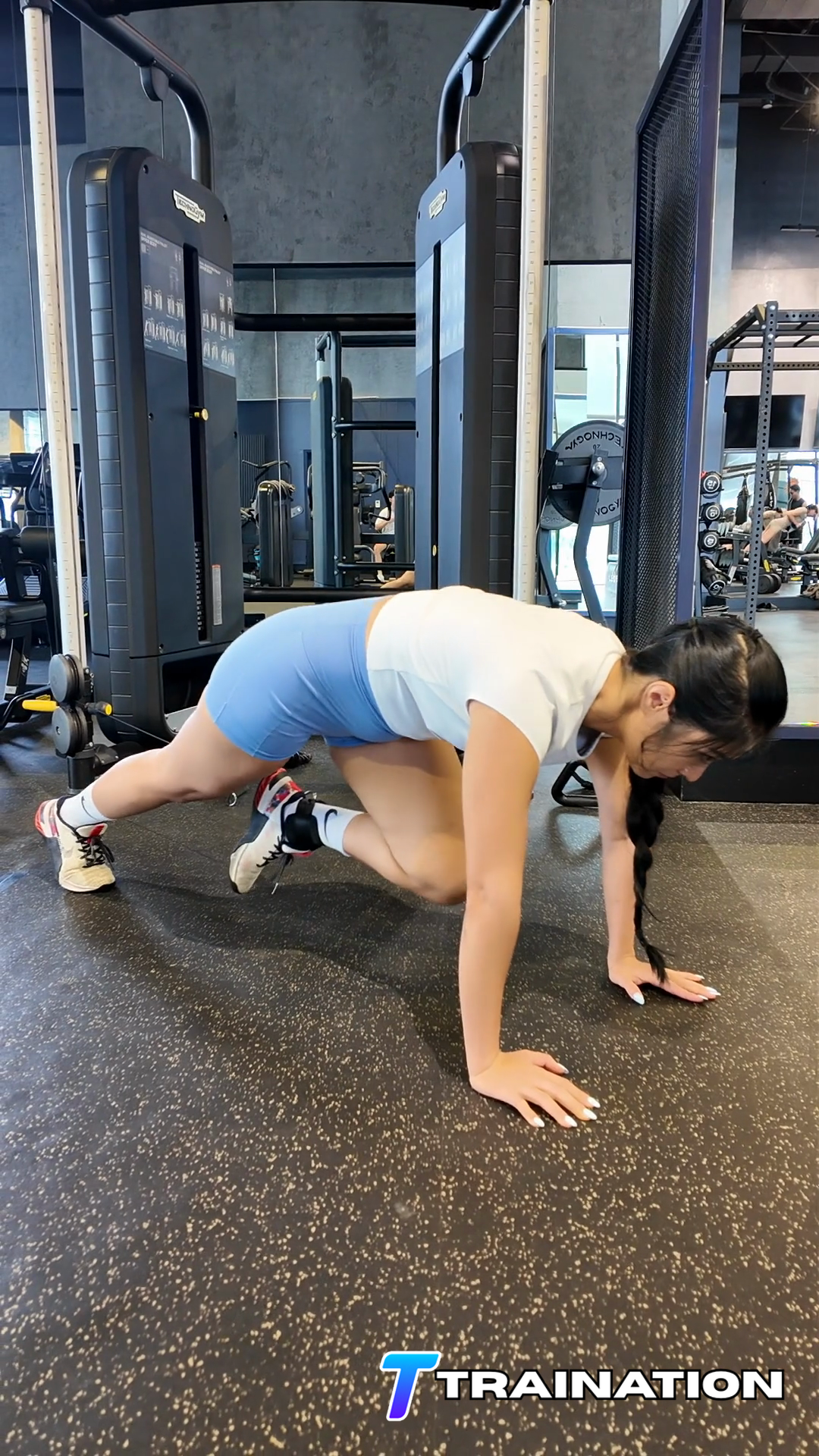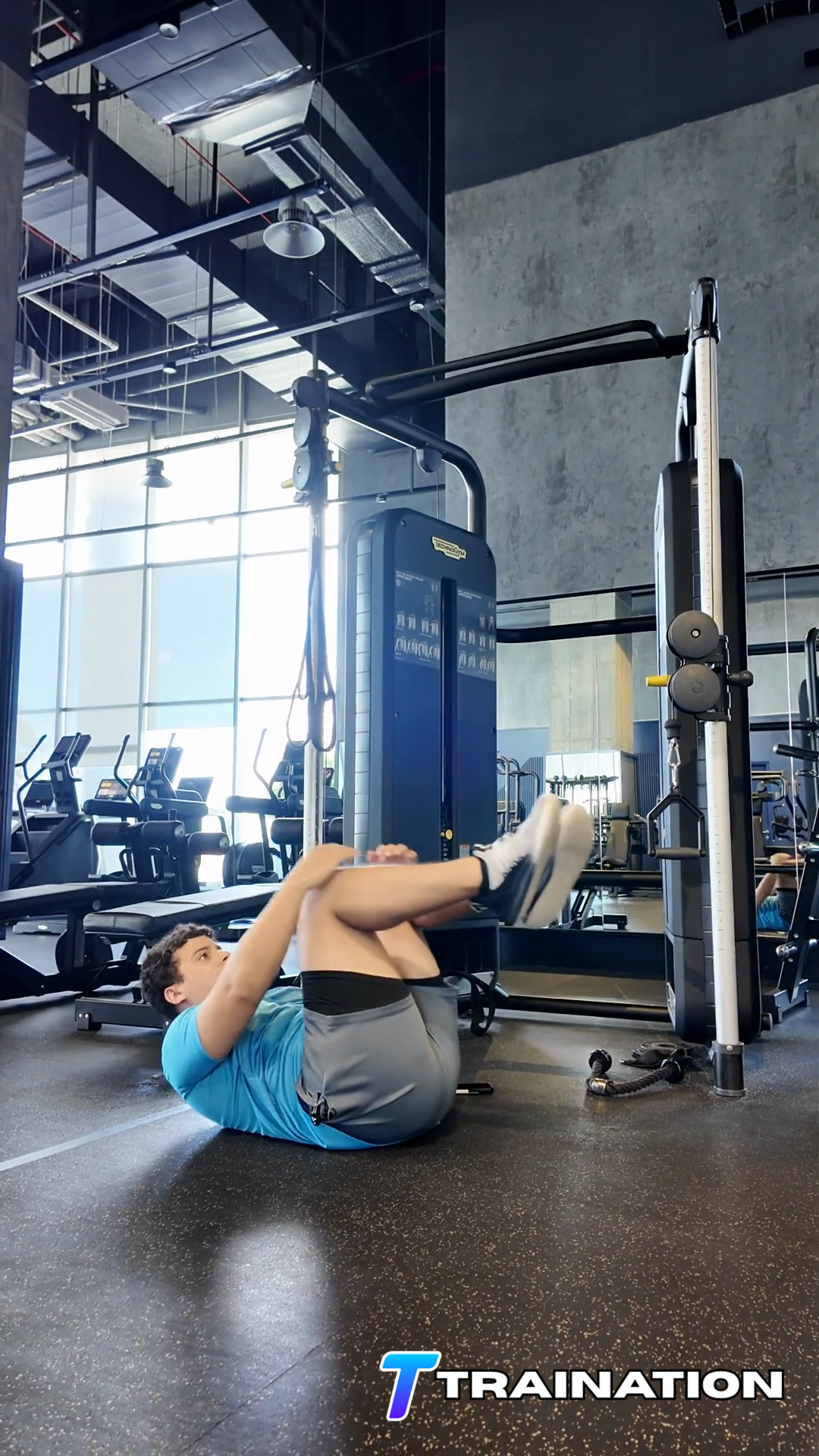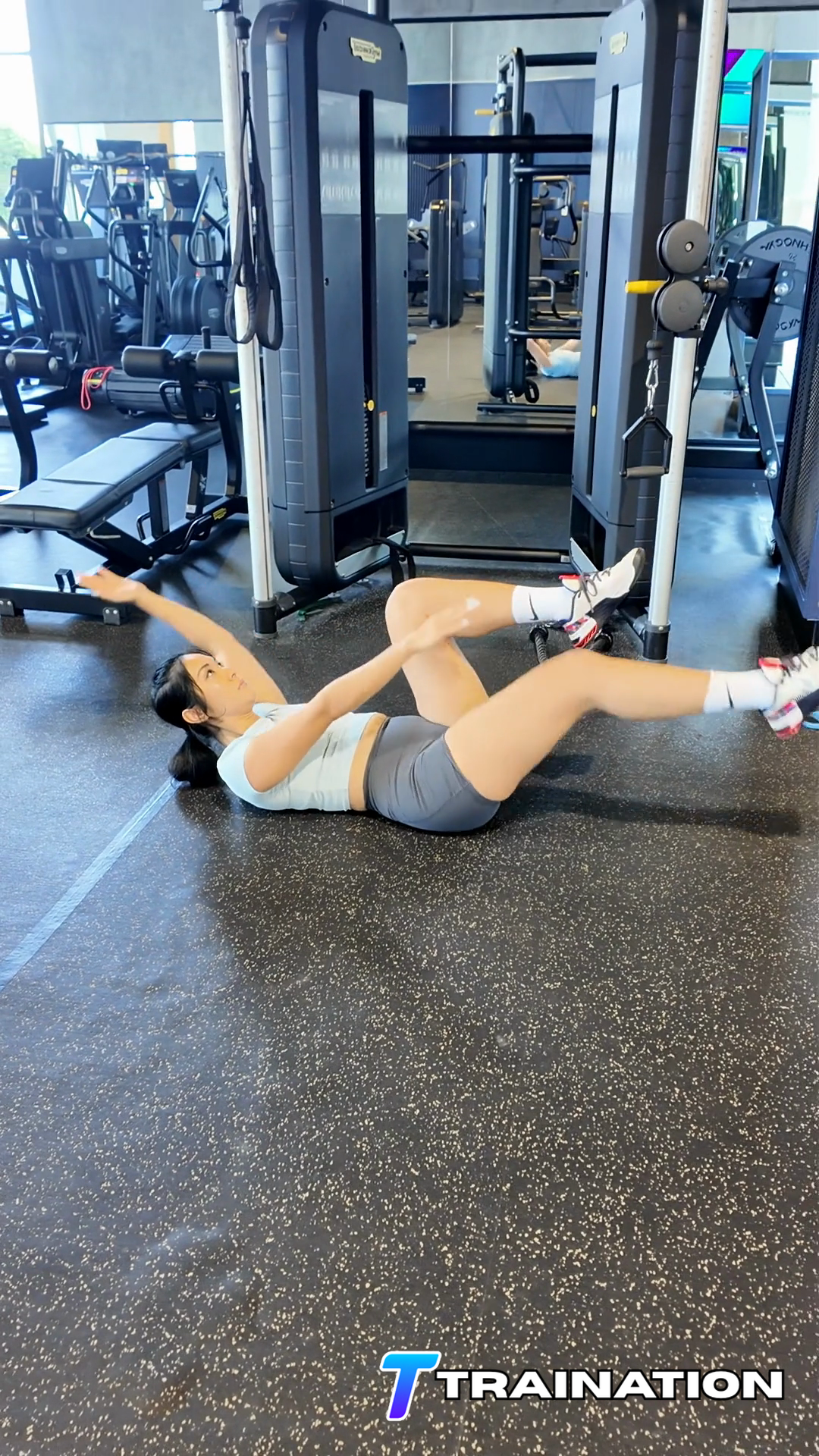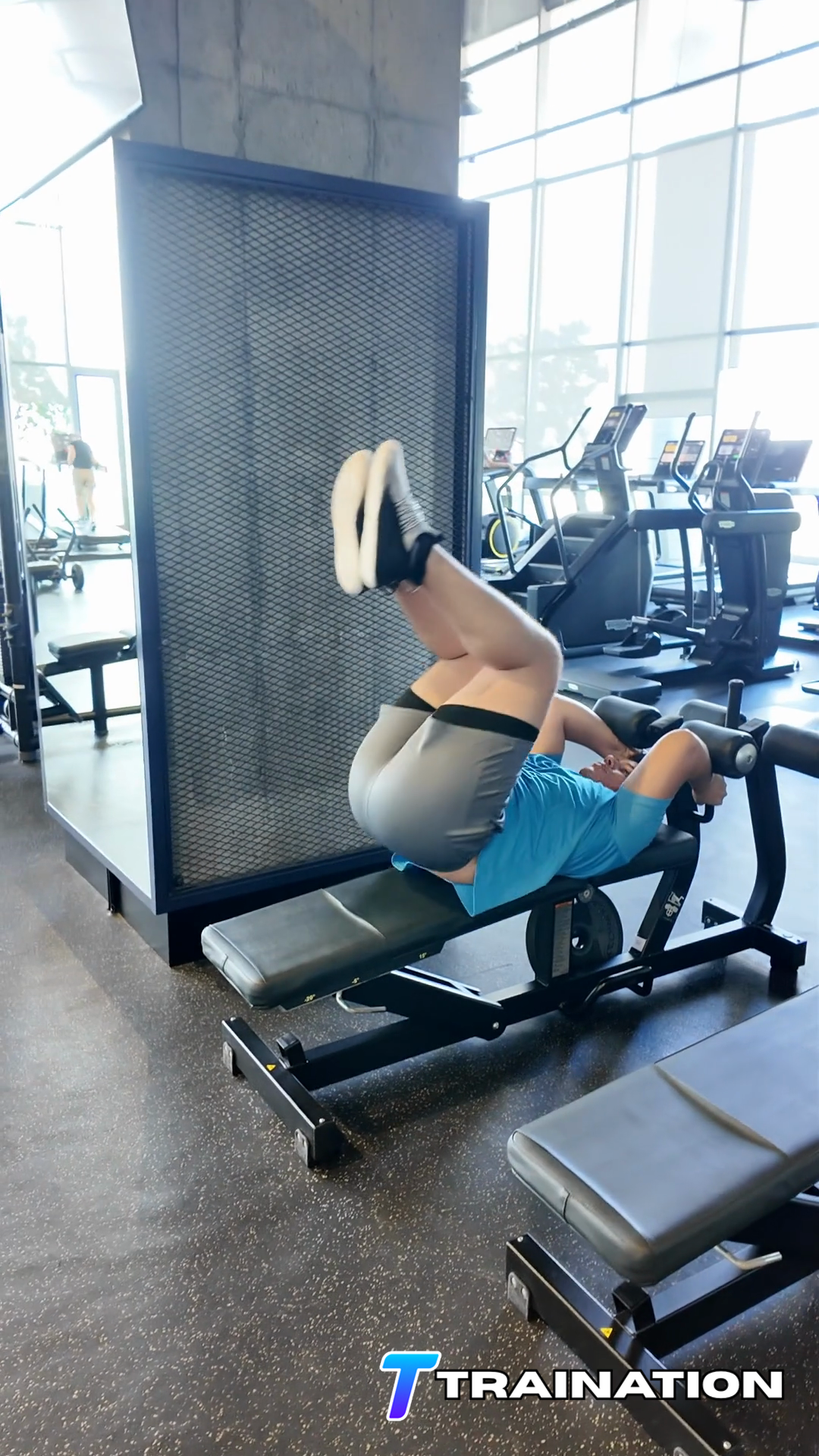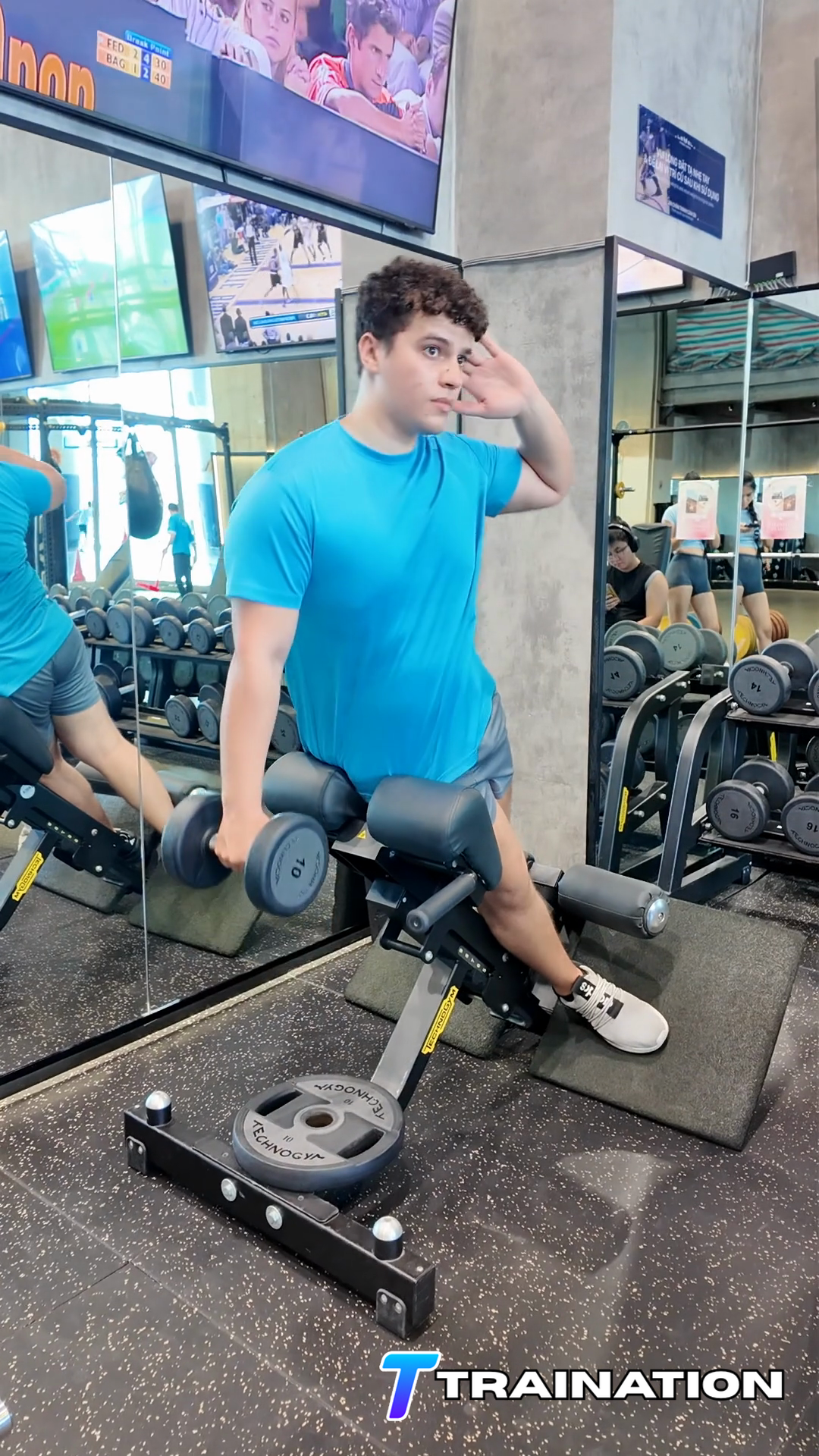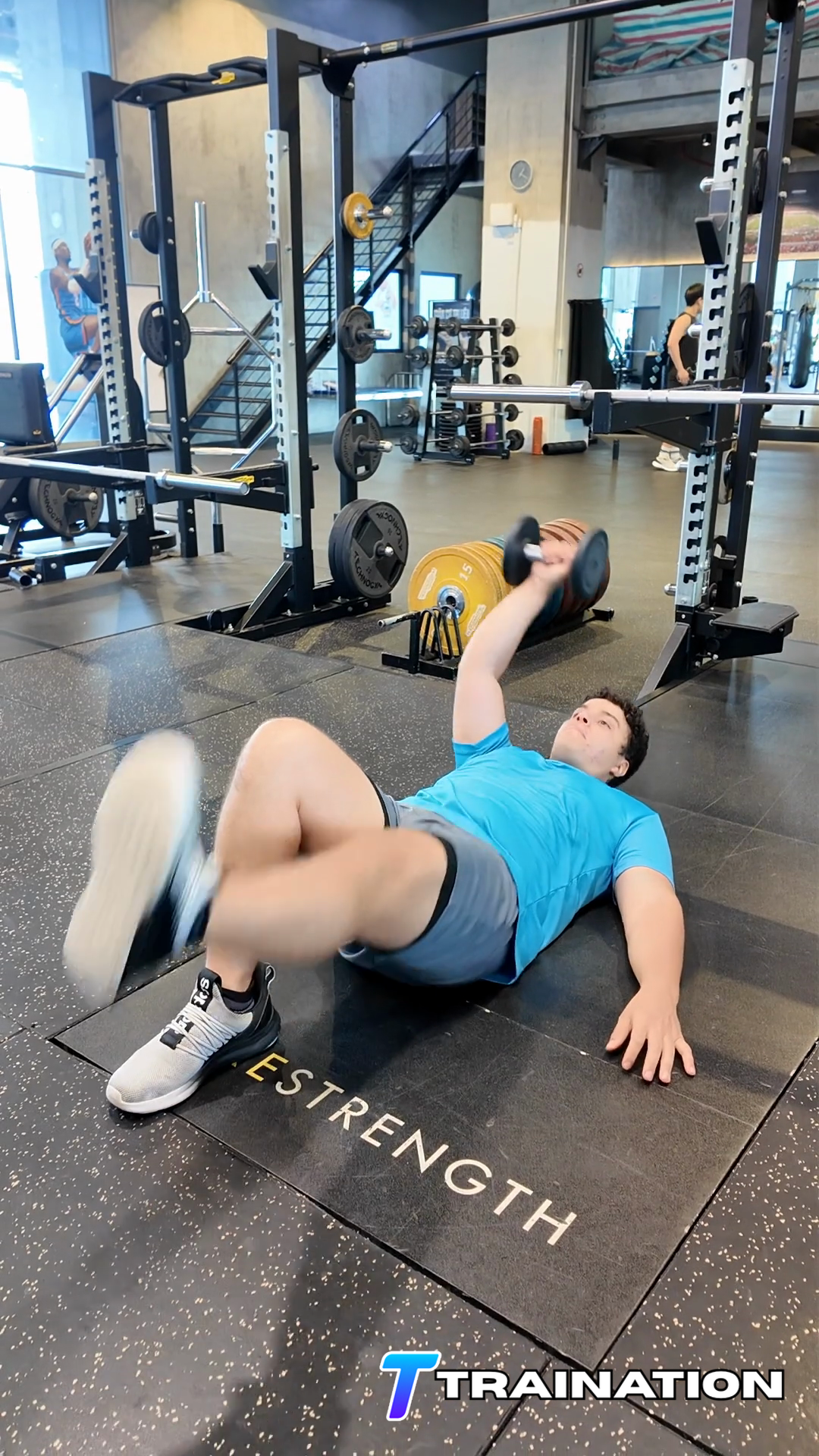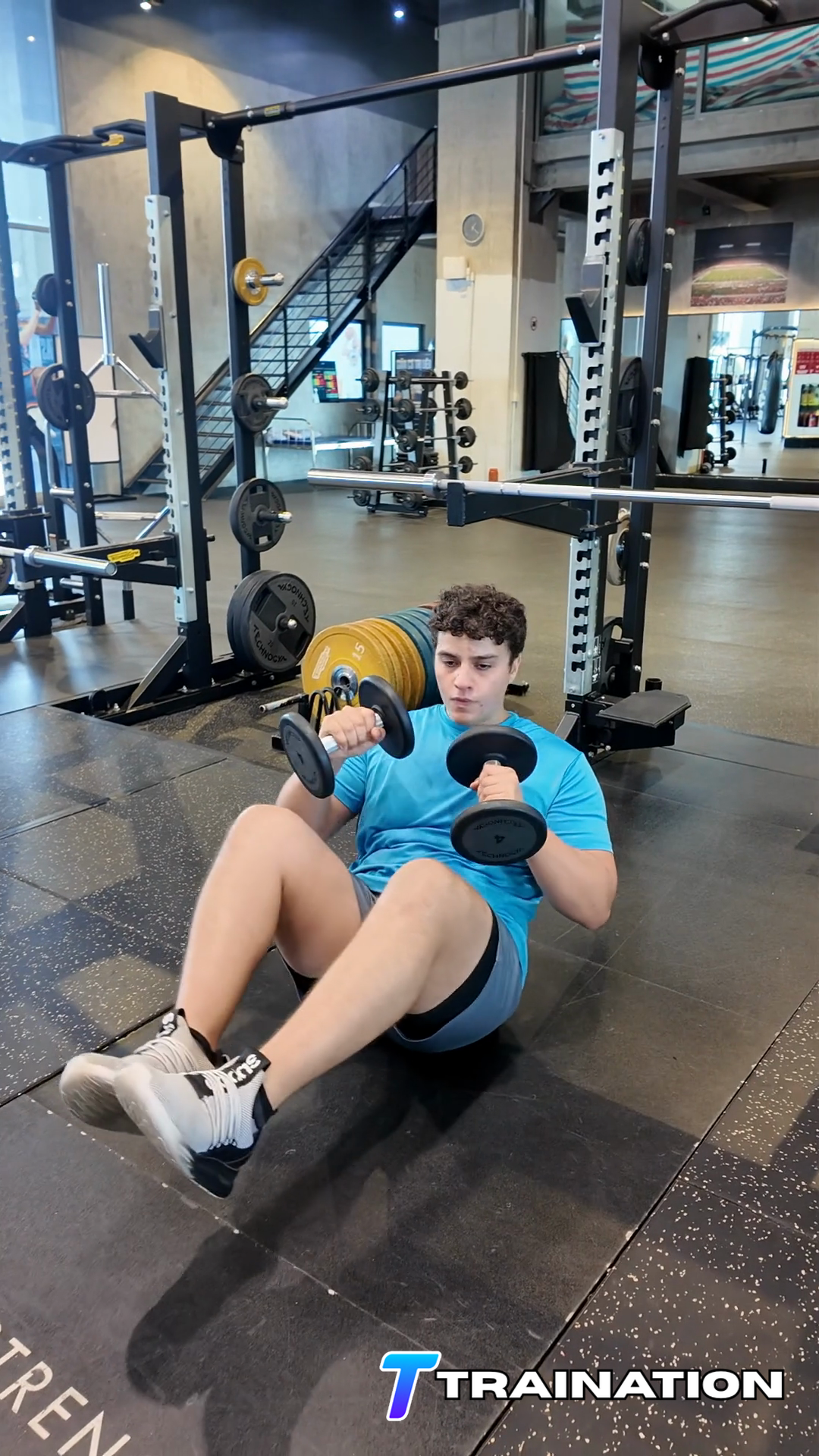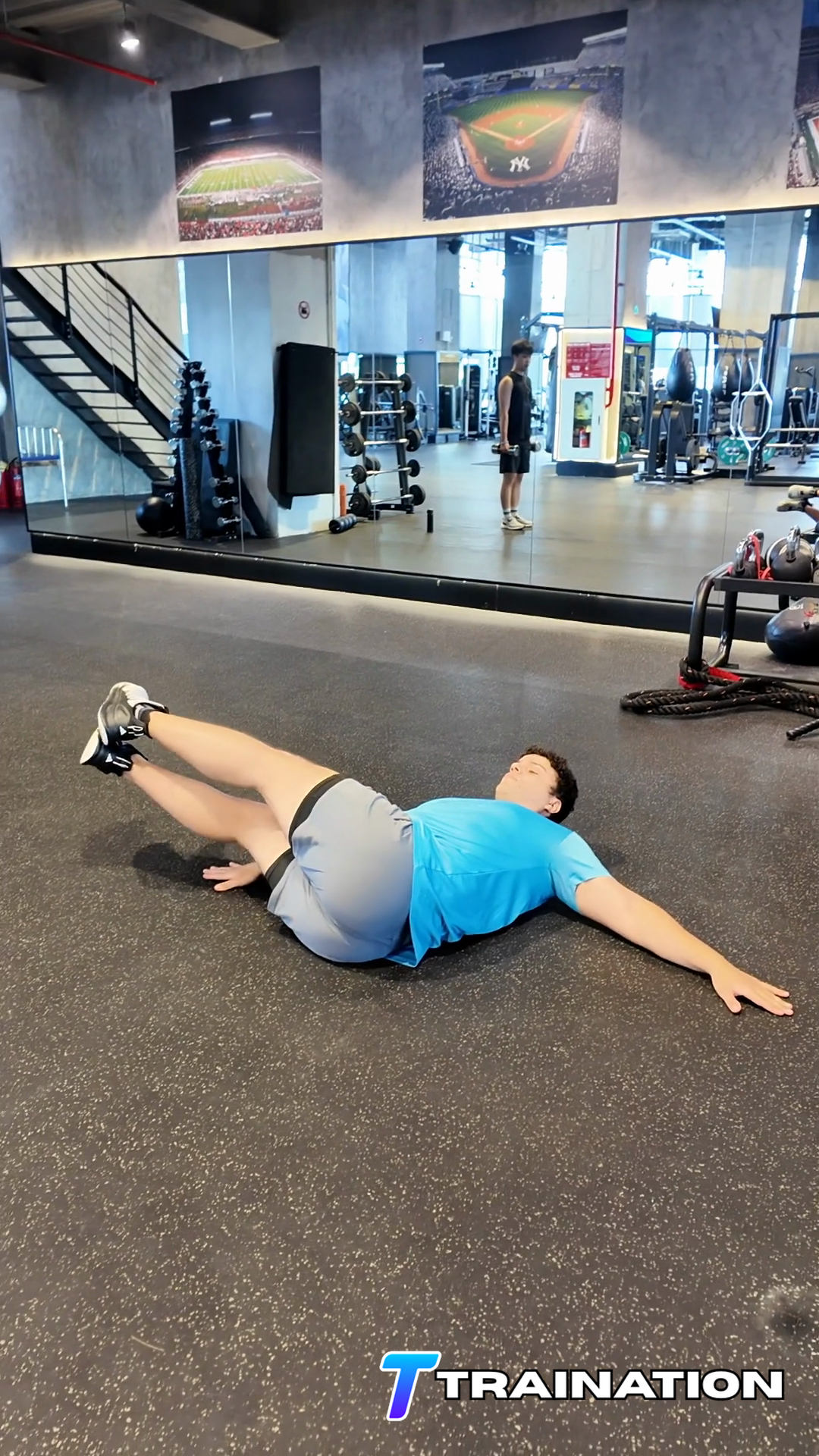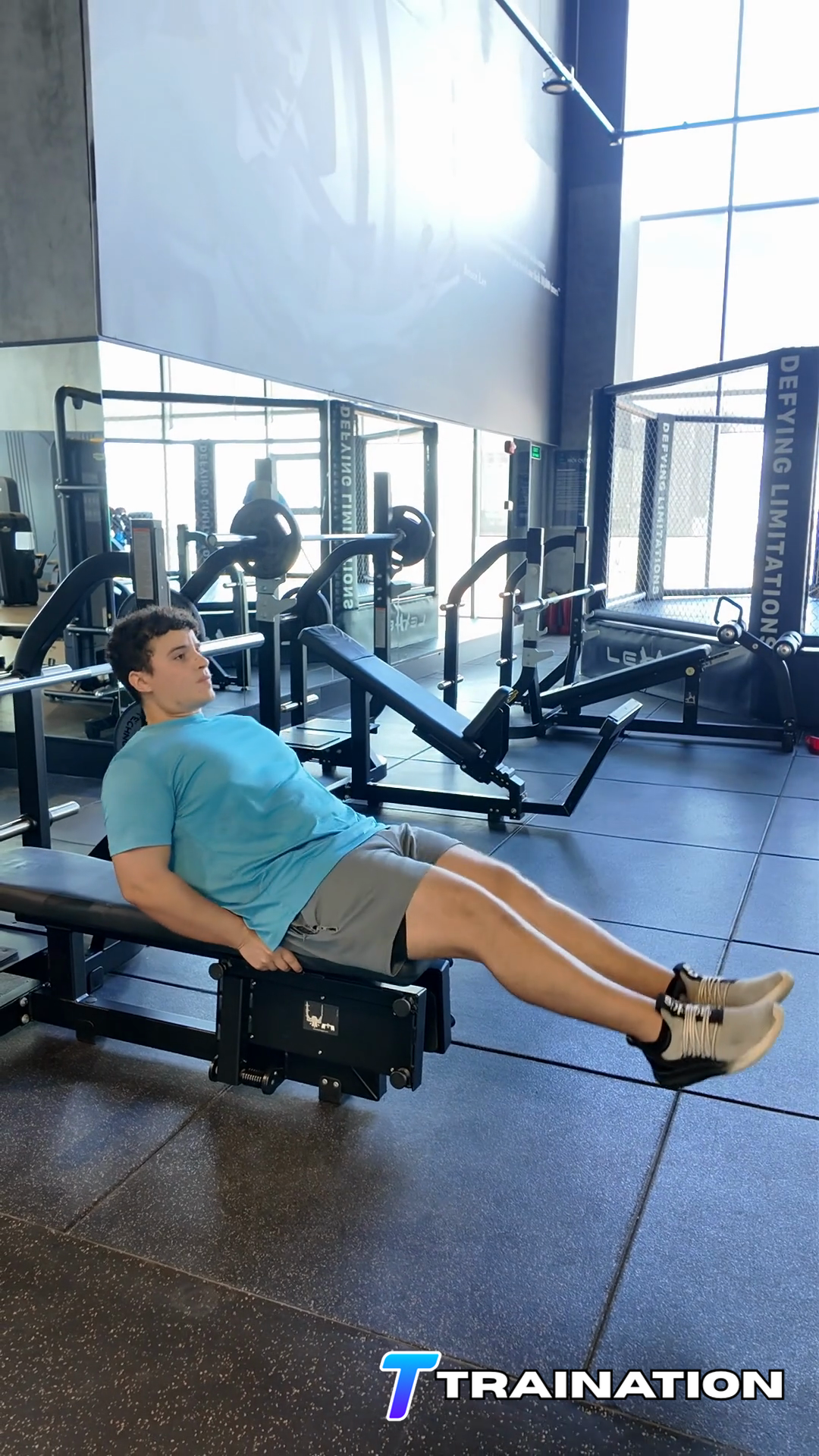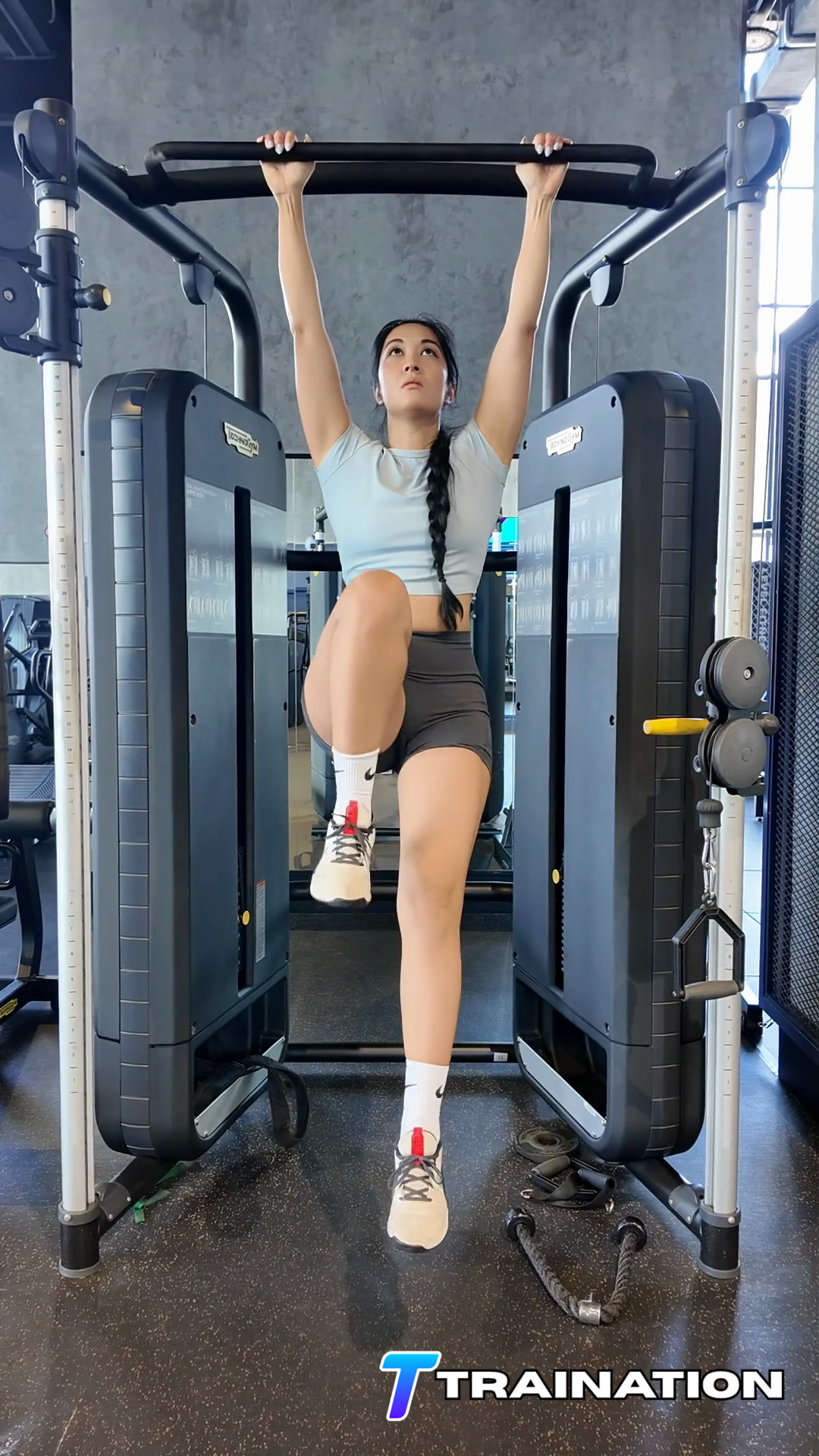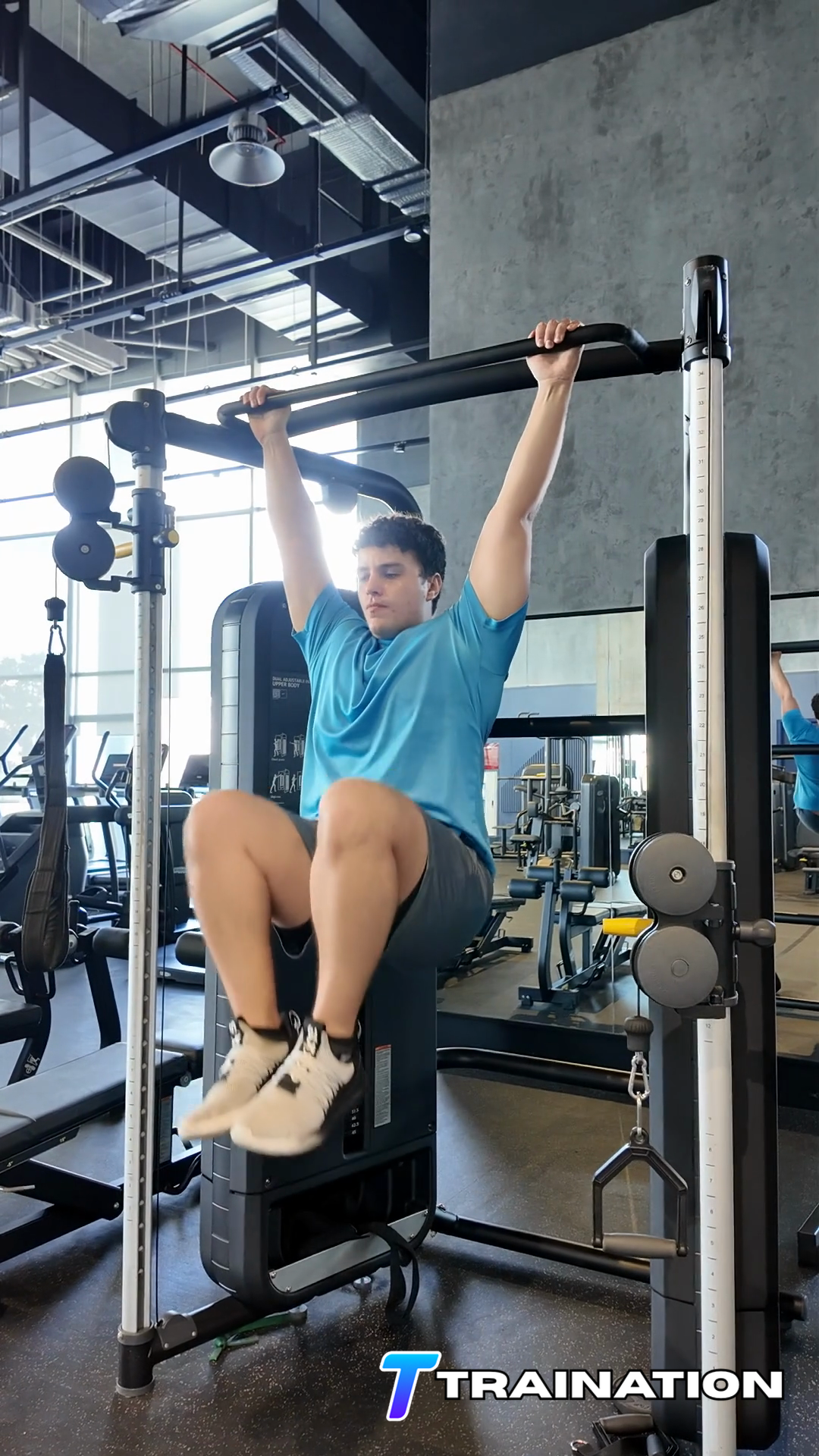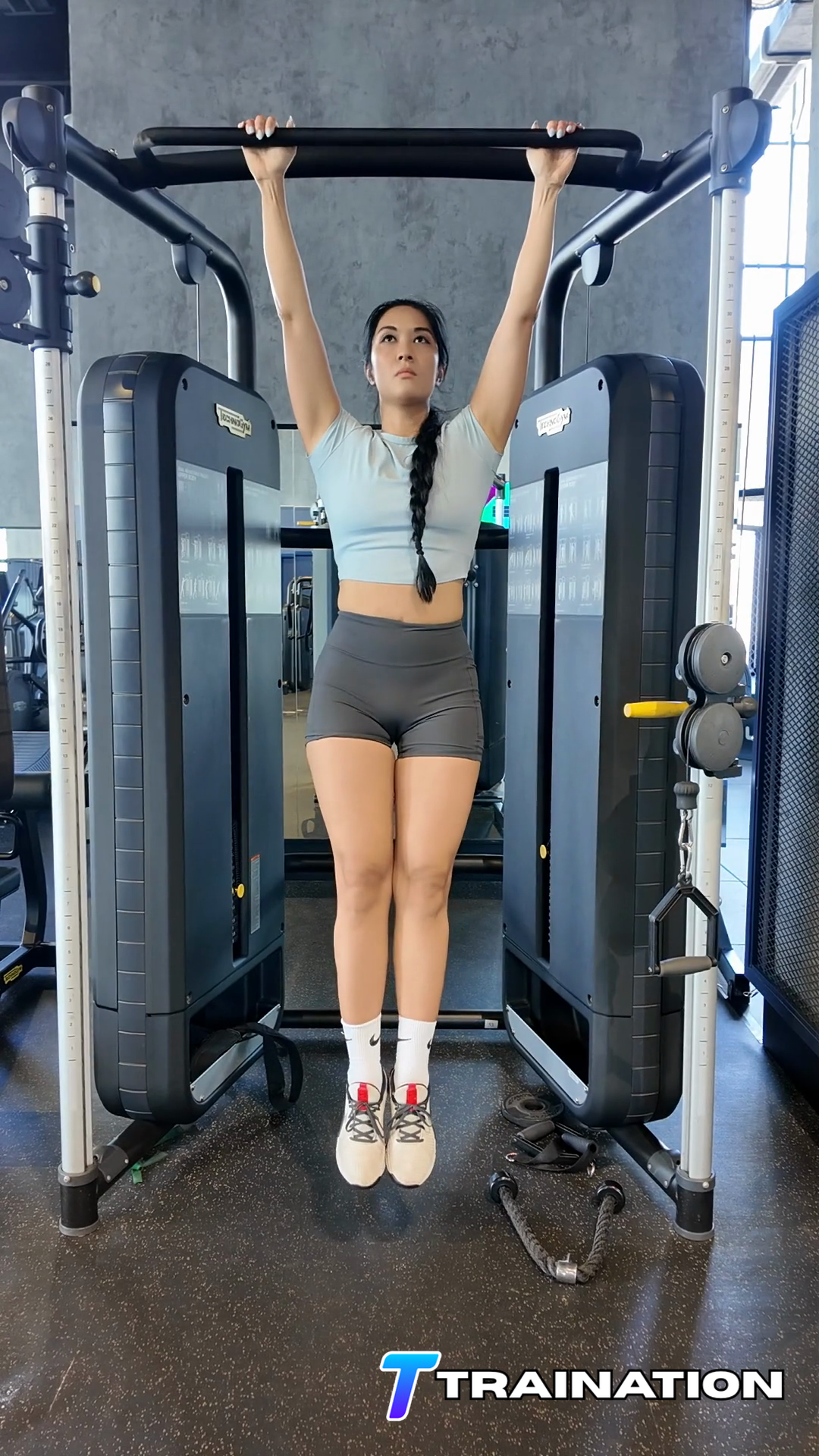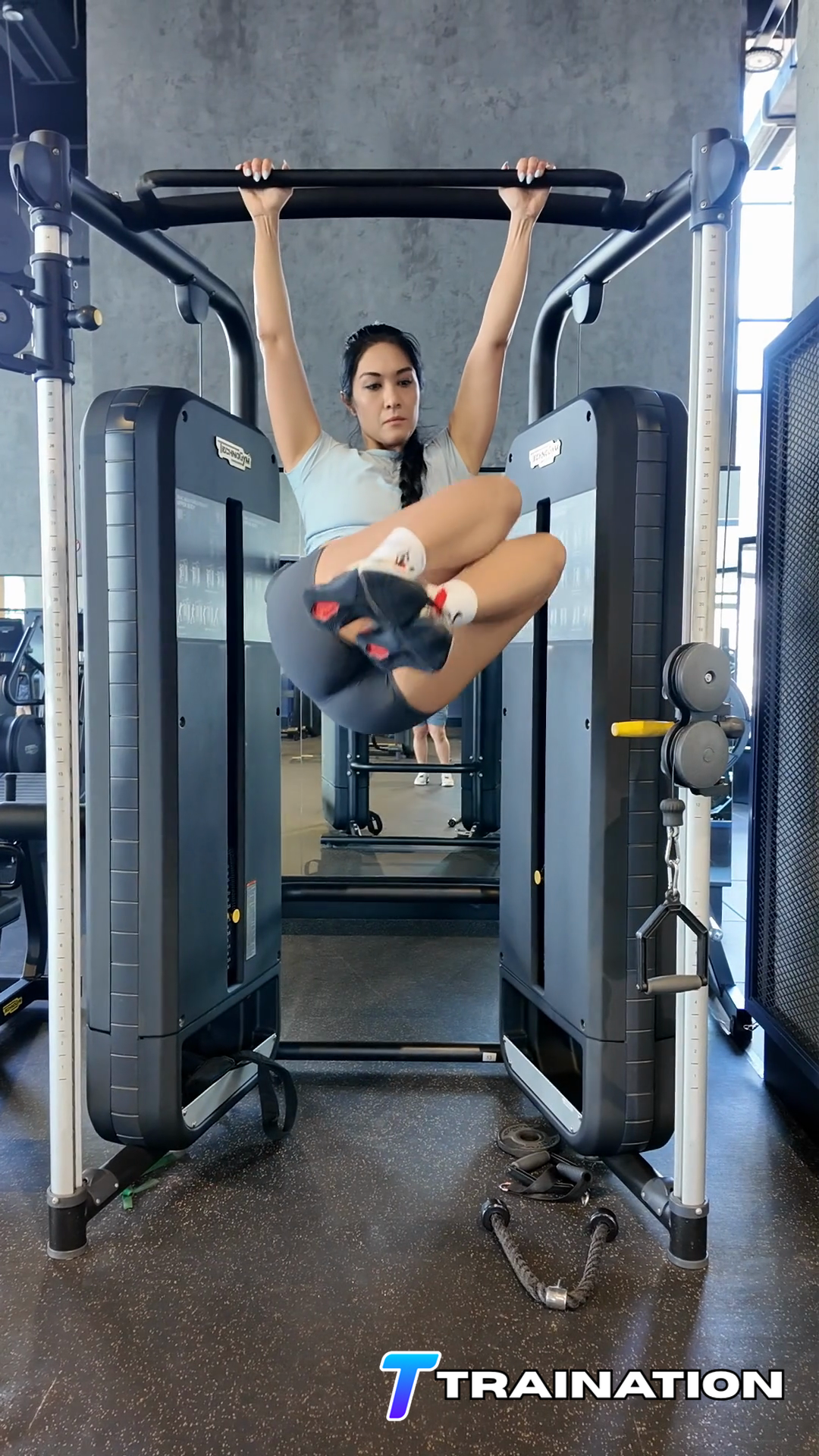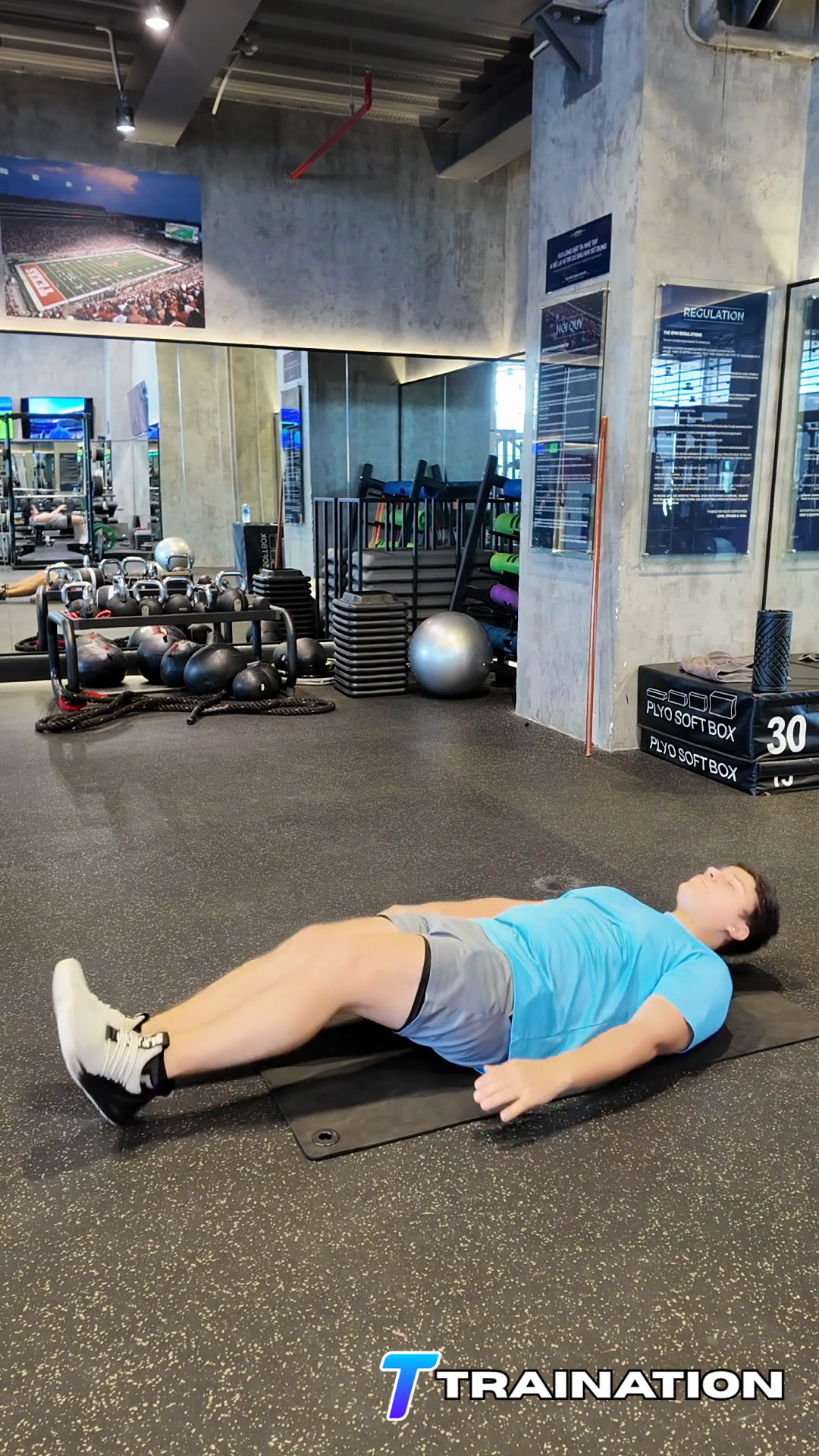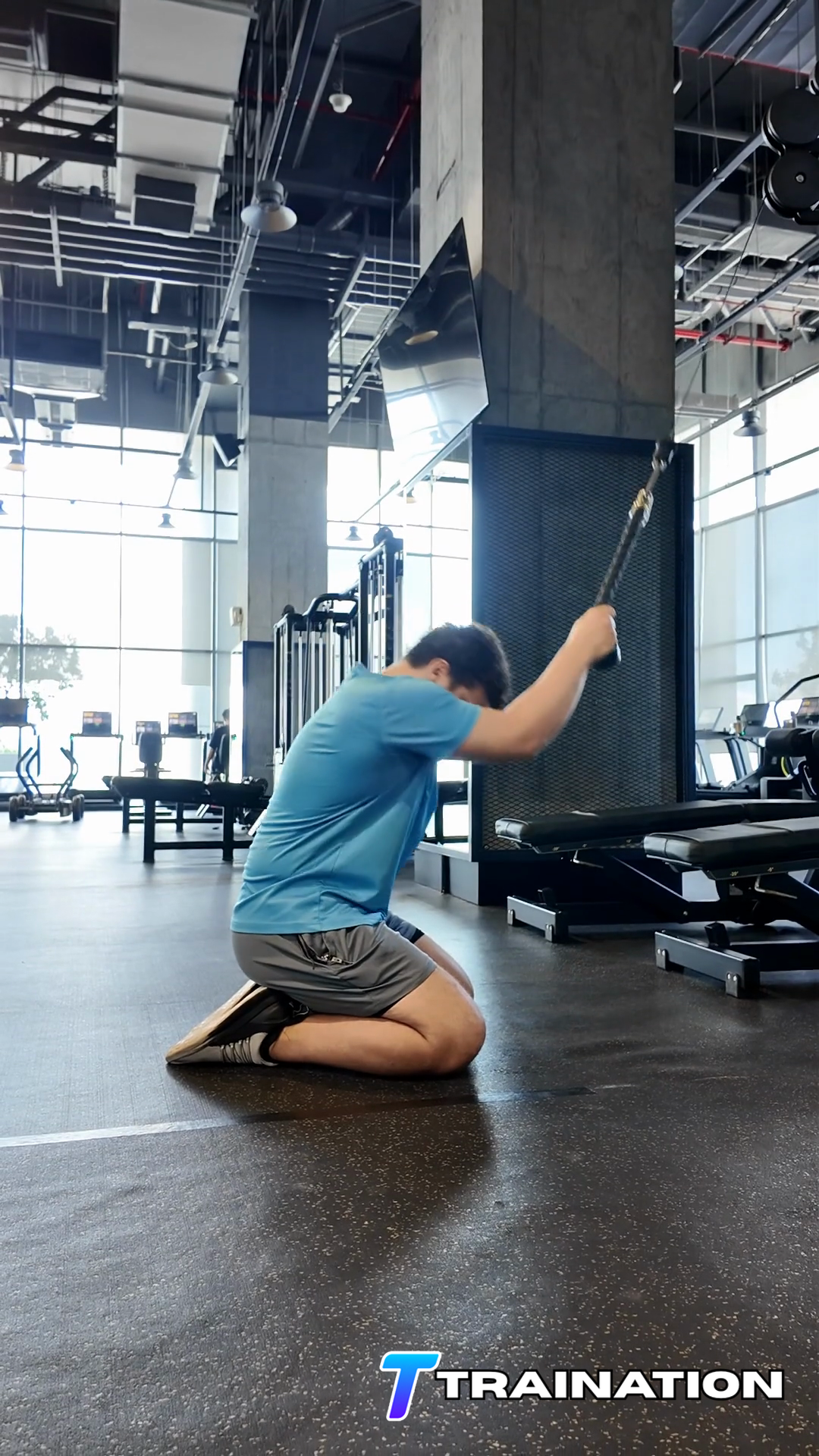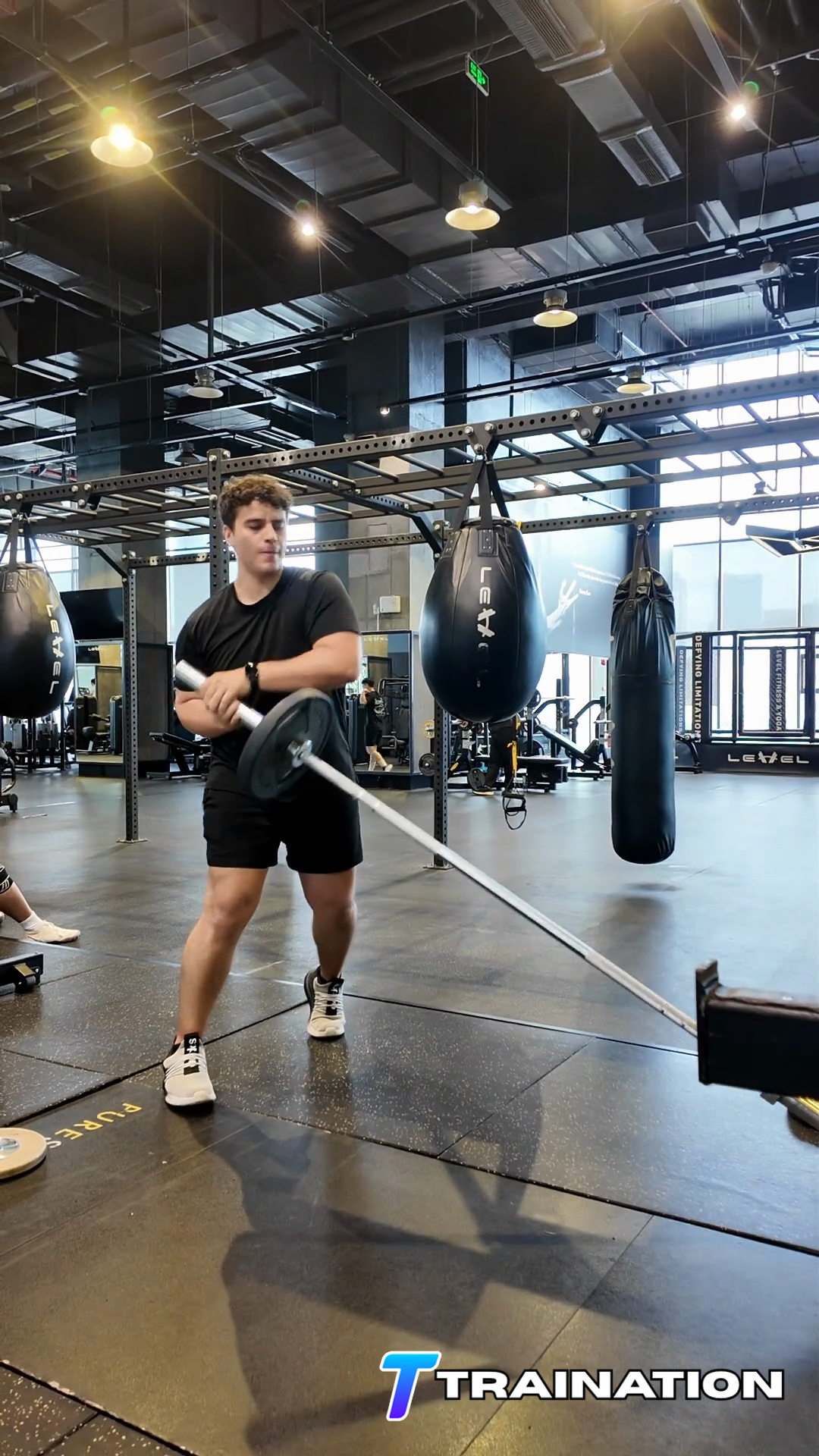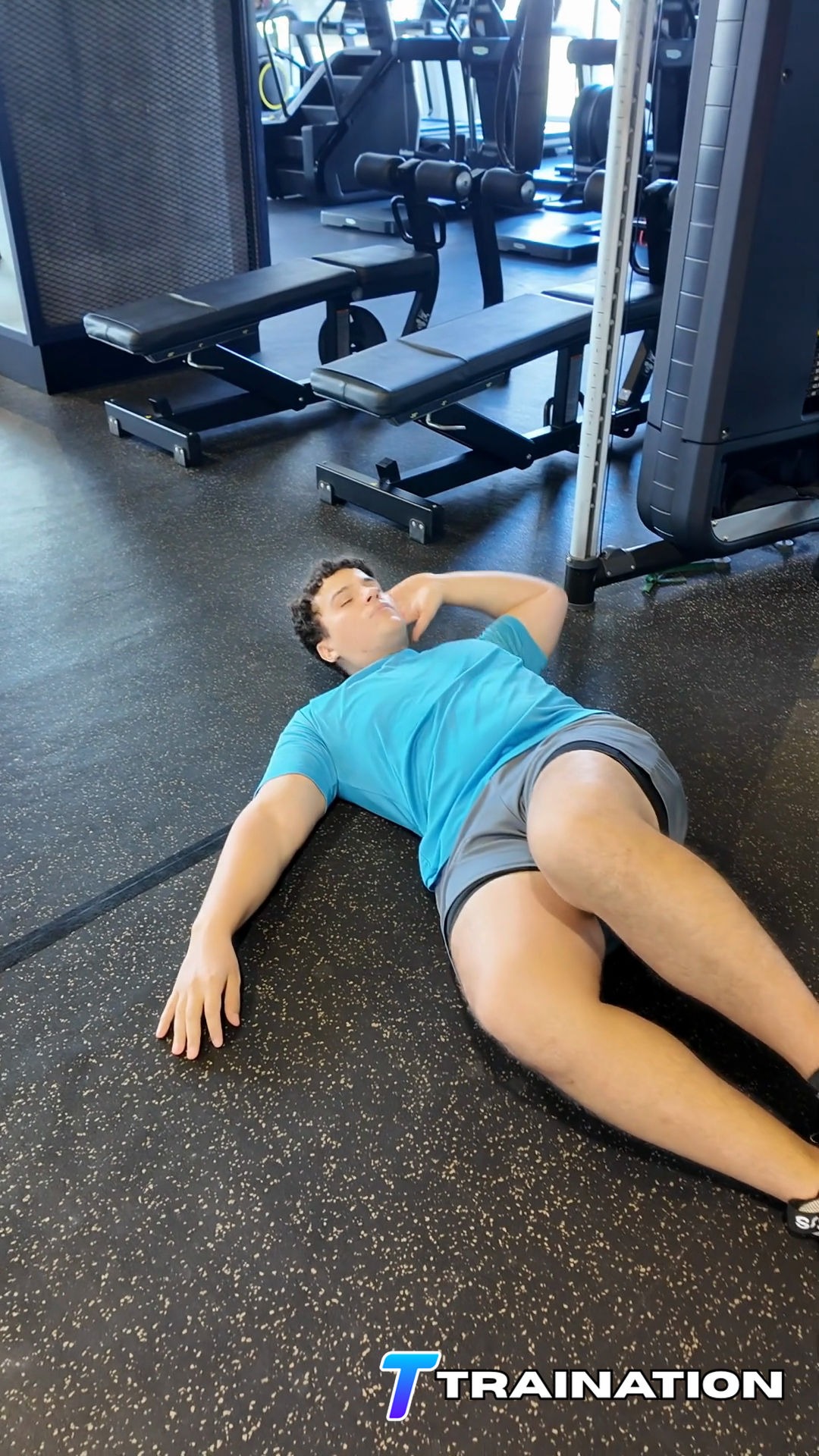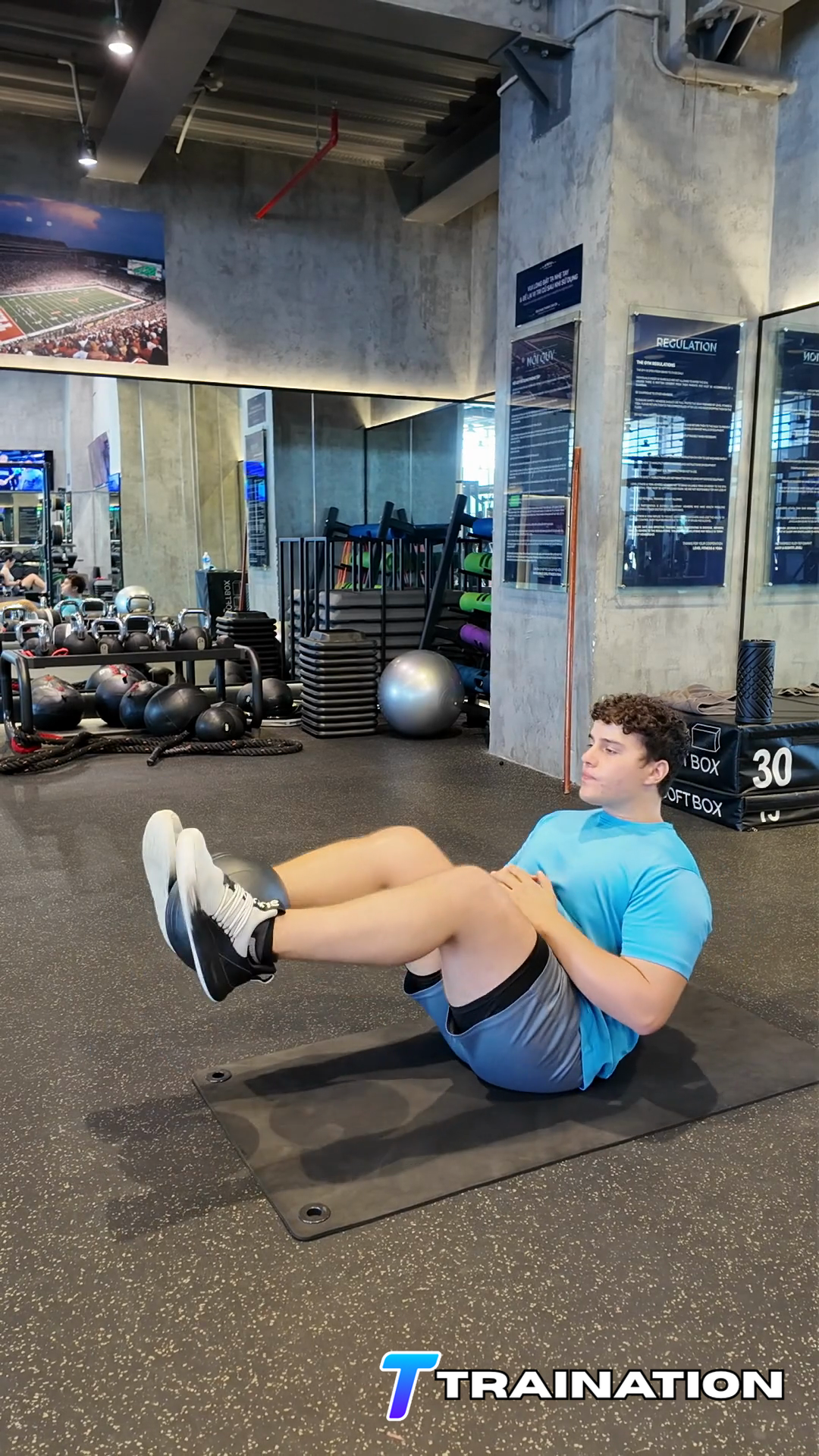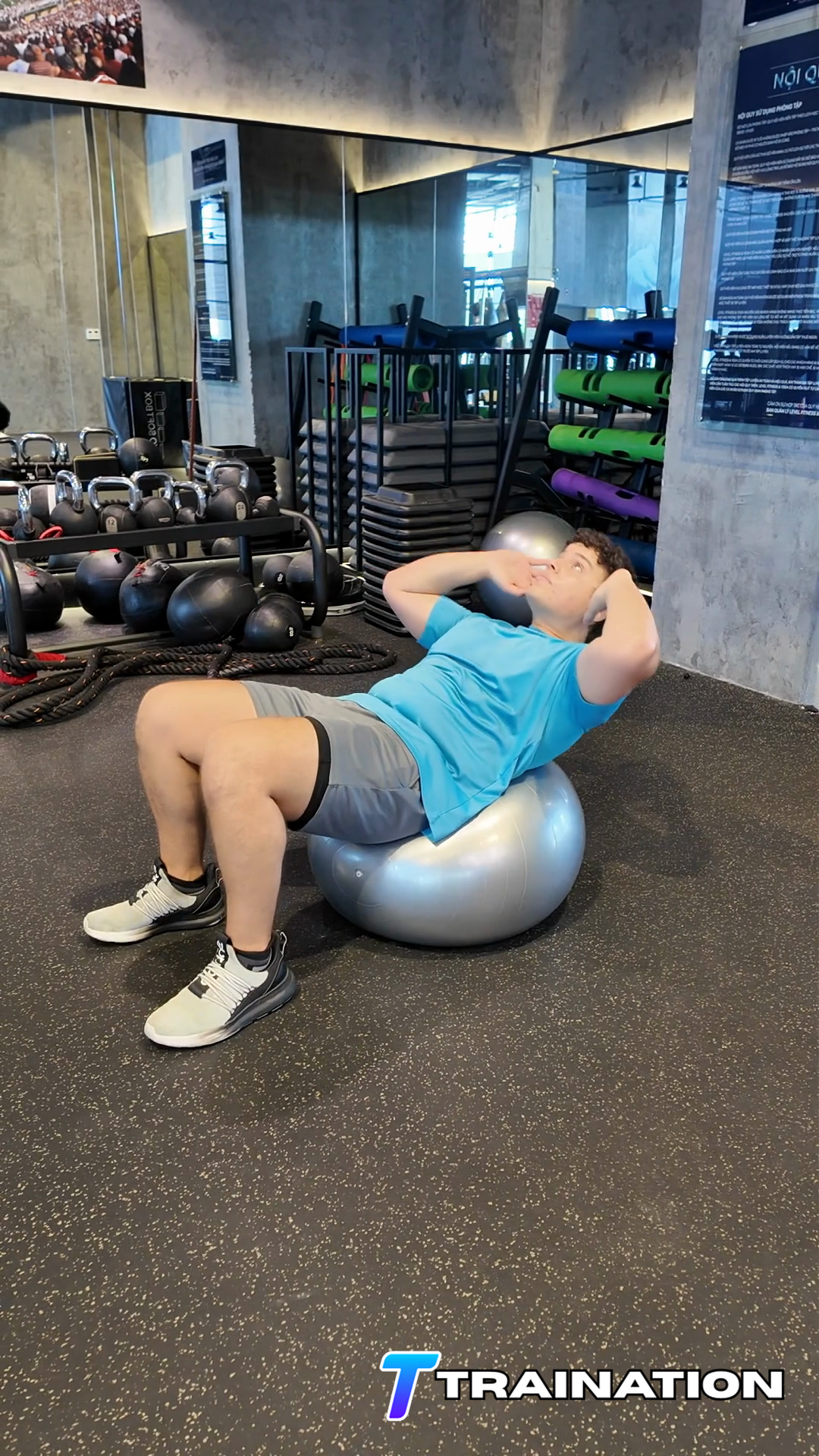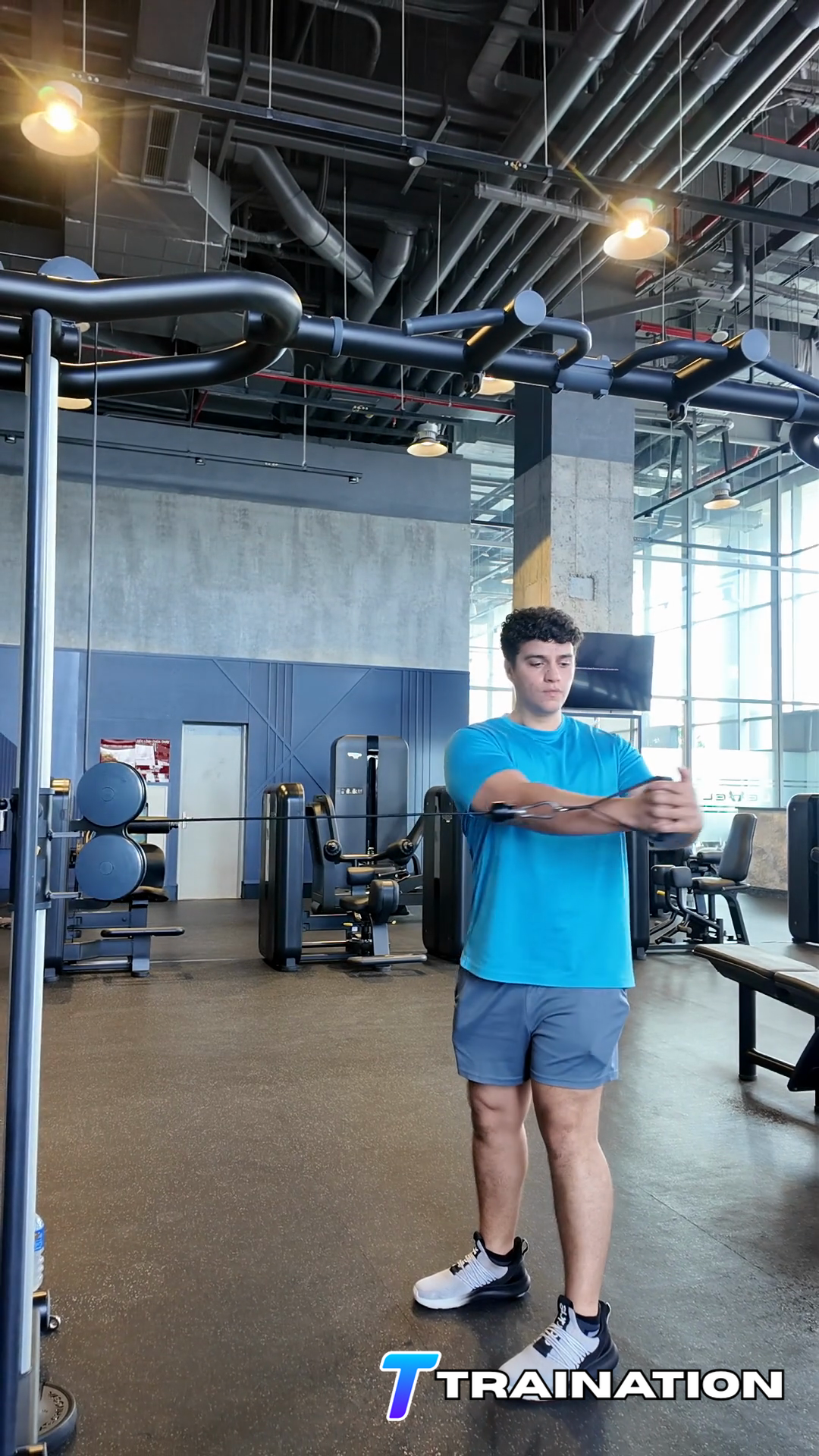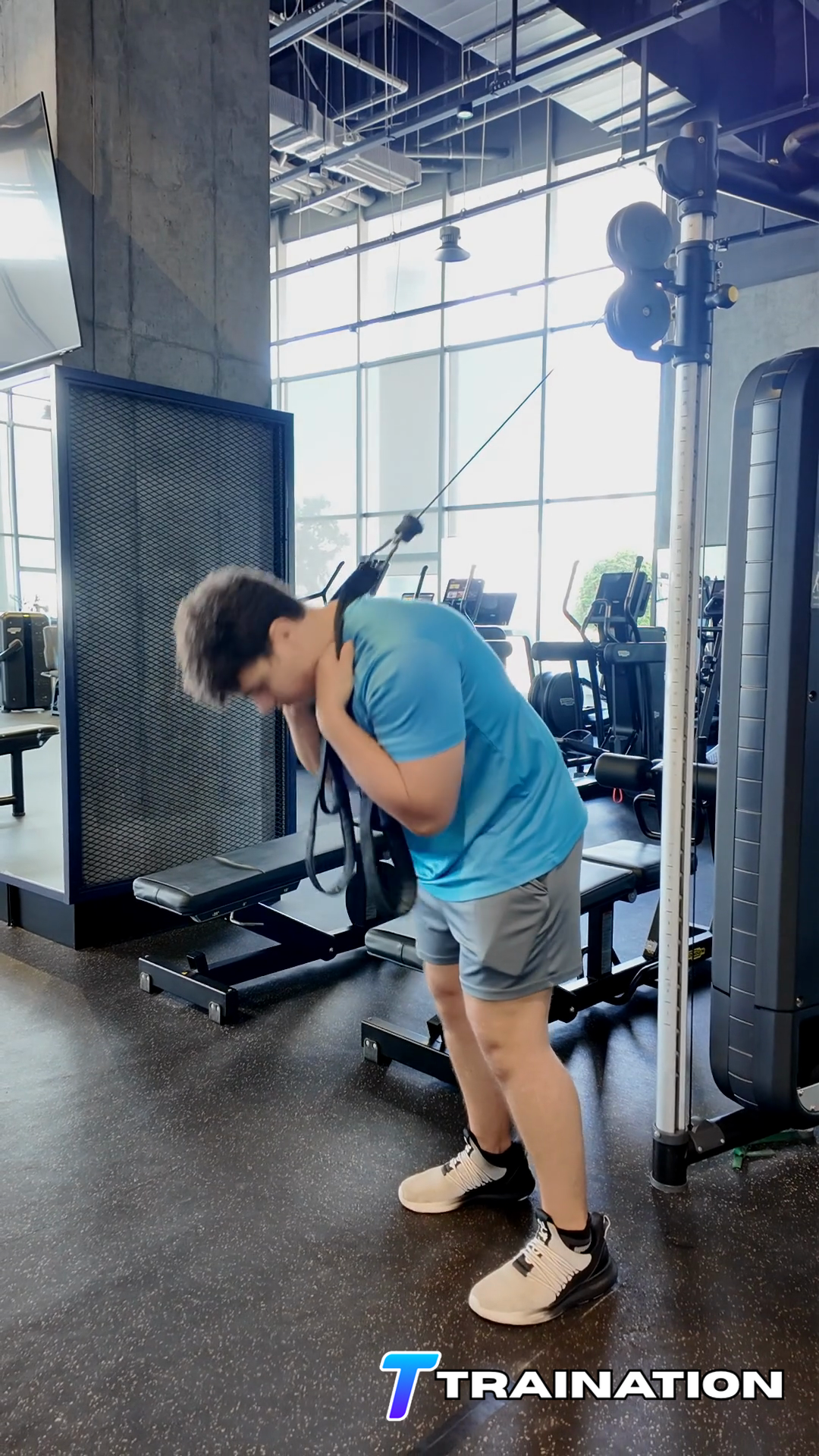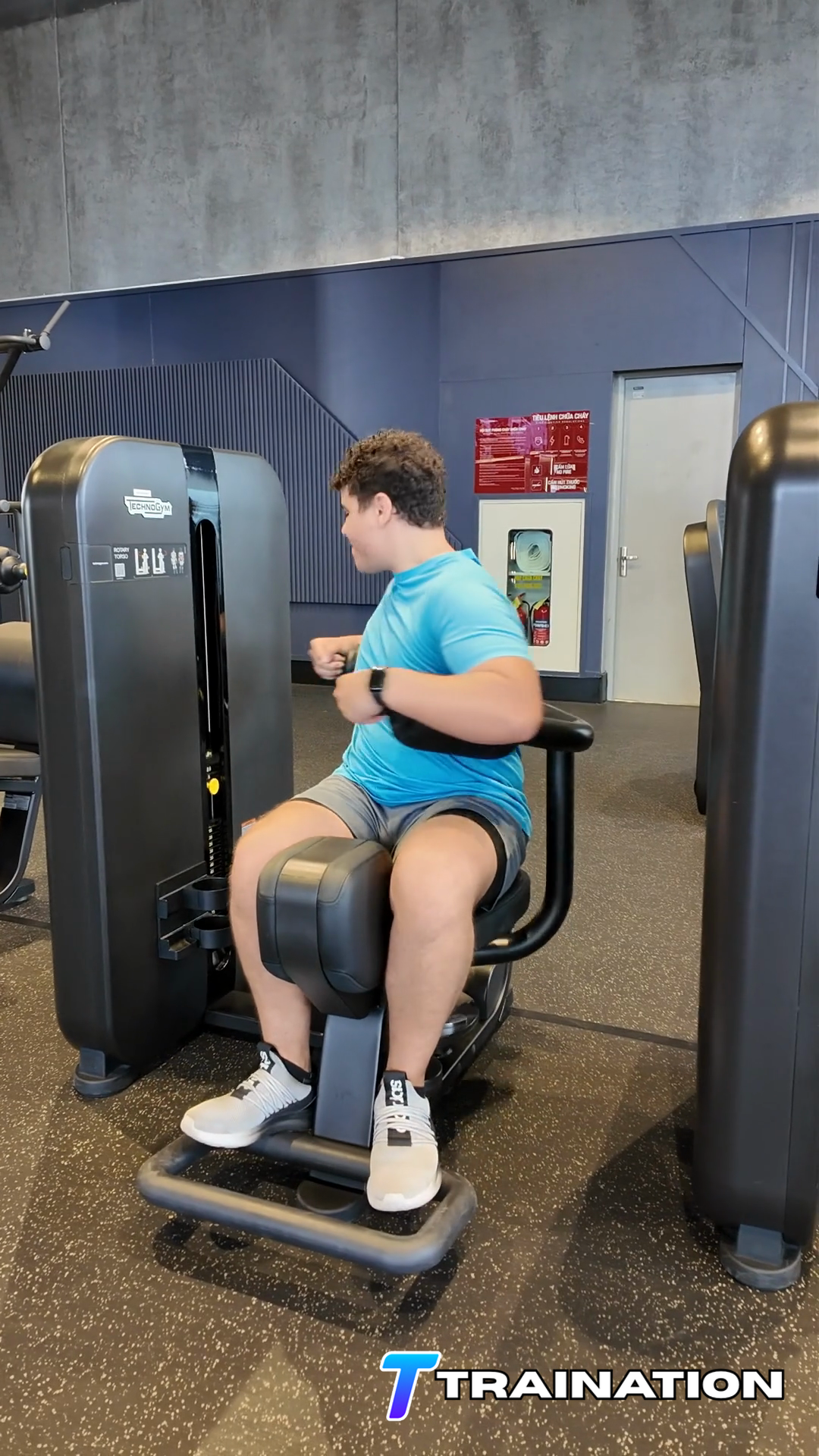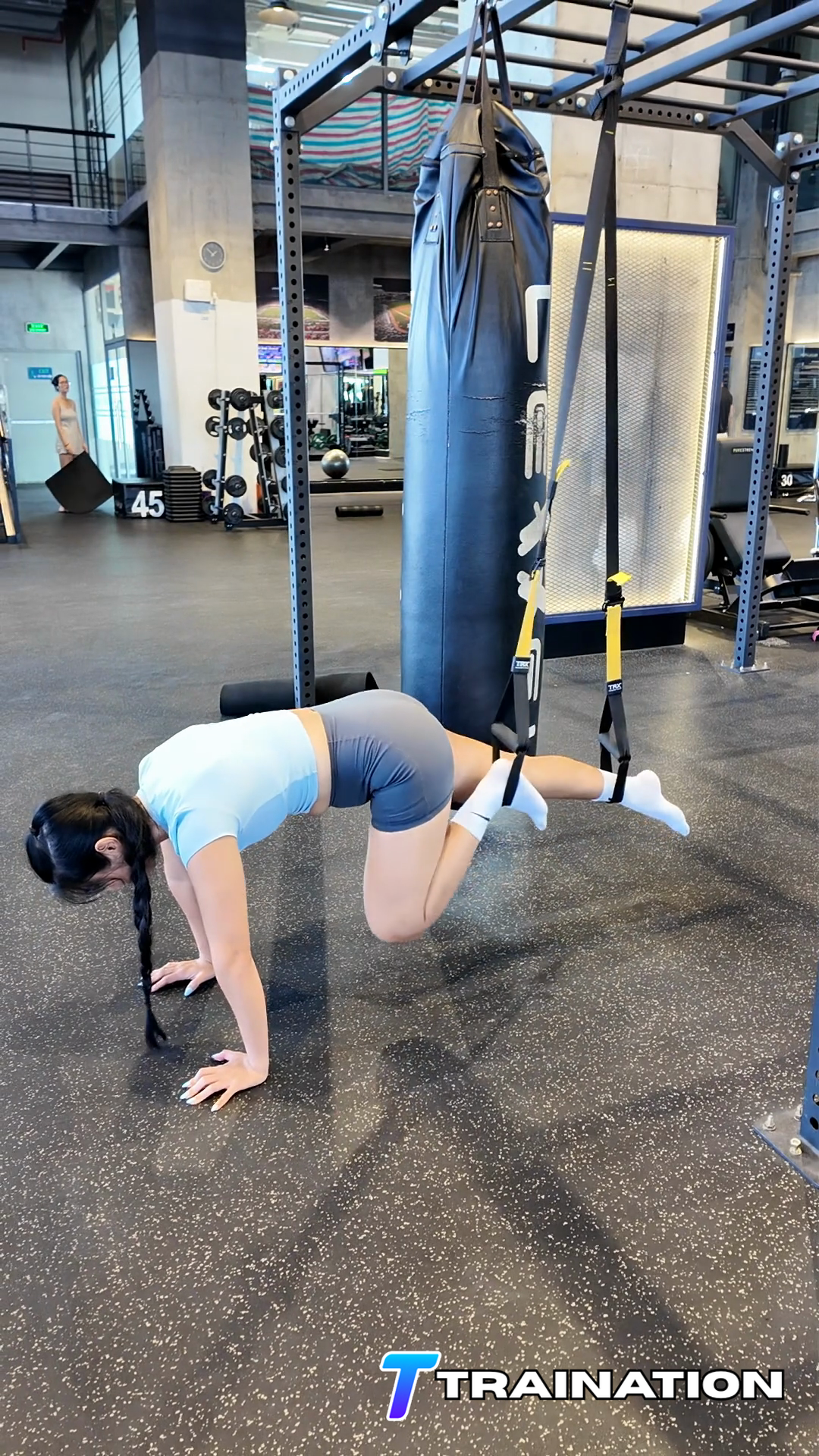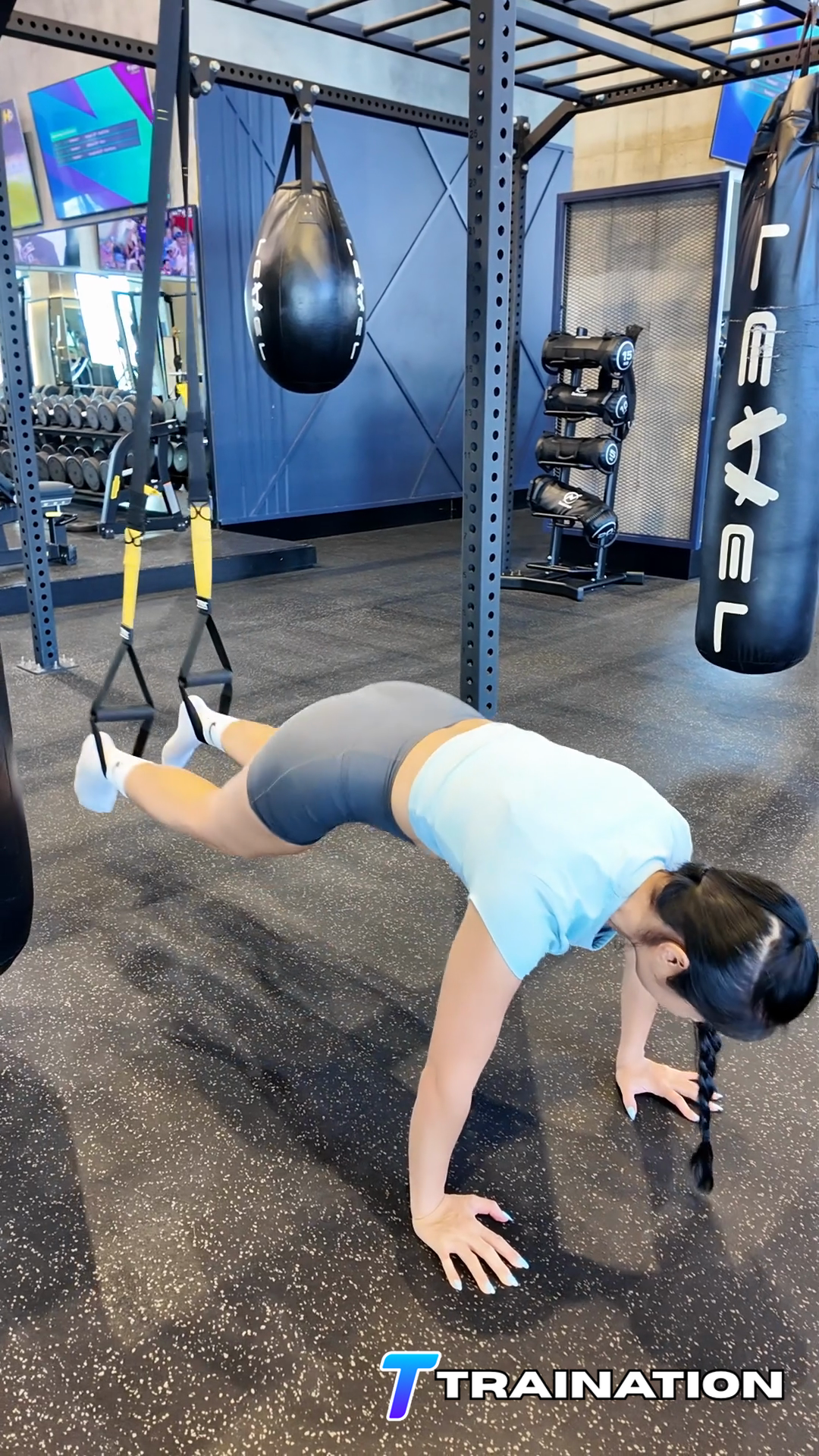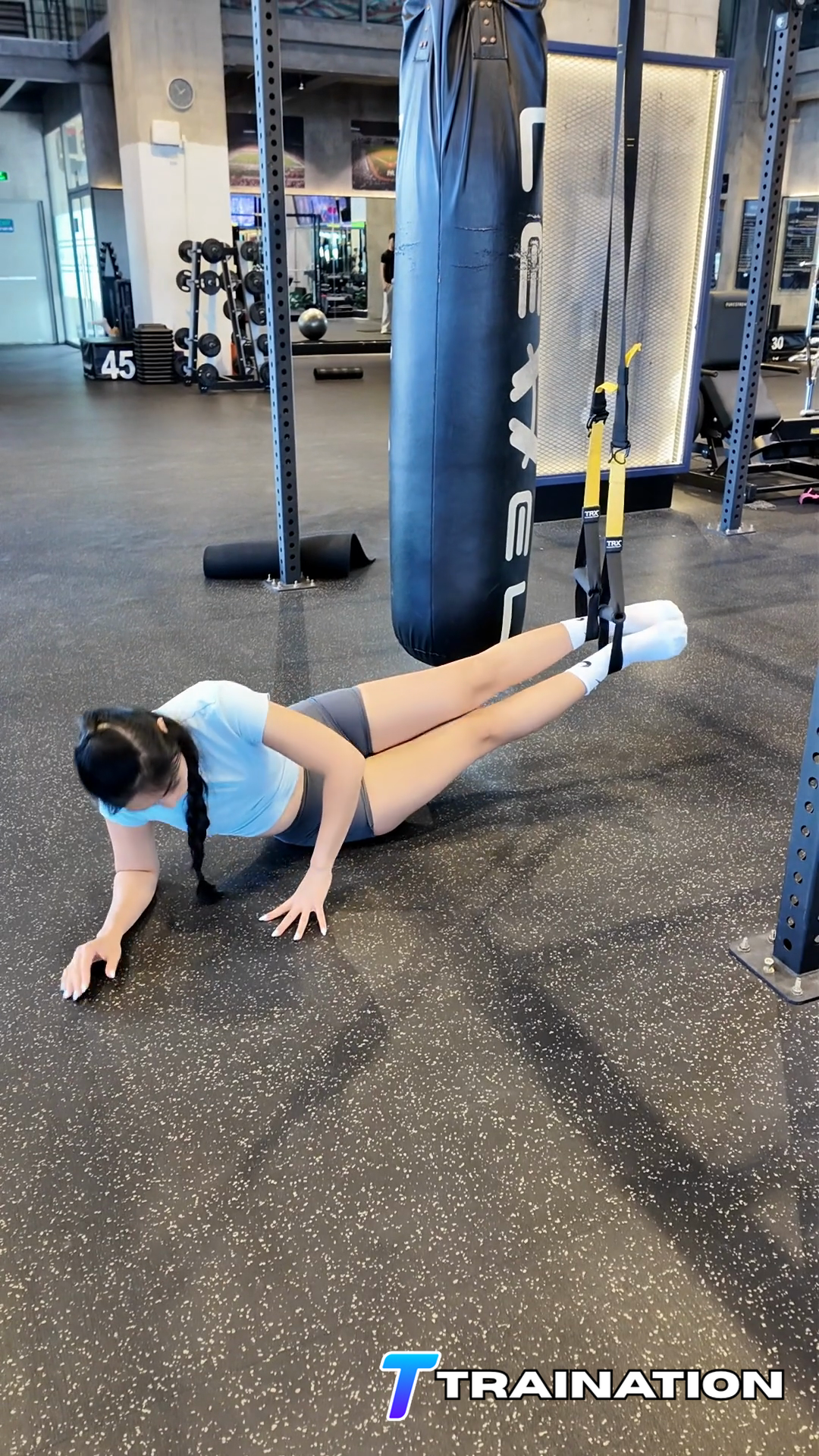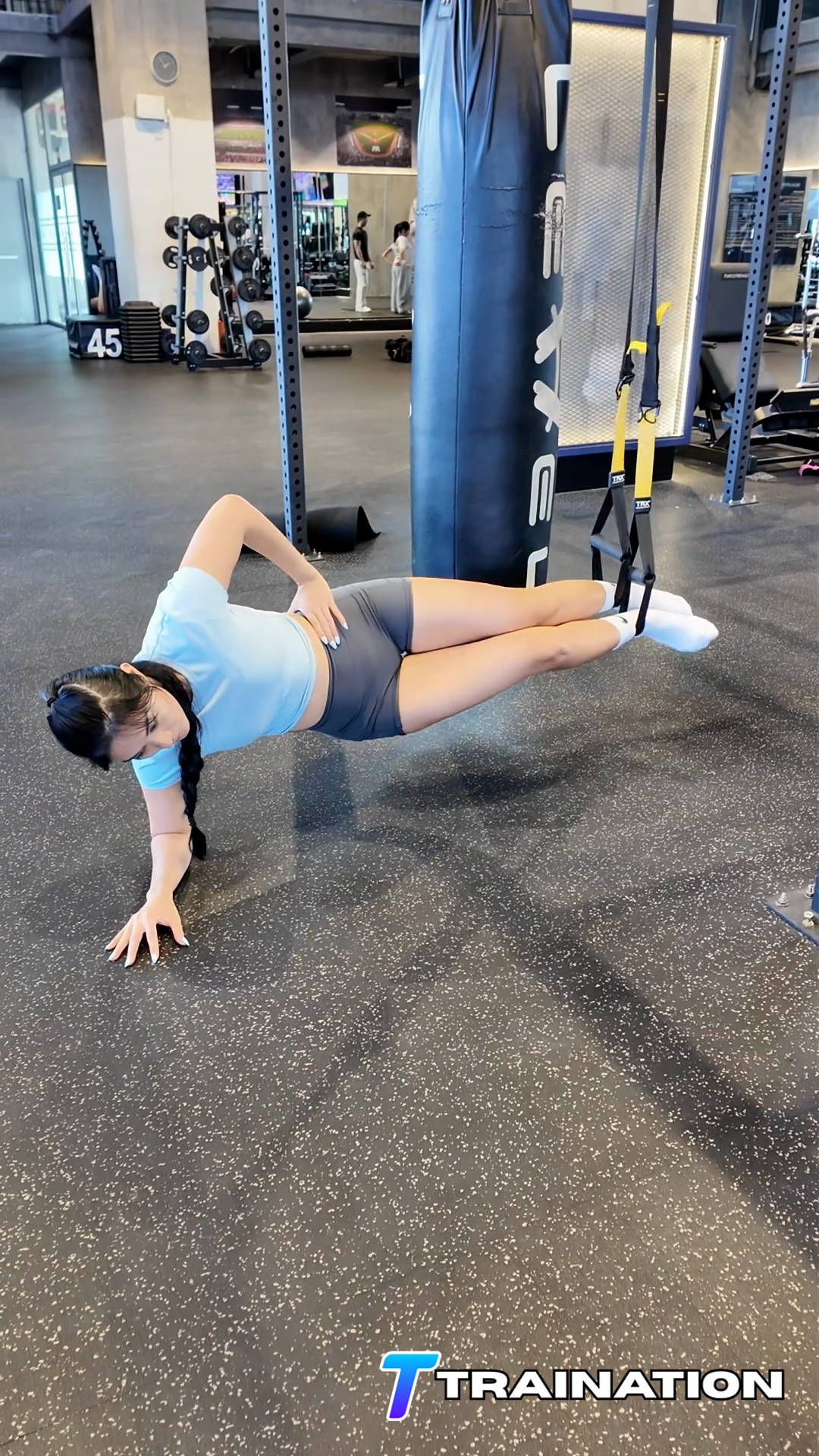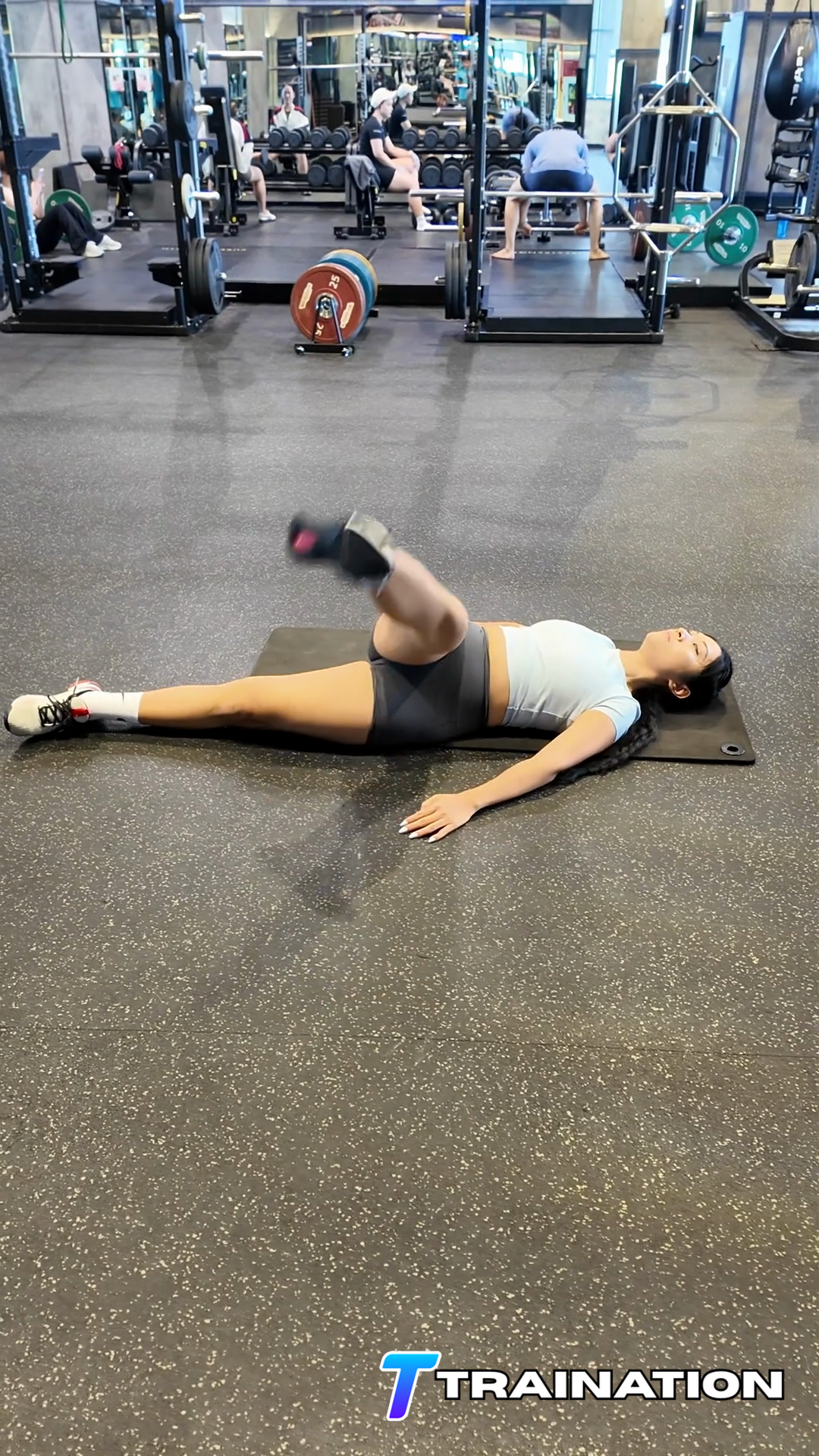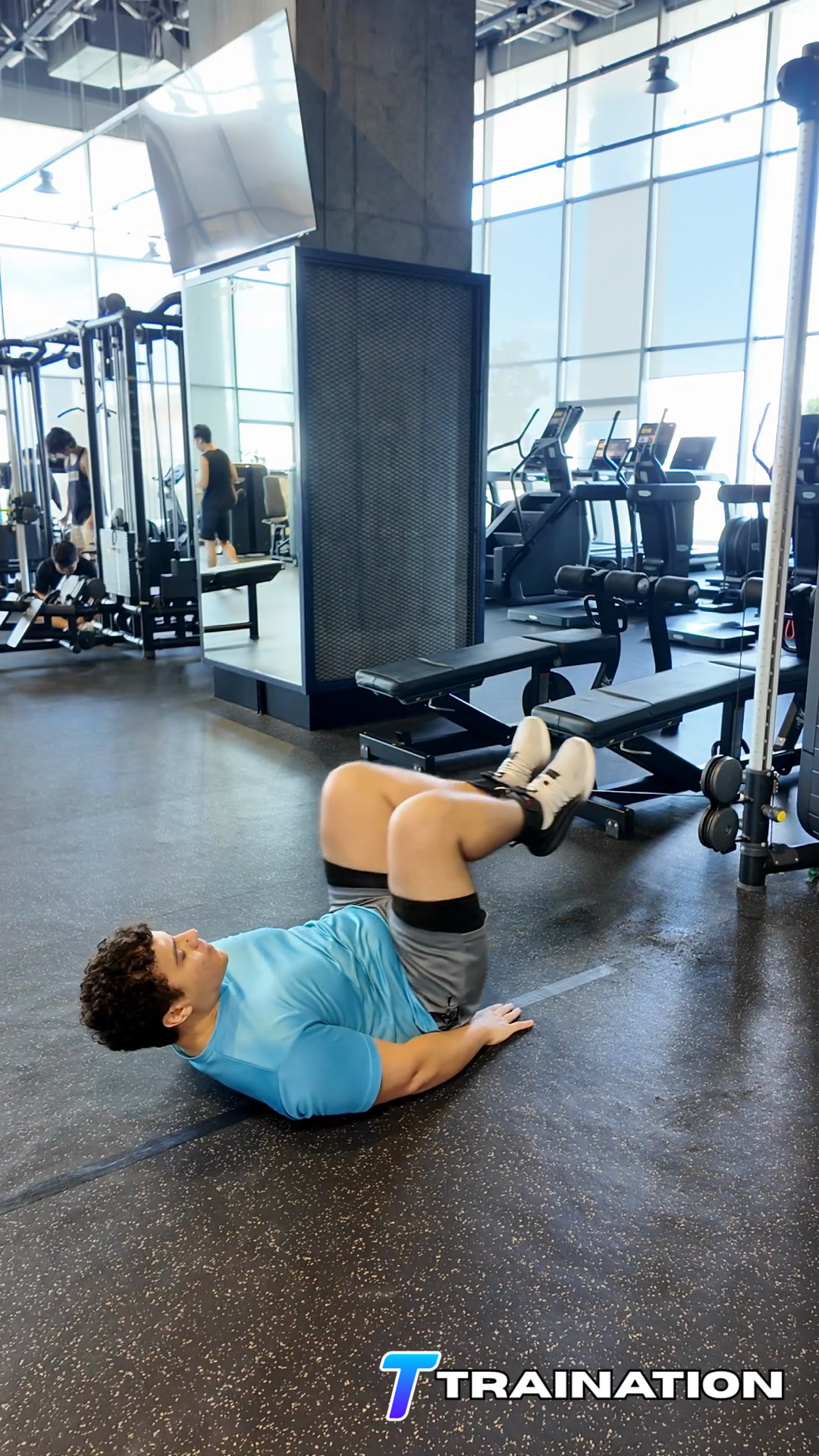
Lower back arching
Bend the knees or use a smaller range as soon as the lower back starts to lift or arch.
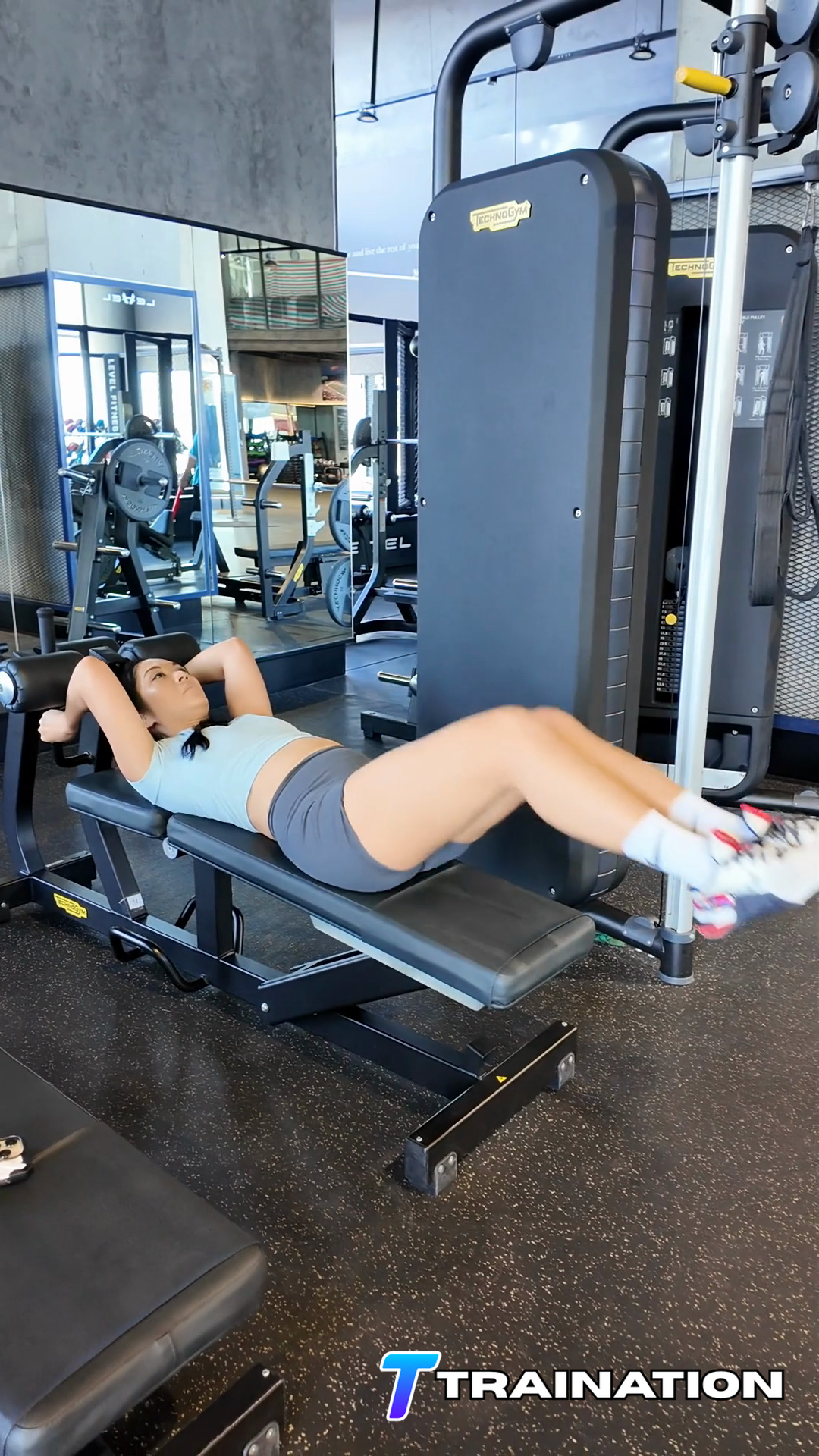
Cable Lying Knee Tucks challenges the abdominals and hip flexors while the trunk resists arching or rotating.
Primary musclesRectus abdominis, Iliopsoas
Secondary musclesObliques, Rectus femoris, Tensor fasciae latae
Follow the sequence in order, paying attention to the starting position, movement path, and finish described in each step.
For Cable Lying Knee Tucks, set the cable and ankle or foot attachment securely, then brace the supported torso before moving the knees.
Brace before moving and keep the ribs, shoulders, and support points still.
Draw the knee or legs toward the torso without swinging or allowing the lower back to arch away from support.
Pause when the pelvis begins to curl or the legs reach the strongest controlled position; keep the shoulders still.
Return the legs slowly without losing trunk position. Repeat without changing the established position.
Bend the knees or use a smaller range as soon as the lower back starts to lift or arch.
Pause between repetitions and initiate with the abdominals instead of momentum.
Keep the head, shoulders, and upper back supported while the legs move.
Lower the legs slowly. The lowering part of the repetition still trains the muscles.
Place Cable Lying Knee Tucks after the main compound lifts, in a focused core block, or beside an exercise that does not require a fresh trunk.
Use two to four times per week while accounting for trunk work already supplied by squats, hinges, carries, and overhead lifting.
| Goal | Sets | Reps or time | Rest | Effort and execution |
|---|---|---|---|---|
| Control / technique | 2–3 | 5–8 reps | 45–75 sec | Stop well before position changes |
| Strength / endurance | 2–4 | 8–15 reps | 60–90 sec | Stop while 1–3 good-form reps are still possible |
Scale the movement
Bend the knees to make the raise easier while keeping the hips and ribs still.
Use the floor to learn alternating leg movement without lower-back extension.
Lengthen the knee only when the same pelvic position can be maintained.
Lower the legs over three to four seconds without swinging or arching.
Turn Cable Lying Knee Tucks and the rest of your exercise library into repeatable client programs.
Explore the workout builder