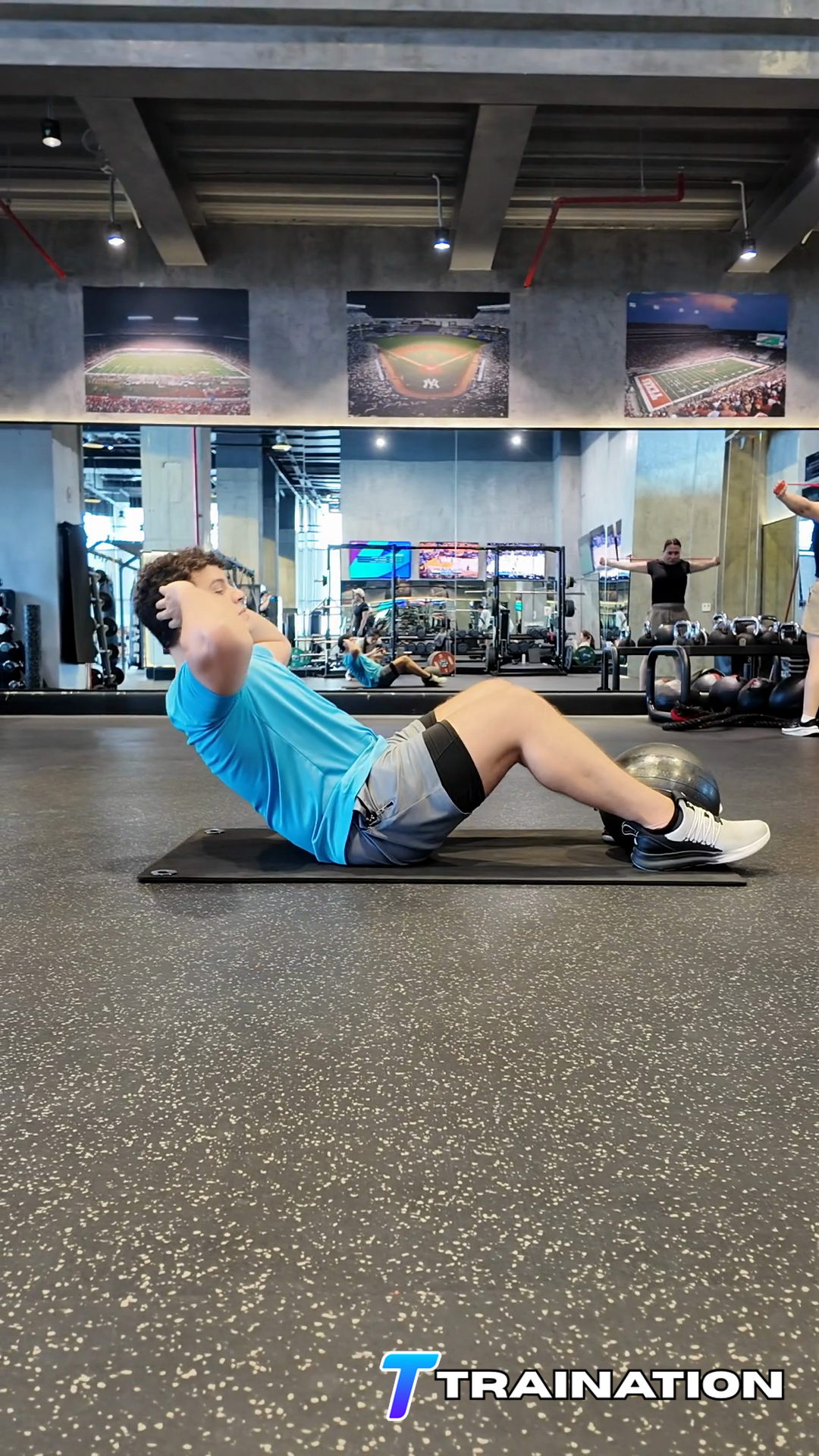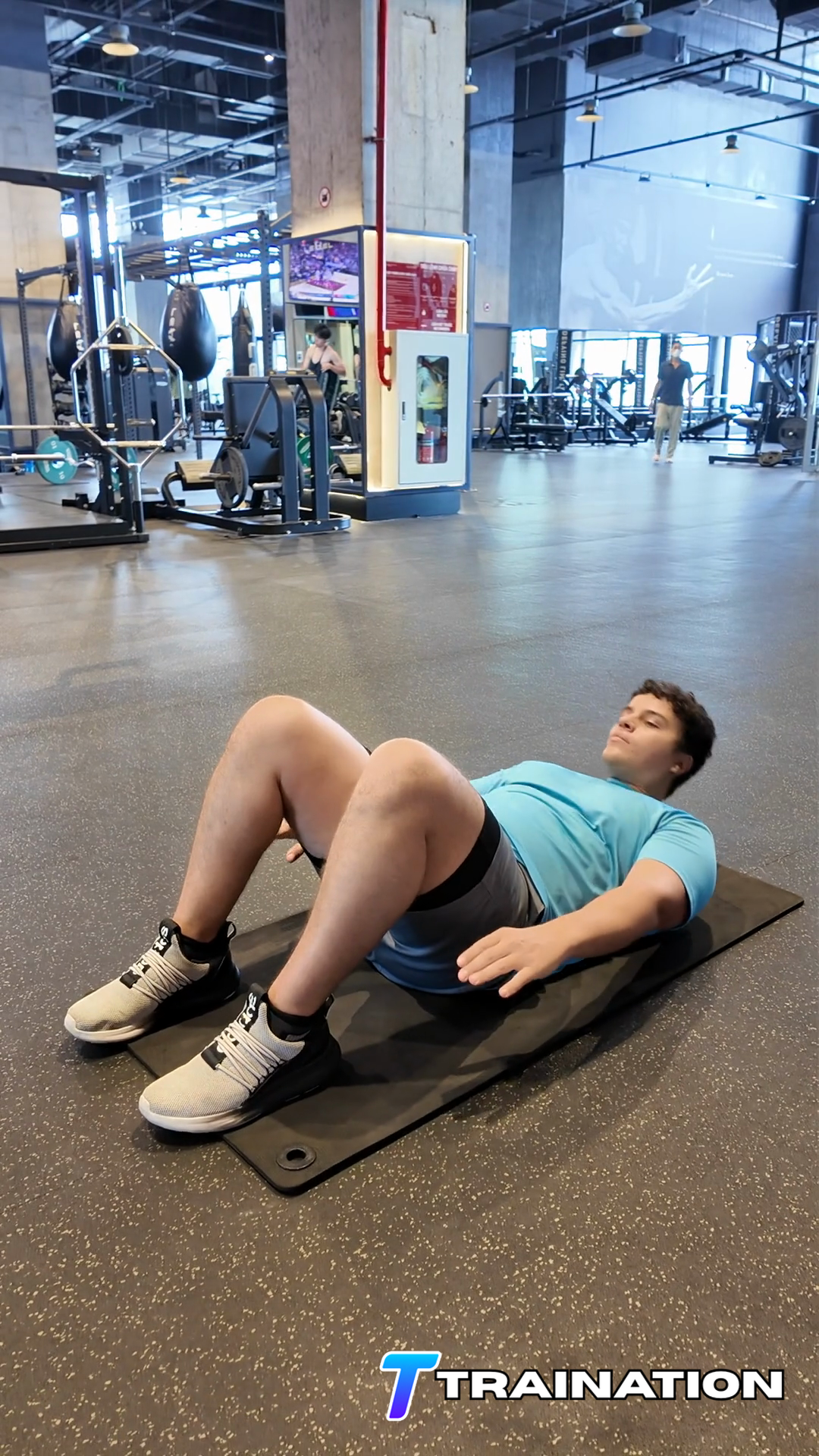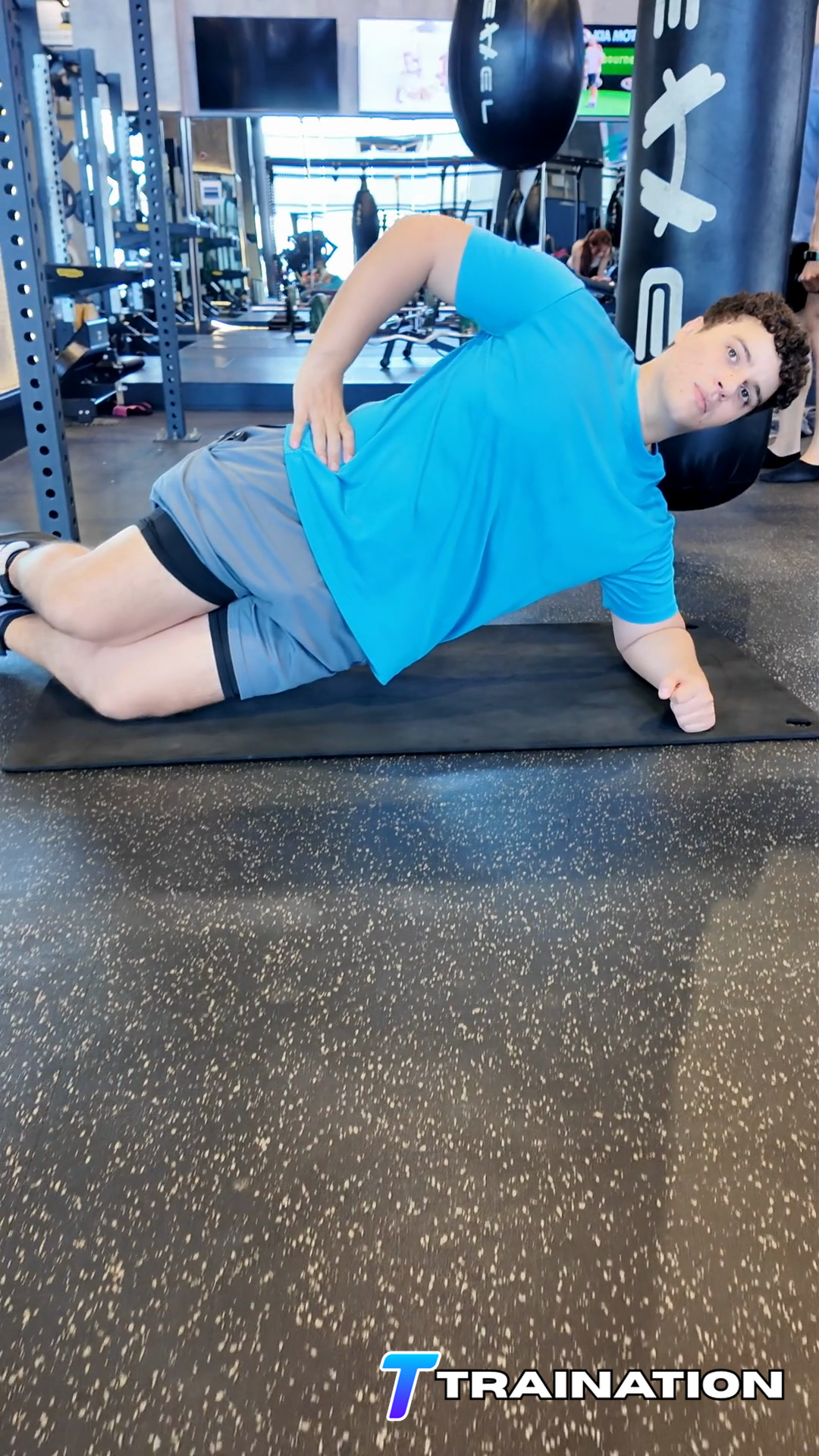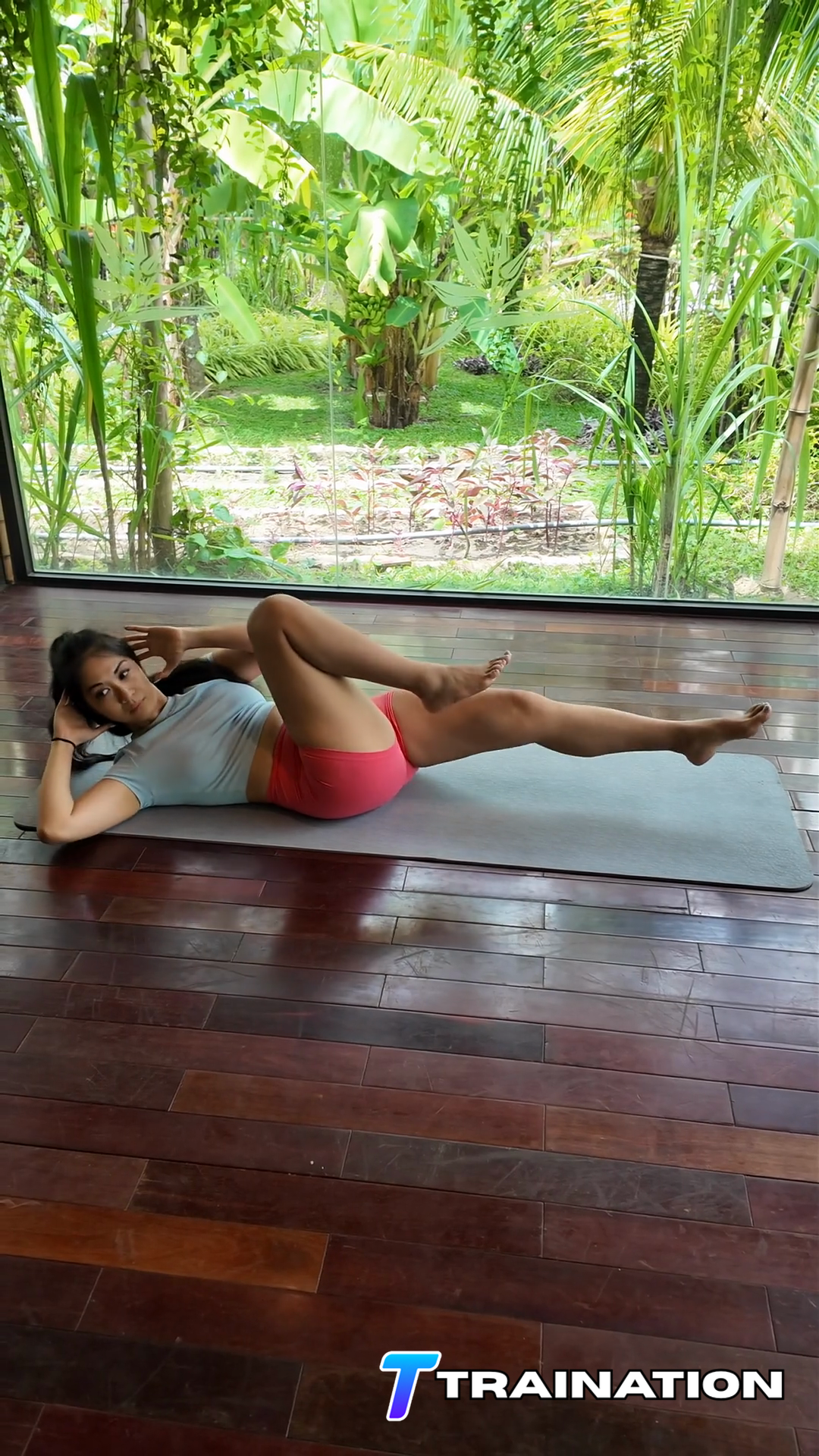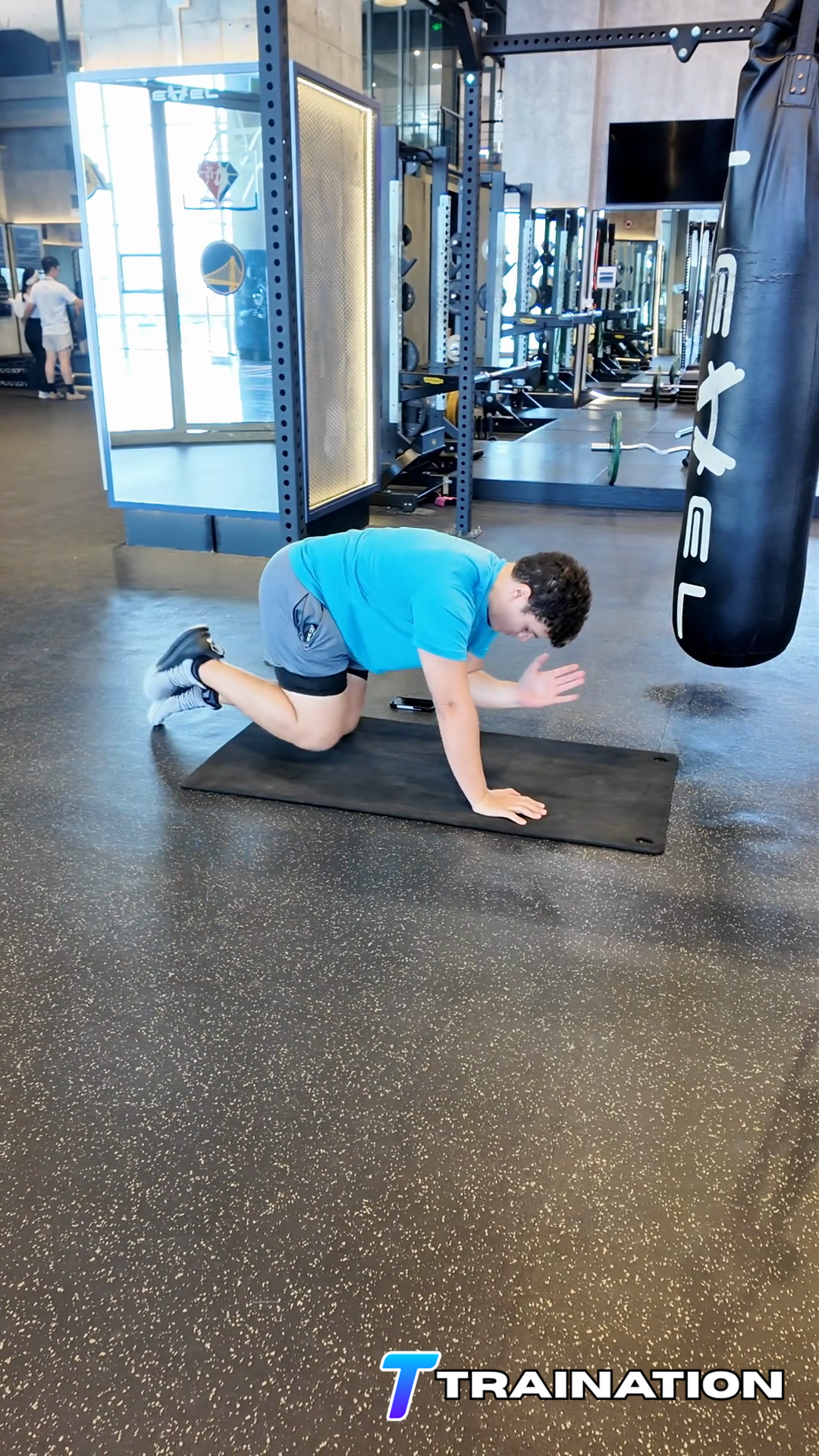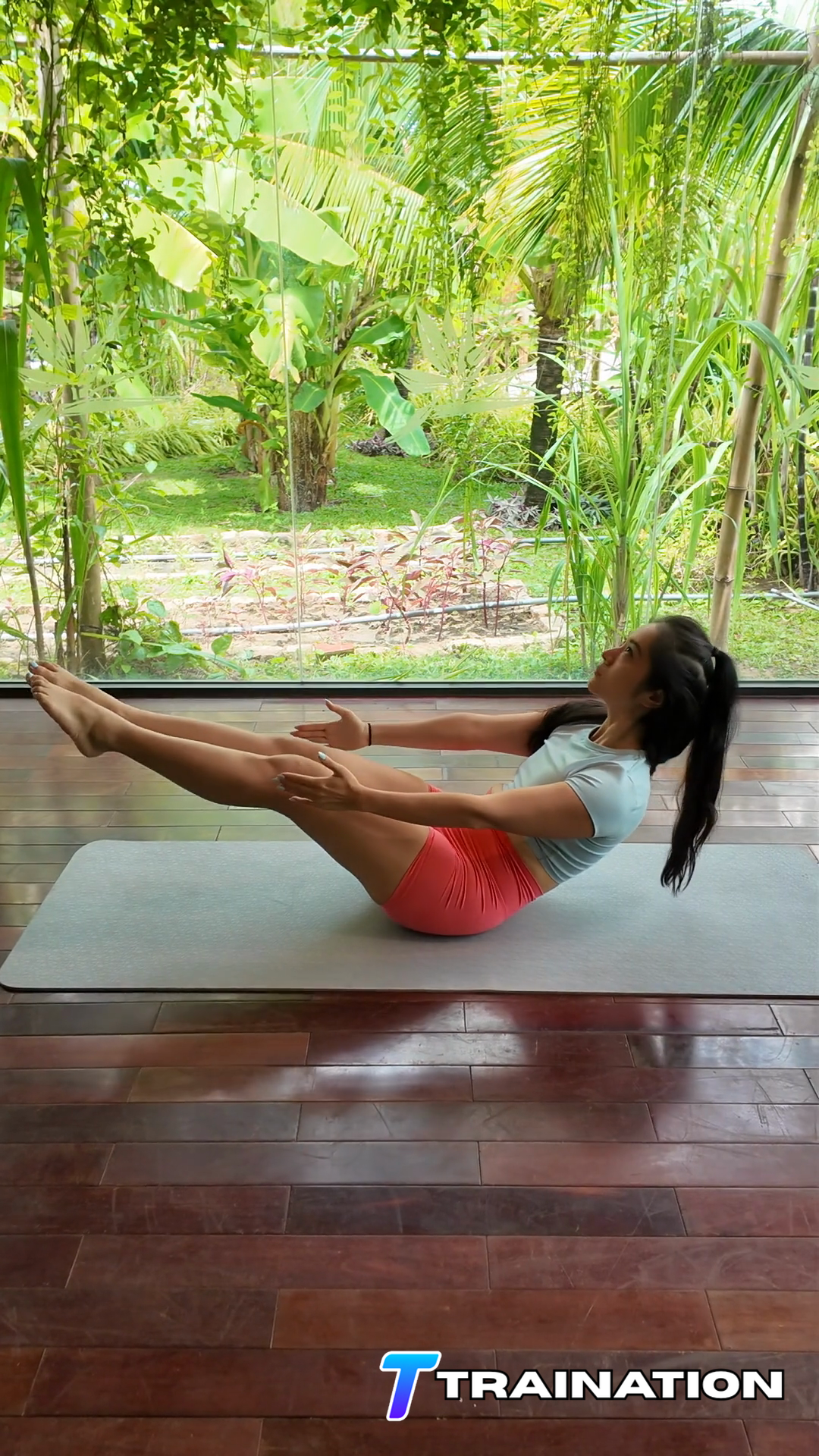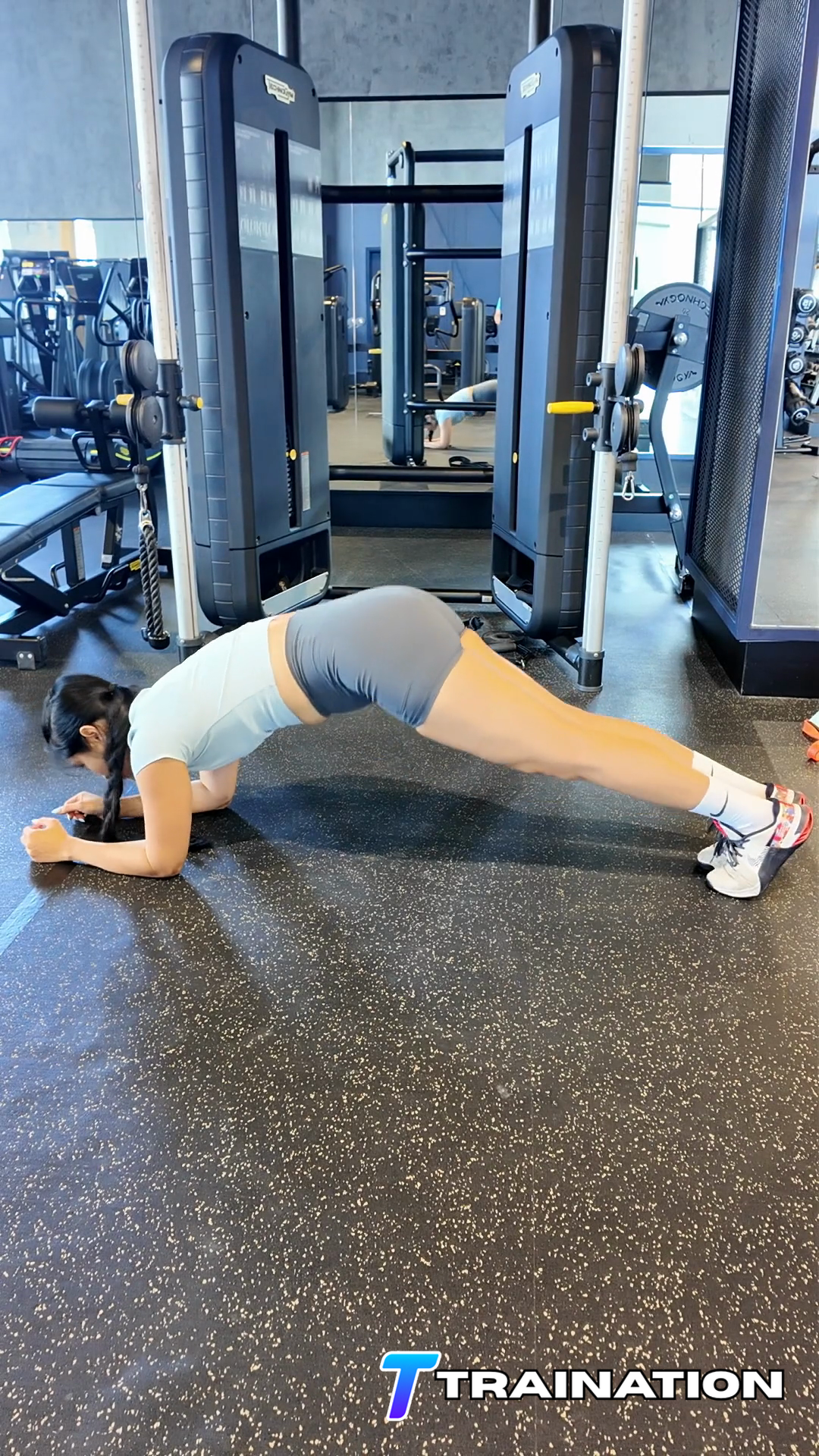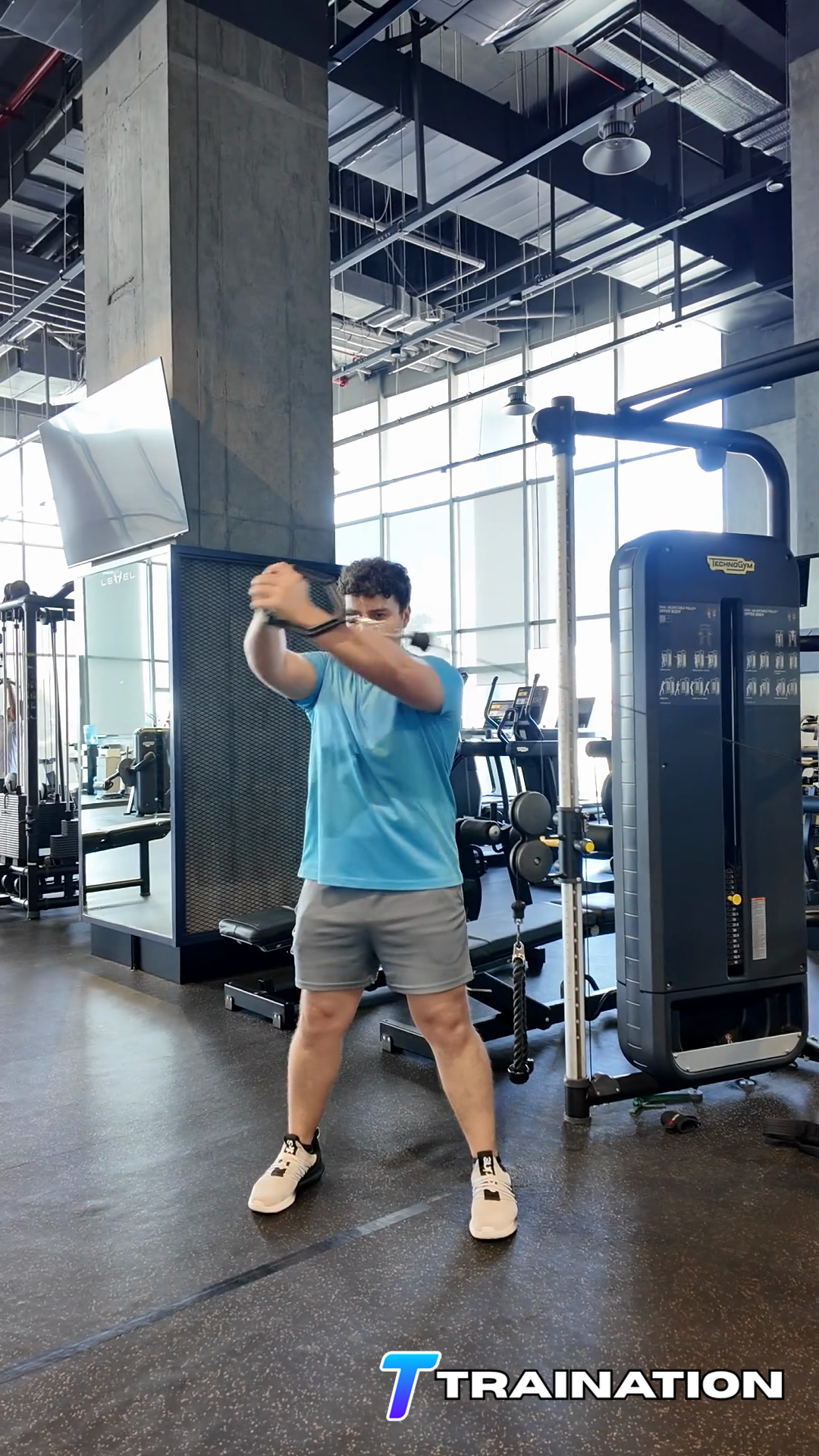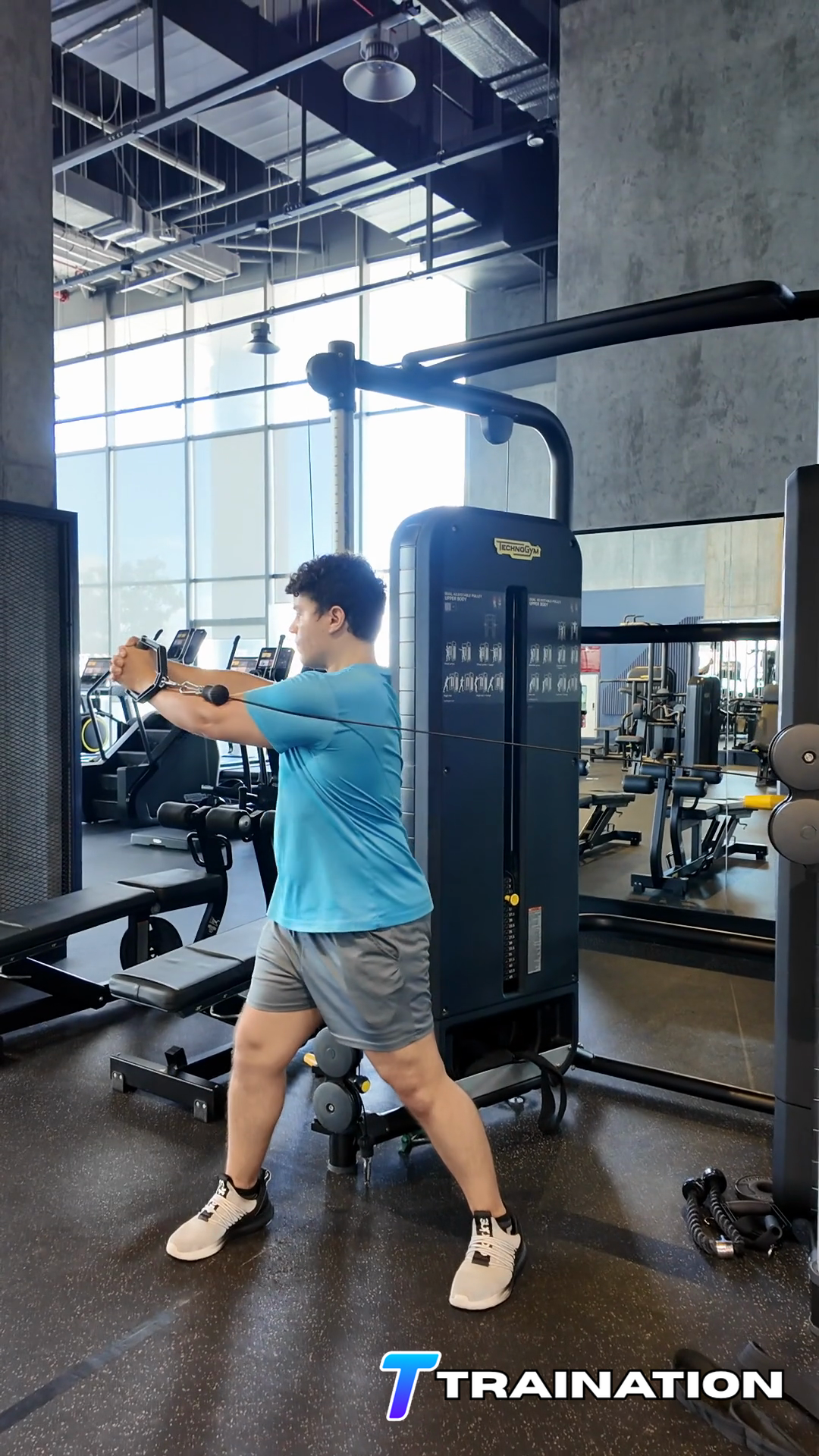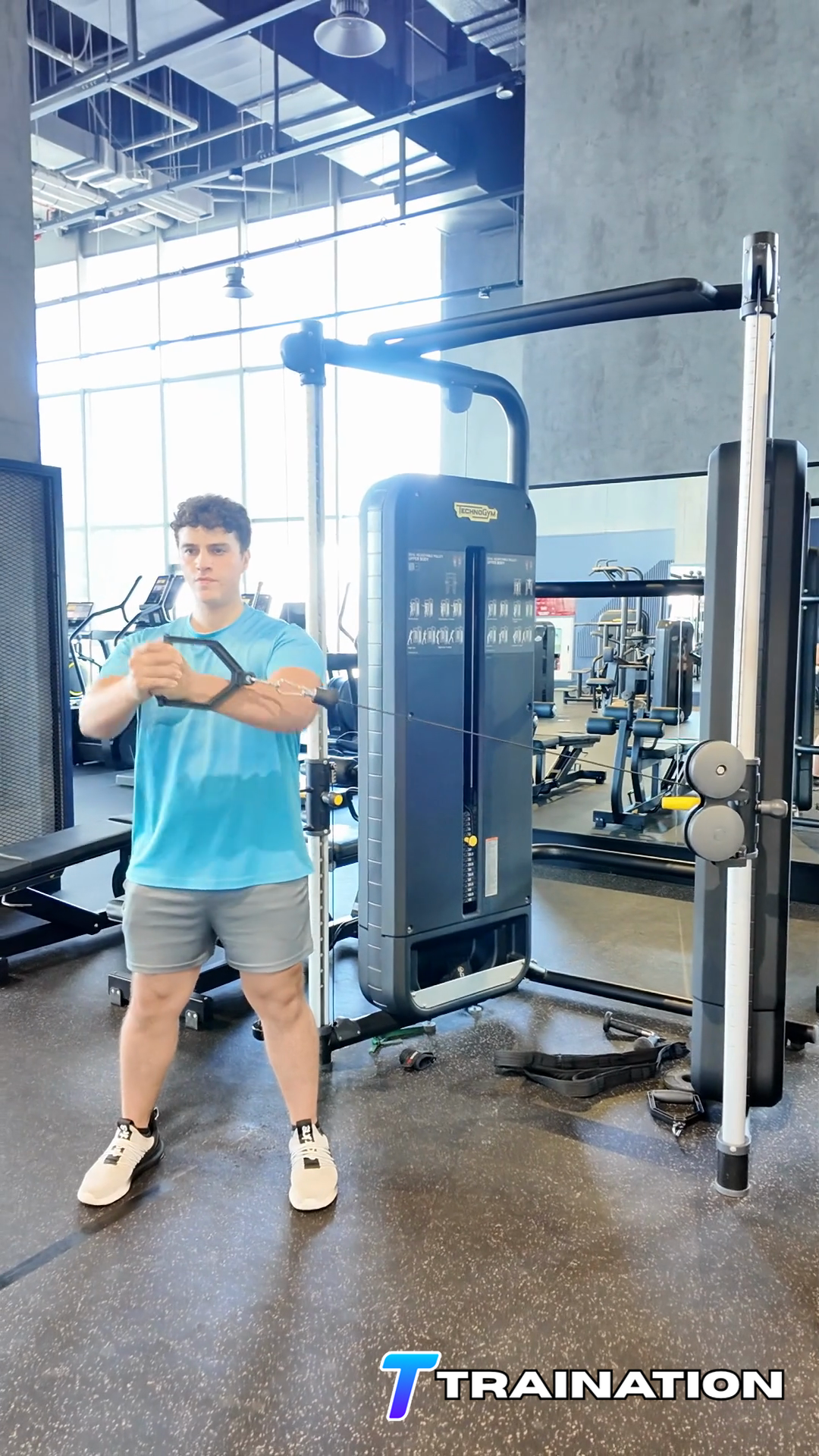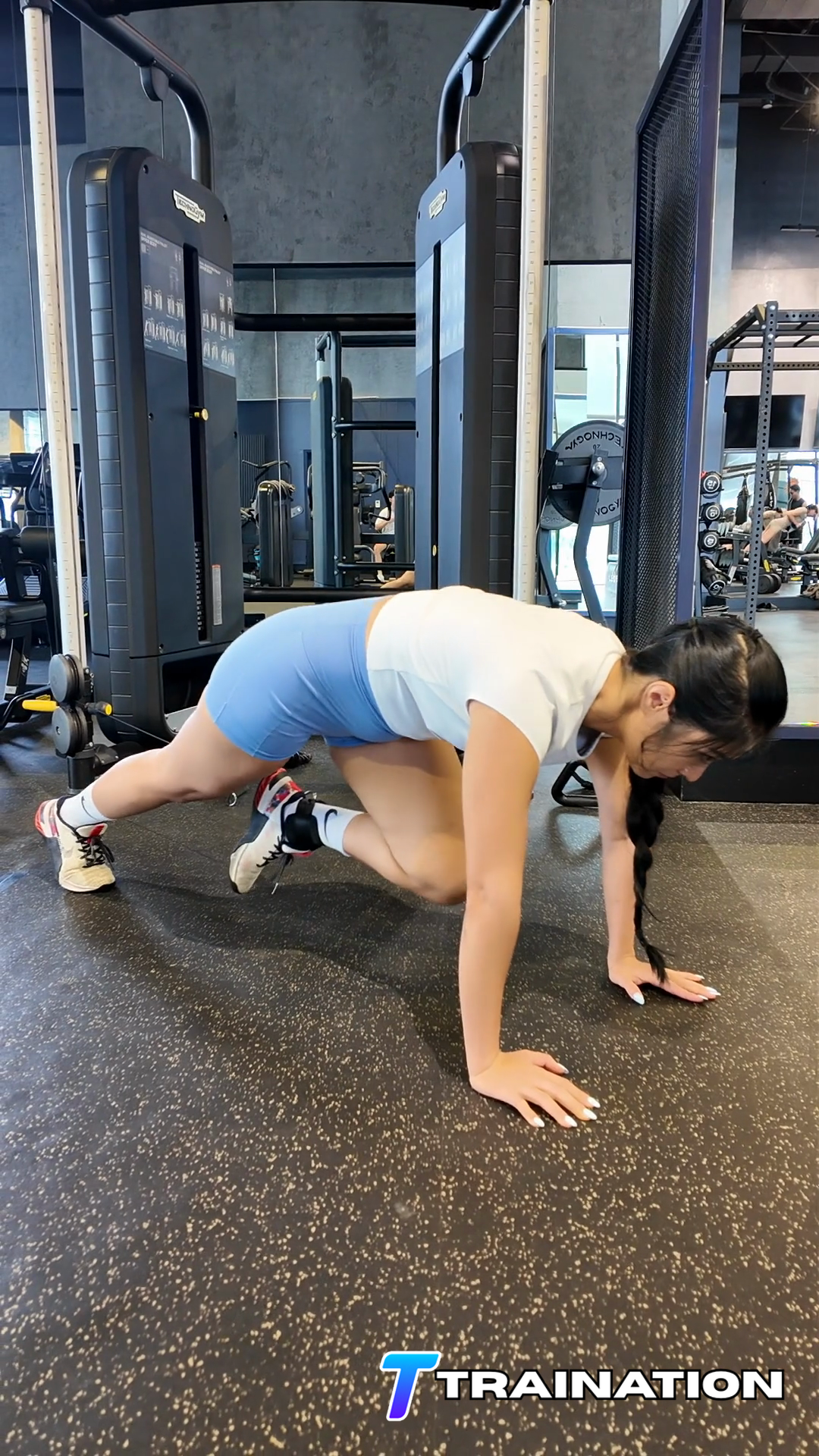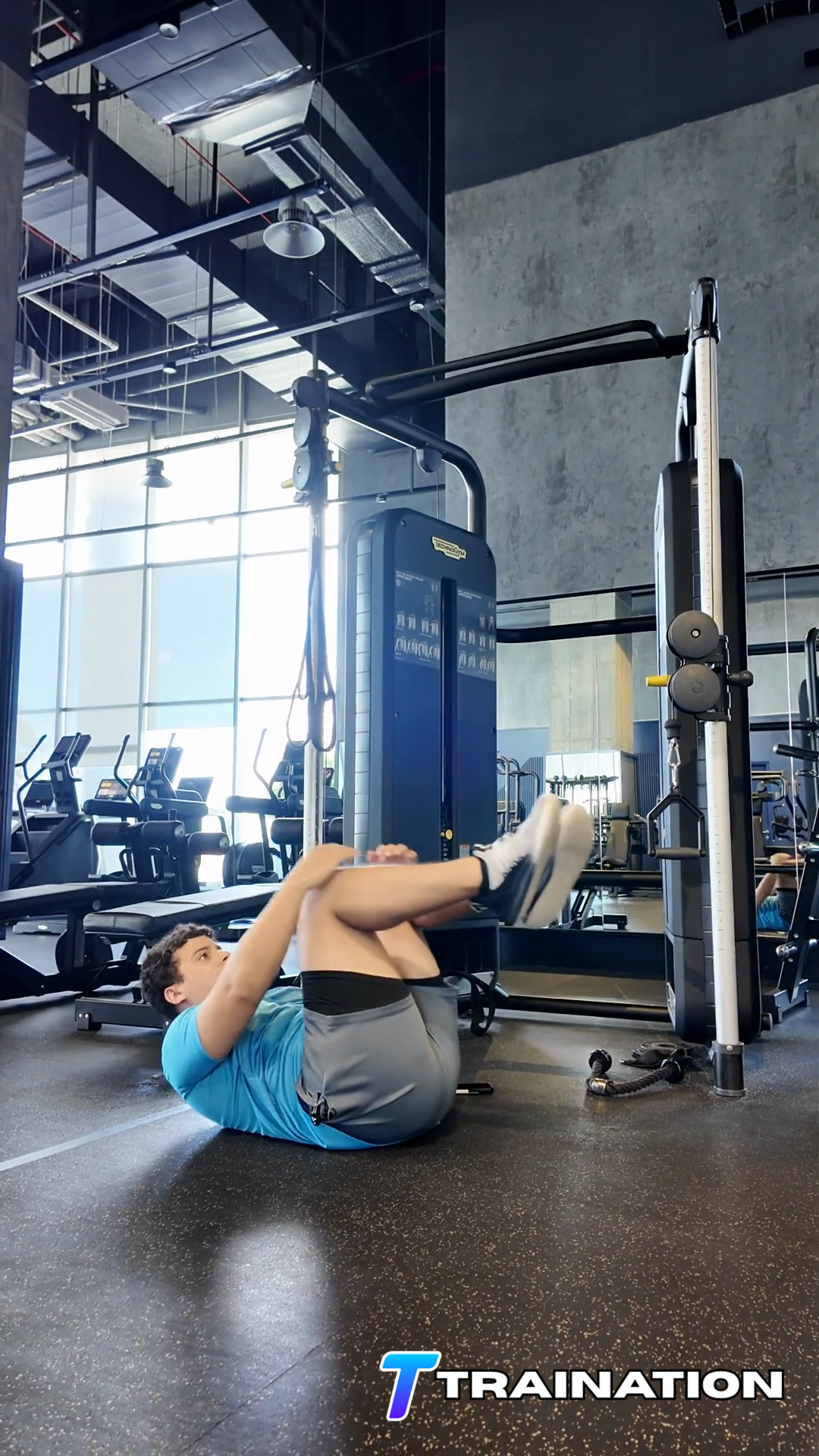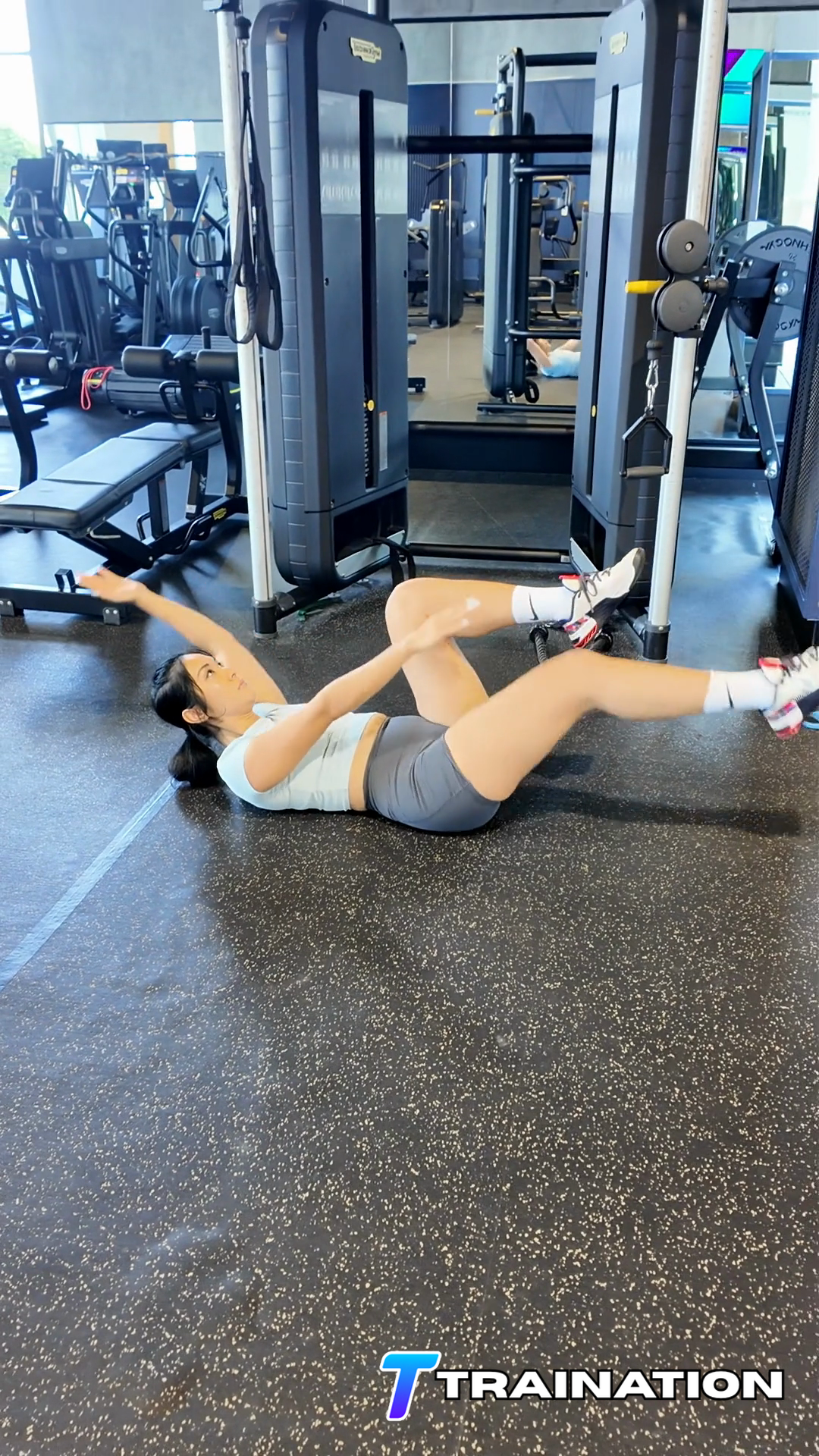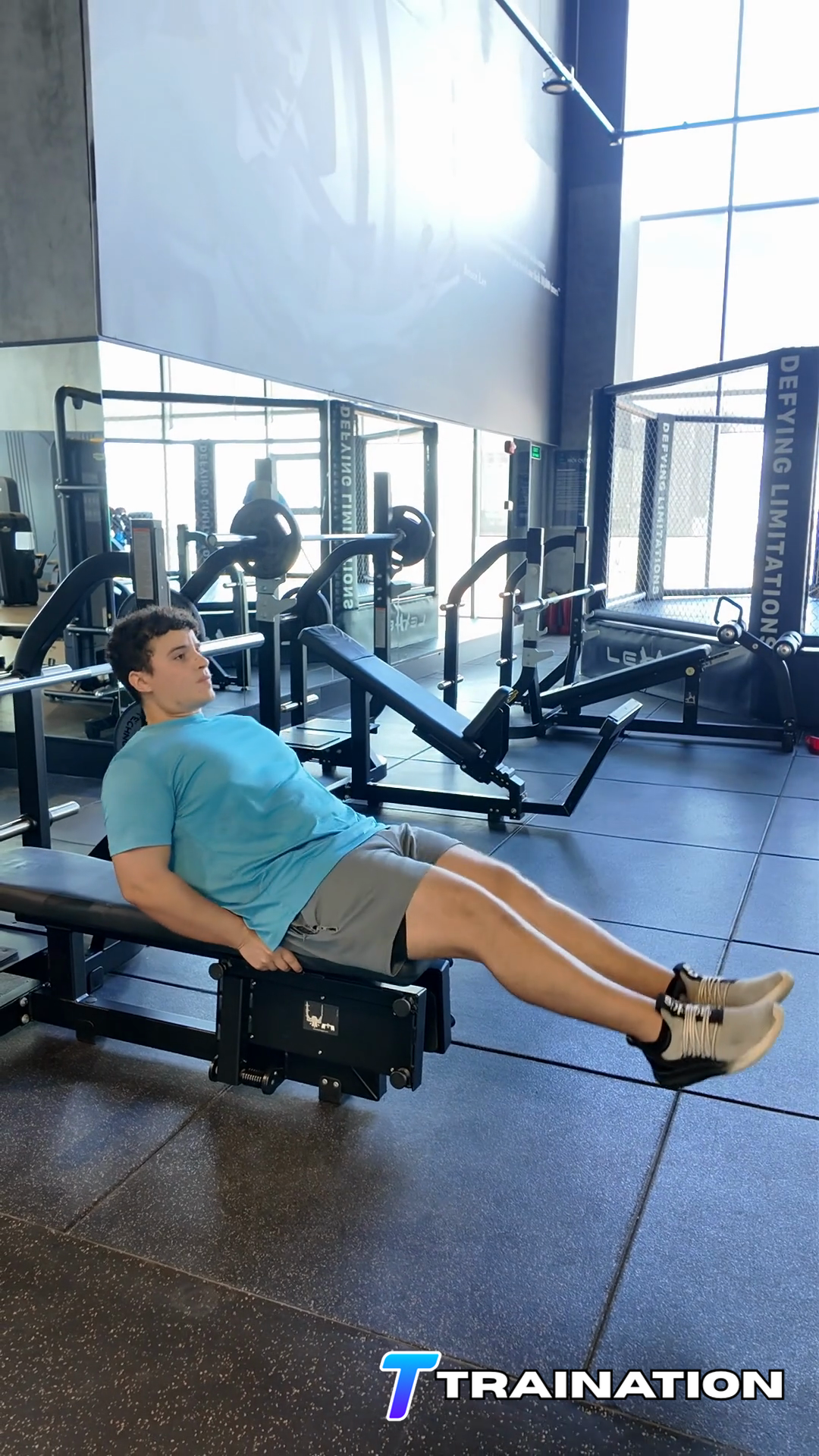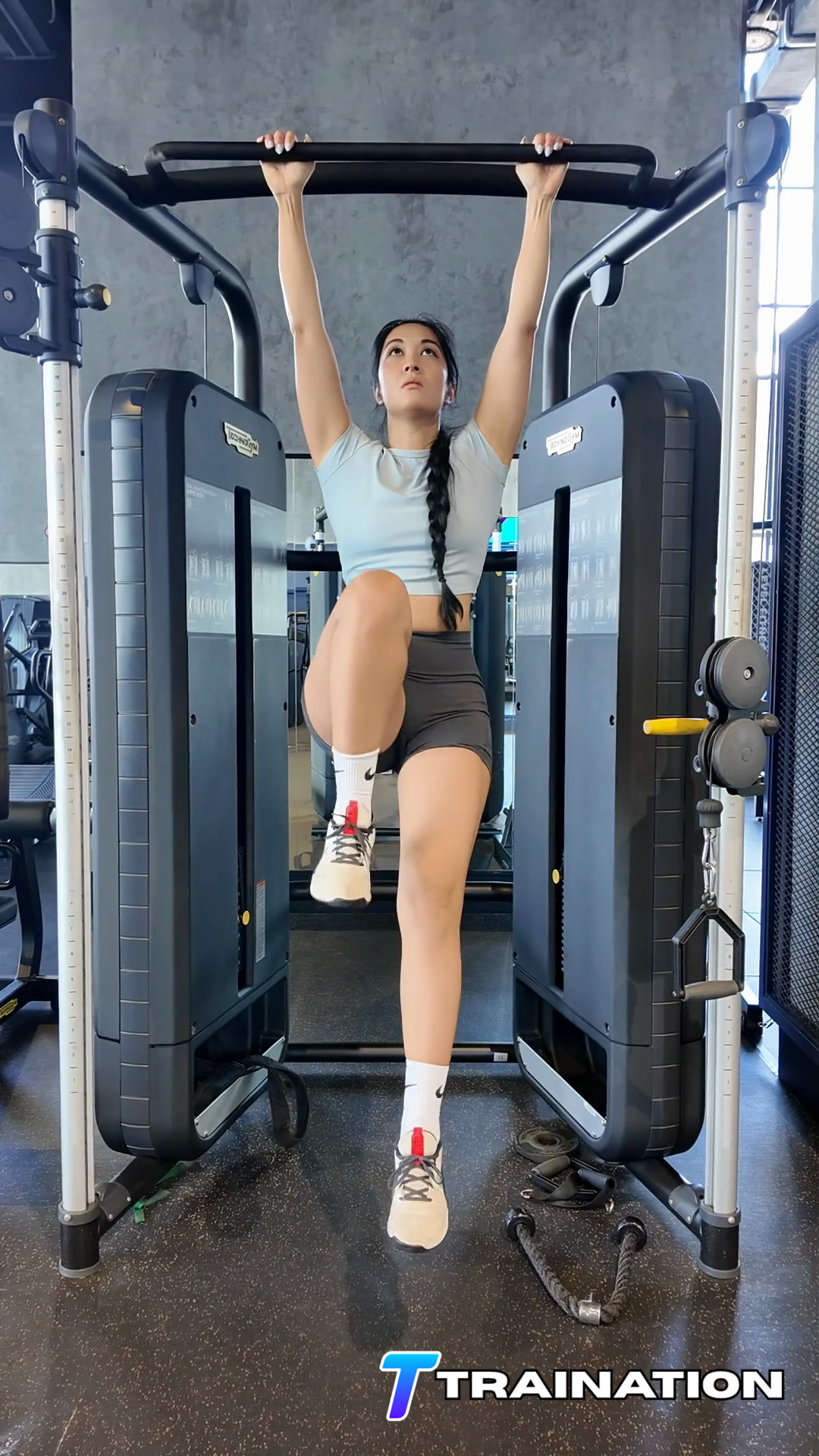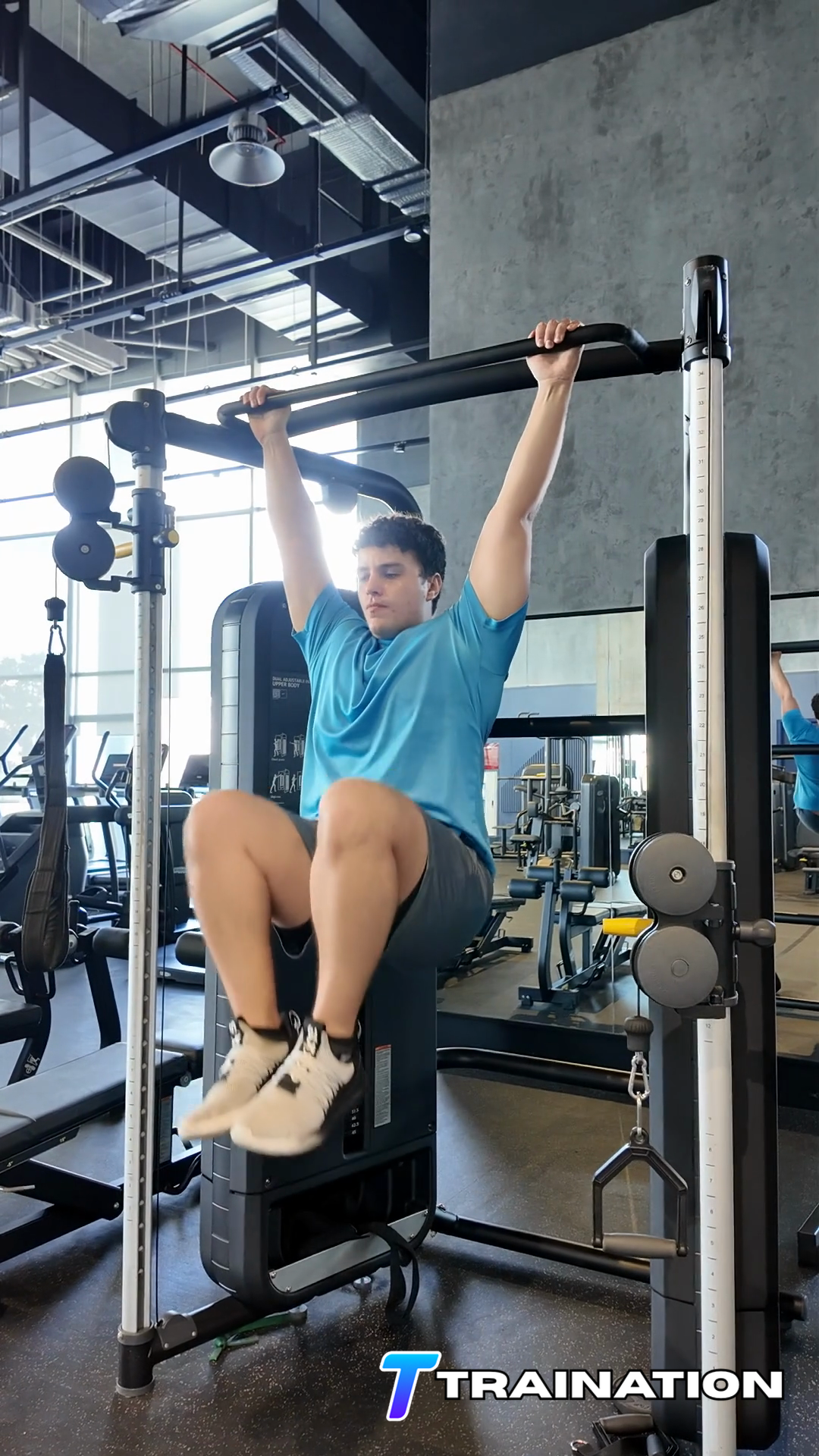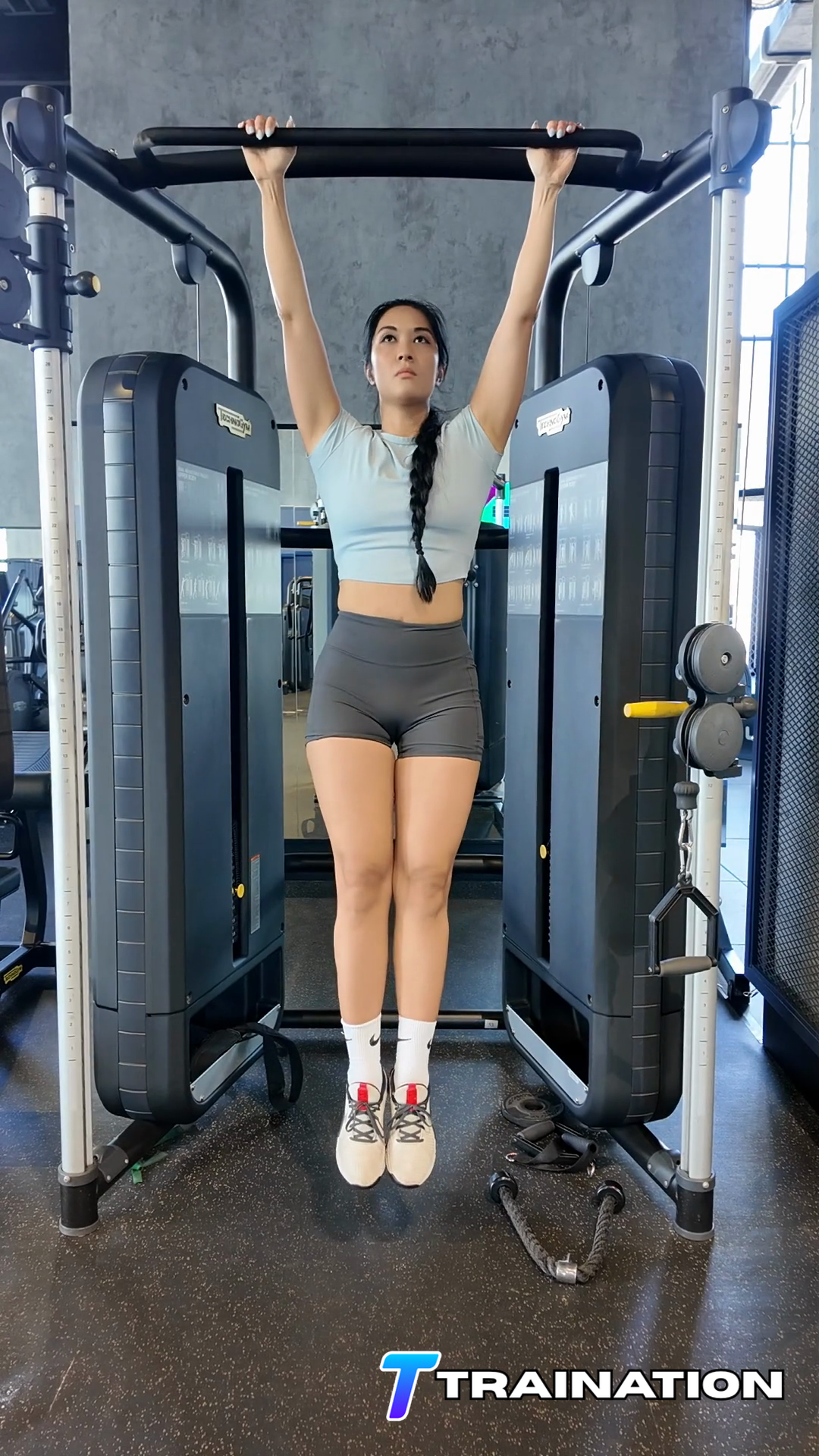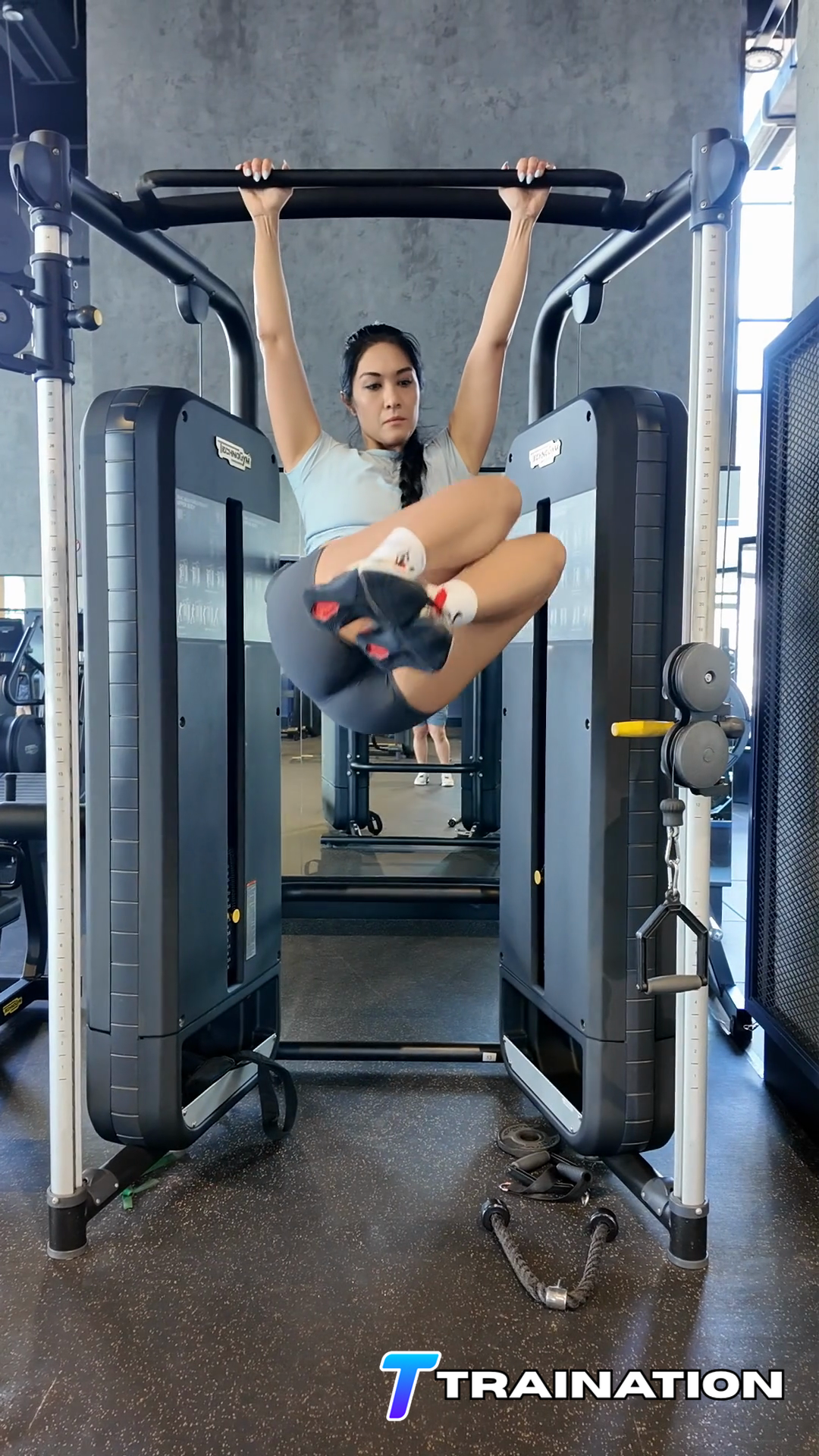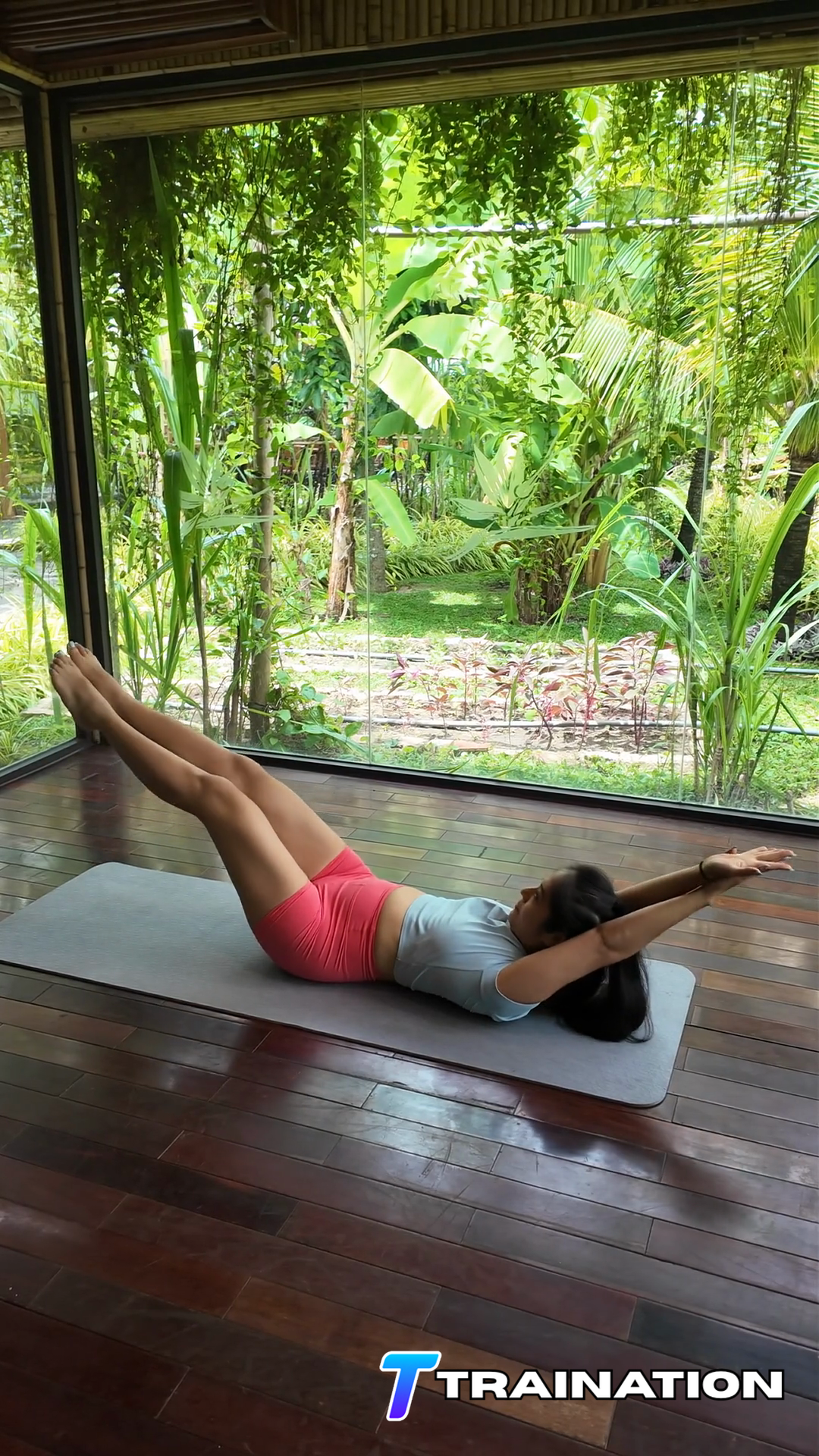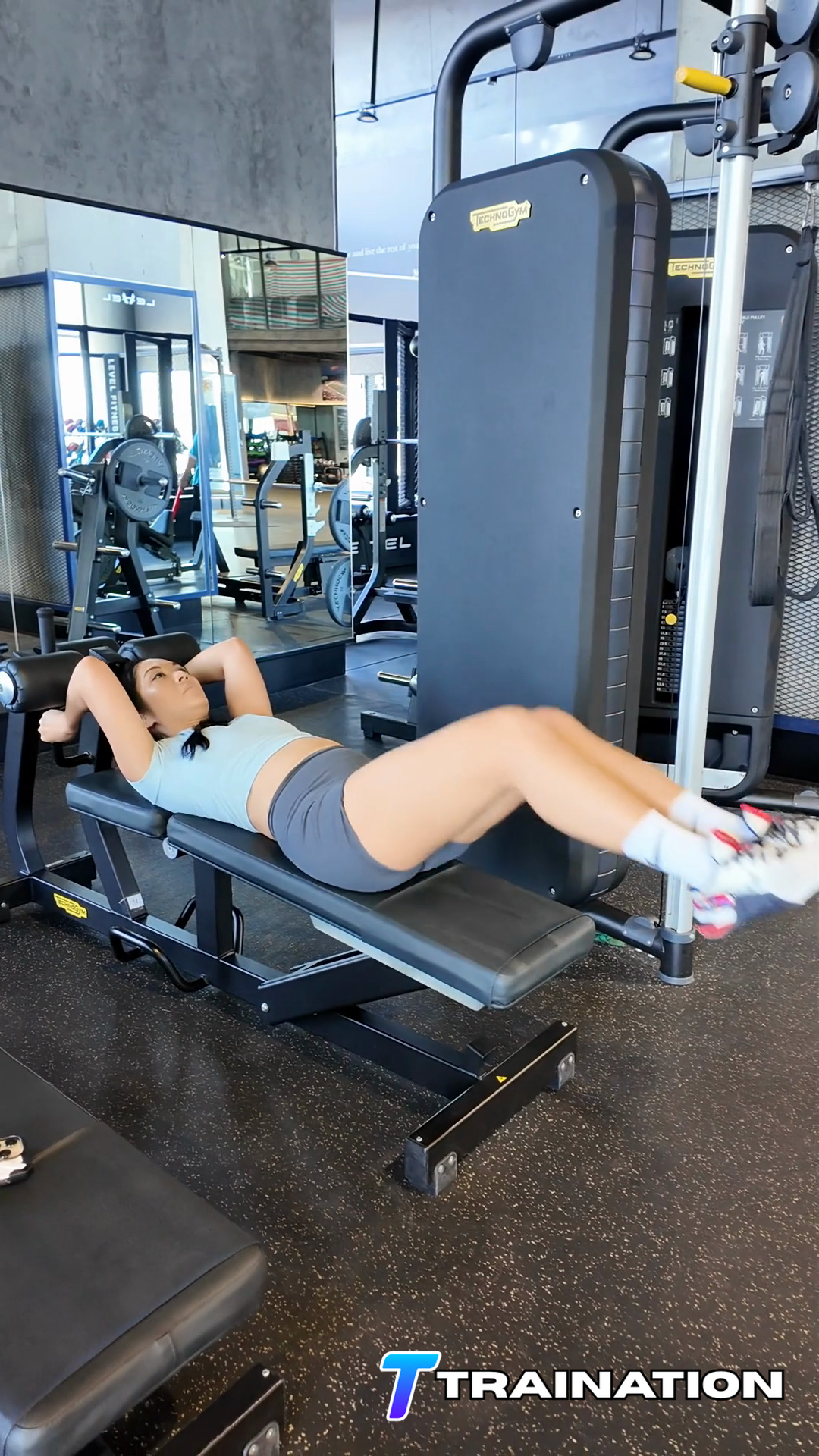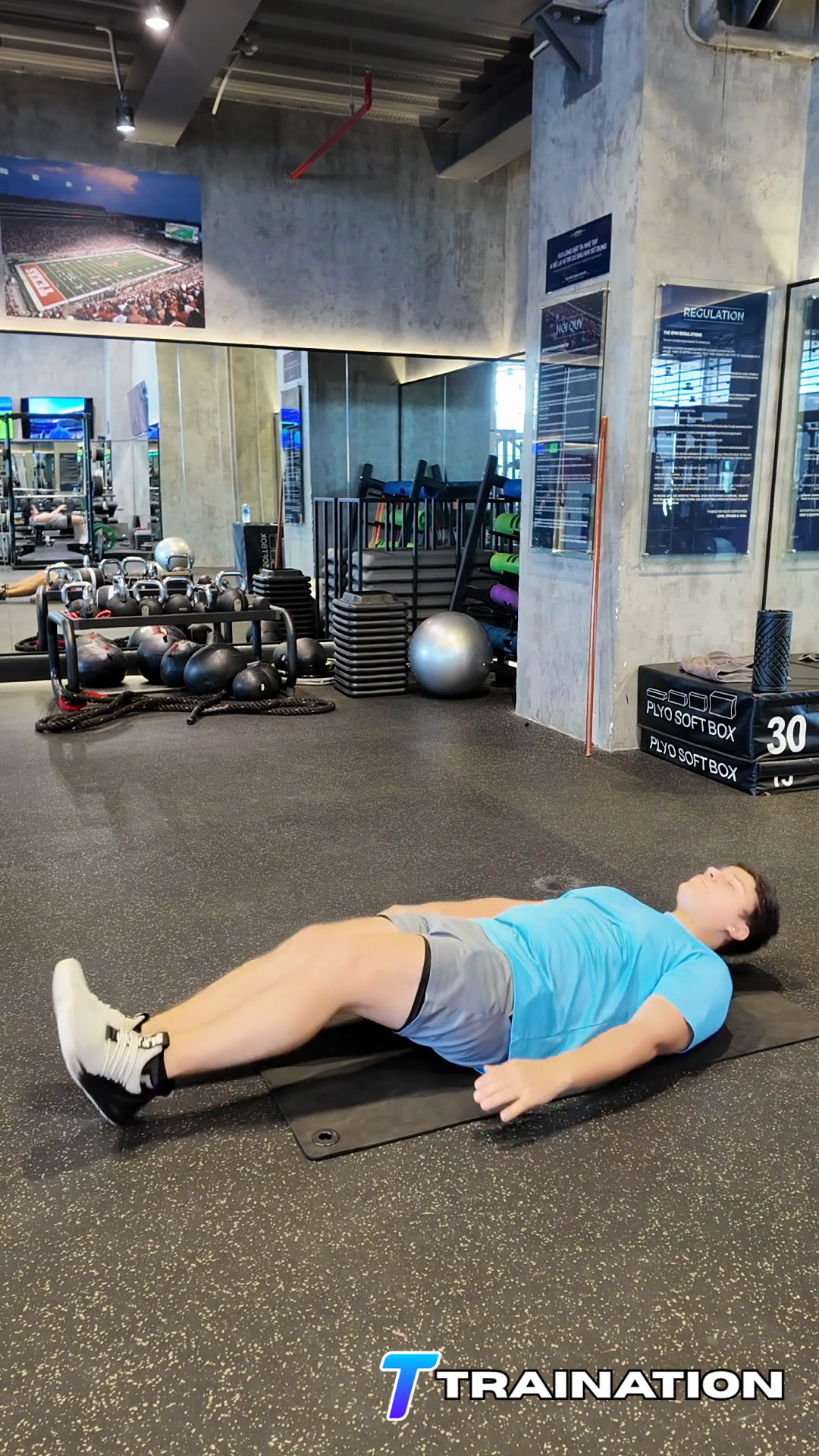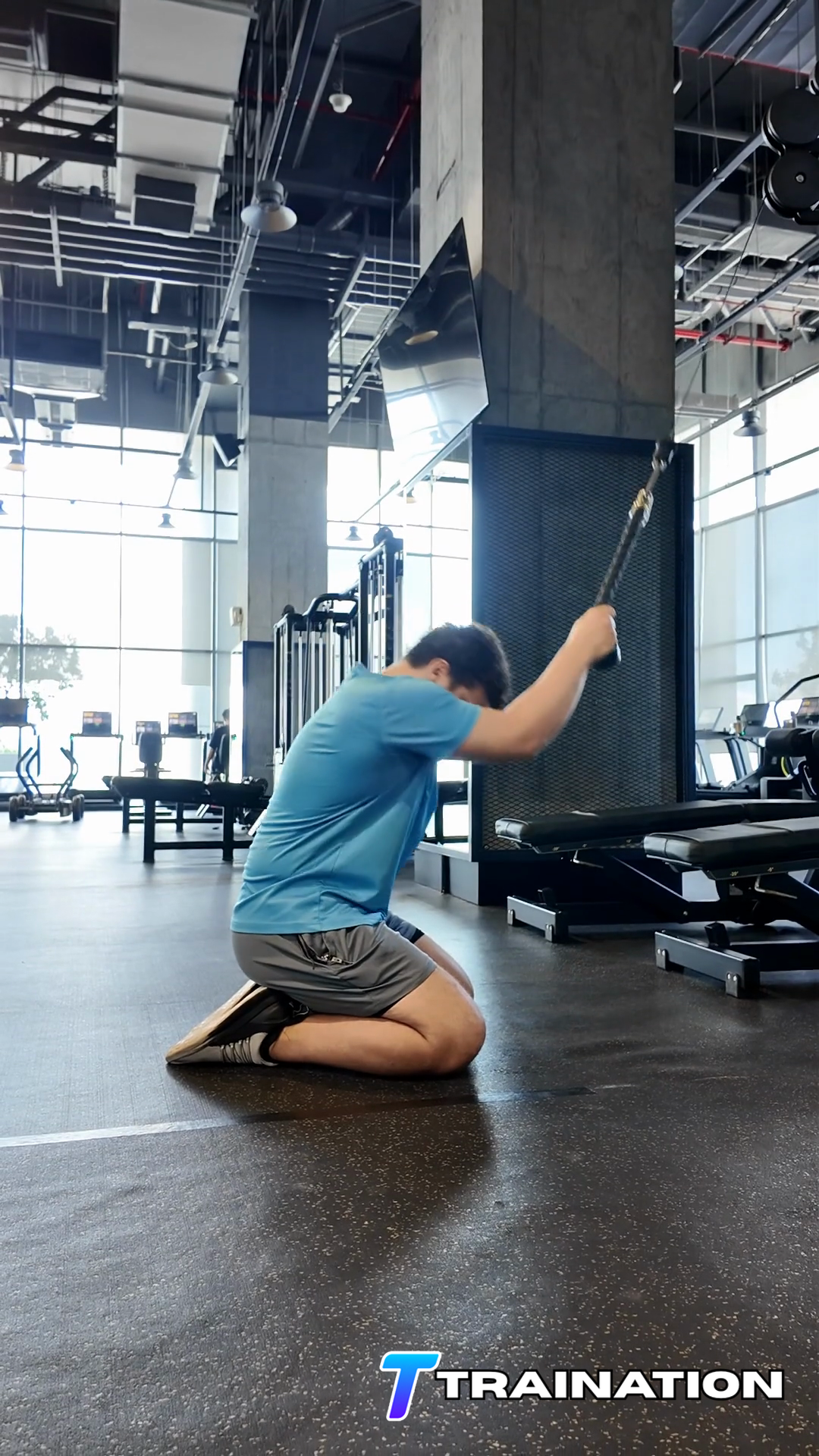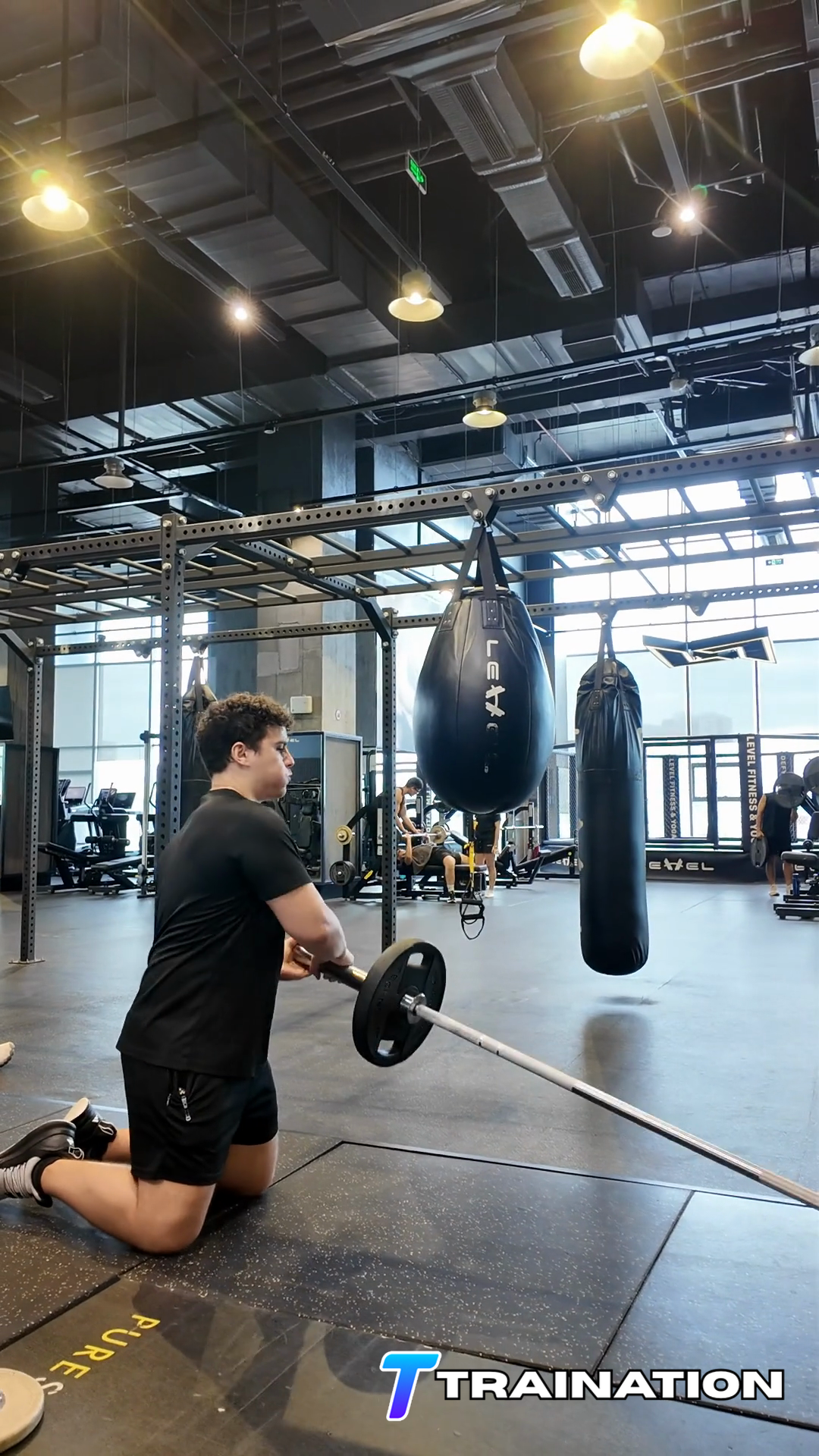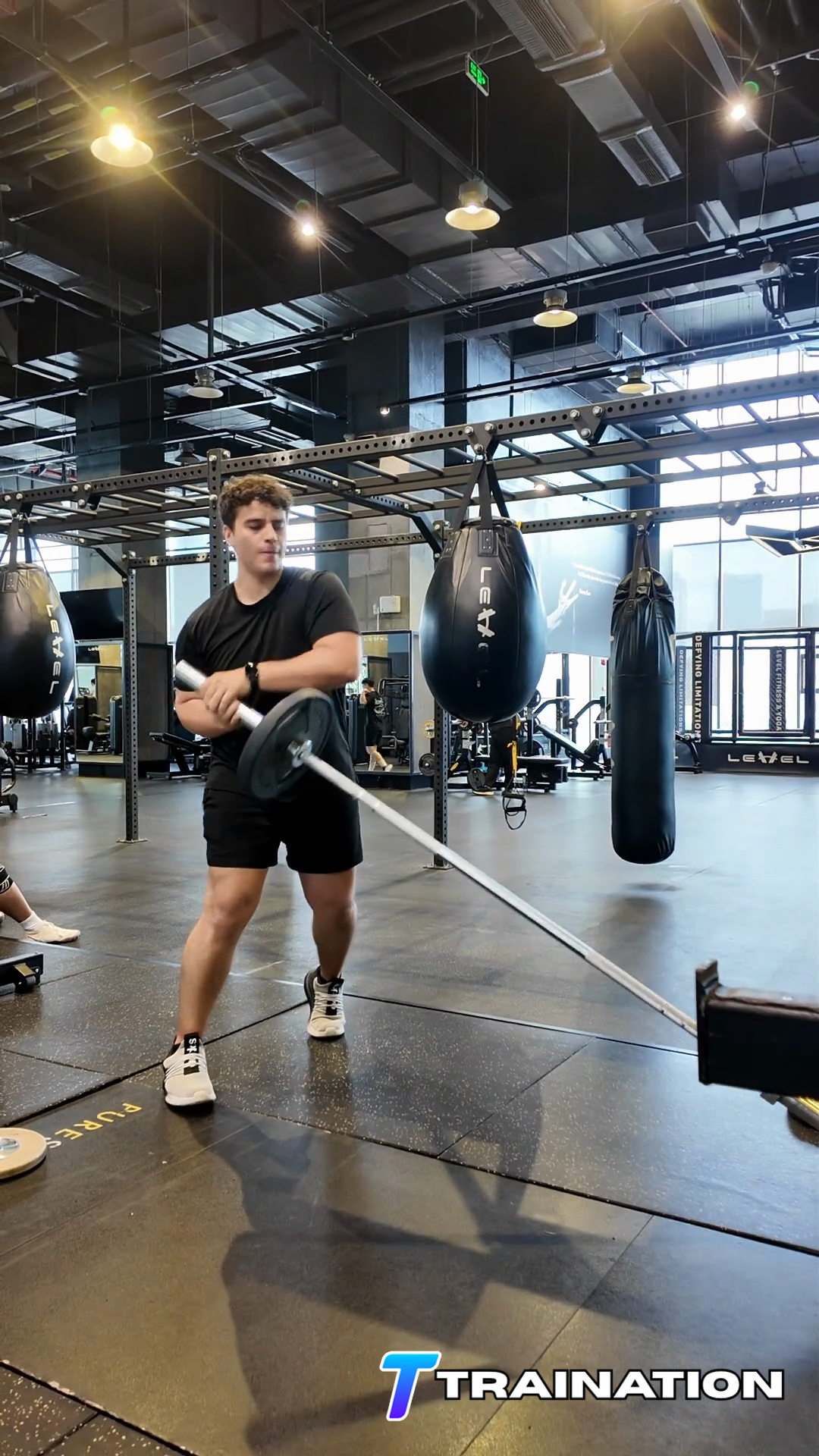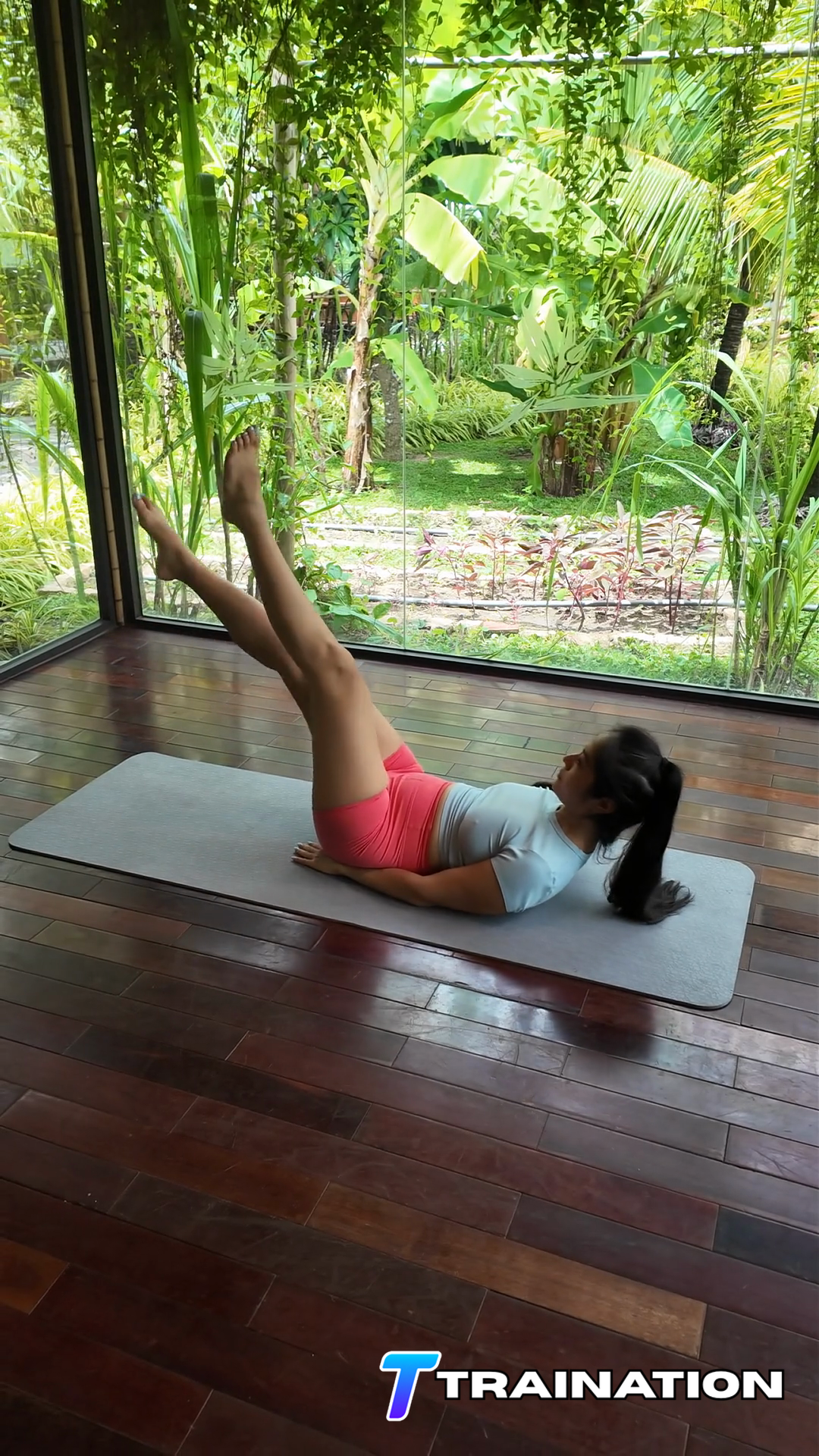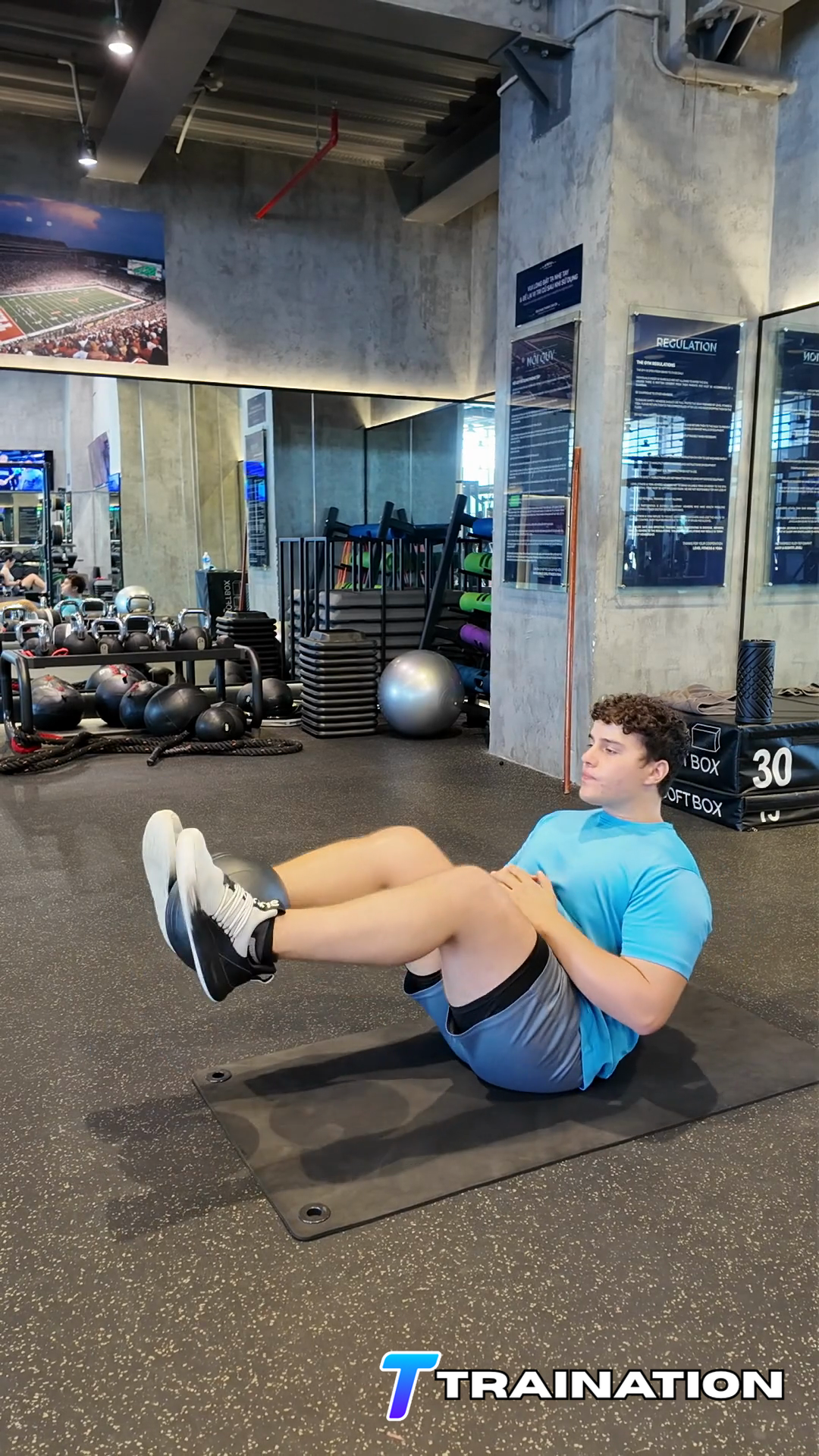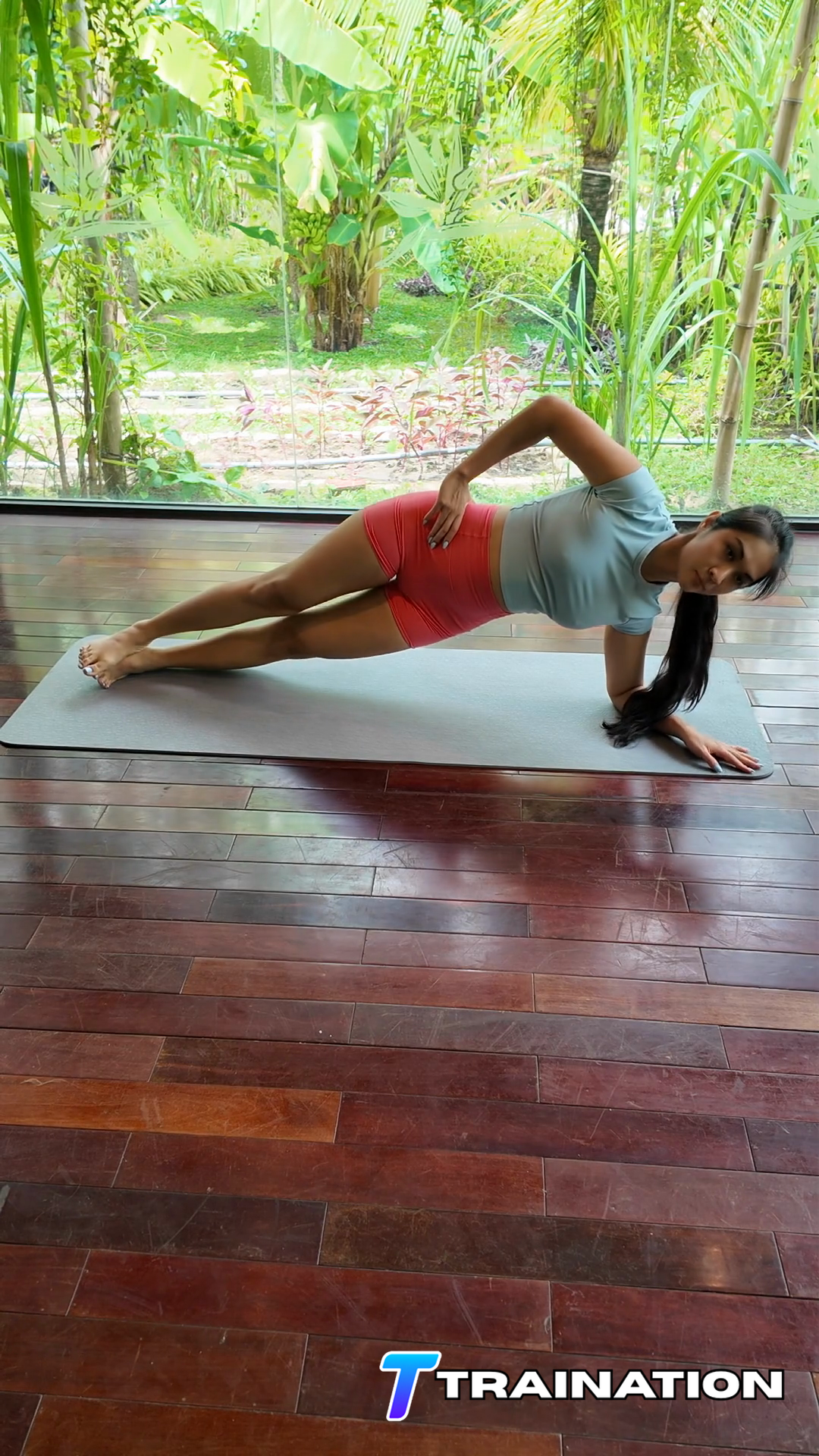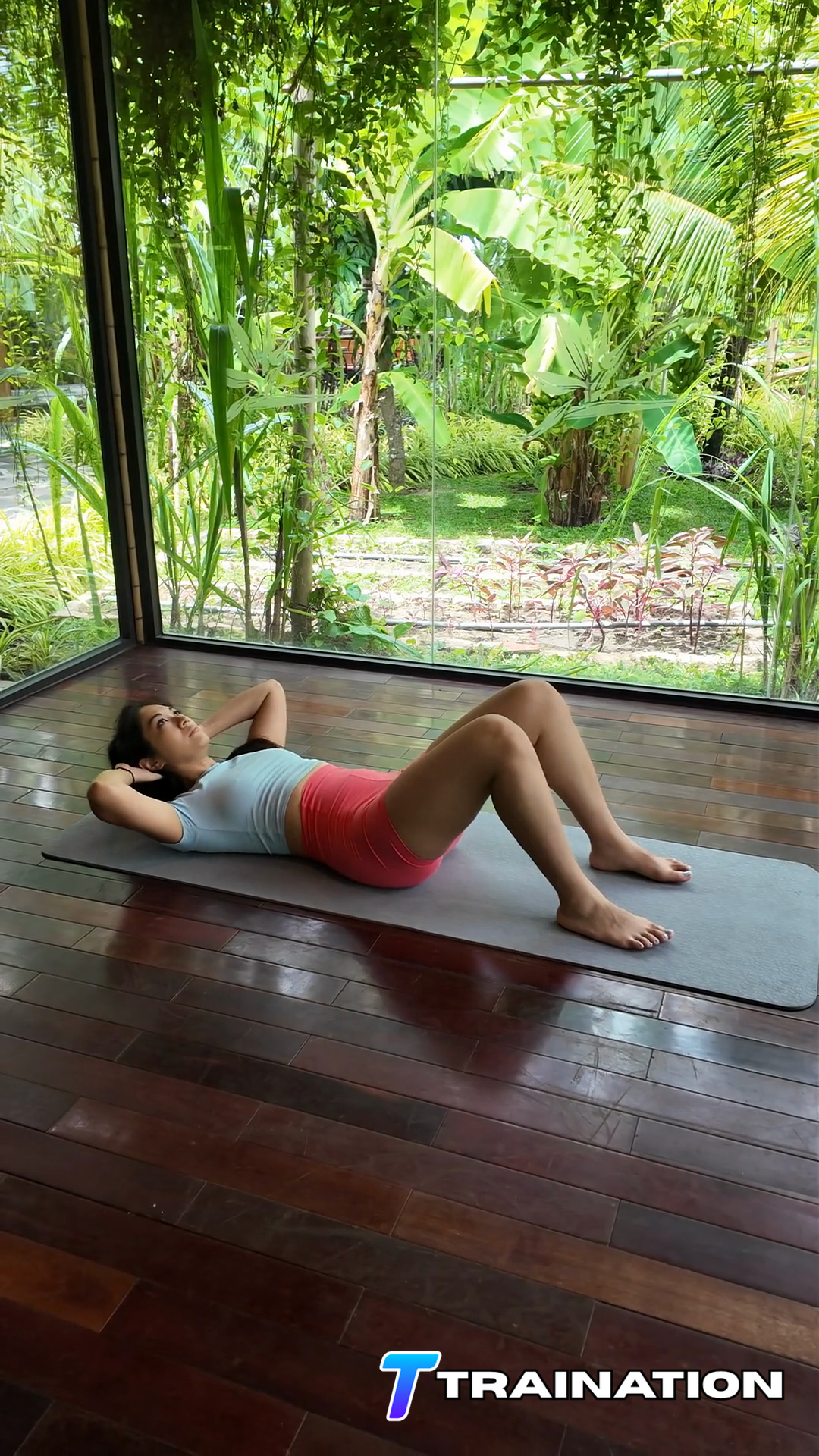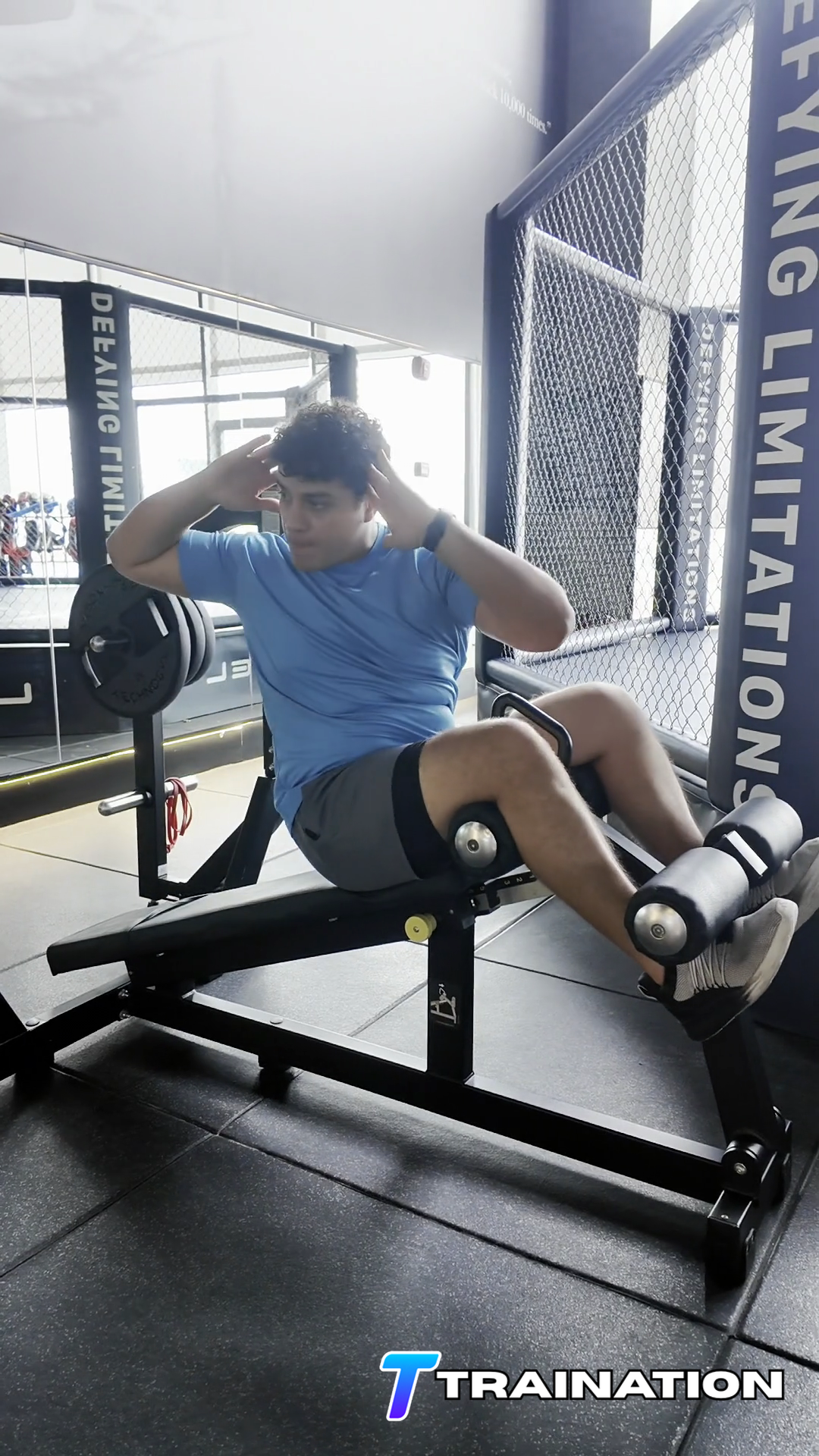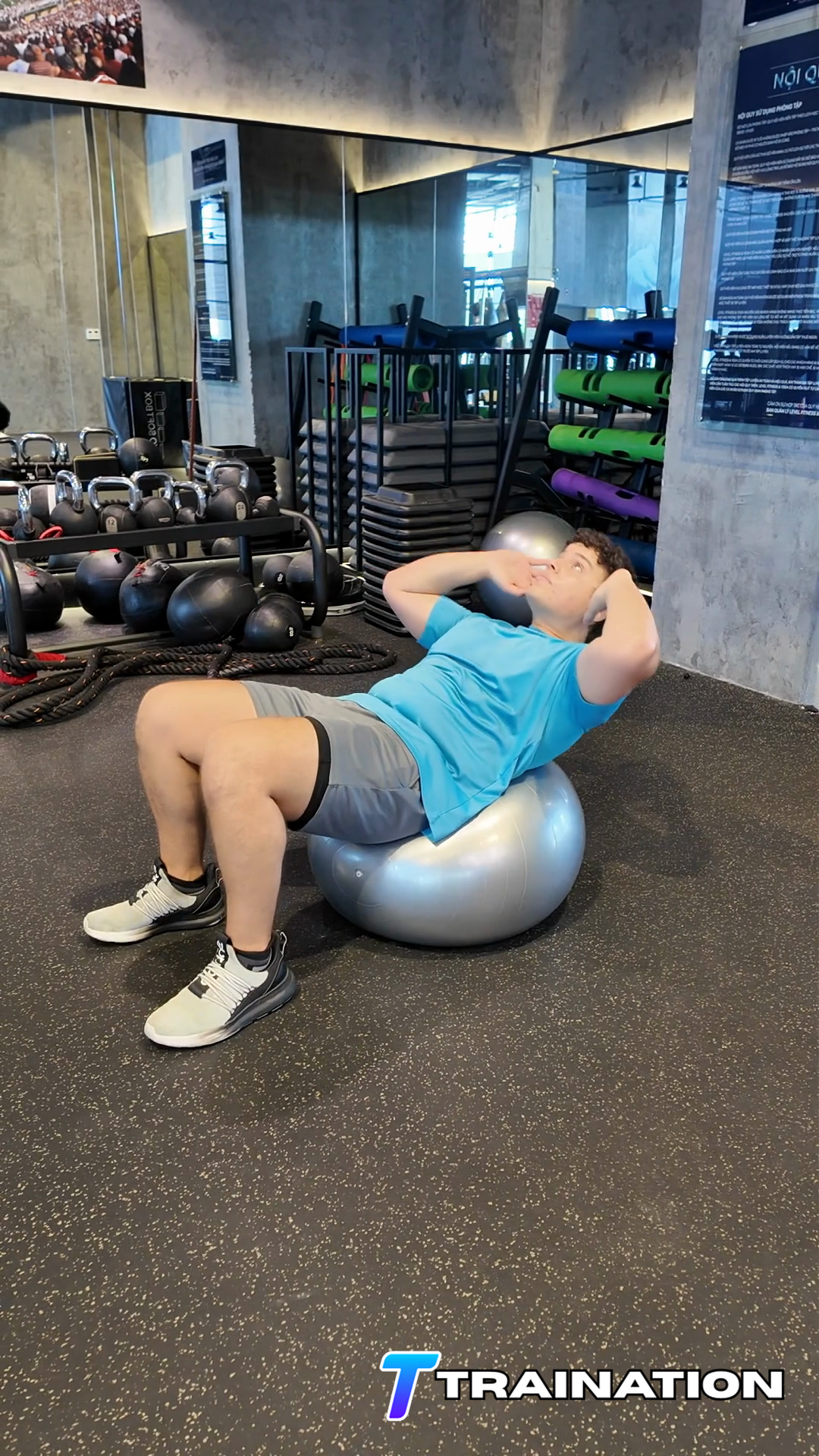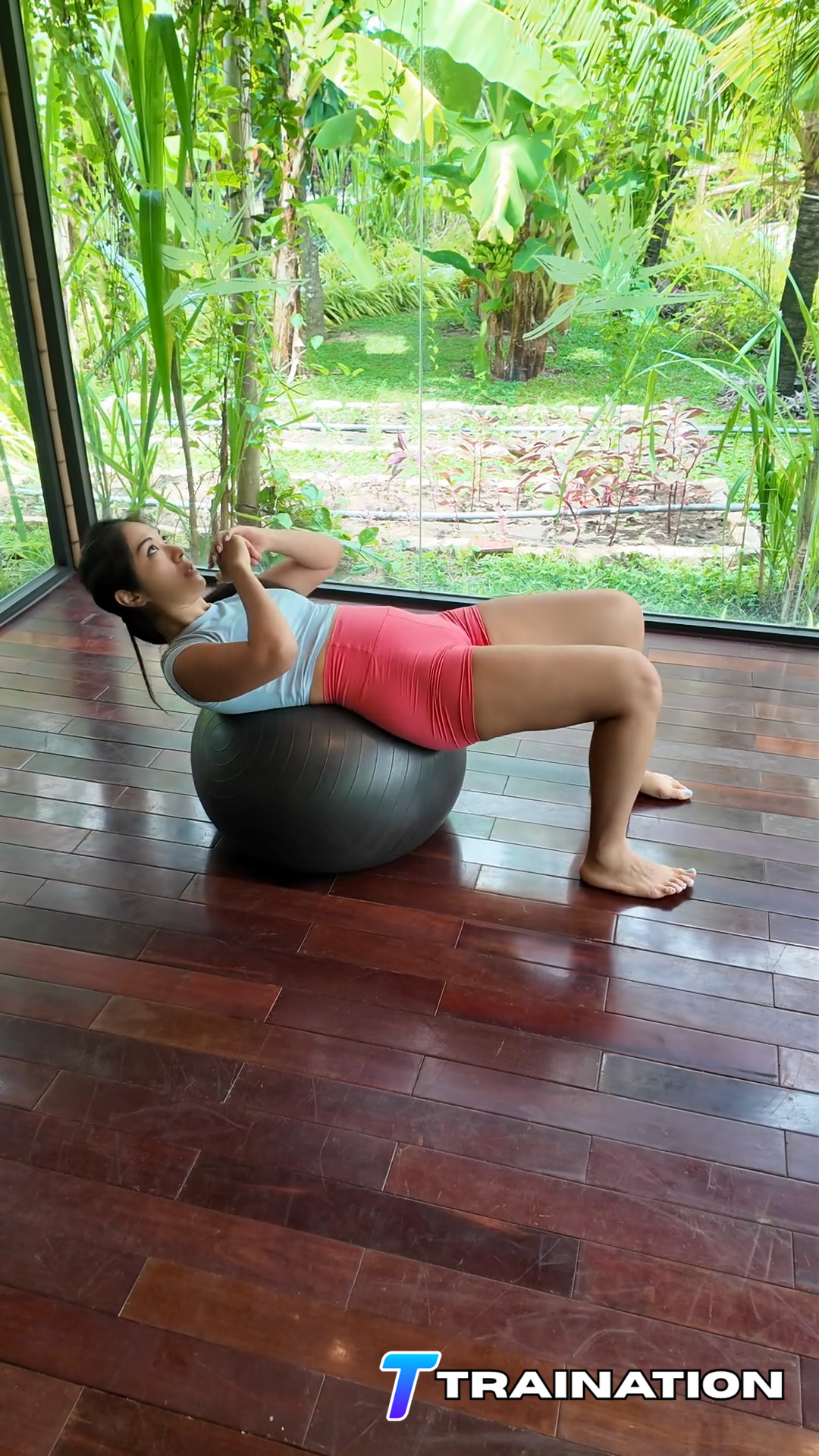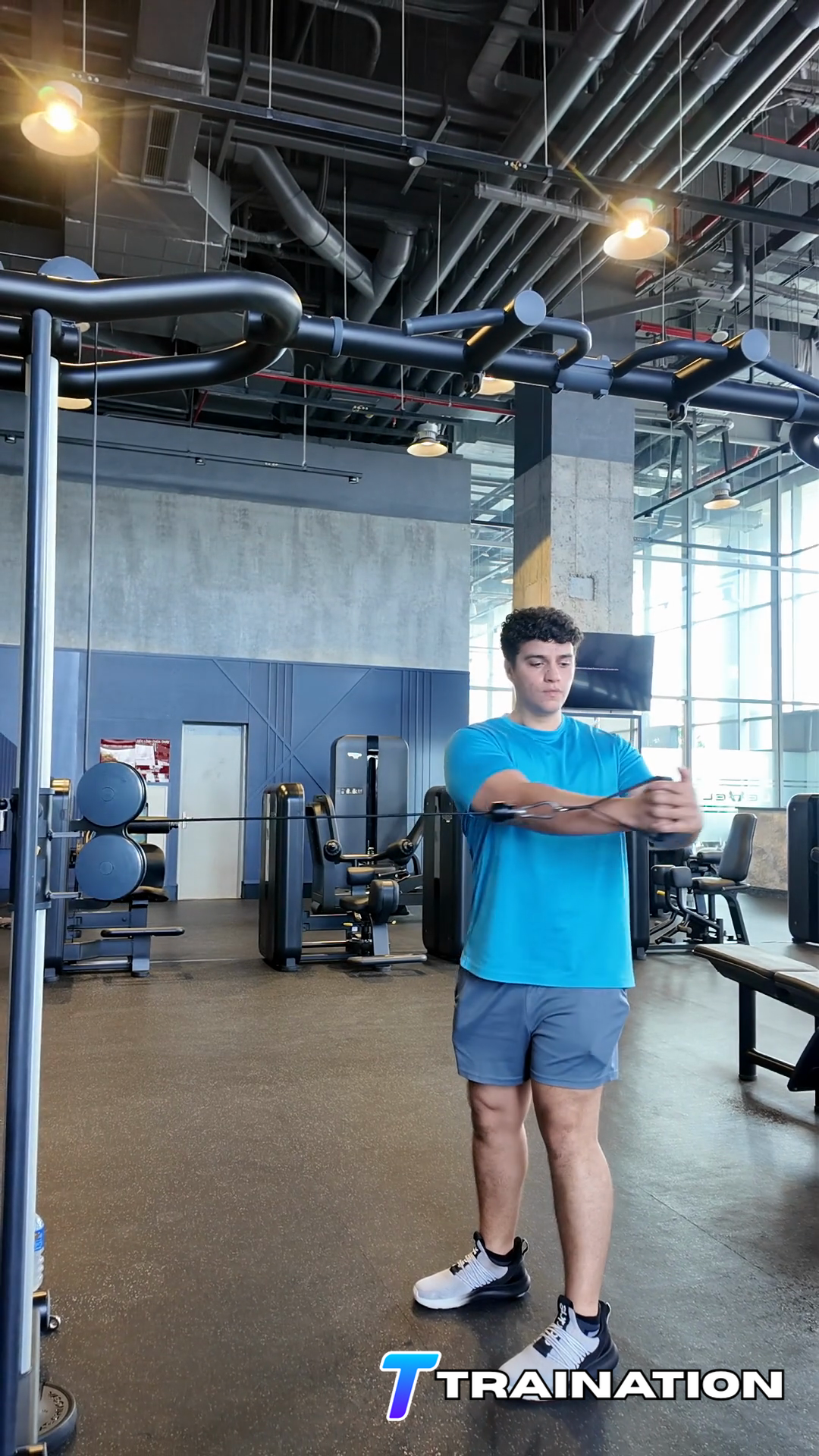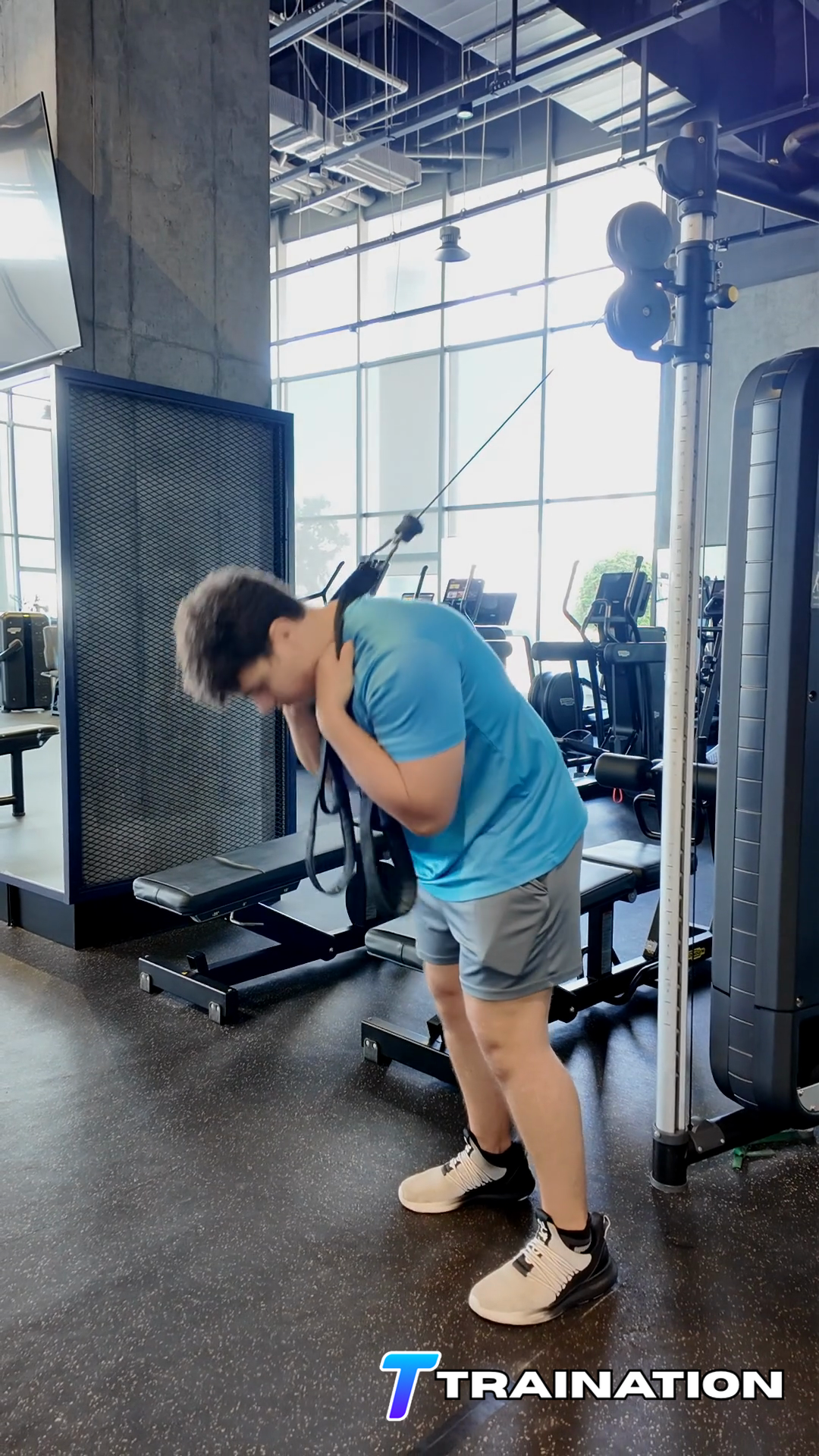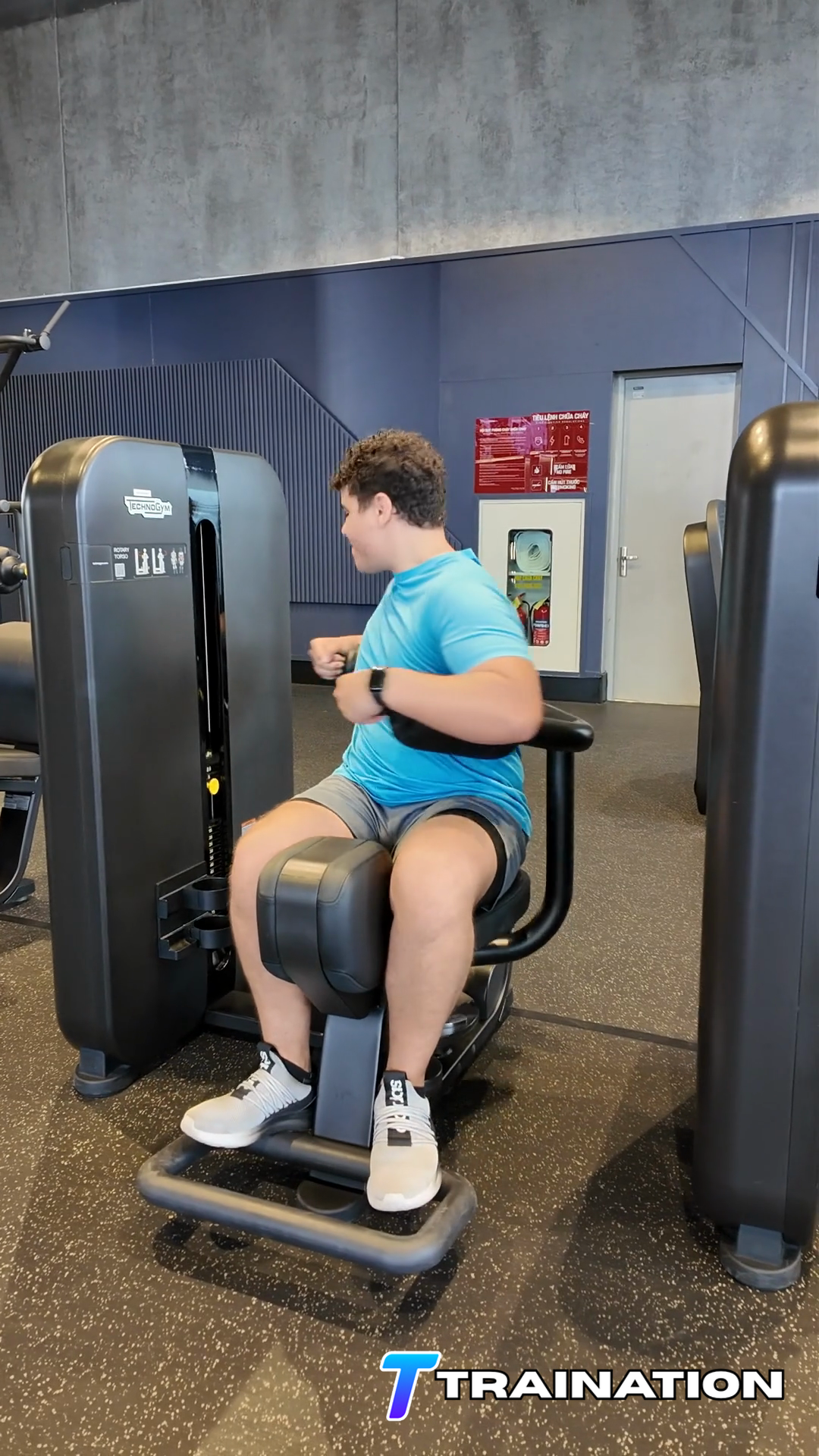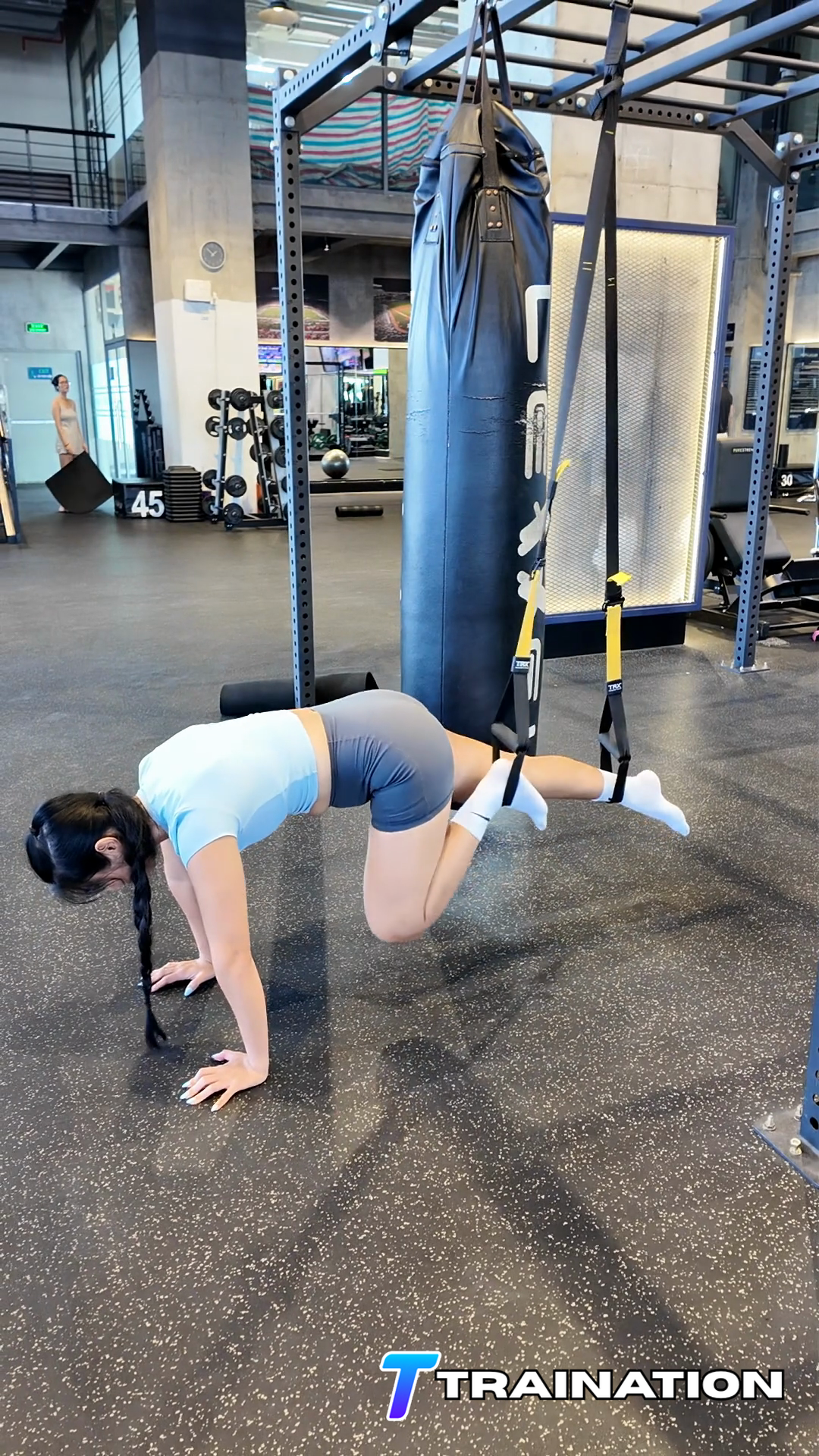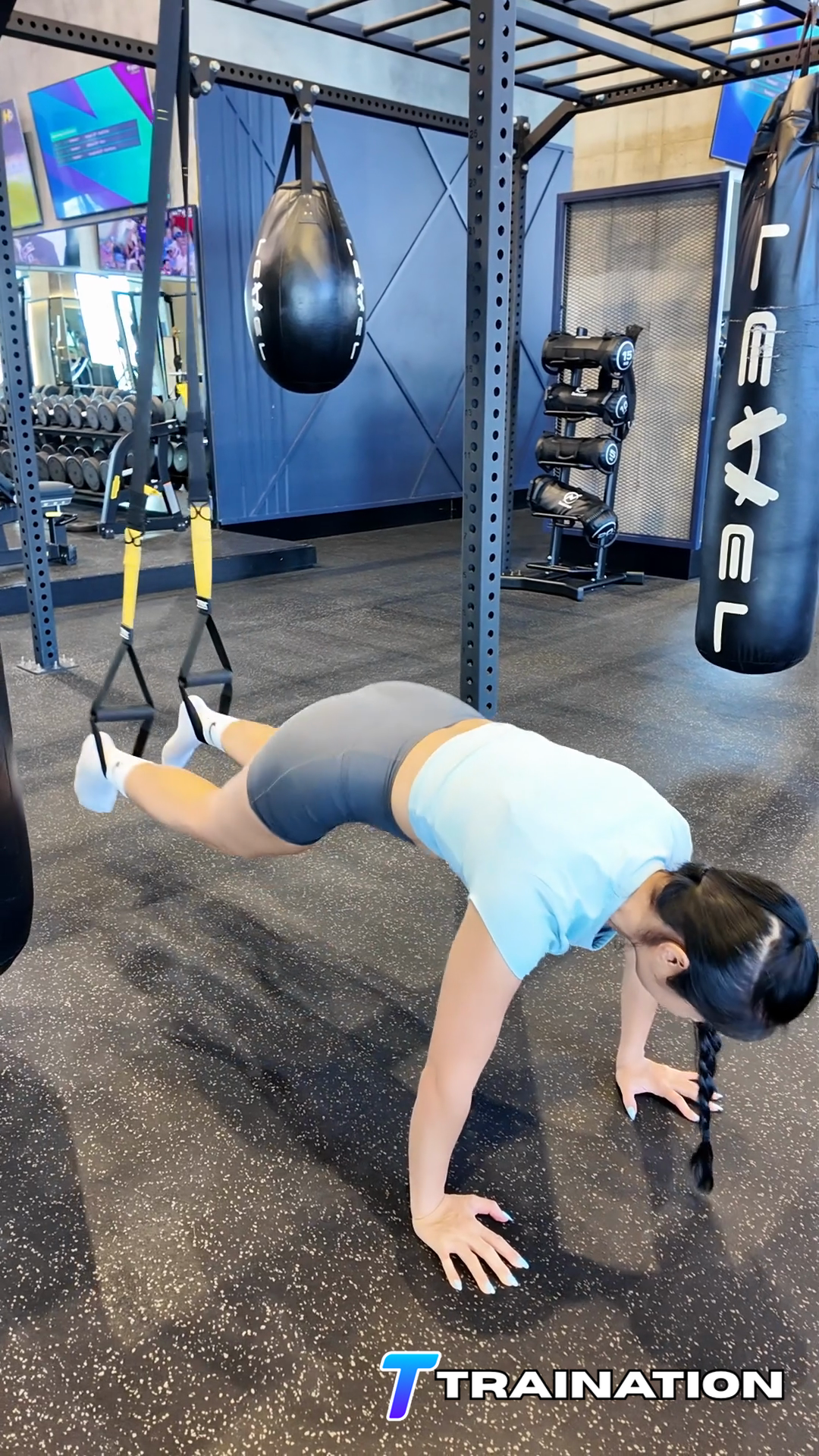
Swinging the knees
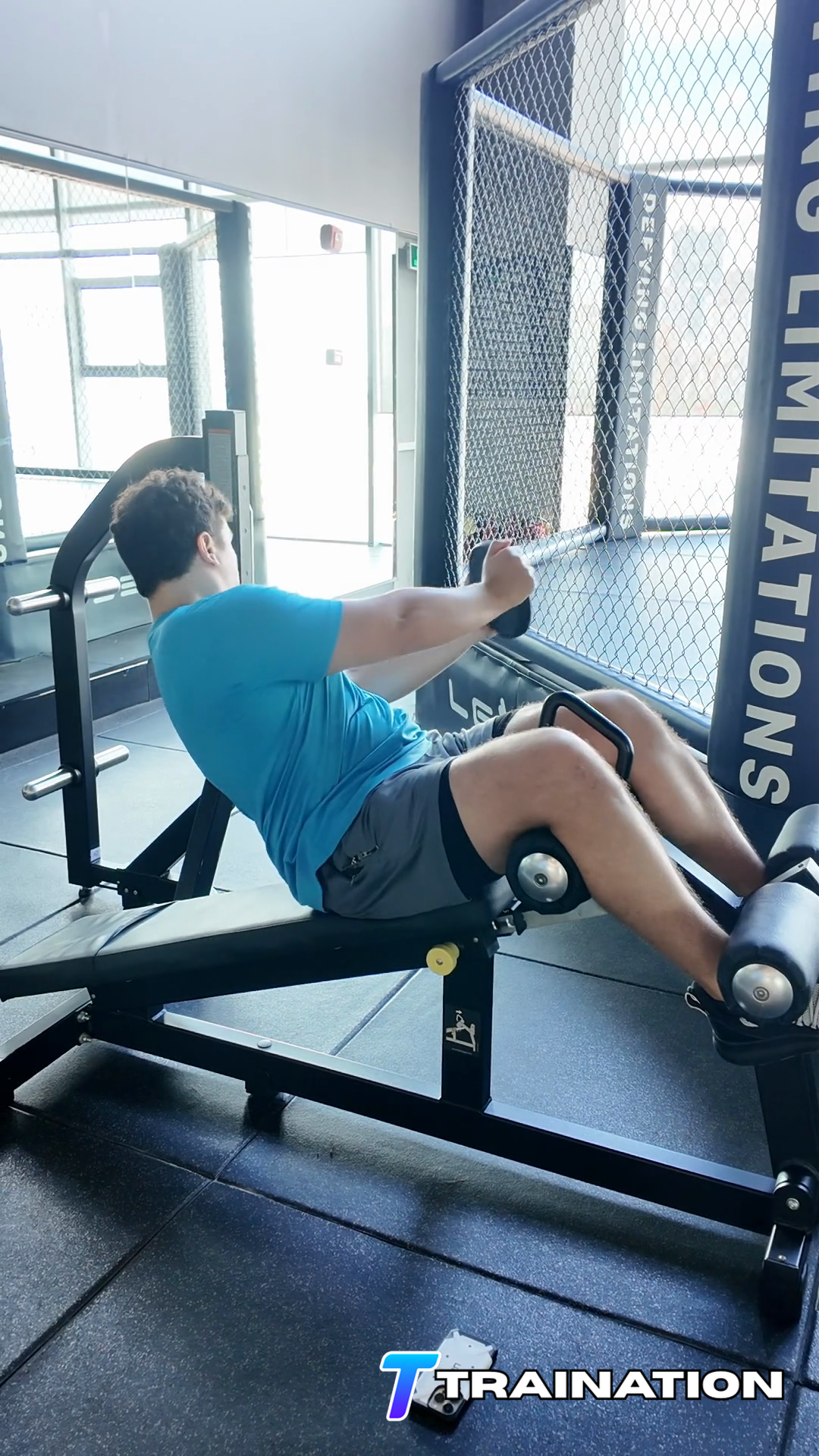
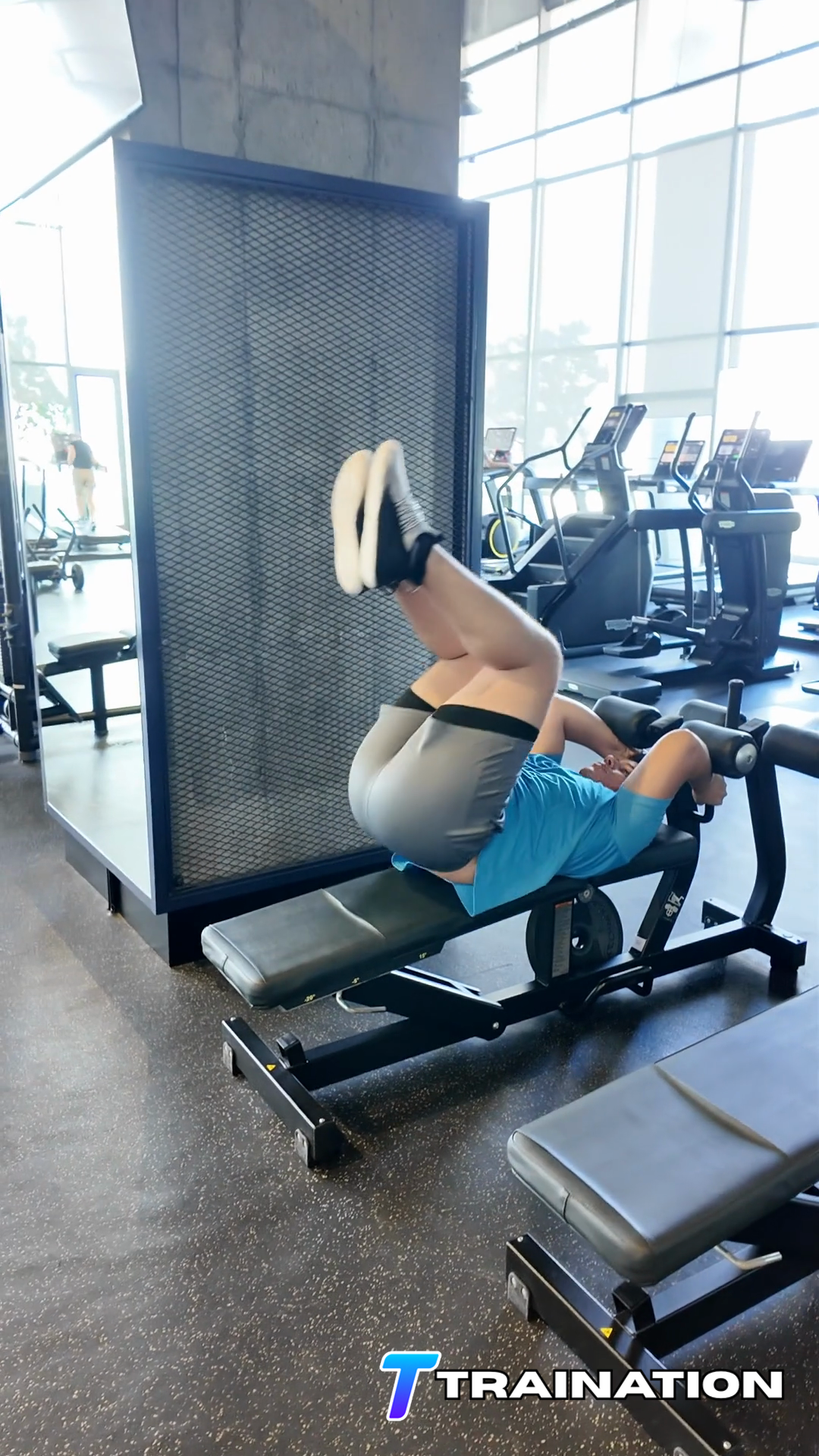
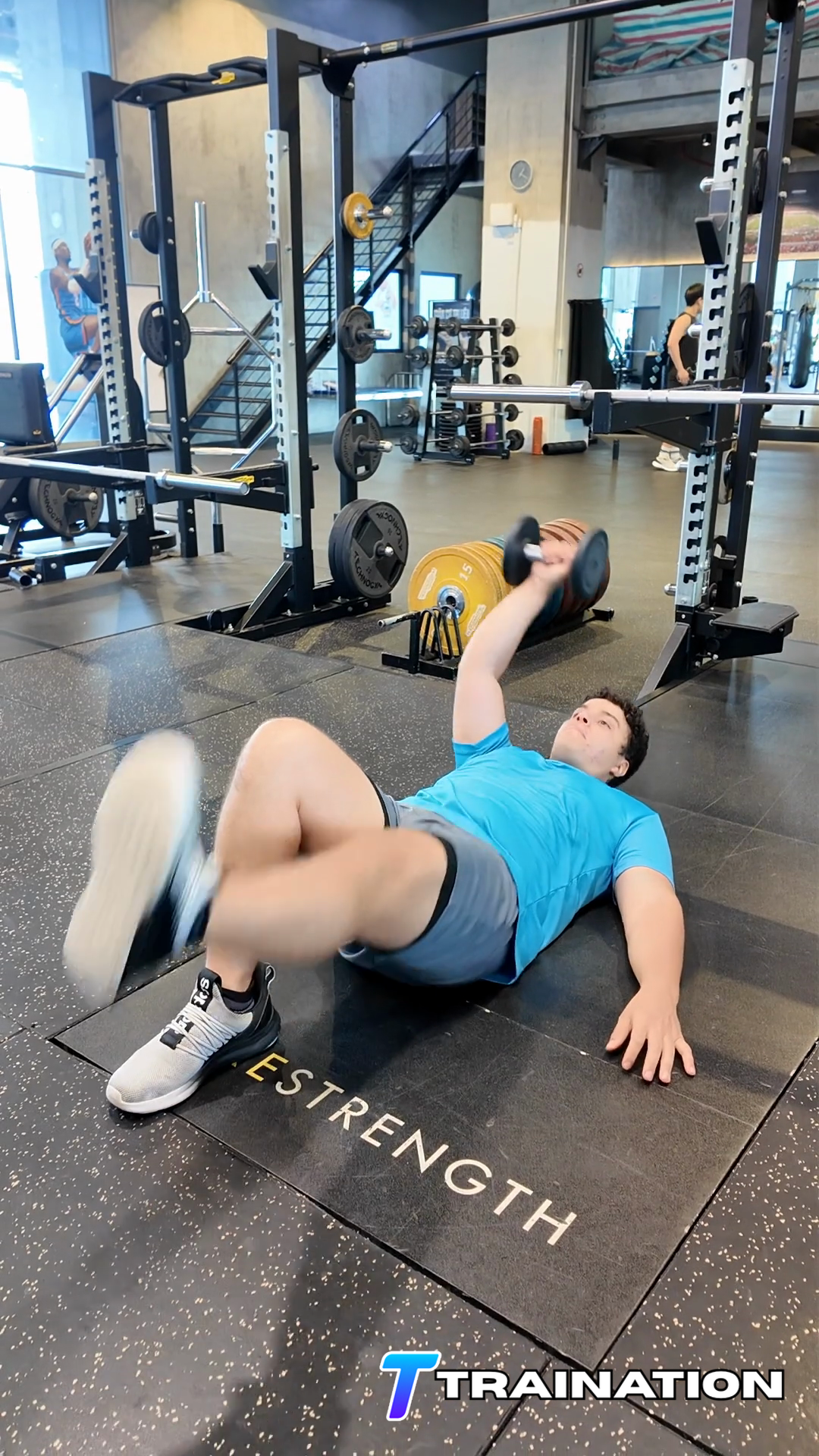
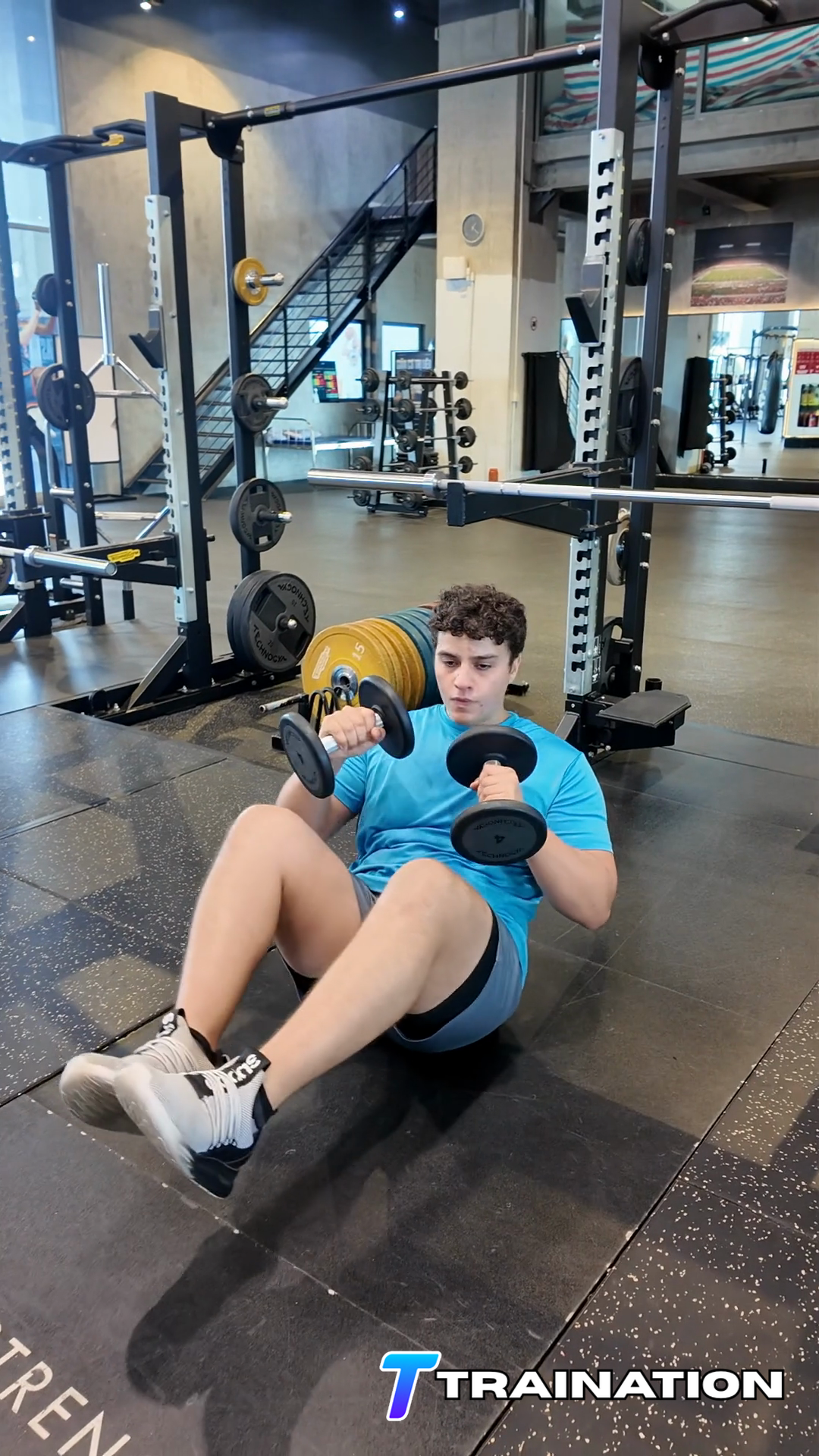
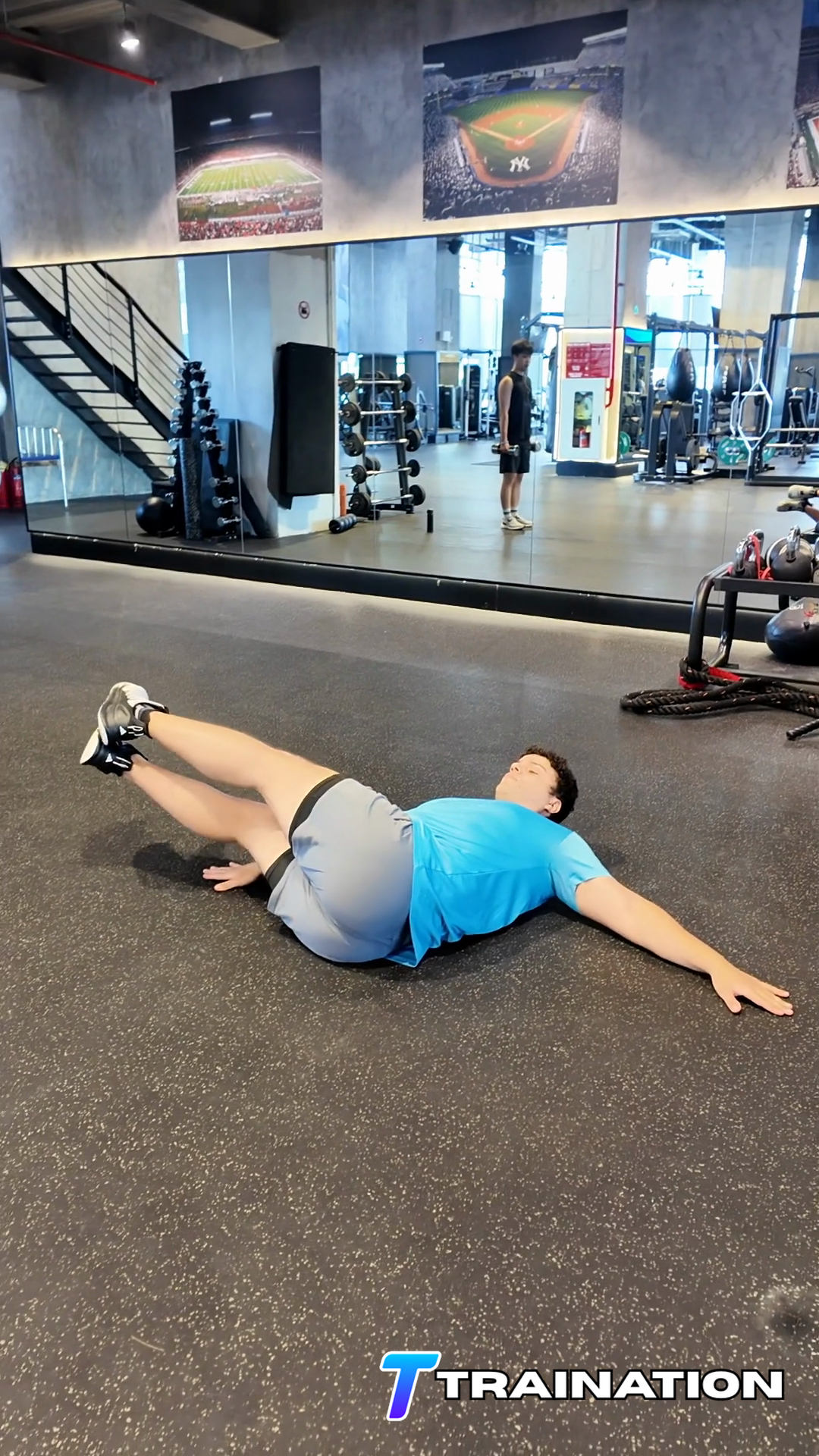
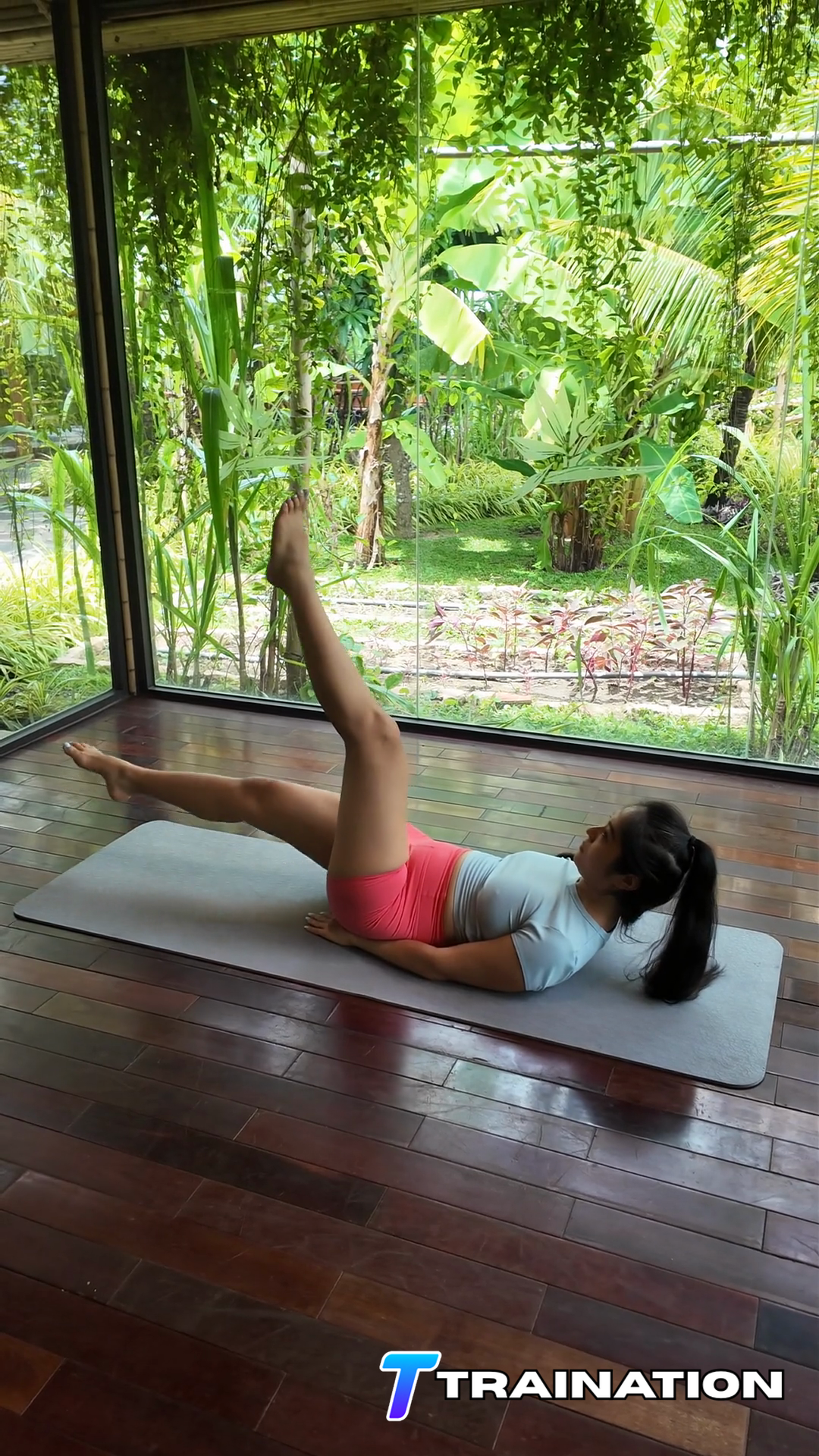
Keep the hips and knees bent at a steady angle and curl the pelvis instead of throwing the legs toward the face.
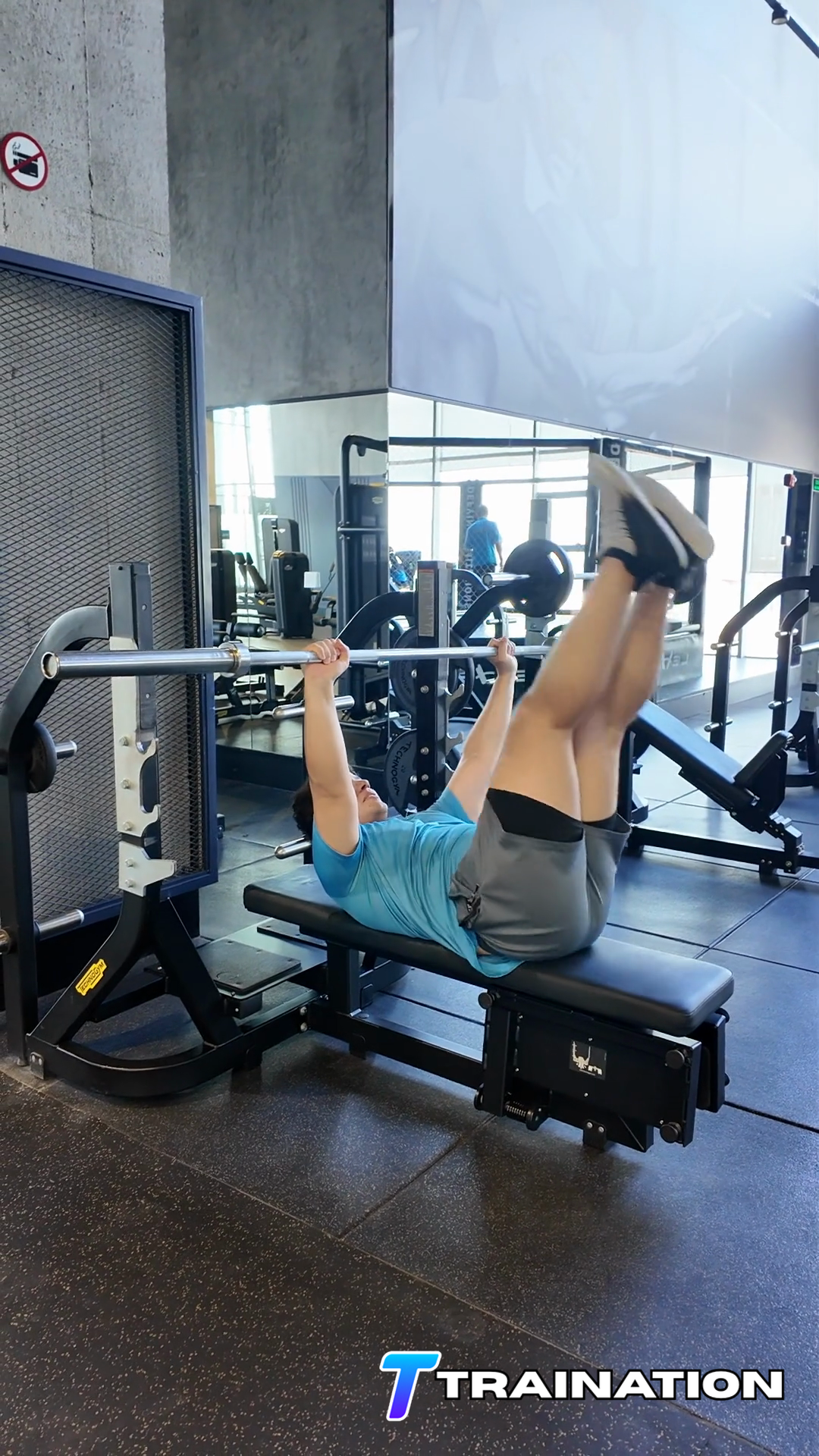
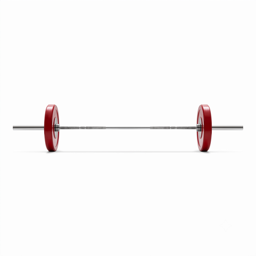
Barbell Reverse Crunch trains the abdominal muscles by bringing the rib cage and pelvis closer together through a controlled range.
Primary musclesRectus abdominis
Secondary musclesInternal and external obliques, Iliopsoas
Follow the sequence in order, paying attention to the starting position, movement path, and finish described in each step.
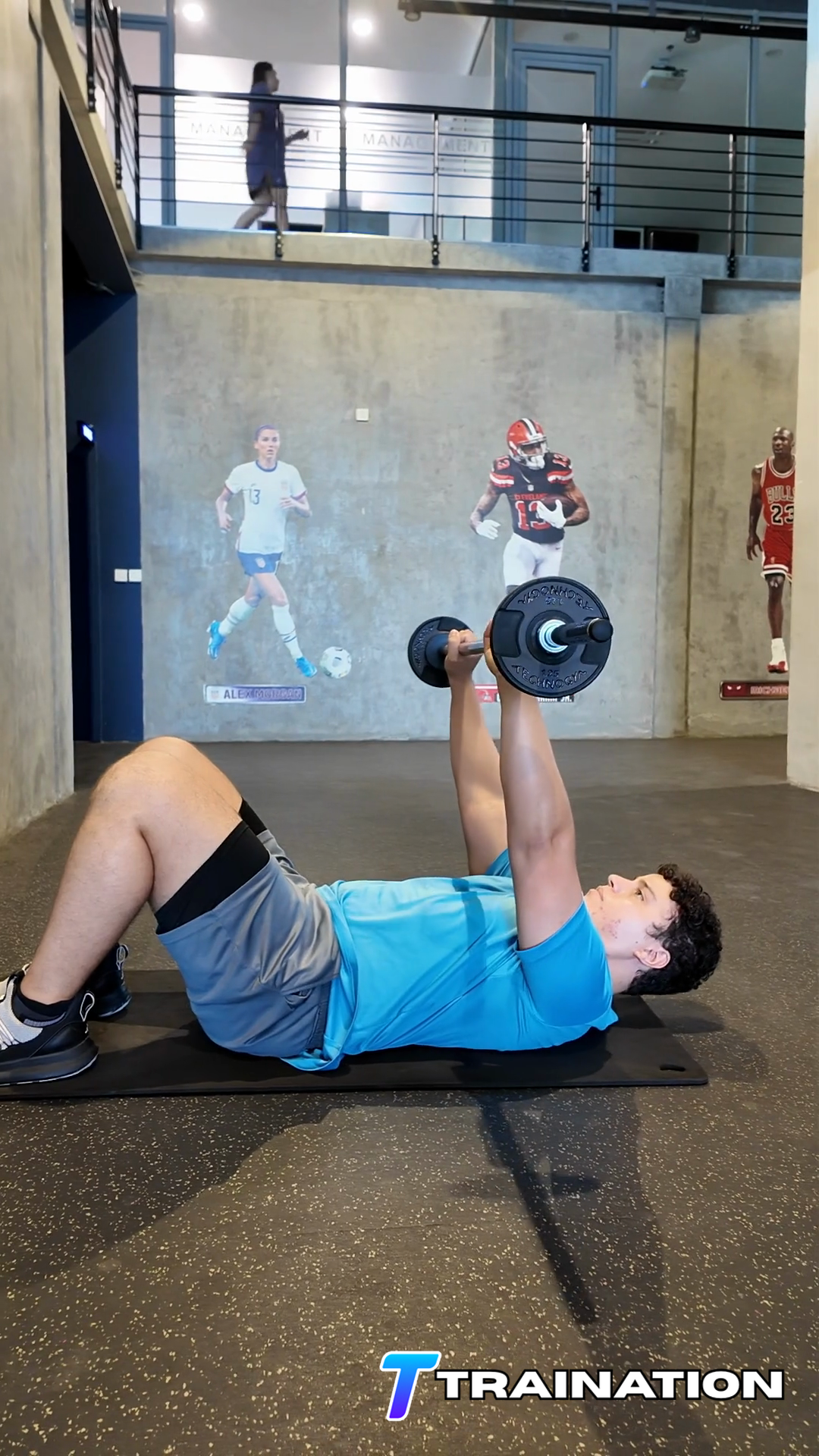
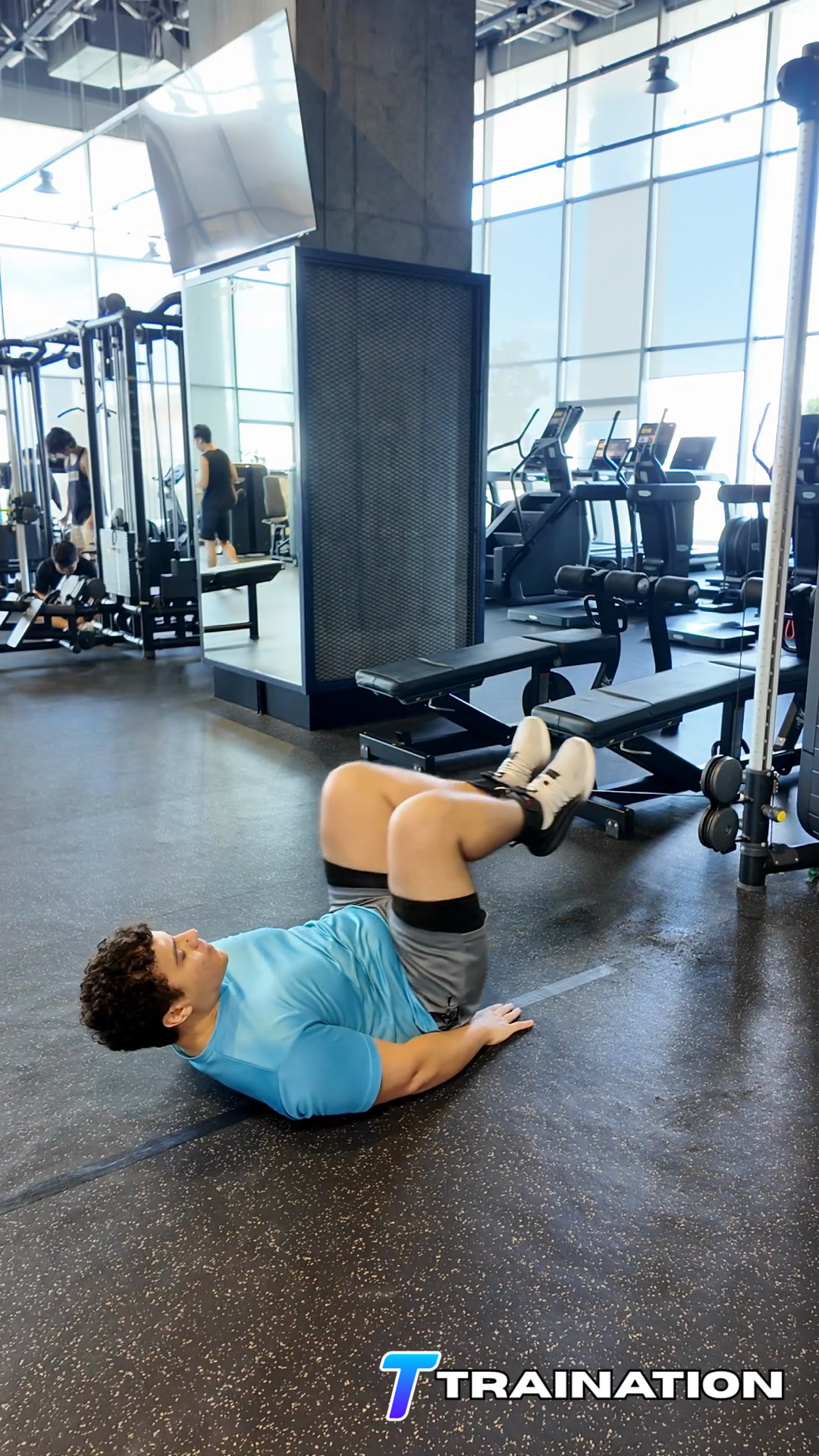
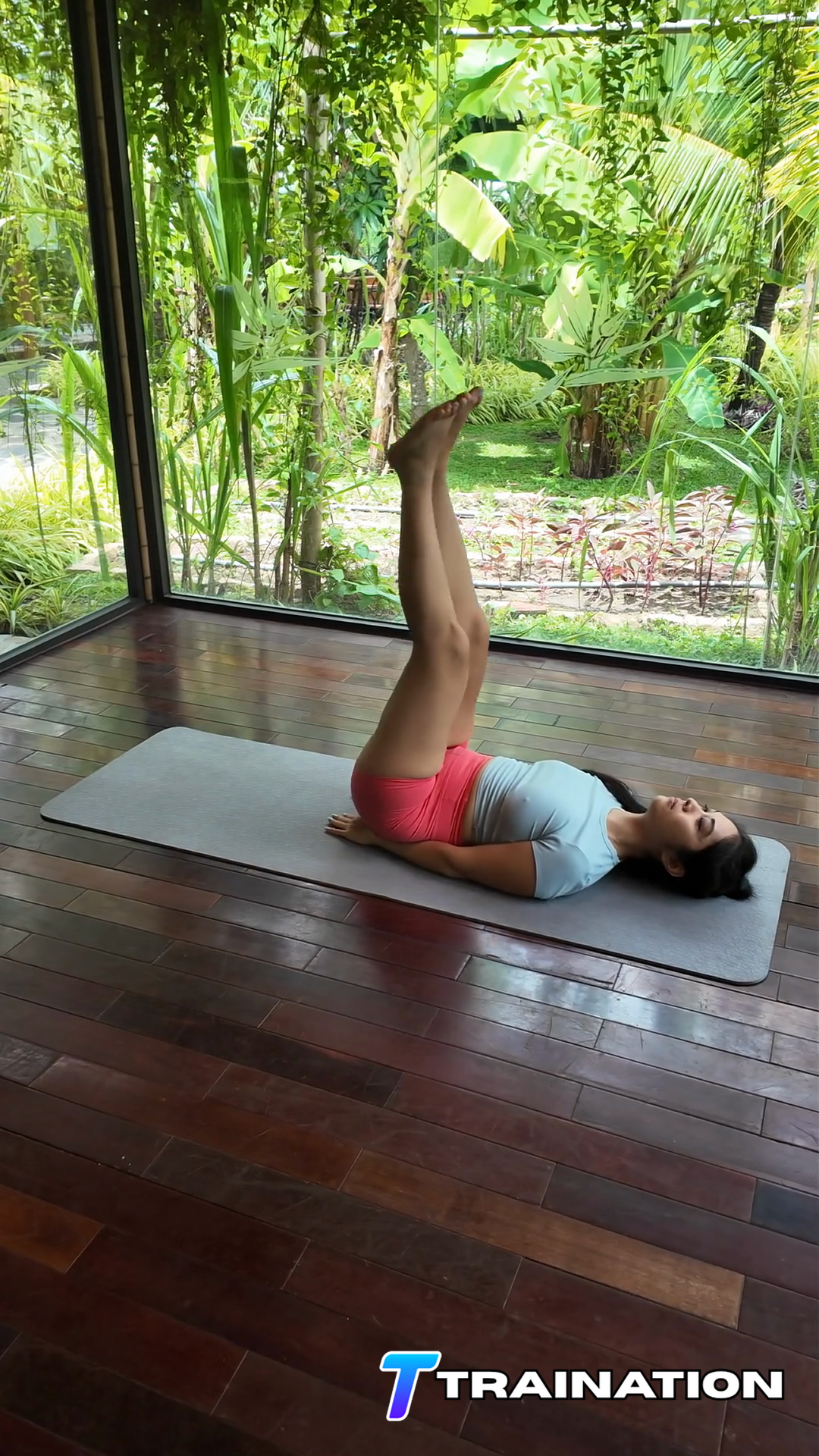
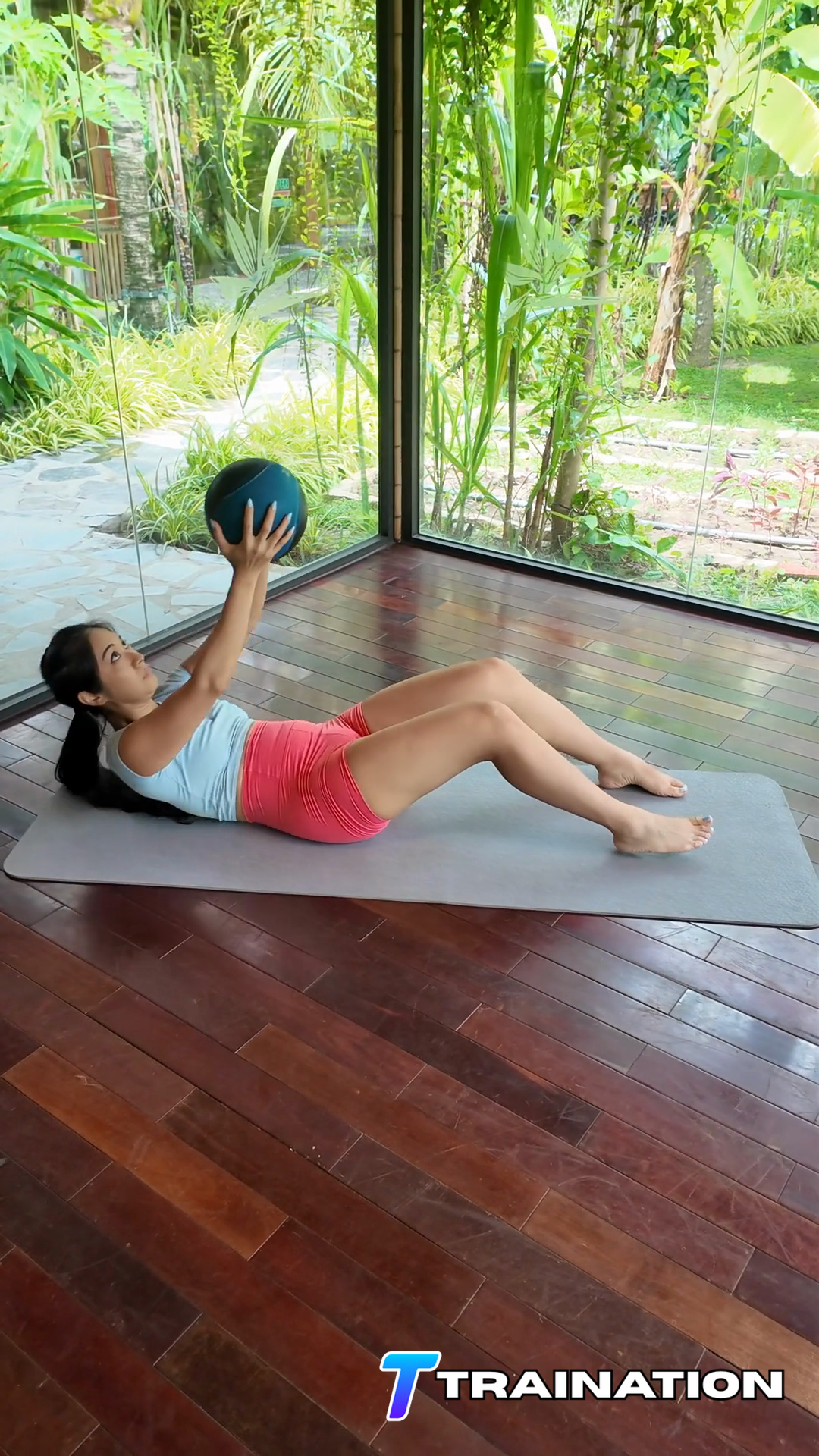
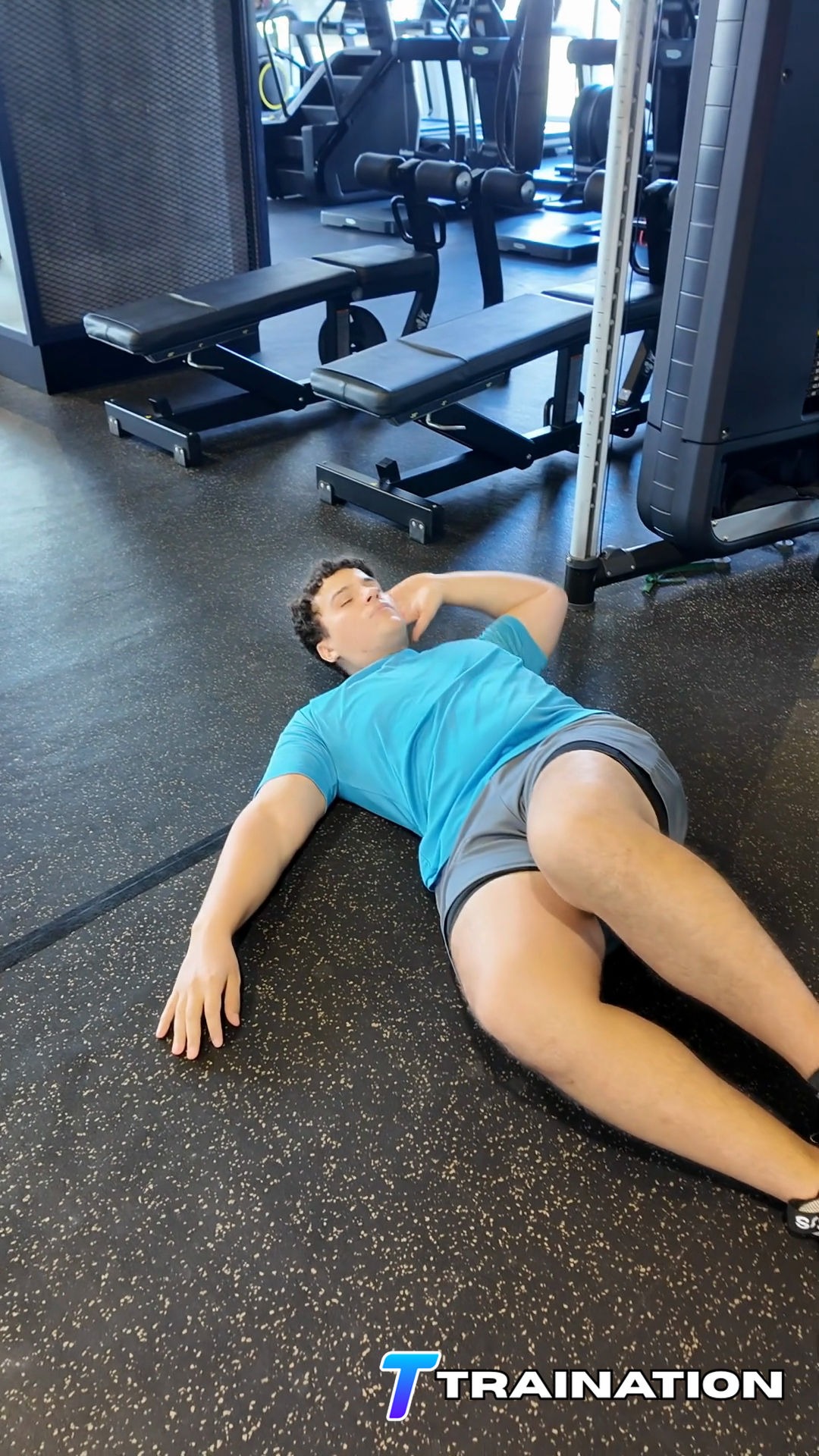
Lie on the back and hold a securely racked or unloaded bar above the chest for support; bring the hips and knees to about 90 degrees.
Brace the abdomen and keep the shoulders and arms firmly supported.
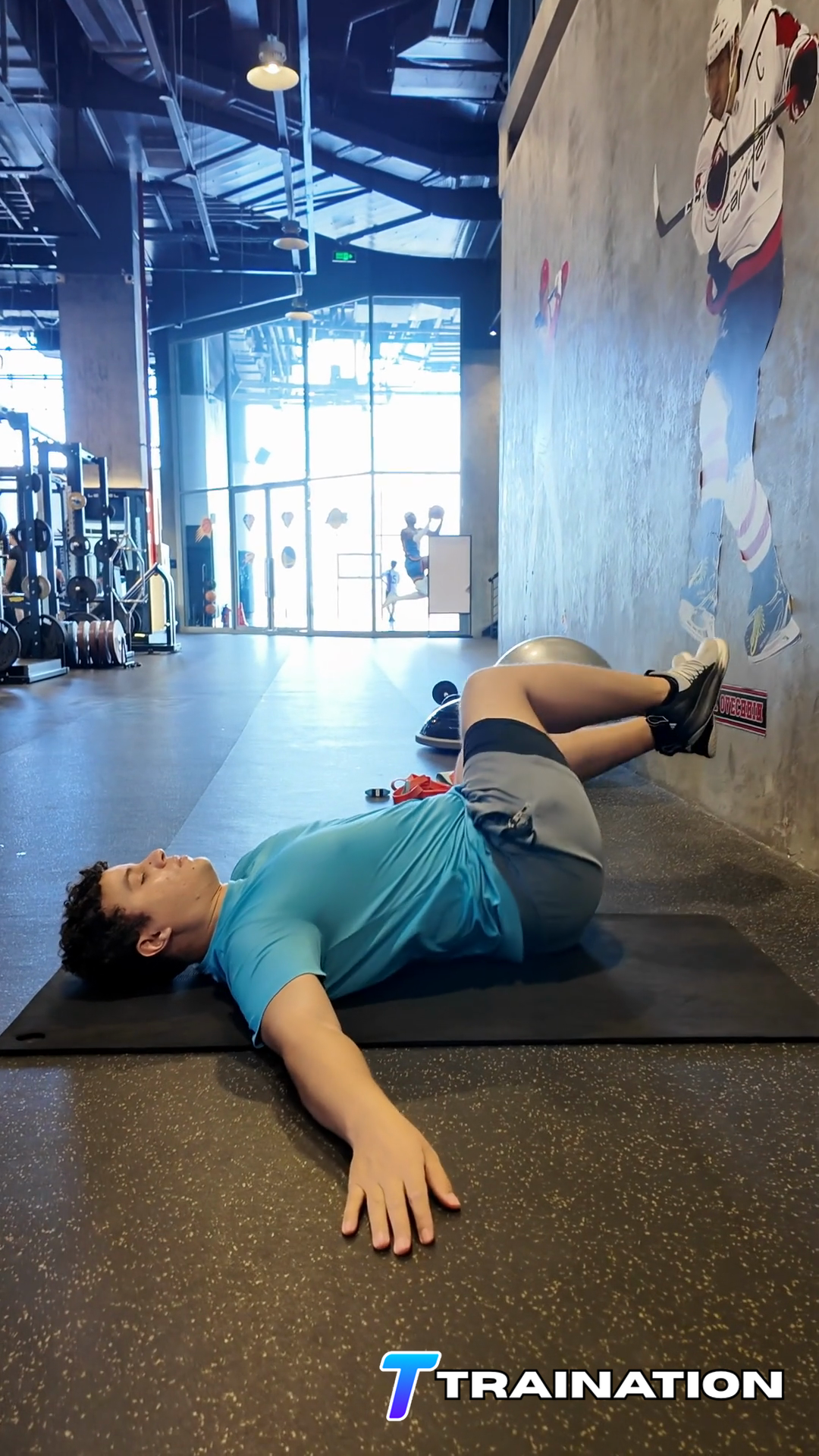
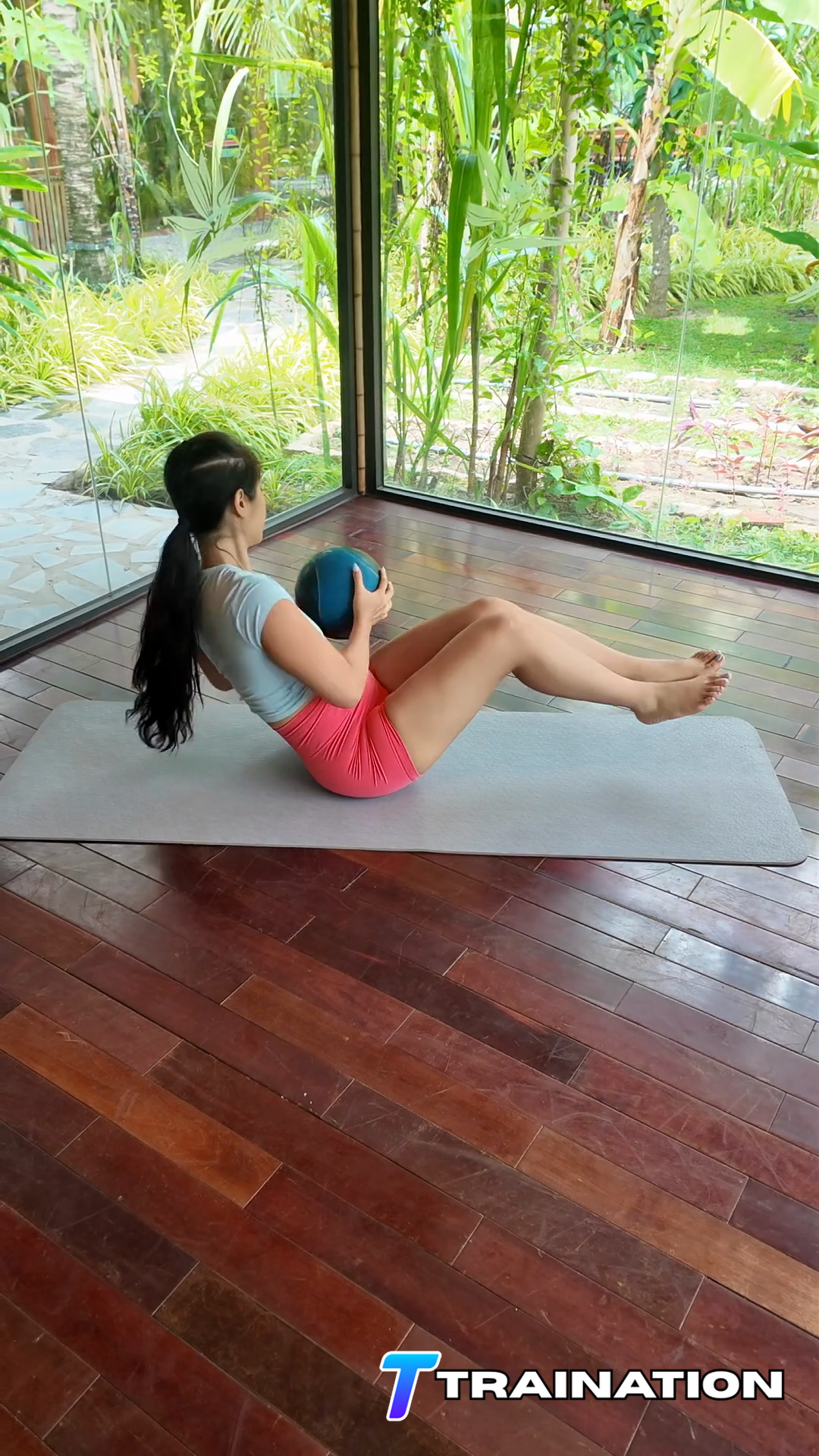
Curl the pelvis toward the ribs, lifting the tailbone a small distance rather than swinging the knees toward the face.
Pause when the lower abdominals are shortened and before pressure shifts into the neck or upper back.
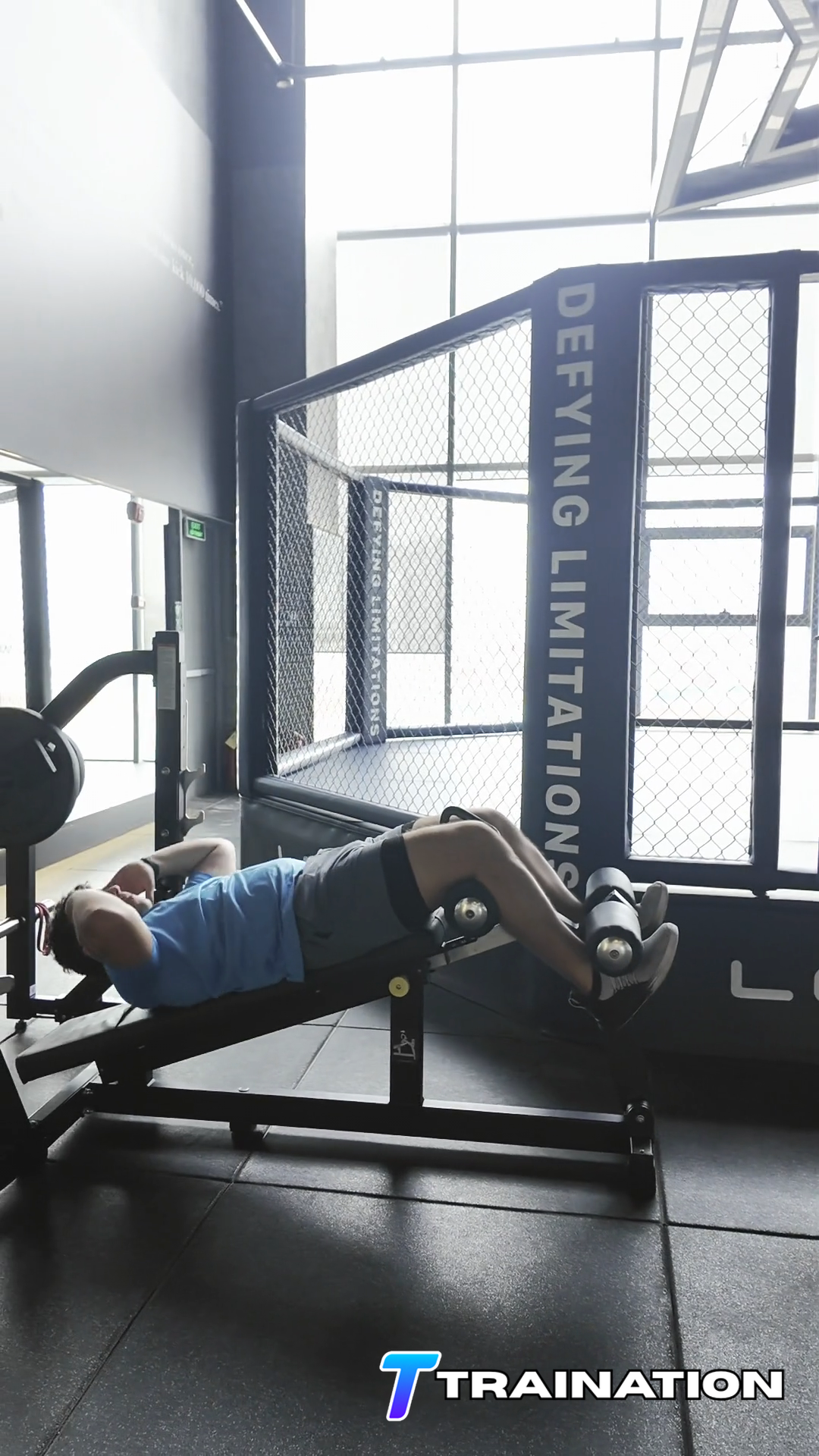
Lower the pelvis slowly until the tailbone returns to the floor while the knees remain controlled.
Keep the hips and knees bent at a steady angle and curl the pelvis instead of throwing the legs toward the face.
Use the secured bar only to anchor the upper body; keep the arms still rather than pulling to create the repetition.
Lift the tailbone a small distance and stop before body weight shifts toward the neck.
Lower the tailbone slowly to the floor while keeping the knees controlled.
Place Barbell Reverse Crunch after the main compound lifts, in a focused core block, or beside an exercise that does not require a fresh trunk.
Use two to four times per week while accounting for trunk work already supplied by squats, hinges, carries, and overhead lifting.
| Goal | Sets | Reps or time | Rest | Effort and execution |
|---|---|---|---|---|
| Control / technique | 2–3 | 5–8 reps | 45–75 sec | Stop well before position changes |
| Strength / endurance | 2–4 | 8–15 reps | 60–90 sec | Stop while 1–3 good-form reps are still possible |
Scale the movement
Lift only the head and shoulder blades while the pelvis and feet remain supported.
Train abdominal bracing without repeated spinal flexion.
Use a slow lowering phase and pause in the shortened position without pulling on the neck.
Add a small load only after the full bodyweight range remains controlled.
Turn Barbell Reverse Crunch and the rest of your exercise library into repeatable client programs.
Explore the workout builder