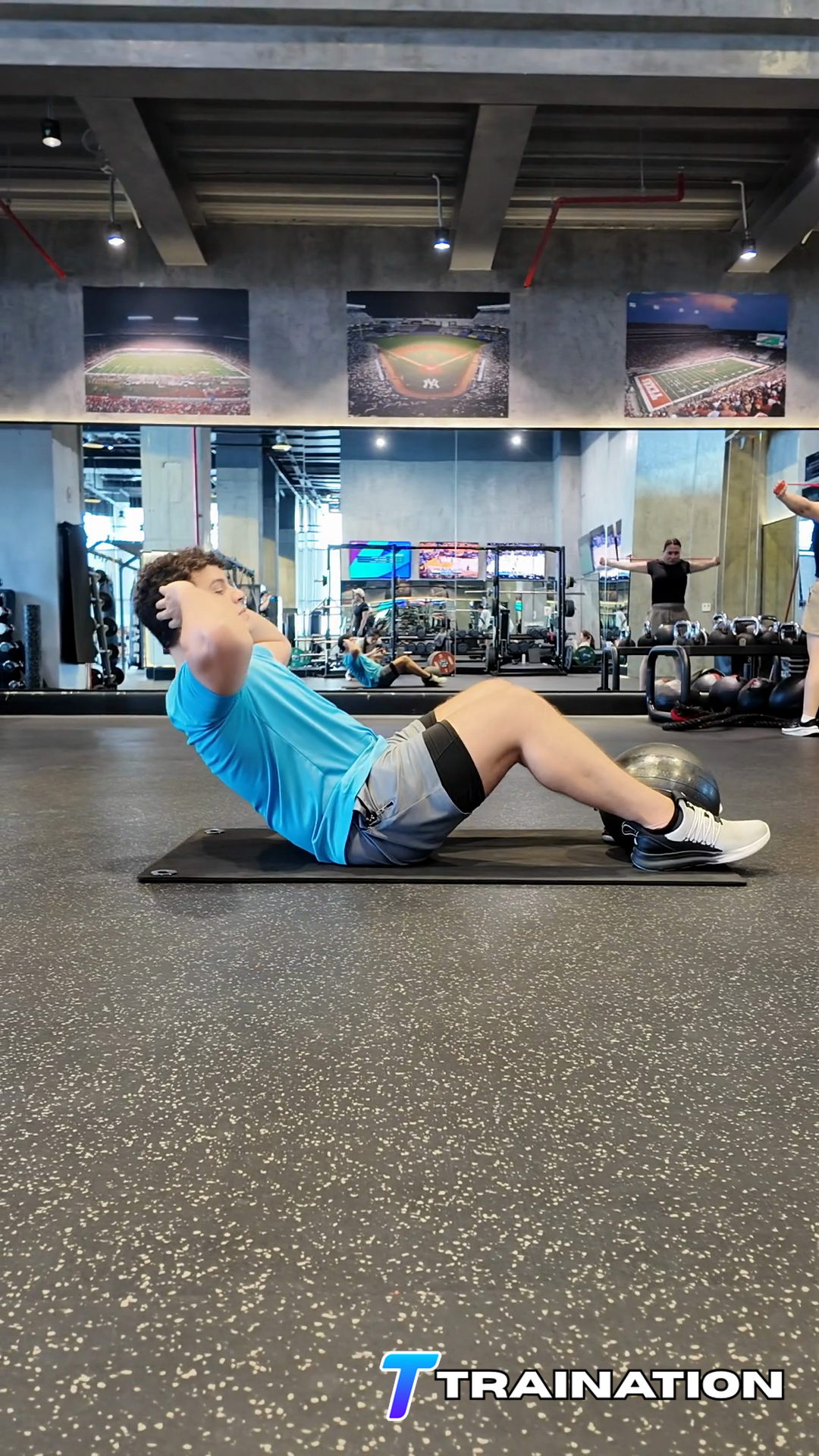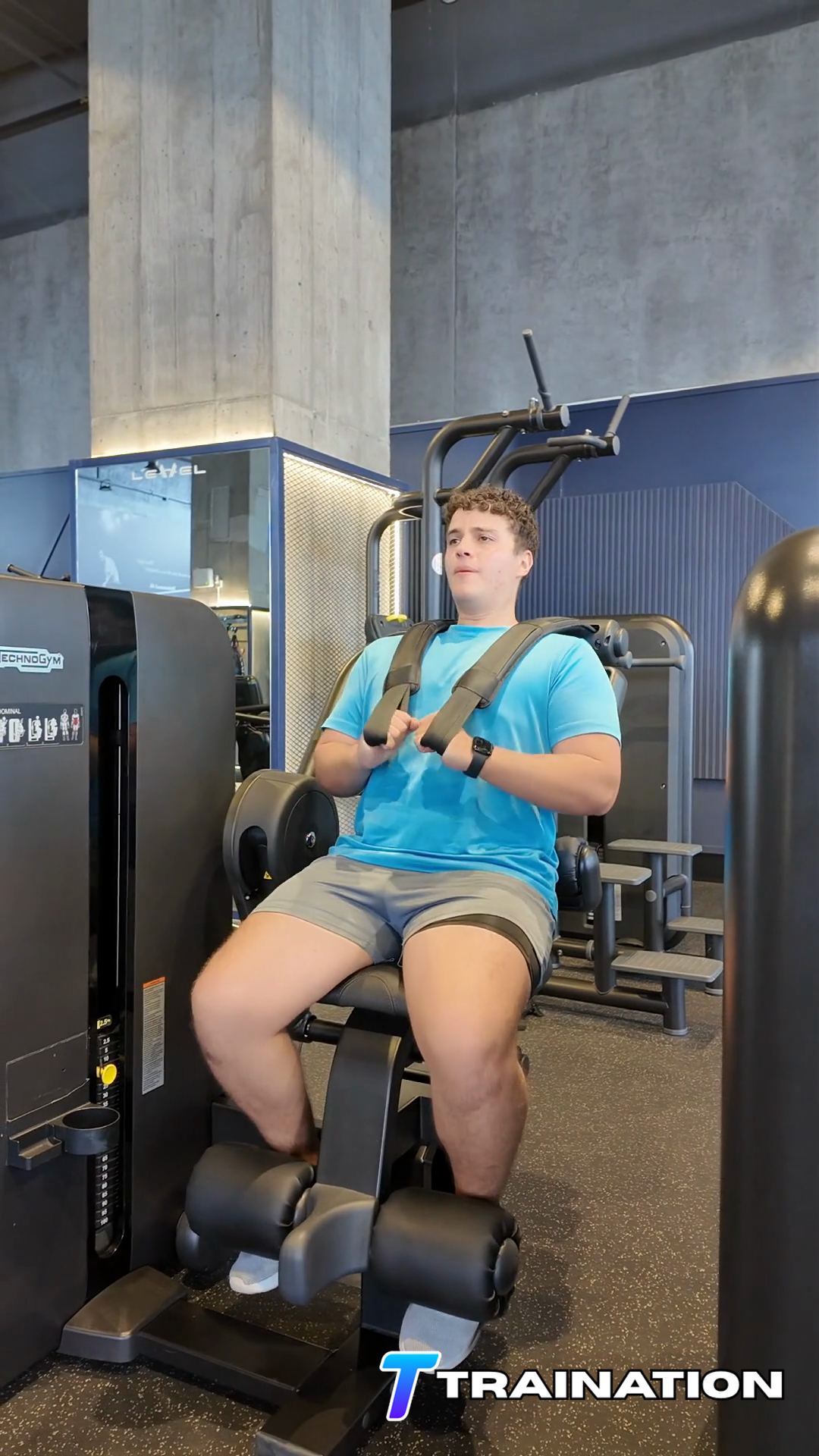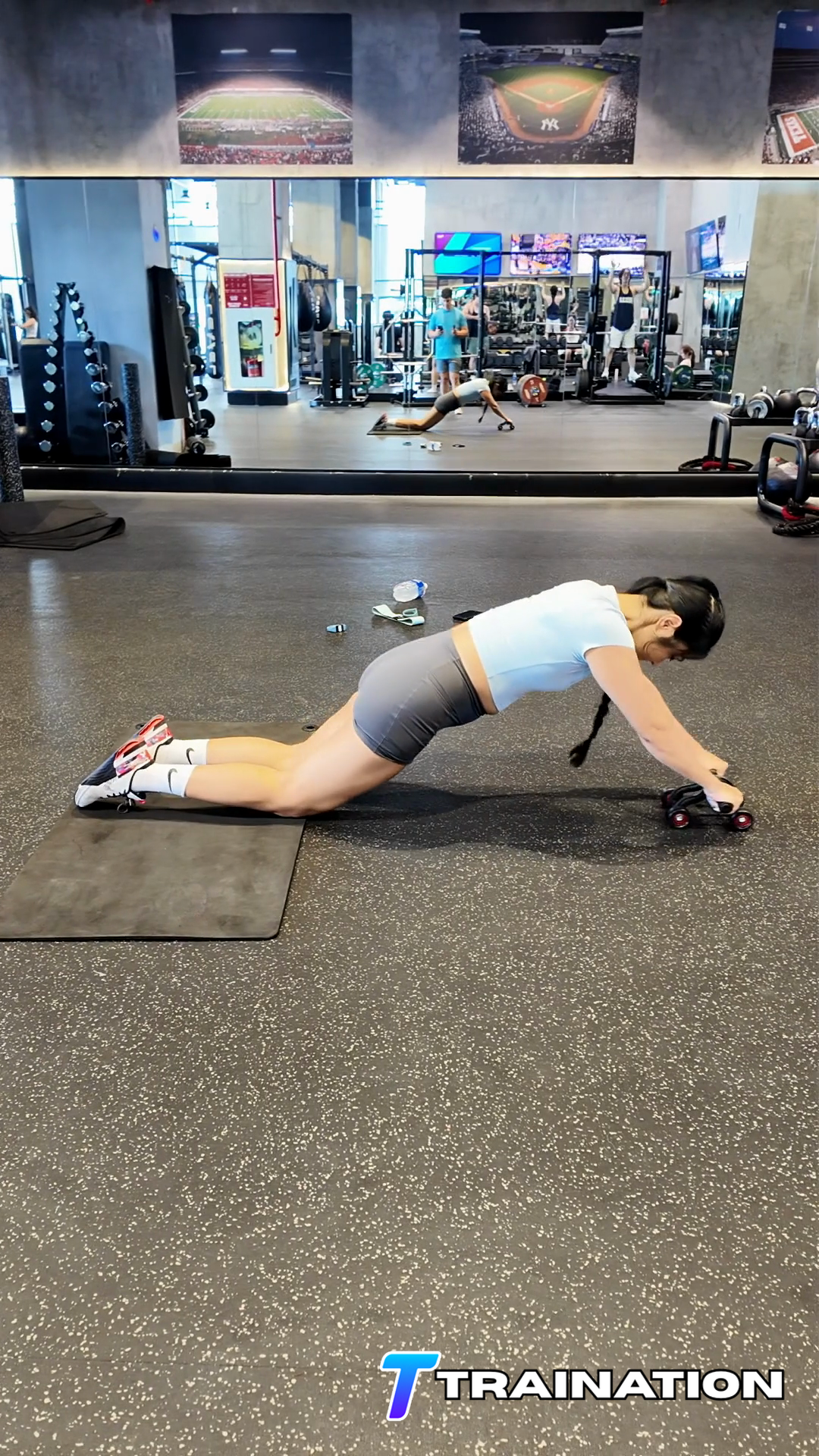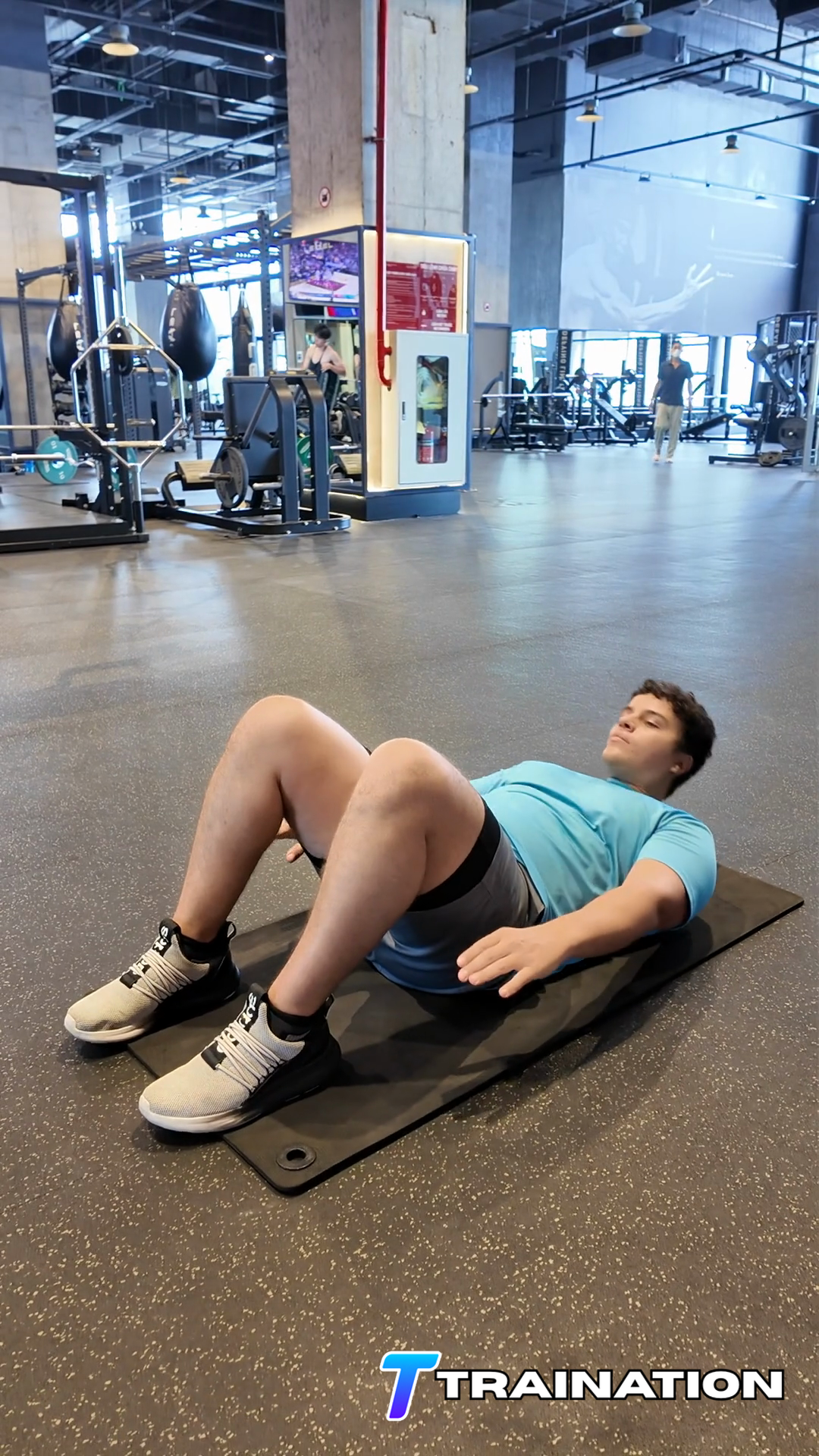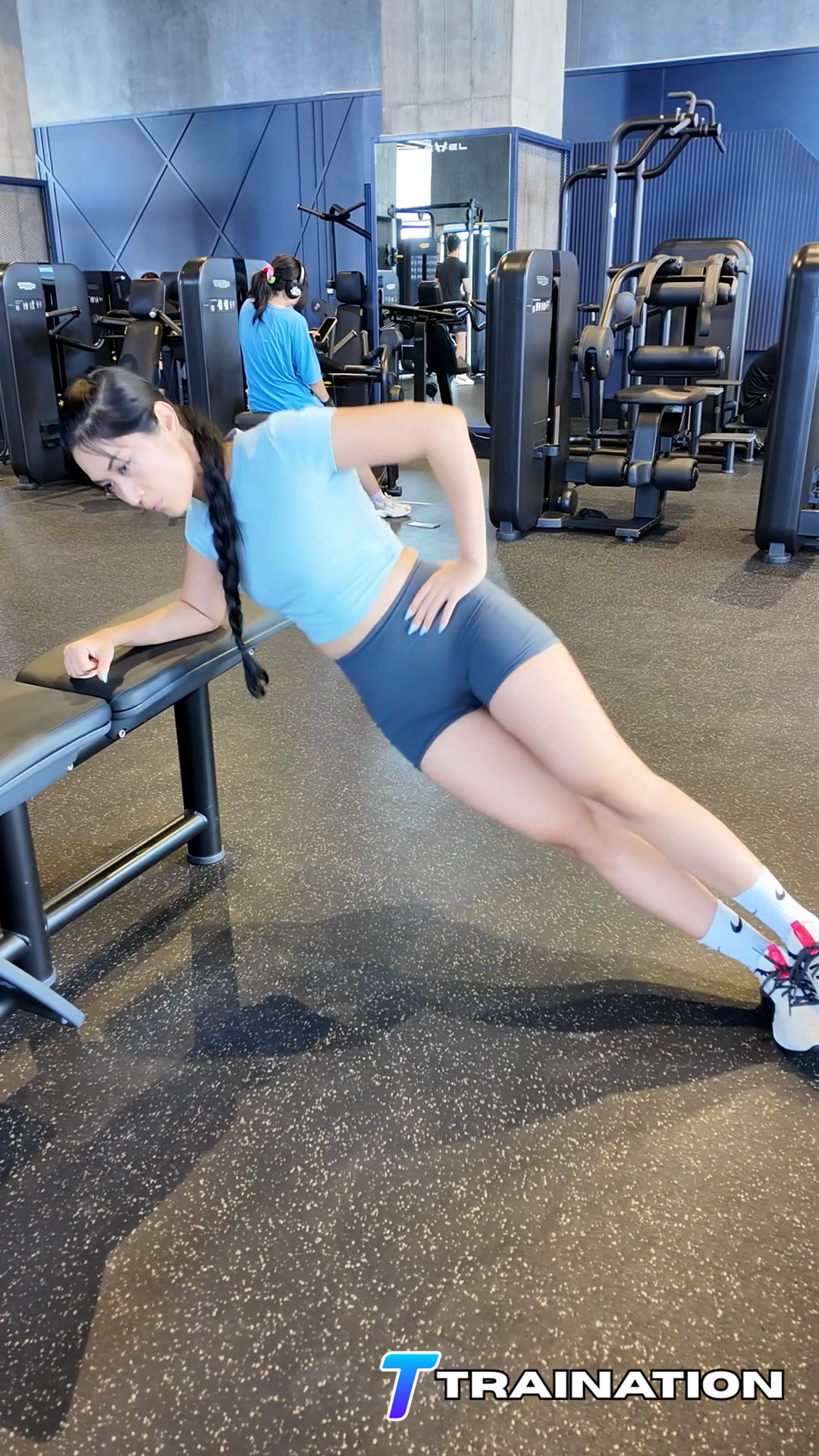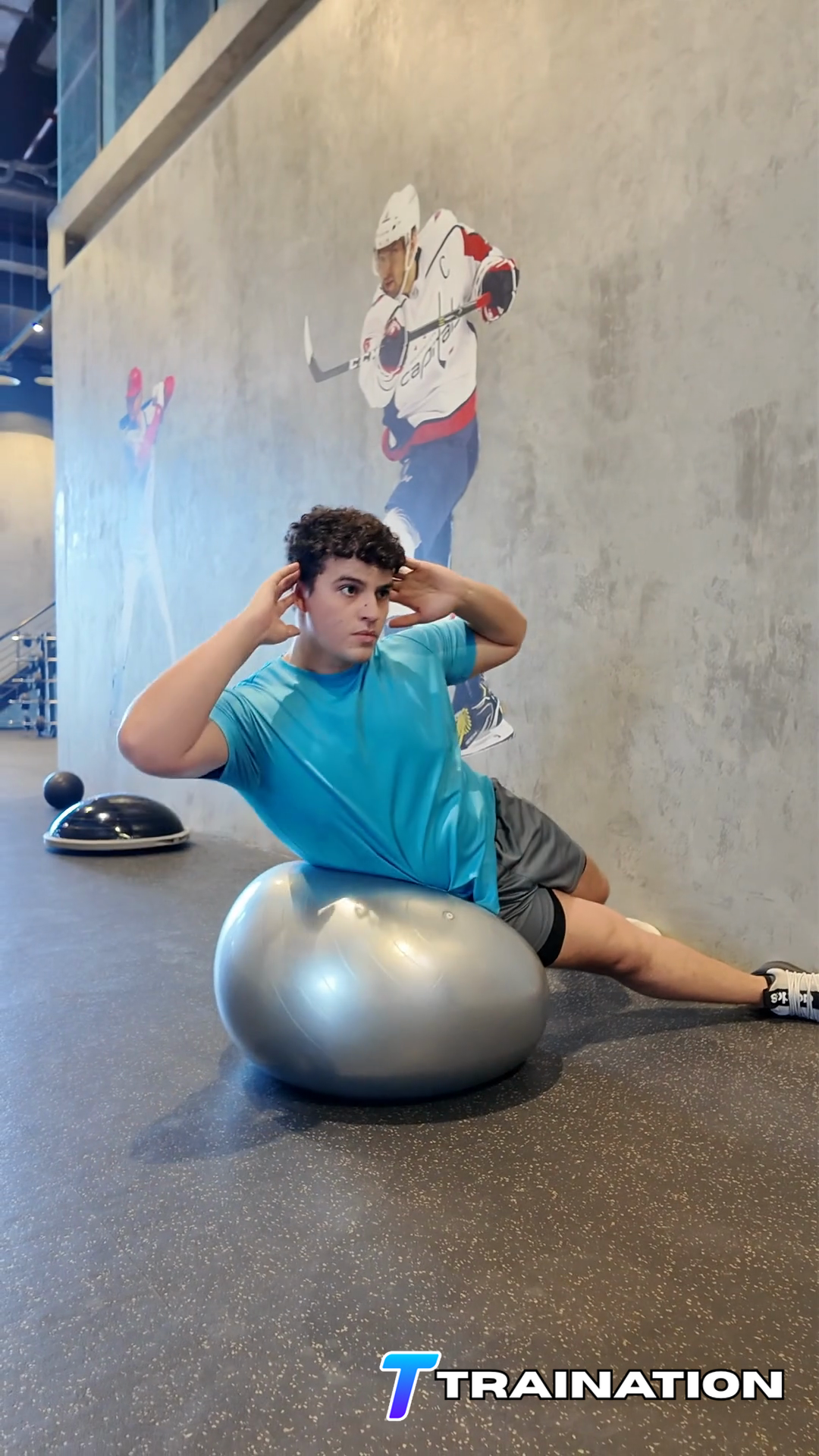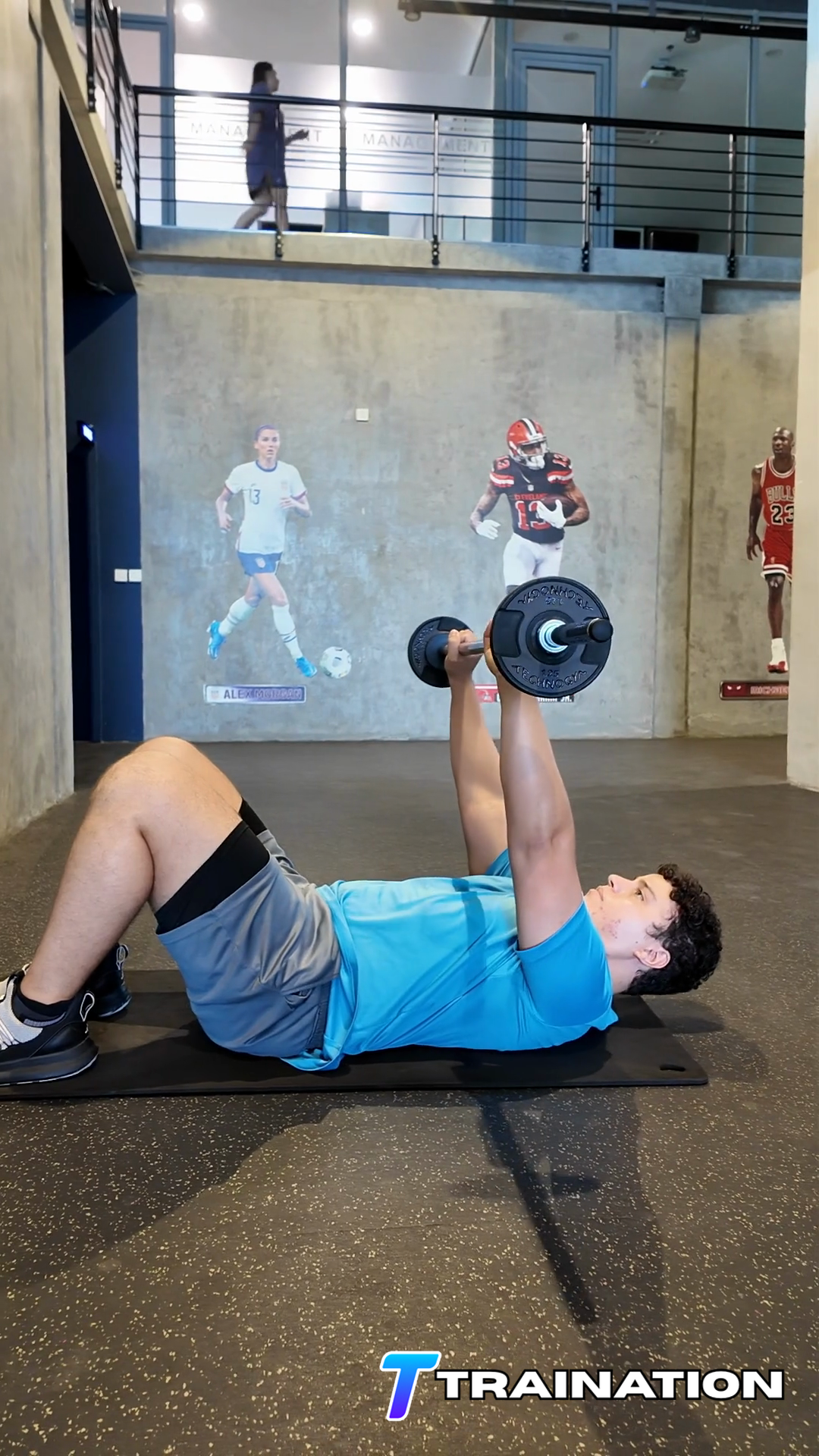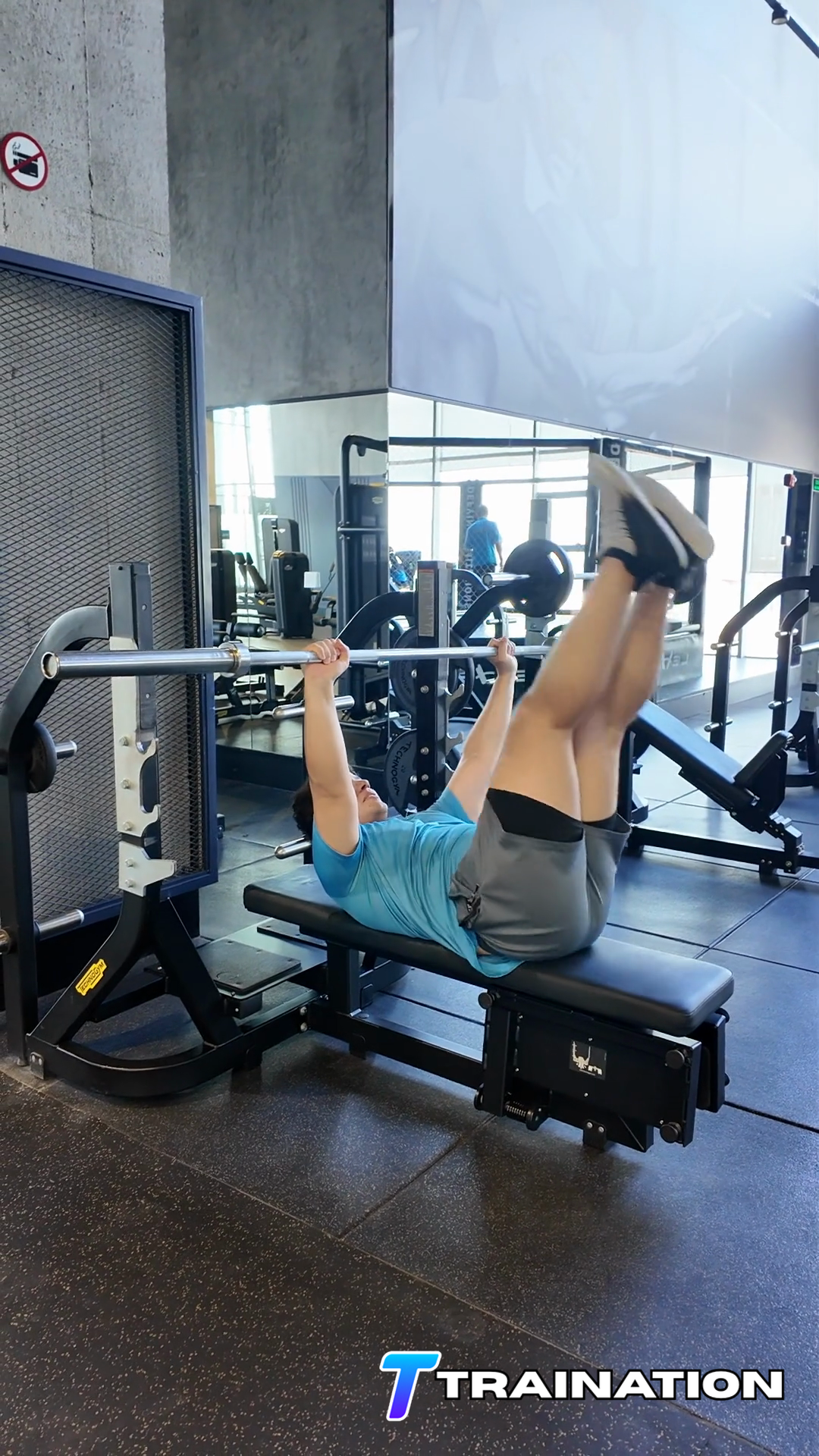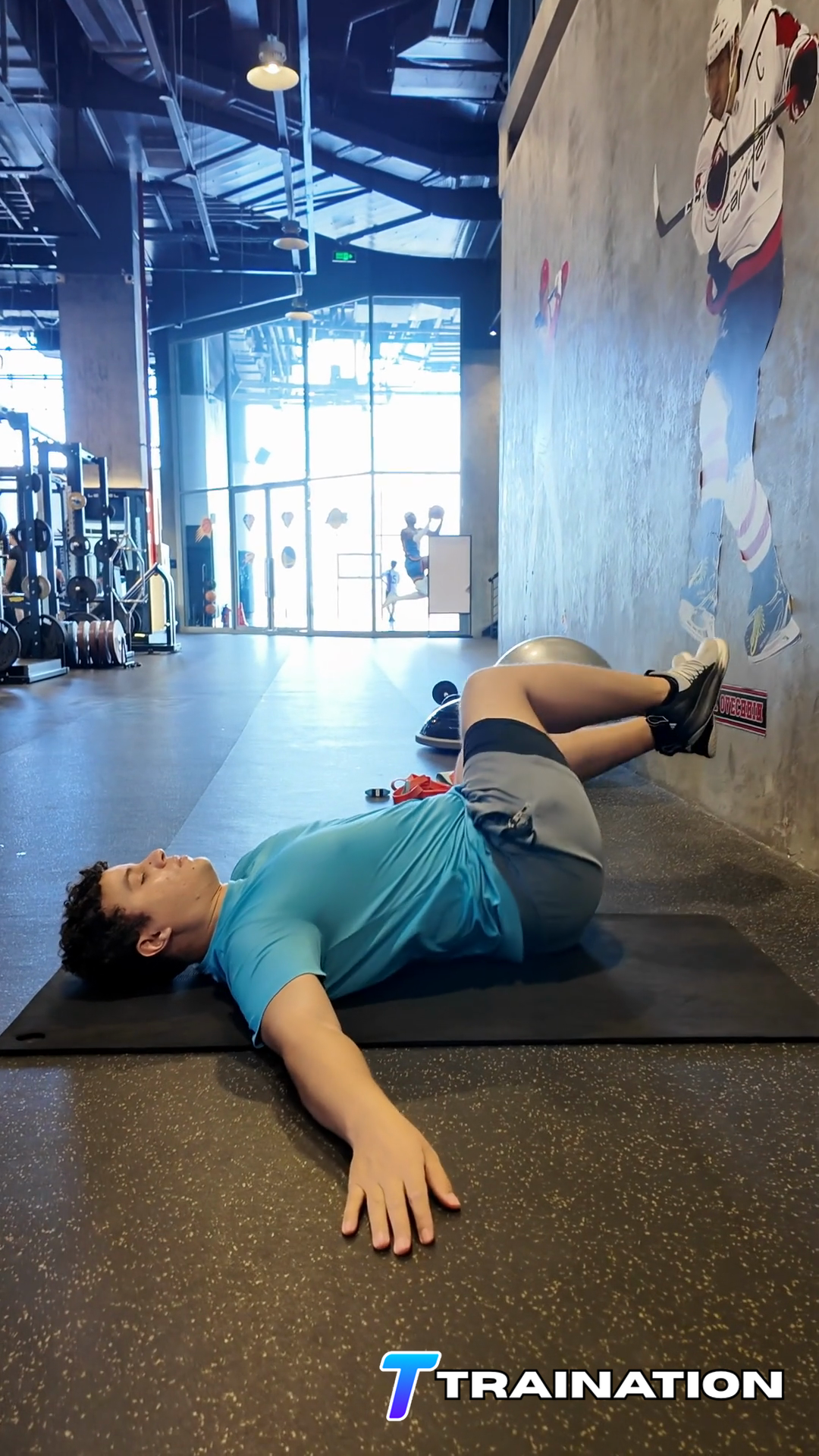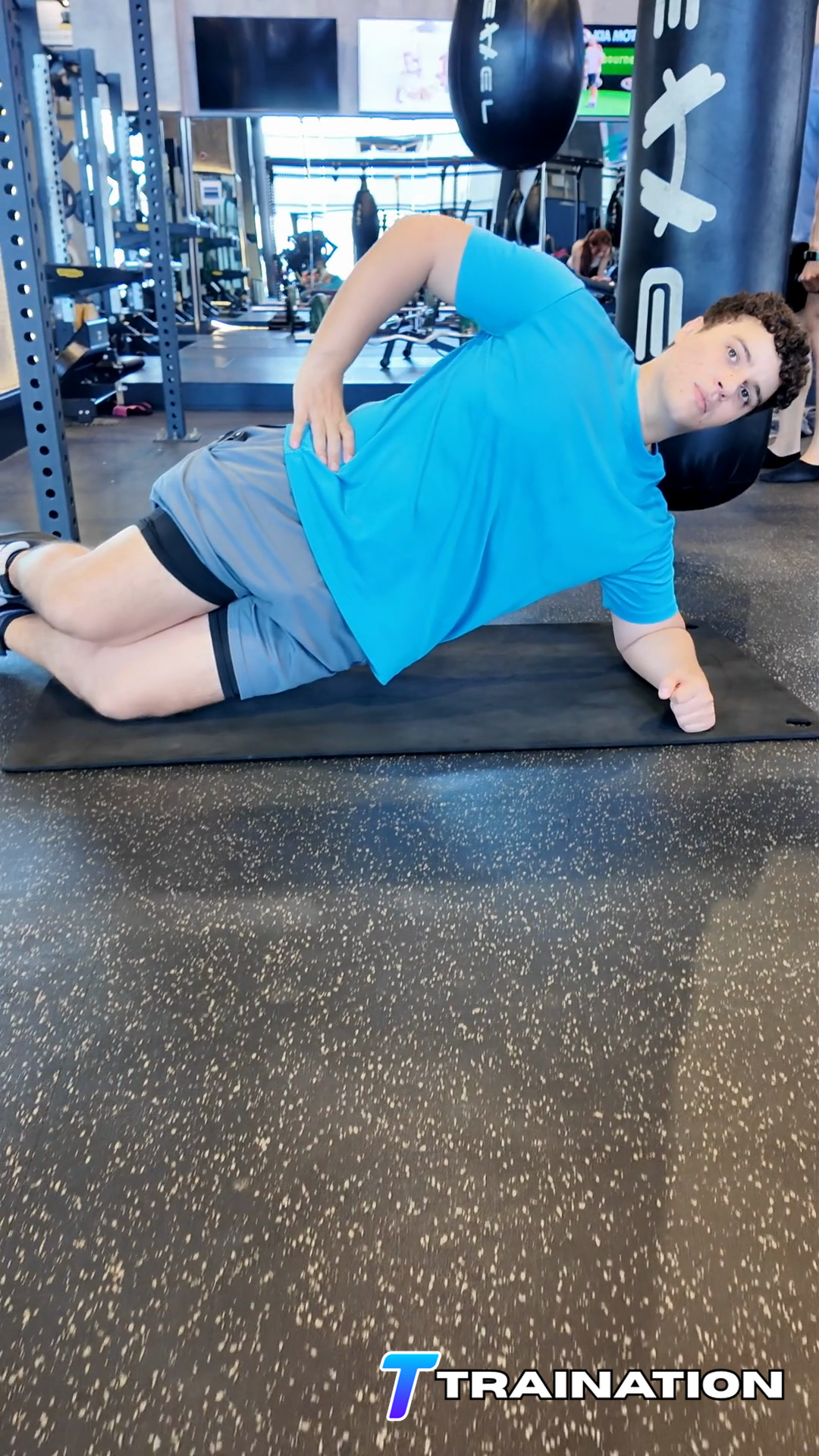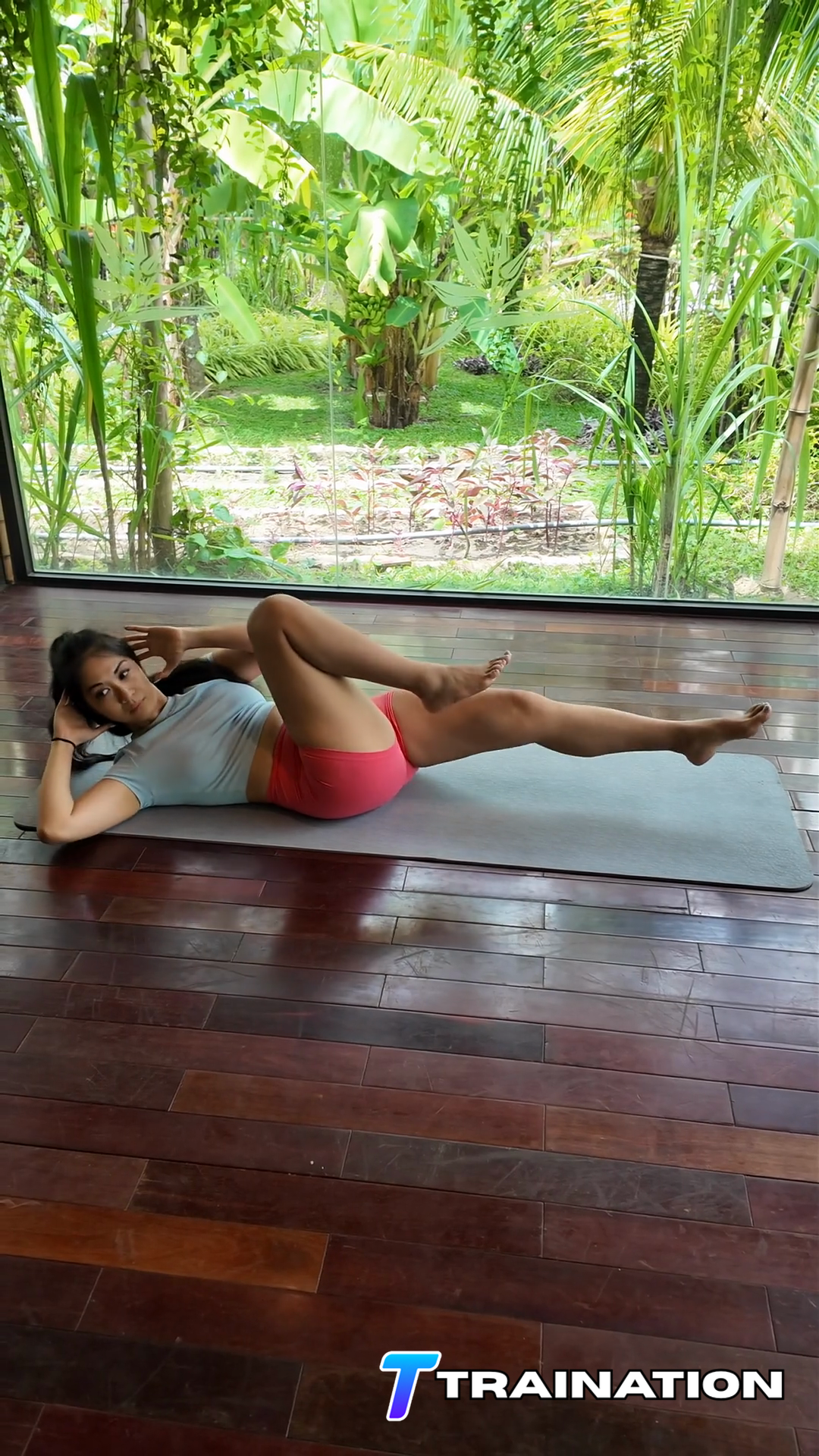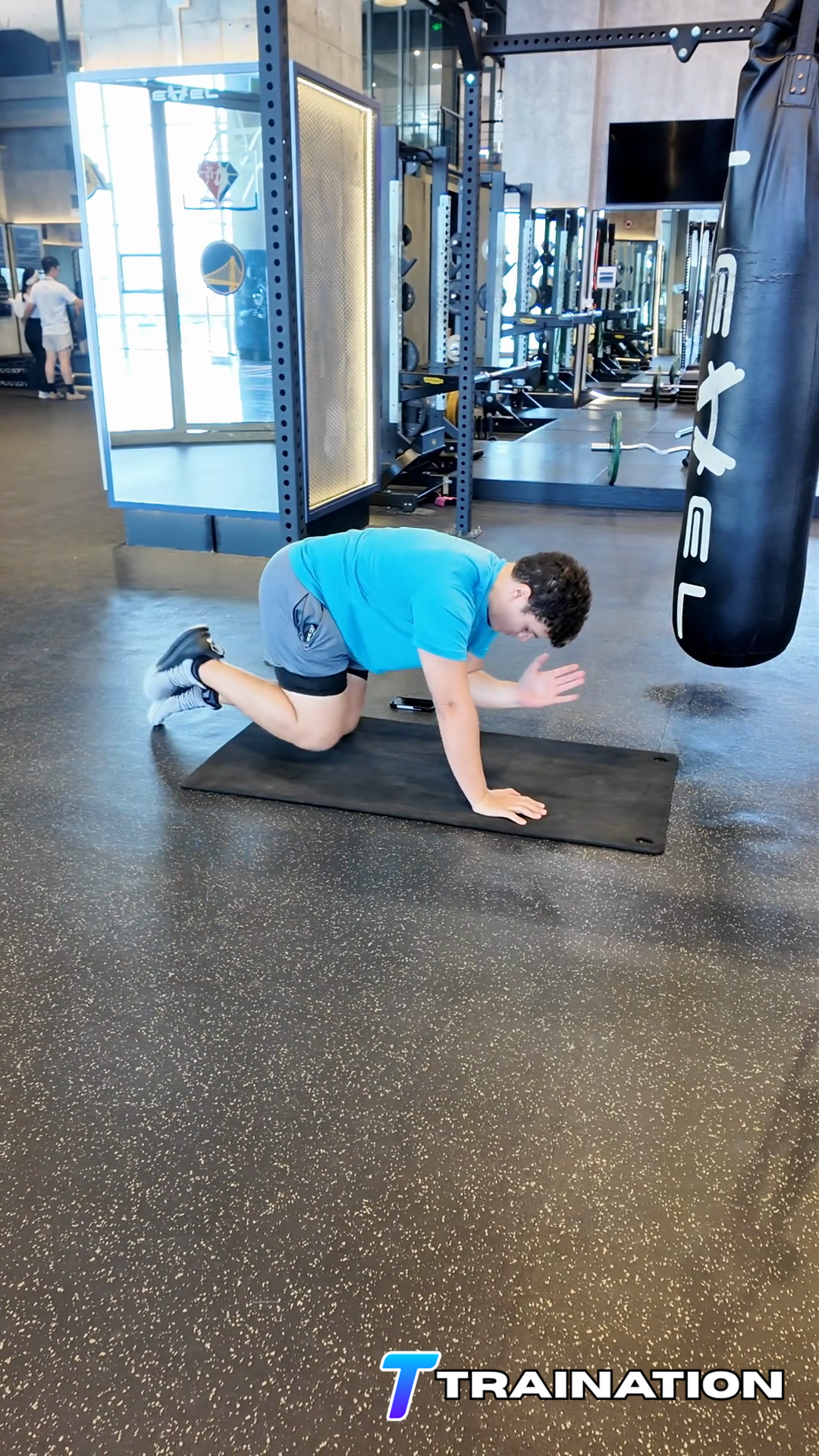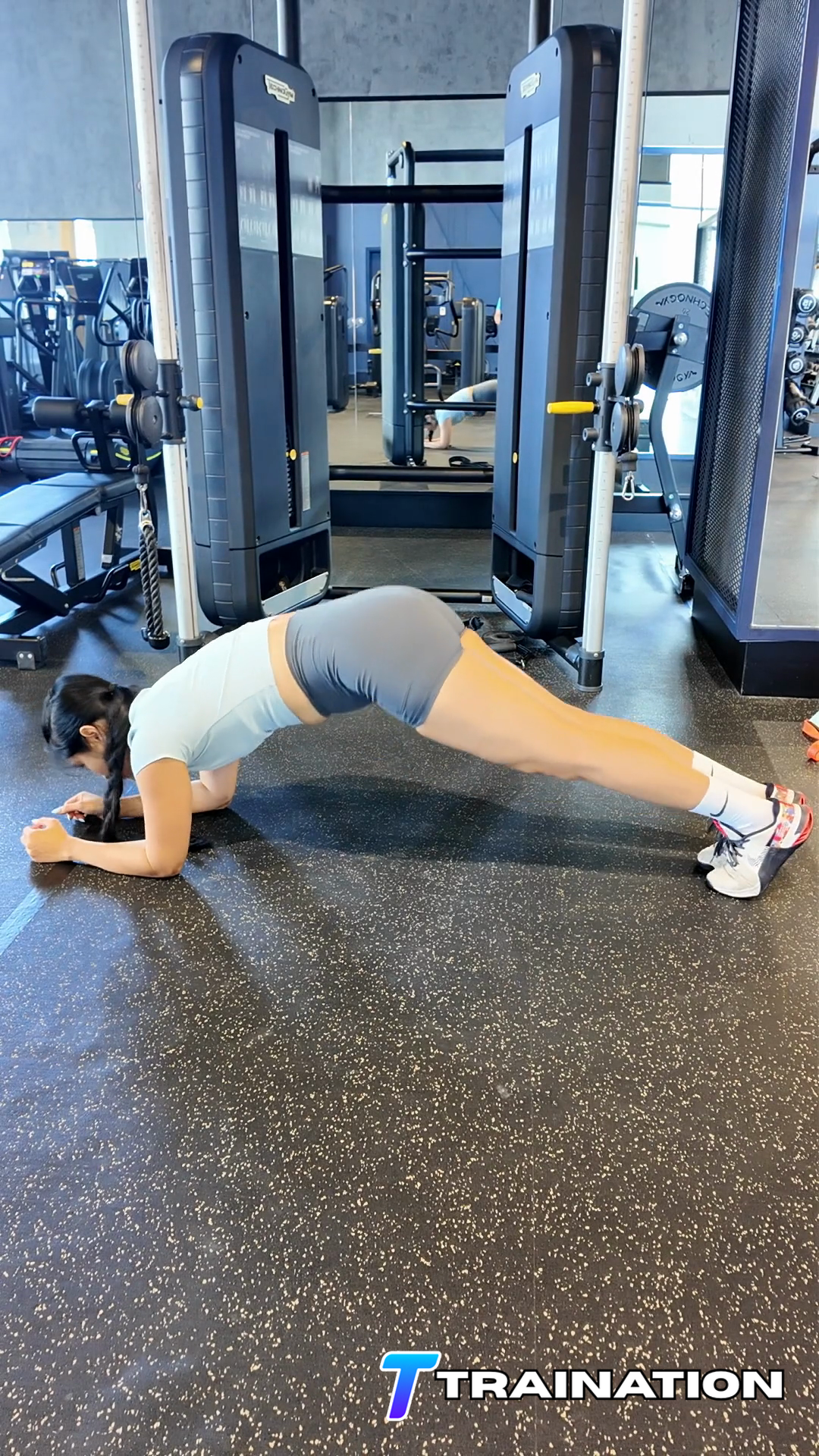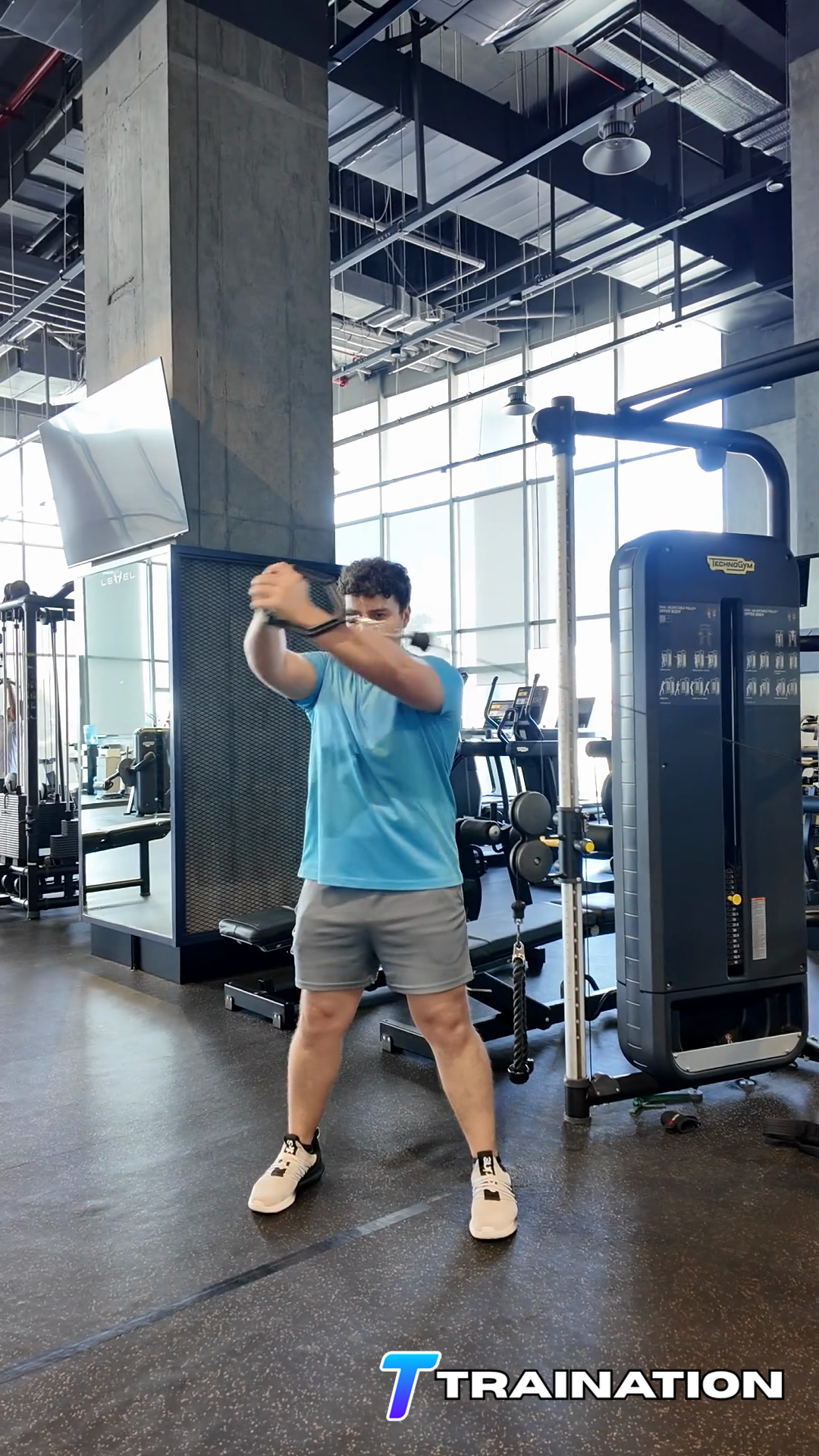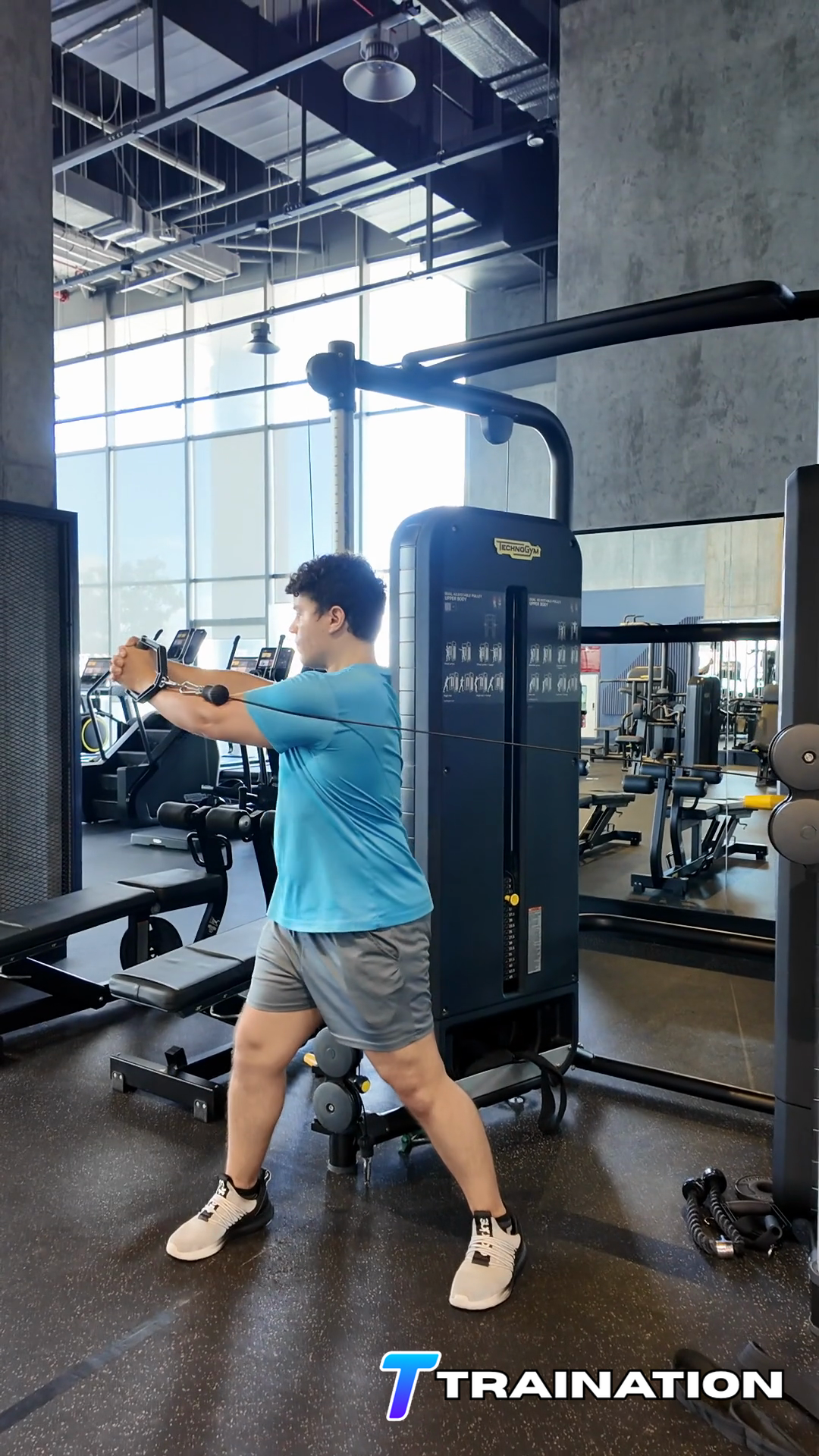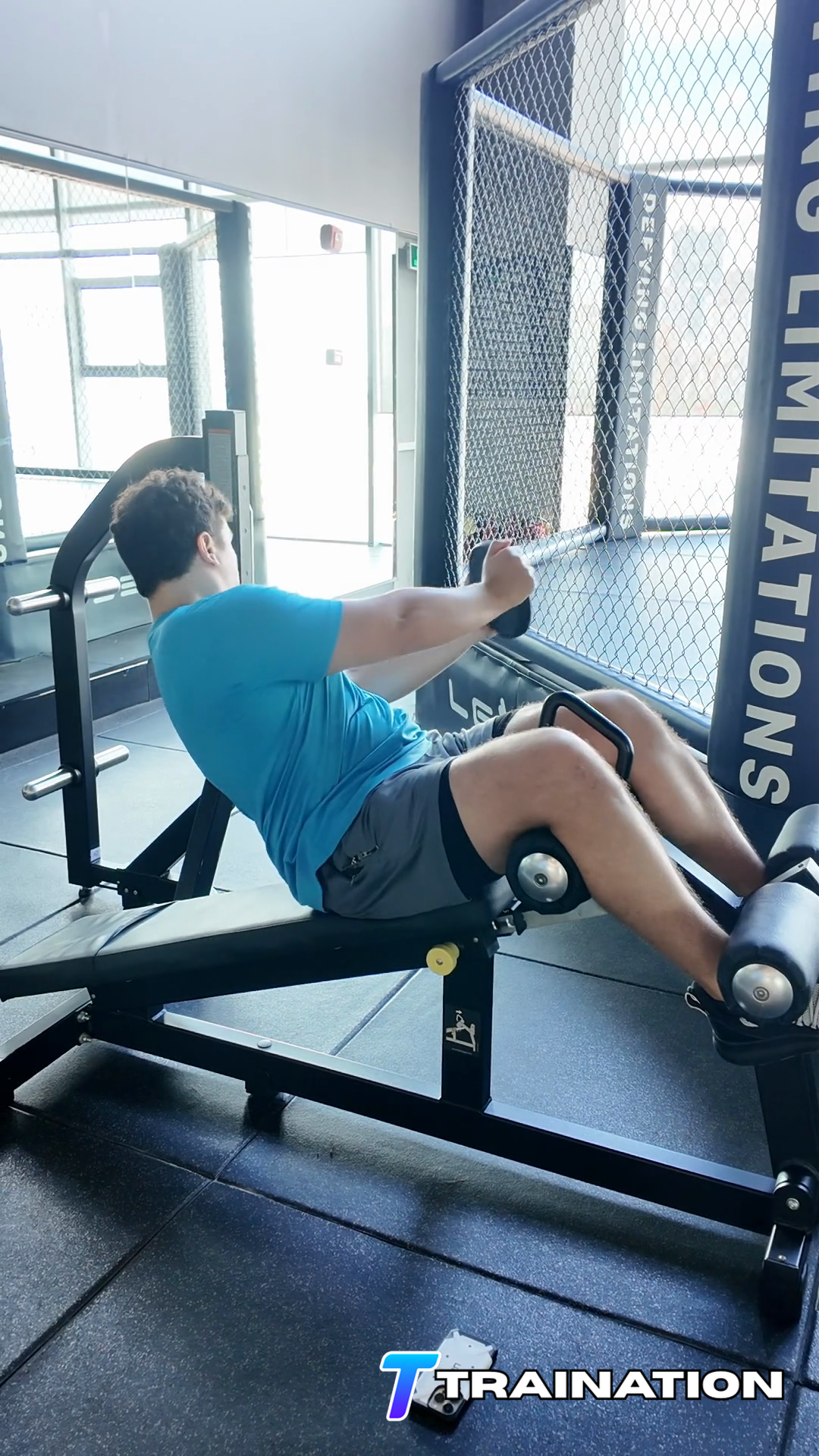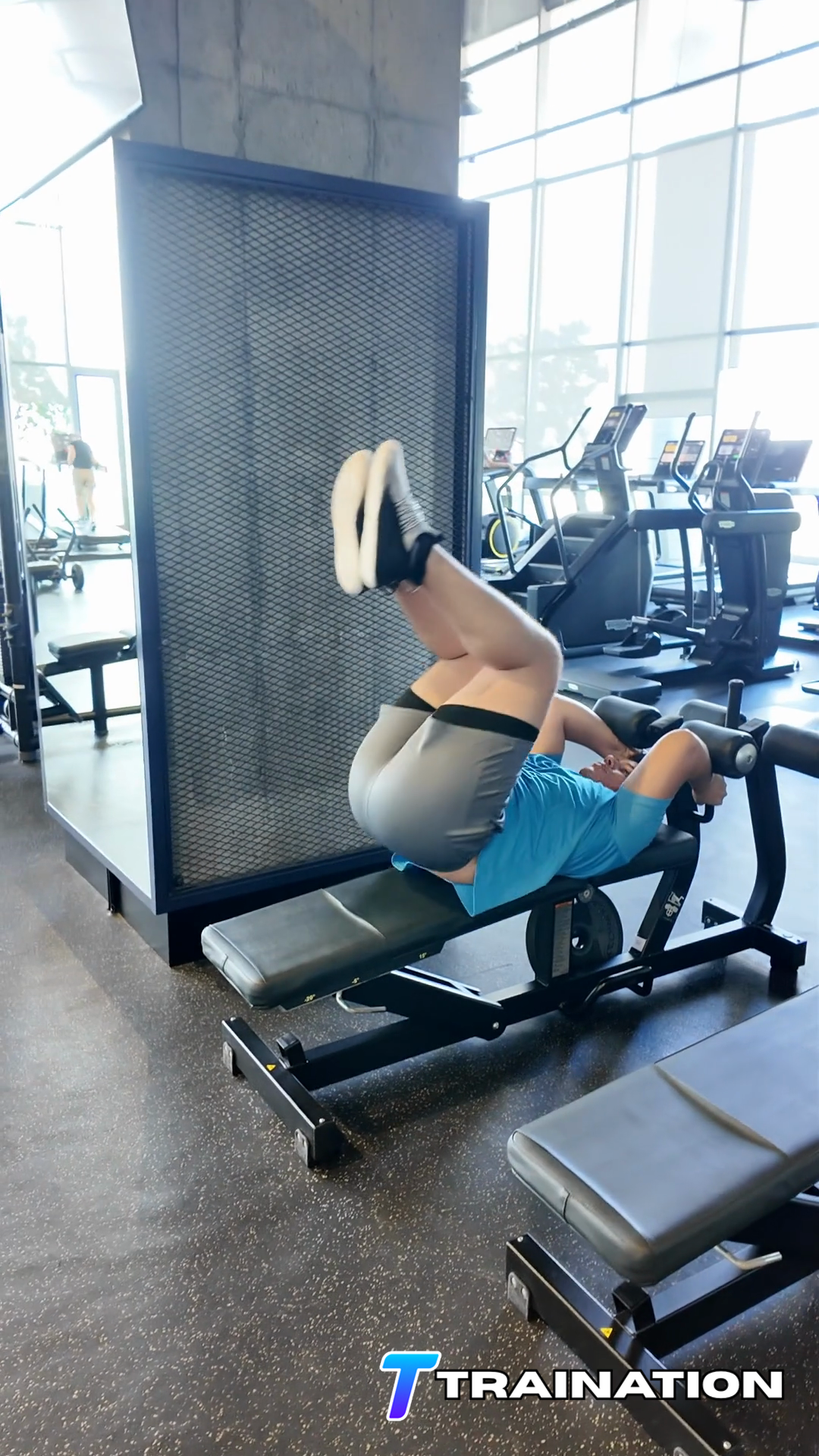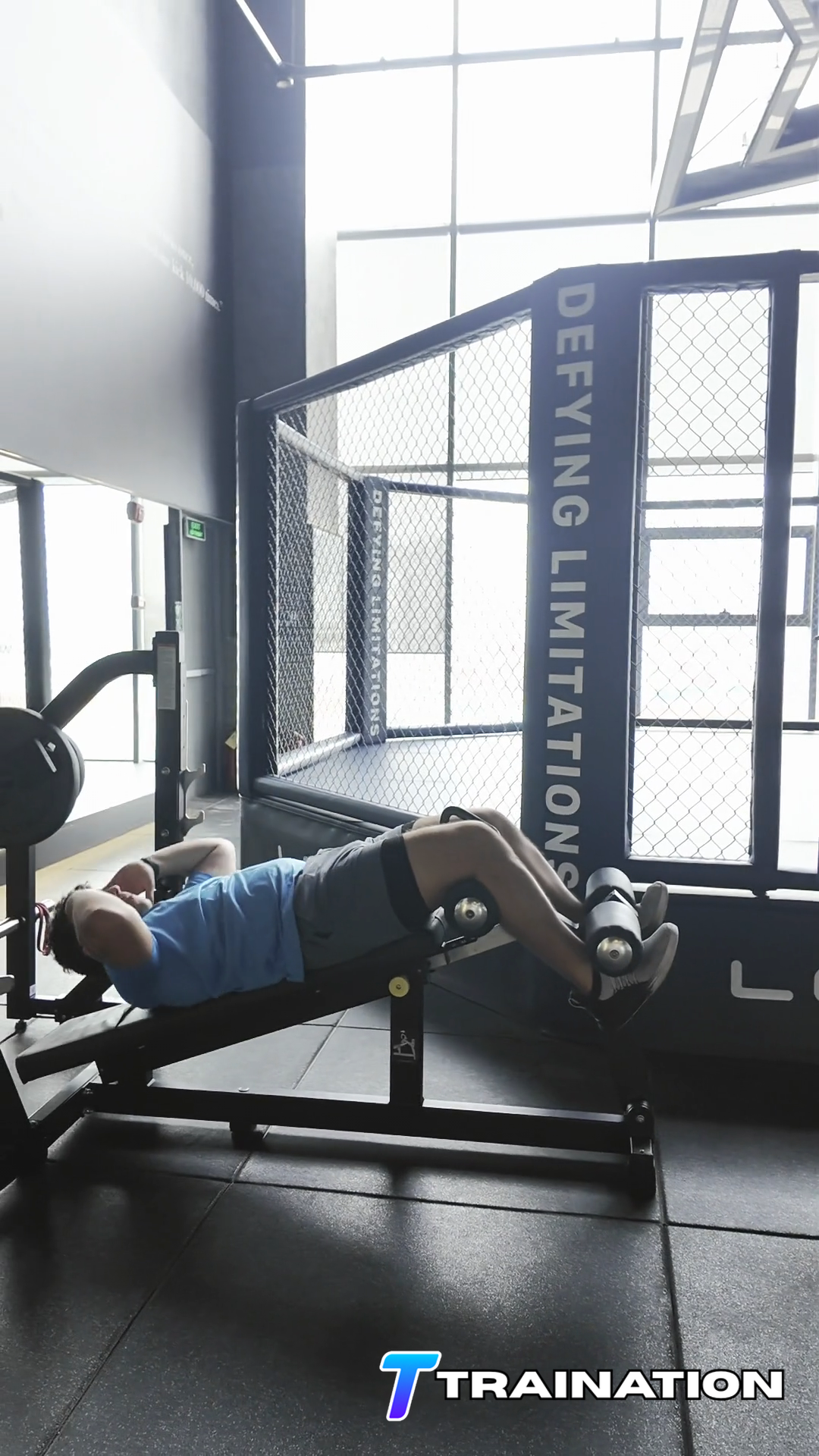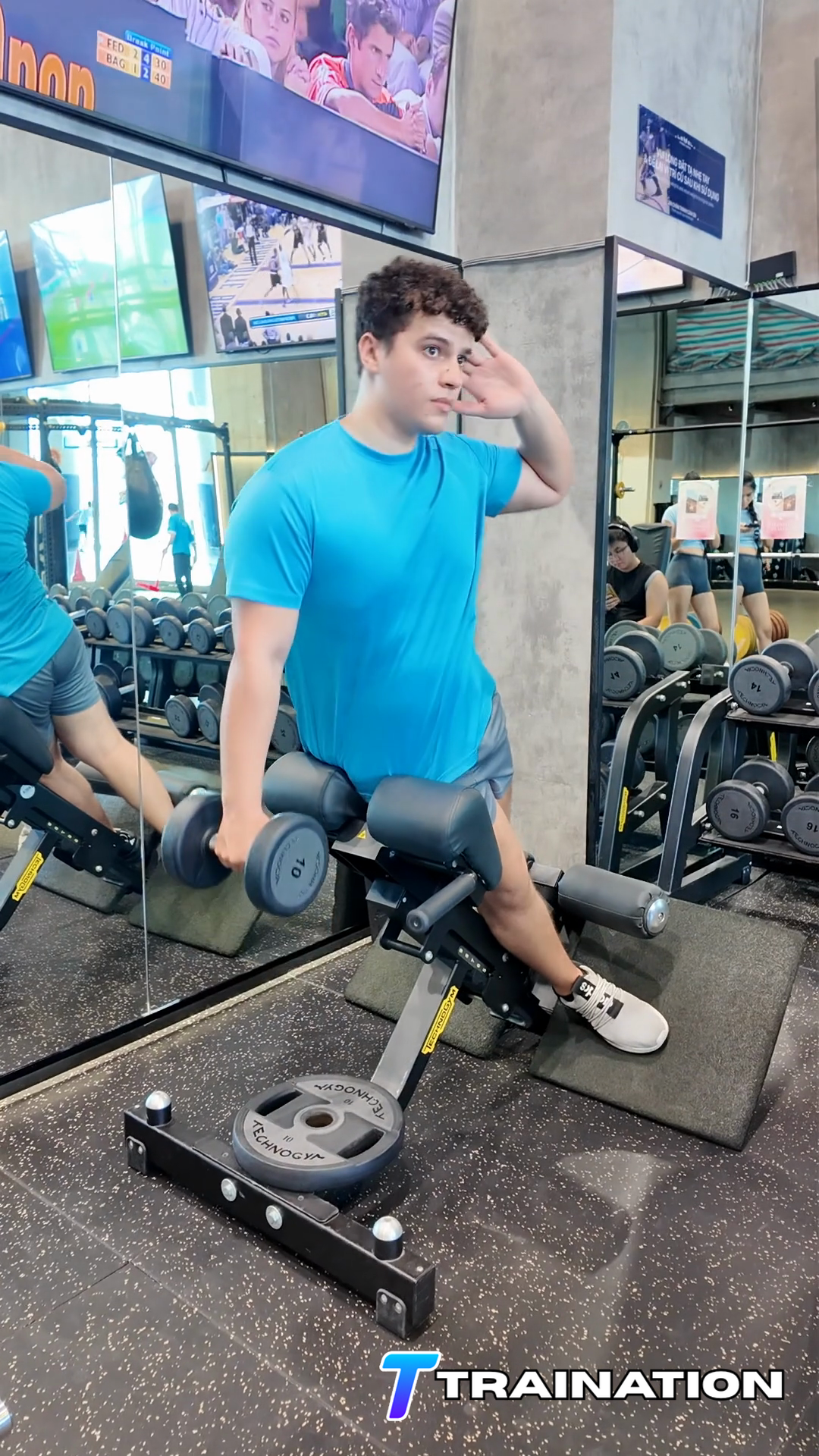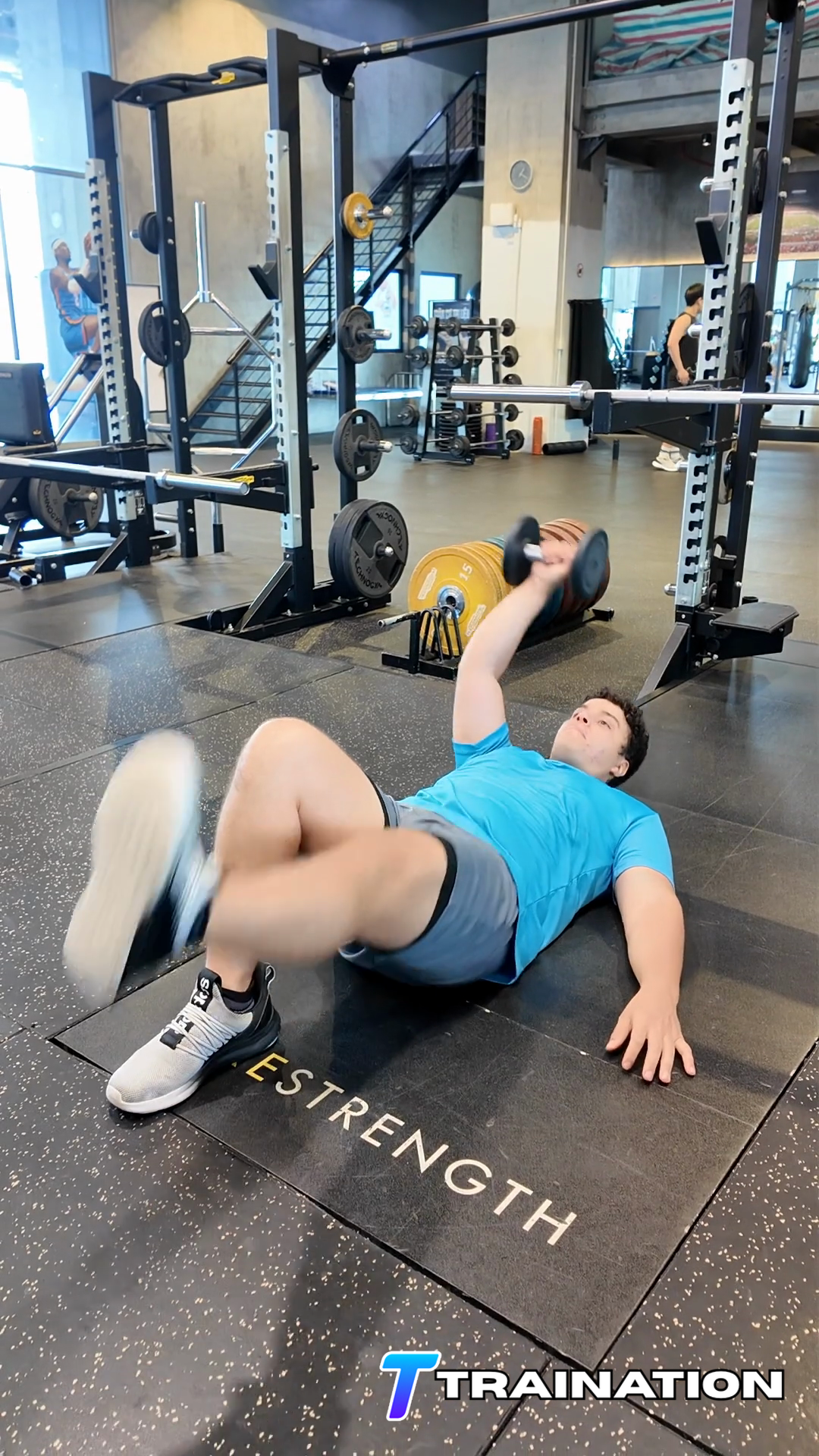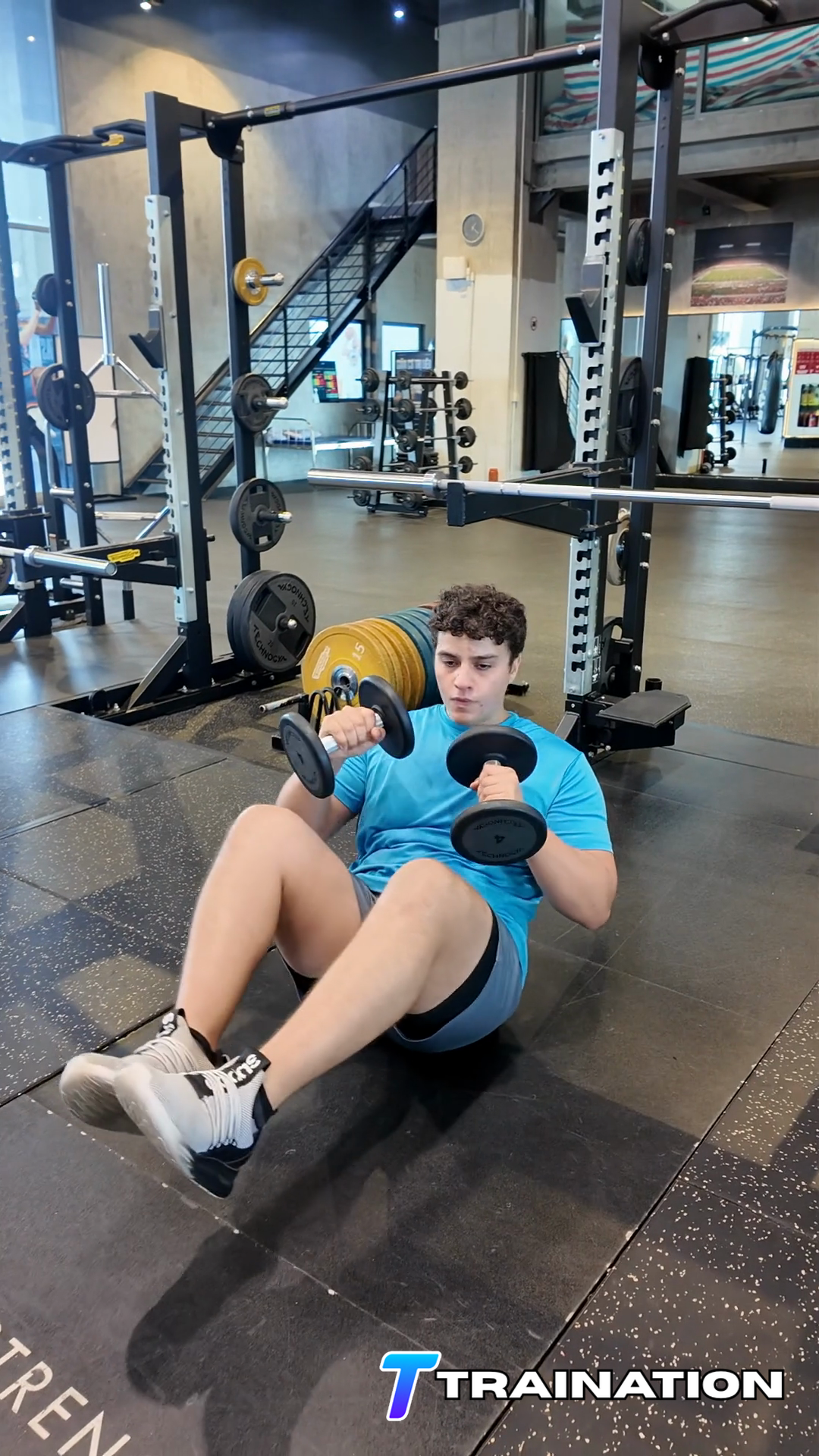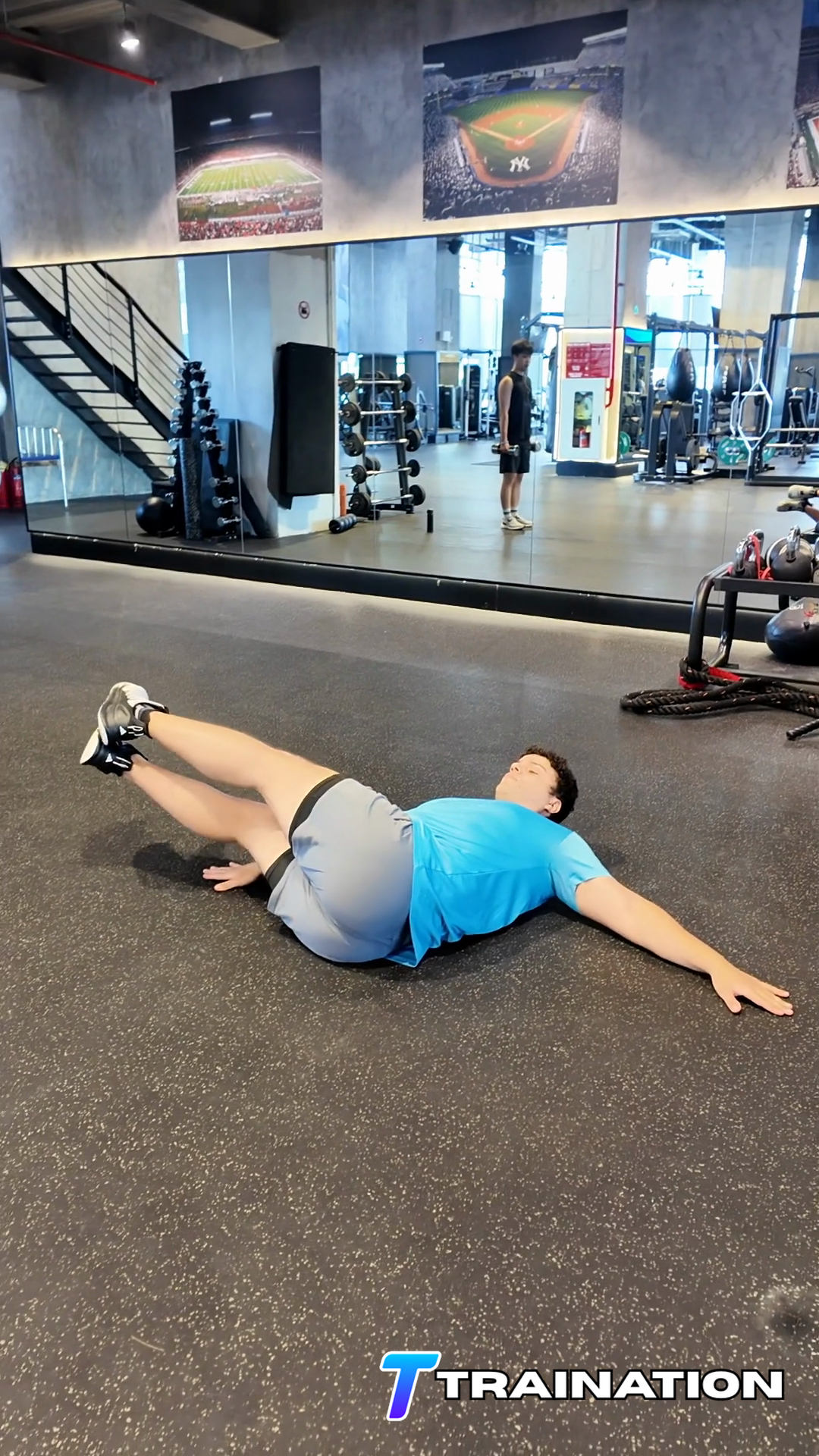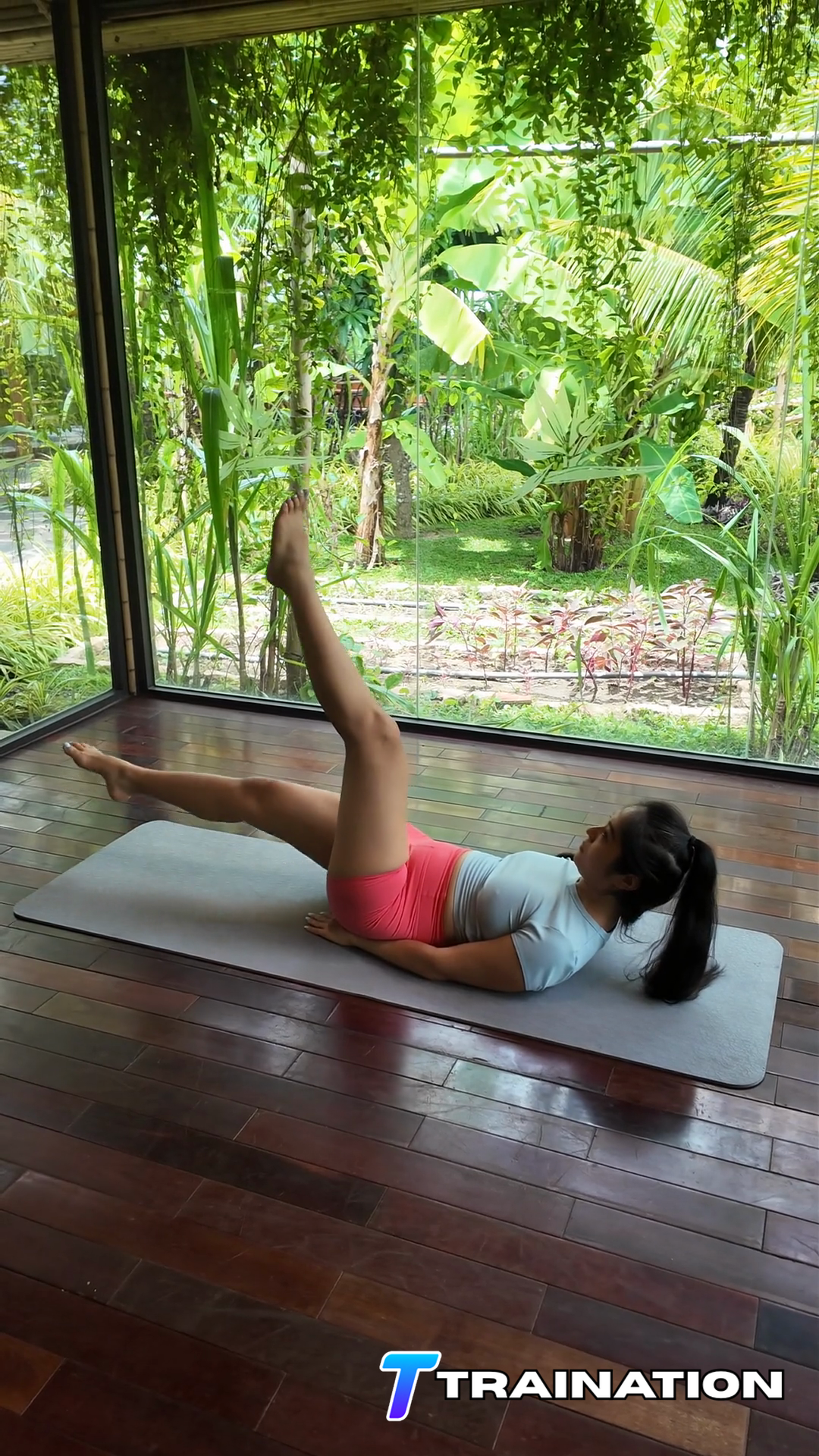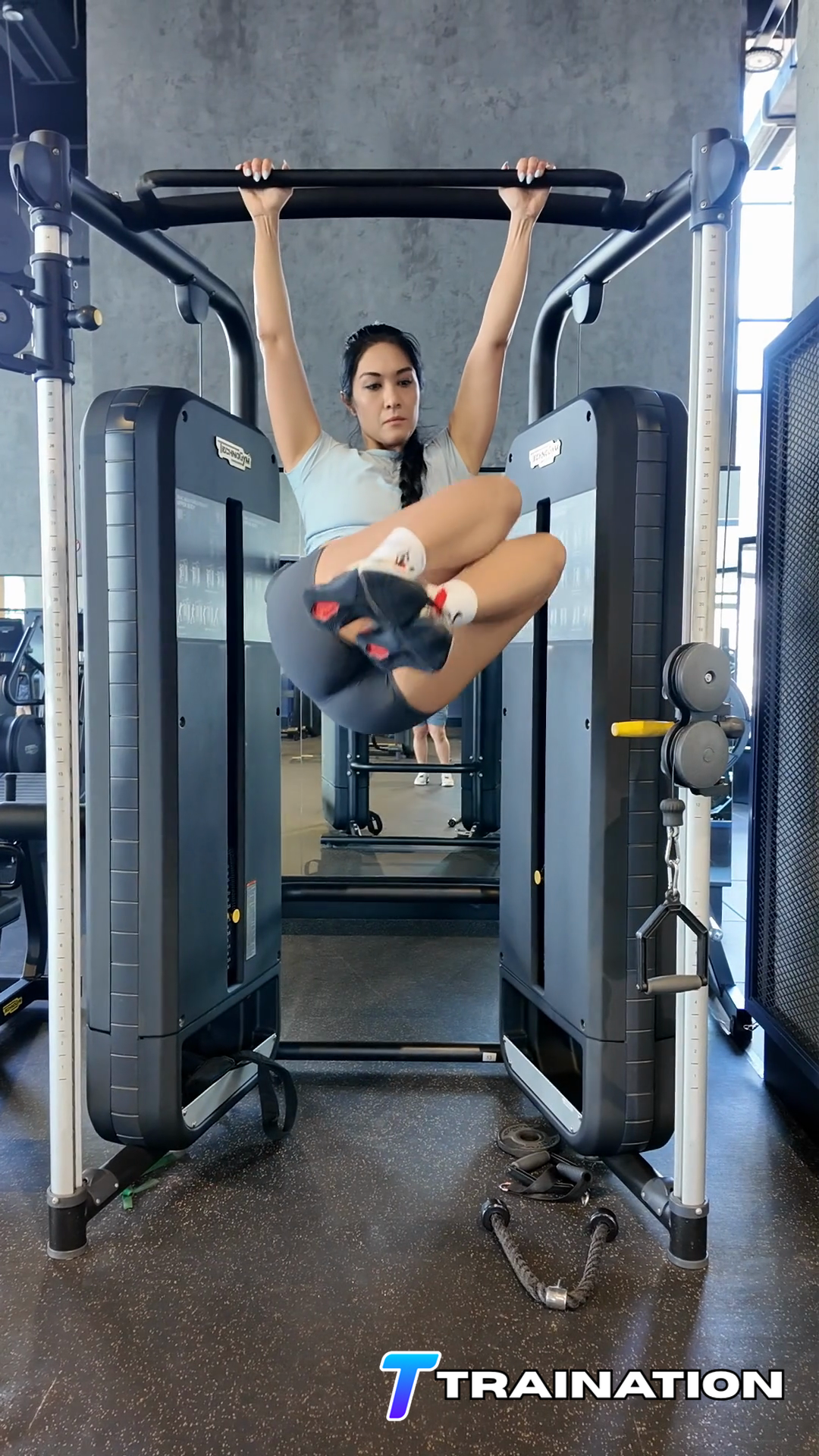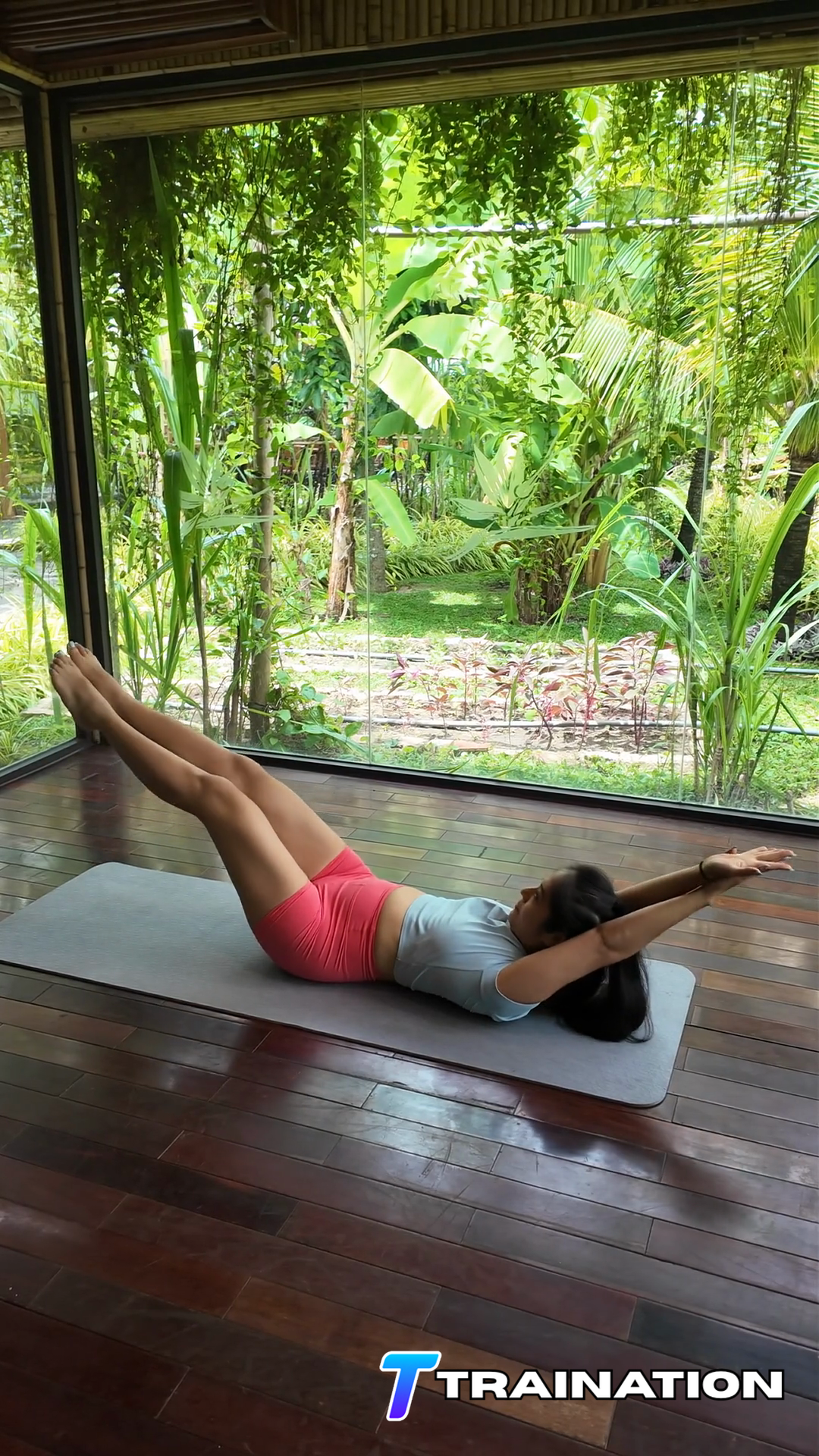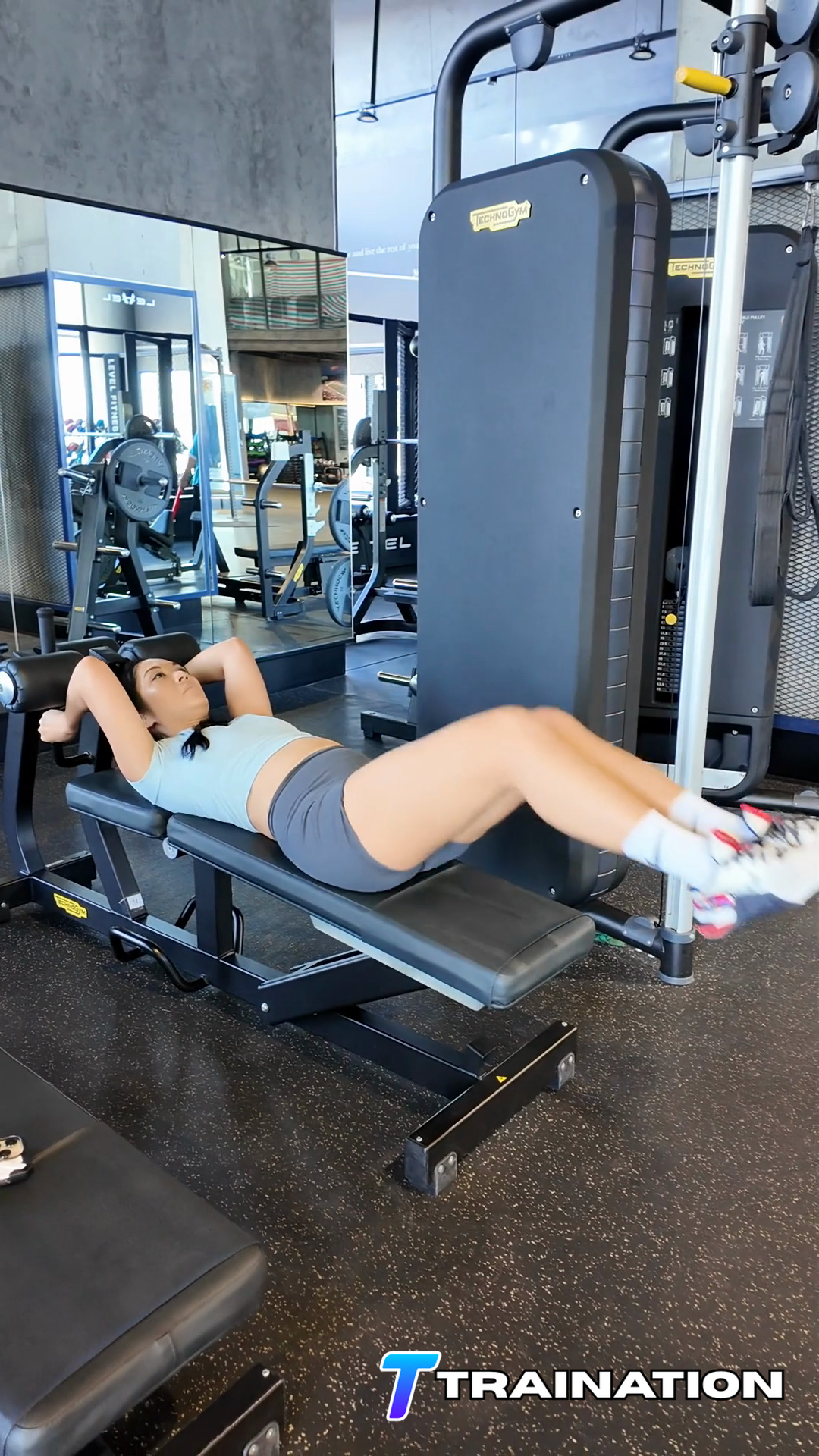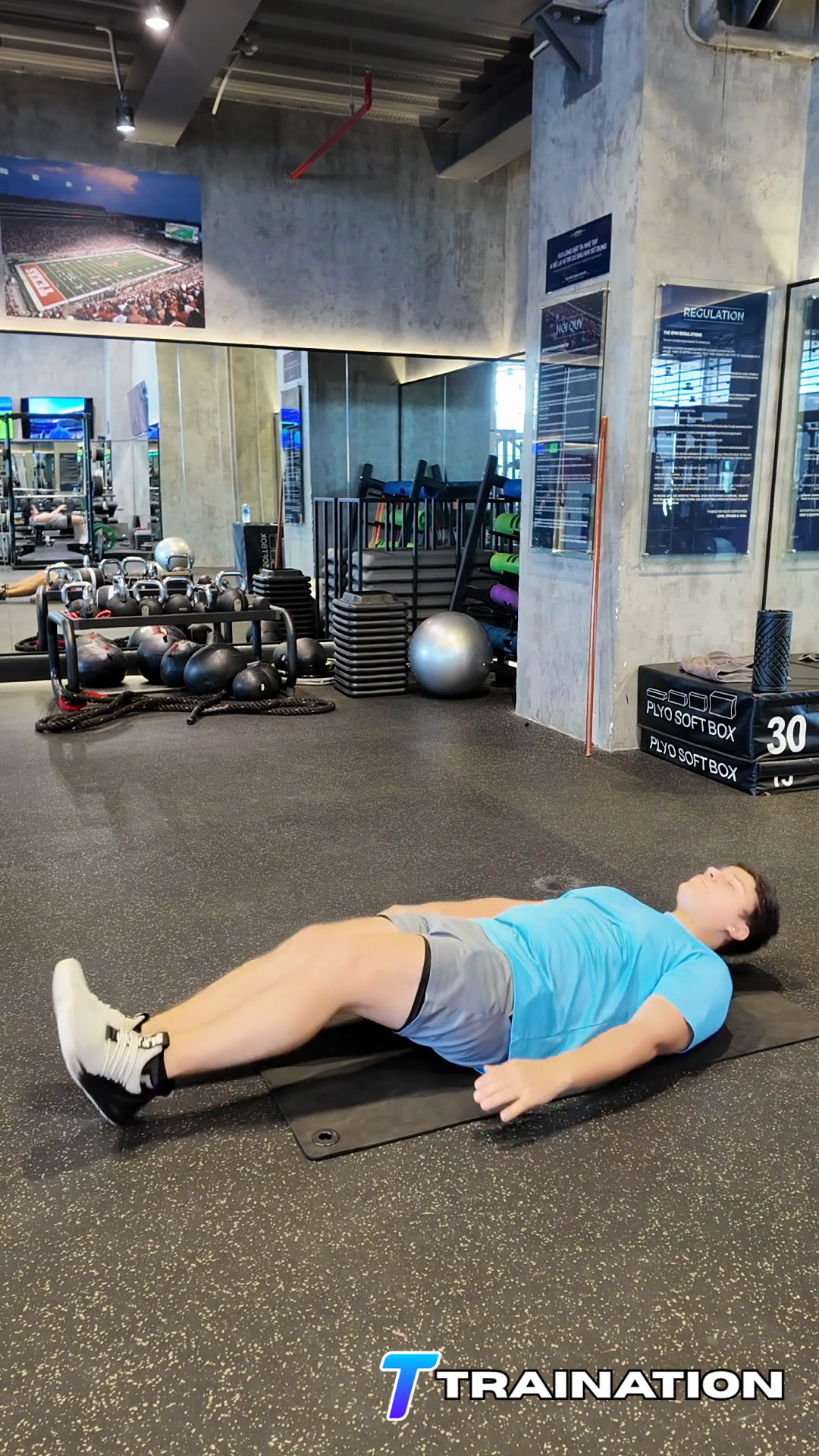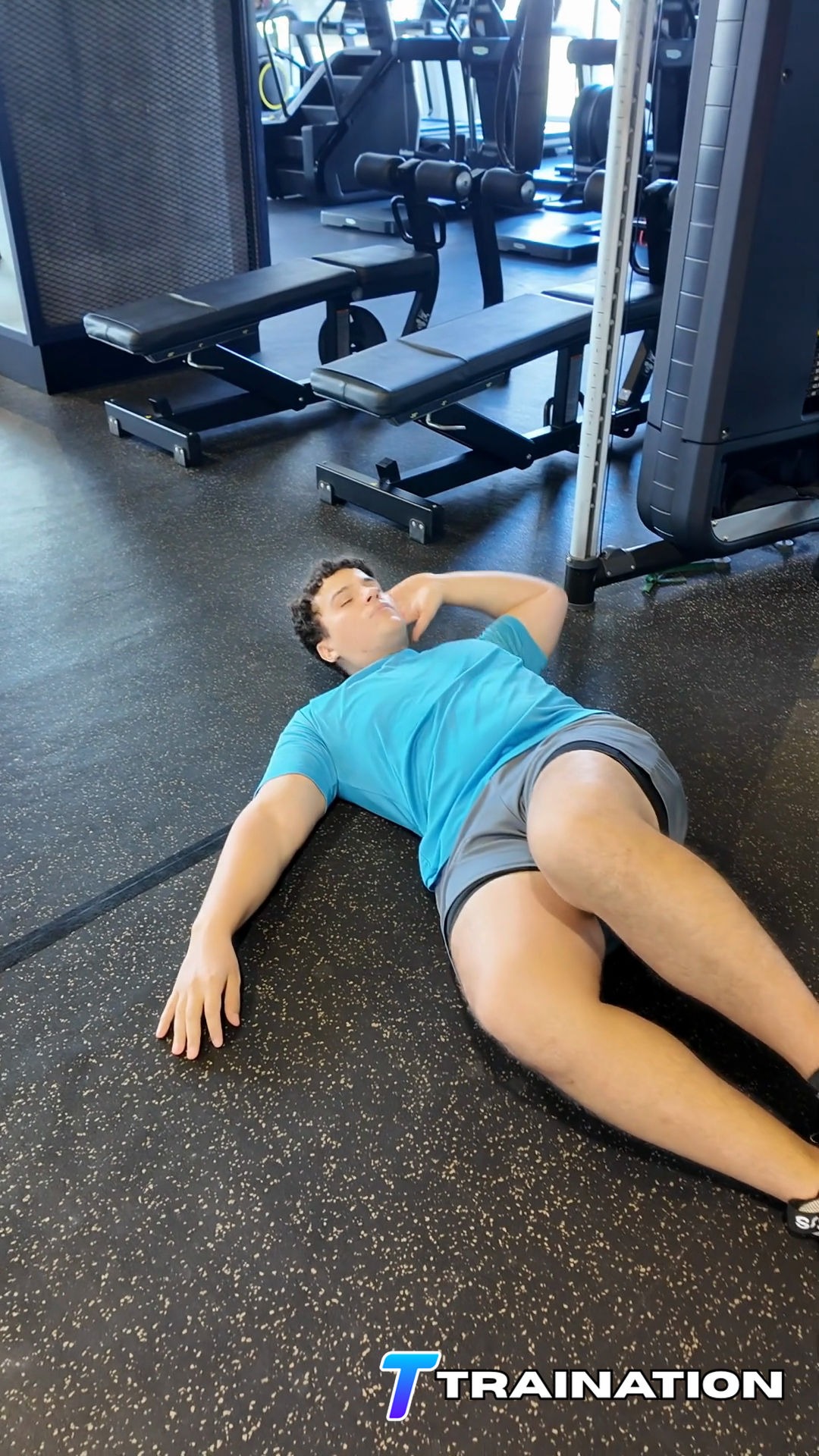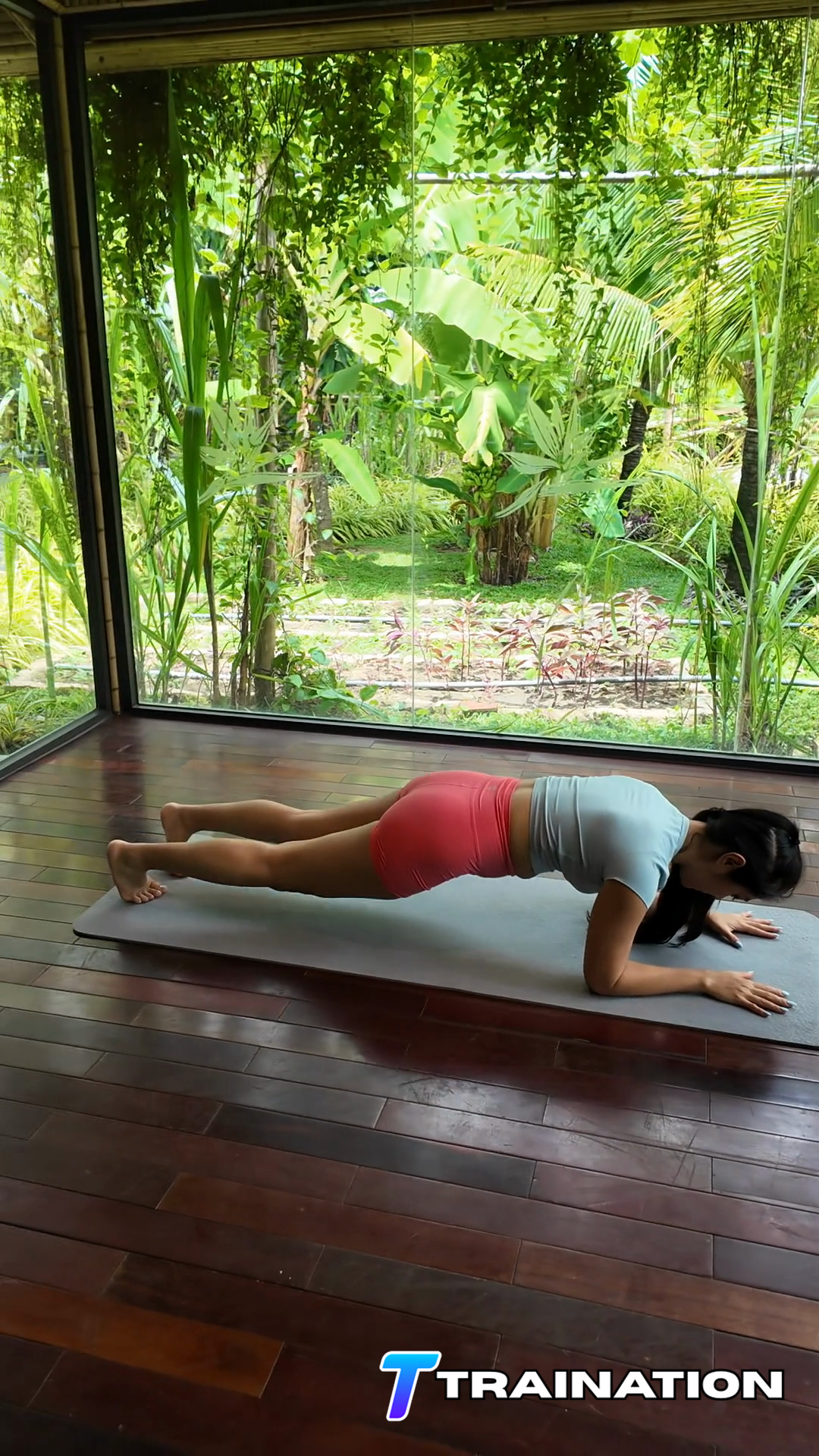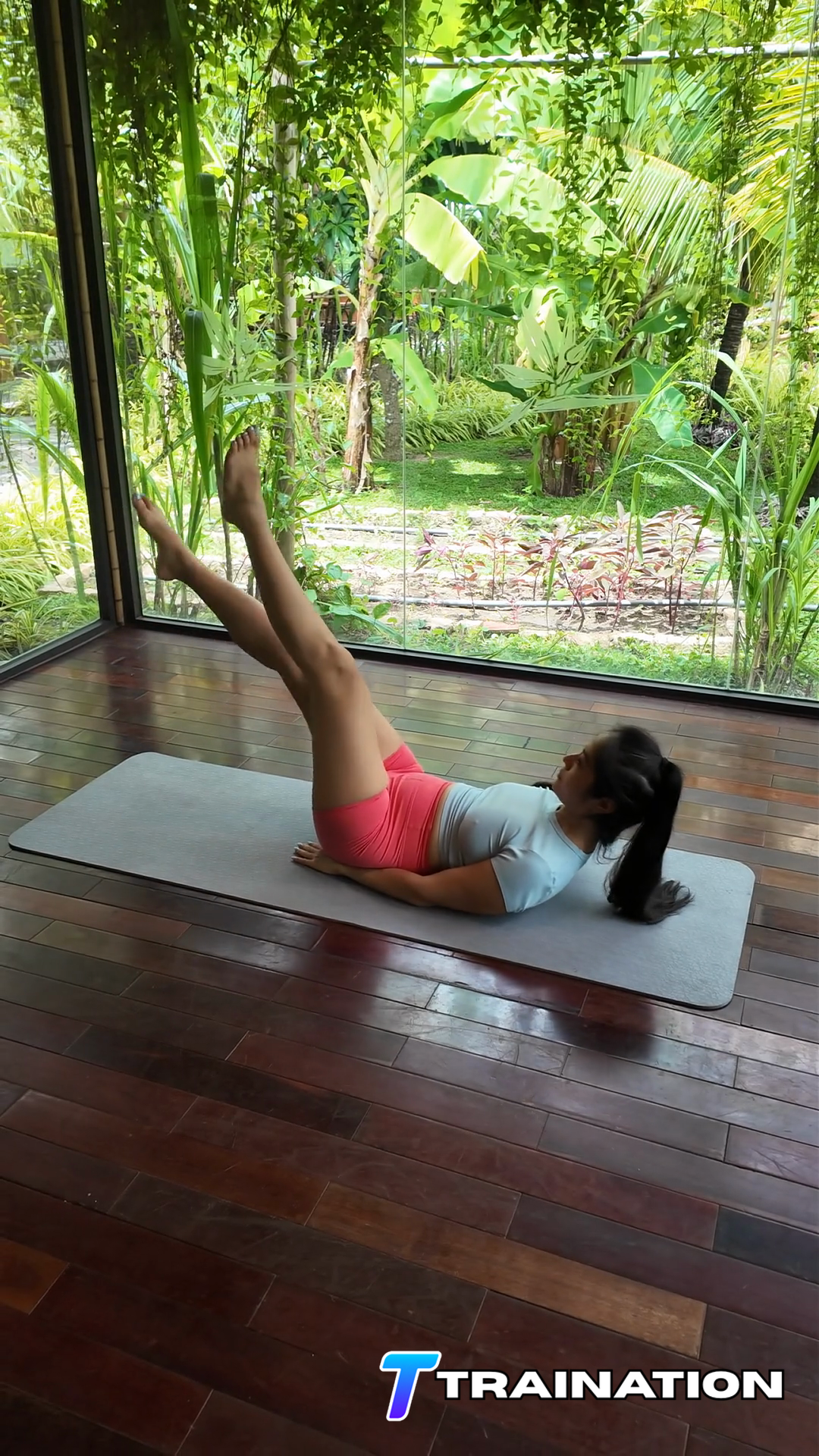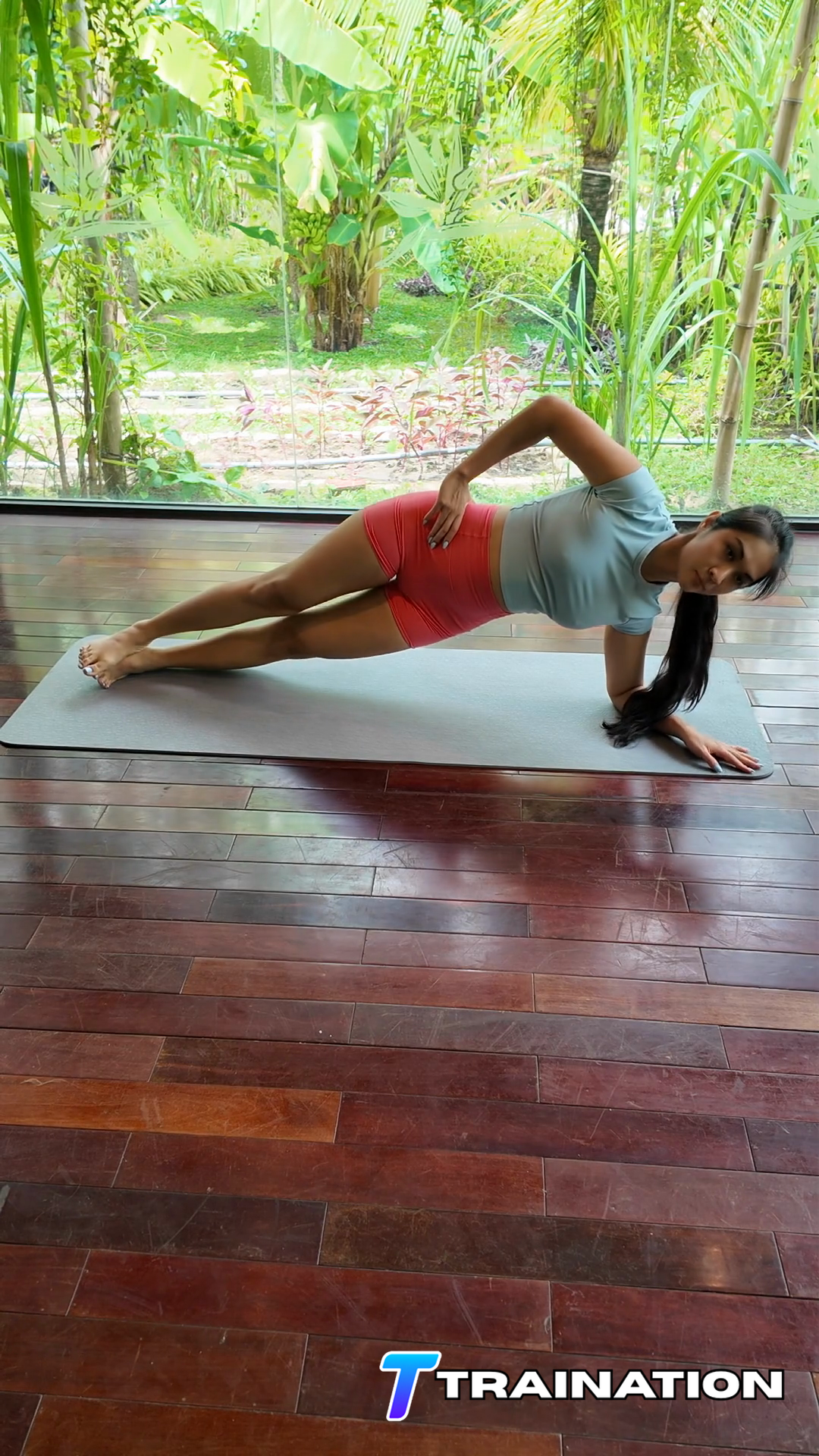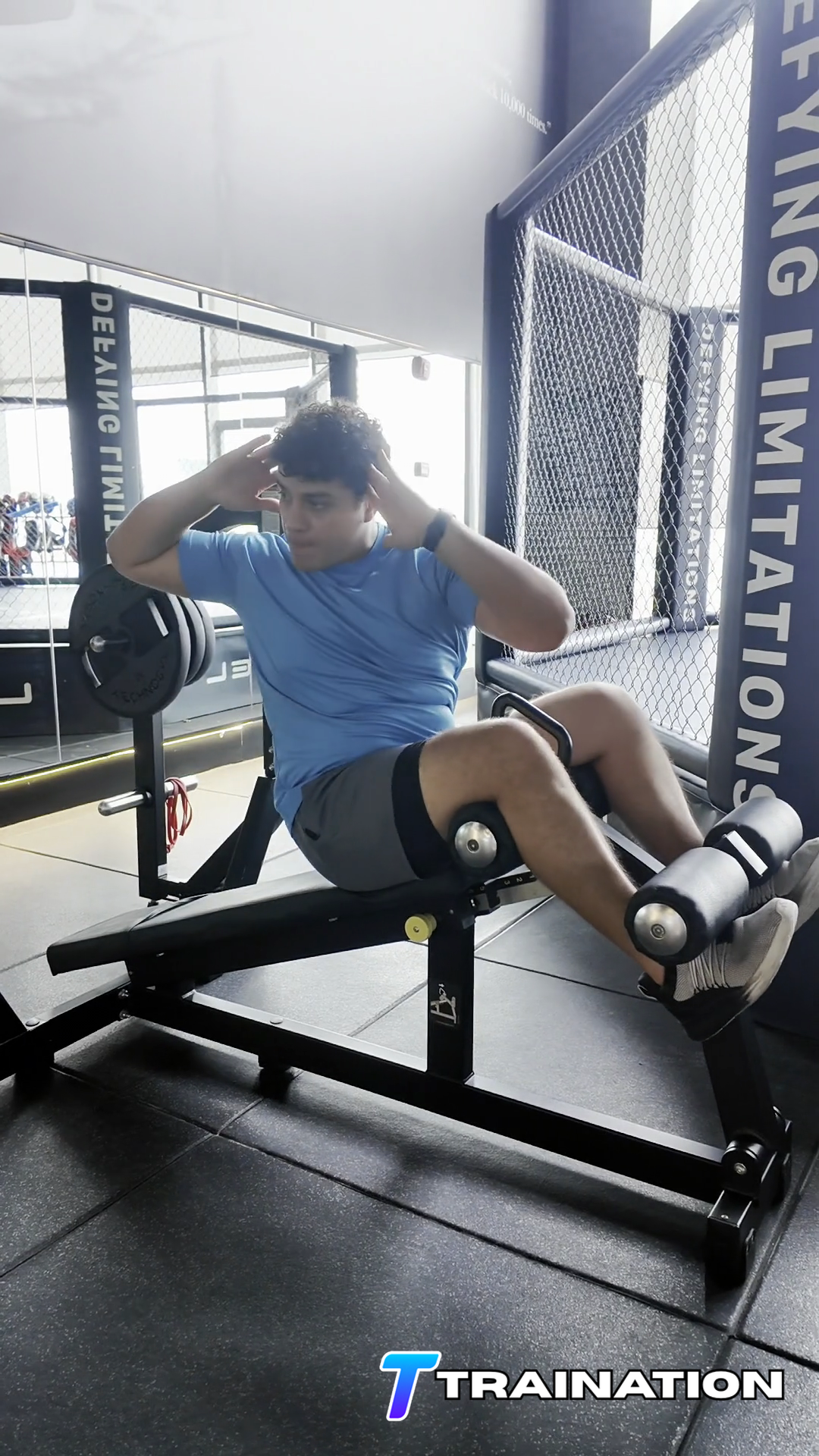
Arched Back
End the set when the hips sag, rise, or turn, or when the lower back arches. Do not keep holding just to reach a set time.
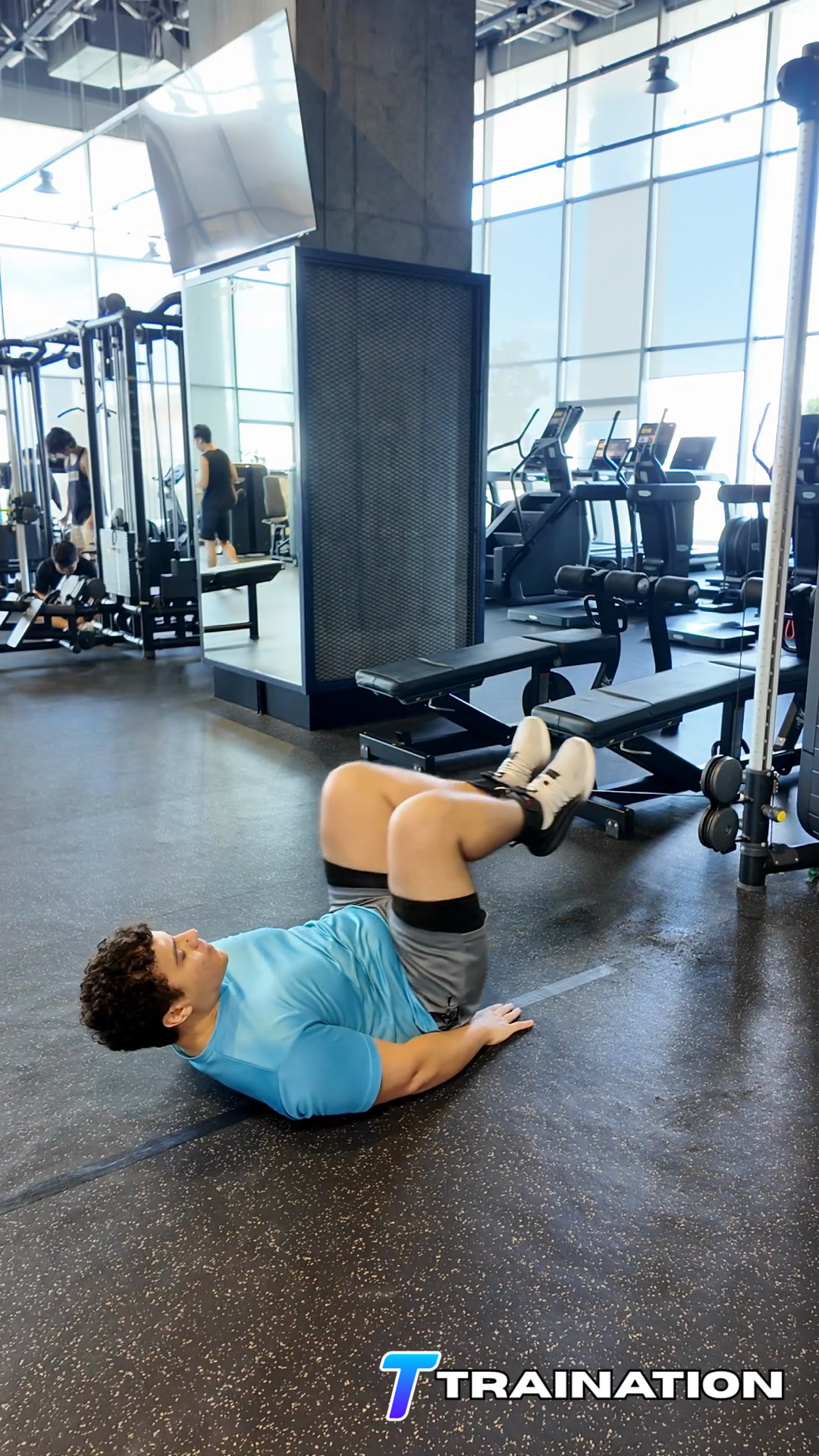
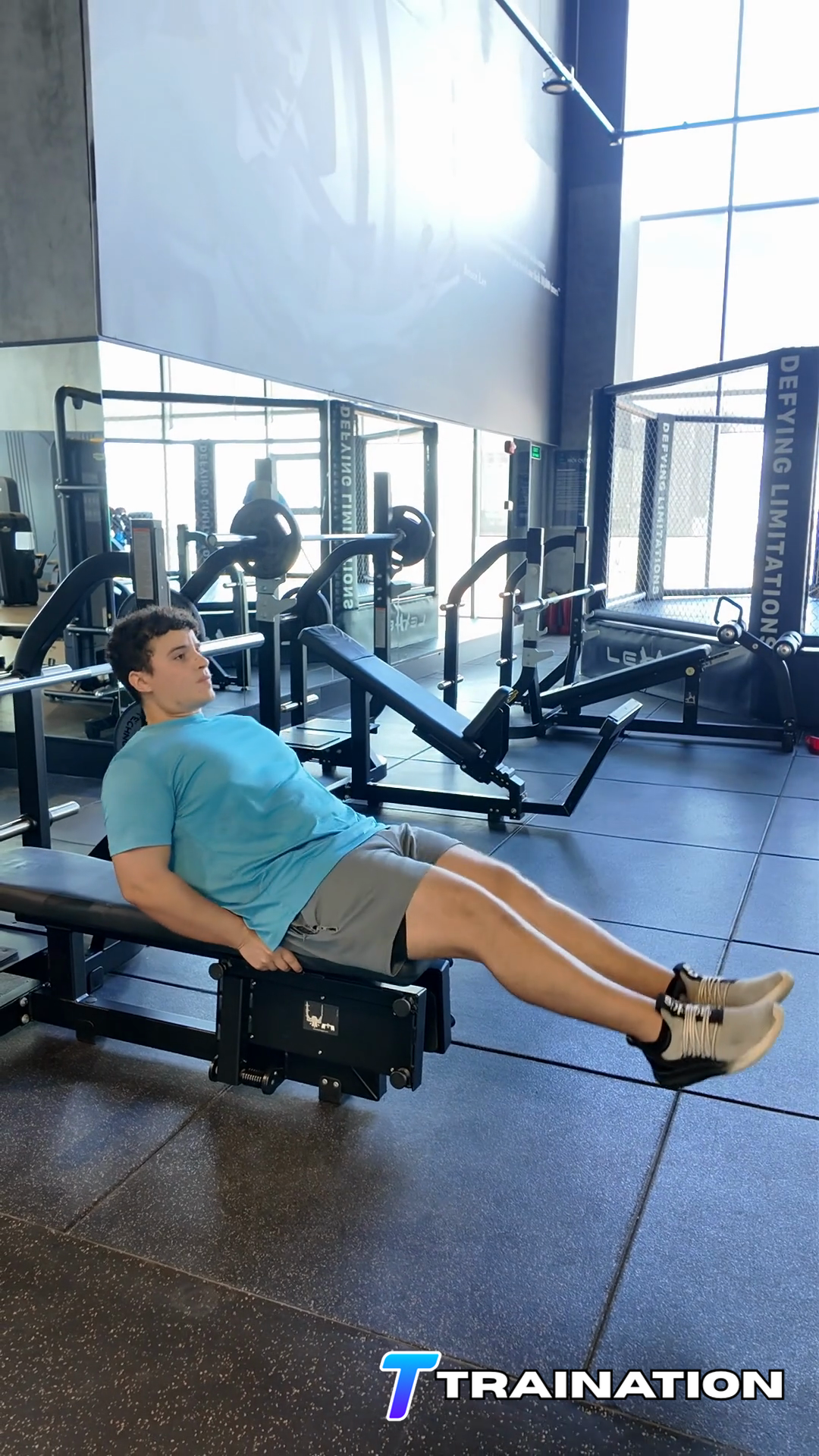
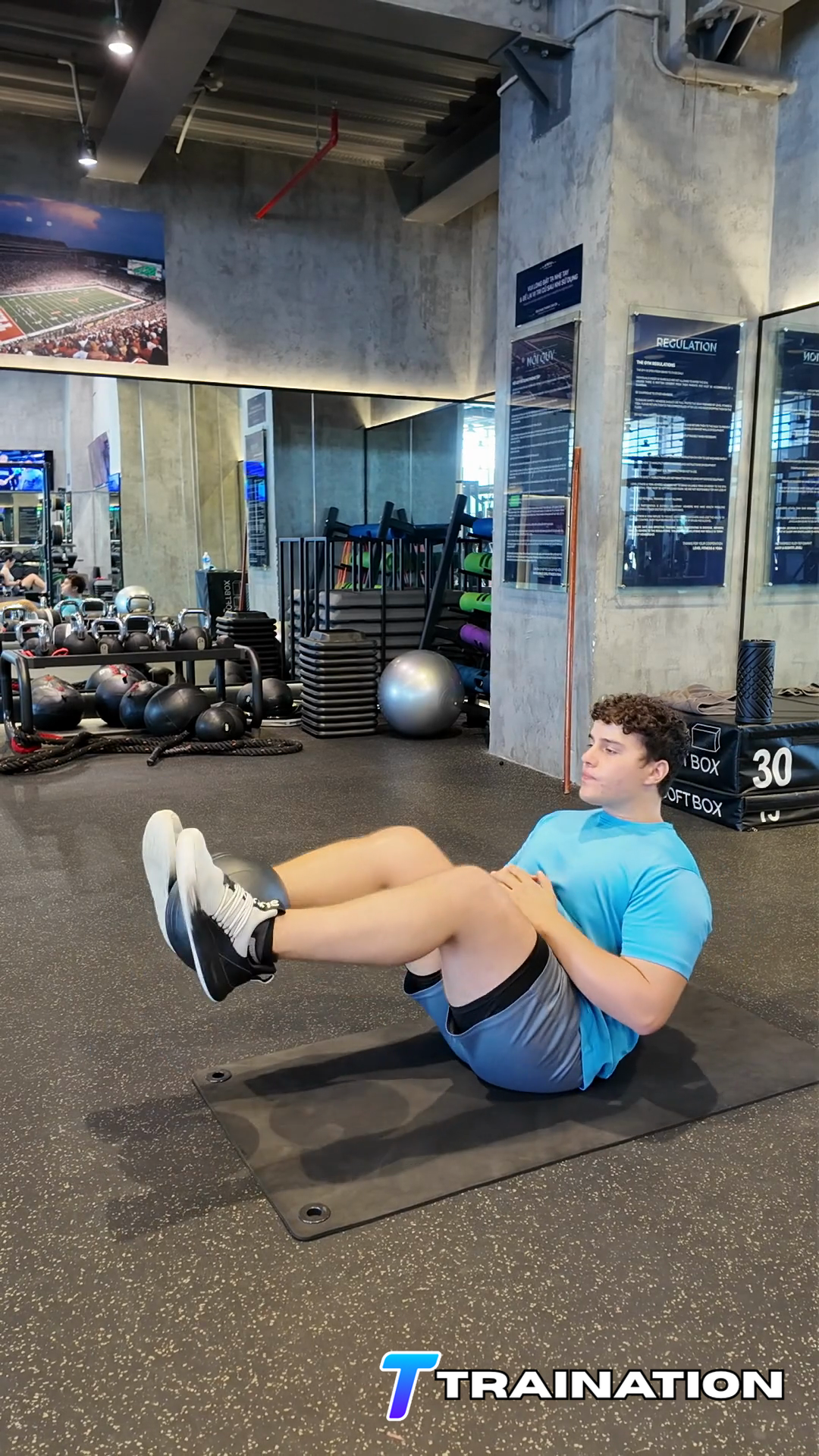
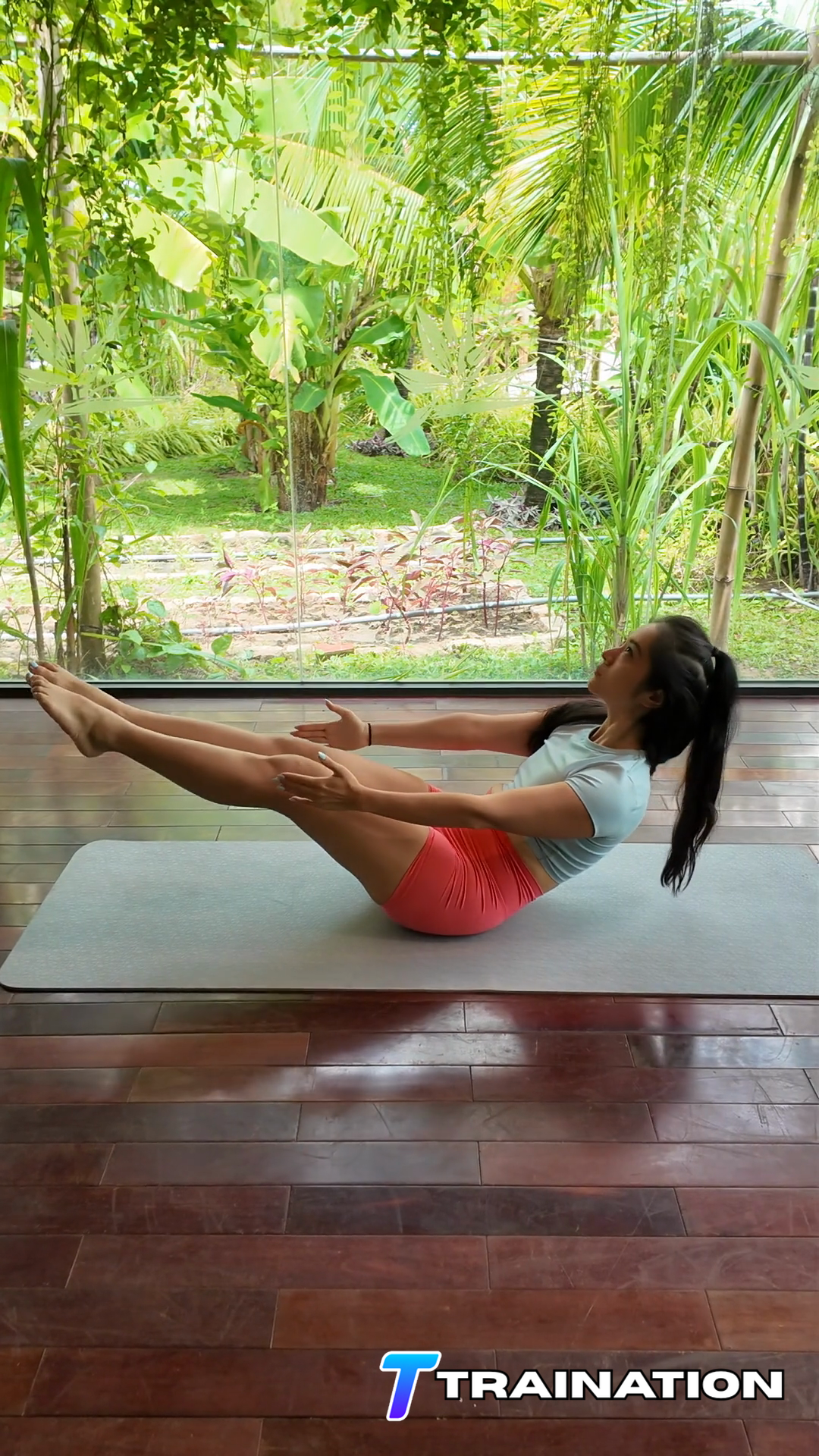
Boat Hold trains the trunk to resist unwanted extension or rotation while the body maintains a specific support position.
Primary musclesRectus abdominis, Iliopsoas
Secondary musclesObliques, Quadriceps, Forearms
Follow the sequence in order, paying attention to the starting position, movement path, and finish described in each step.
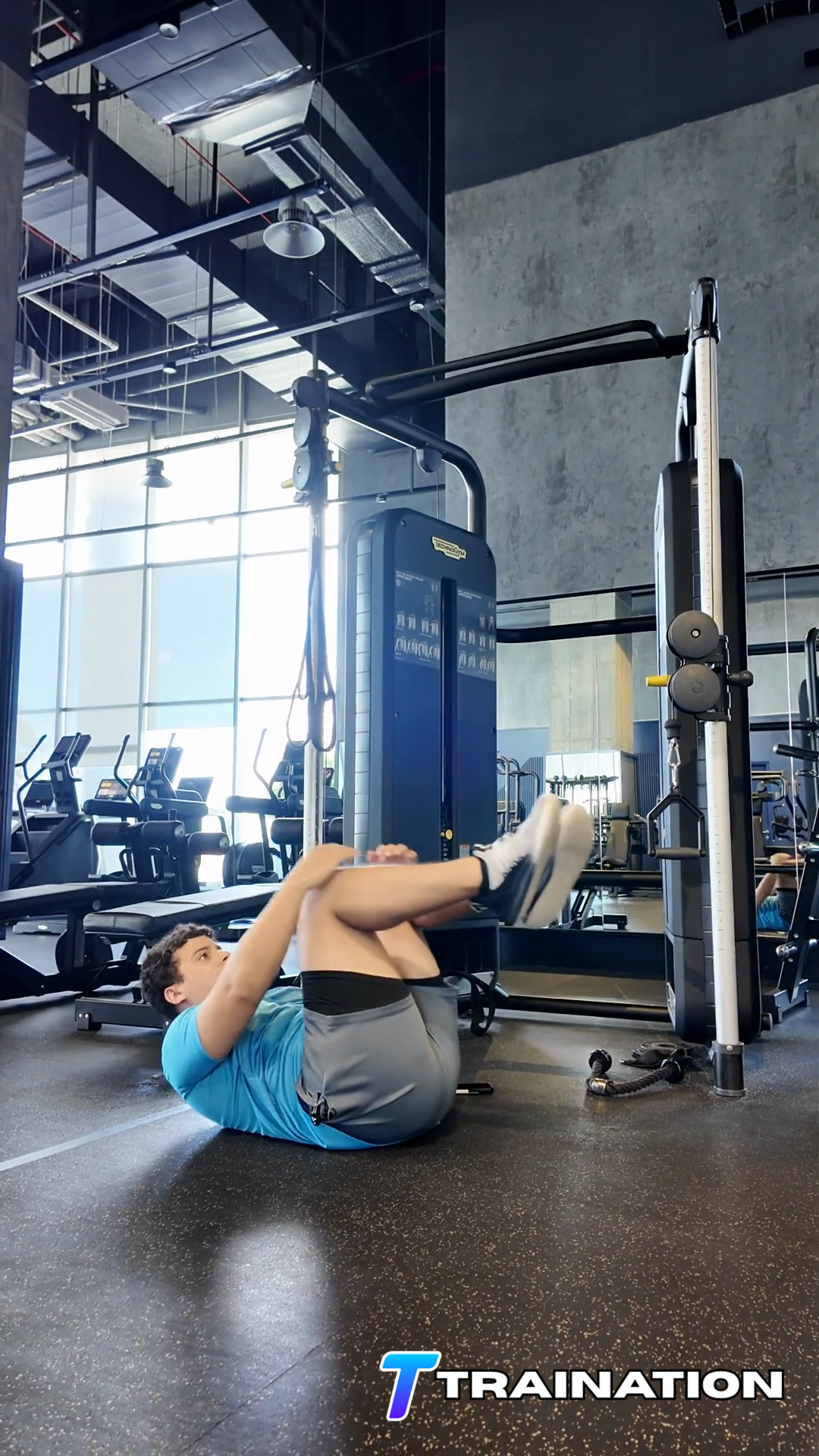
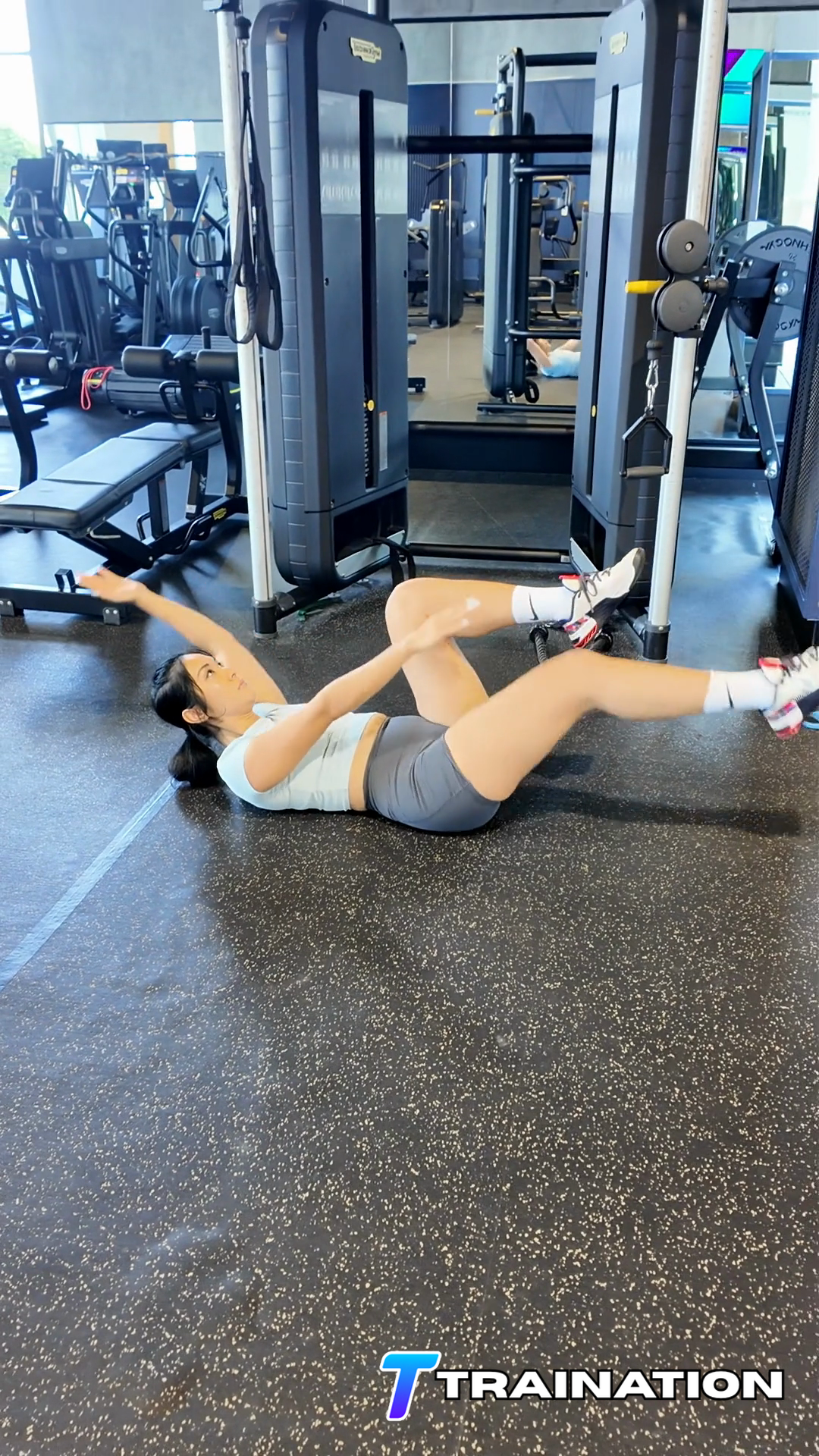
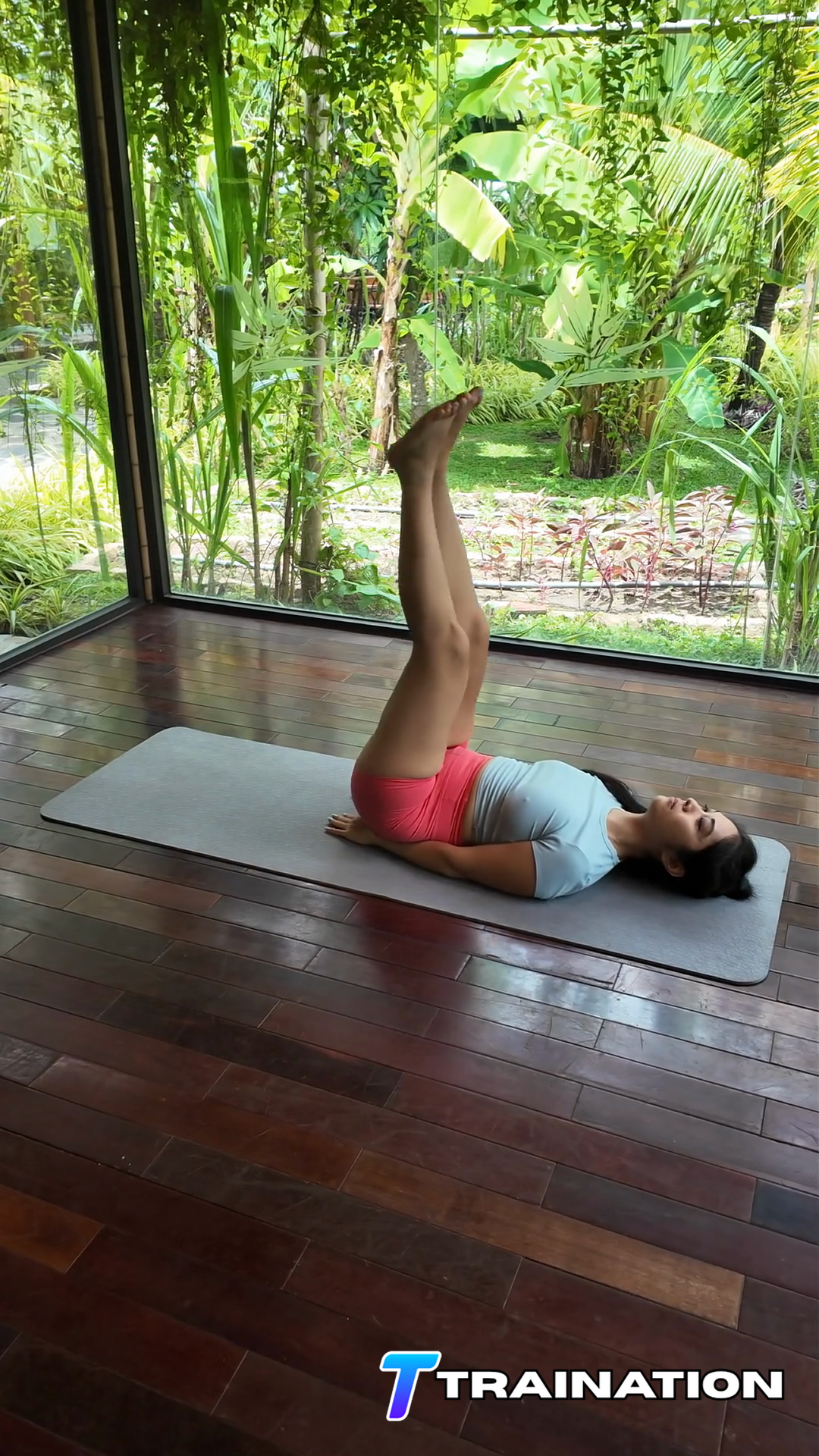
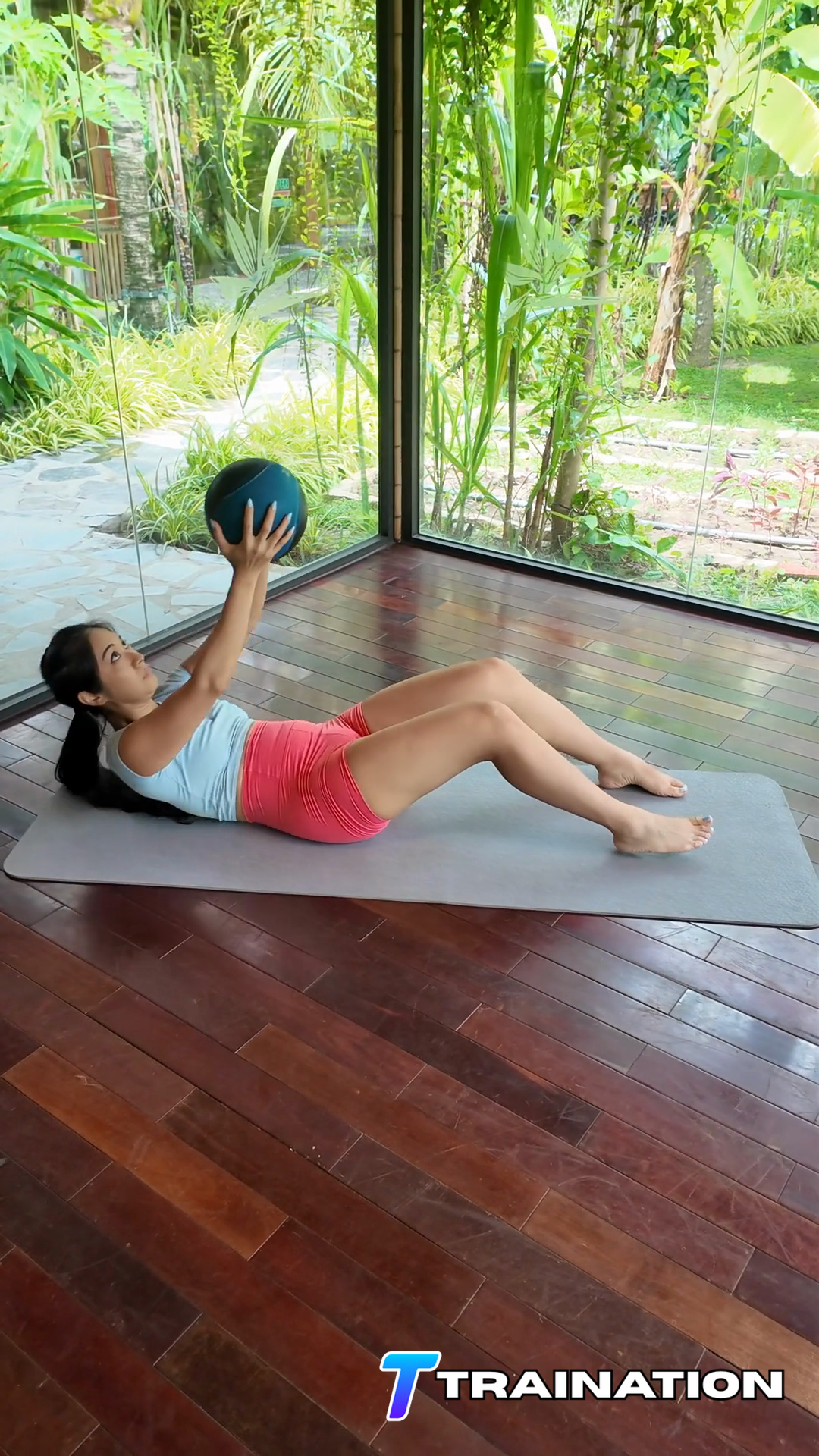
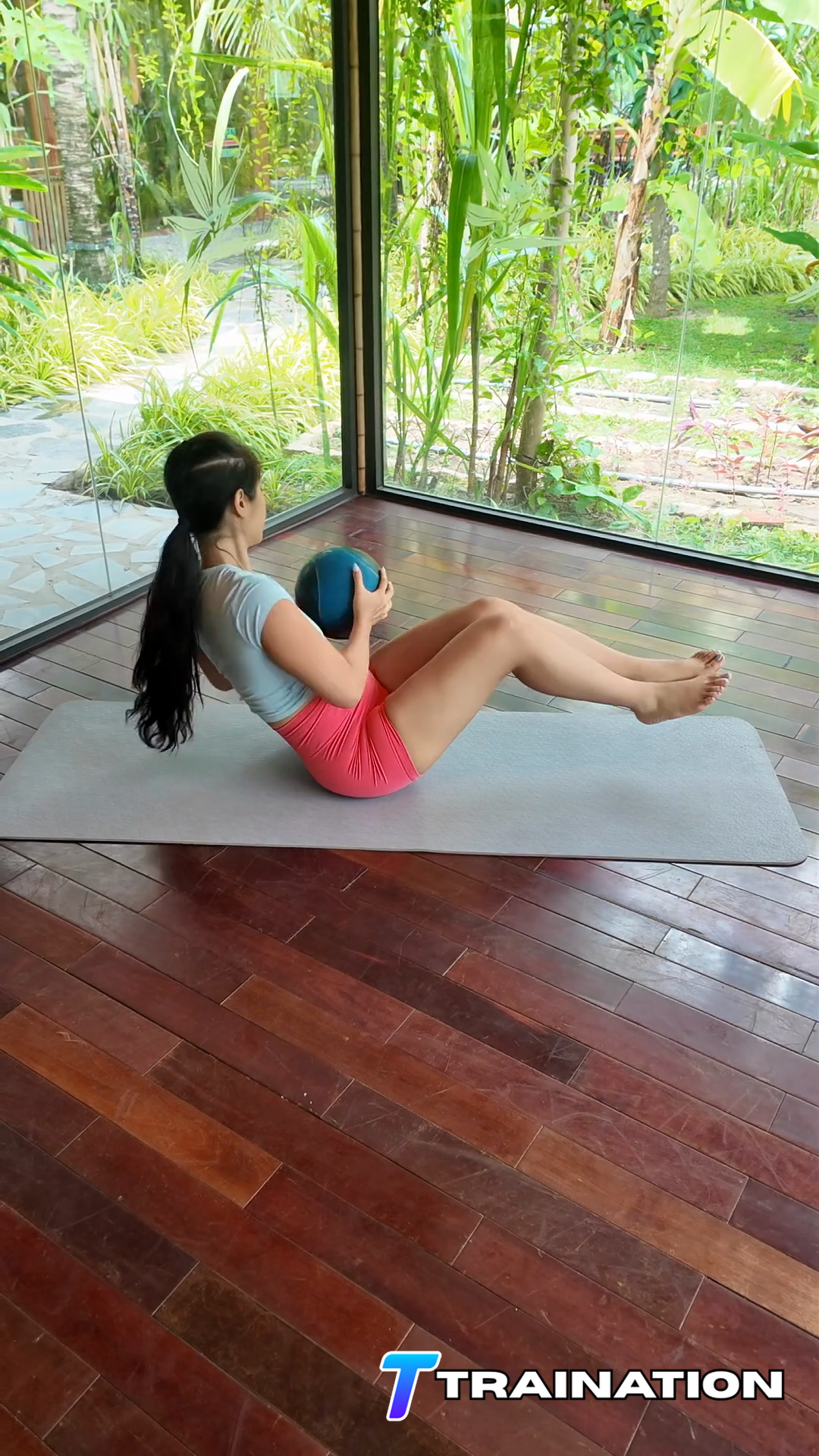
For Boat Hold, sit behind the sitting bones, lift the chest, and raise the feet only as high as the lower back can remain controlled.
Tighten the core as if preparing for a gentle push, squeeze the glutes, and remove any sag or large arch from the lower back.
Breathe behind the brace and hold only while the original body position remains unchanged.
Keep pressure even through the support points and avoid shifting work into the neck, wrists, or lower back.
End the hold under control when the hips rotate, rise, or sag.
End the set when the hips sag, rise, or turn, or when the lower back arches. Do not keep holding just to reach a set time.
Avoid holding your breath during the hold. Breathe through the mouth and in through the nose.
Place Boat Hold after the main compound lifts, in a focused core block, or beside an exercise that does not require a fresh trunk.
Use two to four times per week while accounting for trunk work already supplied by squats, hinges, carries, and overhead lifting.
| Goal | Sets | Reps or time | Rest | Effort and execution |
|---|---|---|---|---|
| Control / technique | 2–3 | 10–20 sec | 45–75 sec | Stop well before position changes |
| Strength / endurance | 2–4 | 20–45 sec | 60–90 sec | Stop while 1–3 good-form reps are still possible |
Scale the movement
Tuck the knees while arms are extended to reduce difficulty.
Use floor support to practise keeping the ribs and pelvis controlled while the limbs move.
Move the hands or feet farther from the body only while your position and breathing stay the same.
Add a small external or stability demand after the base hold is repeatable.
Turn Boat Hold and the rest of your exercise library into repeatable client programs.
Explore the workout builder