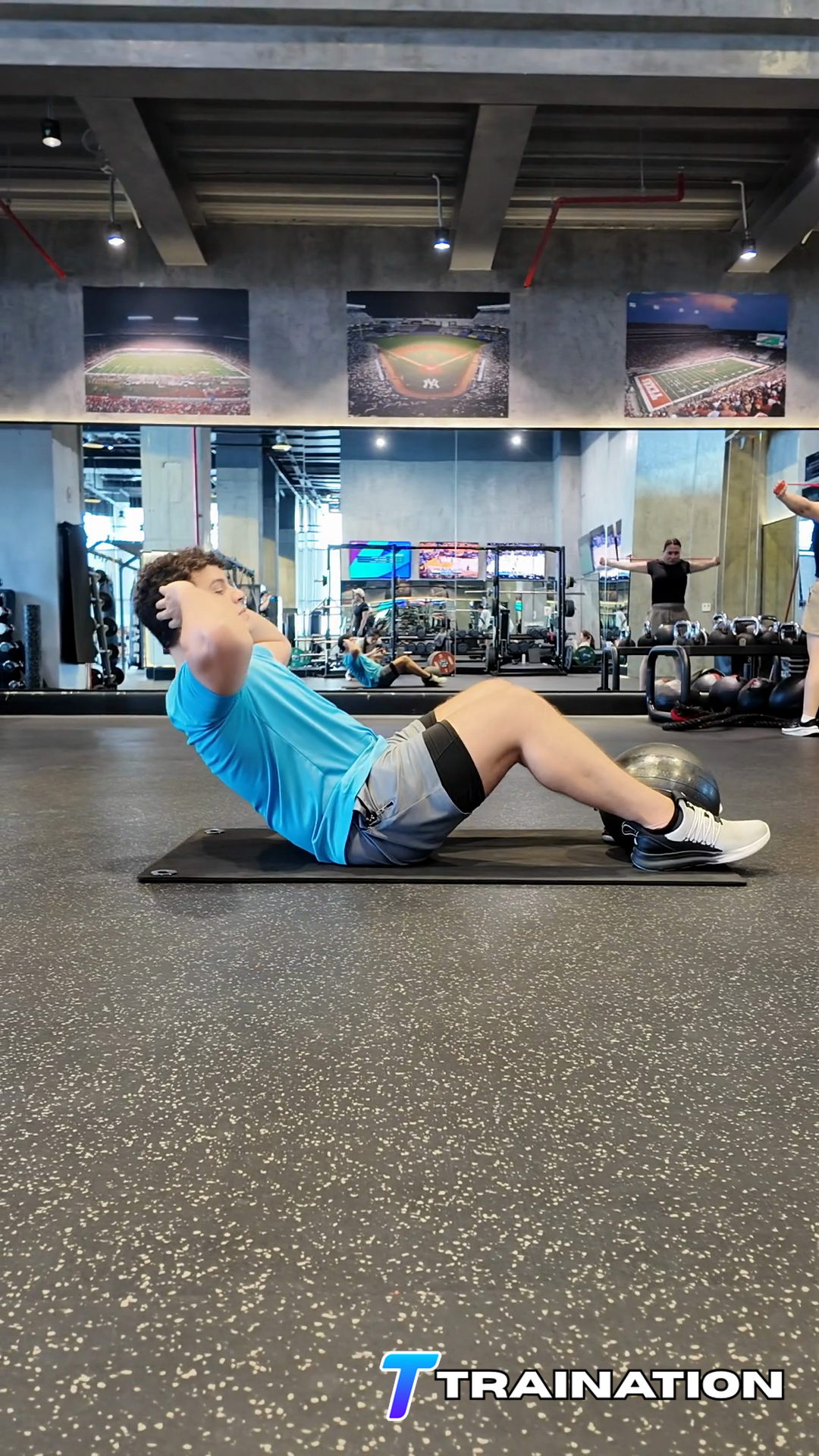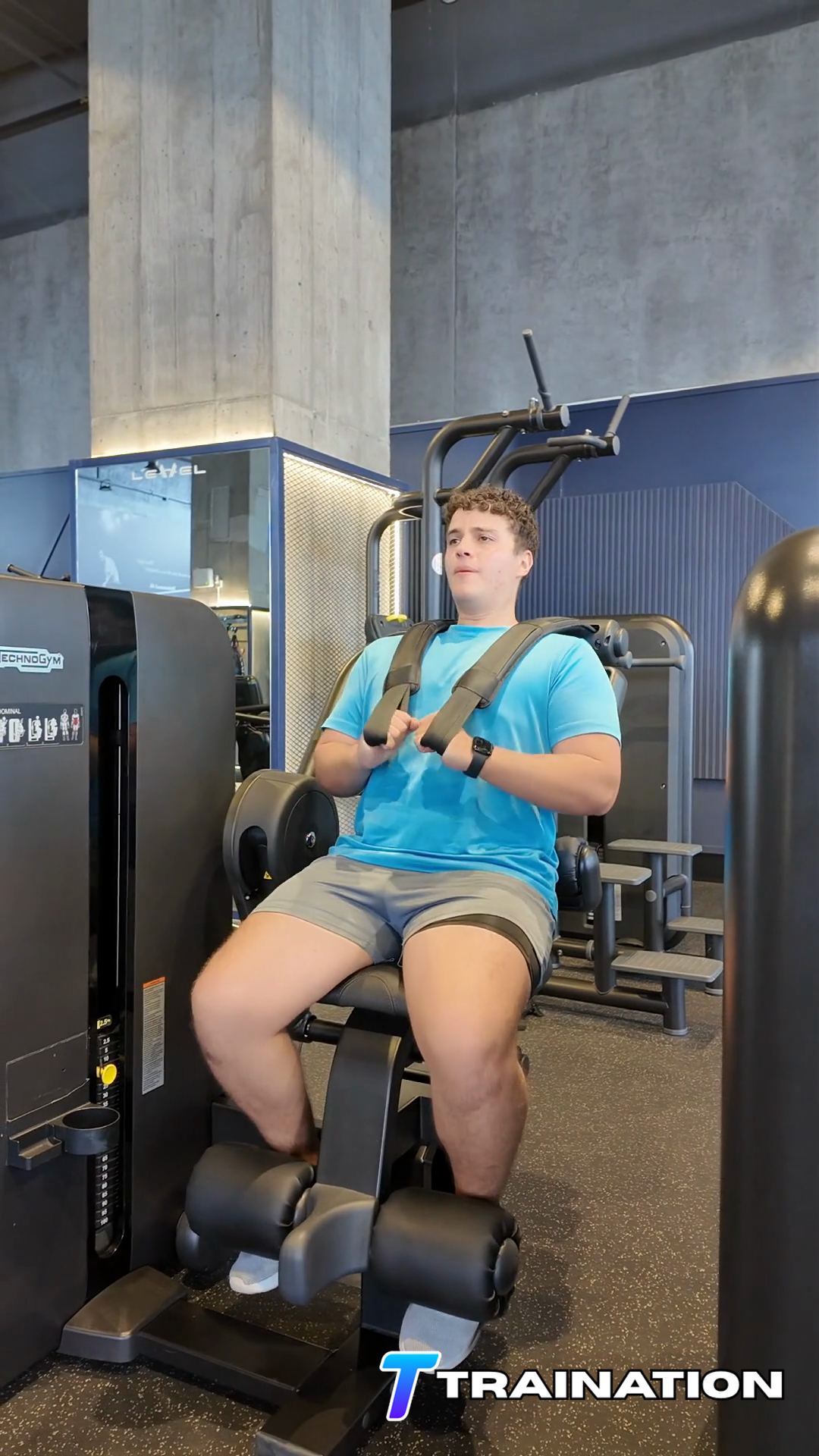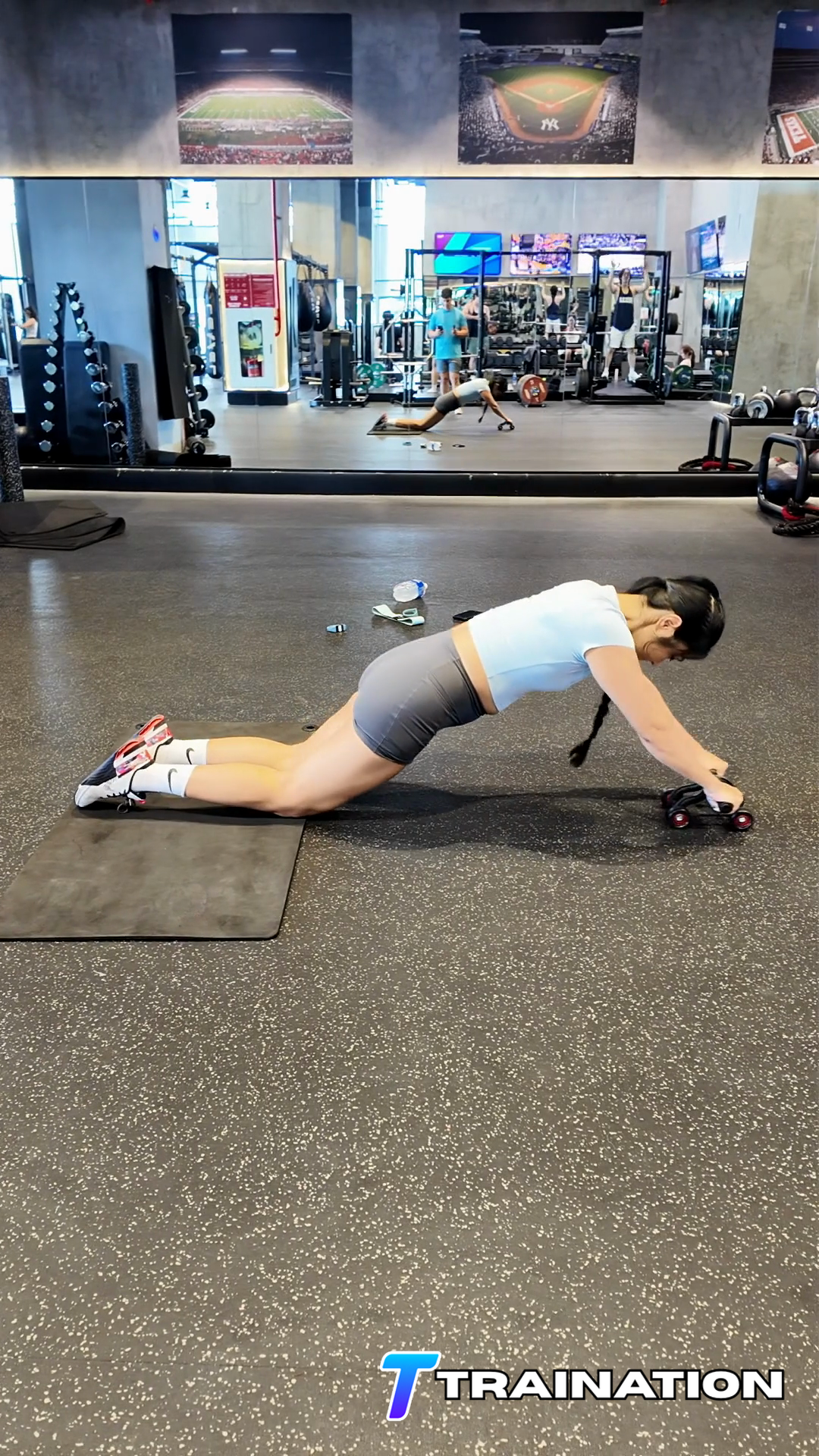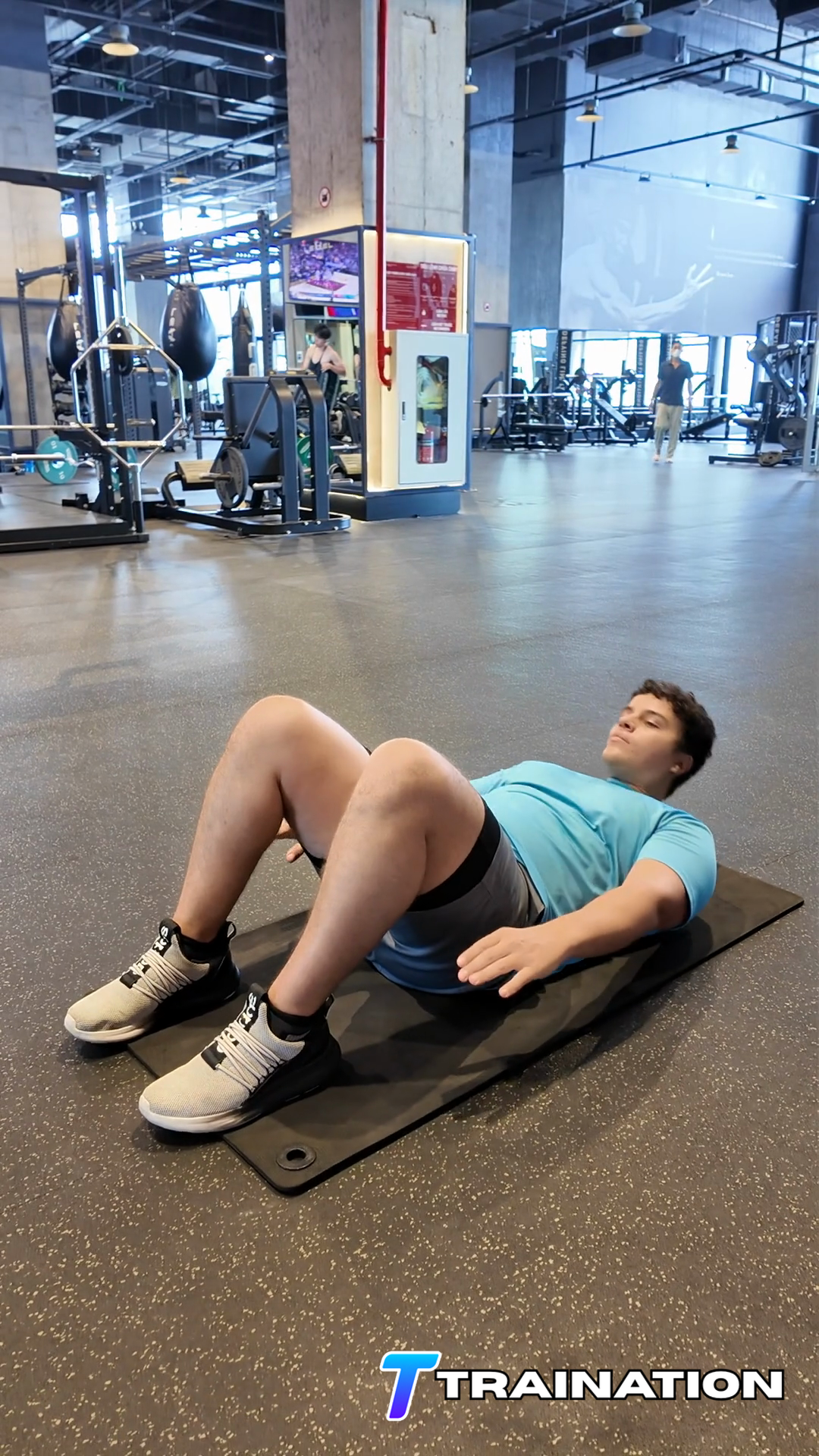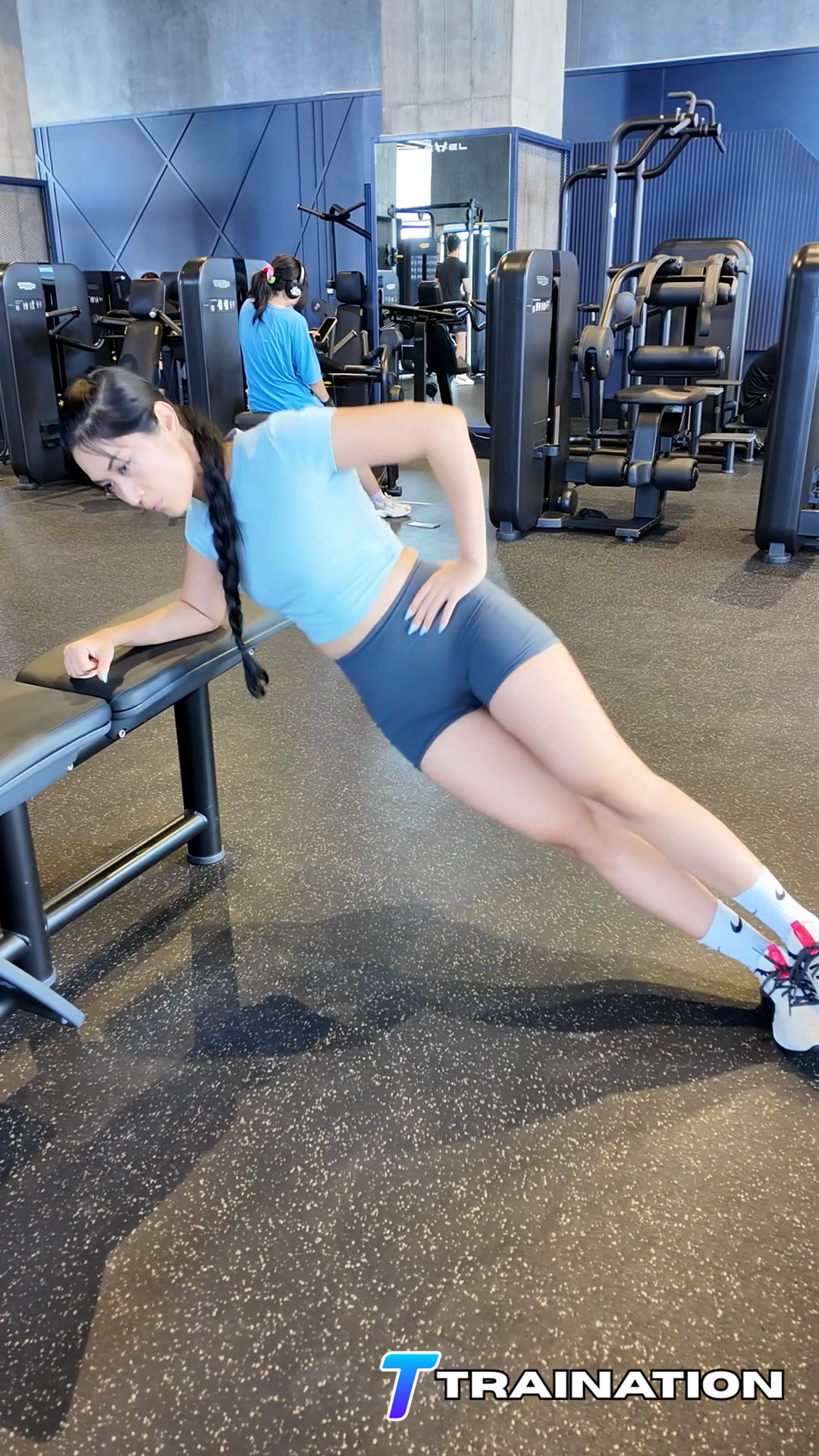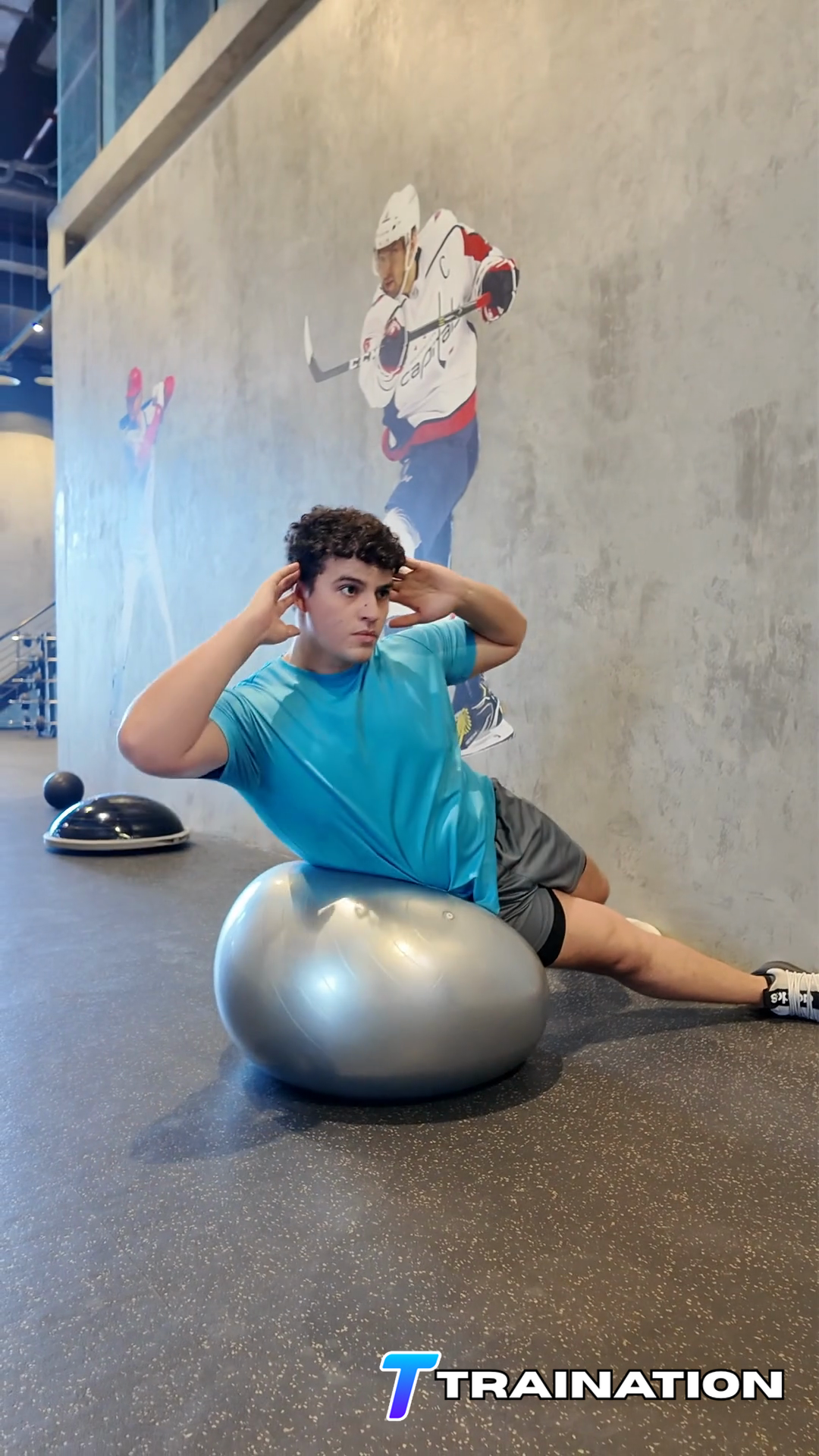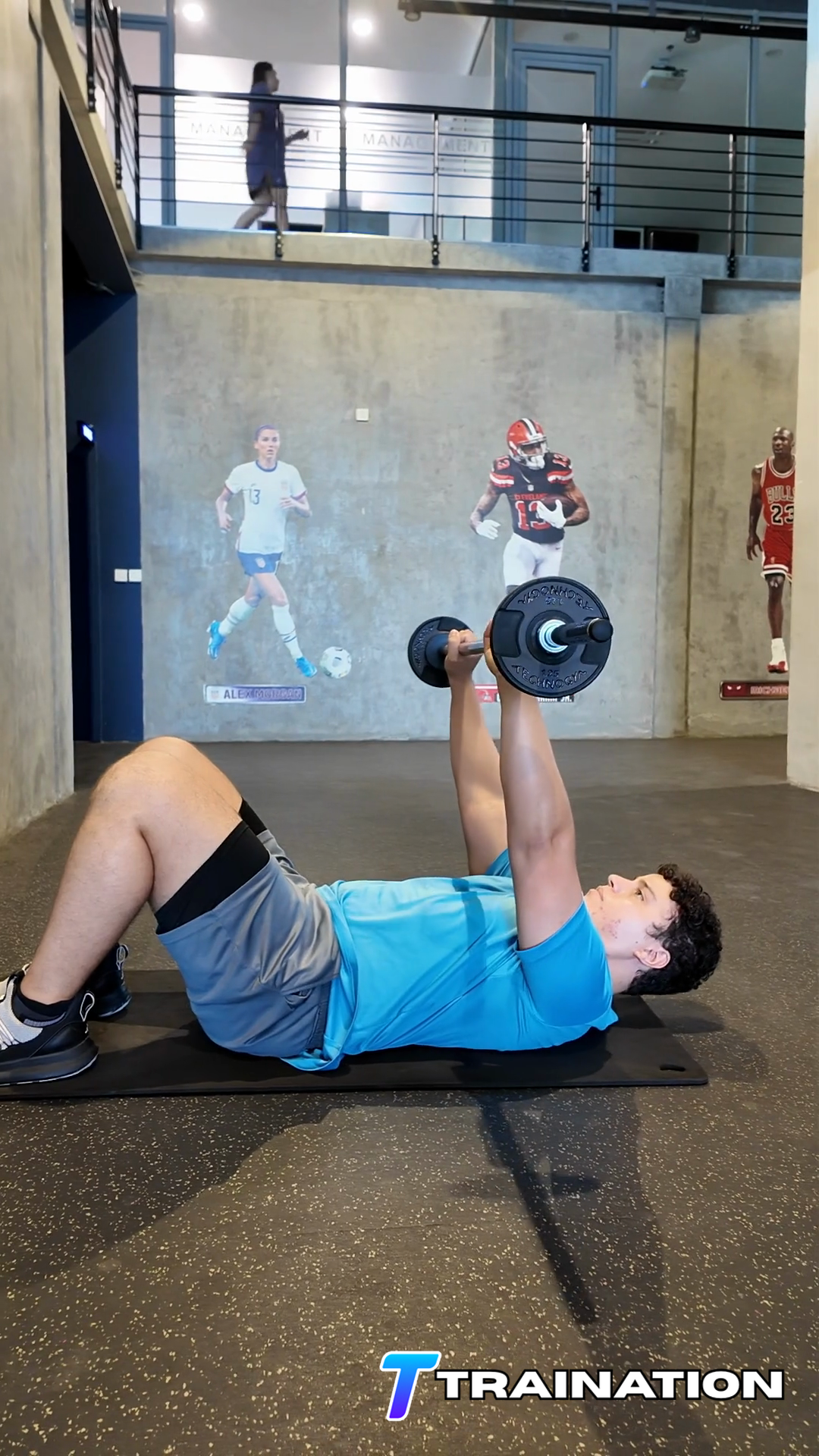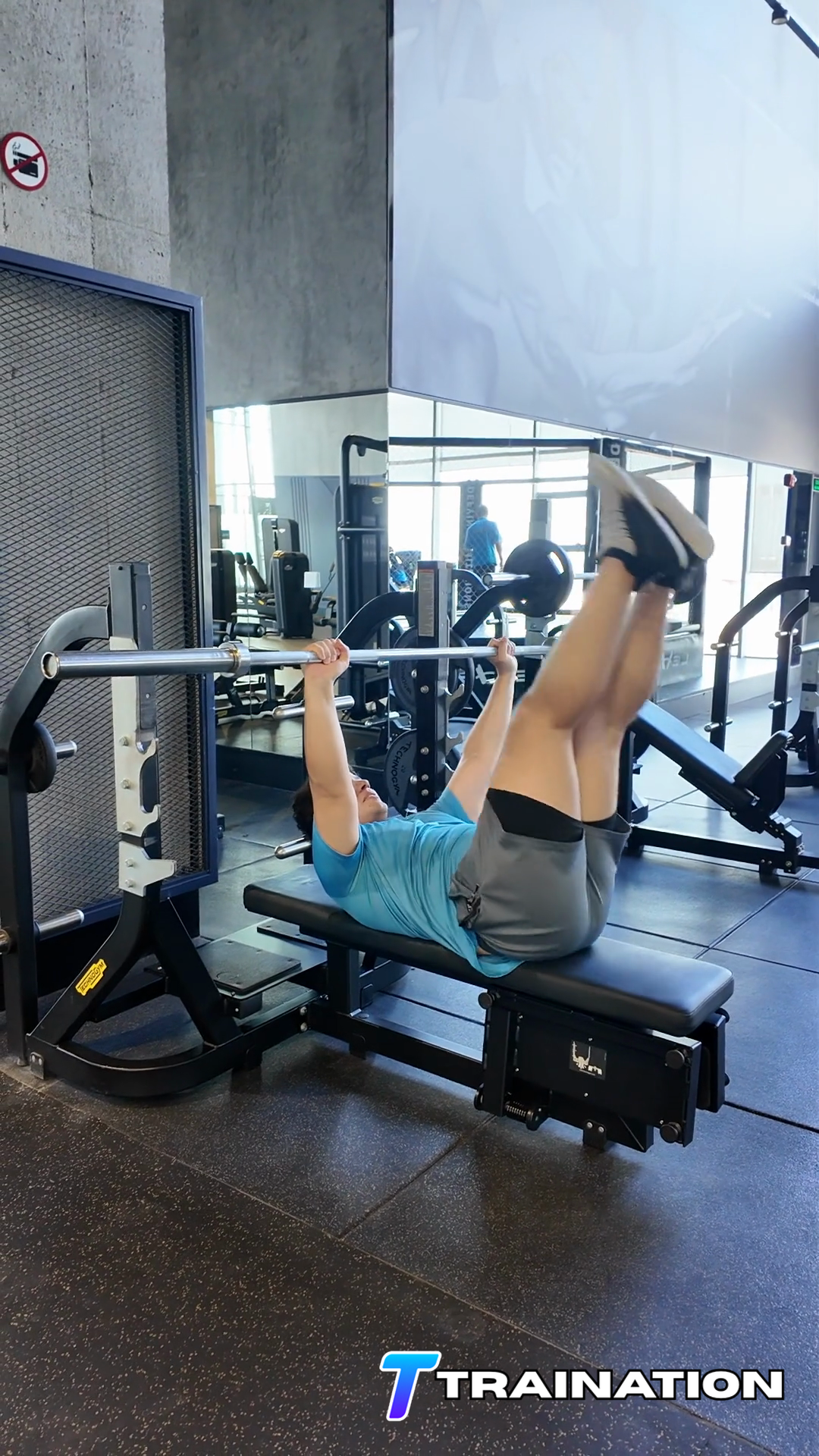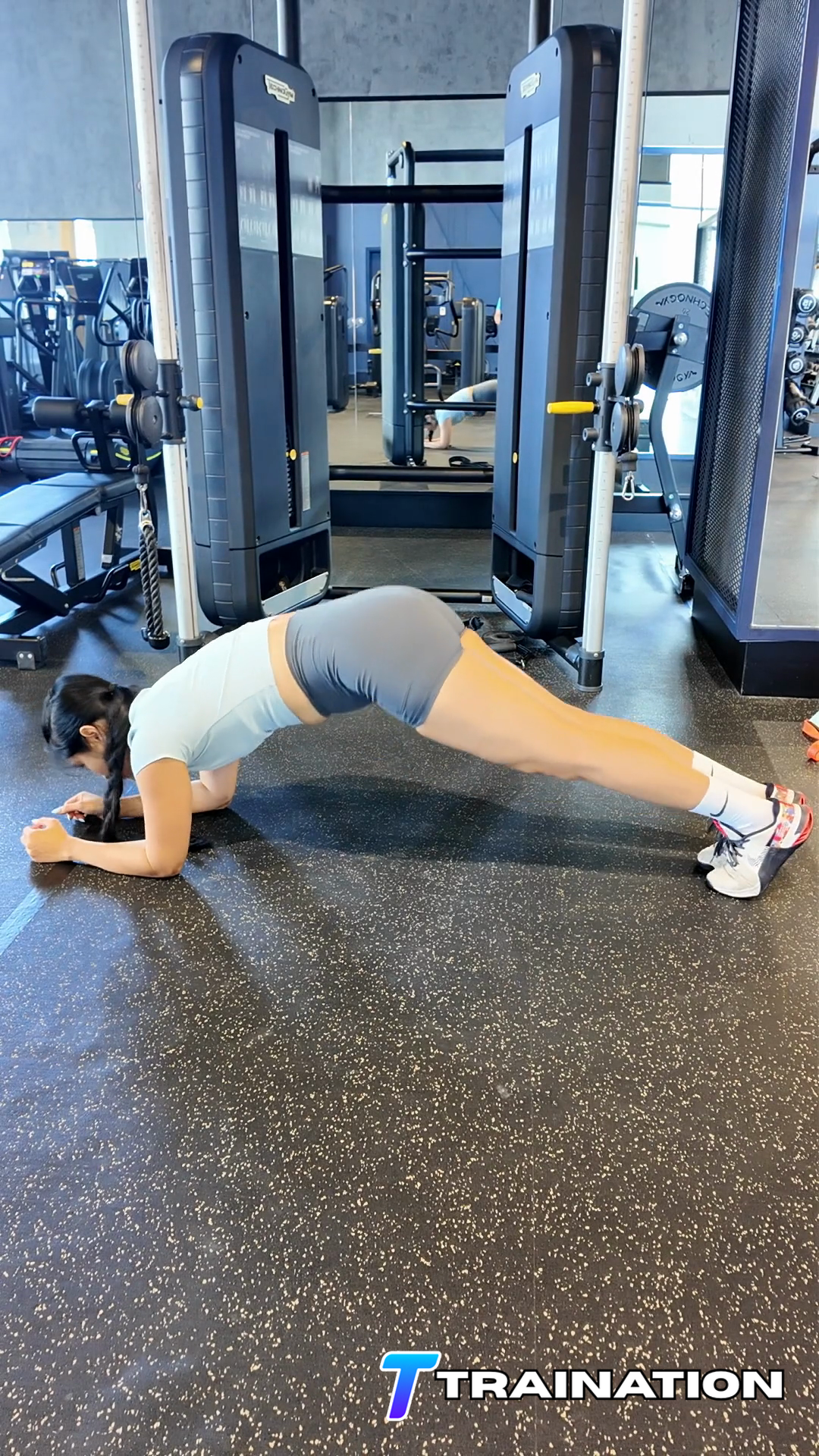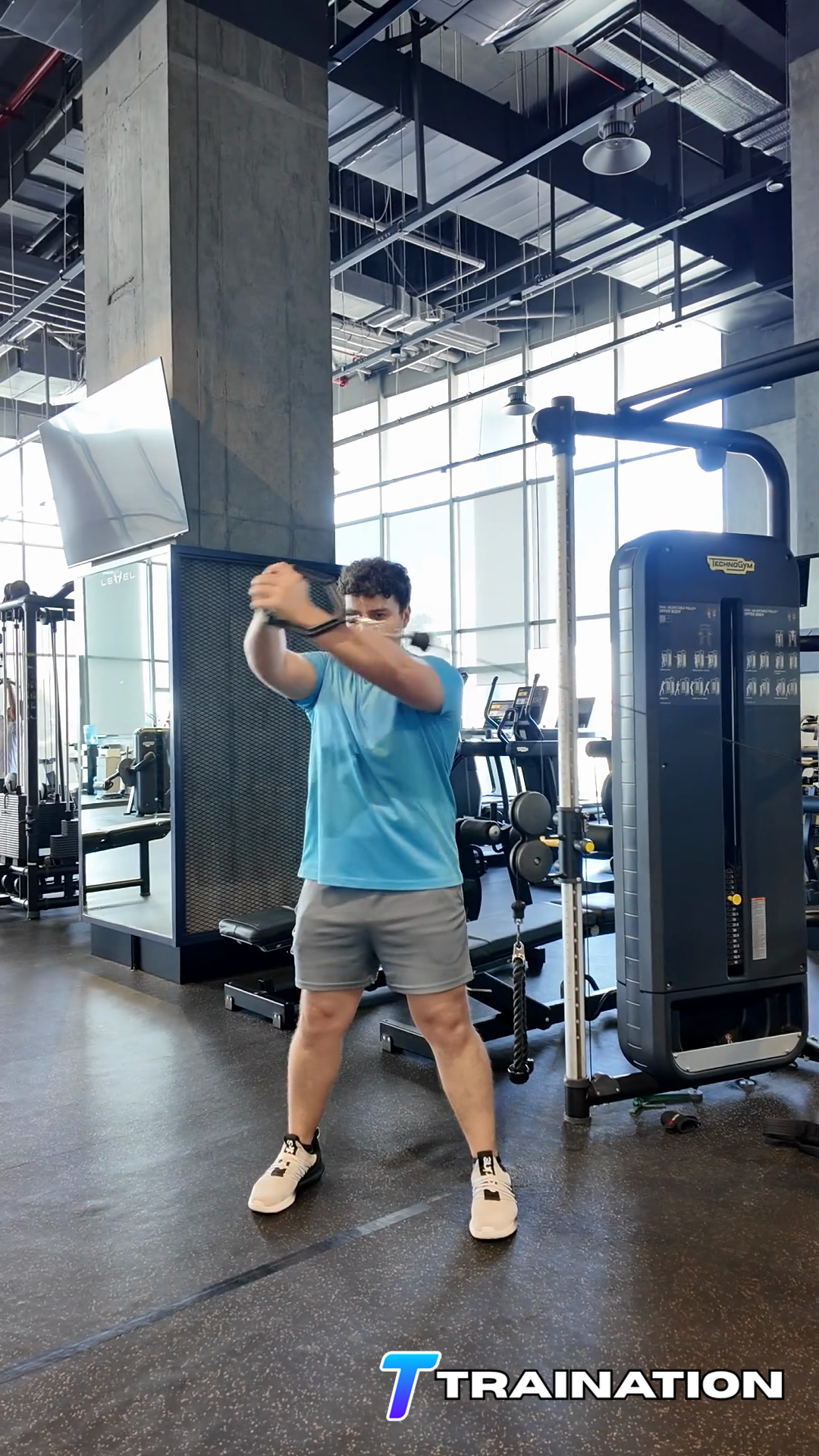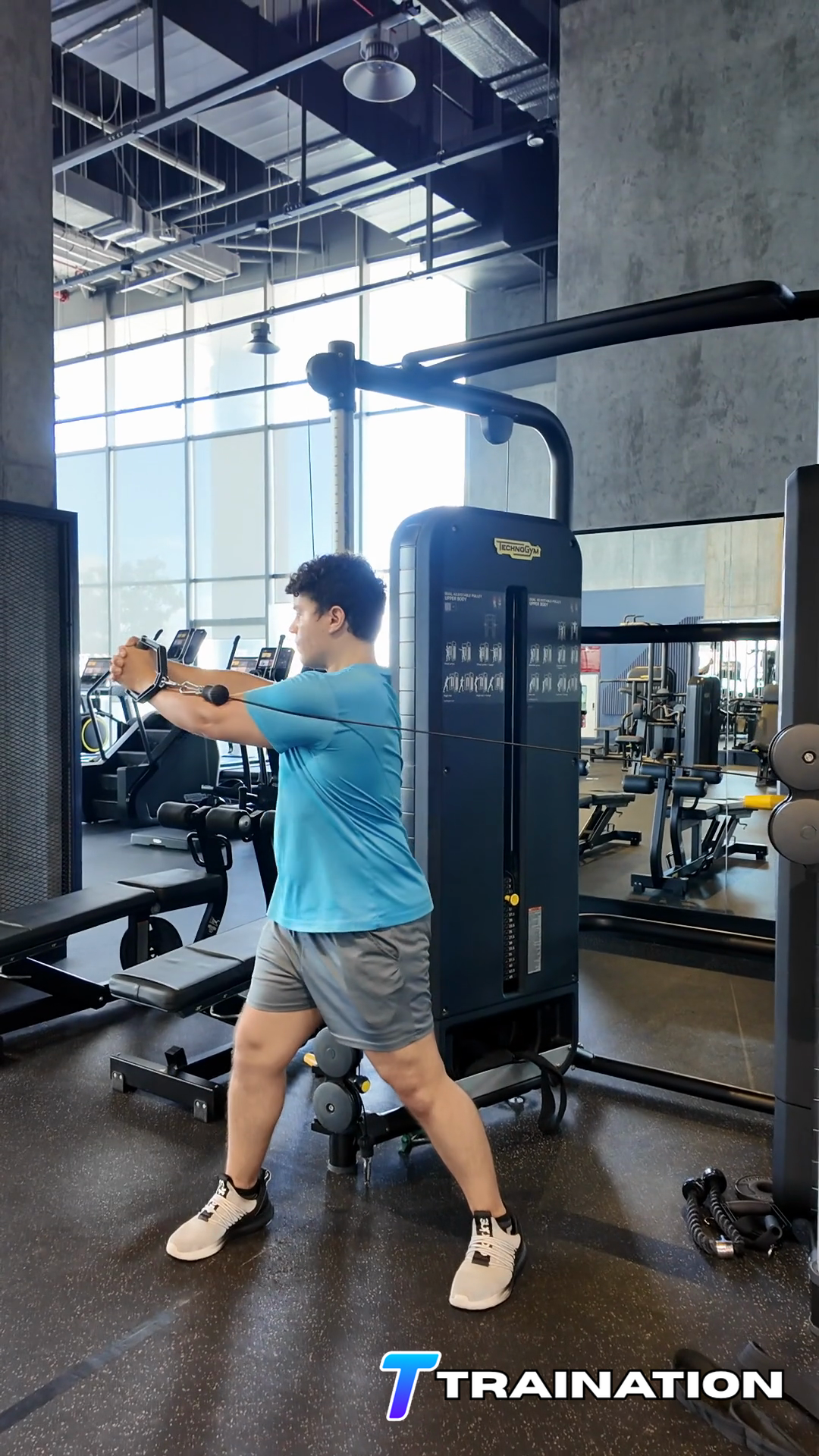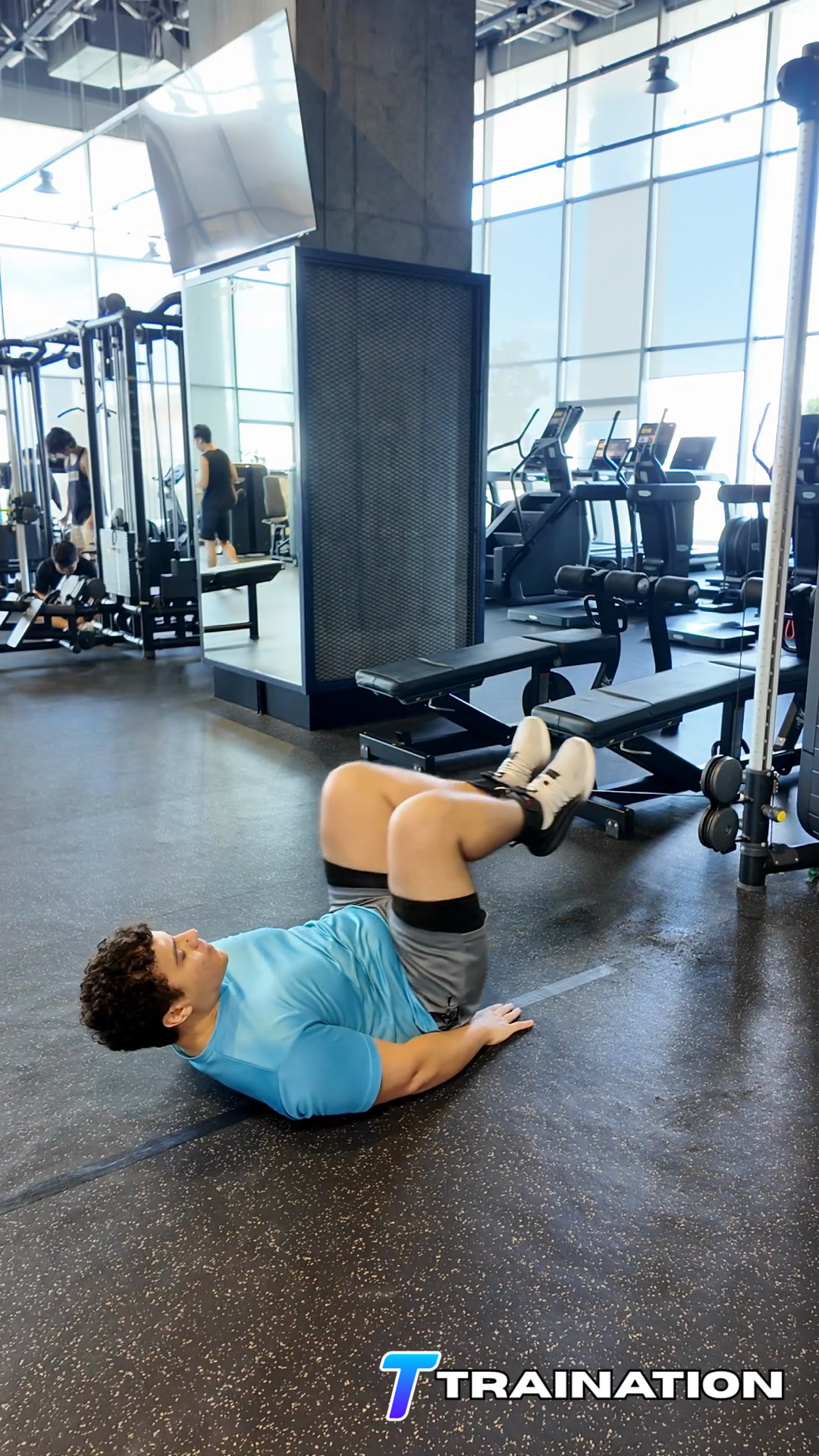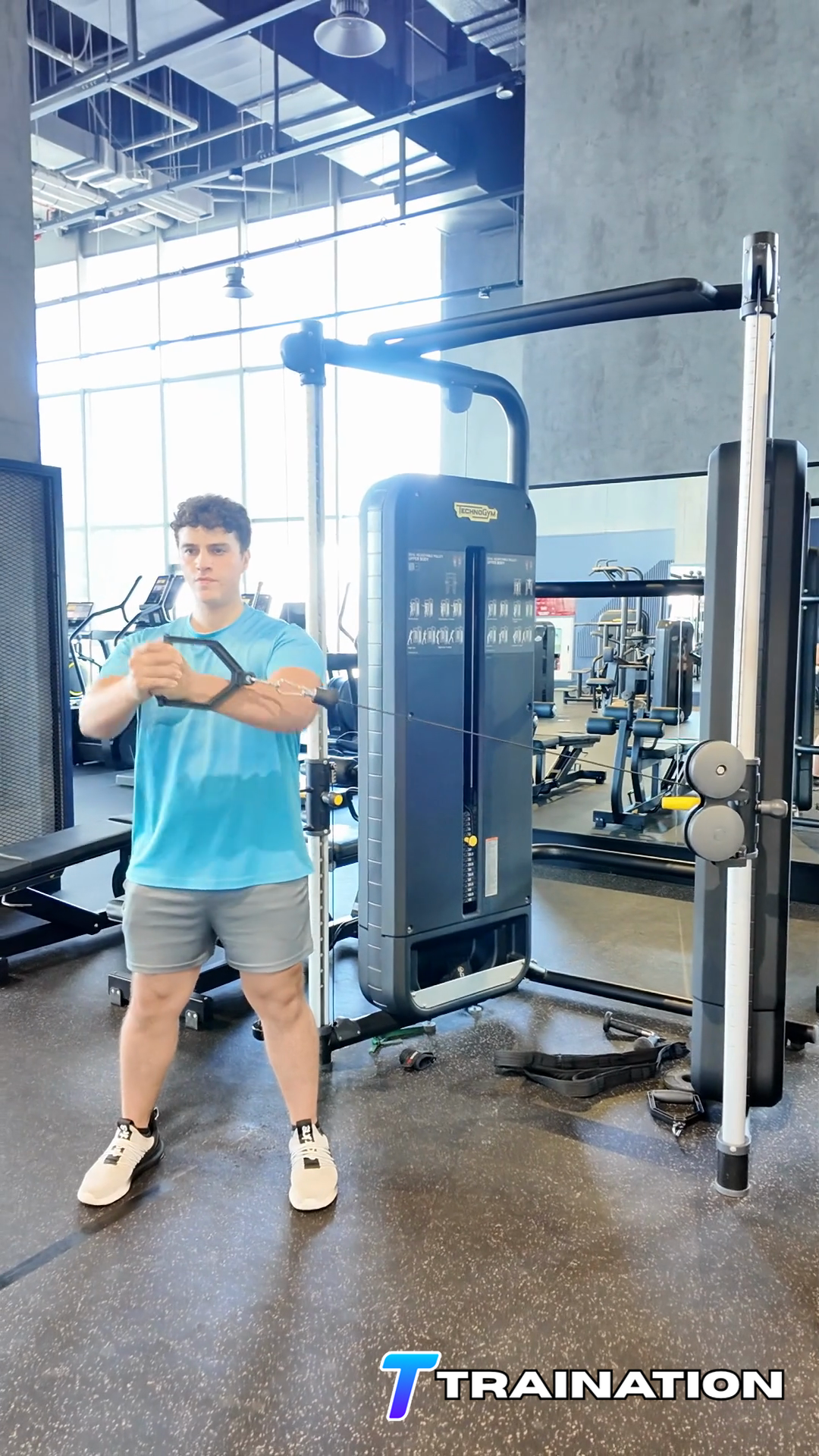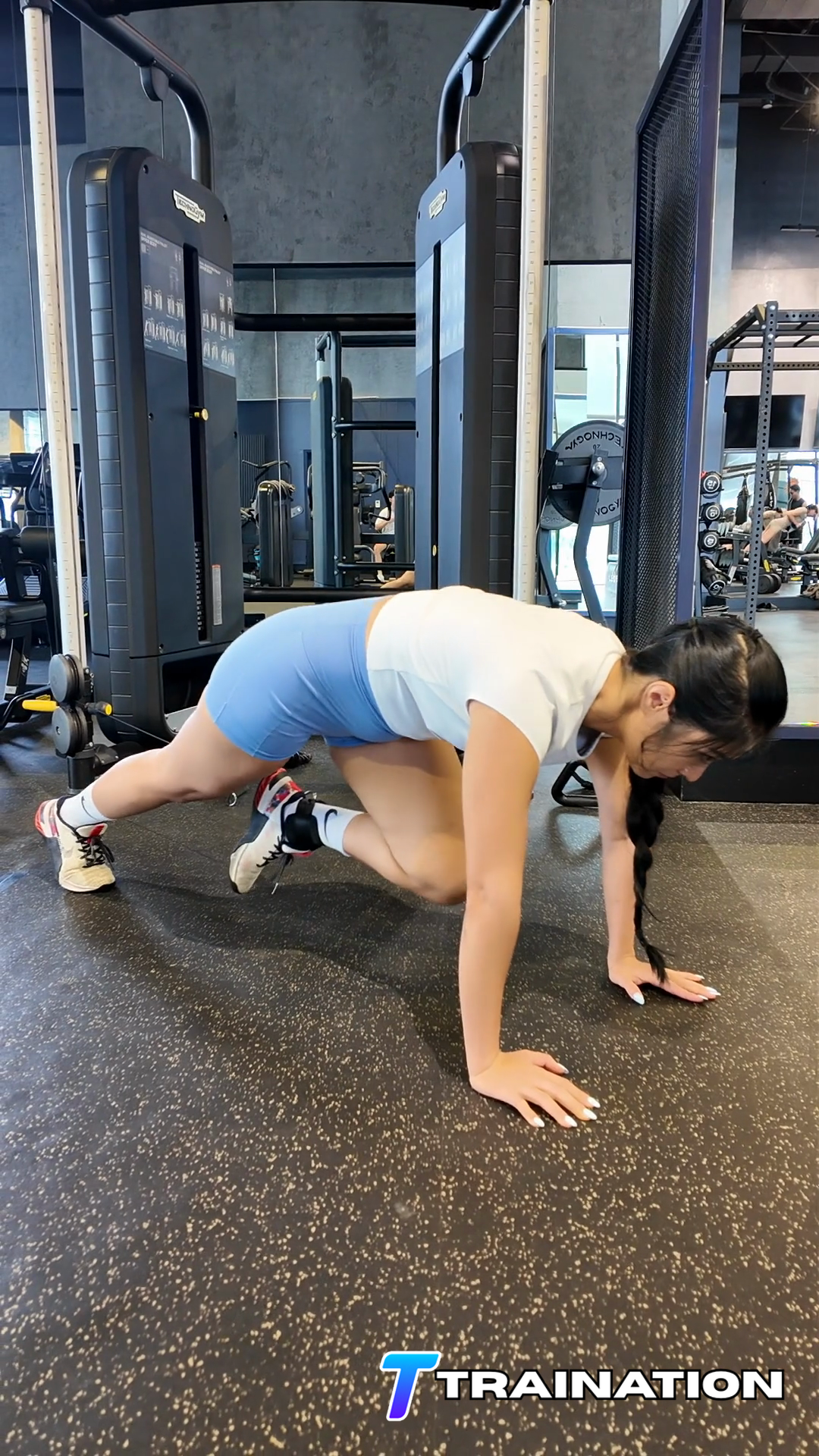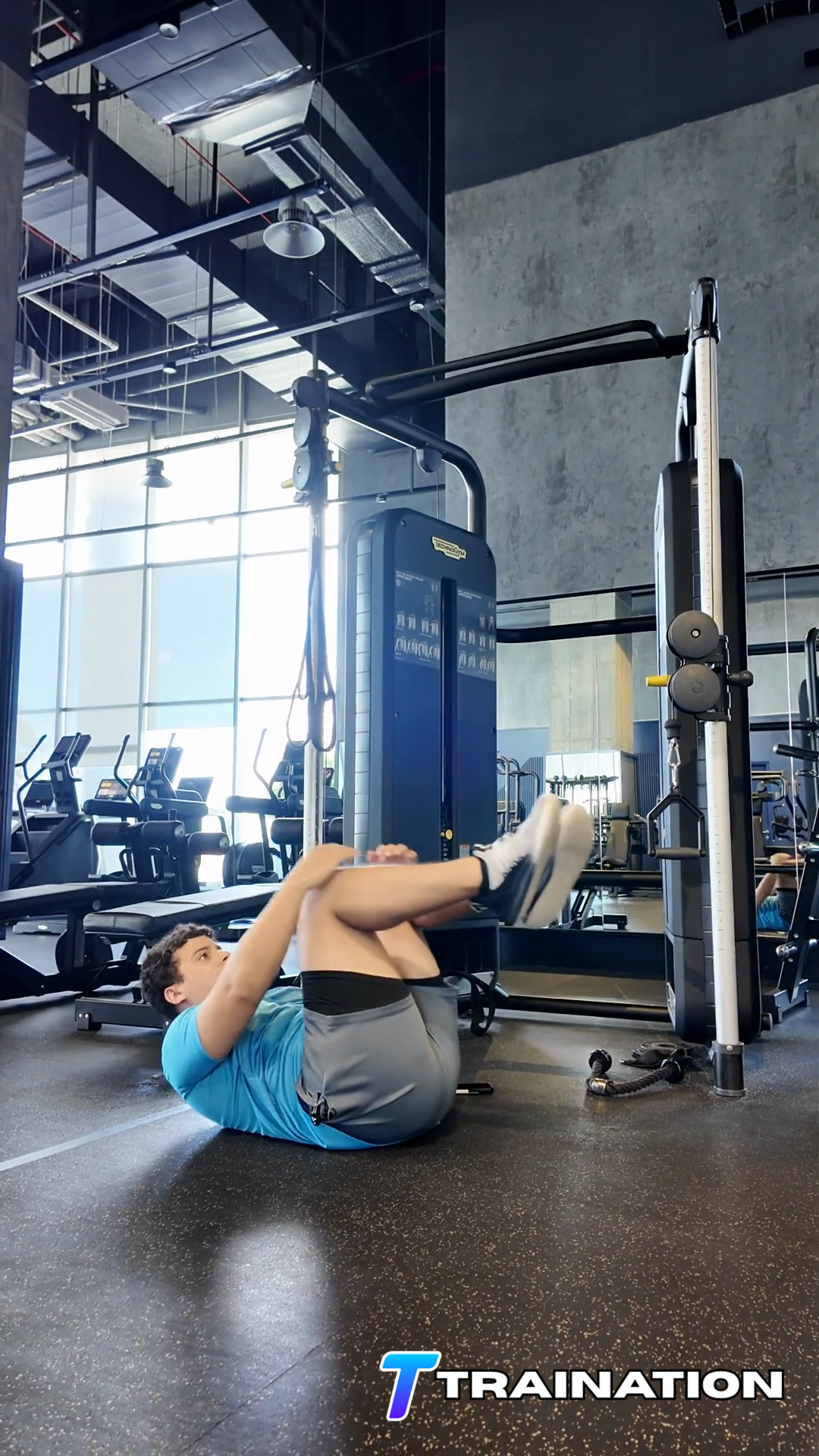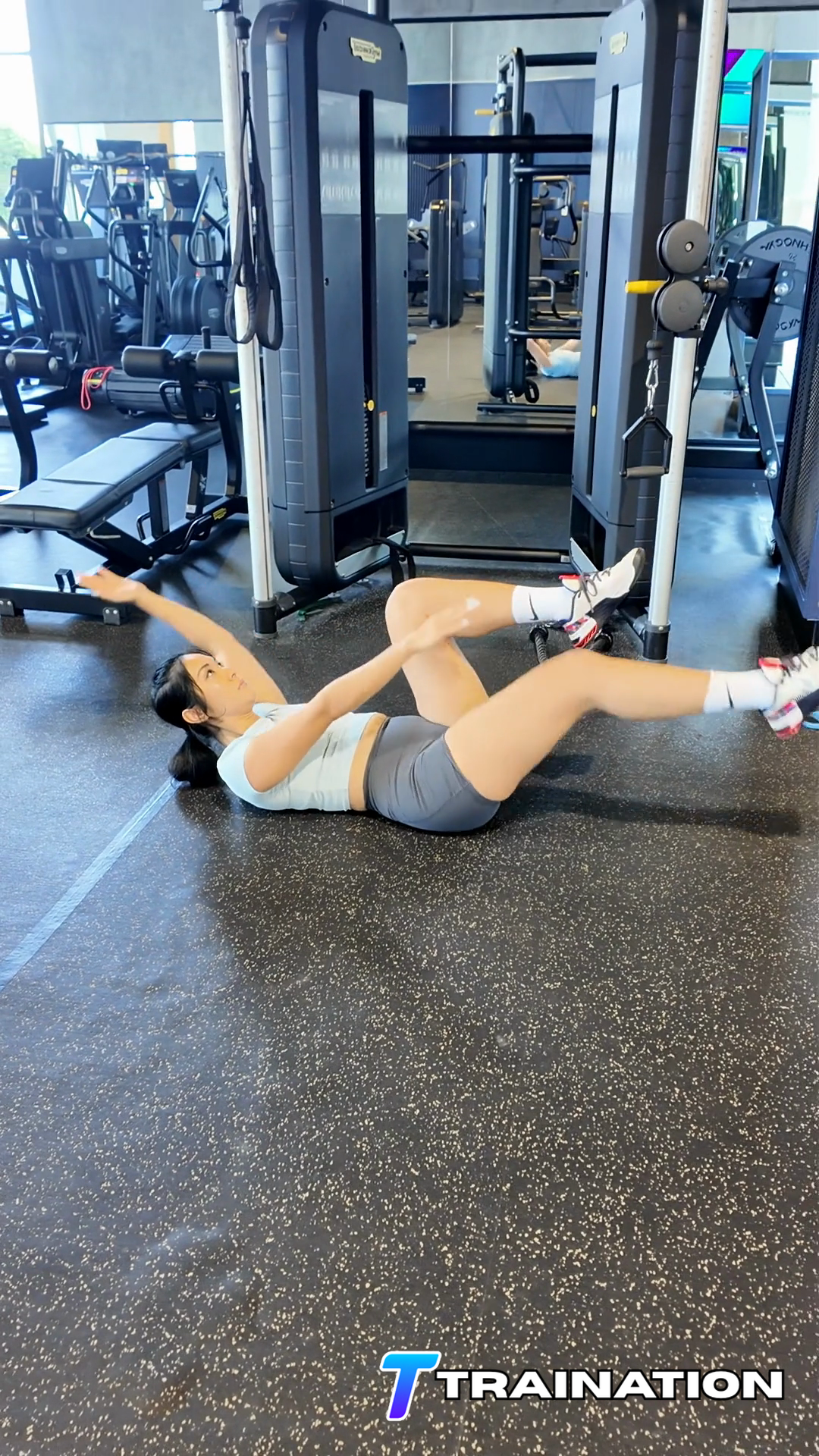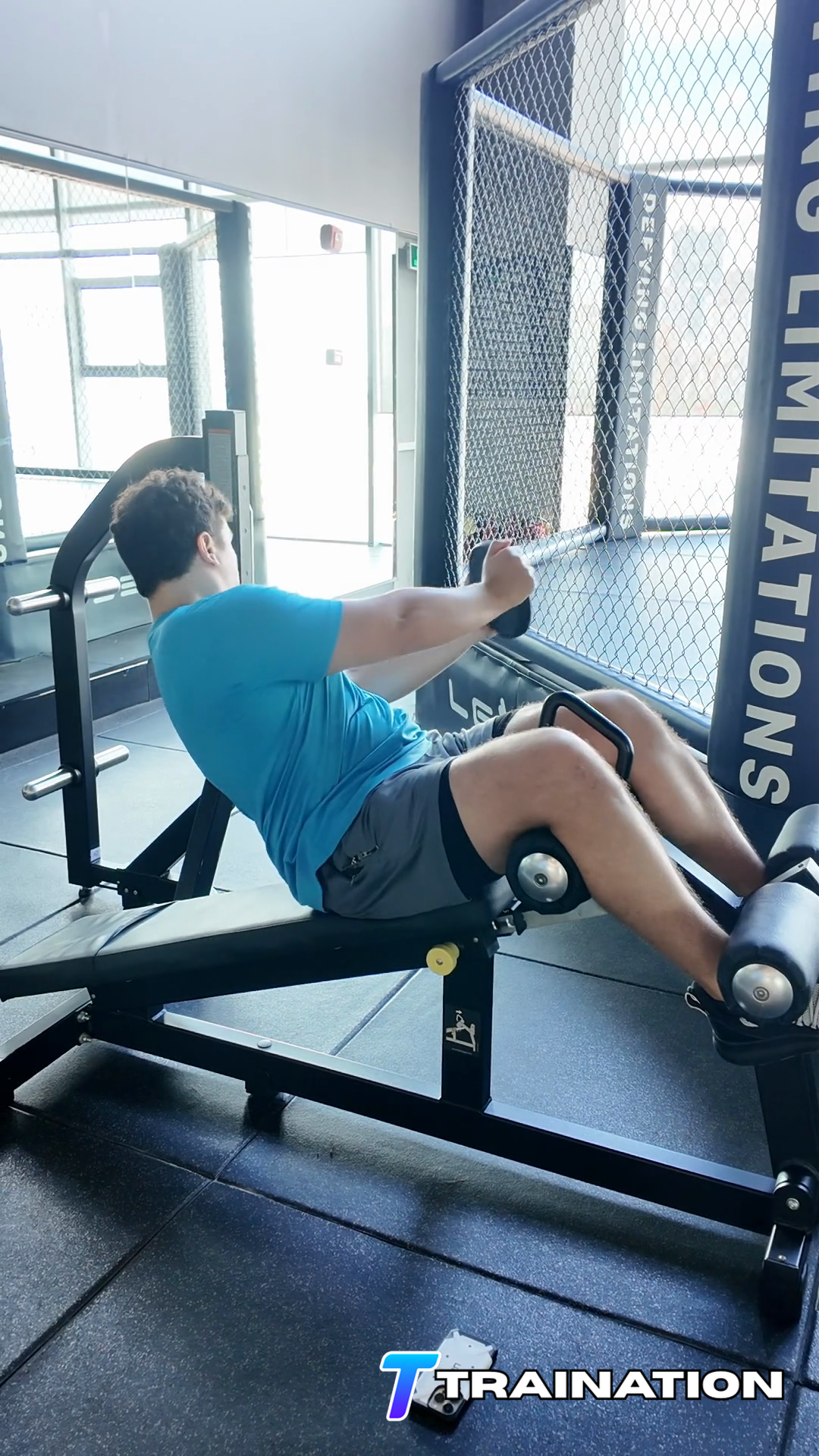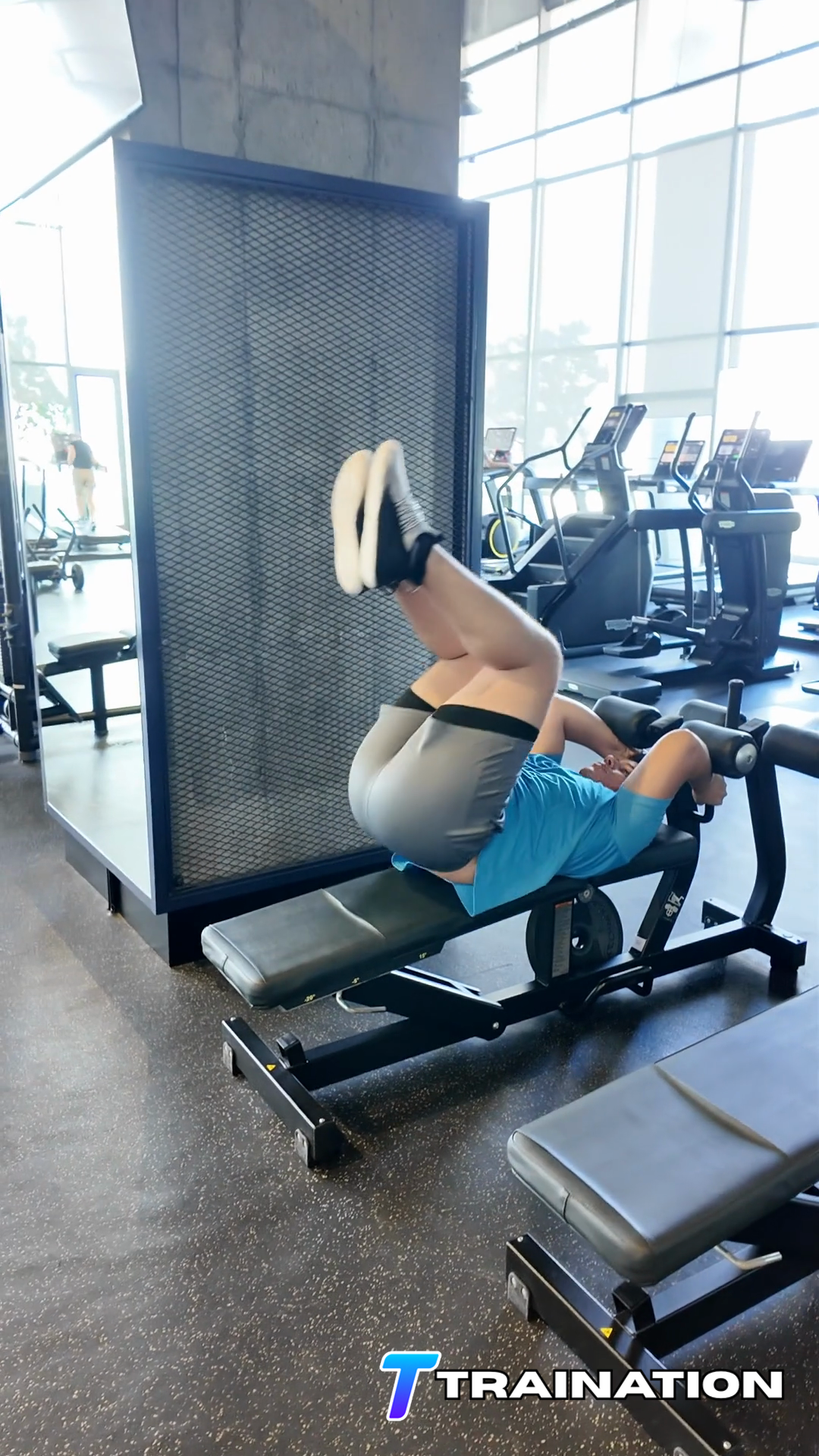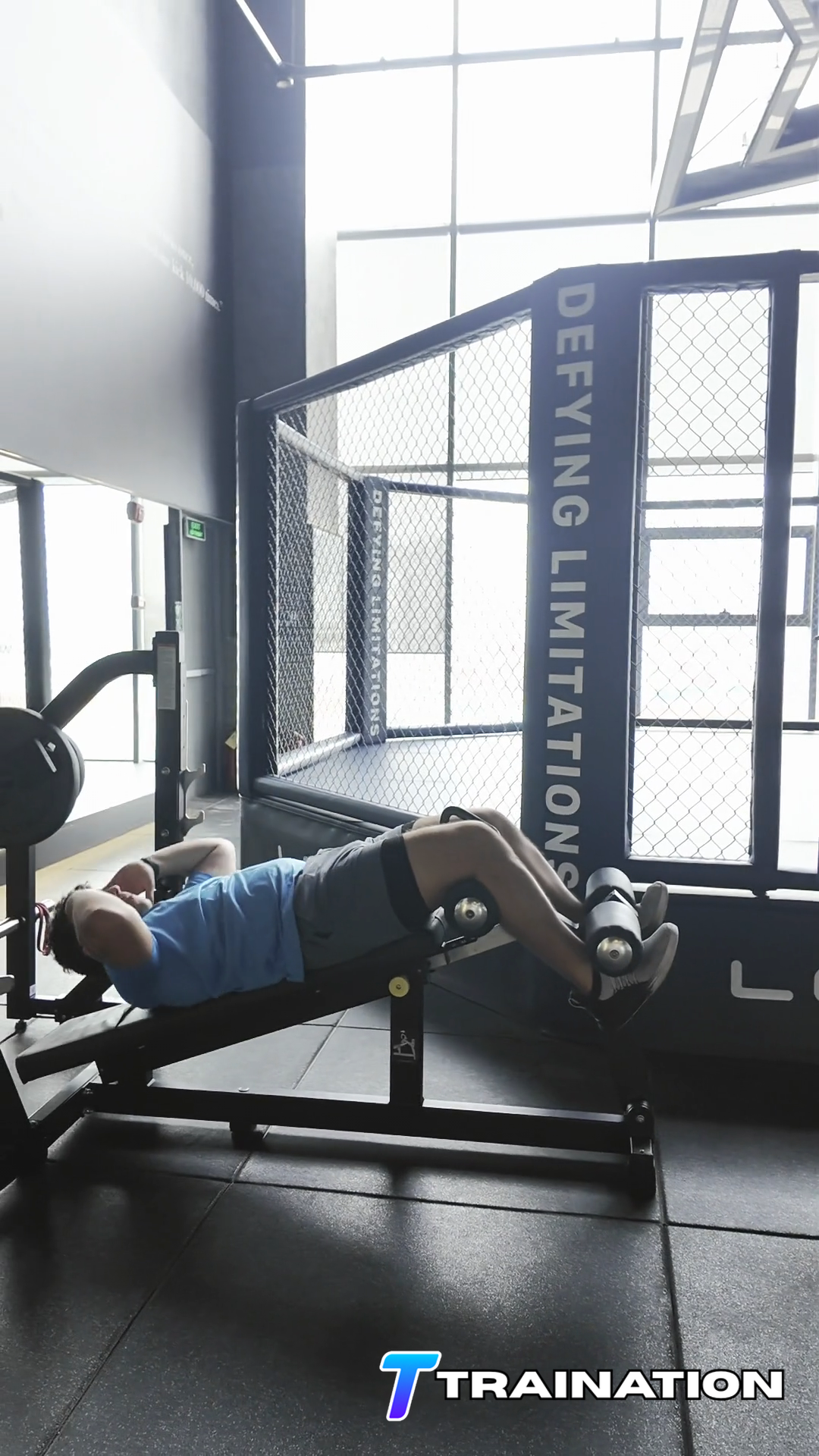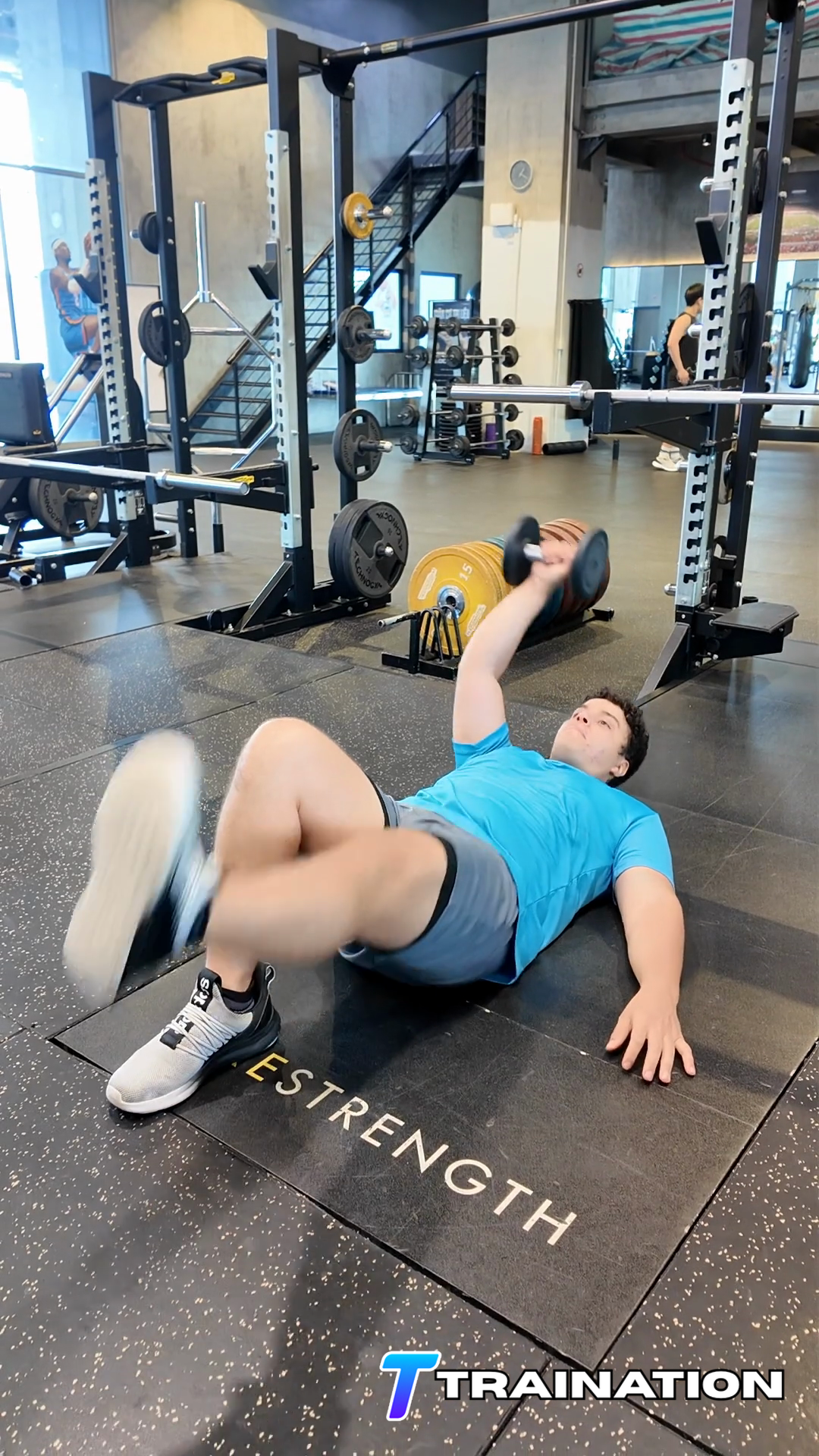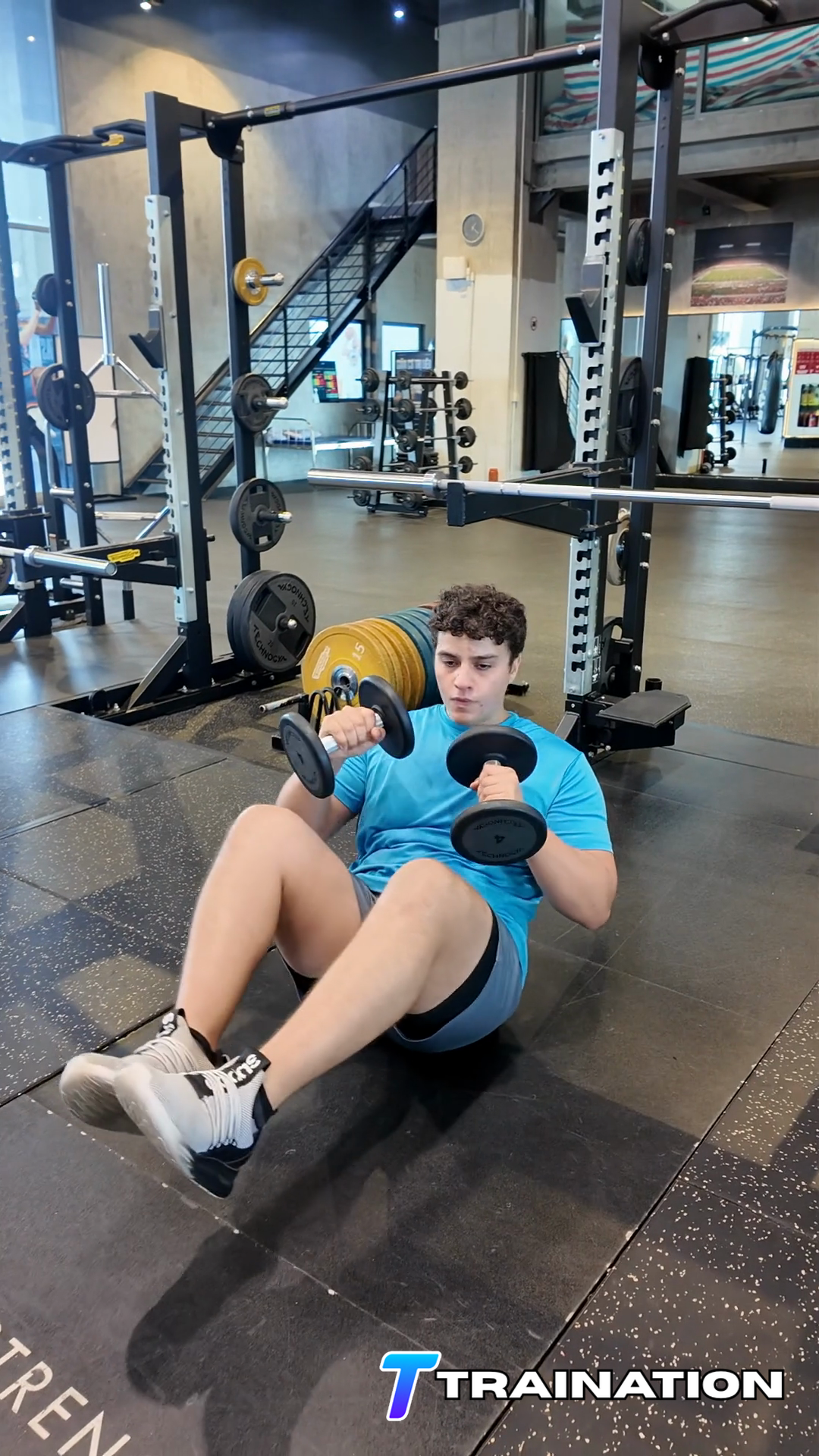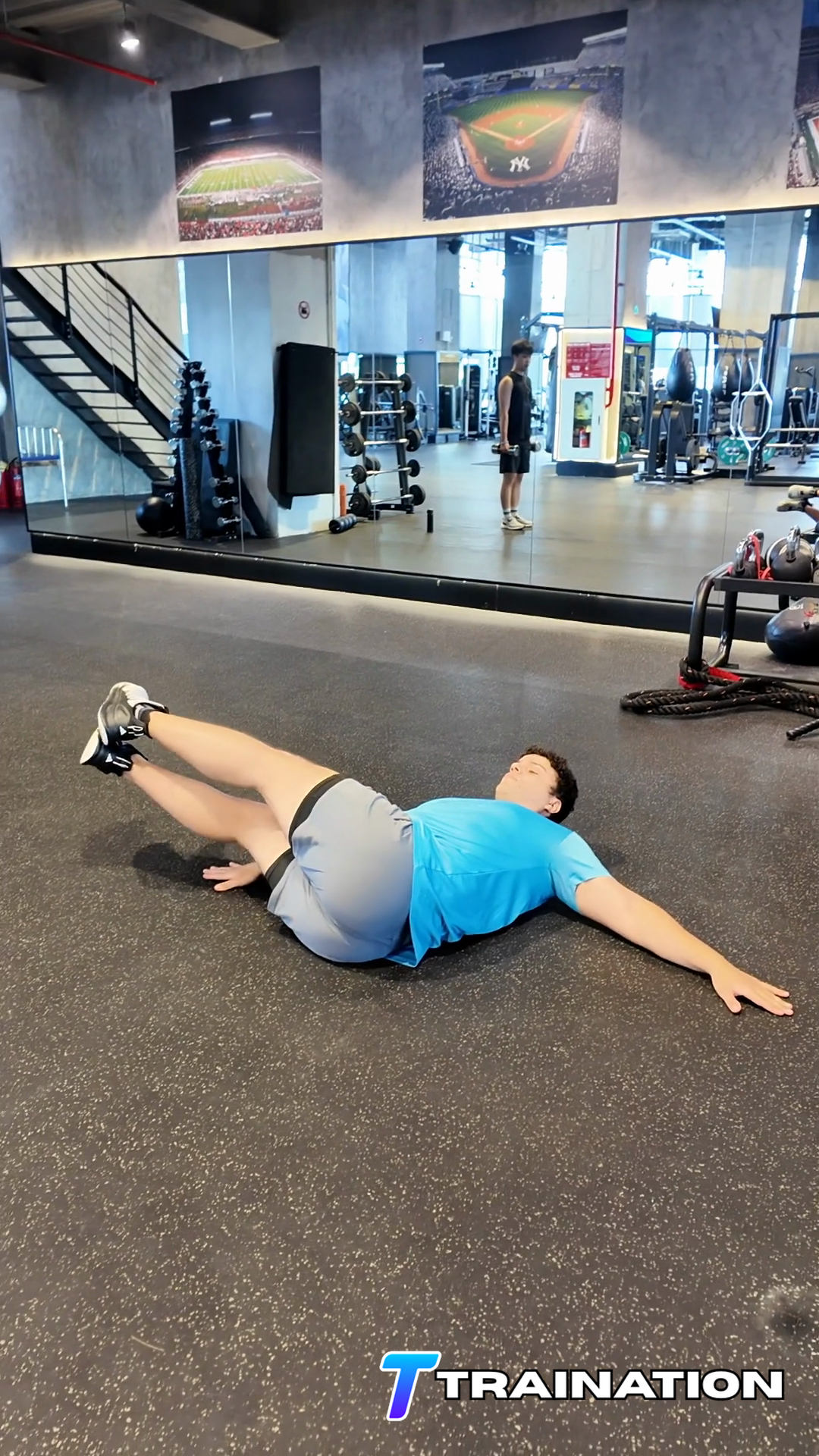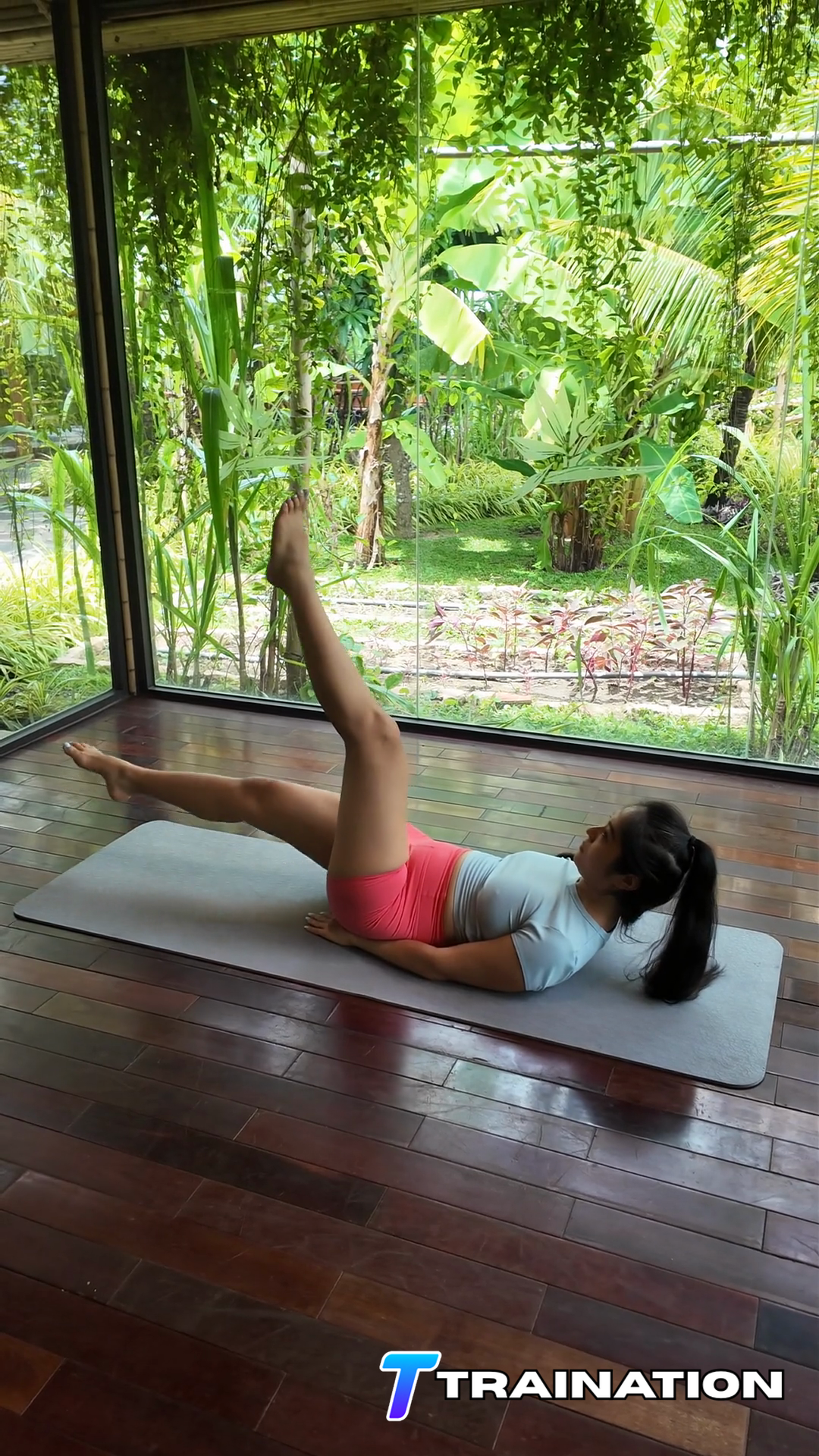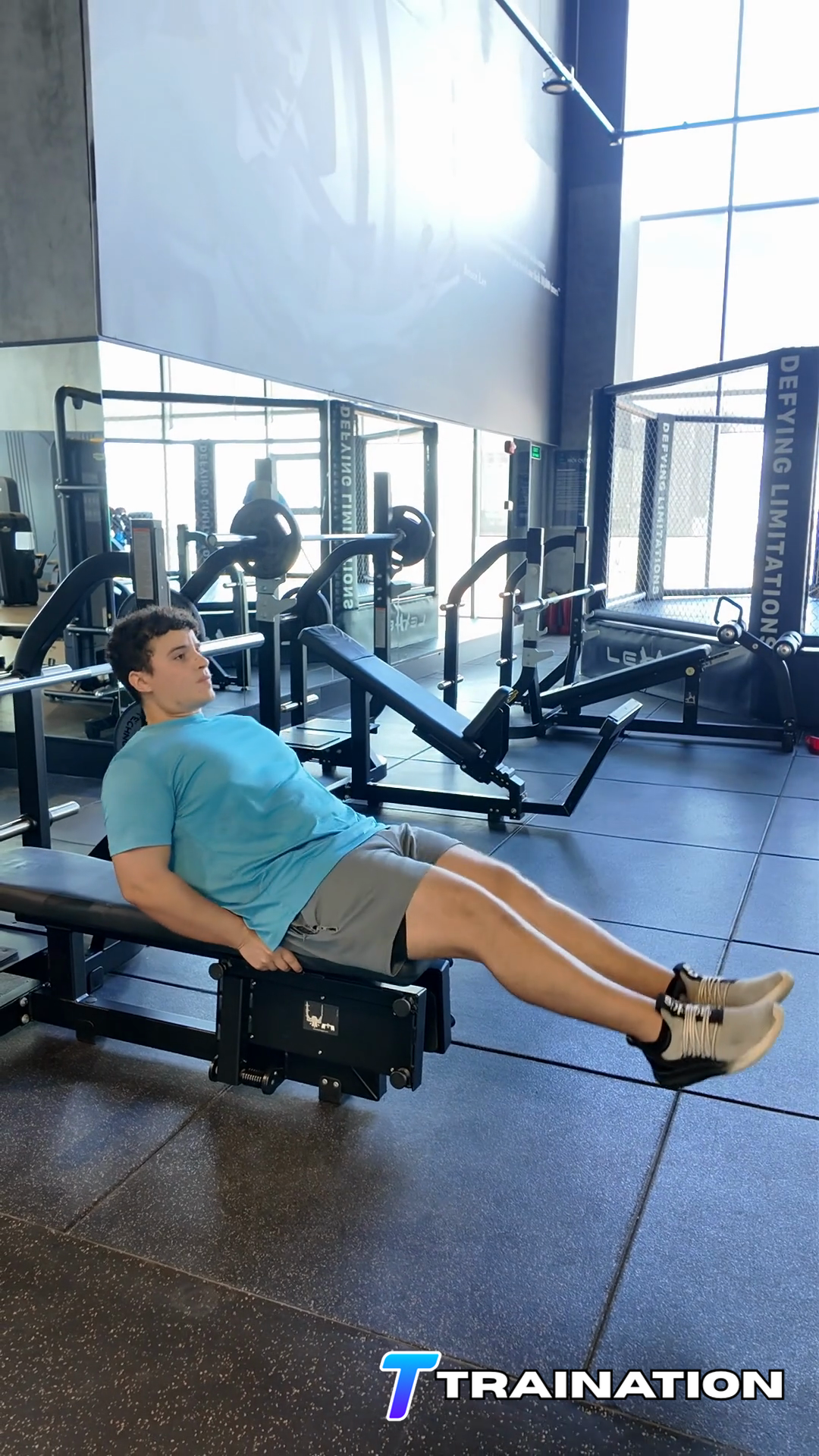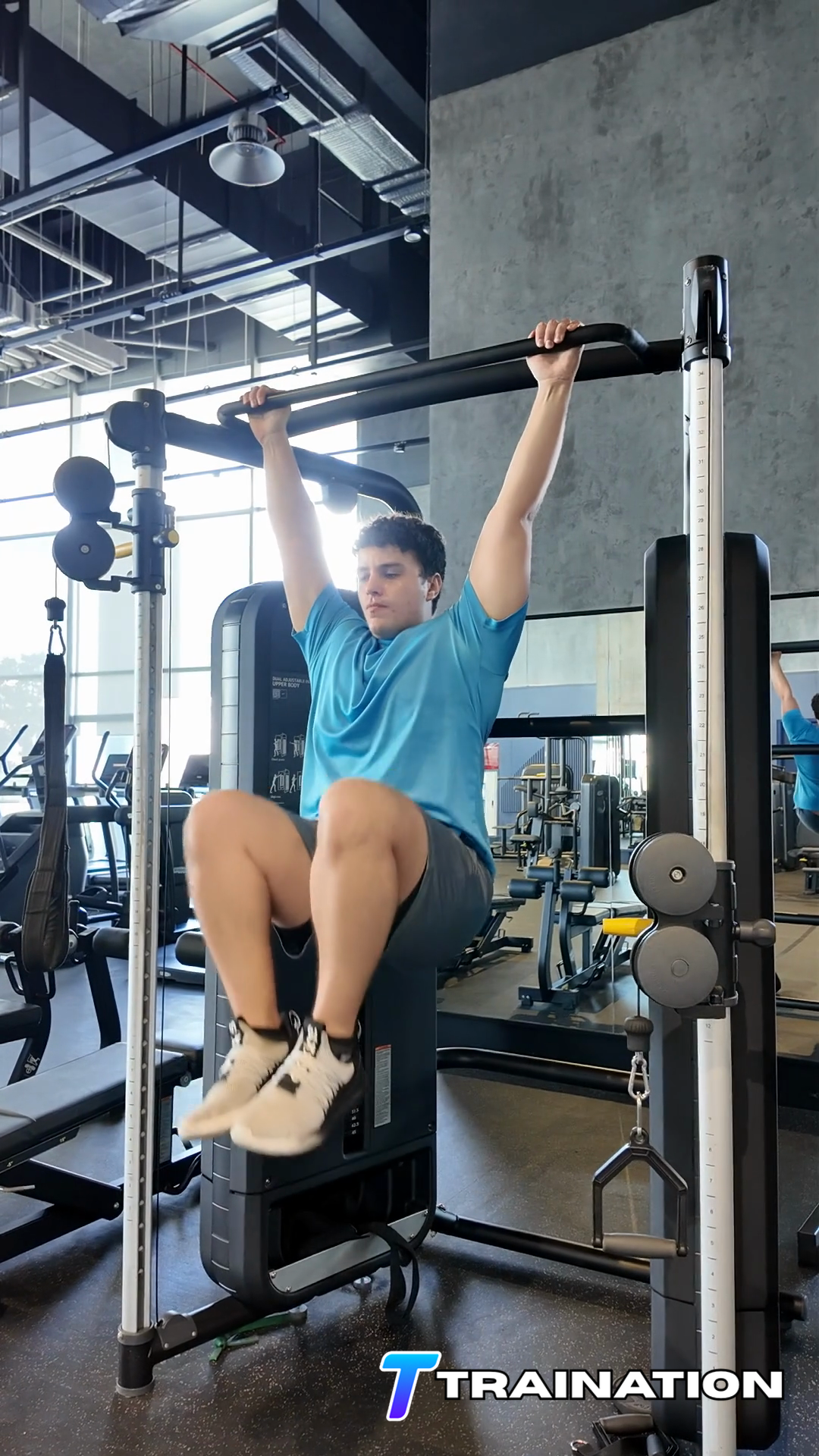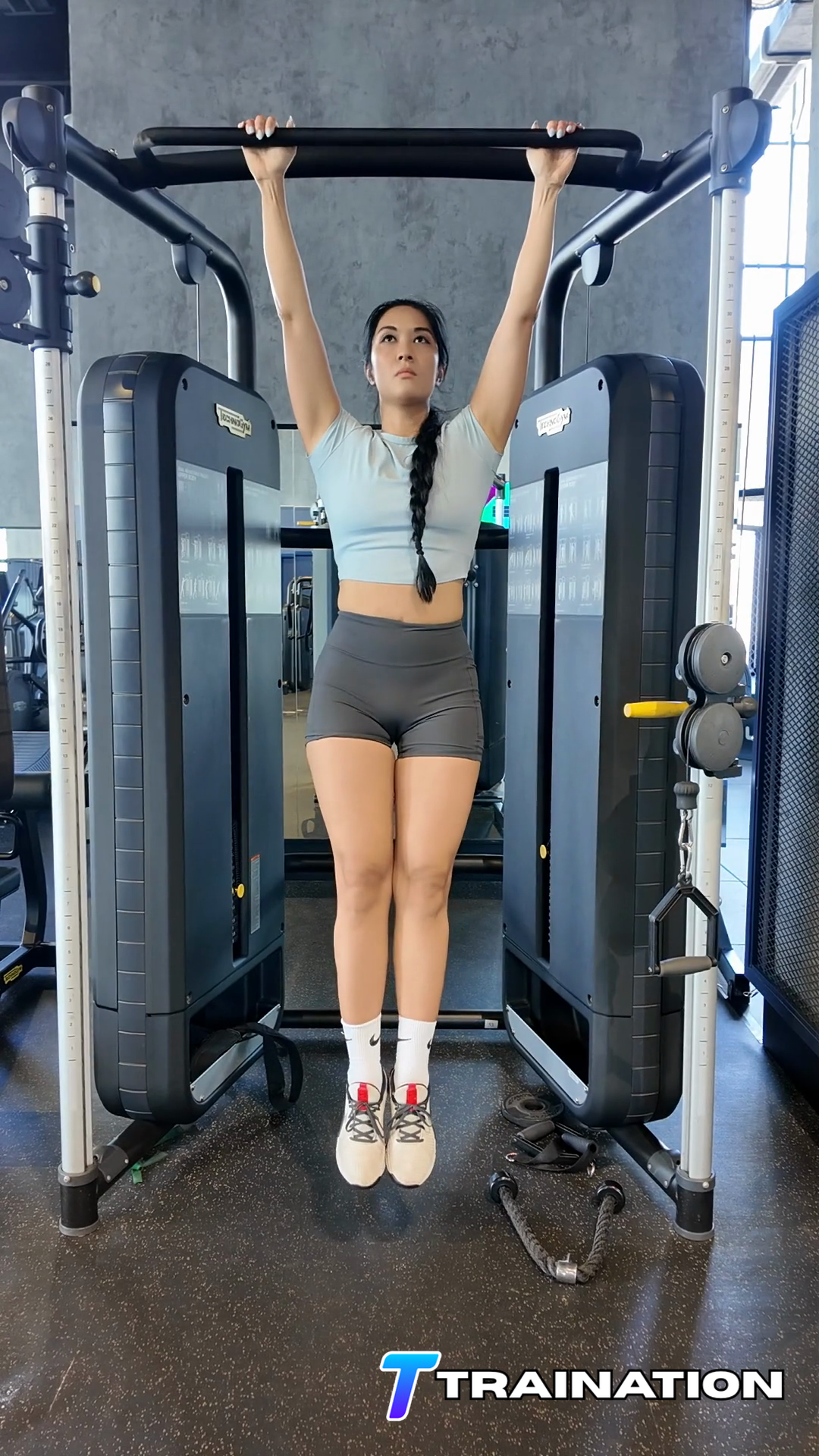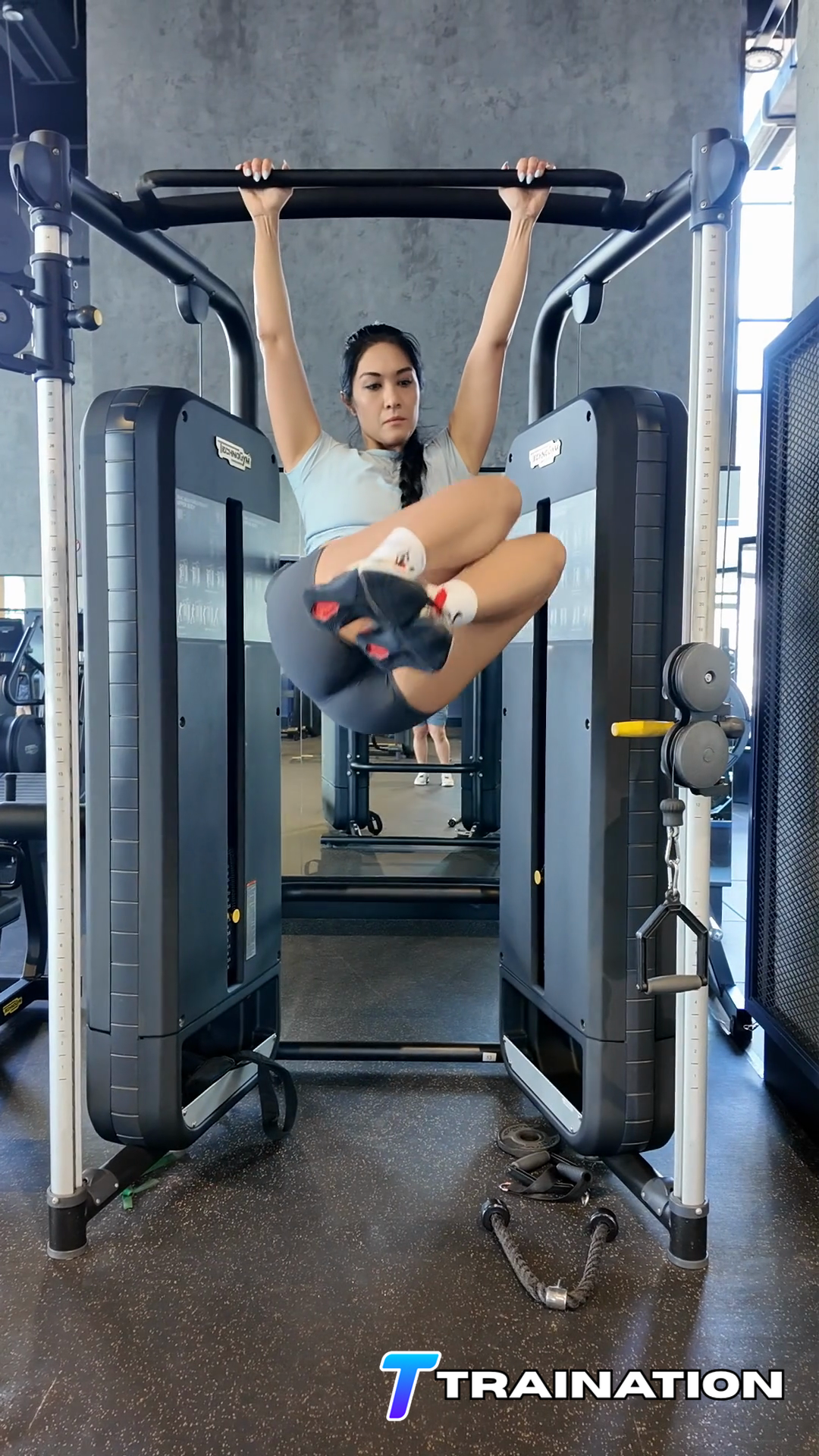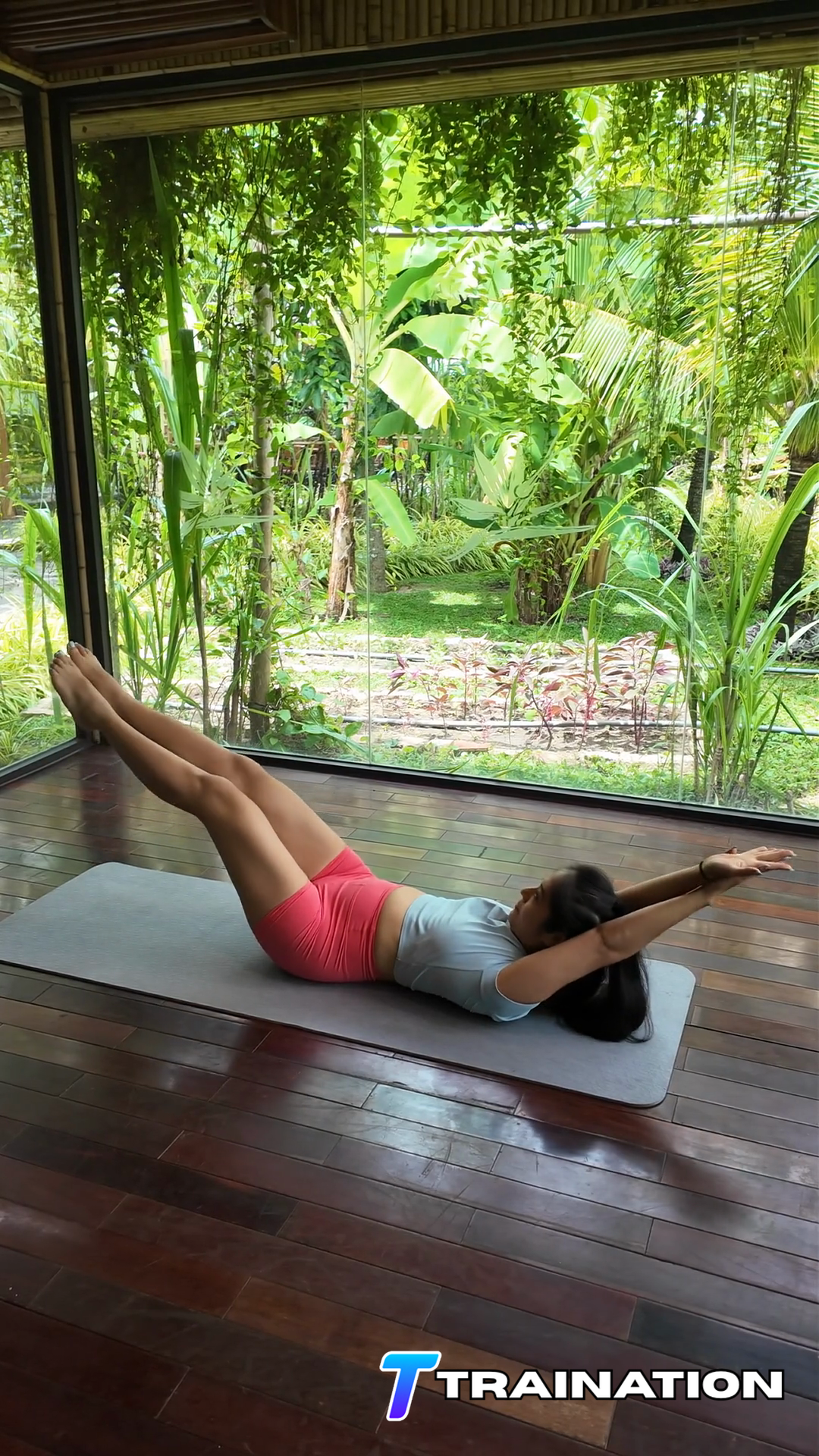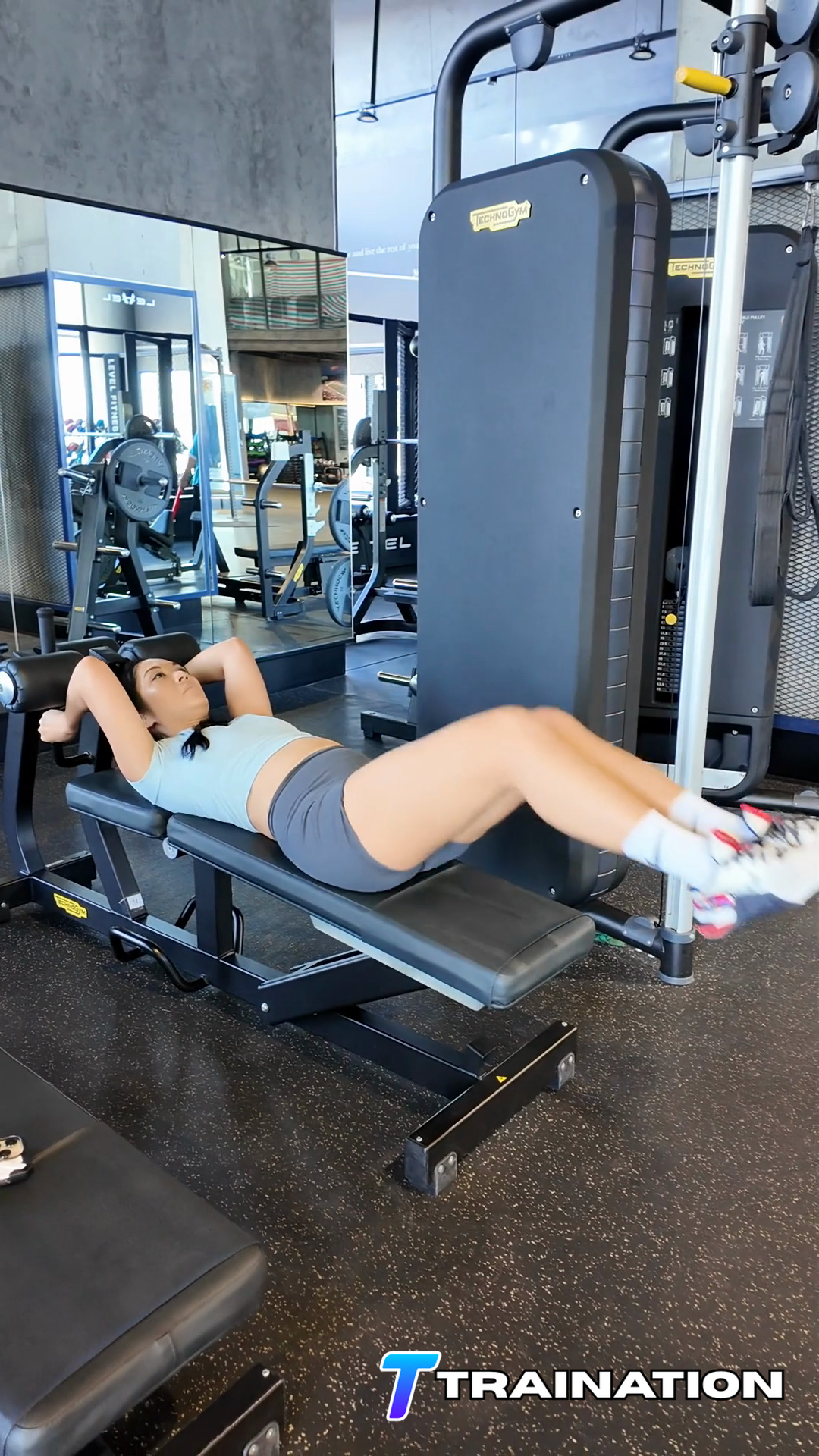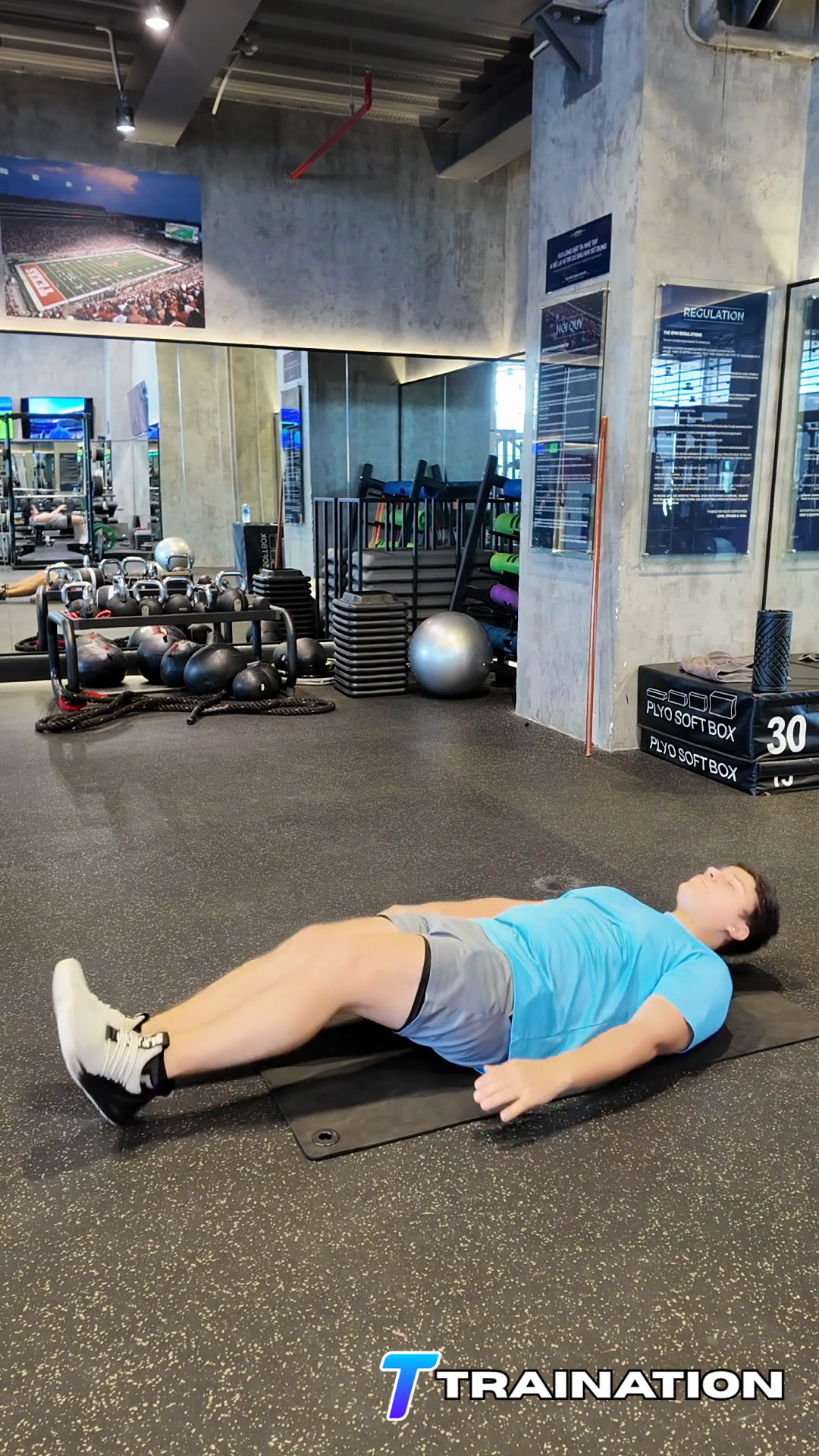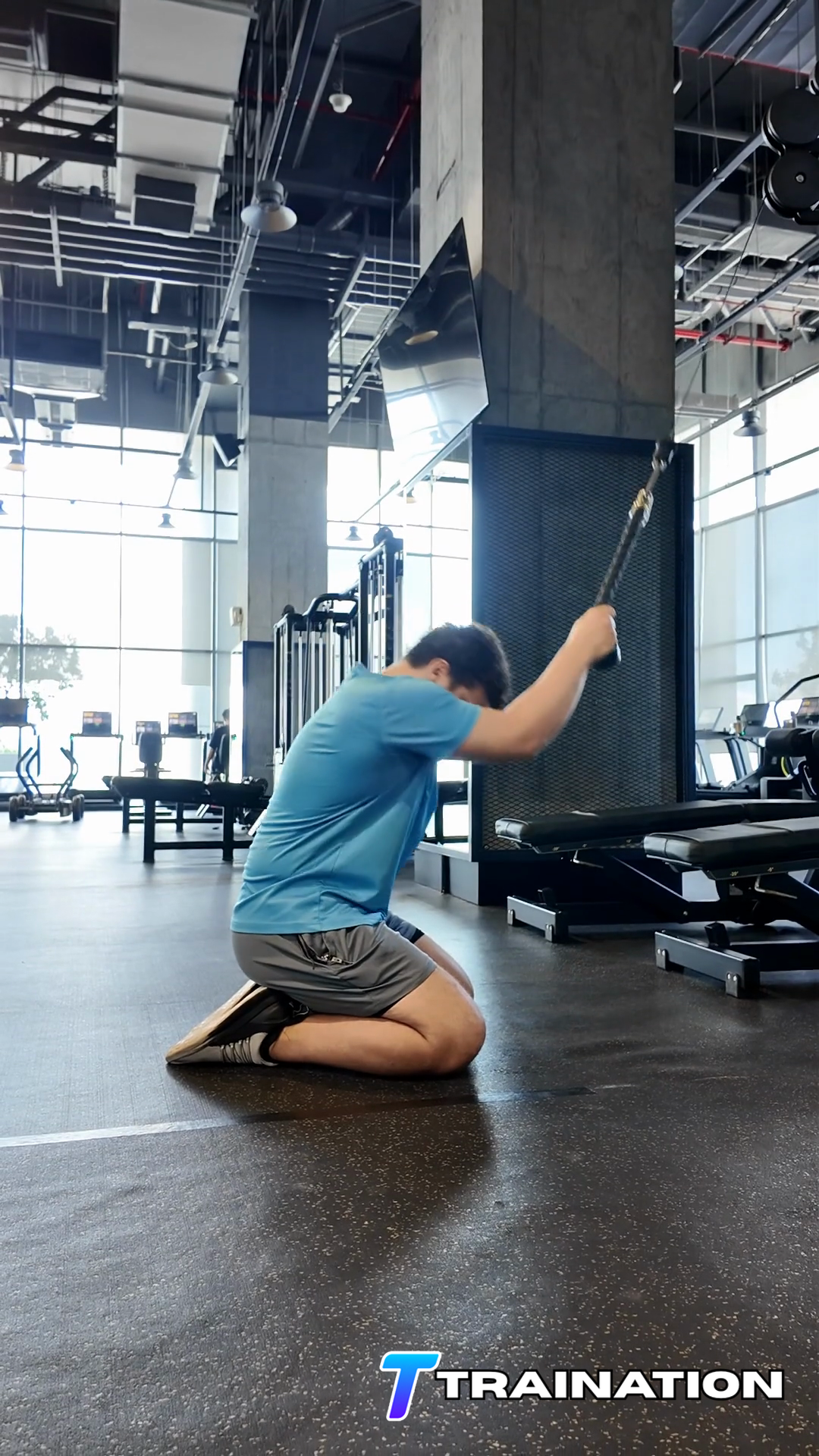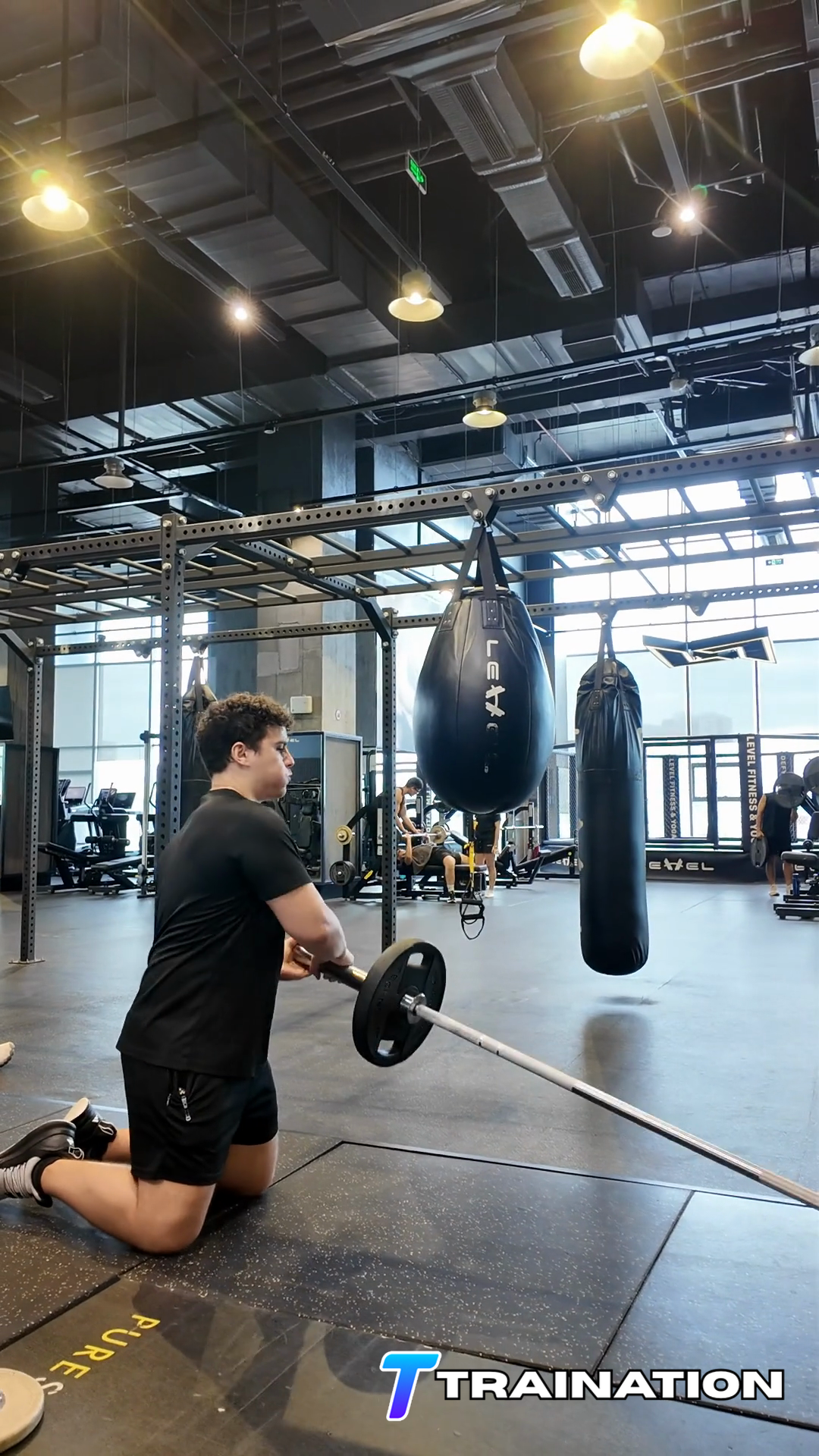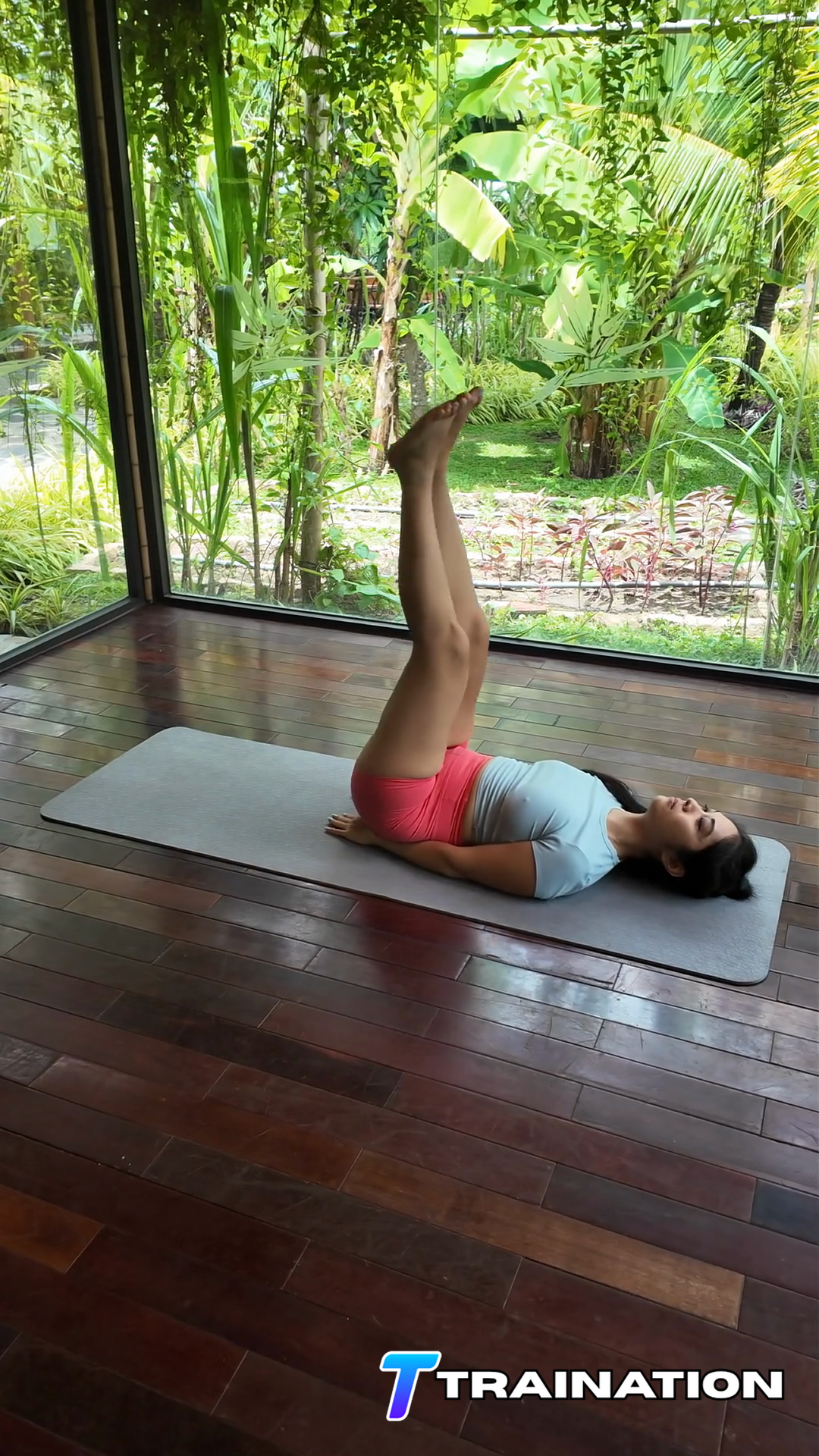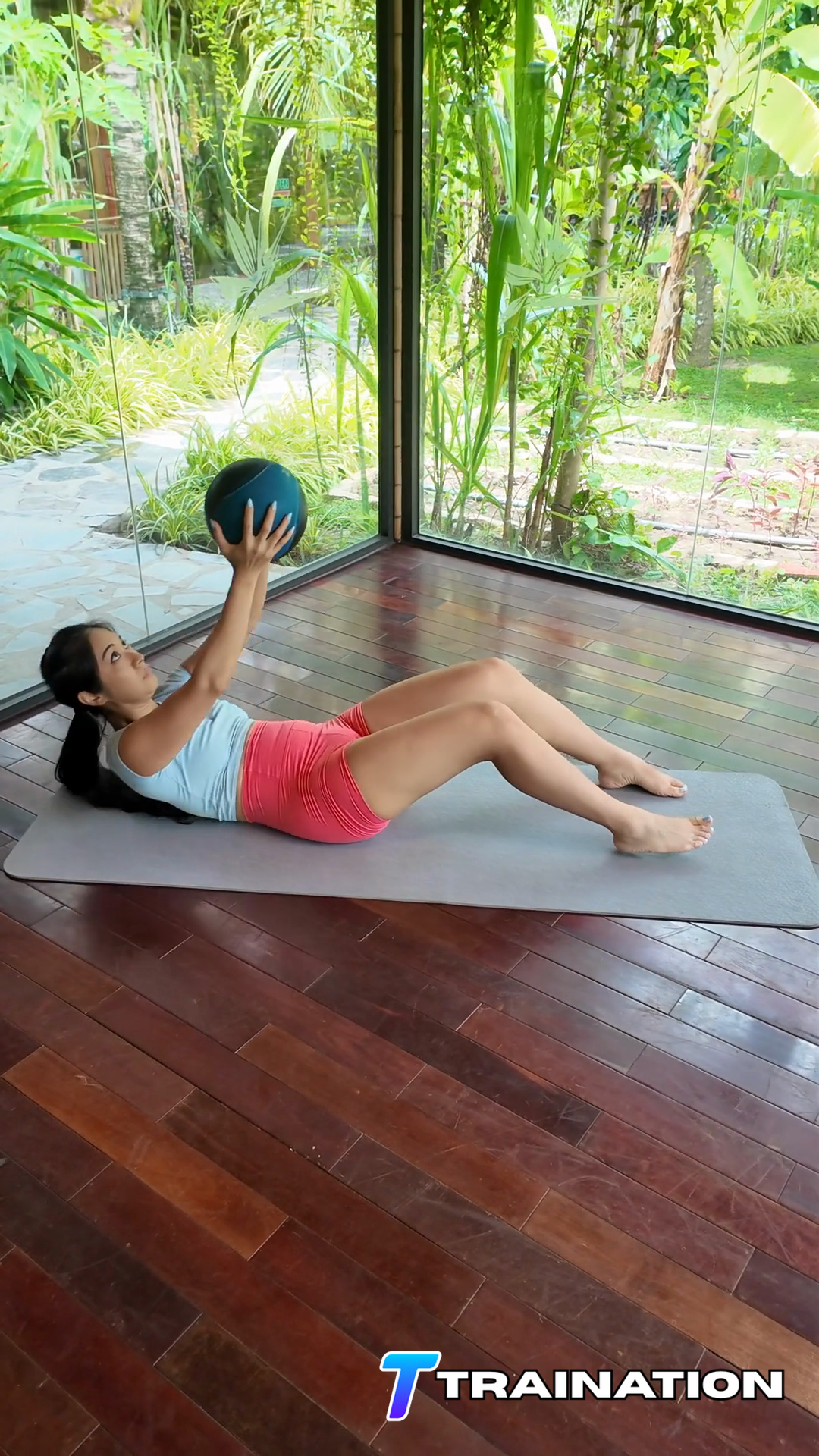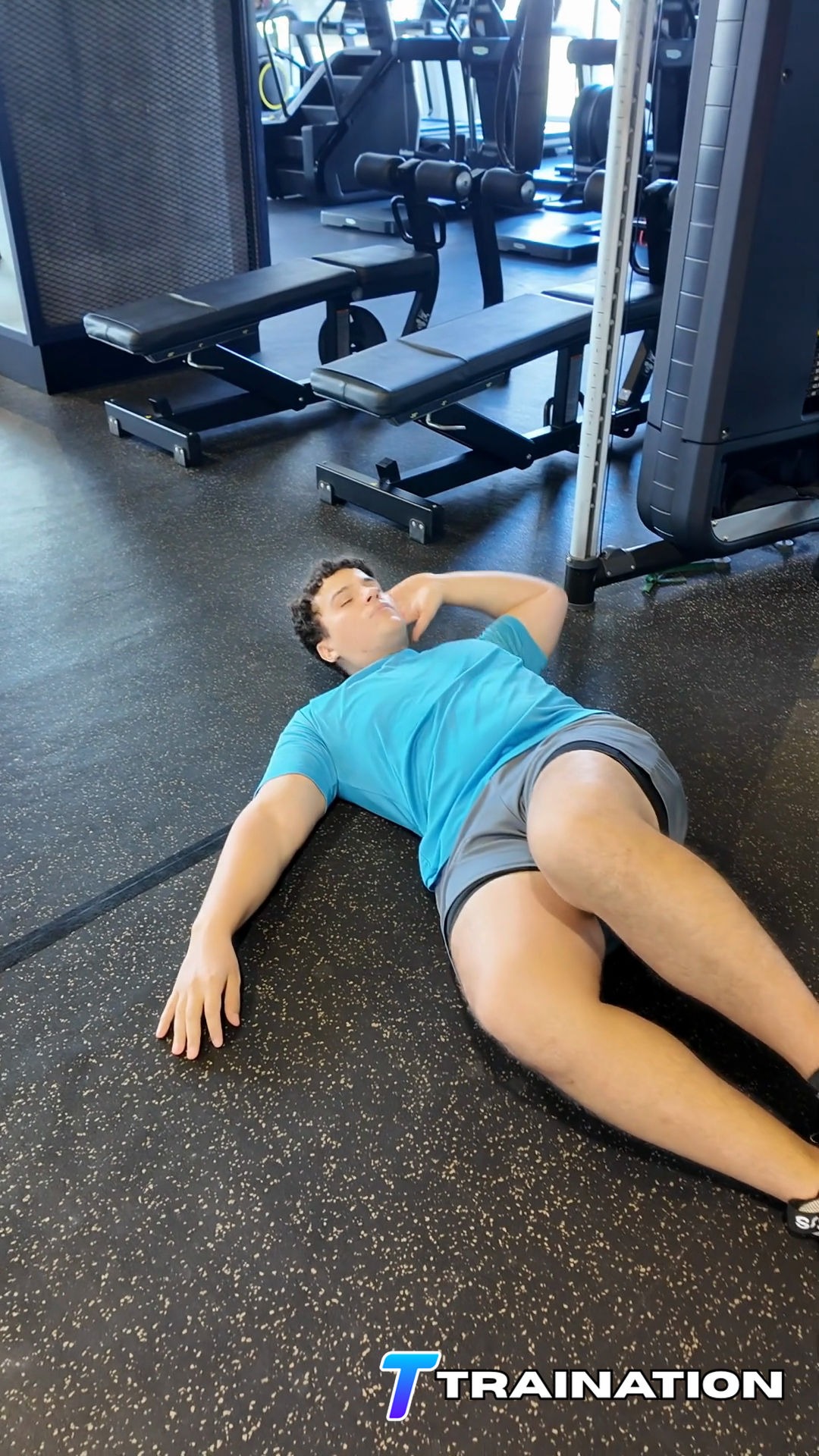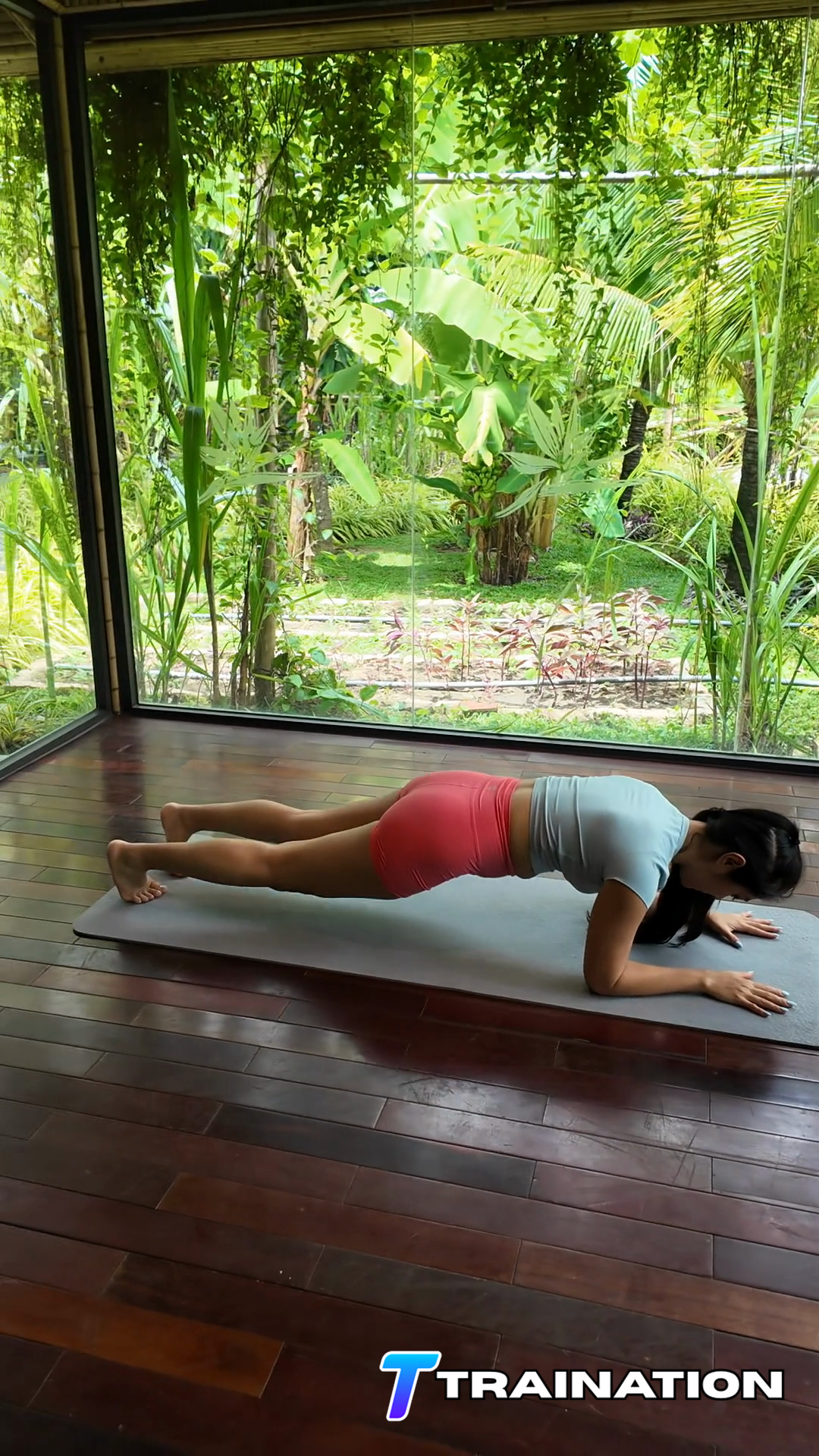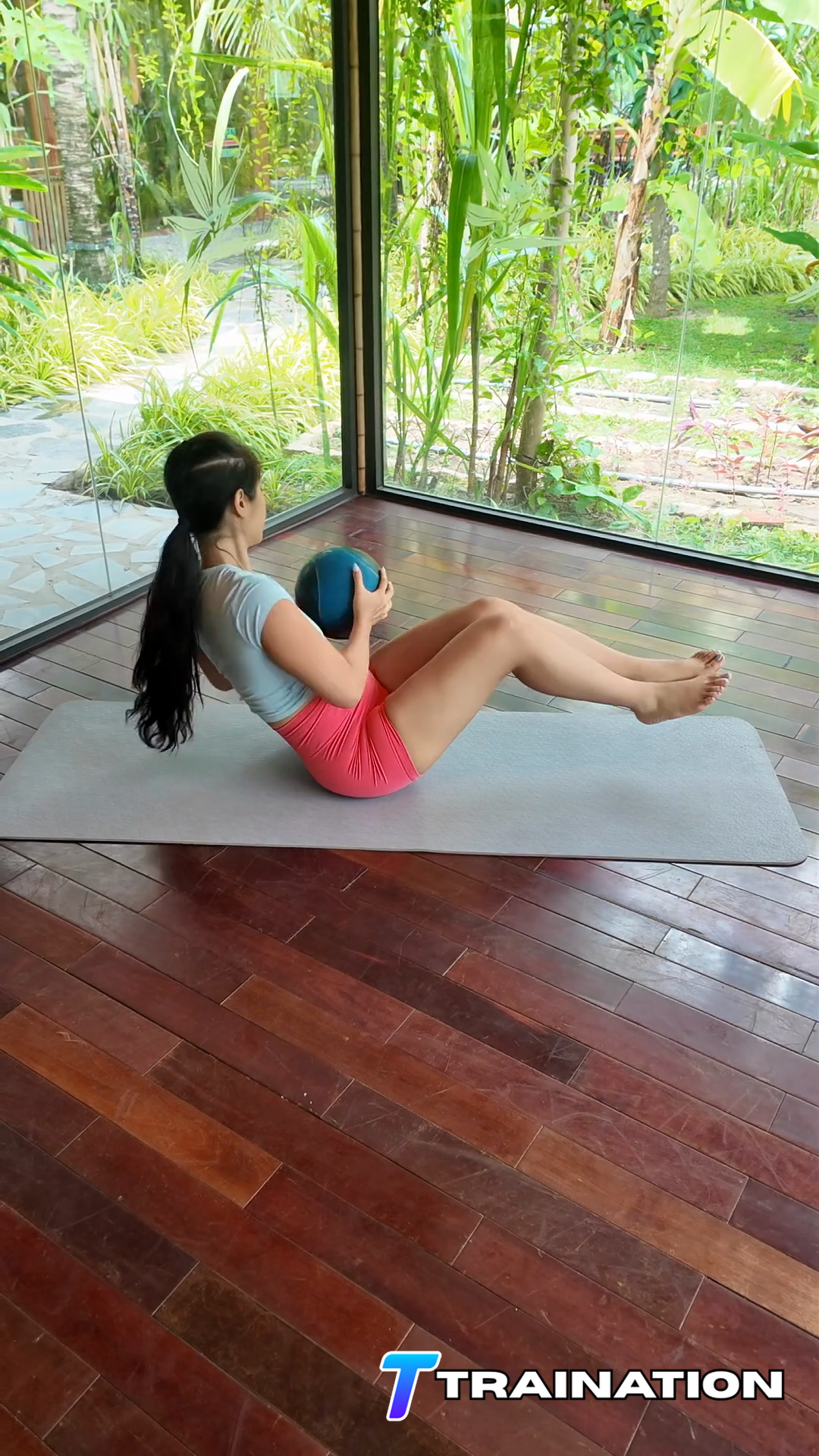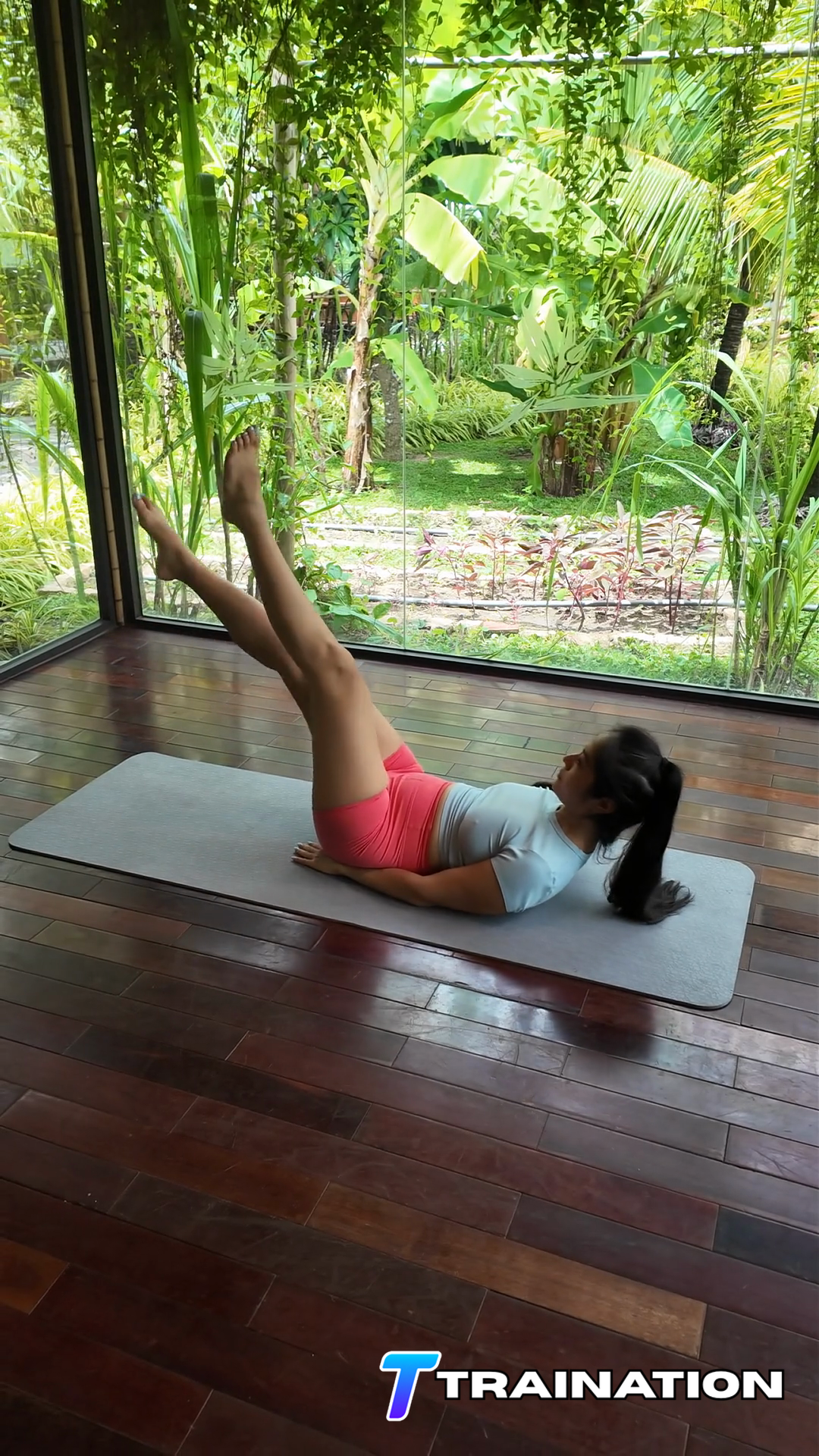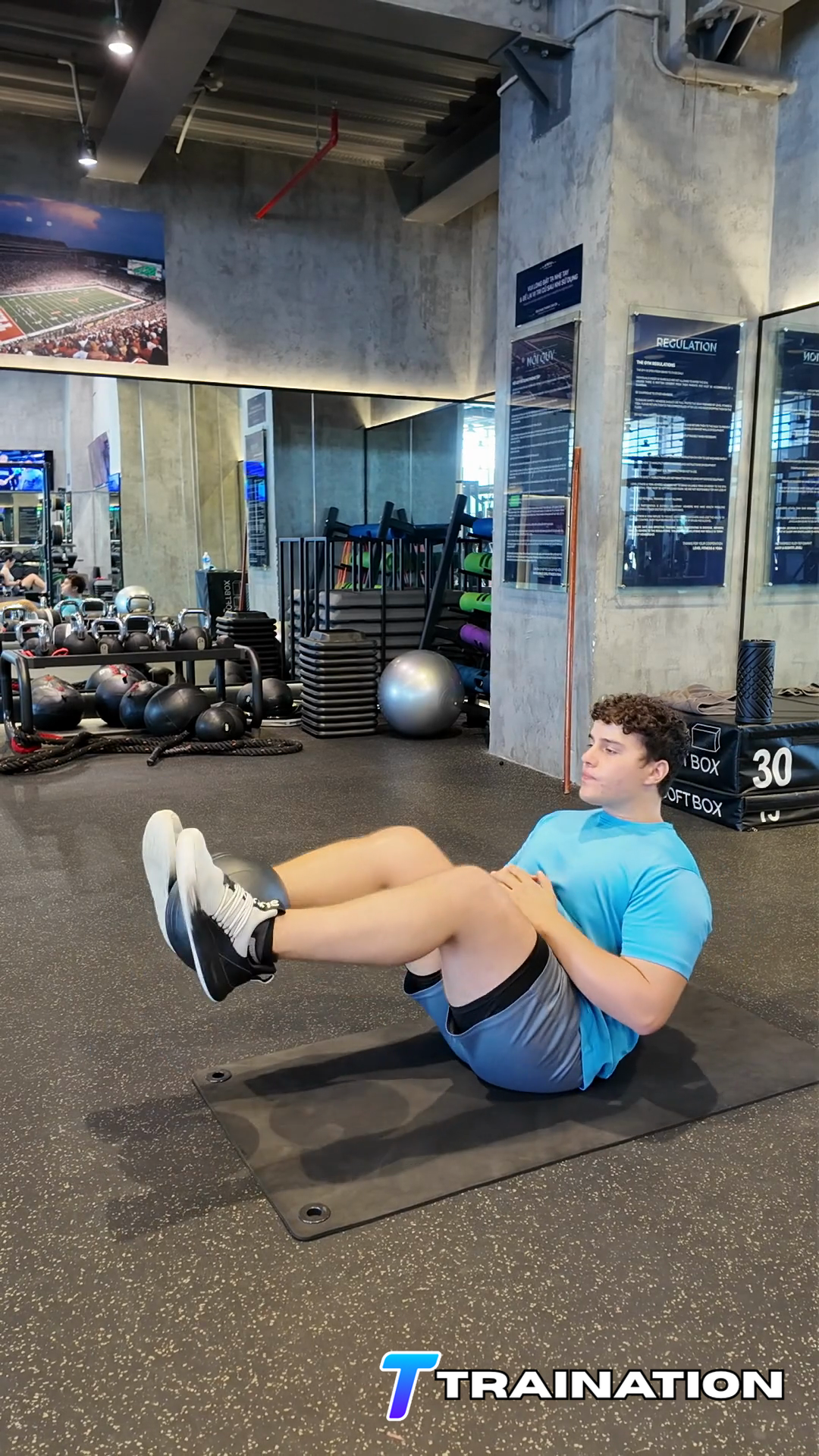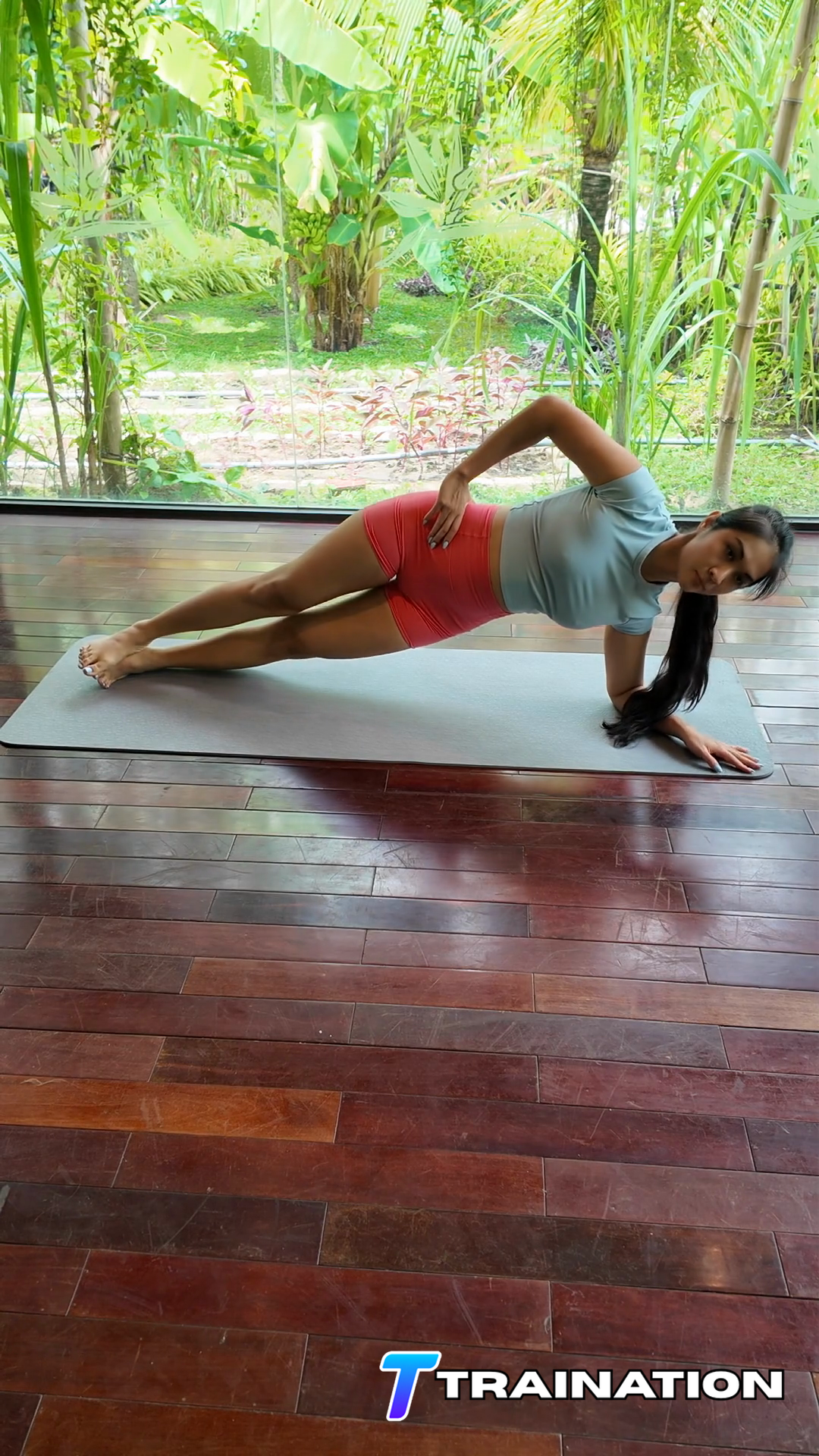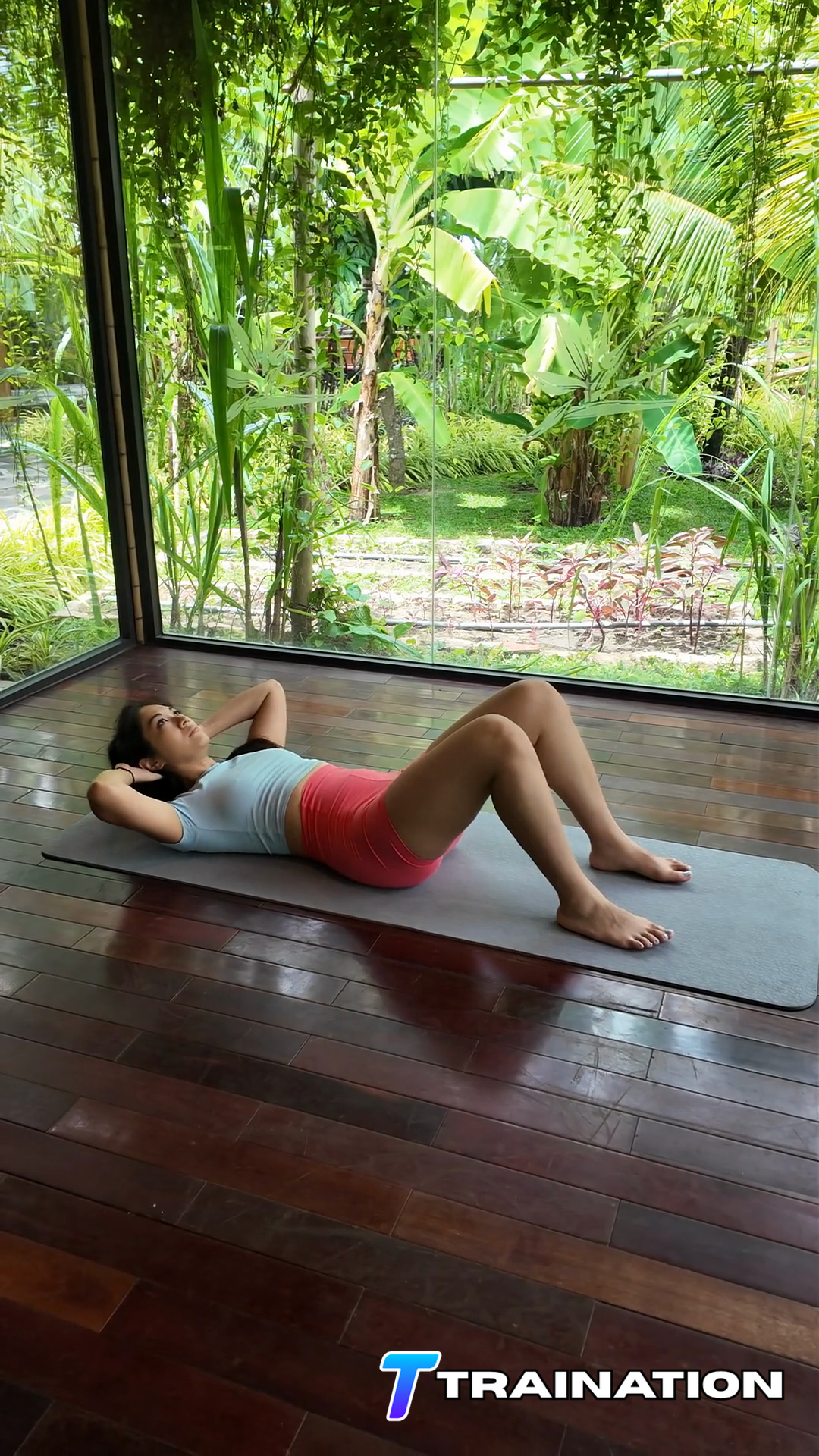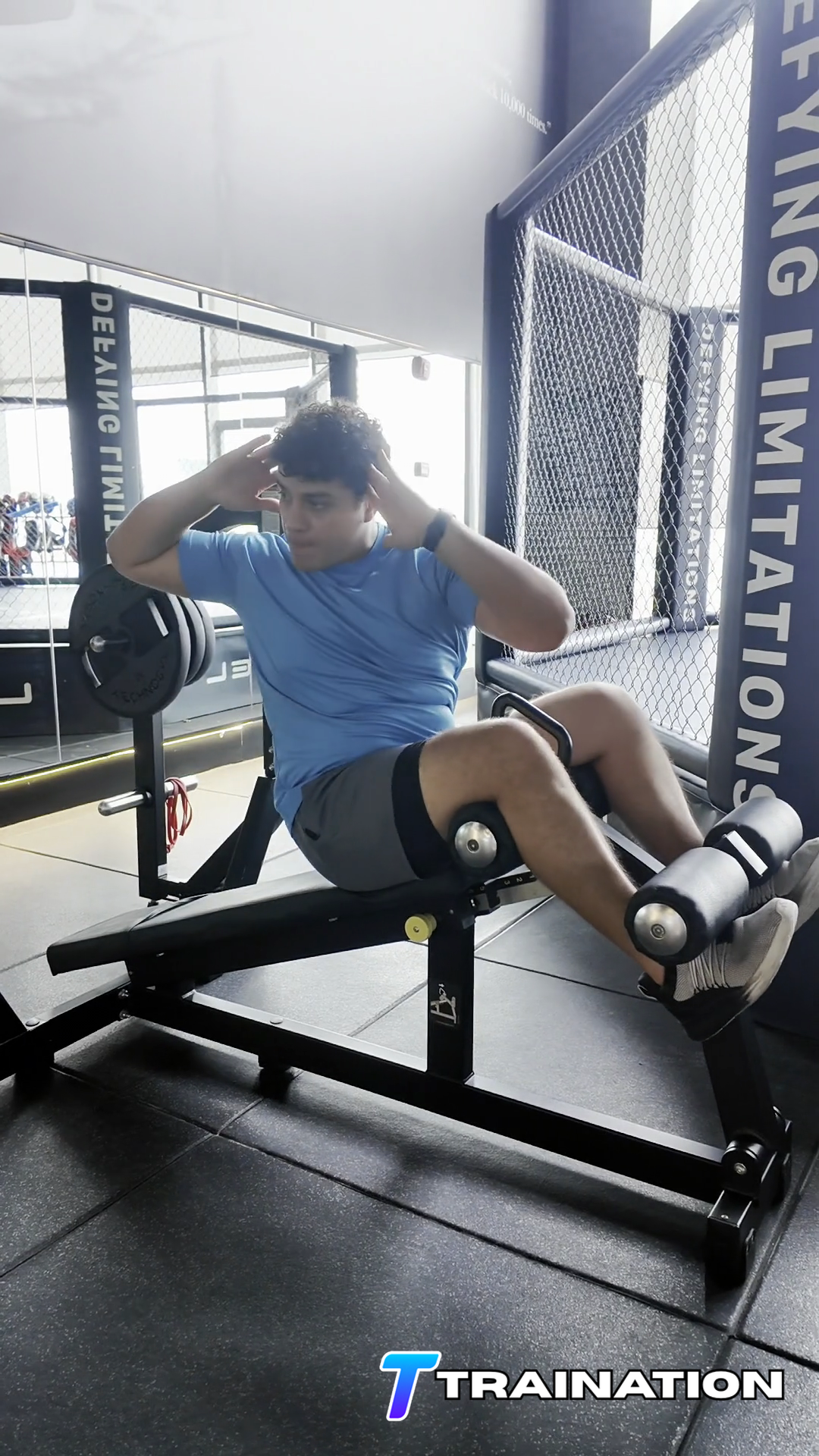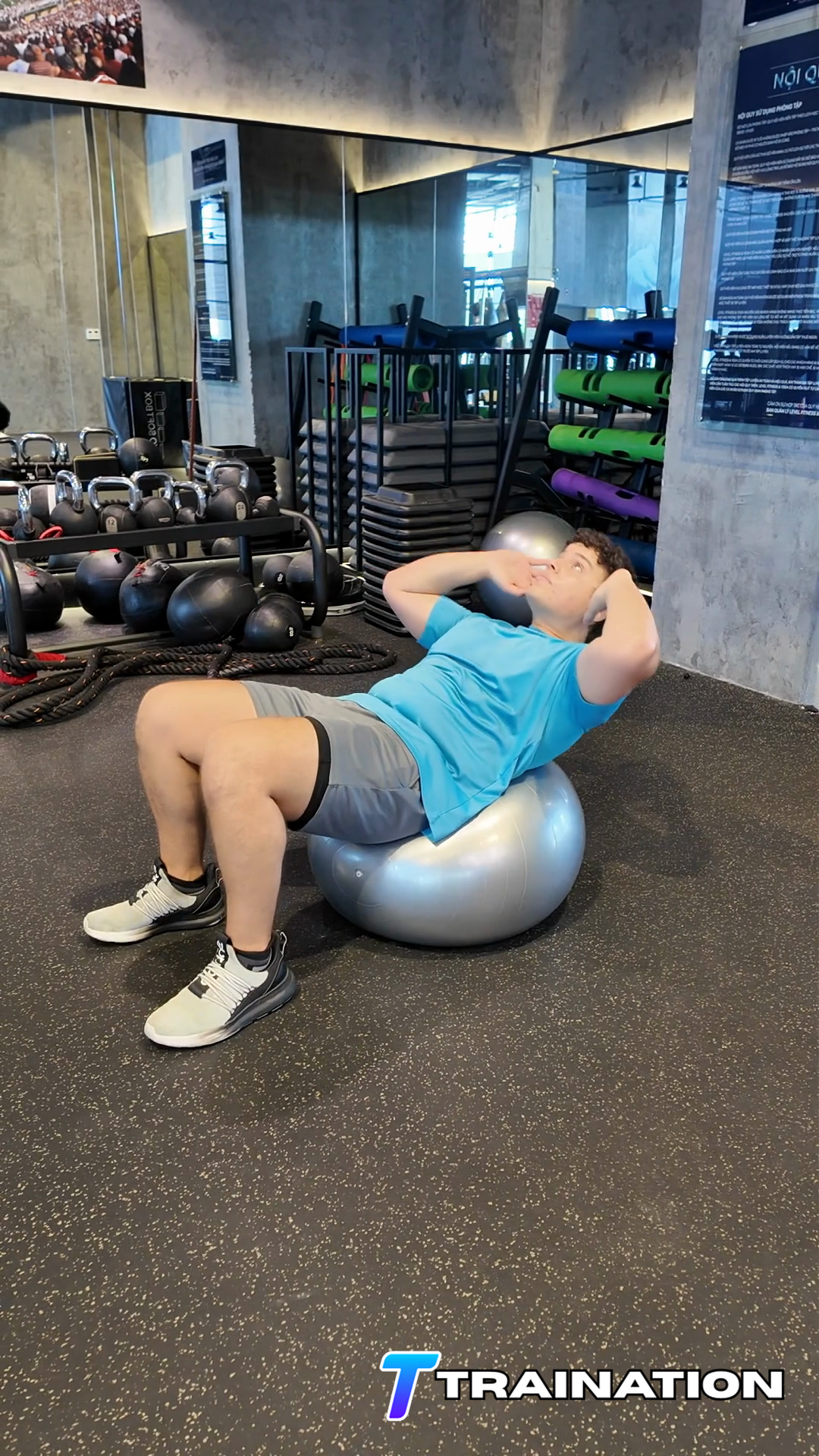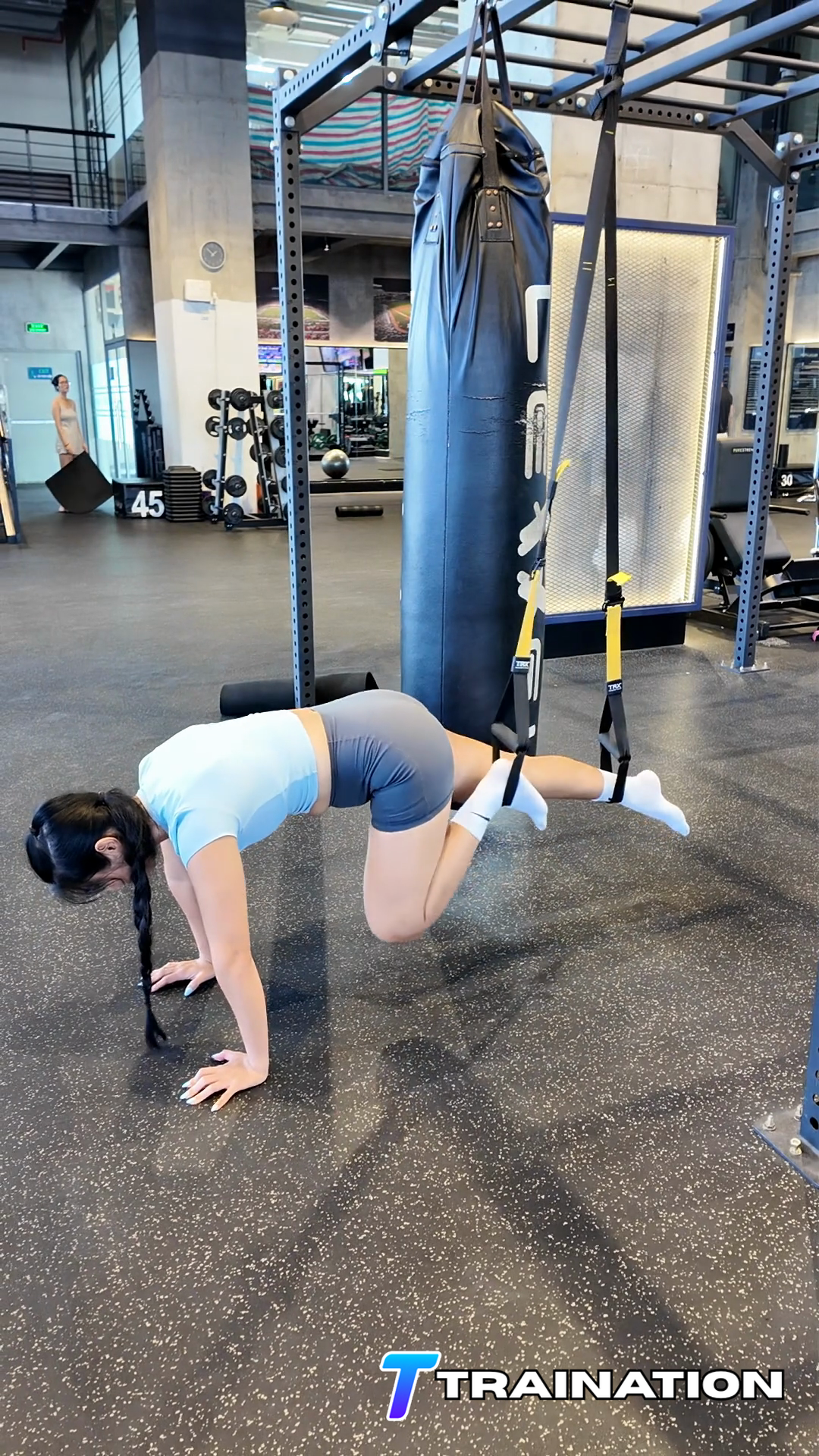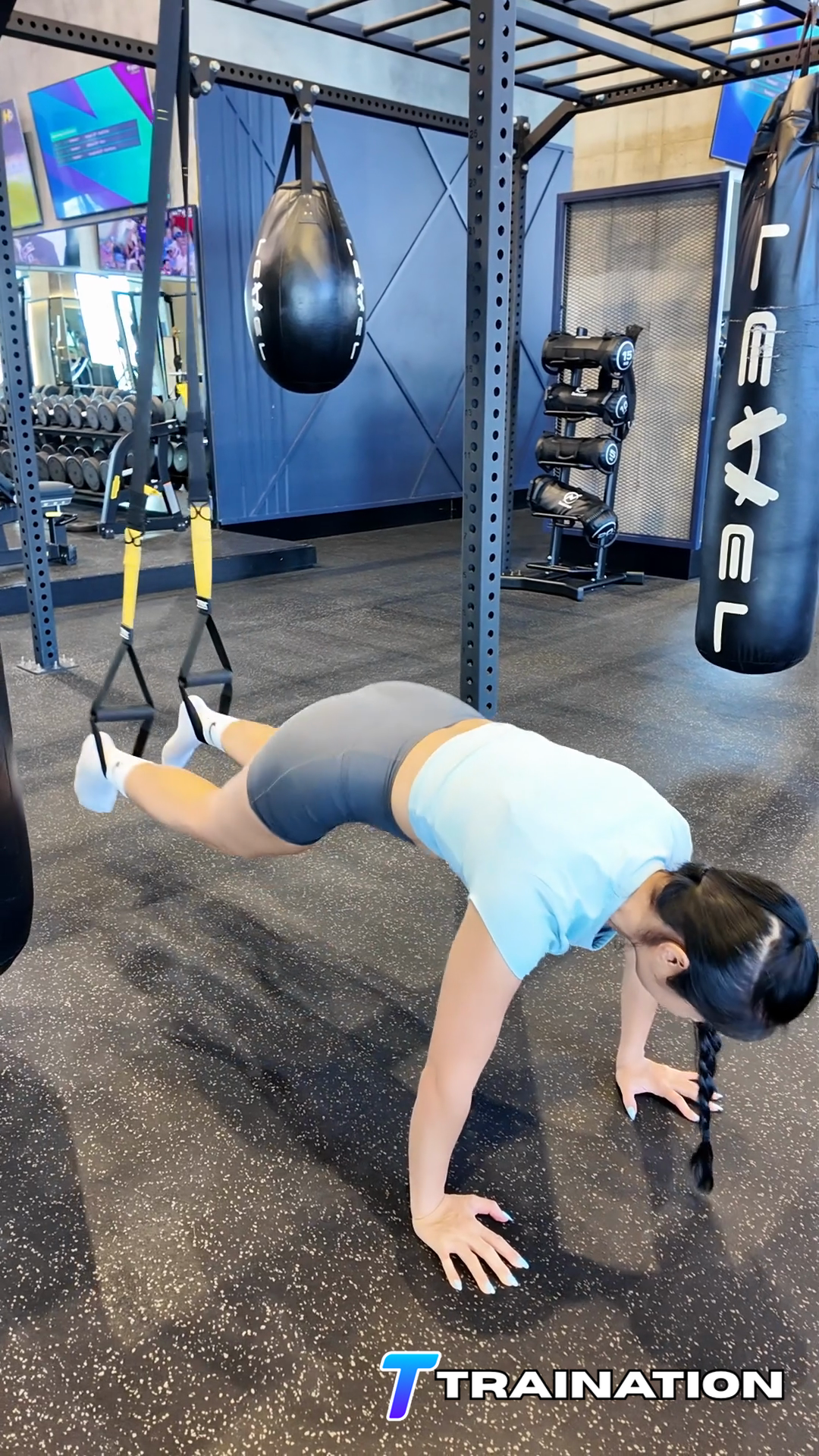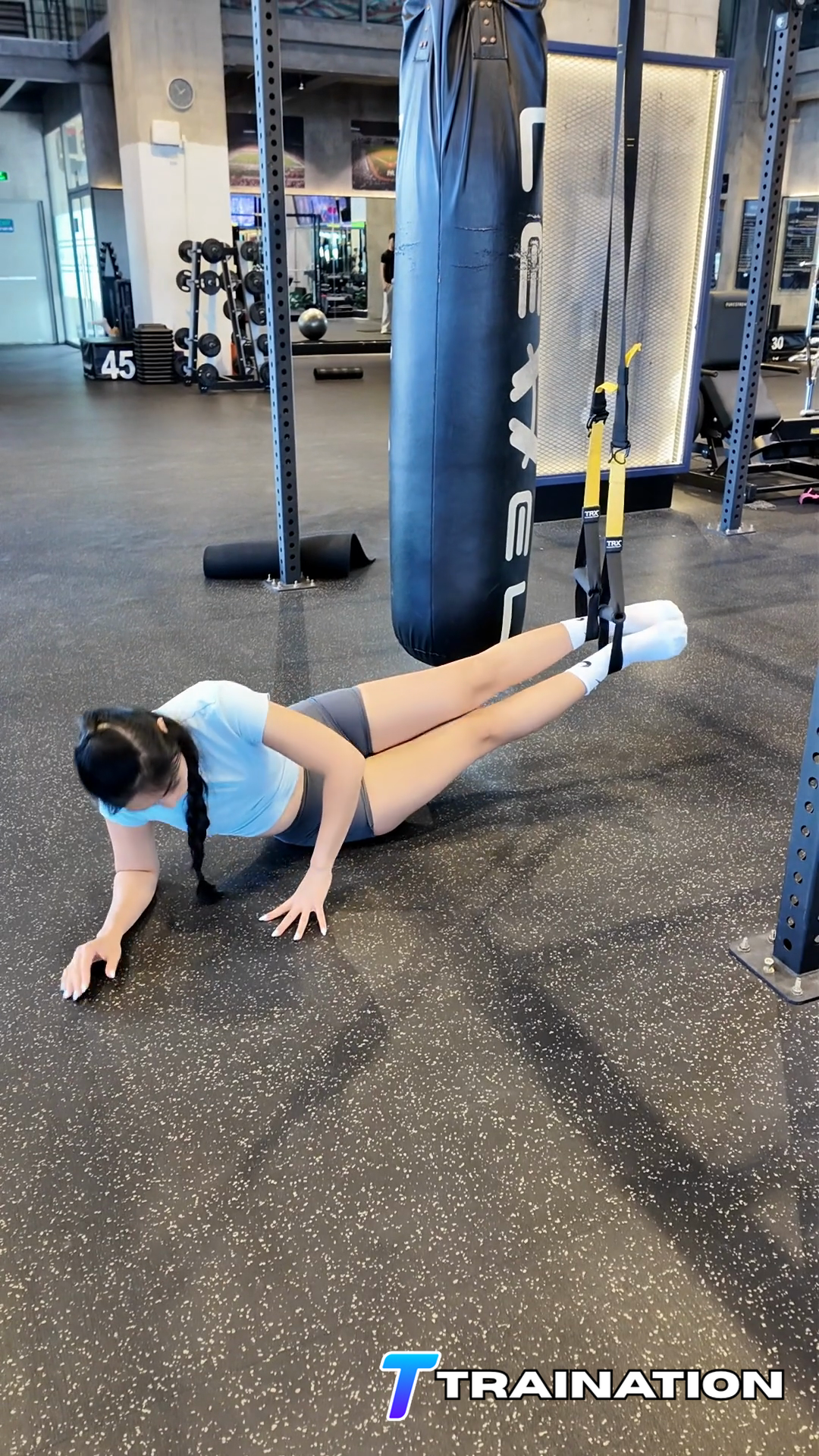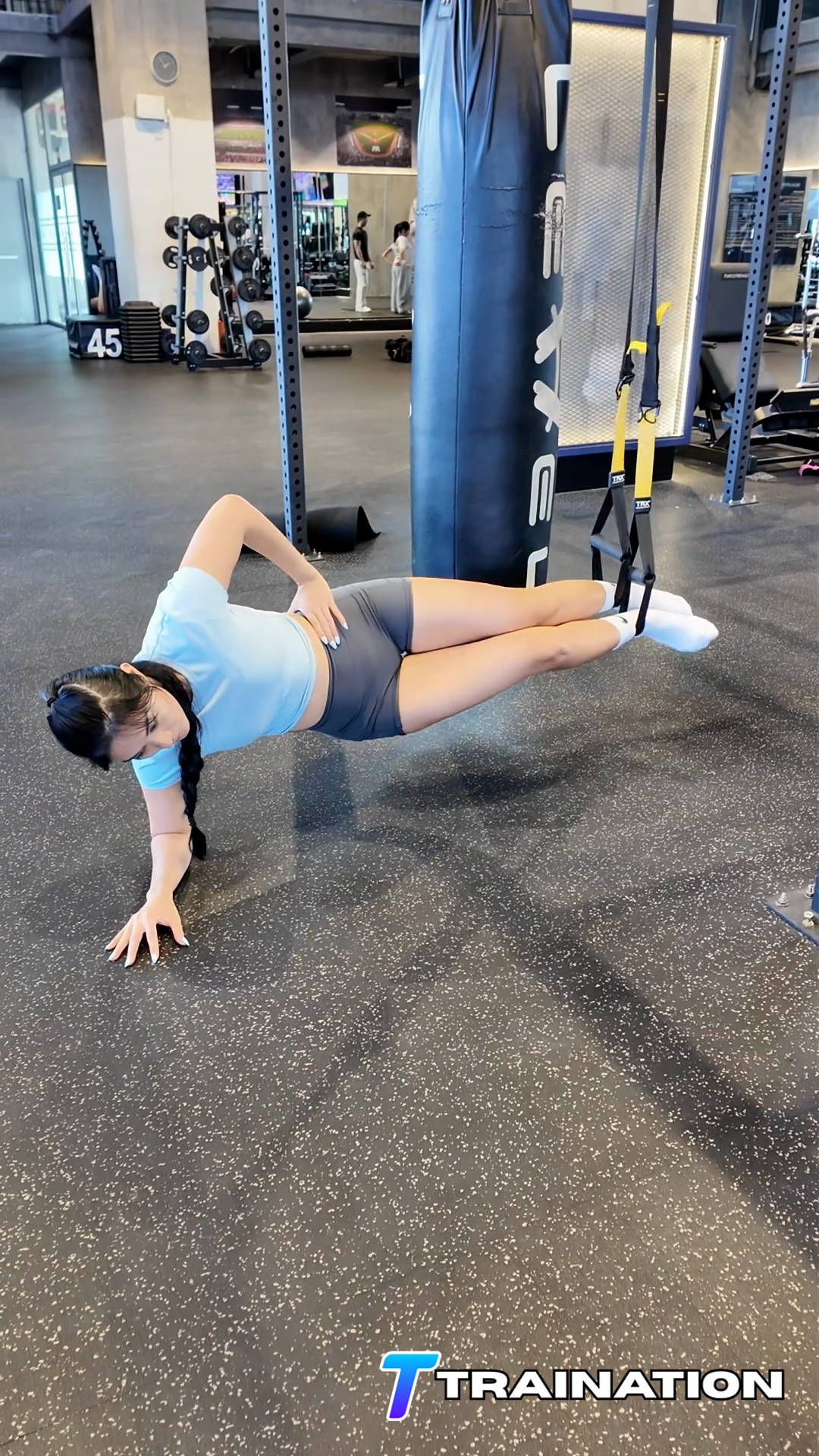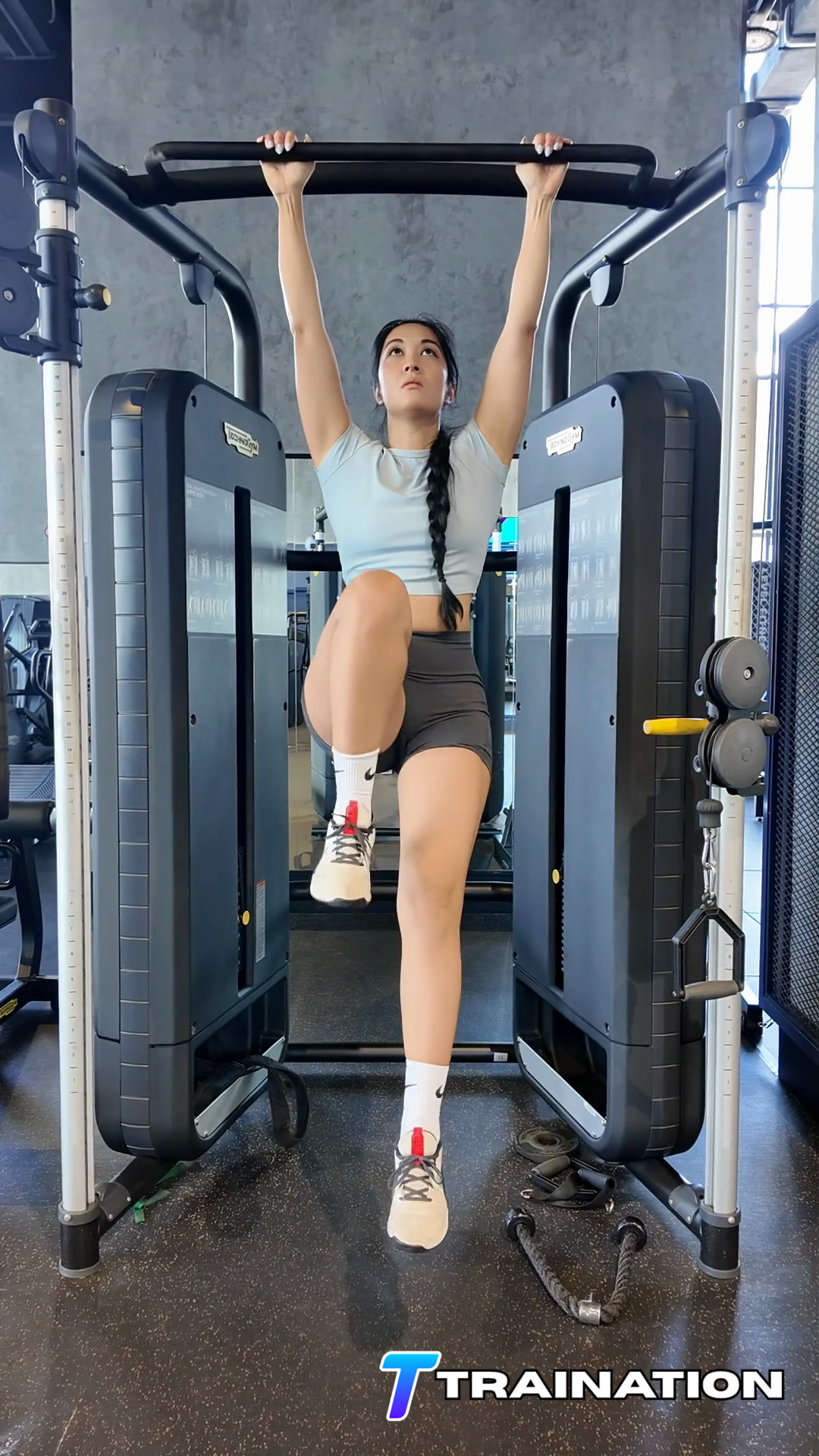
Hanging Alternating Knee Raises

Hanging Alternating Knee Raises challenges the abdominals and hip flexors while the trunk resists arching or rotating.

Primary muscle
Abs

Primary musclesRectus abdominis, Iliopsoas

Secondary musclesObliques, Rectus femoris, Tensor fasciae latae

Equipment
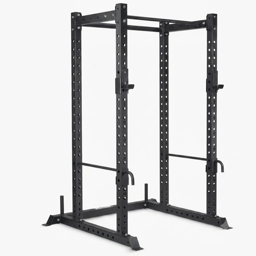
Pull-up Bar
← Back to exercise database

Set up for Hanging Alternating Knee Raises

Prepare the pull-up bar

  • Confirm the bar and its mount can support your full body weight.
  • Clear the space below and position a stable step or assistance band before leaving the floor.

Position yourself for Hanging Alternating Knee Raises

  • Use a stable step to take a secure grip, move into a quiet hang, and brace before the feet leave support.
  • Set the pelvis and lower ribs before moving the legs, and shorten the lever if the lower back cannot remain controlled.

Choose and verify the starting level

  • Choose the easiest Hanging Alternating Knee Raises variation that preserves the required body line and full controlled range; use elevation, support, or assistance as needed.
  • Perform one slow rehearsal repetition and change the setup if the equipment shifts, the range causes pain, or the target position cannot be maintained.

How to perform Hanging Alternating Knee Raises

Follow the sequence in order, paying attention to the starting position, movement path, and finish described in each step.

  1. For Hanging Alternating Knee Raises, hang from the bar with straight arms, shoulders active, legs quiet, and the pelvis slightly tucked.

  2. Brace before moving and keep the ribs, shoulders, and support points quiet.

  3. Draw the knee or legs toward the torso without swinging or allowing the lower back to arch away from support.

  4. Pause when the pelvis begins to curl or the legs reach the strongest controlled position; keep the shoulders quiet.

  5. Return the legs slowly without losing trunk position. Complete the planned repetitions evenly on both sides.

Common Hanging Alternating Knee Raises mistakes

These are the form changes most likely to move work away from the target muscles or make the repetition harder to control.

Lower back arching

Shorten the leg lever or range as soon as the pelvis and ribs can no longer remain controlled.

Swinging the legs

Pause between repetitions and initiate with the abdominals instead of momentum.

Shoulders losing support

Keep the upper body active against the floor, bar, bench, or straps.

Returning too quickly

Lower the legs slowly; the eccentric phase is part of the exercise.

When to modify or choose another exercise

  • Reduce the resistance, range, lever length, or balance demand if Hanging Alternating Knee Raises cannot be completed without compensation.
  • Stop when the exercise produces sharp, catching, radiating, or increasing joint pain rather than the expected muscular effort.
  • Shorten the hold, range, or lever if the lower back or neck takes over; choose a different core pattern if symptoms continue.

How to use Hanging Alternating Knee Raises in a training program

Use Hanging Alternating Knee Raises in a focused core block after the main lifts, or pair it with an exercise that does not depend heavily on trunk freshness.

01

Where it fits in a session

Place Hanging Alternating Knee Raises after the main compound lifts, in a focused core block, or beside an exercise that does not require a fresh trunk.

02

How often to use it

Use two to four times per week while accounting for trunk work already supplied by squats, hinges, carries, and overhead lifting.

Starting rep ranges by goal

GoalSetsReps or timeRestEffort and execution
Control / technique2–35–8 reps per side45–75 secStop well before position changes
Strength / endurance2–48–15 reps per side60–90 secFinish with 1–3 technically clean reps in reserve

How to progress it

Increase the controlled range, lever length, or hold duration before adding load. End every set when rib, pelvis, or lower-back position changes.

Pairing and sequencing

  • Pair with upper-body accessory work when neither movement depends on an exhausted trunk.
  • Avoid fatiguing the core immediately before heavy squats, hinges, carries, or overhead work.

Coach's notes

  • Start with 2–4 sets of 6–15 controlled repetitions per side; use shorter sets for rollouts or long-lever variations.
  • Stop the set when the pelvis, ribs, or lower back can no longer stay in the intended position.
  • Progress range or leverage before adding resistance and avoid turning a controlled core drill into a speed test.

Regressions and progressions for Hanging Alternating Knee Raises

Start with an easier option

Bent-knee raise

Shorten the lever by bending the knees while keeping the pelvis and ribs controlled.

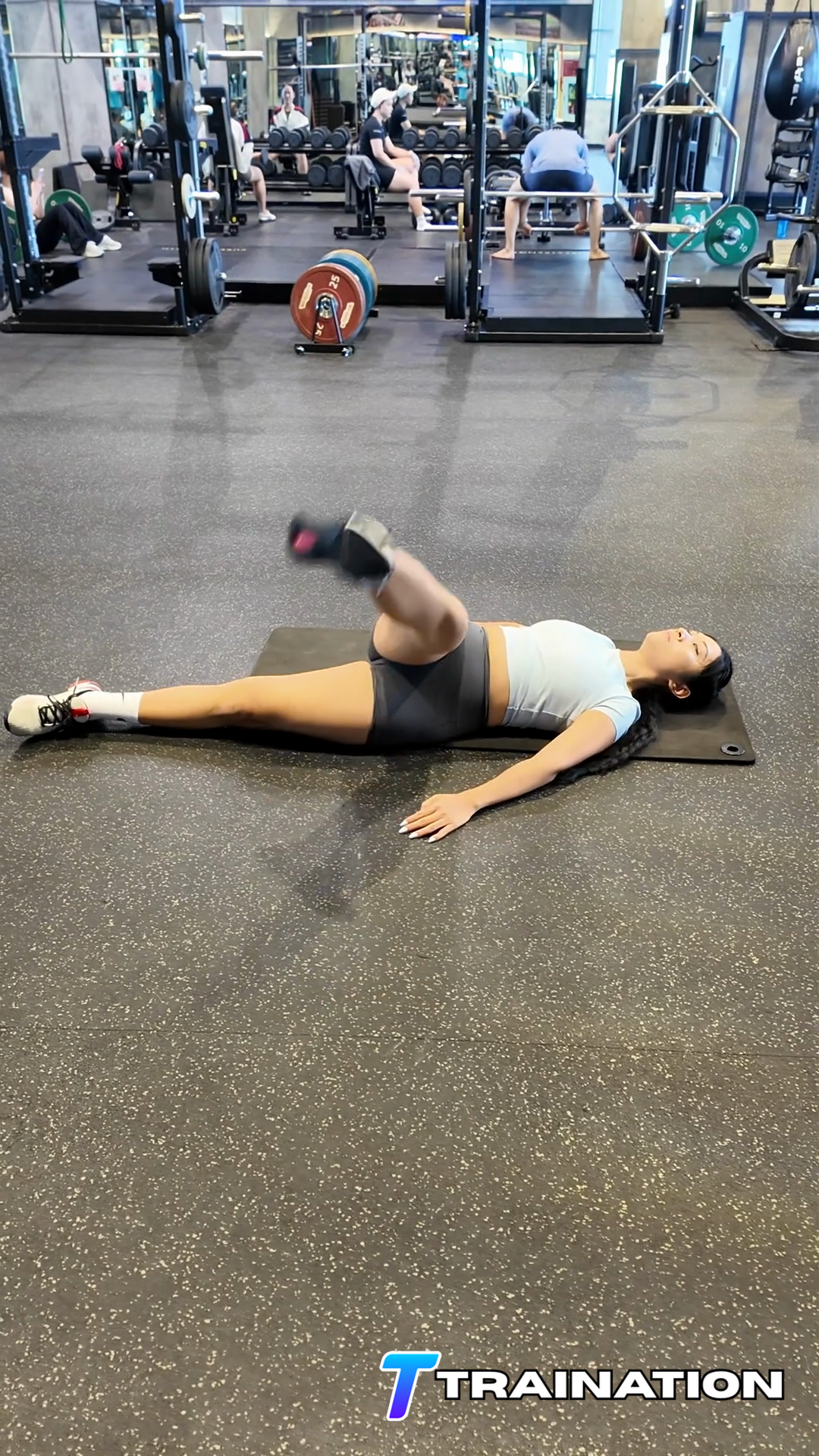
Dead bug

Use the floor to learn alternating leg movement without lower-back extension.

Progress when form is repeatable

Straight-leg variation

Lengthen the knee only when the same pelvic position can be maintained.

Slow-eccentric Hanging Alternating Knee Raises

Lower the legs over three to four seconds without swinging or arching.

References
  1. American Council on ExerciseACE Exercise Library
  2. Mayo ClinicWeight Training: Do's and Don'ts of Proper Technique
  3. American College of Sports MedicineACSM Resistance Training Guidelines Update

Build client programs that drive retention and cut your weekly programming time in half.

Explore the workout builder →
Beta access

Become a Traination Beta User
Apply to become a beta user of the app for free in exchange for feedbacks and reviews. Your time is important! That's why we will reach out to you individually to make sure this is the right fit.