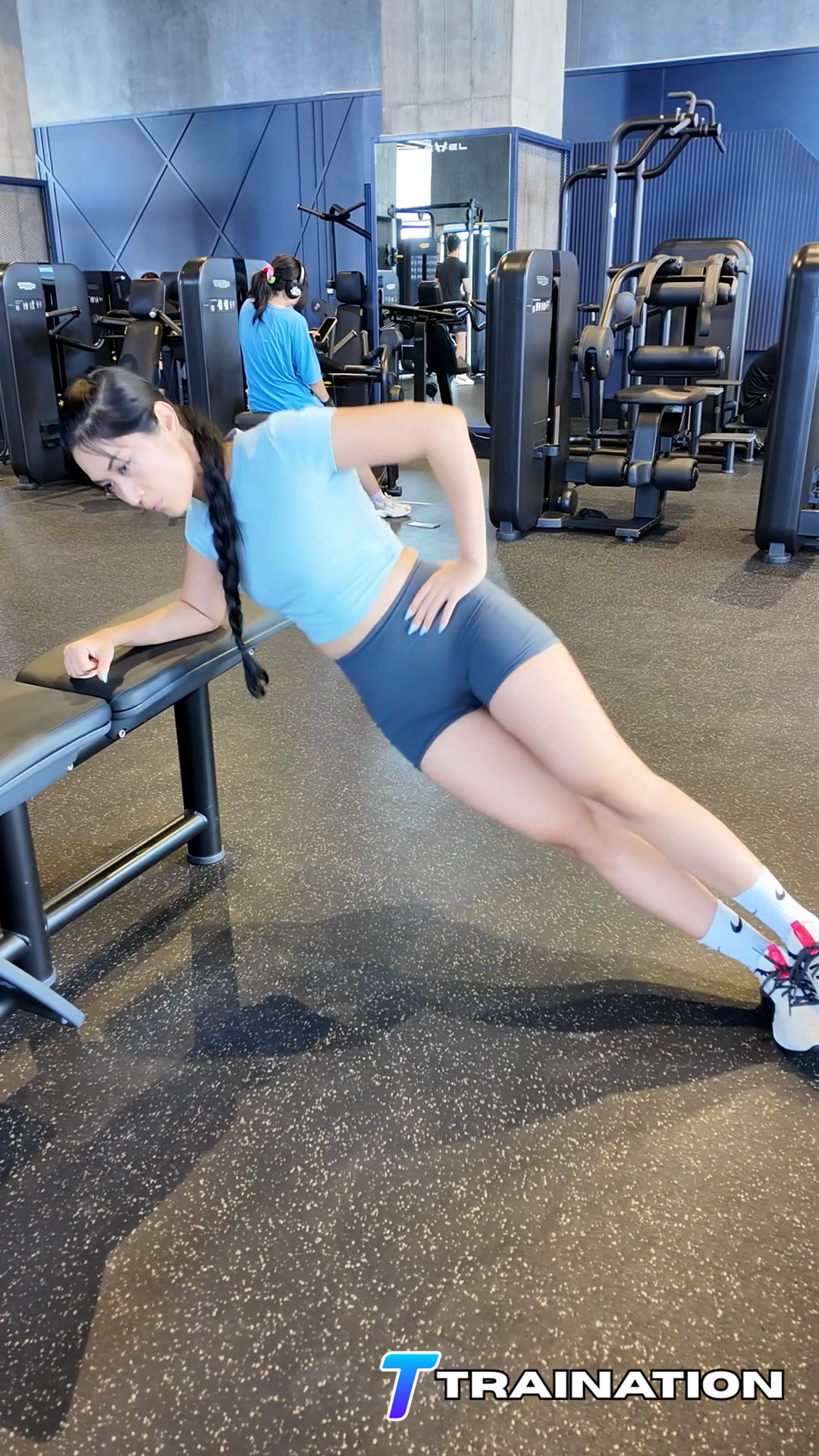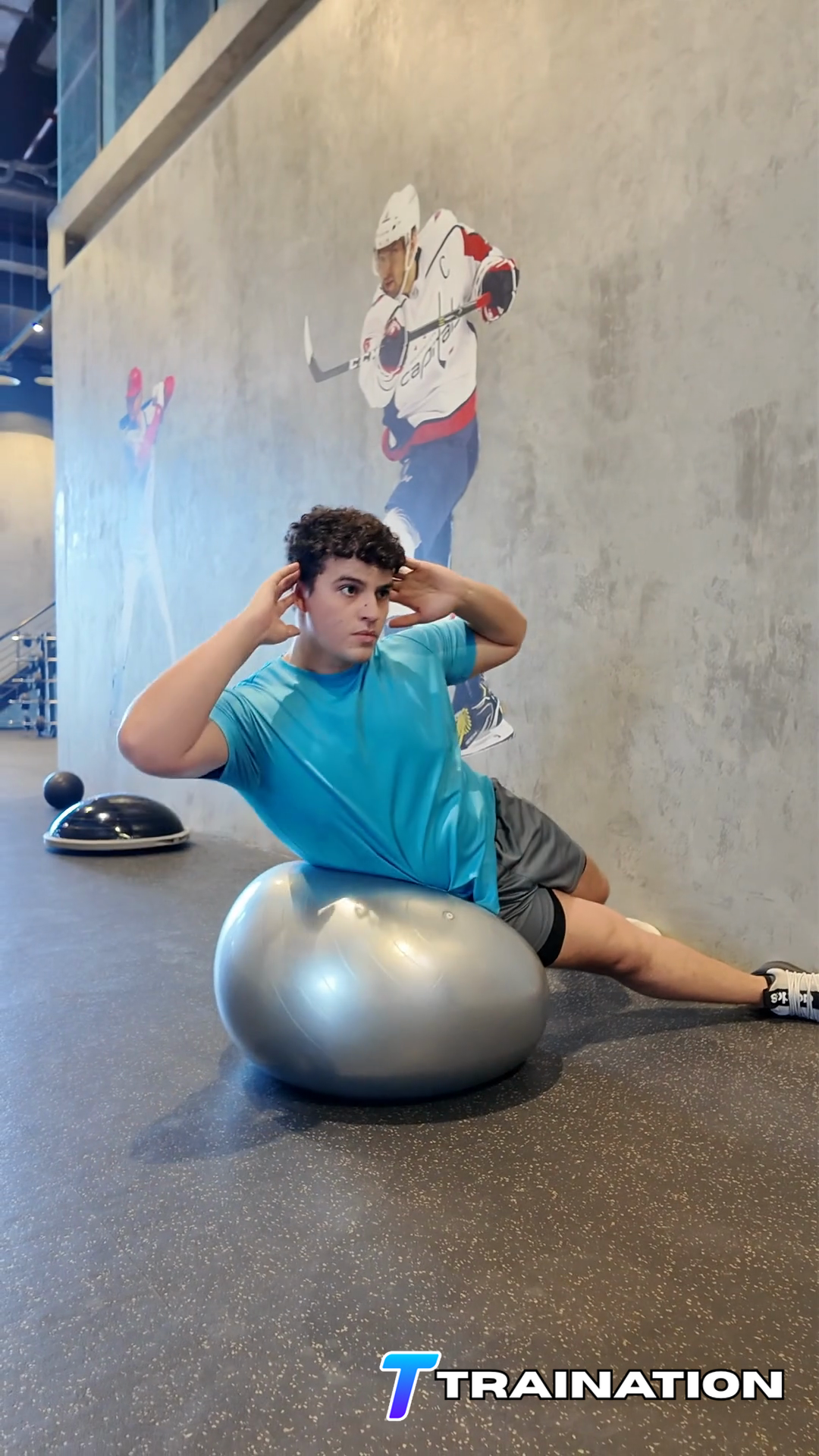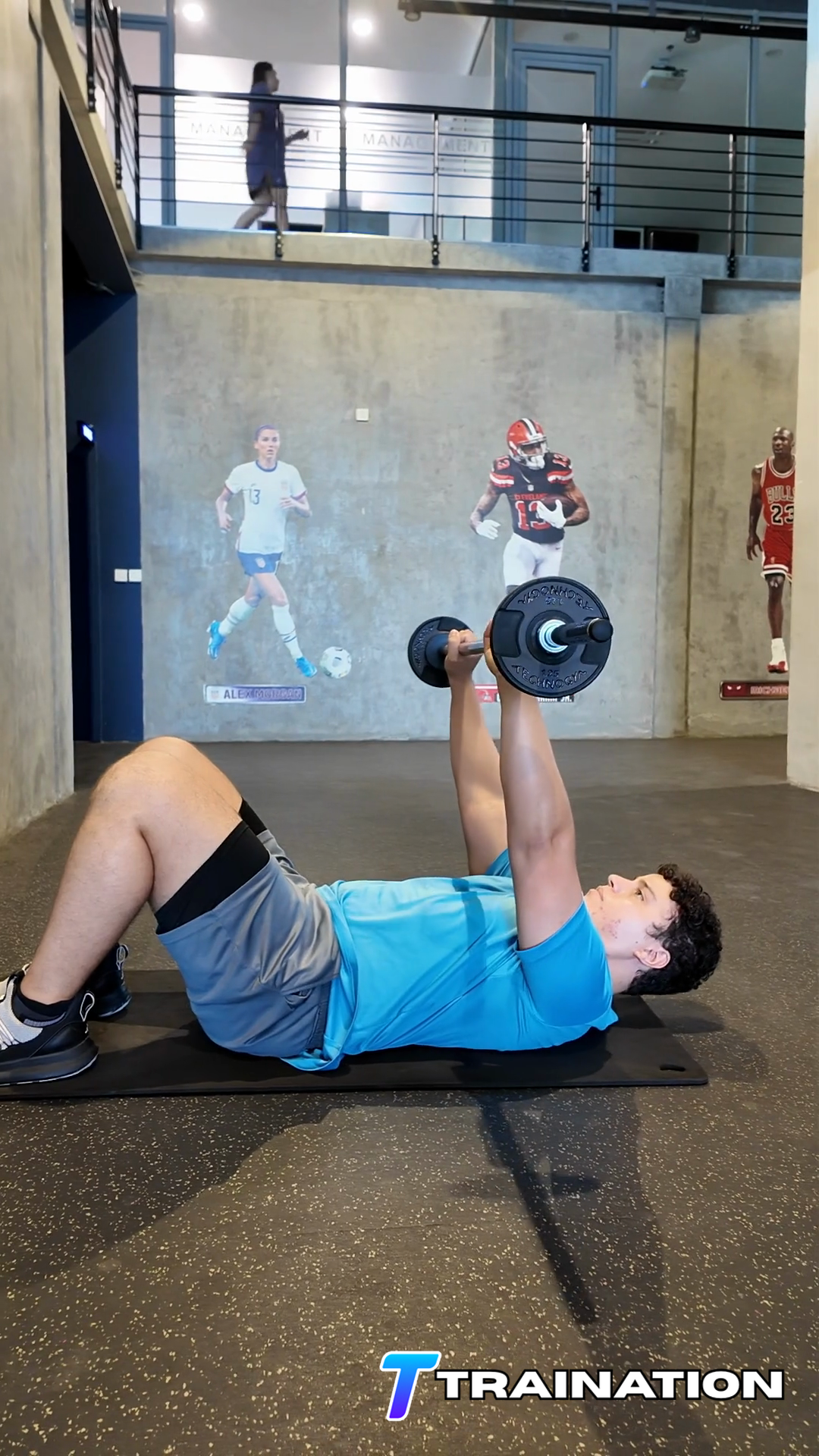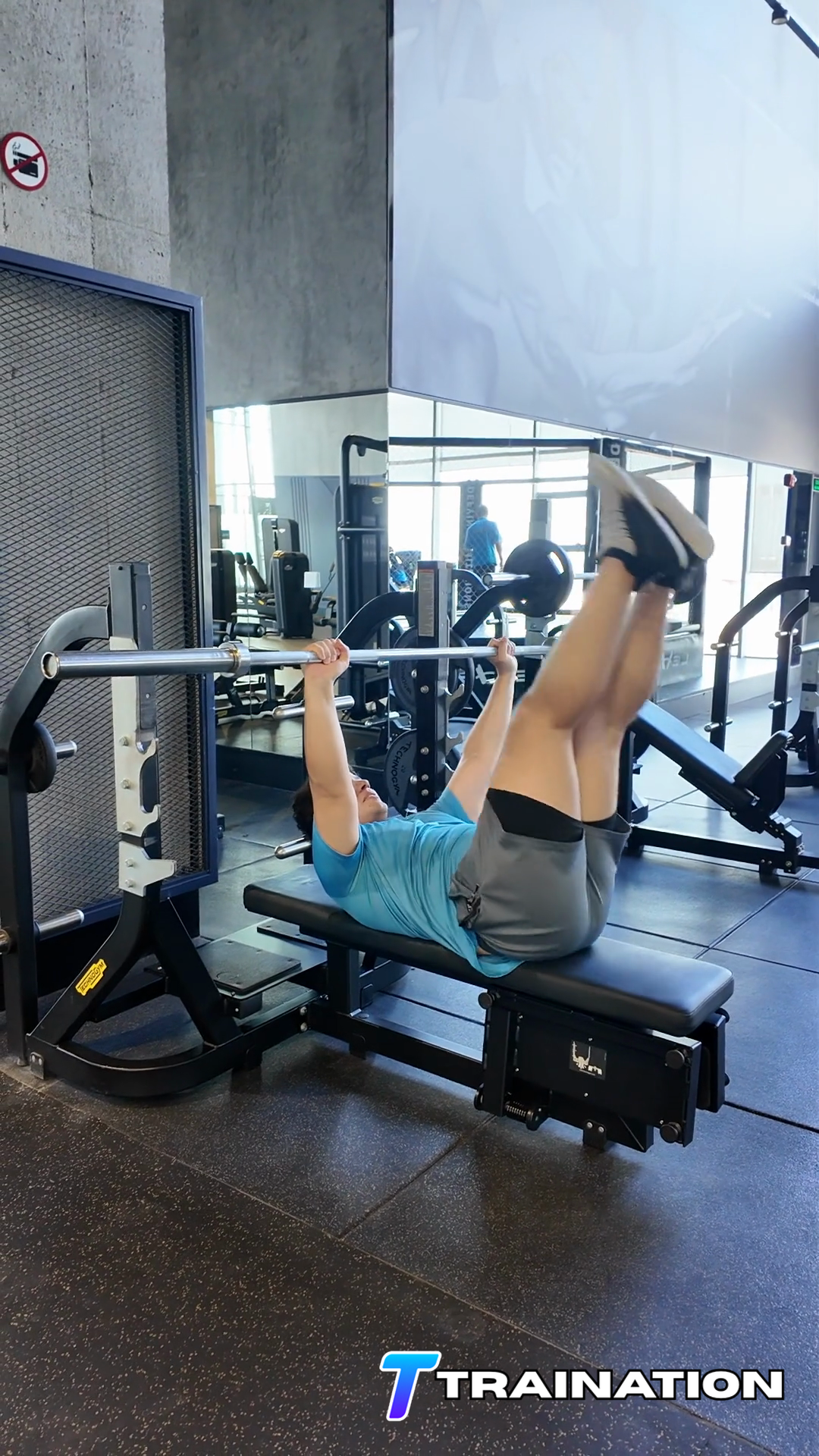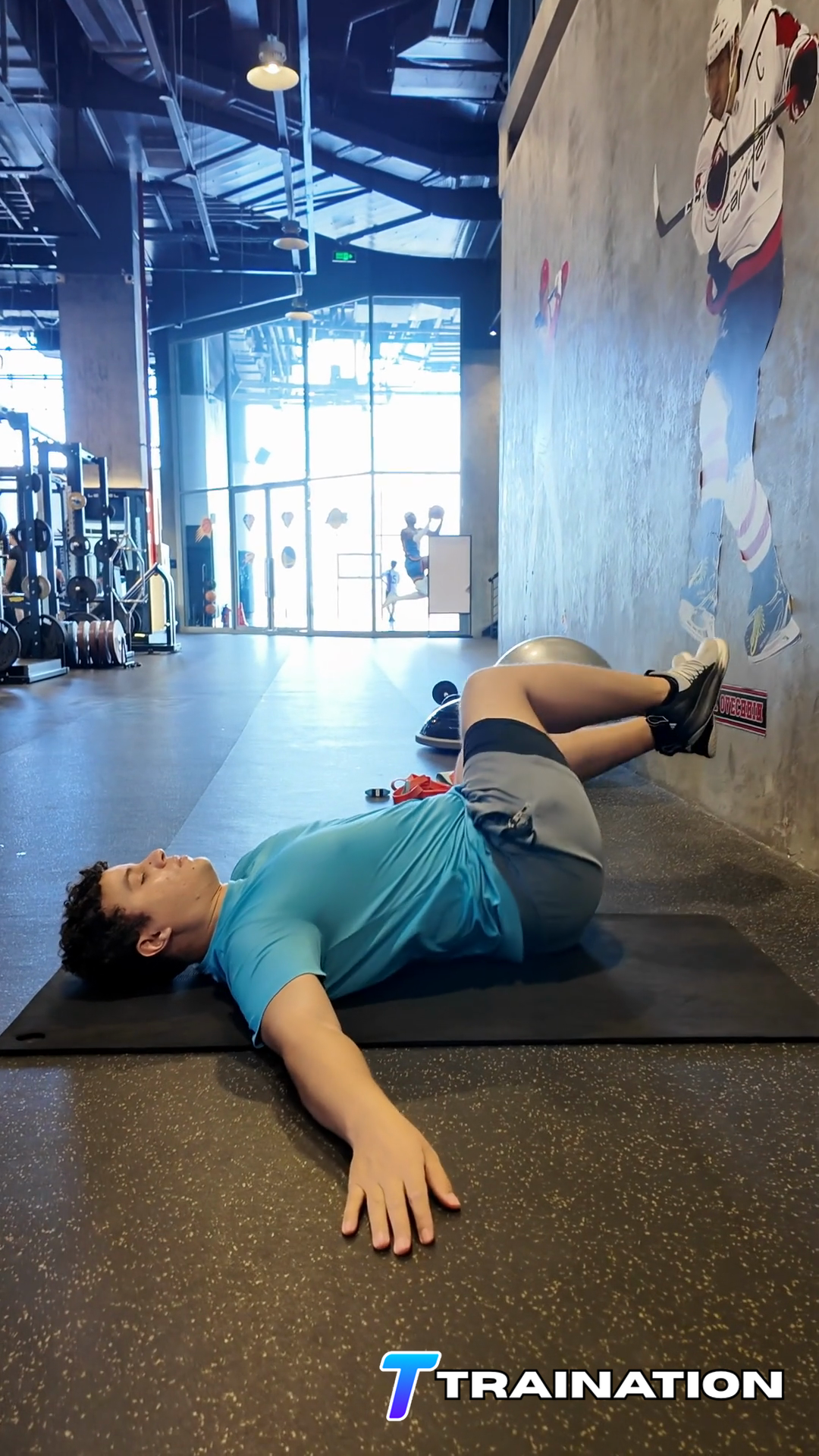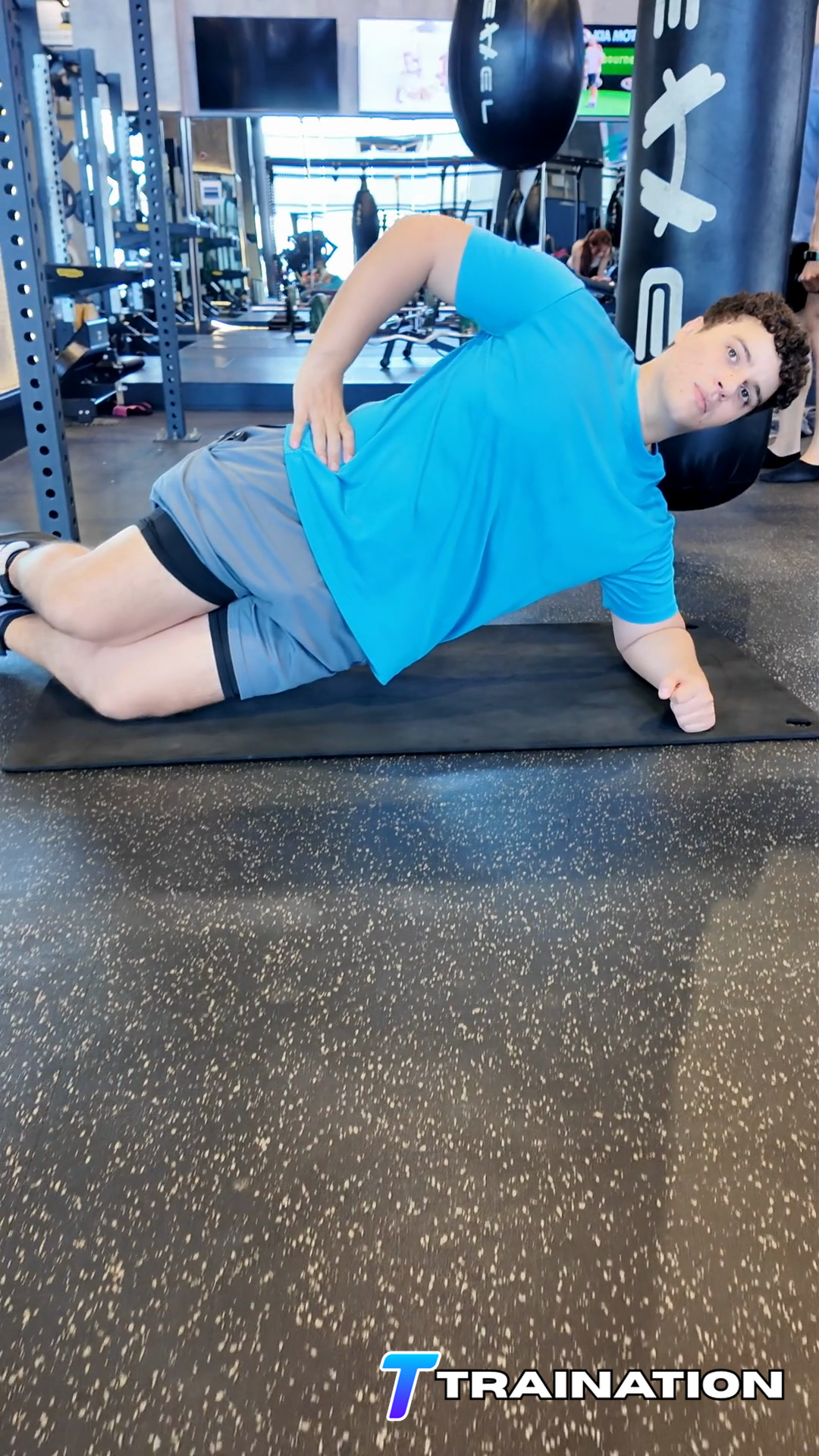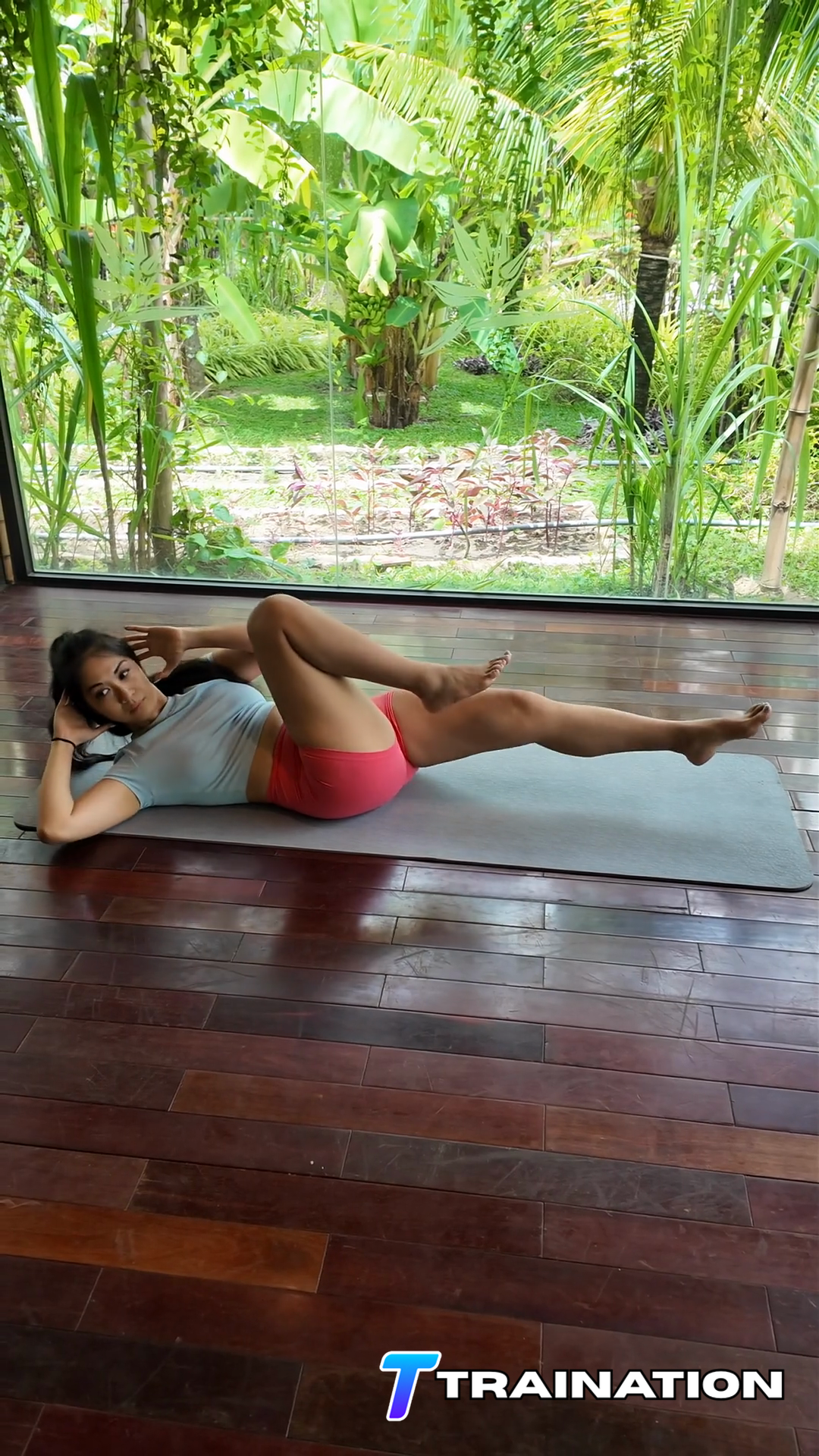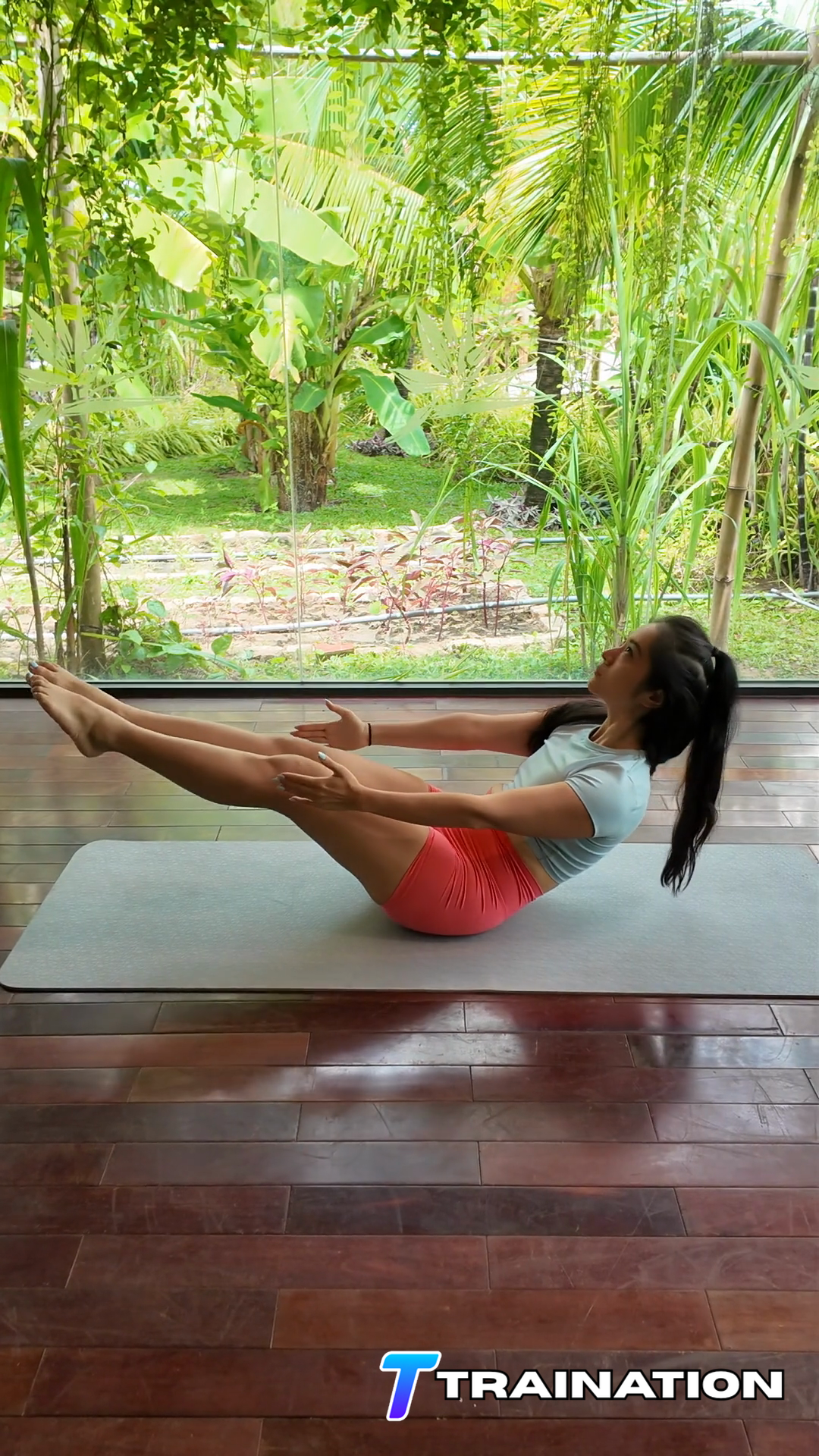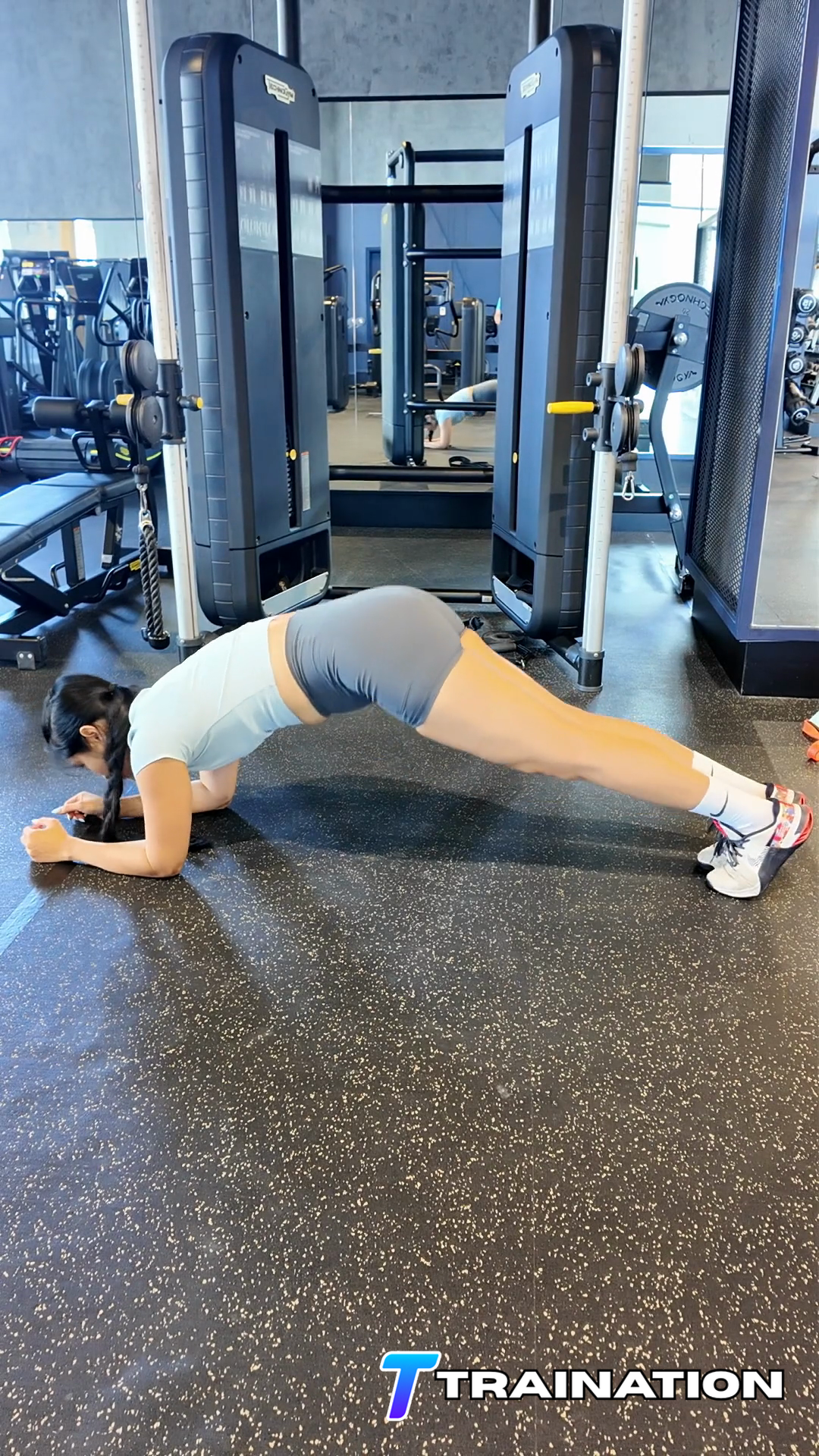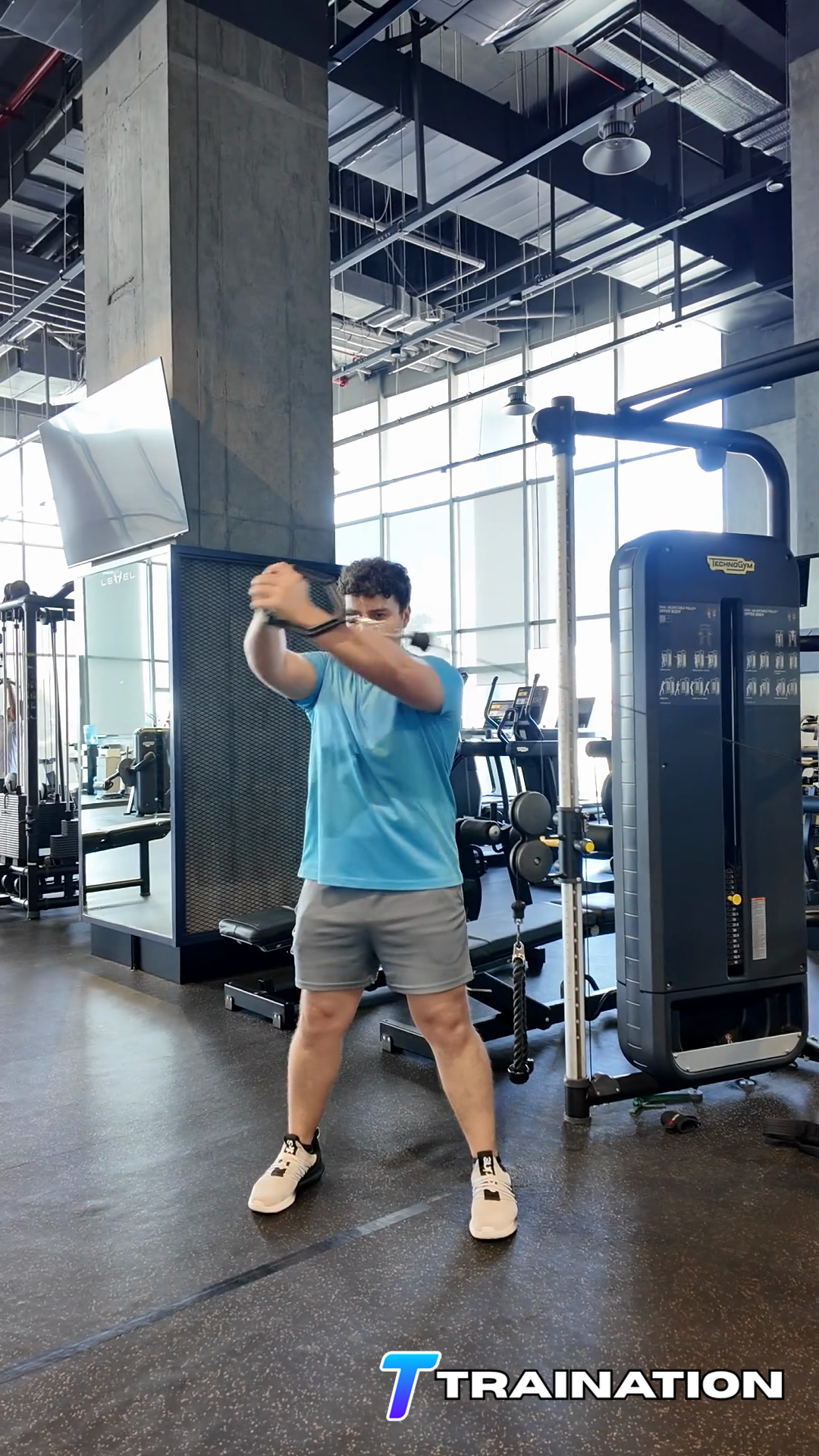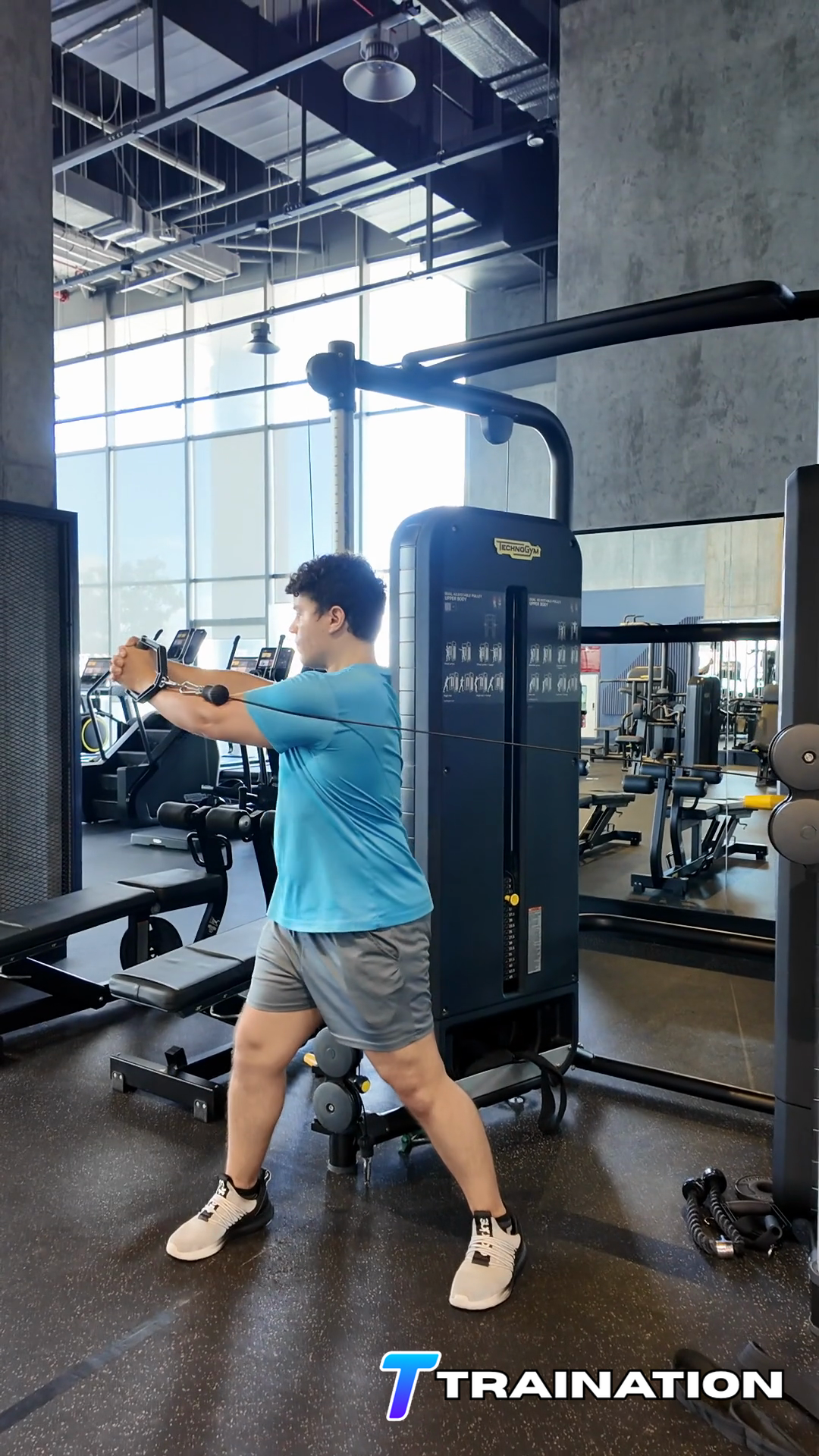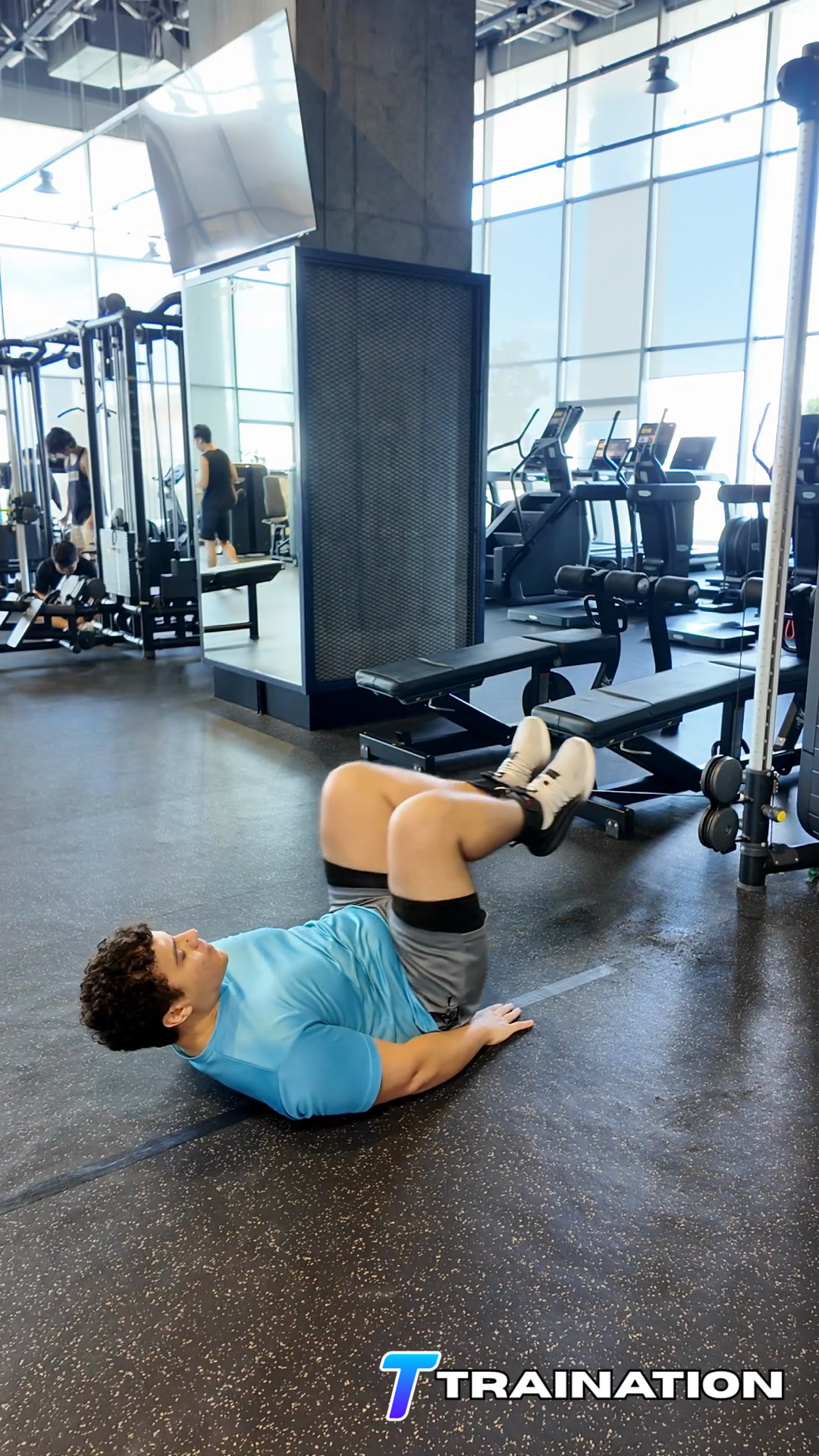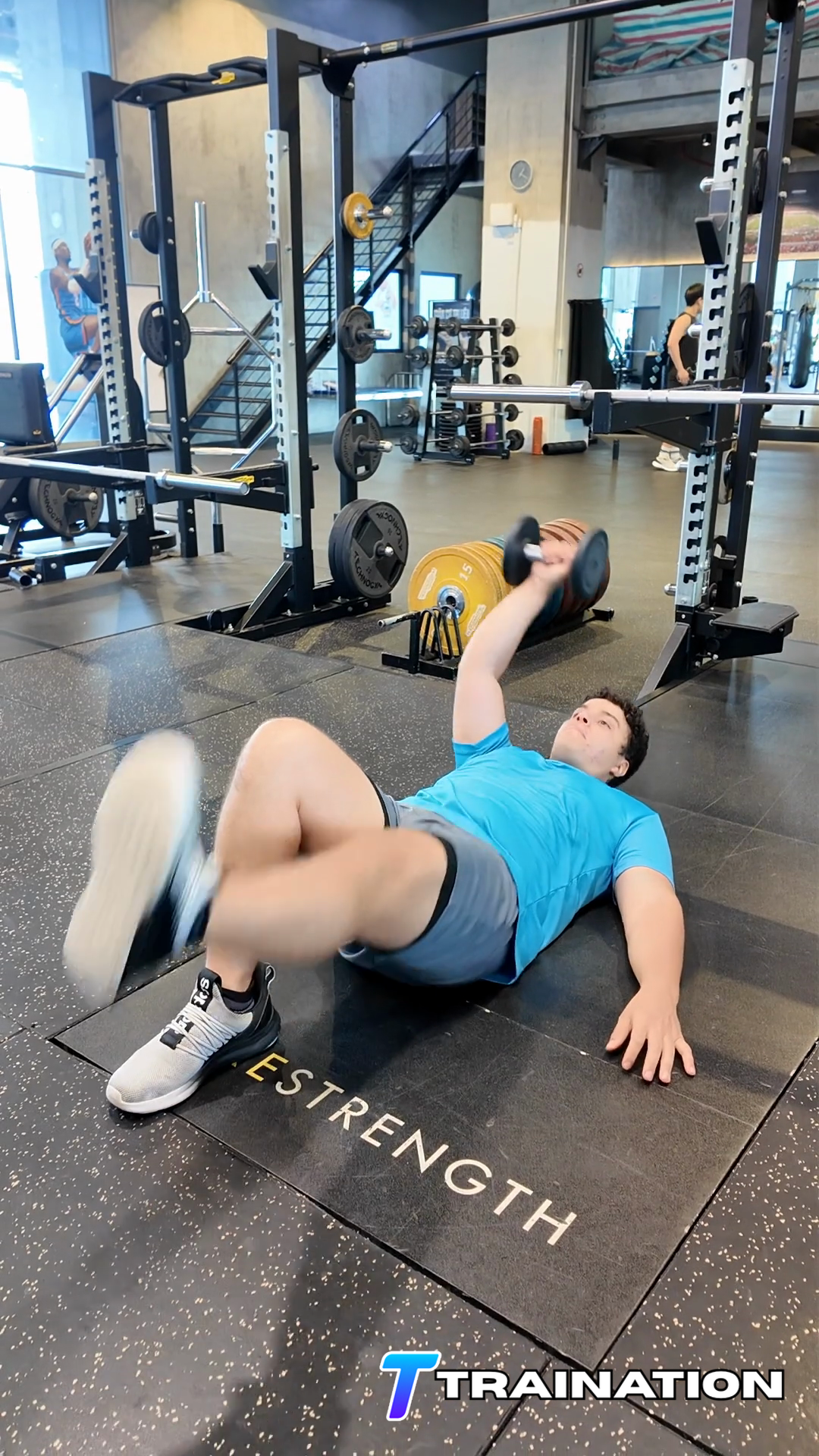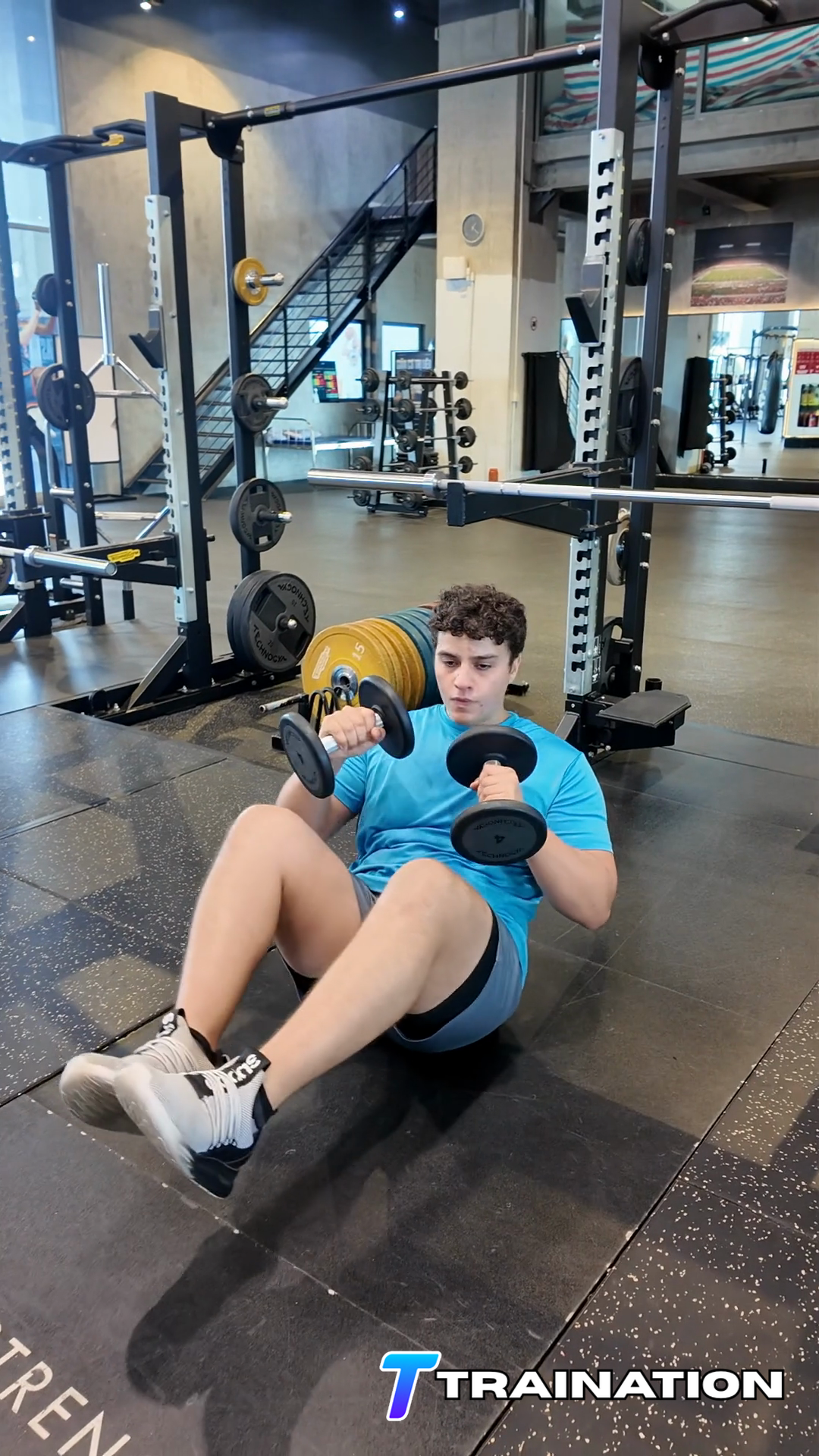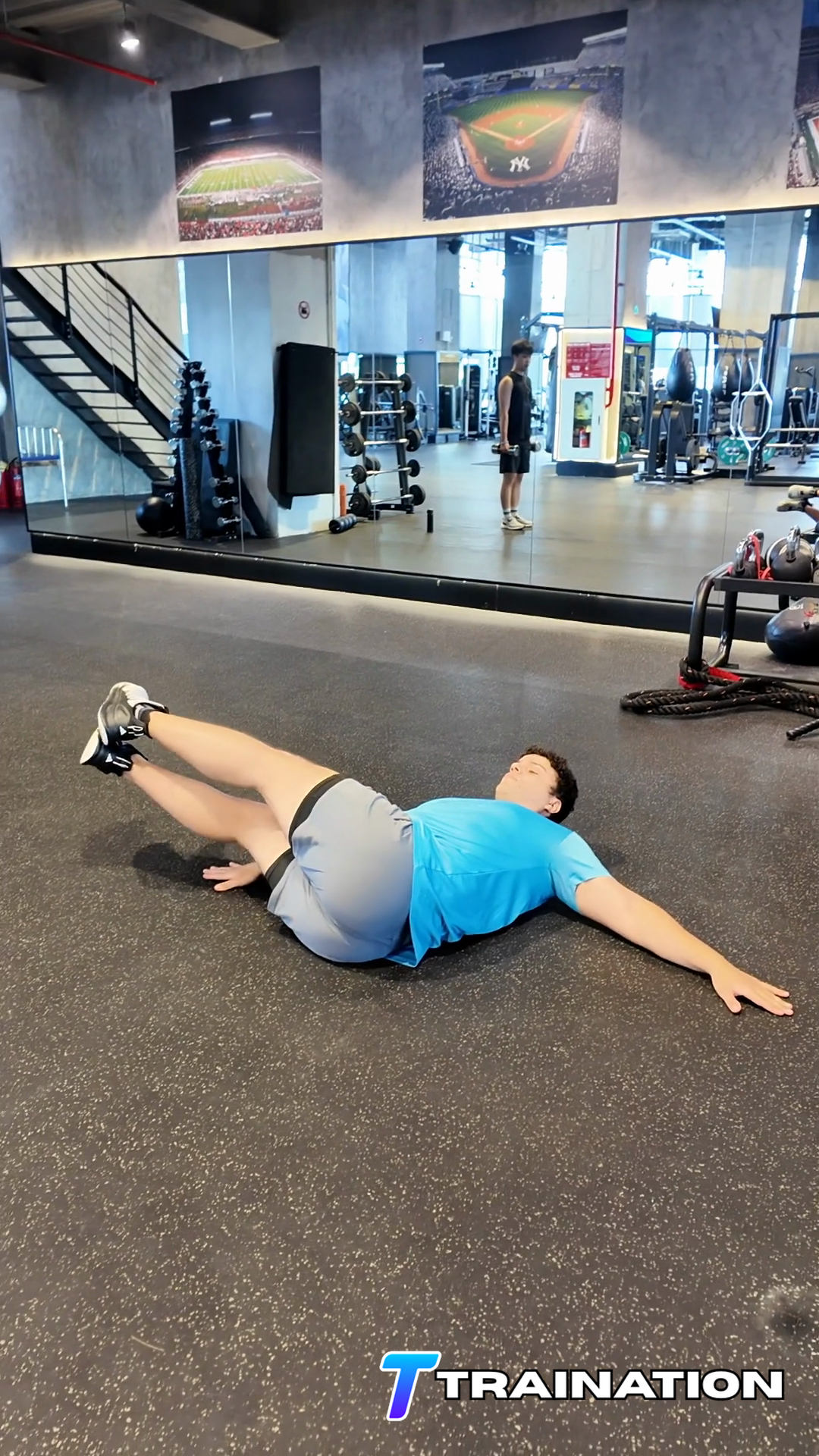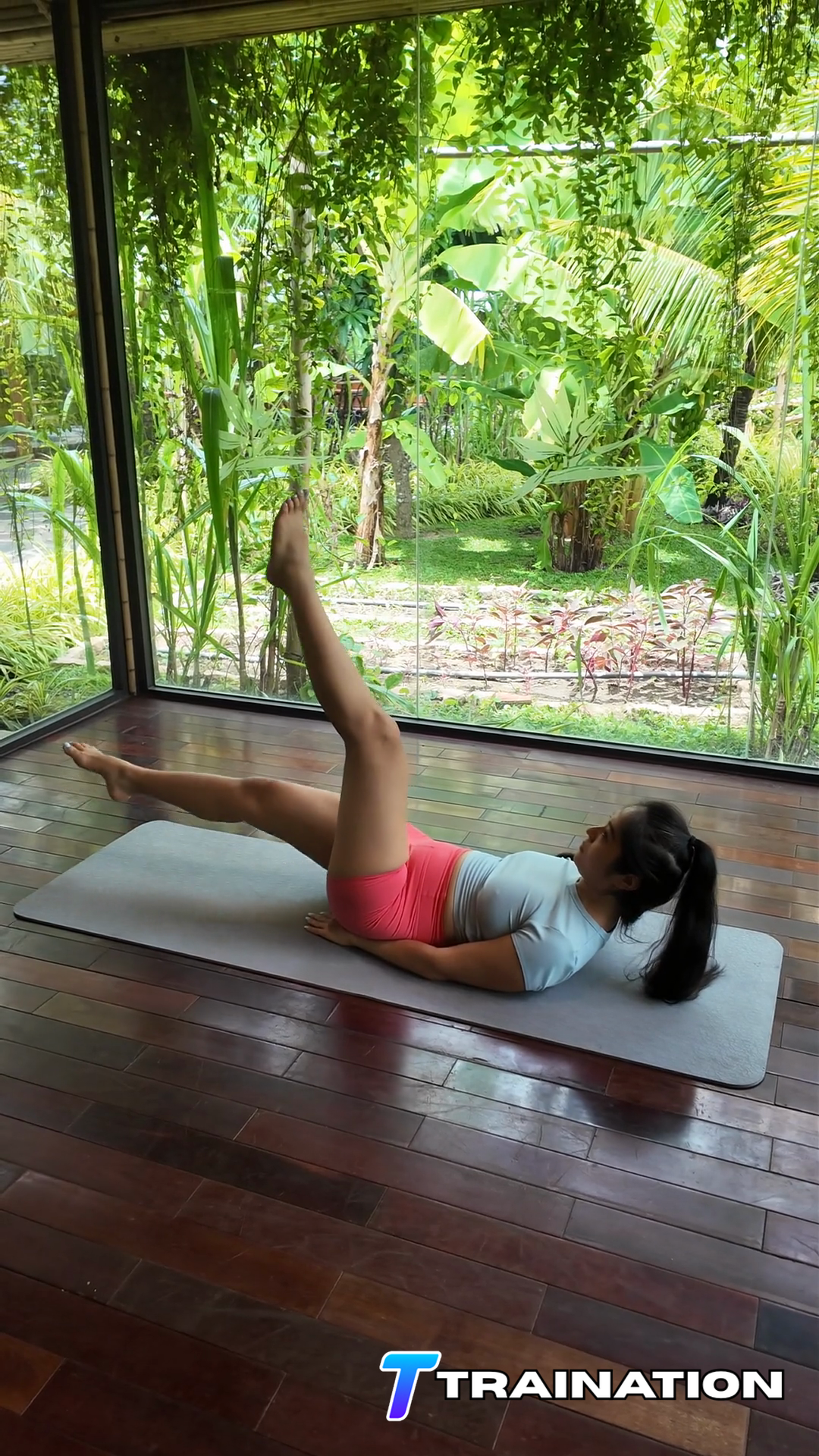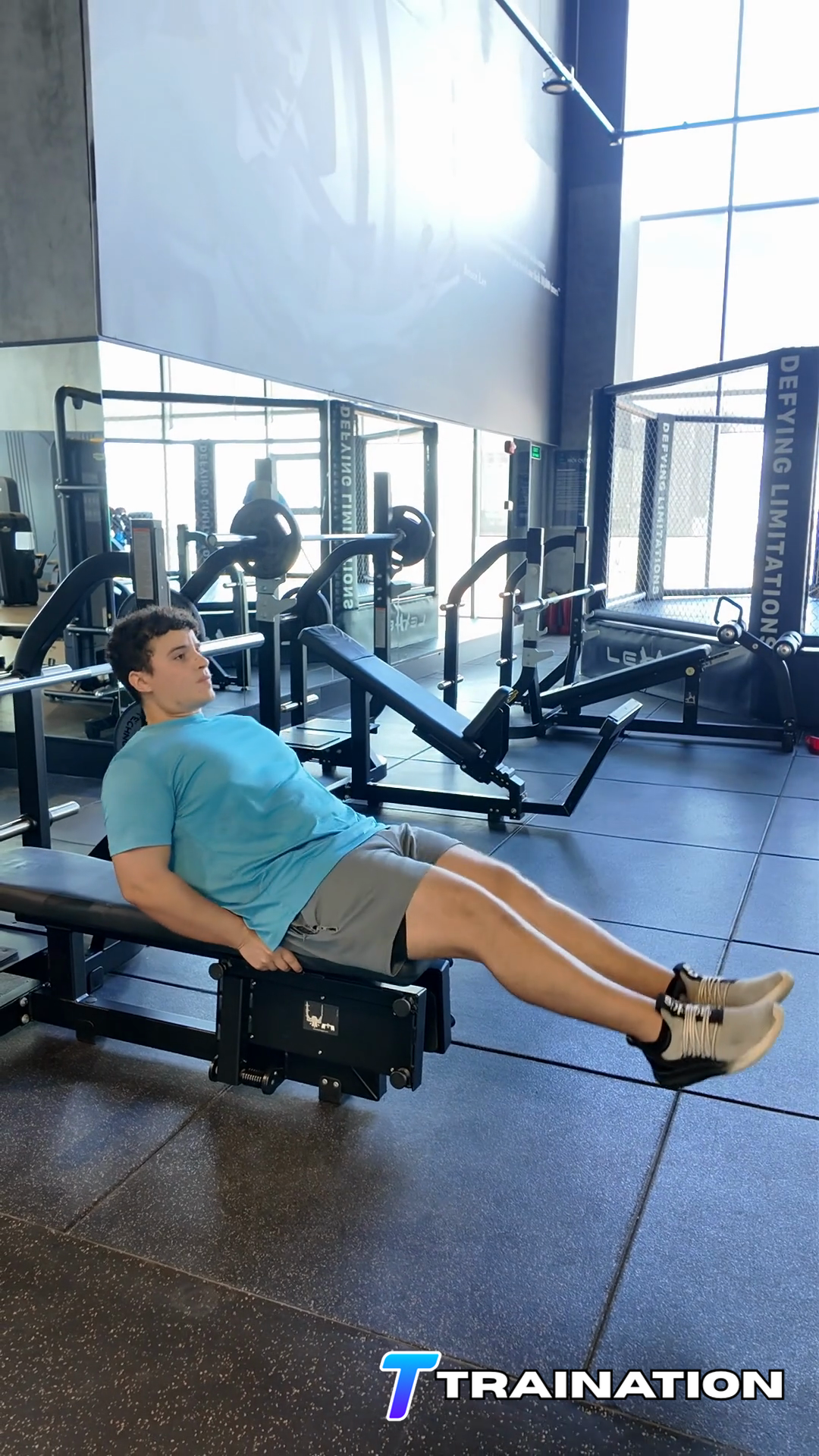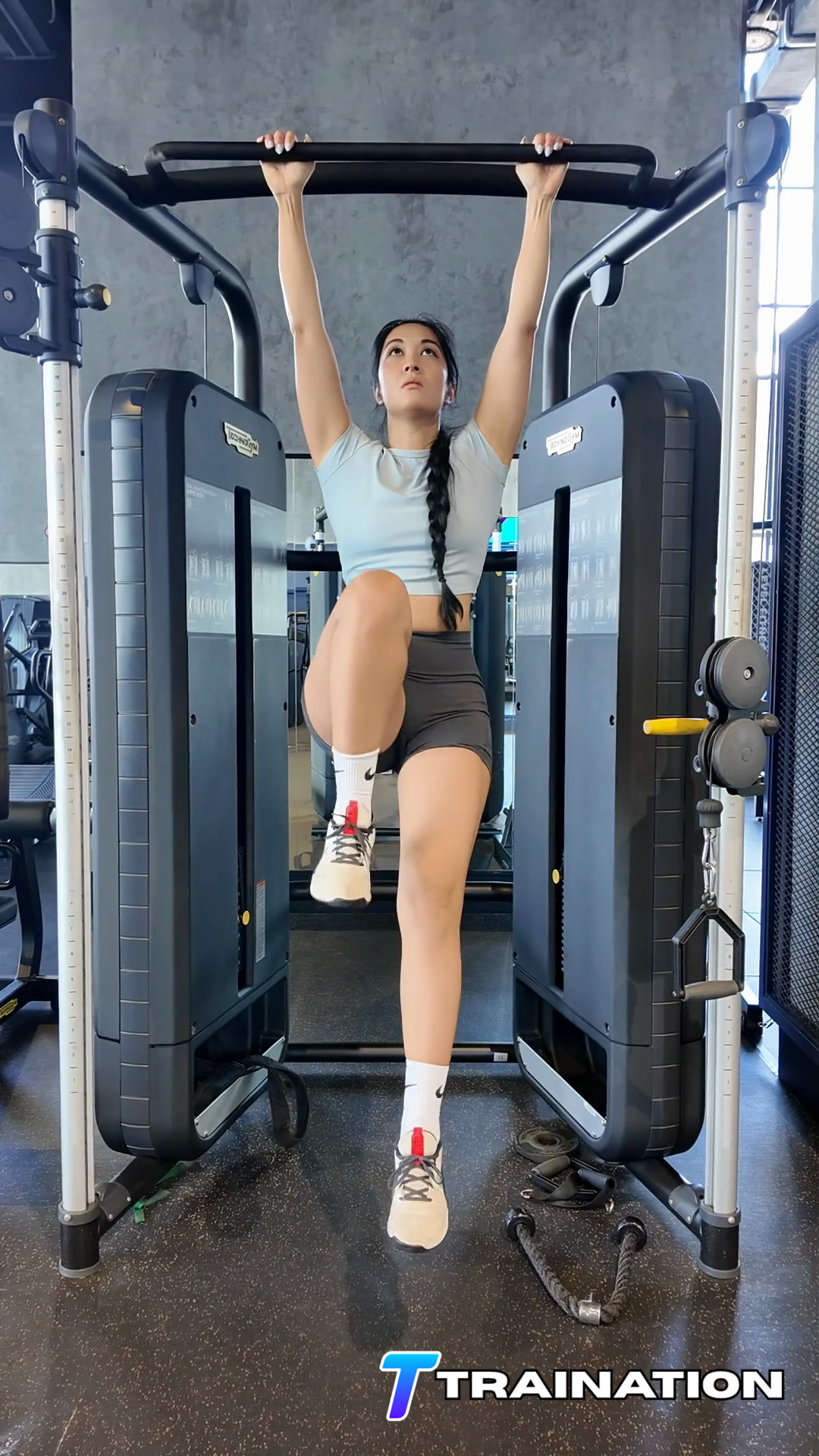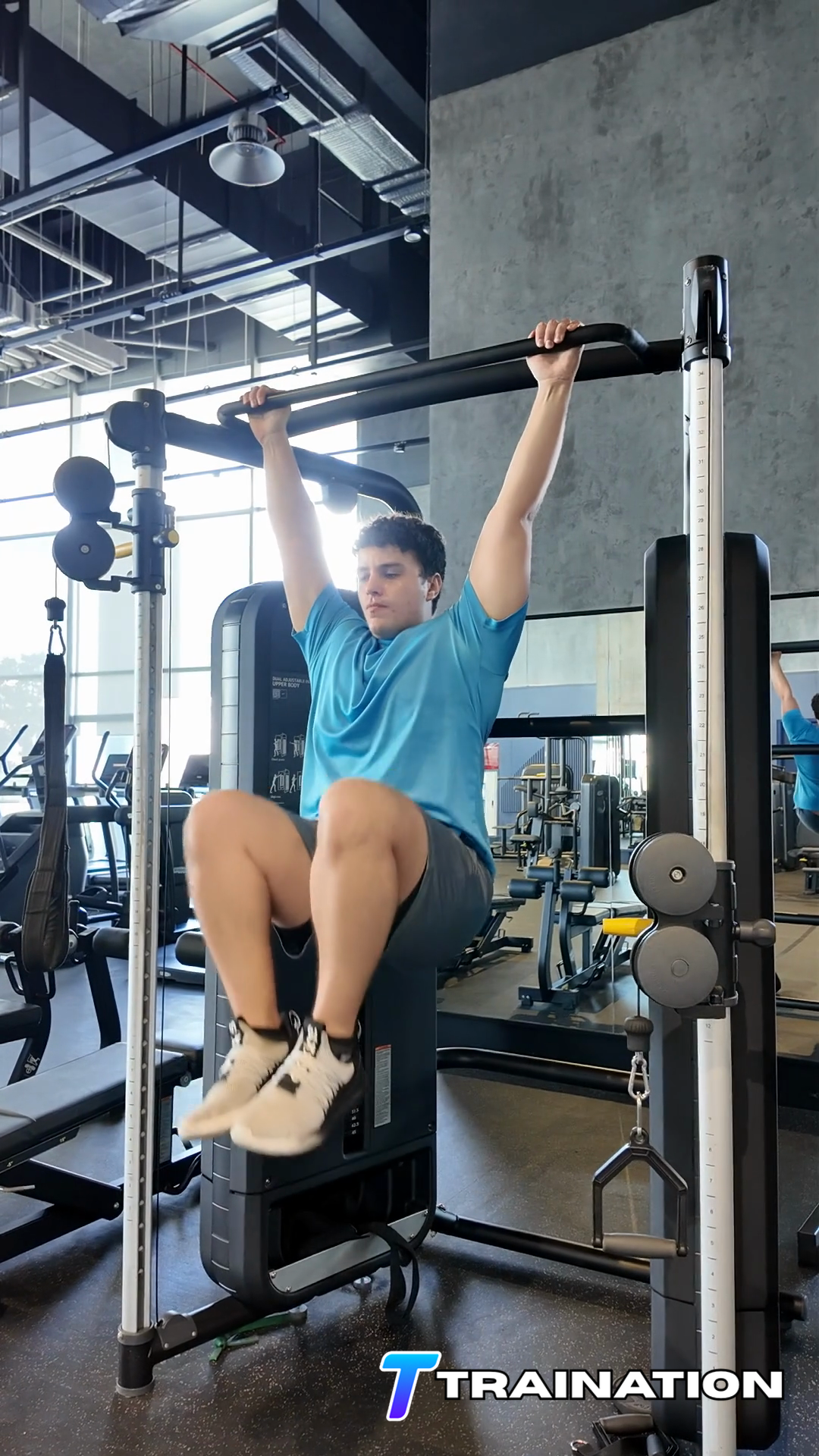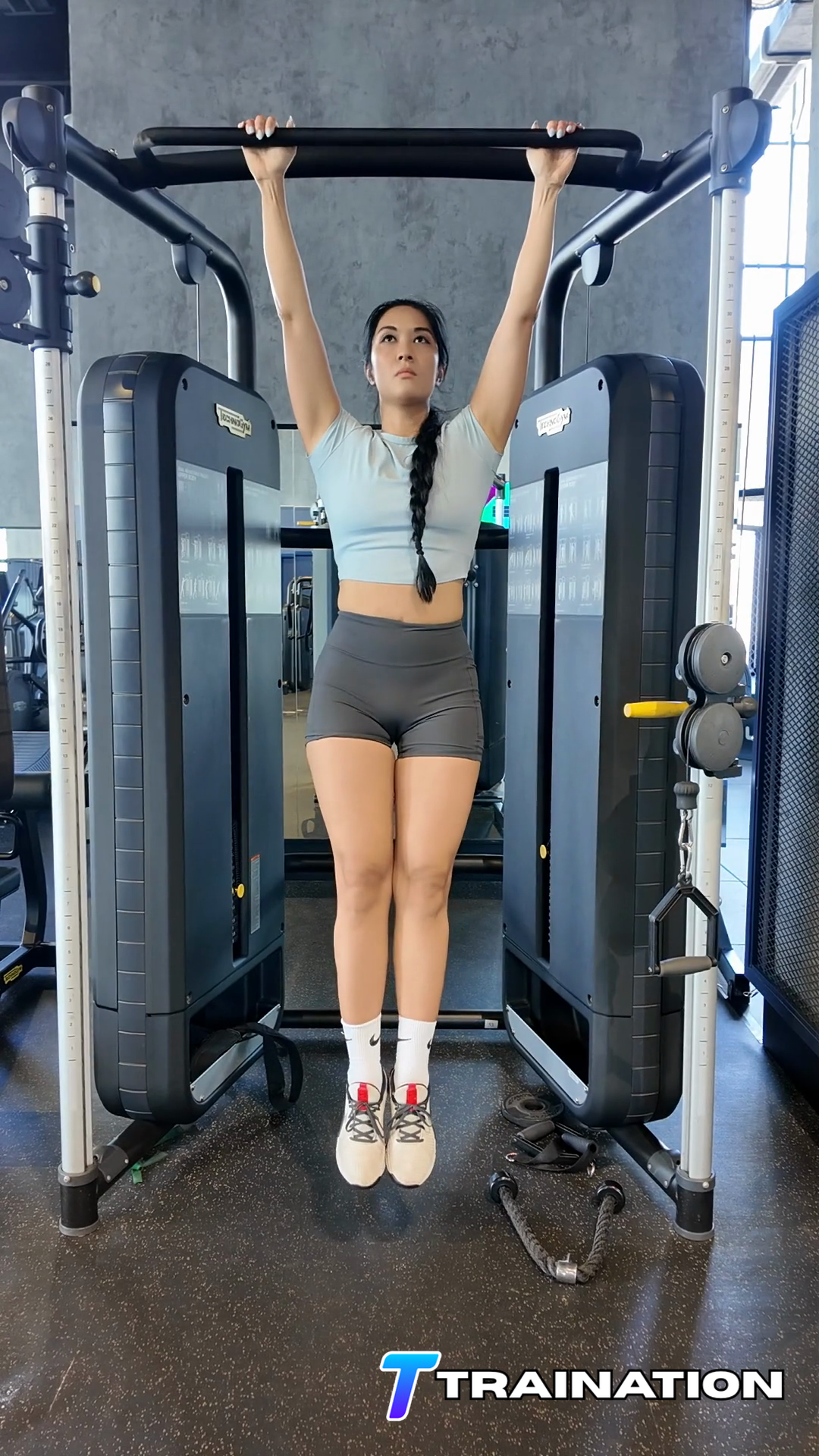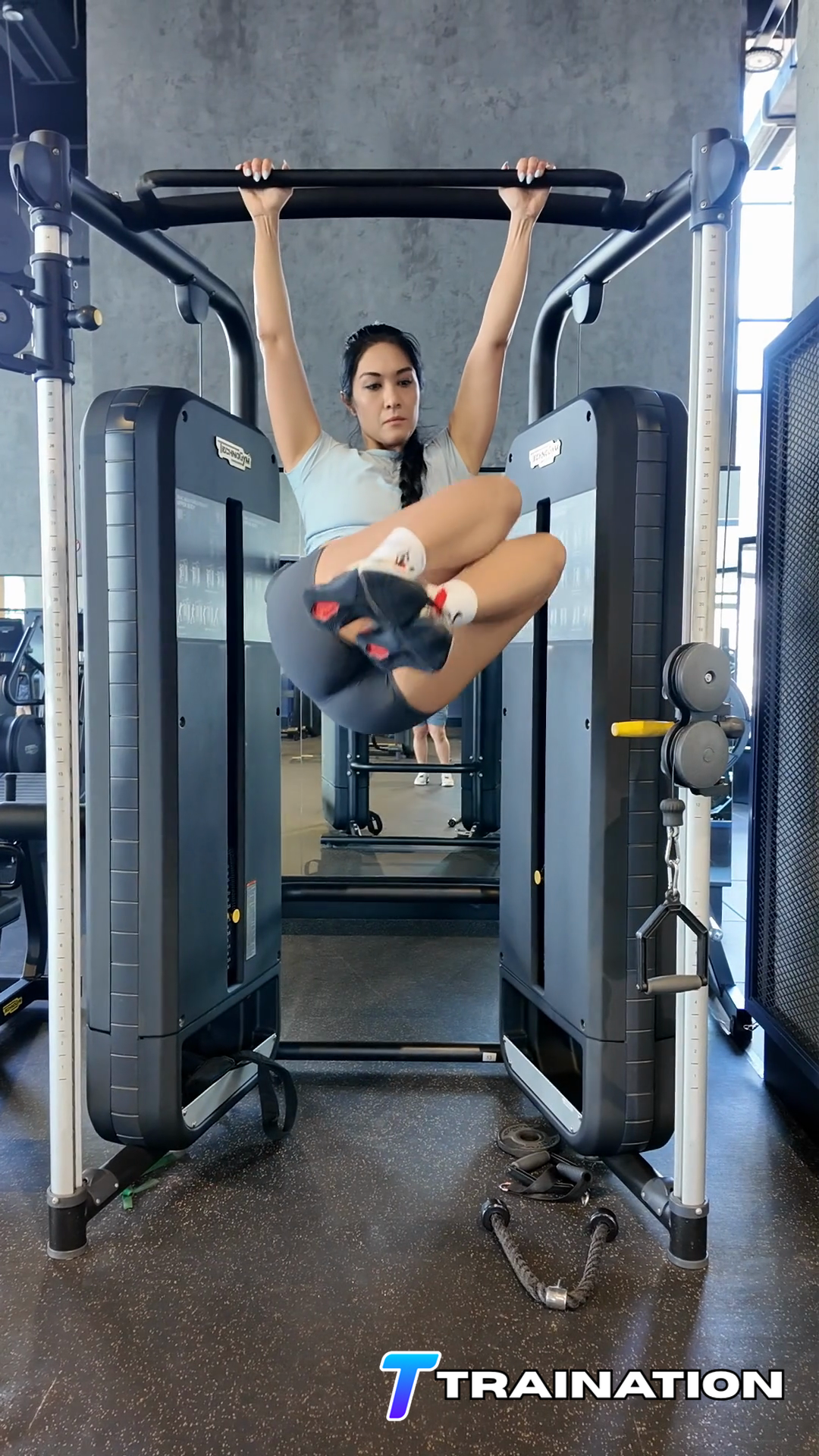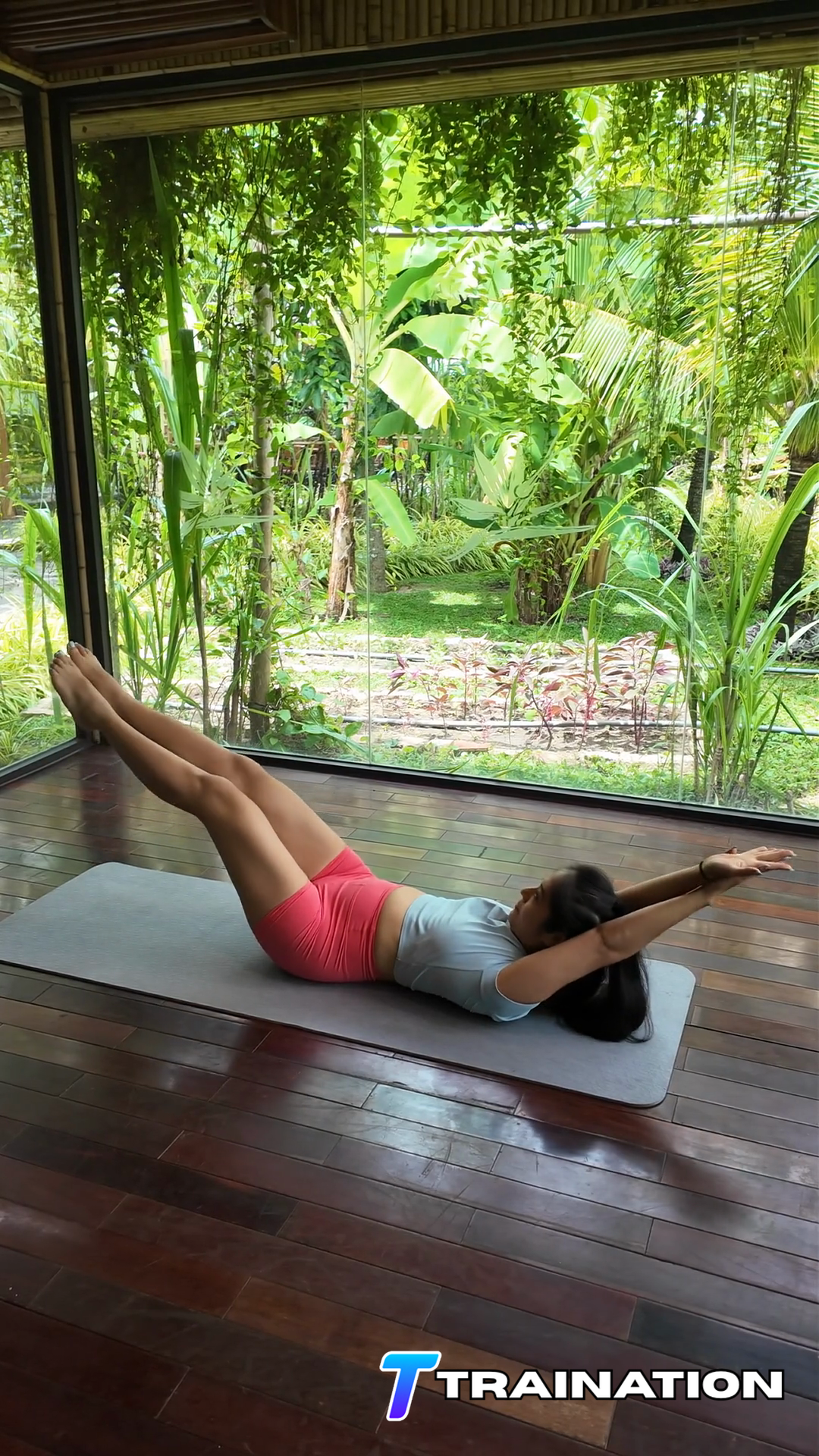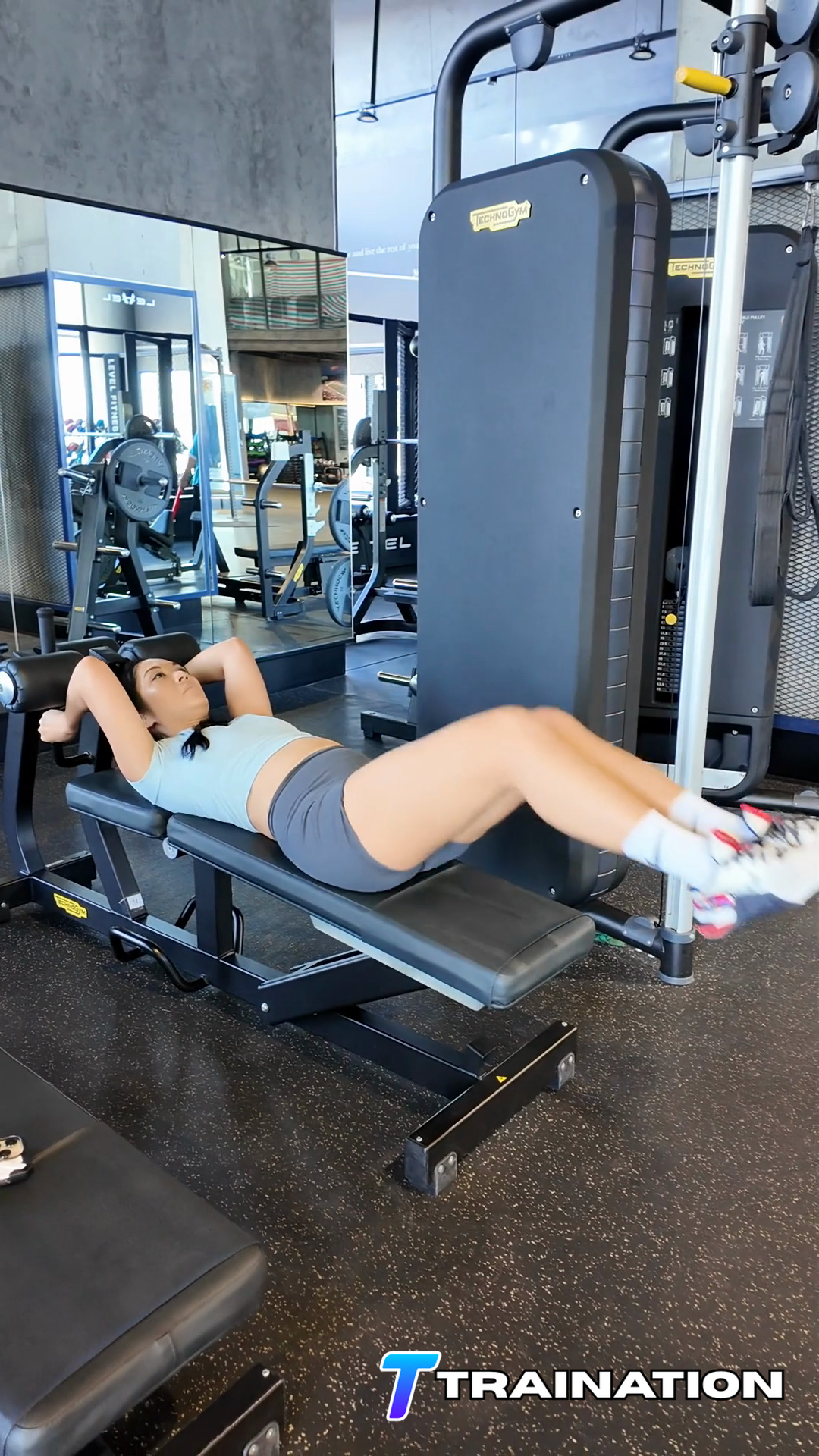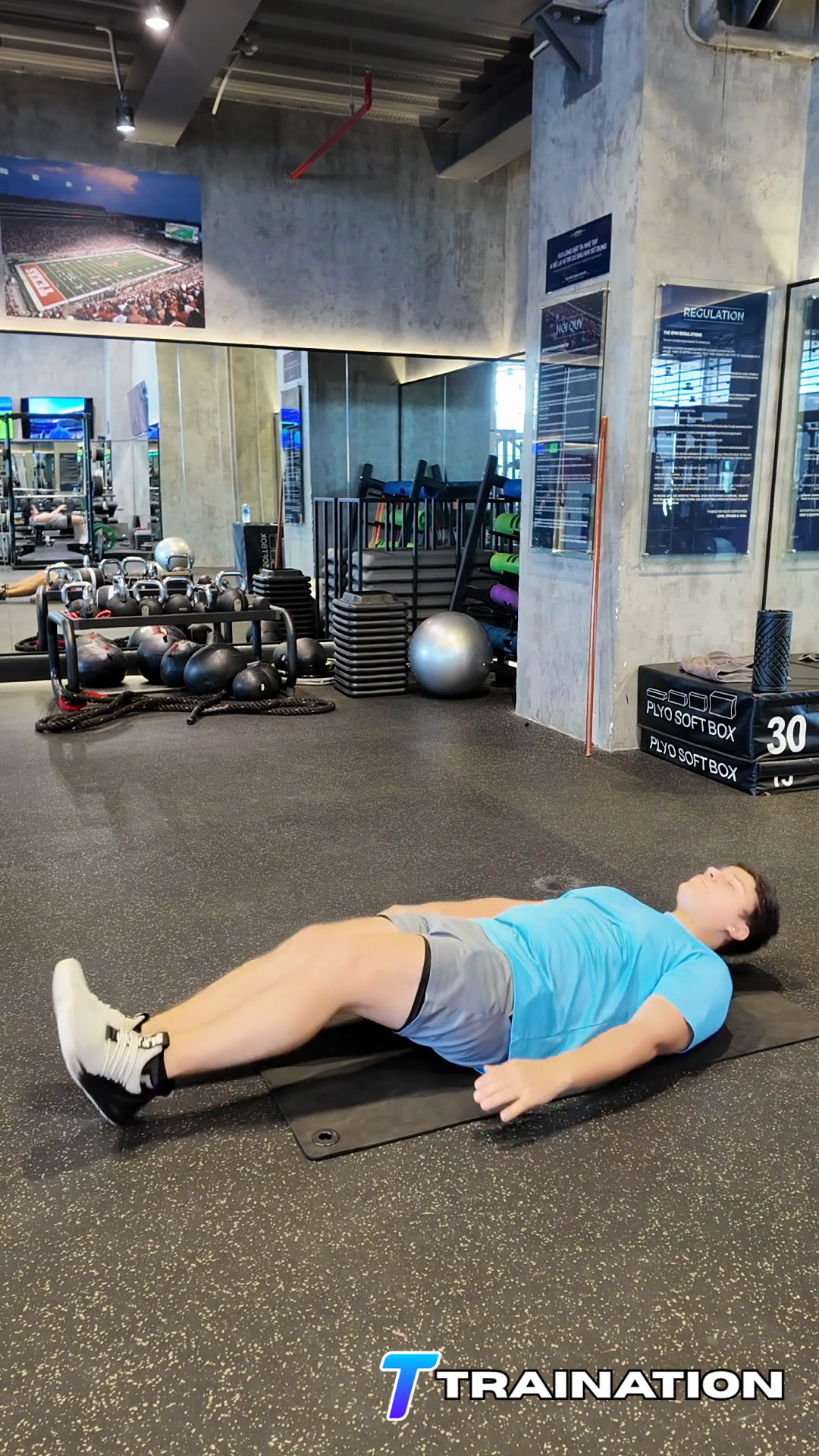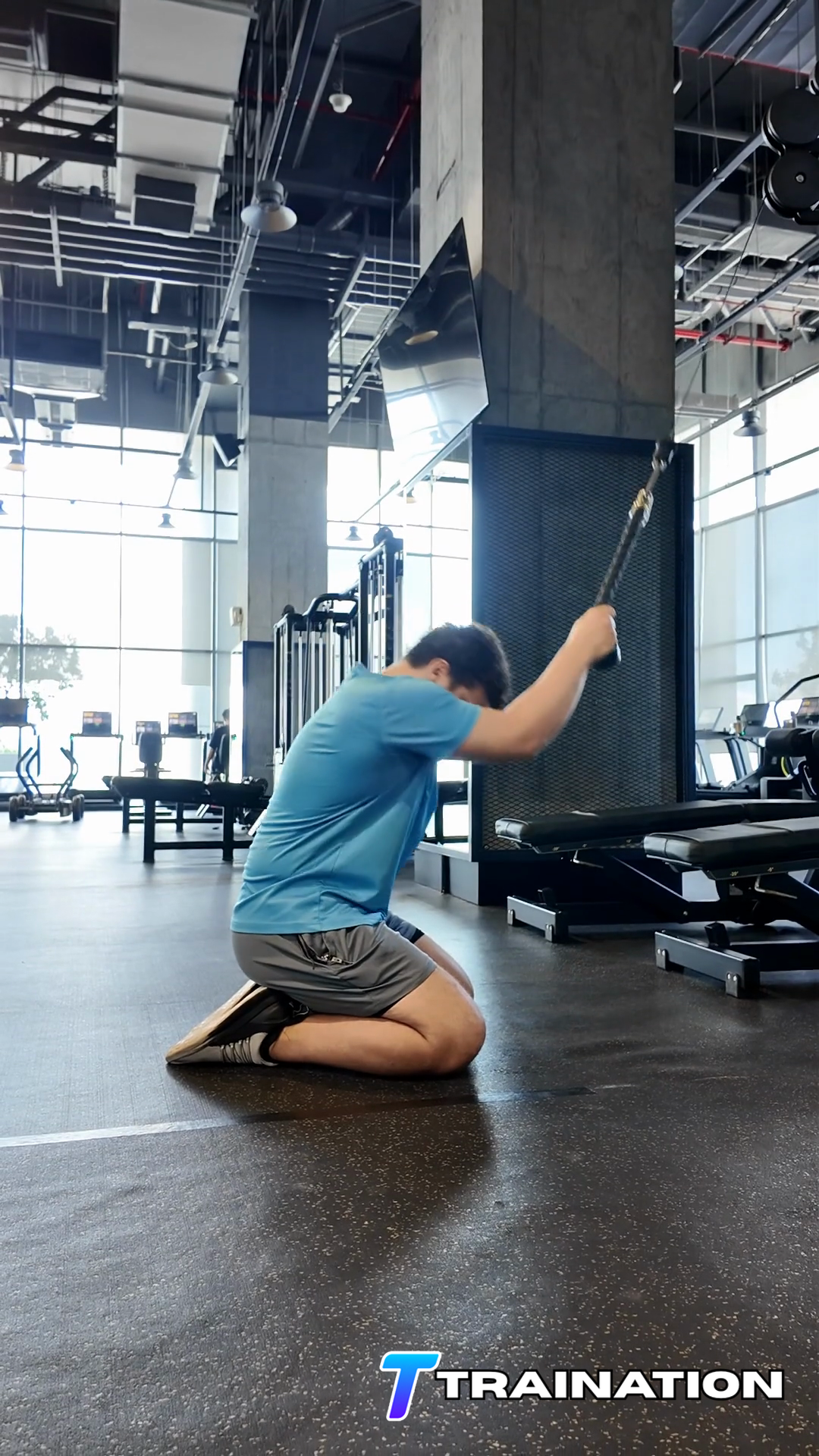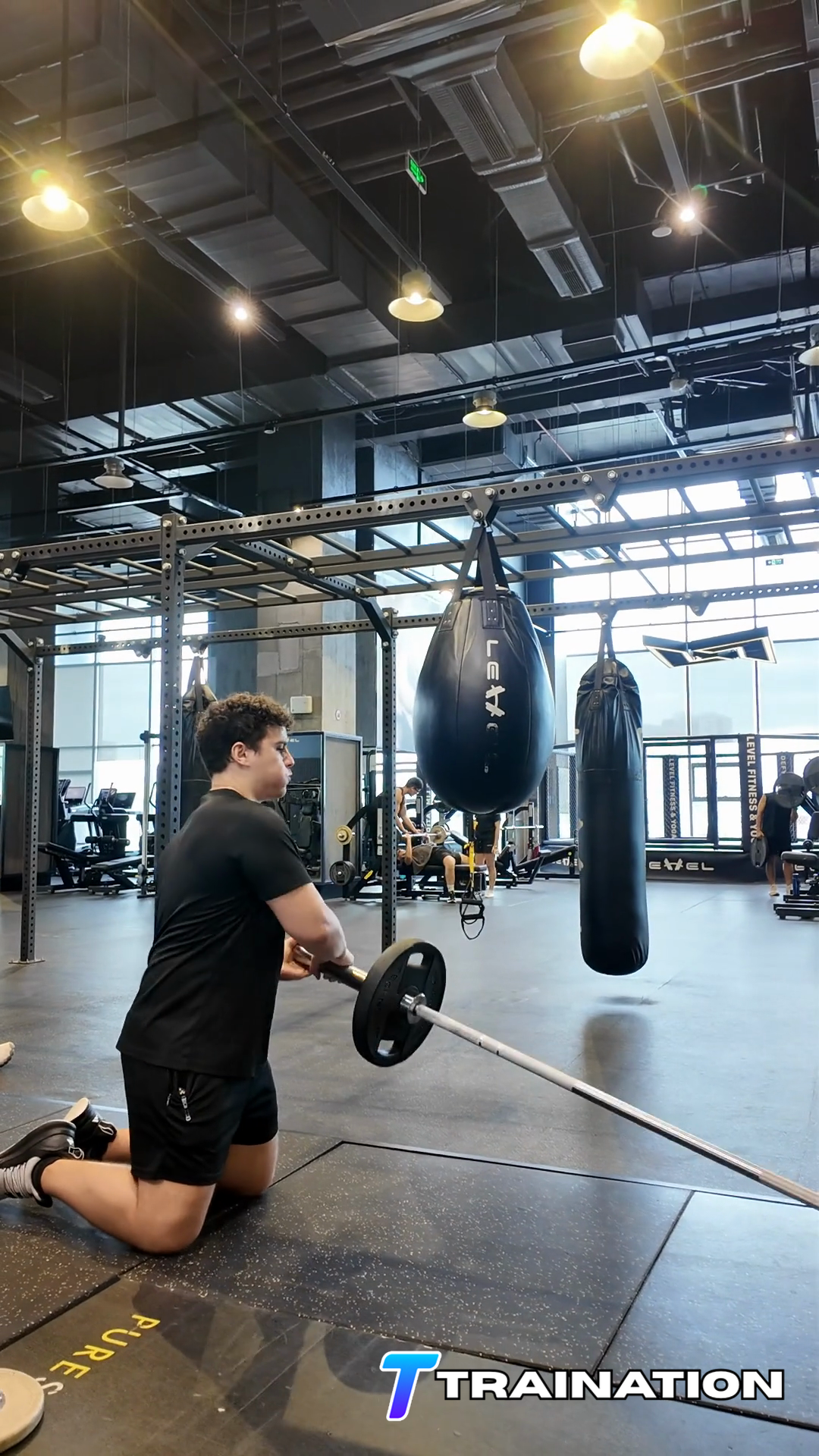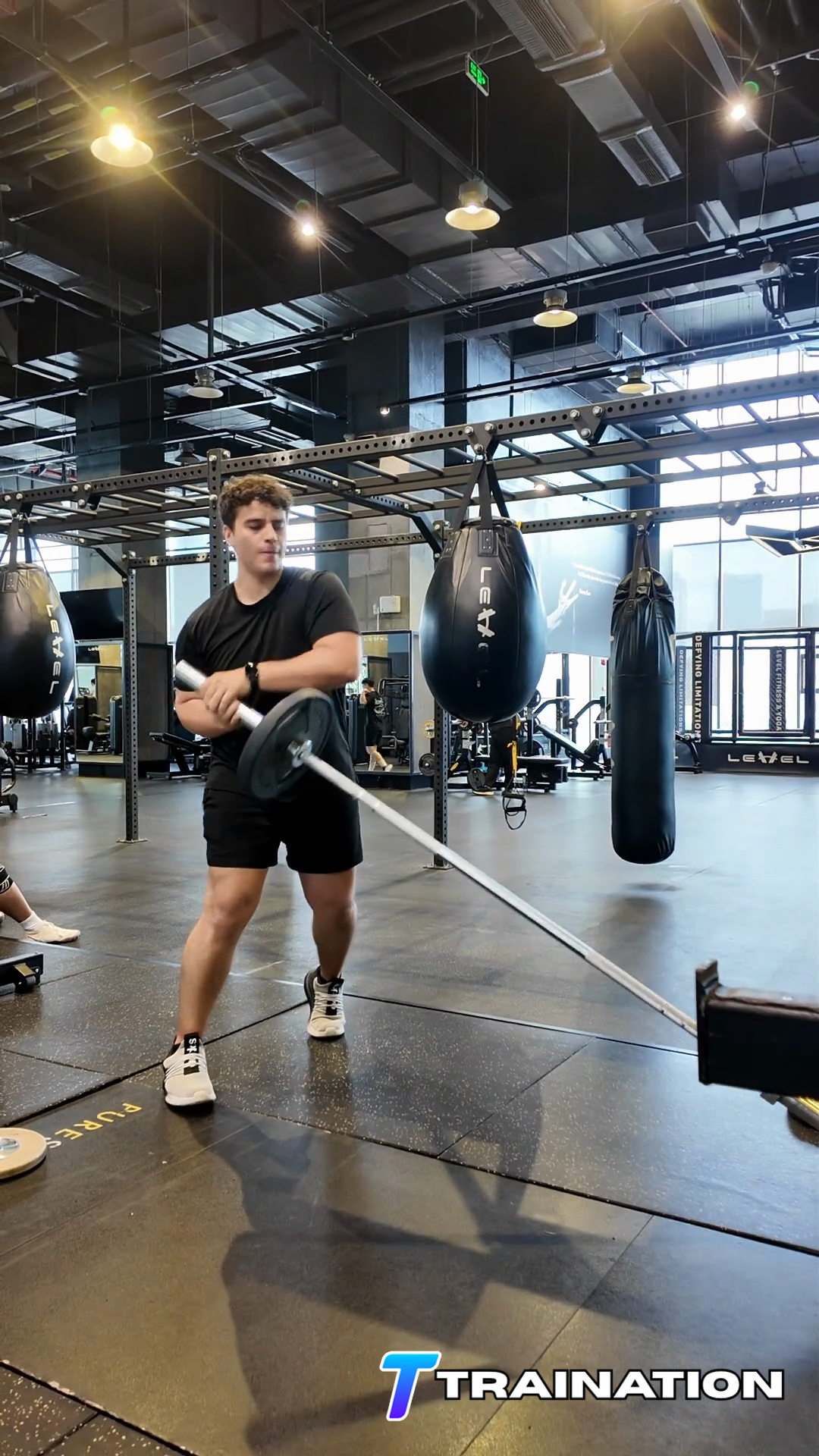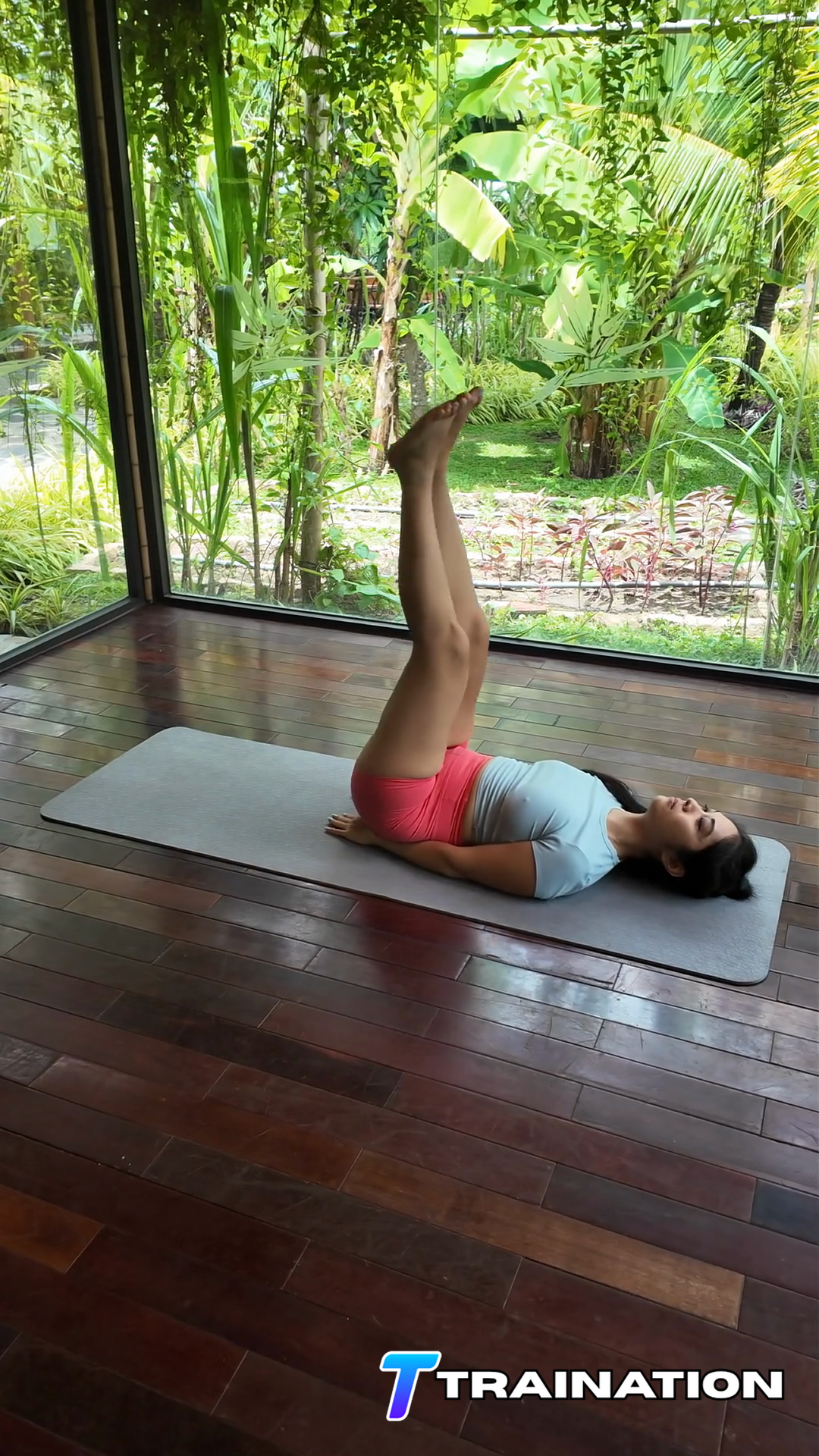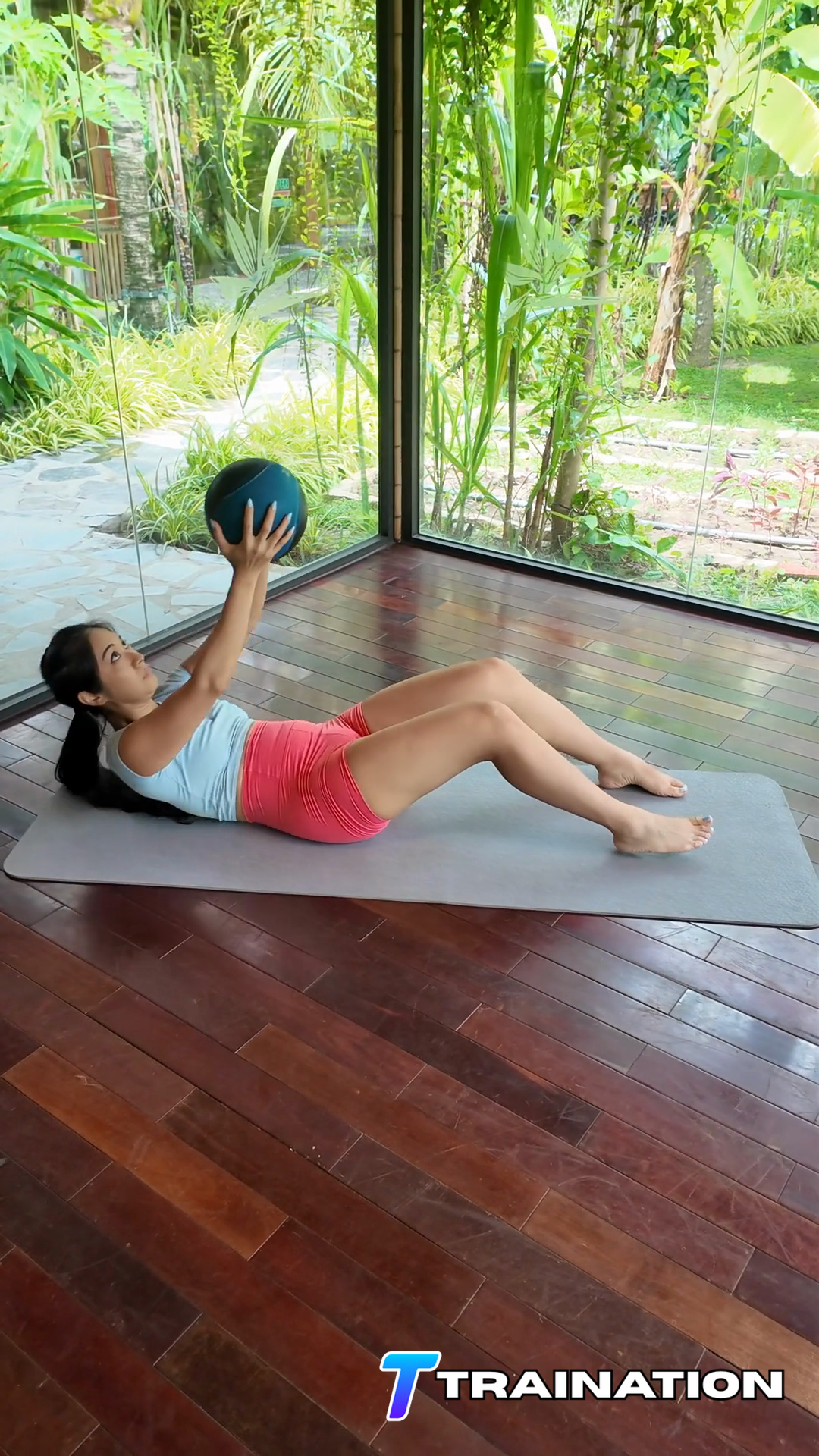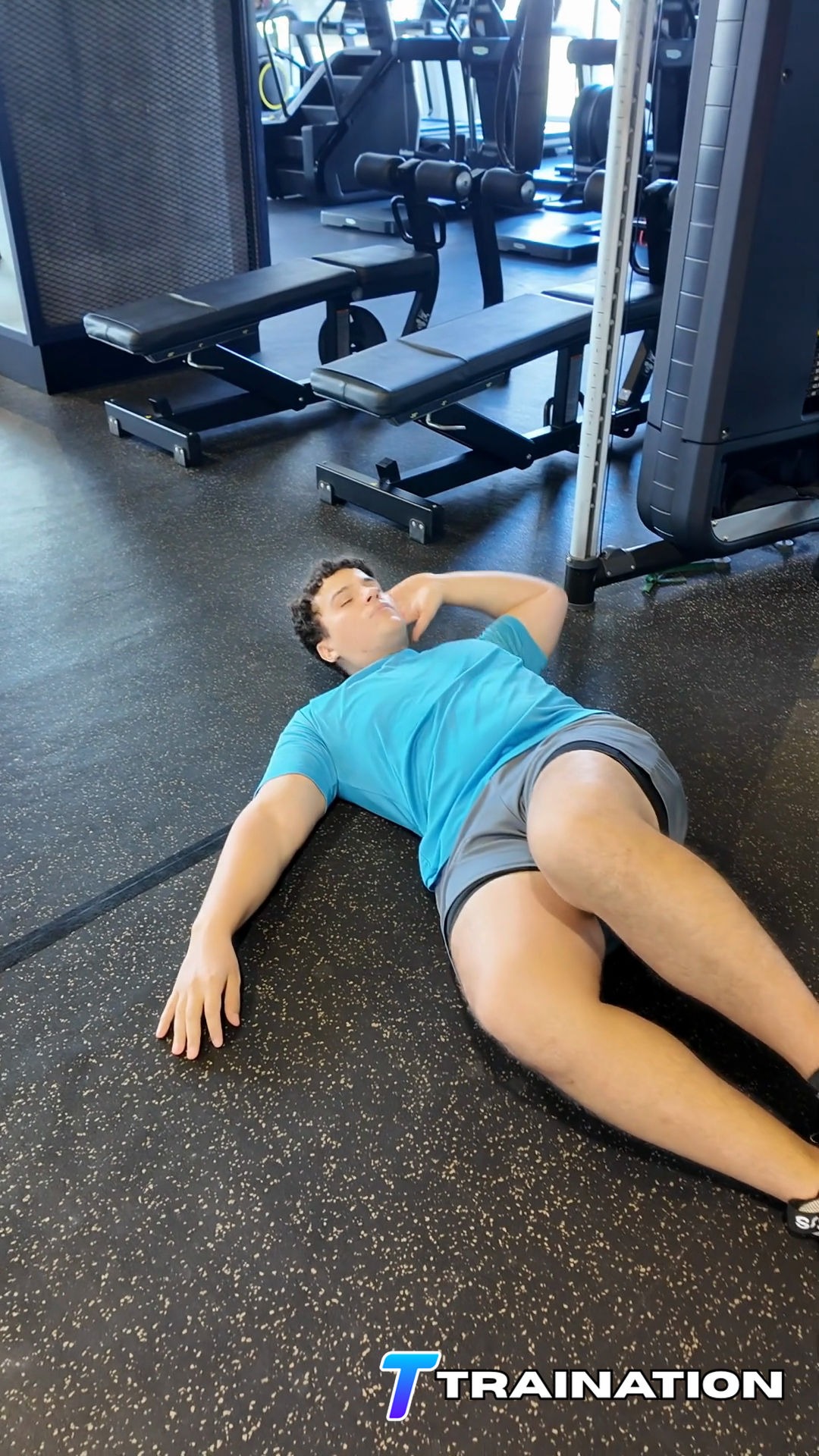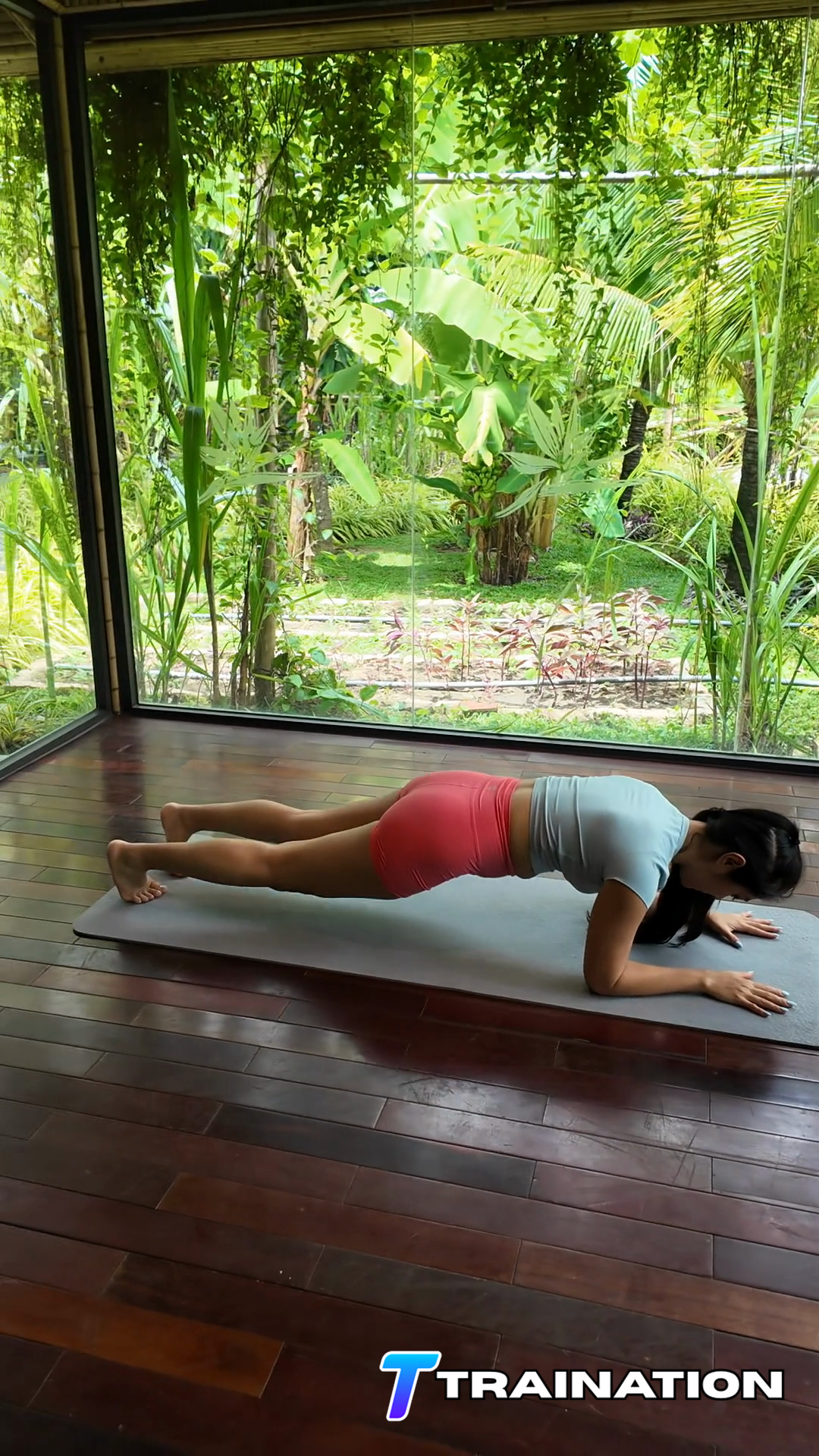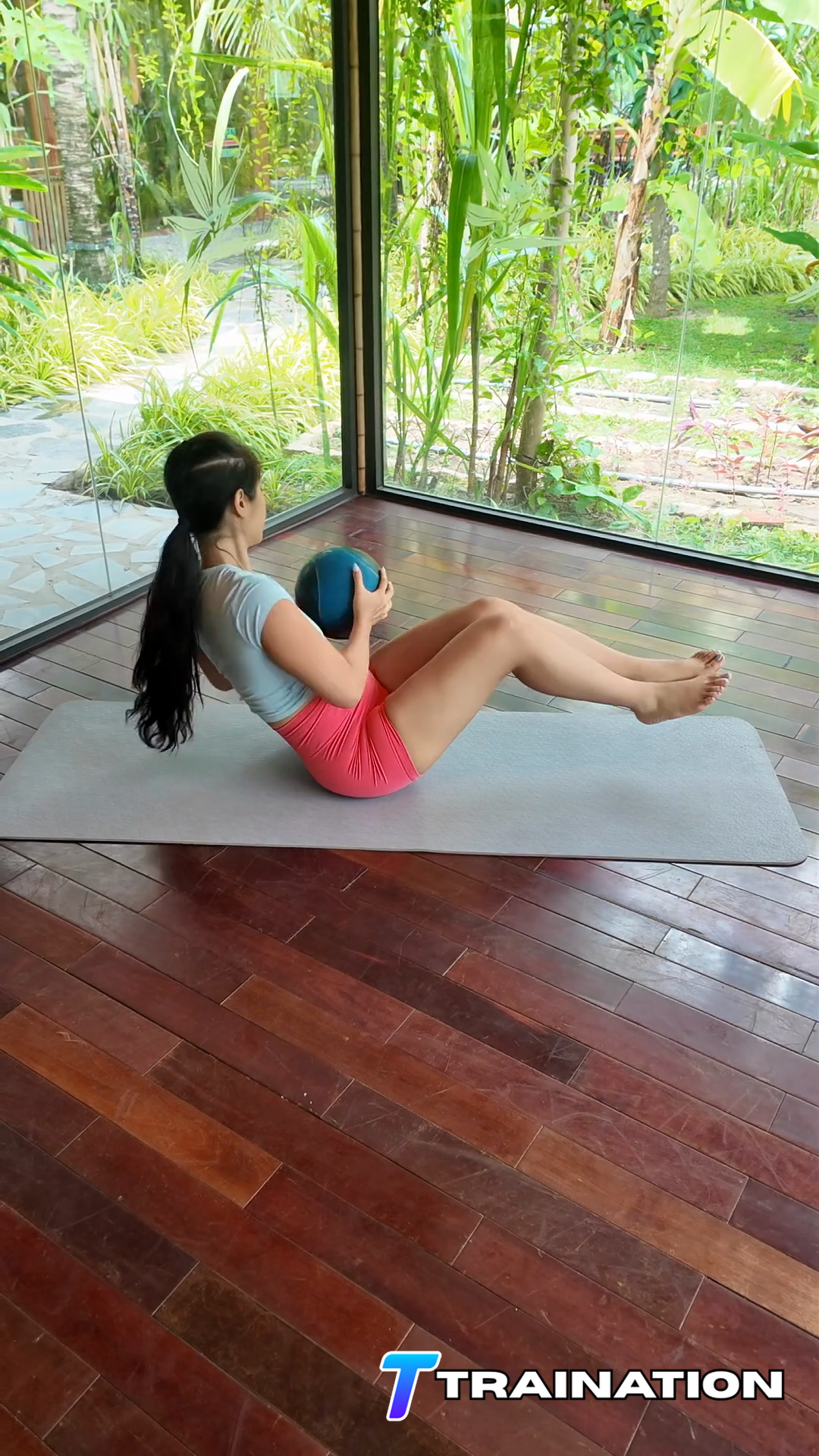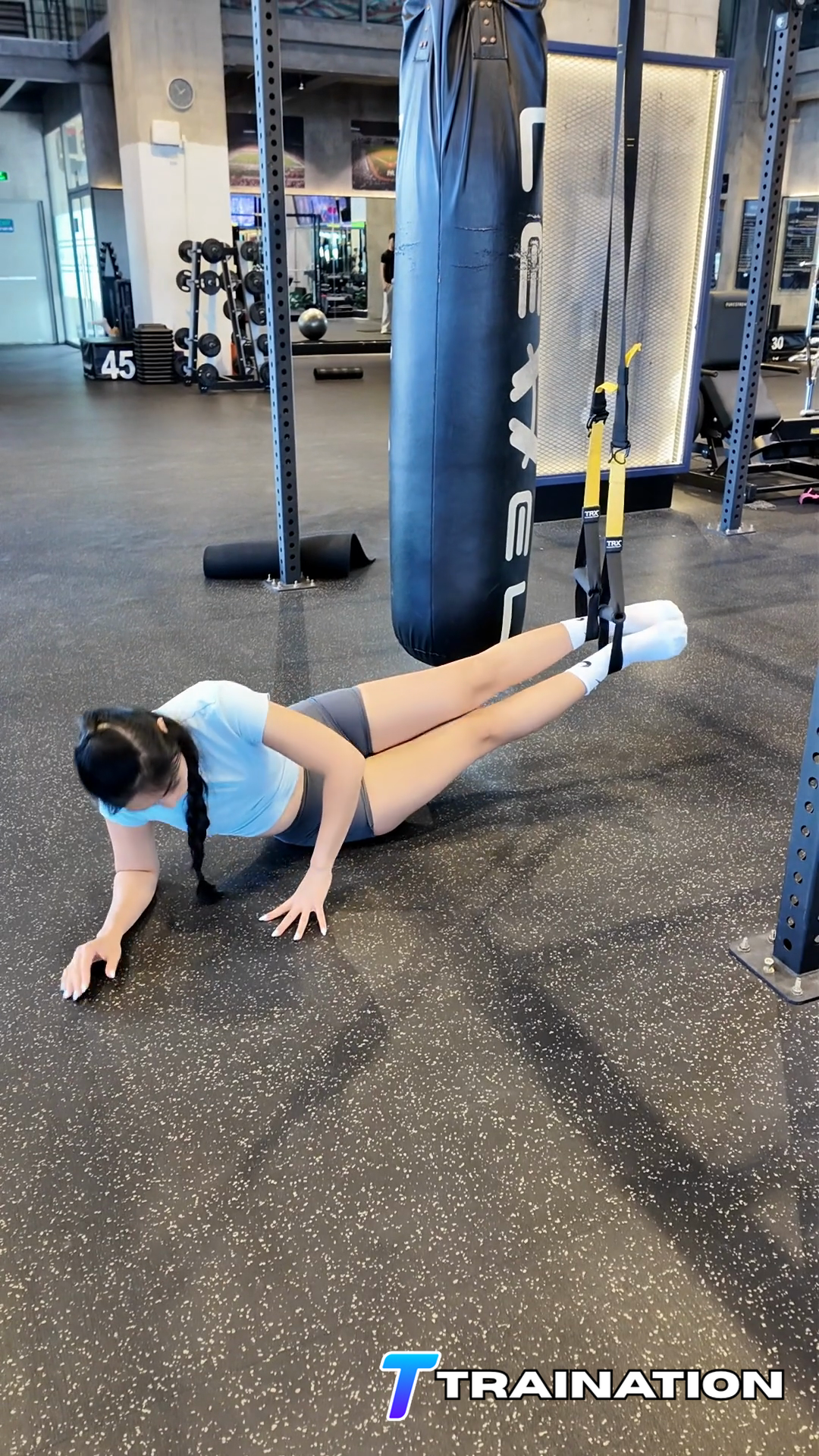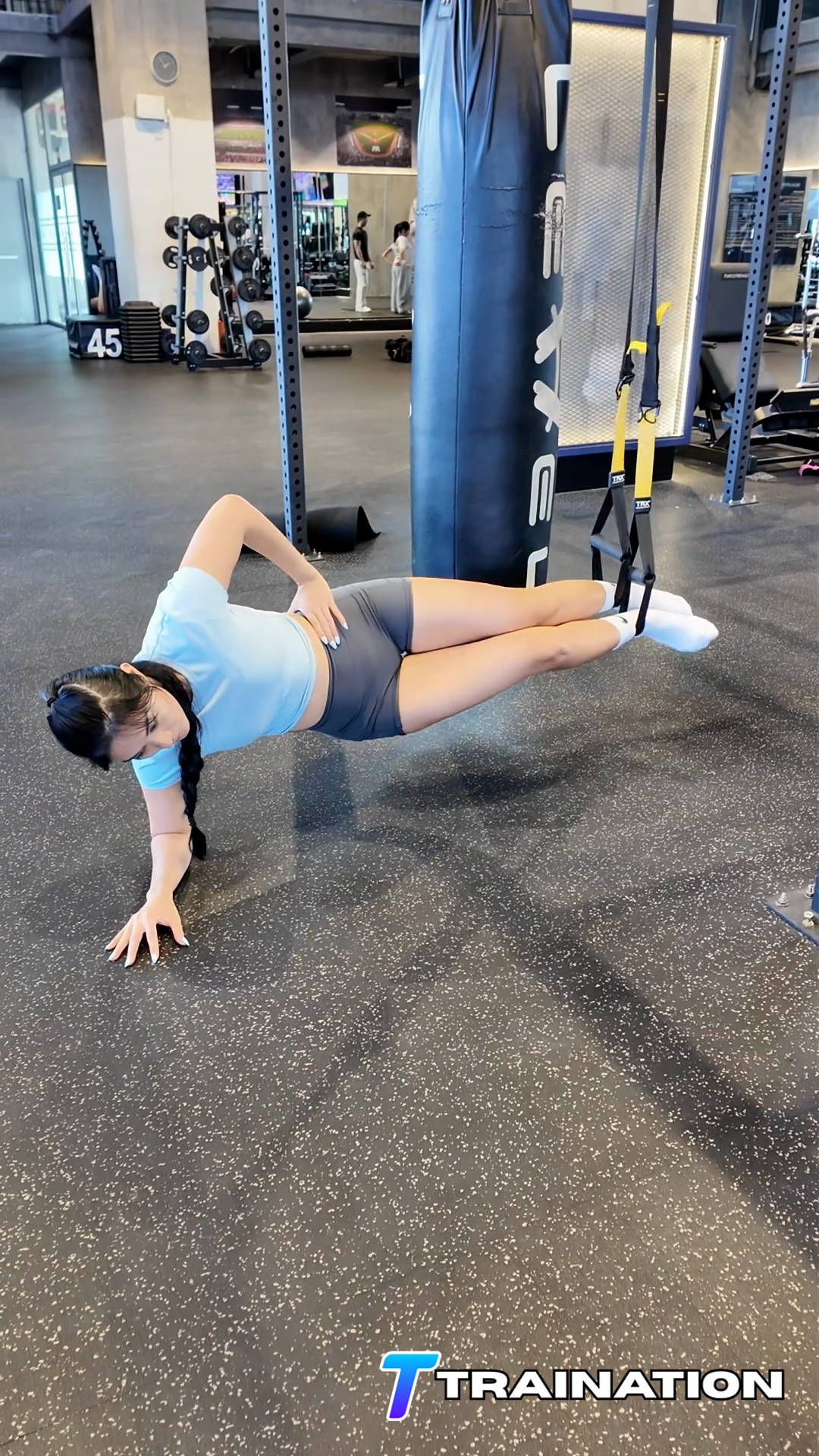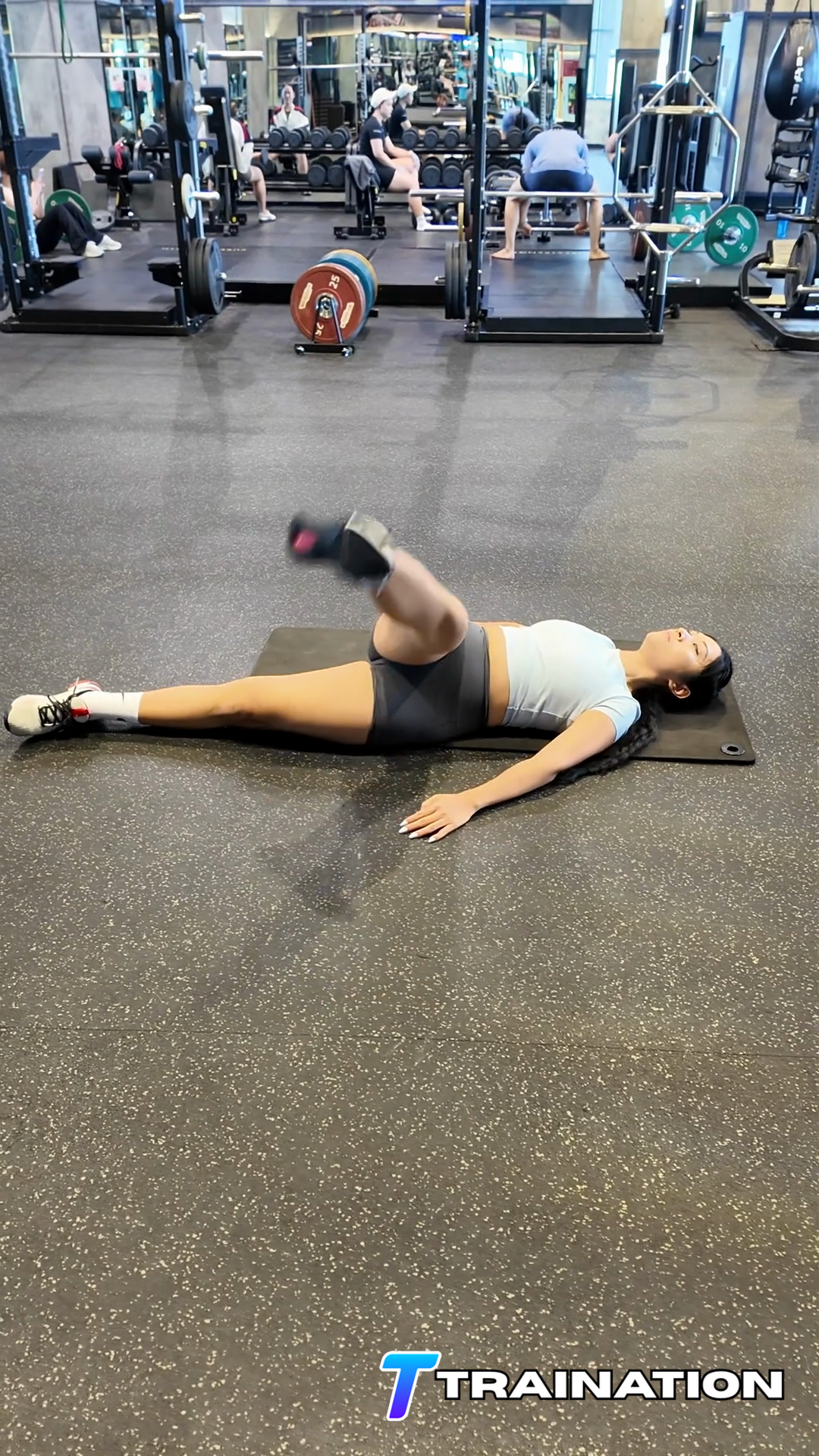
Holding after position is lost
End the set when the hips sag, rise, or turn, or when the lower back arches. Do not keep holding just to reach a set time.
Bird Dog trains the core to keep the body steady while holding a set position.
Primary musclesErector spinae, Multifidus, Gluteus maximus
Secondary musclesAbdominals, Posterior deltoids
Follow the sequence in order, paying attention to the starting position, movement path, and finish described in each step.
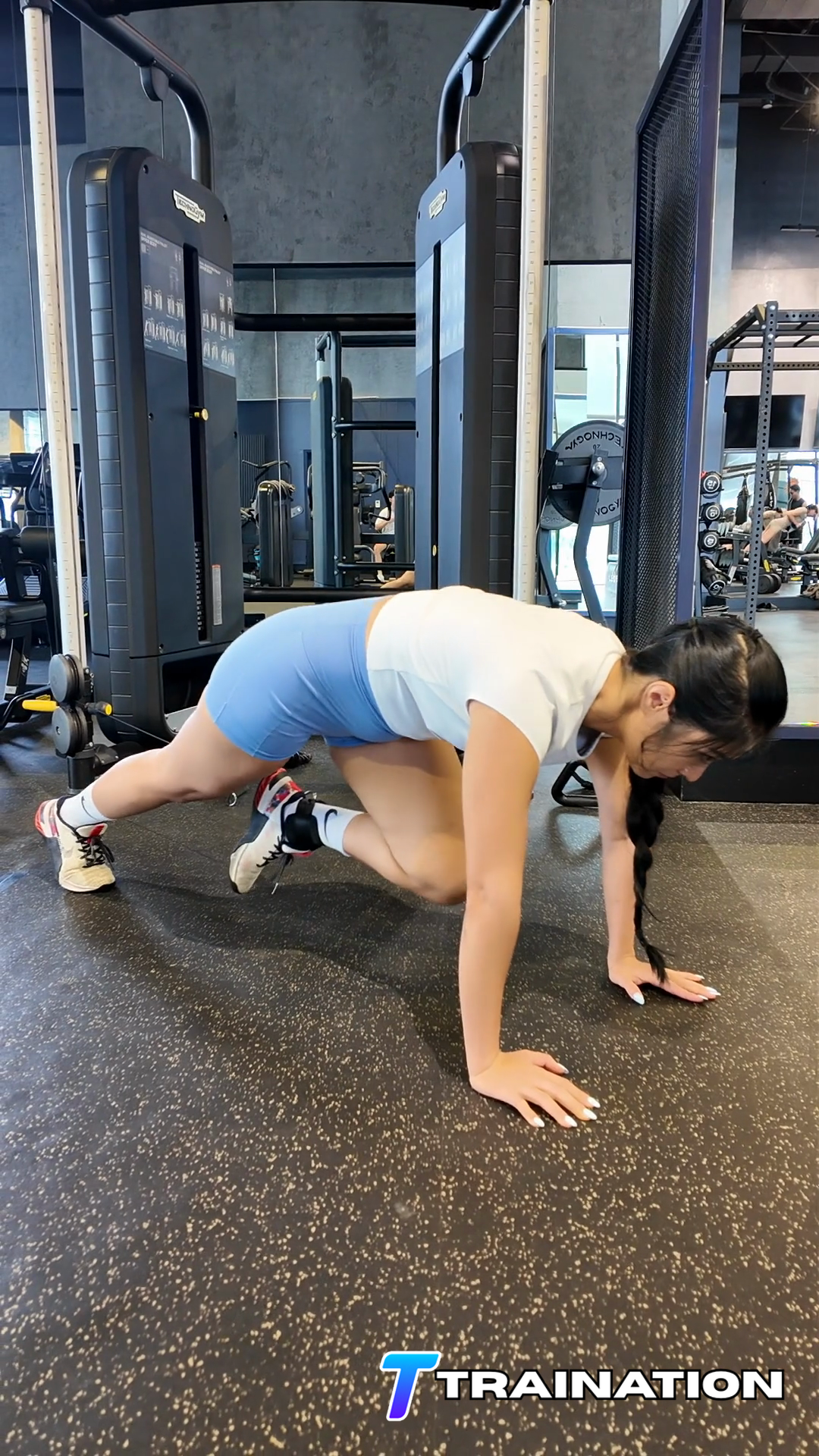
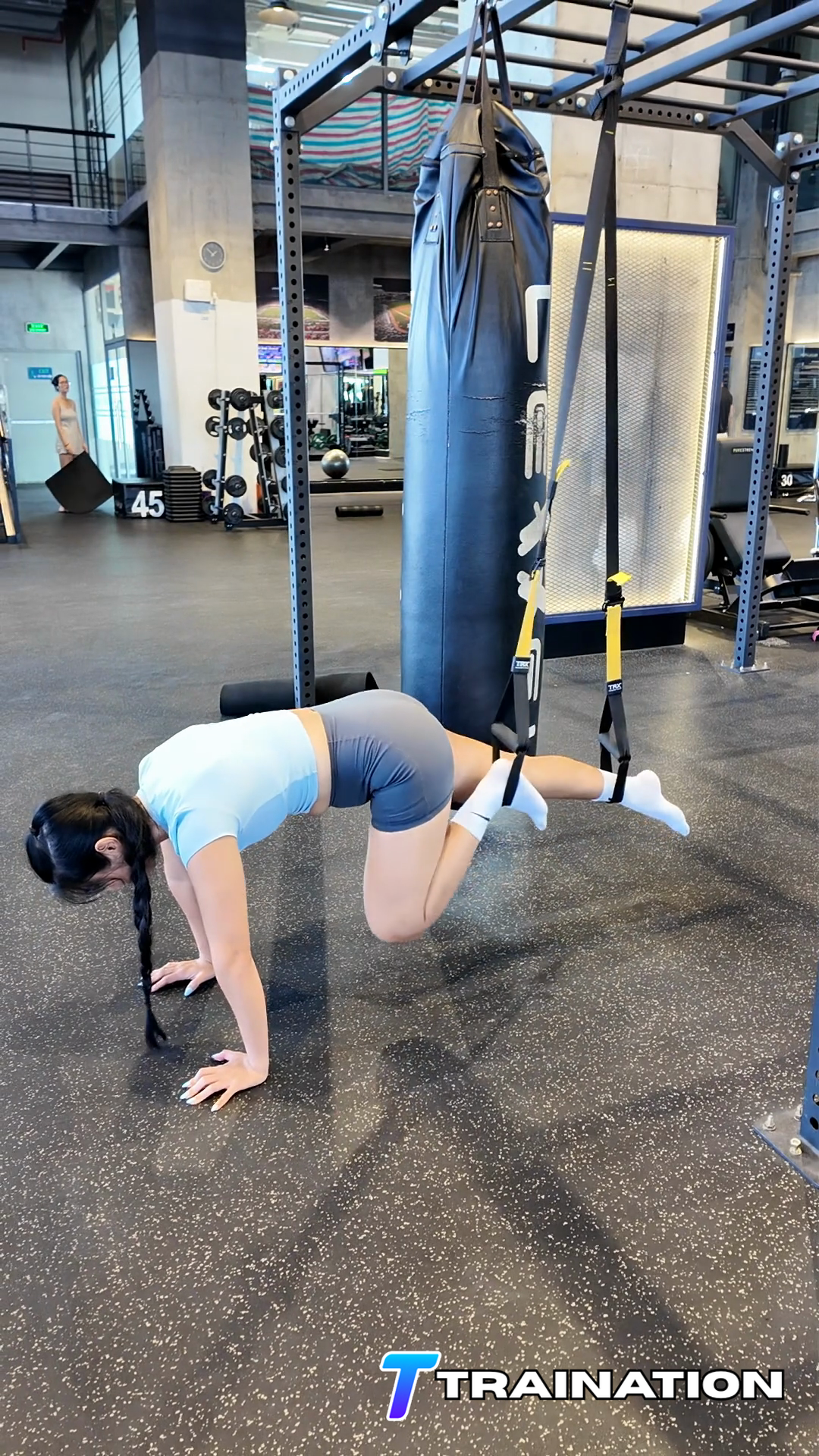
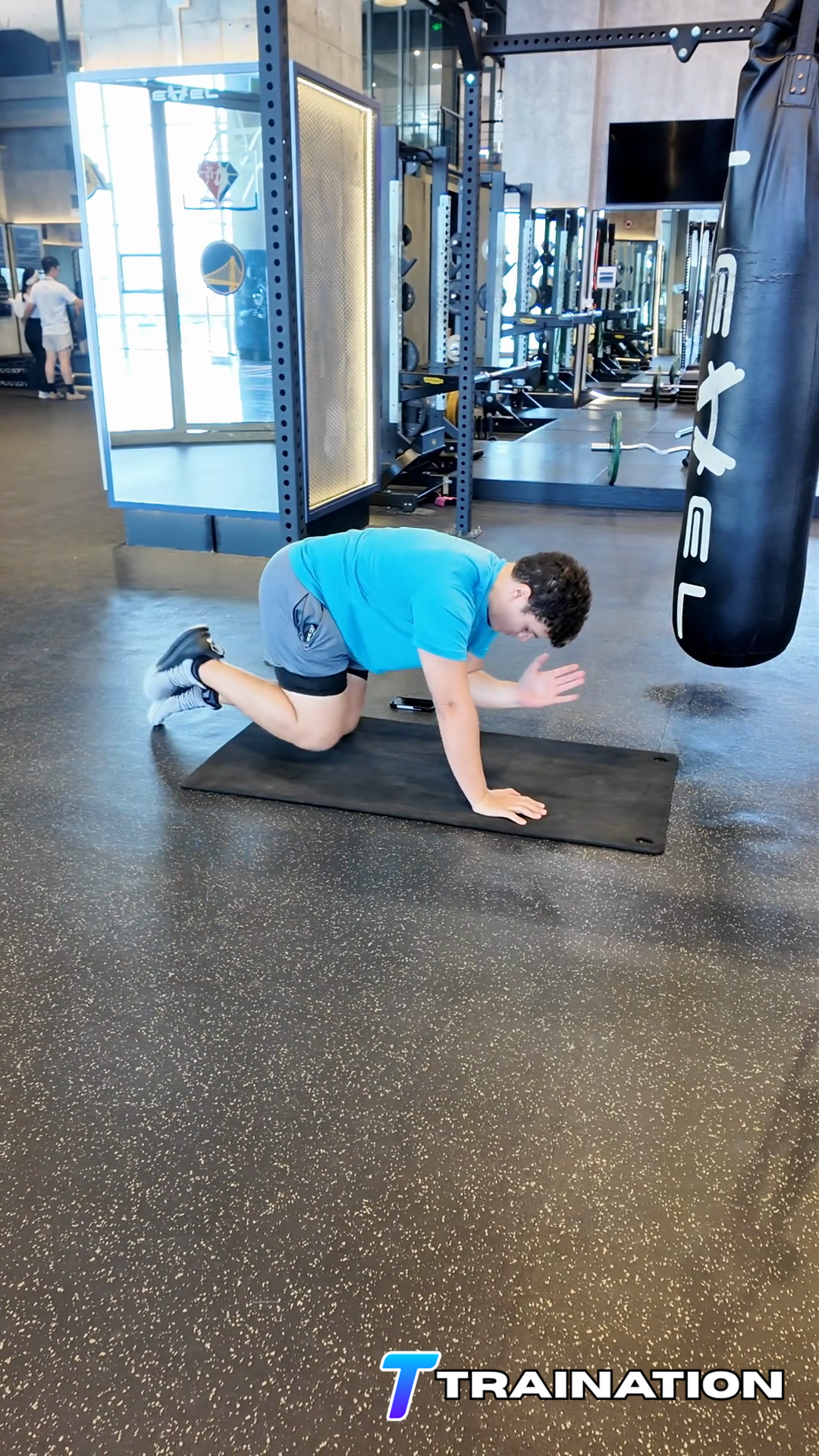
Begin on hands and knees with the hands below the shoulders, knees below the hips, and spine in a neutral position.
Brace the abdominals without holding your breath and keep equal pressure through both hands and the supporting knee.
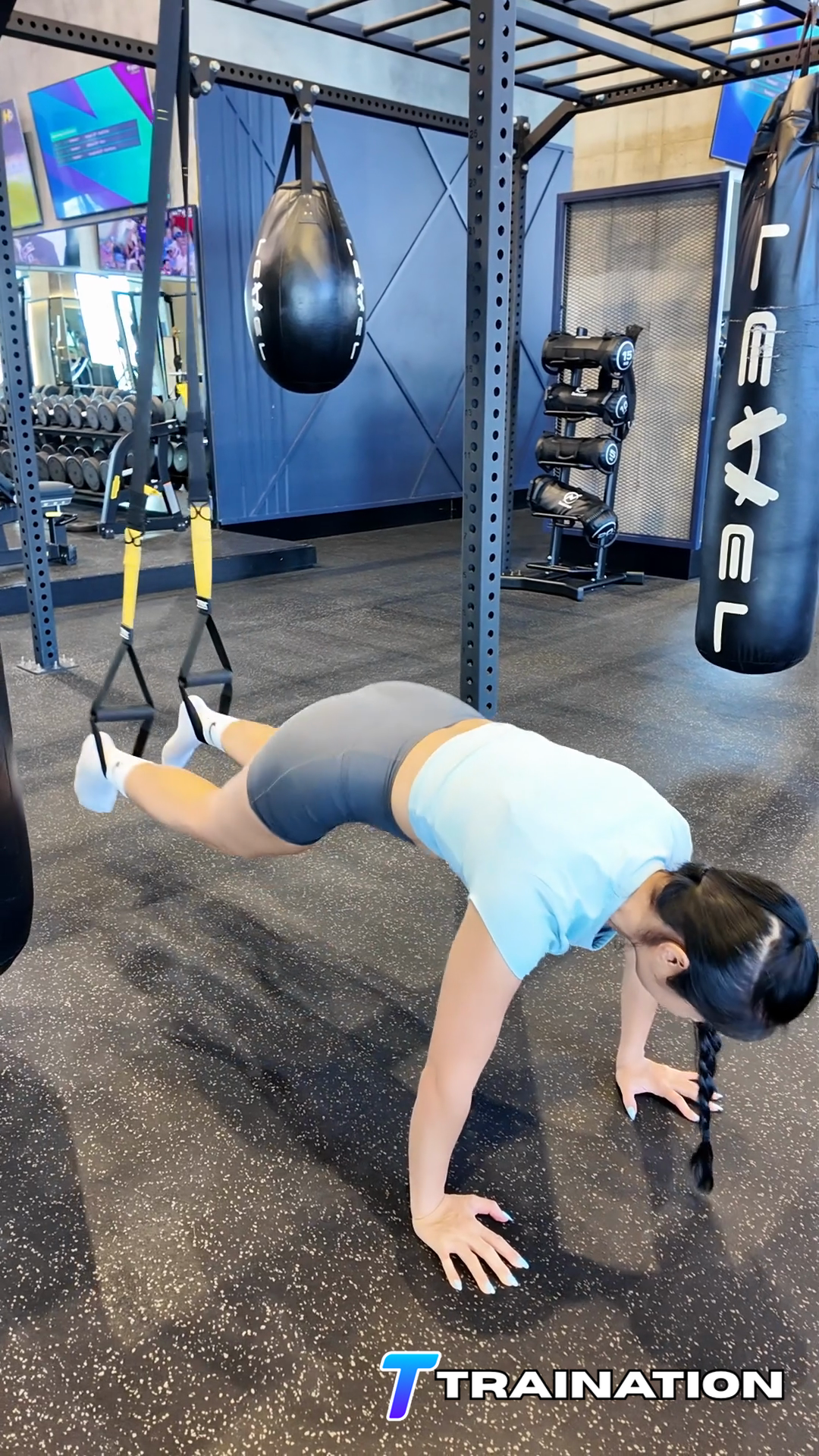
Reach one arm forward and the opposite leg backward until both are roughly in line with the torso.
Keep the hips and shoulders square to the floor and stop the reach before the lower back arches or the pelvis rotates.
Return the hand and knee slowly, reset the trunk, and repeat on the opposite side.
End the set when the hips sag, rise, or turn, or when the lower back arches. Do not keep holding just to reach a set time.
Maintain abdominal tension while taking small, regular breaths.
Press through the support points and keep the neck long.
Shorten the body position or use knee support if the shoulders, pelvis, and spine cannot remain aligned.
Place Bird Dog after the main compound lifts, in a focused core block, or beside an exercise that does not require a fresh trunk.
Use two to four times per week while accounting for trunk work already supplied by squats, hinges, carries, and overhead lifting.
| Goal | Sets | Reps or time | Rest | Effort and execution |
|---|---|---|---|---|
| Control / technique | 2–3 | 10–20 sec | 45–75 sec | Stop well before position changes |
| Strength / endurance | 2–4 | 20–45 sec | 60–90 sec | Stop while 1–3 good-form reps are still possible |
Scale the movement
Use the knees, a higher surface, or bent arms or legs to make the hold easier while keeping the same body position.
Use floor support to learn rib and pelvis control with one limb moving at a time.
Hold a small dumbbell to add resistance.
Add a small external or stability demand after the base hold is repeatable.
Turn Bird Dog and the rest of your exercise library into repeatable client programs.
Explore the workout builder